
Free visual inspection and a written scope of work before any mitigation begins - photos, moisture readings, and drying logs go in your claim file
The scope we write is the scope we bill. Anything new gets shown to you, in writing, before we touch it.




 Before
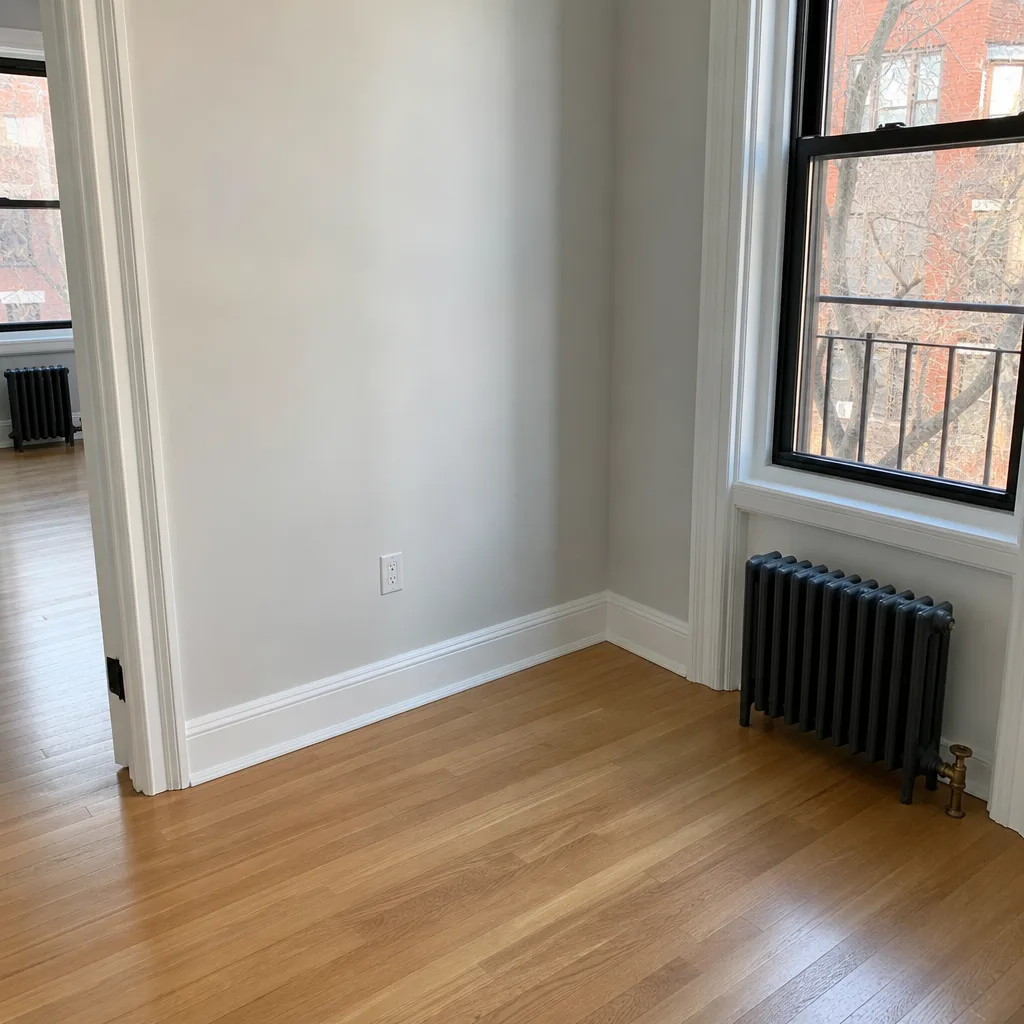 After
After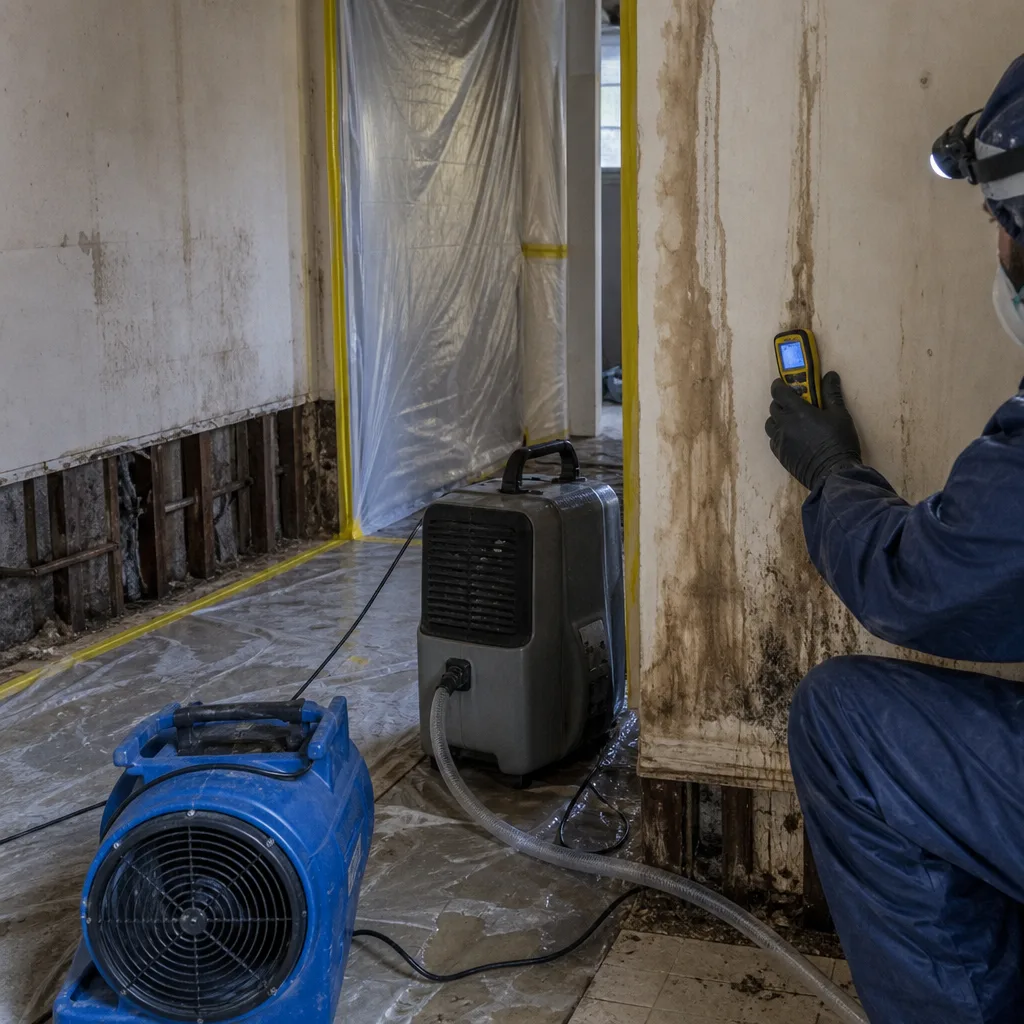 Before
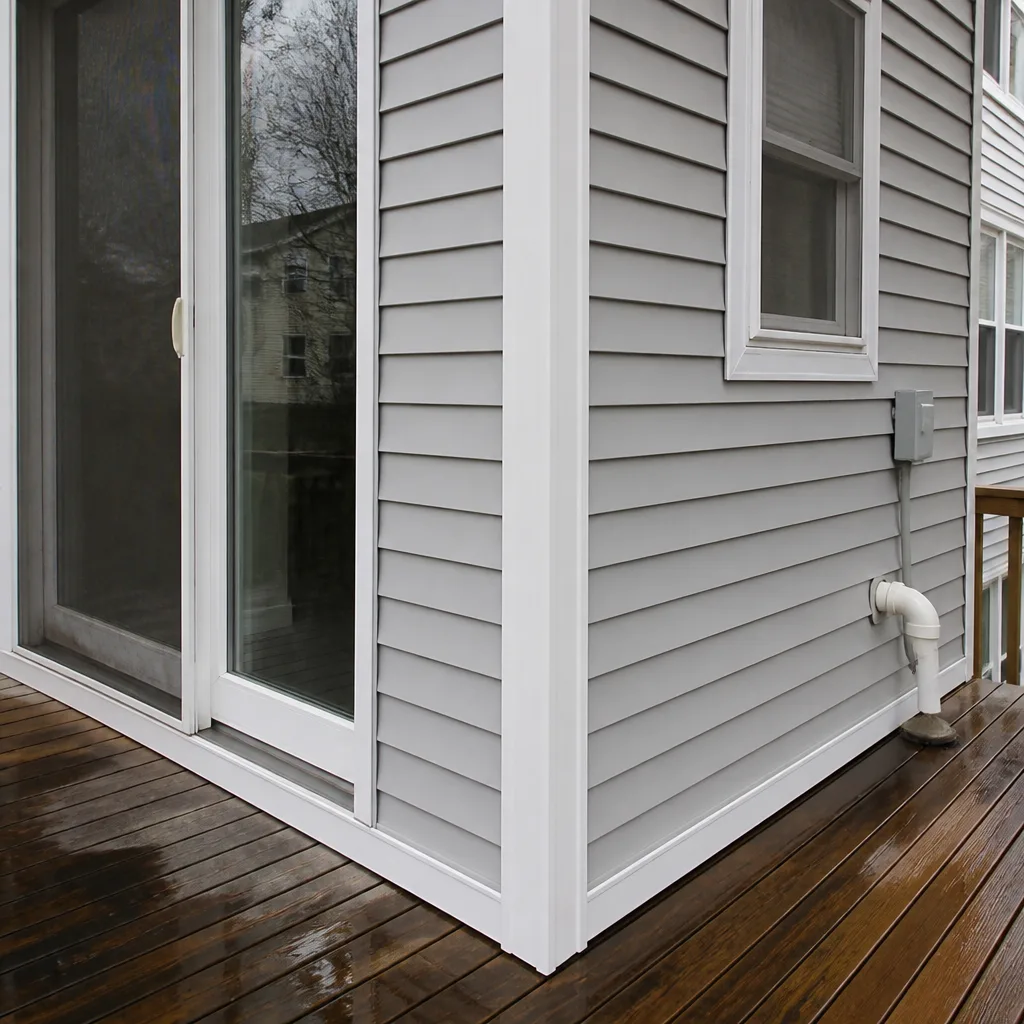 After
After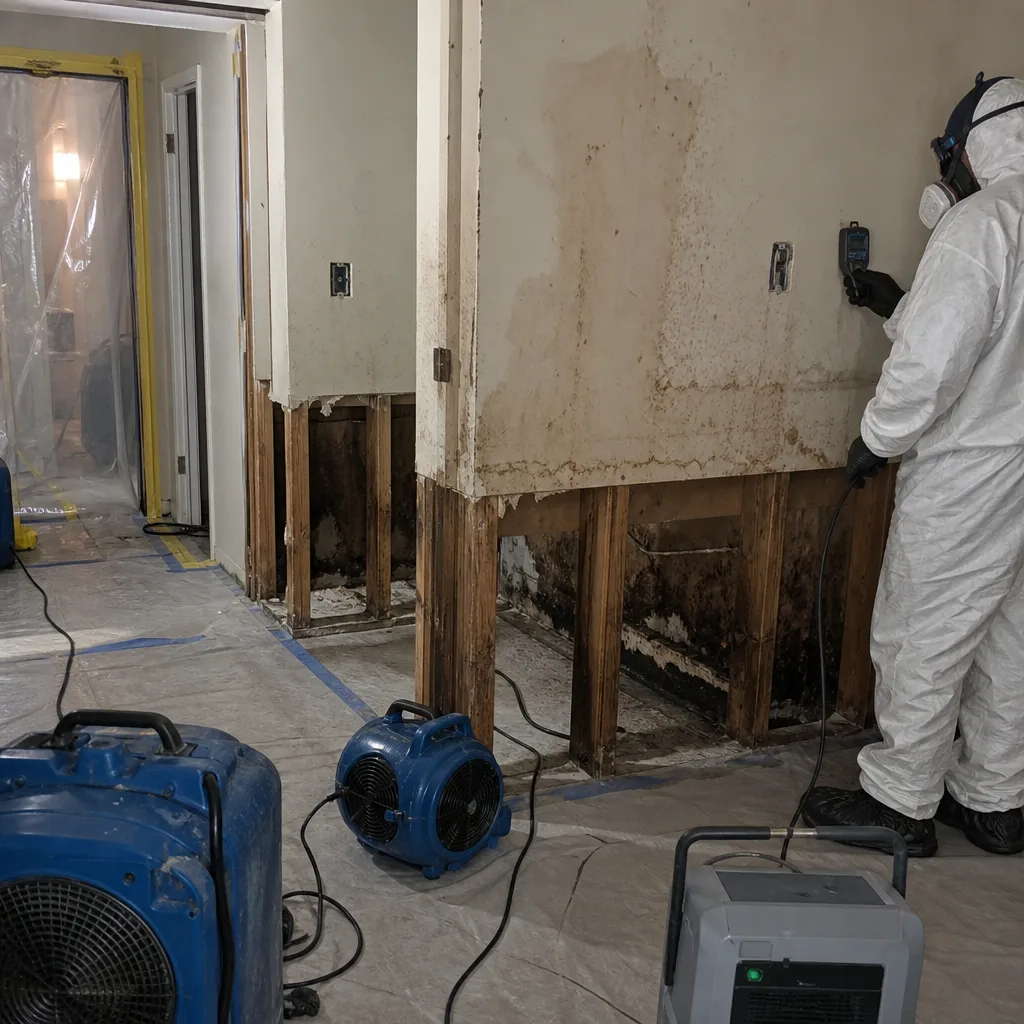 Before
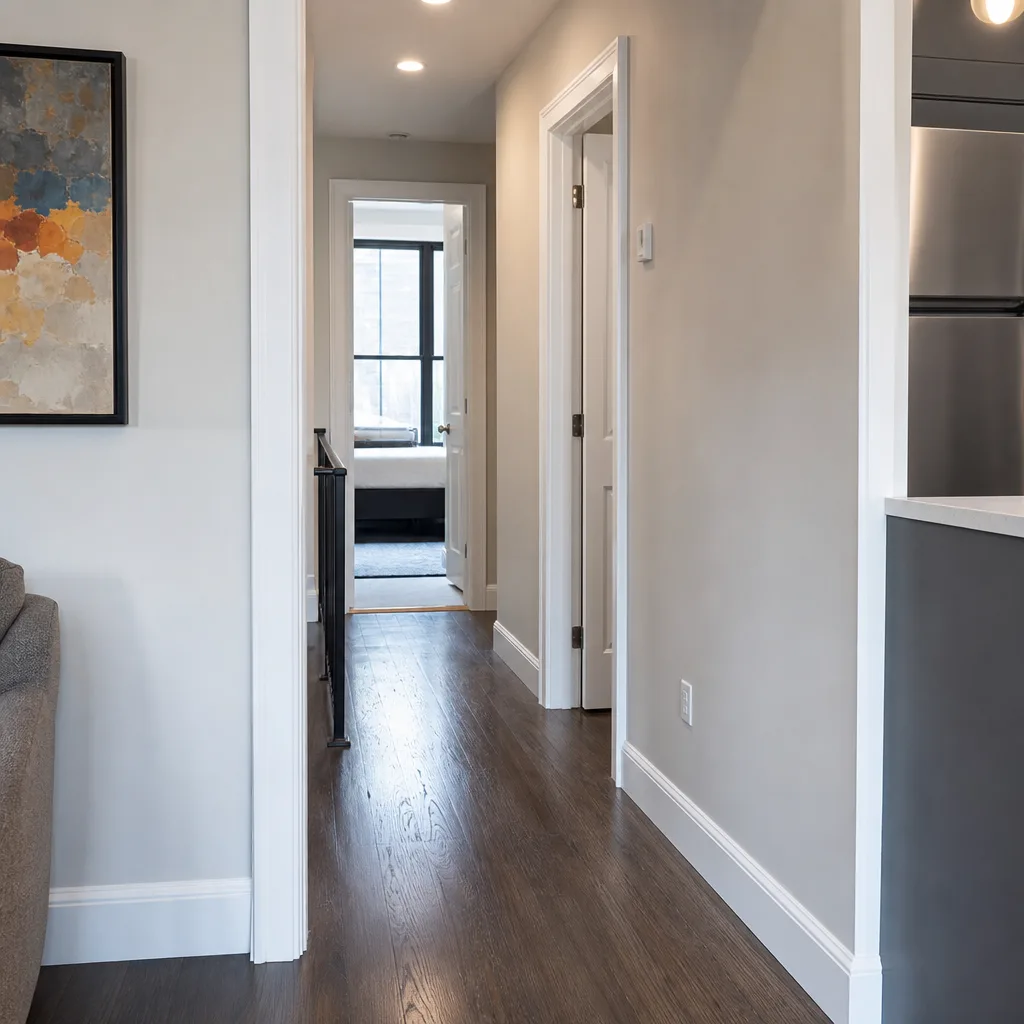 After
After24/7 Emergency Biohazard & Crime Scene Cleanup in Midtown Manhattan
Biohazard and crime scene cleanup in Midtown Manhattan requires a crew that can move through high-rise logistics fast, before bloodborne pathogens, decomposition fluids, or chemical residues spread into neighboring units. We answer live at (917) 924-4221 every hour of every day, not a recording service. A certified crew can reach most Midtown Manhattan addresses within 45 minutes, set containment, and begin stabilizing the scene the same visit. The first hour matters because biohazard material migrates through wall cavities, under flooring, and into shared HVAC plenums faster in high-rise construction than in single-family homes. Call us now and a dispatcher will walk you through what to do while the crew is en route.
Understanding Biohazard & Crime Scene Cleanup Severity in Midtown Manhattan Properties
Most people outside the trade don’t realize that biohazard severity in Midtown Manhattan is compounded by the building stock itself. A trauma scene in a 1920s pre-war co-op off Park Avenue behaves nothing like one in a suburban house. Blood and bodily fluids soak into original plaster, through horsehair lath, and into the terra-cotta block behind it, then wick downward along cast-iron risers to floors below. That’s a category 3 contamination path, the same classification as raw sewage. Our crews use Dri-Eaz and Phoenix moisture mapping to trace exactly how far fluids have traveled, then set HEPA negative-air containment before any material is disturbed. Steam heat rises through those same cavities later and re-vaporizes anything left behind, which is why odor can return weeks after a superficial cleaning. In Midtown Manhattan’s pre-war towers, the standard is not surface cleaning. It’s cavity-level removal with air scrubbing and clearance testing.
Why Midtown Manhattan Property Owners Choose Floodline Restoration Co. of Manhattan
- 45-minute response commitment: We dispatch from our New York City office to Midtown Manhattan addresses fast, because we know every minute of exposure increases the contaminated area.
- Live answer, 24/7: A real dispatcher picks up at 2 a.m., asks the right questions, and gets a certified crew moving. No phone tree, no callback.
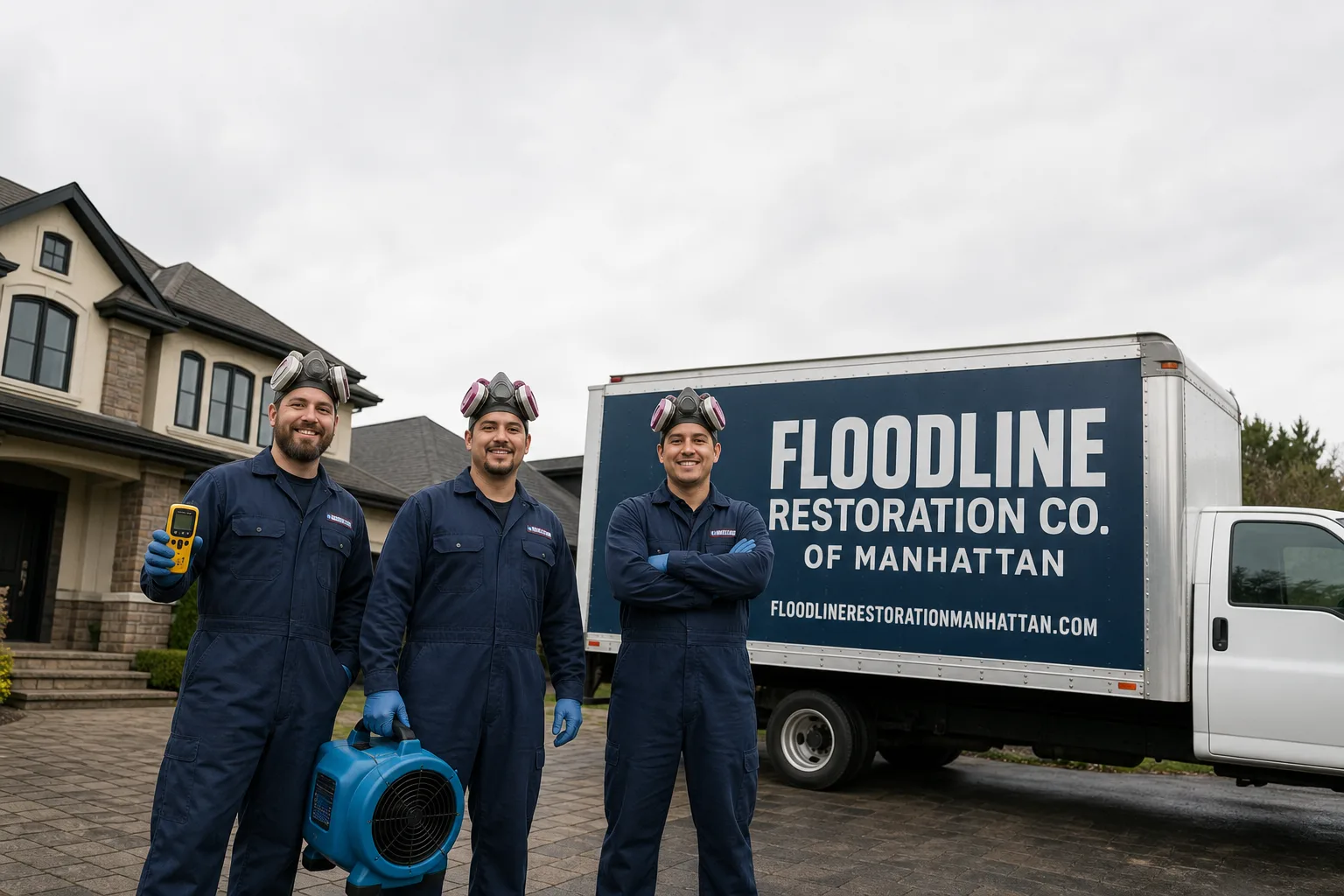
- IICRC-certified crews: Technicians hold WRT, FSRT, and AMRT credentials and arrive background-checked and uniformed, with containment materials on the truck.
- Free visual inspection: We walk the scene with you before any work starts and give a written scope, so you decide with clear information.
- Direct insurance billing: We coordinate with your carrier and provide the photo logs and moisture readings adjusters actually need to approve a claim.
- One team, start to finish: From containment and removal through antimicrobial treatment and rebuild, you work with the same Floodline Restoration Co. crew. No mid-job handoff.
Our Biohazard & Crime Scene Cleanup Process
Inspection & Assessment
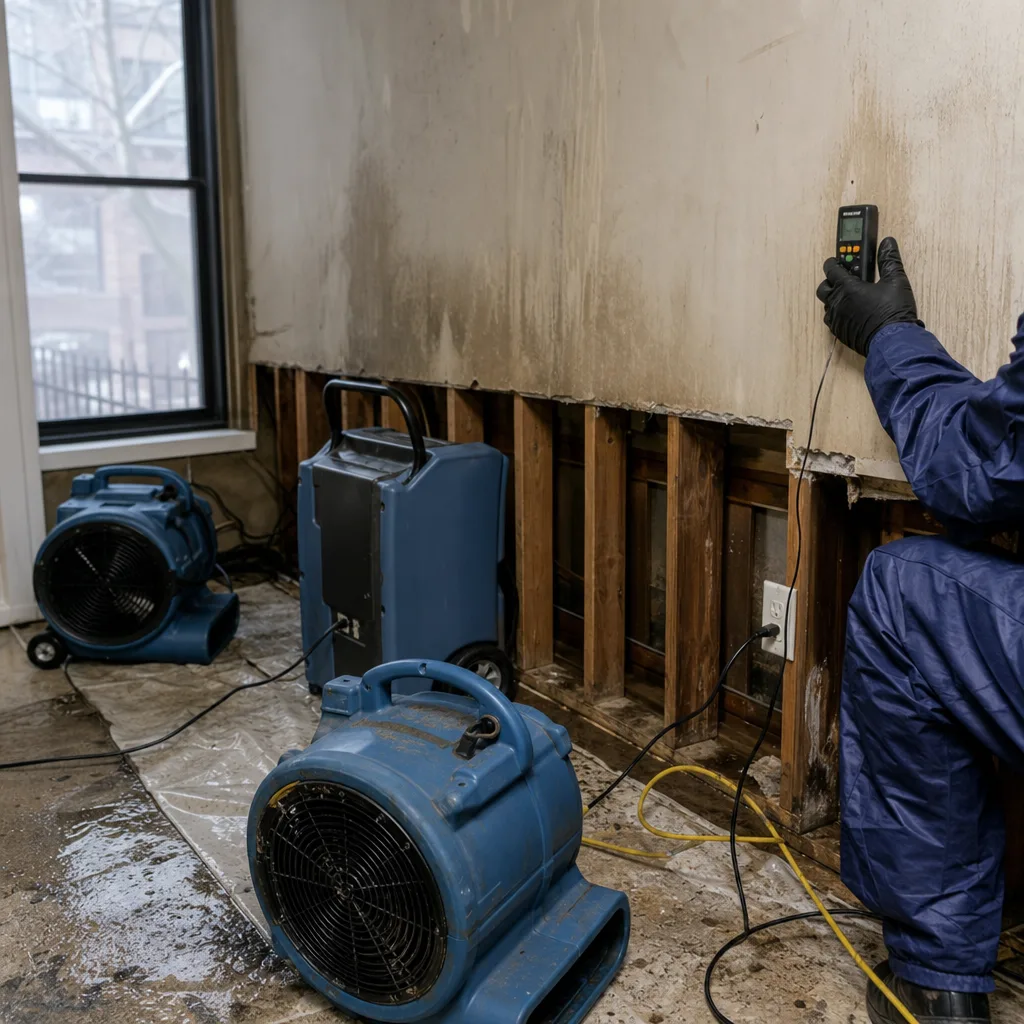
We map the affected area with thermal imaging and moisture meters, noting how far blood, fluids, or chemicals have traveled through wall cavities, subflooring, and shared risers. We document everything photographically before we touch a single piece of material.
Containment & Stabilization
HEPA negative-air machines and hard barriers seal the work zone so nothing migrates into corridors, elevator lobbies, or neighboring units. In Midtown Manhattan high-rises, this step also means coordinating freight elevator access with building management.
Removal & Decontamination
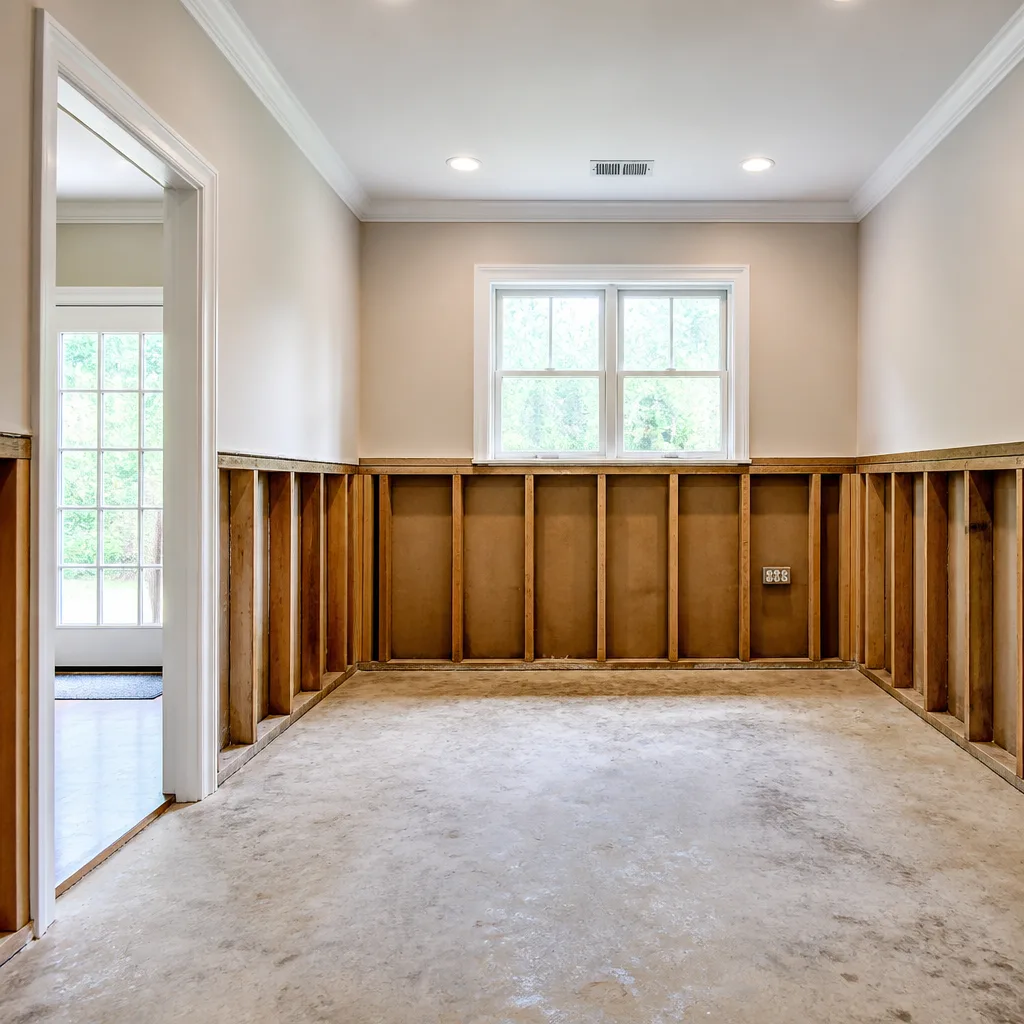
Gross contamination is removed under controlled conditions, sealed in approved biohazard containers, and logged for transport. Affected plaster, lath, insulation, or flooring is cut out to the point of dry, stable material.
Drying & Dehumidification
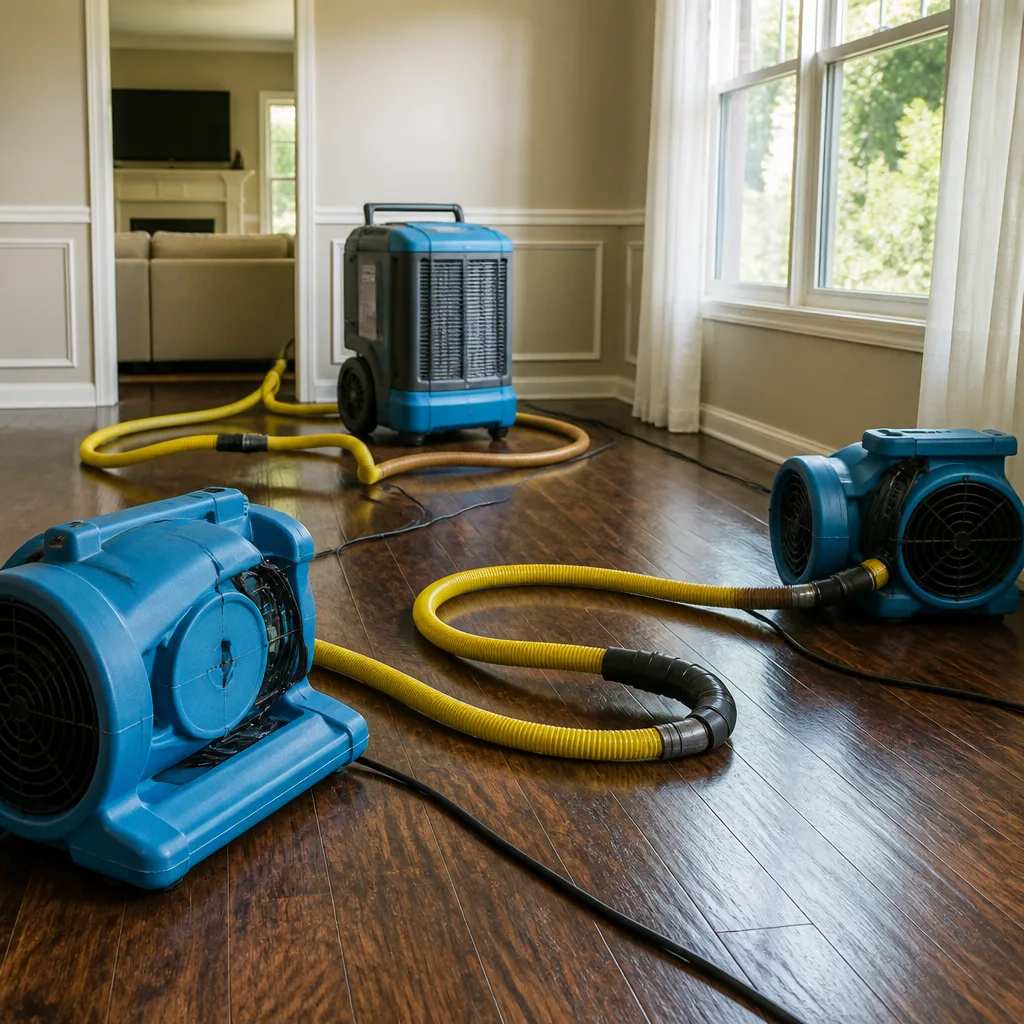
Dri-Eaz and Phoenix air movers and dehumidifiers run until hygrometer readings confirm the cavity and surface materials meet the dry standard. Daily readings are logged and shared with you and your carrier.
Antimicrobial & Odor Treatment
All remaining structural surfaces receive a broad-spectrum antimicrobial treatment. Hydroxyl and ozone generators run as needed to neutralize decomposition odor that has penetrated porous materials.
Repairs & Restoration
Our own reconstruction crew rebuilds what we removed: new drywall, plaster repair, flooring, paint. One Floodline Restoration Co. team sees the job from first call to final walkthrough.
Need Emergency Biohazard & Crime Scene Cleanup in Midtown Manhattan Now?
Crews minutes away, answering live 24 hours a day. The sooner we start, the less it costs to clean.
Working With Your Insurance Company
Biohazard claims in Midtown Manhattan almost always involve a carrier. Whether it’s a crime scene covered under a homeowners policy, an unattended death in a rental unit, or a sewage backup classified as category 3 water, the adjuster needs documentation that matches the scene. We start that file from the first hour: photos of every affected surface, moisture maps, containment logs, and a line-item scope written in the same estimating language insurers use. Our office communicates directly with your adjuster so you don’t spend your week relaying messages between a restoration crew and a claims department. Where coverage is denied or limited, we’ll tell you honestly and give you a written out-of-pocket scope before any work proceeds.
What We Provide Your Insurer
- Thorough documentation of the loss
- Photos of all damage, room by room
- Moisture readings and drying logs
- A detailed, line-item scope of work
- Direct coordination with your carrier
Built for Midtown Manhattan’s Loss Calendar
Biohazard and crime scene work in Midtown Manhattan doesn’t follow a clean seasonal rhythm, but certain pressures spike at predictable times. Deep winter freezes burst supply lines in older towers, and when that water sits undiscovered behind a pre-war partition, an unattended death or medical event in a neighboring unit becomes far harder to remediate. Spring thaw and heavy rain stress the century-old combined sewer mains beneath the grid, pushing sewage backups into sub-basement mechanical rooms and elevator pits. Summer cloudbursts do the same in an afternoon. Nor’easters drive water behind aging limestone and brick facades, where it saturates plaster for weeks before anyone notices. In every case, the longer the saturation, the higher the class of contamination. Midtown’s building stock makes delayed discovery a regular condition, not an exception. That’s why we train crews specifically on pre-war high-rise envelope failures, not just the biohazard itself. A trauma scene behind a wall that’s been wet for three weeks is a category 3 job the moment we open it. That changes everything about containment, removal, and what your insurer will approve.
Biohazard & Crime Scene Cleanup Across Midtown Manhattan’s Neighborhoods
Midtown Manhattan’s density means our crews constantly move between radically different building types within a few blocks. Around Times Square and the Theater District, we’re typically in commercial office towers and hotels where a biohazard incident in one room can trigger business-interruption concerns across three floors. Over in Murray Hill and Kips Bay, it’s more often pre-war co-ops and converted rental buildings, where shared risers and steam heat make cross-contamination a real threat. Along Central Park South and Billionaires’ Row, we work in luxury residential towers where we coordinate every equipment move through freight elevators on a schedule set by building management. Down toward Herald Square and the Garment District, mixed-use buildings above street-level retail present their own problem: a biohazard in a commercial space on the ground floor can send odor through the stairwells into residential units above. And in Hell’s Kitchen, we see a lot of walk-ups and small mid-rise co-ops where access is tight and the cleanup has to be fast because neighbors are twelve feet away through a party wall. That’s the reality of Midtown Manhattan: every address changes the logistical plan.
Specialized Biohazard & Crime Scene Cleanup Services We Offer in Midtown Manhattan
Crime Scene Cleanup
We remove blood, bodily fluids, and other biological material after an assault, homicide, or unattended injury, working within the security and access constraints of Midtown Manhattan’s buildings. We coordinate with NYPD release protocols and building management so the unit can be returned to use with documentation that satisfies both your carrier and any future occupant.
Trauma & Unattended Death Cleanup
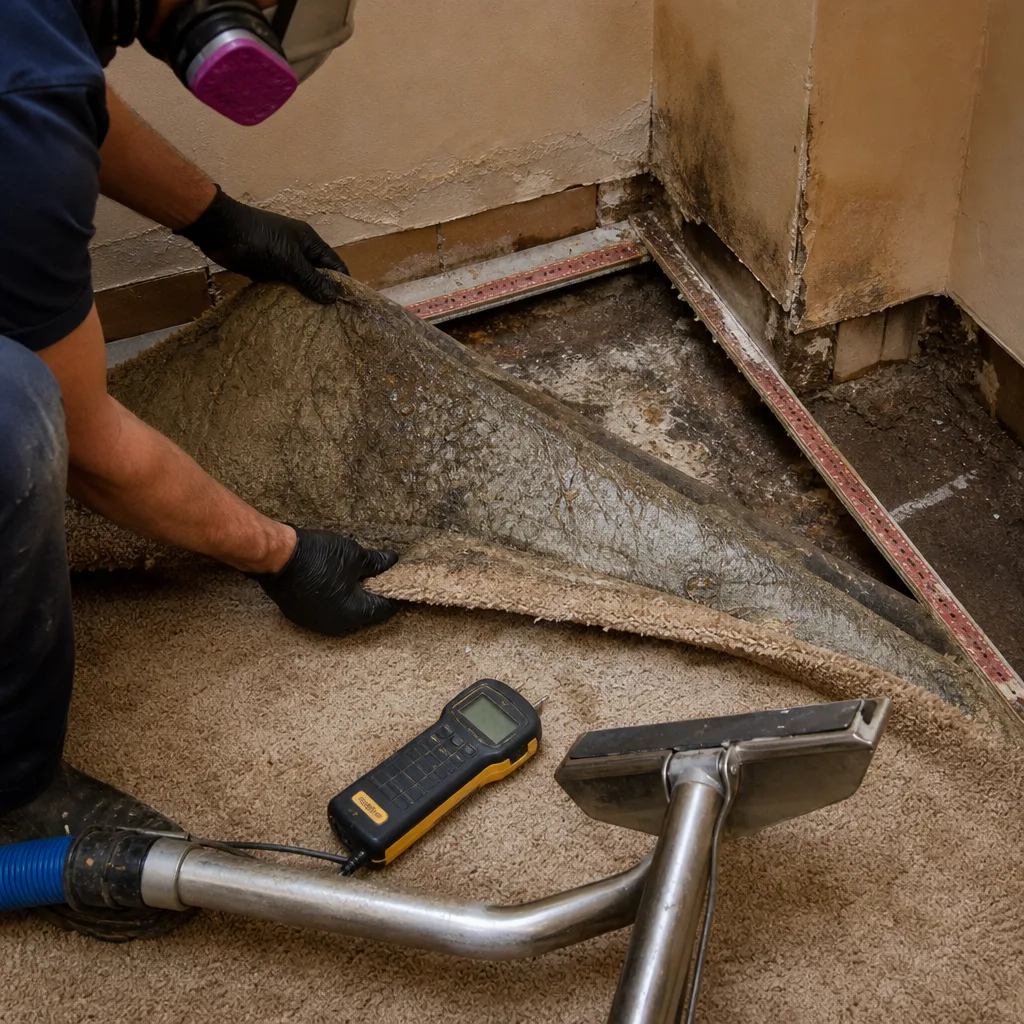
Decomposition produces fluids that saturate flooring and wick into wall cavities, especially in Midtown’s plaster-and-lath construction. Our team locates the full extent of the contamination, removes what cannot be sanitized, and treats everything else. We handle this work with the discretion these situations require in close-quarter buildings.
Hoarding Cleanup
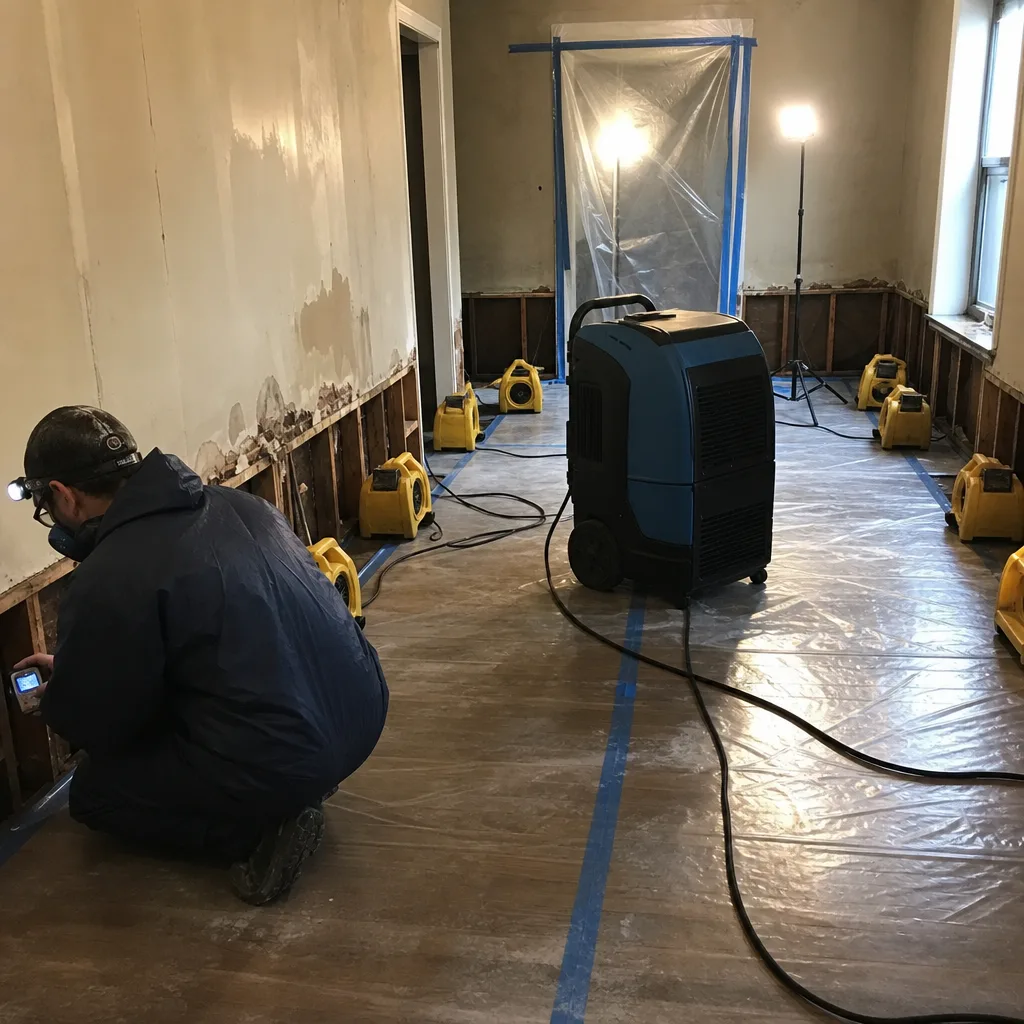
Hoarding environments in Midtown Manhattan high-rises create fire, collapse, and pest hazards that affect neighboring units. We sort, remove, and clean in stages, working with freight elevator schedules and building rules, while salvaging valuables and documents the client wants kept.
Blood & Bodily Fluid Cleanup
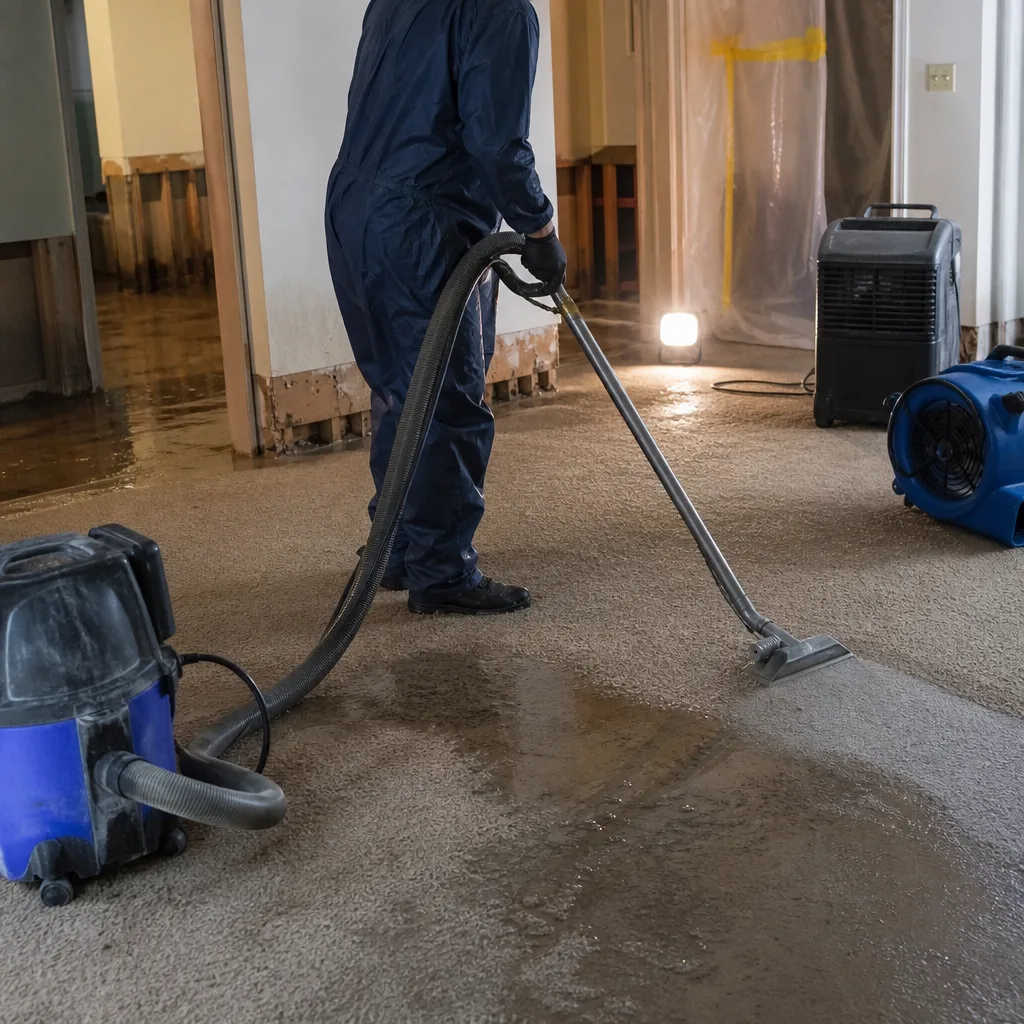
Any amount of blood carries bloodborne pathogen risk. In a Midtown co-op where a unit shares plumbing stacks and risers with five other units, what looks like a small spill can hide a larger issue behind the baseboard. We trace, contain, and remove with the same rigor as a large trauma scene.
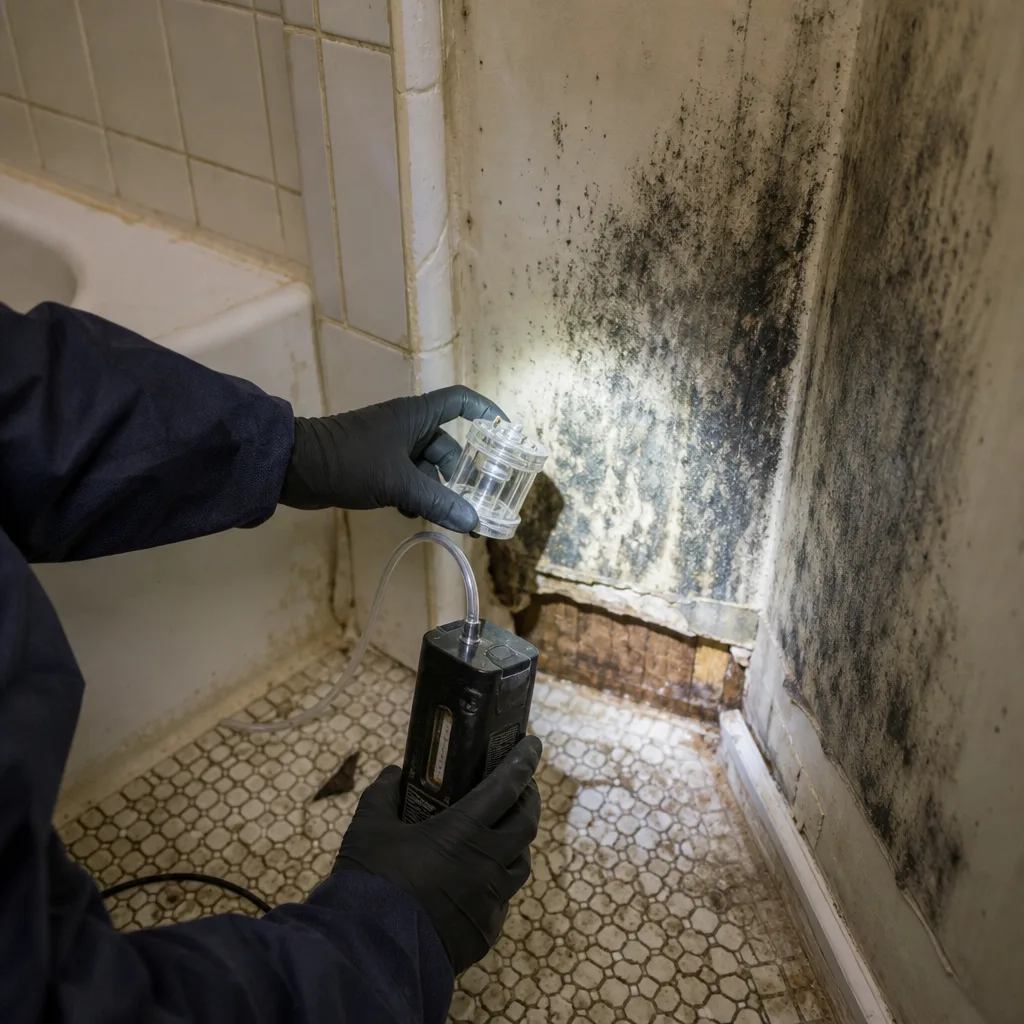
Infectious Disease Disinfection
After a confirmed illness, we use EPA-registered disinfectants and fogging or electrostatic application to treat surfaces throughout the affected unit, with special attention to shared HVAC returns and door hardware in Midtown’s connected buildings.
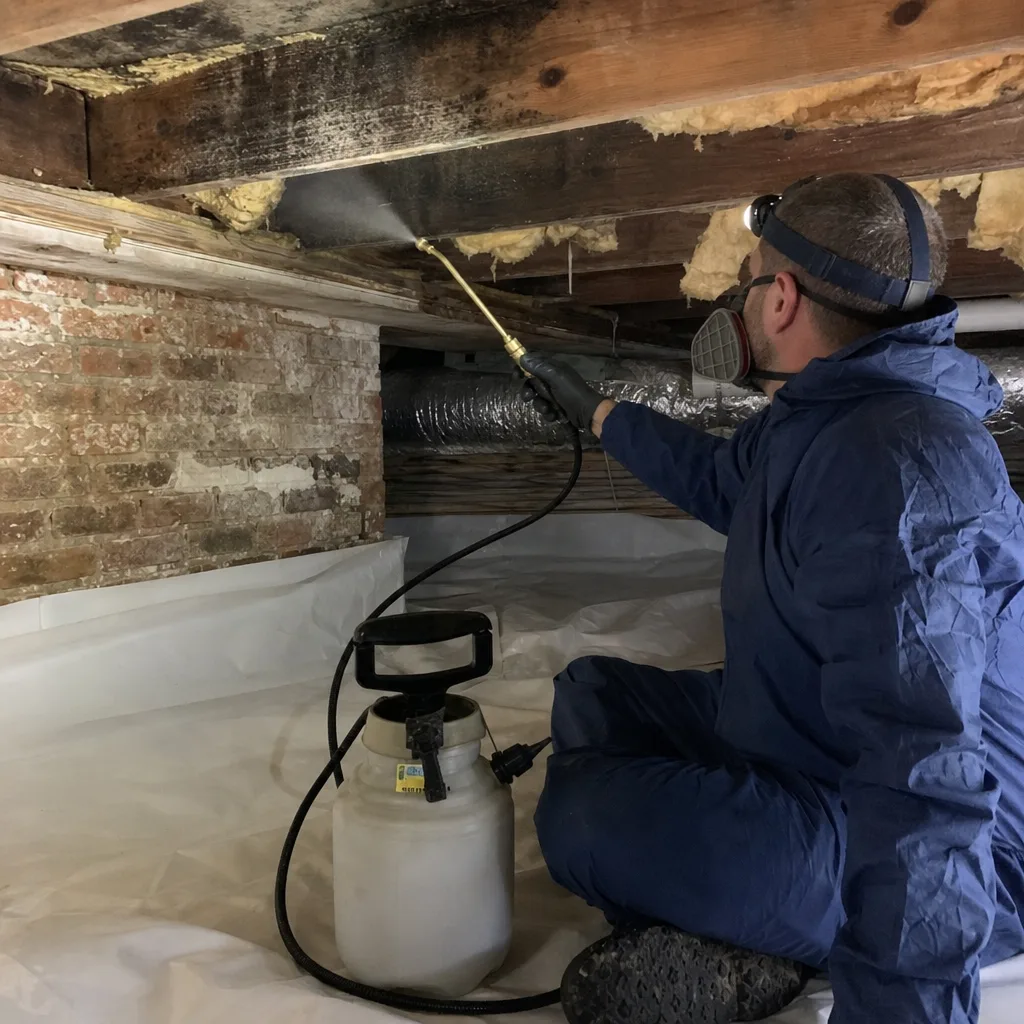
What happens when you call
- 1
A real person answersNo phone trees - you reach a local pro.
- 2
You get an upfront price rangeHonest numbers before anyone is dispatched.
- 3
A background-checked tech heads outLicensed & insured, dispatched right away.
- 4
You approve before work beginsNothing starts until you say go.
Biohazard & Crime Scene Cleanup Costs in Midtown Manhattan, NY
Pricing in Midtown Manhattan reflects the density and construction reality here. A straightforward blood cleanup in a modern apartment without cavity penetration typically runs $800 to $1,500. An unattended death cleanup in a pre-war co-op where fluids have saturated original plaster runs $3,000 to $7,000. A full hoarding cleanup on a high floor with freight elevator restrictions can reach $10,000 to $25,000 depending on volume and access. What moves the number most is whether contamination entered wall cavities or subflooring, how many stories separate the job from the freight elevator, and whether asbestos abatement or riser isolation is required before cutting can begin. Insurance covers most crime scene and unattended death claims under homeowners or property policies, less often under commercial policies without a specific rider. We provide a free visual inspection and a written scope, so you know the number before you commit anything. Call (917) 924-4221 for an exact quote on your Midtown Manhattan property.
We Also Serve Cities Near Midtown Manhattan
In addition to our Midtown Manhattan coverage, we regularly dispatch crews to Fairview, Harrison, East Bronx, and Hunts Point. If you’re in one of those areas and dealing with a biohazard or crime scene cleanup, the same 24/7 live answer and 45-minute response commitment applies.
Midtown Manhattan Biohazard & Crime Scene Cleanup Questions, Answered
Why does a trauma cleanup in a Midtown pre-war co-op often take a day longer to start than in a brownstone?
Because Midtown pre-war co-ops have original steam risers and cast-iron drain stacks, and any water or contaminated material work inside a wall cavity requires the building’s licensed boiler operator to isolate the riser first. That coordination step can add one to two days before we can open the wall safely. We cannot cut into a shared riser wall while steam or drain lines are live without risking damage to every unit on that stack.
How do you handle a hoarding cleanup on the 30th floor of a Midtown luxury residential tower without contaminating other floors?
We seal the unit with hard barriers and HEPA negative-air machines before any material is disturbed, so nothing escapes into the corridor. All debris travels down the freight elevator in sealed containers, on a schedule coordinated with building management. The service elevator is cleaned after each load. Neighboring units on the same floor are never exposed to dust, odors, or pests from the work zone.
Are there asbestos risks during a crime scene cleanup in an old Midtown office building?
Yes. Pre-1930s office buildings in Midtown Manhattan frequently have asbestos in pipe insulation, floor-leveling compounds, and drop-ceiling tiles. Before we cut into any surface that may contain those materials, we follow NYC DEP rules, which may require testing and abatement by a licensed contractor. Skipping that step risks a stop-work order and cross-contamination of the entire containment zone.
What happens if a sewage backup into a Midtown sub-basement is classified as category 3 water during a biohazard job?
Category 3 water is grossly contaminated and carries the same handling protocol as bloodborne pathogens. That means full containment, HEPA air scrubbing, removal of saturated porous materials, antimicrobial treatment, and clearance testing before the space can be returned to use. In Midtown’s sub-basements, where mechanical rooms and elevator pits share air with the rest of the building, we also run temporary exhaust to purge the space during work.
How do you prevent tear gas or chemical contamination from spreading through a Midtown high-rise’s shared HVAC system?
We isolate the affected unit and shut down or block the HVAC supply and return to that space before any chemical treatment begins. Then we run hydroxyl or ozone generators inside the sealed unit to break down residual compounds. If the system has already moved contaminants into shared ductwork, we assess where it traveled and treat or clean those runs as needed. This is why fast response matters: the longer the system runs, the wider the spread.
How fast can a crew actually reach a Midtown Manhattan address?
Most Midtown Manhattan properties are within 45 minutes of our dispatch, in normal traffic. At night that’s often faster. A live dispatcher confirms the exact ETA when you call (917) 924-4221 and the crew leader calls you directly from the truck.
Will insurance cover a biohazard cleanup in my Midtown co-op?
Most homeowners and co-op policies include coverage for crime scene and unattended death cleanup under the property damage or additional coverage sections. The biggest friction point is documentation. We provide the photo logs, moisture readings, container manifests, and line-item scope your adjuster needs to approve the claim. Where your specific policy excludes something, we’ll tell you and give you a written out-of-pocket number before work starts.
What should I do in the first 30 minutes after discovering a biohazard scene in Midtown Manhattan?
Call us at (917) 924-4221 first. Then close the door to the affected room and keep people and pets out. Do not attempt to clean blood, fluids, or other biological material yourself. Turn off any fan or HVAC system serving that space if you can do so safely. If the scene involves a death, follow the instructions of NYPD or medical personnel on site. Our dispatcher will tell you what to do while the crew is on the way.
Serving Midtown Manhattan, NY - Our Local Coverage Area
We’re based in the Midtown Manhattan area and know this community well. Use the map below to see our service coverage - if you’re nearby, we can almost certainly help.
One More Thing About Midtown Manhattan’s Buildings
Midtown Manhattan’s pre-war hotels and co-op towers contain original steam risers and cast-iron drain stacks. When an unattended death or biohazard spill occurs in a wall cavity, our crews must wait for the building’s licensed boiler operator to isolate the riser before any water extraction or antimicrobial treatment can begin. That’s a coordination step that can add days to job start times, and it’s essentially unknown outside New York City’s pre-war high-rise inventory. In a 1920s residential hotel off Central Park South, we were called after a steam-trap failure saturated a plaster-and-terra-cotta partition and revealed an unattended death scene. Our techs set containment with negative air and ran moisture mapping with Dri-Eaz and Phoenix gear, but could not cut out the category 3 water-damaged plaster until the building’s boiler operator isolated the riser. That hold lasted two days. Once cleared, we performed structural drying, removed the affected lath and insulation, and returned the unit to pre-loss condition with antimicrobial treatment and full drying logs. This is the reality of our Biohazard & Crime Scene Cleanup work in Midtown Manhattan: the building itself is always part of the job.
If you’re facing a biohazard or crime scene cleanup in Midtown Manhattan, call (917) 924-4221 now. A live dispatcher will answer, a certified crew will be on the way, and you’ll get a written scope before any work begins. Done right, and backed in writing.
Written by Curt Bowman, Owner at Floodline Restoration Co. of Manhattan.