
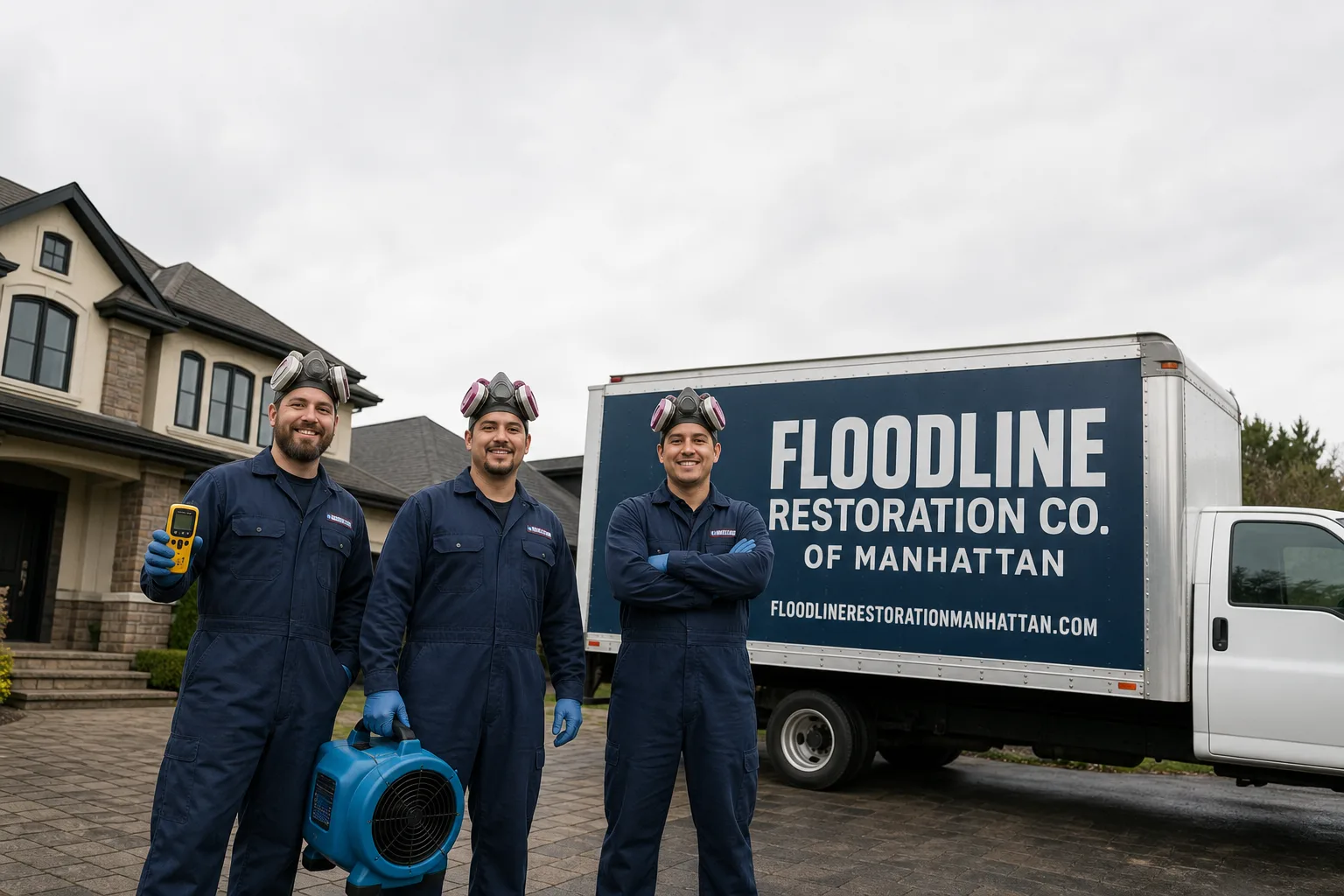
Free visual inspection and a written scope of work before any mitigation begins - photos, moisture readings, and drying logs go in your claim file
The scope we write is the scope we bill. Anything new gets shown to you, in writing, before we touch it.
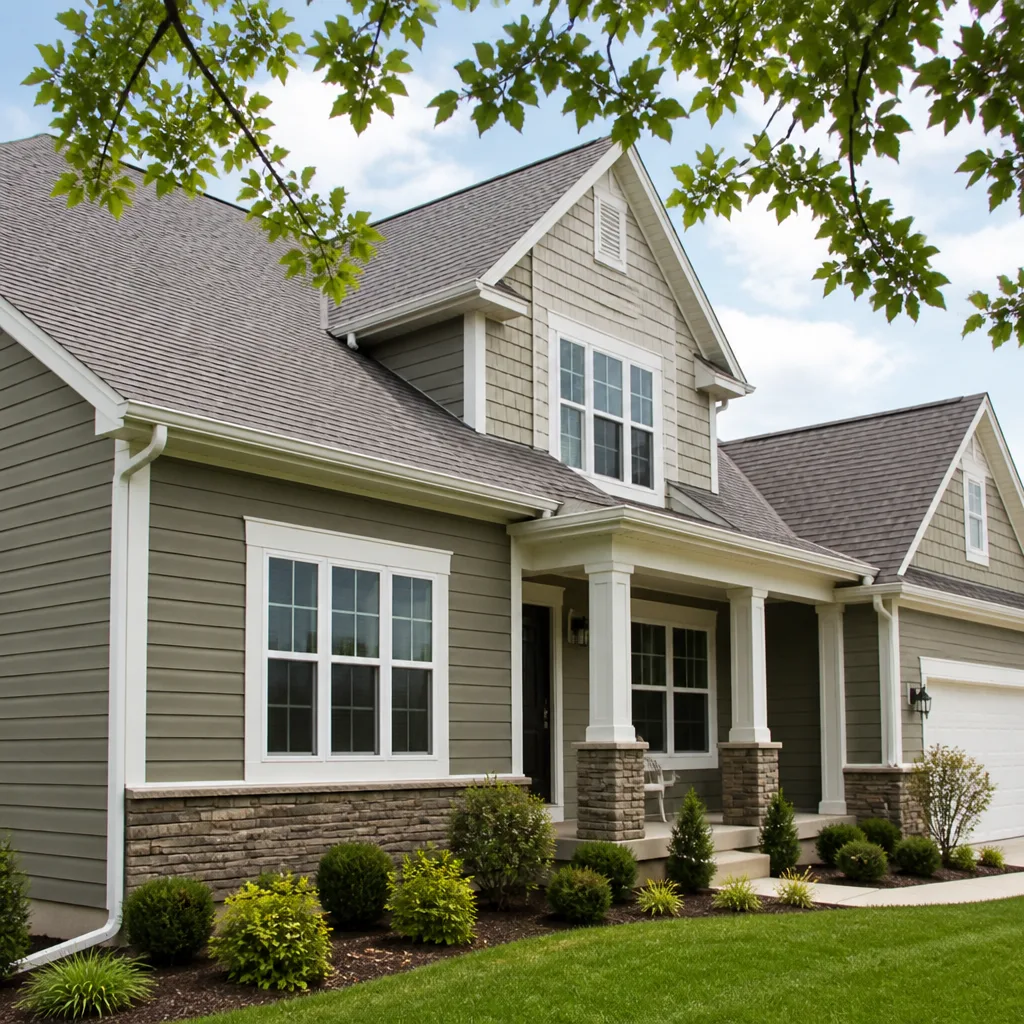
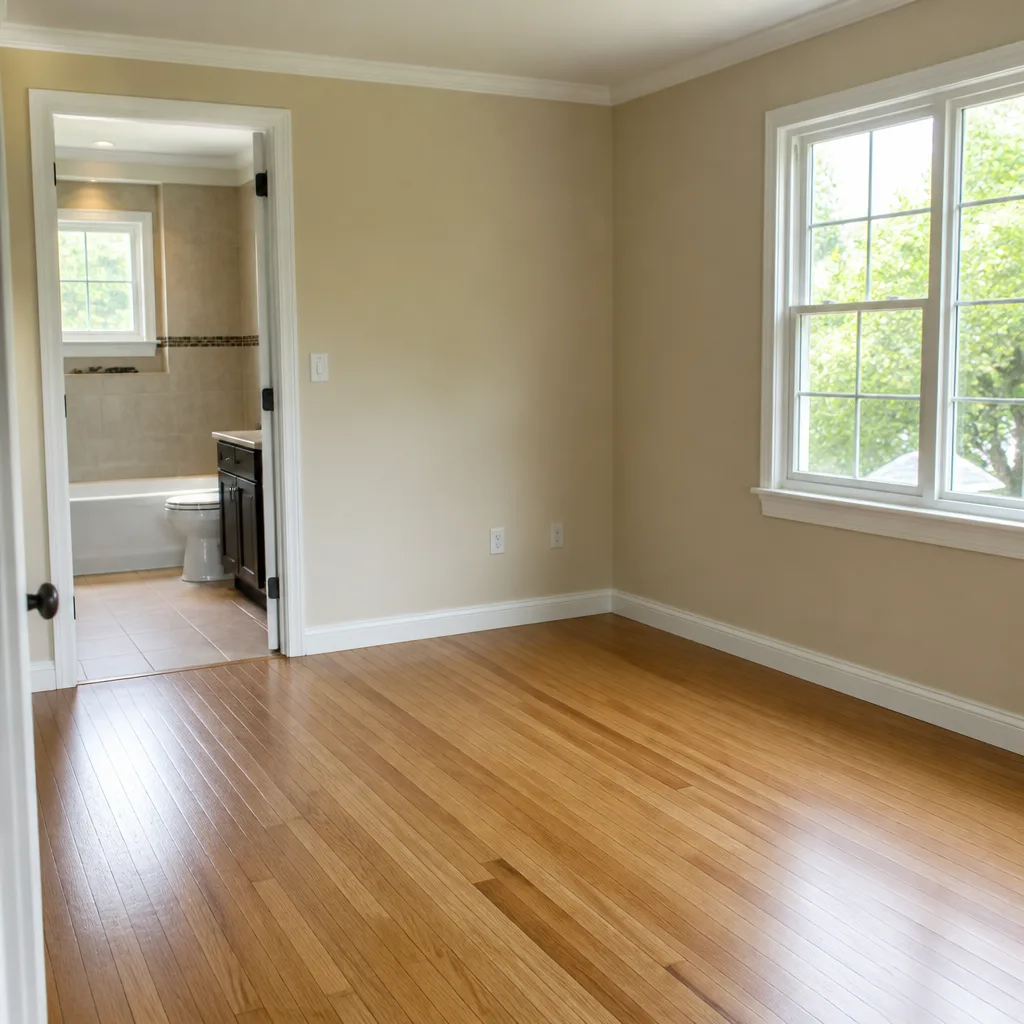
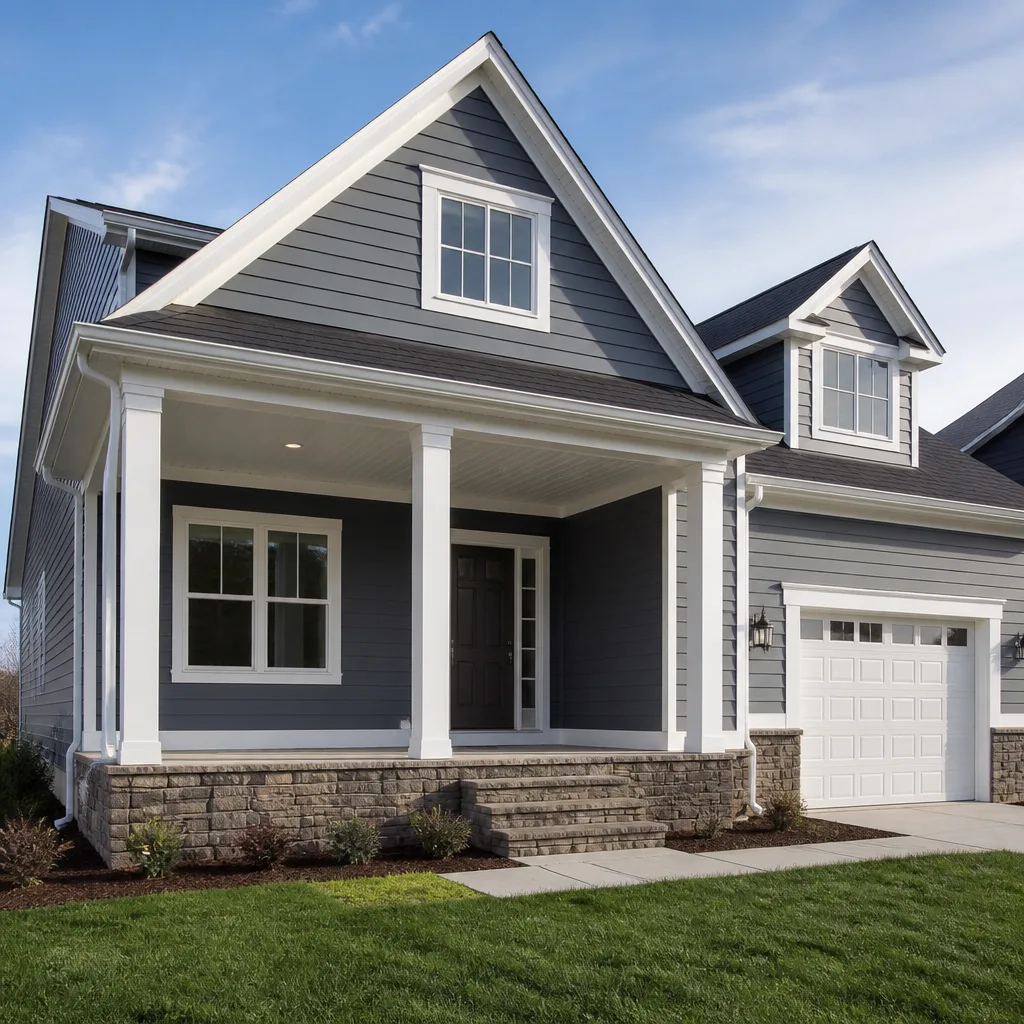
 Before
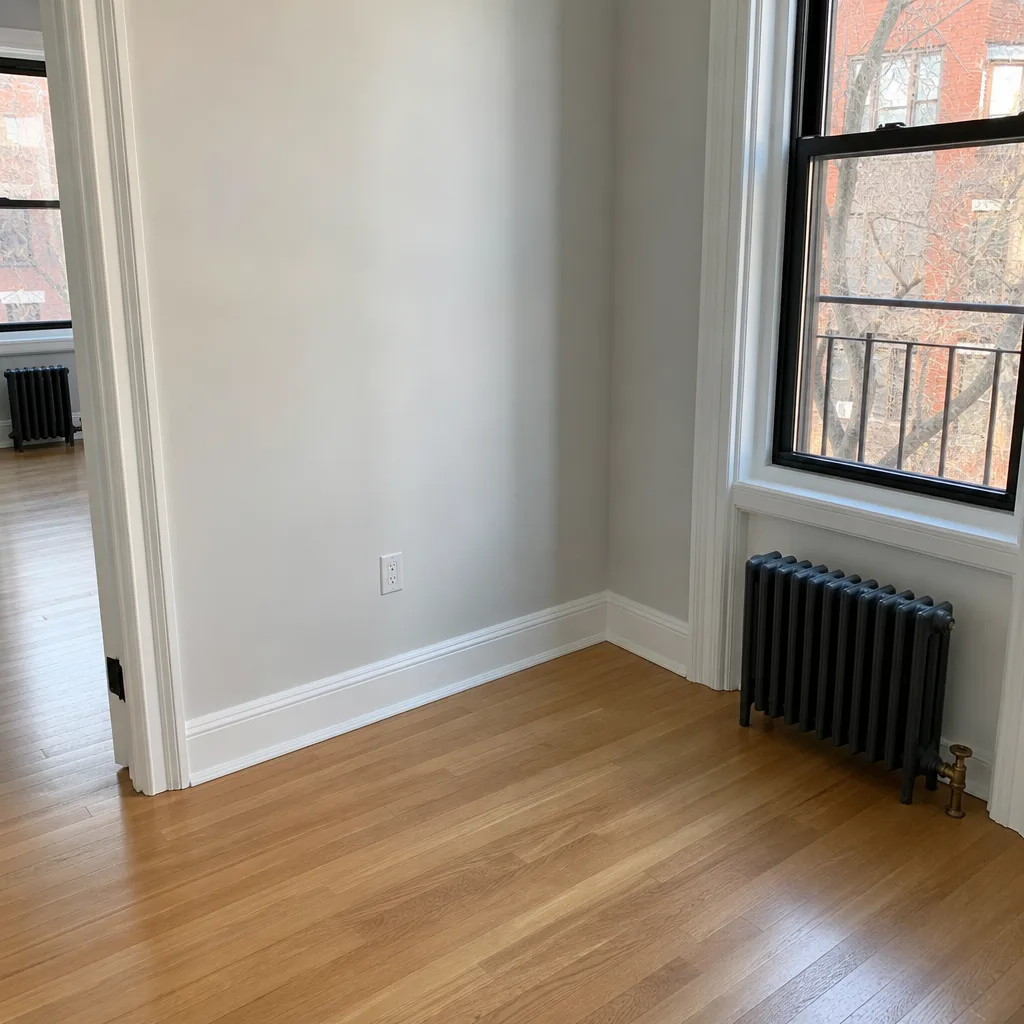 After
After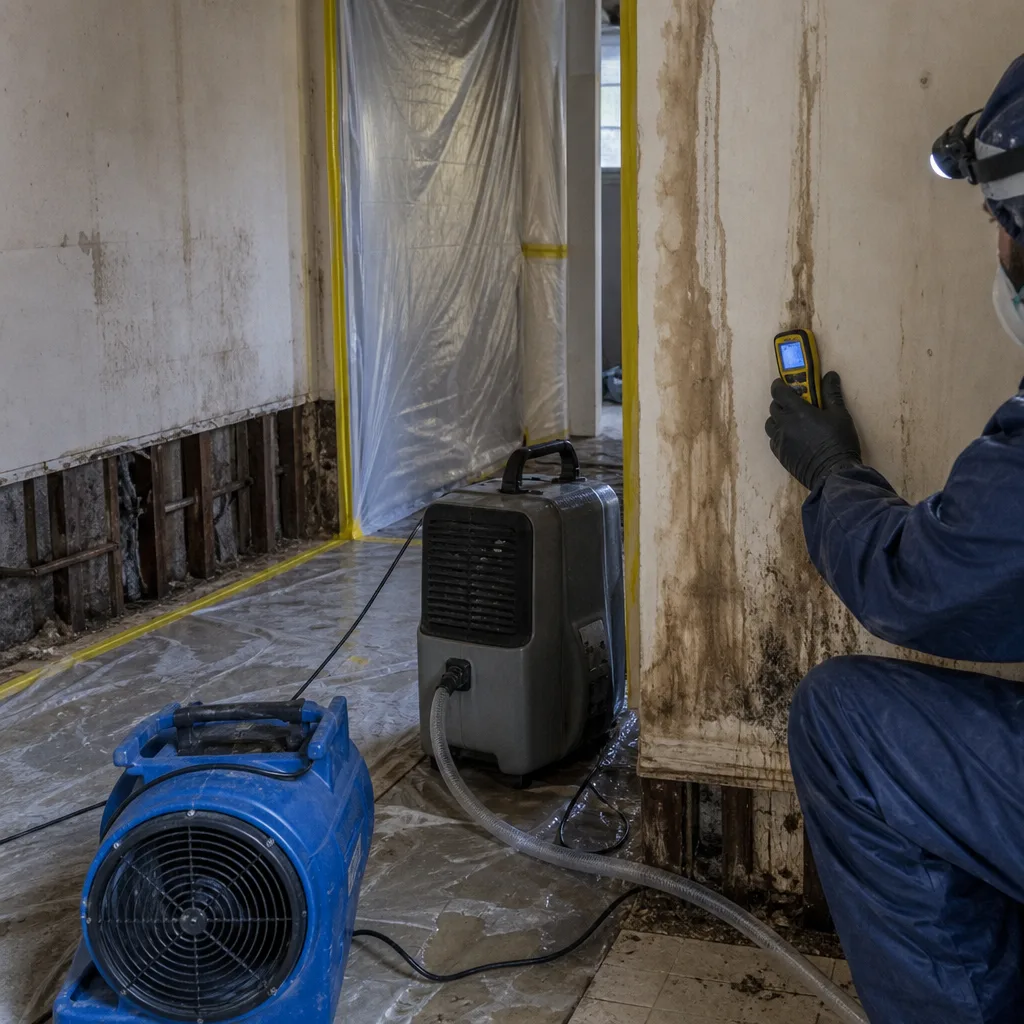 Before
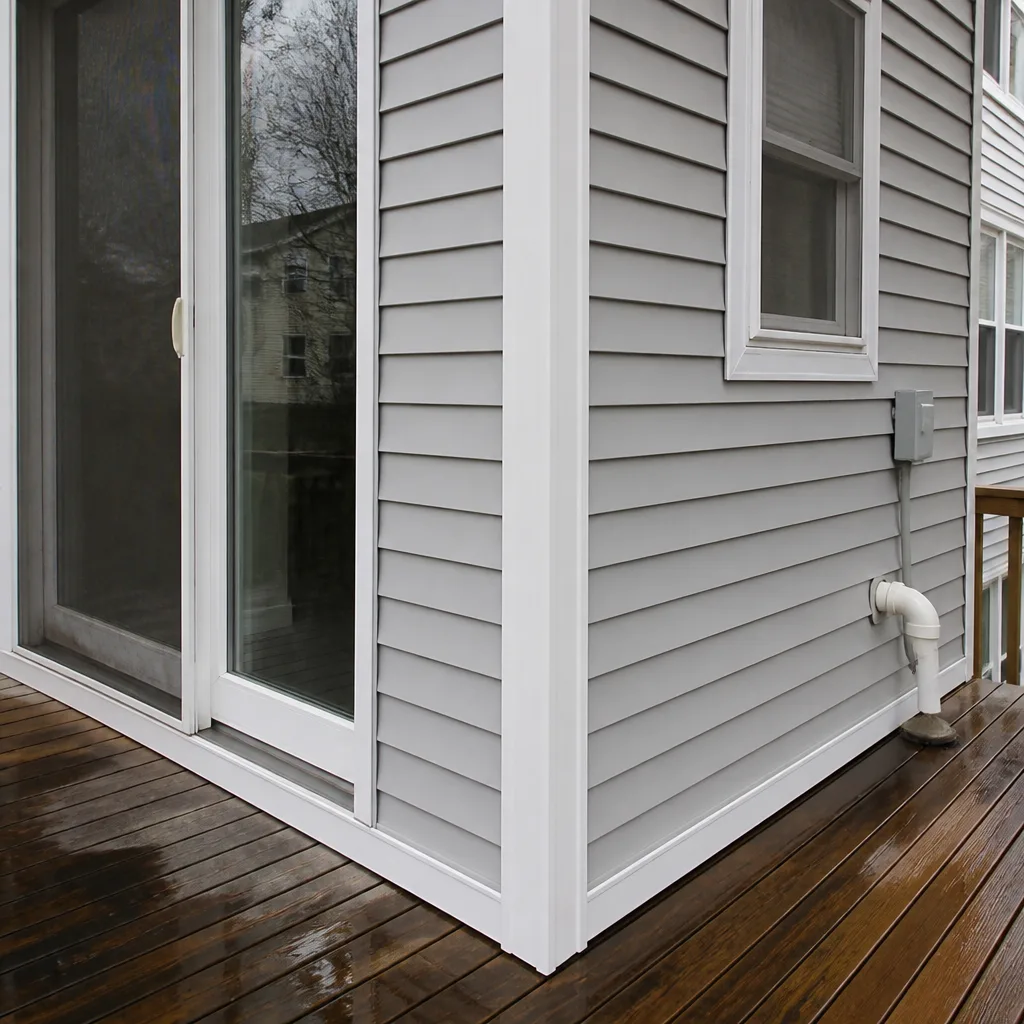 After
After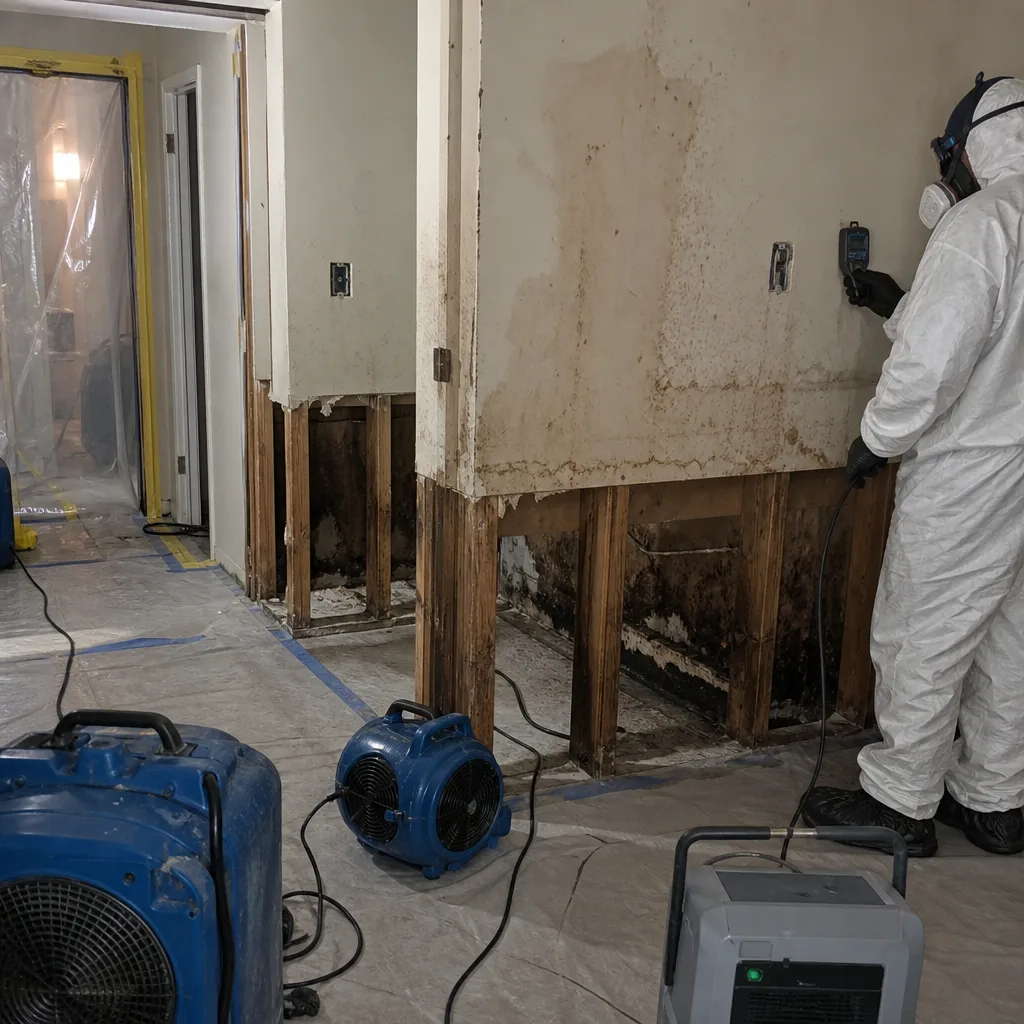 Before
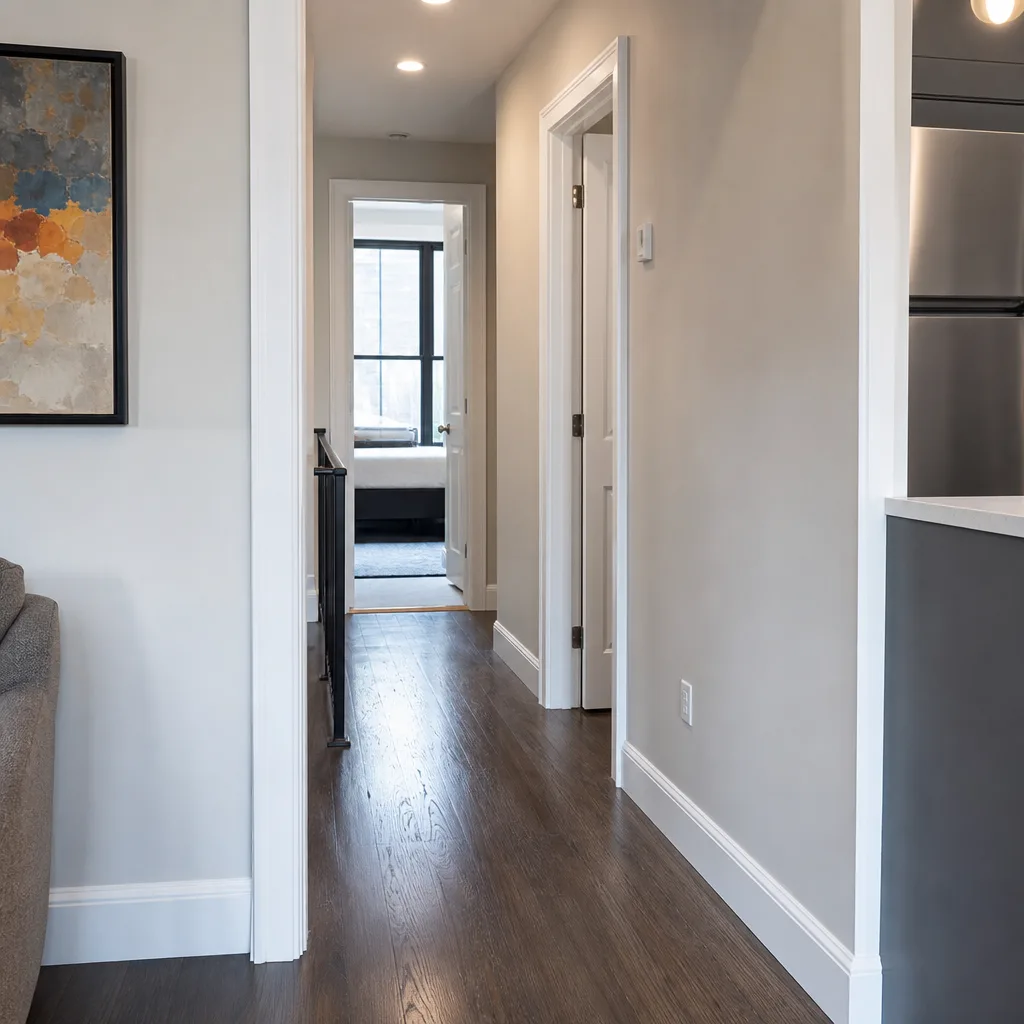 After
After24/7 Emergency Commercial Restoration in Fairview
Commercial water damage in Fairview rarely announces itself during business hours. A cast-iron supply line lets go at 3 a.m. behind a retail tenant’s storage room, and by the time anyone opens up, Category 2 water has already found its way under slab floors and into inventory boxes. When that happens, call (917) 924-4221. A live dispatcher answers, not a recording, and a certified crew is dispatched into Fairview within 45 minutes for a free visual inspection. The first hour matters because water wicks through concrete and drywall fast, and in Fairview’s clay-heavy valley soils, the damage doesn’t stop at the surface. It keeps moving underneath it.
Understanding Commercial Restoration Severity in Fairview Properties
Fairview’s commercial buildings run on legacy systems that were never designed for the freeze-thaw punishment this part of Dutchess County dishes out every winter. Most of the commercial stock along the Route 9 corridor dates to the 1950s and 60s, which means cast-iron drain lines under slab floors that have been expanding and contracting for six decades. A hairline crack in one of those lines introduces Category 2 grey water into the building envelope. Water classifications matter here: Category 1 is clean supply water, Category 2 carries contaminants from appliances or drain overflow, and Category 3 is black water with sewage or pathogens. What separates Fairview from hilltop commercial zones in Hyde Park is the clay soil. Clay holds water, doesn’t drain, and creates a moisture reservoir that keeps wicking back through concrete long after extraction crews leave. That’s why we moisture-map every affected area with hygrometers and thermal imaging, and why our drying logs run until readings match pre-loss baselines, not until the floor looks dry. The building’s age also means minimal vapor barriers and uninsulated rim joists, so once water gets behind a wall, mold colonization in cavity spaces can begin within 48 hours. Severity in Fairview isn’t just about how much water you see. It’s about where the water can hide, and in these buildings, it hides deeper than anywhere else in the region.
Why Fairview Property Owners Choose Floodline Restoration Co. of Manhattan
- 45-minute response commitment. We dispatch crews from within the Fairview area, not from a regional call center two counties away. When you call, a truck moves.
- Live answer, 24 hours a day. The phone rings and a person picks up. No automated tree, no “leave a message.” At 2 a.m. on a Tuesday, you get Curt Bowman’s dispatch board, not a voicemail.
- IICRC-certified crews, trained to WRT and FSRT standards. Our technicians carry Water Restoration Technician and Fire & Smoke Restoration Technician certifications, and the lead on every commercial job reads the moisture map on day one.
- Free visual inspection before any scope is written. We walk the property, document what we see, and give you a written assessment. No obligation, no pressure.
- Direct insurance billing. We bill your carrier directly and handle adjuster communication, so you’re never the messenger between us and your policy. Photo documentation starts the first hour.
- One team from first extraction to finished rebuild. The same certified crew that sets containment and runs the Dri-Eaz equipment is the crew that rebuilds the damage. No mid-job handoff, no inherited strangers in your building.
Our Commercial Restoration Process
Inspection & Assessment
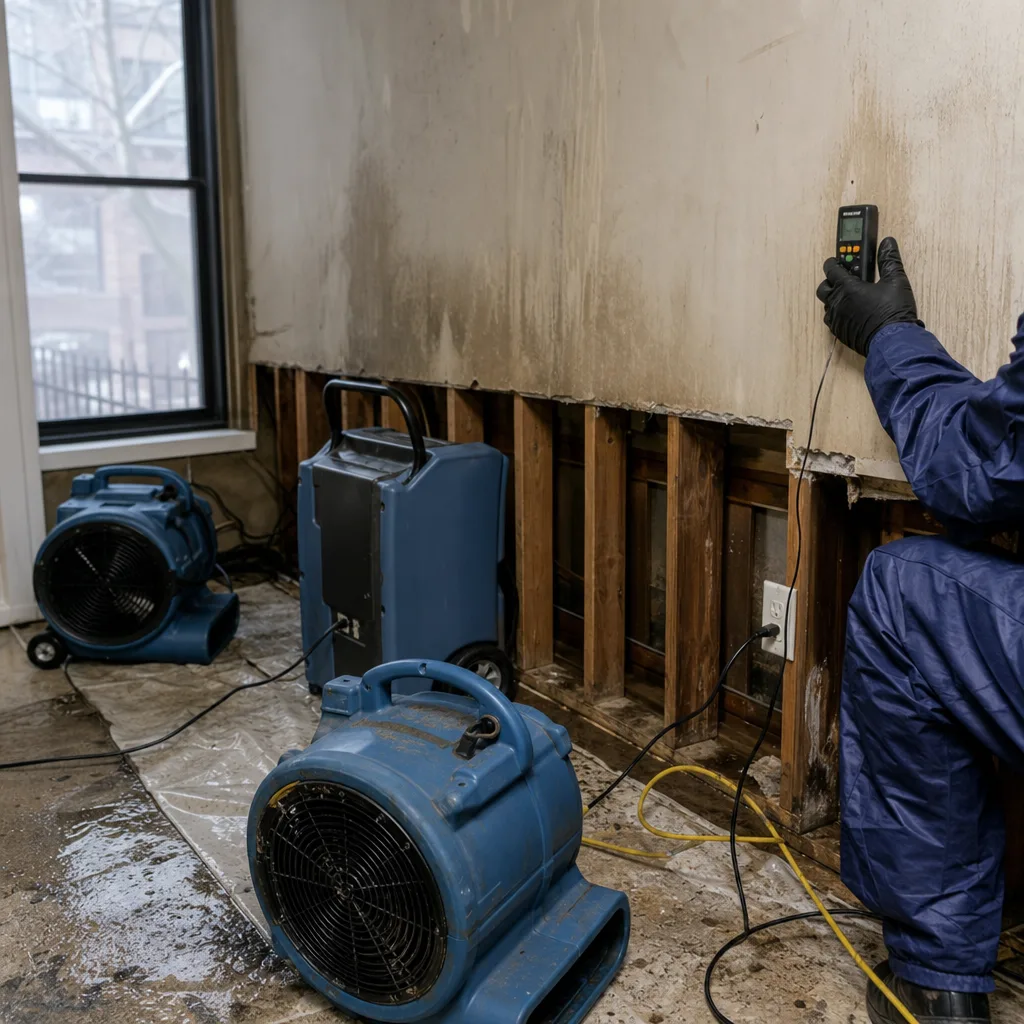
We arrive, walk every affected area, and document everything with photos and written notes. Thermal imaging finds water behind walls and under slabs that a visual check misses. We classify the water category, map the moisture spread, and give you a written scope before any equipment gets plugged in.
Extraction & Stabilization
Standing water comes out first, using truck-mounted extraction units and submersible pumps for slab areas. We stabilize the site, secure any inventory or fixtures that can be saved, and set containment where needed to keep contaminants out of unaffected zones.
Drying & Dehumidification
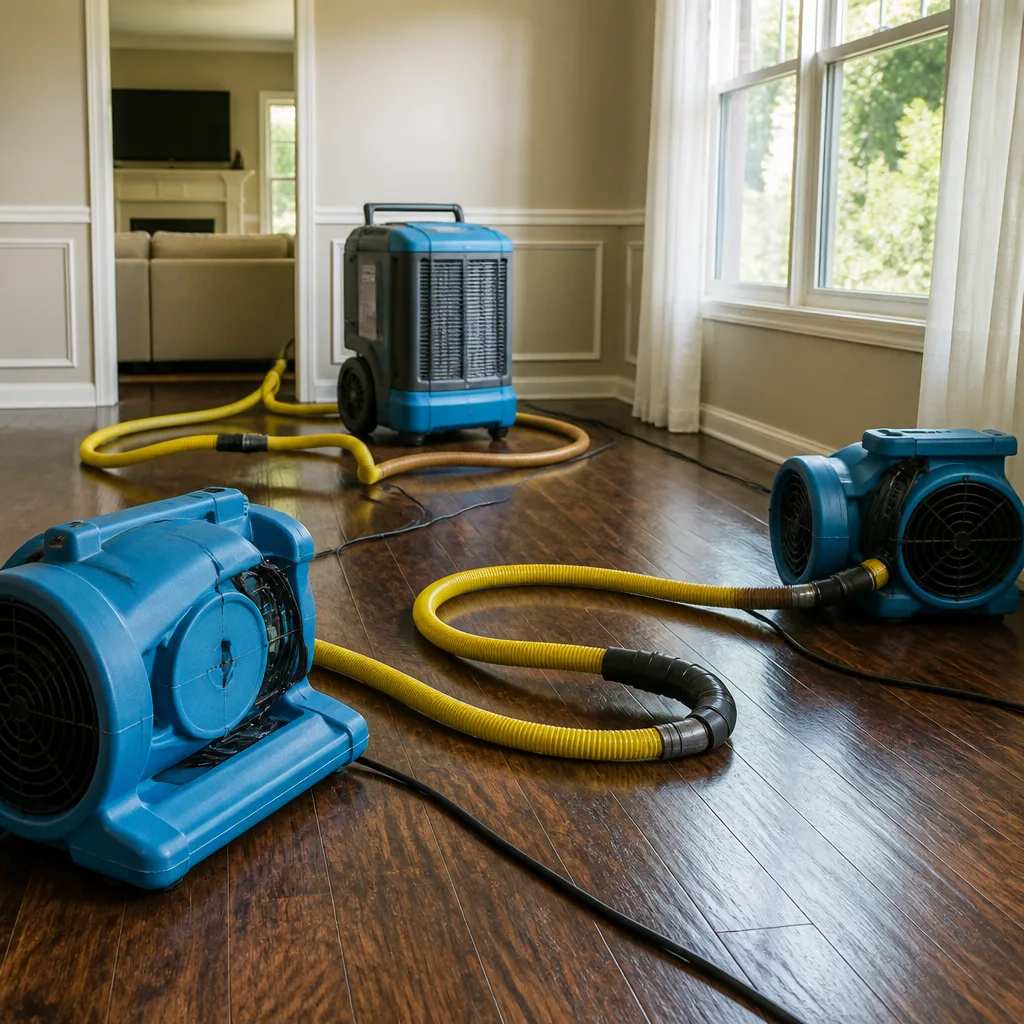
This is where Fairview’s clay soils change the playbook. We run XPOWER air movers and Phoenix dehumidifiers in containment, and we leave them running with daily moisture readings until the drying logs hit the dry standard. In these buildings, surface-dry is not the same as dry.
Cleaning & Sanitization
Every affected surface gets cleaned to pre-loss condition. For Category 2 and 3 losses, that includes antimicrobial treatment and HEPA air scrubbing to capture any aerosolized particulates that moved through the space before containment went up.
Document & Inventory Recovery
For Fairview commercial tenants, paperwork and inventory are often the highest-dollar loss in the room. We document, pack out, and process salvageable materials, and we photograph everything for the carrier at every stage.
Repairs & Restoration
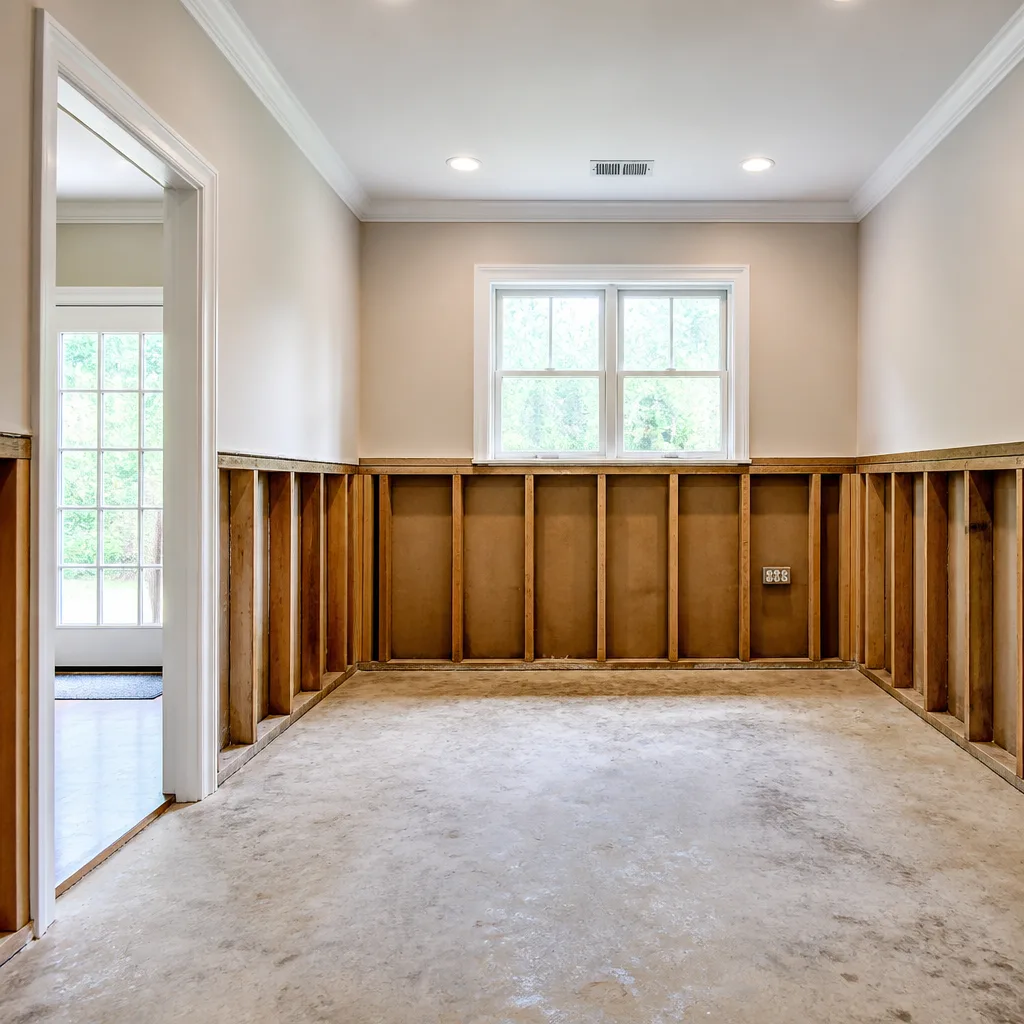
The same team rebuilds what was torn out: drywall, flooring, trim, paint, and structural repairs to slab and framing. You get one point of contact from the first phone call to the final walkthrough, and the 90-Day Done Right Promise in writing before we leave.
Need Emergency Commercial Restoration in Fairview Now?
Crews minutes away, answering live 24 hours a day. The sooner we start, the less it costs.
Working With Your Insurance Company
Commercial water damage in Fairview gets complicated fast because adjusters don’t always understand what clay-soil hydrodynamics do to a slab foundation. That’s why our documentation starts the first hour: photos of the loss, thermal imaging reads, moisture logs from day one, and a line-item scope that spells out exactly what needs drying, what needs replacing, and why. Our team speaks adjuster. We send the documentation directly to your carrier, handle the correspondence, and bill them directly so you’re not floating restoration costs out of pocket. The homeowner or building owner on the policy should never be the one explaining the difference between structural drying and surface extraction to an insurance desk. That’s our job, and we do it in writing.
What We Provide Your Insurer
- Thorough documentation of the loss
- Photos of all damage, room by room
- Moisture readings and drying logs
- A detailed, line-item scope of work
- Direct coordination with your carrier
Built for Fairview’s Loss Calendar
Fairview’s commercial damage season doesn’t look like the rest of the Hudson Valley’s. January brings deep freezes that crack cast-iron supply lines and drain pipes under slab floors, and those failures often don’t surface for days because the water travels horizontally before it shows. February’s freeze-thaw cycling is the worst: repeated temperature swings through the freezing point stress every pipe, joint, and roof penetration in a 1960s-era commercial building. Spring snowmelt saturates the clay-heavy soil around foundations, and that’s when basement seepage and sump-pit failures spike. Summer thunderstorms dump an inch of rain in an hour onto low-pitched commercial roofs whose drainage was designed for lighter loads, sending water through flashing and into ceiling cavities. Fall brings the first hard freeze, which catches any pipe that survived the previous winter on borrowed time. If you own or manage a commercial property in Fairview, the calendar itself is a warning system. We answer the phone when it goes wrong.
Commercial Restoration Across Fairview’s Neighborhoods
Fairview’s commercial density follows Route 9, and that corridor carries the bulk of the freeze-thaw pipe failures we see. The 1950s-era retail and office buildings there sit directly on the valley floor where clay soil holds groundwater tight against foundation walls, and slab leaks in those buildings travel farther than any landlord expects. The industrial and warehouse pockets just off the main drag have their own failure profile: long runs of original cast-iron drain line that were cast when Eisenhower was president, now brittle from sixty-plus winters of thermal cycling. Multi-unit commercial buildings closer to the residential core tend to be converted mid-century structures with uninsulated rim joists and original vapor barriers that were barely adequate on installation day and are effectively gone now. At a 1950s-era commercial building along Route 9, our techs found an uninsulated rim joist behind a retail tenant’s storage room had let freeze-thaw cycling crack a legacy cast-iron supply line, releasing Category 2 water into a full basement. We set containment, ran three XPOWER air movers and a Phoenix dehumidifier, and logged moisture readings for five days until drying logs matched the pre-loss condition. That’s the standard pattern in Fairview: the visible damage is only the top layer.
Specialized Commercial Restoration Services We Offer in Fairview
Business Interruption Minimization
When a Fairview retail tenant is shut down by water damage, every day closed is revenue gone. We stage containment and drying to keep unaffected areas open where possible, and we sequence the work so your highest-revenue tenants are back up first. Time is money, and we treat the clock as part of the scope.
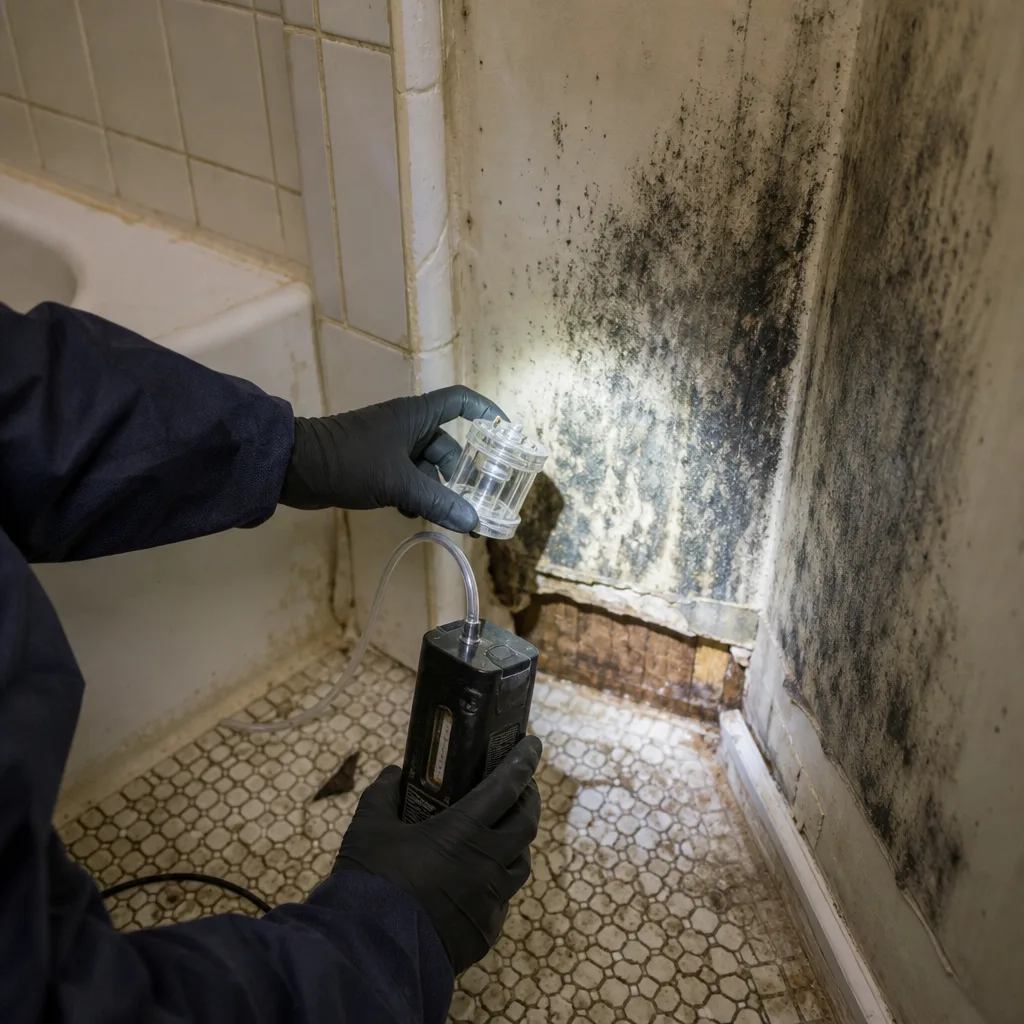
Industrial Facility Cleanup
Fairview’s industrial facilities often have long slab runs over clay soils, which means a single pipe failure can migrate water hundreds of feet from the source. We run extended hose lines for dehumidification, set multiple containment zones, and use professional-grade Dri-Eaz and Phoenix equipment sized for high-cubic-foot spaces.
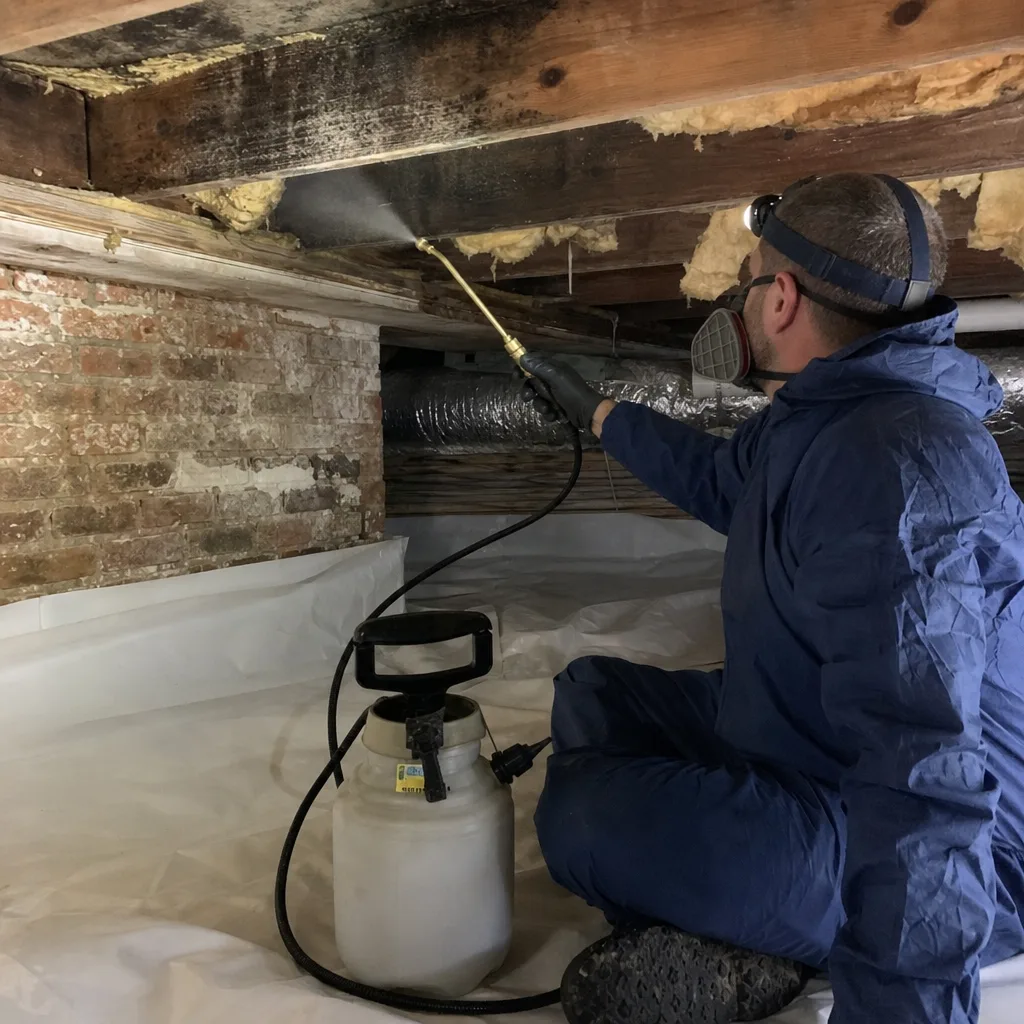
Document & Inventory Recovery
Paper files, product inventory, archives: these are the losses that hit Fairview businesses hardest, and they’re also the ones most restoration crews write off too quickly. We pack out salvageable materials, document everything for your carrier, and use controlled drying protocols that give your documents and stock the best chance of coming back. The 90-Day Done Right Promise covers this work, in writing, with no arguing.
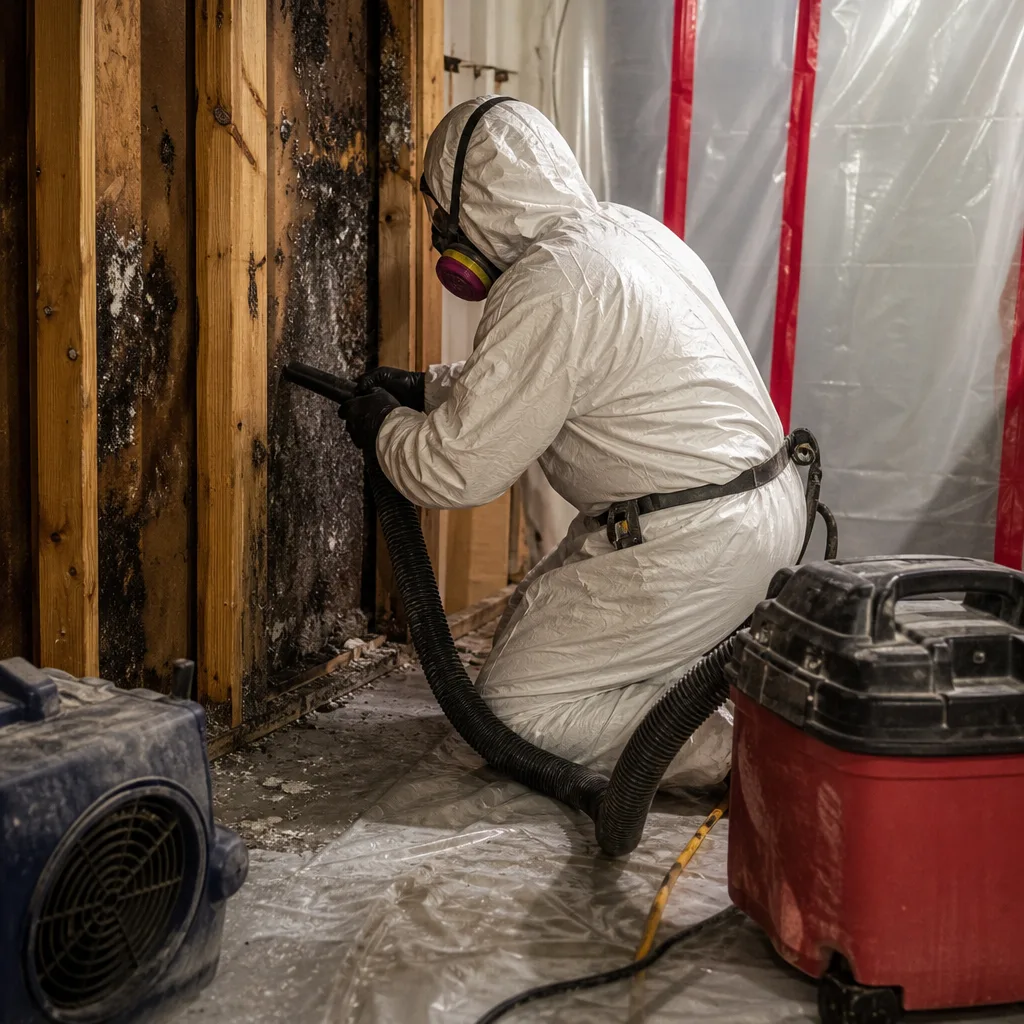
What happens when you call
- 1
A real person answersNo phone trees - you reach a local pro.
- 2
You get an upfront price rangeHonest numbers before anyone is dispatched.
- 3
A background-checked tech heads outLicensed & insured, dispatched right away.
- 4
You approve before work beginsNothing starts until you say go.
Commercial Restoration Costs in Fairview, NY
A straightforward commercial water extraction with basic drying in a small Fairview retail space typically runs $2,800 to $5,500. When structural drying is required, which is the rule rather than the exception on these clay-soil slab buildings, costs move into the $6,000 to $15,000 range depending on square footage and containment complexity. Category 3 black water losses in commercial spaces generally start around $9,000 and go up from there, because the cleaning and sanitization protocols are entirely different from a Category 1 supply-line break. Document and inventory recovery adds $1,500 to $6,000 depending on volume and condition, and full reconstruction after major water or fire damage typically lands between $40,000 and $120,000 on these older buildings. The free visual inspection we provide gives you a written scope with real numbers before you commit to anything, and most Fairview commercial losses are covered substantially by the property policy. We bill the carrier directly, so your out-of-pocket is usually the deductible, not the full bill.
We Also Serve Cities Near Fairview
Floodline Restoration Co. of Manhattan responds to commercial restoration calls throughout the mid-Hudson corridor. In addition to Fairview, our crews regularly serve commercial properties in Fairview‘s neighboring communities including Harrison, East Bronx, Hunts Point, and Jerome Park. If your property is in one of these areas, the same live-dispatched crews and the same 90-Day Done Right Promise apply.
Serving Fairview, NY - Our Local Coverage Area
We’re based in the Fairview area and know this community well. Use the map below to see our service coverage - if you’re nearby, we can almost certainly help.
Fairview Commercial Restoration Questions, Answered
Why does commercial water damage in Fairview ALWAYS require structural drying, not just extraction?
Because Fairview’s commercial buildings sit on clay-heavy valley soils that don’t drain. Extraction removes standing water, but water that has already wicked into the slab and foundation walls keeps moving through the concrete and migrates back into the building envelope within days. Without structural drying, which means running dehumidifiers and air movers in containment until moisture readings return to pre-loss levels, mold recolonizes within 48 hours and the damage comes back. Call (917) 924-4221 for an assessment with real moisture readings, not a guess.
Can a Fairview office building’s freeze-thaw pipe bursts be handled with just water extraction and air movers?
No. Freeze-thaw pipe bursts in Fairview office buildings release water that travels under slab floors and into wall cavities fed by uninsulated rim joists. Air movers dry the surface, but they don’t pull moisture out of the clay soil that keeps feeding the slab. That’s why we use Phoenix dehumidifiers in containment with daily moisture logs until the dry standard is met, not until the floor looks dry.
How do you stop recurring ice dam water damage in a Fairview 1950s commercial property with a low-pitched roof?
Extraction and drying stop the current loss, but recurrence stops only when the scope addresses what caused it: heat loss through uninsulated ceilings and inadequate attic air-sealing. Our Commercial Restoration team includes insulation and air-sealing work in the rebuild scope on these low-pitched Fairview buildings, because without it, the same ceiling staining returns every spring. We write it into the scope so your carrier sees it’s part of the restoration, not an add-on.
What’s different about document and inventory recovery after a Fairview commercial basement flood?
Fairview’s high water table means commercial basement floods here are usually Category 2 or 3 from the start, and that changes everything about how documents and inventory are handled. We don’t just stack wet boxes in a dry room. We document each item, photograph everything for your carrier, separate salvageable materials from lost ones, and run controlled drying in containment where humidity stays regulated. The paperwork trail matters as much as the drying, because the insurance claim depends on proof of what was lost.
Does Fairview require a different containment setup for Category 3 black water in a retail space?
Yes. Category 3 black water in a Fairview retail space means sewage or sump-pit backup, and running air movers without full containment spreads aerosolized pathogens into your inventory and onto your walls. We set negative-pressure containment with HEPA filtration before any drying equipment runs, and we don’t break containment until clearance readings pass. This is not a corner you want cut, and we don’t cut it.
How fast can a crew actually reach my Fairview commercial property?
Typically within 45 minutes. We dispatch live from the NYC metro office and crews serve Fairview locally, so a truck moves when you call. The first hour determines how much moisture reaches hidden cavities, so waiting until morning is never the cheaper option.
Will my insurance cover commercial water damage restoration in Fairview?
Most Fairview commercial property policies cover water damage from sudden pipe failures and freeze-thaw events, minus your deductible. Some policies have exclusions for long-term seepage or maintenance issues, which is why our documentation from the first hour matters. We photograph everything, log moisture readings daily, and coordinate with your adjuster directly so the claim reflects what actually happened, not what a form assumes happened.
What should I do in the first 30 minutes after discovering commercial water damage in Fairview?
Call (917) 924-4221. Then shut off the water supply if you can locate it safely, and don’t enter standing water if there’s any chance it’s Category 3 from a sump or sewer backup. Don’t move wet inventory or start extracting yourself: the path water travels through a Fairview slab building matters for the insurance claim, and moving materials before we document the scene can complicate coverage. Take photos from the doorway if it’s safe, and wait for the crew.
Fairview’s commercial buildings fail in ways that generic restoration companies don’t plan for: clay soils holding moisture against slabs, cast-iron lines cracking from six decades of freeze-thaw cycling, and low-pitched roofs holding meltwater long enough to find every gap in the flashing. We built our approach around what actually happens in these buildings, and we back it with the 90-Day Done Right Promise, in writing. If you’ve got water where it shouldn’t be, call (917) 924-4221 for a free visual inspection. We’ll be there when we say.
Written by Curt Bowman, Owner at Floodline Restoration Co. of Manhattan, serving Fairview and the mid-Hudson Valley with certified commercial restoration crews and direct insurance billing since 2010.