
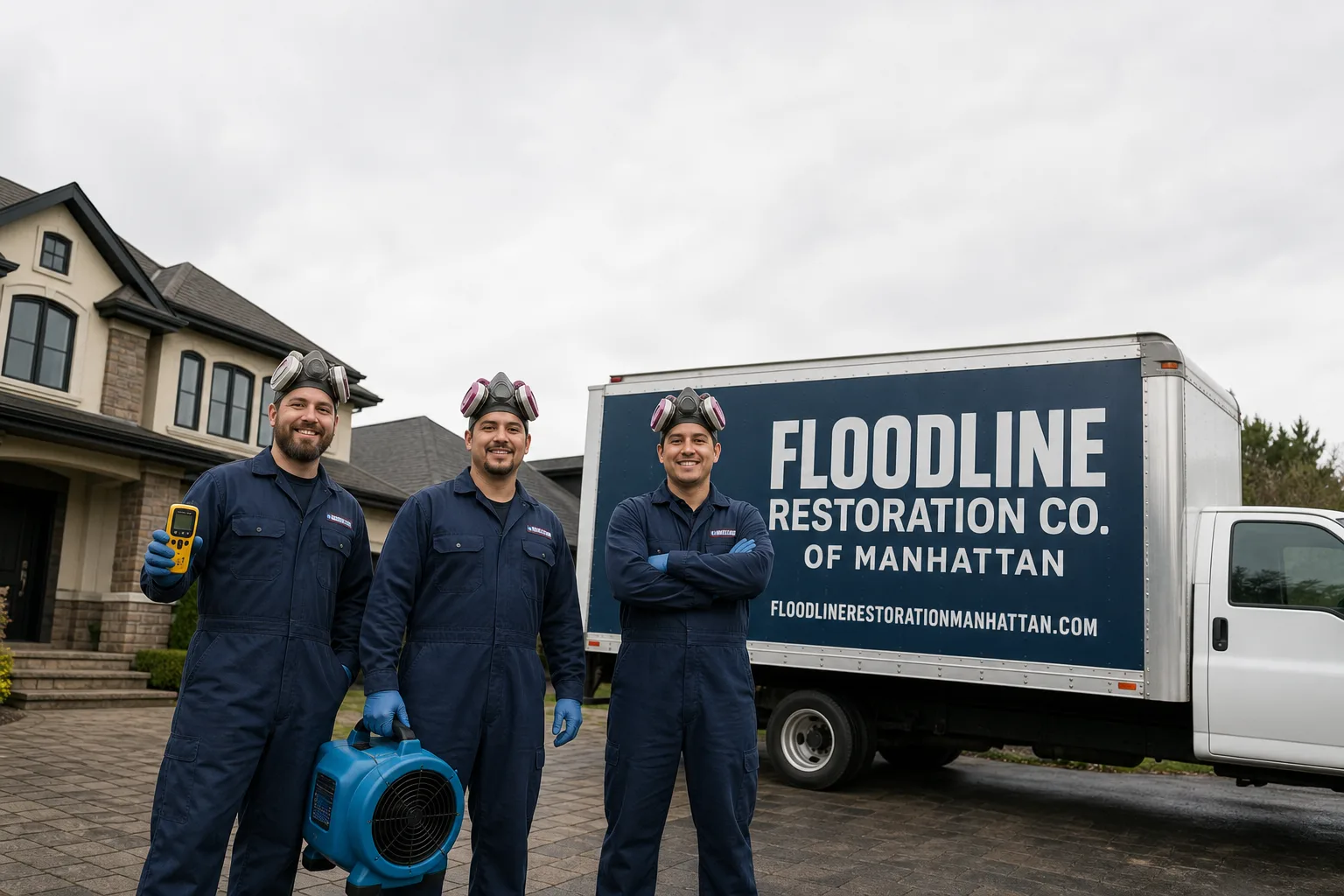
Free visual inspection and a written scope of work before any mitigation begins - photos, moisture readings, and drying logs go in your claim file
The scope we write is the scope we bill. Anything new gets shown to you, in writing, before we touch it.
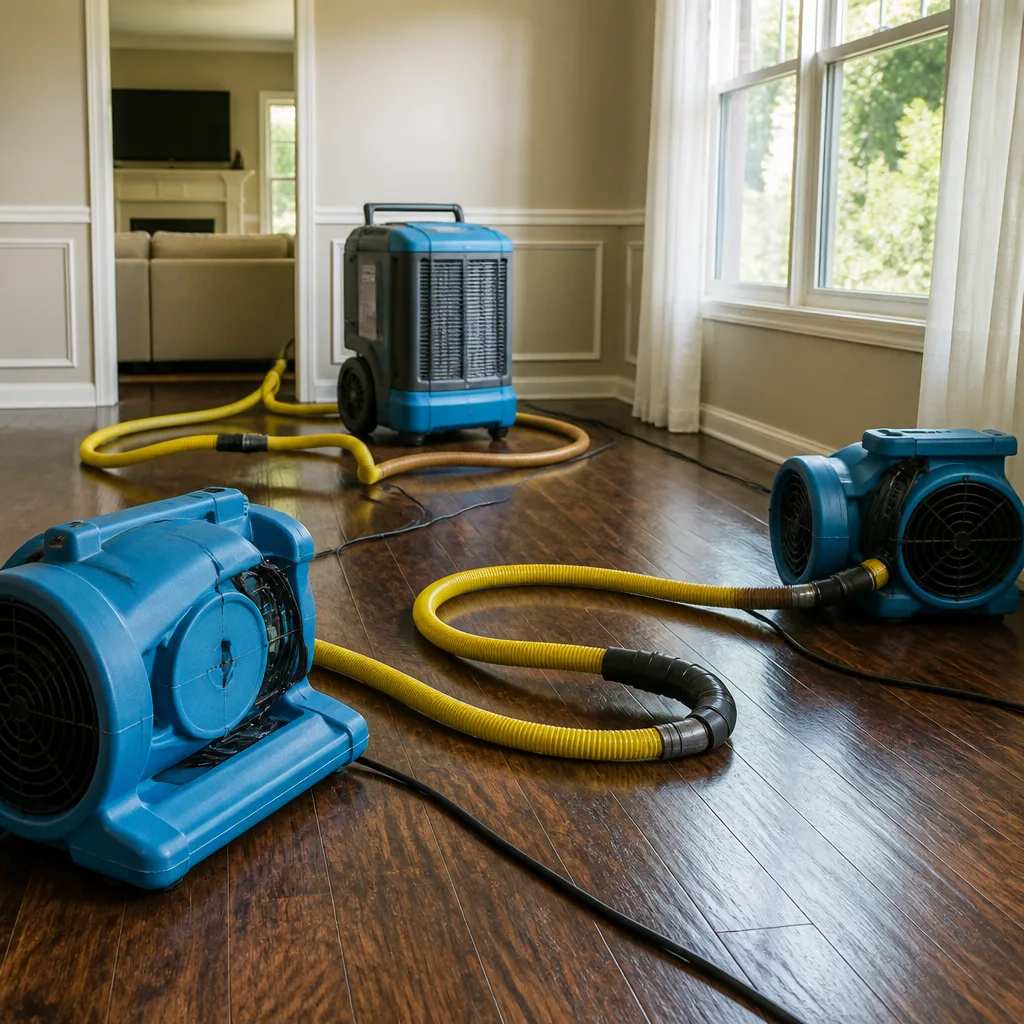
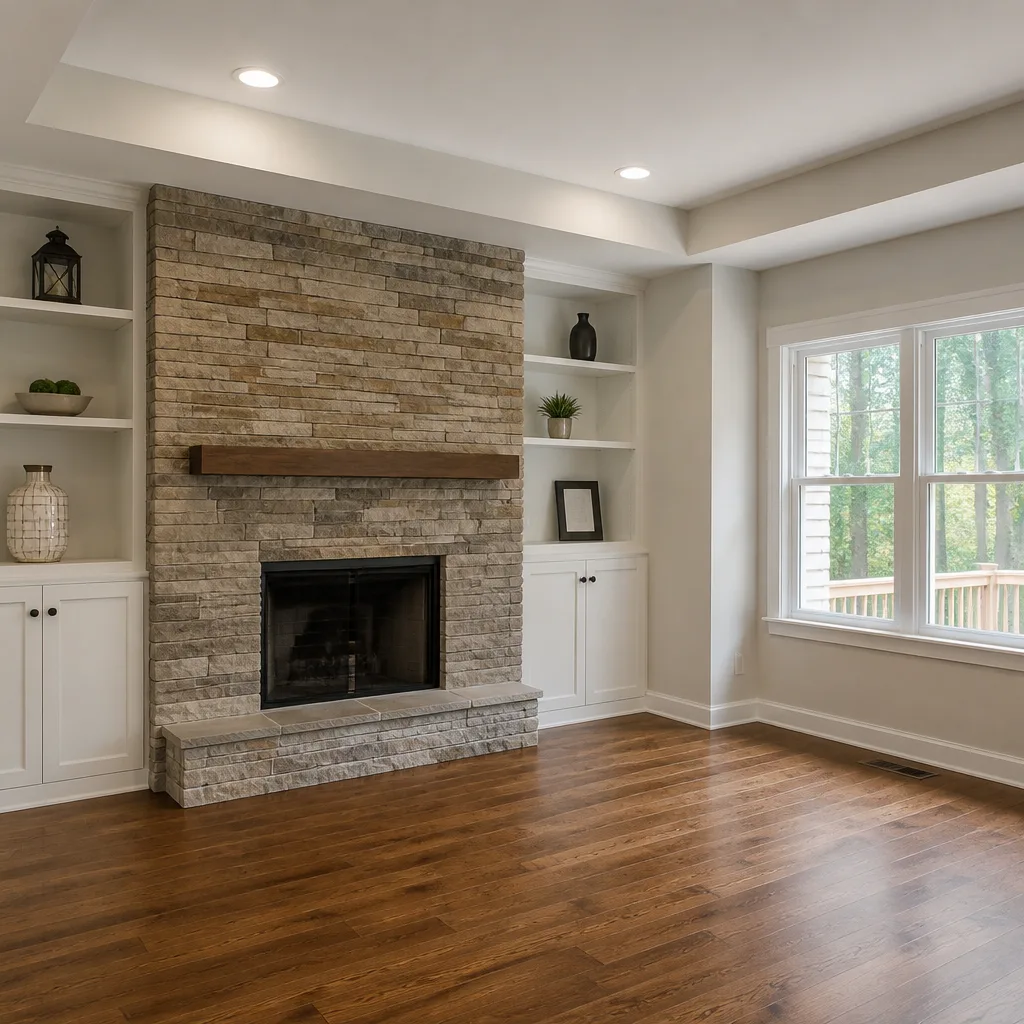
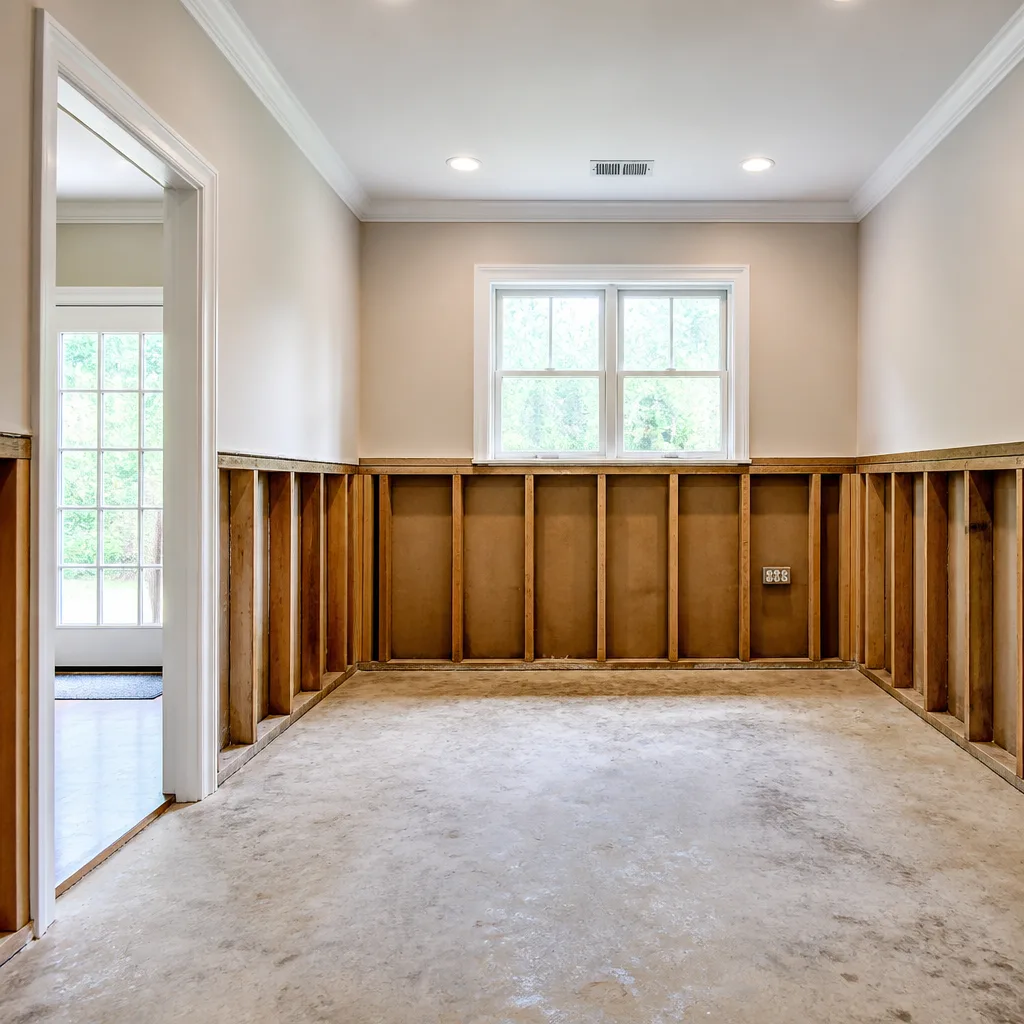
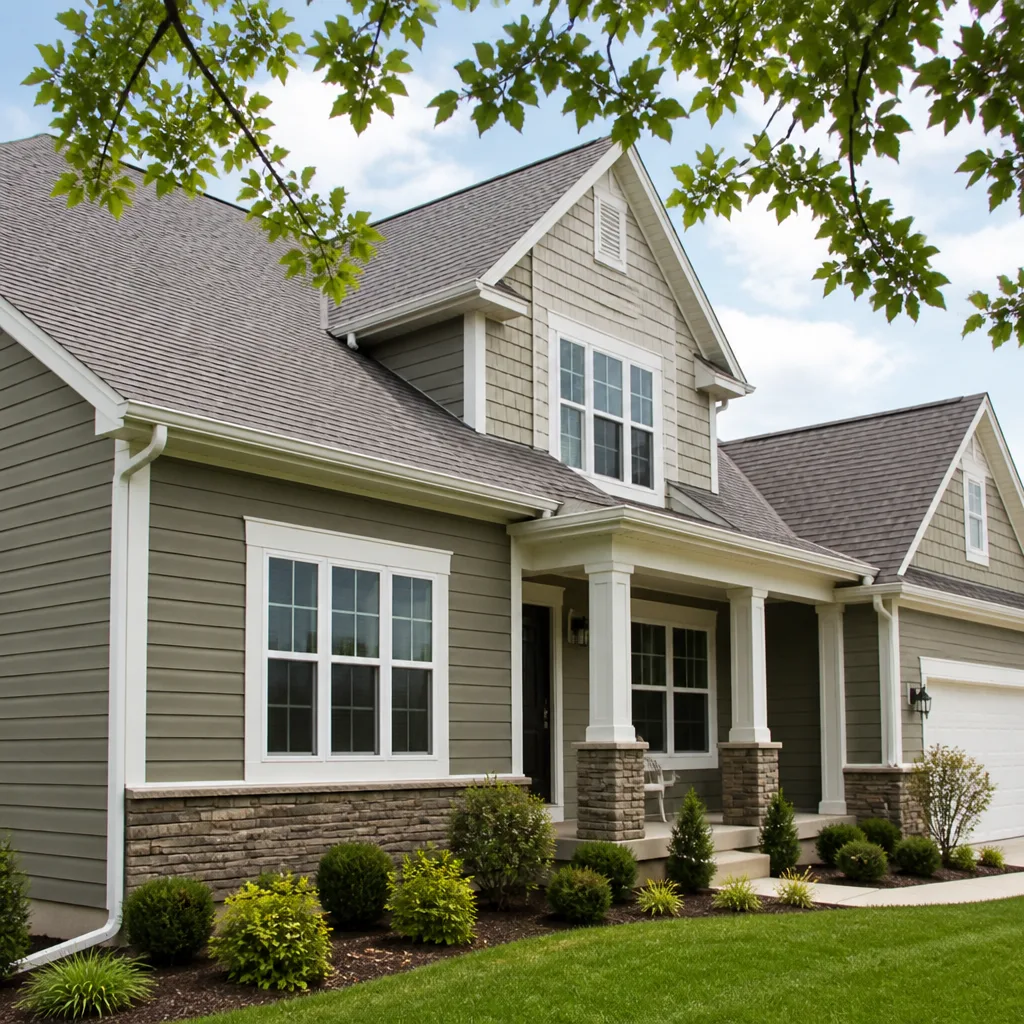
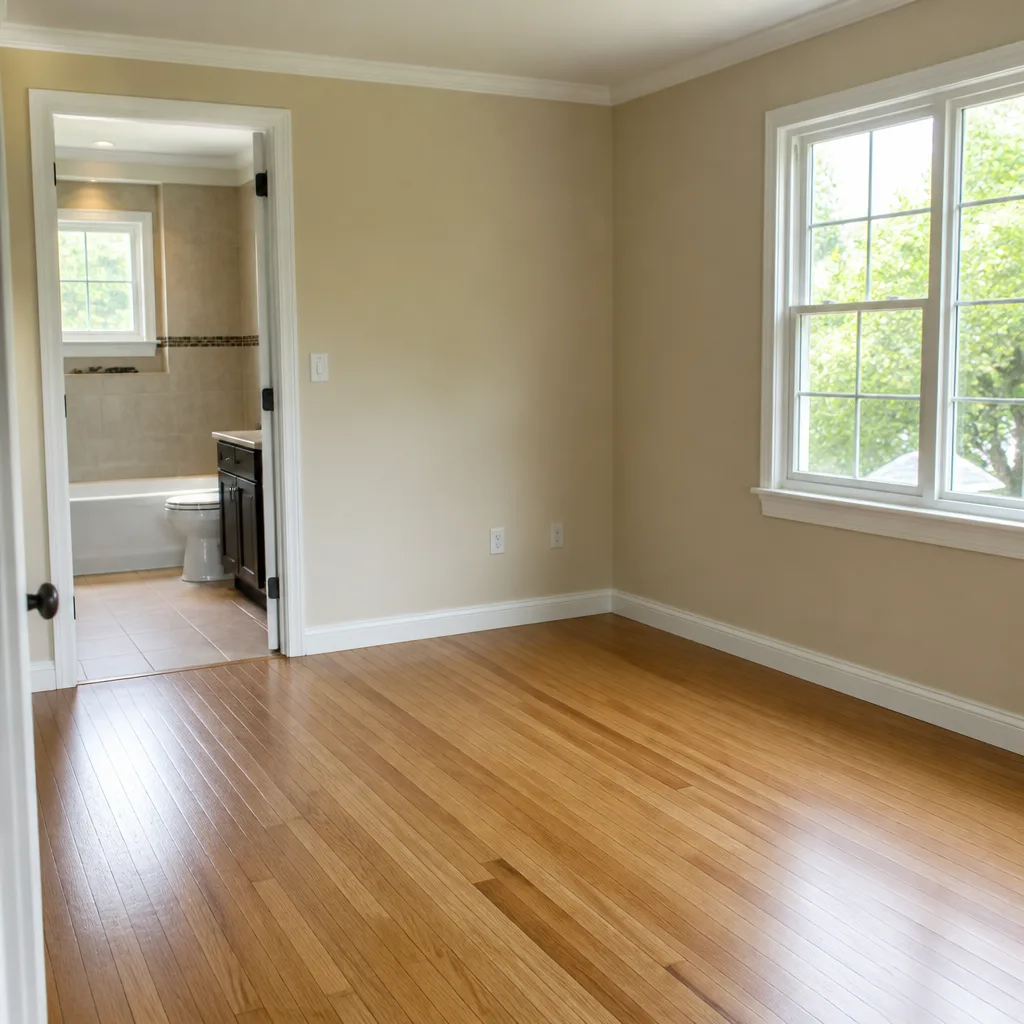
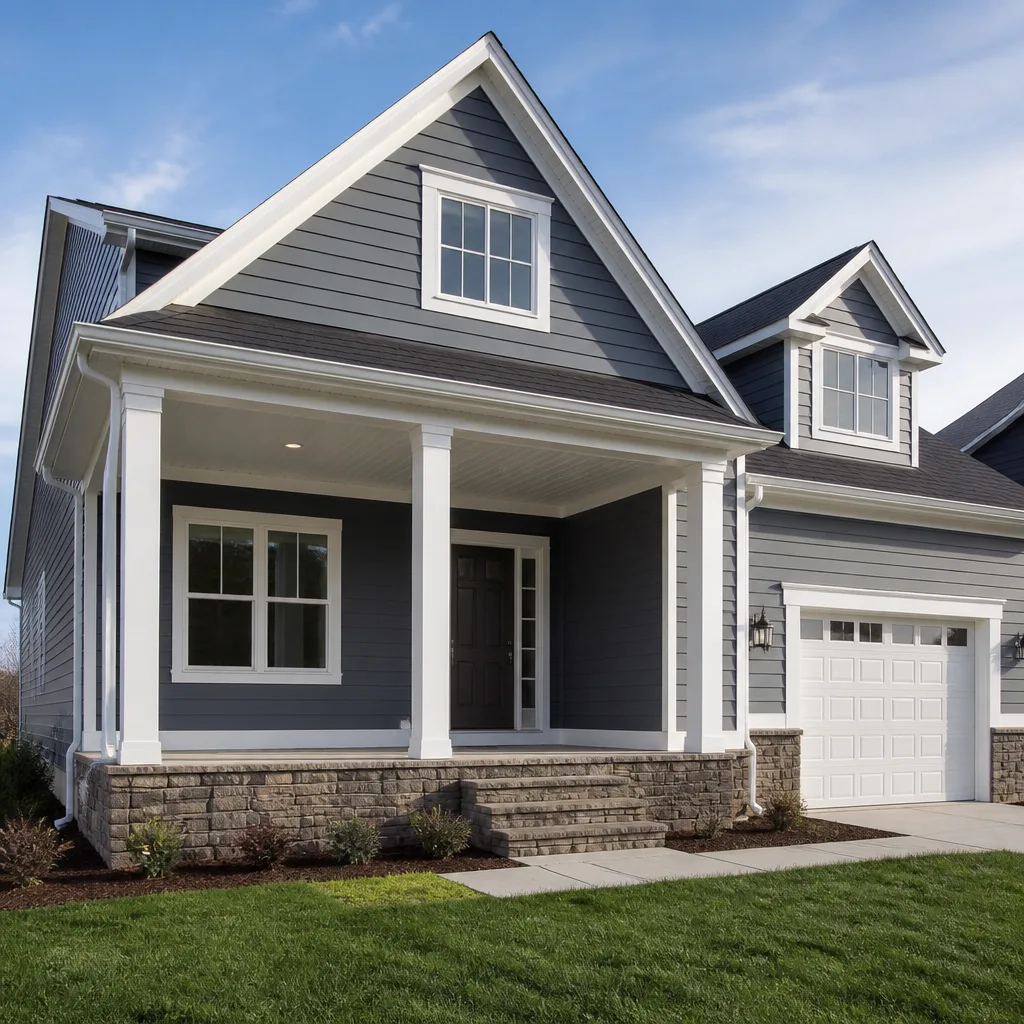
 Before
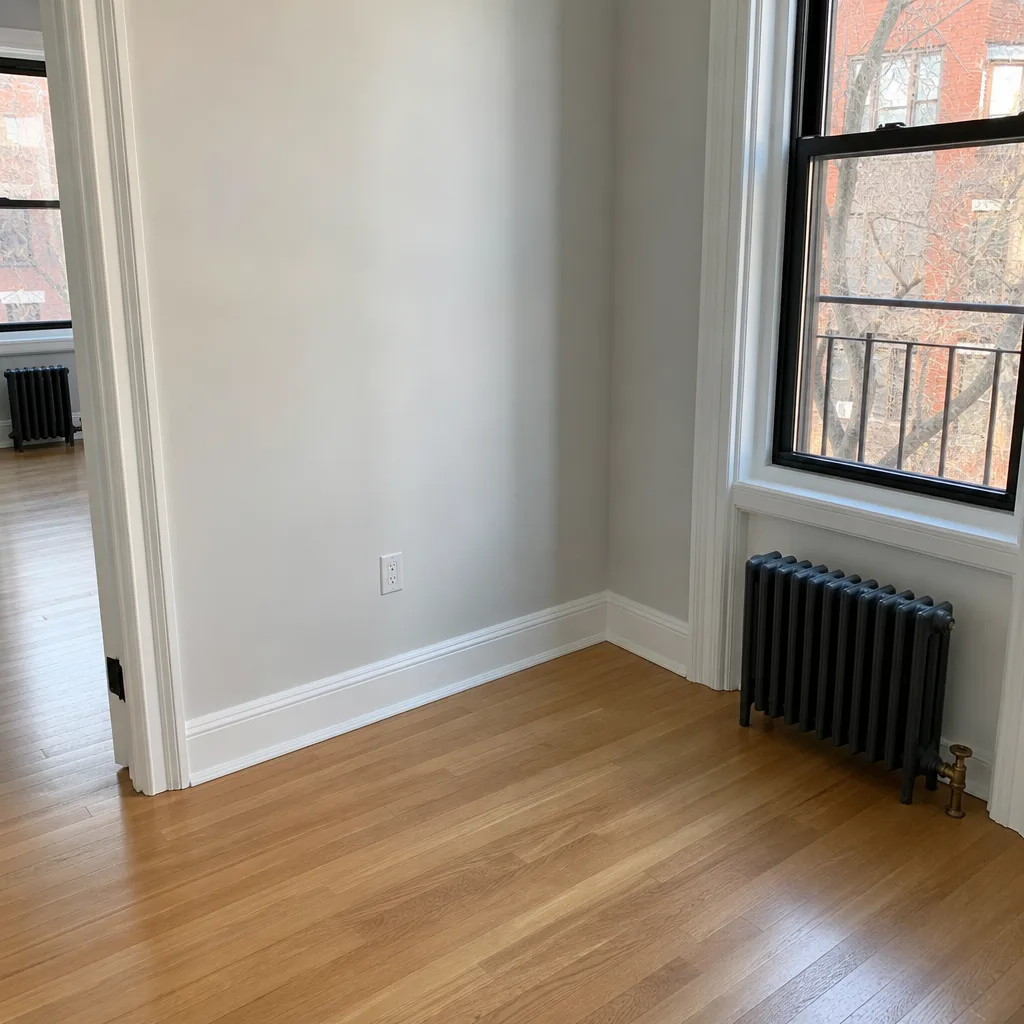 After
After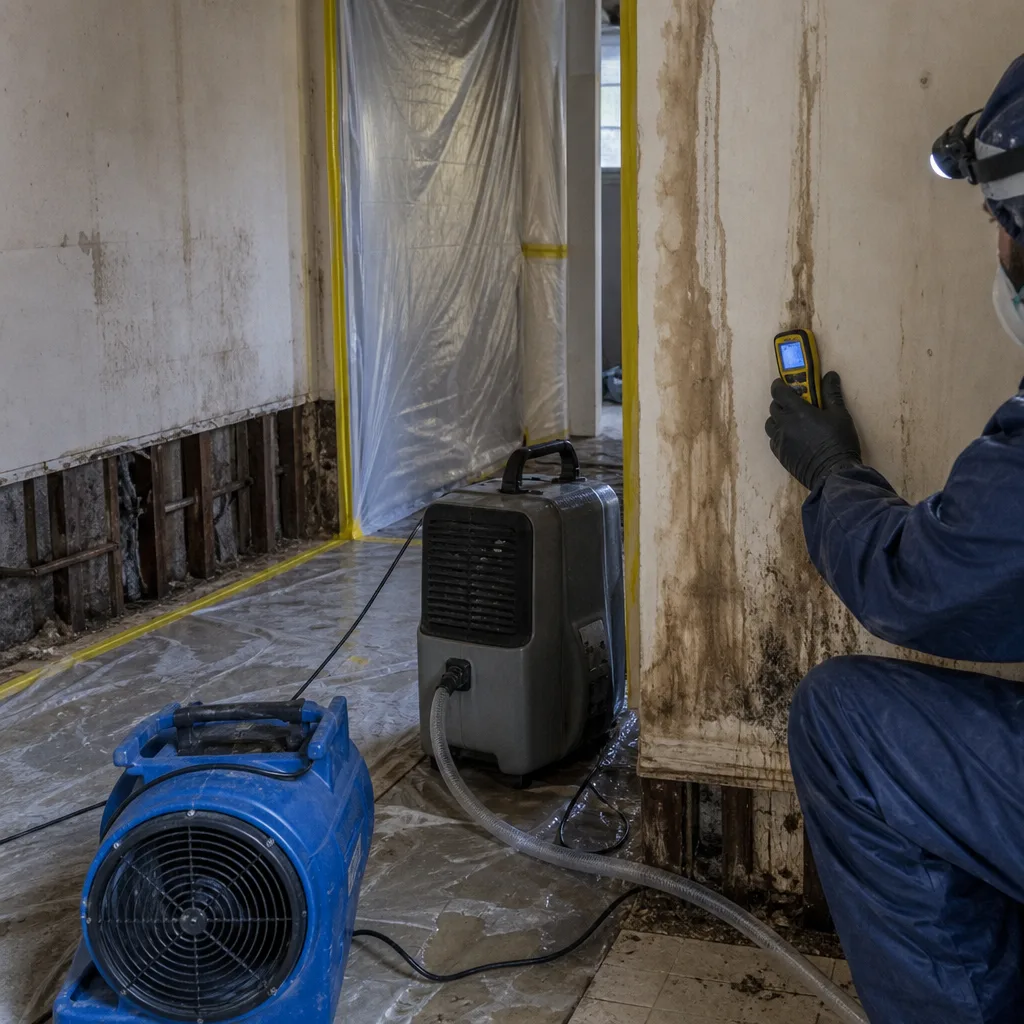 Before
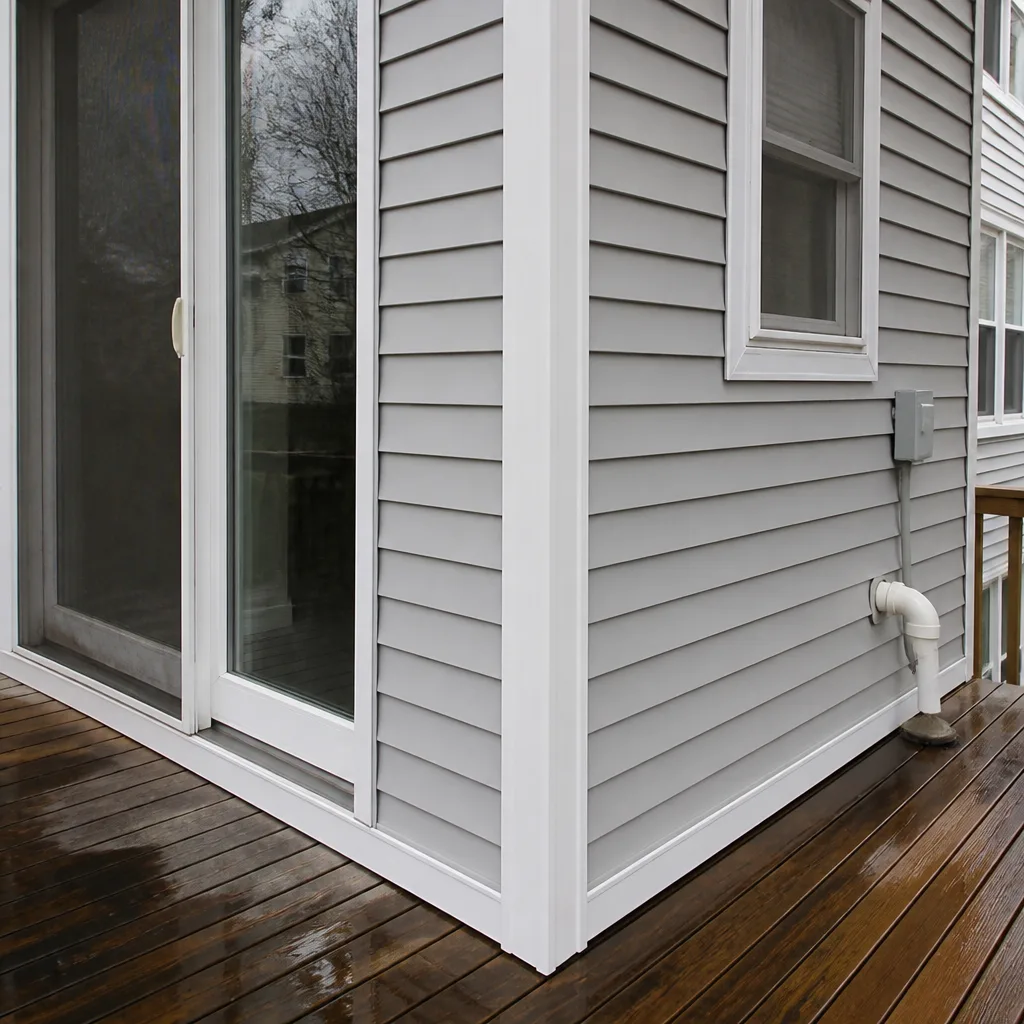 After
After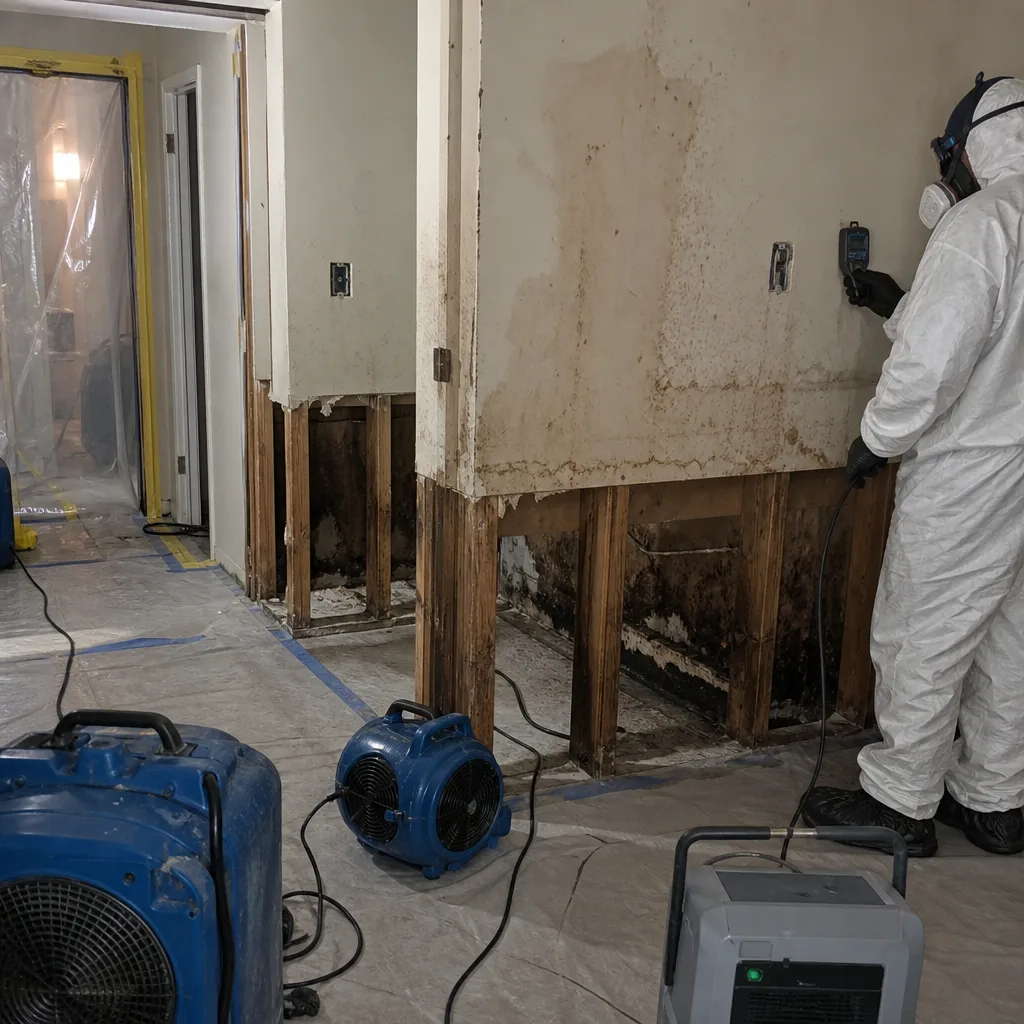 Before
 After
After24/7 Emergency Commercial Restoration in Glenville
Commercial water, fire, or mold damage in Glenville needs a crew that answers the phone at 2 a.m. and starts extraction the same visit. Floodline Restoration Co. of Manhattan dispatches certified crews into Glenville around the clock, every day of the year, with live dispatch - a real person picks up, not a recording. Most commercial jobs in Glenville get a crew on site within 45 minutes. Call (917) 924-4221 the moment you see standing water, smell smoke residue, or spot ceiling staining. The first hour decides whether you’re drying a contained area or tearing out drywall, flooring, and inventory three days later.
Every Glenville commercial call starts with a free visual inspection and a written scope before any work begins. That means you know what we found, what it costs, and what happens next before a single fan goes in.
Understanding Commercial Restoration Severity in Glenville Properties
Not all commercial water damage in Glenville is the same, and the building stock here makes severity assessment harder than a quick glance suggests. Most Glenville commercial buildings date to the 1950s and 1960s - ranch-style offices and Cape Cod-adjacent storefronts built for Schenectady’s industrial workforce. Those buildings carry original plaster-over-lath walls, not modern drywall. Water hides between the plaster and the stud cavity. A moisture map that reads dry at the surface can miss a saturated cavity behind 60-year-old plaster, and that hidden moisture becomes mold within 48 to 72 hours if it’s not addressed with proper structural drying.
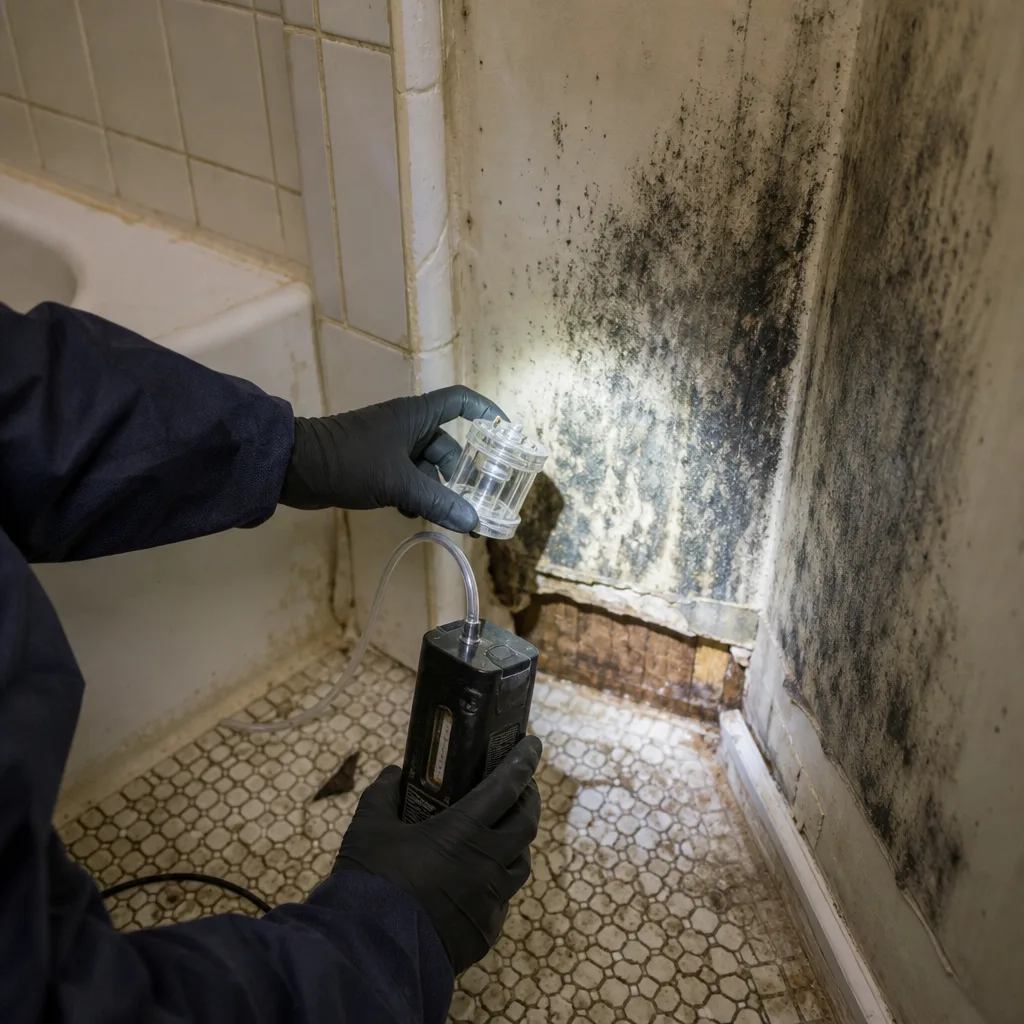
We classify water by category: Category 1 is clean water from a supply line; Category 2 carries contaminants from appliance discharge or sump failures; Category 3 is grossly contaminated - Mohawk River floodwater, sewage, or storm surge. Category 3 water in a Glenville commercial property means full containment, removal of affected porous materials, and antimicrobial treatment before drying even begins. For smoke damage, soot residue type drives the cleaning method: dry soot from a paper fire cleans differently than protein soot from a kitchen fire or oily soot from burning synthetics. Mold work requires containment, negative air pressure, HEPA air scrubbing, and clearance testing before we hand the space back for occupancy. In Glenville’s older commercial buildings, those severity calls are rarely simple.
Why Glenville Property Owners Choose Floodline Restoration Co. of Manhattan
- 45-minute response commitment to Glenville commercial properties. Our dispatch board shows exactly which crews are closest to your block, and we send the nearest IICRC-certified team immediately.
- Live answer, 24 hours a day, 7 days a week. You talk to a dispatcher who can route a crew, not an automated phone tree. At 2 a.m. on a Sunday, a real person answers.
- IICRC-certified crews. Our technicians carry WRT, FSRT, and AMRT certifications and train to RIA and IFA standards. Background-checked and uniformed on every Glenville job.
- Free visual inspection before any work begins. We document what we see, explain what it means, and give you a written scope. No work starts without your approval.
- Direct insurance billing. Floodline works with your carrier on the claim. We provide documentation, line-item estimates, and adjuster coordination so you’re not the messenger.
- One team from first extraction to final rebuild. The same certified crew that reads the moisture map on day one handles daily readings, drying logs, and reconstruction. No mid-job handoff to an unfamiliar subcontractor.
Our Commercial Restoration Process
Inspection & Assessment
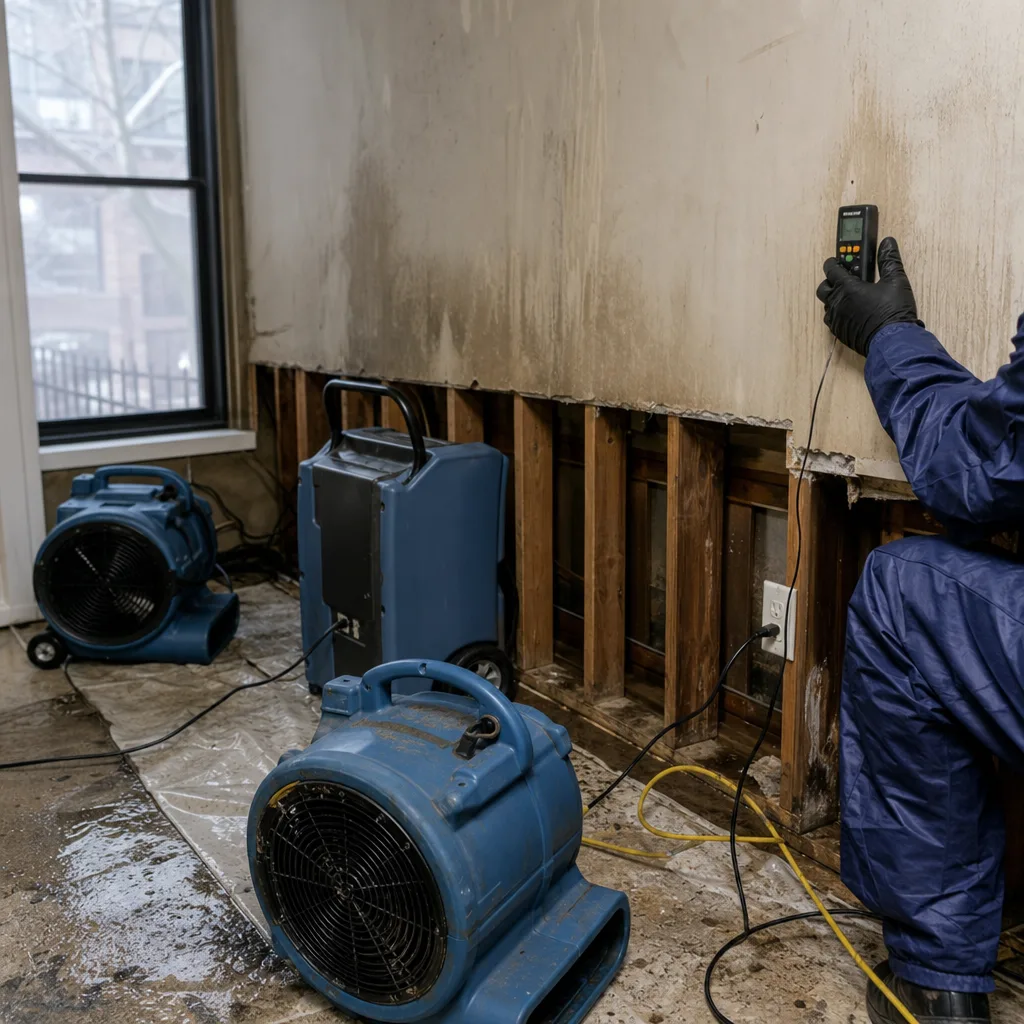
A certified crew arrives at your Glenville property, maps the affected area with thermal imaging and moisture meters, and classifies the water or fire damage. We document everything with photos and start building the claim file from minute one. You get a written scope before we touch anything.
Extraction / Stabilization
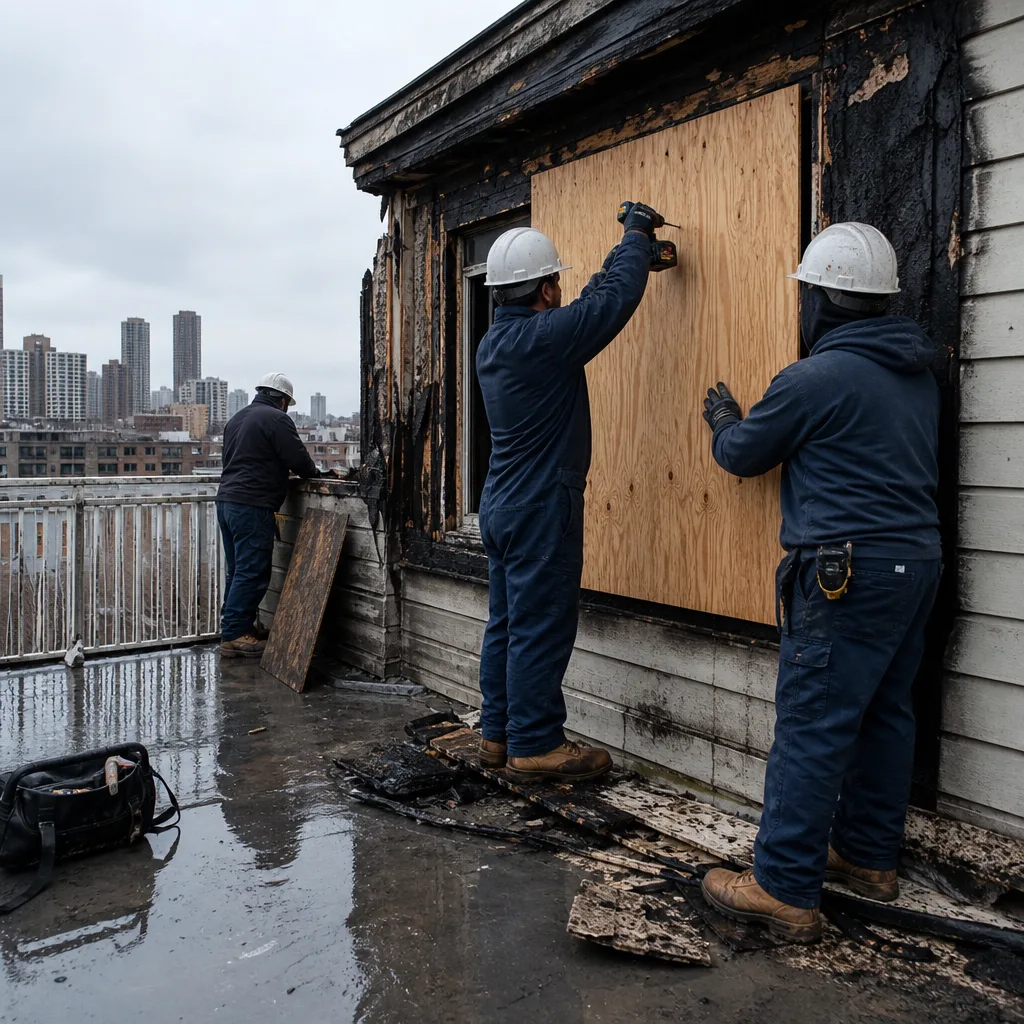
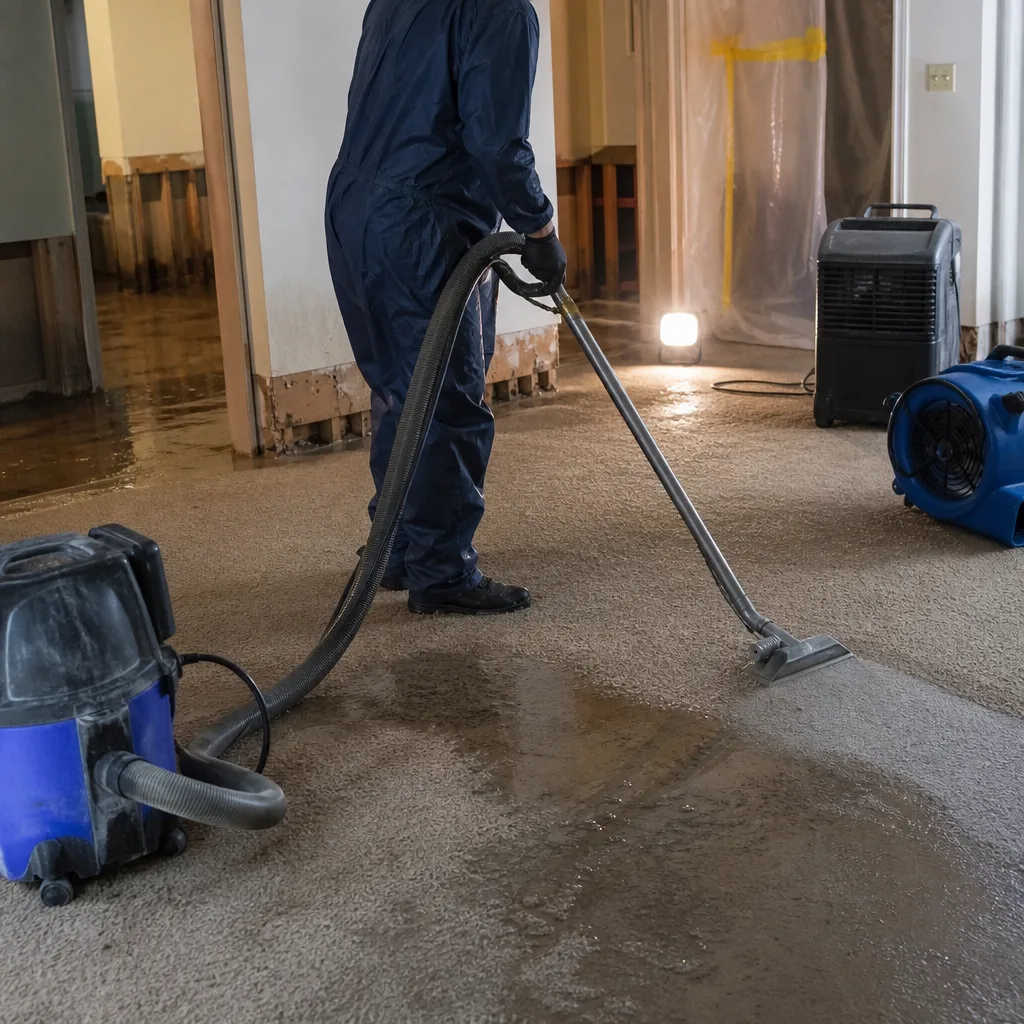
For water losses, we run truck-mounted and portable extraction units - Dri-Eaz and Phoenix equipment - to pull standing water fast. For fire losses, we stabilize the structure, board up openings, and remove debris. Speed here determines what’s salvageable.
Drying & Dehumidification
We position air movers and commercial dehumidifiers based on the moisture map, not guesswork. Daily hygrometer readings track progress against the dry standard - in Glenville’s plaster-and-lath buildings, this phase takes longer than in modern drywall construction, and we plan for that.
Cleaning & Sanitization
Affected surfaces get cleaned with the right method for the contaminant - antimicrobial treatment for Category 2 and 3 water, soot-specific cleaning for fire residue, HEPA air scrubbing for mold. We don’t mask odors; we remove their source.
Specialty Treatment
Documents, inventory, electronics, and building contents get evaluated for salvage. Injectidry systems dry hardwood flooring in place. We run inventory recovery for flood-damaged stock and document everything for your carrier.
Repairs & Restoration
The same crew that extracted and dried now rebuilds. Drywall, plaster patch, paint, flooring, trim - we restore your Glenville commercial space to pre-loss condition. Every job is backed by the 90-Day Done Right Promise, in writing.
Need Emergency Commercial Restoration in Glenville Now?
Crews minutes away, answering live 24 hours a day. The sooner we start, the less it costs.
Working With Your Insurance Company
Floodline Restoration Co. of Manhattan has handled insurance claims for Glenville commercial losses for years, including the NFIP repeated-loss documentation that flood-prone Scotia-area properties require. We document the loss from the first hour: photos of every affected area, room by room, before and during mitigation. We log moisture readings daily and submit drying logs to your carrier. Our estimates follow the same industry-standard format adjusters expect, which means fewer questions and fewer delays.
We communicate directly with your adjuster so you don’t have to translate restoration terminology into insurance language. If the claim involves floodplain ordinance compliance or an elevation certificate review, we flag it early and coordinate the paperwork. Direct insurance billing means the carrier pays us, and you’re not fronting money while the claim processes.
What We Provide Your Insurer
- Thorough documentation of the loss
- Photos of all damage, room by room
- Moisture readings and drying logs
- A detailed, line-item scope of work
- Direct coordination with your carrier
Built for Glenville’s Loss Calendar
Glenville’s commercial damage follows a pattern you can set a calendar by. January deep freezes burst supply lines in 60-year-old buildings with original galvanized plumbing, flooding offices and retail spaces while the temperature outside stays below freezing. February and March bring the ice dam season: low-pitched roofs on mid-century commercial ranches trap snowmelt behind ice ridges, and water backs up under shingles into ceiling cavities and wall assemblies. We run freeze-thaw response calls across Glenville every late winter, and the buildings with original 1950s-1960s roofing are always the hardest hit.
Spring thaw sends groundwater into basements and crawlspaces, especially in lower-lying commercial blocks near the Mohawk. Summer thunderstorms bring flash flooding that overwhelms drainage on flat commercial roofs and parking areas. And any heavy rain event in the Mohawk Valley puts Scotia-area flood-zone properties on alert - the river is the variable that rewrites every other line on the loss calendar. A commercial property owner in Glenville who understands this rhythm can plan maintenance around it. The ones who don’t become our emergency calls.
Commercial Restoration Across Glenville’s Neighborhoods
Glenville’s commercial footprint stretches along Route 50 from the Mohawk River northward, and the building stock changes as the elevation climbs. Closest to the river, near the village of Scotia, commercial blocks sit in documented FEMA flood zones. These properties - small retail storefronts, mixed-use buildings, and a handful of older office suites - carry the heaviest flood exposure in the entire town, and many have NFIP repeated-loss files already open. A Category 3 water event here is not a one-off; it’s another entry in a claims history that affects coverage, deductibles, and restoration scope.
Further north along Freemans Bridge Road and up toward Indian Field, the commercial buildings are newer - 1970s through 1990s construction with modern drywall and higher elevations above the floodplain. These properties see fewer river floods and more plumbing failures, roof leaks, and ice dam damage. The restoration approach shifts accordingly: less floodplain paperwork, more standard structural drying. Pemberwick, on Glenville’s northeast side, has a mix of older mill-era commercial structures and mid-century infill, and those older buildings bring the plaster-and-lath challenges we described earlier. We route crews from multiple points around Glenville so the nearest team reaches your property in under 45 minutes.
Specialized Commercial Restoration Services We Offer in Glenville
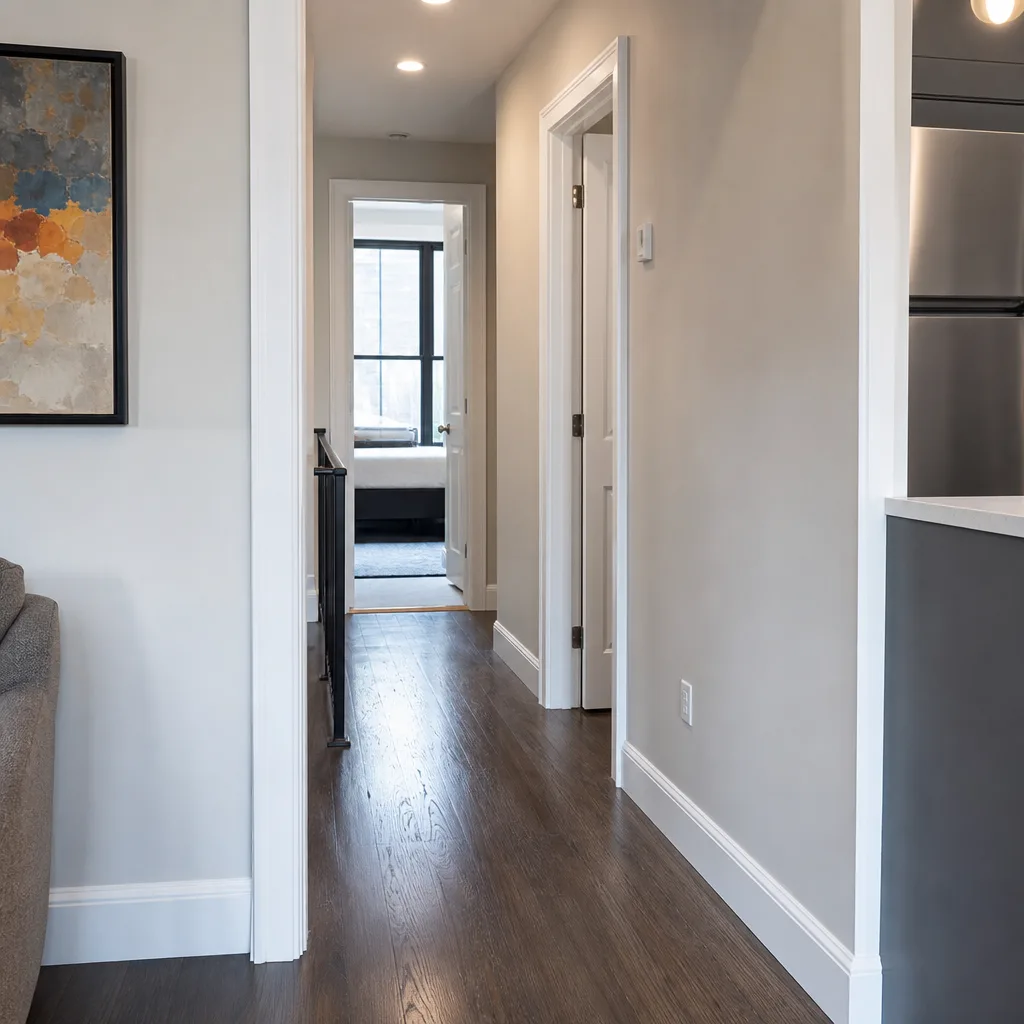
Office & Retail Restoration
Glenville storefronts and offices damaged by water or fire need to reopen fast. We prioritize salvageable inventory, document losses for your carrier, and run drying equipment overnight so you’re not closed longer than necessary. Retail spaces along Route 50 and in the Scotia commercial corridor are regular calls for us.
Multi-Unit & HOA Restoration
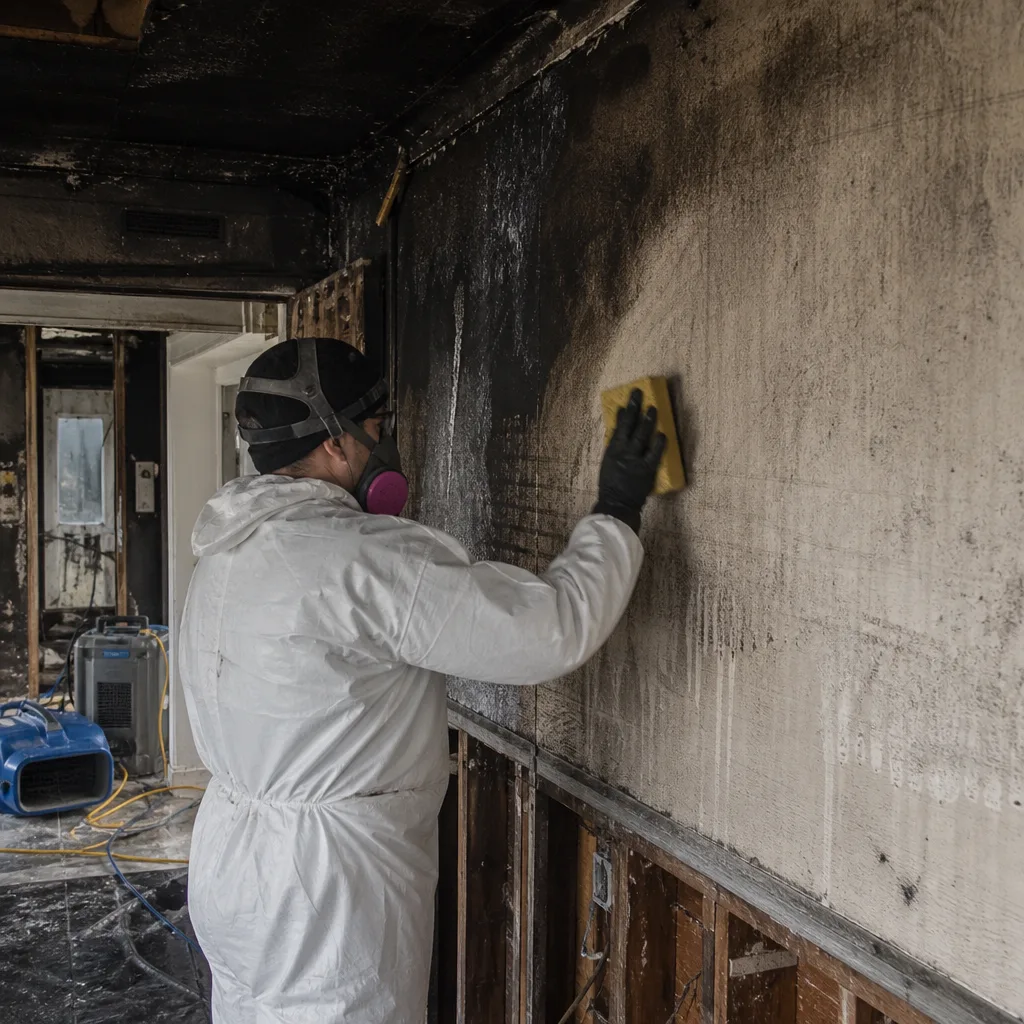
Multi-unit commercial buildings in Glenville - including mixed-use properties with apartments above storefronts - require coordinated mitigation across multiple units and common areas. We work with property managers and HOA boards directly, provide a single point of contact, and handle the insurance paperwork for the whole building, not just one unit.
Industrial Facility Cleanup
Glenville’s industrial and warehouse spaces present bigger square footage, higher ceilings, and heavier equipment. We bring commercial-grade air movers and dehumidifiers sized for the volume, stage drying in zones so production areas reopen first, and handle industrial soot and chemical residue cleanup with the right protocols.
Large-Loss Response
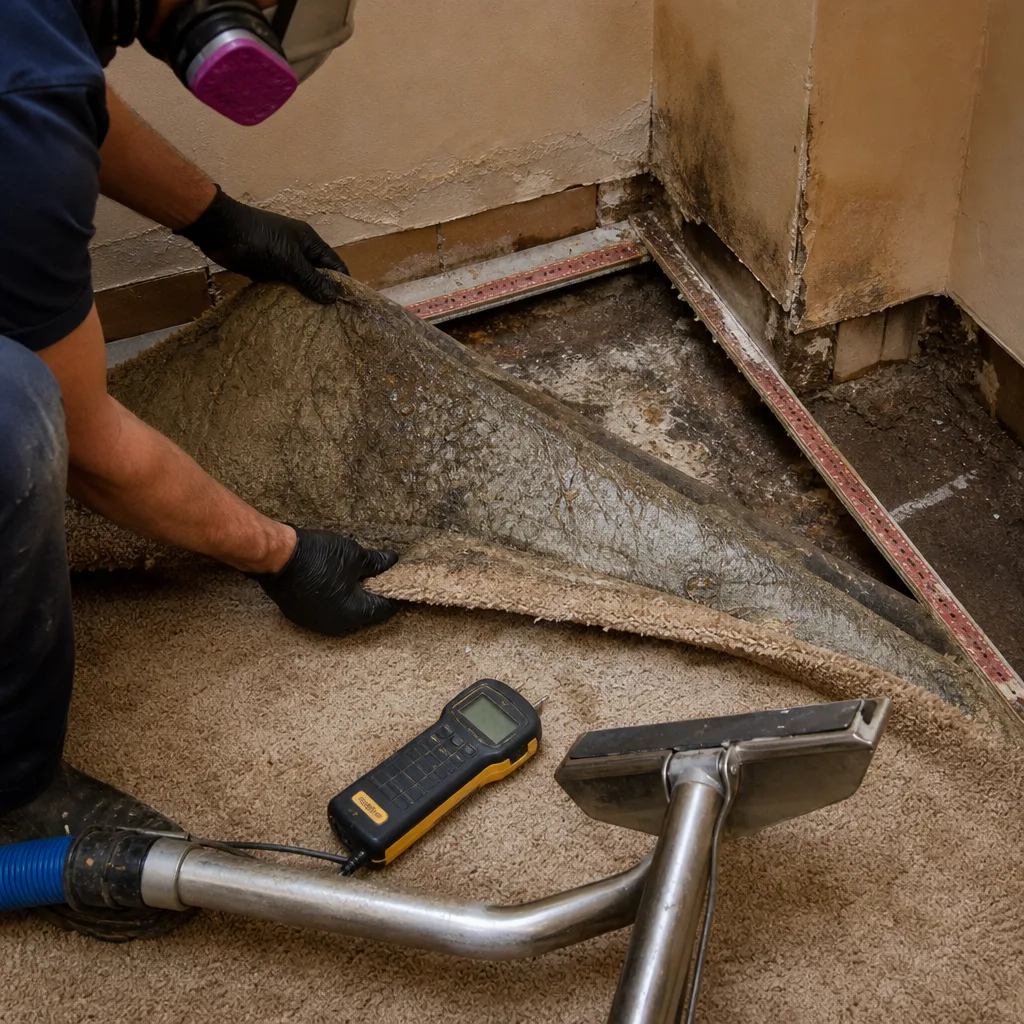
When a Glenville commercial loss spans multiple rooms, floors, or buildings, we scale up. Our large-loss teams deploy additional crews, equipment trailers, and project managers so the job doesn’t stall waiting on resources. We’ve run large-loss responses across the Mohawk Valley after storm events and freeze incidents, and we stage equipment for the next one before it happens.
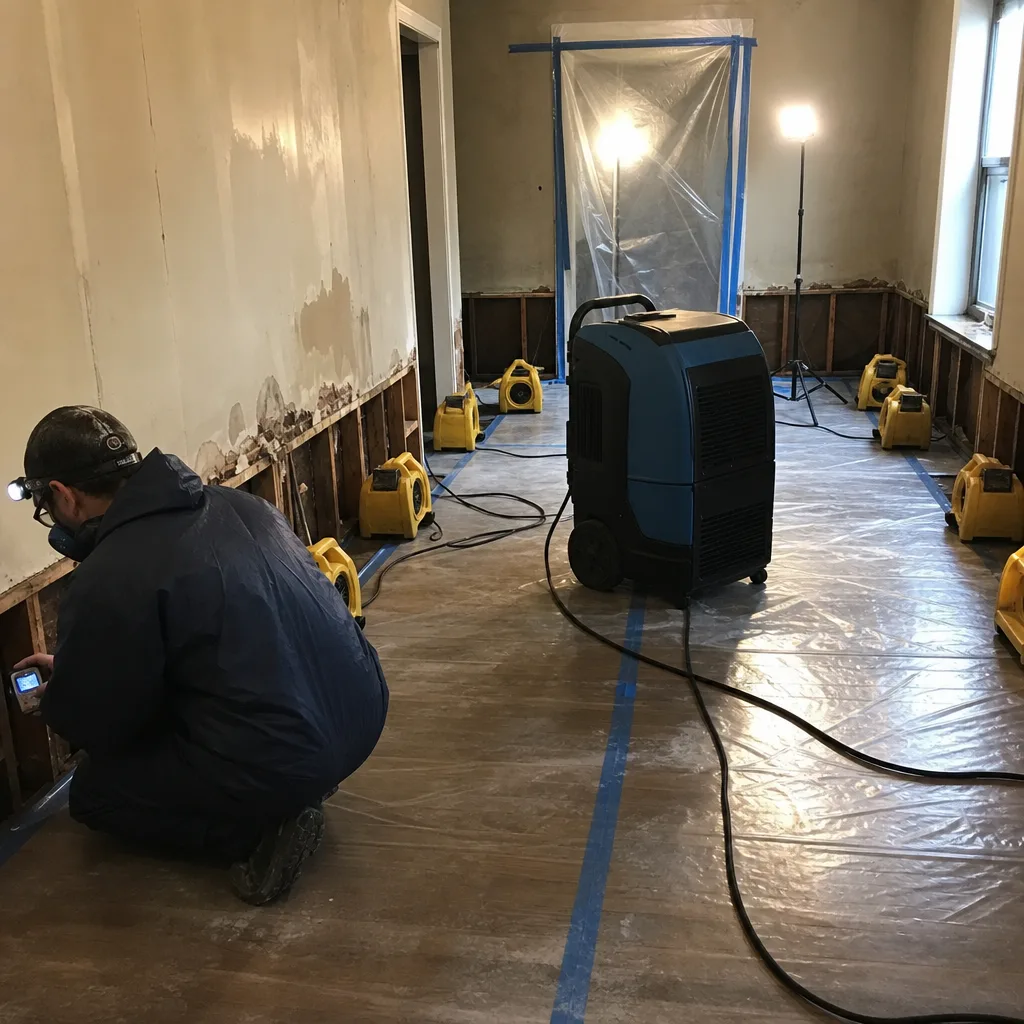
Business Interruption Minimization
Every day closed costs a Glenville business real money. We run overnight drying so showrooms and retail floors reopen in the morning. We phase reconstruction so the office staff can work from one side of the building while we rebuild the other. The goal is always the same: keep you operating through the restoration, not waiting until it ends.
Document & Inventory Recovery
Commercial water damage destroys paper records faster than most owners expect. We triage documents for freeze-drying or desiccant drying, salvage electronics and inventory where possible, and document everything for the claim. For Glenville businesses with decades of paper files - accounting records, client files, permits - this service often saves what insurance alone can’t replace.
What happens when you call
- 1
A real person answersNo phone trees - you reach a local pro.
- 2
You get an upfront price rangeHonest numbers before anyone is dispatched.
- 3
A background-checked tech heads outLicensed & insured, dispatched right away.
- 4
You approve before work beginsNothing starts until you say go.
Commercial Restoration Costs in Glenville, CT
Small commercial water losses in Glenville - a burst supply line in a single office, for example - typically run $2,500 to $6,000 when caught early and dried properly. A mid-sized retail or office space with Category 2 or 3 water, requiring extraction, tear-out, drying, and rebuild, usually lands between $8,000 and $25,000. Large-loss commercial floods, especially in the Scotia FEMA flood-zone blocks where Category 3 Mohawk River water requires full containment and aggressive remediation, run $30,000 to $100,000 or more depending on square footage and inventory loss.
What moves the price in Glenville specifically: plaster-over-lath walls take longer to dry and cost more to tear out and rebuild than modern drywall. Ice dam damage on low-pitched roofs often requires roof repair on top of interior restoration. Flood zone properties may need elevation certificate reviews and floodplain compliance work that adds permits and time. Most commercial policies cover water, fire, and mold restoration when the loss is sudden and accidental. Flood damage requires a separate NFIP policy. We provide a free visual inspection and a firm written scope so you know the real number before work starts. Call (917) 924-4221 for an estimate.
We Also Serve Cities Near Glenville
Our commercial restoration crews serve Glenville and the surrounding communities: Glenville, Byram, Greenwich, Indian Field, and Pemberwick. Same live dispatch, same 45-minute response commitment, same written scope before work begins.
Serving Glenville, CT - Our Local Coverage Area
We’re based in the Glenville area and know this community well. Use the map below to see our service coverage - if you’re nearby, we can almost certainly help.
Glenville Commercial Restoration Questions, Answered
How does Glenville’s floodplain ordinance change the commercial restoration scope for a Mohawk River flood loss?
Properties in Glenville’s FEMA flood zones - concentrated near the Mohawk River around Scotia - require floodplain compliance documentation before mitigation can proceed. That often means an elevation certificate review, NFIP repeated-loss documentation if the property has prior claims, and coordination with the local floodplain administrator. A restoration contractor who doesn’t flag this on day one creates permit delays and denied claims. We handle the paperwork as part of the restoration scope.
What is the most common freeze-thaw failure on Glenville’s low-pitched commercial roofs during late winter?
Ice dams. Glenville’s position in the Mohawk Valley channels cold Arctic air, and the low-pitched roofs on the town’s ubiquitous mid-century commercial ranches trap snowmelt behind ice ridges. Water backs up under shingles, through the roof deck, and into ceiling and wall cavities. This is the single most common late-winter commercial loss we respond to in Glenville, every February and March.
Why does mold remediation in an older Glenville commercial building cost more than in newer construction?
Older Glenville commercial buildings - typically 1950s-1960s construction with plaster-over-lath walls - have cavities and dead air spaces that modern drywall doesn’t. Moisture hides behind plaster where a standard moisture meter won’t find it without invasive inspection. Remediation requires more containment, more demolition, and more drying time. Newer construction dries faster and tears out cleaner, so the scope is smaller. The building age is the cost driver, not the mold itself.
What does a third-cycle flood loss on a Glenville commercial property mean for restoration?
In the flood-prone blocks closest to the Mohawk near Scotia, we regularly find evidence of prior mold remediation when we open walls after a new flood event - encapsulation paint, replaced drywall against original plaster, residual microbial staining. A third-cycle loss means the property has survived at least two prior floods, and the restoration scope must assume hidden contamination behind what looks like finished surfaces. That means more aggressive containment, more tear-out, and a longer drying phase. It also means the NFIP claims file is thick, which affects coverage and requires careful documentation from the first hour.
Can you minimize business interruption while restoring our flooded Glenville retail space?
Yes. We phase the work: extraction and drying run overnight so the space can open in the morning if safe. If part of the store is affected, we contain that section with negative air pressure and keep the rest operating. For larger losses, we stage reconstruction so one side reopens while the other is rebuilt. The goal is to keep revenue coming in during restoration, not to shut you down until everything is finished.
How fast can a crew actually get to our Glenville commercial property?
Our commitment is 45 minutes or less for Glenville commercial properties. We route the nearest available certified crew from our dispatch board, and most calls get a team on site faster than that. Live dispatch means no one waits on hold while water spreads or smoke residue sets into inventory.
What certifications do your Glenville commercial restoration crews carry?
Our technicians are IICRC-certified with WRT, FSRT, and AMRT designations, and trained to RIA and IFA standards. Every crew member is background-checked and uniformed. The same standards apply whether we’re doing a small retail dry-out on Route 50 or a large-loss flood response near the Mohawk.
What should we do in the first 30 minutes after discovering commercial water or fire damage in Glenville?
Call (917) 924-4221. Shut off the water source if you can safely reach it. Shut off electricity to the affected area if water is present. Don’t enter a fire-damaged space until it’s cleared. Move salvageable documents and inventory to dry ground if you can do so without risk. Then let our crew handle the rest - documentation, extraction, drying, and the insurance file all start on our first visit.
Written by Curt Bowman, Owner at Floodline Restoration Co. of Manhattan, serving Glenville commercial properties with certified crews and live dispatch.