
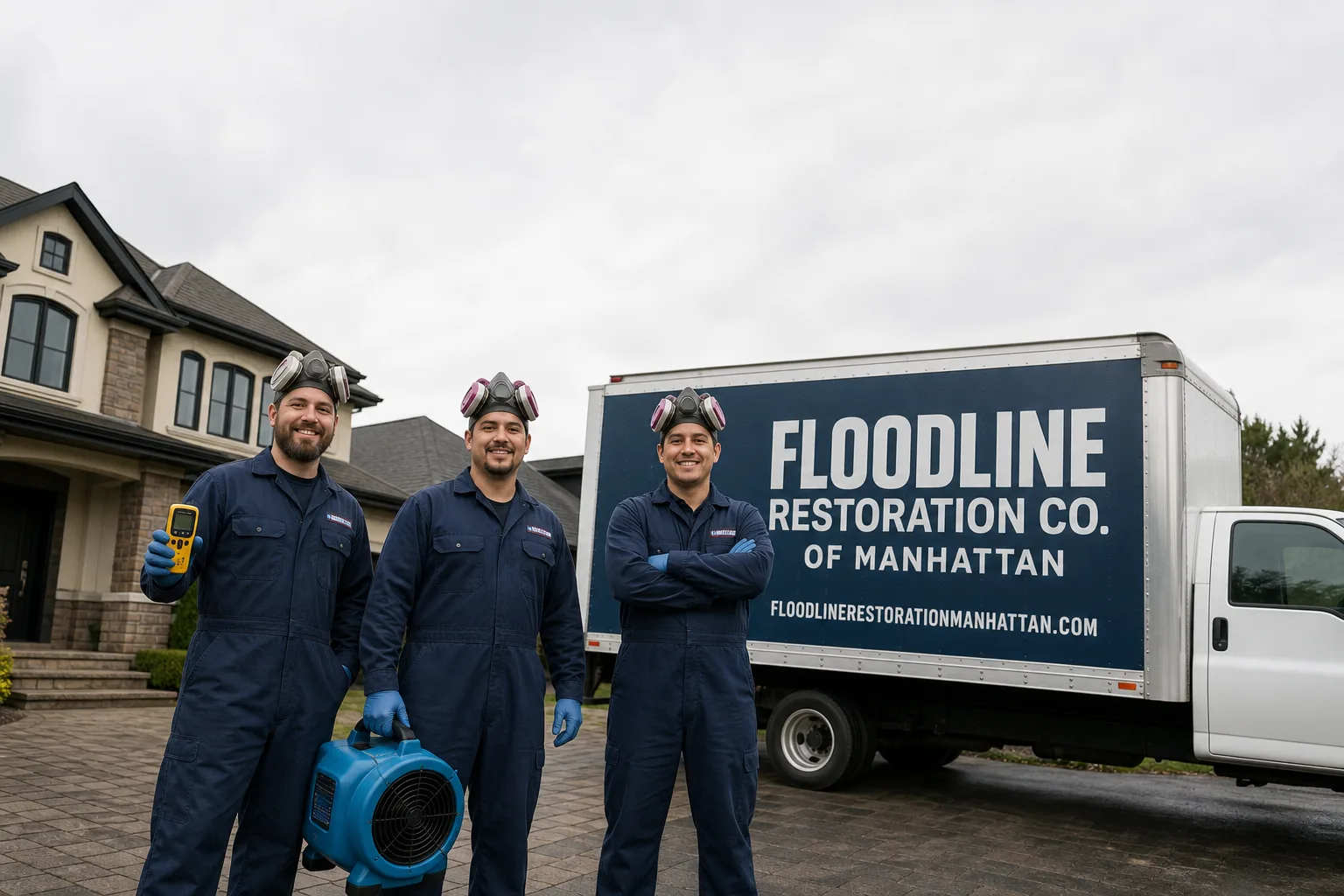
Free visual inspection and a written scope of work before any mitigation begins - photos, moisture readings, and drying logs go in your claim file
The scope we write is the scope we bill. Anything new gets shown to you, in writing, before we touch it.






 Before
 After
After Before
 After
After Before
 After
After24/7 Emergency Commercial Restoration in Hackensack
Commercial water and flood damage in Hackensack doesn’t wait for business hours, and neither do we. A live dispatcher answers at (917) 924-4221 around the clock, every day of the year. When a nor’easter pushes the tidal Hackensack River over its banks or a supply line lets go at 2 a.m. in a Main Street storefront, our crews are moving toward your building within minutes, not hours. The first hour after a commercial loss matters more than most owners realize. Category 3 river water is already wicking into drywall, soaking 1920s-era framing, and creating conditions where mold can take hold inside wall cavities. Our dispatch is built around a board, not a sales desk, so the person you talk to can put a truck in motion immediately. We serve Hackensack directly from our New York City office, with local crews who know the River Street corridor and the tidal patterns that make this city different. Free visual inspection is part of every call. The sooner we start, the less the building absorbs, and the faster your doors reopen.
Understanding Commercial Restoration Severity in Hackensack Properties
Commercial restoration in Hackensack carries different severity markers than work in Paramus or Ridgewood for one simple reason: the water source. Buildings along River Street and lower Main Street sit in FEMA-designated Special Flood Hazard Areas where the tidal river backs up through floor drains, co-mingles with sewage, and fills basements with Category 3 water, the most contaminated classification in the trade. That’s not a clean-water pipe break; that’s water carrying bacteria, oils, and sediment from Newark Bay storm surge. Our crews classify every loss before touching anything: Category 1 is clean supply water, Category 2 carries contaminants, Category 3 is grossly unsanitary and requires full containment, removal, and disposal of porous materials. In Hackensack’s older commercial shells, many built before 1930 on River Street, we’re also reading moisture maps against original structural wood and plaster that may have been saturated during Irene, Sandy, or subsequent nor’easters. Saturated framing from a prior job changes the drying math. Add the pre-1978 construction reality of most commercial buildings here, and abatement protocols for asbestos or lead paint become routine before demolition or structural drying can proceed. You can’t dry what you can’t safely expose.
Why Hackensack Property Owners Choose Floodline Restoration Co. of Manhattan
- 45-minute response commitment. When you call about commercial water damage in Hackensack, we have crews in the area and moving. The fastest way to protect your building is to get boots on the ground now.
- 24/7 live answer, every time. A real dispatcher picks up at (917) 924-4221 at two in the morning. No recordings, no answering service that takes a message, no waiting until morning to talk to a human.
- IICRC-certified crews, trained to WRT, FSRT, and AMRT standards. Our technicians carry the certifications that matter for water, fire, and mold work, and they work in uniform, background-checked, and ready to show credentials.
- Free visual inspection before anything gets signed. We look at the damage, give you a straight read on what we’re seeing, and write a scope of work. No obligation, no scare tactics, no pressure.
- Direct insurance billing with adjuster coordination. We send your carrier the photos, readings, and line-item scope they need. You never play messenger between us and the insurance company on a Hackensack claim.
- One crew from first extraction to final rebuild. The same team that sets up drying equipment on day one handles the reconstruction. We don’t hand off, and we don’t bring in a crew you’ve never met for the finish work.
Our Commercial Restoration Process
Inspection & Assessment
We walk the entire affected area with thermal imaging and moisture meters, classify the water, and identify hidden wet cavities. In Hackensack’s older buildings, that means checking behind existing patches, under stairwells, and inside wall cavities that prior jobs may have missed. You get a written scope with line-item pricing before work starts.
Extraction & Stabilization
We remove standing water with truck-mounted extraction units, then stabilize the structure to prevent further movement or collapse. In commercial basements along the tidal flood corridor, this includes controlling contamination and setting up containment so the rest of the building stays operational.
Drying & Dehumidification
We set Dri-Eaz, Phoenix, and XPOWER air movers and dehumidifiers based on a moisture map, not guesswork. Daily hygrometer readings track progress until the dry standard is met. The humid Hackensack summers mean ground-floor spaces need more aggressive dehumidification to prevent secondary mold inside cavities.
Cleaning & Sanitization
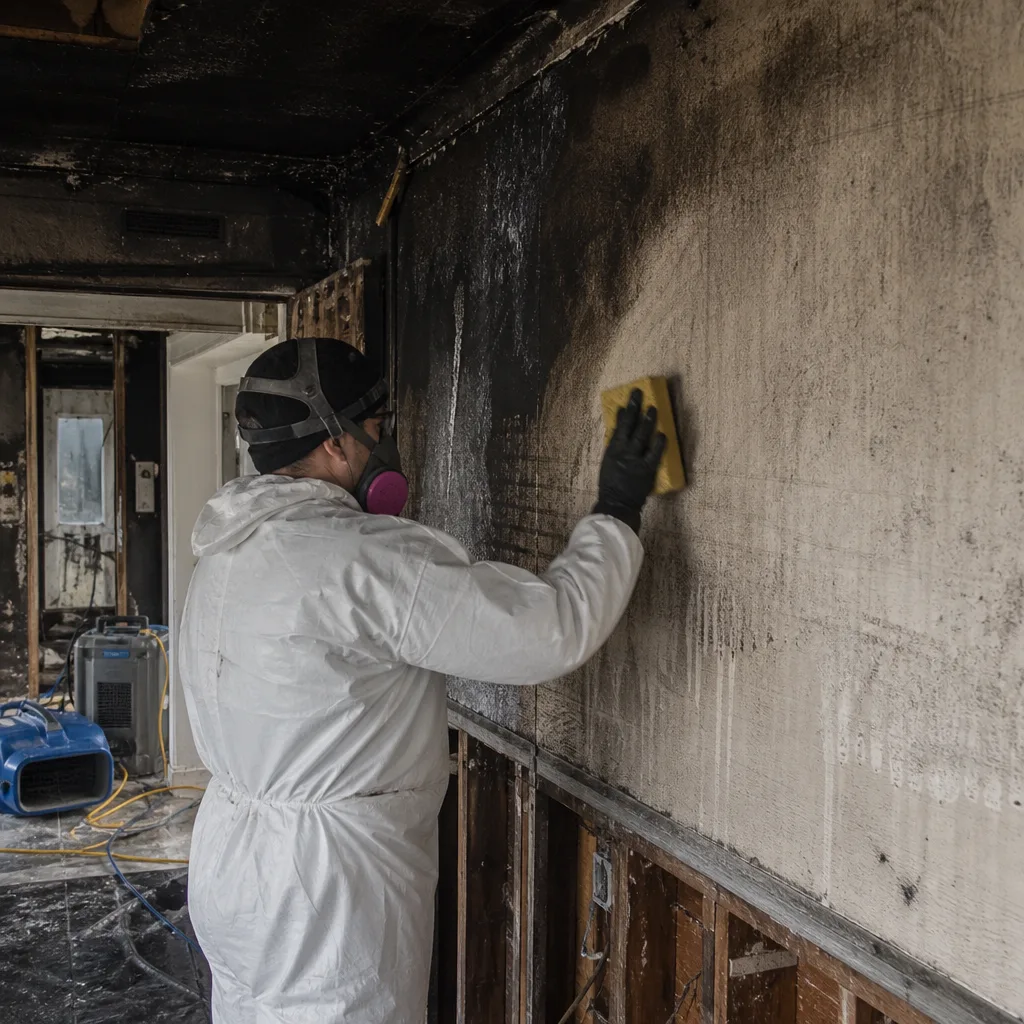
Category 3 floodwater requires antimicrobial treatment and disposal of contaminated porous materials. We clean, sanitize, and deodorize affected surfaces, including structural wood and concrete. HEPA air scrubbers run throughout to capture airborne particulates during the process.
Specialty Treatment for Commercial Restoration
For retail, office, and multi-unit properties, this phase often includes document and inventory recovery, electronic equipment assessment, and odor control for smoke or sewage losses. We coordinate around your tenant access needs so the business can keep operating where it’s safe.
Repairs & Restoration
We rebuild what needs rebuilding, from drywall and flooring to structural framing. Because we don’t hand off between mitigation and reconstruction, the same crew that watched the moisture readings handles the finish work, and the 90-Day Done Right Promise covers the whole job.
Need Emergency Commercial Restoration in Hackensack Now?
Crews minutes away, answering live 24 hours a day. The sooner we start, the less it costs.
Working With Your Insurance Company
Most commercial restoration in Hackensack involves a carrier, and our job is to make that process move without you becoming the go-between. We photograph everything from the first hour, document the loss thoroughly, and build estimates in the format insurers expect to see. The 90-Day Done Right Promise means we stand behind the finished work, but it also means we document properly so there’s no arguing about what was done or why. We send your adjuster daily moisture readings, drying logs, and a line-item scope of work. If the adjuster pushes back, we handle the conversation. Direct insurance billing means you’re not fronting cash and waiting on reimbursement. That’s a square deal.
What We Provide Your Insurer
- Thorough documentation of the loss
- Photos of all damage, room by room
- Moisture readings and drying logs
- A detailed, line-item scope of work
- Direct coordination with your carrier
Built for Hackensack’s Loss Calendar
Commercial restoration in Hackensack follows a rhythm that locals know but outsiders often miss. Late January through February brings deep freezes that snap unprotected supply lines in older commercial buildings along State Street and the downtown core, many still running original galvanized plumbing. Spring thaw triggers basement seepage as saturated ground releases water into foundations, and the tidal river starts rising with each storm cycle. Summer thunderstorms dump inches of rain in an hour, overwhelming the city’s combined stormwater and sewage system, sending Category 3 water into subgrade commercial spaces from River Street to Anderson Street. Then comes late summer and fall: the nor’easter season, when coastal storms push surge northward from Newark Bay and the Hackensack River tops its banks, flooding ground-floor retail and basements even in buildings with no roof or plumbing failure. The recurring pattern is what makes this market different; many Hackensack commercial properties have already been through multiple remediations, which means we’re often working around, and correcting, what got missed the last time.
Commercial Restoration Across Hackensack’s Neighborhoods
Response routes and building patterns change block by block in Hackensack, and our crews read the city the way a local does. Along the River Street corridor, ground-floor retail and mixed-use buildings in the 07601 zip code face the most direct tidal flood exposure, and we plan for Category 3 water, containment, and tenant coordination from the first call. The lower Main Street commercial district has a similar risk profile: older masonry buildings with basements that have been through repeated flood cycles. Up toward the area around Hackensack University Medical Center and along Essex Street, losses trend more mechanical, supply line failures, HVAC condensation overflow, and sewage backups in aging building systems. Prospect Avenue’s mix of medical offices and apartment buildings brings mid-rise challenges: vertical water migration through shared walls and ceilings, which requires moisture mapping across multiple floors. Near the court buildings and county offices on Main Street, we often work around active operations, setting containment so the building can keep functioning while we stabilize the loss. Every job in Hackensack starts with the same question our crews ask on arrival: where did this water actually come from, and what else did it touch on the way in?
Specialized Commercial Restoration Services We Offer in Hackensack
Multi-Unit & HOA Restoration
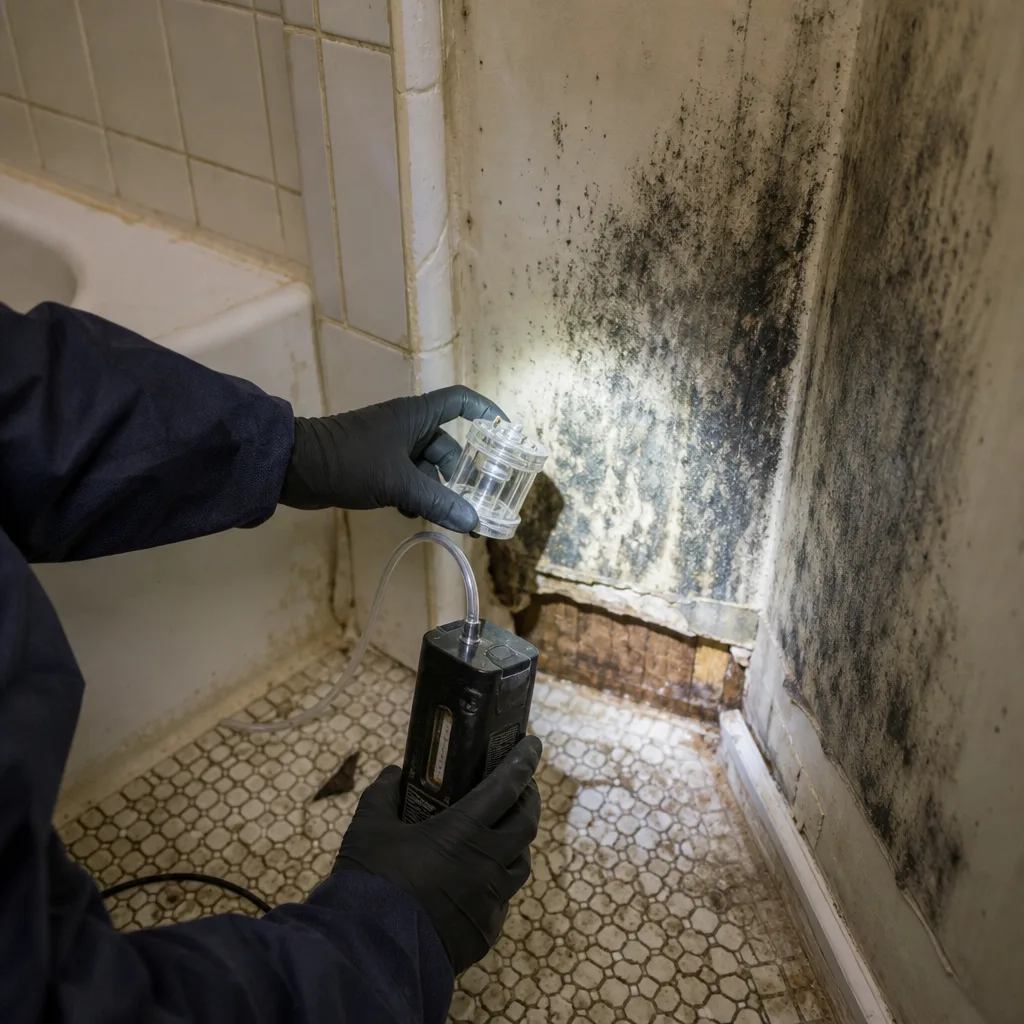
Hackensack’s older mid-rise apartment buildings and condo associations present a unique restoration problem: water moves through shared walls, chases, and floor assemblies. A third-floor supply line break becomes a first-floor ceiling collapse by morning. We treat multi-unit losses as building-wide events, mapping moisture across units, coordinating with property managers, and writing scopes that account for common areas and individual units. Our Commercial Restoration team handles association claim documentation the same way we handle single-owner buildings: photos, readings, and a line-item scope the board can take to its carrier.
Business Interruption Minimization
For ground-floor retail and office tenants along Main Street and River Street, every day closed is revenue gone. We set containment and staging so you can stay open where it’s safe, and we prioritize extraction and drying in revenue-producing zones. The goal isn’t just to dry the building; it’s to keep your business operating while we do it. In Hackensack, where flood losses are often repeat events, having a restoration partner who understands operational continuity is the difference between a bad week and a closed quarter.
Large-Loss Response
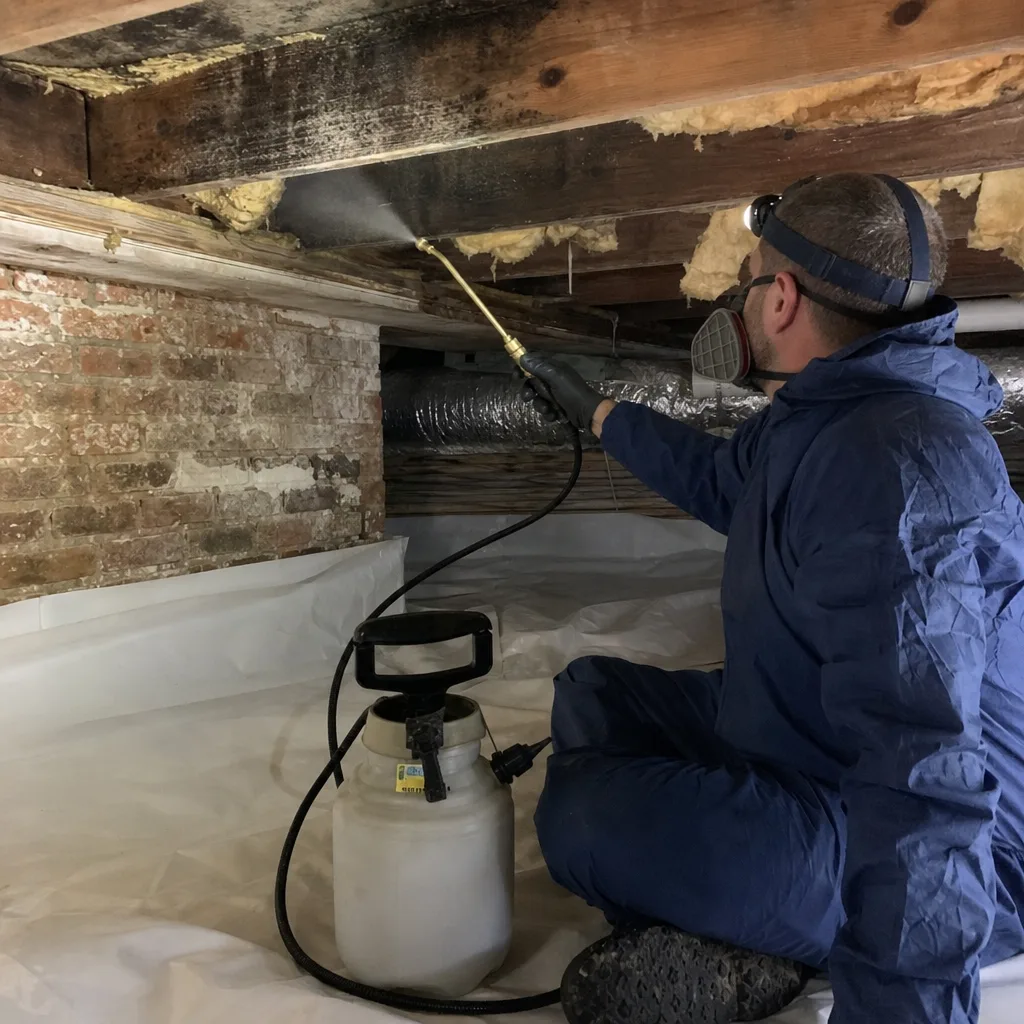
When a Hackensack commercial building takes a broad hit, a fire, a major roof failure, a full-building flood, you need a team that can scale. We run large-loss responses with multiple crews, professional-grade Dri-Eaz and Phoenix drying arrays, and the project management to keep a big job moving on schedule. The same moisture map that guides day-one extraction informs every daily reading through dry standard and into rebuild. We’ve handled commercial restorations in pre-war mixed-use buildings on River Street where a nor’easter drove tidal surge through the basement, and our crew used moisture mapping and thermal imaging to find hidden wet cavities behind a prior spray-foam patch, then set up containment, air movers, and dehumidifiers to stabilize the structure and keep the ground-floor retail tenant operational while we wrote the new scope of work.
Office & Retail Restoration
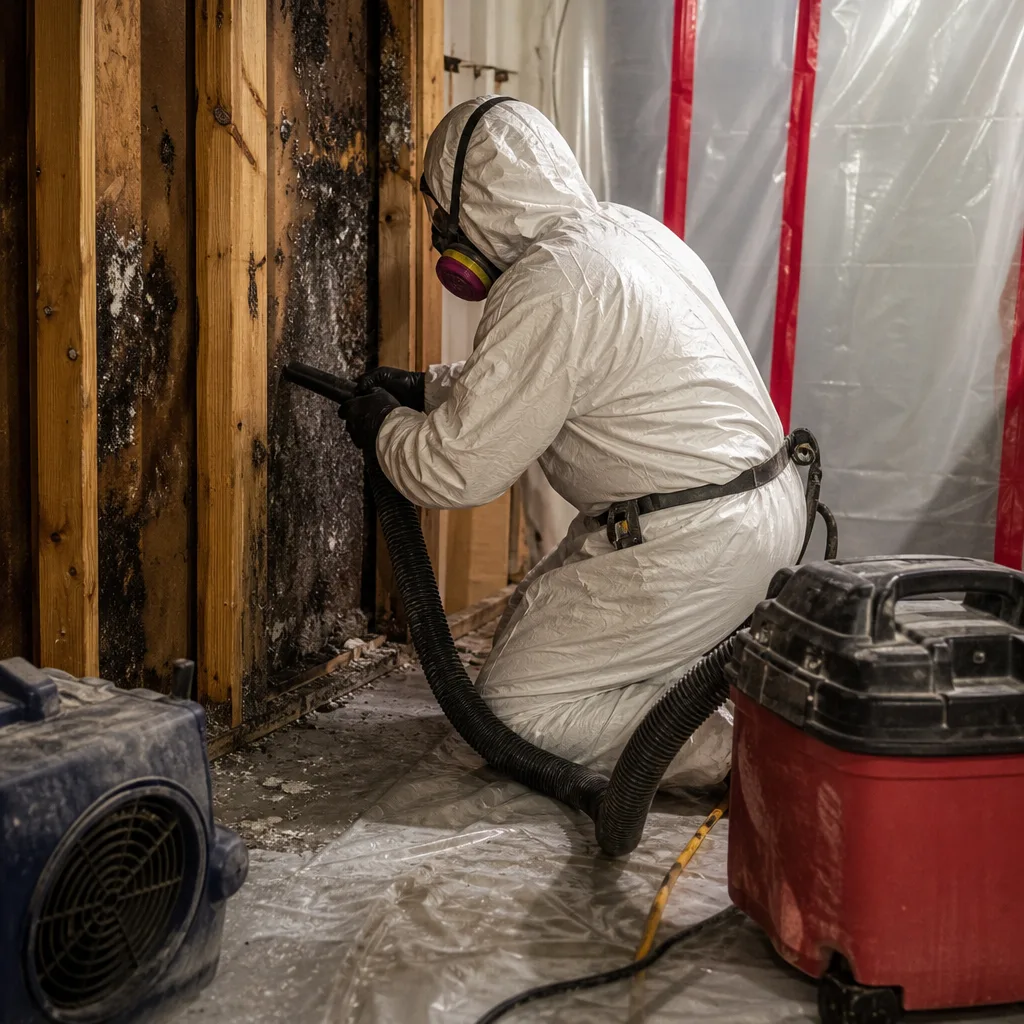
Hackensack’s commercial office stock runs from converted pre-war buildings on Main Street to medical suites near the hospital. Office losses usually mean Category 1 or 2 water, but the damage to documents, electronics, and tenant operations is just as real. We handle document and inventory recovery alongside structural drying, and we coordinate around your operating hours to reduce disruption.
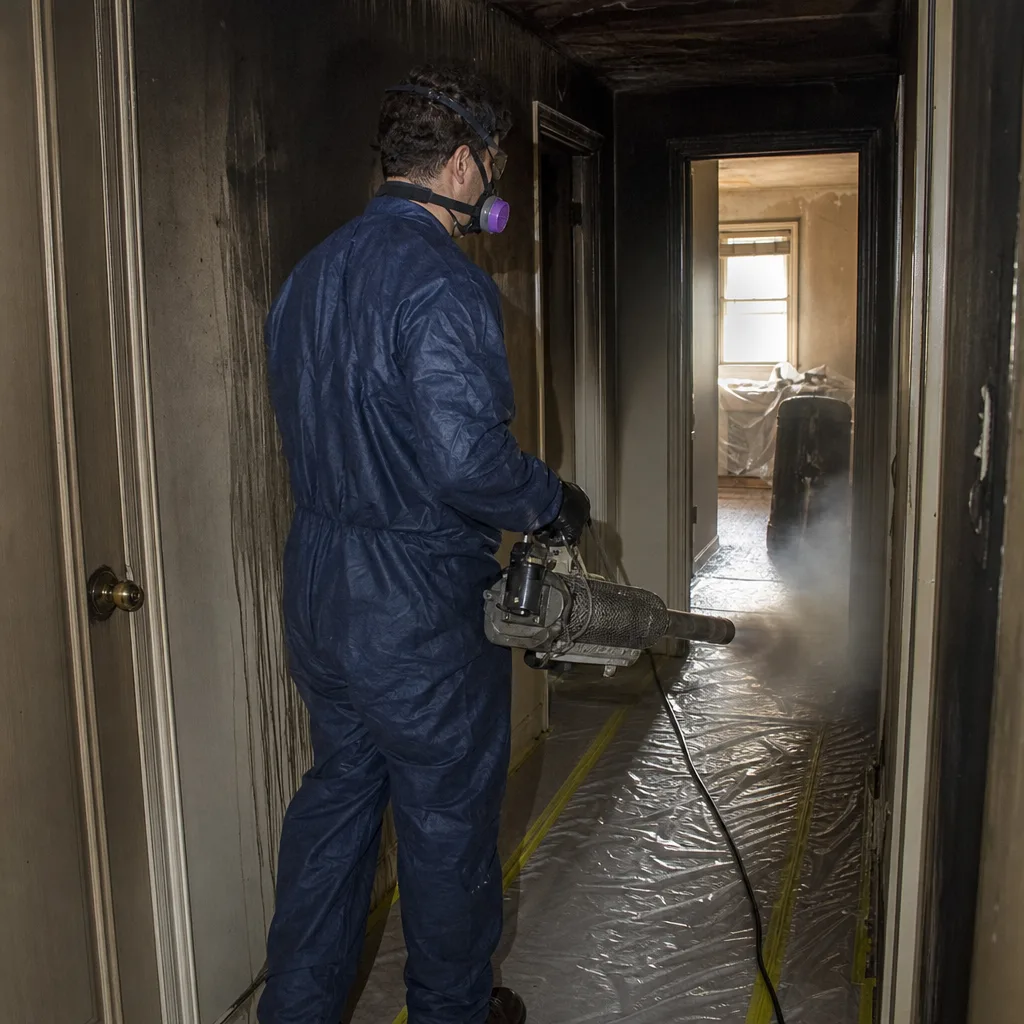
Industrial Facility Cleanup
Industrial and warehouse spaces in South Hackensack and the Teterboro-adjacent corridor bring their own challenges: large square footage, concrete slabs, and equipment that can’t simply be removed. We bring the drying and dehumidification capacity to handle big open spaces, and we treat industrial losses with the same documentation standard carriers expect on a retail or office claim.
What happens when you call
- 1
A real person answersNo phone trees - you reach a local pro.
- 2
You get an upfront price rangeHonest numbers before anyone is dispatched.
- 3
A background-checked tech heads outLicensed & insured, dispatched right away.
- 4
You approve before work beginsNothing starts until you say go.
Commercial Restoration Costs in Hackensack, NJ
Commercial restoration pricing in Hackensack runs on the higher end of Bergen County because of the repeat flood exposure and pre-1978 construction realities. A straightforward Category 1 water mitigation in a small office typically runs $2,800-$5,500. Category 3 flood mitigation in a River Street basement starts around $5,000 and commonly reaches $12,000-$20,000 when containment, disposal, and sanitization are done correctly. Full commercial restoration including rebuild work after a significant flood or fire runs $25,000-$85,000 depending on square footage, materials, and abatement requirements. What moves the price most in Hackensack: whether lead or asbestos abatement is triggered, how much of the building was saturated in previous flood events, and whether the loss is Category 2 or Category 3. Insurance covered most or all of the cost in many claims; we bill directly and handle the adjuster communication. The free visual inspection is the fastest way to a firm number. Call (917) 924-4221 and we’ll put a scope in writing before any work starts.
Floodline Restoration Co. of Manhattan offers three standing discounts to Hackensack commercial clients: $50 off any repair over $250, an $89 seasonal tune-up, and a 5% senior and veteran discount, always.
We Also Serve Cities Near Hackensack
Our commercial restoration crews cover Hackensack and the surrounding Bergen County communities, including Maywood, Bogota, Teterboro, and South Hackensack. If your building sits near the river or along a corridor that floods when the surge comes up from Newark Bay, we’re already routing crews in the area.
Serving Hackensack, NJ - Our Local Coverage Area
We’re based in the Hackensack area and know this community well. Use the map below to see our service coverage - if you’re nearby, we can almost certainly help.
Hackensack Commercial Restoration Questions, Answered
Does Commercial Restoration in Hackensack’s River Street corridor require different equipment than in higher-elevation Bergen County towns?
Yes. River Street and lower Main Street losses are typically Category 3 tidal floodwater, which requires containment with HEPA air scrubbers, antimicrobial treatment, and disposal of porous materials, not just air movers and dehumidifiers. In higher-elevation Bergen County towns, most commercial losses are Category 1 or 2 and can often be dried in place. We carry the same professional-grade Dri-Eaz, Phoenix, and XPOWER equipment into both scenarios, but the setup and protocols change based on the water classification. Call (917) 924-4221 if you’re dealing with river water in a Hackensack basement.
How does the pre-1978 construction of most Hackensack commercial buildings affect a restoration timeline?
Pre-1978 buildings often contain asbestos in flooring, pipe insulation, or drywall compound and lead paint on walls, which means abatement protocols must be in place before demolition or structural drying can proceed safely. That adds time and cost to the restoration, but skipping it is worse: a stop-work order and re-mobilization will cost more than doing it right the first time. We identify potential hazards during the initial assessment and build them into the written scope so there are no surprises mid-job.
A nor’easter just flooded my Hackensack store’s basement for the second time in three years. What should I do differently this time?
Hire a crew that treats this as a Category 3 loss and moisture-maps the entire structure, not just the visible water. Repeat flood losses in the tidal flood corridor often leave hidden moisture behind prior patches, and that’s where secondary mold takes hold. Ask for daily moisture readings in writing, and make sure any prior remediation work is assessed before new drying begins. We’ve found wet cavities behind old spray-foam patches on River Street more than once, and fixing that properly starts with seeing it on a thermal image. Call (917) 924-4221 and we’ll start with a free visual inspection.
Can Commercial Restoration in Hackensack help minimize business interruption for my ground-floor retail space?
Yes. We set containment and stage equipment so you can keep operating in safe zones while we work on affected areas. For ground-floor retail along Main Street or River Street, that often means sealing off the back of house or basement while the sales floor stays open. We also prioritize drying in revenue-producing zones and coordinate work around your operating hours. The goal is to keep your doors open while the building dries, and we write the scope with that outcome in mind.
What is the difference between Category 2 and Category 3 water in a Hackensack commercial basement flood?
Category 2 water contains significant contamination, think washing machine overflow or sump pump discharge, and can cause illness if ingested. Category 3 water is grossly unsanitary: sewage backups, tidal river water that carries bacteria and sediment from Newark Bay, or any floodwater that has come into contact with animal waste or chemicals. In Hackensack’s tidal flood corridors, basement flooding from the river is Category 3 by definition, and the correct response is removal and disposal of saturated porous materials, not drying in place. Call (917) 924-4221 to have a technician classify your loss properly before anything gets torn out or dried.
How fast can you get to a commercial building in Hackensack?
We commit to 45-minute response for commercial losses in Hackensack. A live dispatcher takes your call at (917) 924-4221 24/7, and our crews are stationed in and around the city for exactly this reason. For a tidal flood event, the first hour is when Category 3 water is doing its worst damage, wicking upward through drywall and into structural wood. Getting extraction and drying started the same visit saves money and shortens the restoration timeline.
Will my insurance cover commercial restoration in Hackensack’s flood zone?
Most commercial policies cover sudden water losses like supply line breaks, but flood damage from tidal surge or overflowing rivers requires a separate flood policy, typically through the National Flood Insurance Program or a private carrier. That’s a question for your agent, but here’s what we can tell you: our documentation works for both standard and flood claims. We photograph everything, log daily moisture readings, and bill directly. If you’re not sure what your policy covers, call us at (917) 924-4221 and we’ll walk through what we’re seeing while you check with your carrier.
Do you handle both the mitigation and the rebuild on Hackensack commercial properties?
Yes. The same crew that extracts and dries your building does the reconstruction. No mid-job handoff, no new crew showing up to do finish work. That’s how we’re built. It’s also why the 90-Day Done Right Promise works: the same people who watched the moisture readings every day are the ones standing behind the final result. In Hackensack, where pre-war construction and repeat flood exposure make every job different, that continuity matters.
Written by Curt Bowman, Owner at Floodline Restoration Co. of Manhattan, serving Hackensack with full-cycle commercial restoration and the 90-Day Done Right Promise.