
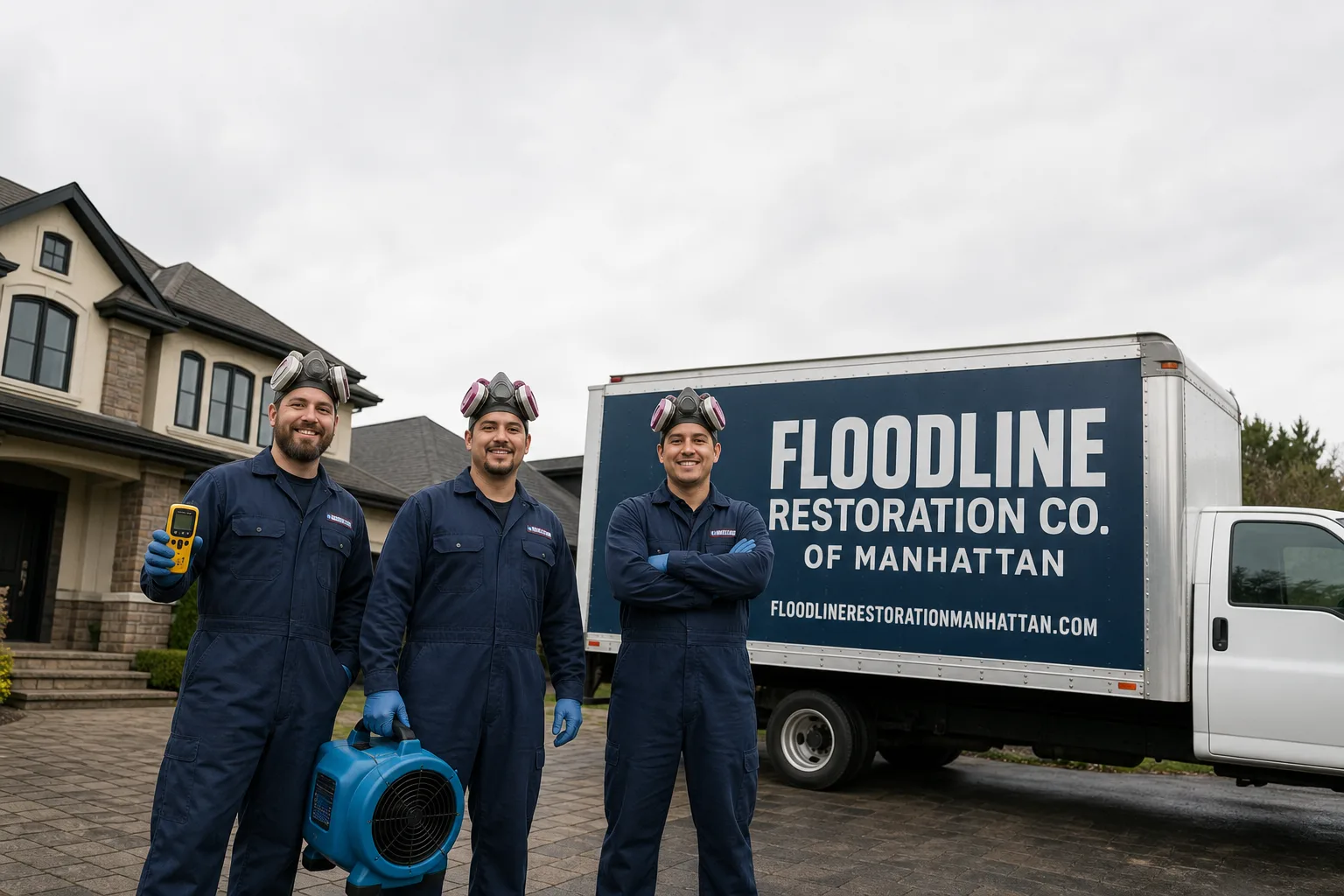
Free visual inspection and a written scope of work before any mitigation begins - photos, moisture readings, and drying logs go in your claim file
The scope we write is the scope we bill. Anything new gets shown to you, in writing, before we touch it.






 Before
 After
After Before
 After
After Before
 After
After24/7 Emergency Commercial Restoration in Port Washington
Water coming through the loading dock at 2 a.m. doesn’t wait, and neither do we. Floodline Restoration Co. answers the phone with a live dispatcher around the clock, every day of the year. A certified crew can reach commercial properties across Port Washington within 45 minutes of your call, running truck-mounted extraction the same visit. The first hour after a surge or a burst supply line is when the damage spreads fastest: saltwater wicks into block walls, laminate flooring delaminates, and black water lifts pathogens into air ducts you’ll be paying to clean for months. Call (917) 924-4221 now and we’ll have someone standing in your building tonight, not tomorrow.
Understanding Commercial Restoration Severity in Port Washington Properties
Port Washington commercial restoration work breaks into three categories that most owners never hear until the adjuster shows up. Category 1 clean water from a ruptured feed line inside a Main Street storefront is the simplest: extraction, structural drying with low-grain refrigerant dehumidifiers, and moisture mapping to confirm dry standard before rebuild. Category 2 gray water from dishwasher discharges, sump failures, or roof runoff carries biologicals that demand antimicrobial treatment on every affected surface. Category 3 black water is what a nor’easter delivers when Manhasset Bay pushes storm surge through Manorhaven’s low blocks: sewage, salt, fuel traces, and marine growth mixed together. That’s a full containment job, HEPA air scrubbing, and surgical removal of every porous material the water touched. Older commercial buildings in Port Washington, many dating to the 1920s through the 1960s with original plaster and balloon framing, don’t shed water like modern steel stud construction. The sandy glacial-till soil beneath the peninsula keeps groundwater pressure high, so a slab that reads dry on the surface can still be saturated underneath, feeding humidity into wall cavities for weeks.
Why Port Washington Property Owners Choose Floodline Restoration Co. of Manhattan
- 45-minute response commitment: Our Port Washington dispatch radius means a crew from our NYC office reaches Manorhaven, Port Washington Boulevard, or Soundview as fast as traffic allows. We’re not driving in from Hauppauge.
- 24/7 live answer, never an answering service: A real person picks up at 3 a.m. on a Sunday. You describe the water, we dispatch the gear and the crew, and you go back to managing your building.
- IICRC-certified commercial crews: WRT for water damage and restoration, AMRT for applied microbial remediation. The same certified techs who read the moisture map on day one handle daily readings until the dry standard is met.
- Free visual inspection with photo documentation: Every commercial loss we scope in Port Washington starts with a documented walkthrough. You get a written report of what we found, what’s wet, and what has to come out before we touch a wall.
- Direct insurance billing with adjuster coordination: We bill your carrier and talk to your adjuster with our readings in hand. You don’t carry messages between us.
- One crew from first extraction to final paint: The same certified technicians who pull the water handle the structural drying, antimicrobial treatment, and the rebuild. No mid-job handoff to a different company.
Our Commercial Restoration Process
Inspection & Assessment
We arrive, map the full extent of the damage with thermal imaging and hygrometers, and classify the water. In a Port Washington commercial building, we inspect for salt bloom on electrical panels, HVAC condensers, and masonry, which signals prior shoreline exposure as well as current damage. You get a written scope before machines start running.
Extraction & Stabilization
Truck-mounted extractors pull standing water from slab floors, carpeted offices, and storage areas. We shut down affected electrical circuits, set floor mats and emergency shoring where structural materials are compromised, and cover unaffected retail stock.
Drying & Dehumidification
Dri-Eaz LGR dehumidifiers and XPOWER air movers run continuously, with daily moisture readings logged against the dry standard. On peninsula commercial jobs, we account for the high water table and test beneath floor coverings, because surface numbers lie when the groundwater is still feeding the slab.
Cleaning & Sanitization
HEPA air scrubbers run throughout drying, not just after. All affected non-porous surfaces receive antimicrobial treatment, and HVAC ducting is inspected and cleaned where black water or salt air degradation is present.
Salt & Corrosion Treatment
This is the step most inland restoration companies skip. We test for residual chloride content in concrete and block, treat affected masonry with salt-neutralizing protocols, and flag electrical components showing corrosion bloom for licensed evaluation before power is restored to the space.
Repairs & Restoration
We rebuild what needed to come out: drywall, flooring, trim, cabinetry, and storefront elements. Your Port Washington property is left ready for business, with a moisture log and photographic record in hand for your carrier.
Need Emergency Commercial Restoration in Port Washington Now?
Crews minutes away, answering live 24 hours a day. The sooner we start, the less it costs.
Working With Your Insurance Company
Commercial water loss claims in Port Washington move faster when the first hour is documented properly. We photograph every affected area before extraction begins, log moisture readings daily, and generate a line-item scope of work that matches your policy’s actual covered losses. Our project managers speak directly with your adjuster, submit the documentation we’ve gathered, and handle the billing. We’re a Commercial Restoration firm that treats your claim as part of the job, not an afterthought. That’s how we’ve handled thousands of losses across the metro area, and it’s how we’ll handle yours.
What We Provide Your Insurer
- Thorough documentation of the loss
- Photos of all damage, room by room
- Moisture readings and drying logs
- A detailed, line-item scope of work
- Direct coordination with your carrier
Built for Port Washington’s Loss Calendar
Port Washington commercial restoration calls follow a rhythm set by the peninsula’s geography. Late-summer hurricanes and early-winter nor’easters bring the big water events: tidal surge over Main Street curbs, black water through Manorhaven loading docks, and salt-laced floodwater in basements from Beacon Hill to Port Washington Boulevard’s commercial corridor. January brings the freeze-thaw pattern that bursts supply lines in older buildings with legacy copper and uninsulated chases. March and April mean groundwater seepage as the water table rises on the back side of winter, pushing water through block walls in full-basement commercial buildings. Summer thunderstorms dump an inch in an hour, overwhelming roof drains on flat-roofed retail buildings faster than the scuppers can flow. Every season has a signature failure mode here, and after 42 years of answering those calls, we know which one is at your door before we see the building.
Commercial Restoration Across Port Washington’s Neighborhoods
Response routes matter when water is moving through a commercial building. In Manorhaven, the low-lying blocks near the bay see repeated salinity problems: condominiums, mixed-use two-story buildings, and boating-related retail along Shore Road take the first hit from dual-direction surge. Further south, along Main Street and Port Washington Boulevard, we’re working in century-old storefronts with basements that sit below water table, where every storm sends groundwater through the slab. Over in Port Washington North and Soundview, the commercial strip near the Sound faces Hempstead Harbor’s long fetch, and we find wind-driven rain entering around aging storefront glazing and flat-roof penetrations. The industrial pockets on the west side of the peninsula, toward the landfill transfer station and the sand mining legacy sites, have their own concerns: concrete block walls saturated with decades of salt air and high groundwater pressure from glacial till that holds water against foundations. No two calls in Port Washington look the same, even when the water comes from the same storm.
Specialized Commercial Restoration Services We Offer in Port Washington
Large-Loss Response
When a nor’easter floods an entire Port Washington strip mall or a four-story commercial building, we scale up in the same visit. Our large-loss team arrives with multiple truck-mounted extractors, industrial-grade dehumidification trailers, and enough XPOWER air movers to dry 20,000 square feet simultaneously. We’ve managed multi-tenant losses where three different insurance carriers were involved, and we keep every unit’s documentation separate from the first hour.
Business Interruption Minimization
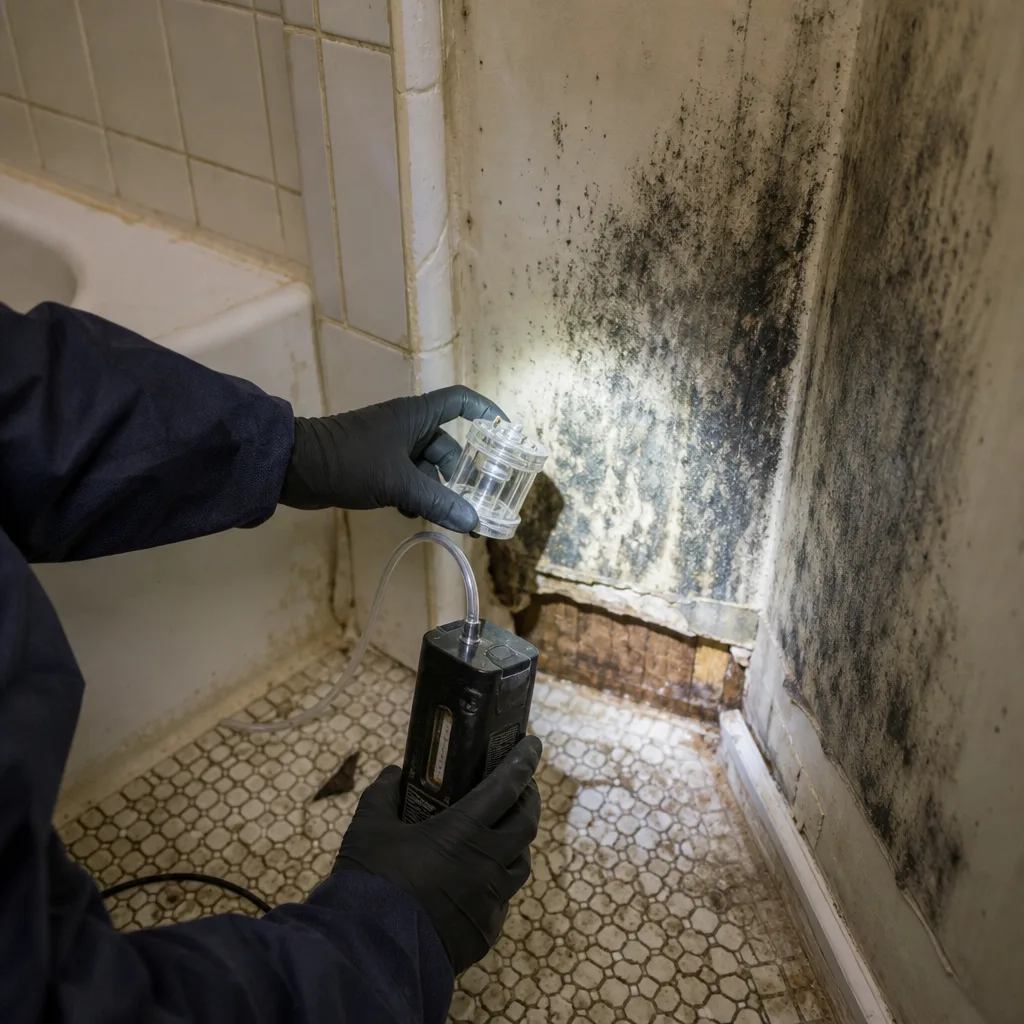
Every day a Port Washington restaurant, salon, or dental office sits closed is revenue that won’t come back. We phase our work to prioritize the revenue-generating areas first. A Manorhaven restaurant kitchen can often reopen within days while the dining room’s damaged drywall is still drying behind containment. Our drying plan is built around your reopening date, not just the dry standard.
Industrial Facility Cleanup
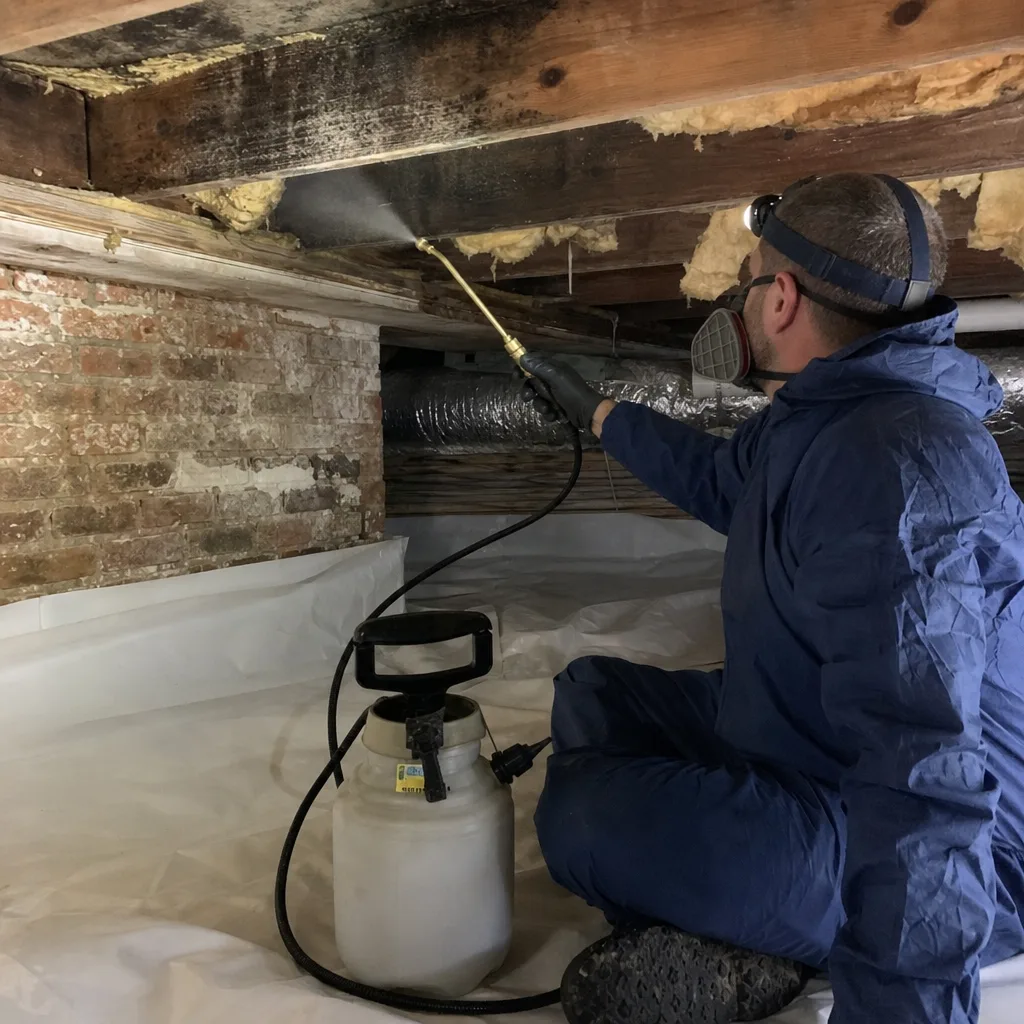
Warehouse floors, machine shops, and light industrial buildings in Port Washington’s commercial zones have concrete slabs that hold water differently than retail flooring. We use core sampling and deep-probe moisture meters to track saturation below the surface, and we specify drying plans that account for a building’s operating hours, forklift traffic, and safety requirements. Dri-Eaz LGR dehumidifiers and Phoenix equipment run through weekends so your weekdays stay productive.
Office & Retail Restoration
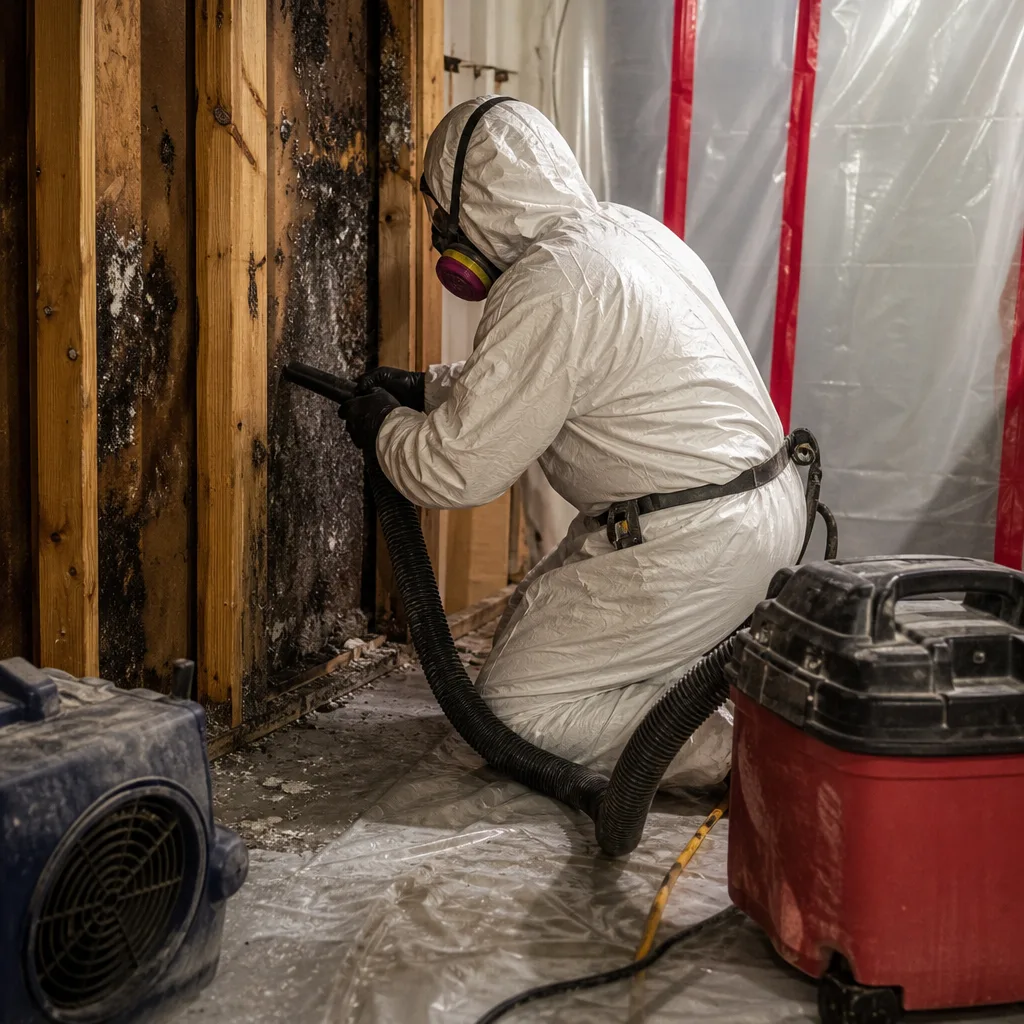
Port Washington’s Main Street storefronts and medical office buildings need fast, quiet work. We contain the affected area with negative air pressure, dry the structure behind plastic, and schedule noisy demolition for hours when your tenants are gone. Salvageable retail stock gets packed out and stored; damaged inventory gets itemized and documented for the carrier.
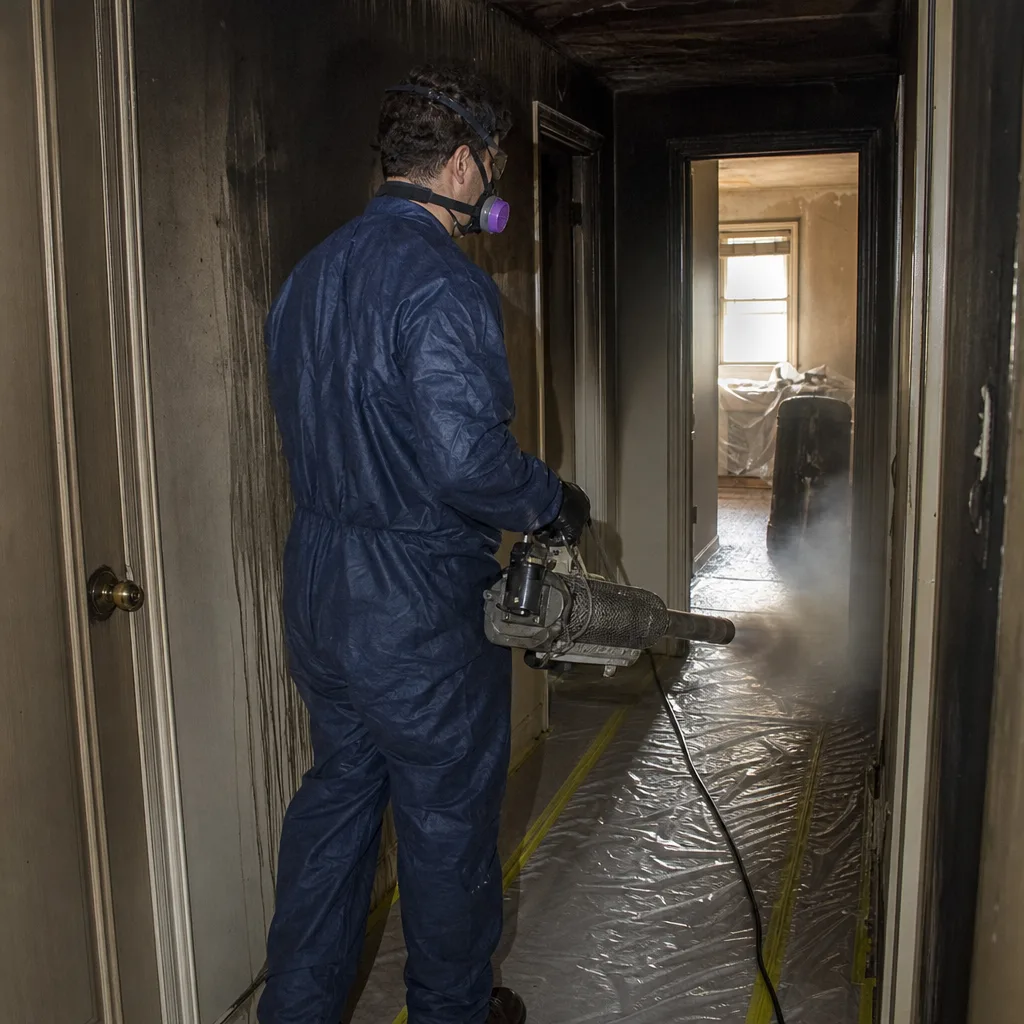
Multi-Unit & HOA Restoration
Condo buildings in Manorhaven and co-ops near the LIRR line present layered responsibility: common areas belonging to the association, unit interiors belonging to owners, and sometimes a third party like a commercial leaseholder. We scope each area separately, bill each affected party’s carrier separately, and give the property manager one clear restoration calendar for the whole building.
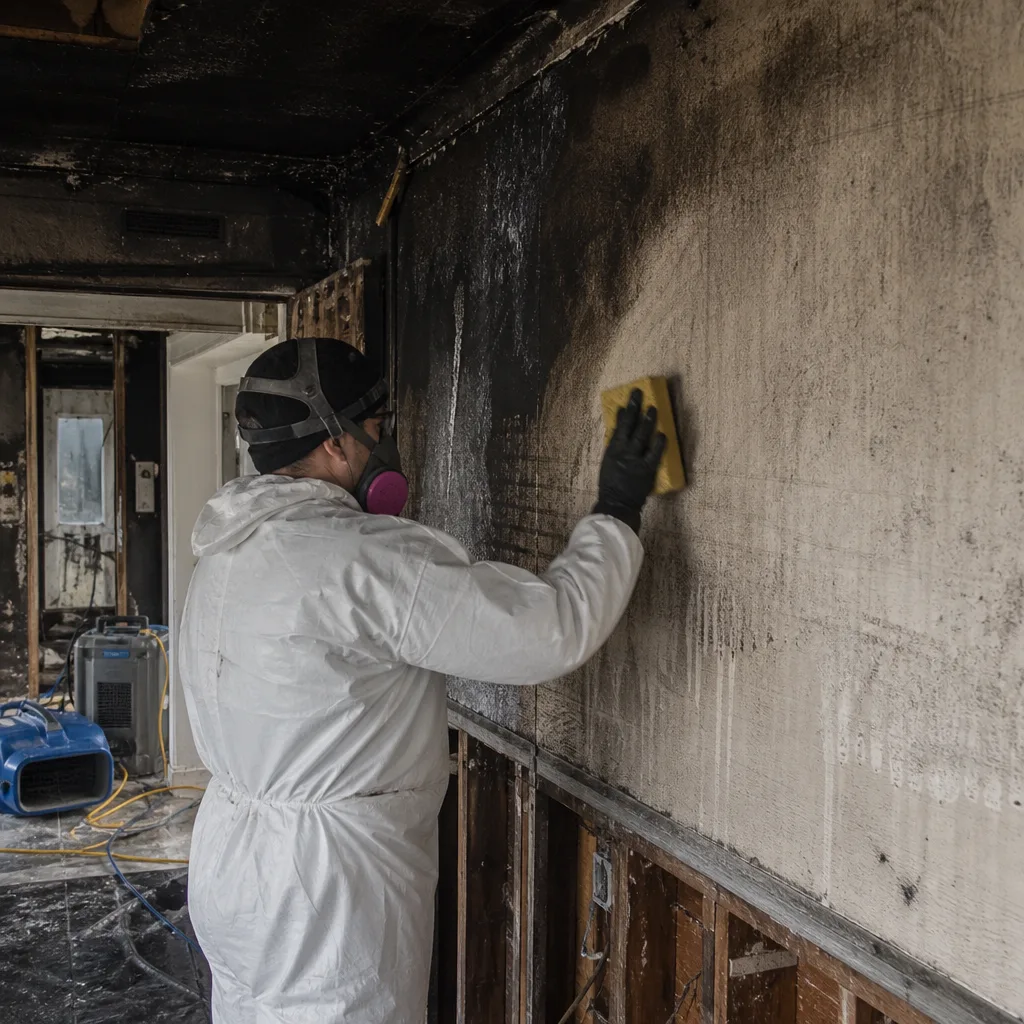
What happens when you call
- 1
A real person answersNo phone trees - you reach a local pro.
- 2
You get an upfront price rangeHonest numbers before anyone is dispatched.
- 3
A background-checked tech heads outLicensed & insured, dispatched right away.
- 4
You approve before work beginsNothing starts until you say go.
Commercial Restoration Costs in Port Washington, NY
A small Category 1 water cleanup in a Port Washington retail space, where a supply line let go and the water was caught the same day, typically runs $2,500 to $6,000 depending on affected square footage and whether flooring comes up. A Category 2 gray water job in a medical office, with full antimicrobial treatment and HEPA air scrubbing, lands between $7,000 and $18,000. Category 3 storm surge or sewage losses, which require containment, selective demolition, full drying, and reconstruction of removed finishes, commonly bill $25,000 to $75,000 for a typical Main Street storefront or an office suite. Large-loss commercial claims on waterfront buildings have run well into six figures where saltwater reached multiple floors and mechanical systems. The variables are square footage, category of water, materials affected, and whether structural elements like plaster ceilings or original wood flooring can be saved. The best way to get a firm number is the free visual inspection: we give you a written scope with a line-item price before any non-emergency work begins. Call (917) 924-4221 and we’ll come see the building.
We Also Serve Cities Near Port Washington
Our Port Washington crews regularly respond across the North Shore. We serve commercial properties in Port Washington and the surrounding communities, including Sea Cliff, Manhasset, Glen Cove, and Great Neck. The same 45-minute response commitment applies anywhere in our North Shore dispatch radius.
Serving Port Washington, NY - Our Local Coverage Area
We’re based in the Port Washington area and know this community well. Use the map below to see our service coverage - if you’re nearby, we can almost certainly help.
Port Washington Commercial Restoration Questions, Answered
How does saltwater from Manhasset Bay or Hempstead Harbor change the restoration process compared to a freshwater pipe break in a Port Washington commercial building?
Saltwater changes everything. Brine corrodes electrical panels, HVAC condensers, and structural fasteners far more aggressively than freshwater, and it leaves chloride residue inside concrete and block that reactivates mold at the next moisture event. Our protocol for tidal surge in Port Washington includes salt-specific antimicrobial treatment, chloride testing on masonry, and corrosion checks on all electrical equipment before power is restored. A standard freshwater drying plan won’t address what storm surge leaves behind, and those jobs fail.
Our Manorhaven retail space flooded twice in five years. Why did the first restoration fail and what should be done differently this time?
The first failure points to skipped salt-neutralizing treatment and premature rebuilds. On Manorhaven shoreline blocks, we repeatedly find that post-Sandy quick-dry jobs still hold salt crystals and dormant mold spores inside wall cavities. Moisture from the next storm reactivates the colony. This time the work needs open-wall inspection behind previously dried-in-place areas, chloride testing before closing anything up, and aggressive antimicrobial protocols on both sides of every affected wall. We’ve handled second-remediation jobs along that same stretch, and they require a more surgical approach than a first-time loss.
Can you keep our restaurant open in Port Washington while you dry the flooded kitchen and dining area?
Often yes. We contain the affected area under negative air pressure, run HEPA scrubbing continuously, and phase the noisiest demolition for closed hours. The health inspector’s clearance is the deciding factor for food service, and we work directly with the inspector and your insurer to hit the reopening criteria as fast as the dry standard allows.
How long does it take to dry a Port Washington commercial building with a full basement after tidal flooding?
Most Category 3 basement floods on the peninsula take 7 to 14 days of active drying. The issue here isn’t just the standing water, it’s the groundwater pressure in the sandy glacial till that keeps masonry saturated after the surface reads dry. We typically run Dri-Eaz LGR dehumidifiers and air movers around the clock, with daily moisture readings and sub-surface probes on slabs and block walls. Some slab-on-grade commercial jobs with deep saltwater penetration have required targeted slab-edge work when surface drying plateaued.
Do we have to remove all drywall after a storm surge in our Port Washington commercial building, or can some be saved?
With Category 3 surge water, any drywall within three feet of the water line almost always has to come out, and on older Port Washington buildings with balloon framing, we frequently find moisture wicked far above the visible water line. The backside of drywall is where salt and mold hide. Every wall cavity with a history of shoreline flooding should be opened and inspected, even if the front face feels dry. Cutting corners here is how second-remediation jobs are made.
How fast can you actually get to a commercial property in Port Washington?
Within 45 minutes, every time, day or night. Our Port Washington dispatch radius is built around answering live and moving a crew immediately. For a flooded Manorhaven loading dock or a burst line on Main Street at 1 a.m., that means extraction is running the same hour you call.
Will my insurance cover saltwater storm surge damage in Port Washington?
Most commercial policies cover storm surge as a flood loss when flood coverage is in place, and many Port Washington commercial owners added it after Sandy. Even where coverage questions arise, our documentation of the loss from the first hour and direct communication with your adjuster typically speeds the claim. We bill your carrier directly and provide the moisture logs, photos, and line-item scopes that commercial adjusters expect.
What should I do in the first 30 minutes after water enters my Port Washington commercial building?
Cut power to affected areas at the panel if you can reach it safely. Do not walk through standing water if there’s any chance it’s black water from surge. Call (917) 924-4221. While you wait, move paper files and electronics away from the water if the area is safe to enter. Do not attempt to clean up sewage or surge water yourself. The first 30 minutes are about safety and a fast call, not about heroic salvage.
Written by Curt Bowman, Owner at Floodline Restoration Co., serving Port Washington and the North Shore since 2010.