
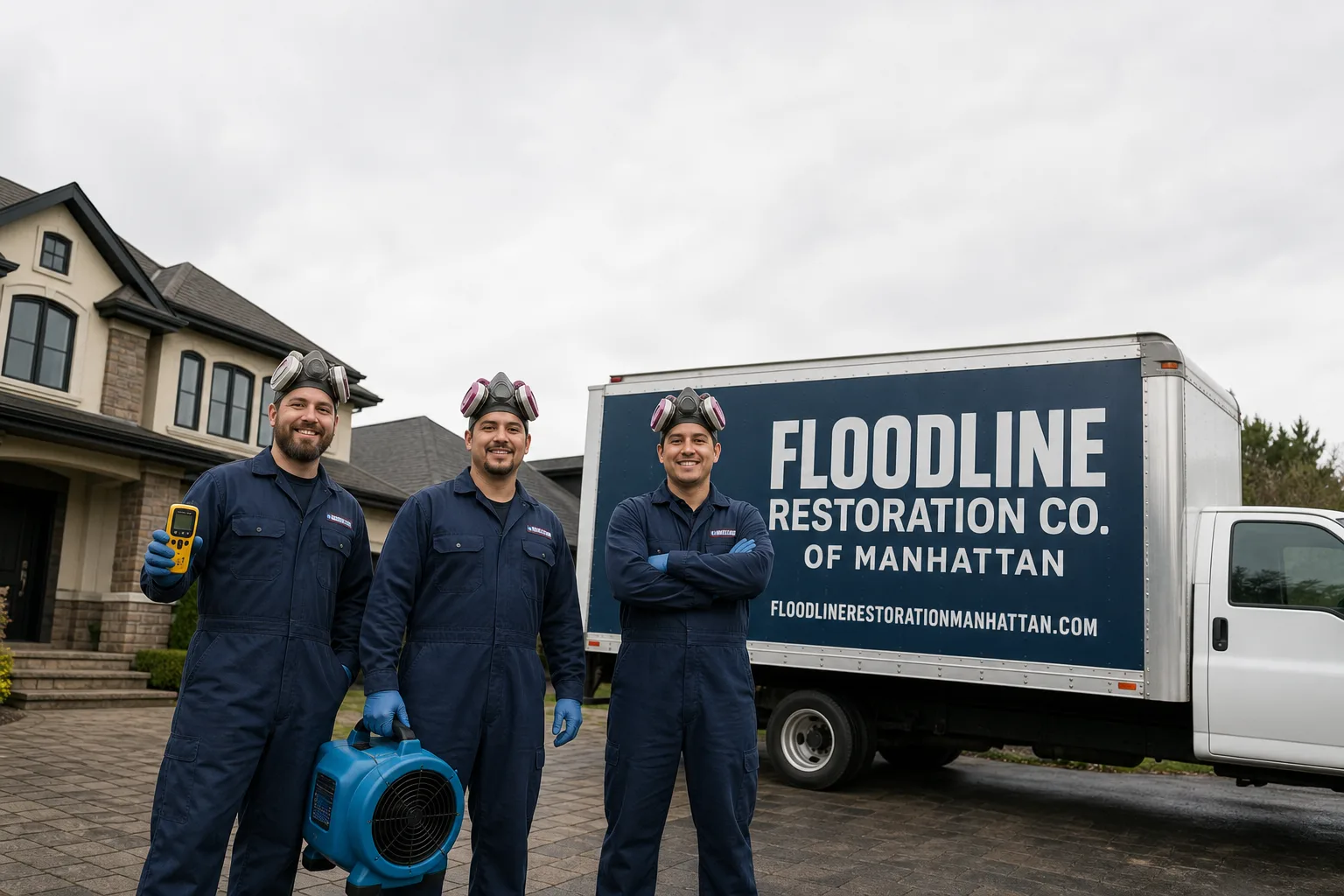
Free visual inspection and a written scope of work before any mitigation begins - photos, moisture readings, and drying logs go in your claim file
The scope we write is the scope we bill. Anything new gets shown to you, in writing, before we touch it.
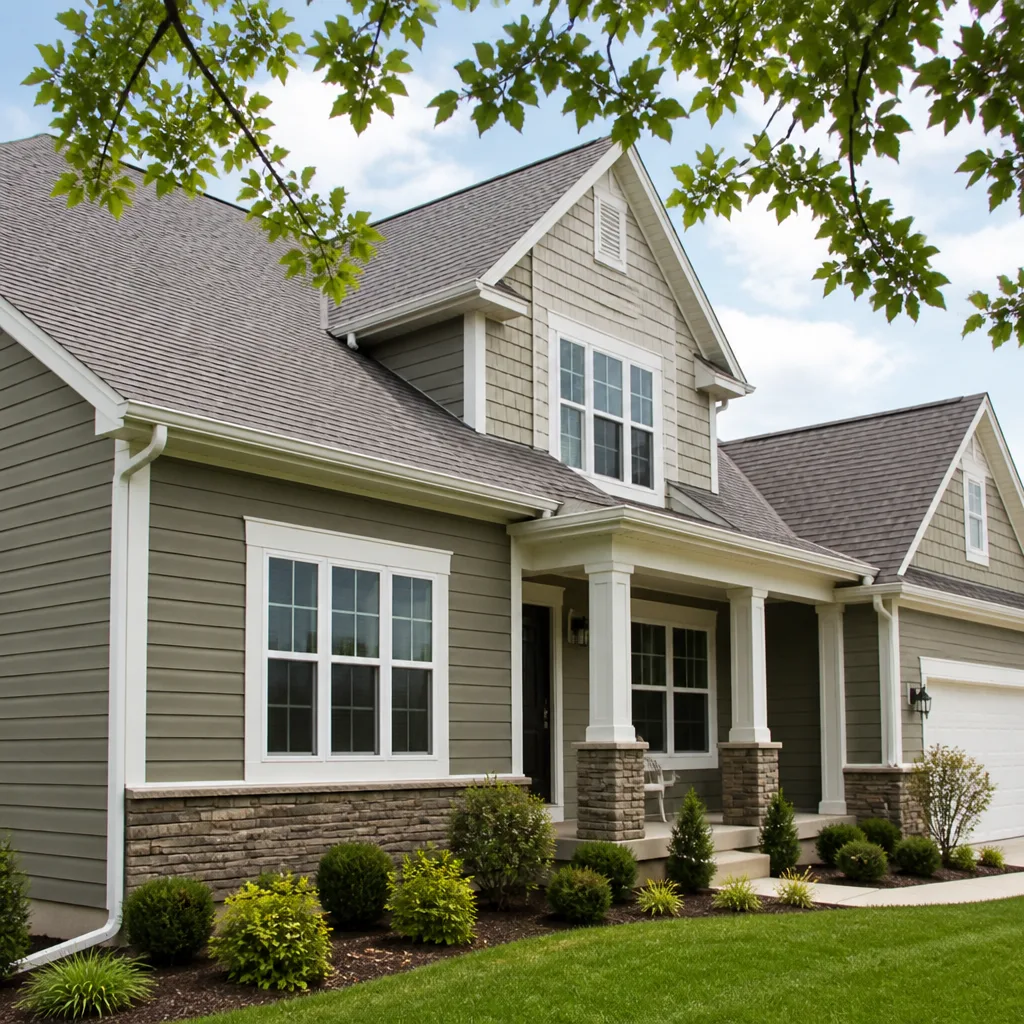
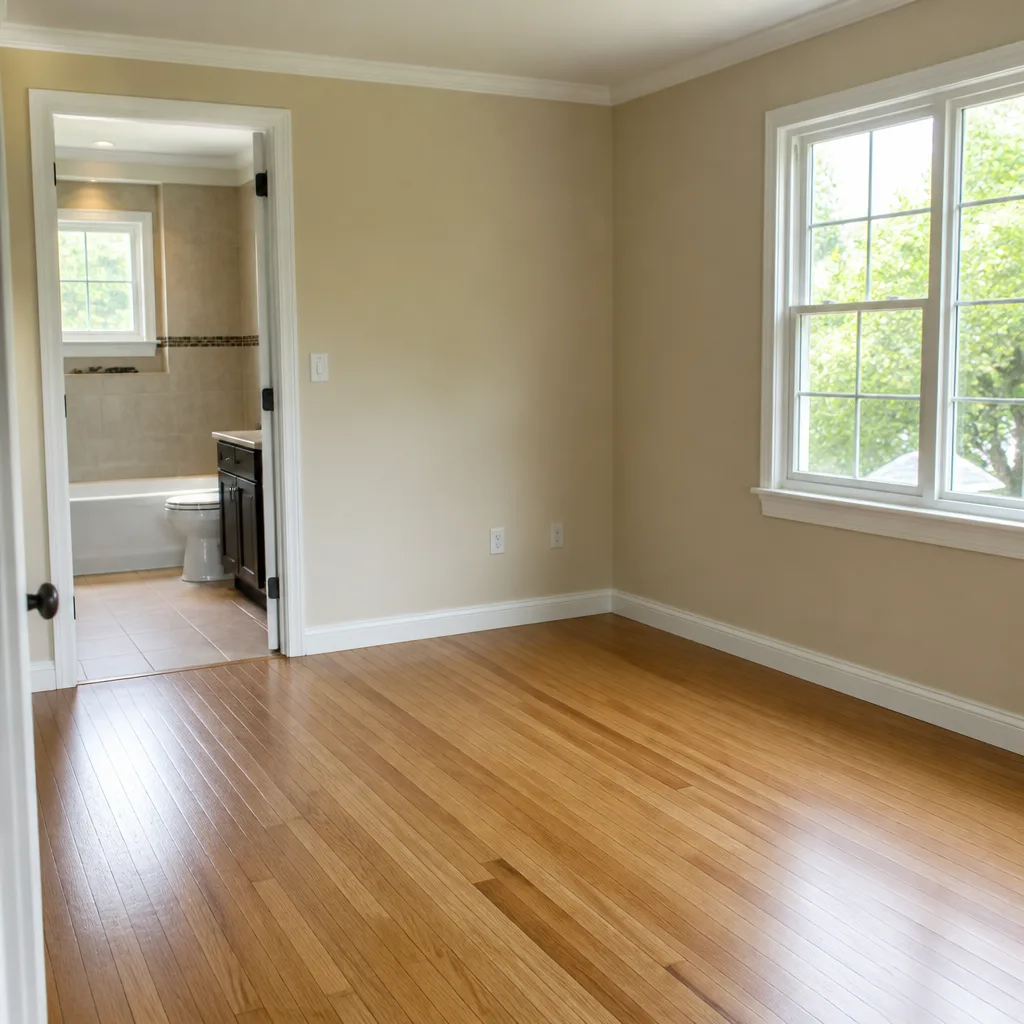
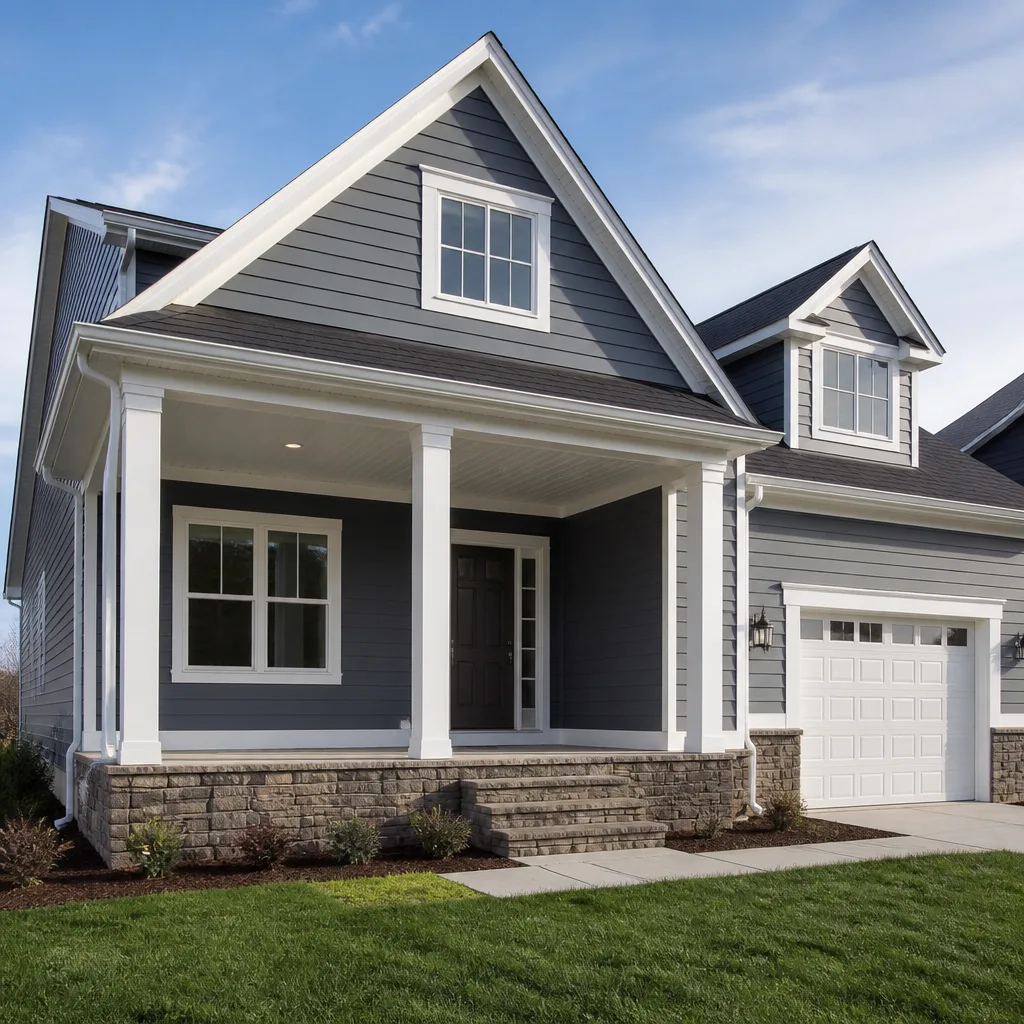
 Before
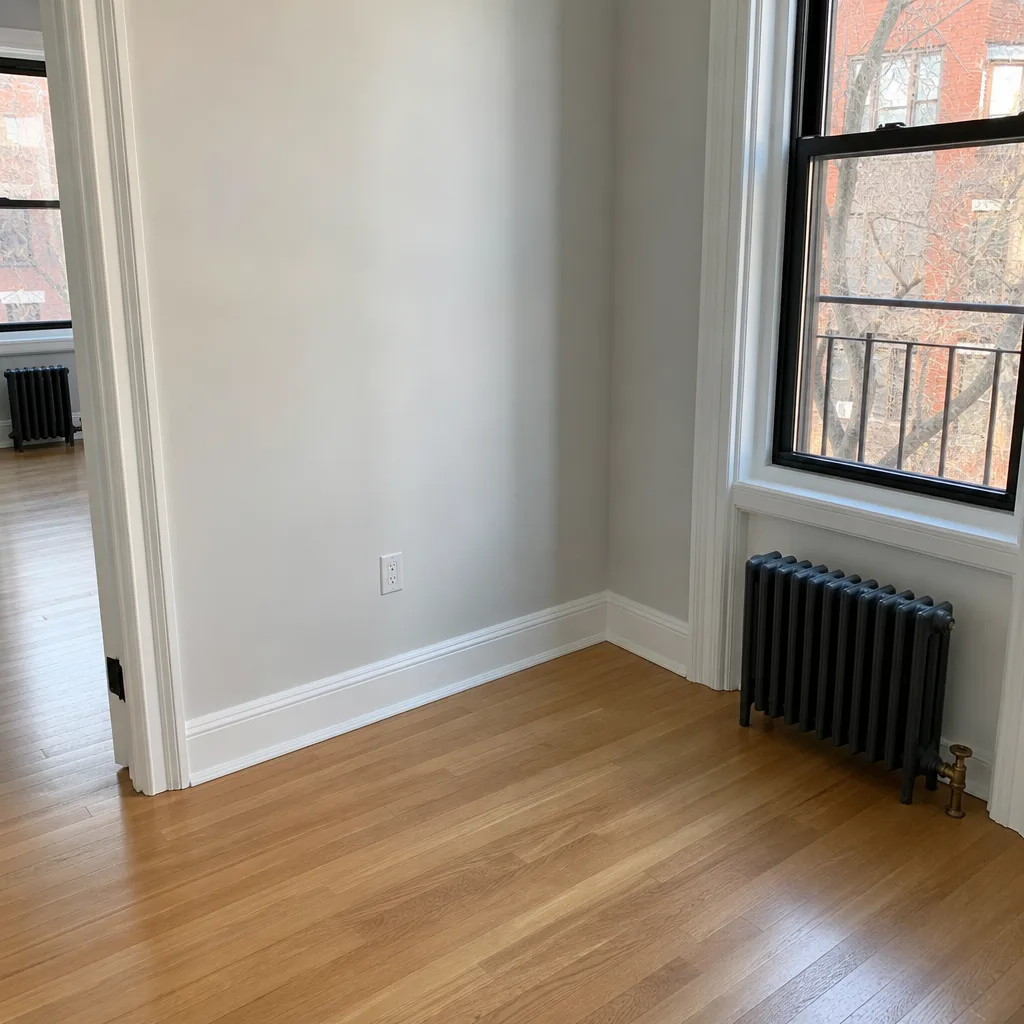 After
After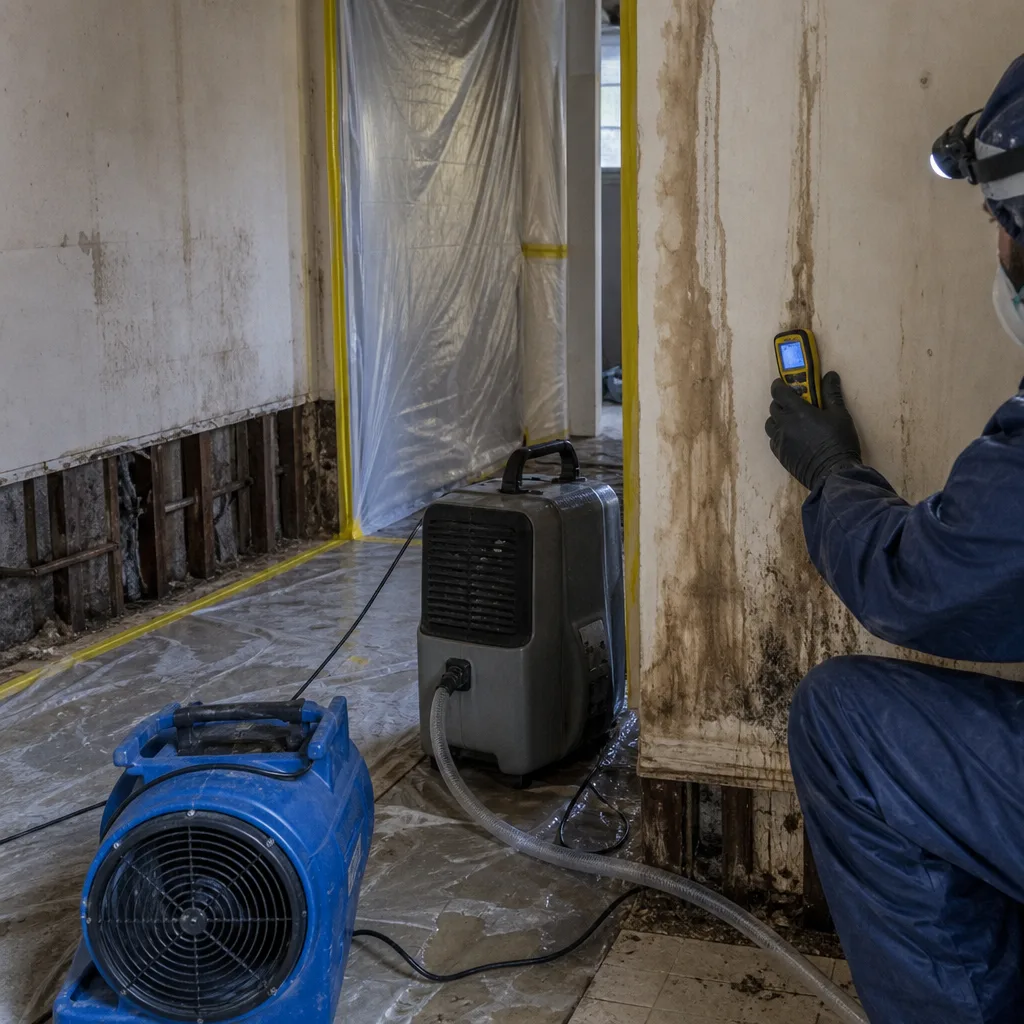 Before
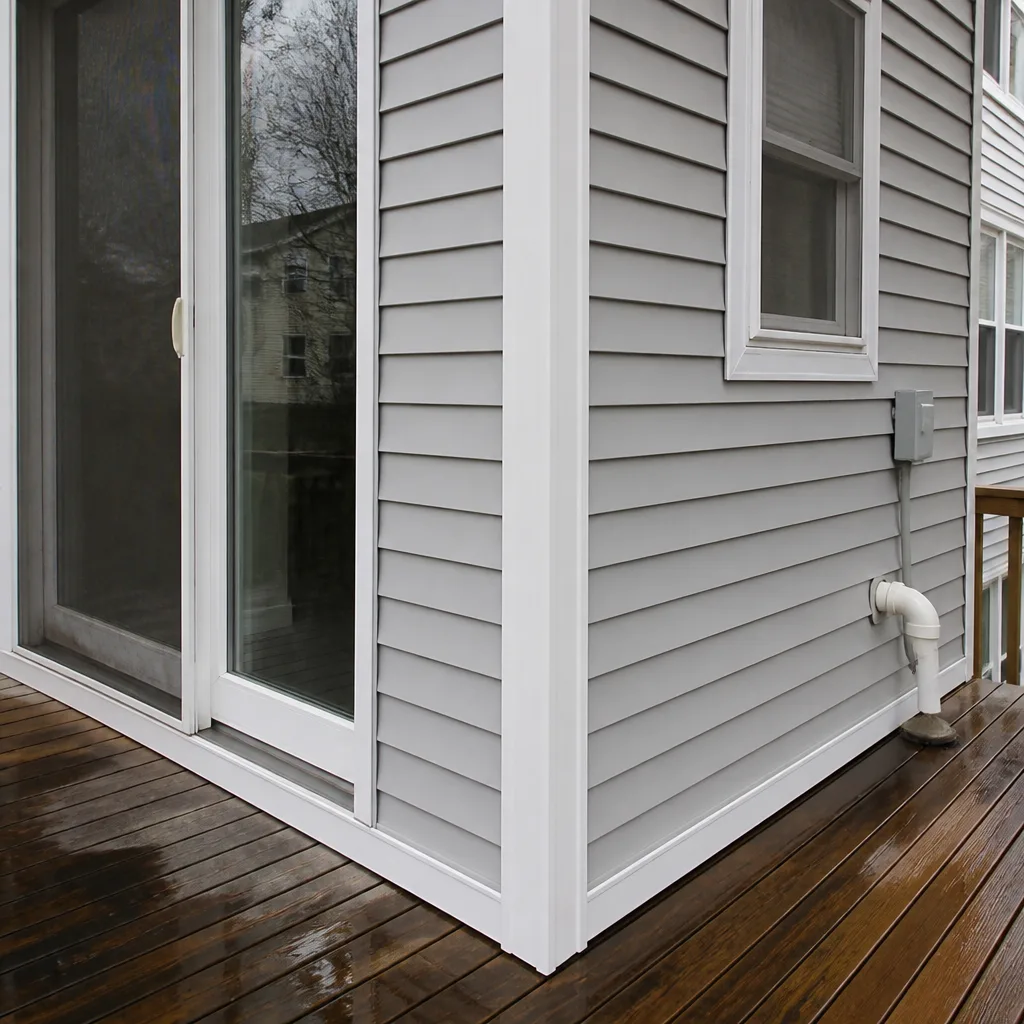 After
After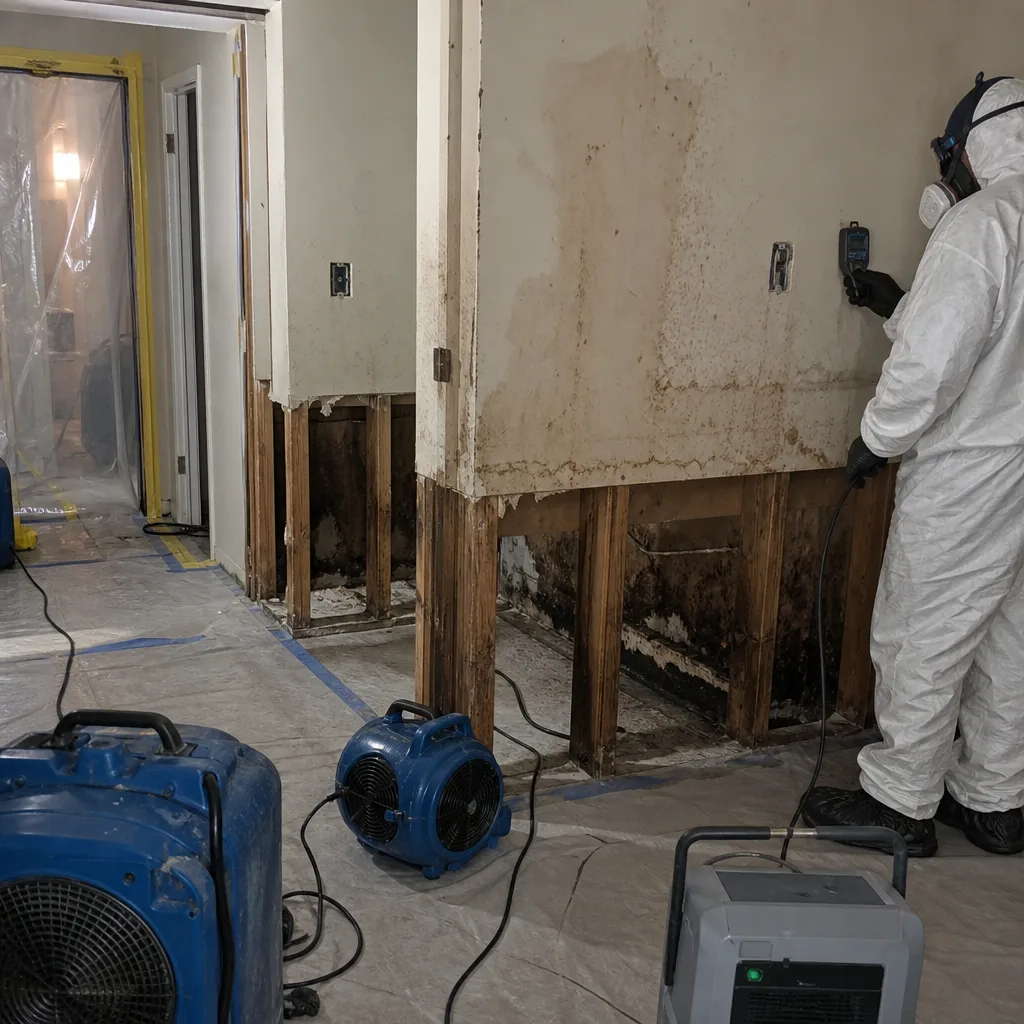 Before
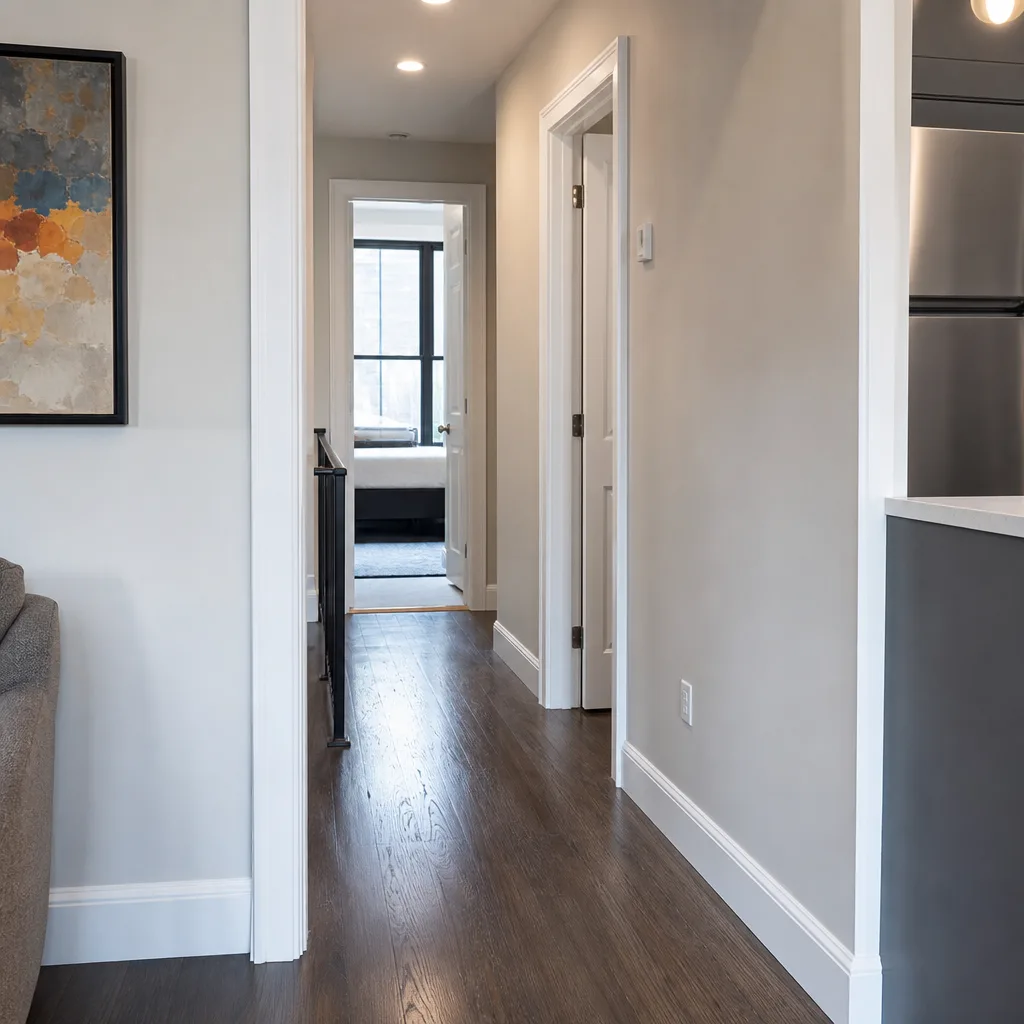 After
After24/7 Emergency Commercial Restoration in Rego Park
Commercial water, fire, or storm damage in Rego Park needs a crew that understands co-op buildings, not just damage. Rego Park is dominated by mid-century brick co-ops, and that changes everything about how restoration gets done: whose insurance pays, who authorizes the work, and how fast walls can legally be opened. If a pipe just burst in your storefront or medical office, call (917) 924-4221 right now. Our Rego Park commercial restoration crews answer live around the clock and can be on site within 45 minutes. The first hour matters because water from a burst stack or roof breach is already wicking into drywall, baseboards, and the shared chases that connect co-op units vertically. We start extraction the same visit and handle the co-op authorization timeline from day one, so you’re not stuck waiting on a managing agent’s email before anyone touches a wall.
Understanding Commercial Restoration Severity in Rego Park Properties
Not all commercial water damage is the same, and in Rego Park the building itself often dictates the severity. Category 1 water, from a clean supply line, is the most straightforward, but if it sat unaddressed over a weekend in a closed dental office, it degrades. Category 2, gray water, comes from washing machine overflow or sump failure. Category 3, black water, is what happens when a corroded cast iron drain stack splits inside a wall and sends sewage-tainted water through multiple floors at once. In Rego Park’s postwar brick co-ops, original cast iron stacks are failing from the inside out. That means what looks like a minor ceiling stain in a first-floor retail unit is often the bottom of a much longer vertical event spanning three or four floors. Moisture mapping with thermal imaging tells us how far water actually traveled, so we’re not guessing behind drywall. For fire damage, the concern is smoke migration through shared mechanical chases: even a small kitchen fire in one co-op unit pushes soot into neighboring commercial spaces through electrical conduit and pipe penetrations. We assess soot type, pressure clean what can be saved, and contain what cannot. For mold, the clock is short; in Rego Park’s humid summers, mold colonization starts within 48 to 72 hours of a roof leak. Containment and HEPA air scrubbing go up before we open any affected cavity.
Why Rego Park Property Owners Choose Floodline Restoration Co. of Manhattan
- 45-minute response commitment: We dispatch crews from the Rego Park area immediately, not after a callback window. A live person confirms the address and crew ETA while you’re still on the phone.
- 24/7 live answer, never an automated system: At 2 a.m. you’ll speak to a dispatcher who can actually send a crew, not a recording that tells you to leave a message.
- IICRC-certified crews: Our technicians carry WRT, FSRT, and AMRT certifications. That means they’ve been trained to the standard your insurer and your co-op board will ask about.
- Free visual inspection: Before any work starts, we walk the loss with you and tell you plainly what needs to happen. You get a written scope, not a sales pitch.
- Direct insurance billing: We bill your carrier directly and coordinate with your adjuster, so you’re not playing messenger between three parties while your business is closed.
- One team from extraction to reconstruction: The same crew that reads the moisture map on day one handles daily readings, hands the log to you and your carrier, and rebuilds what needs rebuilding. No handoff to a subcontractor who wasn’t there for the wet part.
Our Commercial Restoration Process
Inspection & Assessment
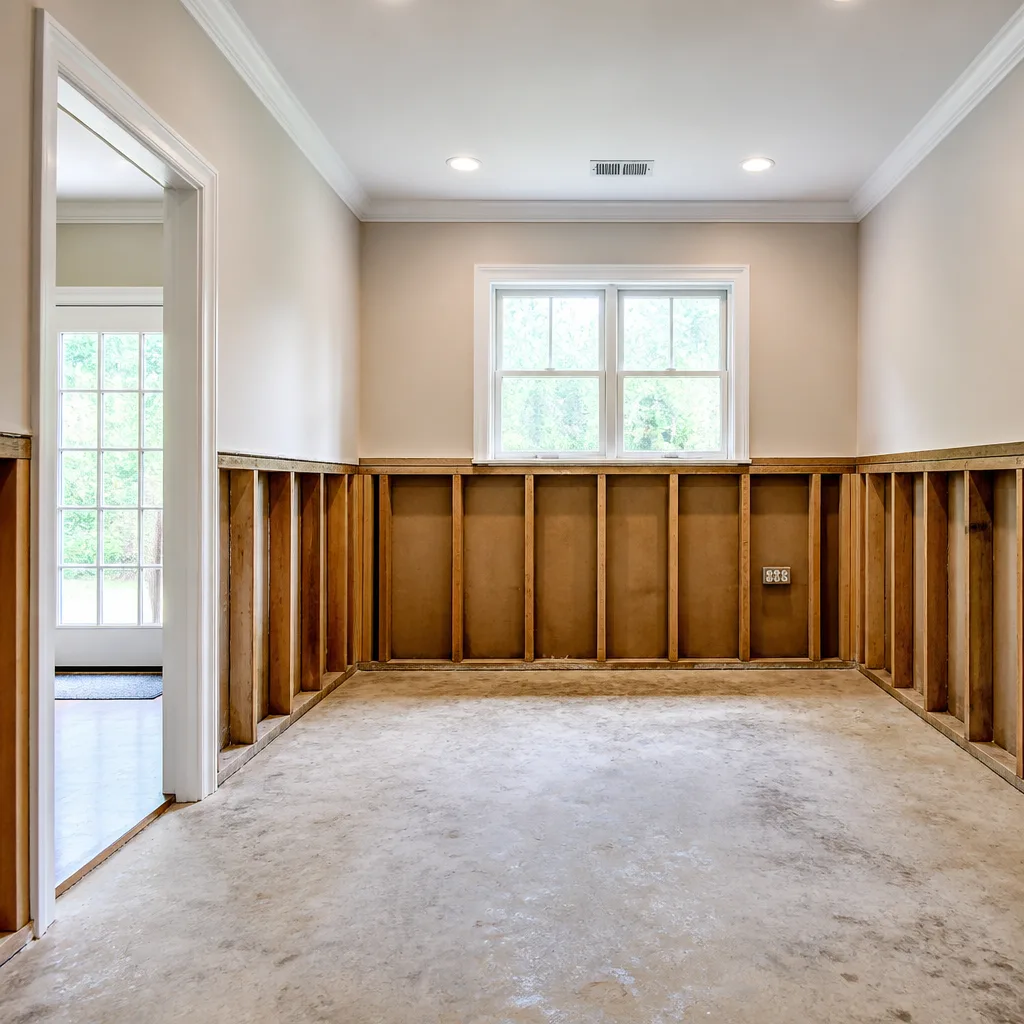
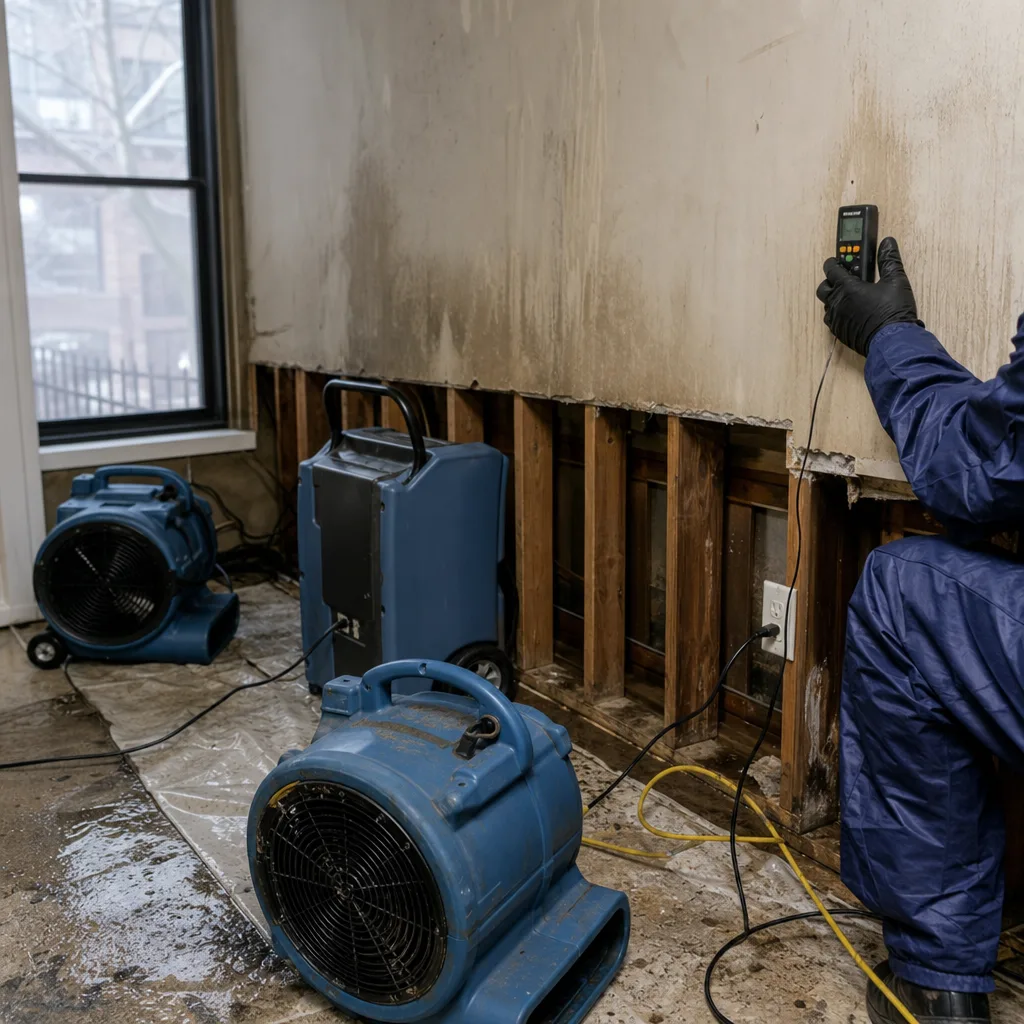
We arrive, walk the entire affected space, and document every surface. Thermal imaging and hygrometers map where water actually traveled, including into shared chases and ceiling cavities you can’t see. You get a written scope and a straight answer about what can be dried versus what needs to be removed.
Extraction / Stabilization
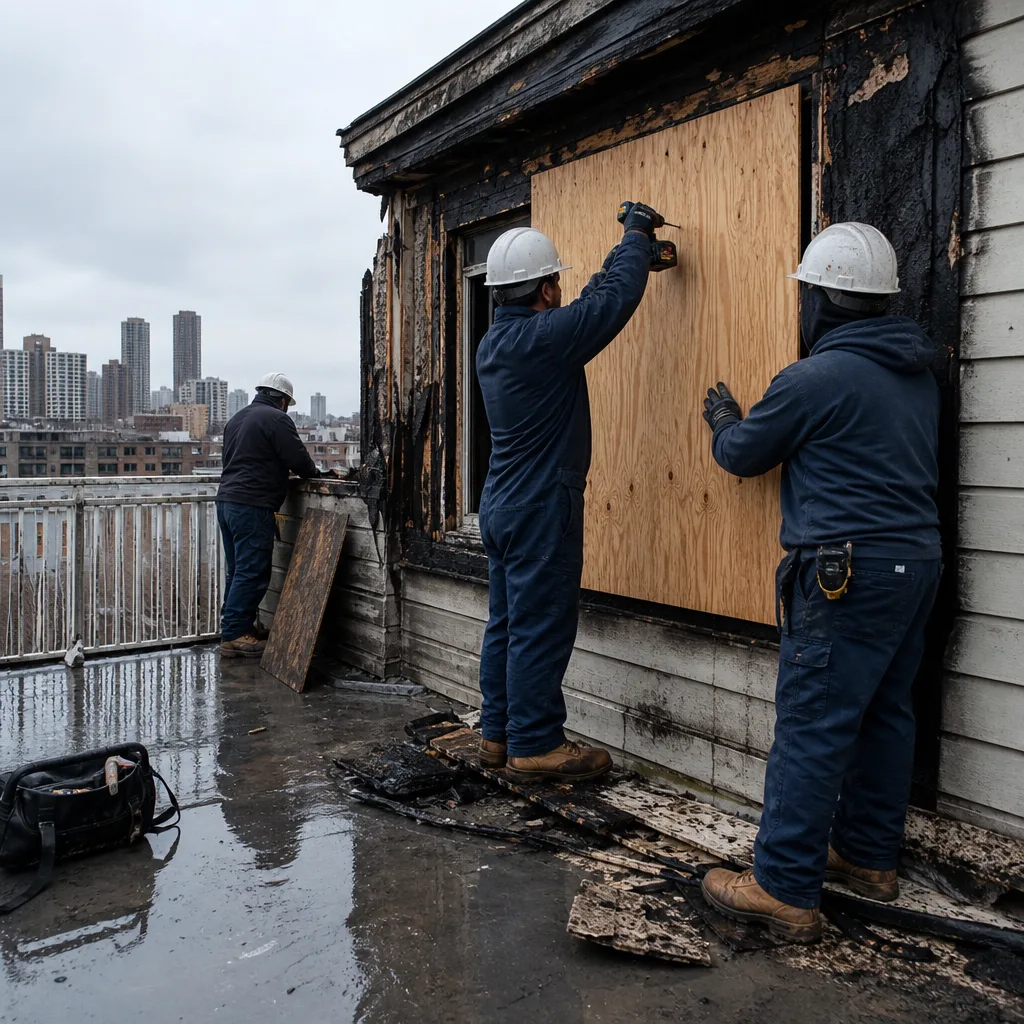
We extract standing water immediately using truck-mounted and portable extraction units. We also stabilize the space: containing the affected area, protecting undamaged stock or equipment, and securing any roof or envelope breach that let water in.
Drying & Dehumidification
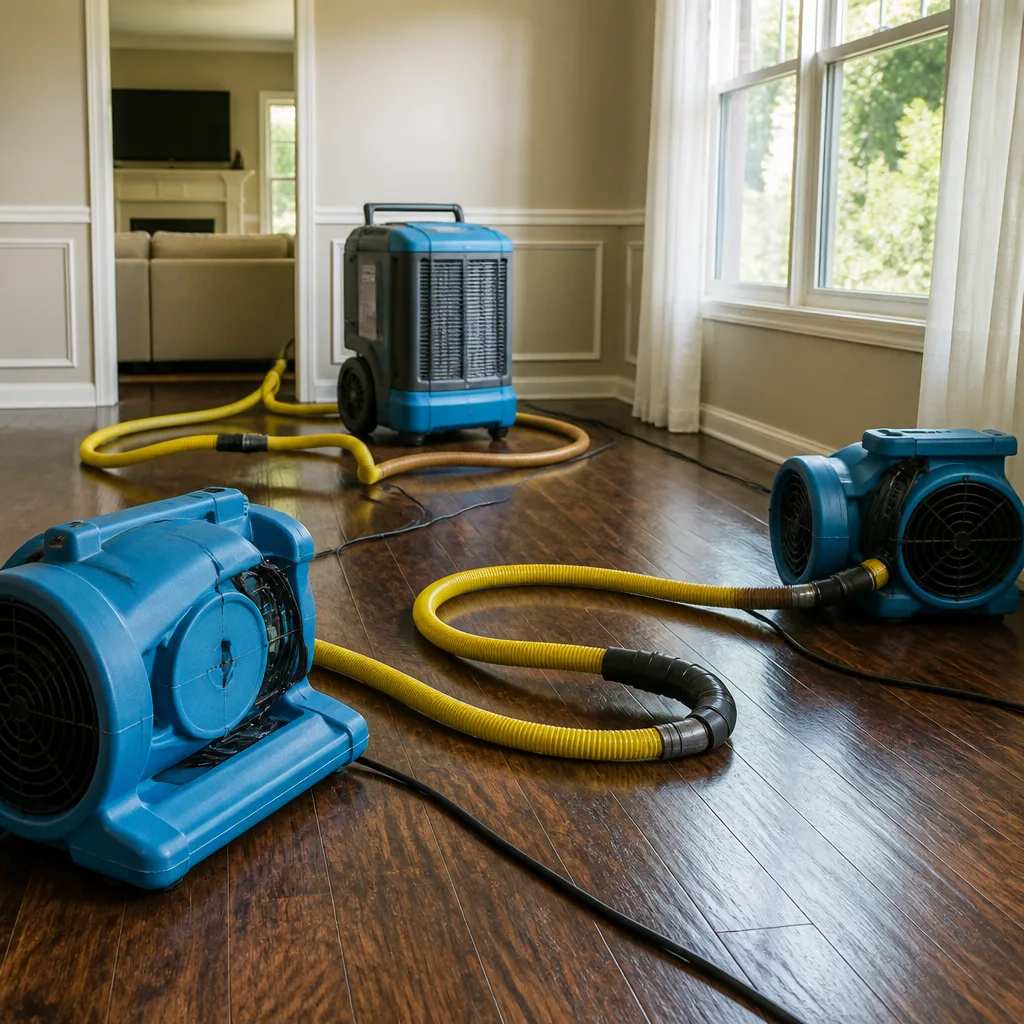
We set Dri-Eaz dehumidifiers and Phoenix air movers in a calculated layout, not scattered randomly. Daily moisture readings are logged until the dry standard is met. That log goes to you and to your carrier, so nobody’s guessing whether the space was actually dry before rebuild.
Cleaning & Sanitization
After drying, we clean and sanitize every affected surface. For category 3 water we apply antimicrobial treatments and remove contaminated porous materials that cannot be reliably cleaned. HEPA air scrubbers run during this phase to capture airborne particulates.
Specialty Treatment for Commercial Contents
For offices and retail spaces, that means document recovery, inventory triage, and electronics assessment. We can freeze-dry paper records, clean salvageable stock, and itemize what’s a total loss for your claim. For larger losses we coordinate off-site content restoration.
Repairs & Restoration
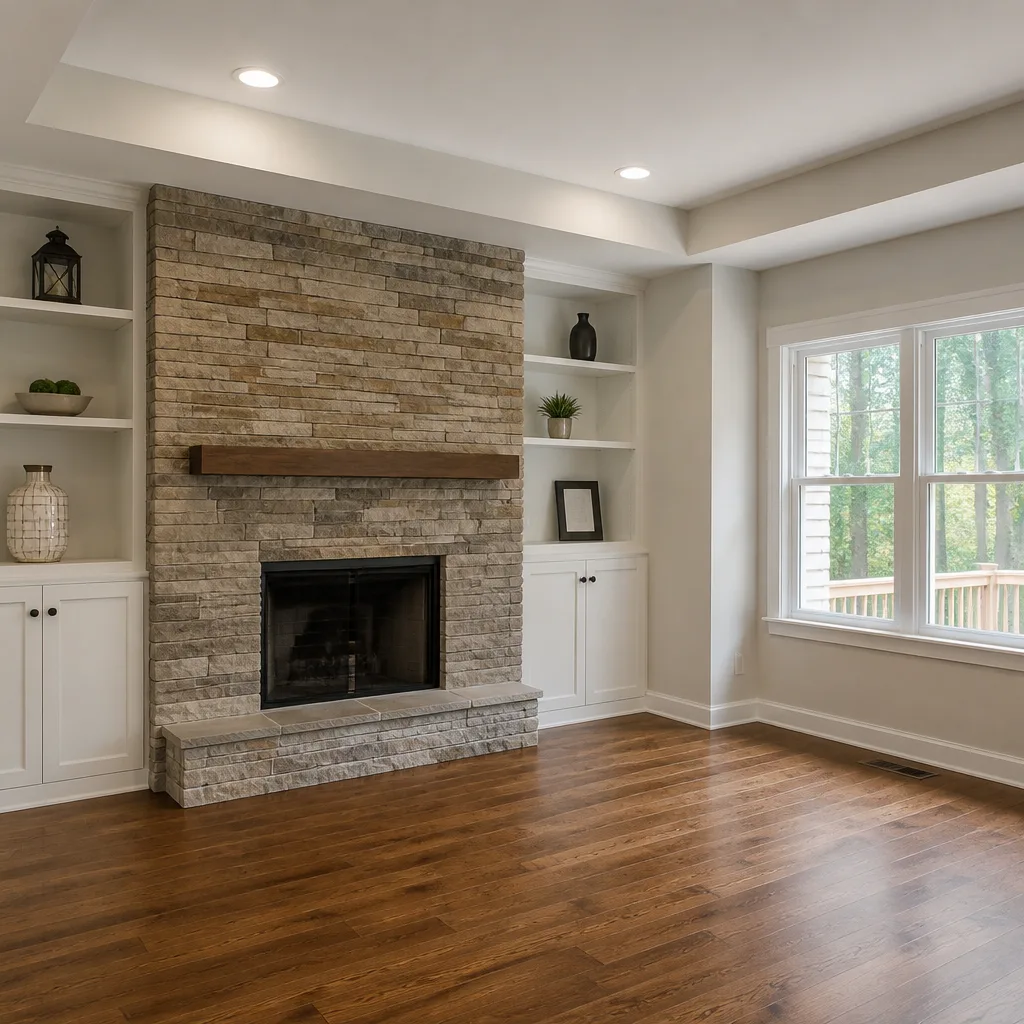
The final step is returning the space to pre-loss condition: drywall replacement, paint, flooring, and any structural repair. Because we handled the drying, we know exactly what was opened and what’s behind those walls. The job ends with the 90-Day Done Right Promise in your hand, in writing.
Need Emergency Commercial Restoration in Rego Park Now?
Crews minutes away, answering live 24 hours a day. The sooner we start, the less it costs.
Working With Your Insurance Company
In Rego Park, commercial restoration claims almost always involve at least two policies, and in co-op buildings often three. We document from the first hour so the claim file is complete before the adjuster ever arrives. That means photos of the loss, moisture readings from day one, and a line-item scope of work that uses industry-standard estimating software your carrier recognizes. Your adjuster doesn’t need to argue with us about whether drying was sufficient; the daily log answers that question. We coordinate directly with your carrier, the co-op’s master policy carrier, and your HO-6 carrier if the loss affects a co-op unit. You get one point of contact who knows where the claim stands. No playing messenger. No waiting on hold with three different insurers while your business stays closed.
What We Provide Your Insurer
- Thorough documentation of the loss
- Photos of all damage, room by room
- Moisture readings and drying logs
- A detailed, line-item scope of work
- Direct coordination with your carrier
Built for Rego Park’s Loss Calendar
Rego Park’s commercial restoration needs follow a seasonal pattern that anyone who’s owned property here for twenty years recognizes. January and February bring deep freezes that burst supply lines in unheated storage rooms and along exterior walls. March and April bring the thaw, and with it the chronic roof leaks: decades of freeze-thaw cycles have stressed the flat, low-slope membranes on Rego Park’s mid-century co-op buildings until parapet walls and roof edge flashing fail at the seams. Water finds its way down through original cast iron stacks and into commercial units below. Summer brings the opposite problem: heavy thunderstorms that overwhelm aging roof drains, sending standing water across low-slope roofs until it finds a weak point. August humidity accelerates mold growth on any surface that got wet and didn’t fully dry. Fall nor’easters are the wildcard. A wind gust that lifts a section of roof membrane can turn a small existing leak into a cascading, multi-floor intrusion in under an hour. We schedule preventive inspections and maintenance in the shoulder seasons for exactly this reason. The cost of sealing a seam is a fraction of the cost of restoring three stacked units.
Commercial Restoration Across Rego Park’s Neighborhoods
Rego Park stretches from the Queens Boulevard commercial corridor north through the residential grid toward the Long Island Expressway, and the building stock changes block by block. Along 63rd Drive and Austin Street, you’ll find commercial spaces at the base of mid-rise co-op buildings, where a second-floor unit’s burst pipe becomes a first-floor retail flood in under an hour. In the blocks south of Queens Boulevard toward Yellowstone Boulevard, the co-ops are denser and older, and many still have their original clay sewer laterals. North of the LIE near 99th Street and around the Rego Center shopping complex, the buildings are newer but the below-grade commercial garages and storage rooms share the same freeze-thaw vulnerability at foundation level. We respond to more stack failures per building in the six-story brick co-ops off Saunders Street and Wetherole Street than anywhere else in the neighborhood. The geometry matters: a vertical riser serving six floors means a failure at floor three affects floors two and one, and cleanup in a ground-floor business often requires access coordination through units on multiple floors above.
Specialized Commercial Restoration Services We Offer in Rego Park
Office & Retail Restoration
A water loss in a Rego Park retail space means lost revenue every hour the doors stay closed. We prioritize getting you back to business, not just getting things dry. For offices along Queens Boulevard, we coordinate after-hours work so your tenants don’t walk through a construction zone. For retail, we can build temporary partitions so part of the store operates while the back half dries.
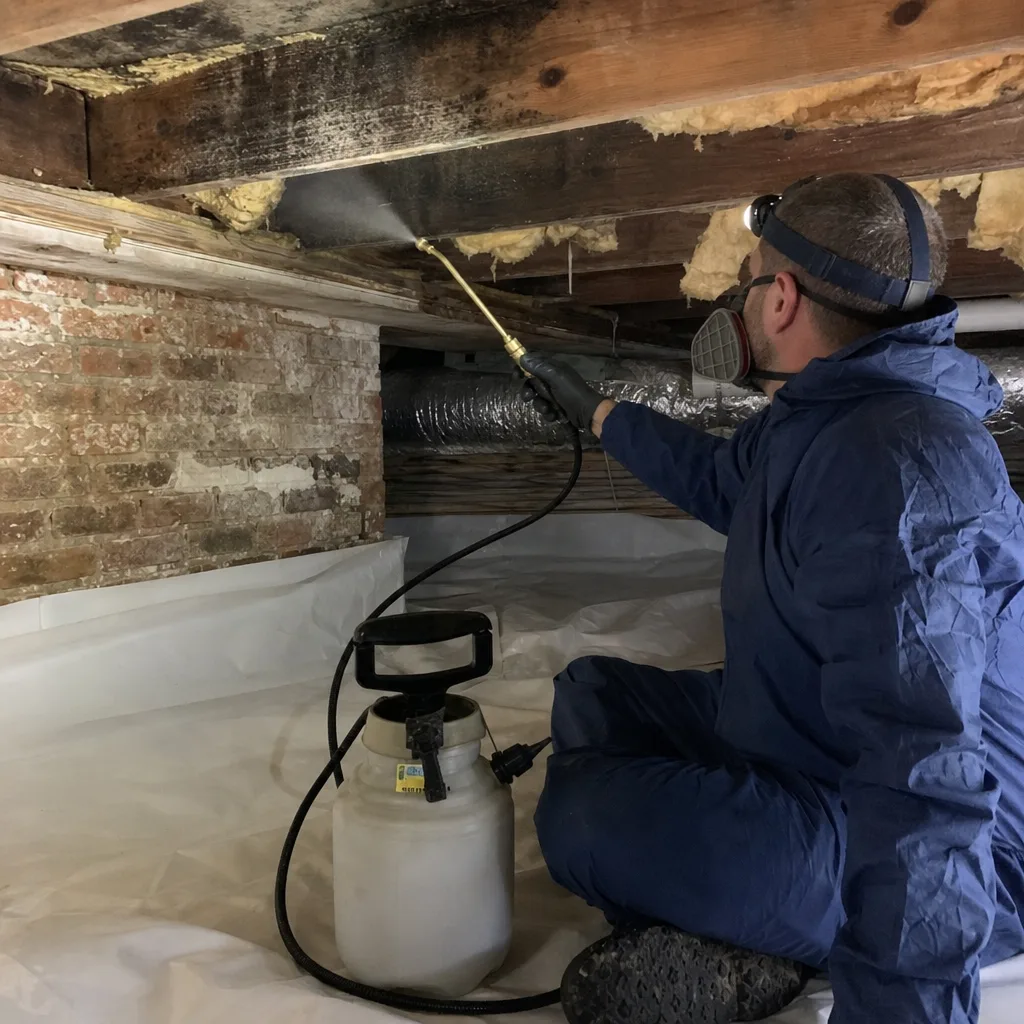
Multi-Unit & HOA Restoration
This is Rego Park’s defining restoration category. A single pipe failure in a shared mechanical chase sends water through stacked units, and every affected shareholder has a different insurer and a different tolerance for delay. We handle the coordination: one scope, one schedule, one point of contact for the board and the managing agent. We’ve done enough of these to know that the board’s biggest fear is a contractor who opens walls without authorization and creates liability. We don’t do that.
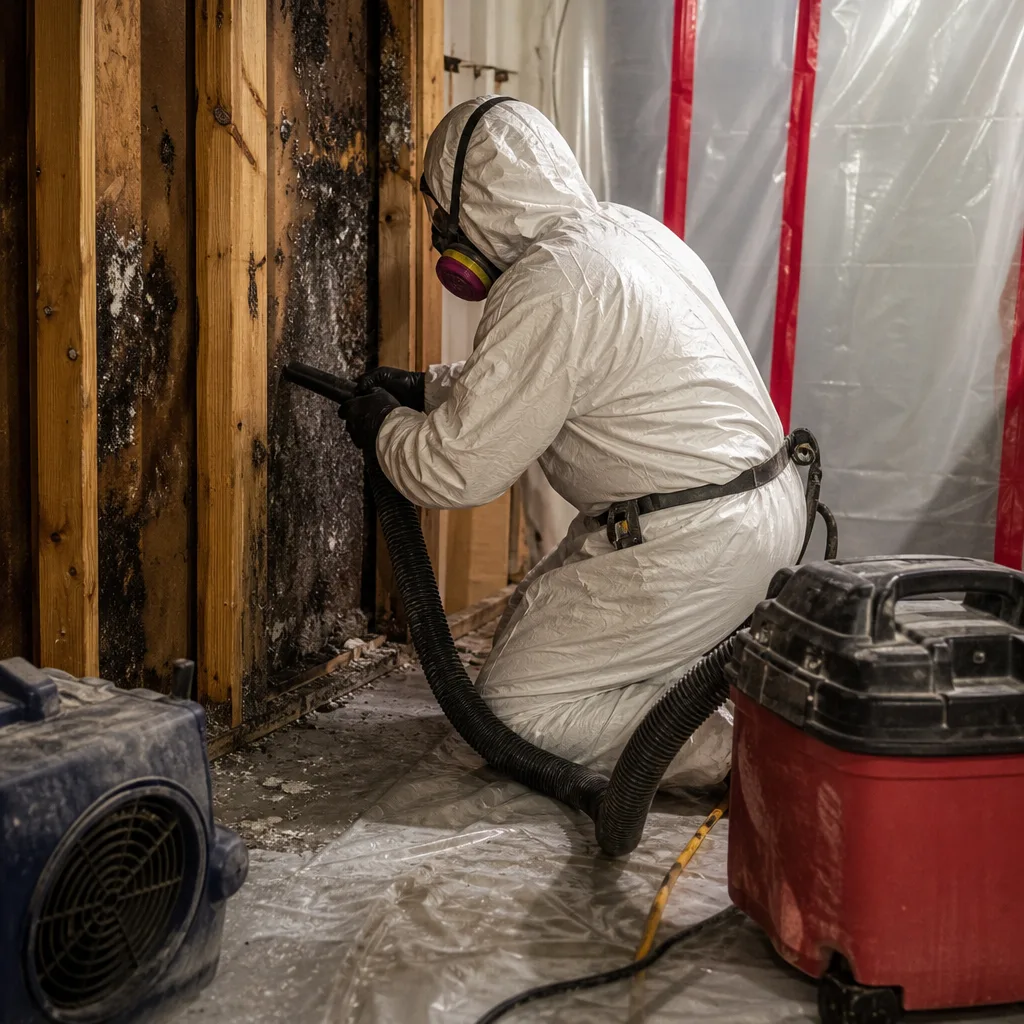
Industrial Facility Cleanup
For the light industrial and warehouse spaces near the LIE corridor, we handle larger-scale extraction and drying. These spaces have high ceilings, big floor plates, and often no interior drainage. We bring in heavy-duty Dri-Eaz and XPOWER equipment sized for volume, not volume-residential equipment pretending to do the job.
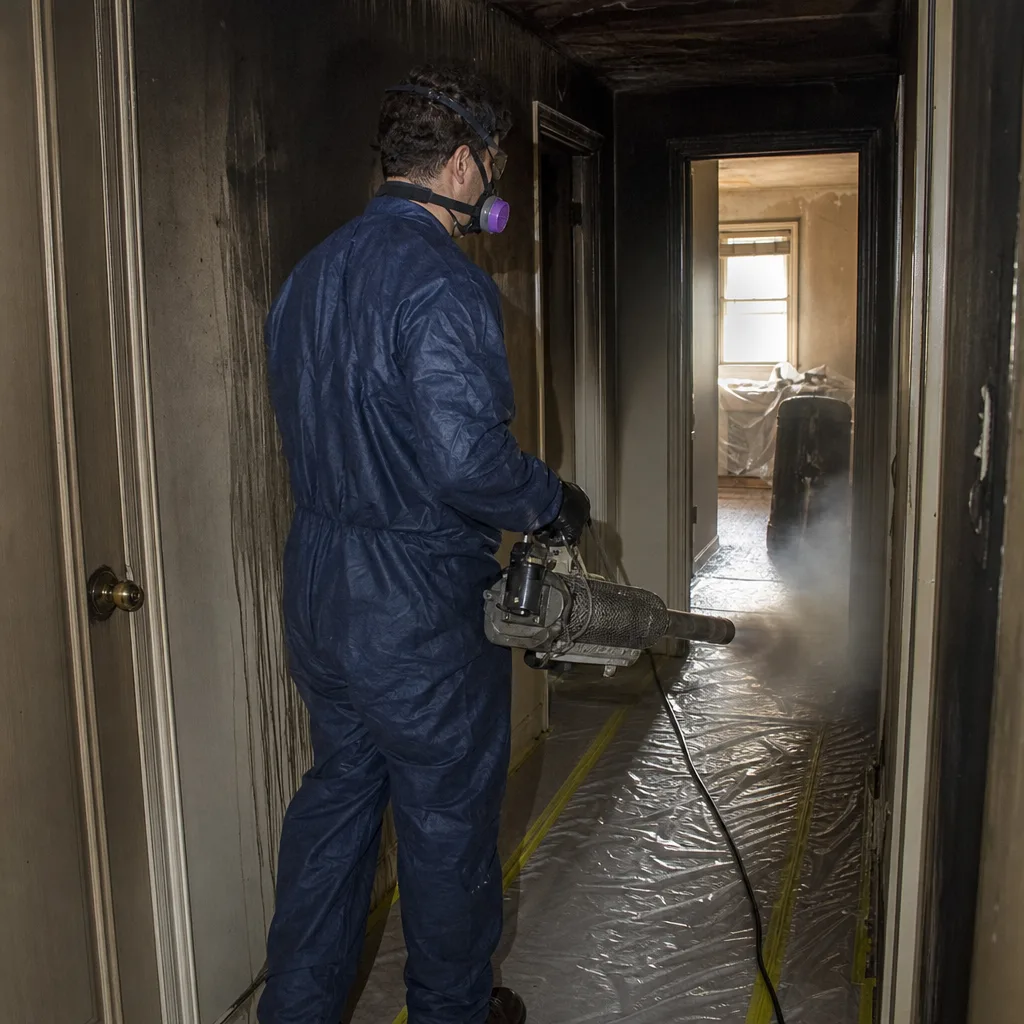
Large-Loss Response
When a nor’easter tears a roof section off a six-story co-op and three floors of commercial units are standing in water, a standard crew isn’t enough. Our large-loss team scales up: multiple extraction crews, a dedicated project manager, and a daily written update for the owner and every affected tenant. We also coordinate with your structural engineer if the damage extends to the building envelope.
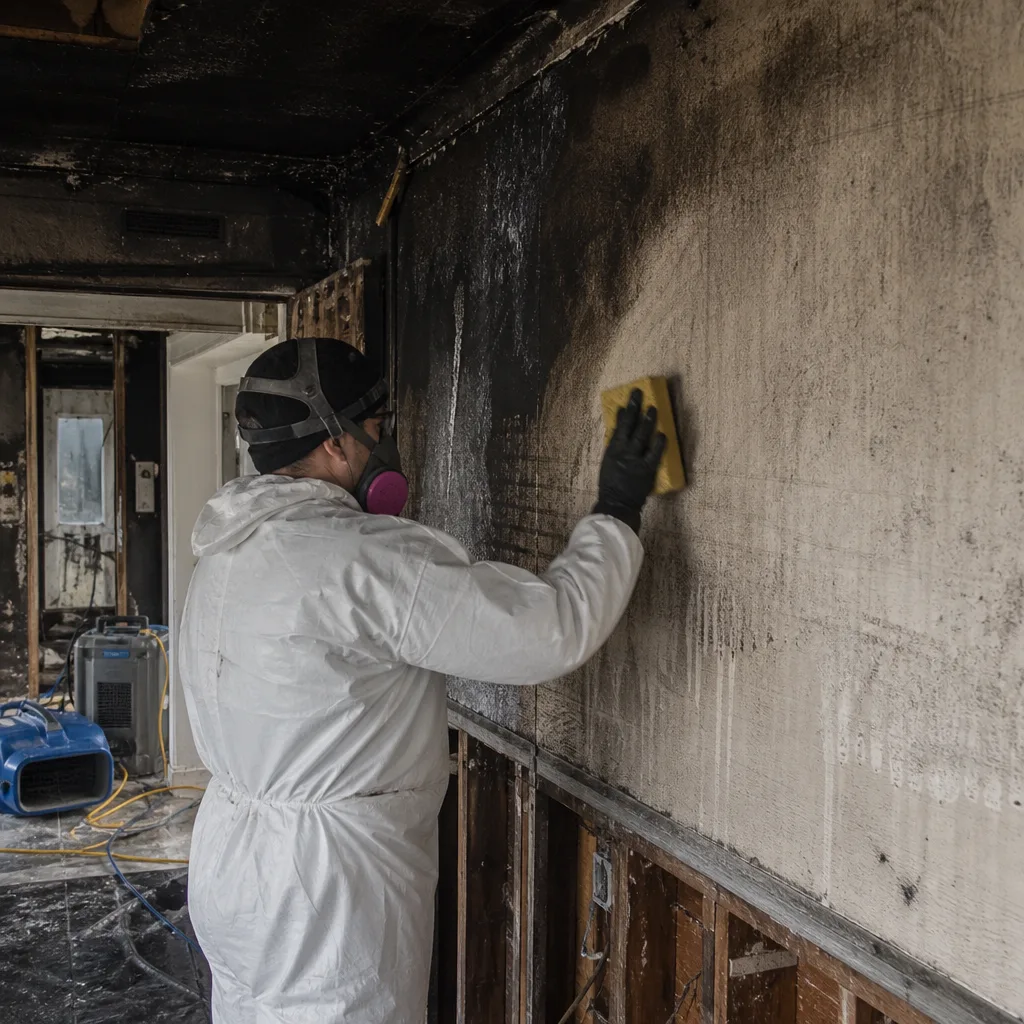
Business Interruption Minimization
We document everything your carrier needs to process a business interruption claim: the exact date and time of the loss, the scope of physical damage, the timeline for each phase of restoration, and the date you’re cleared to reoccupy. A Rego Park storefront that’s closed for a week loses revenue, but a claim that’s missing documentation can stall for months. We make sure yours doesn’t.
What happens when you call
- 1
A real person answersNo phone trees - you reach a local pro.
- 2
You get an upfront price rangeHonest numbers before anyone is dispatched.
- 3
A background-checked tech heads outLicensed & insured, dispatched right away.
- 4
You approve before work beginsNothing starts until you say go.
Commercial Restoration Costs in Rego Park, NY
In Rego Park, a small commercial water loss from a clean supply line typically runs $2,500 to $6,000 when caught within a few hours and limited to one room. A multi-floor co-op stack failure involving category 2 or 3 water, with drywall removal, containment, drying, and rebuild, runs $15,000 to $45,000 depending on the number of floors affected and whether shared mechanical chases require access. Retail storefront damage from a roof breach, with inventory triage and business interruption documentation, typically lands between $8,000 and $30,000. What moves the price: the category of water, how many floors are involved, whether the co-op board requires engineering sign-off, and how quickly drying started. Insurance typically covers the restoration and rebuild when the loss is sudden and accidental; the free visual inspection gives you a firm written scope before you commit to anything. Call (917) 924-4221 for an exact quote.
We Also Serve Cities Near Rego Park
Floodline Restoration Co. of Manhattan provides commercial restoration throughout central Queens. In addition to Commercial Restoration in Rego Park, our crews respond daily in Forest Hills, Elmhurst, Corona, and Middle Village. The same certified team, the same 90-Day Done Right Promise, the same live answer at 2 a.m.
Serving Rego Park, NY - Our Local Coverage Area
We’re based in the Rego Park area and know this community well. Use the map below to see our service coverage - if you’re nearby, we can almost certainly help.
Rego Park Commercial Restoration Questions, Answered
How quickly can mold start after a roof leak in a Rego Park co-op commercial unit?
Mold colonization can begin within 48 to 72 hours of a roof leak in Rego Park, especially in summer when interior humidity sits high. The clock starts when the water stops being clean and saturates drywall or ceiling tile. If a roof leak has been dripping through a ceiling cavity for a week before it’s noticed, assume mold is already present and get a professional assessment before any demolition. Call (917) 924-4221 and we’ll be there the same day.
Who must authorize restoration work in a Rego Park co-op building?
The co-op board or managing agent must authorize any wall opening in a Rego Park co-op building, in writing, before remediation begins. This applies even when the affected shareholder’s own HO-6 policy covers the damage. Starting demolition without that authorization creates liability and can stall the claim for weeks. Our team handles this authorization request from day one, so you’re not the one waiting on board minutes.
What is the biggest wind-related risk to commercial spaces in Rego Park’s postwar co-ops?
The biggest wind-related risk is the low-slope roof membrane lifting during a nor’easter, exposing the interior to cascading water intrusion. Rego Park’s mid-century co-ops were built with flat roofs that have been patched and re-patched for decades. When sustained winds catch a seam, a small leak becomes a major roof failure in minutes. We respond to more of these after late-fall and winter storms than any other single cause.
Why is category 3 water damage common when a cast iron drain stack fails in Rego Park?
Rego Park’s original cast iron drain stacks carry black water from every fixture in the column, so when one cracks or separates, the water that pours into walls and ceilings is contaminated with sewage. That’s category 3 water by definition. It requires full containment, antimicrobial treatment, removal of porous materials, and careful drying before rebuild. It also means the co-op board’s authorization matters even more, because affected chases often run through common areas.
How do you handle business interruption for a retail store in a Rego Park co-op after water damage?
We document the loss timeline, the physical damage, and the full restoration schedule in a format your business interruption carrier can process without back-and-forth. That includes the date and time of the loss, the cause, the scope of work, daily progress with photos, and the date you’re cleared for reoccupancy. You shouldn’t have to reconstruct the timeline from memory months later. We build the file as we work, and we hand it to you and your adjuster.
How fast can you actually get to a commercial property in Rego Park?
Our dispatch commitment is 45 minutes to any commercial property in Rego Park, around the clock. A live dispatcher answers, confirms the address, and sends the nearest available crew immediately. In a co-op building, we can be extracting standing water while the authorization paperwork for wall opening is still being processed.
Do you handle the co-op board’s master policy paperwork too?
Yes. When a loss affects common building systems, such as a shared mechanical chase or the roof itself, we coordinate with the master policy carrier and the managing agent. We also coordinate with the affected shareholder’s HO-6 carrier. You get one restoration contractor, not three separate parties pointing at each other.
What should I do in the first 30 minutes after discovering water damage in my Rego Park commercial space?
Call (917) 924-4221 first. Then, if it’s safe, shut off the water source and kill power to the affected area. Move any stock, files, or electronics out of standing water. Take photos of everything before anything gets moved. Do not open walls or ceilings, especially in a co-op building, because that requires board authorization. The sooner our crew arrives, the less gets replaced and the faster you reopen.
Written by Curt Bowman, Owner at Floodline Restoration Co. of Manhattan, serving Rego Park and the surrounding Queens communities.