
Free visual inspection and a written scope of work before any mitigation begins - photos, moisture readings, and drying logs go in your claim file
The scope we write is the scope we bill. Anything new gets shown to you, in writing, before we touch it.
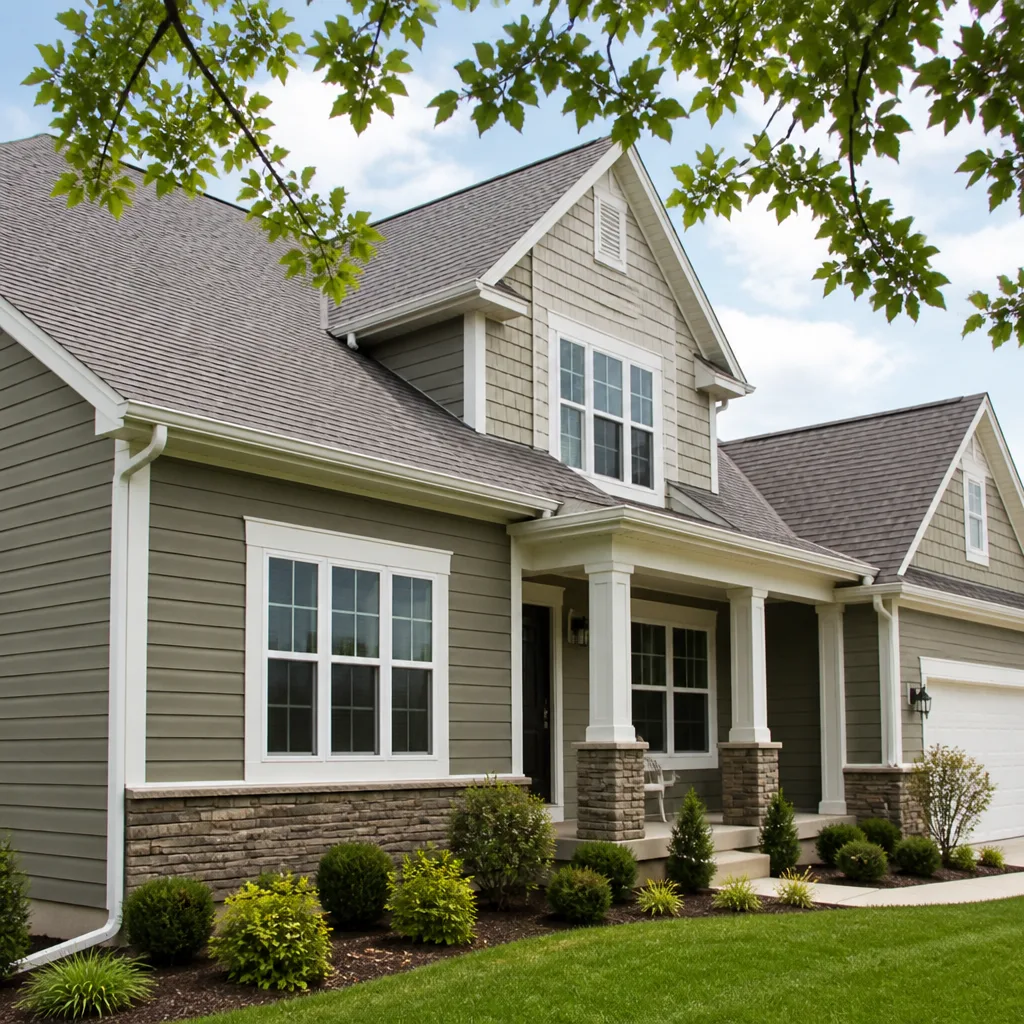
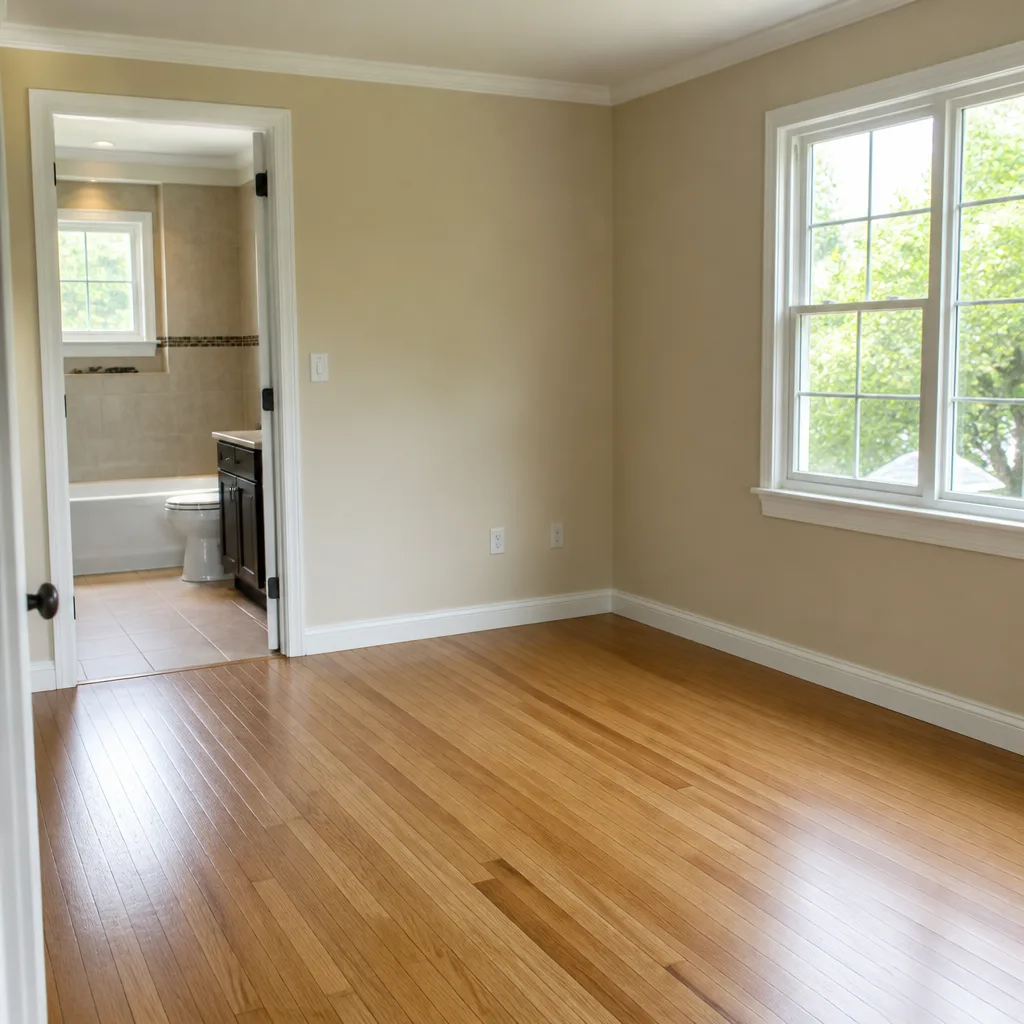
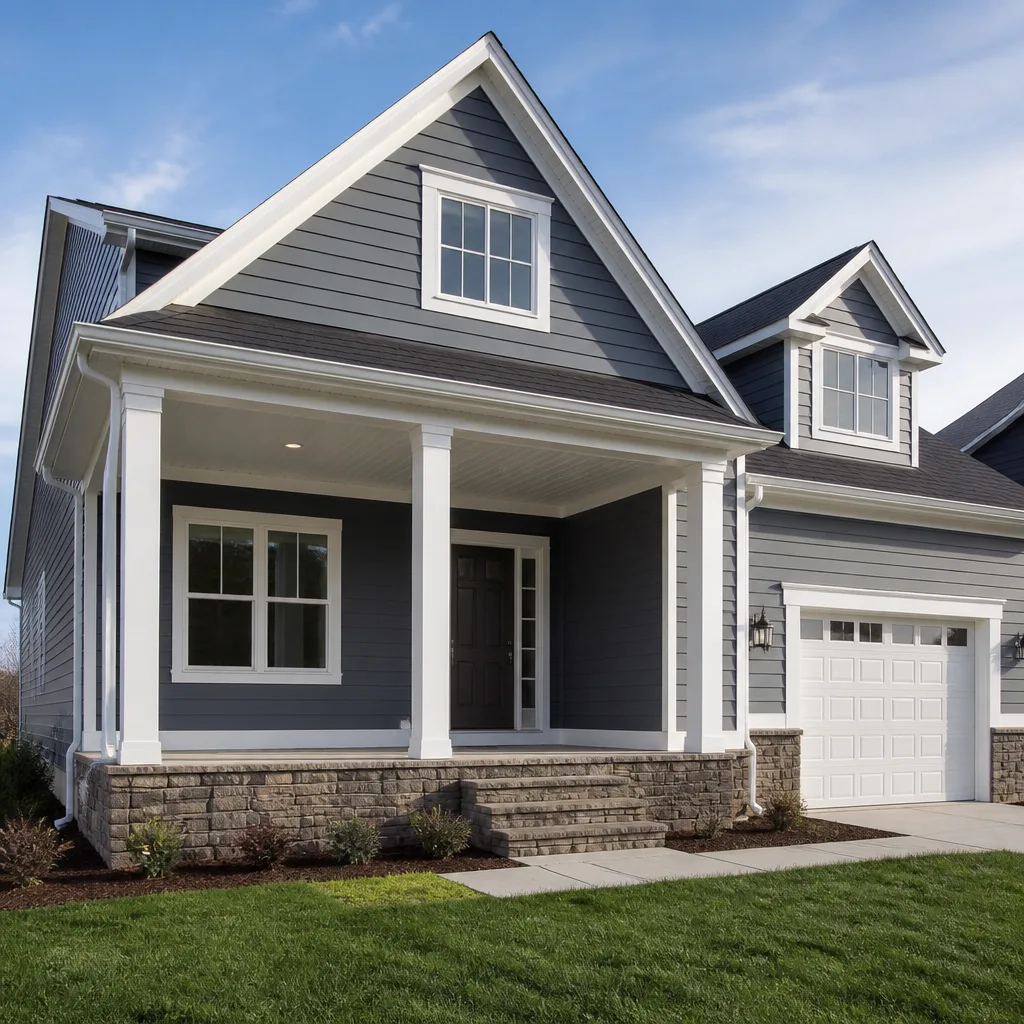
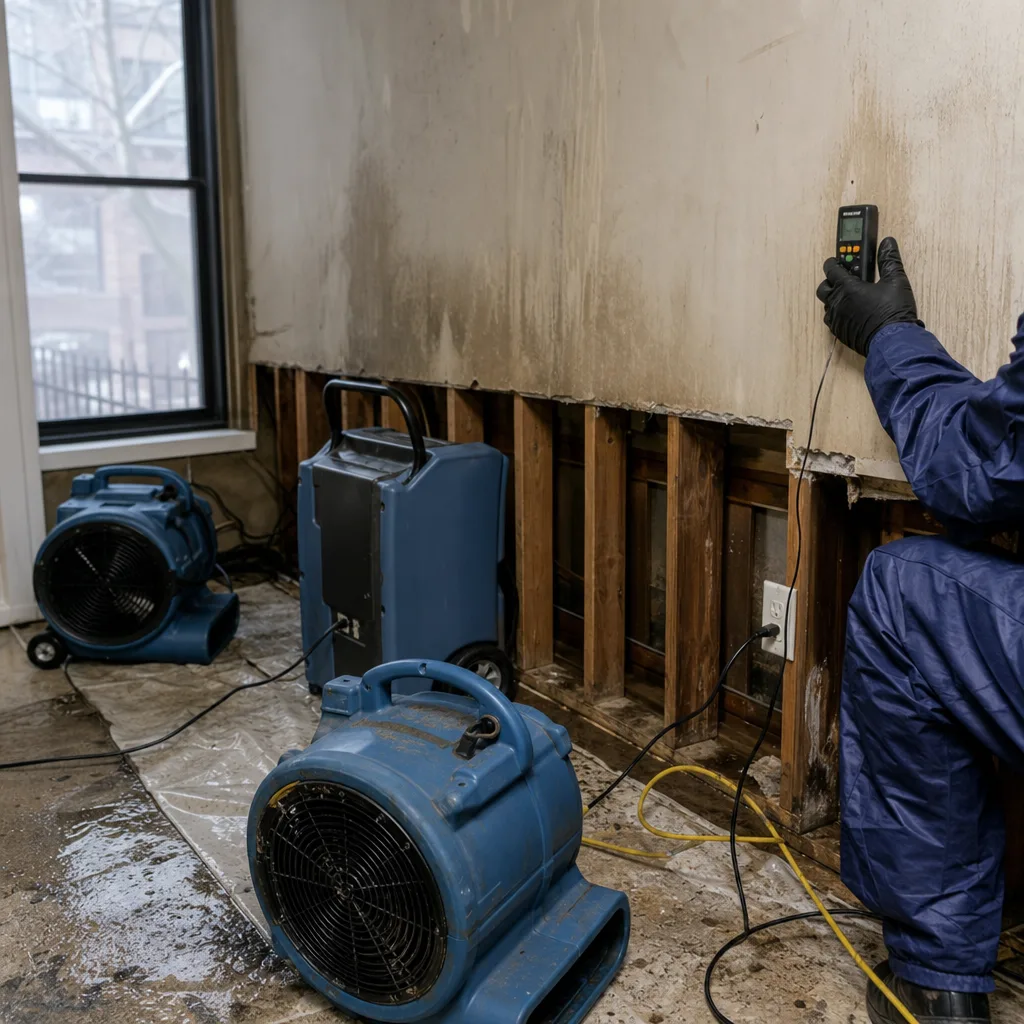 Before
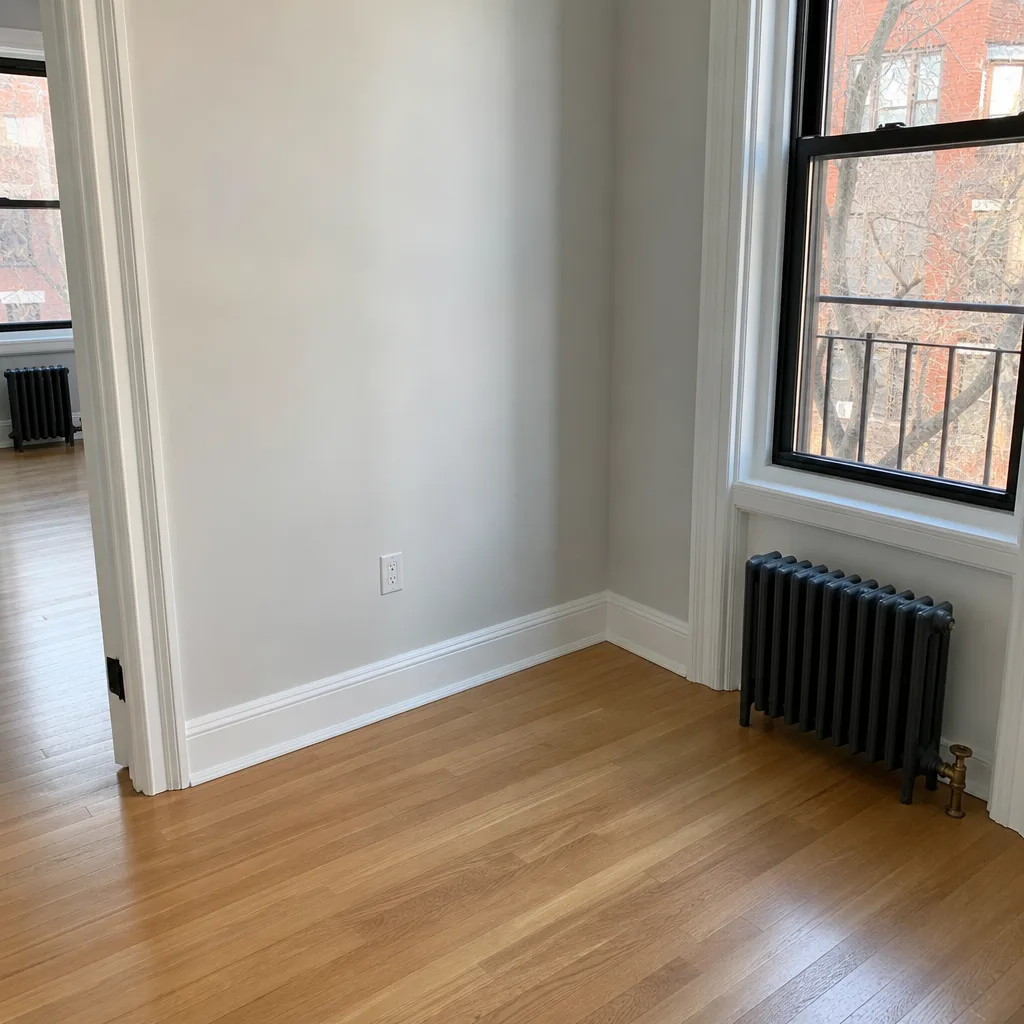 After
After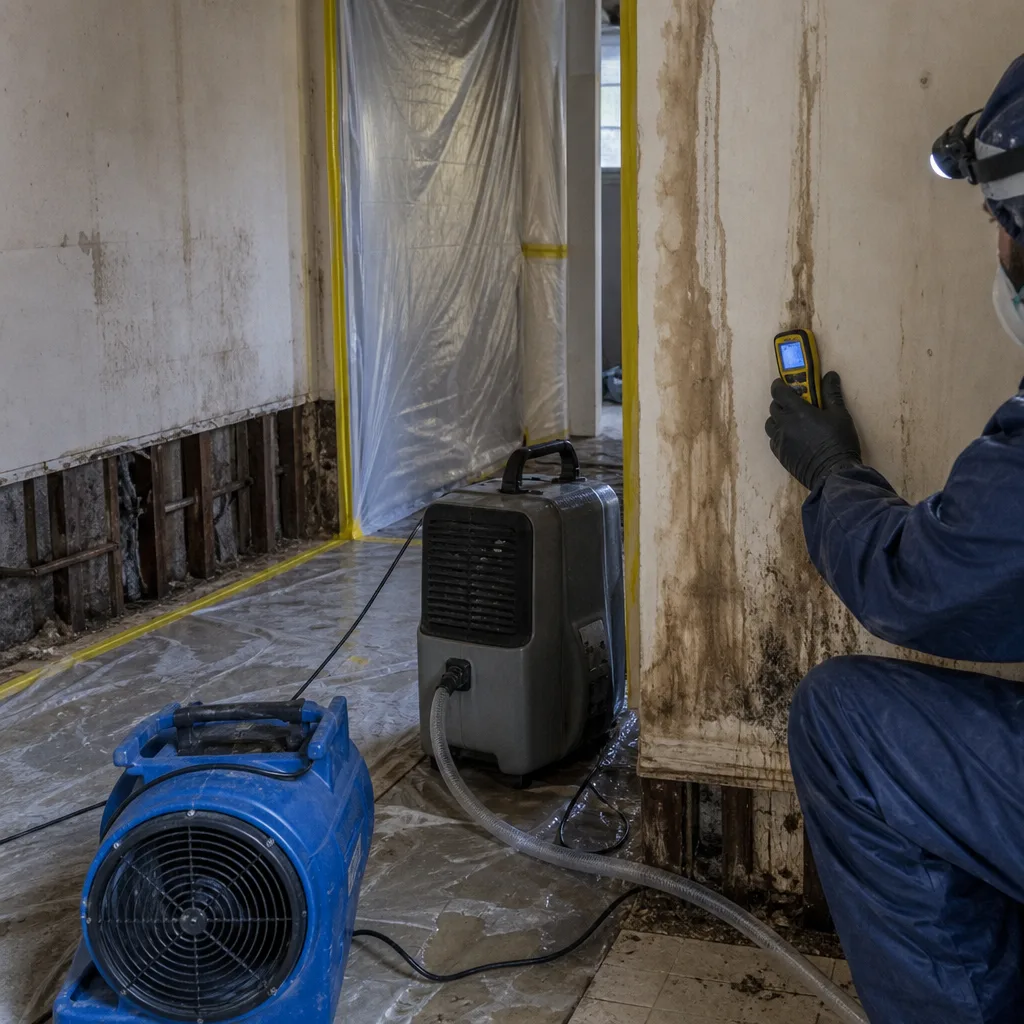 Before
 After
After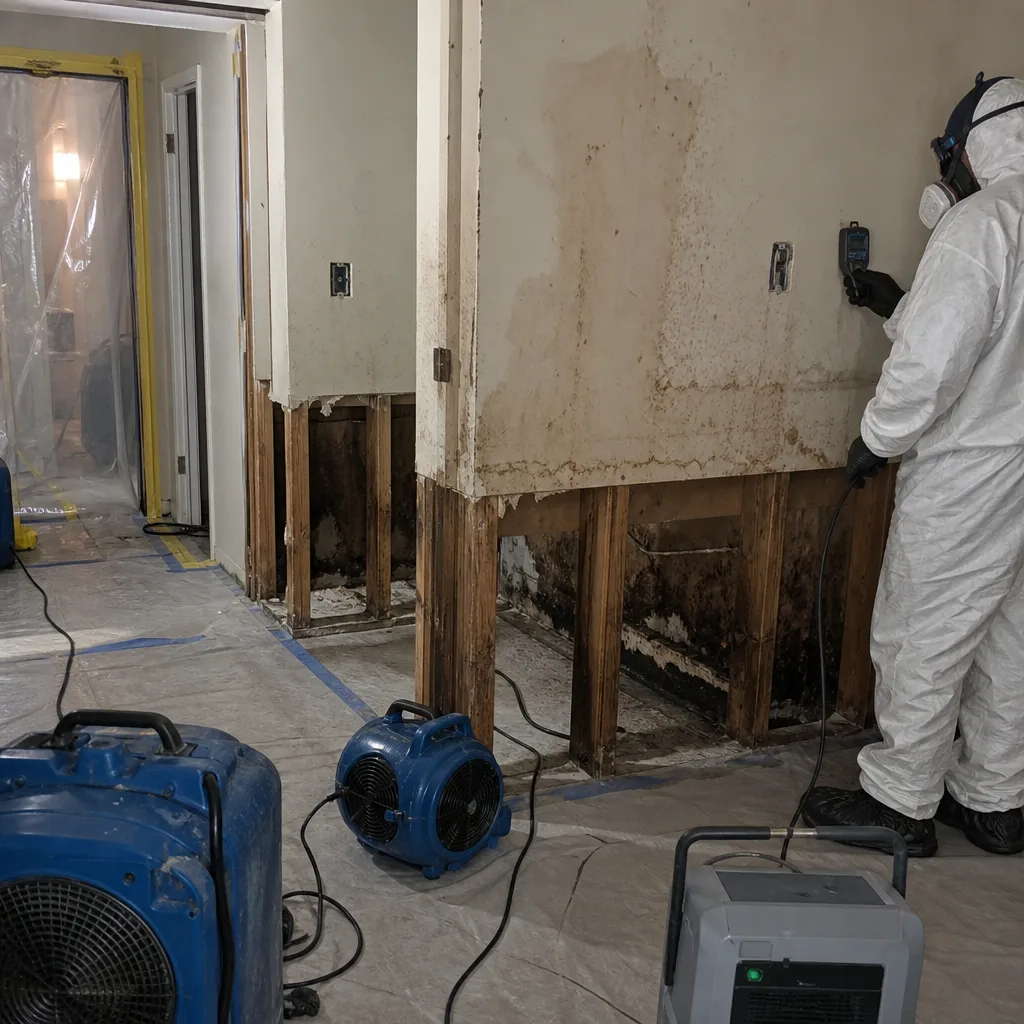 Before
 After
After24/7 Emergency Fire & Smoke Damage Restoration in Charleston
A kitchen fire or barn fire in Charleston doesn’t wait for business hours, and neither do we. Call (917) 924-4221 any hour, any day, and a live dispatcher answers, not a recording. Fire and smoke damage restoration in Charleston typically runs $1,800 to $7,500 depending on square footage and how deeply smoke penetrated, and the first hour determines how much of that you’ll actually pay. Smoke from even a small fire keeps working its way into unsealed wood, insulation, and fabric for days after the flames are out. The sooner our certified crew reaches your property, edges out the smoke-affected area, and starts air scrubbing, the less material has to be torn out and replaced. We handle every phase, from emergency board-up to final paint, with one crew from first response to final walkthrough. That means no mid-job handoff to a subcontractor who hasn’t seen what the fire did.
Understanding Fire & Smoke Damage Restoration Severity in Charleston Properties
Fire damage isn’t one problem. It’s a stack of them: charred framing, smoke residue that etches into surfaces within 48 hours, water from firefighting efforts soaking into wood and drywall, and odor that hides in cavities no one sees. In Charleston’s 19th- and early 20th-century farmhouses, this stack gets taller because the bones are different from a modern suburban house. Lath-and-plaster walls wick smoke upward. Balloon framing, common in pre-1930 construction, creates open channels from cellar to attic that carry smoke into rooms far from the original fire. Attached barns worsen it further: shared wall penetrations, where old plumbing and electrical lines cross from outbuilding to house, act as smoke corridors. A small fire in a barn fifty feet from the living room can push soot through those penetrations and into the kitchen ceiling without anyone seeing a flame.
We also see what the fire department left behind: thousands of gallons of water, much of it pooled in root cellars and crawl spaces where nobody looks until mold shows up. That’s why our Fire & Smoke Damage Restoration team has always combined fire work with structural drying. At a farmhouse on Corbin Hill Road, our crew responded after a chimney fire in the attached barn migrated smoke through the shared wall into the main house. We deployed Dri-Eaz air movers and started structural drying immediately after pre-treating the shared wall with antimicrobial treatment; then we performed a full pack-out of smoke-damaged contents and ran three days of air scrubbing with XPOWER units to bring the home back to pre-loss condition before the next cold front.
Why Charleston Property Owners Choose Floodline Restoration Co. of Manhattan
- 45-minute response commitment. Our dispatch board tracks every truck, and we hold ourselves to a written arrival window for jobs across the Charleston area.
- 24/7 live answer. A real person picks up at 2 a.m. No answering service, no callback list, no recorded menu.
- IICRC-certified crews. Our technicians carry current FSRT (Fire & Smoke Restoration Technician) and WRT (Water Restoration Technician) certifications, so the same people who read the smoke map also handle standing water from suppression.
- Free visual inspection. Before we touch anything, we walk the property with you and explain what will happen and why.
- Direct insurance billing. We send documentation and line-item scopes straight to your adjuster, so you never carry the paperwork between two parties.
- One team from extraction to reconstruction. The same crew that boards up the barn on day one is the crew that hangs the drywall and repaints the kitchen.
Our Fire & Smoke Damage Restoration Process
Inspection & Assessment
We start with thermal imaging and moisture meters to map heat pathways and hidden water, not just what’s visible. Every room gets documented, including the cellar and any attached outbuilding.
Extraction & Stabilization
If the fire department left standing water, we extract it the same visit. We board up openings and tarp roof damage, then remove unsalvageable materials that will otherwise keep off-gassing smoke.
Drying & Dehumidification
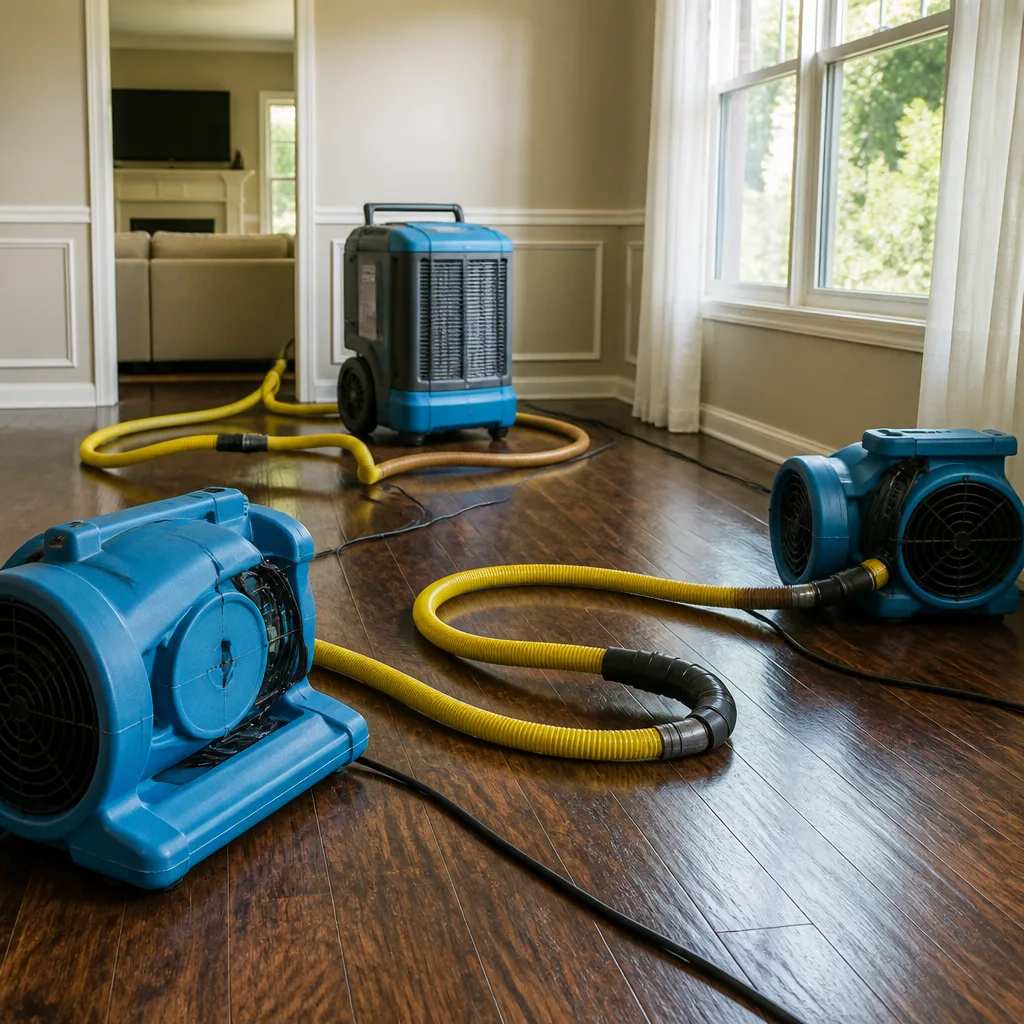
Firefighting water hides in wall cavities, subfloors, and root cellars. We set Dri-Eaz and Phoenix dehumidifiers with daily moisture readings until the structure hits the dry standard.
Cleaning & Sanitization
Soot types require different treatments: dry soot vacuums off, but oily soot from burnt synthetics needs chemical lifting. We clean every affected surface with the method that matches the residue.
Odor Removal & Air Scrubbing
We run XPOWER HEPA air scrubbers continuously and treat odor-holding materials with proper sealants or removals. Later, we verify with a post-remediation walkthrough, not just our noses.
Repairs & Restoration
Floodline finishes what we start with Charleston Reconstruction & Cleanup: framing, insulation, drywall, paint, and trim to match the original construction. You get your farmhouse back, not a patched-up version of it.
Need Emergency Fire & Smoke Damage Restoration in Charleston Now?
Crews minutes away, answering live 24 hours a day. The sooner we start, the less it costs.
Working With Your Insurance Company
Fire claims are the most common claim a homeowner in Charleston will ever file, and the paperwork can bury you if you let it. We don’t let it. From the first hour, we photograph everything room by room, including the damage your adjuster won’t see on the surface: smoke residue inside wall cavities, water staining behind baseboards, compromised insulation in the attic. We write a line-item scope of work using the same estimating software your carrier recognizes, which cuts the back-and-forth to days instead of weeks. And we communicate directly with your adjuster, so you don’t have to explain the difference between dry soot and oily soot to someone on the phone. We’ve handled hundreds of fire claims across upstate New York’s hill towns, and the adjusters know our work. That standing makes the process faster.
What We Provide Your Insurer
- Thorough documentation of the loss
- Photos of all damage, room by room
- Moisture readings and drying logs
- A detailed, line-item scope of work
- Direct coordination with your carrier
Built for Charleston’s Loss Calendar
Charleston’s fire and smoke damage seasons don’t follow a tidy calendar, but the most serious calls cluster in the cold months. January and February bring deep freezes that crack cast-iron stovepipes and force chimneys to overwork after years of deferred cleaning, making chimney fires the most common ignition source we see in the hill towns. The same freeze-thaw cycles that break water pipes also split old masonry, letting creosote deposits reach combustible framing. Come spring, rapid snowmelt saturates the ground around cellars and root cellars, and the water saturates wood that was already dried out by winter heating. One spark from an old vented heater, and the result is a smoldering fire that smokes for hours before anyone notices. We also get summer calls from lightning strikes on the ridges along Corbin Hill Road and rural routes south of town, where a barn’s hay loft can ignite without anyone home. The point is the same all year: the damage starts small and spreads fast in connected structures, and the window to stop it is shorter than most homeowners realize.
Fire & Smoke Damage Restoration Across Charleston’s Neighborhoods
Charleston isn’t a dense village with street grids. It’s a sparse township of scattered farmsteads, connected by routes like Charleston Street, Corbin Hill Road, and the stretches of rural highway that wind through the hills. That geography changes how we respond. A call from a farmhouse off Corbin Hill Road means our crew navigates a long private drive and possibly a gated farm entrance before we even see the structure. A job near the town’s southern border along the Schoharie Turnpike means working around older agricultural properties with attached barns and root cellars cut into the hillside. Houses near Charleston’s center, around the Four Corners area, tend to be older and smaller, some still with original wood shingles that carry fire quickly once ignited. Each of these areas has a different loss pattern, but the same rule applies: the fire starts in one place, and the smoke goes everywhere the framing lets it.
Specialized Fire & Smoke Damage Restoration Services We Offer in Charleston
Smoke & Soot Removal
Soot is acidic. Left on wood, metal, or fabric, it etches surfaces within two to three days and becomes permanent. In Charleston’s farmhouses, we work surface by surface, matching the cleaning method to the soot type: dry soot from burning wood comes up with vacuuming and dry sponges, while oily soot from burnt insulation or synthetic materials needs wet cleaning. Our crews carry professional-grade equipment, including Dri-Eaz and Phoenix units, and know which surfaces can be restored and which need replacement.
Odor Removal & Deodorization
Smoke odor in an older Charleston house doesn’t just sit on surfaces. It gets into unsealed floorboards, behind lathe-and-plaster, and inside the open cavities of balloon-framed walls. We treat the source, not the smell. That means removing charred material, sealing what can be sealed, running HEPA air scrubbers with activated carbon, and using thermal fogging where the structure requires it. If the odor keeps resurfacing during a freeze-thaw cycle, that tells us it’s coming from inside a wall or floor cavity, and we go back in.
Emergency Board-Up & Tarping
A damaged roof opening in Charleston winter is an emergency by itself. We secure openings with plywood and heavy-duty tarps, but not just to keep weather out. A sealed opening also keeps animals out of an unoccupied house, and in Charleston’s rural outskirts, raccoons and squirrels will find a fire-damaged opening within a day. We also account for condensation: a fully sealed structure with no airflow can trap moisture, so our board-ups are built to shed water without turning your house into a greenhouse.
Fire Damage Cleanup
After a fire, the debris isn’t just ash. It contains broken glass, sharp metal, and waterlogged drywall that will keep wicking smoke if it stays in place. We remove unsalvageable material, bag it properly, and haul it off your property. Then we clean every horizontal and vertical surface that remains, because soot settles on everything, even in rooms with a closed door.
Contents Cleaning & Pack-Out
In most Charleston farmhouse fires, the structural damage is only half the loss. Furniture, clothing, tools, and keepsakes absorb smoke odor and need specialized care. We pack out items, inventory them with photographs, clean what can be cleaned off-site, and store them until your home is ready to take them back. For items too damaged to save, we document them for your insurance claim so nothing gets left off the settlement.
Structural Fire Repair
The final phase is reconstruction: framing, sheathing, insulation, drywall, flooring, trim, and paint. Because the same crew handled the drying and cleaning, nobody has to guess what was behind a wall when it’s time to rebuild it. We restore the house to its original character, not a generic modern finish that looks out of place in a 19th-century farmhouse.
What happens when you call
- 1
A real person answersNo phone trees - you reach a local pro.
- 2
You get an upfront price rangeHonest numbers before anyone is dispatched.
- 3
A background-checked tech heads outLicensed & insured, dispatched right away.
- 4
You approve before work beginsNothing starts until you say go.
Fire & Smoke Damage Restoration Costs in Charleston, NY
Charleston homeowners usually ask the cost question after the fire department leaves, and the honest answer depends on how far the smoke traveled. A small contained kitchen fire with no structural damage and light soot typically runs $1,800 to $3,500 for full cleaning and odor removal. A chimney fire in an attached barn that migrates smoke into the main house runs $4,000 to $7,500, because we’re dealing with two structures and shared-wall cavity work. A serious fire with structural damage, pack-out, and reconstruction can reach $20,000 or more, and that’s where insurance coverage matters most. Emergency board-up and tarping in Charleston runs $450 to $900 for a standard single opening, with additional cost for barns and outbuildings. We give you a written scope before work starts, so you know the number and what it covers. Call (917) 924-4221 for a free visual inspection and exact pricing for your loss.
We Also Serve Cities Near Charleston
Our crews also answer calls across the surrounding area, including Fairview, Harrison, East Bronx, and Hunts Point. If you’re in one of these towns and dealing with fire or smoke damage, the same live dispatch and the same certified crew respond.
Serving Charleston, NY - Our Local Coverage Area
We’re based in the Charleston area and know this community well. Use the map below to see our service coverage - if you’re nearby, we can almost certainly help.
Charleston Fire & Smoke Damage Restoration Questions, Answered
How does smoke get from a barn fire into the main house in a connected-barn farmhouse in Charleston?
Smoke travels through the shared wall penetrations where old plumbing, electrical lines, or floor joists pass between the barn and the house. In Charleston’s connected-barn farmhouses, those penetrations were never sealed with modern fire-blocking, so they act as open chimneys for smoke to move through. For severe contamination, our Charleston Biohazard & Crime Scene Cleanup protocols ensure safe, thorough remediation. The smoke follows the path of least resistance, which is usually upward and into the house’s framing cavities. We seal those penetrations as part of restoration.
After a small kitchen fire, why does the smell return weeks later in Charleston’s older farmhouses?
Because smoke odor gets trapped inside wall cavities, under floorboards, and in unsealed balloon-framing channels, then resurfaces when the temperature and humidity shift, especially during freeze-thaw cycles. The original cleaning only addressed surface soot. To eliminate the returning smell permanently, the odor source inside the cavities must be removed or sealed, and the structure needs air scrubbing with HEPA units until the air tests clean. A do-it-yourself wipe-down won’t reach what’s behind the plaster.
Can you board up a damaged barn opening in Charleston in winter without causing more condensation problems?
Yes, when the board-up is built with deliberate gaps, not fully sealed with vapor-blocking material. We leave small vent openings near the top and bottom of the board-up to allow natural airflow, which prevents condensation from building up inside the enclosed space. The frame is also structured to shed snow and rain outward rather than trapping moisture against the opening. A poorly sealed board-up in a Charleston winter can create its own Charleston Sewage Cleanup and mold problem in two weeks.
What hidden water damage should we check after a fire in a Charleston house with an attached barn?
Check the root cellar and any below-grade storage first, because firefighting water follows gravity and pools where nobody goes. Next, inspect the shared wall between house and barn for moisture staining, which indicates water traveled along the same path the smoke took. Also check the attic for wet insulation above the fire area, because heat opens gaps in the roof that water then finds. Our moisture-mapping process catches all three automatically.
Why do we need a scope of work specific to Charleston for fire and smoke restoration?
Because Charleston’s connected-barn farmhouses and pre-1930 balloon framing create damage patterns that don’t appear in modern suburban houses. A generic scope from an out-of-area estimator will miss smoke migration through shared walls, hidden moisture in root cellars, and odor trapped in open wall cavities. Our scopes are written by crews who work these structures regularly, so the insurance settlement reflects the actual work required.
How fast can someone actually get to my Charleston property?
Our commitment is 45 minutes from dispatch to arrival for emergency calls in the Charleston area. We keep our crew schedules tight, so the person who takes your call can also tell you which truck is nearest. During major storms or multi-fire events, response may be longer, but our live dispatcher gives you a straight answer up front, not a vague promise. Call (917) 924-4221 and ask for our current estimated arrival.
Will my insurance cover fire and smoke restoration in Charleston?
Most standard homeowners policies cover fire and smoke damage, including the cost of board-up and tarping, structural drying, and contents cleaning. The key is documentation: the more thorough the record of the loss, the smoother the settlement. We document from the first hour, provide line-item scopes, and communicate directly with your adjuster so nothing gets left out. If your claim is denied, we’ll walk you through why and what to appeal.
What should I do in the first 30 minutes after a fire in my Charleston home?
First, make sure everyone is out and safe. Then call us at (917) 924-4221. Don’t touch anything or try to clean soot yourself, because surface contact can push it deeper into porous material. Don’t open windows unless you’re airing out a current smoke problem, because airflow can carry soot into unaffected rooms. And don’t turn on the HVAC system, which circulates smoke through the entire house. We’ll walk you through the rest on the phone.
Call Floodline Restoration Co. of Manhattan at (917) 924-4221 for emergency Fire & Smoke Damage Restoration in Charleston. A live person answers around the clock, and your visual inspection is free.
Written by Curt Bowman, Owner at Floodline Restoration Co. of Manhattan, serving the greater New York area since 2010.