
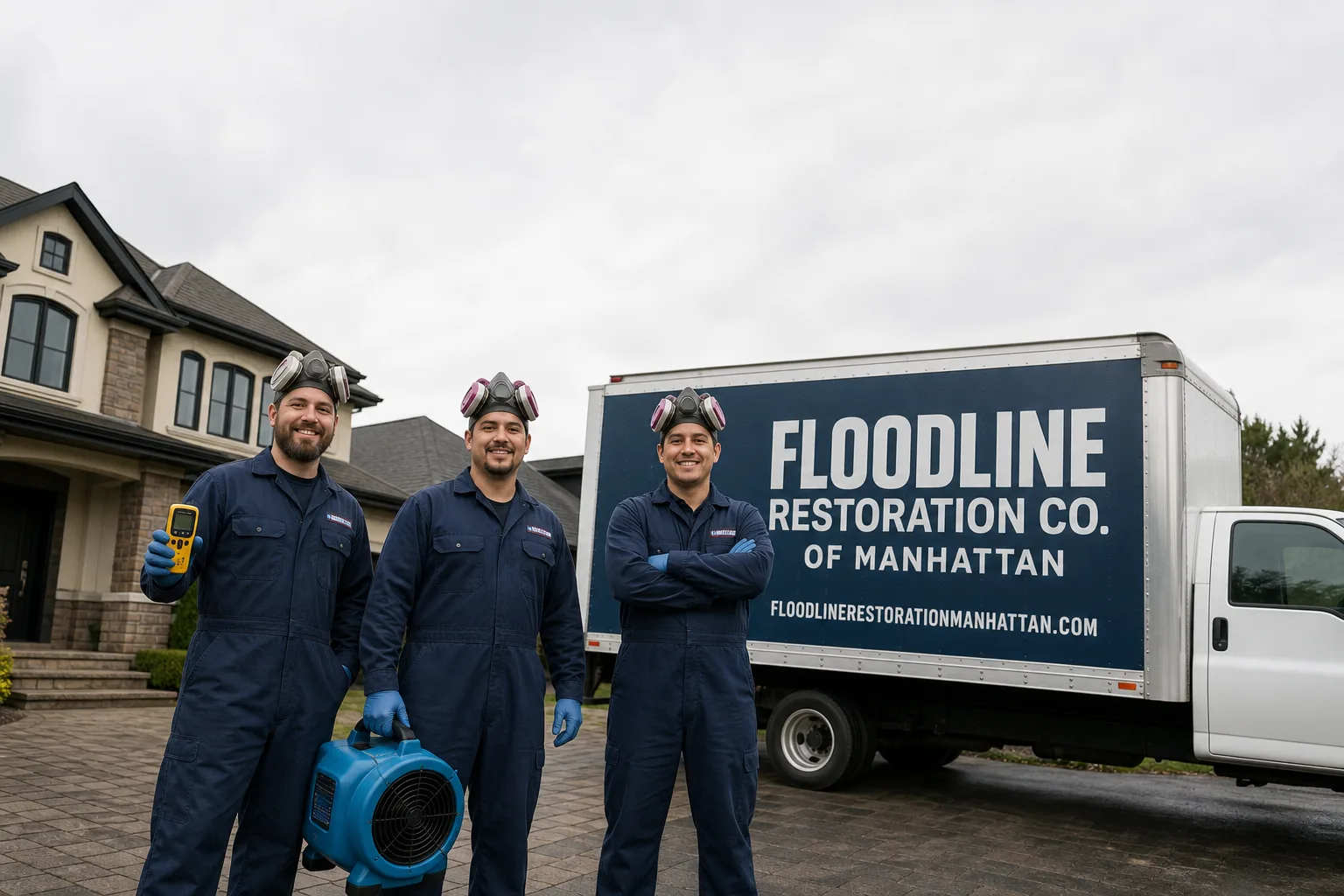
Free visual inspection and a written scope of work before any mitigation begins - photos, moisture readings, and drying logs go in your claim file
The scope we write is the scope we bill. Anything new gets shown to you, in writing, before we touch it.






 Before
 After
After Before
 After
After Before
 After
After24/7 Emergency Fire & Smoke Damage Restoration in New Milford
Fire and smoke damage restoration in New Milford typically costs between $2,800 and $14,500 depending on how far soot migrated and how much water the firefight left behind. We answer live at (917) 924-4221 around the clock, and a certified crew can reach most New Milford streets within 45 minutes. The first hour after a fire matters because acidic soot etches glass, corrodes metal fixtures, and drives odor deeper into porous surfaces the longer it sits. Our team arrives, stabilizes the property, and starts extraction and soot mitigation the same visit, not the next day. A free visual inspection gives you a written scope before any work begins, so you can make a decision with numbers in hand, not pressure.
Understanding Fire & Smoke Damage Restoration Severity in New Milford Properties
Fire damage in New Milford splits into three practical categories that shape the entire restoration approach. Light damage means smoke residue and odor with no structural compromise, common in kitchen fires that self-extinguish at the stove. Moderate damage adds charring to framing, melted fixtures, and water saturation from firefighting, frequently seen in older Colonials where fire travels through open wall cavities. Severe damage involves structural compromise to load-bearing members and requires engineered shoring before restoration can proceed. Soot residue types drive the cleaning chemistry: dry soot from fast-burning synthetic materials vacuums and sponges off relatively cleanly, while wet soot from smoldering fires leaves an acidic, greasy film that adheres to every surface and demands aggressive alkaline cleaning. Protein-based soot from cooking fires is nearly invisible but bonds to wood and painted surfaces, releasing odor for months if not chemically neutralized. The age of New Milford’s housing stock compounds severity because fire in a pre-1970s home with balloon framing and open wall cavities travels vertically through the house faster than in platform-framed newer construction.
Why New Milford Property Owners Choose Floodline Restoration Co. of Manhattan
- 45-minute response commitment: Our dispatch board tracks crews in real time, and we commit to having a certified team on your New Milford street within 45 minutes of your call, day or night.
- 24/7 live answer from a real person: A dispatcher picks up at 2 a.m., not a recording. You’ll talk to someone who can route a crew immediately, not a voicemail box.
- IICRC-certified crews: Our technicians hold WRT and FSRT certifications, and they arrive background-checked, uniformed, and trained to current restoration standards.
- Free visual inspection: We walk the property, document what we find, and hand you a written scope with firm numbers before any equipment comes off the truck.
- Direct insurance billing: We coordinate with your adjuster and bill your carrier directly. You don’t play messenger between us and your insurance company.
- One team from extraction to reconstruction: The same crew that reads the moisture map on day one handles daily readings, rebuilds what needs rebuilding, and stands behind the finished job in writing.
Our Fire & Smoke Damage Restoration Process
Inspection & Assessment
We start with thermal imaging and moisture mapping to find what the eye can’t. In New Milford’s older homes, that means checking knee-wall cavities, attic framing, and stone-foundation basements where smoke and water hide.
Extraction & Stabilization
Standing water from firefighting comes out first using truck-mounted extraction and submersible pumps. We board up openings and tarp damaged roofs the same visit so the property is secure against weather and entry.
Drying & Dehumidification
Dri-Eaz and Phoenix air movers and dehumidifiers run on a drying plan built from initial moisture readings. We log daily readings until materials hit pre-loss moisture content, and we hand that log to you and your carrier.
Cleaning & Sanitization
HEPA air scrubbers pull airborne soot particles while we clean surfaces with chemistry matched to the soot type. Contents get inventoried, packed out if needed, and cleaned off-site so they don’t re-contaminate restored areas.
Odor Removal & Deodorization
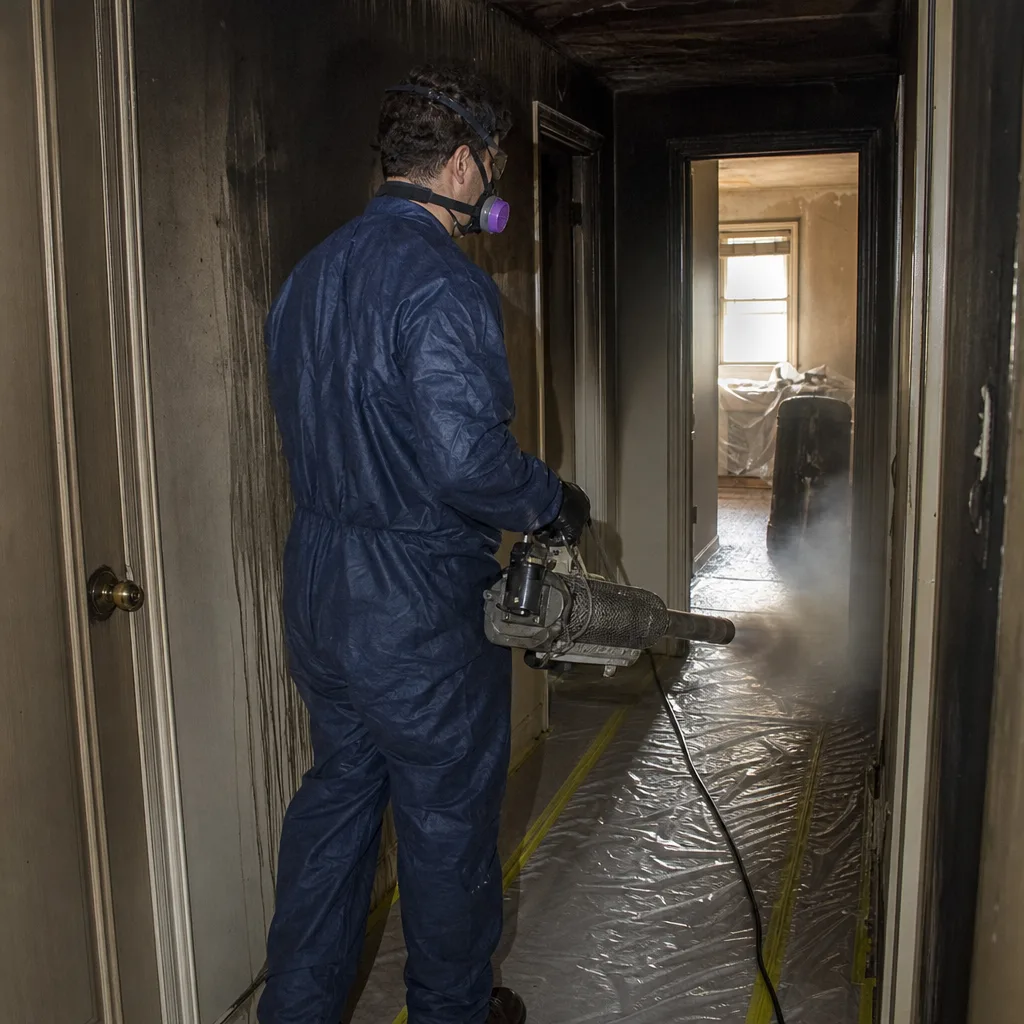
Soot odor hides in wall cavities and insulation. We use thermal fogging, ozone treatment where appropriate, and hydroxyl generators to neutralize odor at its source rather than masking it.
Repairs & Restoration
The same crew rebuilds framing, hangs drywall, and refinishes surfaces. There’s no handoff to a separate contractor and no inherited crew. We finish the job, walk it with you, and back it with the 90-Day Done Right Promise in writing.
Need Emergency Fire & Smoke Damage Restoration in New Milford Now?
Crews minutes away, answering live 24 hours a day. The sooner we start, the less it costs.
Working With Your Insurance Company
Insurance claims after a fire in New Milford move faster when documentation starts the first hour. We photograph every room before demolition begins, log moisture readings daily, and write line-item scopes in the format adjusters expect. You shouldn’t have to interpret policy language or chase an adjuster while your house is boarded up. Our team communicates with your carrier directly, answers their questions, and makes sure the claim reflects the actual scope of damage, including what we found hidden in knee-wall cavities or behind stone foundation walls. When the adjuster visits, we walk the property with them and point out what a photo alone might miss.
What We Provide Your Insurer
- Thorough documentation of the loss
- Photos of all damage, room by room
- Moisture readings and drying logs
- A detailed, line-item scope of work
- Direct coordination with your carrier
Built for New Milford’s Loss Calendar
Fire and smoke damage in New Milford follows the seasons. January and February bring deep freezes that split aging copper supply lines and galvanized fittings in our older Colonials and Cape Cods, and the space heaters and extension cords that follow a burst pipe are common ignition sources. March’s freeze-thaw cycling repeats the cycle on fittings that held through January, and the water from firefighting finds its way into stone-foundation basements already saturated from snowmelt. July and August bring electrical fires from window AC units plugged into pre-1970s wiring that was never sized for modern loads. October through December, furnace startups and chimney fires in homes with original masonry flues round out the year. Each season leaves a different signature, and we’ve seen enough New Milford losses to know what to check first in each one. A kitchen fire in a 1950s Cape Cod in January means checking the knee-wall cavities for smoke travel the same day, because the cold attic air holds soot particles longer and drives them deeper into insulation.
Fire & Smoke Damage Restoration Across New Milford’s Neighborhoods
Response routes through New Milford depend on where you are. Homes north of River Road near the Housatonic watershed tend to be older Colonials with stone foundations, where firefighting water pools against the foundation and needs extraction before drying can begin. The neighborhoods off Peagum Road and the eastern side of town include a mix of 1940s-60s Cape Cods where uninsulated knee walls give smoke a direct path from the kitchen into the attic. Closer to the center of town near the New Milford post office and Main Street corridor, we see older commercial-residential mixed structures with shared wall cavities that make smoke containment critical to keep one unit’s fire from becoming a neighbor’s odor problem. Homes along Aspetuck Ridge Road sit on sloped lots where runoff from firefighting flows downhill through basements and complicates the water side of the job. Each area has its own loss pattern, and our crews know the difference between a Colonial off Peagum and a rowhouse near the center of New Milford.
Specialized Fire & Smoke Damage Restoration Services We Offer in New Milford
Fire Damage Cleanup
We remove charred materials, scrape soot, and haul debris with the goal of saving what can be saved and removing what can’t. In New Milford’s older homes, that often means cutting out charred framing behind knee walls and in attic eaves rather than sanding surface char that hides deeper damage. Our Fire & Smoke Damage Restoration team does this work every day, and we’ve learned where fire hides in this town’s housing stock.
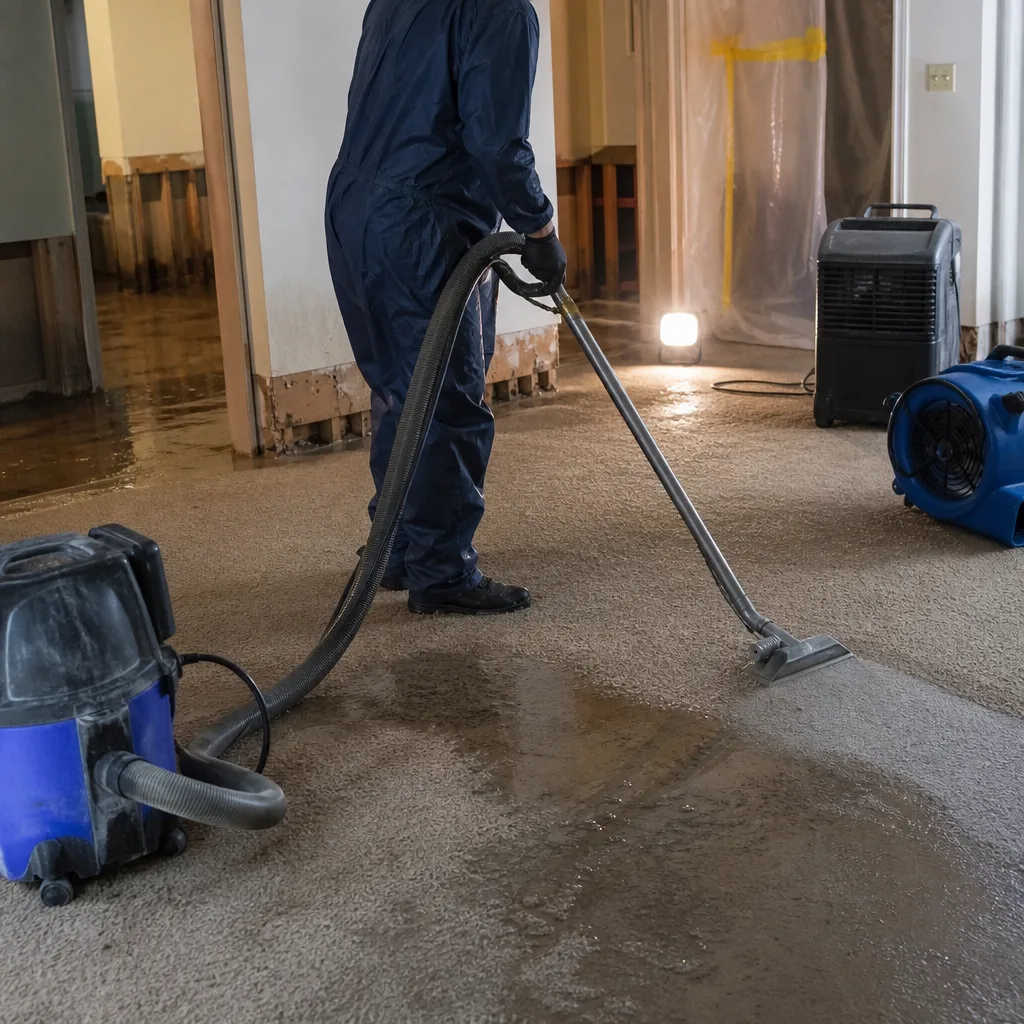
Smoke & Soot Removal
Soot bonds differently to plaster, original hardwood, and painted trim, all common in pre-1970s New Milford homes. We match cleaning chemistry to the surface and the soot type, and we check those uninsulated knee-wall cavities every time because smoke travels where heat goes. Skipping the attic void means odor returns within months, and so does the call.
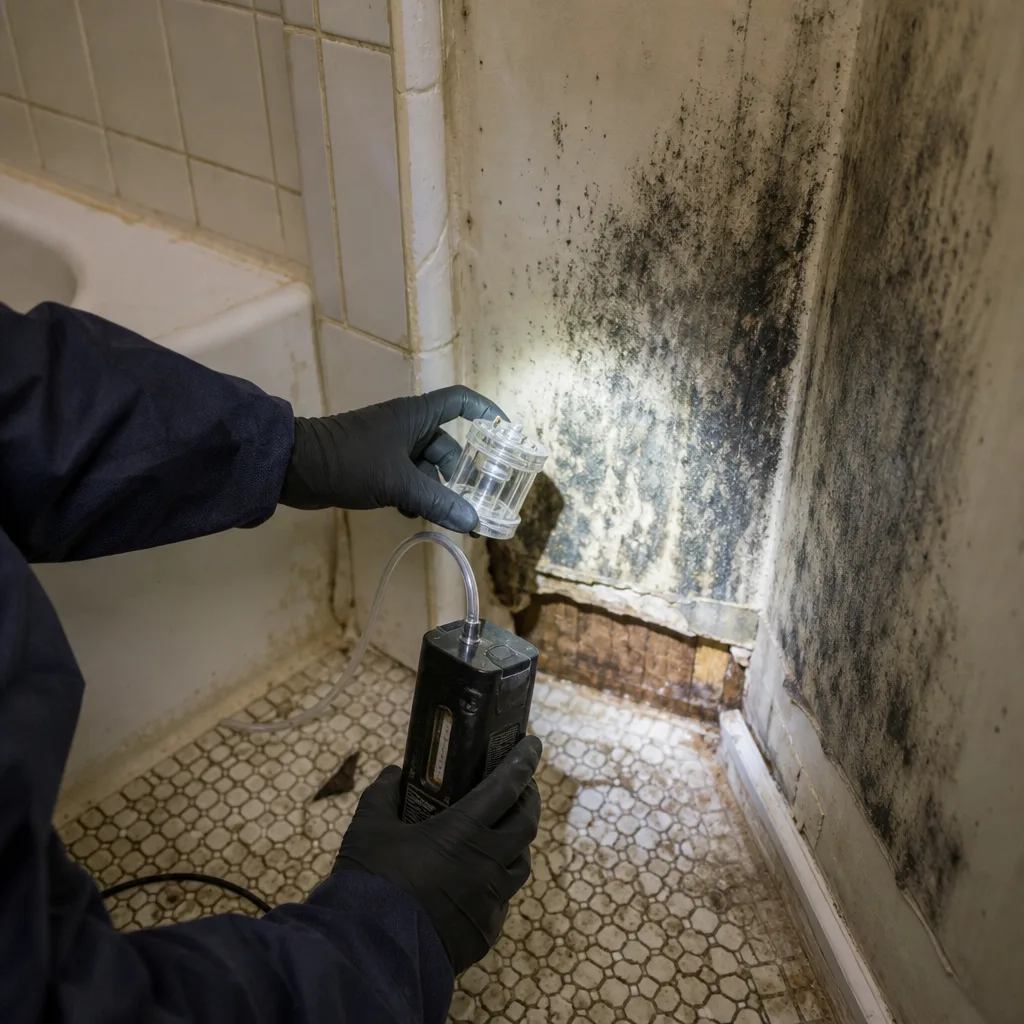
Odor Removal & Deodorization
Thermal fogging, hydroxyl generators, and ozone treatment work on different odor sources. In a New Milford Cape Cod, the attic insulation absorbs smoke odor that no surface cleaning reaches, so we treat the cavity and often replace affected insulation rather than mask the smell. The goal is a house that smells like before the fire, not like air freshener.
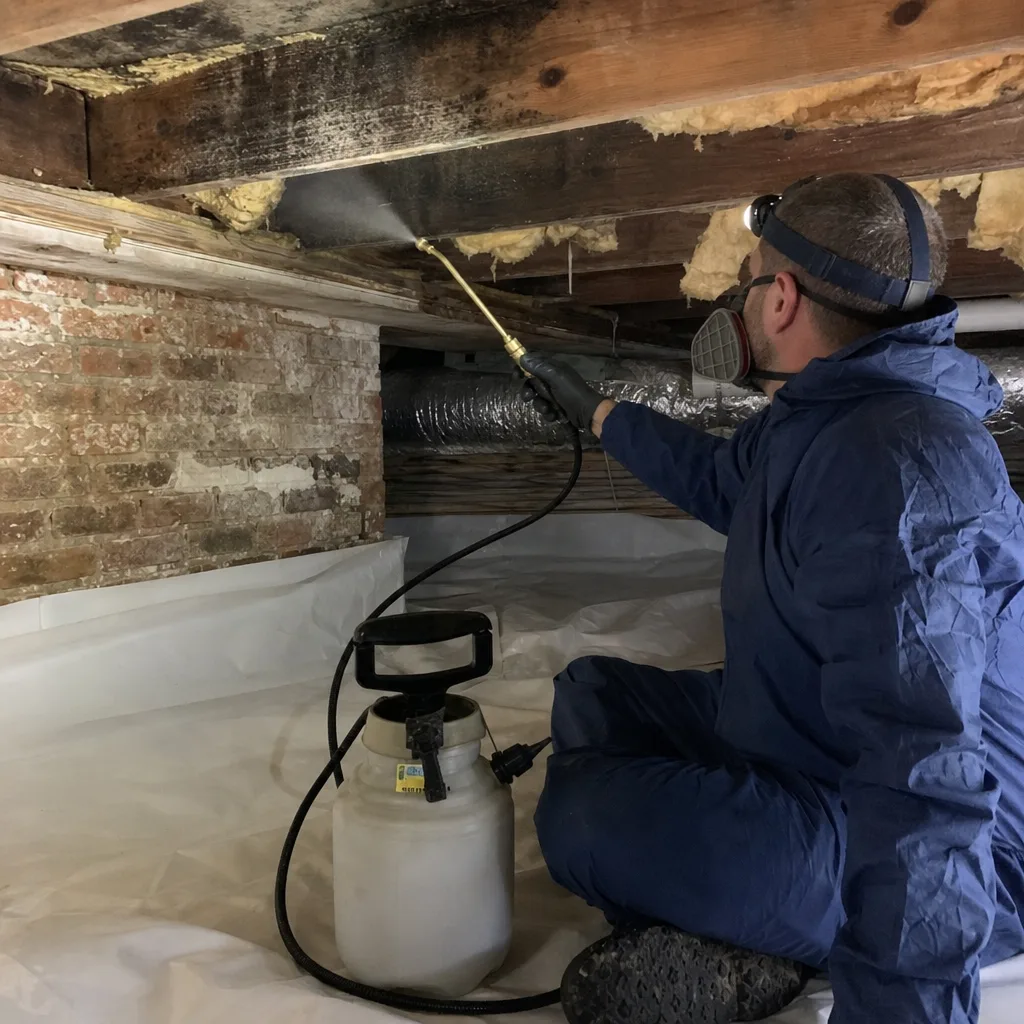
Contents Cleaning & Pack-Out
Smoke-damaged furniture, wool rugs, and antique pieces from older New Milford homes need careful handling. We inventory every item, pack out what needs off-site cleaning, and use ultrasonic cleaning for hard goods that would be damaged by hand wiping. Wool rugs and upholstered antiques get treatment matched to the fiber, not a one-size-fits-all wash.
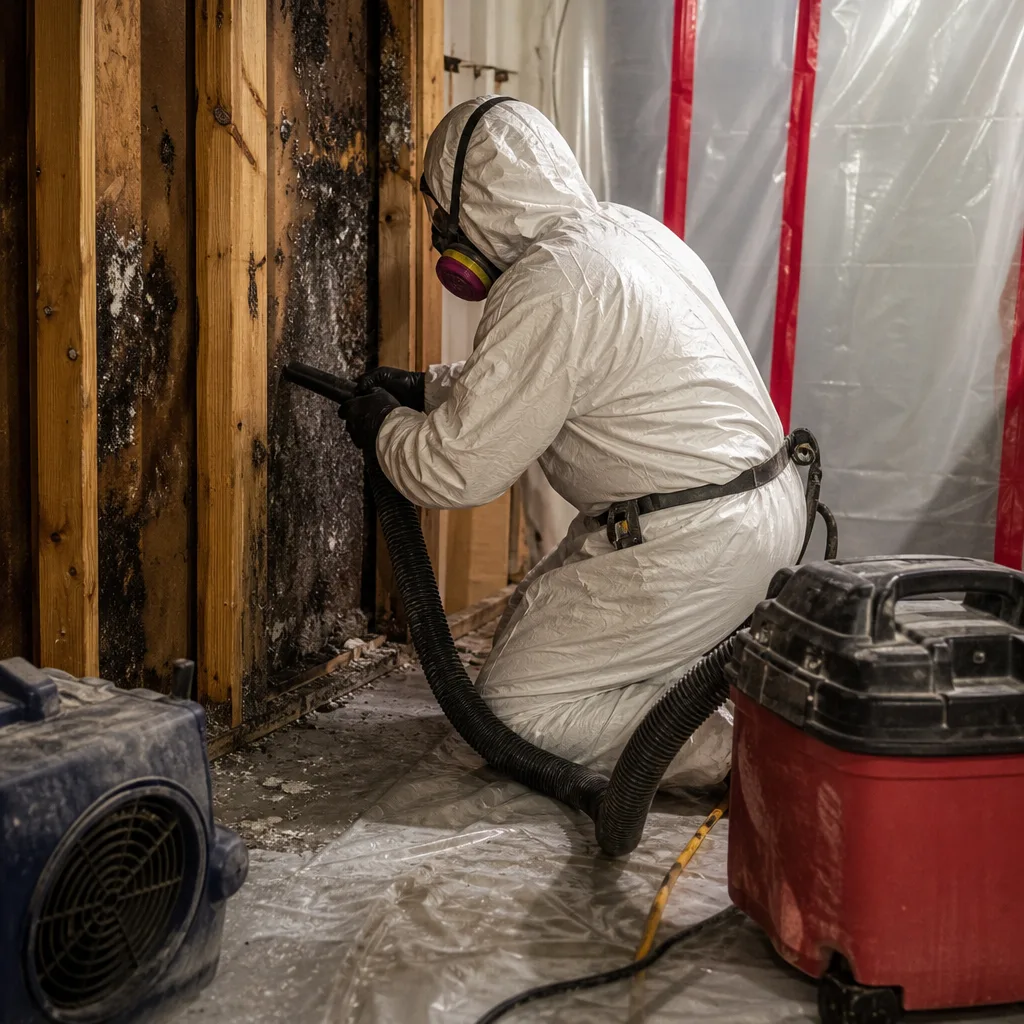
Emergency Board-Up & Tarping
A boarded-up New Milford colonial after a January fire faces freezing rain and wind. We secure openings the same visit, tarp damaged roofs with materials rated for ice and wind, and make sure the property is stable before the next storm arrives. Leaving a fire-damaged home open to weather turns a fire claim into a water claim on top of it.
What happens when you call
- 1
A real person answersNo phone trees - you reach a local pro.
- 2
You get an upfront price rangeHonest numbers before anyone is dispatched.
- 3
A background-checked tech heads outLicensed & insured, dispatched right away.
- 4
You approve before work beginsNothing starts until you say go.
Fire & Smoke Damage Restoration Costs in New Milford, NJ
Fire and smoke damage restoration in New Milford runs a wide range because no two fires damage the same square footage the same way. A small kitchen fire with light soot throughout a single floor typically runs $2,800 to $5,500 including surface cleaning, HEPA air scrubbing, and odor treatment. A moderate fire with water damage from firefighting in a pre-1970s Colonial usually lands between $6,000 and $14,500 once you factor in drywall removal, structural cleaning, drying, and rebuild. A severe fire requiring structural repair, full contents pack-out, and reconstruction can exceed $25,000, and insurance coverage matters most at this level. What moves the number: the soot type, how far smoke traveled through wall cavities, the amount of water used to fight the fire, and whether the house has stone-foundation basement water intrusion on top of everything else. We give you a written scope after a free visual inspection, so the number you see is the number you decide on. Call (917) 924-4221 and we’ll be out to look, no charge.
We Also Serve Cities Near New Milford
Our crews regularly cross into River Edge, Bergenfield, Oradell, and Dumont for fire and smoke damage work. If you’re in one of those towns, the same live dispatch, the same 45-minute response commitment, and the same written scope apply. Fire & Smoke Damage Restoration in New Milford is our home coverage area, and we treat the surrounding towns with the same urgency.
Serving New Milford, NJ - Our Local Coverage Area
We’re based in the New Milford area and know this community well. Use the map below to see our service coverage - if you’re nearby, we can almost certainly help.
New Milford Fire & Smoke Damage Restoration Questions, Answered
After a fire in a New Milford Cape Cod, why is smoke odor worse in the attic even though the fire was in the kitchen?
Smoke follows heat, and heat rises through the uninsulated knee-wall cavities that are nearly universal in 1940s-60s Cape Cods in New Milford. The attic acts as a chimney, concentrating soot and odor in the insulation and framing even when the fire never reached the second floor. That’s why our crews always inspect and treat the knee-wall void and attic before we sign off on any fire scope in a Cape Cod.
Can you dry out my stone-foundation basement after a fire in the same week, or do I need two separate crews?
You don’t need two crews. We’re one team from extraction to reconstruction. The same certified technicians who handle the fire damage run the water extraction and drying in your stone-foundation basement, because firefighting water soaks through floors and pools against fieldstone walls just like any other water event. We’d rather handle both scopes together than hand you a second phone number.
How soon after a fire do you need to start water extraction in a New Milford home with pre-1970s copper plumbing?
Within the first hour, ideally. Firefighting water saturates flooring, wicks into plaster walls, and works its way behind foundations fast. In older New Milford homes, that water often finds paths through original copper supply lines and open wall cavities, which means the affected area grows hour by hour. The sooner extraction starts, the less material you lose and the lower the claim.
Do you handle contents cleaning for smoke-damaged items from an older New Milford home with antique furniture and wool rugs?
Yes, we do full contents cleaning and pack-out. Antique wood furniture, wool rugs, and upholstered pieces from older New Milford homes get cleaned with methods matched to the material, not a generic spray-and-wipe. We inventory every item, document its condition for your insurer, and return it cleaned or store it until the rebuild is finished.
Can you board up and tarp a New Milford colonial after a fire in the winter when freezing rain is forecast?
Yes, we do that on the same visit, not a follow-up. Winter board-ups need materials rated for ice load and wind, and tarping a fire-damaged roof in freezing rain requires fastening that holds through the storm. We secure the property before we leave the first time, because an open roof in January turns a fire loss into a full water loss by morning.
Will my homeowners insurance cover fire and smoke damage restoration in New Milford?
Most standard homeowners policies cover fire and smoke damage, including the water damage caused by firefighting. Coverage depends on your policy’s limits and deductible, and we work directly with your adjuster to document the full scope, including hidden damage in knee-wall cavities and stone foundations that might otherwise get missed. We bill your carrier directly so you’re not floating the cost.
How long does fire and smoke damage restoration take in a New Milford home?
A light kitchen fire with smoke damage throughout one floor typically takes three to seven days. A moderate fire with water extraction, structural drying, and rebuild in an older New Milford Colonial runs two to four weeks. Severe fire damage requiring structural repair and full contents pack-out can take six to twelve weeks. We’ll give you a written timeline with the scope, and we’ll hit it.
What should I do in the first 30 minutes after a fire in my New Milford home?
Call your insurance carrier, then call us at (917) 924-4221. Don’t enter the property until the fire department says it’s safe. Don’t touch or wipe soot-covered surfaces, because wiping drives soot deeper into paint and fabric. Don’t turn on electronics or HVAC, because the system can spread soot through the house. We’ll be there within 45 minutes to stabilize and start documenting.
Written by Curt Bowman, Owner at Floodline Restoration Co. of Manhattan, providing fire and smoke damage restoration in New Milford, NJ.