
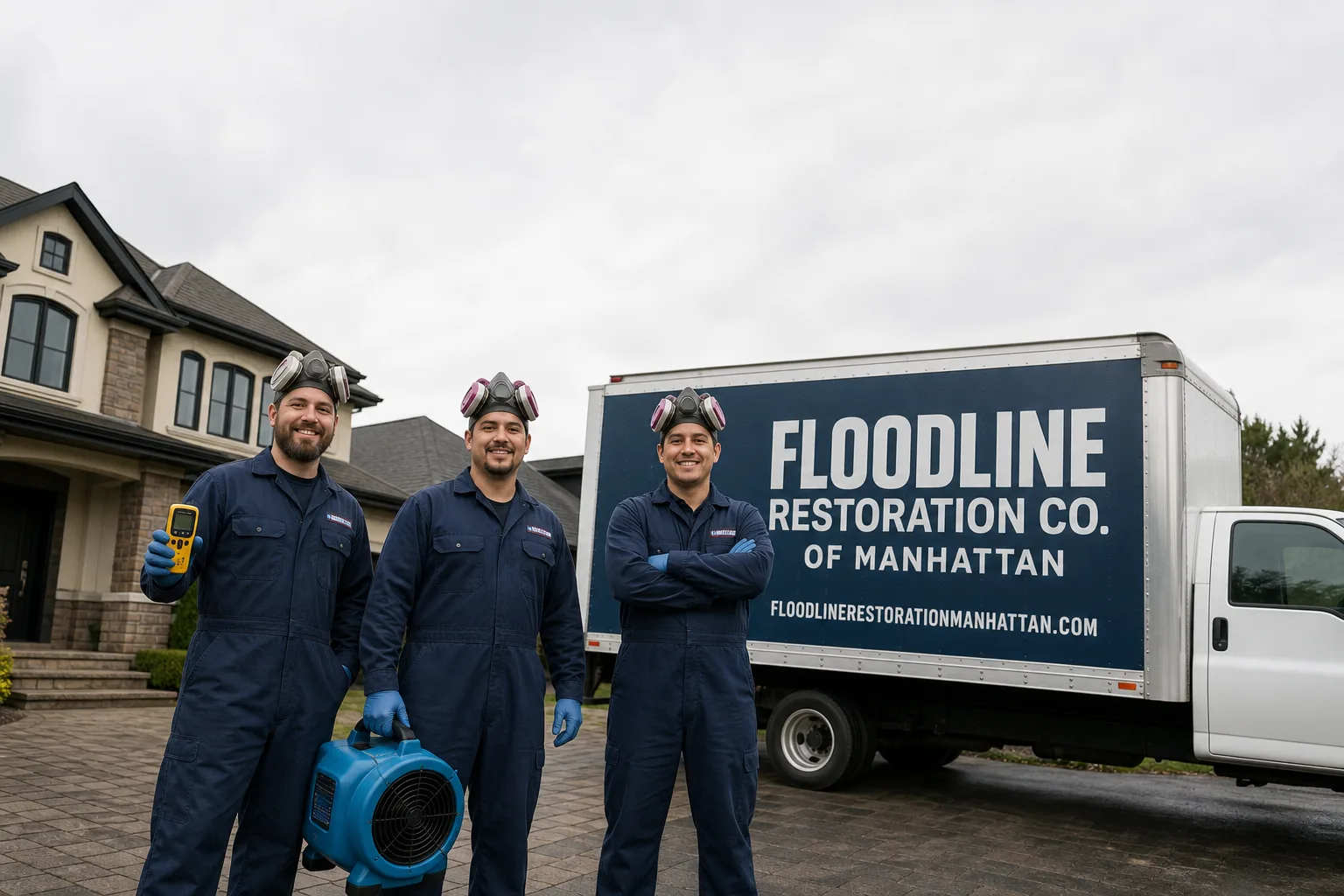
Free visual inspection and a written scope of work before any mitigation begins - photos, moisture readings, and drying logs go in your claim file
The scope we write is the scope we bill. Anything new gets shown to you, in writing, before we touch it.






 Before
 After
After Before
 After
After Before
 After
After24/7 Emergency Fire & Smoke Damage Restoration in Passaic
Fire and smoke damage in Passaic moves fast, and so do we. A live dispatcher answers at (917) 924-4221 any hour, day or night, and a certified crew can be on site within 45 minutes of your call. Smoke from a kitchen fire in a Passaic three-family doesn’t stay in one apartment, it travels through shared stairwells and wall cavities and settles into plaster, woodwork, and fabric within hours. The first call you make should be to a restoration company, not an answering service. We show up, walk the property with you, and give you a free visual inspection and a written scope before any work begins.
Understanding Fire & Smoke Damage Restoration Severity in Passaic Properties
Fire damage in Passaic is rarely simple. The city’s housing stock, much of it built between 1890 and 1940, means crews are working inside brick and wood-frame row houses with original plaster walls, hardwood flooring, and shared wall cavities that act as smoke chimneys. Soot residue falls into three categories: dry soot from paper and wood, protein soot from kitchen fires that clings as a nearly invisible film, and oily soot from plastics and synthetics that smears under pressure. Each requires different chemistry and different tools. Smoke migration in a three-story Passaic row house routinely travels from a top-floor kitchen fire through stairwells into two occupied apartments below. That means containment has to happen on every floor at once, not just at the fire source. Anyone who has worked fire jobs in Passaic knows the same thing: containment set up late means odor work on a whole building instead of one unit.
Why Passaic Property Owners Choose Floodline Restoration Co. of Manhattan
- 45-minute response commitment. Our crews are dispatched from nearby and we hold ourselves to a response time, not a suggestion. The first hour after a fire is when soot is still loose enough to be removed without etching surfaces.
- 24/7 live answer, never an automated system. A real person picks up at two in the morning. You’ll never leave a voicemail when you need help now.
- IICRC-certified crews. Our technicians carry FSRT (Fire and Smoke Restoration Technician) and OCT (Odor Control Technician) certifications, plus WRT for water damage from fire department suppression.
- Free visual inspection. Before you commit to anything, we walk the property and tell you what we see, what it will take to fix it, and what can wait.
- Direct insurance billing. We work with your carrier, not around them. Our documentation is built for adjusters, and we bill them directly so you’re not fronting the cost.
- One team from extraction to reconstruction. The same certified crew that packs out smoke-damaged contents also handles the rebuild. No mid-job handoff to a different company.
Our Fire & Smoke Damage Restoration Process
Inspection & Assessment
We walk every room, document soot type and smoke travel paths, and map affected surfaces with thermal imaging. In Passaic’s multi-family buildings, that means checking shared stairwells, wall cavities, and the units below and beside the fire source.
Stabilization & Containment
We set up containment barriers on every affected floor and establish negative air pressure with HEPA scrubbers to stop soot from migrating into clean units. Emergency board-up and tarping happen the same visit if the structure is exposed.
Water Extraction & Drying
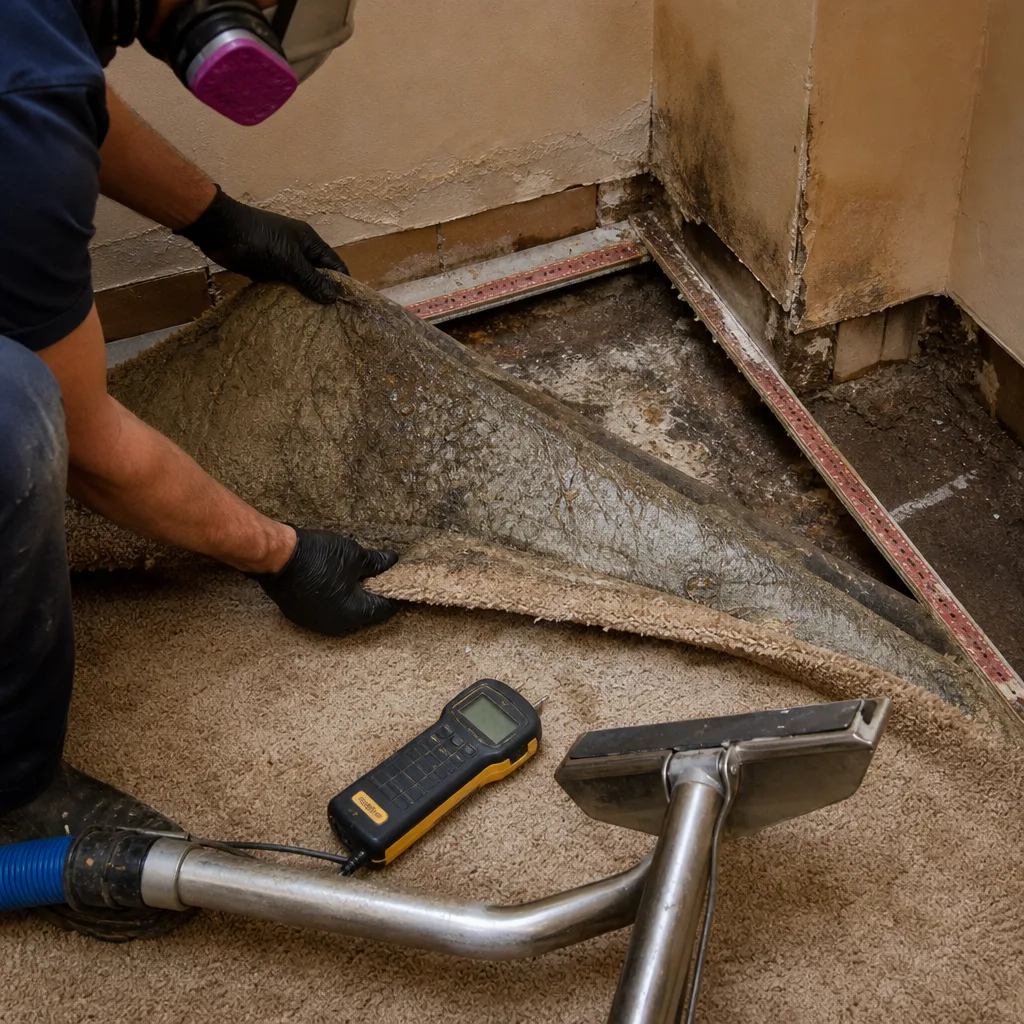
Fire department suppression water pools in basements and soaks through flooring. We extract standing water using professional-grade pumps, then run Dri-Eaz dehumidifiers and XPOWER air movers with daily moisture readings logged until the dry standard is met.
Soot & Smoke Removal
We clean surface soot with dry sponges and HEPA-vacuum before it can set into paint or plaster. Oily soot from plastics gets treated with the right chemical agents. Shared stairwells in Passaic row houses always need aggressive soot removal because they act as chimney flues during a fire.
Odor Removal & Deodorization
We use hydroxyl generators and thermal fogging to reach smoke odor that surface cleaning can’t touch. Odor trapped inside plaster walls in pre-war Passaic buildings requires sealant or removal, not air freshener. We find the source, not the symptom.
Repairs & Restoration
Damaged lath and plaster, flooring, trim, and paint get rebuilt by our own crew. The job isn’t done until your unit looks like the fire never happened and the air smells clean in every room, including the shared hallways.
Need Emergency Fire & Smoke Damage Restoration in Passaic Now?
Crews minutes away, answering live 24 hours a day. The sooner we start, the less it costs.
Working With Your Insurance Company
Fire claims in Passaic’s multi-family buildings get messy fast. One rowhouse fire can involve three tenants, three renters’ policies, one landlord policy, and two adjusters working the same loss. We’ve handled that exact scenario on a regular basis, and we document from the first hour so nothing gets lost between parties. Our photos are timestamped, our moisture readings are logged daily, and our scope of work is line-item detailed the way adjusters expect. We communicate directly with your carrier, answer their questions, and negotiate on your behalf. You shouldn’t have to be the messenger between your insurance company and a restoration crew. That’s our job, and we’ve been doing it since Curt Bowman founded this company in 2010.
What We Provide Your Insurer
- Thorough documentation of the loss
- Photos of all damage, room by room
- Moisture readings and drying logs
- A detailed, line-item scope of work
- Direct coordination with your carrier
Built for Passaic’s Loss Calendar
Passaic fire calls don’t follow a neat seasonal calendar the way water damage does, but certain months stack the odds. Winter brings space heater fires and overloaded circuits in aging wiring, particularly in the pre-1940 buildings along Gregory Avenue and Sherman Street where knob-and-tube remnants still hide behind plaster. Spring and summer see more kitchen fires as multi-family tenants cook with windows open and exhaust fans pulling smoke through shared walls. Fall brings candle and heating-system fires as the weather turns. Nor’easters that push Passaic River water into basements create a secondary problem: wet electrical panels and furnace equipment that short and ignite. In dense blocks where buildings share party walls, a fire in one structure regularly becomes a smoke problem in two or three. That’s the reality of restoring fire damage in Passaic, and it’s why our Fire & Smoke Damage Restoration crews are trained for containment before they’re trained for cleanup.
Fire & Smoke Damage Restoration Across Passaic’s Neighborhoods
Response times in Passaic depend on street access, and we know the map. Around Howard Avenue, where row houses sit tight against each other, our crews stage trucks on main roads and run equipment in on wheeled platforms because alley-load access doesn’t exist. Sherman Street’s density means parking a box truck mid-mitigation blocks the block, so our team plans equipment staging around that constraint. Near the Passaic River corridor, fires in older wood-frame homes along Market Street often carry a water-damage second act, because the fire department’s suppression water pools in low-lying basements that already fight groundwater. In the multifamily rows off Main Avenue, we’re regularly coordinating with tenants on the second and third floors who woke up to smoke smell but never saw a flame. Each neighborhood here has its own building rhythm, and the crew that reads the street before the fire reads the job better.
On a Howard Avenue three-family row house, a kitchen fire in the top-floor unit sent smoke through shared walls into the two apartments below. We set up containment on each floor, ran XPOWER air movers and Dri-Eaz dehumidifiers in the stairwell, and logged moisture readings from the fire department’s water extraction before packing out smoke-damaged contents for all three tenants under one scope of work. That’s Passaic fire restoration: three units, one fire, one crew, one plan.
Specialized Fire & Smoke Damage Restoration Services We Offer in Passaic
Fire Damage Cleanup
We remove charred debris, stabilize damaged framing, and clean every surface the fire touched. In Passaic’s older row houses, that often means working around original plaster that tests positive for asbestos and has to be handled under protocol before any demolition work begins. We don’t cut corners on testing; slowing down early saves the job from a mid-project stop.
Smoke & Soot Removal
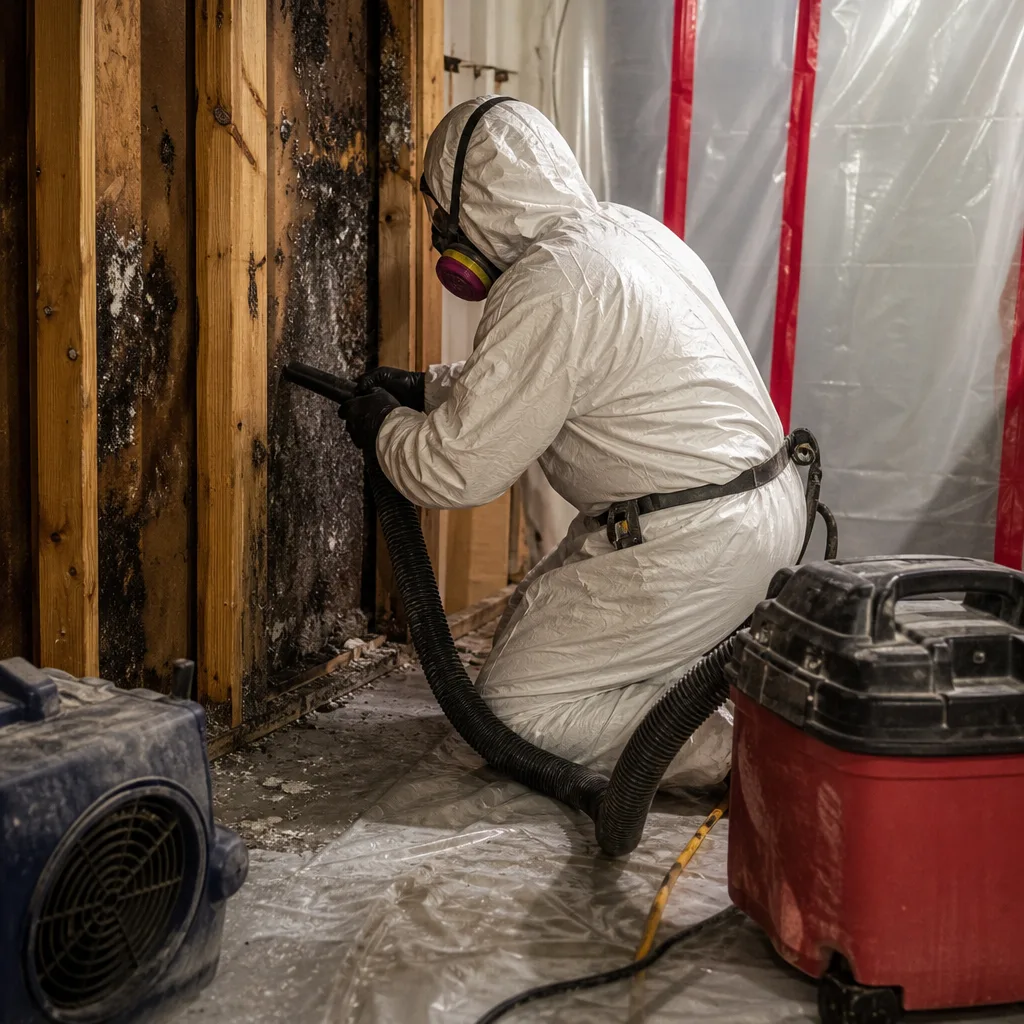
Soot settles everywhere smoke travels, and in a three-story Passaic rowhouse that means the stairwell walls, the upper hallway, and the units adjacent to the fire. We HEPA-vacuum every surface, clean with dry chemical sponges on plaster and drywall, and run air scrubbers to pull suspended soot particles out of the air before they land on anything else.
Odor Removal & Deodorization
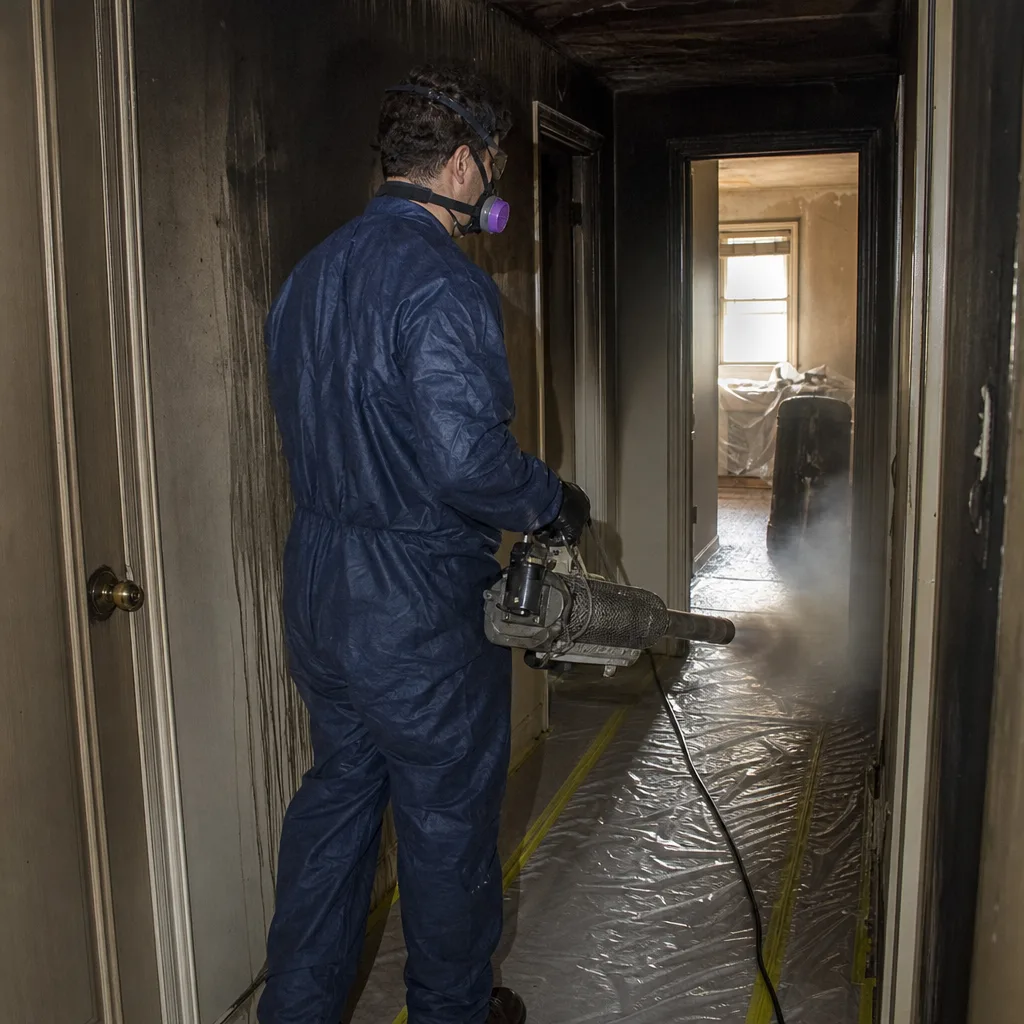
Smoke odor in a Passaic row house is a shared-wall problem. Odor migrates through plaster, floor joists, and stairwells into units the fire never touched. We use thermal fogging and hydroxyl generators, not masking sprays. Where odor has saturated old plaster, we seal or remove the material. The smell either leaves with the source or it comes back in six weeks, and we don’t do callbacks.
Contents Cleaning & Pack-Out
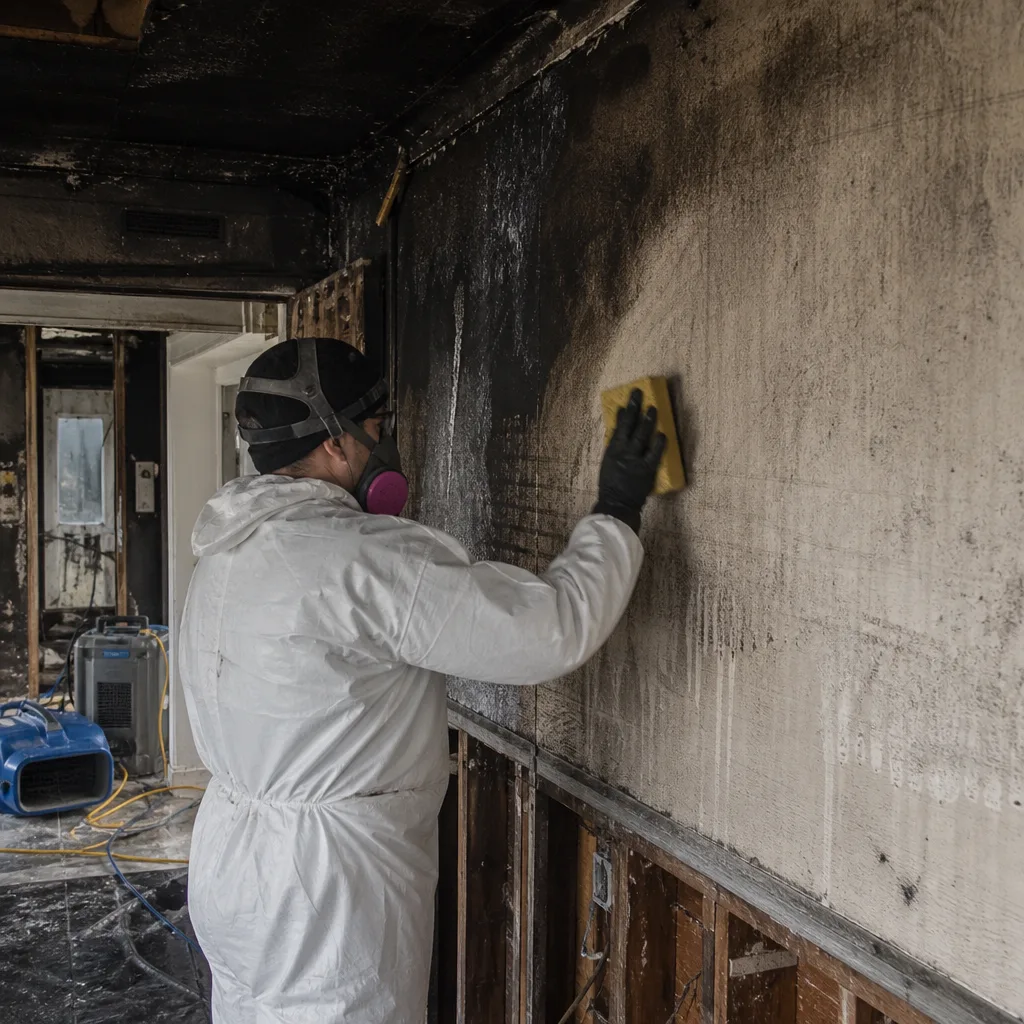
Furniture, clothing, dishes, and personal items absorb smoke differently depending on material. We inventory everything, pack out what can be cleaned at our facility, and treat the rest on site. In Passaic’s multi-family fires, the contents list often covers three households at once, and each tenant’s claim gets its own documentation trail.
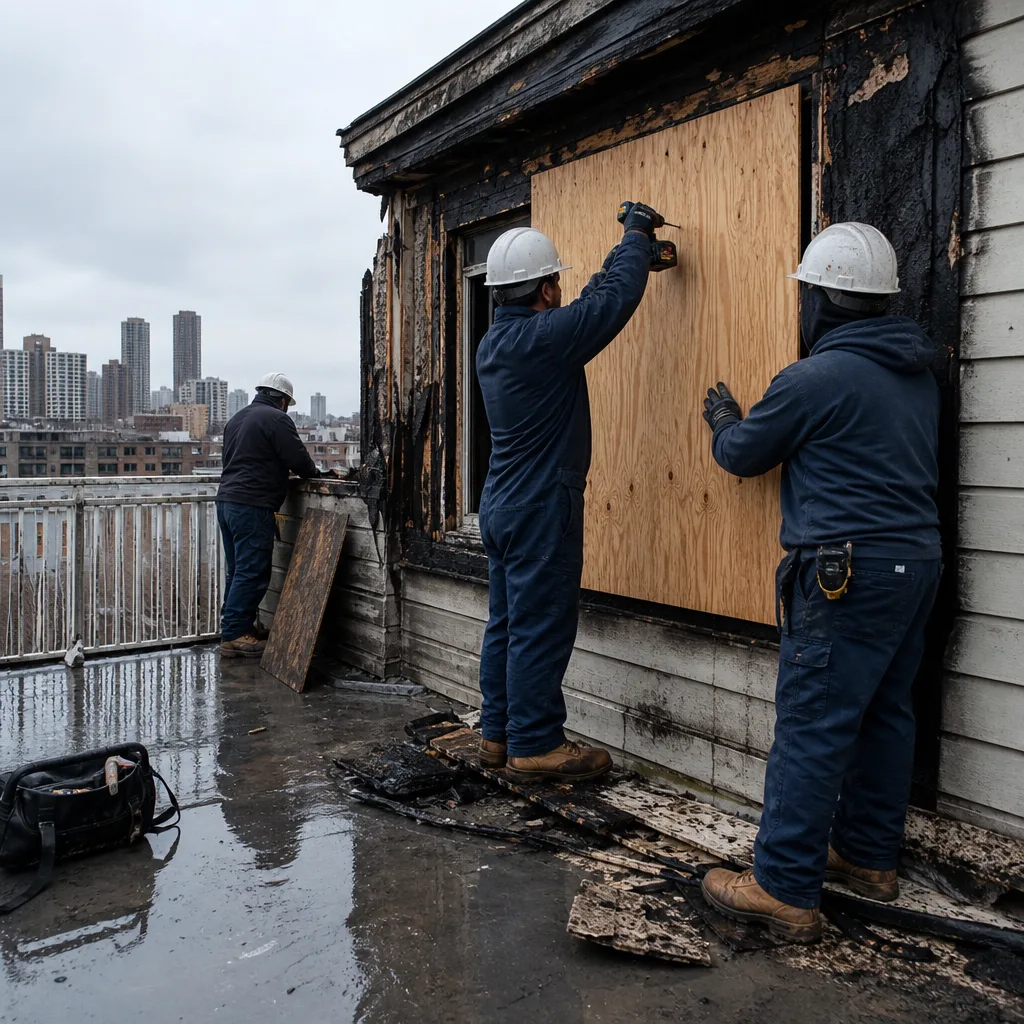
Emergency Board-Up & Tarping
After a fire, a property is exposed to weather, trespassers, and vandalism. We board up windows, tarp roofs, and secure entry points the same visit. In dense Passaic blocks, that also means keeping the property safe for the neighbors, because a burned-out open building becomes everyone’s problem within a day.
For a full overview of what this work involves at every stage, visit Fire & Smoke Damage Restoration. For more on how we serve this city specifically, see Fire & Smoke Damage Restoration in Passaic.
What happens when you call
- 1
A real person answersNo phone trees - you reach a local pro.
- 2
You get an upfront price rangeHonest numbers before anyone is dispatched.
- 3
A background-checked tech heads outLicensed & insured, dispatched right away.
- 4
You approve before work beginsNothing starts until you say go.
Fire & Smoke Damage Restoration Costs in Passaic, NJ
Honest numbers help you plan, so here’s what Passaic fire restoration typically costs. Smoke and soot removal in a single apartment unit runs $1,200 to $3,500 depending on square footage and soot type. Odor removal with thermal fogging adds $800 to $2,000. Contents cleaning and pack-out for one household runs $1,500 to $4,000. Full fire cleanup and rebuild in a Passaic row house unit, where drywall, plaster, flooring, and paint all need replacement, ranges from $8,000 to $30,000 or more depending on how far the fire traveled and what the fire department’s water did on the way down. A free visual inspection gets you a written scope with firm line items before you sign anything. Most fire losses are covered under homeowners or renters insurance, and we bill the carrier directly so you’re not carrying the cost while the claim processes. Call (917) 924-4221 and we’ll walk the property with you.
We Also Serve Cities Near Passaic
Floodline Restoration Co. of Manhattan runs fire and smoke restoration crews throughout Passaic and the surrounding communities, including Wallington, Garfield, East Rutherford, and Rutherford. If you’re in any of those towns and need emergency fire damage help, the same live dispatcher answers at (917) 924-4221.
Serving Passaic, NJ - Our Local Coverage Area
We’re based in the Passaic area and know this community well. Use the map below to see our service coverage - if you’re nearby, we can almost certainly help.
Passaic Fire & Smoke Damage Restoration Questions, Answered
How do you handle fire damage in a Passaic three-family when the fire didn’t start in our unit but smoke came through the walls?
We treat every affected unit as its own loss, with separate containment, separate documentation, and separate cleaning, while coordinating under one job scope. Smoke that migrates through shared walls still covers your belongings, your walls, and your air in soot, even if no flame ever touched your unit. We set up containment on every floor, HEPA-vacuum the soot, clean surfaces in each apartment, and run odor treatment in each affected unit. Your insurance claim stays separate from the neighbor’s, and we document each unit independently so adjusters get clean files. Call (917) 924-4221 and we’ll walk your unit the same day.
Can you start fire cleanup in an old Passaic rowhouse before asbestos or lead testing comes back?
No, and you shouldn’t let anyone tell you otherwise. In pre-1940 plaster walls like those throughout Passaic’s older row houses, asbestos and lead are common enough that demolition without testing is both illegal and dangerous. We start with non-invasive work: HEPA-vacuuming, soot removal, air scrubbing, and contents pack-out. Demolition of walls, ceilings, or flooring waits for test results and proper protocols. A contractor who skips testing to move faster is cutting a corner that can stop the whole job and expose you to liability. We test first, then build.
What’s different about fire damage restoration in Passaic’s dense multi-family blocks compared to a single-family home in a neighboring suburb?
Containment and coordination are the two biggest differences. In a single-family house, smoke travels through your rooms and you make the decisions. In a Passaic three-family, smoke travels through shared stairwells, wall cavities, and floor joists into other people’s homes. That means we’re setting containment on multiple floors at once, coordinating with tenants who didn’t have a fire but do have the smoke, and managing multiple insurance claims on the same address. Parking and equipment access are also tighter, so we stage trucks on main roads and wheel equipment into tight lots. The work is the same trade, but the job site is a different animal.
How quickly can you dry out a Passaic row house after the fire department’s water extraction?
Most single-unit drying jobs in Passaic run three to five days with professional-grade equipment running continuously. We set Dri-Eaz dehumidifiers and XPOWER air movers the same visit, take moisture readings daily, and hand you a drying log you can give your insurer. In older row houses with plaster walls and hardwood floors, drying takes longer than in modern drywall construction because plaster holds moisture and dries slowly. We don’t rush the dry standard, because closing walls before they’re dry is how you get mold six months later.
Do you coordinate with multiple tenants and multiple insurance adjusters on one Passaic fire job?
Yes, and it’s standard practice for our crews here. One rowhouse fire regularly produces three renters’ claims, one landlord claim, and occasionally a separate claim for a neighboring building that took smoke. We document each unit separately, meet with each adjuster, and keep the whole job moving without waiting on one slow claim to hold up the rest. The homeowner or landlord gets one point of contact for the entire building, while each tenant’s insurance file stays clean and independent. Call (917) 924-4221 and we’ll explain how we structure the documentation for your specific building.
What’s the fastest a crew can actually get to my Passaic address?
We commit to a 45-minute response time for emergency fire and smoke calls in Passaic. Our crews are stationed nearby, and a live dispatcher routes the nearest available team the moment you call. In dense blocks off Sherman Street or Howard Avenue, the last quarter mile can take a few extra minutes because of parking and alley access, but we build equipment staging around those constraints. Call (917) 924-4221, tell the dispatcher your cross street, and we’ll give you a realistic arrival time, not a sales pitch.
Will my insurance cover fire and smoke restoration in a Passaic rental unit?
Most renters’ policies cover smoke damage to your personal property and often your temporary relocation if the unit is unlivable. The building’s structural fire damage falls under the landlord’s policy. We work with both policies simultaneously, which matters in Passaic because one fire often produces claims from multiple tenants and the building owner at the same address. We’ll document your unit separately, communicate with your adjuster directly, and bill the carrier so you’re not out of pocket while the claim runs.
What should I do in the first 30 minutes after a fire in my Passaic home?
Get everyone out, call 911 if it’s still active, then call us at (917) 924-4221. Don’t touch surfaces or try to wipe soot yourself, smeared soot is harder to remove and can damage finishes permanently. Don’t run HVAC systems, they pull soot into ducts and spread it through rooms the fire never touched. Don’t open windows if the fire department advises against it. Take photos of everything if it’s safe to walk through, but don’t move furniture or disturb damage. The first hour after the fire is out is when soot is still loose enough for professional removal. The sooner our crew arrives, the more surfaces we can save.
Written by Curt Bowman, Owner at Floodline Restoration Co. of Manhattan, providing fire and smoke damage restoration to Passaic and the surrounding communities.