
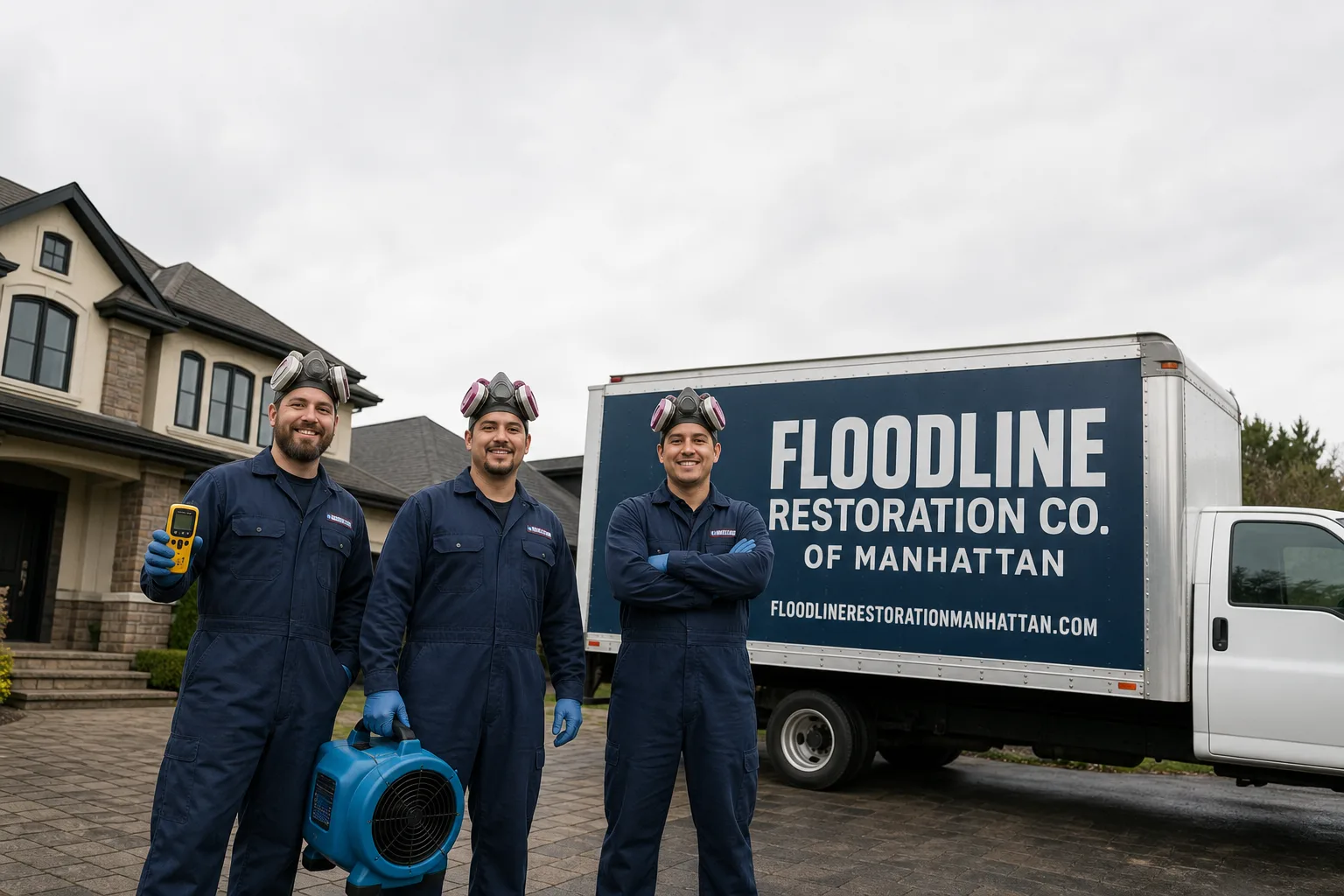
Free visual inspection and a written scope of work before any mitigation begins - photos, moisture readings, and drying logs go in your claim file
The scope we write is the scope we bill. Anything new gets shown to you, in writing, before we touch it.






 Before
 After
After Before
 After
After Before
 After
After24/7 Emergency Fire & Smoke Damage Restoration in Red Hook
Fire and smoke damage in Red Hook moves fast. Soot etches into plaster and hardwoods within hours, and the water used to put the fire out starts wicking into fieldstone foundations and lath almost immediately. We answer live at (917) 924-4221 around the clock, every day of the year, and a certified crew can be dispatched into the Red Hook area right away. The first hour determines how much of the original fabric of your home can be saved, so call the moment the fire marshal releases the scene. We start with a free visual inspection and a written scope of work before any equipment goes into your house.
Understanding Fire & Smoke Damage Restoration Severity in Red Hook Properties
Not every fire scene in Red Hook is the same, and the age of the house usually dictates how far smoke and water have traveled. Light surface fires leave dry soot on painted trim and modern drywall, but a chimney fire in an 1840s Greek Revival behaves differently. Hot smoke forces into horsehair plaster, behind lath, and under wide-plank floors. Firefighting water then saturates those same cavities. Within 24 to 48 hours that trapped moisture feeds mold behind surfaces that look fine from the room side. We classify this as Category 2 or Category 3 water depending on what the water picked up on its way through the structure. On older Red Hook homes, hidden smoke migration and trapped moisture are the two biggest severity multipliers. Soot residue types also matter: protein soot from kitchen fires is nearly invisible but highly acidic, while oily soot from fuel or plastic fires binds to surfaces and needs solvent-based cleaning before sealing. Our Fire & Smoke Damage Restoration crews test residues before choosing a cleaning method because treating the wrong soot with the wrong chemistry makes damage harder to reverse, not easier.
Why Red Hook Property Owners Choose Floodline Restoration Co. of Manhattan
- 45-minute response commitment from the time you call, with a live dispatcher coordinating the nearest certified crew into Red Hook.
- 24/7 live answer means a real person picks up at 2 a.m., not a recording. You’ll know who is coming and when.
- IICRC-certified crews trained to FSRT and WRT standards, so the same team handles fire cleanup, water extraction, and structural drying without handoffs.
- Free visual inspection with a written scope of work before any billing starts. No surprises on the bill.
- Direct insurance billing with adjuster coordination throughout, including photo documentation and daily drying logs.
- One team from extraction to reconstruction. We don’t hand your house to a different contractor after cleanup.
Our Fire & Smoke Damage Restoration Process
Inspection & Assessment
We walk every room, test soot residues, map smoke migration, and take moisture readings throughout the structure, including behind plaster walls and under floors. A written scope follows the inspection.
Extraction & Stabilization
Firefighting water gets extracted with truck-mounted units and portable extractors. Affected materials like soaked plaster, insulation, and flooring are cut out or stabilized to stop secondary damage.
Drying & Dehumidification
Dri-Eaz and Phoenix dehumidifiers paired with XPOWER air movers run continuously. We log moisture readings daily until every cavity and substrate returns to its pre-loss dry standard.
Cleaning & Sanitization
HEPA air scrubbers run throughout cleaning. Soot is removed from surfaces using methods matched to the residue type, and antimicrobial treatments are applied where Category 2 or 3 water made contact.
Odor Removal & Deodorization
Ozone, hydroxyl generation, and thermal fogging address smoke odor at the source. Original wide-plank floors are sanded and sealed rather than replaced whenever restoration is possible.
Repairs & Restoration
Structural fire repair follows: framing, plaster restoration, flooring, trim, and paint matched to the historic character of the home. Everything is backed by our 90-Day Done Right Promise in writing.
Need Emergency Fire & Smoke Damage Restoration in Red Hook Now?
Crews minutes away, answering live 24 hours a day. The sooner we start, the less it costs.
Working With Your Insurance Company
Fire claims in Red Hook involve a lot of moving parts: the fire itself, the water used to suppress it, smoke damage, and often the cost of historic-material restoration. We document everything from the first hour. Photos are taken room by room before any demolition, after extraction, and throughout drying. Moisture readings and daily logs go to your adjuster without you having to relay a thing. We write line-item scopes that account for the real cost of restoring original plaster, wide-plank floors, and fieldstone foundations, not the cost of tearing everything out and replacing it with modern materials. Your carrier deals with us directly.
What We Provide Your Insurer
- Thorough documentation of the loss
- Photos of all damage, room by room
- Moisture readings and drying logs
- A detailed, line-item scope of work
- Direct coordination with your carrier
Built for Red Hook’s Loss Calendar
Red Hook sees fire losses through every season, and the pattern is shaped by the town’s old housing stock. Winter brings chimney fires in 18th- and 19th-century farmhouses where flues were built for open hearths, not modern wood stoves or inserts. Creosote builds in unlined chimneys, and a spark finds old timber framing. January and February also bring deep freezes that crack pipes in unheated ells and attics of Greek Revival homes, sometimes shorting old knob-and-tube wiring when lines thaw. Spring snowmelt saturates fieldstone foundations, and any fire suppression water from an earlier loss becomes a secondary problem as the ground pushes moisture back through mortared joints. Summer thunderstorms knock down limbs onto aging service drops, and the resulting electrical fires are common in homes that still have original wiring. Nor’easters in fall and early winter drive wind-driven rain into steep-pitched roofs, exposing smoldering issues around chimneys and flashing. Red Hook’s loss calendar is a farmhouse calendar, and our crews plan for it.
Fire & Smoke Damage Restoration Across Red Hook’s Neighborhoods
The village center around East Market Street and South Broadway holds some of the densest concentrations of Greek Revival and Victorian homes in Dutchess County. Fires there spread quickly between closely set structures, and smoke migration through shared walls and party lines is a common issue. Out along Route 9 and the rural roads toward the Taconic, farmhouses sit on larger lots, but the homes themselves are older, with timber framing that has been through multiple renovations. A fire in Larkin Street’s historic district often involves original lime plaster that cannot simply be scraped and skimmed with modern joint compound. Up toward the hamlets around Upper Red Hook and the river side of town, fieldstone basements collect firefighting water fast and drain slowly, which is why our Red Hook crews prioritize extraction before drying even begins. Homes off County Route 79 and Spring Lake Road are often on wells and septic, meaning fire suppression relied on tanker water, and the volume applied can be lower or higher depending on the responding department. We know those routes, and we know the building types on each of them.
Specialized Fire & Smoke Damage Restoration Services We Offer in Red Hook
Structural Fire Repair
Pre-Civil War framing, mortise-and-tenon joinery, and hand-hewn beams behave differently in a fire than modern dimensional lumber. Structural fire repair in Red Hook often means sistering charred members while preserving what remains, not wholesale replacement. We match methods and materials to the original construction so the repair holds and the house keeps its character.
Smoke & Soot Removal
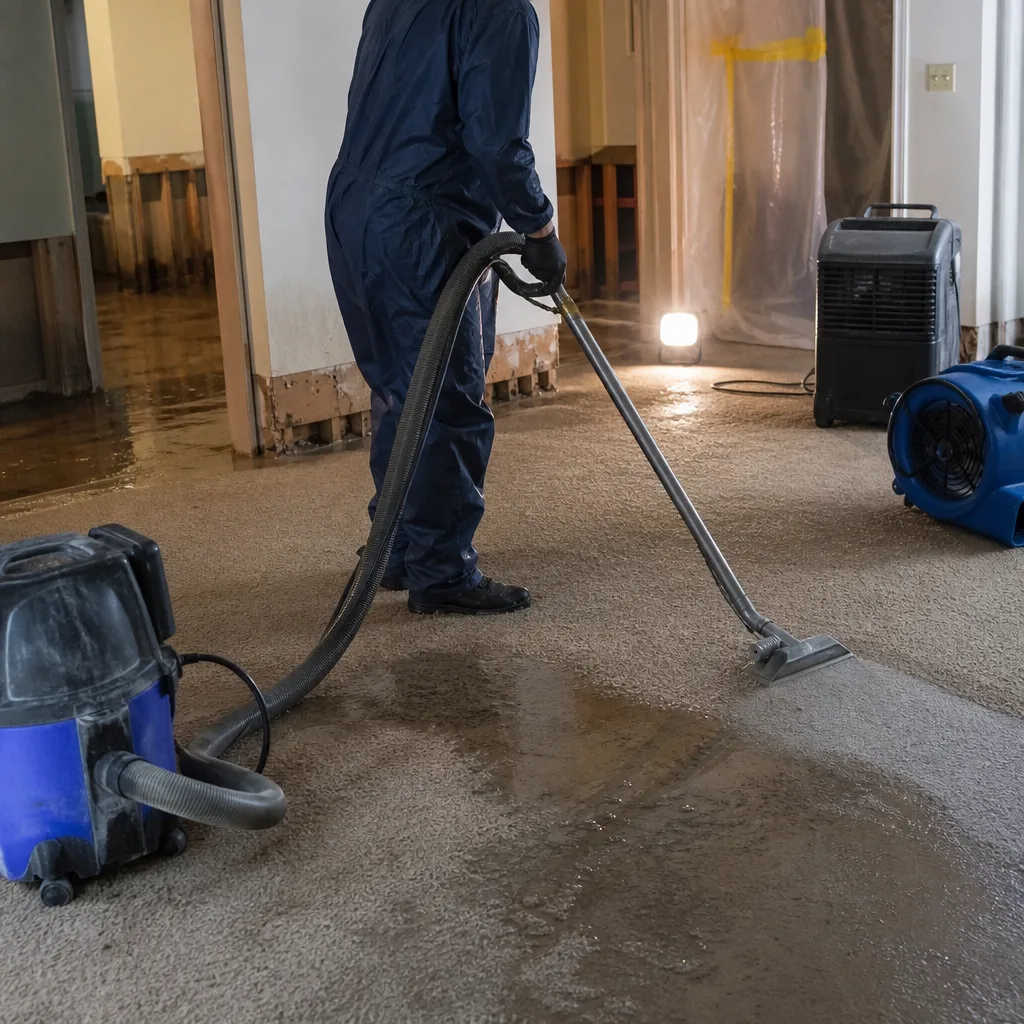
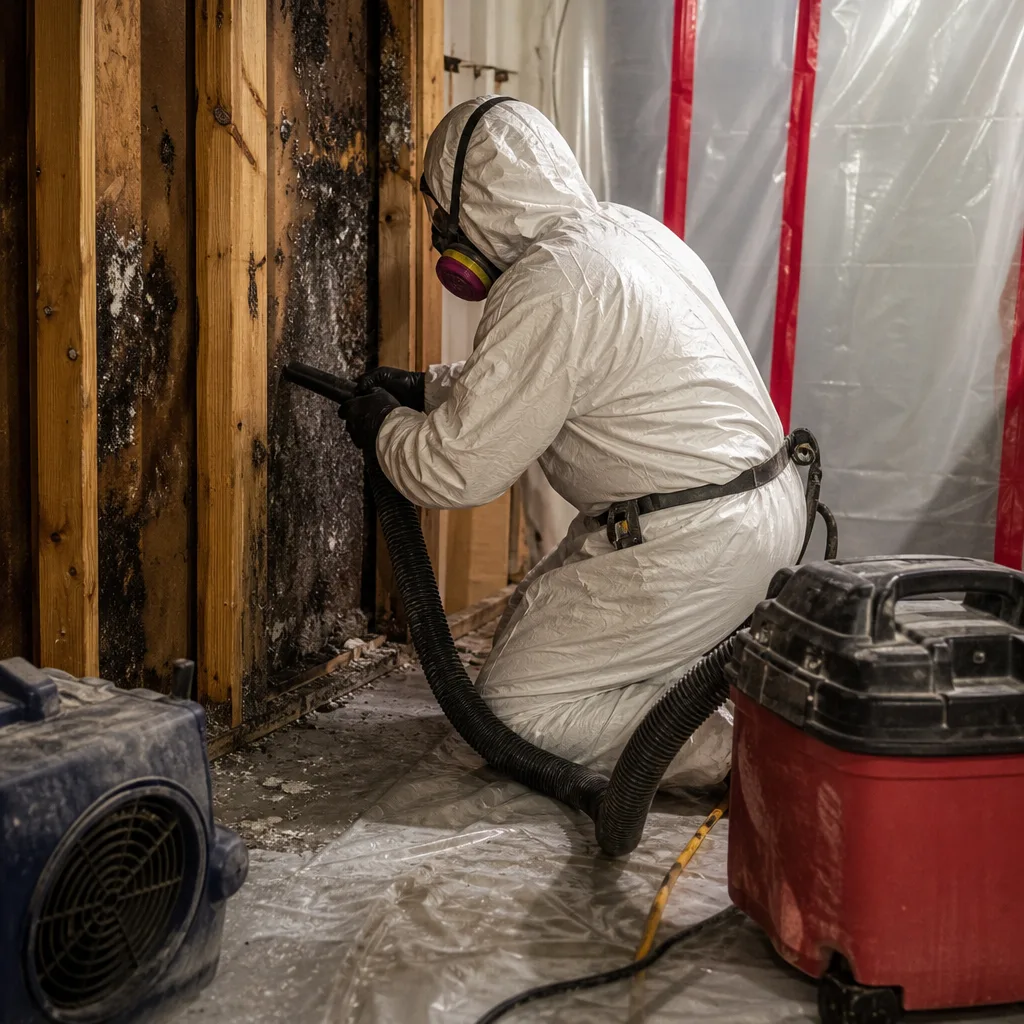
Smoke on horsehair plaster is not the same as smoke on drywall. We use dry-ice blasting for char, HEPA vacuuming for loose soot, and surface-matched cleaning for residues baked into original finishes. Soot left behind continues to off-gas and corrode what it touches, so the goal is complete removal, not visible cleaning.
Odor Removal & Deodorization
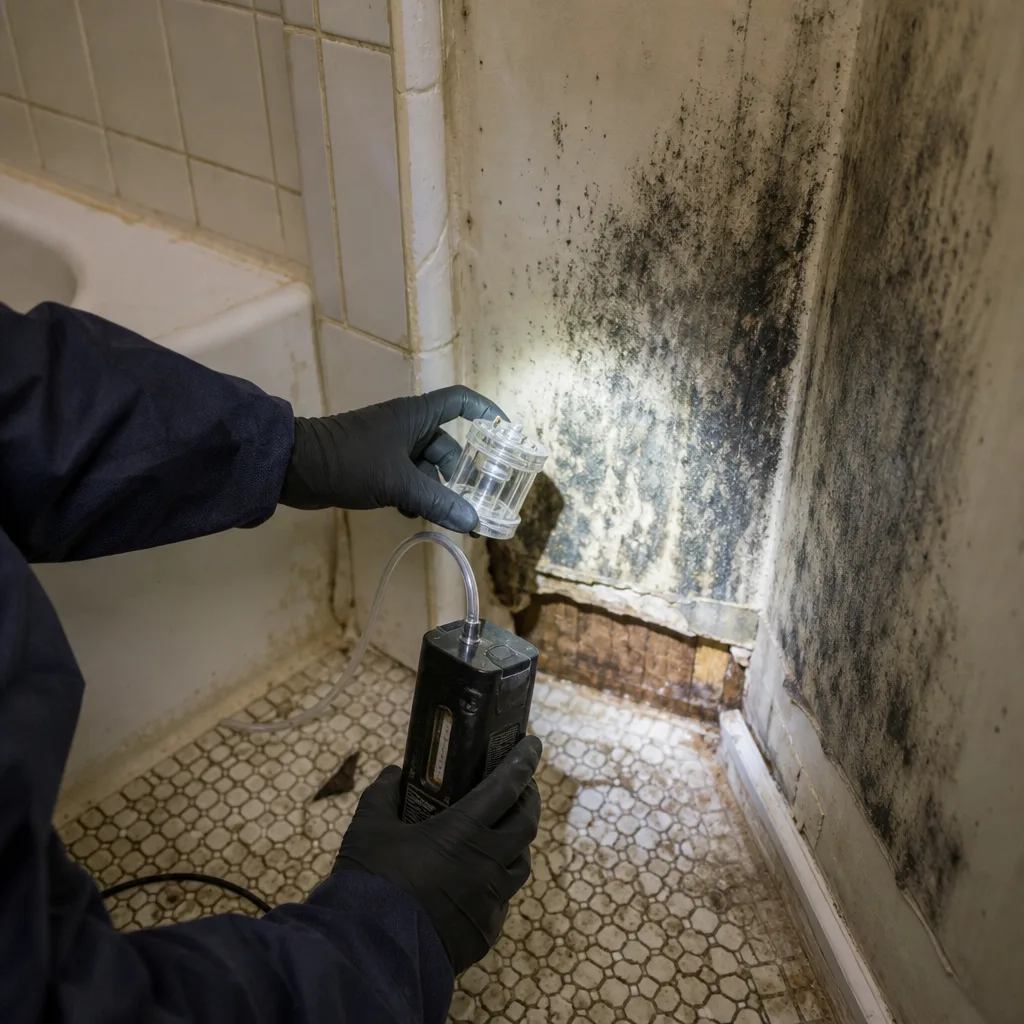
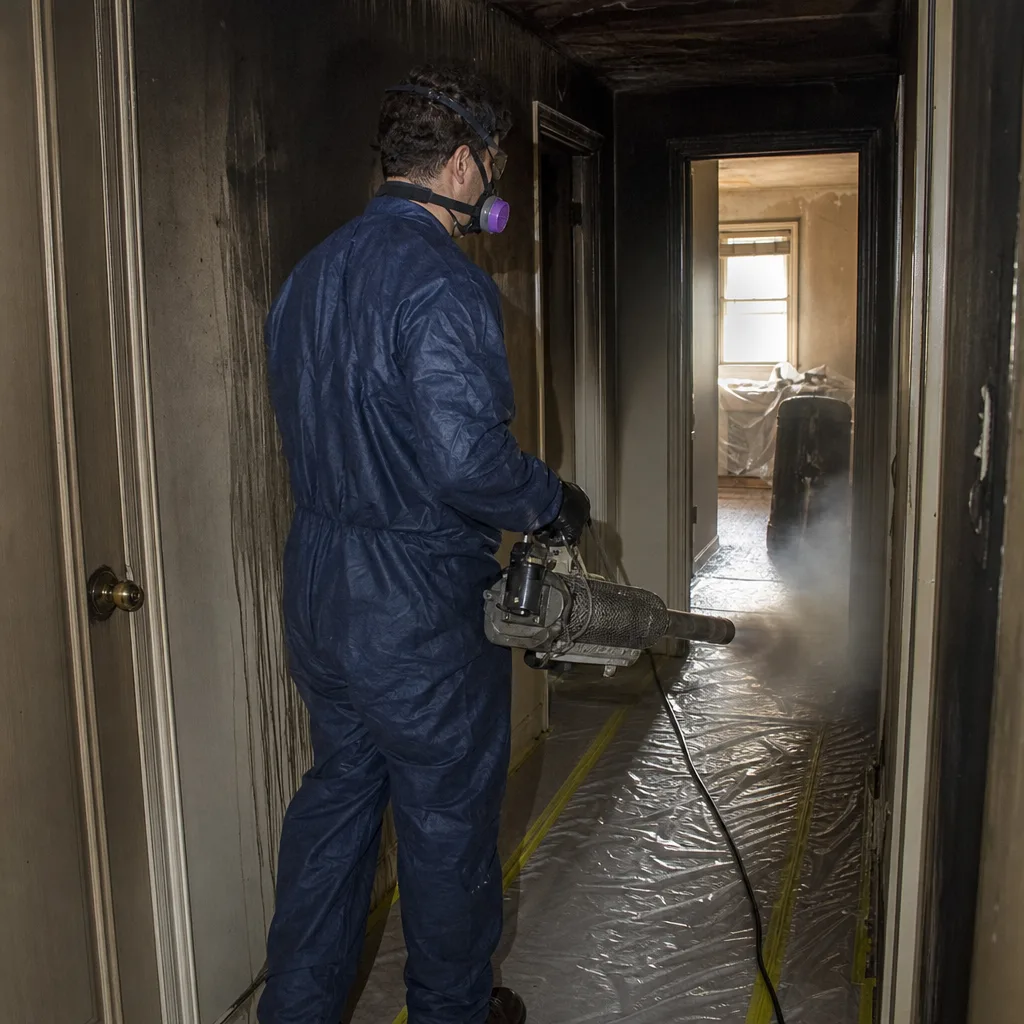
Smoke odor in wide-plank floors and original trim resurfaces with humidity if only surface treatments are used. We sand and seal original wood floors, use hydroxyl and ozone treatments in sealed spaces, and fog wall cavities where smoke traveled. The odor leaves when the source is gone, not masked.
Contents Cleaning & Pack-Out
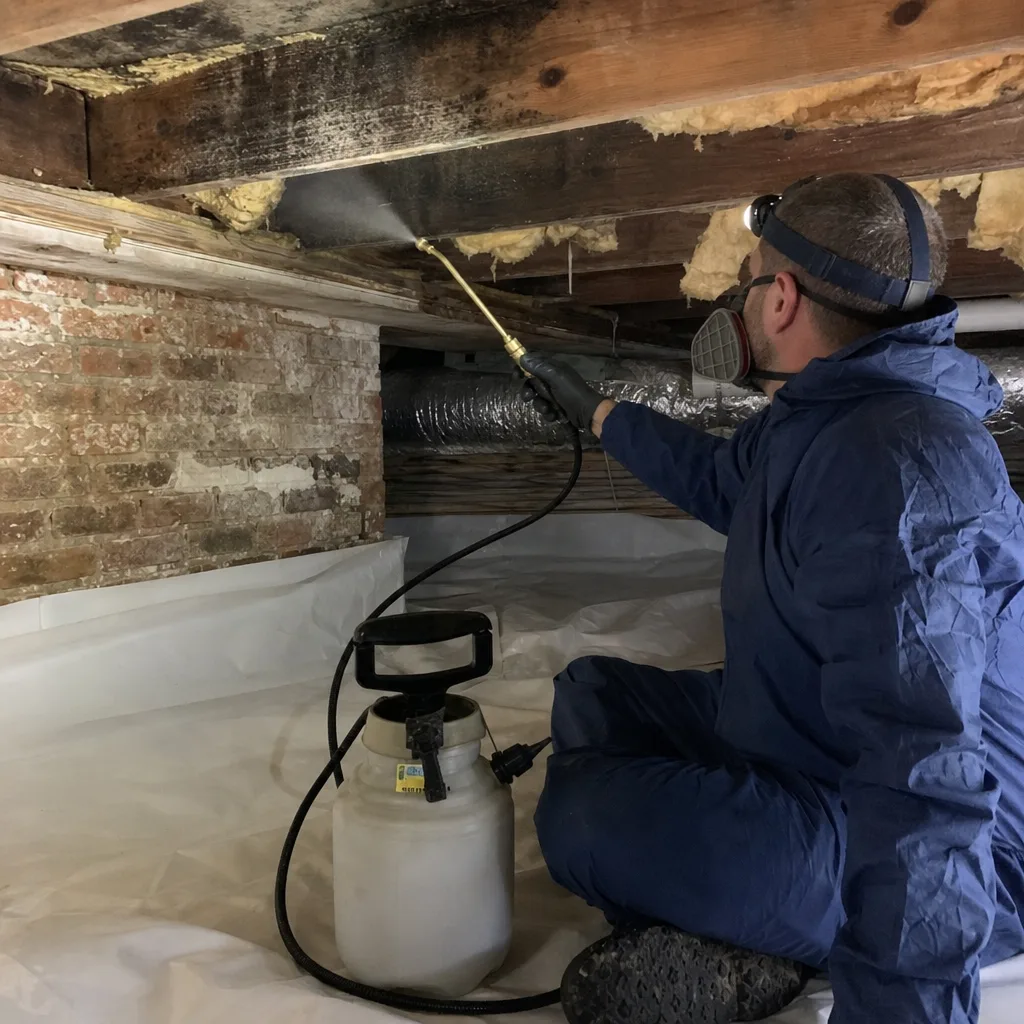
Proteins and oily soots settle into upholstery, clothing, books, and heirlooms. We inventory, pack out, clean, and store contents while the structure is being restored. In Red Hook farmhouses with generations of belongings, this step is often the difference between a partial and full recovery.
Emergency Board-Up & Tarping
Before restoration begins, openings must be secured. We board up windows and doors and tarp roof penetrations the same visit. This keeps weather out, keeps people out, and preserves the scene for your carrier’s inspection.
What happens when you call
- 1
A real person answersNo phone trees - you reach a local pro.
- 2
You get an upfront price rangeHonest numbers before anyone is dispatched.
- 3
A background-checked tech heads outLicensed & insured, dispatched right away.
- 4
You approve before work beginsNothing starts until you say go.
Fire & Smoke Damage Restoration Costs in Red Hook, NY
Emergency board-up and tarping on a Red Hook home typically runs $800 to $2,200 depending on the number of openings and whether roof access from a truck is needed. Smoke and soot removal across a medium-sized farmhouse usually lands between $4,000 and $12,000, with odor removal adding $1,500 to $4,500 when original floors and plaster are involved. Structural fire repair is the widest range: $6,000 to $60,000 or more, driven by how much timber framing was charred, whether plaster must be restored or replaced, and whether historic finishes require specialist work. Water extraction and drying from fire suppression adds $2,000 to $7,000 on average. Most Red Hook fire losses are covered under standard homeowner’s policies, but the line-item rates for historic materials matter. The free visual inspection gets you a firm written scope with real numbers, not an estimate that drifts after demolition starts. Call (917) 924-4221 and we will walk the scene with you.
We Also Serve Cities Near Red Hook
Our crews regularly respond to fire and smoke losses in Greenville, Chelsea, Shrub Oak, and Shenorock. The same certified teams, the same written scope, and the same 90-Day Done Right Promise apply throughout the area.
Red Hook Fire & Smoke Damage Restoration Questions, Answered
What does fire restoration in a Red Hook farmhouse with fieldstone foundation and plaster walls realistically involve?
It involves three jobs at once: smoke and soot removal from original plaster and wood surfaces, structural repair of charred or weakened framing, and water extraction and drying of the fieldstone foundation and any soaked cavities behind walls and under floors. On a Red Hook farmhouse, the restoration almost always includes plaster patching with lime-based materials, drying wide-plank floors in place when possible, and odor removal that reaches wall cavities, not just surfaces. The process typically runs two to six weeks depending on severity. Call (917) 924-4221 for a free inspection and a written scope for your specific structure.
How do you handle smoke odor in original wide-plank floors without replacing them?
We sand the floors past the smoke-affected surface layer, then seal them. If smoke penetrated deep into the wood, we use hydroxyl or ozone treatment in the room with the floors exposed before sanding. Thermal fogging through the floor cavities may also be used. Replacing original wide-plank flooring in a Red Hook farmhouse destroys historic fabric and costs far more than restoration. A written scope before work starts tells you exactly which path your floors need.
Why is water from firefighting classified as Category 2 or 3 in Red Hook basements?
Because by the time it reaches the basement, firefighting water has passed through burned building materials, soot, and often decades of accumulated dust and debris in wall cavities and under floors. That water carries contaminants, not just moisture. In a Red Hook fieldstone basement, the contaminated water also saturates mortared joints and the soil around the foundation, so extraction and antimicrobial treatment have to happen together. We treat fire suppression water as Category 2 or 3 from the start, which protects your family and your structure.
Can you restore horsehair plaster after a fire, or do we have to replace with drywall?
Horsehair plaster can be restored in most cases. We stabilize the remaining plaster with lime-compatible bonding agents, patch with lime-based plaster rather than modern joint compound, and match the original texture. Drywall is only used where the plaster is too far gone to save, typically after structural movement or total saturation. On a Red Hook home, keeping original plaster matters for both character and value, and our crews are trained specifically in that work.
What past Red Hook fire does your team reference for training?
We use a chimney fire on Cherry Street in an 1840s Greek Revival as our training benchmark. Smoke forced soot into original plaster walls and wide-plank floors, and firefighting water saturated the fieldstone basement. Our team set containment, ran HEPA air scrubbers, used dry-ice blasting on char, applied antimicrobial treatment, and dryed the basement with Dri-Eaz dehumidifiers and air movers until moisture readings returned to pre-loss condition. That job taught us exactly how Red Hook farmhouses behave after a fire, and we train new technicians on it.
How fast can someone actually get to my house in Red Hook?
We commit to a 45-minute response from the time you call. Dispatch is live 24 hours a day, and crews are staged to reach the village center, Route 9, and the rural roads around Upper Red Hook quickly. Emergency board-up and tarping often happen the same visit as the initial inspection. Call (917) 924-4221 and you will speak to a person who tells you exactly when the crew will arrive.
Will my insurance cover fire restoration in a historic Red Hook home?
Most standard homeowner’s policies cover fire, smoke, and the water used to suppress the fire. The coverage question on Red Hook’s older homes usually comes down to how the scope is written: whether line items reflect historic-material restoration or modern replacement. We write scopes that document the real cost of lime plaster, wide-plank flooring, and fieldstone foundation work, and we coordinate directly with your adjuster. Photo documentation and daily drying logs support the claim from the first hour.
What should I do in the first 30 minutes after a fire in Red Hook?
Call your insurer first if they require scene photos, then call us at (917) 924-4221. Do not enter the structure until the fire marshal clears it. Do not wipe soot from surfaces, do not turn on any electrical system, and do not open windows if the outside air is more humid than inside. The first 30 minutes are about securing the scene and protecting the remaining original materials. Board-up and tarping stop further loss the same day.
Serving Red Hook, NY - Our Local Coverage Area
We’re based in the Red Hook area and know this community well. Use the map below to see our service coverage - if you’re nearby, we can almost certainly help.
Call for a Free Fire & Smoke Damage Restoration Estimate in Red Hook
If your Red Hook home has been through a fire, the next moves matter more than any other part of the restoration. Call (917) 924-4221 for a free inspection and a written scope from a certified team that knows old plaster, wide-plank floors, and fieldstone basements. We answer live around the clock, show up when we say, and stand behind the work with our 90-Day Done Right Promise in writing. Floodline Restoration Co. of Manhattan is led by Curt Bowman, and every job is done right and backed in writing.
Written by Curt Bowman, Owner at Floodline Restoration Co. of Manhattan, serving Red Hook with fire, water, and structural restoration since 2010.