
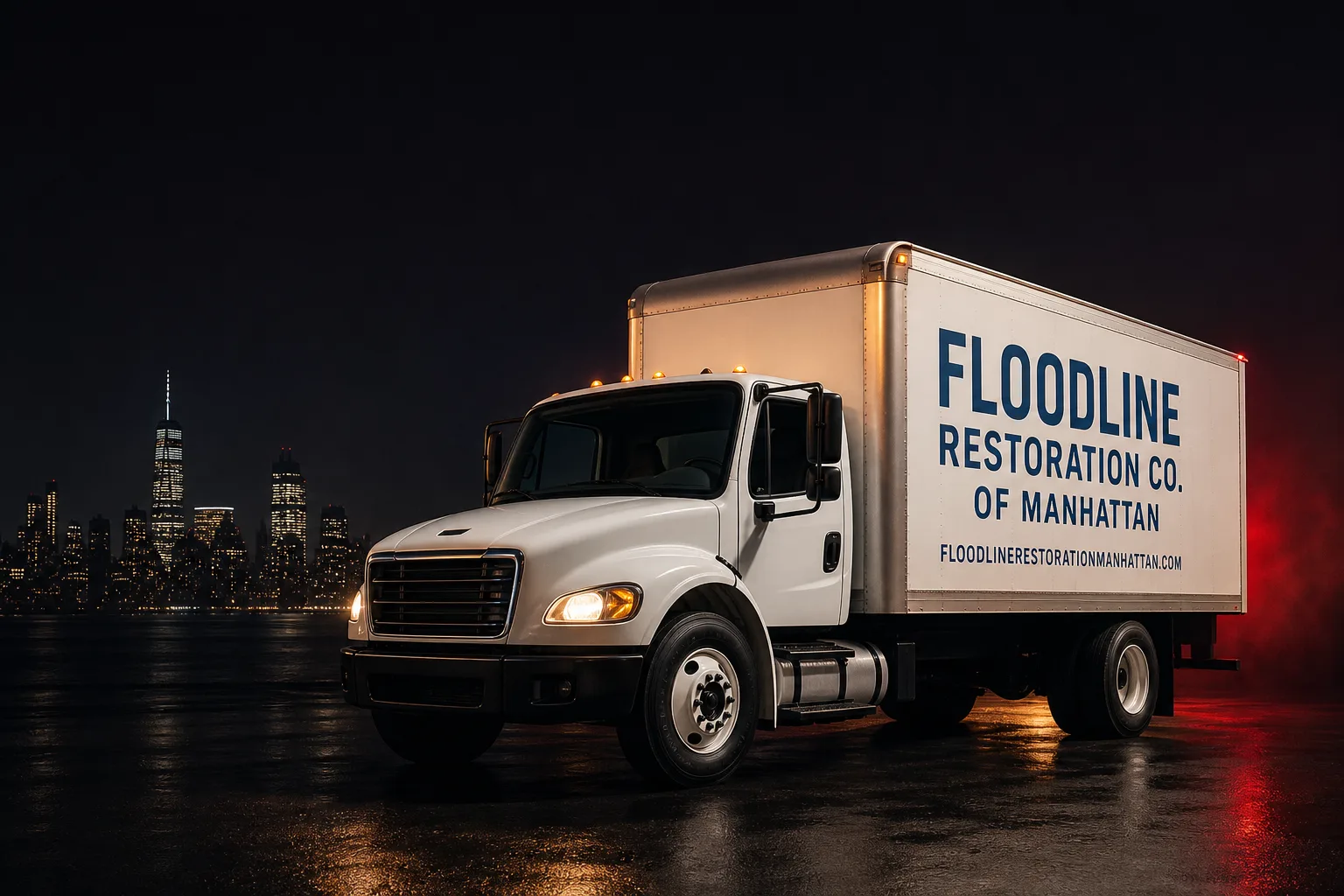
Free visual inspection and a written scope of work before any mitigation begins - photos, moisture readings, and drying logs go in your claim file
The scope we write is the scope we bill. Anything new gets shown to you, in writing, before we touch it.






 Before
 After
After Before
 After
After Before
 After
After24/7 Emergency Fire & Smoke Damage Restoration in Union Square
Fire and smoke damage in Union Square moves fast, especially inside the pre-war masonry loft buildings that ring the park. A kitchen fire on East 17th Street can push soot through shared wall cavities, old elevator shafts, and abandoned ductwork into three neighboring units before the trucks leave. We answer live at (917) 924-4221 around the clock, every day, and dispatch certified crews into Union Square immediately. The first call is free, the first visual inspection is free, and the first hour determines whether you’re dealing with one apartment or an entire floor. Don’t wait for the smoke smell to tell you which.
Understanding Fire & Smoke Damage Restoration Severity in Union Square Properties
Smoke and soot are not one problem. They’re a family of problems, and each one behaves differently inside Union Square’s 19th-century brick-and-timber buildings. Light soot from a dry, fast-burning fire sits on surfaces and responds to sponge cleaning and HEPA vacuuming. Protein soot from a kitchen fire is nearly invisible, greasy, and bonds to paint, wood, and the porous terra cotta common in these lofts. It requires aggressive degreasing before any repainting. Wet smoke from smoldering, low-oxygen fires leaves a thick, sticky residue that penetrates masonry and old mortar. In a drywall high-rise, that residue stays on surfaces. In a Union Square loft with 14-foot ceilings, original cast-iron chases, and brick party walls, it travels. Shared voids between units act like chimneys, pulling smoke sideways and upward until it deposits on surfaces two floors away. We classify every job by soot type, surface porosity, and building construction before we start. A generic “smoke cleanup” won’t hold in these buildings. The physics of 1908 construction demand a different protocol.
Why Union Square Property Owners Choose Floodline Restoration Co. of Manhattan
- 45-minute response commitment. When you call from Union Square, a crew is on the way from our New York City dispatch within the hour. Not a call center. Not a scheduler. A crew.
- 24/7 live answer, every time. A real person picks up at 2 a.m. on a Sunday. No voicemail, no automated tree, no “press 3 for emergencies.” You talk to someone who knows restoration, not someone reading a script.
- Certified fire restoration technicians. Our crews are trained to IICRC standards, including FSRT (Fire & Smoke Restoration Technician) and OCT (Odor Control Technician). They’re background-checked, uniformed, and they’ve worked Union Square’s loft buildings before.
- Free visual inspection. We walk the unit, map the soot migration, check the voids and chases, and tell you exactly what we see. Then we put it in writing. No charge for the look.
- Direct insurance billing. We bill your carrier directly and handle the adjuster conversation. You don’t play messenger between us and an insurance company that’s trying to close the file fast.
- One team from board-up to rebuild. The same Floodline crew that sets containment and pulls soot on day one handles the structural fire repair on day twelve. No mid-job handoff to a sub you’ve never met.
Our Fire & Smoke Damage Restoration Process
Inspection & Assessment
We document every surface, identify soot type, and map smoke migration through voids, chases, and shared walls. Thermal imaging shows us where heat and smoke traveled even when nothing is visible to the eye.
Emergency Board-Up & Stabilization
Broken windows, burned openings, and compromised entries get sealed fast. In Union Square’s landmark-era masonry buildings, board-up must be done without damaging original brick or terra cotta, and we handle that carefully.
Containment & Air Scrubbing
Full-floor containment goes up before any soot removal begins. HEPA air scrubbers run continuously to pull airborne particulates out of the space. In loft buildings with shared voids, this step prevents cross-unit contamination.
Soot Removal & Cleaning
Surface by surface, using chemical sponges for dry soot, degreasing agents for protein soot, and specialized cleaning for porous brick, mortar, and plaster. We don’t paint over soot. We remove it.
Odor Removal & Deodorization
Hydroxyl generators and thermal fogging reach the odor molecules trapped inside masonry pores and old wood. This is where Union Square loft buildings demand more than a standard treatment because the materials hold odor for months if you skip this step.
Structural Fire Repair & Restoration
From replacing charred framing to restoring original plaster details, the same crew that handled day one finishes the rebuild. We stand behind the work with the 90-Day Done Right Promise, in writing.
Need Emergency Fire & Smoke Damage Restoration in Union Square Now?
Crews minutes away, answering live 24 hours a day. The sooner we start, the less it costs.
Working With Your Insurance Company
Fire claims are where insurance carriers test how badly they can lowball a scope. We’ve sat across the table from enough adjusters to know the game. That’s why Floodline documentation starts in the first hour: photos of every affected surface, moisture readings from inside walls and chases, thermal imaging scans, and a line-item scope written to industry standards, not to the carrier’s preferred price list. When the adjuster arrives, we walk the loss together. We speak their language: line items, code requirements, drying logs, pack-out inventories. Our Fire & Smoke Damage Restoration team has handled claims in Union Square buildings where the fire touched one unit but smoke migrated through four. We document the migration path so the carrier can’t pretend it didn’t happen. Homeowners in Union Square who’ve been burned by a contractor once know the value of a written scope before work starts. That’s standard for us, not an upgrade.
What We Provide Your Insurer
- Thorough documentation of the loss
- Photos of all damage, room by room
- Moisture readings and drying logs
- A detailed, line-item scope of work
- Direct coordination with your carrier
Built for Union Square’s Loss Calendar
Fire losses in Union Square follow a pattern older than most of the buildings. January and February bring the highest risk of electrical fires from space heaters and overloaded circuits in buildings that were wired for 1920s load. March and April, the nor’easters push water into basements and sub-grade spaces through aging combined sewers, and that moisture finds the same electrical systems that survived the winter. Summer brings kitchen fires, the most common fire in every New York neighborhood, and in Union Square they happen in galley kitchens inside converted floors where one pan oil fire sends smoke through an entire floor plate before anyone calls it in. Fall is the quiet season for fire, but it’s when homeowners finally notice the smoke odor they thought would air out in June. It didn’t. It won’t. Odor trapped in brick doesn’t dissipate; it waits. The cast-iron steam radiators that heat these lofts get pinhole leaks each winter, and those leaks drip into the same masonry cavities that already hold soot from a previous fire. One problem feeds the other. We know the calendar because we’ve worked it for years.
Fire & Smoke Damage Restoration Across Union Square’s Neighborhoods
Union Square isn’t one building type, and the fire behavior differs block to block. Along Broadway and Park Avenue South, the towers are newer, but many sit on podiums built over the old commercial infrastructure, so smoke travels through shared mechanical chases that newer firestopping never fully sealed. On 14th Street, the retail-heavy mixed-use buildings mean a basement kitchen fire pushes smoke up through retail ductwork into residential units above, and coordination with commercial tenants becomes part of the job. East 17th Street and Irving Place hold the purest concentration of 1880s-to-1920s loft conversions: thick brick party walls, original cast-iron columns, timber floor joists, and void spaces between units that have never been properly firestopped since the day they were built. University Place adds a layer of landmark oversight: facade work, even temporary board-up, must respect the Landmarks Preservation Commission’s requirements for pre-war elevations. Gramercy and Flatiron bleed into the same service zone, sharing the same masonry construction and the same smoke-migration physics. Each of these corridors has its own rhythm for response: how we get equipment in, where we stage trucks, which block has freight elevator restrictions. We don’t learn that on the day of your fire. We already know it.
Specialized Fire & Smoke Damage Restoration Services We Offer in Union Square
Smoke & Soot Removal
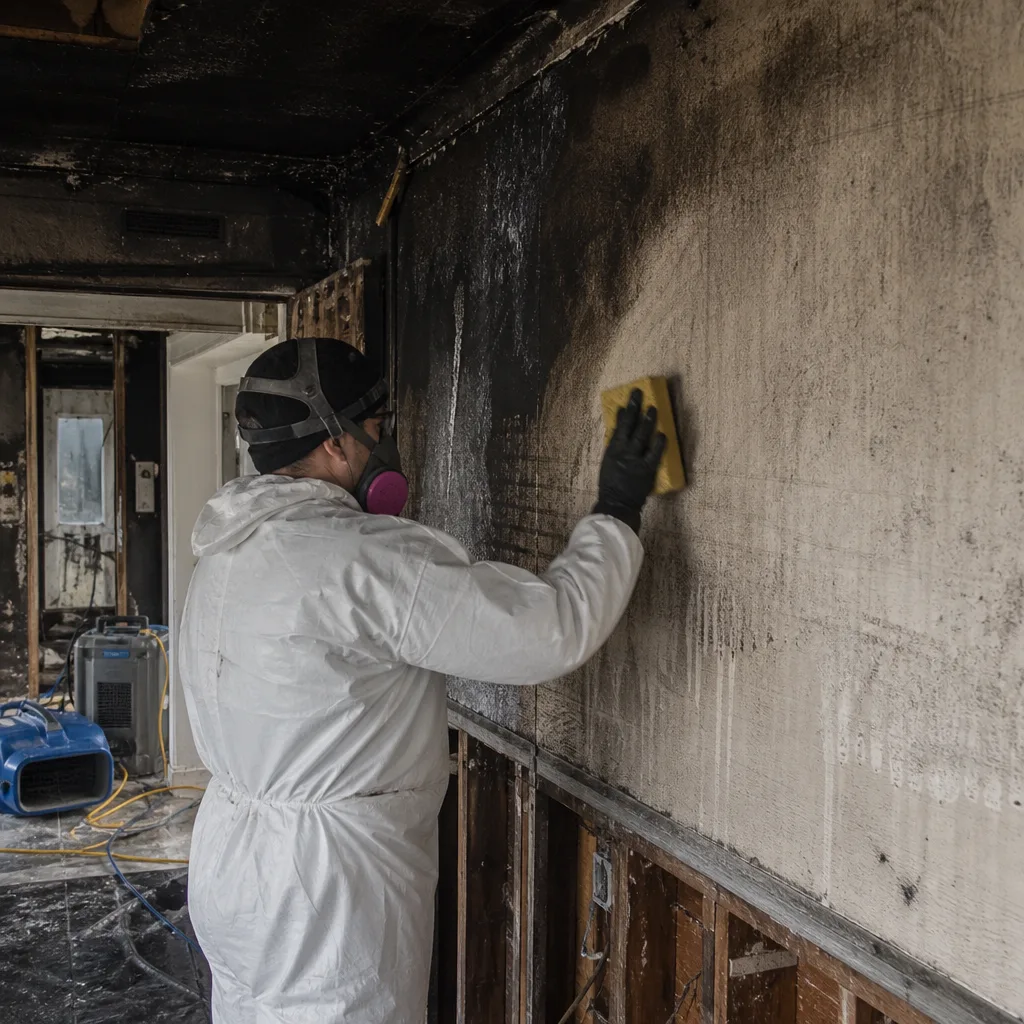
Soot in a Union Square loft is rarely a one-surface problem. It’s on the tin ceilings, inside the crown moldings, behind the radiators, and deep in the mortar lines of exposed brick. We remove it mechanically first, then chemically, then we verify with surface testing before anyone thinks about paint. Chemical sponges handle dry soot; degreasers handle the greasy protein residue from kitchen fires; vacuum removal with HEPA filtration keeps airborne particles out of adjacent units.
Odor Removal & Deodorization
This is the step that separates real restoration from a paint job. Hydroxyl generators run safely while you’re home and neutralize odor molecules in the air and on surfaces. Thermal fogging pushes a deodorizing agent into the same pores and voids where smoke traveled. In a 1908 loft with original brick and timber, odor trapped in masonry re-releases for months unless it’s neutralized at the source. We treat the source, not the symptom.
Emergency Board-Up & Tarping
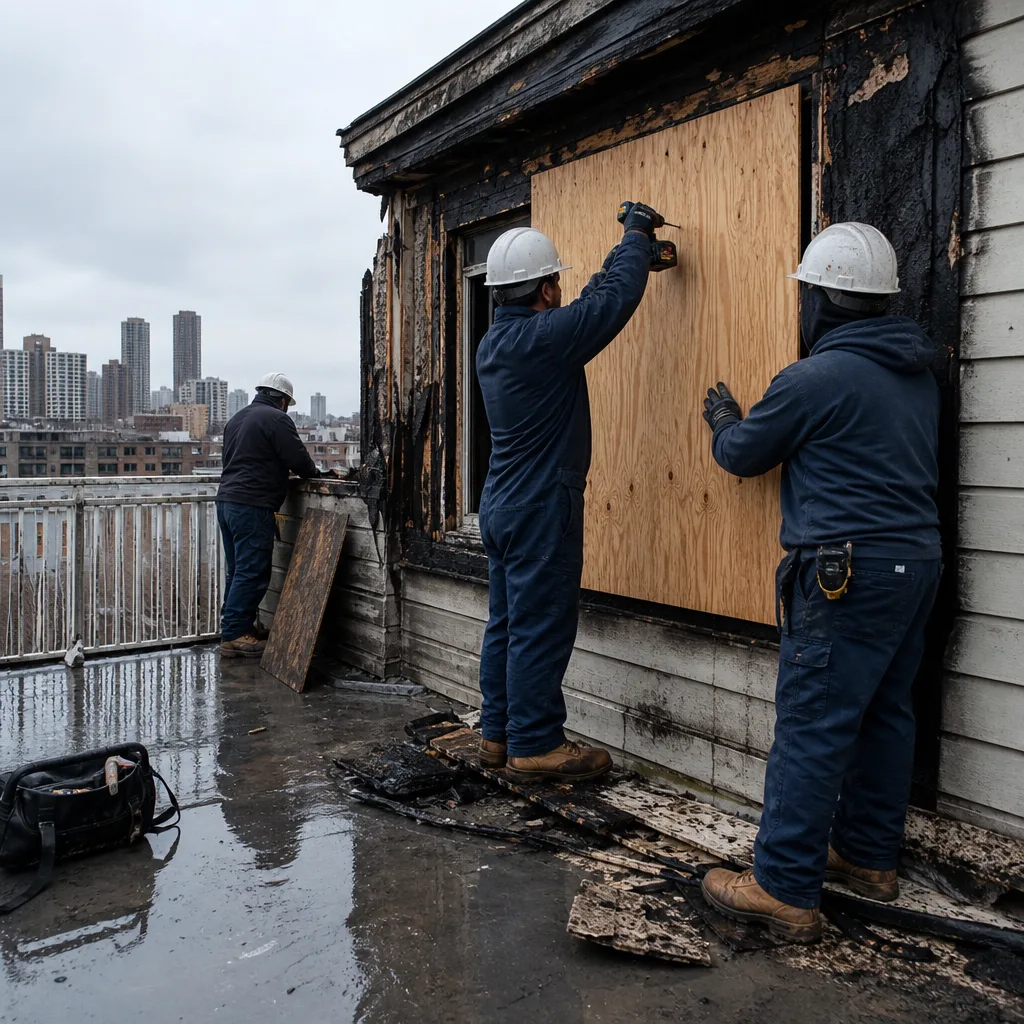
After a fire in a pre-war Union Square building, broken windows and burned sections of facade need immediate enclosure. But drill into landmark-era terra cotta and you’ve created a second problem: facade damage that triggers DOB violations and Landmarks headaches. We board up and tarp in a way that protects the opening without damaging the original masonry, and we coordinate with building management and the DOB when required. Speed matters, but so does doing it without creating a compliance mess.
Fire Damage Cleanup
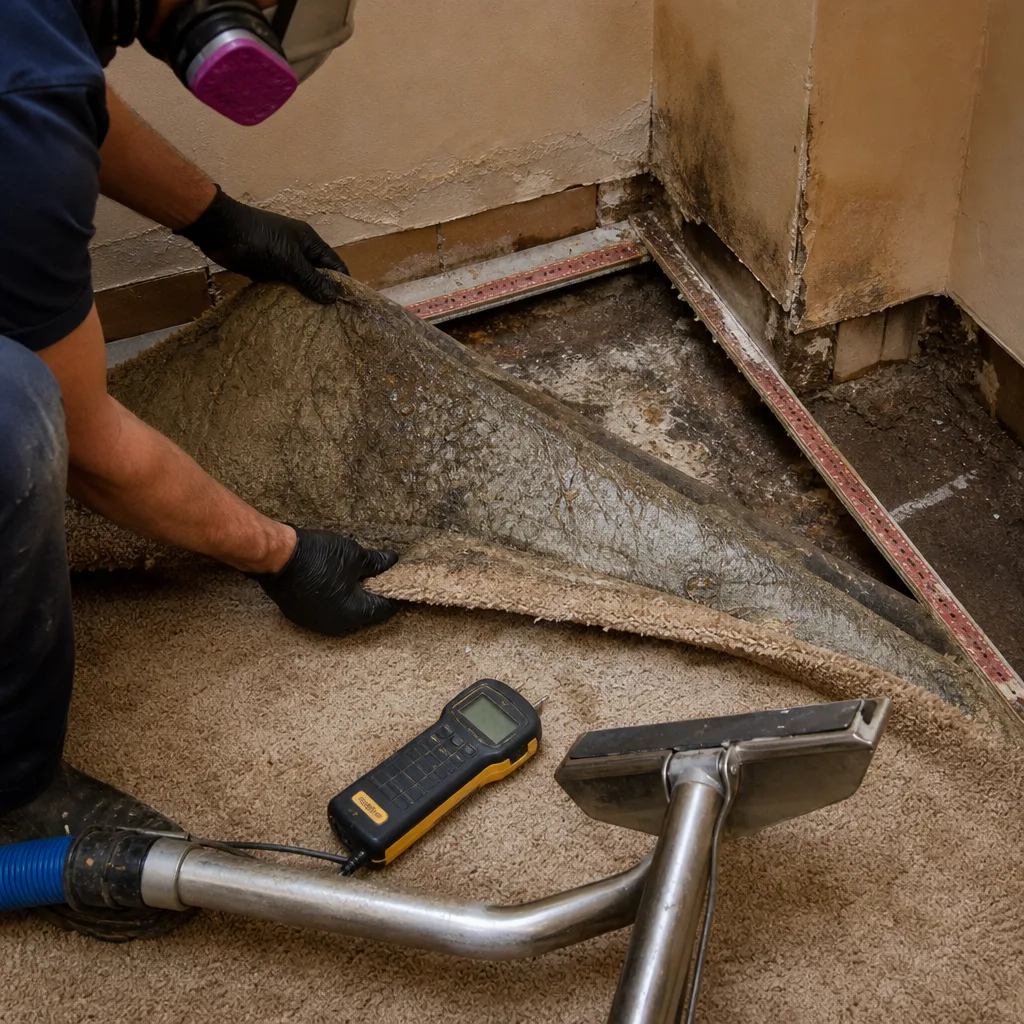
Debris removal, charred material disposal, and surface preparation. In Union Square loft conversions, this often means working around original details worth saving: cast-iron columns, tin ceilings, wide-plank floors. We clean what can be cleaned and remove only what must go. It’s slower than gutting everything, but it preserves what the building is.
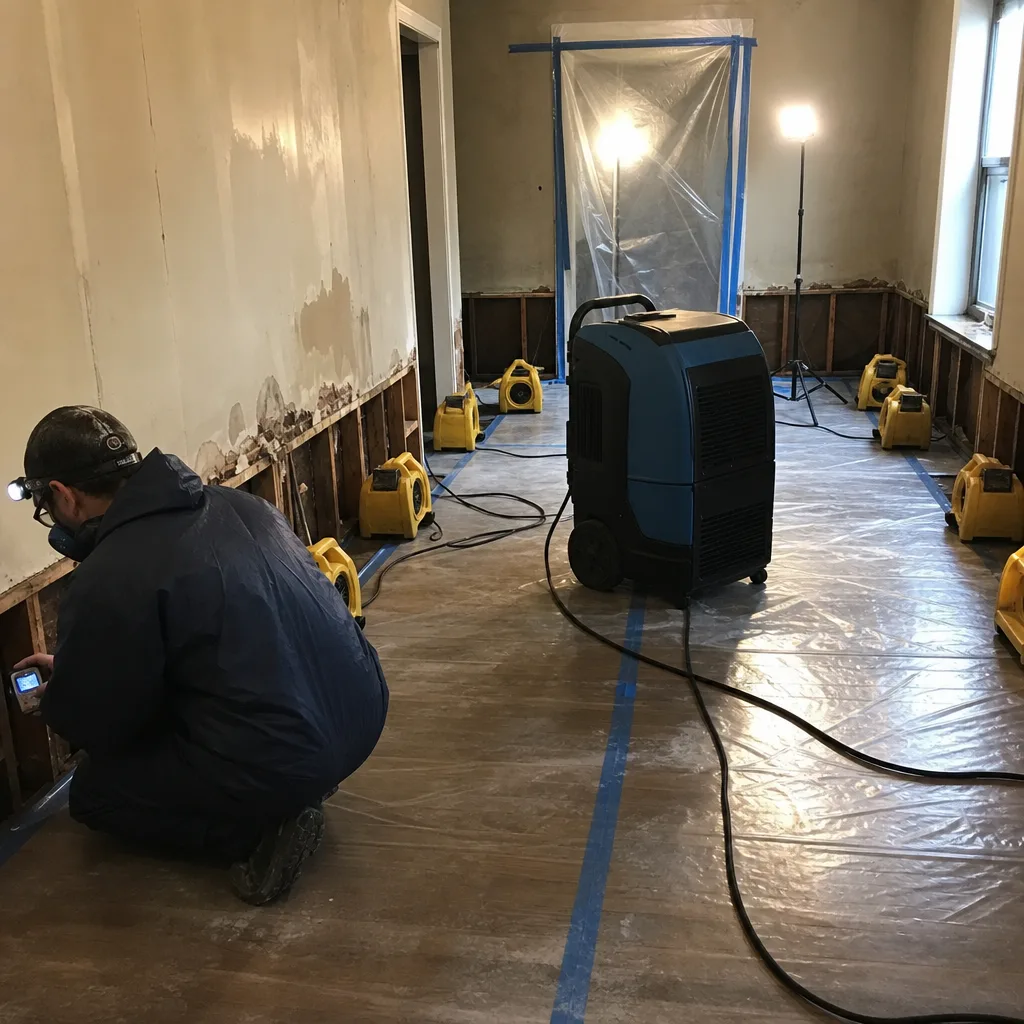
Contents Cleaning & Pack-Out
When smoke moves through a Union Square unit, it goes through closets, drawers, and furniture. We inventory, document, pack out, clean, and store contents off-site when needed. In shared-building events where multiple units are affected, a coordinated pack-out prevents the cross-contamination that happens when neighbors start moving things through a shared hallway themselves. We handle it as one system, not one apartment at a time.
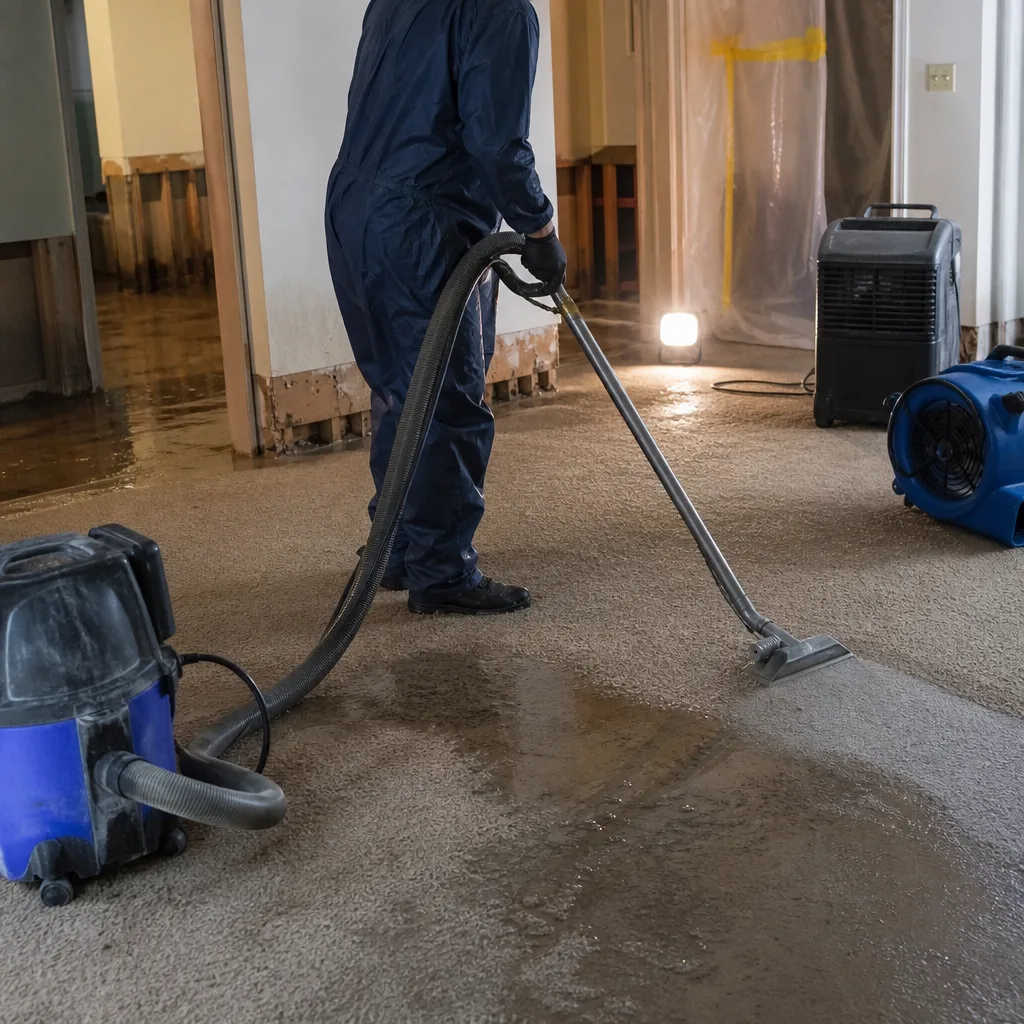
What happens when you call
- 1
A real person answersNo phone trees - you reach a local pro.
- 2
You get an upfront price rangeHonest numbers before anyone is dispatched.
- 3
A background-checked tech heads outLicensed & insured, dispatched right away.
- 4
You approve before work beginsNothing starts until you say go.
Fire & Smoke Damage Restoration Costs in Union Square, NY
Union Square pricing reflects the building stock: masonry, high ceilings, landmark constraints, and shared voids mean more containment, more air scrubbing, and more labor per square foot than a suburban drywall house. Basic smoke and soot cleanup in a single apartment typically runs $2,800-$6,500. Full odor removal with hydroxyl and thermal fogging adds $1,200-$3,800 depending on square footage and ceiling height. Emergency board-up after a fire in a pre-war loft runs $800-$2,400, more when landmark enclosure compliance is required. Contents pack-out and cleaning runs $1,500-$5,000 for a typical one or two-bedroom unit. Full structural fire repair, including framing, plaster restoration, and finish work, typically falls between $18,000 and $85,000, and it’s driven by how much original material survived and whether the building requires landmark-grade finishes. Insurance covers most of this when the fire was sudden and accidental. The free visual inspection gives you a firm, written scope before any work starts, so the number on the estimate is the number on the bill. That’s the square deal, and it’s the only way we work.
We Also Serve Cities Near Union Square
Our Union Square crews regularly respond to fire and smoke damage calls in Fairview, Harrison, East Bronx, and Hunts Point. The building types differ, the response routes differ, but the standard doesn’t: same certified crews, same 45-minute commitment, same 90-Day Done Right Promise in writing.
Serving Union Square, NY - Our Local Coverage Area
We’re based in the Union Square area and know this community well. Use the map below to see our service coverage - if you’re nearby, we can almost certainly help.
Union Square Fire & Smoke Damage Restoration Questions, Answered
How does fire damage restoration differ in a Union Square pre-war loft building versus a modern high-rise?
In a pre-war loft, smoke and soot travel through shared wall cavities, old elevator shafts, abandoned ductwork, and original cast-iron chases, so the affected area is almost always larger than the fire room itself. Modern high-rises have more compartmentalization. Union Square loft work requires full-floor containment, aggressive air scrubbing, and moisture and thermal imaging through brick and timber assemblies that hide damage standard drywall can’t. Call (917) 924-4221 and we’ll assess your specific building’s migration pattern.
Can original cast-iron radiators and steam pipes be cleaned after a fire, or must they be replaced?
Most original cast-iron radiators and steam pipes can be cleaned and preserved after a fire. Soot deposits on the cast-iron surface and inside the fins respond to degreasing and mechanical cleaning, and the metal itself rarely sustains fire damage that requires replacement. The risk is pinhole leaks from age and corrosion, which pre-date the fire in most Union Square buildings. We inspect every radiator and pipe run during the assessment, and we’ll tell you which ones are worth saving and which were already failing. Estimates are free.
Why does smoke odor linger in Union Square loft buildings even after repainting?
Because the odor is not in the paint. It’s in the pores of the original brick, the old mortar joints, the timber floor joists, and the dust coating inside wall cavities and chases. Paint seals the surface but the odor molecules trapped behind the paint and inside the masonry keep off-gassing for months. You have to remove, neutralize, or seal the source before any repainting, and that requires hydroxyl generation, thermal fogging, or both, applied to the materials themselves, not the finish. Call us and we’ll explain what your building actually needs.
Is emergency board-up required by Union Square’s building codes after a fire in a converted loft?
Yes, in nearly every case. The DOB requires that any fire-damaged opening be immediately secured to prevent additional damage, building access, and deteriorating conditions. In landmark-district buildings around Union Square, the board-up also has to preserve the facade’s original character and avoid drilling or fastening that damages terra cotta or brick. We handle board-up for pre-war masonry buildings regularly, and we coordinate with building management and the DOB so the temporary enclosure doesn’t create a permanent violation. Call (917) 924-4221 for immediate board-up.
Do you need to pack out contents from a Union Square loft during smoke damage restoration?
If smoke moved through closets, drawers, or furniture, yes, you probably need at least a partial pack-out. Smoke particles are small enough to penetrate clothing fibers, upholstery, and paper even inside closed cabinets. In Union Square loft buildings with shared voids, a full-unit pack-out is often necessary because the smoke came from a neighboring unit and spread across the entire floor. We inventory, document, clean, and store contents off-site when needed, and we coordinate the pack-out with your insurance carrier so nothing gets lost and everything gets restored or accounted for.
How quickly can you actually reach Union Square?
We commit to a 45-minute response for emergency fire calls anywhere in Union Square. Our dispatch coordinates crews from within the New York City footprint, so we’re not coming from New Jersey or Long Island. The crew that arrives is the crew that starts work, not a salesman who takes notes and disappears. Call (917) 924-4221 and a live person will tell you exactly when we’re rolling.
Will insurance cover the full fire and smoke restoration in Union Square?
Most Union Square homeowners and co-op policies cover sudden and accidental fire damage, including smoke and soot remediation, odor removal, board-up, contents pack-out, and structural repair. The gap is almost always in the scope, not the coverage. That’s why we document everything from hour one, write a line-item scope to industry standards, and communicate directly with your adjuster. Our direct insurance billing means you’re not fronting thousands in cash and hoping for reimbursement. We work the claim with you, not against you.
What should I do in the first 30 minutes after a fire in my Union Square apartment?
Call your building management, then call us at (917) 924-4221. Don’t enter the unit until the fire department says it’s safe. Don’t wipe or clean anything, even if the soot looks light. Don’t turn on the HVAC or open windows, because that pushes smoke deeper into voids and neighboring units. Don’t throw anything away until it’s been documented. The first 30 minutes determine whether the loss is one room or one floor. We’ll guide you through it on the phone while the crew is en route.
Written by Curt Bowman, Owner at Floodline Restoration Co. of Manhattan, serving Union Square and the surrounding New York City area since 2010.