
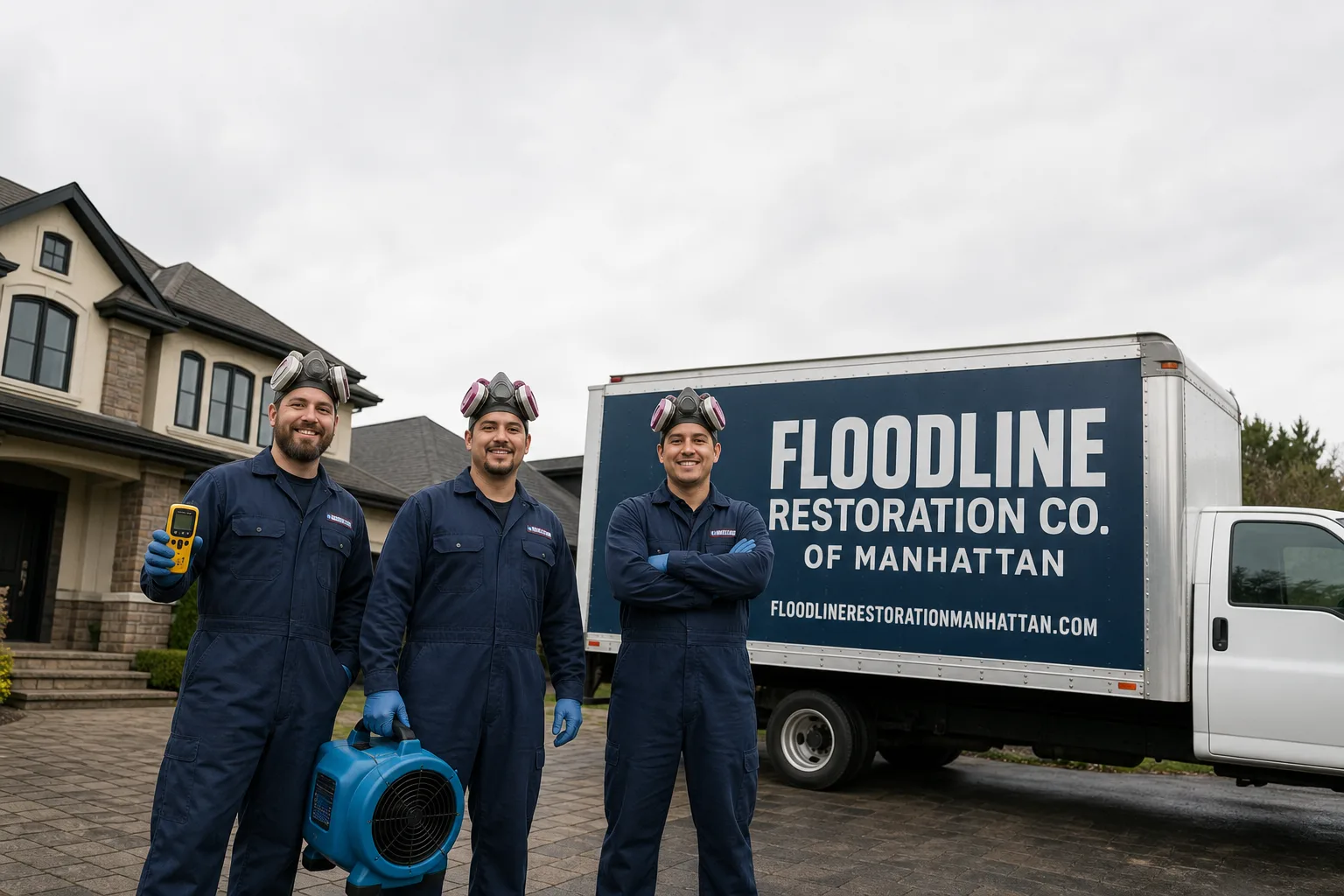
Free visual inspection and a written scope of work before any mitigation begins - photos, moisture readings, and drying logs go in your claim file
The scope we write is the scope we bill. Anything new gets shown to you, in writing, before we touch it.
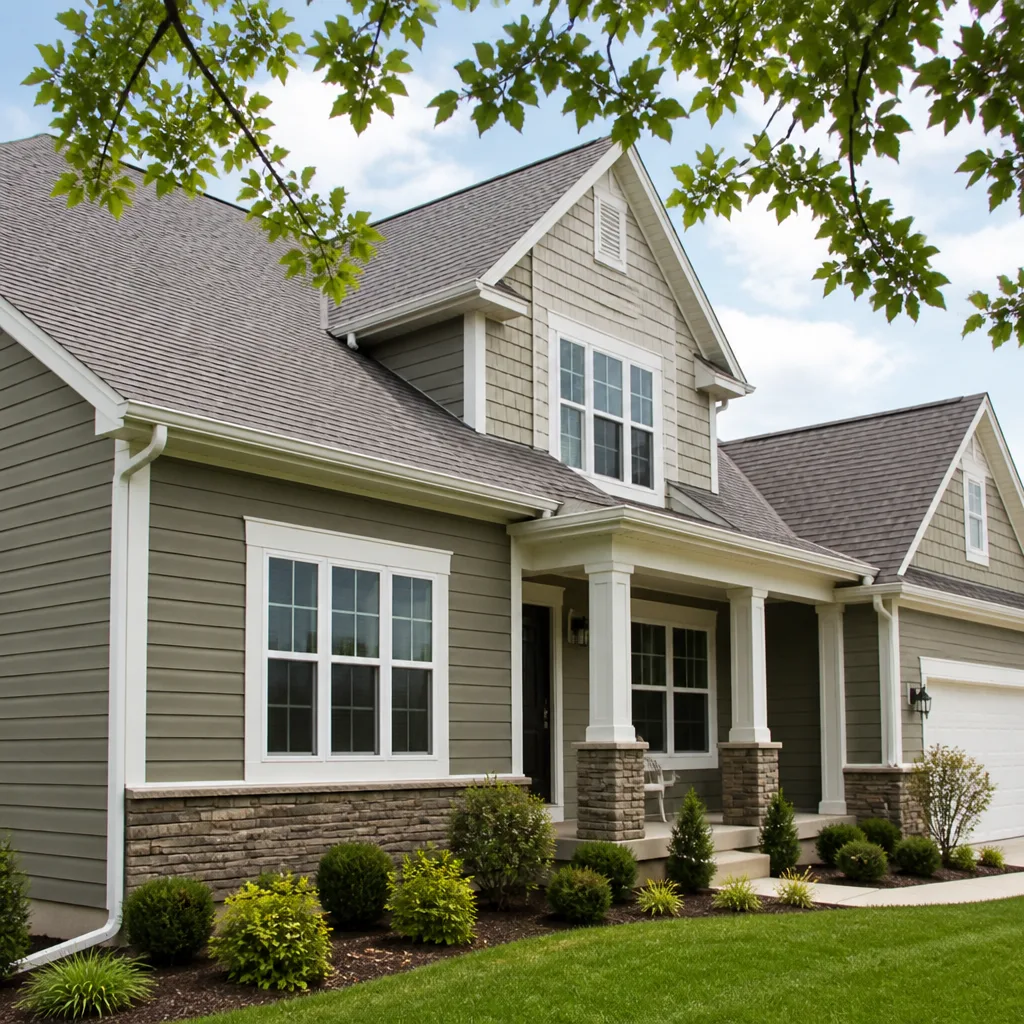
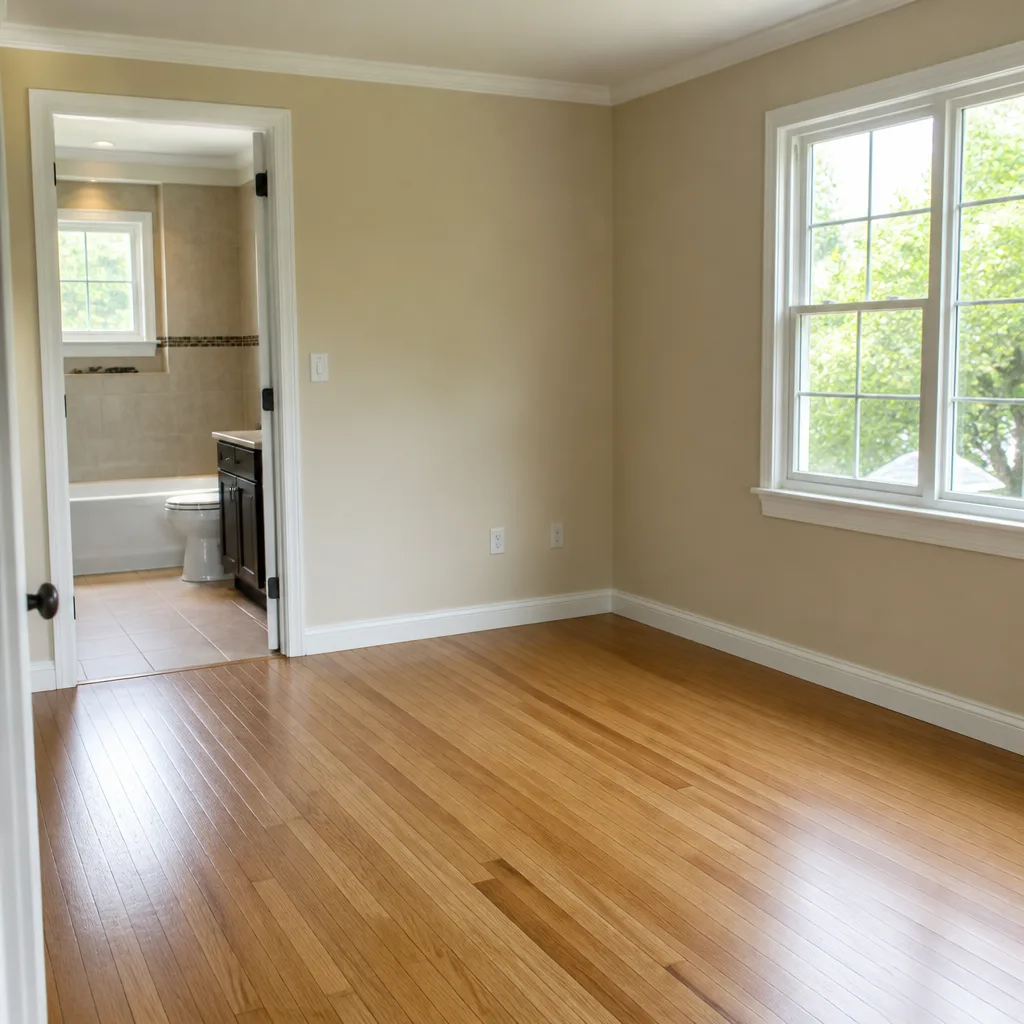
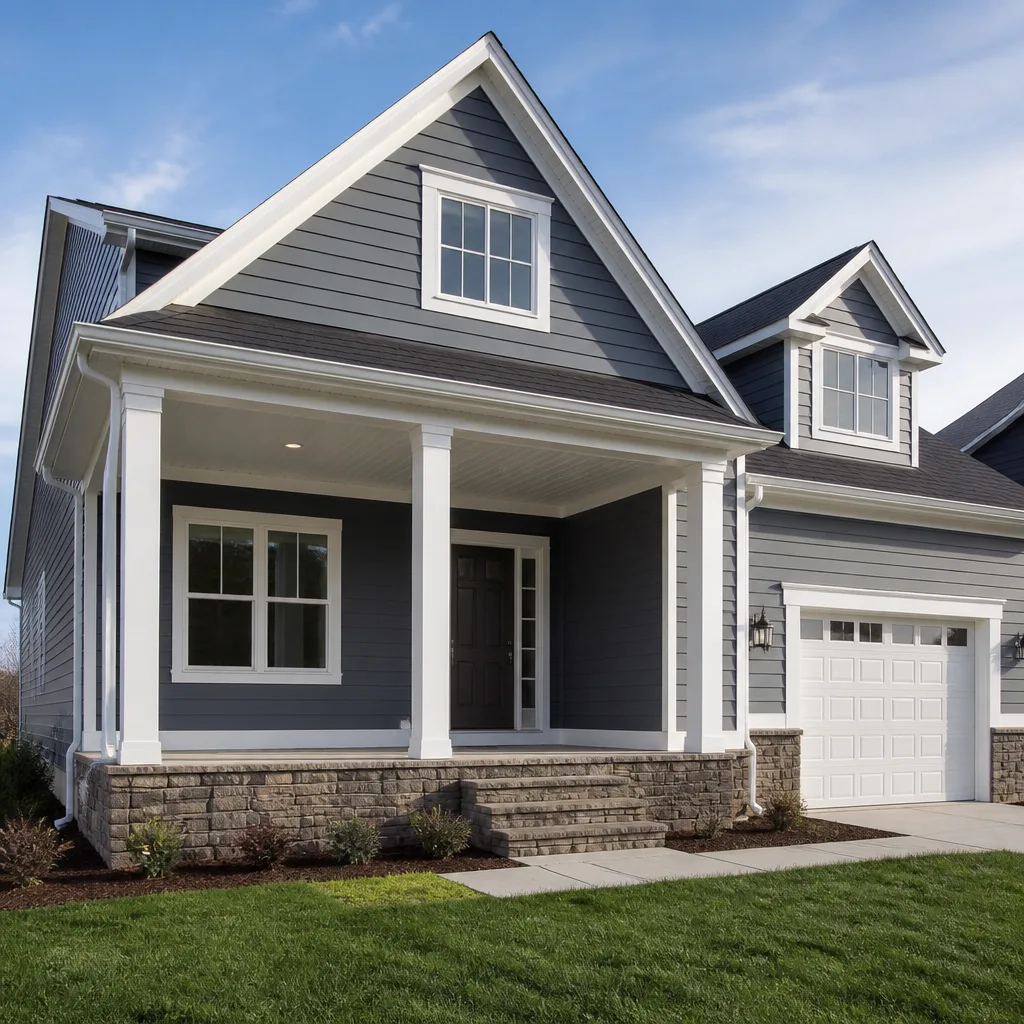
 Before
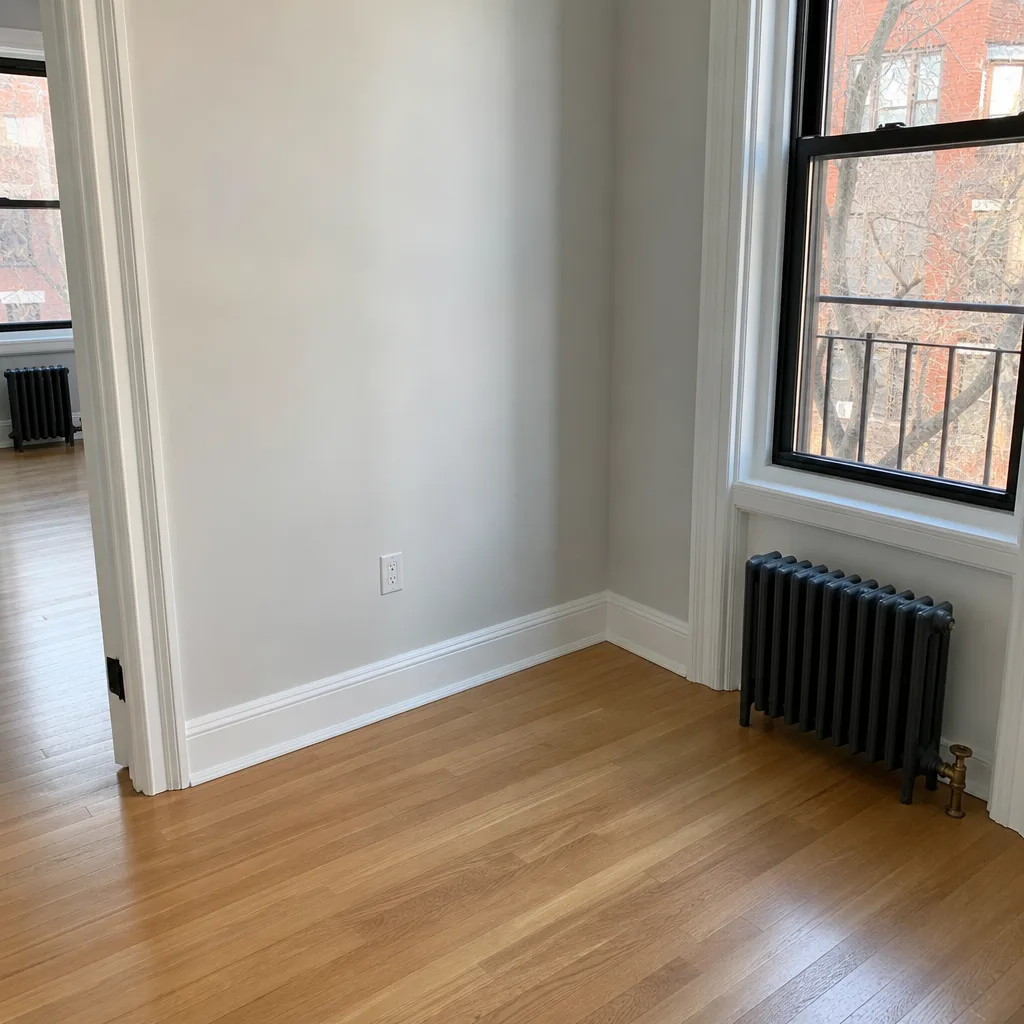 After
After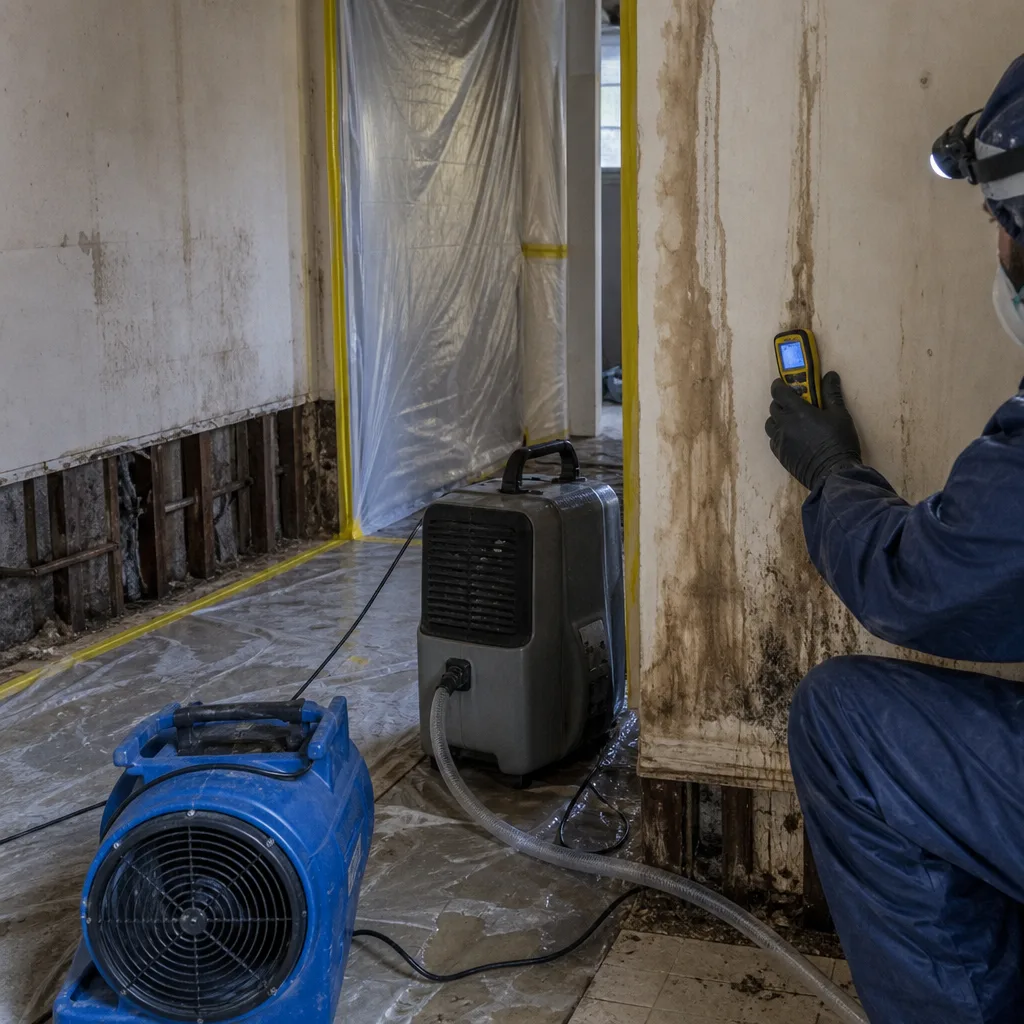 Before
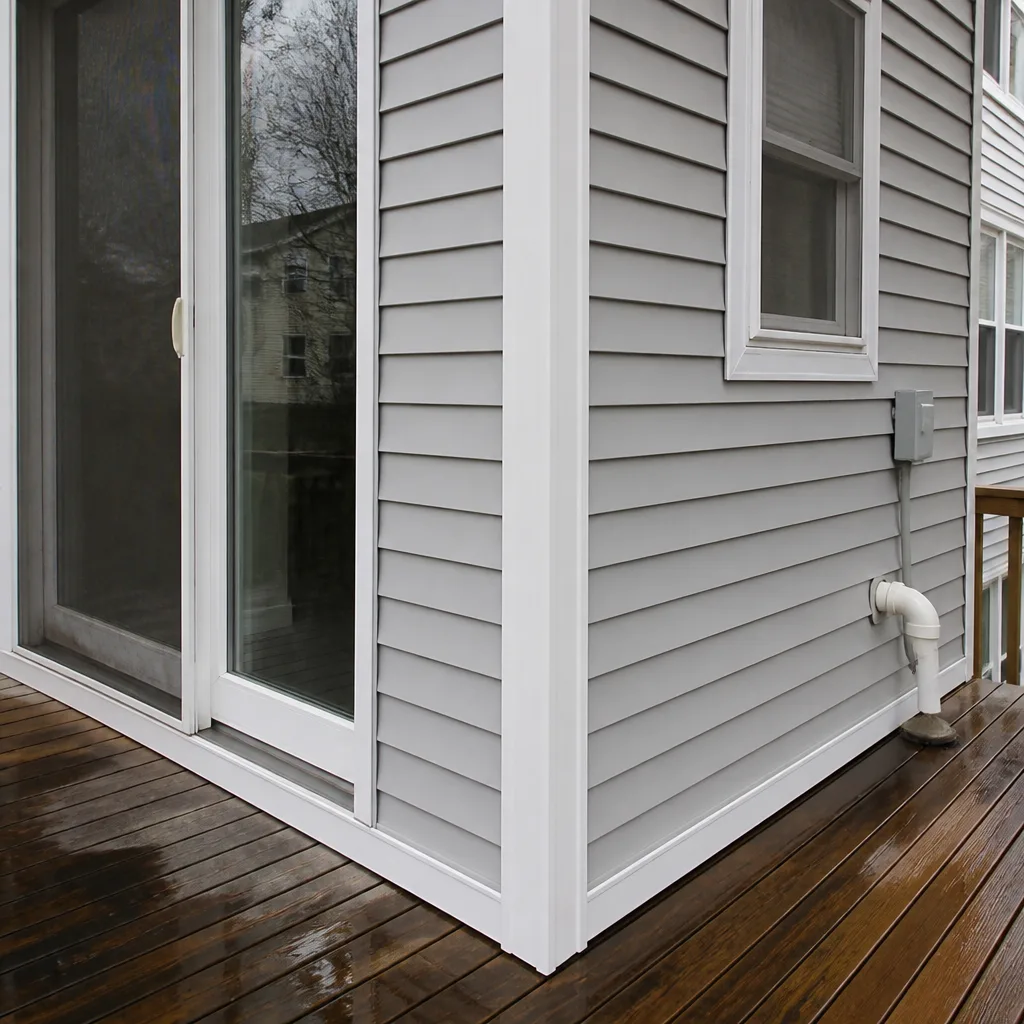 After
After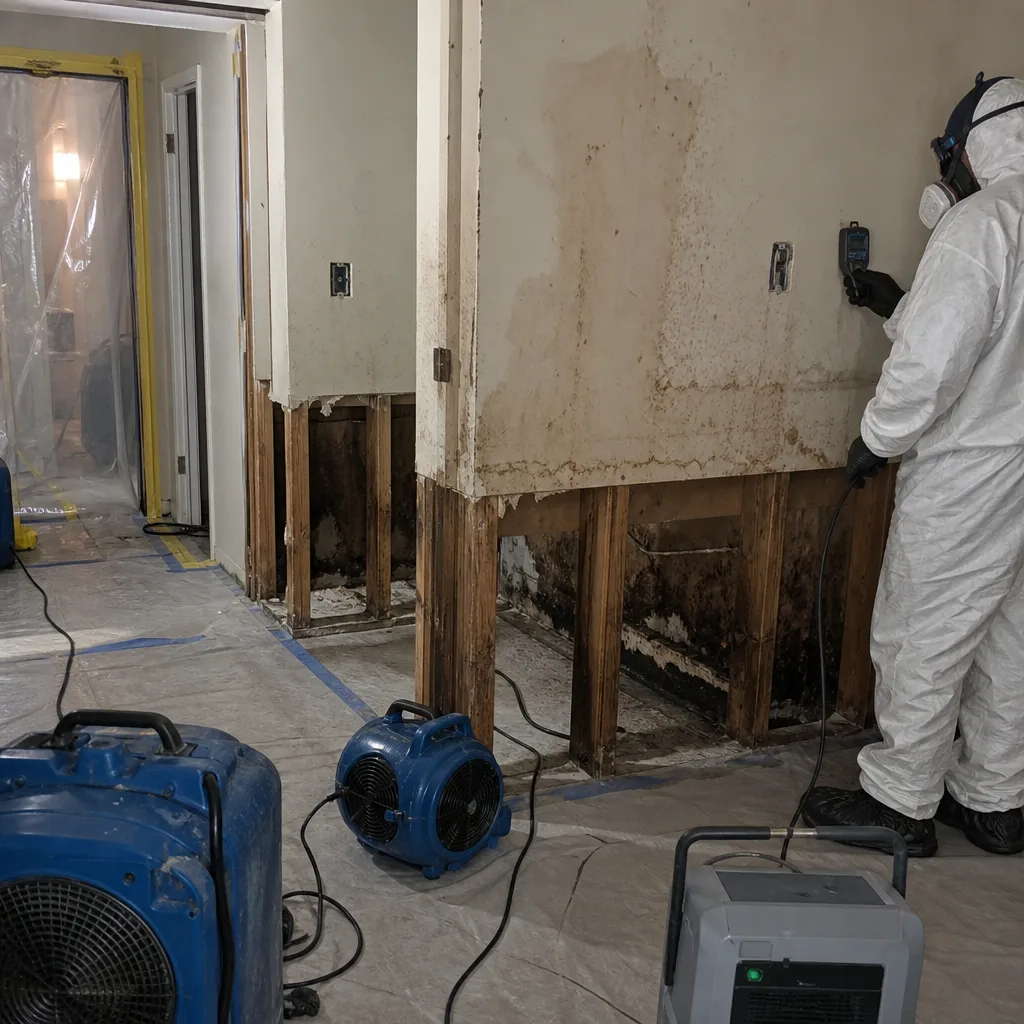 Before
 After
After24/7 Emergency Mold Remediation in Midtown West
Mold in Midtown West moves fast, and so do we. If you’ve spotted dark staining on drywall, caught a musty smell near a bathroom exhaust, or had a steam pipe leak in a Hell’s Kitchen walk-up, call (917) 924-4221 right now. A live dispatcher answers at 2 a.m. the same way they answer at noon. We’ll send a background-checked, IICRC-certified crew from our New York City office to any address in Midtown West, usually within 45 minutes. The first hour matters because mold colonies establish within 24 to 48 hours of a moisture event, and every day of delay means more demolition, more drying time, and a bigger bill. Our visual inspection is free. If we find mold, you’ll get a written scope of work before any equipment gets plugged in. If we find nothing, we’ll tell you that too, and we won’t manufacture a problem. That’s the square deal Floodline Restoration Co. of Manhattan has delivered since Curt Bowman founded the company in 2010.
Understanding Mold Remediation Severity in Midtown West Properties
Mold severity in Midtown West tracks directly to building age and construction type. In Hell’s Kitchen’s pre-war tenements from the 1900s through 1930s, original lath-and-plaster walls hold moisture far longer than modern gypsum board. Those thick plaster sections can require 4 to 7 days of continuous drying after a Category 2 or Category 3 water event, and if a crew pulls equipment early, mold hides behind baseboards and wainscoting for months. That’s the single most common failure we see from other contractors in this neighborhood: treating a plaster wall like drywall and walking away too soon.
In Hudson Yards luxury towers, the risk profile flips. Building management systems control fresh air, humidity, and temperature centrally. If portable dehumidifiers run against a BMS that keeps chasing the same humidity setpoint, drying stalls, and mold gets a second window to grow. Our crews coordinate with building engineers to match equipment to the building’s automation rather than fighting it. Throughout Midtown West, the unifying issue is confined space and shared infrastructure: pipe chases without as-built drawings, utility risers that serve five floors at once, and no room to set up the kind of drying footprint a suburban basement job allows.
Why Midtown West Property Owners Choose Floodline Restoration Co. of Manhattan
- 45-minute response commitment – Our crews stage throughout Midtown West and reach most addresses between West 34th and West 59th Streets in under an hour, including hotel towers near Times Square.
- A real person answers, 24/7 – You’ll never sit through an automated phone tree when you call (917) 924-4221. A live dispatcher picks up, asks about your building, and gets a crew rolling.
- IICRC-certified crews – Our technicians hold IICRC certifications including Water Restoration Technician (WRT) and Applied Microbial Remediation Technician (AMRT), trained through RIA and IFA standards as well.
- Free visual inspection – We’ll assess the visible mold, check for hidden moisture with thermal imaging and hygrometers, and explain what we found in plain terms before you spend a dollar.
- Direct insurance billing – We document everything from hour one, bill your carrier directly, and talk to your adjuster so you don’t have to translate construction scope into insurance language.
- One team, start to finish – The same certified crew that sets containment and removes mold handles the rebuild. No mid-job handoff to a subcontractor you never vetted.
Our Mold Remediation Process
Inspection & Assessment
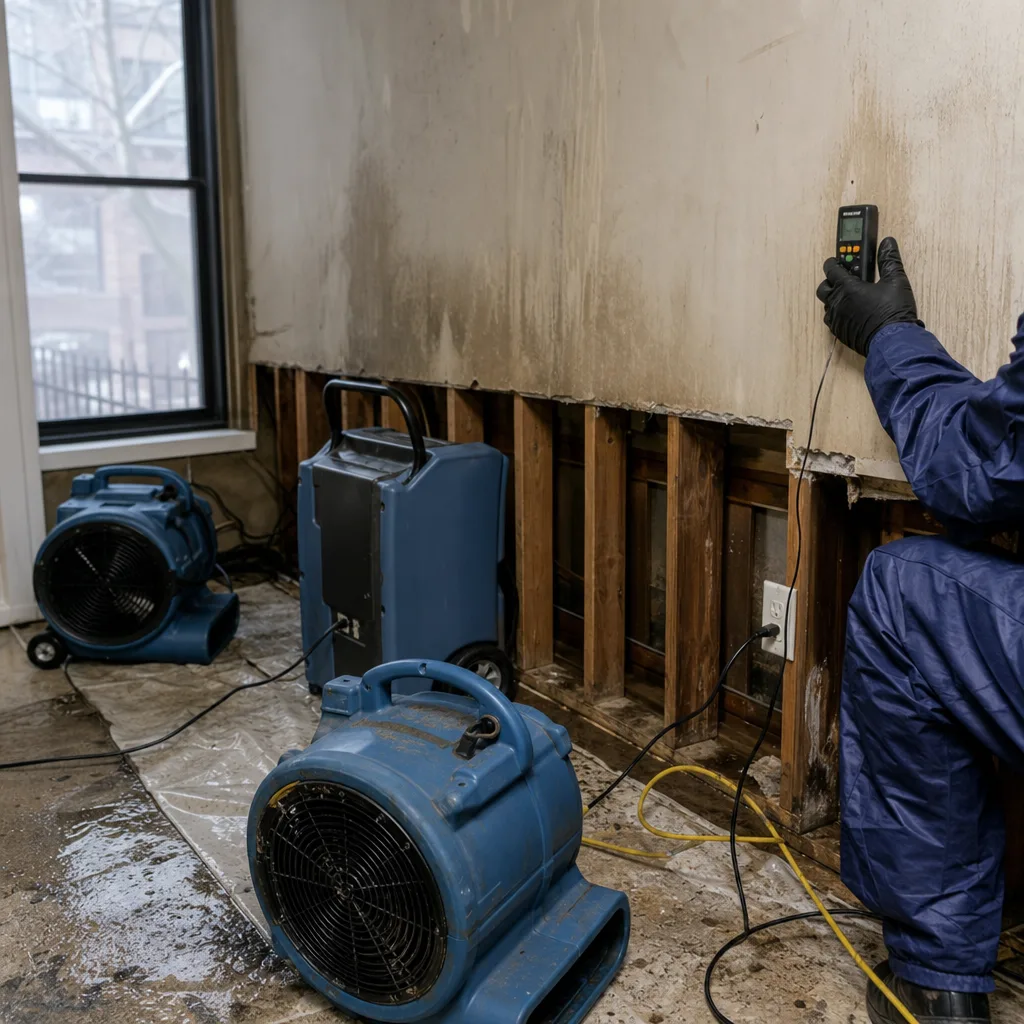
We start with a visual inspection, thermal imaging, and moisture meter readings across all affected surfaces. In Midtown West’s older buildings, this means tracing water paths through wall cavities and riser chases, not just looking at the visible stain.
Containment & Stabilization
Before any demolition, we seal the work area with 6-mil poly barriers and set up negative air pressure with HEPA-filtered air scrubbers. This keeps spores from spreading to adjacent apartments, occupied hotel rooms, or shared hallways during the job.
Drying & Dehumidification
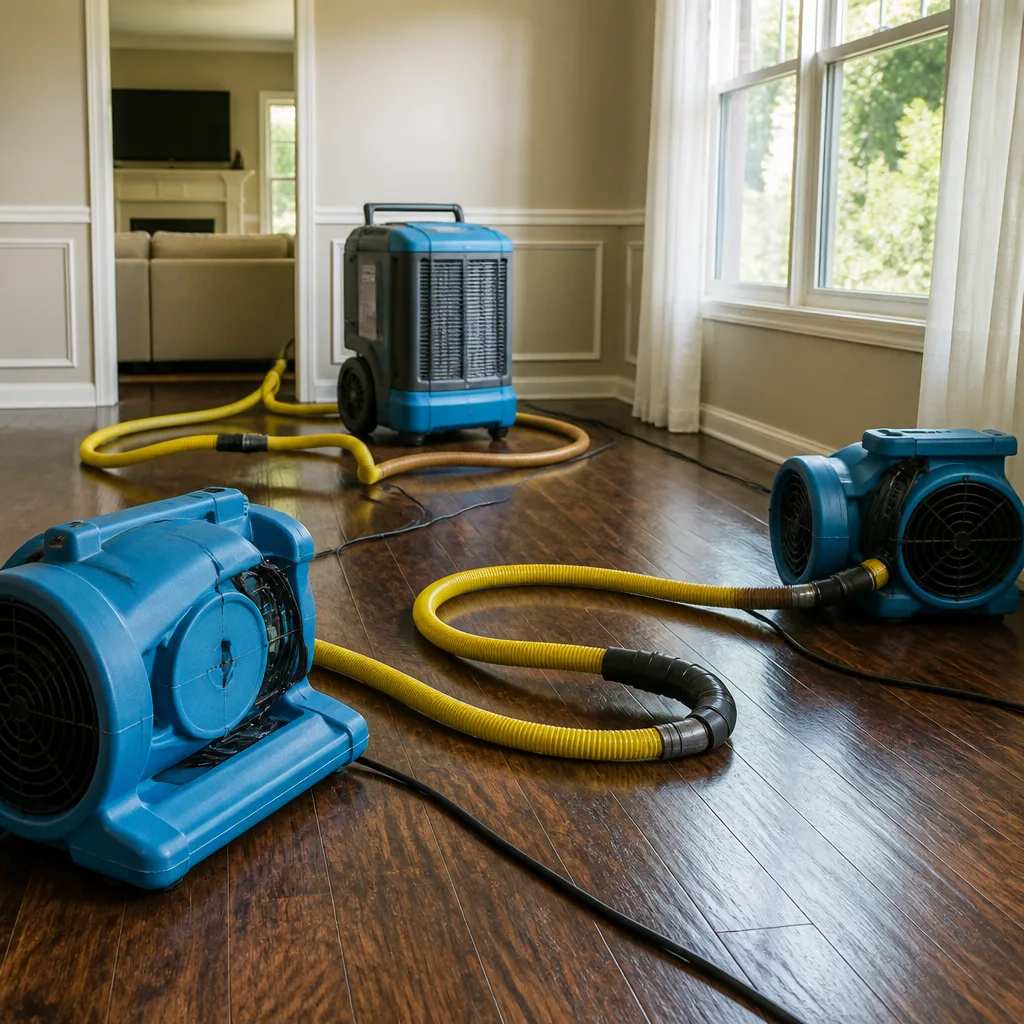
We run Dri-Eaz dehumidifiers and Phoenix air movers sized to the actual moisture load, with daily readings logged until the dry standard is met. For thick plaster walls in pre-war buildings, we extend drying time rather than guessing.
Removal & Sanitization
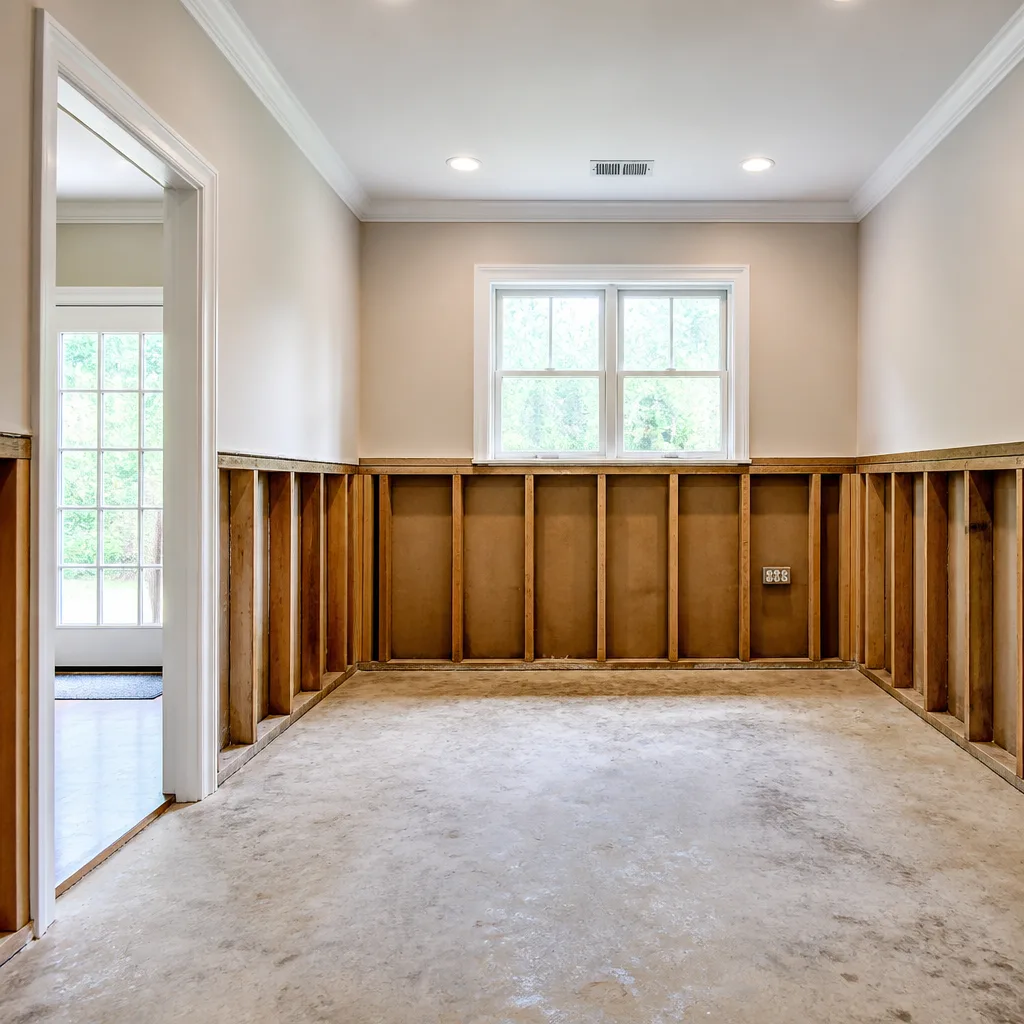
All contaminated porous material is bagged and removed under containment. We then HEPA-vacuum and apply antimicrobial treatment to exposed framing and wall cavities, including steam riser chases where hidden mold often lingers.
Specialty Treatment
For black mold (Stachybotrys) and other toxigenic species in Midtown West buildings, we run post-remediation air sampling and surface swabs through an independent environmental lab before we call the space clear.
Repairs & Restoration
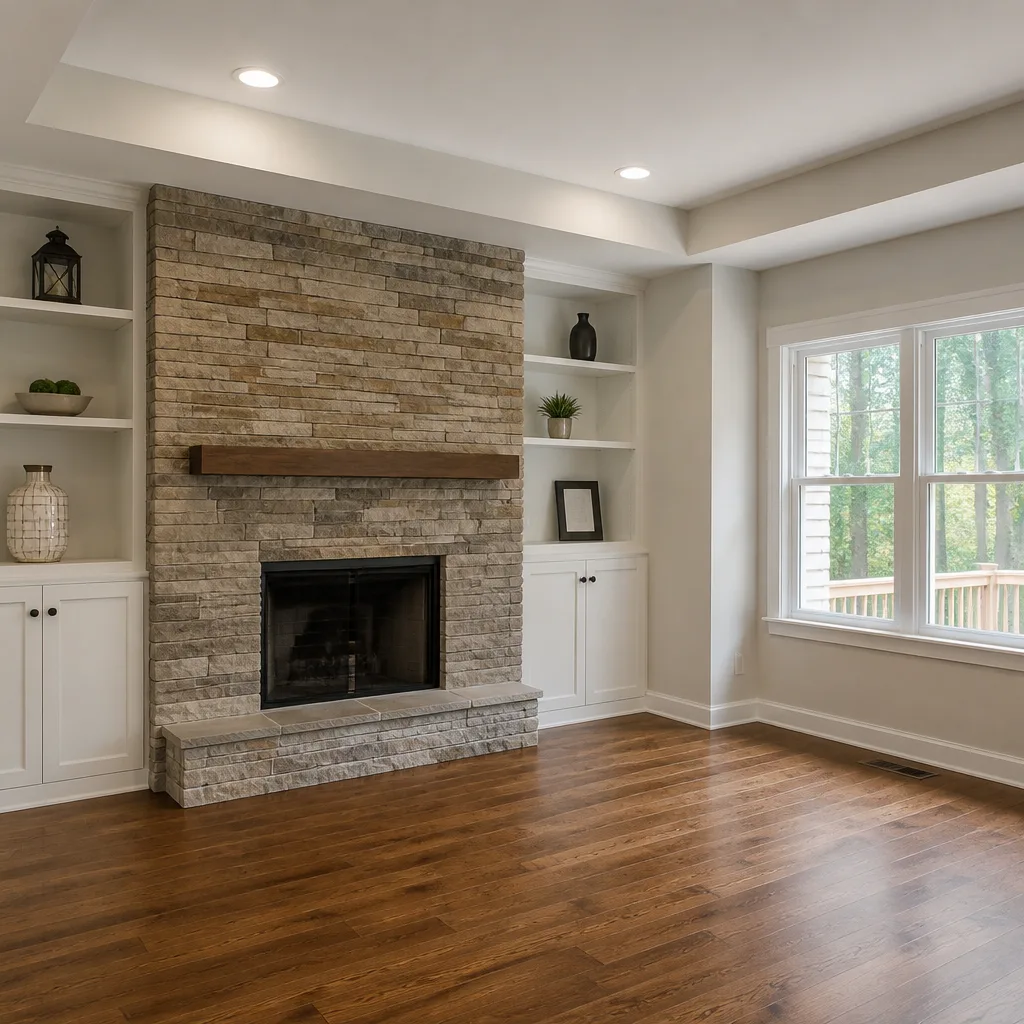
Our carpenters and finishers rebuild what we removed to match the original. In pre-war buildings, that means matching plaster profiles and trim profiles. In Hudson Yards towers, we coordinate with building management on finish specifications.
Need Emergency Mold Remediation in Midtown West Now?
Crews minutes away, answering live 24 hours a day. The sooner we start, the less it costs.
Working With Your Insurance Company
Most mold remediation in Midtown West is covered when tied to a sudden and accidental water event: a burst pipe, a failed steam valve, a roof leak from a nor’easter. Gradual seepage without a documented event is harder to get covered, but we’ve won plenty of those claims with good documentation. From the first hour, our techs photograph every surface, log every moisture reading, and note every piece of material removed. We send that documentation to your adjuster directly, walk them through our line-item scope of work, and push back when a carrier tries to lowball the loss. You never play messenger between Floodline Restoration Co. of Manhattan and your insurance company. That’s been how we’ve operated since 2010, and it’s a big part of why homeowners in Midtown West stay with us for every subsequent claim.
What We Provide Your Insurer
- Thorough documentation of the loss
- Photos of all damage, room by room
- Moisture readings and drying logs
- A detailed, line-item scope of work
- Direct coordination with your carrier
Built for Midtown West’s Loss Calendar
Midtown West’s mold season doesn’t follow a single curve. January and February bring deep freezes that snap supply lines in Hell’s Kitchen tenements where pipe chases run through unheated exterior walls. When a fifth-floor supply line lets go at 3 a.m., water travels through four floors of wall cavities before the super reaches the basement shutoff. March and April bring thaw cycles and rising water tables along the Hudson River side of the neighborhood, where older buildings near former industrial piers see basement seepage that pushes relative humidity past the point where mold colonizes on stored boxes and organic building materials. Summer thunderstorms overwhelm combined sewers in low-lying blocks west of Tenth Avenue, causing brief Category 2 backups in basement laundry rooms and mechanical rooms. And through it all, the hotel corridors near Times Square run their own hidden moisture load: hundreds of bathrooms per block, full occupancy, and condensate drain lines that no one thinks about until a ceiling in a lobby stains. Floodline Restoration Co. of Manhattan has crews staged across Midtown West year-round because the water calendar here never actually empties.
Mold Remediation Across Midtown West’s Neighborhoods
Midtown West is not one housing market, and treating it that way gets remediation wrong. In Hell’s Kitchen, between West 34th and West 59th, west of Eighth Avenue, we work in pre-war tenements and mid-rise walk-ups where original one-pipe steam systems run through shared wall cavities. A leak above you is your leak too, and mold follows the moisture into your apartment even if the source is three floors up. Around the Times Square corridor and the Theater District, hotel properties need mold remediation without shutting down revenue-generating floors. That means hotel-grade containment with negative air, HEPA scrubbers on the return side, and work scheduled around occupancy. In Hudson Yards, from West 30th to West 34th along the Far West Side, high-rises with BMS-controlled ventilation require close coordination with building engineers; we adjust equipment to complement the building’s automation rather than fight it. And in the blocks between Penn Station and the Garment District, mixed-use buildings with street-level retail and offices above need remediation scheduled around tenant operations, often at night and on weekends. Each of these zones has its own rhythm, and our crews know them block by block.
Specialized Mold Remediation Services We Offer in Midtown West
Mold Inspection & Testing
When a tenement apartment on West 47th Street shows staining across a ceiling, the real question is whether the spore load is contained to one cavity or moving through shared riser spaces. We inspect with thermal imaging and moisture meters first, then take air and surface samples if you need documented evidence for an insurance claim or a co-op board. Sampling goes to an independent lab; we don’t test in-house and rubber-stamp our own work.
Black Mold Remediation
Black mold gets headlines, and in Midtown West’s older buildings it’s a real concern: saturated plaster and organic materials in dark wall cavities are exactly where Stachybotrys thrives. We remove contaminated materials under full containment, scrub the air, and treat surfaces with antimicrobial agents. Post-remediation testing confirms the space cleared. If you have black mold behind a kitchen sink in a Hell’s Kitchen walk-up, that’s an AMRT-level job, not a bleach-and-paint job.
Mold Removal
For non-toxigenic mold from a slow bathroom exhaust leak or a window air conditioner drip, the work is smaller but the standard is the same: contain, remove, dry, treat, verify. We don’t do “spray and walk” remediation. In Hudson Yards towers and hotel properties, we also clean HVAC supply registers and return plenums if spores have entered the air stream.
Air Quality Restoration
After a mold job, the air in a Midtown West apartment or hotel room can still smell wrong or test high for spore counts. We run HEPA air scrubbers post-remediation, inspect the HVAC coil and duct surfaces, and in some cases fog with an EPA-registered antimicrobial. For occupied hotel floors, this step means the difference between guests complaining about a musty hallway and rooms that rent at full rate the same week.
Crawl Space Treatment
Some older Midtown West buildings, particularly converted commercial structures, have shallow crawl spaces or sub-basements with exposed soil and high humidity. We install moisture barriers, run dehumidification, and treat organic wood surfaces for existing mold growth. These spaces are often ignored until a smell reaches the ground floor retail tenant.
Moisture & Humidity Control
The best mold remediation in Midtown West is preventing the next outbreak. We calibrate permanent dehumidification for problem basements, recommend exhaust upgrades for bathrooms that never fully dry, and coordinate with building management in larger towers on ventilation setpoints. Mold follows moisture; we map the moisture, then cut it off at the source.
What happens when you call
- 1
A real person answersNo phone trees - you reach a local pro.
- 2
You get an upfront price rangeHonest numbers before anyone is dispatched.
- 3
A background-checked tech heads outLicensed & insured, dispatched right away.
- 4
You approve before work beginsNothing starts until you say go.
Mold Remediation Costs in Midtown West, NY
A visual mold inspection with moisture mapping in Midtown West typically runs $150 to $350, and we credit that amount toward remediation if you hire us. Small contained mold jobs, a bathroom ceiling or a single closet wall, generally land between $900 and $2,500 including removal, treatment, and basic repairs. A tenement apartment with mold spread through a shared wall cavity after a steam pipe leak runs $4,000 to $12,000, depending on how many floors were affected and whether plaster walls need rebuilding. Hotel rooms with isolated mold behind a bathroom vanity are usually $1,800 to $4,500 per room, with economies of scale when we’re addressing multiple rooms on a single floor. Black mold remediation with full containment and independent clearance testing starts around $3,500 and goes up from there. The price moves on square footage of affected material, whether structural drying is needed, and whether finishes need restoration matching original details. Insurance covers many of these jobs when tied to a documented event. Our Mold Remediation team writes a fixed scope before work begins, so the number we quote is the number you pay. Call (917) 924-4221 for a free visual inspection and a firm written estimate.
We Also Serve Cities Near Midtown West
Our Midtown West crews regularly run calls in the surrounding area, so we cover Midtown West and nearby communities with the same 45-minute commitment. That includes Fairview, Harrison, East Bronx, and Hunts Point. If you’re just outside the core Midtown West blocks and dealing with a moisture event, call us anyway. We’ll tell you honestly whether it’s our call or someone else’s.
Midtown West Mold Remediation Questions, Answered
How does mold remediation work in an occupied Midtown West hotel without shutting down floors?
We isolate the affected room or section with 6-mil poly containment and run negative air through HEPA-filtered scrubbers so spores never reach occupied corridors or adjacent rooms. Work is scheduled around housekeeping and occupancy hours; we have crews running overnight at Times Square hotels and handing the floor back before breakfast service.
Can mold from a steam pipe leak in a Hell’s Kitchen tenement spread to my apartment even if the leak started above?
Yes, and it regularly does. Original one-pipe steam systems run through shared wall cavities with no floor-level isolation. When a fifth-floor valve fails on West 47th Street, water flows through the cavity into four floors below, and mold follows the moisture into every apartment along that riser. If your upstairs neighbor had a leak, get an inspection even if your own unit never saw standing water.
What is the difference between Category 1 and Category 2 water when it comes to mold remediation?
Category 1 is clean water from a supply line or radiator, and mold risk starts at the 24-to-48-hour mark as that water sits and absorbs into building materials. Category 2 is water with significant contamination: washing machine discharge, condensate water, or clean water that has passed through soiled surfaces. Category 2 carries a heavier mold and bacteria load, and we treat the affected area more aggressively from the start. The category affects containment protocols, drying standards, and what materials get removed rather than dried in place.
Why does moisture mapping matter in Midtown West buildings with no as-built pipe chases?
Because the water you can’t see is the water that grows mold. In pre-war buildings with undocumented pipe chases, a leak above can travel horizontally and vertically through wall cavities, behind cabinets, and under flooring before it ever surfaces as a stain. We use thermal imaging and moisture meters to trace the actual water path, then set drying equipment precisely where the moisture is, not just where you saw the stain.
Do Hudson Yards high-rise buildings need different mold remediation than older Midtown West buildings?
Yes, significantly. Hudson Yards towers have building management systems actively controlling humidity and ventilation. Portable dehumidifiers can fight the building’s own HVAC, and you lose the drying war. We coordinate with building engineers to adjust BMS setpoints, then match our equipment to the building’s automation. Older Hell’s Kitchen buildings are the opposite: no automation, thick plaster walls, and we control every variable ourselves.
How fast can you actually get to my Midtown West property?
Most addresses in Midtown West see our crew within 45 minutes of your call. We stage trucks across the neighborhood specifically because hotel jobs and tenement leaks can’t wait for a technician to drive in from the borough’s edge. Call (917) 924-4221 and a live dispatcher will tell you exactly when your crew lands.
Will my insurance cover mold remediation in Midtown West?
If the mold is tied to a sudden and accidental event, a burst pipe, a steam valve failure, a nor’easter roof leak, most policies cover the remediation and the repairs. Gradual seepage is trickier, but our documentation, including moisture logs and line-item scopes, often gets those claims approved too. We bill your carrier directly and talk to your adjuster throughout the job.
What should I do in the first 30 minutes after I find mold in Midtown West?
Turn off the water source if you can identify one, and call us at (917) 924-4221. Don’t disturb the mold by scrubbing or spraying bleach; that releases spores into the air and makes the problem worse. Don’t run fans that blow across the affected area. Do take a few photos for your own records. Then let our crew handle containment, drying, and testing. The first hour determines how much material we save and how much we remove.
Serving Midtown West, NY - Our Local Coverage Area
We’re based in the Midtown West area and know this community well. Use the map below to see our service coverage - if you’re nearby, we can almost certainly help.
Mold in Midtown West Means Hotel-Grade Remediation, Every Time
Here’s the thing most mold companies won’t tell you. Midtown West contains one of the densest concentrations of hotels in North America. That fact reshapes how mold remediation has to work here. A moisture event on a guest floor during peak occupancy is a revenue-per-room-per-hour emergency. A 300-room hotel running at 90% occupancy can lose six figures in room nights in a single weekend if a floor goes down. So the mold industry in Midtown West evolved around hotel demands: work around occupied guests, contain aggressively, dry fast, and verify clearance before rooms go back into inventory.
Floodline Restoration Co. of Manhattan brings that hotel-grade discipline to every job in Midtown West, whether it’s a 500-room tower near Times Square or a four-story Hell’s Kitchen walk-up. The same containment protocols, the same HEPA scrubbers, the same negative air setups, the same post-remediation testing. A few months back, we responded to a pre-war tenement on West 47th Street where a failed one-pipe steam radiator valve on the fifth floor sent water through shared wall cavities into four floors below. We set containment and negative air on each affected floor, removed saturated lath-and-plaster sections, and ran Dri-Eaz dehumidifiers with XPOWER air movers until moisture mapping showed dry standard on every floor. The building’s cast-iron risers had no as-built drawings, so our techs traced the leak path before final antimicrobial treatment. That’s the work. No shortcuts, no spray-and-walk, no walking away because the building is old and undocumented.
If you’re dealing with mold in Midtown West, or you suspect it’s hiding behind a wall after a leak, call Floodline Restoration Co. of Manhattan at (917) 924-4221. Our visual inspection is free, our quotes are in writing before work starts, and our 90-Day Done Right Promise means that if we get it wrong, we make it right. We stand behind it.
Written by Curt Bowman, Owner at Floodline Restoration Co. of Manhattan, serving Midtown West since 2010.