
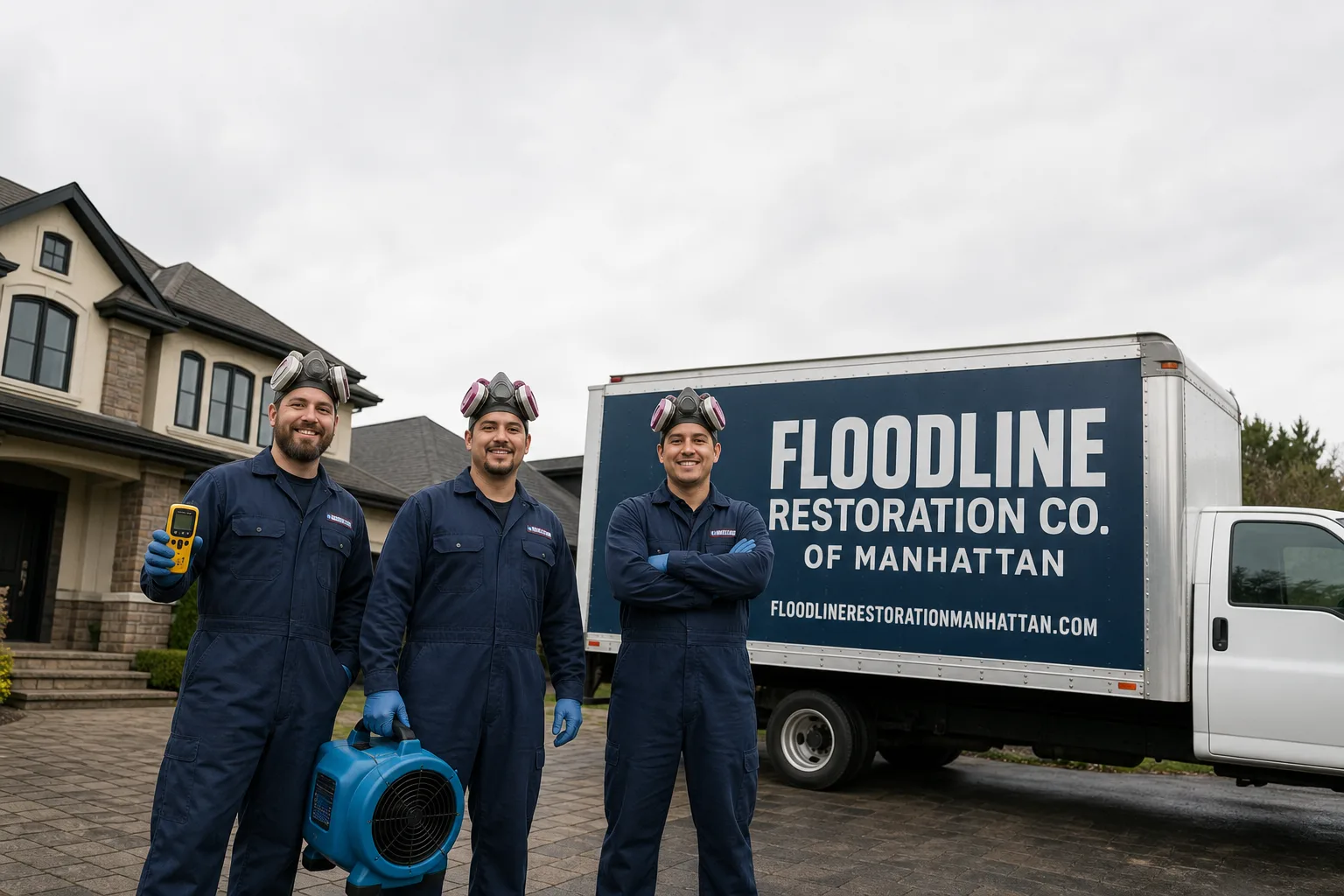
Free visual inspection and a written scope of work before any mitigation begins - photos, moisture readings, and drying logs go in your claim file
The scope we write is the scope we bill. Anything new gets shown to you, in writing, before we touch it.

 Before
 After
After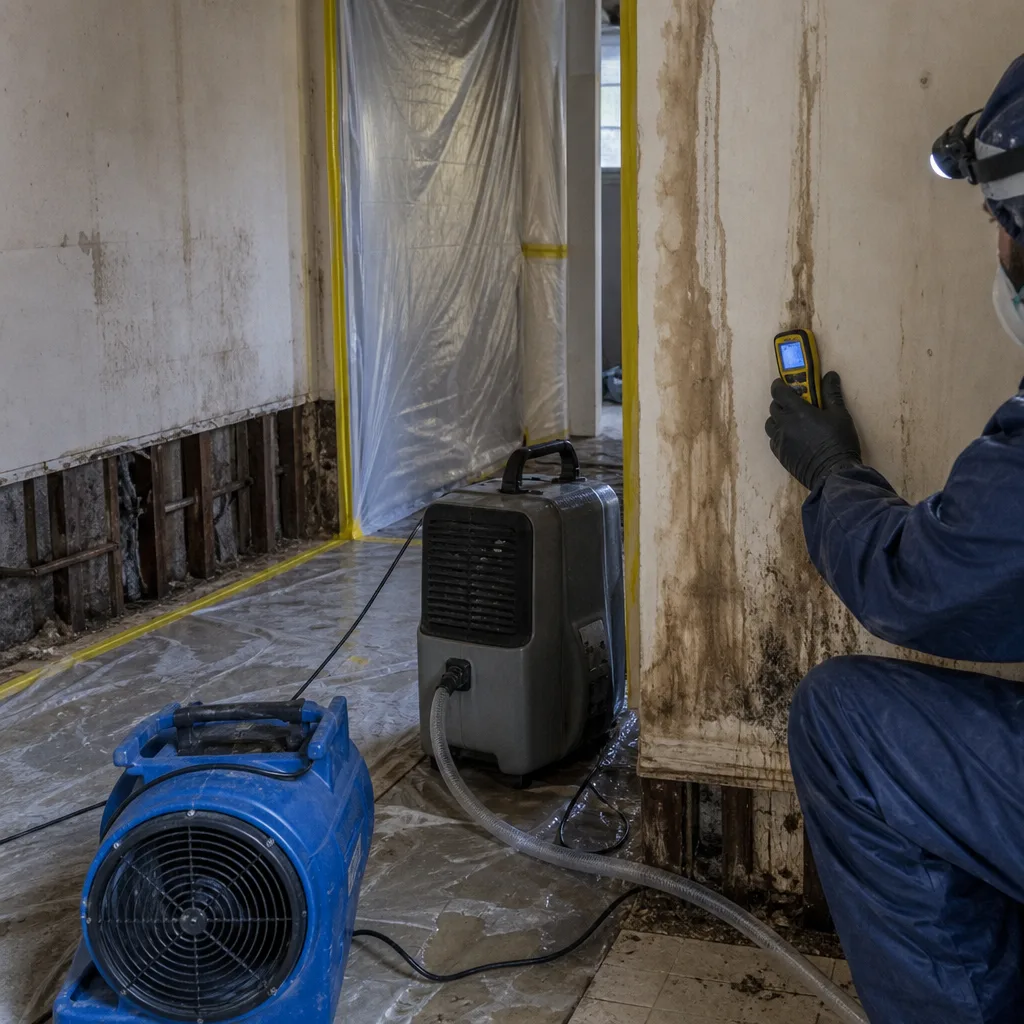 Before
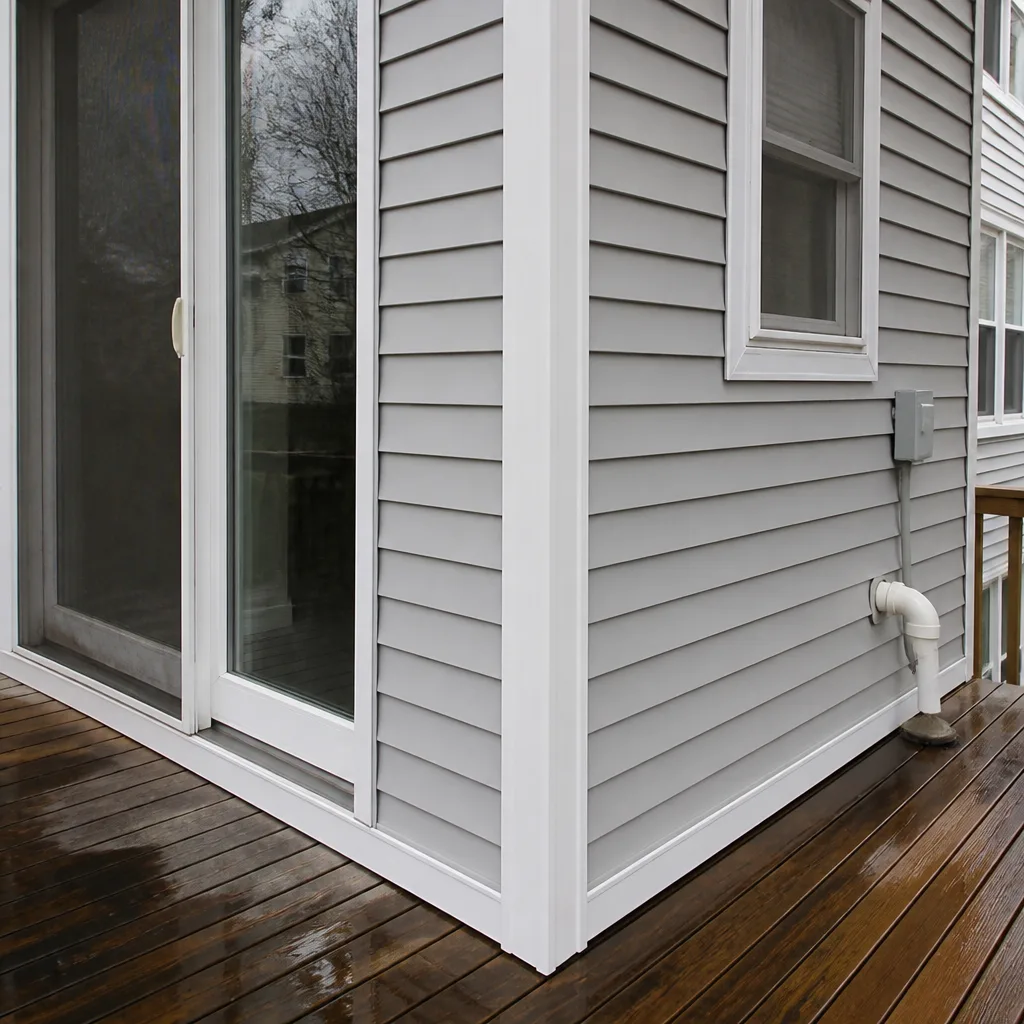 After
After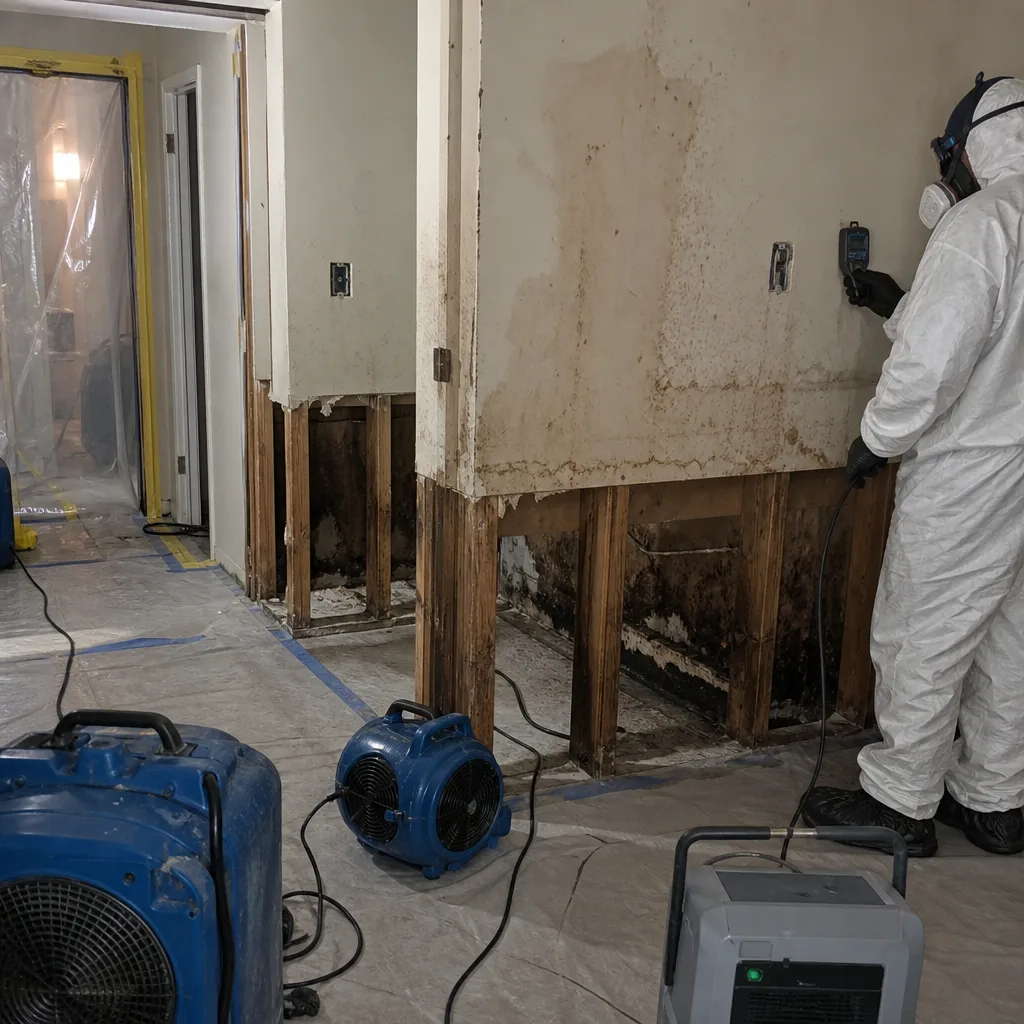 Before
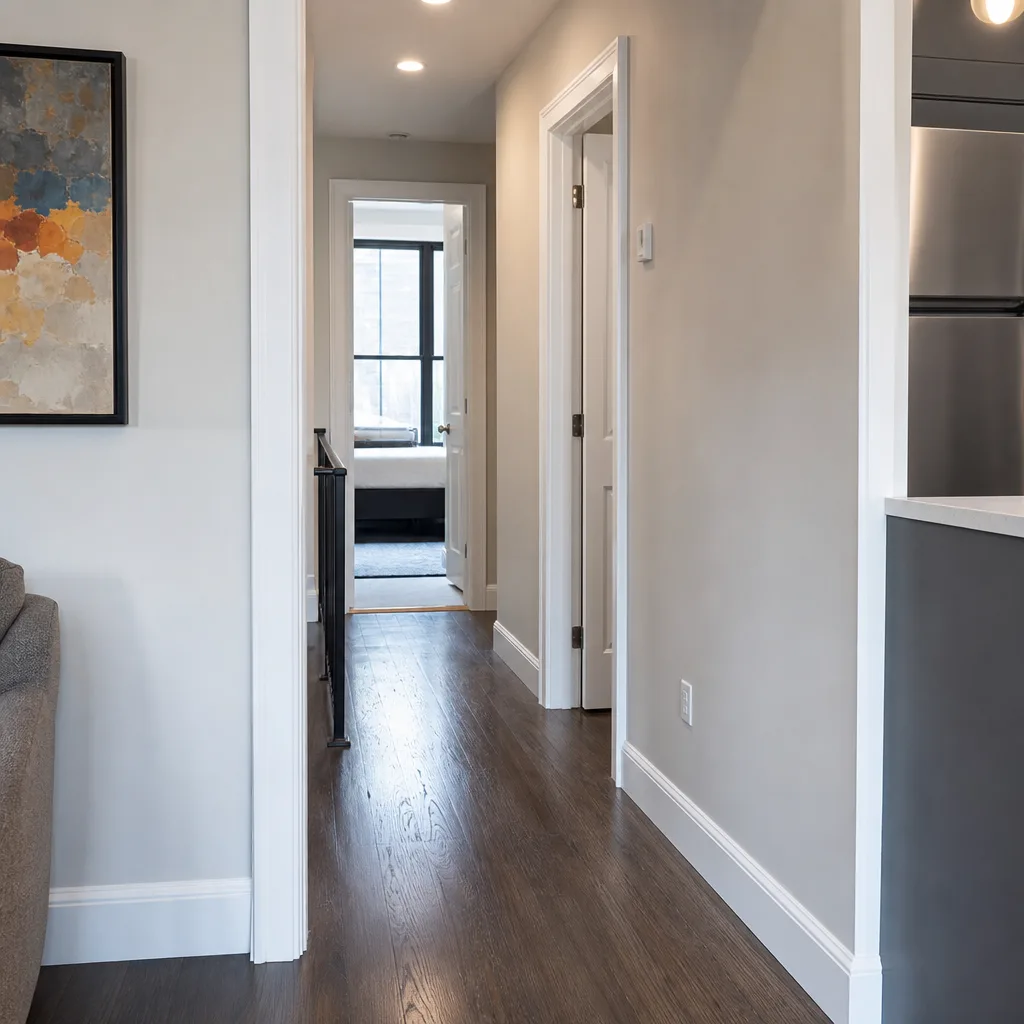 After
After24/7 Emergency Mold Remediation in Valley Stream
Mold remediation in Valley Stream typically costs $1,800-$6,500 depending on how far the colonization has spread behind walls and under flooring, and our crews can be on-site within 45 minutes of your call, any hour of any day. If you’re seeing black staining on basement drywall, smelling that musty odor that won’t leave, or you’ve had water come through after a nor’easter, call (917) 924-4221 right now. A live dispatcher answers, not a recording, and we’ll get a certified crew to your door with moisture meters and thermal imaging before the colony spreads another inch. Every hour of delay means more drywall cut out, more insulation bagged, and a bigger invoice. The first 30 minutes after you discover mold is when this problem stays small.
Understanding Mold Remediation Severity in Valley Stream Properties
Mold in a Valley Stream basement is rarely a surface problem. The postwar Cape Cods and colonials that make up most of this village were built with full basements sitting at or near the local water table, and when the Mill River or Millburn Creek backs up, water wicks into drywall, insulation, and the sill plate itself. Surface cleaning doesn’t touch what’s colonizing inside the wall cavity. That’s why our Mold Remediation team starts every job with moisture mapping and thermal imaging to find the hidden colony, not just the visible stain. We classify the water source first: category 1 is clean supply-line water, category 2 carries contaminants, and category 3 is sewage or river backflow. After a Mill River overflow, you’re dealing with category 3, which means porous materials like drywall and insulation have to go. We run HEPA air scrubbers to capture airborne spores, set negative air pressure containment so spores don’t migrate through your ductwork, and log moisture readings daily until every stud hits the dry standard. No shortcuts, no cosmetic patches that fail next flood.
Why Valley Stream Property Owners Choose Floodline Restoration Co. of Manhattan
- 45-minute response commitment. When you call about mold in Valley Stream, we dispatch immediately. Our crews know the flood corridors along Rockaway Avenue, Fletcher Avenue, and the Mill Road basin, and we route the nearest certified technicians to your door fast.
- A real person answers, 24/7. At 2 a.m. on a Sunday, you get a live dispatcher who can schedule a crew, not a voicemail box. Founded in 2010 around a dispatch board, not a sales desk.
- IICRC-certified crews, including AMRT and WRT certifications. Applied Microbial Remediation Technician and Water Restoration Technician credentials mean the crew in your basement knows the difference between cleaning and full remediation.
- Free visual inspection before you commit. We’ll tell you honestly if it’s a $400 cleaning job or a $6,000 cavity remediation. A square deal, in writing, before work starts.
- Direct insurance billing. We document the loss from hour one, compare against our daily drying logs, and talk to your adjuster directly. You never play messenger between our crew and your carrier.
- One team from first extraction to rebuilt studs. No mid-job handoff to a sub you’ve never met. The same certified crew that sealed containment on day one is there when we hang new drywall and repaint.
Our Mold Remediation Process
Inspection & Assessment
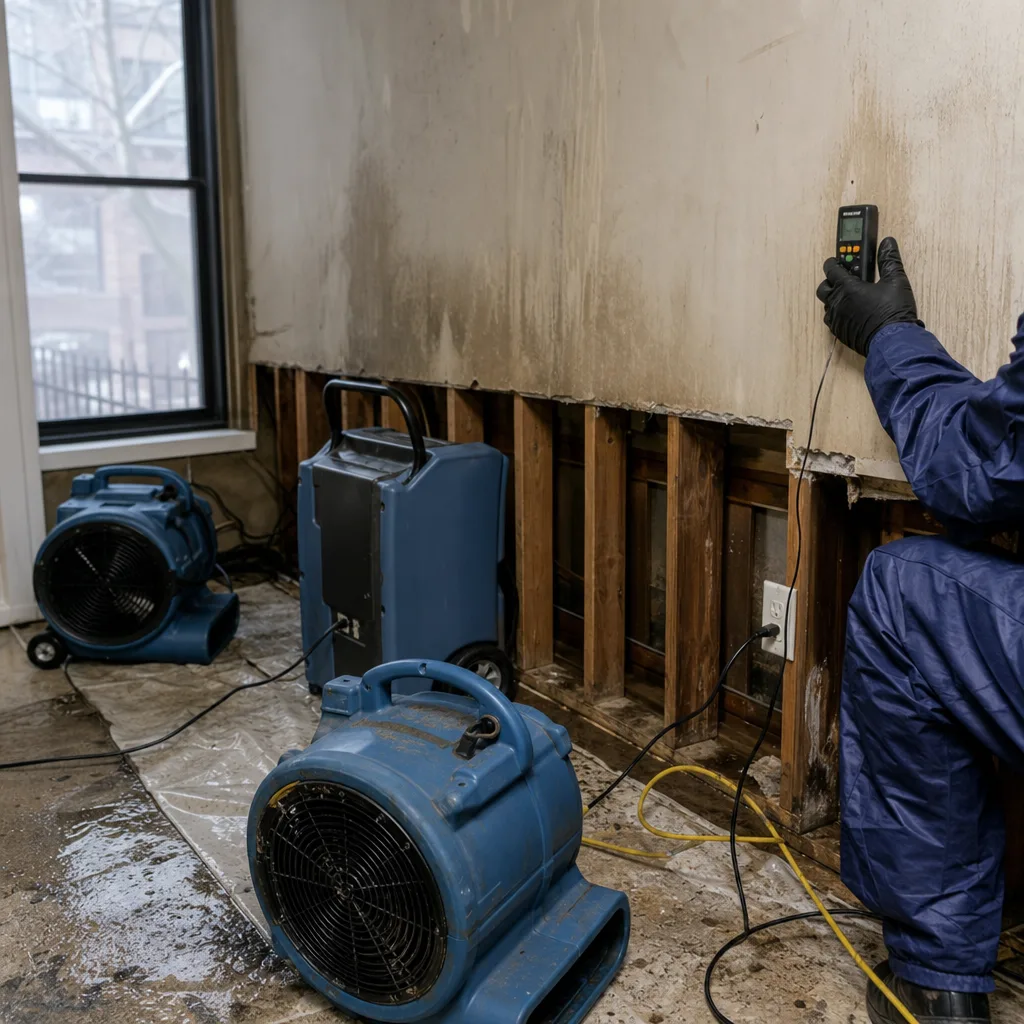
We walk the full basement, crawl space, and affected rooms with thermal imaging and moisture meters. We map every wet pocket, every hidden cavity, and every column of mold growth before we touch anything.
Extraction/Stabilization
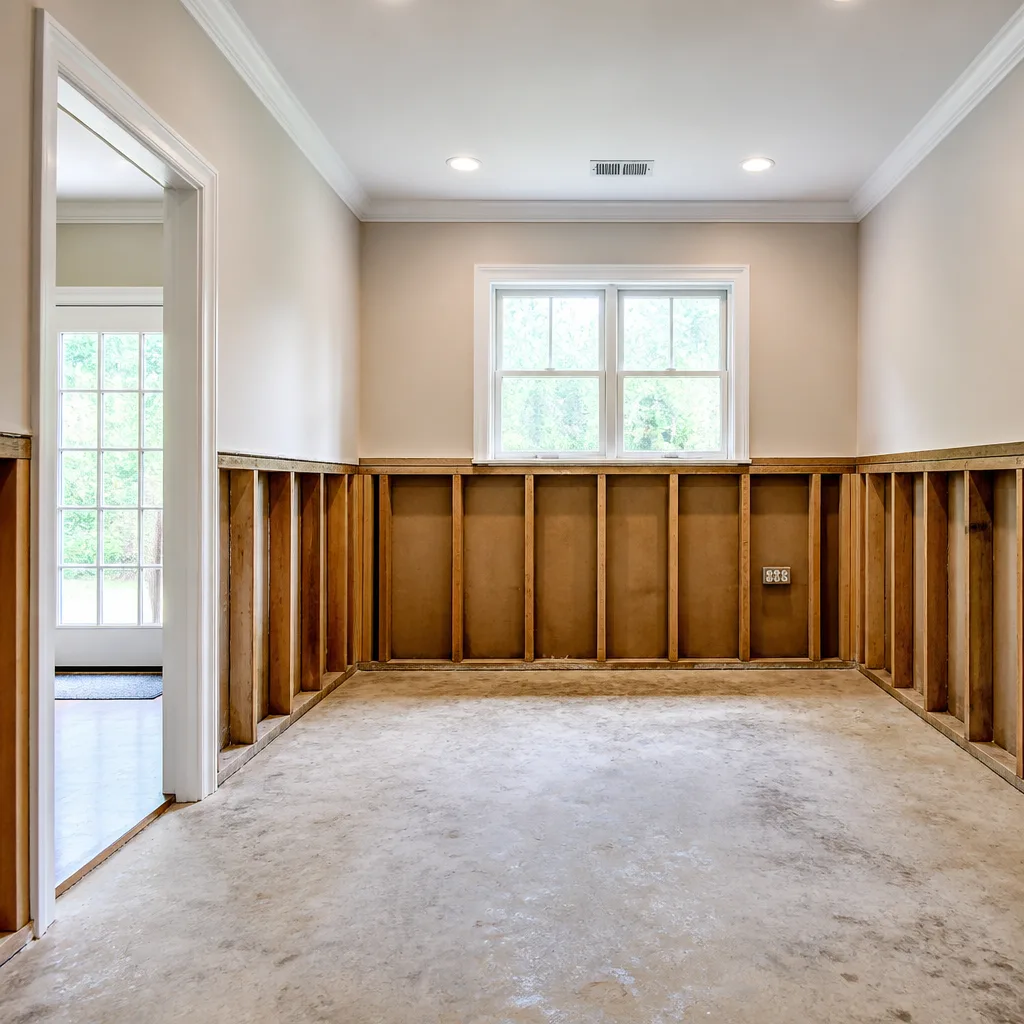
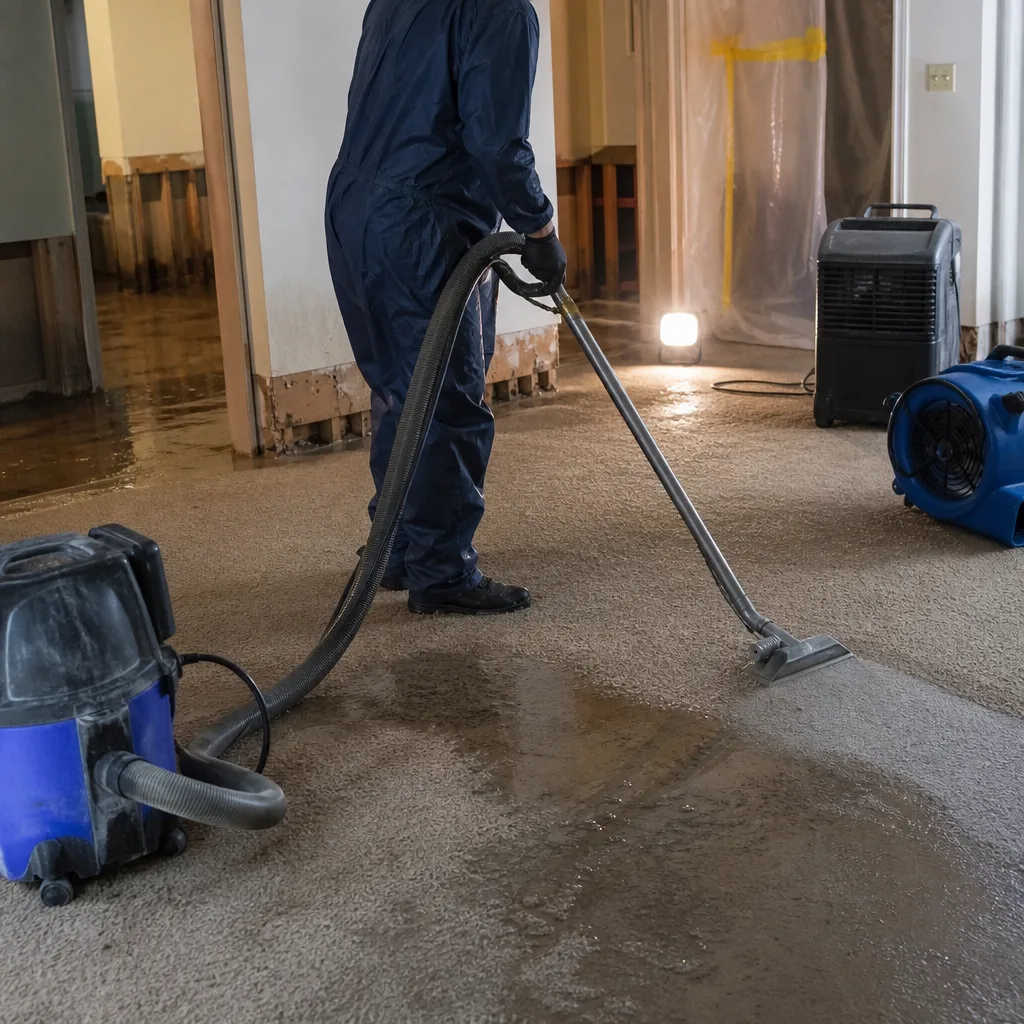
If standing water is present from a Mill River backflow or a failed sump, we extract it first with truck-mounted or portable extractors. Then we remove water-damaged drywall, insulation, and flooring under containment.
Drying & Dehumidification
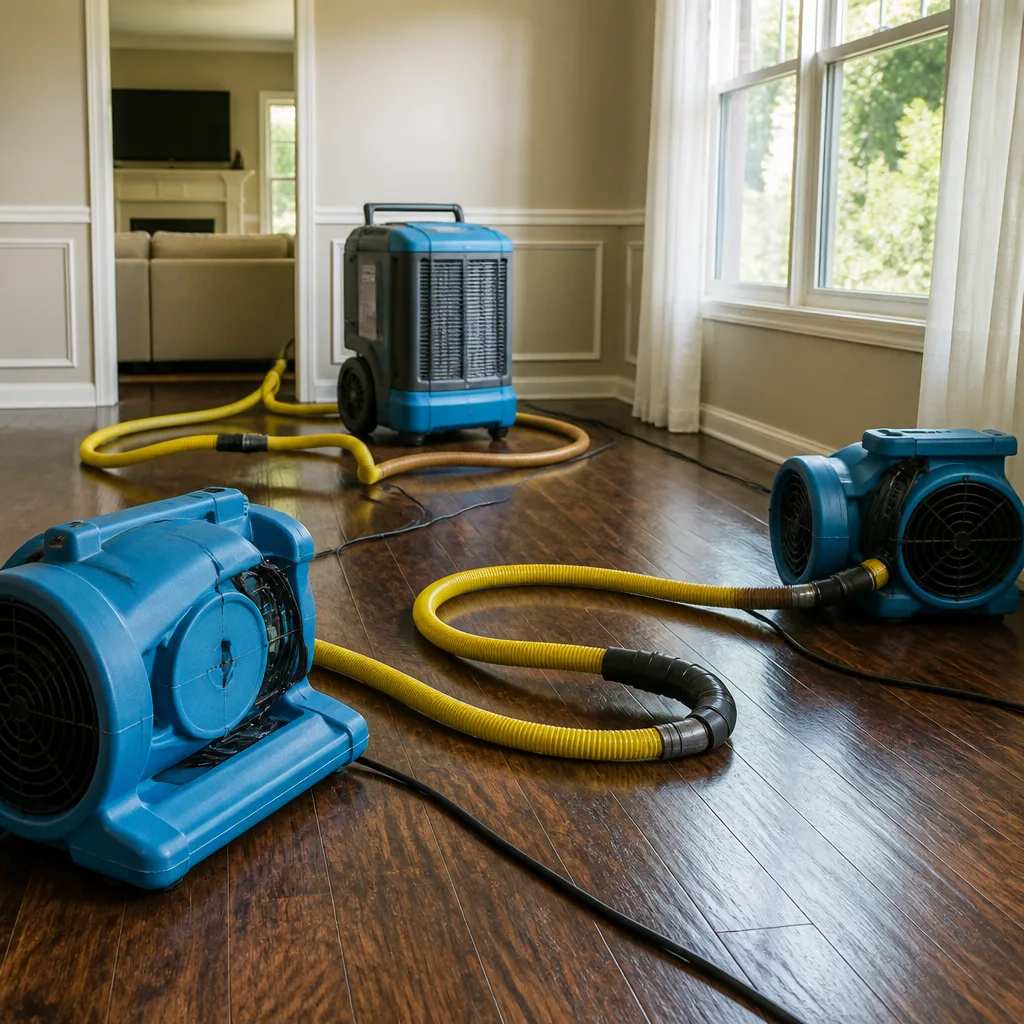
We set Dri-Eaz LGR 2800i dehumidifiers and Phoenix axial air movers across the affected area. Daily moisture readings are logged in a written drying log that you and your carrier both receive.
Cleaning & Sanitization
HEPA sanding, HEPA vacuuming, and antimicrobial treatment of framing and subfloor kill the mold that’s rooted into the lumber. Every surface gets logged for post-remediation verification.
Specialty Treatment for Mold Remediation
For Valley Stream basements with chronic moisture, we may apply a borate-based wood preservative to sill plates and install rigid foam or closed-cell insulation that doesn’t wick like fiberglass. Crawl spaces get sealed with vapor barriers sized to your specific square footage.
Repairs & Restoration
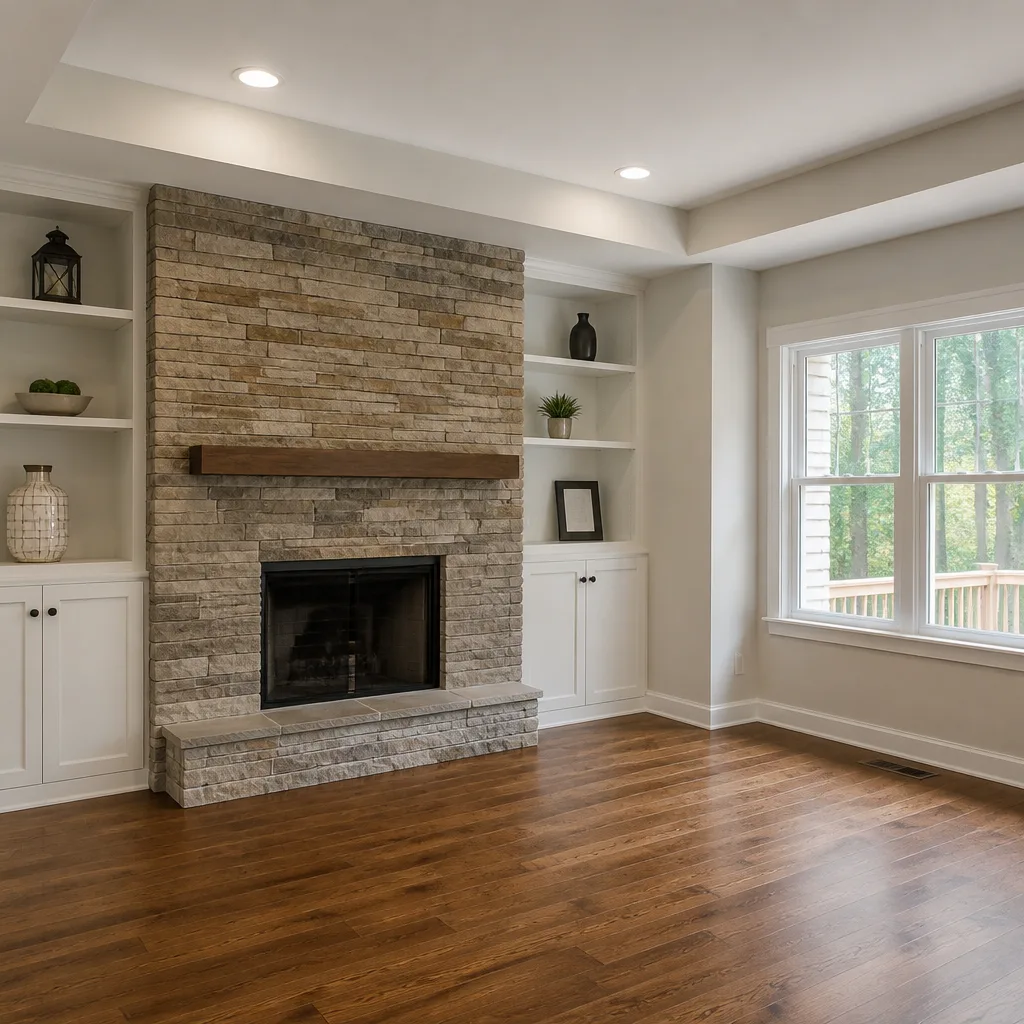
We replace the drywall, insulation, trim, and paint we removed. If the flood compromised your cast-iron drain stack or sump system, we repair those too. One crew, start to finish, with a written 90-Day Done Right Promise at the end.
Need Emergency Mold Remediation in Valley Stream Now?
Crews minutes away, answering live 24 hours a day. The sooner we start, the less it costs.
Working With Your Insurance Company
Mold claims in Valley Stream are tricky because most policies cover mold only when it follows a covered water event, like a nor’easter backflow or a burst pipe. We document from the first hour so your carrier sees the full timeline: photos of standing water, thermal images of hidden moisture, daily drying logs, and a line-item scope that separates remediation from cosmetic rebuild. Your adjuster wants what any claims professional wants: proof that we dried to the pre-loss standard before we rebuilt. We give them exactly that, and we talk to them directly so you don’t have to decode policy language at 7 a.m. on a Tuesday. For most Valley Stream homeowners, out-of-pocket costs drop to the deductible, and we bill the rest straight to the carrier.
What We Provide Your Insurer
- Thorough documentation of the loss
- Photos of all damage, room by room
- Moisture readings and drying logs
- A detailed, line-item scope of work
- Direct coordination with your carrier
Built for Valley Stream’s Loss Calendar
Valley Stream’s mold problems follow a pattern you can set a clock by. Nor’easters drive Jamaica Bay surge north through the tidal tributaries into the Mill River system from late fall through early spring, and every one of those events pushes category 3 water into the low-lying basements along Rockaway Avenue, Cochran Place, and the streets running east of the Southern State. Heavy summer thunderstorms overwhelm the village’s aging storm sewer infrastructure within hours, producing simultaneous sewer backup and surface flooding. Then there are the quiet springs, when the water table sits so high that even a functioning sump can’t keep up, and condensation on original cast-iron drain stacks drips into finished space. A homeowner who calls us in March about a musty smell usually has a cavity mold problem that started with a December backflow they thought they’d dried with a fan. Call the first time you smell it, not the third time you see it.
Mold Remediation Across Valley Stream’s Neighborhoods
In the Gibson section, along Rockaway Avenue and Cochran Place, the basements sit tight against the Mill River floodplain, and we see the heaviest concentration of post-nor’easter backflow claims in the village. The finished basements here, often redone in the 1980s and 1990s, hide decades of old water behind new drywall. Over in the North Valley Stream corridor near Fletcher Avenue and Dutch Broadway, the prewar and early postwar Capes have shallower basements and older cast-iron drains that fail from the inside, sending category 2 water into finished walls while the yard looks perfectly dry. The Green Acres area, bordered by Millbrook Court and the Southern State’s edge, gets the summer-storm surge that comes up through storm drains faster than any sump can pump. And in the neighborhoods south of Merrick Road, closer to Millburn Creek, we regularly find crawl spaces with visible black mold on floor joists and vapor barriers that were never installed correctly in the first place. Each area fails differently. Our crews know which failure mode they’re walking into before they open the door.
Specialized Mold Remediation Services We Offer in Valley Stream
Mold Inspection & Testing
Before any remediation starts, you need to know what you’re dealing with. Our IICRC-certified inspectors run thermal imaging, moisture meters, and air sampling through a third-party lab to identify the mold species and spore counts. In Valley Stream, where Sandy-era cosmetic patches are common, we specifically check behind re-drywalled basement walls for old colonies the last contractor left behind.
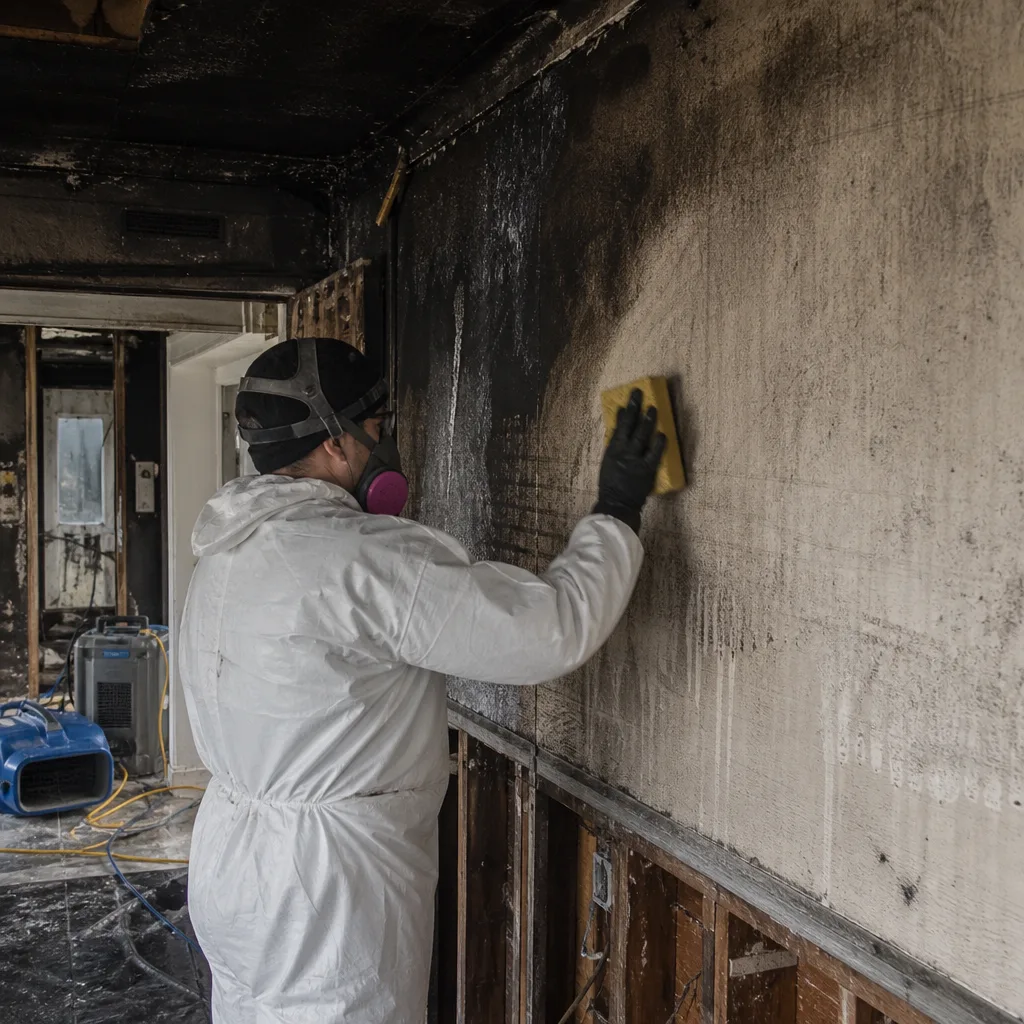
Mold Removal
This is the core work: containment, HEPA air scrubbing, removal of colonized drywall and insulation, sanding of affected framing, and antimicrobial treatment of every surface that stays. We don’t paint over mold. We remove it, dry the structure to pre-loss condition, and document the moisture curve with written readings, verified against industry standards set by the RIA and IFA.
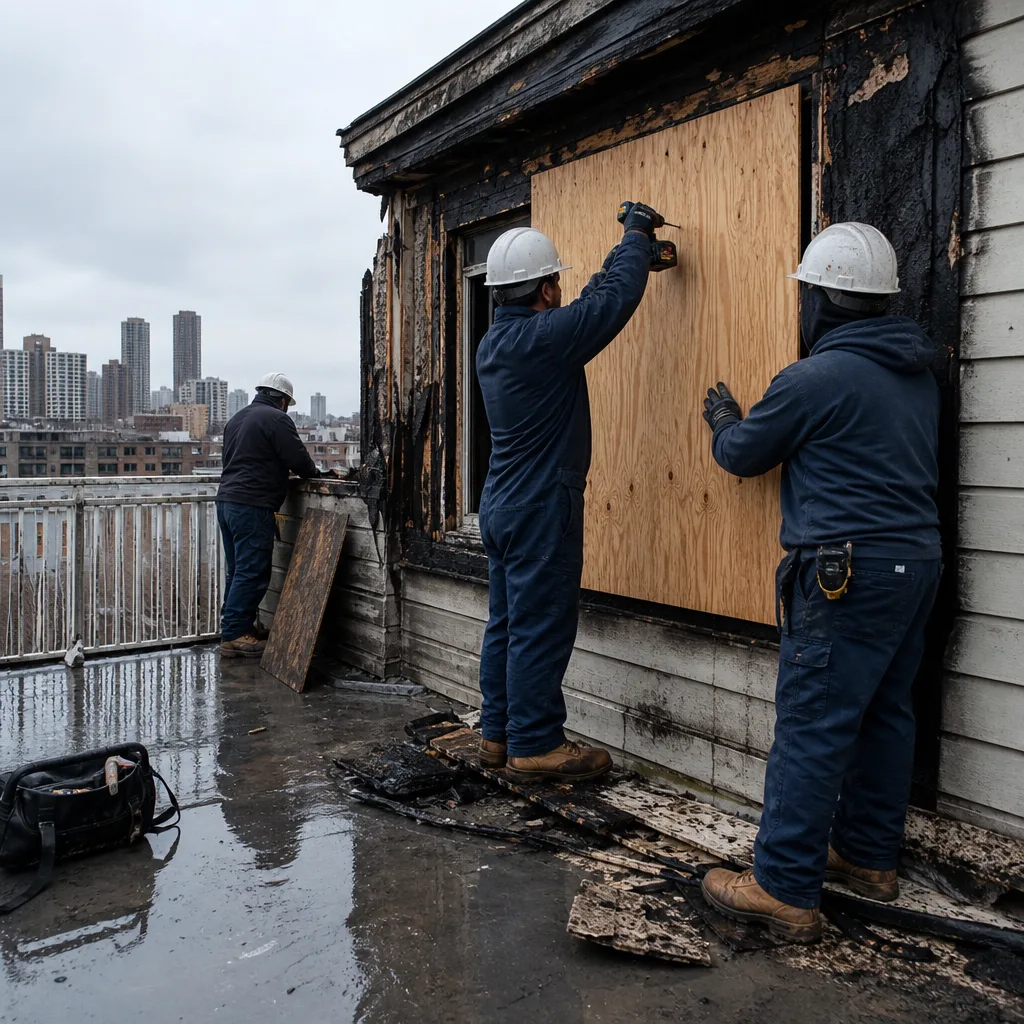
Black Mold Remediation
Stachybotrys chartarum, the black mold you hear about, feeds on wood and gypsum that’s been wet for more than 48 hours. It flourishes in Valley Stream basements where the Mill River backflow soaks the sill plate and the owner mops it up and closes the wall a week later. We treat every black mold job as a category 3 full-containment remediation, with negative air pressure and personal protective equipment for the crew, because the spores from a disturbed colony can spread through your entire heating system in hours.
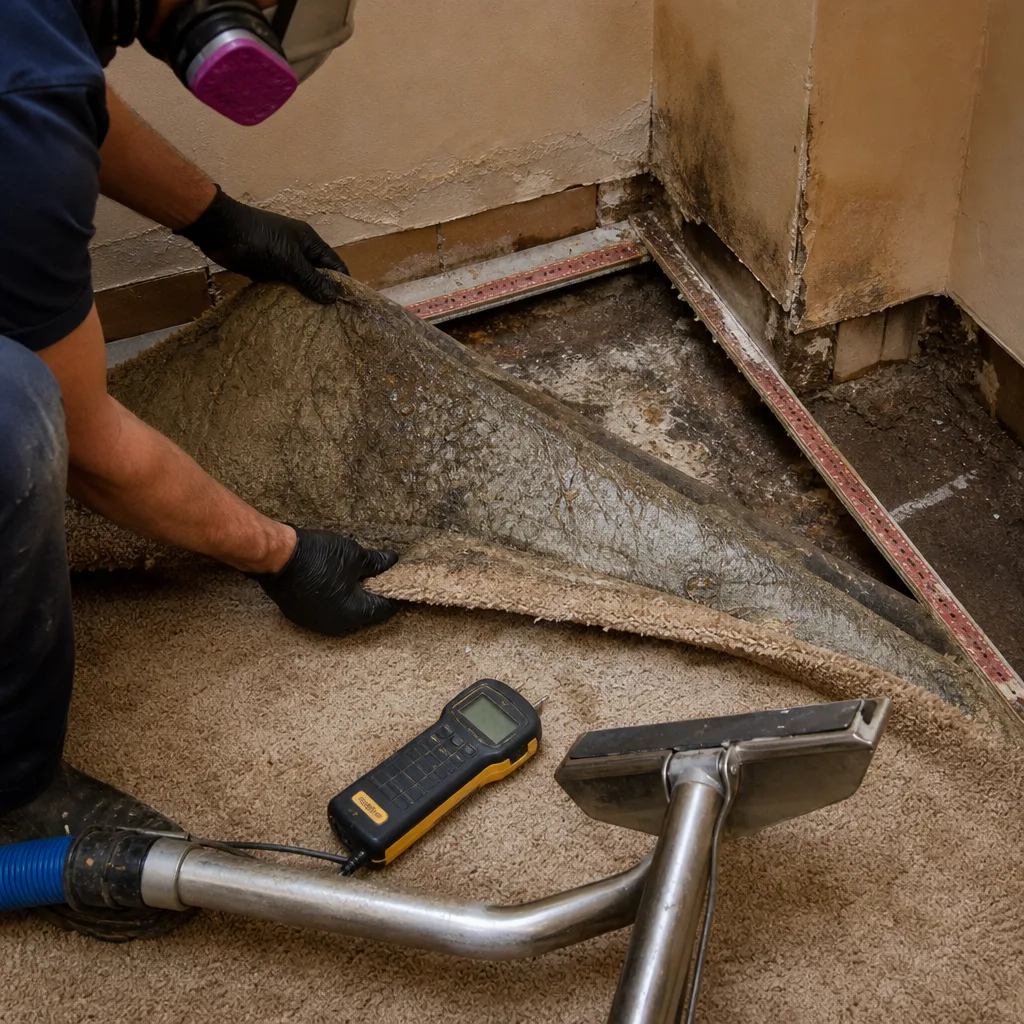
Air Quality Restoration
Mold spores travel through ductwork before you ever see the colony. After remediation, we run HEPA air scrubbers throughout the affected space and adjacent rooms, often for 24 to 48 hours, to pull airborne spores down to outdoor baseline levels. For Valley Stream homes with forced-air systems, we inspect the return plenum and filter housing; mold colonizes there faster than most people want to believe.
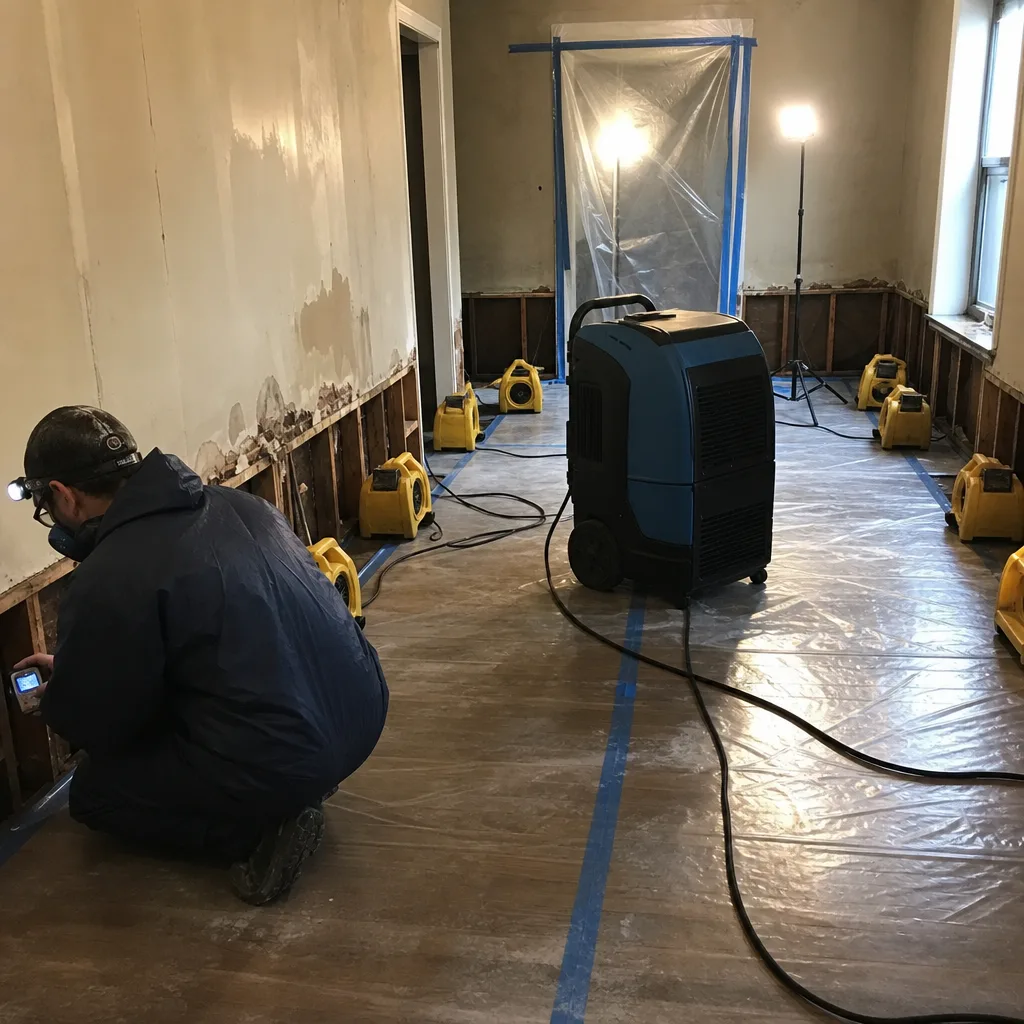
Moisture & Humidity Control
In Valley Stream, mold remediation without moisture control is a half-finished job. We assess your sump pit size, your foundation drainage, your downspout discharge points, and the relative humidity in your basement year-round. Then we recommend the right combination of vapor barrier, dehumidification, and grading work so the next nor’easter doesn’t restart the same colony. This is the step the cosmetic patch guys skip. It’s the step that keeps the mold gone.
What happens when you call
- 1
A real person answersNo phone trees - you reach a local pro.
- 2
You get an upfront price rangeHonest numbers before anyone is dispatched.
- 3
A background-checked tech heads outLicensed & insured, dispatched right away.
- 4
You approve before work beginsNothing starts until you say go.
Mold Remediation Costs in Valley Stream, NY
A basic mold inspection with third-party lab sampling runs $350-$650 in Valley Stream. Surface-level containment and cleaning of a small visible colony, say 10 square feet or less, typically costs $800-$1,800. A full basement remediation with cavity inspection, drywall removal, structural drying, and antimicrobial treatment runs $3,500-$6,500 depending on the square footage and how far the mold has traveled behind the walls. A crawl space treatment with vapor barrier installation adds $1,200-$3,000. The Homeowner’s clause in your policy usually covers remediation after a covered flood event, but preventative moisture control work is rarely covered and comes out of pocket. A free visual inspection from our crew gives you a firm written scope before anything gets torn open. Call (917) 924-4221 and we’ll tell you honestly what your basement actually needs.
We Also Serve Cities Near Valley Stream
Our certified mold remediation crews regularly run to Elmont, Rosedale, Cambria Heights, and Springfield Gardens, all within a 15-minute drive of our Valley Stream dispatch routes. If you own a postwar Cape or colonial in any nearby Nassau or southeast Queens neighborhood, the same 45-minute response commitment and written 90-Day Done Right Promise apply.
Valley Stream Mold Remediation Questions, Answered
Why does mold keep coming back in my Valley Stream basement after every heavy rain if I repaint and replace the drywall?
Because the moisture source is still active. In Valley Stream, the Mill River and Millburn Creek backflow into the storm drainage system during heavy rain, pushing water up through floor drains and seeping into the sill plate at the base of your foundation walls. If you replace drywall without addressing the water intrusion, the new drywall wicks the same groundwater and molds again within weeks. Our moisture mapping finds the entry point, and our remediation includes the drainage, sump, or vapor barrier work that stops the cycle. Call (917) 924-4221 for a free visual inspection.
Do I need a full mold remediation if my Valley Stream basement flooded from the Mill River overflow, or can I just run fans?
If the water that entered your basement came from the Mill River system, it’s category 3 water, contaminated with sewage and river sediment. Fans will dry the surface but wick contaminants deeper into drywall, insulation, and wood framing. That leftover moisture is where mold colonizes within 48 hours. You need full remediation: containment, removal of porous materials, structural drying with commercial equipment, and antimicrobial treatment. Running a box fan for three days is exactly how homeowners end up with black mold behind a fresh coat of paint.
How quickly does mold start growing after a nor’easter backs up the Millburn Creek into my finished basement?
Mold spores germinate on wet drywall and paper-faced insulation within 24 to 48 hours when temperatures stay above 60 degrees, which is common in Valley Stream basements even in late fall and early spring. If you had a Millburn Creek backflow on Monday and you’re not running commercial dehumidifiers by Wednesday, you’ve likely got colonization starting inside the wall cavity. Black mold, specifically Stachybotrys, takes longer to become visible but feeds on the same wet gypsum, so the clock starts running the moment the water recedes.
Can I just treat the visible black mold in my crawl space, or is there hidden mold behind the foundation walls?
Visible black mold on crawl space joists almost always means there’s more you can’t see. In Valley Stream’s low-lying drainage basin, groundwater wicks through concrete block foundation walls into the rim joist and subfloor, and the mold colony extends into the cavities where the joists meet the sill plate. Treating what you can see without removing the wet insulation and drying the framing leaves enough spore mass to recolonize within weeks. A thorough crawl space remediation includes vapor barrier installation, structural drying, and joist treatment, not just surface spraying.
Why do I need a mold inspection after my neighbor’s house flooded? My basement never got water.
Because mold travels through shared soil moisture, not just standing water. Your neighbor’s flooded basement raised the local water table around both foundations, and that moisture migrates through soil and concrete into your sill plate even if your floor stayed dry. In Valley Stream’s tight-lot neighborhoods, where Capes sit eight feet apart, a neighbor’s category 3 backflow often means your rim joist is wicking contaminated moisture within days. A thermal imaging inspection catches the early-stage moisture before visible mold appears.
How fast can someone get to my Valley Stream house for a mold inspection?
We commit to a 45-minute response time for mold calls anywhere in Valley Stream, 24 hours a day, 7 days a week. A live dispatcher answers your call at (917) 924-4221, checks which certified crew is closest to your neighborhood, and gets them routed to you immediately. That’s not a salesperson with a clipboard; it’s an IICRC-certified technician with a moisture meter.
Will my insurance cover mold remediation after a flood in Valley Stream?
Most homeowner’s policies cover mold remediation when it follows a covered water event, like a nor’easter backflow, a burst supply line, or a sewer backup. What your carrier won’t cover is the mold that grew because you delayed drying or did a cosmetic patch job. We document from hour one so your claim shows a continuous timeline from first water to final drying. Direct insurance billing means we submit our line-item scope and drying logs to your adjuster, and you pay the deductible. Call us at (917) 924-4221 and we’ll walk through your specific policy language.
How long does full mold remediation take in a Valley Stream basement?
A typical basement remediation in Valley Stream takes 4 to 7 days from containment to final clearance, depending on how far the mold has spread and how long the structure takes to hit the dry standard. Small jobs, under 50 square feet of mold, can often be finished in 2 to 3 days. Large Cavity jobs, where mold has spread through multiple finished rooms, can run 10 to 14 days. We give you a written timeline before work starts, and the 90-Day Done Right Promise backs every job we finish.
Serving Valley Stream, NY - Our Local Coverage Area
We’re based in the Valley Stream area and know this community well. Use the map below to see our service coverage - if you’re nearby, we can almost certainly help.
Call Floodline Restoration Co. of Manhattan for Mold Remediation in Valley Stream
If you’re seeing mold, smelling must, or you’ve had water in your Valley Stream basement and you’re not sure it ever properly dried, call (917) 924-4221 now. A live person answers, a certified crew comes out within 45 minutes, and you get a free visual inspection with a written scope before any work begins. We’ve been serving Valley Stream property owners since we opened our doors in 2010, building a reputation on steady work, square pricing, and a written guarantee. The 90-Day Done Right Promise means if it’s not done right, we make it right, no arguing. Senior and veteran homeowners save 5% on every job, always, and our $50-off offer on any repair over $250 applies to mold remediation too. One call to (917) 924-4221 gets a certified team to your door. We’ll be there when we say.
Written by Curt Bowman, Owner at Floodline Restoration Co. of Manhattan, serving Valley Stream since 2010.