
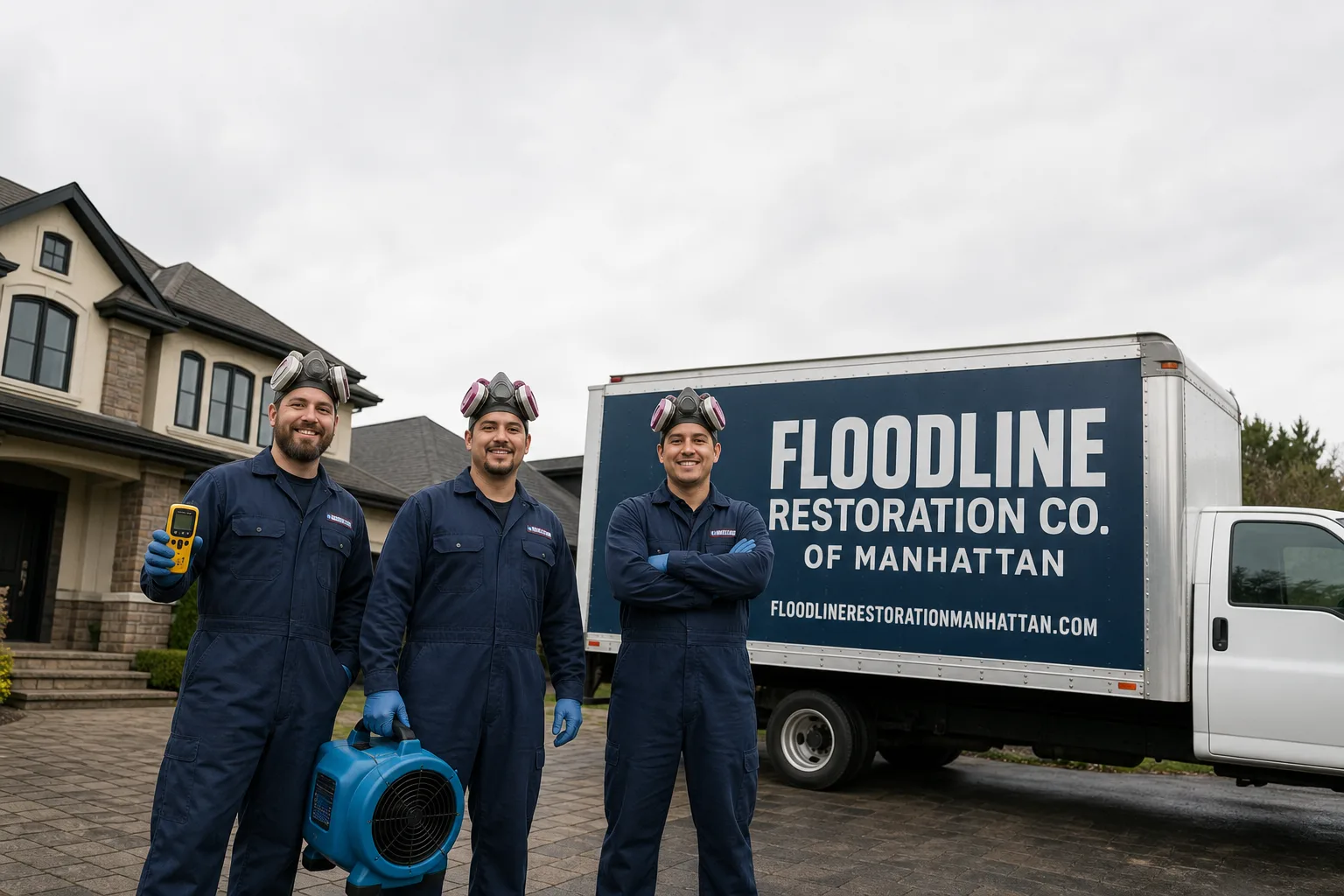
Free visual inspection and a written scope of work before any mitigation begins - photos, moisture readings, and drying logs go in your claim file
The scope we write is the scope we bill. Anything new gets shown to you, in writing, before we touch it.






 Before
 After
After Before
 After
After Before
 After
After24/7 Emergency Reconstruction & Cleanup in Long Island City
Reconstruction and cleanup in Long Island City after a flood, fire, or sewage event typically runs $2,800 to $14,500 depending on the square footage and what needs rebuilding, and the first crew can usually be on site within 45 minutes. That speed matters in this neighborhood more than most, because Long Island City’s converted lofts and sub-grade mechanical rooms let water and smoke spread laterally before you even know you have a problem. Call (917) 924-4221 any hour, any day. A live dispatcher answers, not a recording, and we send a background-checked, uniformed crew to your door for a free visual inspection. The first hour determines whether you’re drying drywall or replacing it, so we don’t wait.
Understanding Reconstruction & Cleanup Severity in Long Island City Properties
Water Damage Restoration in Long Island City breaks down by water category and building type, and the two are tightly linked here. Category 1 water is clean supply-line water, which is the easiest to dry and restore. Category 2 water carries contaminants from washing machines, sump pits, or groundwater intrusion. Category 3 water is sewage or East River floodwater, which requires full containment, antimicrobial treatment, and disposal of absorbent materials. In a Hunters Point loft conversion with an open floor plan and minimal interior walls, even Category 1 water can mean pulling baseboards and drilling weep holes across an entire level, because the original wide-open layout gives moisture a clear lateral path through carpet padding, hardwood, and drywall. We map the affected area with thermal imaging and hygrometers before we move a single air mover, and we log daily readings until every material hits the dry standard for its class. Post-Sandy buildings in Long Island City add another layer many contractors never think to look for, which we’ll get to below.
Why Long Island City Property Owners Choose Floodline Restoration Co. of Manhattan
- 45-minute response commitment for emergency calls anywhere in Long Island City, from Hunters Point to Dutch Kills. Our dispatch is local, live, and staffed around the clock.
- A real person answers the phone 24/7. No automated system, no callback queue. You tell us what happened, we route a crew that’s already in your part of Queens.
- IICRC-certified technicians with WRT, FSRT, and AMRT credentials on staff for water, fire, and mold work. The certification cards are real, and we’ll show them.
- Free visual inspection before any work begins. We assess, we explain what we found, and you approve a written scope before a tool comes off the truck.
- Direct insurance billing. We document, we prepare line-item estimates, and we talk to your adjuster directly so you’re not the messenger.
- One crew from extraction to reconstruction. The team that pulls the water is the team that hangs the new drywall. No mid-job handoff, no inherited crew.
Our Reconstruction & Cleanup Process
Inspection & Assessment
We start with a full walkthrough of the affected areas, including sub-grade spaces. In Long Island City we check for BFE compliance issues early, because in Zone AE buildings that determines whether a mechanical room rebuild will need expeditor and structural engineer involvement. You get a written scope before we start.
Extraction & Stabilization
We pull standing water with truck-mounted extraction units and set up containment immediately, especially in loft conversions where open floor plans allow vapor and particulate to travel. For fire and smoke work, we stabilize charred structural members before any finish work is considered.
Drying & Dehumidification
We place Dri-Eaz and Phoenix air movers and dehumidifiers according to a moisture map we build on day one. Daily readings are logged and shared with you and your carrier. LIC’s older heavy-timber lofts need longer drying cycles because thick masonry and original wood hold moisture deep in the material.
Cleaning & Sanitization
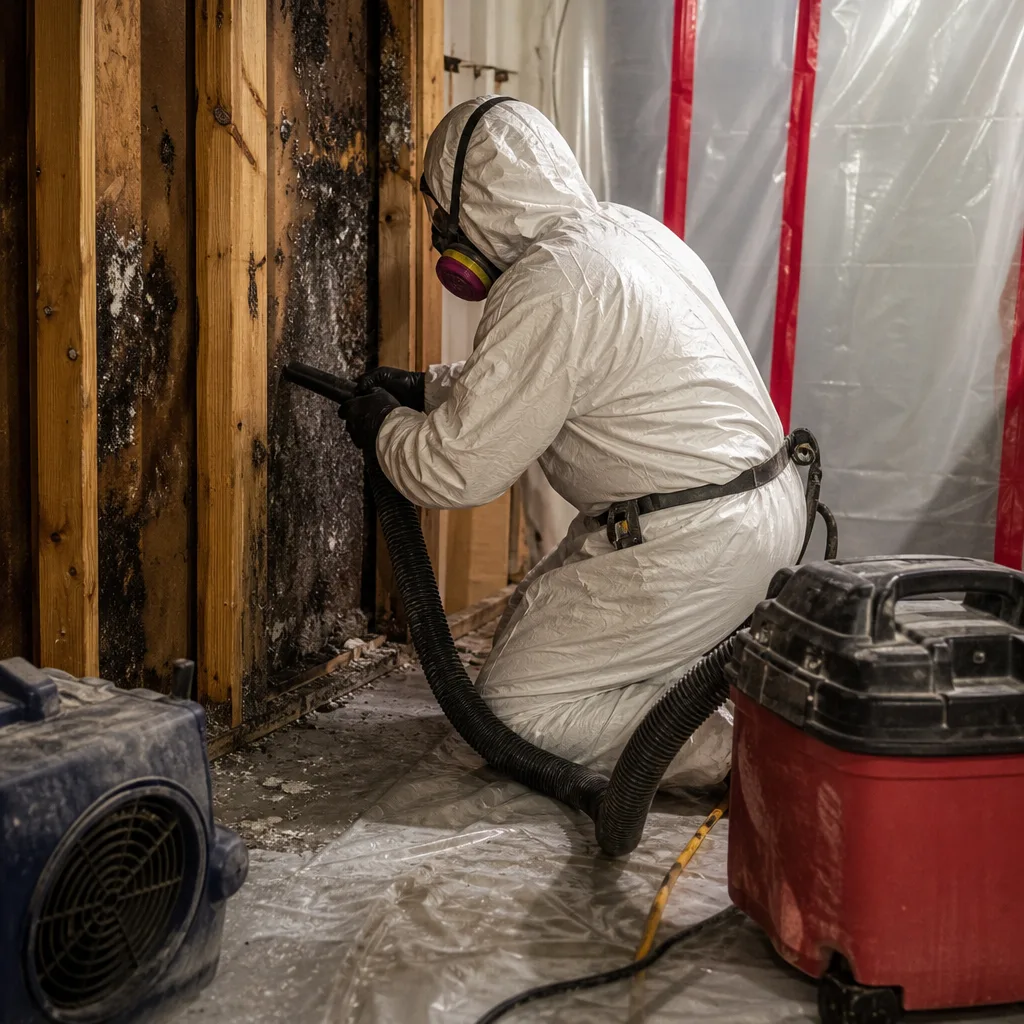
Every affected surface gets cleaned to the appropriate standard for the damage class. We run HEPA air scrubbers during Mold Remediation - Long Island City and fire jobs to capture airborne particulates. Contents that can be restored are processed and stored; items that cannot are documented for your claim.
BFE Compliance & Specialty Treatment
For mechanical rooms in Zone AE buildings, this is where we bring in the structural engineer and expeditor. We document elevation plans, file with DOB, and make sure the rebuild will pass inspection the first time. This step doesn’t exist in Astoria or Sunnyside, and skipping it gets projects red-tagged for weeks.
Repairs & Restoration
We handle Long Island City Commercial Restoration for drywall, flooring, trim, and mechanical spaces. The same crew that did the extraction sees the job through to final paint and a punch list. You get the 90-Day Done Right Promise in writing before we call it done.
Need Emergency Reconstruction & Cleanup in Long Island City Now?
Crews minutes away, answering live 24 hours a day. The sooner we start, the less it costs.
Working With Your Insurance Company
We handle carriers the way a good general contractor handles a building department: directly, thoroughly, and with paperwork that stands up. From the first hour on site, we photograph every affected room, log moisture readings with time stamps, and generate a line-item scope that matches industry-standard estimating software your adjuster already uses. When a Long Island City job involves BFE compliance and DOB filings, we include that documentation in the claim package, because carriers routinely underestimate the true cost of Zone AE rebuilds. We speak to your adjuster directly, answer their questions, and negotiate from a position of documented fact. You don’t play messenger.
What We Provide Your Insurer
- Thorough documentation of the loss
- Photos of all damage, room by room
- Moisture readings and drying logs
- A detailed, line-item scope of work
- Direct coordination with your carrier
Built for Long Island City’s Loss Calendar
Long Island City’s damage calendar runs on two tracks, and the smart homeowner knows both. Winter track: January deep freezes burst supply lines in older pre-war buildings along Vernon Boulevard and 21st Street, sending Category 1 water through ceilings and into basement mechanical rooms. The freeze-thaw cycle also stresses the brick-and-timber lofts that define Hunters Point. Summer track: nor’easters and summer thunderstorms push East River surge into the lowest blocks near Gantry Plaza State Park, and even a moderate coastal storm drives groundwater into sub-grade spaces blocks inland. Between the two tracks sits the chronic problem: buildings that got incomplete remediation after Sandy still carry sub-slab moisture, and every rainy season that moisture reactivates mold and musty odors. We see the same buildings year after year, and we know which ones need more than a surface dry.
Reconstruction & Cleanup Across Long Island City’s Neighborhoods
Hunters Point is where the waterfront high-rises meet the converted lofts, and it’s our highest-volume response area because the East River floodplain runs straight through it. Sub-grade mechanical rooms under 47th Avenue and 48th Avenue lofts flood during coastal events, and the original open floor plans mean we set containment at the perimeter and work inward. The Court Square and Dutch Kills corridor, around the 11101 zip code, carries a mix of pre-war walkups where fire and smoke travel through shared chase lines and party walls, so a single-unit kitchen fire quickly becomes a multi-floor smoke odor job. The newer residential towers along Center Boulevard near the 11109 zip have their own failure profile: modern construction with newer systems, but basement parking garages and utility rooms still sit low and take groundwater under pressure during storms, and post-construction cleanup after renovations is a consistent request from condo boards. The industrial blocks east of 23rd Street near the Sunnyside Yard boundary are where we get calls for post-construction cleanup after commercial build-outs, with the dust and debris load that comes from concrete work in enclosed spaces.
Specialized Reconstruction & Cleanup Services We Offer in Long Island City
Full-Service Reconstruction
Full reconstruction in Long Island City means more than drywall and paint. We rebuild mechanical rooms to DOB standards for Zone AE buildings, which includes BFE documentation, expeditor filings, and structural engineering sign-off. Our Reconstruction & Cleanup team manages the entire sequence, from permit drawings to final inspection, so you don’t carry a project folder from one contractor to the next.
Drywall & Flooring Repair
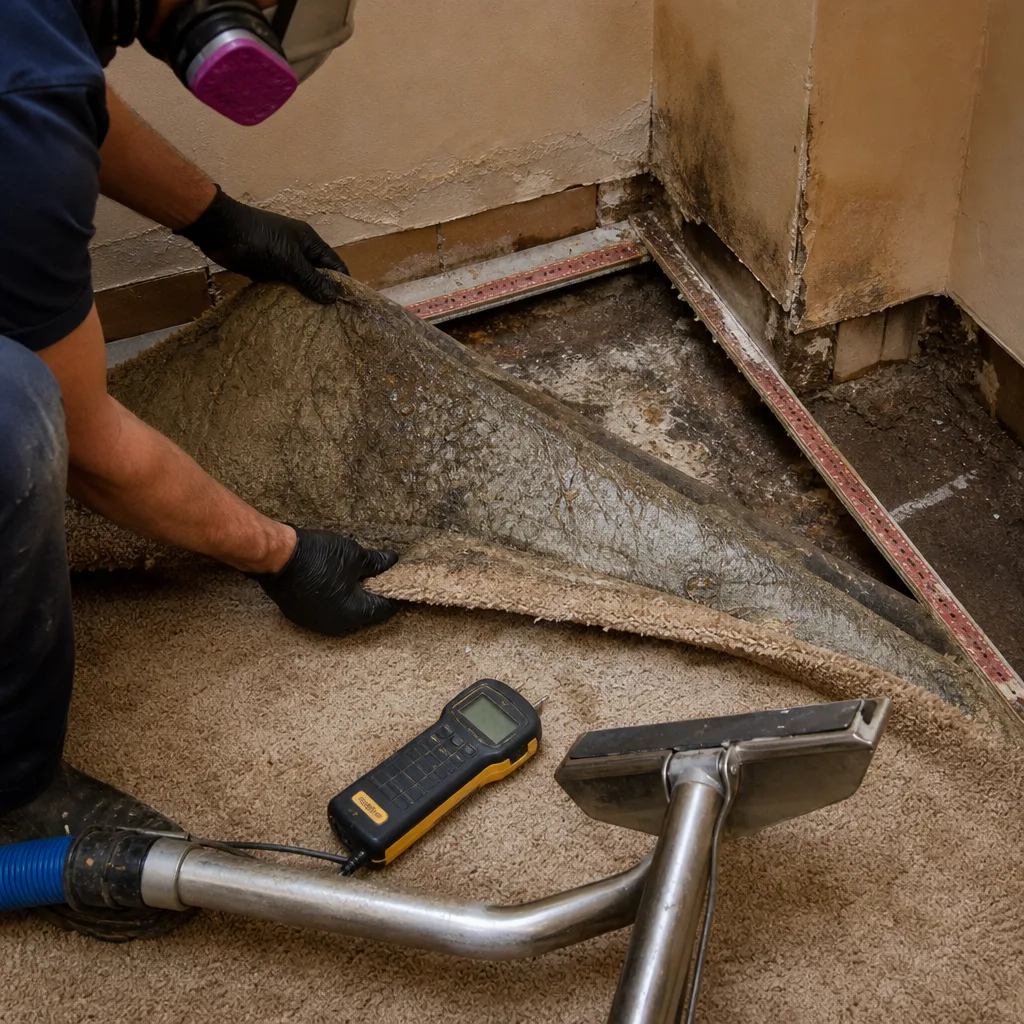
Long Island City lofts have original wide-plank flooring and heavy-timber framing that behaves differently from modern platform framing. We match replacement materials to the original profile where possible, and we handle the flood cuts, insulation replacement, and drying that has to happen inside wall cavities before new drywall goes up. For high-rise units, we coordinate with building management on freight elevator bookings and hoisting schedules, because restoration in a 40th-floor Center Boulevard apartment is a different job than a ground-floor Vernron Boulevard storefront.
Contents Restoration & Pack-Out
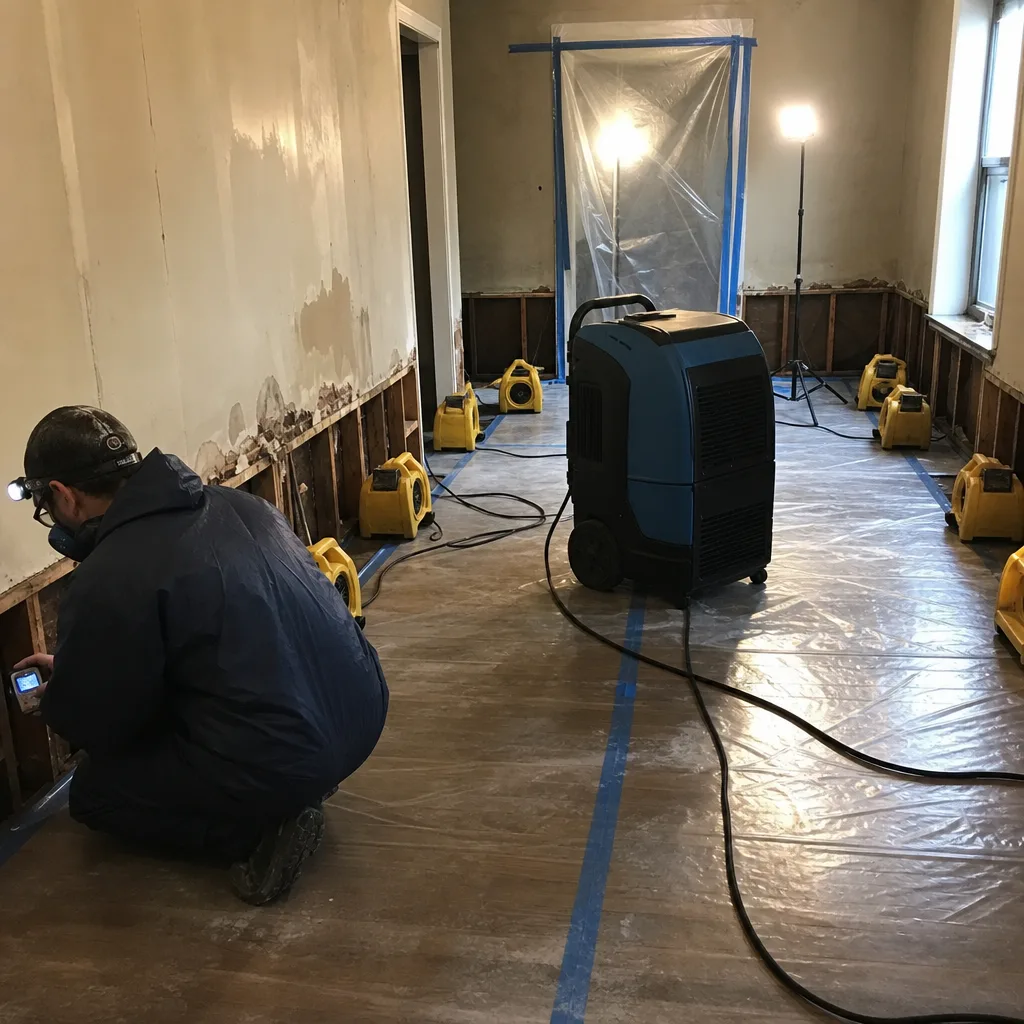
When a Hunters Point loft takes water across an open floor plan, the contents move with it. We pack out salvageable furniture, art, rugs, and electronics to a controlled facility, inventory everything with photos for the claim file, and clean what can be restored. Items that cannot be restored are documented for replacement value. One homeowner on 46th Avenue had a mid-century furniture collection we were able to save and return after structural drying, because we got it out of the damp environment within 24 hours.
Carpet & Upholstery Cleaning
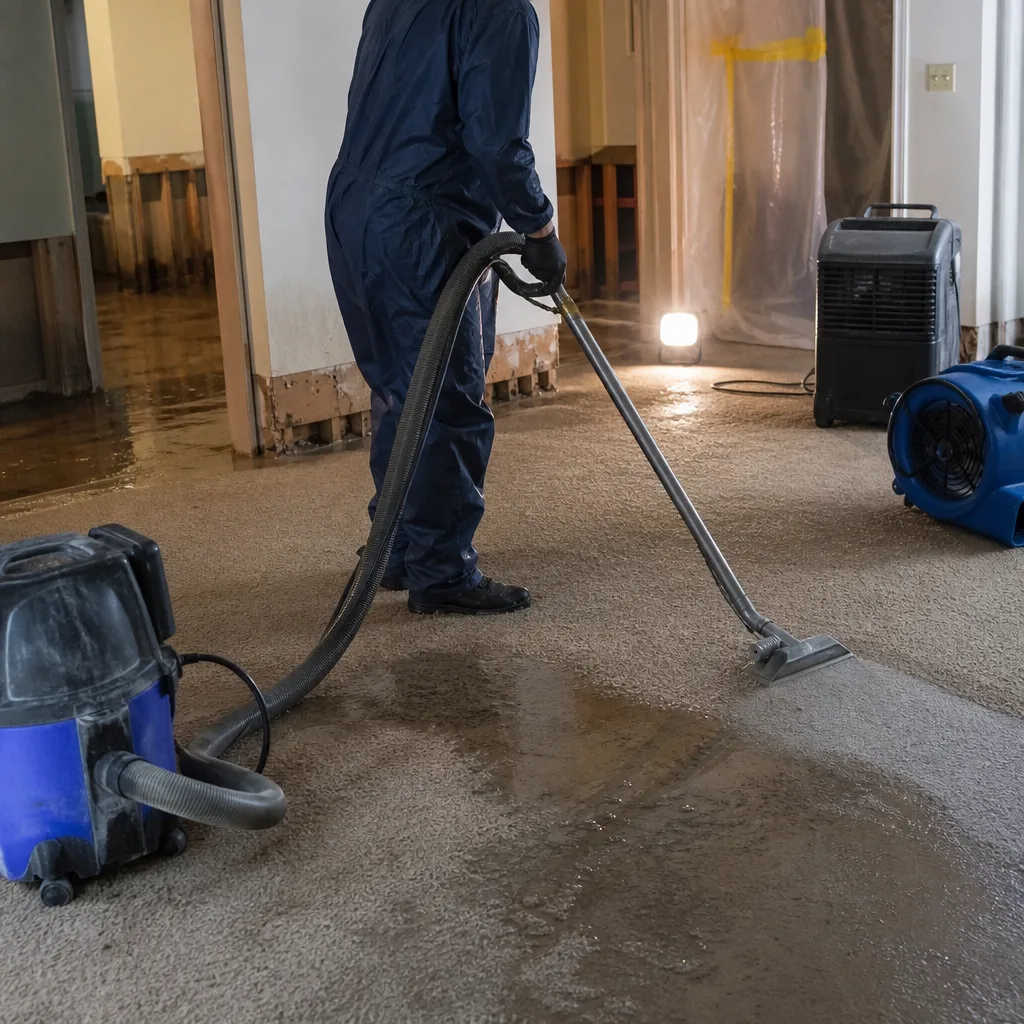
After a water or smoke event, carpet and upholstery often need more than a standard cleaning. We use hot-water extraction and low-moisture methods depending on the material, and we treat for odor at the source rather than masking it. In buildings with chronic post-Sandy moisture, we also check the subfloor under wall-to-wall carpet for hidden mold colonies that keep coming back after surface cleaning.
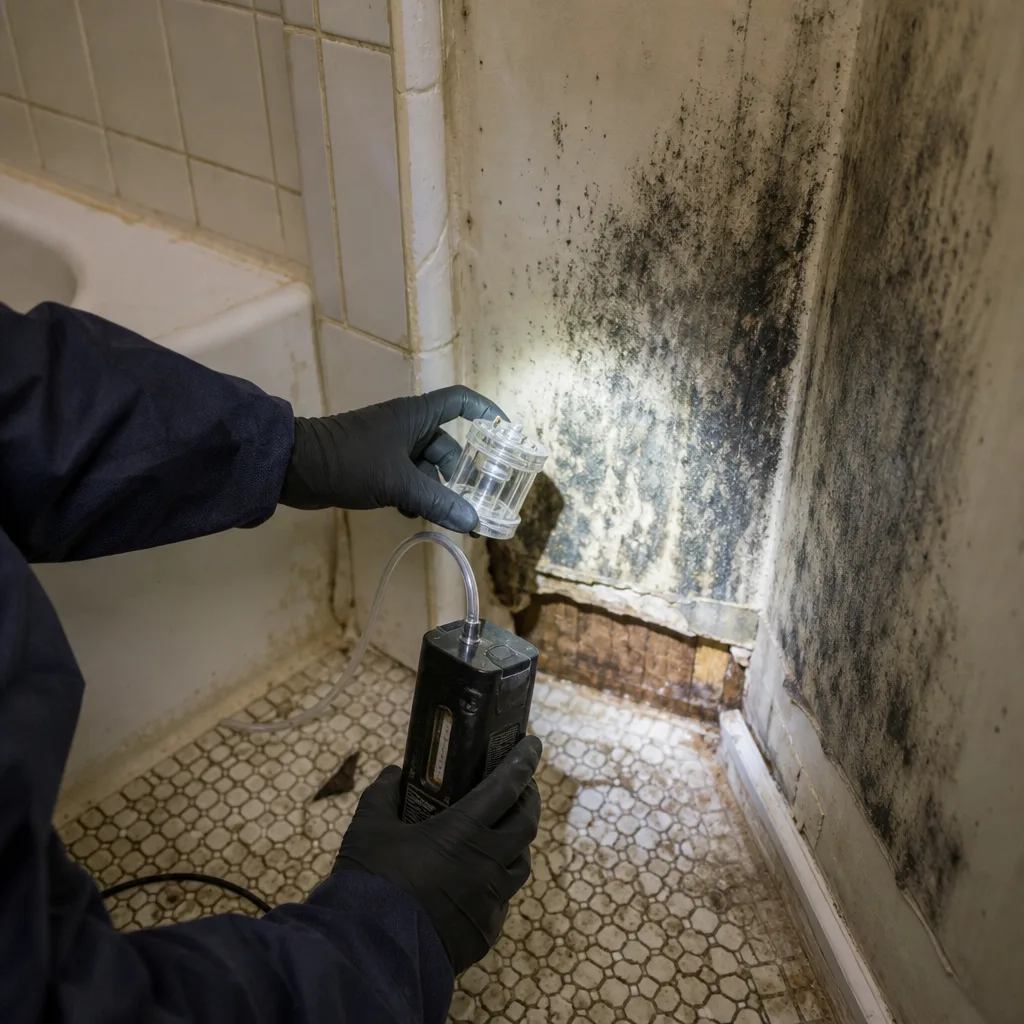
Post-Construction Cleanup
Long Island City is one of the busiest construction markets in Queens, and post-construction cleanup after a renovation or gut rehab is a job in itself. We remove dust from every surface, including inside ductwork and behind millwork, and we run HEPA air scrubbers until the air clears. Condo boards along Jackson Avenue regularly call us after builder handovers because construction dust in a newly delivered unit looks like smoke damage until you test it.
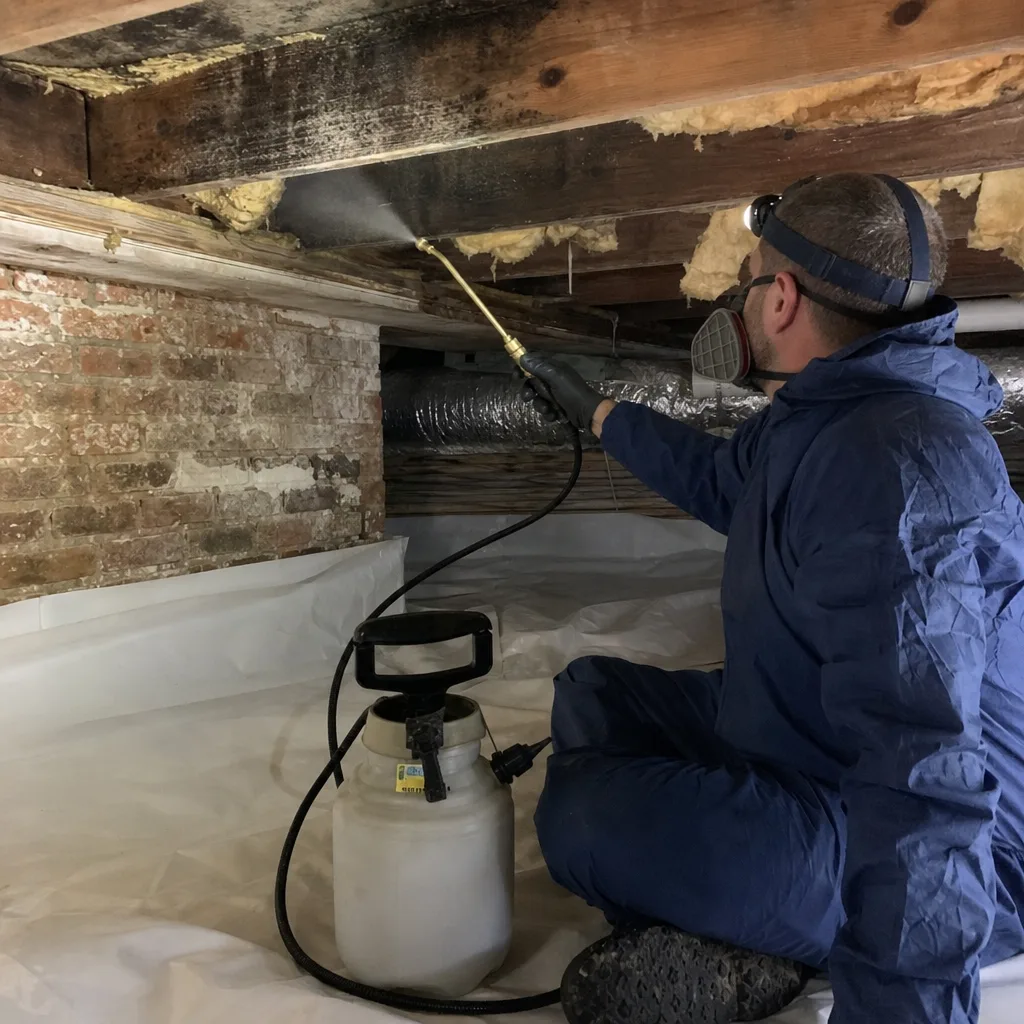
Insurance Claim Documentation
We produce the documentation carriers actually want: cause-of-loss summaries, room-by-room photo inventories, moisture maps, drying logs, and a line-item scope of work. For Zone AE rebuilds we include the BFE compliance file and DOB correspondence. This is the difference between a claim that pays in six weeks and one that sits in adjuster purgatory for six months, and it’s built into every job we do in Long Island City.
What happens when you call
- 1
A real person answersNo phone trees - you reach a local pro.
- 2
You get an upfront price rangeHonest numbers before anyone is dispatched.
- 3
A background-checked tech heads outLicensed & insured, dispatched right away.
- 4
You approve before work beginsNothing starts until you say go.
Reconstruction & Cleanup Costs in Long Island City, NY
Reconstruction and cleanup in Long Island City runs higher than the Queens average, and the reason is structural. Drywall and flooring repair after a Category 1 supply-line break in an LIC apartment typically runs $2,800 to $6,200. A full basement mechanical room rebuild in a Zone AE building, including BFE compliance, expeditor fees, and structural engineering, commonly lands between $9,500 and $14,500 before drywall and finishes. Post-construction cleanup for a 1,200-square-foot unit runs $800 to $1,800. What moves the price is whether the job touches a sub-grade mechanical space, whether the building is in Zone AE and subject to post-Sandy DOB elevation rules, and whether containment has to protect an entire open loft floor rather than a single room. We always start with a free visual inspection so you get a firm written number, not a range, before any work starts. And we bill your carrier directly when a claim applies.
We Also Serve Cities Near Long Island City
Our crews run the full corridor around Long Island City, including Sunnyside, Woodside, Astoria, and Maspeth. If you’re in one of those neighborhoods and need reconstruction or cleanup work, the same live dispatch line covers you.
Long Island City Reconstruction & Cleanup Questions, Answered
Why do basement mechanical room rebuilds in Long Island City take longer than in nearby Queens neighborhoods?
Because post-Sandy flood-resilience rules require mechanical systems rebuilt in Zone AE buildings to be elevated above base flood elevation, and that triggers expeditor filings, structural engineering documentation, and DOB inspection before the job can close. A simple boiler replacement in Astoria might take three days. In a Hunters Point loft it routinely takes three to six weeks because the elevation compliance has to be designed, filed, and approved. Call (917) 924-4221 and we’ll give you an honest timeline for your building.
My LIC loft is one big open floor plan-how do you stop water and mold from spreading across the entire floor?
We set containment at the perimeter of the affected zone and run negative air pressure before we start demolition or drying. In open loft layouts, we build temporary barriers that section off the wet area from the dry area, then use air movers and dehumidifiers positioned to push moisture toward extraction points instead of pushing it across the room. Thermal imaging tells us exactly where the moisture boundary is, and we hold containment until daily readings confirm the boundary stopped moving.
Does Floodline Restoration handle the DOB paperwork for flood compliance on Zone AE buildings in Long Island City?
Yes. We coordinate with structural engineers and expeditors directly, file the paperwork with DOB, and keep the documentation in the claim file for your carrier. This is not a side service. It’s part of every Zone AE mechanical room rebuild we do, because skipping it means a red tag at inspection and weeks of delay. We have done enough of these in Long Island City to know exactly which filing triggers which review timeline.
My Hunters Point building got flooded during Sandy and the basement still smells musty every time it rains. Is that mold?
Almost certainly, yes. You’re describing chronic sub-slab moisture. The 2012 surge saturated the soil and sub-floor materials under many Hunters Point buildings, and incomplete post-Sandy remediation left moisture trapped beneath slabs and behind finished walls. Every heavy rain reactivates it. The fix requires opening those spaces, drying them to the appropriate standard, and treating for mold at the material level, not just the surface. A surface cleaning will not solve it, and you’ll be back here in six months. We’ve seen this exact profile in buildings along 47th Avenue, 48th Avenue, and Vernon Boulevard.
What’s the difference between a category 2 and category 3 water job in a Long Island City basement?
Category 2 water contains significant contamination from sources like sump failures, washing machine discharge, or groundwater intrusion. Category 3 water is grossly contaminated, typically sewage or East River floodwater. Category 2 jobs require antimicrobial treatment and removal of absorbent materials like carpet and pad. Category 3 jobs require full containment, disposal of all saturated porous materials including drywall up to the flood cut line, and antimicrobial treatment of remaining surfaces. The cost difference is substantial, and so is the health risk difference during the work.
How fast can a crew actually get to my Long Island City apartment?
Our commitment is 45 minutes for emergency calls anywhere in Long Island City. We dispatch from the New York City office and keep crews positioned around the Queens corridor, so response times in Hunters Point, Court Square, and Dutch Kills run shorter than 45 minutes on most days. A live dispatcher answers the call and starts routing immediately.
Will my insurance cover the BFE compliance and DOB filing costs?
Often yes, but only if the documentation is in the claim from the start. Carriers routinely under-estimate Zone AE rebuild costs because their standard pricing tables don’t include expeditor fees, structural engineering, or BFE elevation work. We include that documentation in the initial claim package and talk to your adjuster directly to get it covered. In many Long Island City buildings we’ve handled, the BFE compliance work ends up covered once the carrier sees the DOB requirement in writing.
What should I do in the first 30 minutes after I find water in my Long Island City home?
Call (917) 924-4221. If it’s safe, shut the water supply at the main valve, which in most LIC buildings is in the basement or a utility closet. Do not enter standing water if you can’t see the floor, because electrical panels in sub-grade spaces may be energized. Do not run fans or a shop vac on Category 2 or 3 water. Take photos of everything before anything is moved. The first 30 minutes determine whether drying saves your drywall or replacement does.
Serving Long Island City, NY - Our Local Coverage Area
We’re based in the Long Island City area and know this community well. Use the map below to see our service coverage - if you’re nearby, we can almost certainly help.
Contact Floodline Restoration Co. of Manhattan for Long Island City Reconstruction & Cleanup
If you’re dealing with water, fire, smoke, or a reconstruction project in Long Island City, call (917) 924-4221 for a free estimate. A live person answers around the clock. We’ll walk the site with you, explain what we found in plain terms, and give you a written scope before any work starts. Our Reconstruction & Cleanup team handles everything from first extraction to final paint, with the 90-Day Done Right Promise in writing. Senior and veteran discounts available on every job. Done right and backed in writing.
Written by Curt Bowman, Owner at Floodline Restoration Co. of Manhattan, serving Long Island City and the surrounding Queens corridor.