
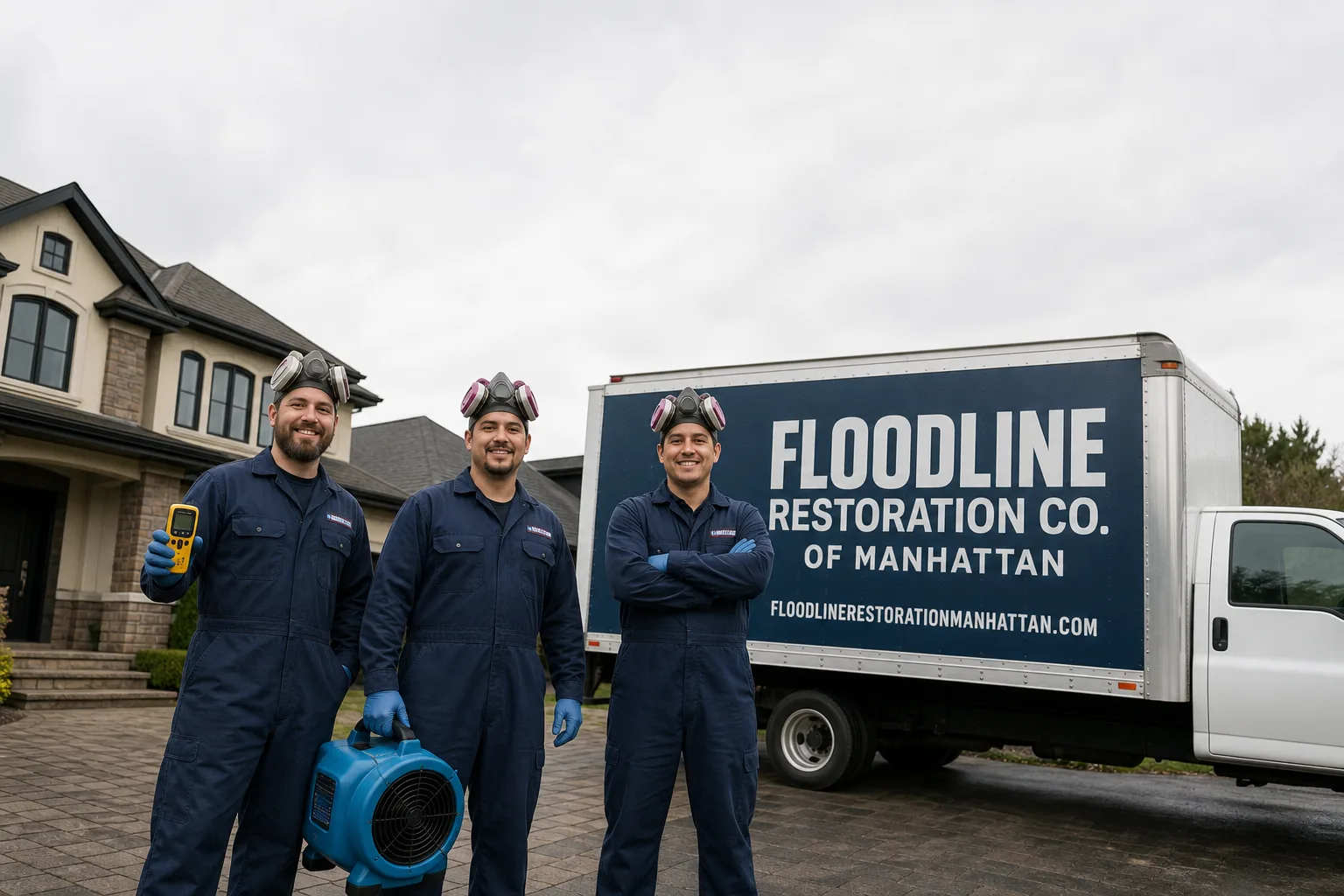
Free visual inspection and a written scope of work before any mitigation begins - photos, moisture readings, and drying logs go in your claim file
The scope we write is the scope we bill. Anything new gets shown to you, in writing, before we touch it.






 Before
 After
After Before
 After
After Before
 After
After24/7 Emergency Reconstruction & Cleanup in River Edge
When floodwater from the Hackensack River gets into a River Edge basement, reconstruction and cleanup can’t wait. Our crews reach River Edge within 45 minutes of your call, and we answer the phone live at (917) 924-4221 at 2 a.m. the same way we do at noon. The first hour determines whether you’re drying studs or replacing them. We start with a free visual inspection, map the moisture, and give you a written scope before any work begins. Every job is backed by the 90-Day Done Right Promise, in writing, no arguing. If it’s not done right, we make it right.
Understanding Reconstruction & Cleanup Severity in River Edge Properties
Reconstruction severity in River Edge tracks directly to how long water sat inside a structure before professional drying began. The Hackensack River drains sluggishly southward into the flat Meadowlands, so riverside properties along New Bridge Road remain inundated days longer than homes in Paramus or Oradell. That extended saturation window pushes what might have been a Category 2 water loss into Category 3 territory, the classification that includes river water, sewage, and anything that’s been standing long enough to breed bacteria. In River Edge’s post-WWII Cape Cods and center-hall colonials, that water works into block-foundation walls, behind 1970s-era paneling, and up through the sill plates. Moisture mapping with thermal imaging and hygrometers tells us what’s salvageable versus what’s a tear-out. The answer changes block by block, house by house, and often depends on whether the lower level was finished with modern materials or older paneling and drop ceilings that trap moisture. We don’t guess. We measure.
Why River Edge Property Owners Choose Floodline Restoration Co. of Manhattan
- 45-minute response commitment: Live dispatch sends a crew toward River Edge immediately, not “soon as we can fit you in.”
- 24/7 live answer: A real person picks up the call, day or night. Not a recording, not an answering service. A dispatcher who knows the trade.
- IICRC-certified crews: Our technicians hold WRT, FSRT, and AMRT certifications and train to IICRC, RIA, and IFA standards. Background-checked and uniformed.
- Free visual inspection: We assess the damage before you sign anything. A written scope of work follows, with line-item pricing.
- Direct insurance billing: We communicate with your adjuster and bill the carrier directly. You’re not the messenger.
- One team, start to finish: Extraction, drying, reconstruction, and post-construction cleanup happen under the same crew. No mid-job handoff.
Our Reconstruction & Cleanup Process
Inspection & Assessment
We walk the property with you, identify every affected area, and use thermal imaging plus moisture meters to find water that isn’t visible. You get a written scope and a firm price before anything gets torn out.
Extraction & Stabilization
Standing water comes out immediately with truck-mounted extraction. We stabilize the structure and stop further migration of moisture into walls and flooring. The goal in hour one is containment, not just cleanup.
Drying & Dehumidification
Professional-grade Dri-Eaz air movers, Phoenix dehumidifiers, and Injectidry systems run until moisture readings reach the dry standard. We log readings every 12 hours and hand those logs to you and your carrier.
Cleaning & Sanitization
HEPA air scrubbers pull mold spores and particulate from the air while we clean and sanitize every surface. Antimicrobial treatment follows only after the drying standard is met, never before.
Contents Restoration & Pack-Out
We pack out salvageable belongings, inventory them, and restore what can be saved. Items that need off-site cleaning go out with documentation, and we handle the pack-back when reconstruction is done.
Repairs & Reconstruction
Drywall, flooring, trim, paint, and any structural repairs happen under our supervision. The same crew that ran the drying equipment rebuilds the room to pre-loss condition, better than before where code requires.
Need Emergency Reconstruction & Cleanup in River Edge Now?
Crews minutes away, answering live 24 hours a day. The sooner we start, the less it costs.
Working With Your Insurance Company
Insurance claims in River Edge tend to be second or third events on the same property, which means your adjuster is looking for documentation that proves what was damaged, what was dried, and what had to be replaced. We build that file from the first hour. Our team photographs damage room by room before demolition starts, logs moisture readings daily, and writes a line-item scope of work that your carrier can process without back-and-forth. When we bill directly, we speak adjuster-to-adjuster language. You stay out of the middle. The 90-Day Done Right Promise lives in writing too, so if something isn’t right after we finish, the fix is on us, not on another claim.
What We Provide Your Insurer
- Thorough documentation of the loss
- Photos of all damage, room by room
- Moisture readings and drying logs
- A detailed, line-item scope of work
- Direct coordination with your carrier
Built for River Edge’s Loss Calendar
River Edge doesn’t have one flood season. It has four distinct loss periods, and we plan crews around all of them. January and February bring deep freezes that burst supply lines in uninsulated Cape Cod crawlspaces and split-level utility rooms, flooding finished basements with clean Category 1 water that saturates carpet and pad before anyone notices. March and April thaw the ground and raise the river, pushing groundwater into block foundations along New Bridge Road and Rivers Edge Drive. July and August produce violent thunderstorm flash flooding that overwhelms storm drains and sends water over foundation sills within minutes. September through November brings nor’easters and the remnants of tropical systems, the kind that put half a Riverside block underwater in Ida, and the reason we keep extraction crews staged for River Edge whenever a named storm tracks toward Bergen County. The pattern is predictable. The damage doesn’t have to be permanent.
Reconstruction & Cleanup Across River Edge’s Neighborhoods
River Edge is shaped by its river. The blocks closest to the Hackensack, along New Bridge Road and Riverside Drive, see the repeat flood events that turn our Reconstruction & Cleanup work into a cycle: dry, tear out, rebuild, repeat after the next storm. Homes on the eastern side near the river sit low, with block foundation basements that absorb groundwater pressure even when the street stays dry above. The center of town, around Bogert Road and Kinderkamack Road, is built on slightly higher ground, but the 1950s capes and colonials there still have the same aging cast-iron supply lines and minimally waterproofed slabs. Over near Memorial Park and the Route 4 side, split-levels from the early 1960s have the finished lower levels where paneling hides moisture until mold makes itself known through smell. And Cherry Hill, the higher-elevation neighborhood around Howland Avenue, sees fewer floods but more plumbing failures from old galvanized pipe. When we roll into River Edge, our dispatchers know which side of town we’re heading to before the truck leaves, because the damage profile changes by neighborhood. We serve River Edge with crews who know these streets by name.
Specialized Reconstruction & Cleanup Services We Offer in River Edge
Full-Service Reconstruction
When a full basement rebuild is the answer, we handle it from framing to finish. That means new drywall, insulation where moisture reached it, subfloor replacement, and trim work, all built to current Bergen County code. River Edge homeowners with 1950s-era finished basements often discover during teardown that original wiring was run without modern conduit or that vapor barrier was never installed. We correct what we find, document it, and fold it into the scope.
Drywall & Flooring Repair
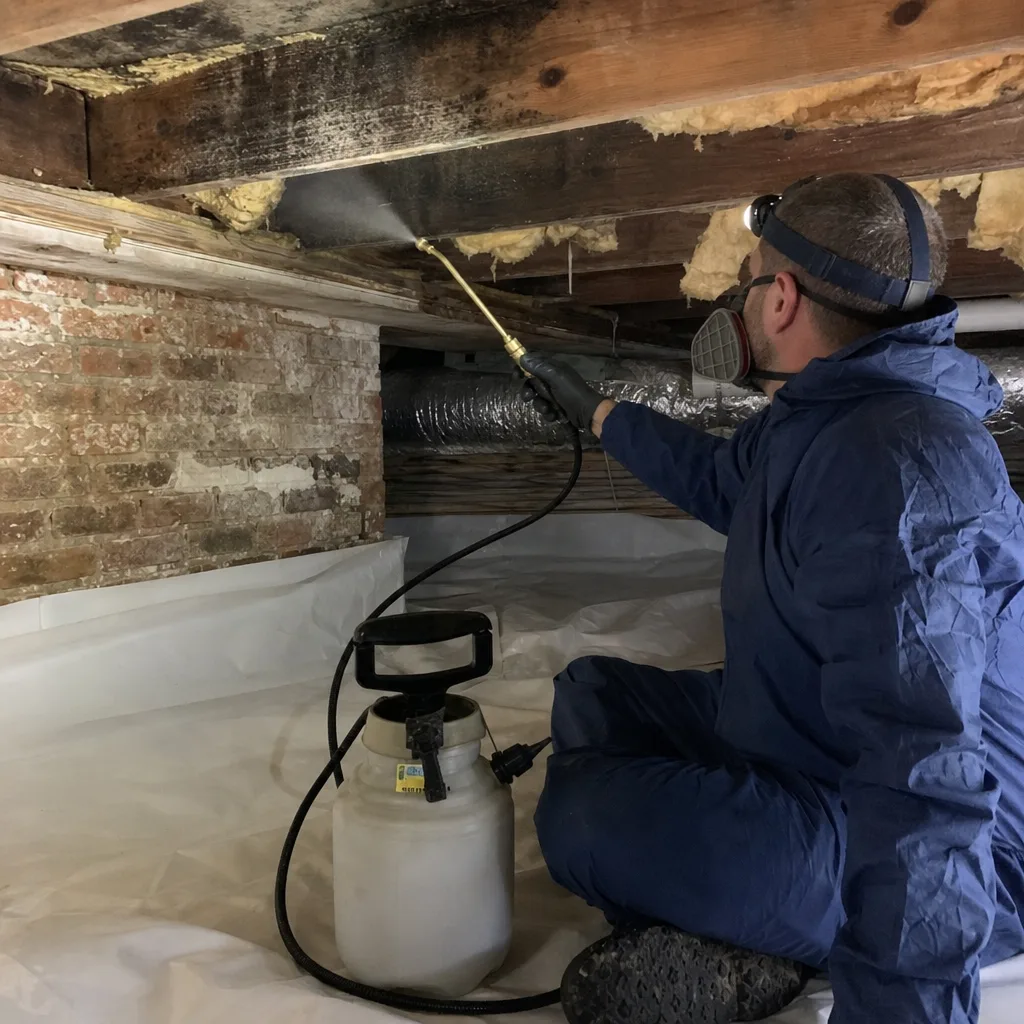
Repeated river flooding means same-wall repairs in some River Edge blocks, and we treat that as a cycle worth breaking. We cut wet drywall at the proper height above the floodline, replace insulation sapped by wicking, and install flooring that suits a basement that will likely see water again. In River Edge, we recommend waterproof systems over traditional wood subfloor in below-grade spaces where the river keeps proving itself.
Contents Restoration & Pack-Out
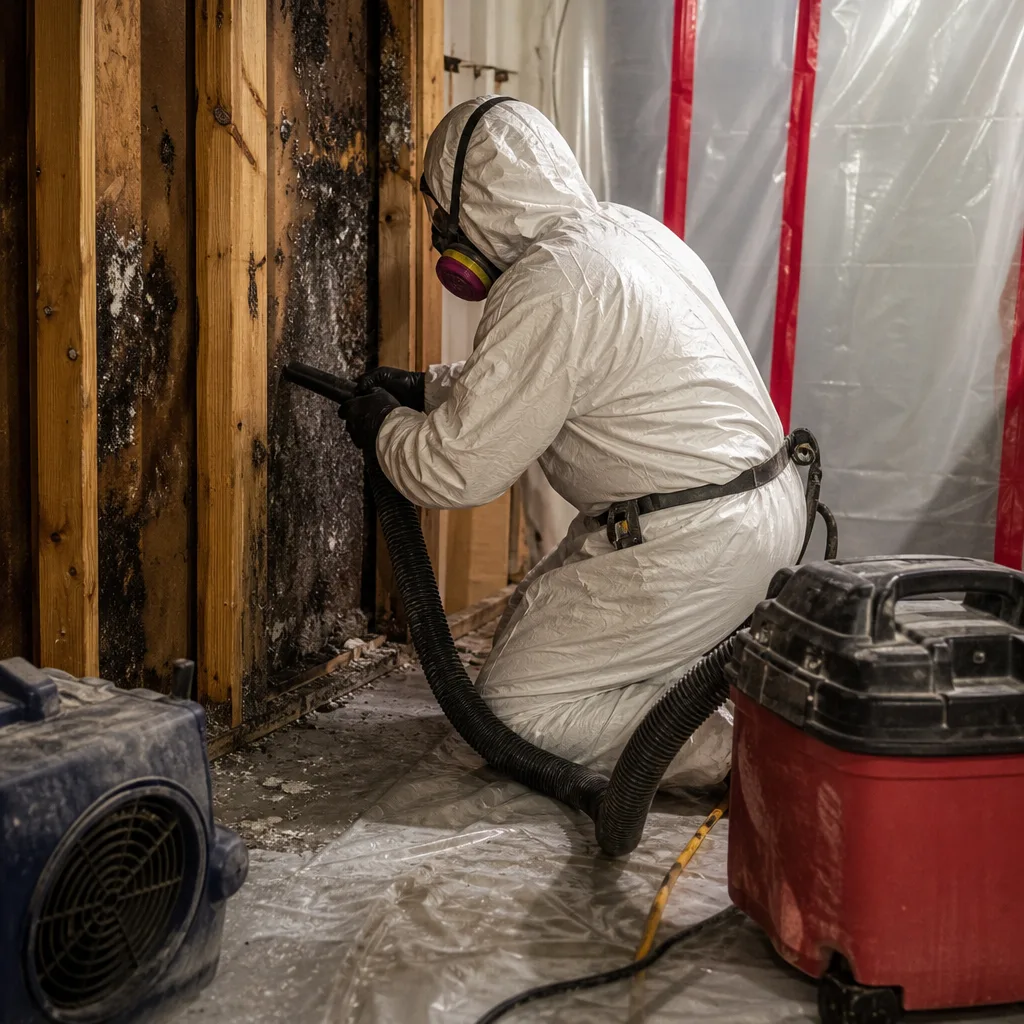
Finished basements in River Edge hold a lifetime of boxes: holiday decorations, photo albums, tools, old records. After a Category 3 flood, we pack out what’s salvageable, inventory it with photos, and clean it off-site when necessary. What’s not salvageable gets documented for your claim. You never dig through the wreckage wondering what’s still good.
Carpet & Upholstery Cleaning
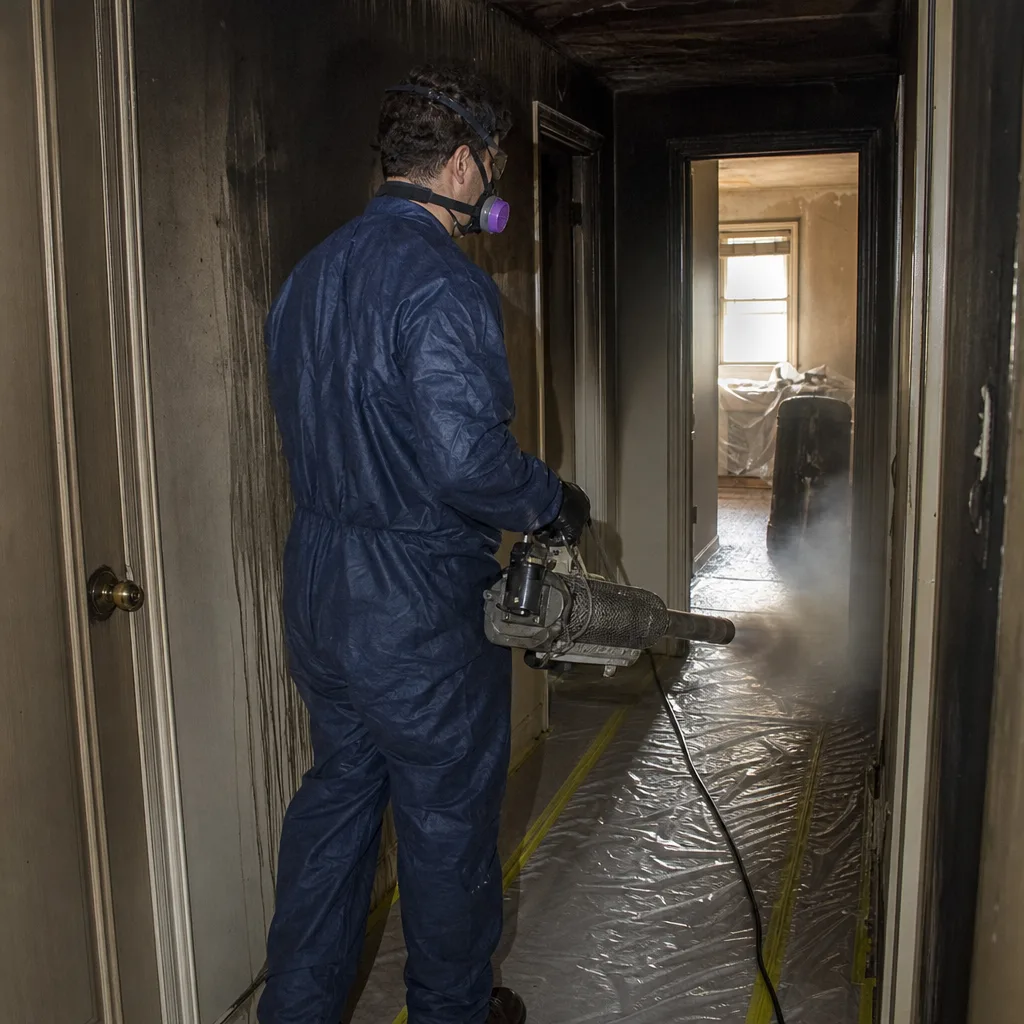
After drying and structural work are done, what’s left in place needs a thorough clean. We run professional carpet cleaning and upholstery work after the heavy equipment leaves, using HEPA-filtered vacuums and hot-water extraction. For flood-soaked carpet in River Edge basements, we typically recommend replacement over cleaning, especially after Category 2 or 3 water.
Post-Construction Cleanup
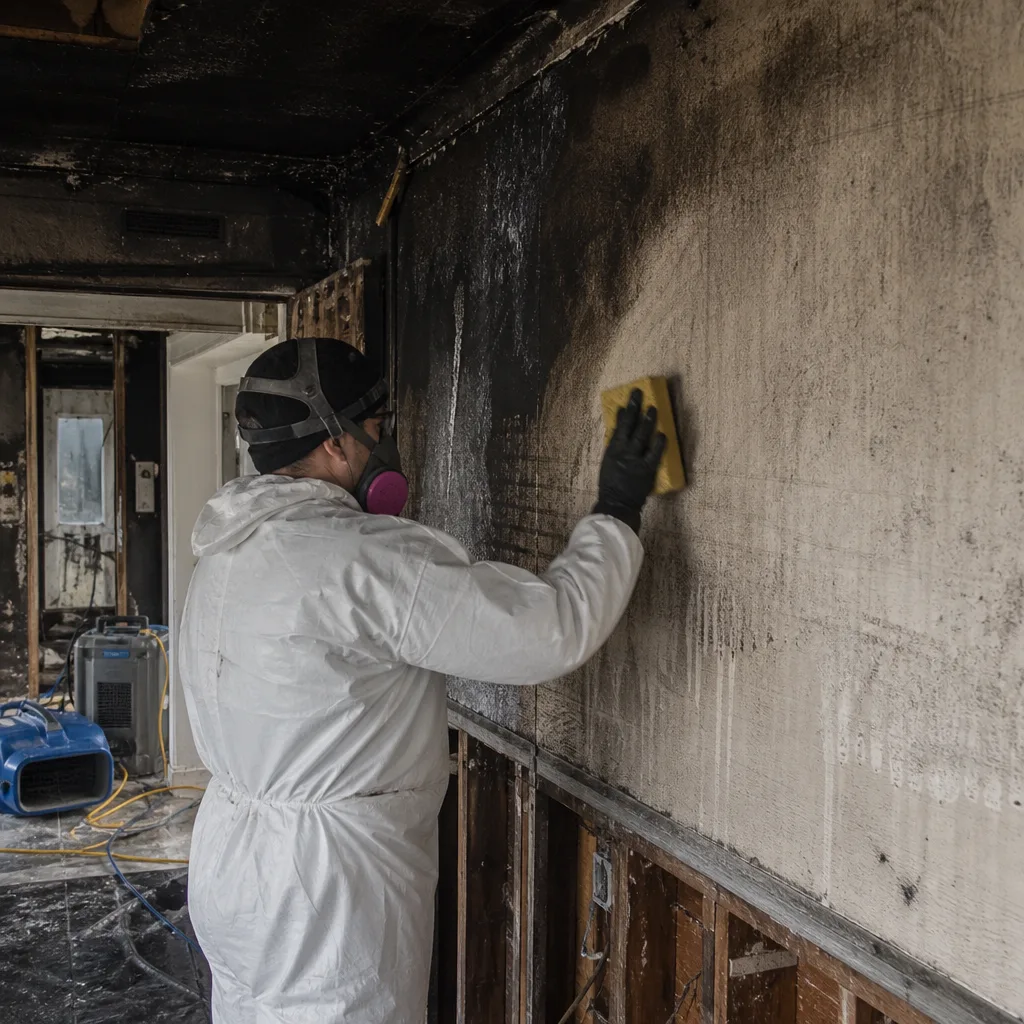
Demolition and drywall produce dust that travels upward through a split-level’s open stairwells. Before we call a reconstruction job done, we clean the entire path dust traveled, not just the repaired room. That means HEPA-filtered air scrubbing, surface wiping, and floor cleaning on every level affected by the dust migration.
What happens when you call
- 1
A real person answersNo phone trees - you reach a local pro.
- 2
You get an upfront price rangeHonest numbers before anyone is dispatched.
- 3
A background-checked tech heads outLicensed & insured, dispatched right away.
- 4
You approve before work beginsNothing starts until you say go.
Reconstruction & Cleanup Costs in River Edge, NJ
Reconstruction costs in River Edge reflect the age of the housing stock and the severity of the damage. Here’s what we’re seeing in this market right now.
- Water extraction and structural drying (single basement): $1,800-$4,500 depending on square footage and saturation level
- Drywall tear-out and replacement (standard basement wall section): $1,200-$3,200 per wall, including insulation and finishing
- Full basement reconstruction after Category 3 flood: $12,000-$38,000 for a typical River Edge finished basement, depending on finish level
- Contents pack-out and restoration (single basement): $2,000-$7,500, claims documentation included
- Post-construction cleanup (full home after rebuild): $500-$1,800
What moves the number is what’s behind the drywall: 1970s paneling takes longer to remove cleanly, and block-foundation walls that absorbed river water need more drying time than stud walls on slabs. Insurance covers most of this when the water is sudden and accidental. Out-of-pocket costs usually come down to the deductible and anything excluded from the policy. We’ll give you a firm number after the free inspection, not a range that changes at signing.
We Also Serve Cities Near River Edge
Floodline Restoration Co. of Manhattan covers the communities around River Edge, including New Milford, Oradell, Paramus, and Maywood. If your home is near the Hackensack River or on low ground in Bergen County, the same crews, same 45-minute response, and same written promise apply. One call brings the same full-cycle team to your door.
River Edge Reconstruction & Cleanup Questions, Answered
How does slow-draining Hackensack River water affect reconstruction timelines in River Edge?
Slow-draining river water extends how long basements stay saturated, which means structural drying takes longer and teardown thresholds are reached more often than in towns where water recedes faster. In River Edge, we typically plan for an extra two to four days of drying compared to inland Bergen County homes.
Do finished basements in 1950s River Edge homes hide moisture behind paneling?
Yes, routinely. 1970s-era paneling and drop ceilings trap moisture against block-foundation walls and create dead air spaces where Category 2 and 3 water persists unseen. We find black mold behind paneling on a significant share of River Edge finished basements that were dry to the touch on the surface.
What should I expect for a full reconstruction after a repeat flood on New Bridge Road?
Expect a full teardown of saturated materials, structural drying of exposed framing and foundation, antimicrobial treatment, and rebuild with materials that make sense for a floodplain property. The process typically takes two to six weeks depending on scope and materials availability.
Why do the same River Edge basements show up on restoration call logs multiple times per decade?
The river-facing blocks along New Bridge Road sit low enough that nor’easter and tropical remnant flooding recurs. Homeowners who skipped professional drying after one event often call back months later with mold, and then the next flood hits before they’ve fully rebuilt. The cycle is predictable and addressable with proper drying and flood-smart reconstruction.
Can you restore a post-WWII Cape Cod’s original drywall and flooring after a flood, or is replacement better?
Drywall that’s been wetted with Category 3 river water nearly always needs replacement, especially in River Edge’s older capes where drywall was installed directly over studs without modern vapor barriers. Flooring depends on material: solid hardwood can sometimes be saved with structural drying; engineered flooring and subfloor typically cannot. We’ll tell you which is which before we touch anything.
How fast can a crew actually get to River Edge?
We commit to 45 minutes from your call to a crew rolling into River Edge. The dispatch board is live 24/7, and our trucks are staged to reach Bergen County quickly. In practice, most River Edge calls see us within 30 to 40 minutes.
Will insurance cover reconstruction after river flooding?
Most standard homeowners policies cover sudden and accidental water damage, including reconstruction after a burst pipe or storm-driven flooding, but separate flood insurance through the NFIP is usually required for true river overflow claims. We document everything to maximize your approved scope and bill your carrier directly.
What should I do in the first 30 minutes after basement flooding in River Edge?
Shut off power to the affected area if it’s safe to reach the panel, don’t enter standing water that could be energized, and call (917) 924-4221. Don’t run a shop vac on wet drywall and don’t open walls yourself. The first hour determines what gets dried versus what gets replaced.
Serving River Edge, NJ - Our Local Coverage Area
We’re based in the River Edge area and know this community well. Use the map below to see our service coverage - if you’re nearby, we can almost certainly help.
We start at the line the water left
That’s the Floodline standard. It’s where the river stopped, where the damage began, and where our work starts. For River Edge homeowners dealing with a flooded basement, a mold-scented lower level, or the aftermath of a fire, we bring the same steady approach: map it, dry it, rebuild it, and write it all down. Background-checked crews, professional-grade Dri-Eaz and Phoenix equipment, and a live person on the phone whenever you call. We stand behind the work with the 90-Day Done Right Promise. Call (917) 924-4221 for a free estimate, and a real person will answer. We’ll be there when we say.
Written by Curt Bowman, Owner at Floodline Restoration Co. of Manhattan.