
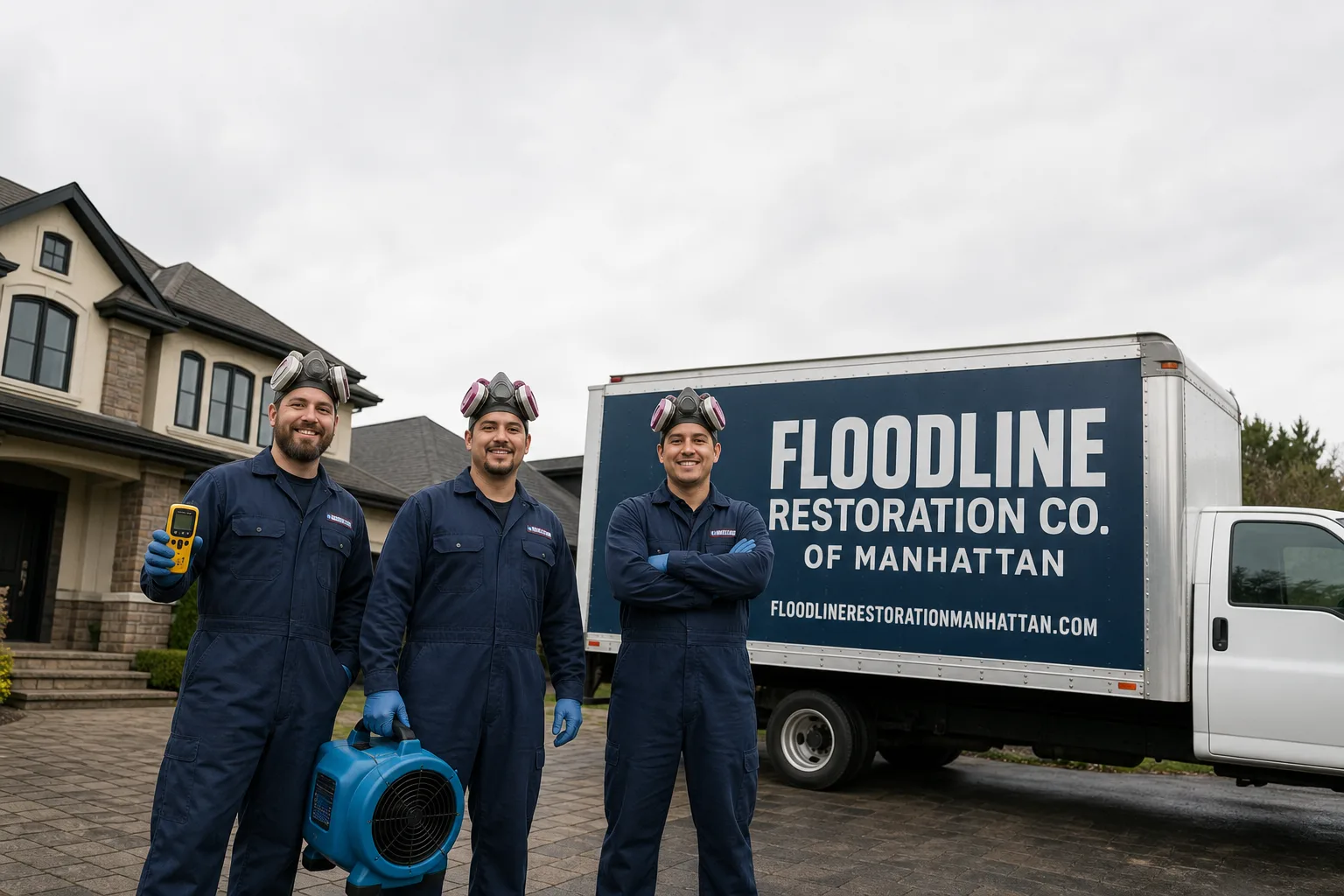
Free visual inspection and a written scope of work before any mitigation begins - photos, moisture readings, and drying logs go in your claim file
The scope we write is the scope we bill. Anything new gets shown to you, in writing, before we touch it.






 Before
 After
After Before
 After
After Before
 After
After24/7 Emergency Sewage Cleanup in Chelsea
When a sewage backup hits a Chelsea brownstone or pre-war co-op, the clock starts immediately. Sewage is Category 3 water - it carries bacteria, viruses, and parasites that become airborne within hours. We answer the phone with a live dispatcher at 2 a.m., and a certified sewage cleanup crew can reach most Chelsea addresses within 45 minutes. Call (917) 924-4221 now for a free visual inspection and a straight answer about what you’re dealing with. The first hour determines whether you’re cleaning a contained spill or gutting drywall down to the studs.
Understanding Sewage Cleanup Severity in Chelsea Properties
Sewage cleanup is not one-size-fits-all, and Chelsea’s building stock makes that especially true. We classify every loss by the IICRC water categories. Category 3 water - sewage, toilet backflow, storm surge mixed with waste - requires full containment, antimicrobial treatment, and removal of porous materials. In Chelsea, where most residential buildings are late-19th and early-20th century walk-ups with original cast iron drain stacks, a sewage backup often means contaminated water has wicked into century-old brick party walls. That moisture stays trapped long after the visible water is gone. Moisture mapping with thermal imaging and hygrometers tells us exactly how far the contamination traveled, which determines whether we’re doing a targeted sanitization or a full Sewage Cleanup with structural drying. The age of the building matters - those pre-1980 plaster walls and original wood joists absorb sewage differently than modern gypsum and treated lumber.
Why Chelsea Property Owners Choose Floodline Restoration Co. of Manhattan
- 45-minute response commitment to Chelsea addresses - a live dispatcher confirms your location, and a crew from our New York City office is en route immediately, day or night.
- 24/7 live answer, never an automated system - at three in the morning you’re talking to a person who can dispatch a crew, not a voicemail tree.
- IICRC-certified crews with WRT and ASD credentials - our technicians are trained to IICRC, RIA, and IFA standards, and they carry professional-grade equipment from brands like Dri-Eaz and Phoenix on every truck.
- Free visual inspection before any work begins - we assess the scope, explain what we found, and give you a written plan with no obligation.
- Direct insurance billing - we bill your carrier directly and handle adjuster communication, so you’re not playing messenger between us and the insurance company.
- One team from extraction to reconstruction - the same background-checked, uniformed crew that extracts the sewage also handles drying, sanitization, and rebuild. No mid-job handoff.
Our Sewage Cleanup Process
Inspection & Assessment
We arrive, trace the source, and map the full extent of contamination. Thermal imaging shows us where sewage has traveled inside walls and under flooring. We document everything before we touch anything - that documentation matters for your insurance claim.
Extraction & Stabilization
We remove standing sewage with truck-mounted extraction equipment, then contain the affected area with barriers and negative air pressure to prevent cross-contamination. For black water in crawl spaces, we use portable extraction units that can handle tight Chelsea cellar clearances.
Drying & Dehumidification
Dri-Eaz air movers and Phoenix dehumidifiers are placed based on a moisture map we build from hygrometer readings. We take daily readings and log them until the dry standard is met. In Chelsea’s brick party walls, this often takes longer than typical drywall drying - we account for that from day one.
Cleaning & Sanitization
All affected surfaces are cleaned with EPA-registered antimicrobials. We remove and bag contaminated porous materials - carpet, pad, drywall, insulation - following NYC Department of Environmental Protection disposal rules for sewage-contaminated debris.
Containment & Air Scrubbing
HEPA air scrubbers run continuously during mitigation. In Chelsea’s gallery district and residential lofts, we run them longer than standard protocols require, because airborne sewage particles can damage high-value contents and art. We document air quality throughout.
Repairs & Restoration
Once the area tests clean and dry, we rebuild. That means replacing the drywall, flooring, and any structural elements we removed. Because we’re a full-cycle restoration company, the same crew that extracted the sewage rebuilds your space to pre-loss condition - and we stand behind the work with our 90-Day Done Right Promise in writing.
Need Emergency Sewage Cleanup in Chelsea Now?
Crews minutes away, answering live 24 hours a day. The sooner we start, the less it costs.
Working With Your Insurance Company
Sewage backup coverage varies by policy, and Chelsea co-ops and condos add another layer - the building’s master policy often covers common drain lines, while your unit policy covers interior damage. We’ve handled hundreds of these claims and know how to document a loss so the carrier pays what they owe. Our team photographs every affected room before mitigation begins, logs moisture readings throughout drying, and provides a line-item scope of work that matches industry-standard estimating software. We communicate directly with your adjuster, including for losses in FEMA flood zones west of 10th Avenue where flood insurance and sewer backup coverage can interact. That coordination means you’re not spending your days on hold with a claims department.
What We Provide Your Insurer
- Thorough documentation of the loss
- Photos of all damage, room by room
- Moisture readings and drying logs
- A detailed, line-item scope of work
- Direct coordination with your carrier
Built for Chelsea’s Loss Calendar
Sewage loss in Chelsea follows a seasonal pattern that locals know and newcomers learn fast. January and February bring freeze-thaw cycles that stress the neighborhood’s aging cast iron drain stacks - cold snaps cause pipe joints to shift, and the thaw releases backups that have been building for weeks. Spring brings nor’easter season, and Chelsea’s western blocks between 10th and 11th Avenues sit inside FEMA-designated flood zones. That’s when storm surge pushes up the Hudson and overwhelms combined sewer outfalls, sending river water mixed with sewage back through basement floor drains. Summer thunderstorms dump inches of rain in an hour, and Chelsea’s century-old combined sewer system - where storm water and sewage share the same pipes - backs up into ground-floor units and converted warehouse basements. Fall is comparatively quiet, but that’s when building supers and co-op boards schedule drain-line camera inspections and preventive work. The pattern is different here than in inland Manhattan: the Hudson is always the wild card. One hard nor’easter can turn a routine toilet overflow into a Category 3 situation from 23rd Street to the river.
Sewage Cleanup Across Chelsea’s Neighborhoods
Chelsea is not one neighborhood - it’s a patchwork of building types that respond to sewage loss differently. In the West 20s gallery corridor between 10th and 11th Avenues, converted warehouses with concrete slab subfloors mean sewage pools rather than absorbs, but stored artwork in basement vaults creates a liability environment where immediate containment and climate-controlled drying are non-negotiable. Over in the brownstone blocks near the General Theological Seminary along Ninth and Tenth Avenues, original cast iron drain stacks inside party walls mean a backup in one house can contaminate the wall shared with the neighbor. In the London Terrace complex along West 23rd Street, plumbing failures cascade through multiple units vertically, and we coordinate with building management on access. East of Eighth Avenue, the five- and six-story tenement walk-ups have narrower stairwells and older waste lines - a toilet overflow on the top floor can send sewage down through five units before anyone notices. And along the far West Side by Hudson River Park, ground-floor units in newer luxury towers still sit inside tidal flood zones, where storm surge through floor drains creates a saltwater-and-sewage mix that accelerates corrosion in any remaining cast iron.
Specialized Sewage Cleanup Services We Offer in Chelsea
Sewage Backup Cleanup
We respond to backups from main line clogs, collapsed drain pipes, and combined sewer overflows. In Chelsea’s pre-war buildings, the culprit is often a 90-year-old cast iron stack that’s finally given out. We trace the source, contain the affected area, extract the sewage, and treat every surface it touched. The goal is to stop the contamination at its highest point of travel - which in a five-story tenement can be three floors above the visible spill.
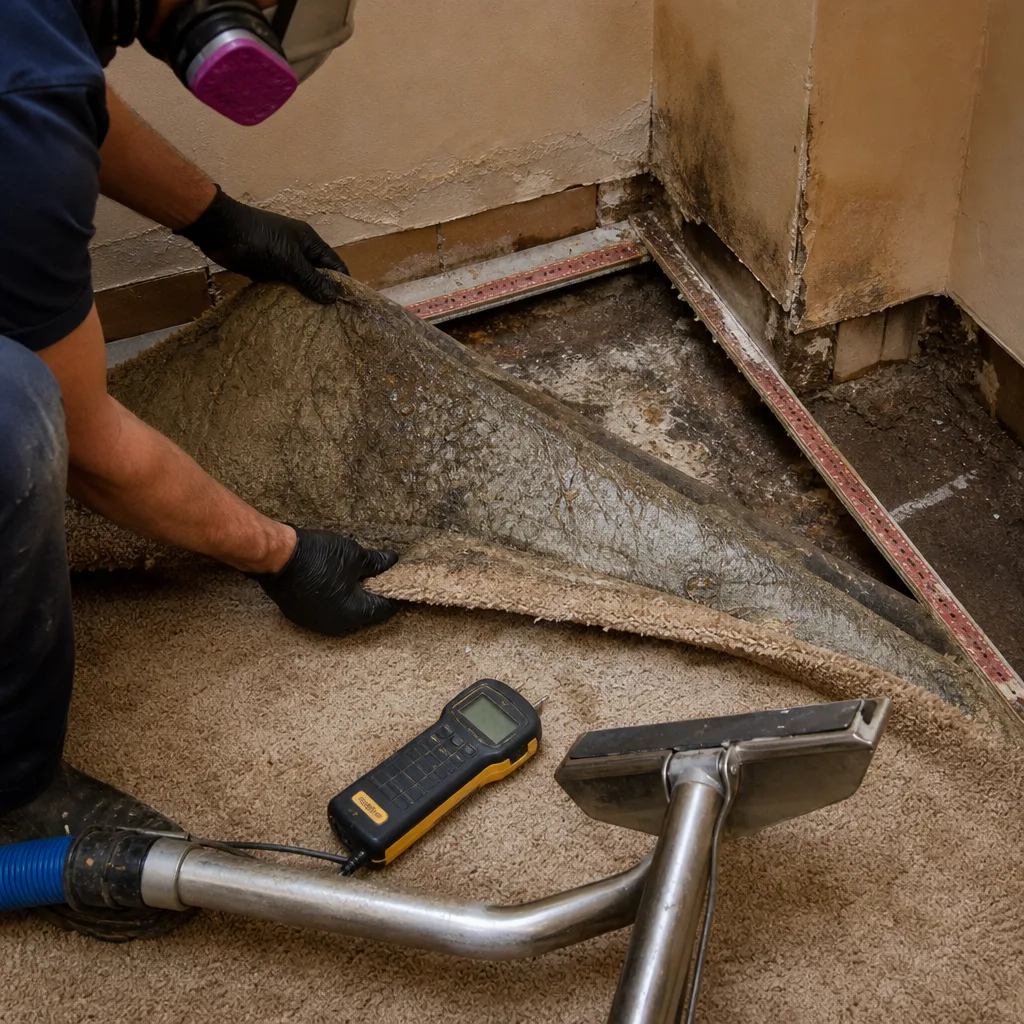
Toilet Overflow Cleanup
A toilet overflow in a Chelsea co-op is rarely a one-unit problem. Shared vent lines and common drain stacks mean Category 3 water can travel laterally into neighboring bathrooms and kitchens. We set containment fast and check adjacent units for hidden moisture. When a co-op board is involved, we provide them with documentation they can use for their master policy claim.
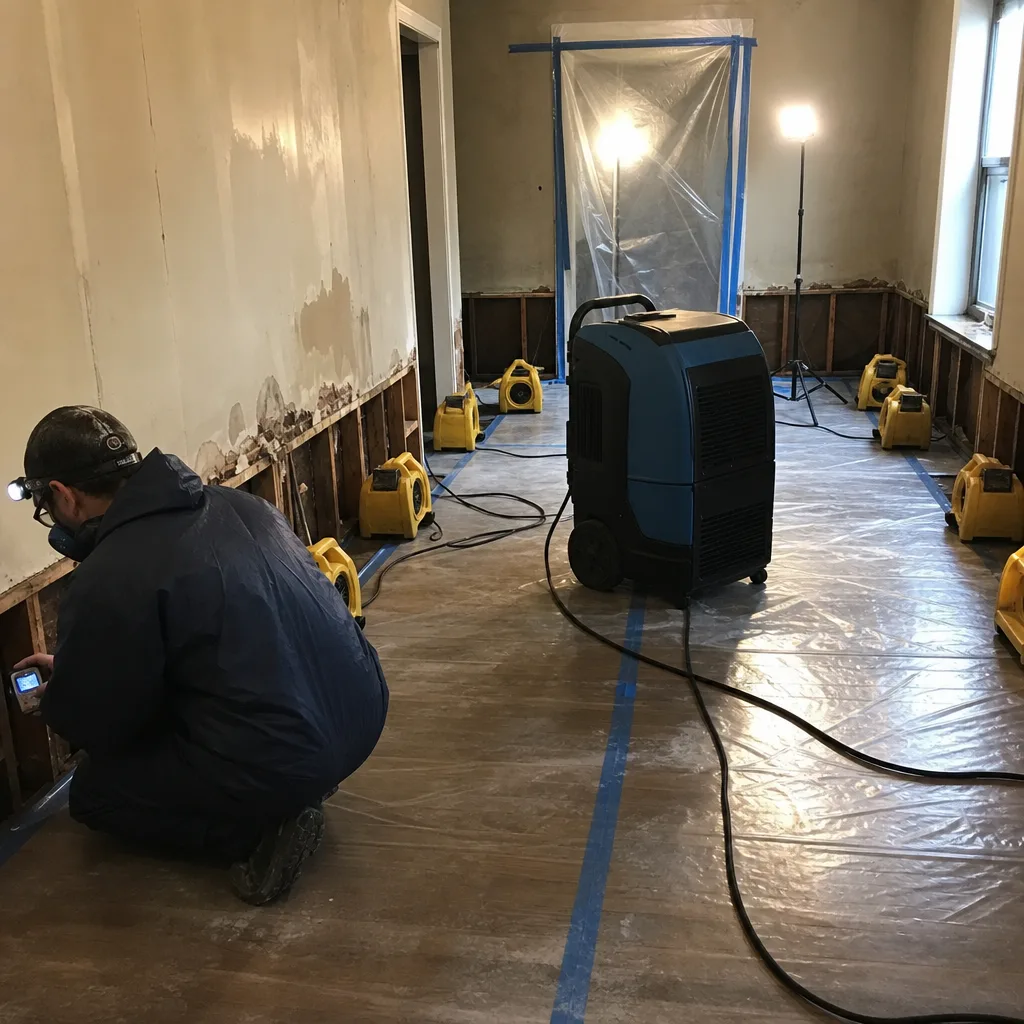
Septic Failure Cleanup
Most Chelsea properties are on municipal sewer, but a handful of older brownstones and converted carriage houses still rely on aging septic or cesspool systems. When those fail, sewage surfaces in backyards, crawl spaces, and basements. We handle the mitigation and coordinate with licensed septic contractors for system repairs, so you’re not juggling two vendors.
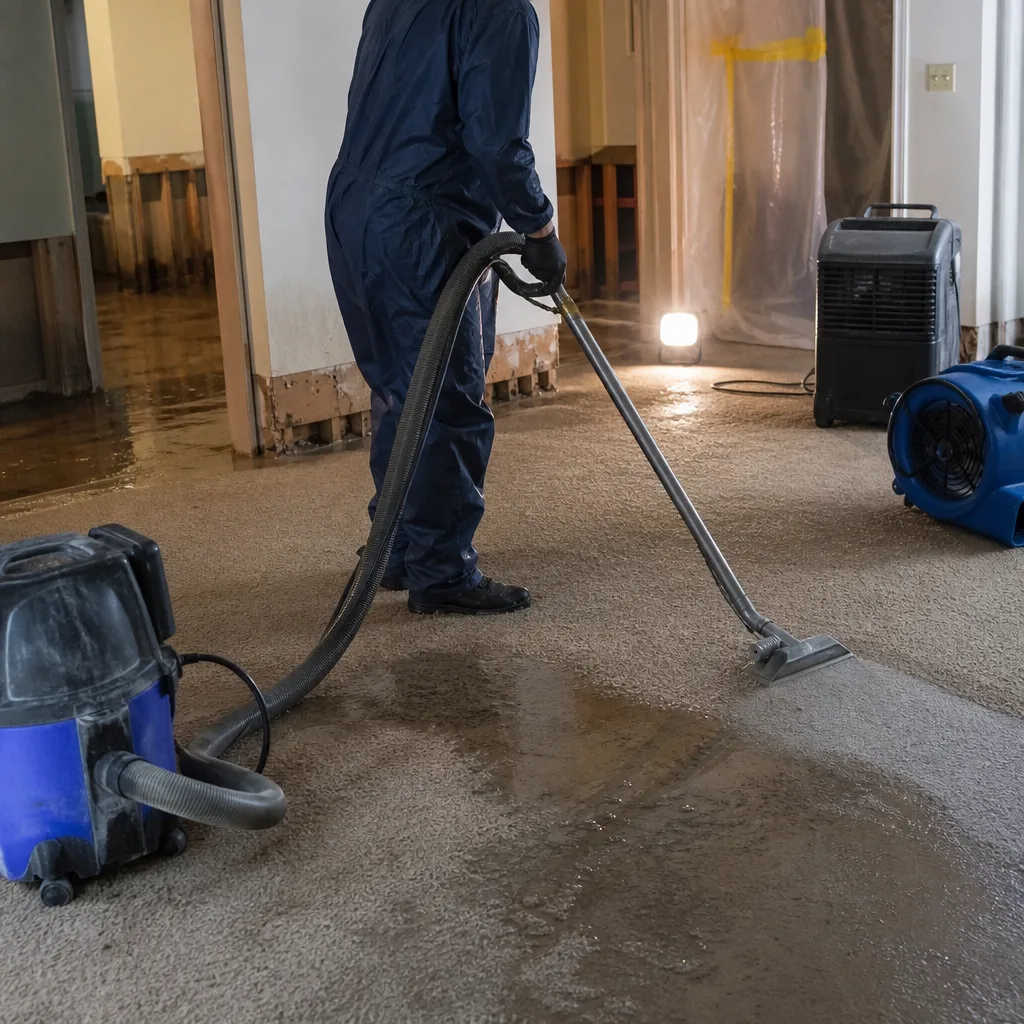
Black Water Extraction
This is the most urgent service we run. Black water - sewage, storm surge mixed with waste - requires full PPE, containment, and controlled extraction. In Chelsea’s flood zones west of 10th Avenue, we’re often extracting a mix of Hudson River water and sewage. That saltwater component accelerates corrosion in cast iron and adds a chlorides problem to the drying equation. We account for both.
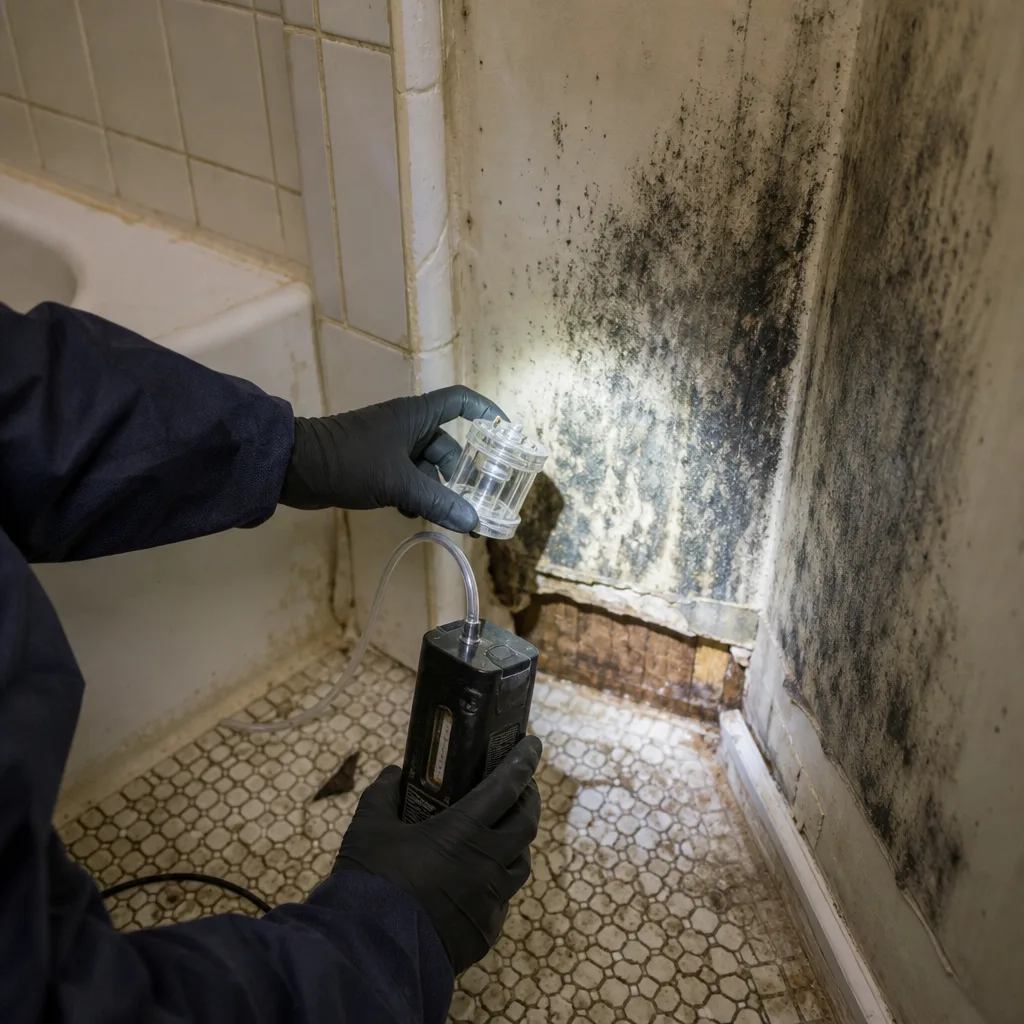
Sanitization & Disinfection
After extraction, every affected surface gets treated with EPA-registered antimicrobials. We follow IICRC S500 standards for Category 3 water, which means porous materials that absorbed sewage - carpet, pad, drywall, insulation, some wood - are removed, not just cleaned. We bag and haul contaminated debris under NYC DEP rules, and we run HEPA air scrubbers until air quality tests clean.
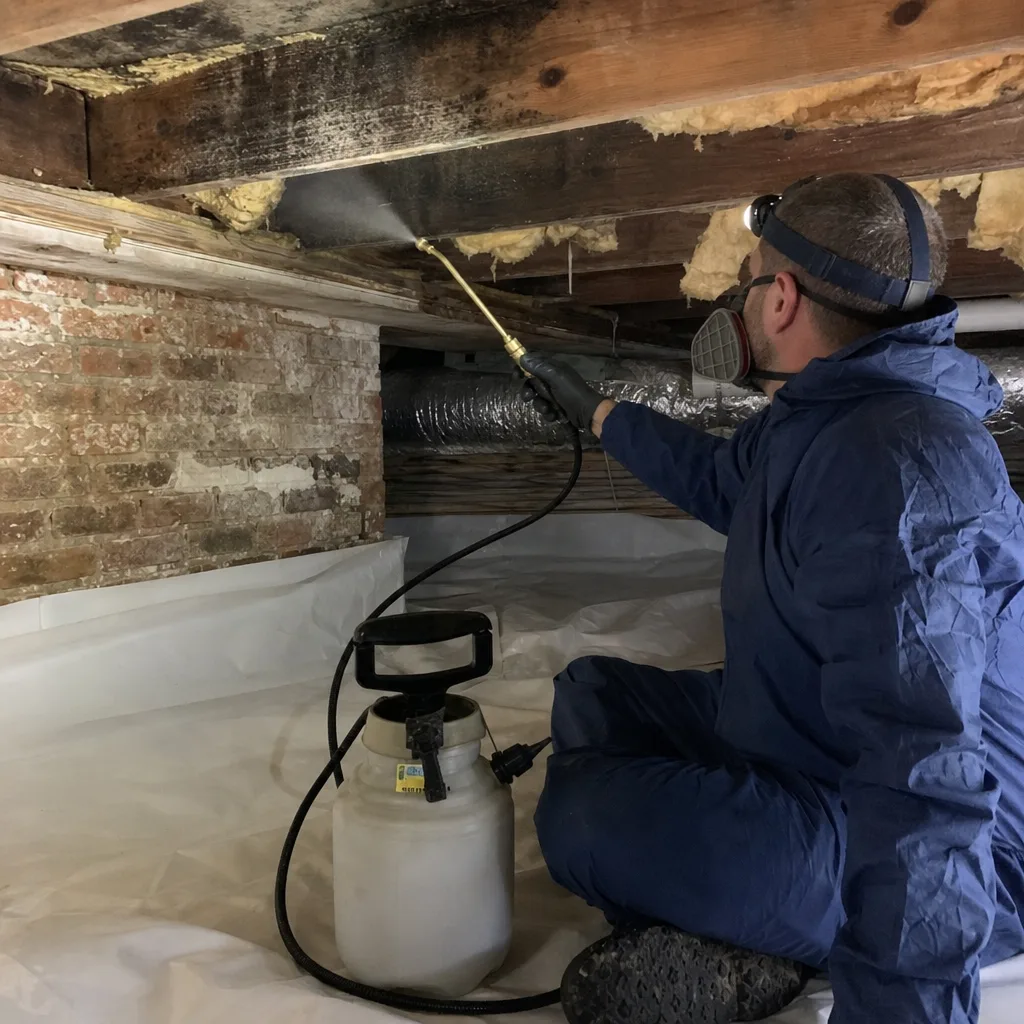
Crawl Space Sewage Removal
Crawl spaces under converted Chelsea warehouses and some brownstones are tight, dark, and often ignored until the smell gives it away. Our crews use portable extraction units designed for low-clearance spaces, and we run extended HEPA air scrubbing because those enclosed spaces hold airborne contaminants longer than open rooms. We also check the crawl space vapor barrier - where one doesn’t exist, we recommend installation as part of the restoration.
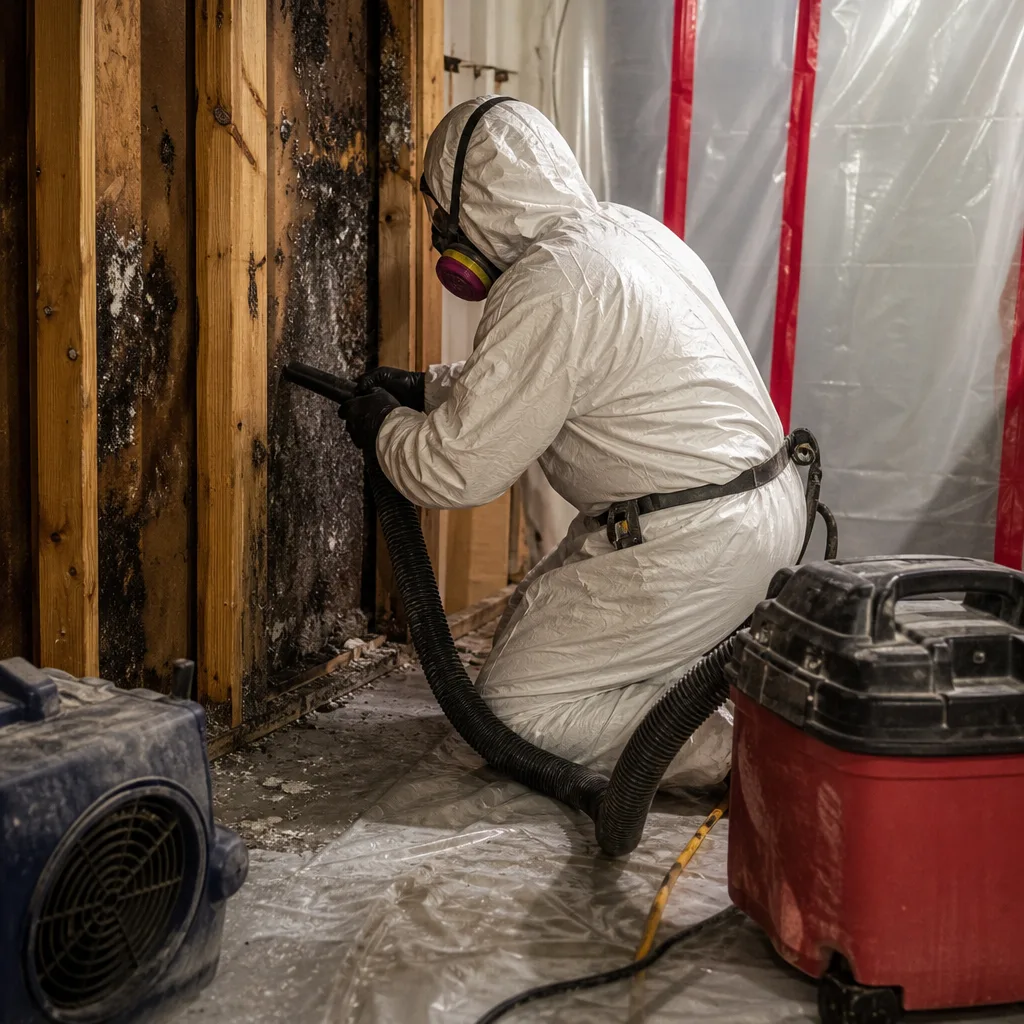
What happens when you call
- 1
A real person answersNo phone trees - you reach a local pro.
- 2
You get an upfront price rangeHonest numbers before anyone is dispatched.
- 3
A background-checked tech heads outLicensed & insured, dispatched right away.
- 4
You approve before work beginsNothing starts until you say go.
Sewage Cleanup Costs in Chelsea, NY
What you’ll pay depends on how far the sewage traveled. Here are straight numbers for Chelsea’s market. A contained toilet overflow in a single bathroom runs $1,800 to $3,400. A basement backup from a main drain line with extraction, containment, drying, and sanitization across a finished space typically lands between $4,500 and $11,000. Full Category 3 mitigation in a gallery-district basement with art contents, extended HEPA air scrubbing, and documentation for high-value items can run $12,000 to $25,000 or more. Saltwater mixed with sewage - common in flood zones west of 10th Avenue - adds a corrosion-time cost because we’re often replacing, not just drying, affected metal components. Insurance typically covers most of this when you have sewer backup endorsement or flood coverage. The path to a firm number starts with a free visual inspection. We give you a written scope before any work starts, so the bill is never a surprise. Call (917) 924-4221 and we’ll send a crew to look.
We Also Serve Cities Near Chelsea
Our crews respond throughout the lower Hudson Valley and northern Westchester. We serve Chelsea as our core dispatch area, and we regularly take calls from property owners in Shrub Oak, Crompond, Peekskill, and Shenorock for the same Category 3 sewage cleanup, extraction, and sanitization work.
Chelsea Sewage Cleanup Questions, Answered
How does Chelsea’s flood-zone designation affect sewage cleanup in my building?
It changes the water we’re dealing with. In FEMA flood zones west of 10th Avenue, sewage backups during nor’easters are often mixed with Hudson River storm surge. That’s still Category 3 black water, but the saltwater component accelerates corrosion in cast iron pipes and adds a drying complication - chlorides in brick and mortar hold moisture longer. We test for salinity when a backup occurs during or after a storm surge event, and we adjust our drying and replacement protocol accordingly. Call (917) 924-4221 if you’re in the flood zone and seeing water where it shouldn’t be.
Will I need asbestos or lead abatement before sewage cleanup starts in my pre-war Chelsea walk-up?
Yes, in most cases. If sewage-soaked plaster, insulation, or flooring contains asbestos or lead paint - common in buildings constructed before 1980 - NYC DEP rules require a licensed abatement contractor to handle removal before we can fully open walls or floors. We identify these materials during our initial assessment, flag them for your co-op board or landlord, and coordinate with the abatement contractor so the project keeps moving without a DEP permit stall. The key is addressing it early, not after we’ve started pulling apart walls.
Can you protect my art collection during a sewage cleanup in the West 20s gallery district?
We’ve handled sewage losses in Chelsea galleries and private collections for years. The protocol includes immediate containment, HEPA air scrubbing before any demolition starts, climate-controlled drying equipment that maintains stable temperature and humidity, and documentation of every step for insurance and condition reporting. For high-value works, we coordinate with licensed art handlers on relocation and off-site storage. No artwork leaves the site without a written chain-of-custody record. This level of documentation is standard for us, not an add-on.
Why do Chelsea co-ops need special coordination for toilet overflow cleanup?
Because a toilet overflow in one unit rarely stays in that unit. Shared drain stacks and vent lines mean sewage can travel vertically and laterally into neighboring apartments. Co-op boards are legally responsible for common plumbing, and they need documentation showing where the sewage originated and how far it traveled. We provide that - photos, moisture maps, and a written scope - so the board can file their master policy claim while you file your unit claim. We also handle tenant notification when the building requires it, so you’re not doing that at 2 a.m.
How fast can you extract black water from a crawl space under a converted Chelsea warehouse?
We typically arrive within 45 minutes of your call and begin extraction the same visit. Crawl spaces under converted warehouses have low clearances and limited access, but our portable extraction units are built for that. The extraction itself often takes 1 to 3 hours; the drying and sanitization that follows takes 2 to 5 days depending on the moisture load and whether the crawl space has a vapor barrier. We bring the same Dri-Eaz and Phoenix equipment we use in open rooms, just configured for confined space work.
What should I do in the first 30 minutes after discovering a sewage backup?
Turn off water to the affected fixture if you can do so safely. Do not flush, run water, or use any drain in the building. Keep people and pets out of the affected area. Do not attempt to clean the sewage yourself with household products - that spreads contamination and creates airborne particles. Open windows if the weather allows. Then call us at (917) 924-4221. The first 30 minutes determine whether we’re doing a contained cleanup or a full mitigation.
How long does full sewage cleanup and drying take in a Chelsea brownstone?
Plan on 3 to 7 days for mitigation - extraction, containment, drying, sanitization - for a typical basement or bathroom backup in a Chelsea brownstone. Drying alone often takes 2 to 4 days, and brick party walls with trapped moisture can extend that. Reconstruction - drywall, flooring, paint - runs another 1 to 2 weeks after drying is complete. We give you a written timeline at the free inspection so you know what to expect. Call (917) 924-4221 and we’ll set a date.
Are your sewage cleanup crews certified for this work?
Every technician who enters your home is background-checked, uniformed, and trained to IICRC standards, with WRT and ASD credentials for water loss and applied structural drying. Our crew leads hold RIA and IFA certifications as well. We run continuous training on Category 3 water protocols, and we use professional-grade equipment from brands like Dri-Eaz and Phoenix. You’re getting a certified team that has worked Chelsea’s specific building types for years, not a generalist.
One Thing About Sewage Cleanup in Chelsea Most Contractors Won’t Tell You
In Chelsea’s FEMA-designated flood zones west of 10th Avenue, sewage backups after nor’easters are rarely just sewage. Hudson River storm surge pushes up through the combined sewer system, mixes with wastewater, and backs up through basement floor drains as a saltwater-and-sewage slurry. That’s still Category 3 water, but the salt changes everything. Salt accelerates corrosion in century-old cast iron drain stacks - pipes that were already near the end of their useful life. We’ve responded to backups in the West 20s where a cast iron waste line failed three months after a surge event, weakened by chlorides that had saturated the surrounding soil. The standard dry-and-sanitize approach that works in inland Manhattan doesn’t address that. We check for salinity during every flood-zone mitigation, and we flag pipes that show accelerated corrosion so you can plan replacement before the next failure. It’s a detail most contractors miss because they don’t work the Hudson waterfront week after week. We do. We responded to a sewage backup in a pre-war co-op on West 22nd Street near 10th Avenue where a failed cast iron line flooded three lower-floor units. Our crew set up containment and used Dri-Eaz air movers with Phoenix dehumidifiers while coordinating with the co-op board on tenant notification. Moisture mapping revealed wicking in the original brick party walls, so we documented drying logs and applied antimicrobial treatment before restoring the pre-loss condition. That’s the standard we hold on every Chelsea job - not a sales pitch, just how the work gets done.
Serving Chelsea, NY - Our Local Coverage Area
We’re based in the Chelsea area and know this community well. Use the map below to see our service coverage - if you’re nearby, we can almost certainly help.
Call Floodline Restoration Co. of Manhattan for Sewage Cleanup in Chelsea
When sewage is spreading through your Chelsea home or building, you need a crew that answers the phone and shows up ready. We’ve been doing this work long enough to know Chelsea’s building types, its flood zones, its co-op politics, and its contents - from brownstone basements to gallery vaults. No matter the hour, a live dispatcher answers at (917) 924-4221. We’ll send a certified crew, do a free visual inspection, and give you a written scope before any work starts. We bill your insurance directly, and we stand behind every job with the 90-Day Done Right Promise in writing. Call now - the sooner extraction starts, the less this costs you.
Written by Curt Bowman, Owner at Floodline Restoration Co. of Manhattan, serving Chelsea and the surrounding area since 2010.