
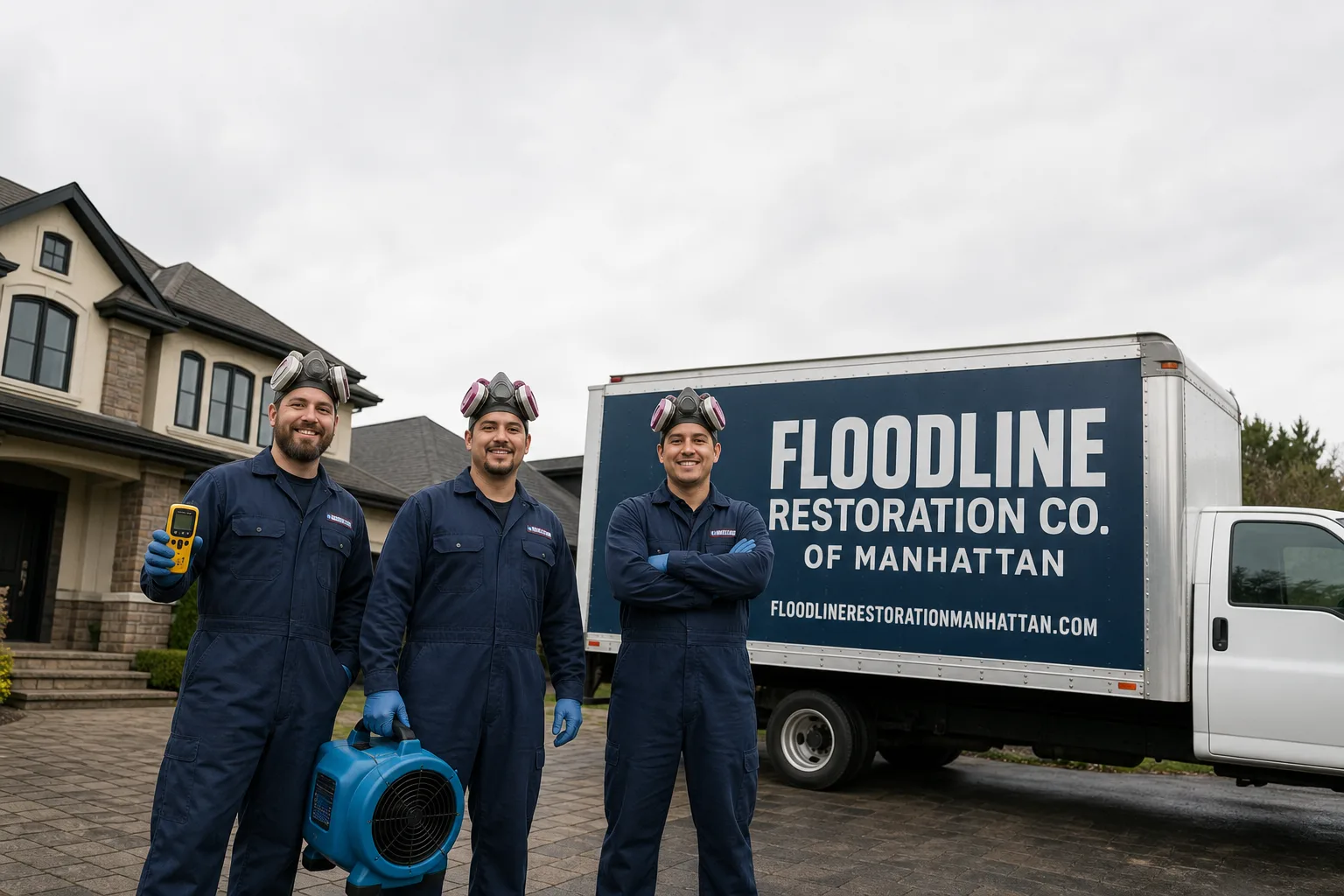
Free visual inspection and a written scope of work before any mitigation begins - photos, moisture readings, and drying logs go in your claim file
The scope we write is the scope we bill. Anything new gets shown to you, in writing, before we touch it.






 Before
 After
After Before
 After
After Before
 After
After24/7 Emergency Sewage Cleanup in Flatbush
Sewage backing up into a Flatbush basement is a Category 3 biohazard, not just a wet floor. Raw sewage carries bacteria, viruses, and parasites that turn porous materials into a health hazard within hours. If you’re standing in it or smelling it, call (917) 924-4221 right now. A live dispatcher answers at 2 a.m. the same as 2 p.m., and a certified crew from our Sewage Cleanup team is dispatched into Flatbush within 45 minutes. The first hour determines whether that finished basement apartment is salvageable or becomes a gut job. We arrive, contain the contamination, and start extraction the same visit. No recordings, no callback waiting, no script-reading sales desk. Just a steady voice and a crew on the way.
Understanding Sewage Cleanup Severity in Flatbush Properties
Sewage cleanup is not one-size-fits-all, and Flatbush’s housing stock makes severity assessment more demanding than in newer construction. Category 2 water, called gray water, comes from washing machines, dishwashers, and sump failures. It carries significant contamination but not raw sewage. Category 3, black water, is what comes from sewer backups, toilet overflows that reach beyond the fixture, and any water that has mixed with human waste. In a Flatbush rowhouse, the distinction matters because so many basements are finished living spaces, home offices, or rental units. Any Category 3 event requires full biohazard protocols: containment, PPE, antimicrobial treatment, and disposal of affected porous materials like carpet, drywall, and insulation. We do not treat a sewer backup the way we’d treat a clean-water pipe burst. The equipment changes, the chemistry changes, and the dry standard changes. Flatbush’s original plaster-on-lath walls and steam-heat boiler systems retain moisture differently than modern drywall, which extends structural drying timelines and requires daily moisture readings until the log shows the dry standard is met.
Why Flatbush Property Owners Choose Floodline Restoration Co. of Manhattan
- 45-minute response commitment: When sewage is spreading through a basement apartment off Flatbush Avenue, a four-hour delay can trigger HPD violations. We get there fast because we stage crews for exactly this neighborhood.
- 24/7 live answer, never an automated system: A real person picks up the phone at any hour. Not a recording, not a call center script. We tell you who’s coming, what truck they’re in, and when they’ll arrive.
- IICRC-certified crews with WRT, FSRT, and AMRT training: Our technicians are background-checked, uniformed, and trained to IICRC, RIA, and IFA standards. They read the moisture map on day one and stay with the job to the end.
- Free visual inspection of the loss: Before any work starts, we assess the scope, document what we find, and give you a straight answer about what needs to happen. No pressure, no upsell.
- Direct insurance billing: We bill your carrier directly and handle adjuster communication. You don’t play messenger between us and the insurance company, and you don’t wait weeks for paperwork while contamination sits.
- One team from extraction to reconstruction: The same certified crew that extracts sewage from your basement also handles drying, sanitization, and the rebuild. No mid-job handoff to a crew that wasn’t there on day one.
Our Sewage Cleanup Process
Inspection & Assessment
We arrive, map the affected area, and identify the source. Thermal imaging and hygrometers tell us where moisture has traveled, including behind plaster walls and under finished flooring. We classify the water category and scope the work before any equipment enters the home.
Extraction & Stabilization
Using truck-mounted and portable extractors, we remove standing sewage quickly. Containment barriers go up to prevent cross-contamination of clean areas. In Flatbush basements with tight stairwells, we use compact extraction units that fit where larger equipment cannot.
Drying & Dehumidification
Dri-Eaz and Phoenix air movers run alongside industrial dehumidifiers to pull moisture from the structure. Plaster-on-lath walls dry slower than drywall, so we log daily moisture readings and adjust equipment placement until the dry standard is met, not before.
Cleaning & Sanitization
Every affected surface gets antimicrobial treatment. Hard surfaces are cleaned with professional-grade agents, and porous materials that cannot be sanitized are removed and properly disposed. We don’t try to save what should be replaced.
Enzyme Treatment & Odor Control
For sewer backups in Flatbush, we treat the affected line and surrounding soil with enzyme-based agents that break down organic waste. This is especially important for cast-iron and clay-tile laterals, where residue lingers and odor returns if the treatment is skipped.
Repairs & Restoration
Once the structure is dry and sanitized, the same crew handles the rebuild. Baseboards, drywall, flooring, and the finished basement unit go back in. We provide a written scope before work starts and stand behind the result with the 90-Day Done Right Promise.
Need Emergency Sewage Cleanup in Flatbush Now?
Crews minutes away, answering live 24 hours a day. The sooner we start, the less it costs.
Working With Your Insurance Company
Sewage cleanup claims in Flatbush move faster when the documentation is airtight from the first hour. We photograph everything: the source of the backup, the affected rooms, the water level, and the condition of materials before anyone touches them. Our moisture readings and drying logs go directly to your adjuster, and we produce a detailed, line-item scope of work in the format carriers expect. When your basement apartment is a rental unit, the claim often involves tenant-notification and relocation costs, which means the paperwork has to be precise. We’ve handled enough NYC multi-unit losses to know what adjusters will ask for before they ask it. Curt Bowman built this company in 2010 around a dispatch board, not a sales desk, and the claim process works the same way: direct, documented, and complete.
What We Provide Your Insurer
- Thorough documentation of the loss
- Photos of all damage, room by room
- Moisture readings and drying logs
- A detailed, line-item scope of work
- Direct coordination with your carrier
Built for Flatbush’s Loss Calendar
Flatbush’s sewage backup problems follow the weather, and they follow the age of the pipes. Winter brings frozen ground and occasional deep freezes that stress already-fragile cast-iron stacks in 1910s and 1920s rowhouses. Spring thaw raises the water table in Flatbush’s flat glacial-outwash topography, increasing hydrostatic pressure against old foundation walls and below-grade basement floors. Summer convective storms dump inches of rain in an hour, and Flatbush sits inside New York City’s combined sewer system, so stormwater and sewage share the same pipes. When that system overwhelms, raw sewage finds the lowest point: your basement floor drain. Nor’easters in fall and winter do the same at a larger scale. The blocks off Flatbush Avenue, Church Avenue, and Nostrand Avenue with original clay-tile laterals are the ones that flood repeatedly. We keep Category 3 PPE, enzyme treatment supplies, and compact extraction equipment staged for these exact blocks because the same streets generate multiple simultaneous calls during any significant rain event.
Sewage Cleanup Across Flatbush’s Neighborhoods
Flatbush is not one neighborhood; it’s a grid of distinct blocks, each with its own building stock and its own sewage failure pattern. Around Prospect Park South and Ditmas Park, the large Victorian and early-20th-century frame homes sit on wider lots, but their finished basements and original drain systems make them just as vulnerable. Along Flatbush Avenue’s commercial corridor and the side streets running east toward Brooklyn College, attached rowhouses share party walls, which means sewage from one building can migrate to the adjoining basement if the backup is severe enough. In the blocks around Church Avenue and Nostrand Avenue, basement apartments are the highest concentration, and that’s where multi-unit tenant notification becomes a legal obligation on top of the physical cleanup. East Flatbush, around Utica Avenue and Kings Highway, has more semi-detached brick homes from the 1930s and 1940s, many with finished basements and aging lateral connections to the city sewer. Our crews know the parking patterns, the alley access points, and which blocks flood first. When we say we serve Flatbush, we mean every block, from the Victorian stretches of Rugby Road to the rowhouse rows off Rogers Avenue.
Specialized Sewage Cleanup Services We Offer in Flatbush
Sewage Backup Cleanup
When a Flatbush sewer lateral backs up into a basement, the response has to be immediate. We contain the affected area, extract the black water, and begin antimicrobial treatment the same visit. For finished basement apartments, we also assess whether the backup triggers NYC tenant-notification obligations and walk you through exactly what the law requires.
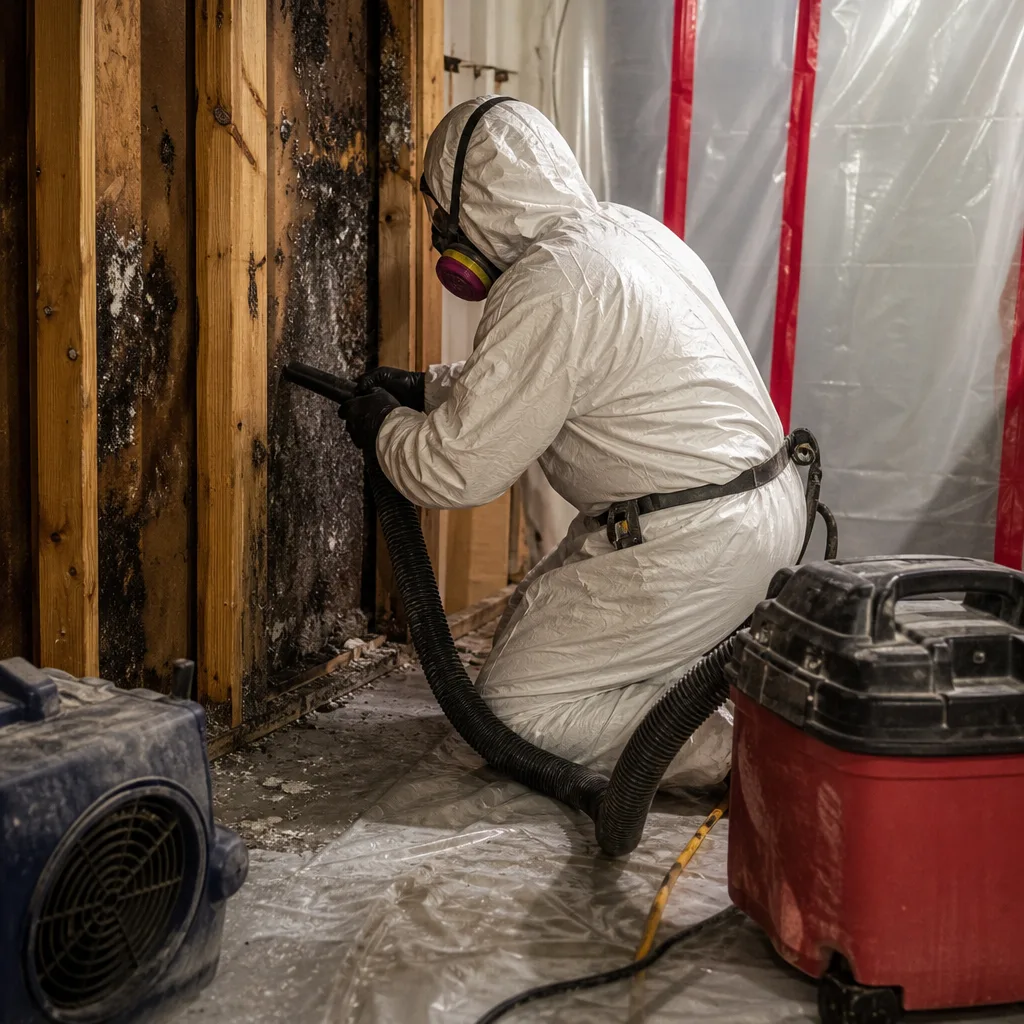
Black Water Extraction
Category 3 water removal is not the same as pumping out clean water. We use dedicated extraction equipment for black water, plus full PPE for every technician on site. The goal is not just to remove the standing sewage but to remove the contaminated water from every surface it touched, including subflooring and wall cavities in Flatbush rowhouse basements.
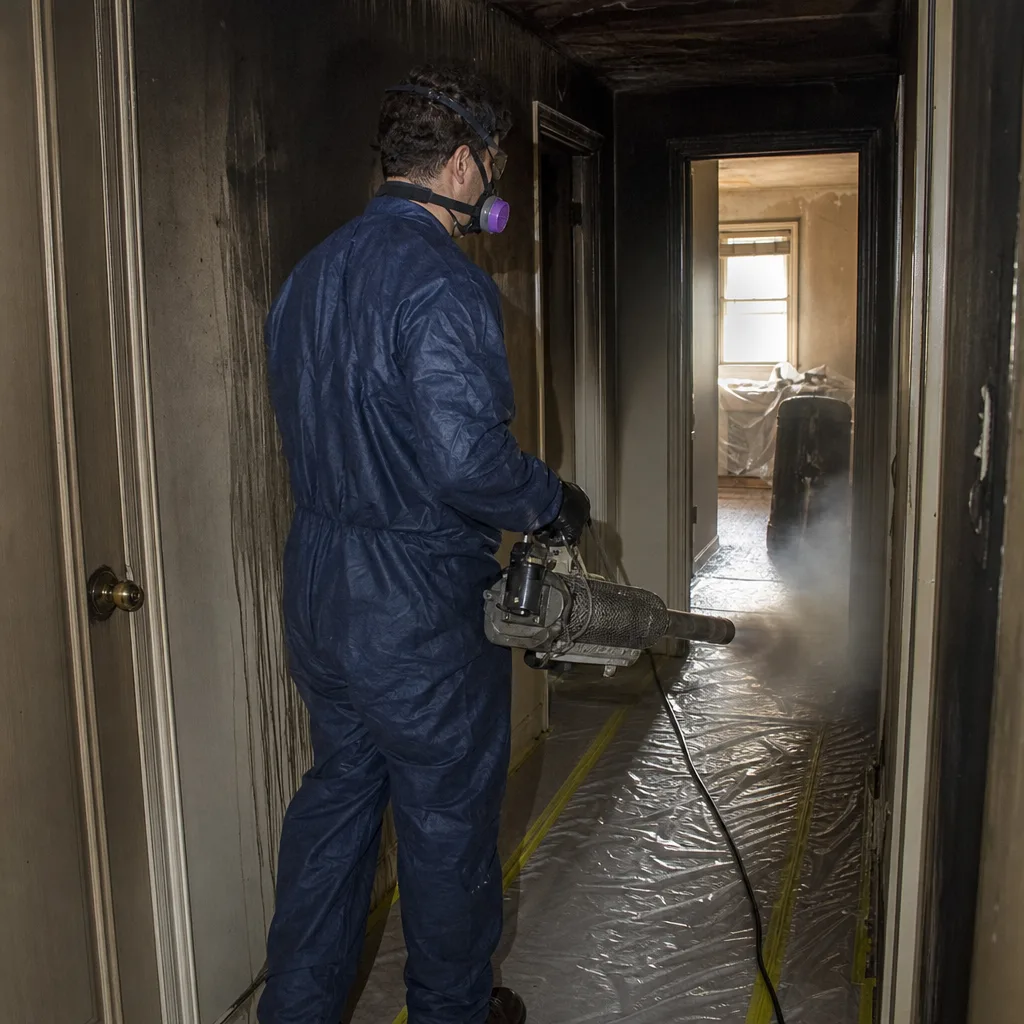
Sanitization & Disinfection
After extraction, every hard surface gets professional-grade antimicrobial treatment. Porous materials that absorbed sewage, like carpet, drywall, and insulation, are removed and disposed of properly. The air inside the affected space is scrubbed before drying equipment runs, so we’re not recirculating contaminants through the house.
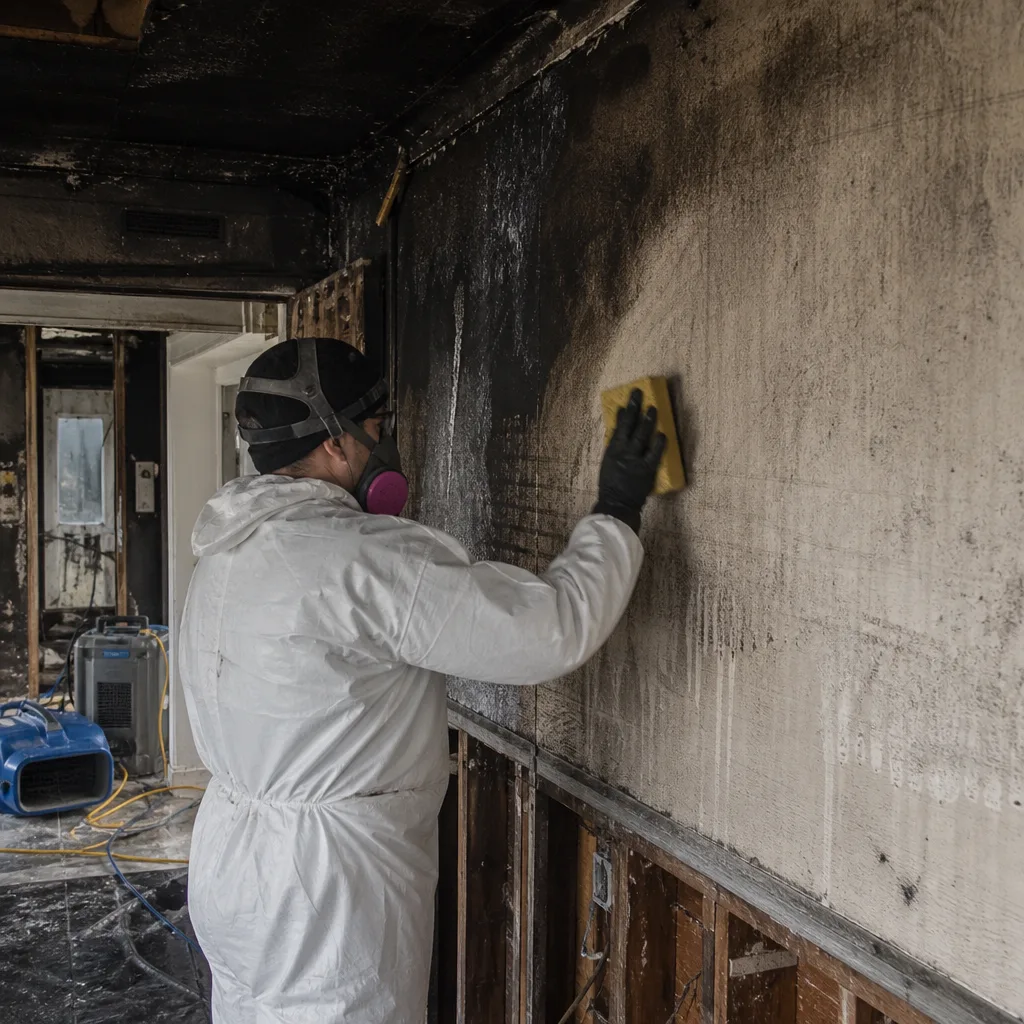
Toilet Overflow Cleanup
A toilet overflow that stays in the bathroom may be a Category 2 cleanup. A toilet overflow that spreads beyond the fixture and soaks into flooring is a Category 3 job. In Flatbush homes with original wood subfloors, that distinction determines whether we sanitize and dry the floor or cut it out. We assess before we act, and we tell you the truth either way.
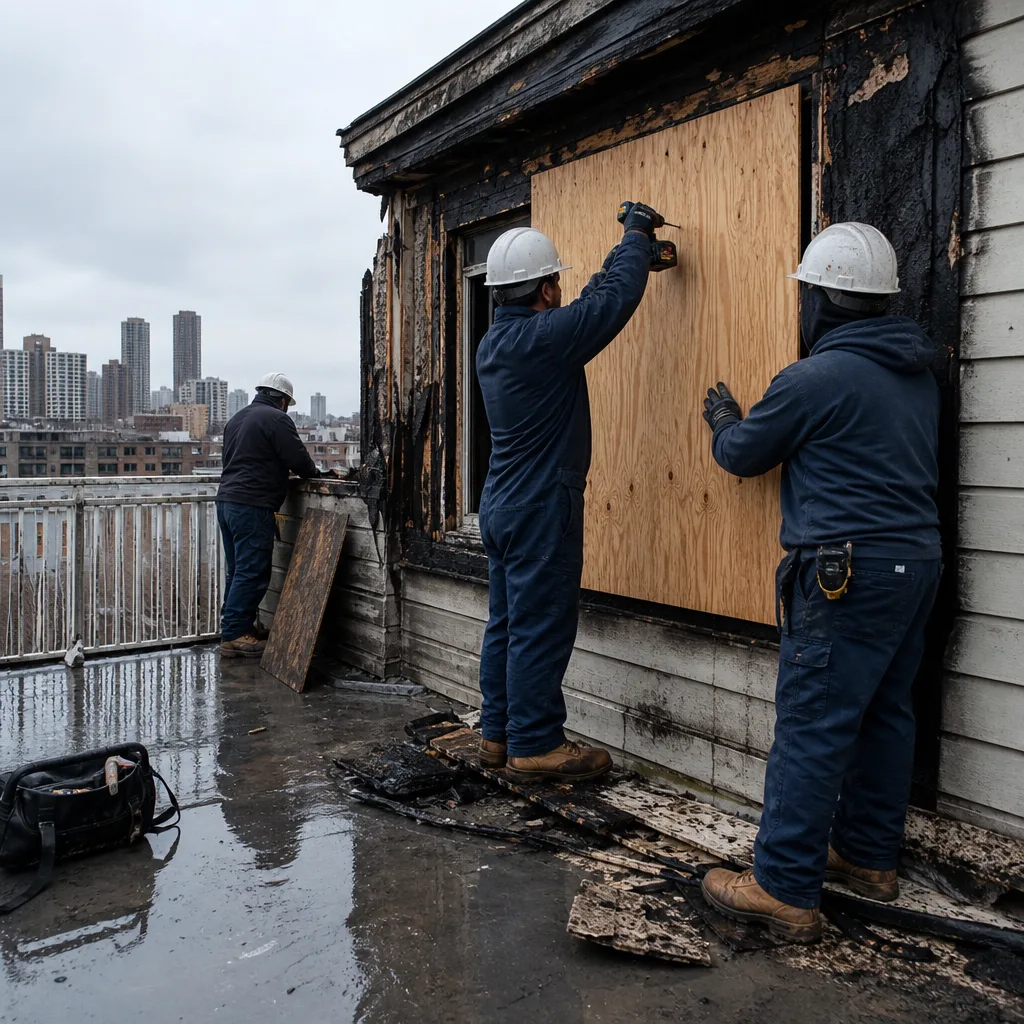
Crawl Space Sewage Removal
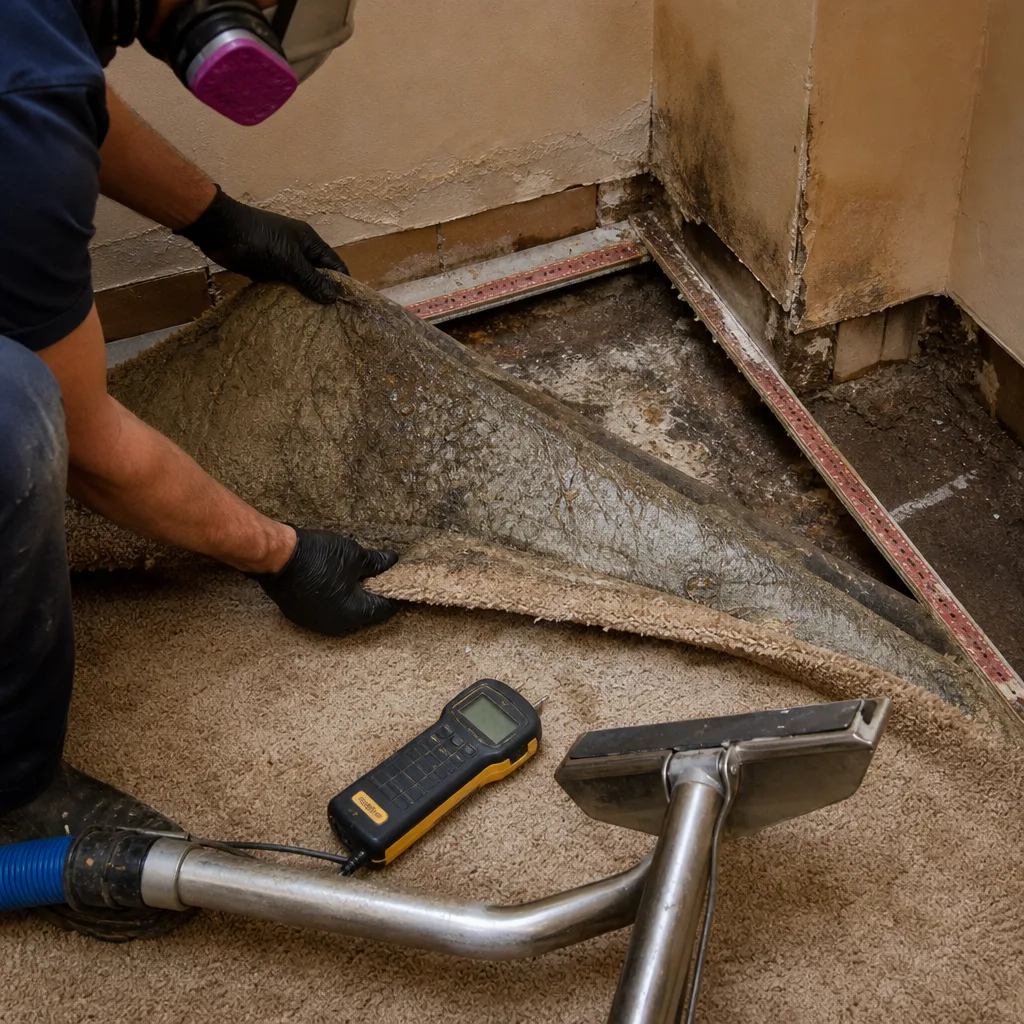
Some Flatbush rowhouses have shallow crawl spaces under a rear addition rather than full basements. Sewage that reaches a crawl space is the hardest to access and the easiest to ignore until the odor becomes unlivable. We send technicians in with proper PPE and extraction hoses to clean the space completely, then treat the soil with enzyme agents to kill the odor at the source.
What happens when you call
- 1
A real person answersNo phone trees - you reach a local pro.
- 2
You get an upfront price rangeHonest numbers before anyone is dispatched.
- 3
A background-checked tech heads outLicensed & insured, dispatched right away.
- 4
You approve before work beginsNothing starts until you say go.
Sewage Cleanup Costs in Flatbush, NY
A straightforward toilet overflow cleanup in a Flatbush bathroom, contained to the fixture area, typically runs $800 to $1,400. A basement sewer backup with full black water extraction in a finished space runs $4,000 to $12,000 in Flatbush’s market. A severe multi-unit basement loss requiring tenant relocation, full gut-out of the finished space, and structural drying can exceed $20,000. What moves the price: the water category, the square footage of affected space, whether flooring and drywall must be removed, and whether tenant-notification or relocation costs are involved. Insurance typically covers Category 3 sewage cleanup when the cause is sudden and accidental, not long-term neglect. Our free visual inspection gives you a firm scope in writing before any work starts, so there are no surprises on the bill. Call (917) 924-4221 and we’ll have someone out to look, typically the same day you call.
We Also Serve Cities Near Flatbush
Our crews respond across Brooklyn and into the neighboring areas of Fairview, Harrison, East Bronx, and Hunts Point. The same 45-minute response commitment and the same live 24/7 dispatch apply. If you’re on the edge of Flatbush or just across the borough line, call (917) 924-4221 and we’ll tell you exactly which crew is closest to you.
Serving Flatbush, NY - Our Local Coverage Area
We’re based in the Flatbush area and know this community well. Use the map below to see our service coverage - if you’re nearby, we can almost certainly help.
Flatbush Sewage Cleanup Questions, Answered
Does a sewage backup in a Flatbush basement apartment automatically require tenant notification?
Under NYC housing law, any Category 3 sewage backup in a rental unit requires prompt notification to the tenant, and if the unit is uninhabitable during cleanup, relocation assistance may be legally required. In Flatbush, where basement apartments are widespread, this triggers additional obligations that many restoration companies never mention. The notice requirements are specific, and missing the timeline can create HPD violations and legal claims. We flag this for you the moment we assess the loss, not after the fact. Call (917) 924-4221 and we’ll walk you through what your property triggers.
Why do the same Flatbush blocks get repeated sewage backups during storms?
The same handful of Flatbush blocks flood repeatedly because the original cast-iron and clay-tile sewer laterals, many installed in the 1910s through 1930s, have decades of root intrusion and bellying. During any significant rain, New York City’s combined sewer system concentrates stormwater and sewage in the same mains, and the weakest laterals back up first. We can trace the pattern and give you an honest recommendation about whether lining or replacing your lateral will reduce future backups. For cleanup today, call (917) 924-4221.
How does the age of my Flatbush rowhouse affect sewage cleanup drying times?
Older Flatbush rowhouses built with plaster-on-lath walls and steam-heat boiler systems absorb and retain moisture differently than modern drywall construction. Plaster is denser, holds water longer, and dries from the outside in, so structural drying takes longer than a comparable square footage in a newer building. We adjust our drying plan for that, run daily moisture readings, and don’t pull equipment until the dry standard is met. A rushed dry job on an original plaster wall means hidden mold later, and we refuse to do that.
What is the difference between Category 2 and Category 3 water in a Flatbush sewer backup?
Category 2, gray water, comes from sources like washing machines or sump failures and carries significant contamination but not raw sewage. Category 3, black water, includes anything from a sewer backup or toilet overflow that has spread beyond the fixture, and it carries pathogens that can cause serious illness. A Flatbush sewer backup through a floor drain is Category 3, period. It requires full PPE, containment, antimicrobial treatment, and disposal of contaminated porous materials. That’s the standard we work to on every sewage job, no shortcuts.
Can you handle sewage cleanup in a finished basement apartment without displacing tenants for days?
In many cases, yes. If the backup is contained and extraction starts the same visit, we can often dry and sanitize the affected area while the tenant remains in the unit, depending on the extent of the contamination. More severe losses may require temporary relocation, and we’ll tell you honestly at the inspection. The key is speed: the faster we get extraction and air movers running, the less likely the tenant is displaced. A four-hour delay in a finished basement apartment can turn a contained cleanup into a full gut-out and an HPD complaint.
How fast can you actually get to a sewage backup in Flatbush?
Our 45-minute response commitment is backed by crews staged for Brooklyn and coordinated by live dispatch around the clock. It’s not a call center promising a window; it’s a local dispatcher who knows which truck is closest to Flatbush Avenue, Church Avenue, or Utica Avenue at that moment. We answer the phone at 2 a.m. the same way we answer at noon, and a certified technician reaches your door fast. Call (917) 924-4221 and find out how soon we can be standing in your basement.
Will my insurance cover sewage cleanup in a Flatbush rental property?
Most property insurance policies cover Category 3 sewage cleanup when the cause is sudden and accidental, like a storm-related sewer backup. Long-term neglect, like a lateral that has been backing up for months, may be excluded. For rental properties with tenant-notification and relocation obligations, the claim gets more complex, and proper documentation from hour one becomes critical. We bill carriers directly and coordinate with your adjuster, including for multi-unit losses in Flatbush. Photo documentation and moisture logs go to the carrier the same day they’re created.
What should I do in the first 30 minutes after a sewage backup in Flatbush?
Get everyone out of the affected area, shut off electricity to the basement if it’s safe to reach the panel, and call (917) 924-4221. Do not flush toilets, run water, or attempt to plunge the drain, because that can push sewage further into the house. Do not run a shop vac or attempt to clean it yourself; black water requires professional extraction and PPE. If the affected area includes a rental unit, note the time and document what you see. We’ll be on the way, and we’ll handle the rest from there.
Written by Curt Bowman, Owner at Floodline Restoration Co. of Manhattan, serving Flatbush with certified Sewage Cleanup crews and live 24/7 dispatch.