
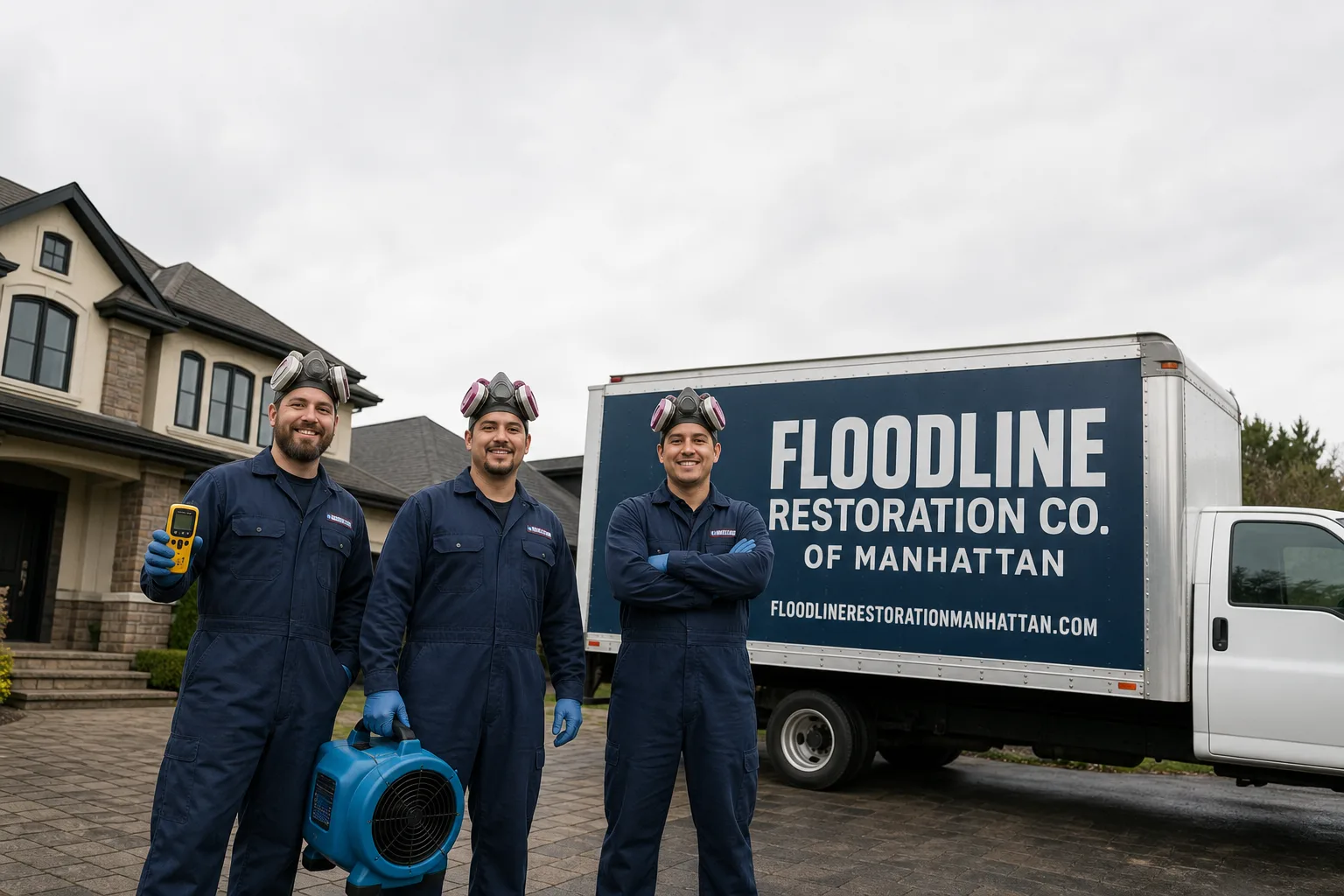
Free visual inspection and a written scope of work before any mitigation begins - photos, moisture readings, and drying logs go in your claim file
The scope we write is the scope we bill. Anything new gets shown to you, in writing, before we touch it.
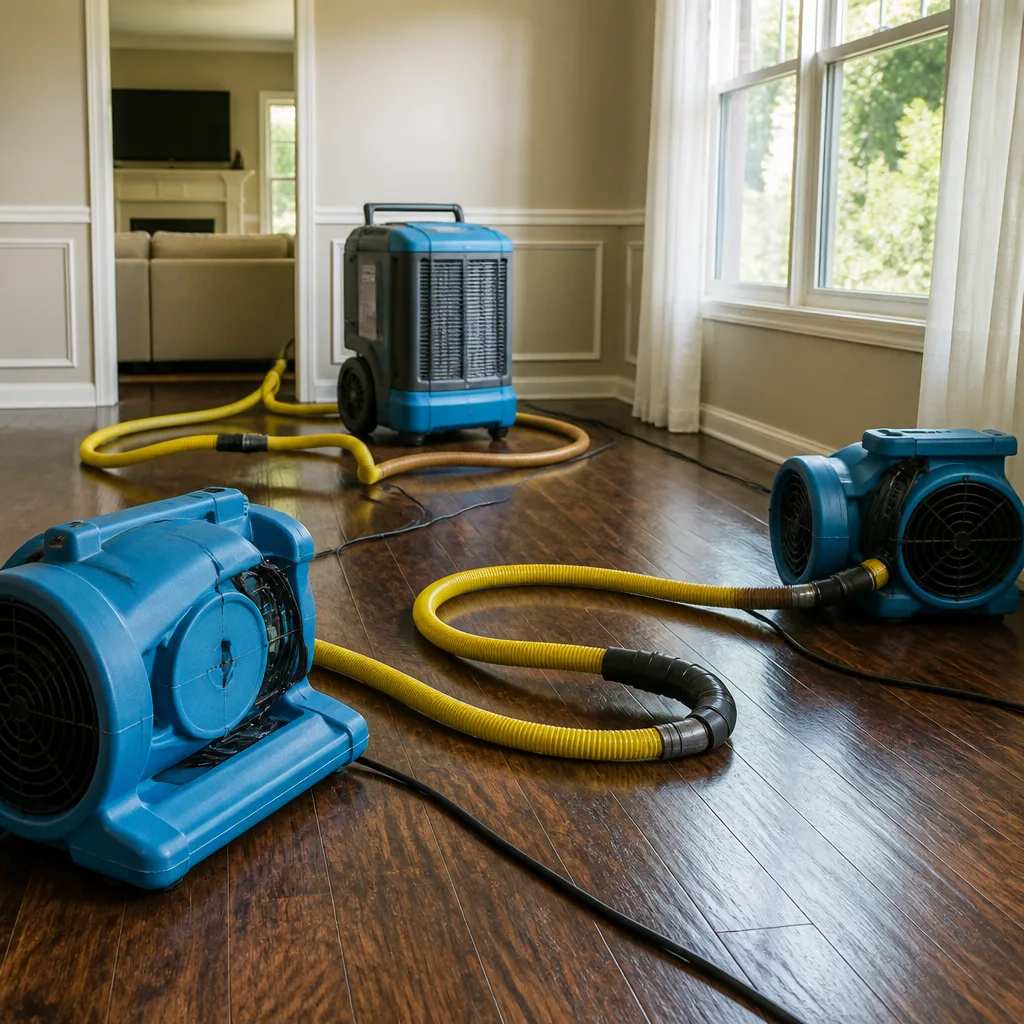
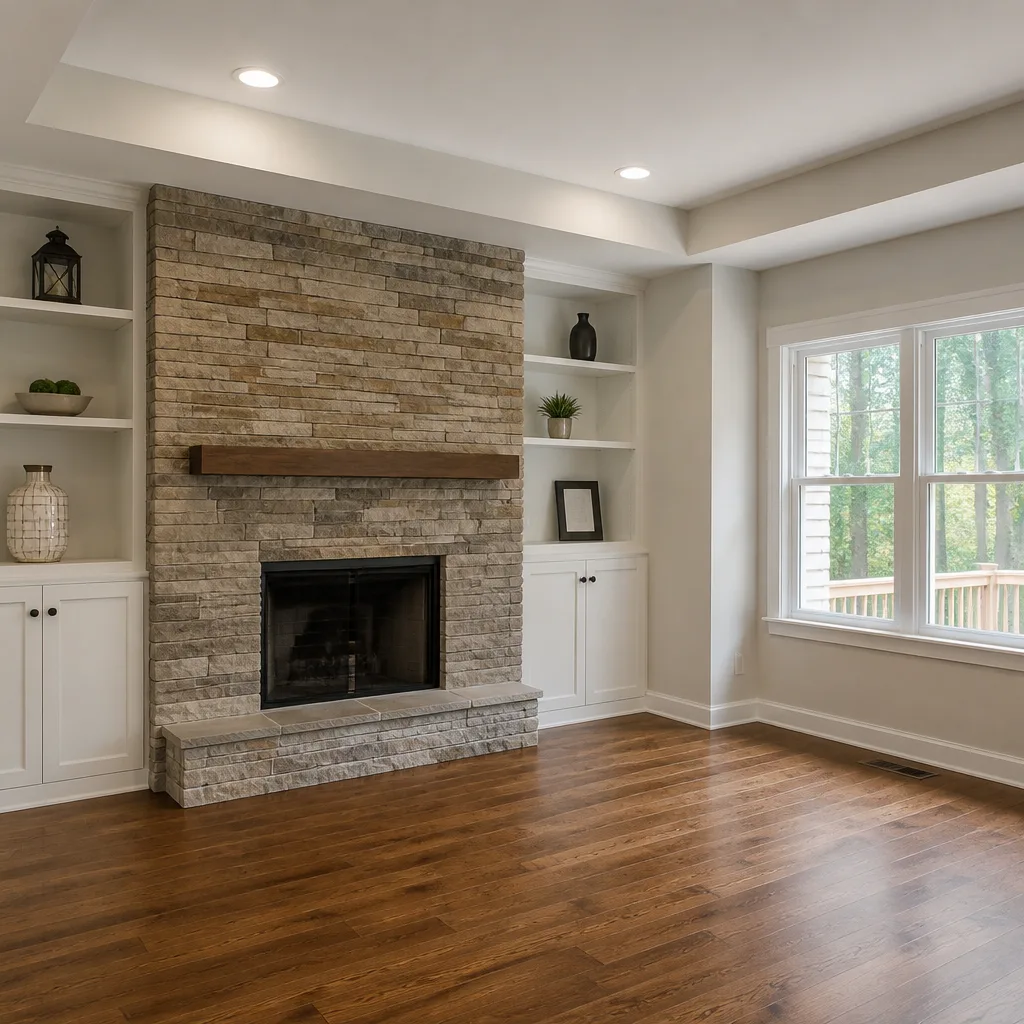
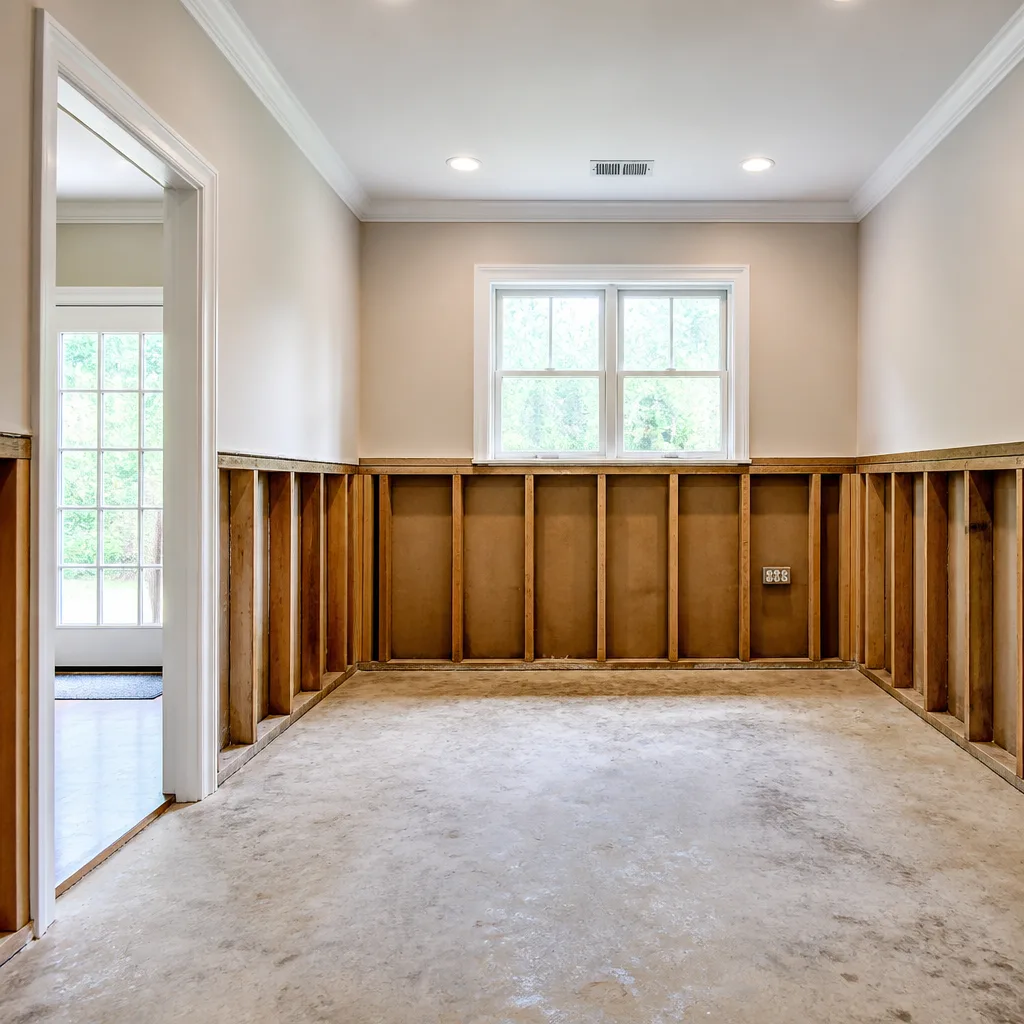

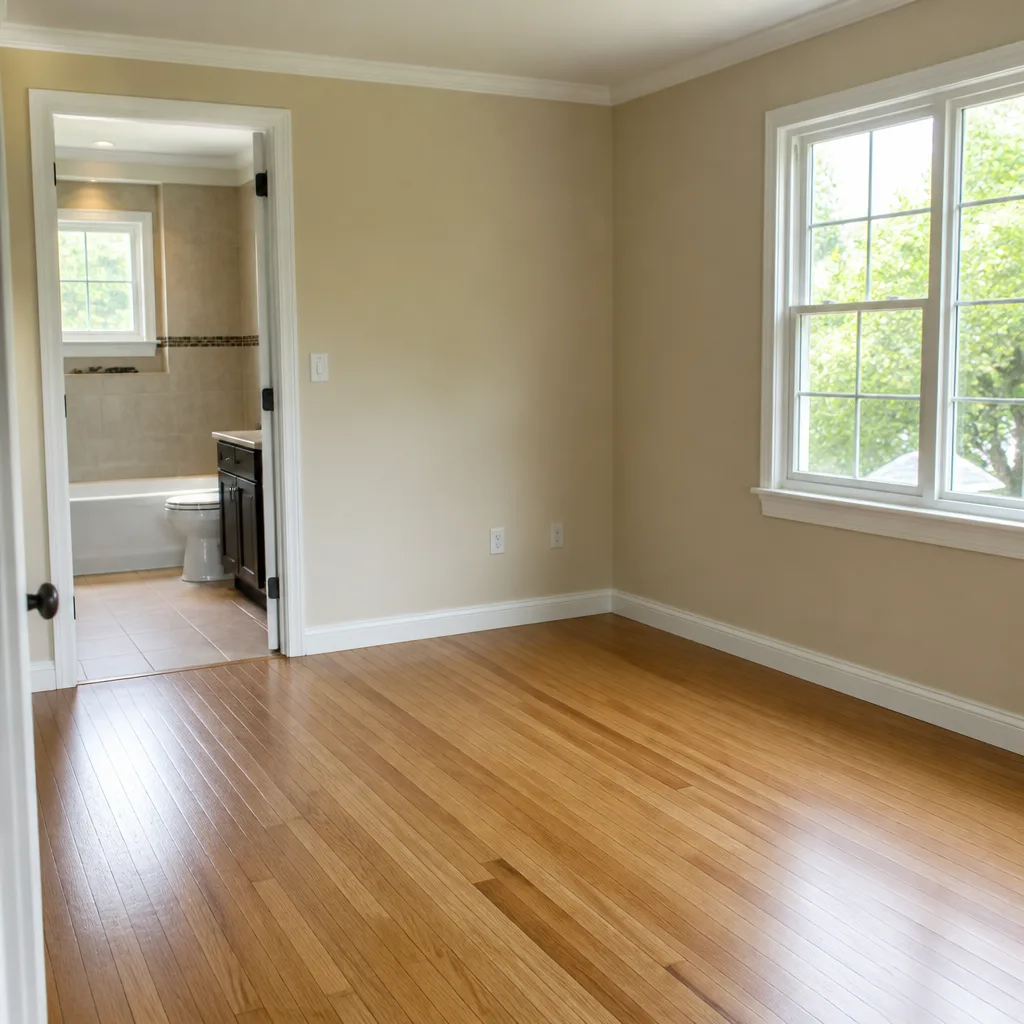

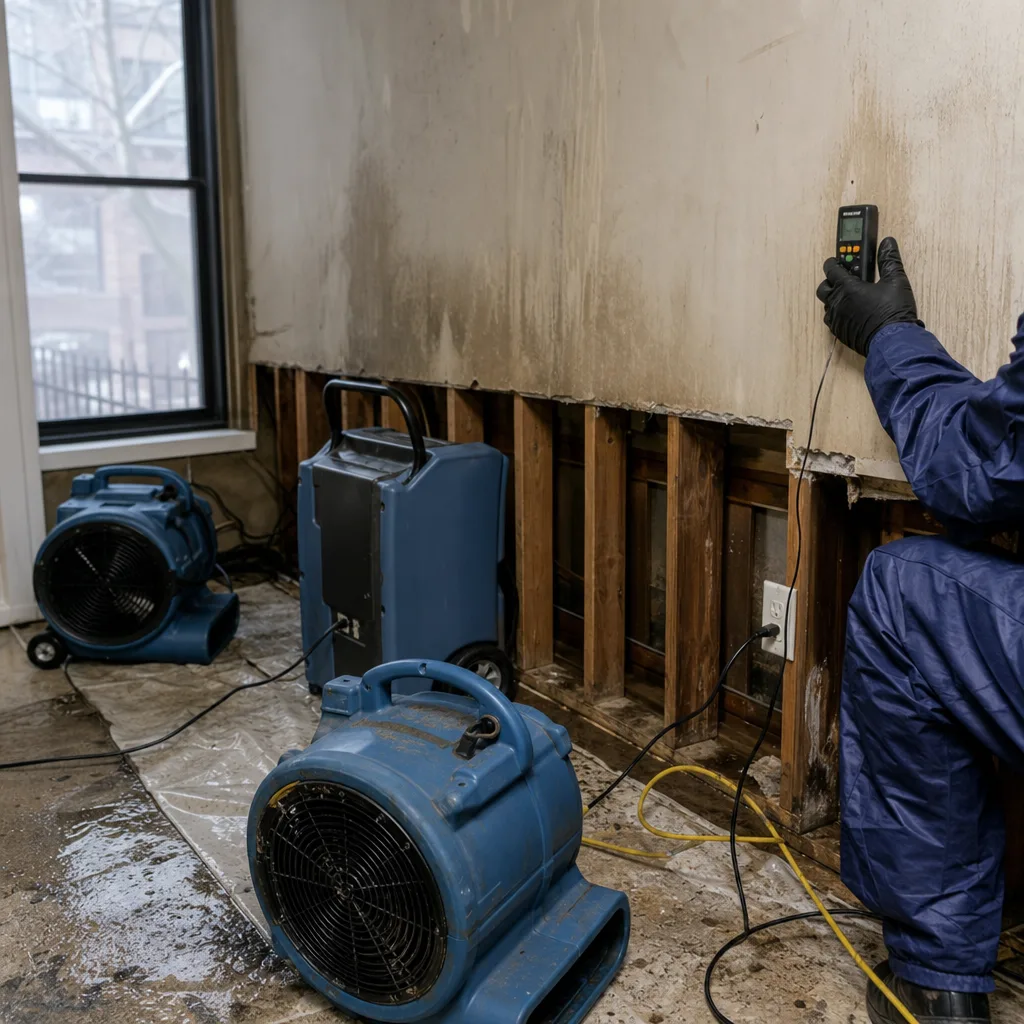 Before
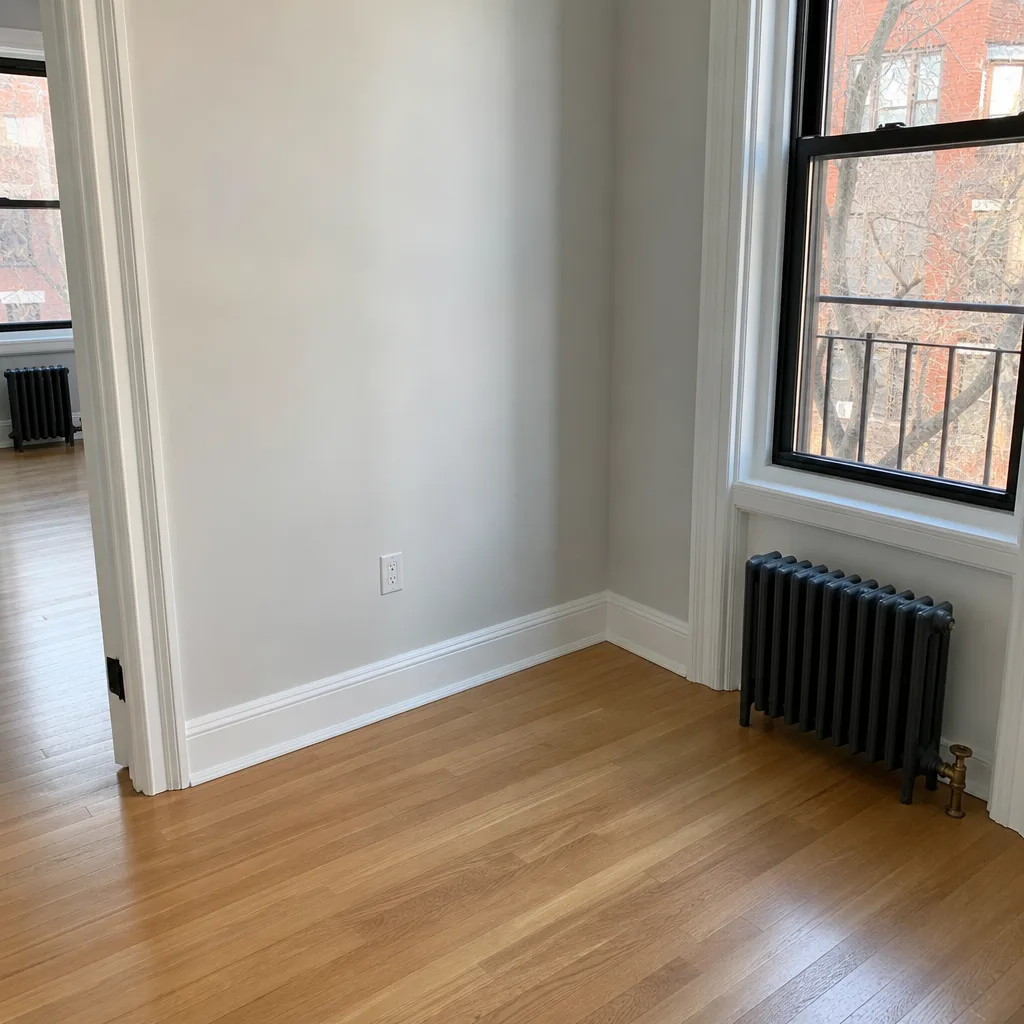 After
After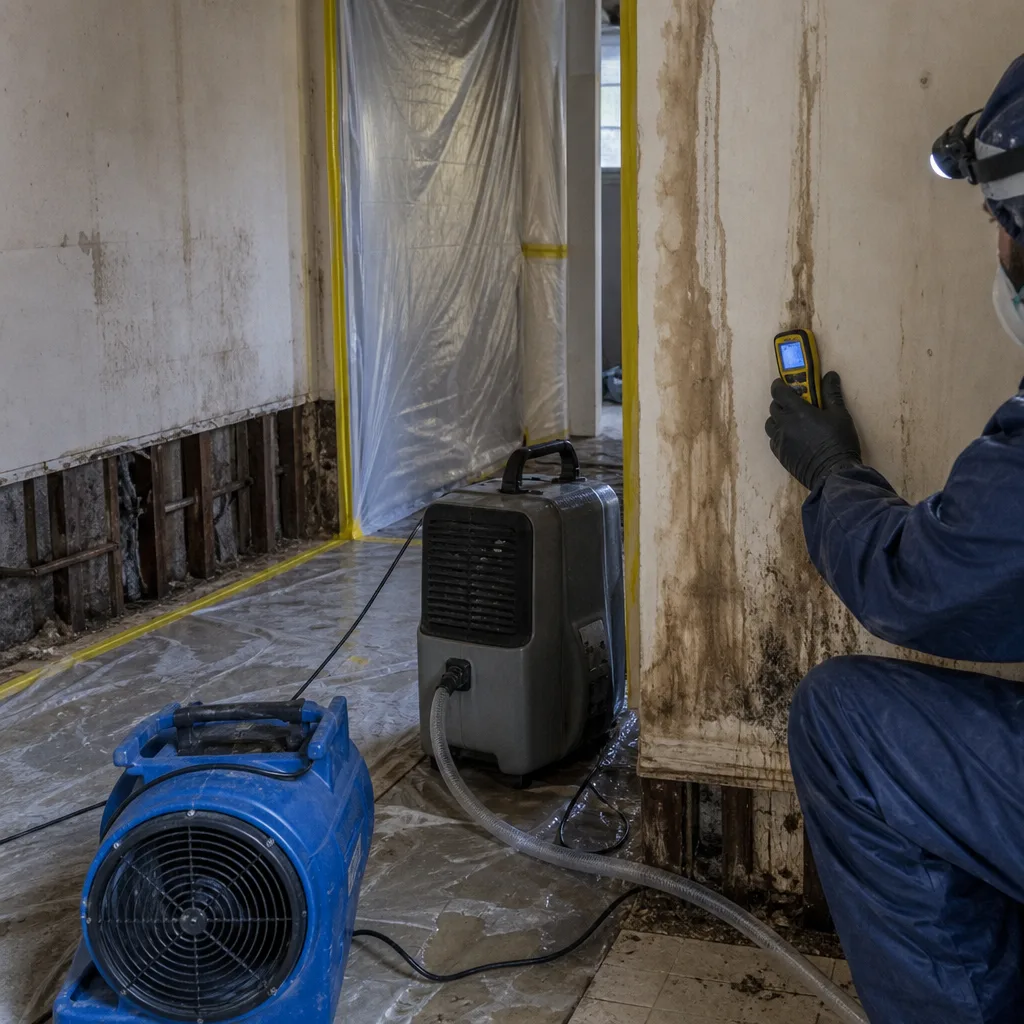 Before
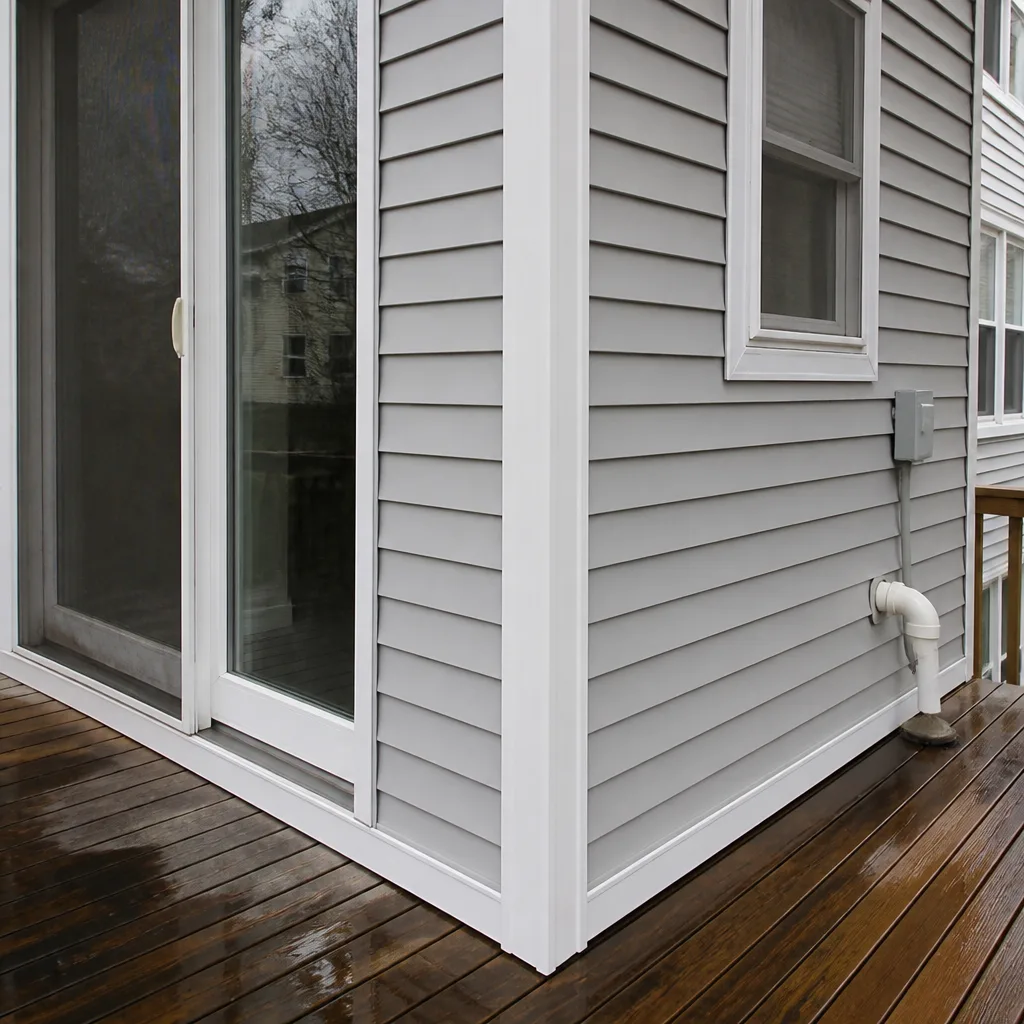 After
After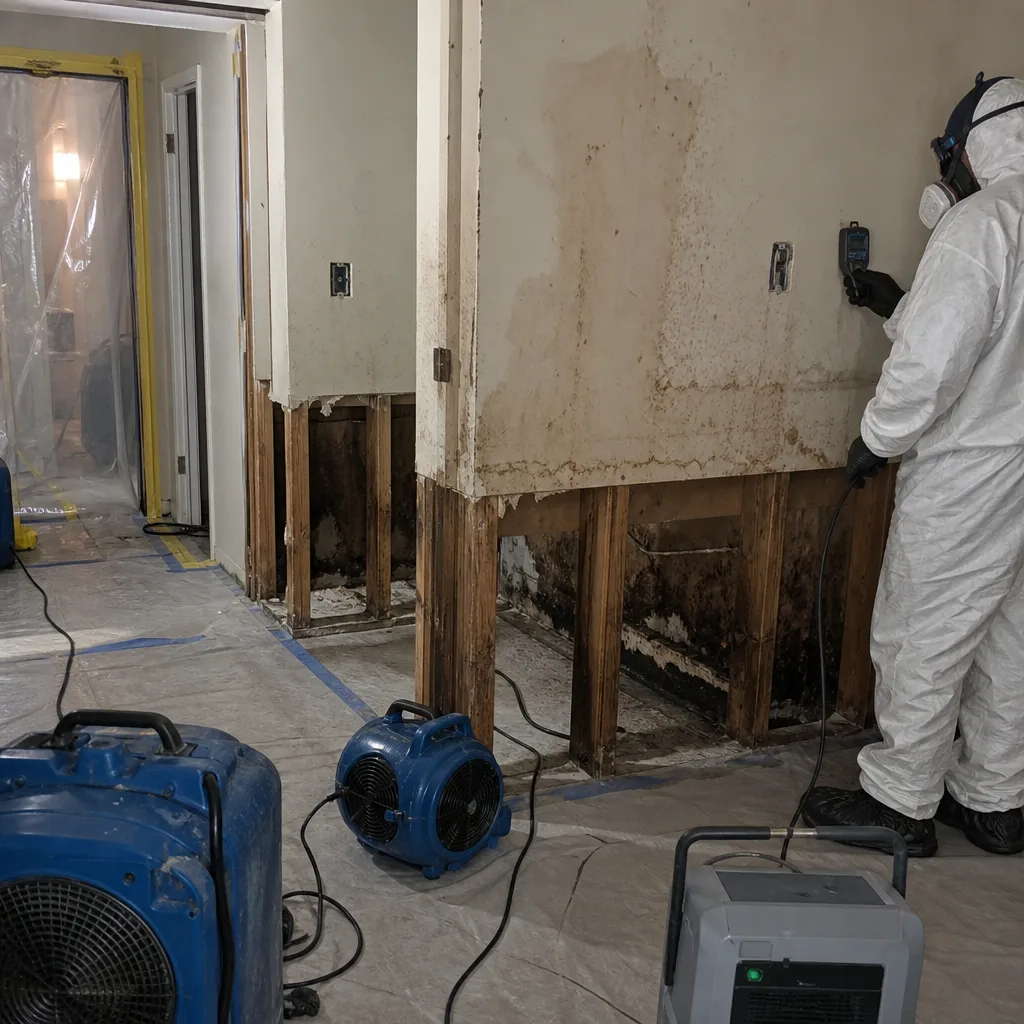 Before
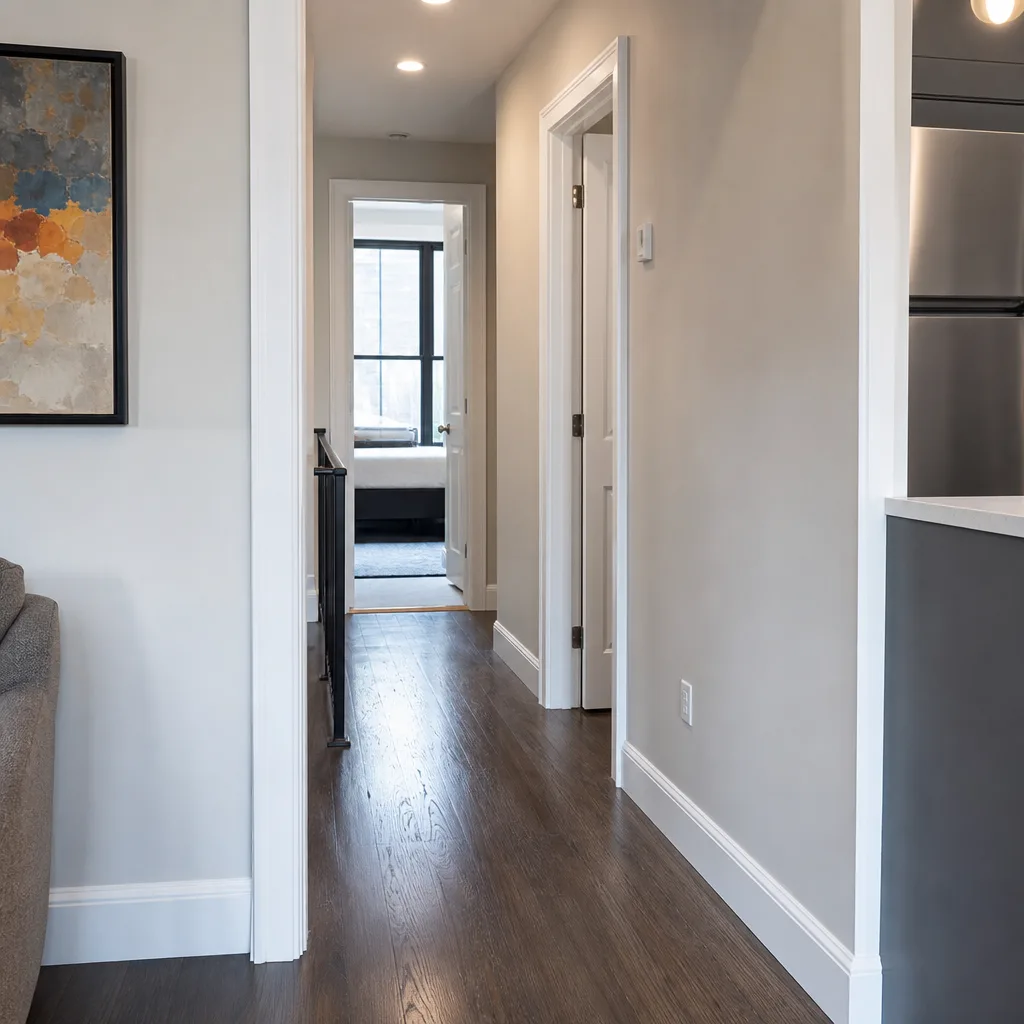 After
After24/7 Emergency Sewage Cleanup in Getty Square
When a sewage backup hits a Getty Square basement, you need a crew that answers the phone at 2 a.m. and knows exactly how Category 3 water behaves inside a century-old brick building. Floodline Restoration Co. of Manhattan dispatches certified sewage cleanup crews to Getty Square around the clock, every day of the year. Call (917) 924-4221 and a live dispatcher picks up immediately, not a recording. The first hour matters more here than almost anywhere in Westchester: the Saw Mill River’s daylighted channel turns routine rain into basement sewage floods faster than most property owners expect, and every hour of standing black water drives contamination deeper into plaster walls and original framing. A free visual inspection gets a crew to your door, a moisture map in hand, and extraction running the same visit in most cases.
Understanding Sewage Cleanup Severity in Getty Square Properties
Not all water damage is the same, and sewage cleanup demands a different standard than a clean-water pipe break. The restoration trade classifies water in three categories. Category 1 is clean water from a supply line. Category 2 carries some contamination, like washing machine overflow. Category 3, what we deal with in sewage work, contains pathogens, fecal matter, and sometimes chemical runoff. In Getty Square’s housing stock, the classification is only the first concern. The real problem is where that Category 3 water goes once it enters a building. The late 19th and early 20th century mixed-use brick structures along Main Street and Warburton Avenue have no vapor barriers. Plaster-over-lath walls absorb contaminated water and hold it inside the cavity. Cast-iron waste lines, many original to the buildings, corrode and crack under the street. A backup that in a modern suburban house would mean cutting out a patch of drywall often requires removing and rebuilding original lath-and-plaster walls here, because moisture mapping shows contaminated water trapped deep inside the masonry, not just on the surface. That is the difference between a cleanup and a rebuild, and it is why generic crews that only dry the visible floor leave hidden mold behind the original baseboards within a week.
Why Getty Square Property Owners Choose Floodline Restoration Co. of Manhattan
- 45-minute response commitment to Getty Square: Our crews stage in and around southwest Yonkers and the Bronx, so we reach Main Street, Warburton Avenue, and the river blocks faster than most Westchester firms.
- A live person answers, 24/7: No automated phone tree, no voicemail at night. You get a dispatcher who knows where Getty Square is and which crew is closest.
- IICRC-certified technicians: Our team holds WRT, FSRT, and AMRT certifications, and every tech is background-checked and uniformed before they walk into your building.
- Free visual inspection and written scope: We assess the damage, photograph everything, and hand you a line-item scope before any work starts. No pressure, no vague estimates.
- Direct insurance billing: We coordinate with your adjuster, submit documentation from the first hour, and bill the carrier directly. You never play messenger.
- One crew from extraction to reconstruction: The same technician who reads the moisture map on day one handles daily readings, rebuilds the walls, and hands you the drying log and the 90-Day Done Right Promise in writing.
Our Sewage Cleanup Process
Inspection & Assessment
We map every affected area, including wall cavities behind plaster and lath that look dry from the outside. Thermal imaging and hygrometers find Category 3 water that surface inspection misses.
Extraction & Stabilization
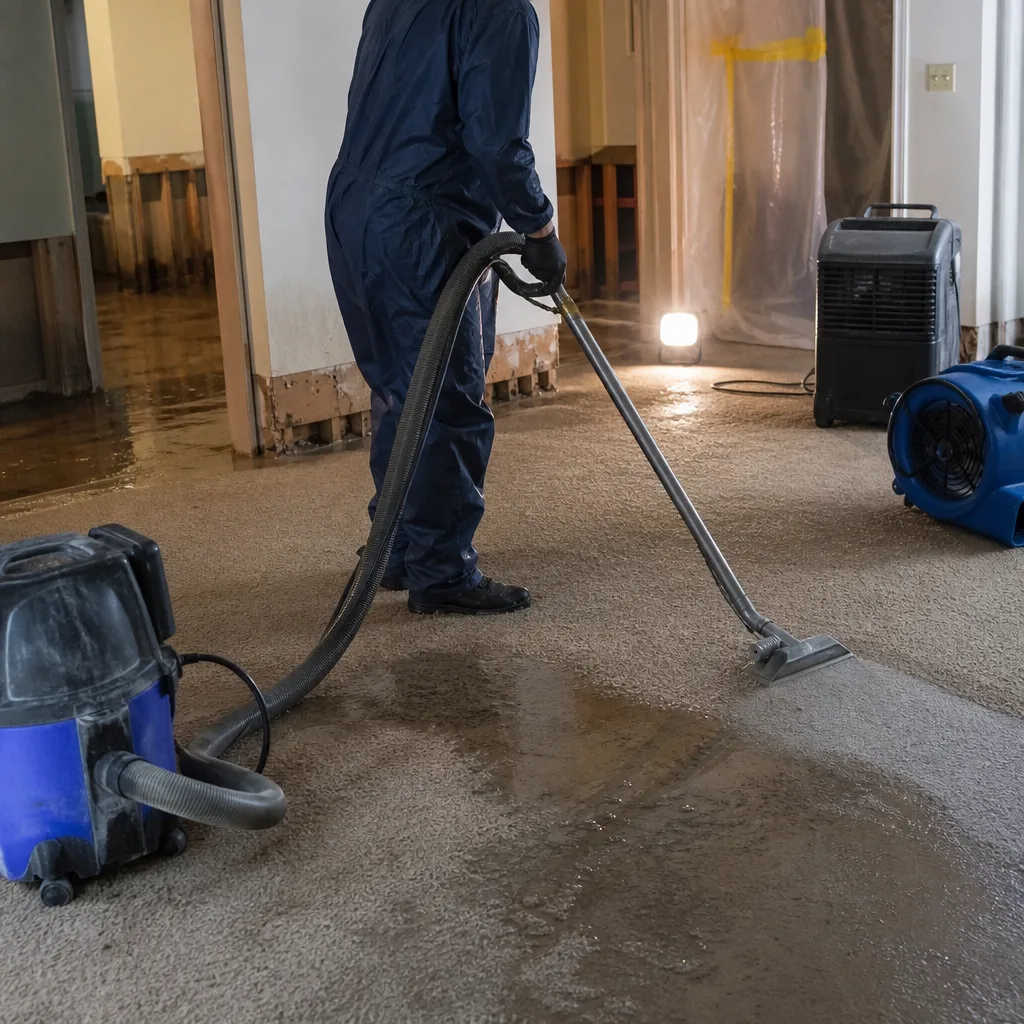
Black water comes out first. We use truck-mounted and portable extractors on floors and crawl spaces, then stabilize the structure so contamination stops spreading.
Containment & Air Scrubbing
Before any drying starts in tight Getty Square basements, we seal the area with containment barriers and run HEPA air scrubbers. Sewage aerosol never reaches adjacent living or retail space.
Drying & Dehumidification
Injectidry mats, Phoenix dehumidifiers, and XPOWER air movers dry plaster walls, original joists, and subfloors to the IICRC dry standard. Daily moisture readings are logged and shared with you and your carrier.
Cleaning & Antimicrobial Treatment
Hard surfaces get HEPA vacuuming and antimicrobial treatment. Contaminated porous material like lath, plaster, and insulation gets removed and replaced, not just sprayed.
Repairs & Restoration
We rebuild to pre-loss condition, matching century-old plaster profiles and trim where needed. The final walkthrough includes your written 90-Day Done Right Promise.
Need Emergency Sewage Cleanup in Getty Square Now?
Crews minutes away, answering live 24 hours a day. The sooner we start, the less it costs.
Working With Your Insurance Company
Sewage backup claims are common in Getty Square, and the insurance conversation goes better when documentation starts in the first hour, not days later. We photograph the damage room by room, log moisture readings from day one through the dry standard, and write a line-item scope of work in the format carriers expect. Our team talks directly with your adjuster, schedules the walkthrough, and answers technical questions about Category 3 water, so you do not have to translate restoration language into a claim file. Curt Bowman built Floodline Restoration Co. of Manhattan around this exact scenario, and our direct billing takes the phone tag off your plate.
What We Provide Your Insurer
- Thorough documentation of the loss
- Photos of all damage, room by room
- Moisture readings and drying logs
- A detailed, line-item scope of work
- Direct coordination with your carrier
Built for Getty Square’s Loss Calendar
Getty Square sees sewage losses all year, but the causes shift with the seasons in ways a national franchise rarely accounts for. In late winter, deep freezes crack the original cast-iron waste lines buried under Main Street and Warburton Avenue, and sewage backs up into basement fixtures exactly when ice still clings to the curbs. Spring brings thaw and rising river levels, when groundwater pushes into aging crawl spaces and combines with failing drains. Summer thunderstorms hit fast, and the culverted Saw Mill sections upstream act like an uncontrolled release valve. The daylighted plaza channel fills before the storm peaks, sending sewage-laced water into basement commercial spaces along the old Main Street blocks. Nor’easters in fall and early winter compress the timeline further: Hudson backwater and river surge arrive at the same time, and a crawl space that was dry an hour earlier becomes a Category 3 pond. Local crews who know this calendar pre-stage pumps and containment before the storm front hits. A company that has been doing this for over 42 years across the metro knows that Getty Square is not just another Yonkers neighborhood. It is a flood corridor with two rivers and a hundred years of plumbing underneath it.
Sewage Cleanup Across Getty Square’s Neighborhoods
Getty Square’s layout puts different structures in different risk positions, and our crews adjust the response accordingly. Along Warburton Avenue, the rowhouses and basement flats closest to the daylighted Saw Mill channel take the earliest and deepest hits. Our techs packed out a basement flat there after a surcharging river pushed Category 3 water up through a century-old floor drain. The cast-iron waste line had backed up into the crawl space, so we ran containment, HEPA air scrubbers, and antimicrobial treatment on the original joists before structural drying with Injectidry mats could even start. Moisture mapping showed the plaster walls were still at 32% three days later, so we cut them two feet up and rebuilt to match the pre-loss condition. On Main Street, the commercial basements under the old brick blocks flood fast and the tight clearances mean containment has to go up before air movers run, or sewage aerosol contaminates retail inventory. The blocks near Getty Square’s eastern edge, closer to the Bronx line, deal more with breakage in original cast-iron waste lines and slow seepage into dirt-floor crawl spaces. And in the mixed residential stretches north of the plaza, toilet overflows and line backups in pre-war apartment buildings create tenant safety issues that have to be resolved the same day, not scheduled for next week.
Specialized Sewage Cleanup Services We Offer in Getty Square
Sewage Backup Cleanup
When a waste line backs up into a Getty Square basement or ground-floor commercial space, we extract the waste, remove saturated material, and treat every affected surface. In these 1900s brick buildings, that usually means opening and replacing plaster walls that moisture mapping shows are holding Category 3 water.
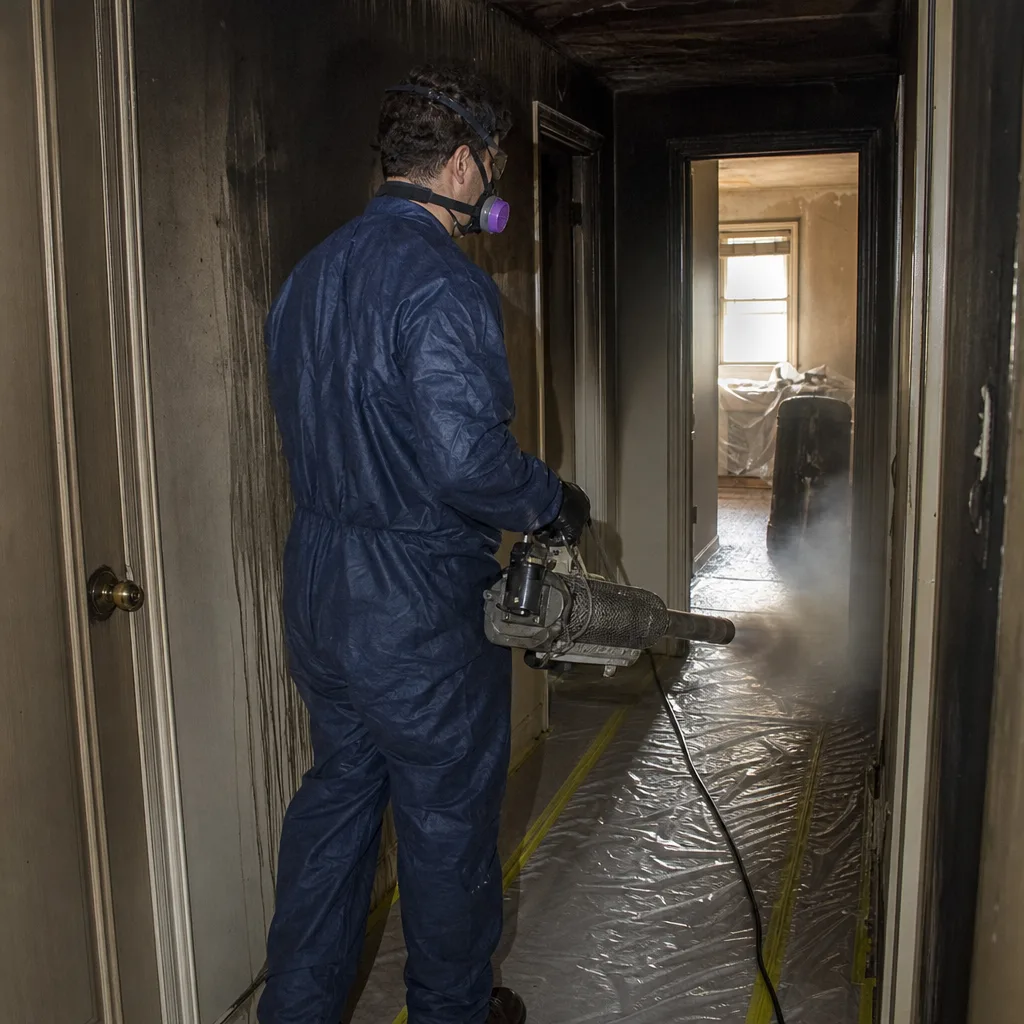
Toilet Overflow Cleanup
A toilet overflow in a Getty Square brownstone or rowhouse is never a simple mop-up. Sewage runs under original tile, into floor joists, and down into the unit below. We stop the spread, contain the area, and dry the structure to standard before rebuilding.
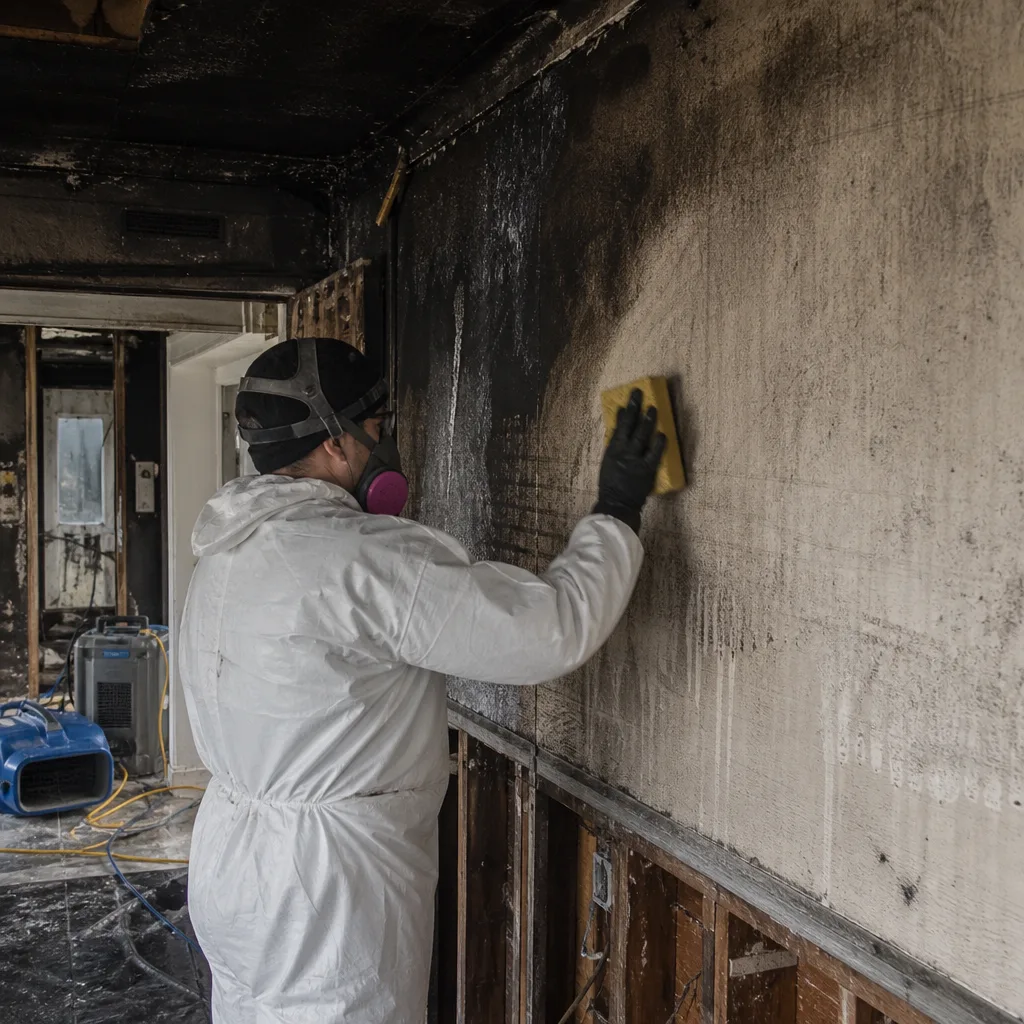
Septic Failure Cleanup
Though fewer Getty Square properties are on septic than in outer Westchester, those that are face backups that hit the building from underneath. We handle the interior extraction, air quality, and structural drying, and we coordinate with your septic contractor so the source gets fixed while we handle the damage.
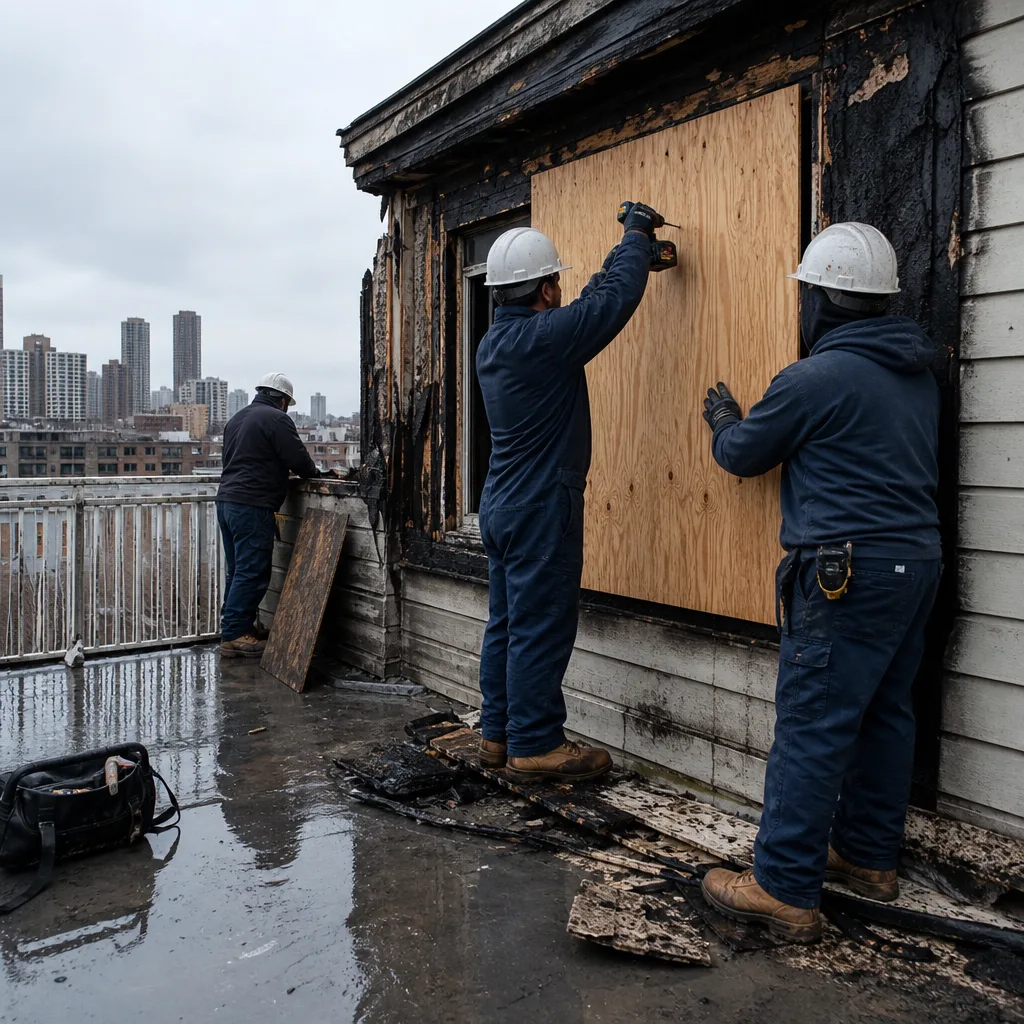
Black Water Extraction
Category 3 water demands immediate extraction with proper personal protection and full containment. Our crews run pump trucks and portable extractors in the tight crawl spaces under Warburton Avenue rowhouses and the old Main Street storefront basements, where clearance is measured in inches and generic equipment will not fit.
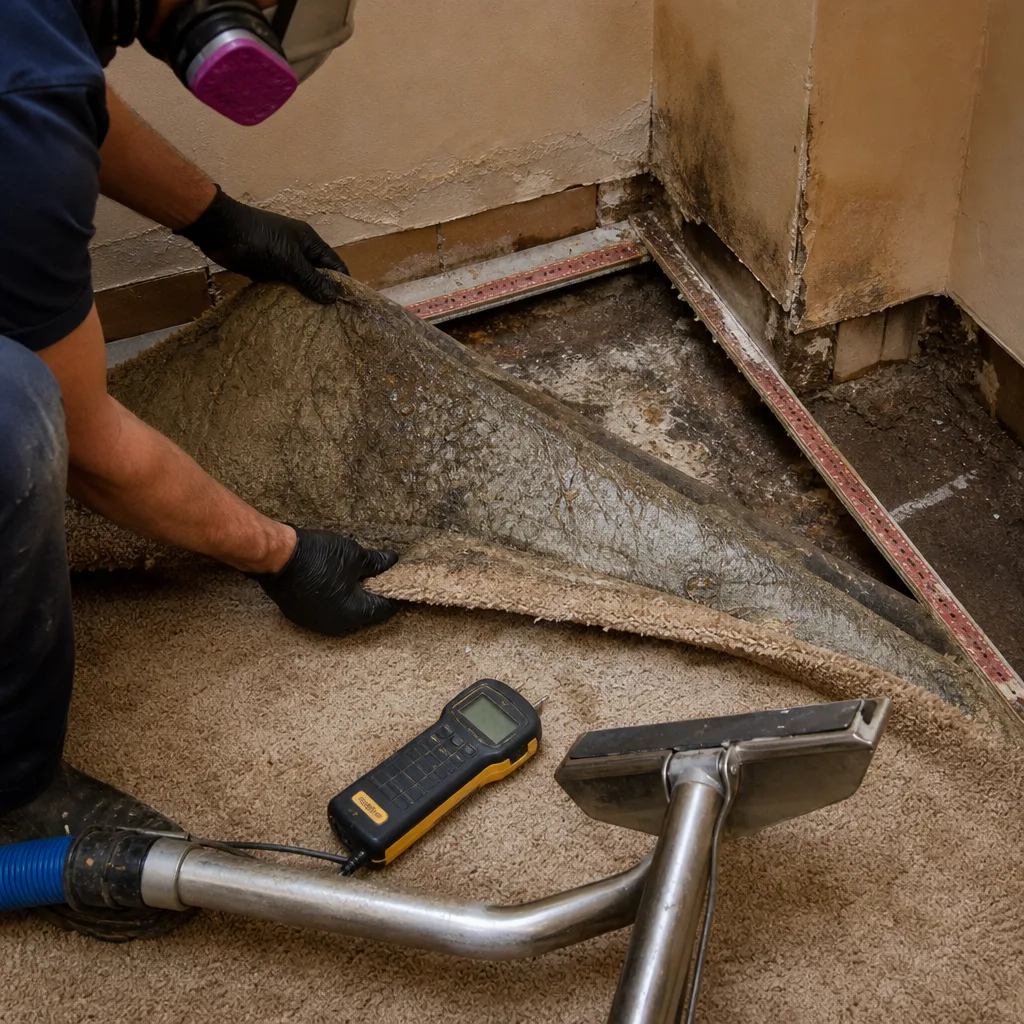
Crawl Space Sewage Removal
Dirt-floor crawl spaces under Getty Square’s masonry rowhouses trap sewage and humidity for weeks if not addressed quickly. We remove the waste, HEPA-vacuum the joists, treat with antimicrobials, and dry the framing before the musty smell ever reaches the living space above.
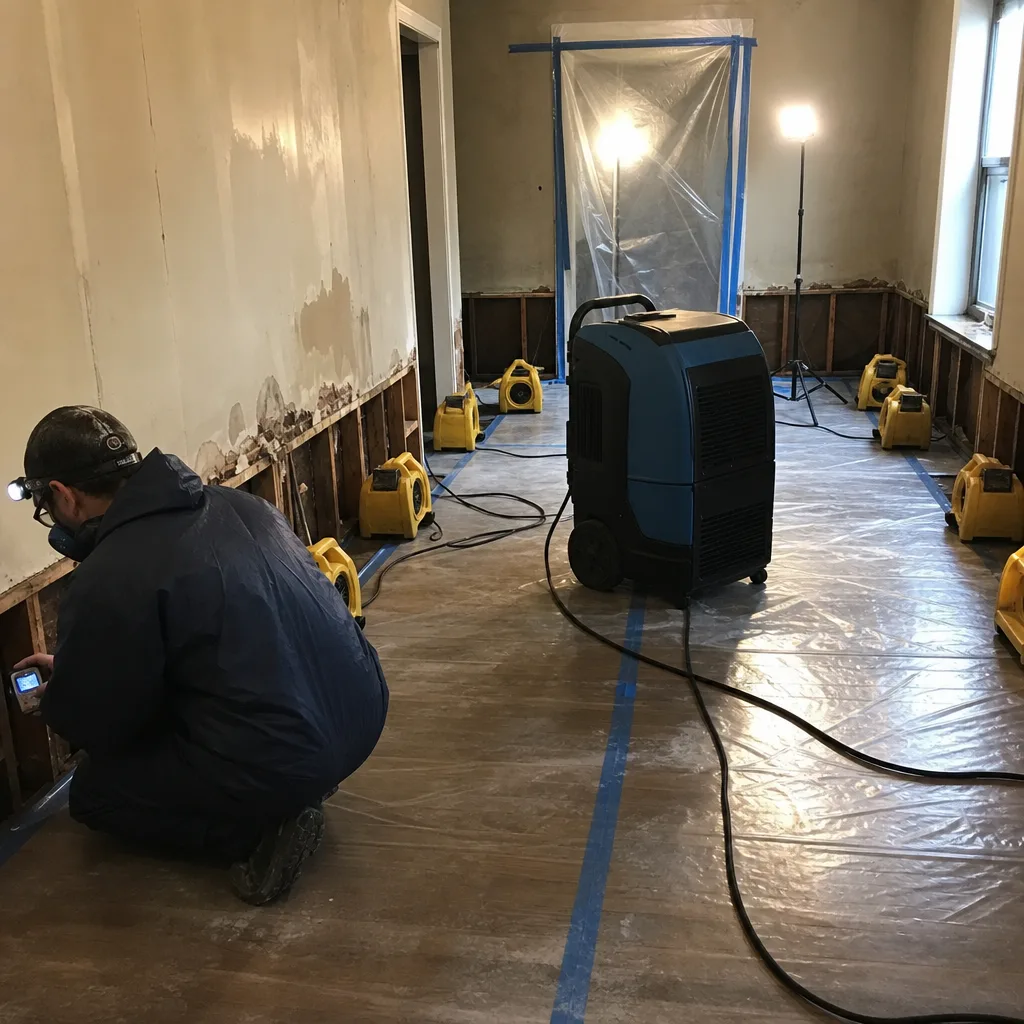
Sanitization & Disinfection
After extraction and removal, we sanitize every surface that came into contact with black water, from concrete floors to exposed brick. The goal is not just dry; it is a space you can safely use again, with air scrubbers running until clearance readings pass.
What happens when you call
- 1
A real person answersNo phone trees - you reach a local pro.
- 2
You get an upfront price rangeHonest numbers before anyone is dispatched.
- 3
A background-checked tech heads outLicensed & insured, dispatched right away.
- 4
You approve before work beginsNothing starts until you say go.
Sewage Cleanup Costs in Getty Square, NY
Sewage cleanup in Getty Square runs higher than a similar job in the newer suburban tracts because the building stock demands more labor and more care. A small toilet overflow contained to one bathroom typically runs $1,200 to $2,800. A basement sewage backup requiring extraction, containment, and drying of a 600 to 1,000 square foot space usually lands between $4,500 and $11,000. When original lath-and-plaster walls have to be removed and rebuilt, which happens often in these pre-war structures, the total can reach $18,000 to $30,000 or more depending on the square footage and the finish work required to match the original profile. Insurance coverage depends on your policy’s water backup endorsement, which not every Getty Square policy carries. We provide a free visual inspection and a written line-item scope before any work starts, so you know the number and the plan. Call (917) 924-4221 for an exact quote. Estimates are free.
We Also Serve Cities Near Getty Square
Our certified crews respond to sewage emergencies throughout the lower Hudson corridor, including Fairview, Harrison, East Bronx, and Hunts Point. Same live answer, same 45-minute commitment, same written 90-Day Done Right Promise.
Serving Getty Square, NY - Our Local Coverage Area
We’re based in the Getty Square area and know this community well. Use the map below to see our service coverage - if you’re nearby, we can almost certainly help.
Getty Square Sewage Cleanup Questions, Answered
Why is sewage cleanup in Getty Square more expensive than in nearby Yonkers or White Plains?
Getty Square’s pre-war brick buildings cost more to remediate because the plaster-and-lath walls, original cast-iron plumbing, and missing vapor barriers hold Category 3 water inside wall cavities. A suburban drywall patch job becomes a plaster rebuild here, and that is labor-intensive work that has to be done right or hidden mold follows within a week.
How fast can Floodline Restoration get a crew to a Main Street basement after a sewage backup during a nor’easter?
We commit to a 45-minute response window for Getty Square calls, and our crews stage in the area when a nor’easter is forecast. A live dispatcher answers immediately, and extraction is running the same visit in most cases. Call (917) 924-4221 the moment water appears.
Will you need to remove the original lath-and-plaster walls after a toilet overflow in a Getty Square brownstone?
Often yes. Moisture mapping tells us if contaminated water entered the wall cavity. If readings show Category 3 water trapped behind the original plaster, those walls must be removed and rebuilt to prevent mold. We match the original profile so the replacement looks like it has always been there.
Can you clean a crawl space under an old Warburton Avenue rowhouse without tearing up the street?
Yes. We access the crawl space through the existing entry point or an interior hatch, not the street. Our techs work in tight clearances with portable extractors, HEPA vacuums, and Injectidry mats designed to fit where standard equipment will not.
What makes a sewage backup in Getty Square a Category 3 job when the same backup in a suburb would be Category 2?
Proximity to the Saw Mill and Hudson Rivers changes the contamination profile. Storm surge pushes river water, street runoff, and sewage into a combined flow that is heavier than a routine drain backup. The category is determined by the water’s source and contents, and river-driven sewage is always treated as Category 3.
How long does sewage drying and remediation actually take in these older buildings?
Plaster walls and original masonry dry slower than drywall. A simple basement cleanup might dry in three to five days. A wall cavity job with plaster removal and rebuild commonly runs seven to fourteen days, depending on square footage and finish work.
Can we stay in the home during sewage cleanup?
That depends on the extent. If contamination is isolated to a basement or crawl space and containment is in place with HEPA scrubbers running, the upper floors are usually safe. If sewage reached living space or the HVAC system, we recommend staying elsewhere until clearance testing passes.
What should we do in the first 30 minutes after a sewage backup?
Shut off power to the affected area if you can do so safely, keep people and pets away, and call us at (917) 924-4221. Do not run the HVAC, do not use a household vacuum, and do not try to clean the sewage yourself. The faster our crew starts extraction, the less wall has to come out.
Written by Curt Bowman, Owner at Floodline Restoration Co. of Manhattan, serving Getty Square and the lower Hudson corridor.