
Free visual inspection and a written scope of work before any mitigation begins - photos, moisture readings, and drying logs go in your claim file
The scope we write is the scope we bill. Anything new gets shown to you, in writing, before we touch it.


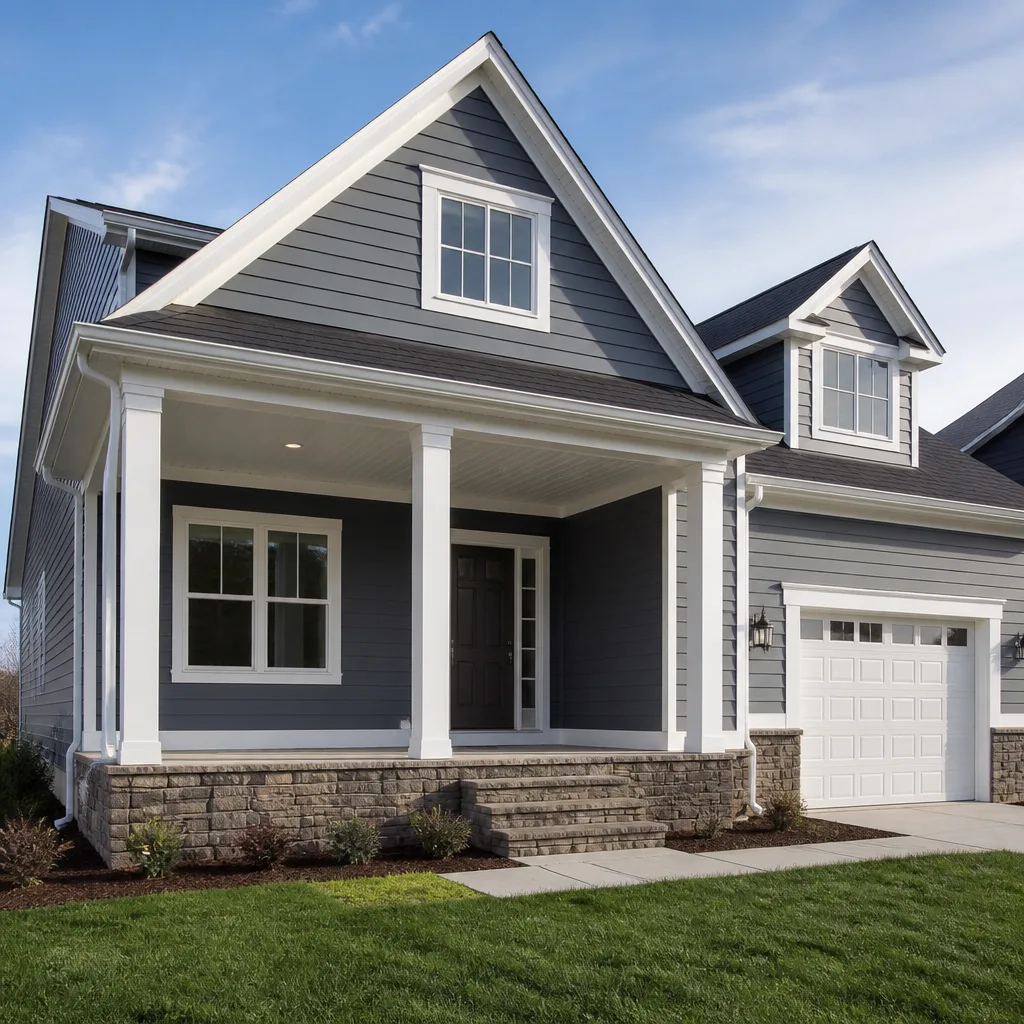
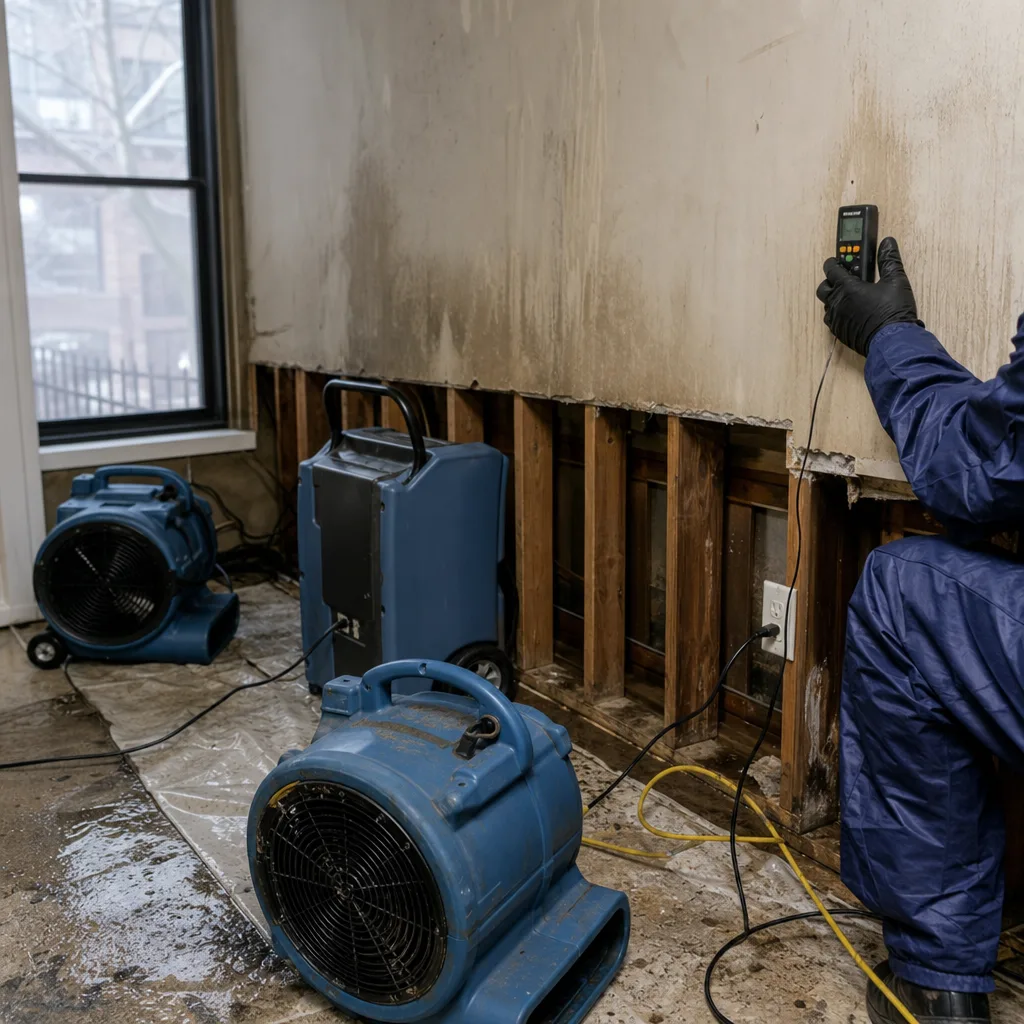 Before
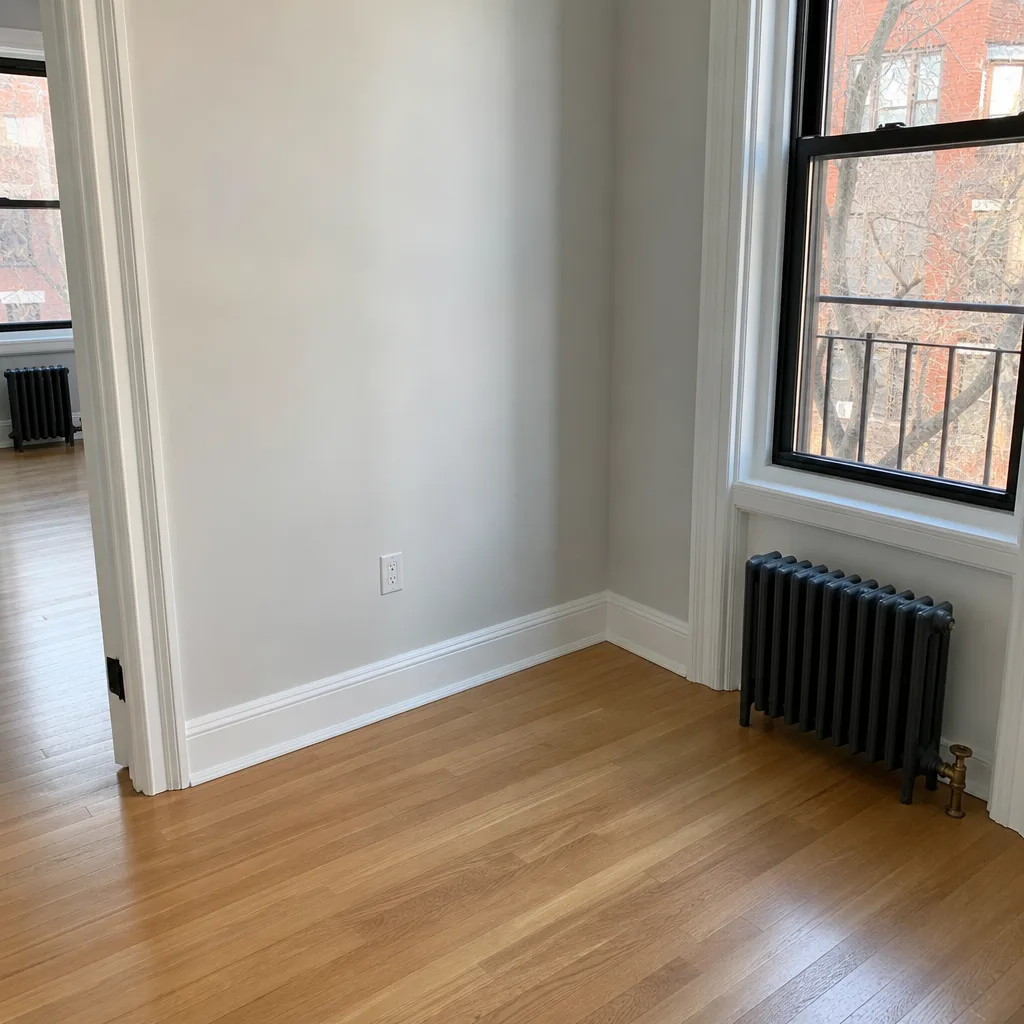 After
After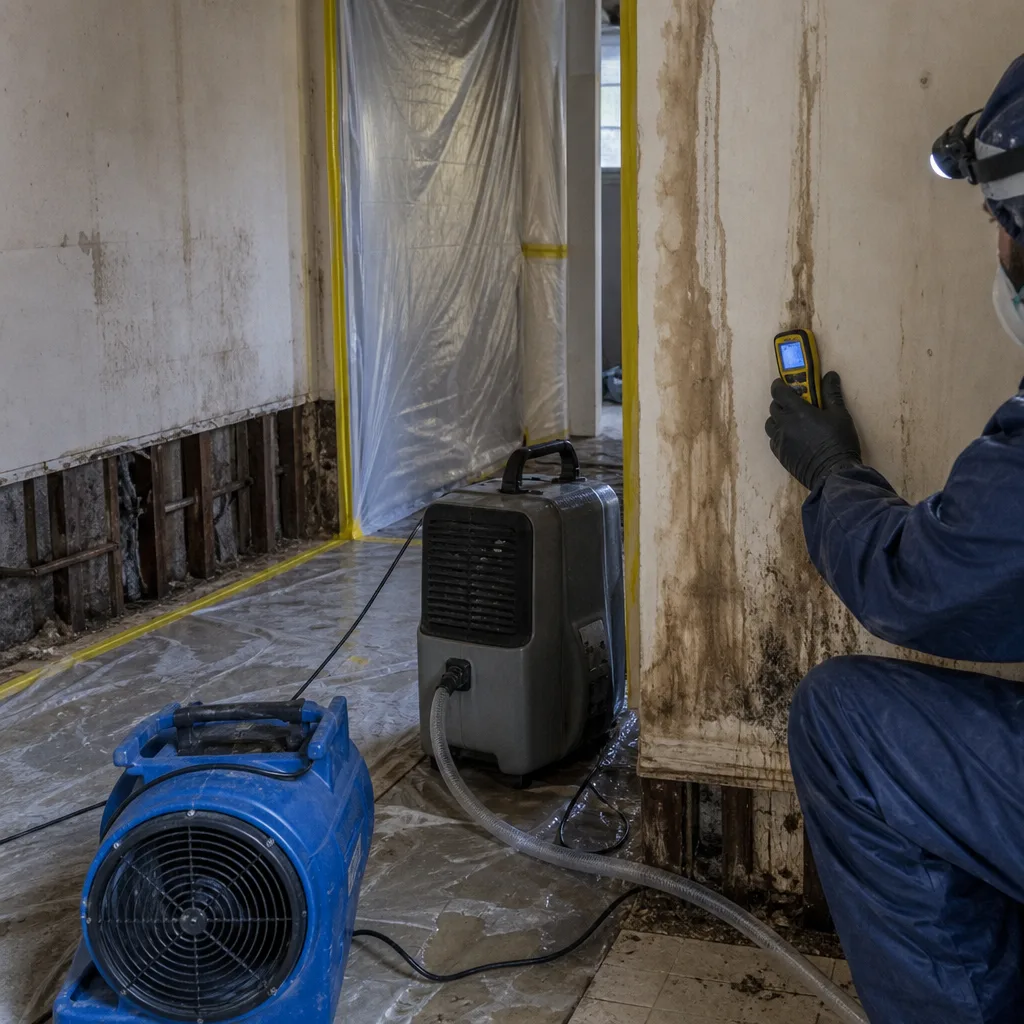 Before
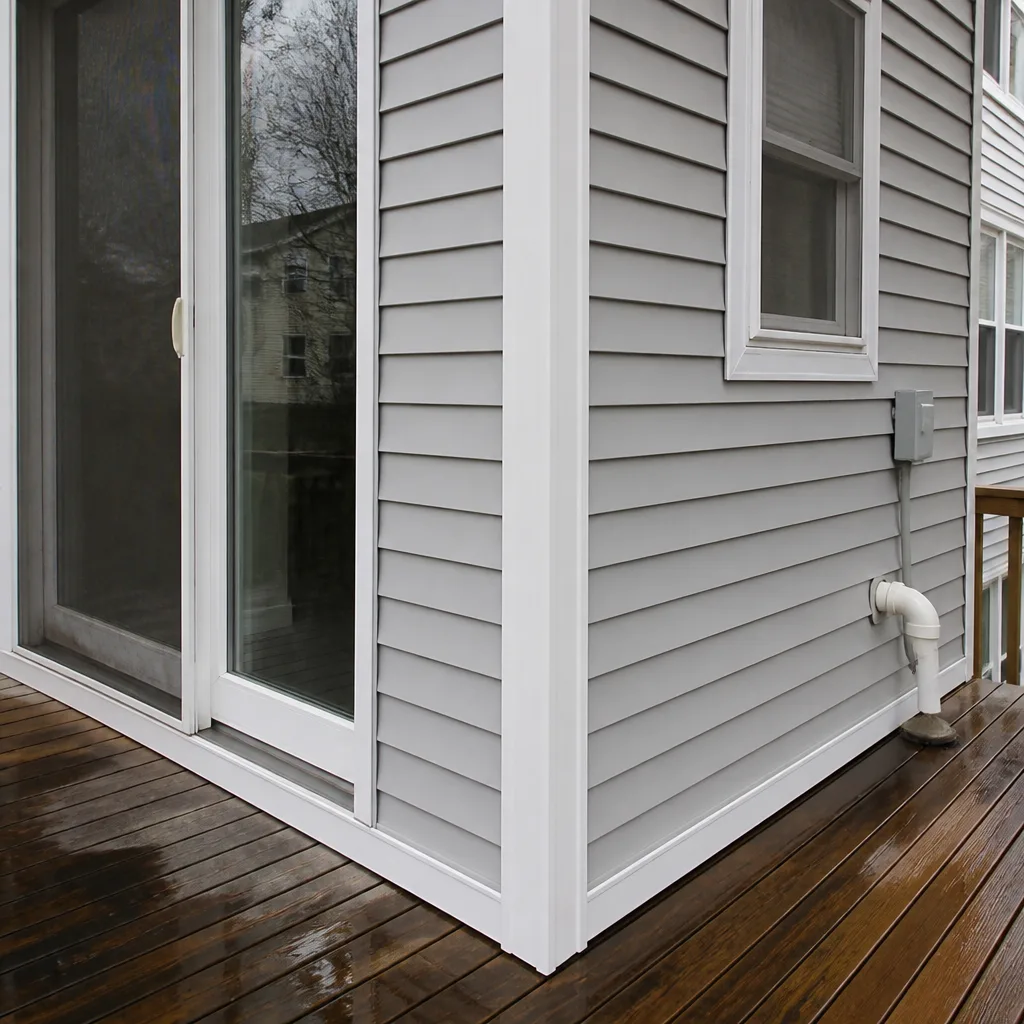 After
After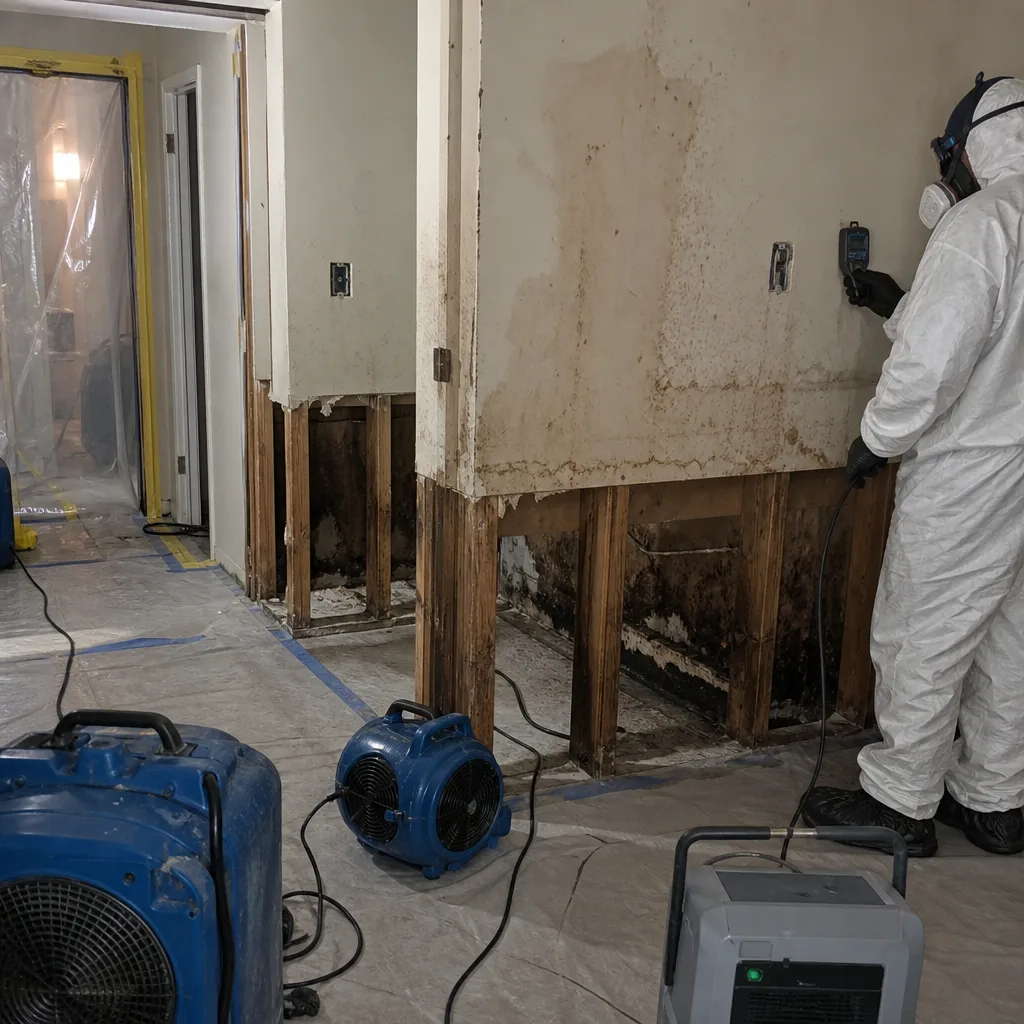 Before
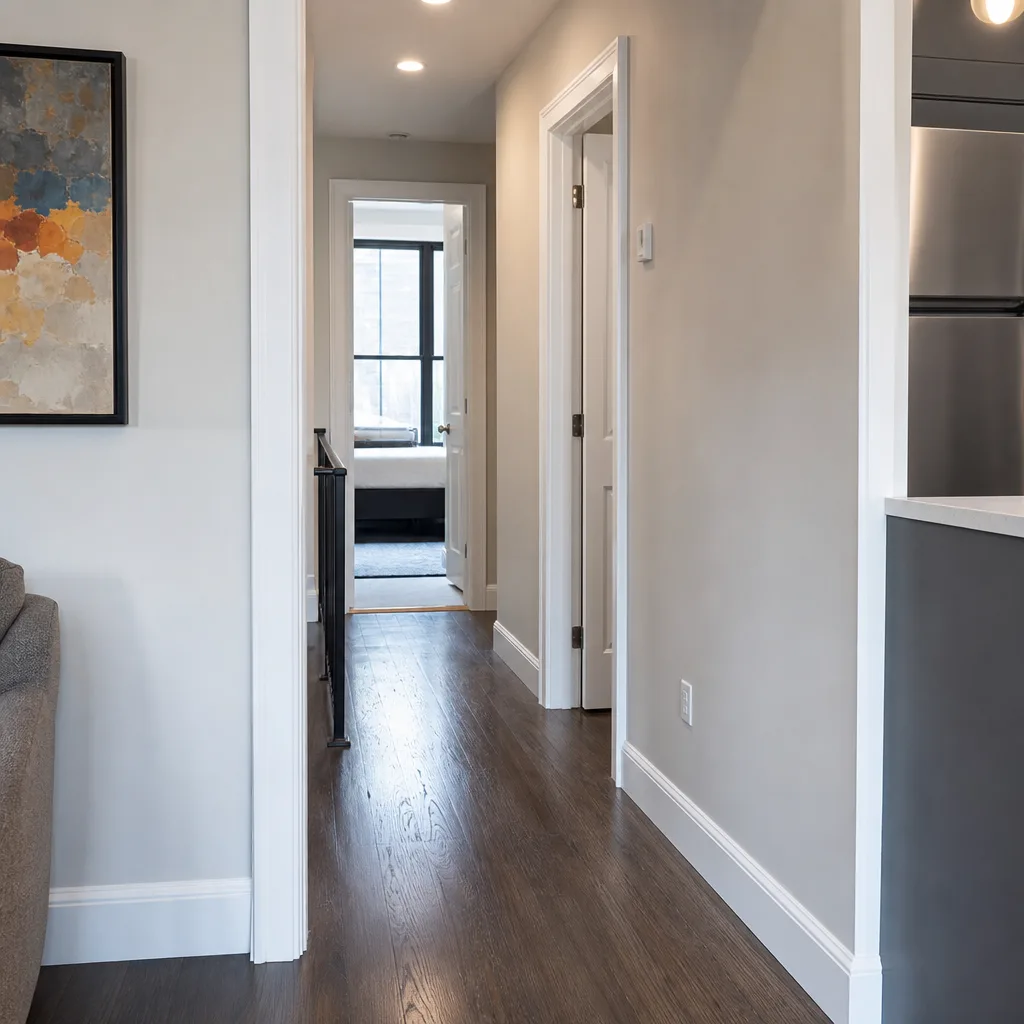 After
After24/7 Emergency Sewage Cleanup in Mount Ivy
A sewage backup in Mount Ivy is not a cleanup you can put off until morning. Black water carries bacteria, viruses, and parasites that turn a wet basement into a health hazard within hours, and the longer it sits, the deeper it wicks into drywall, framing, and subfloor. Our crews answer live at (917) 924-4221 around the clock, every day of the year. We dispatch into the Mount Ivy area immediately, not after a call-back from an answering service. The first hour matters because category 3 water moves through porous building materials fast, and the difference between extraction today and extraction tomorrow is often the difference between drying a basement and tearing it out to the studs. Call now and a background-checked, uniformed technician will be on the way.
Understanding Sewage Cleanup Severity in Mount Ivy Properties
Sewage cleanup is classified by the IICRC as category 3 water: grossly contaminated, carrying pathogenic organisms, and unsafe for occupants without proper personal protective equipment and containment. In Mount Ivy, the severity problem is compounded by the postwar housing stock. Those 1950s through 1970s ranch homes and split-levels were built with poured-concrete or block basements that have spent sixty years absorbing freeze-thaw stress from Rockland County’s clay-heavy soils. Hairline cracks become weep points. Failed waterproofing membranes become channels. When a sewer lateral backs up into one of these basements, the contaminated water does not pool politely on the slab. It wicks upward through wall cavities, saturates fiberglass insulation, and colonizes the paper backing on drywall within 48 hours. Sewage Cleanup here is rarely a surface-only job. By the time we arrive in Mount Ivy, most losses involve both visible contamination and hidden moisture that requires containment, air scrubbing, and structural drying before any rebuild can begin.
Key Takeaways:
- Category 3 water requires full PPE, containment, and antimicrobial treatment. It is not a mop-and-bleach situation.
- Mount Ivy’s aging basements wick sewage into framing faster than newer construction because original waterproofing has failed.
- Painted-over high-water lines are a common find in 1960s split-levels along Route 202. They usually mean chronic contamination, not a one-time event.
- A professional moisture map and drying log are the only way to confirm the structure is actually dry before rebuilding.
Why Mount Ivy Property Owners Choose Floodline Restoration Co. of Manhattan
- 45-minute response commitment. When a sewage backup hits, every minute counts. We commit to having a crew rolling toward your Mount Ivy address within 45 minutes of your call, day or night.
- A real person answers, 24/7. No phone tree, no voicemail, no “press 2 for emergencies.” A live dispatcher picks up at 2 a.m. and starts the response immediately.
- IICRC-certified crews. Our technicians hold IICRC certifications including WRT, FSRT, and AMRT. They are trained to handle category 3 water correctly, with containment and disinfection protocols that protect your family.
- Free visual inspection. Before any work begins, we assess the full scope and give you a clear picture of what we found. No obligation, no pressure.
- Direct insurance billing. We bill your carrier directly and document everything they need from the first hour. You do not play messenger.
- One crew from extraction to reconstruction. The same team that extracts the sewage and dries the structure is the team that rebuilds your finished basement. No mid-job handoff to a subcontractor you have never met.
Need Emergency Sewage Cleanup in Mount Ivy Now?
Crews minutes away, answering live 24 hours a day. The sooner we start, the less it costs.
Our Sewage Cleanup Process
Inspection & Assessment
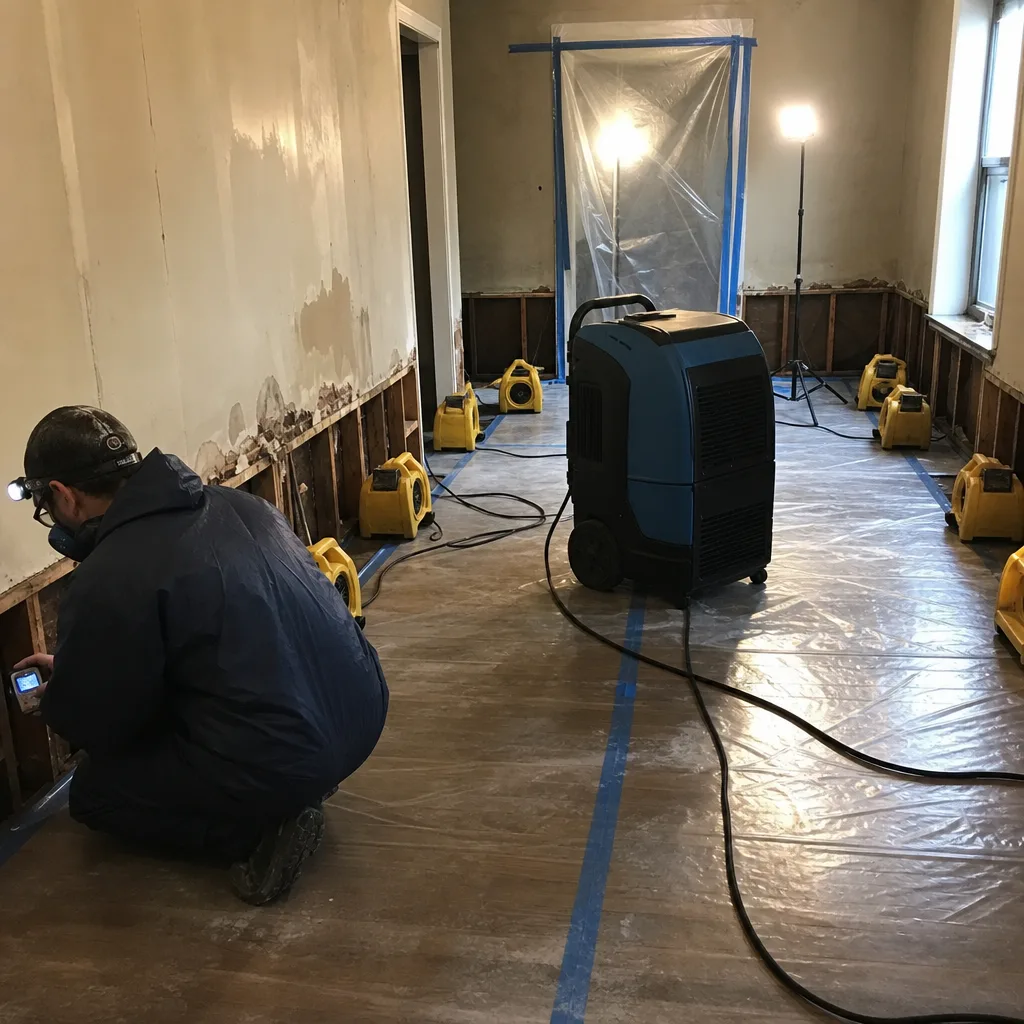
We arrive with thermal imaging and moisture meters, map the full extent of the contamination, and identify the source. In Mount Ivy basements, that means checking not just the visible sewage but the wall cavities, the cove joint, and the crawl space access.
Extraction & Stabilization
Using truck-mounted Dri-Eaz extraction units, we remove standing black water quickly and stop the source of the backup. In crawl spaces and tight Mount Ivy basements, we use portable extractors to reach what the truck-mount cannot.
Containment & Disinfection
We establish containment barriers and run HEPA air scrubbers to prevent cross-contamination of the rest of the home. We apply EPA-registered antimicrobial agents to all affected surfaces, including framing, subfloor, and the concrete slab itself.
Drying & Dehumidification
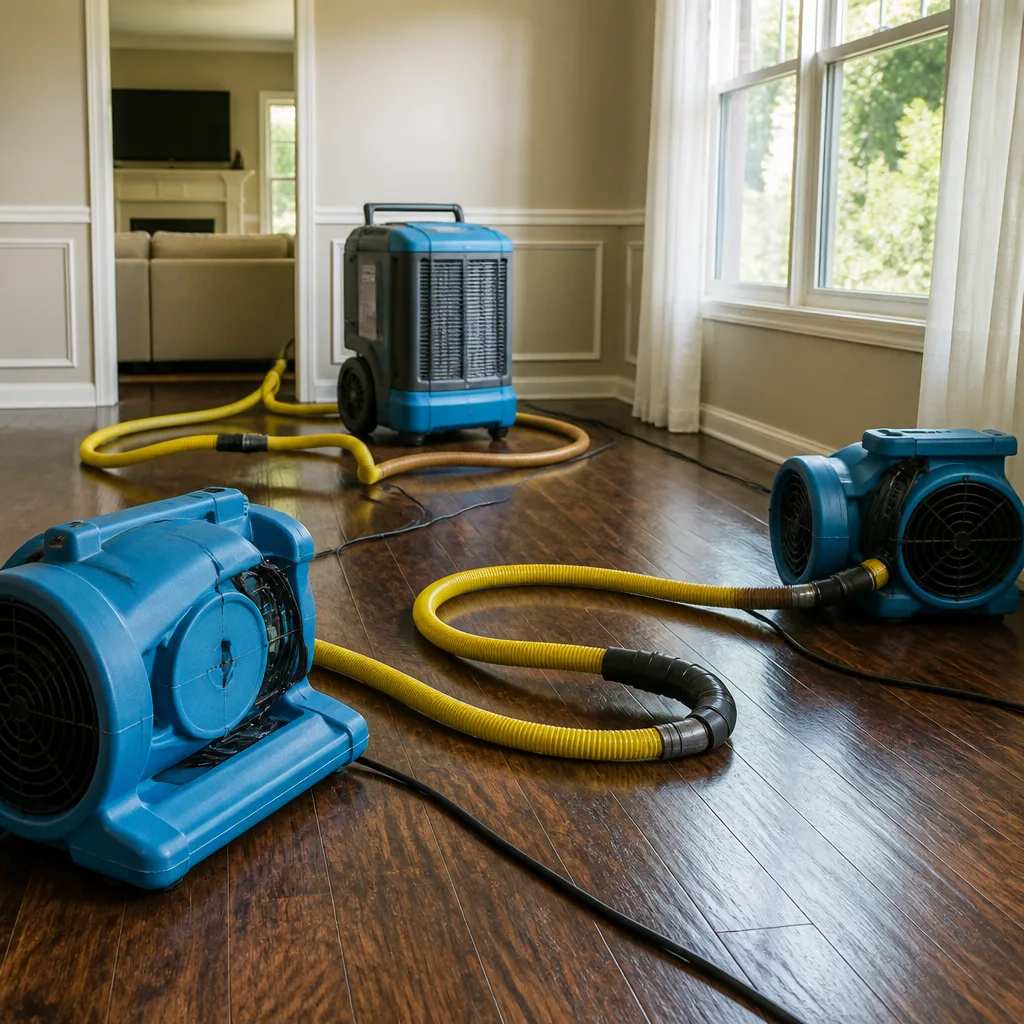
We place Phoenix and XPOWER air movers and B-Air dehumidifiers throughout the affected area, monitoring daily with hygrometers and moisture meters until the structure reaches the dry standard. Every reading is logged and shared with your insurer.
Porous Material Removal & Pack-Out
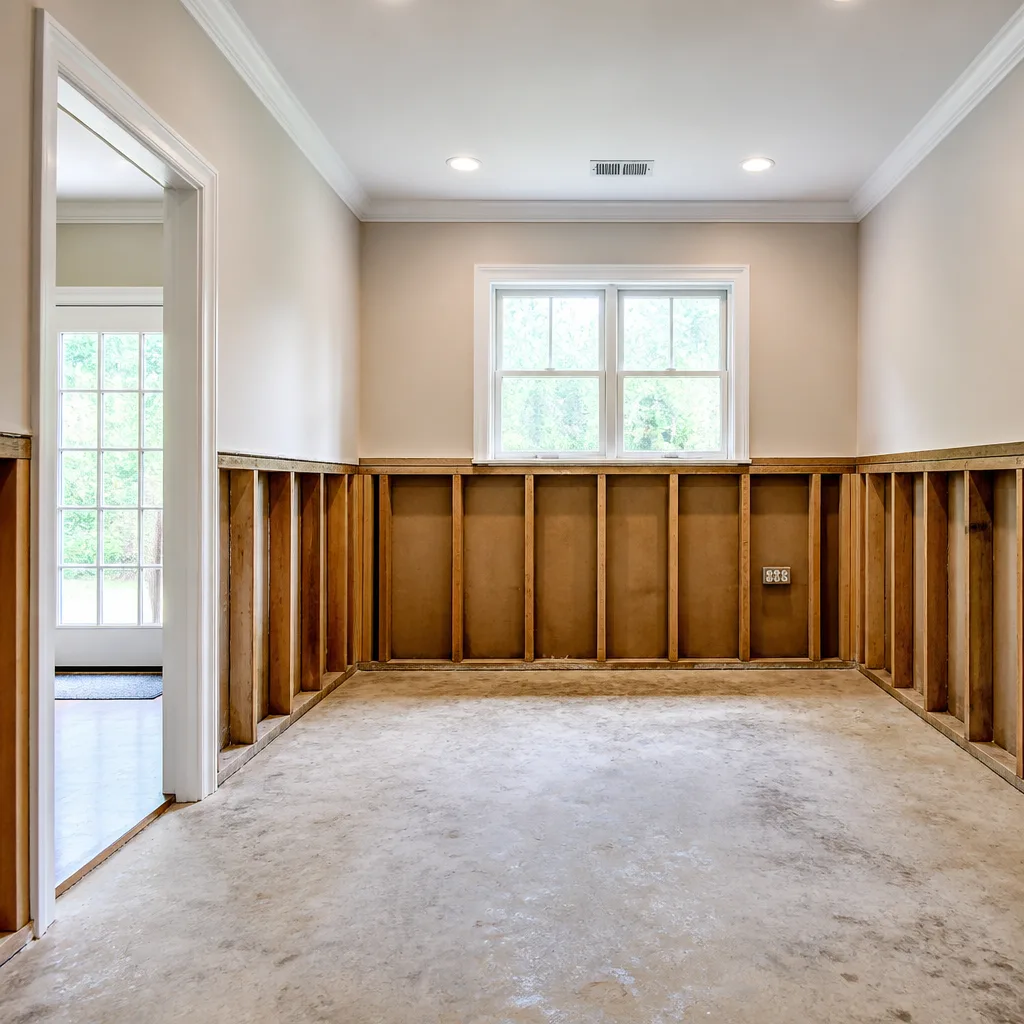
Anything that absorbed category 3 water and cannot be thoroughly sanitized gets removed and properly disposed of: saturated drywall, insulation, carpet pad, and sometimes lower wall cavities. Salvageable belongings are documented, packed out, and cleaned off-site when possible.
Repairs & Restoration
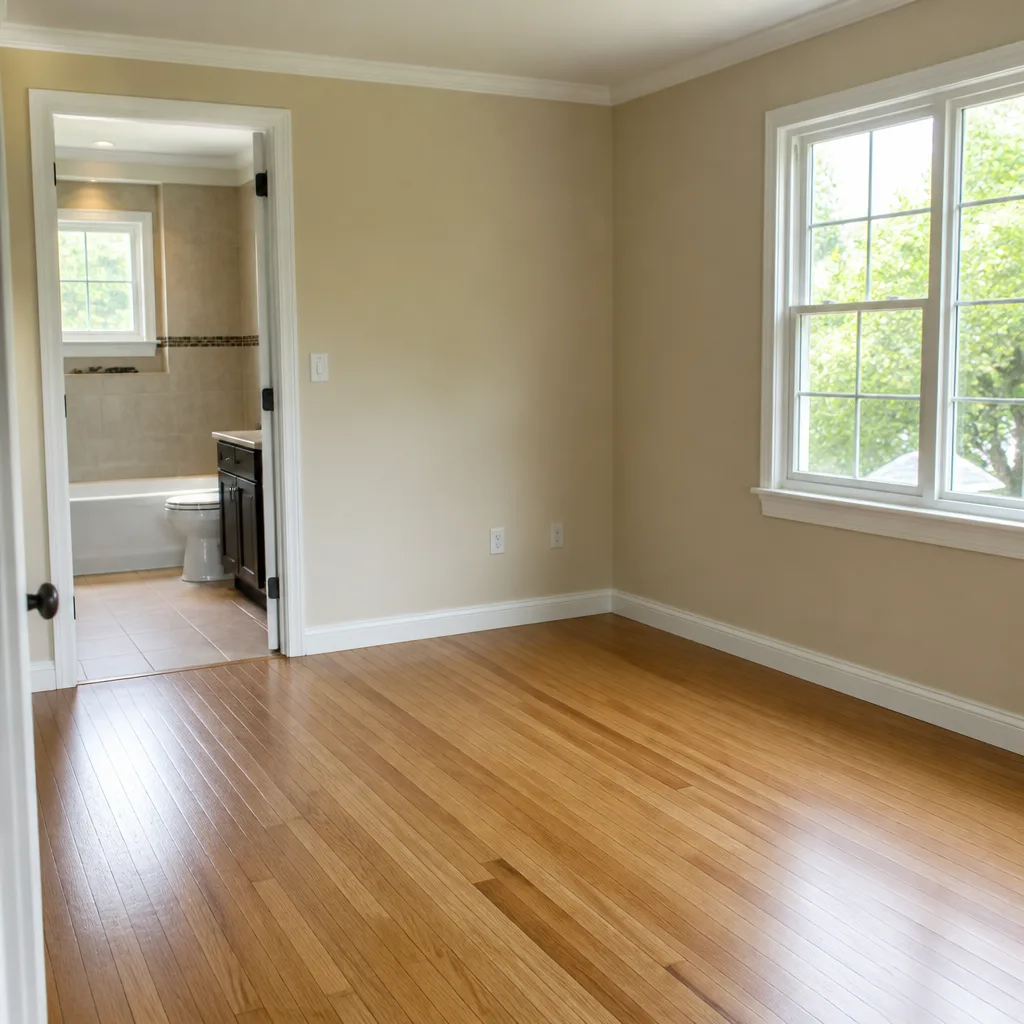
The same Floodline crew rebuilds what was removed: new drywall, insulation, trim, flooring, and paint. We do not hand off the reconstruction to a different company. One team, one scope, one written guarantee.
Working With Your Insurance Company
Sewage backup coverage varies by policy, and many Mount Ivy homeowners are surprised to learn that a standard homeowners policy may not include sewer backup unless they purchased the endorsement. That does not change how we work. From the first hour, we document the loss the way adjusters expect to see it: photos of every affected room, moisture readings from before and during drying, a line-item scope of work, and a clear explanation of cause. We speak directly with your adjuster so you do not have to translate technical findings into insurance language. If your claim is denied, we give you a written estimate so you can make a decision with real numbers, not guesswork. The goal is always the same: a square deal, no surprises on the bill.
What We Provide Your Insurer
- Thorough documentation of the loss
- Photos of all damage, room by room
- Moisture readings and drying logs
- A detailed, line-item scope of work
- Direct coordination with your carrier
Built for Mount Ivy’s Loss Calendar
Mount Ivy’s sewage cleanup calls follow a seasonal rhythm that anyone who has lived here long enough can predict. Mount Ivy sits at the base of the Ramapo Mountain escarpment, and when nor’easters push heavy precipitation into Rockland County, the stormwater runs off those highlands and concentrates in this low-lying hamlet. The terrain does not just add water to the ground. It overwhelms the aging sewer laterals and septic fields that were installed when these homes were built in the 1950s, 60s, and 70s. That means spring thaw and late-summer thunderstorms produce two distinct spikes in sewage backup calls. Winter adds a third: freeze-thaw cycles stress the clay soils, shift foundation walls, and open hairline cracks that then take in groundwater during the first heavy rain of March. If you live in Mount Ivy and your basement has flooded before, it will likely flood again unless the drainage landscape around your home is addressed. We handle the cleanup and the rebuild. But we will also tell you the truth about what we see, because a painted-over water line is not a repair.
Sewage Cleanup Across Mount Ivy’s Neighborhoods
The Route 202 corridor running through the heart of Mount Ivy is where we see the most finished-basement sewage backups in 1960s split-levels. Those homes were built before modern waterproofing standards, and the basements were finished decades ago by owners who did not know to install a proper perimeter drain or sump. When the lateral backs up, the finished space absorbs the contamination. Homes off Call Hollow Road and the side streets that climb toward the Ramapo foothills face a different problem: gravity. Sewage and stormwater both seek the lowest point, and the low-lying properties near the base of the escarpment get runoff that the hillside homes do not. The neighborhoods off Rosman Road and along the flatter stretches near the Town of Haverstraw line tend to see septic field failures more than municipal lateral backups, simply because many of these properties never connected to sewer and are still running on original systems. Each area of Mount Ivy has its own failure mode, and we have worked enough of these jobs to know what we are walking into before we open the basement door.
Specialized Sewage Cleanup Services We Offer in Mount Ivy
Sewage Backup Cleanup
This is the most common call we get in Mount Ivy, and it almost always starts the same way: a toilet gurgles, a floor drain backs up, and within an hour there is standing sewage in the basement. We extract it, contain it, and dry the space. But we also look for the reason it backed up in the first place, because in this hamlet the cause is often a lateral that has been struggling against stormwater infiltration for years.
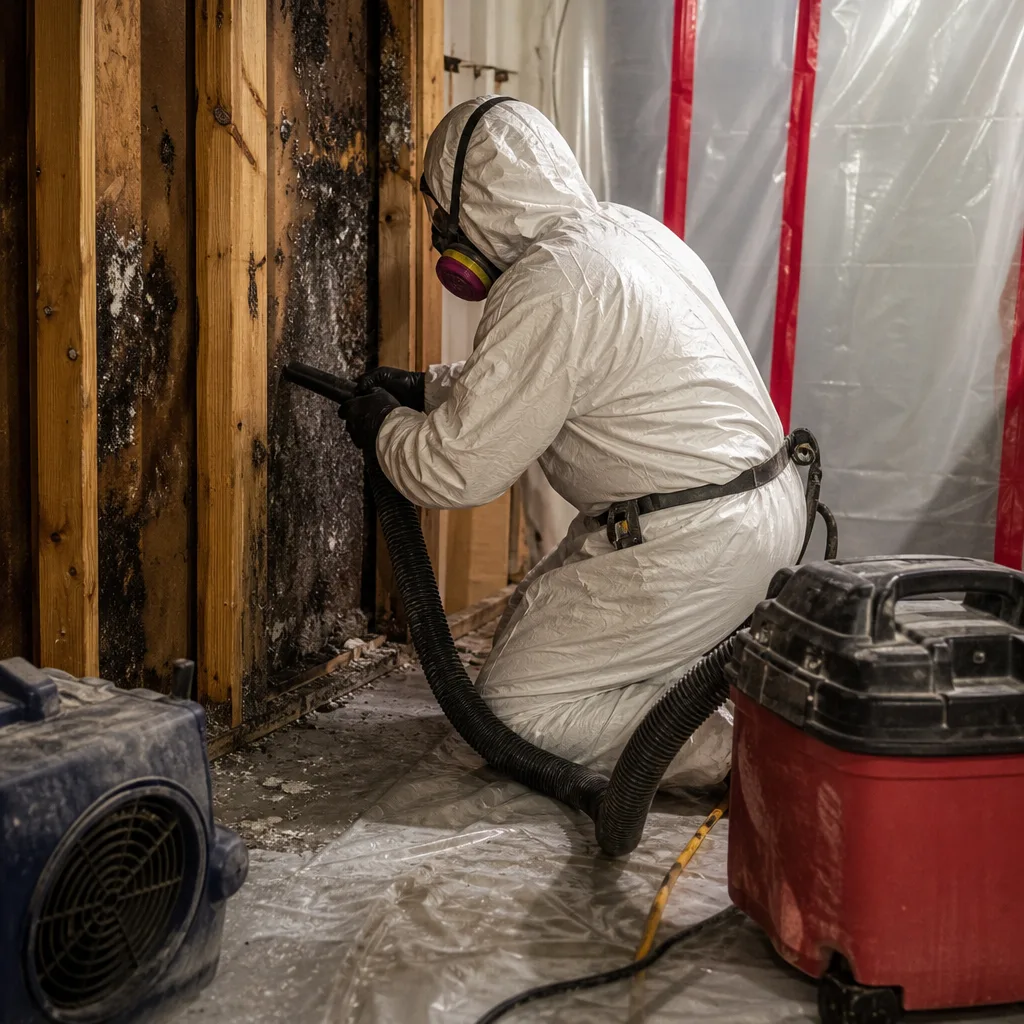
Black Water Extraction
Black water is the IICRC term for water containing human waste, and it requires full PPE and careful handling. In Mount Ivy basements, we frequently encounter black water that has been sitting for hours or days because the homeowner did not realize the backup had occurred, especially in crawl spaces or behind finished walls. Our Dri-Eaz truck-mounts pull thousands of gallons per hour, and our technicians are trained to handle the contamination without spreading it through the rest of your home.
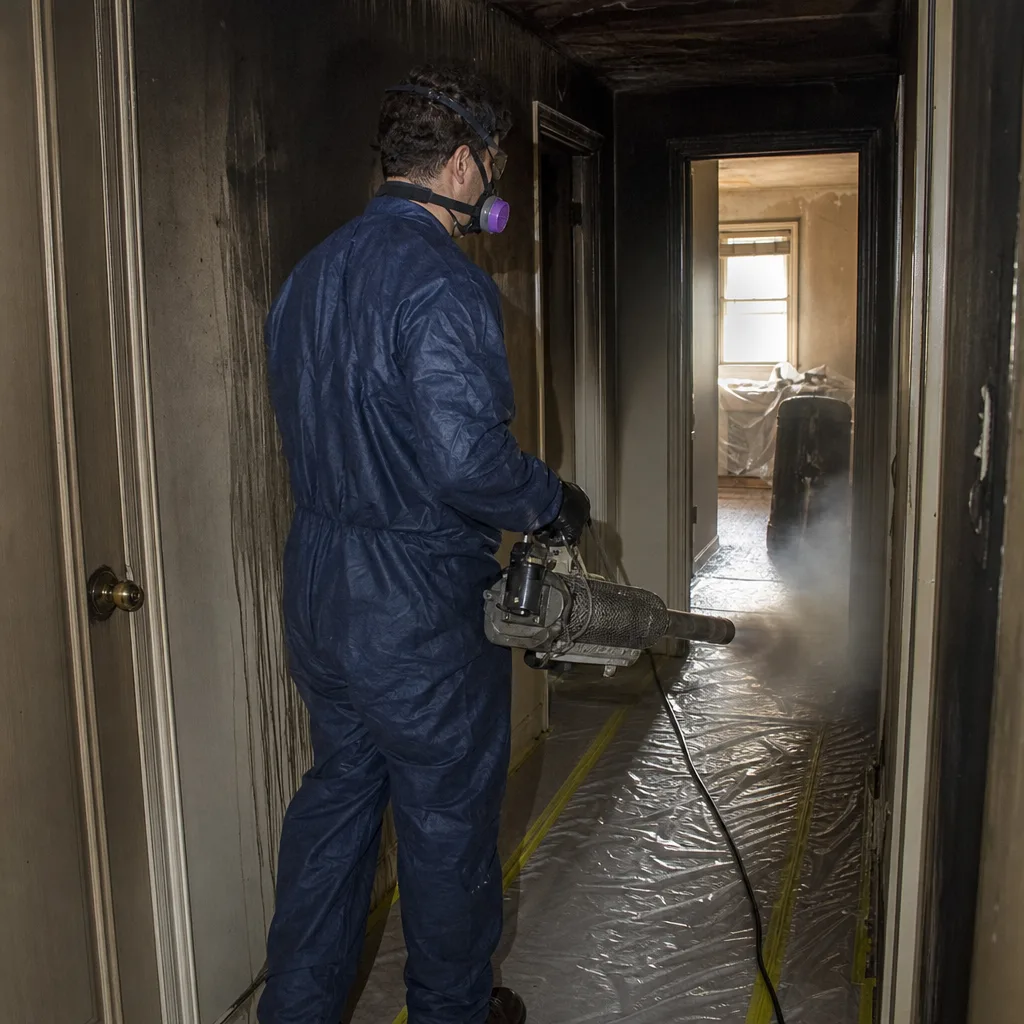
Crawl Space Sewage Removal
Crawl spaces under Mount Ivy ranch homes are some of the worst environments for sewage cleanup. Access is tight, ventilation is poor, and the contamination can go unnoticed for weeks. We remove the sewage, treat the soil and framing with antimicrobial agents, and dry the space to the dry standard. If the vapor barrier is destroyed, we replace it. If the access is too tight for standard equipment, we bring in smaller XPOWER units and run extraction and drying lines through the existing vents.
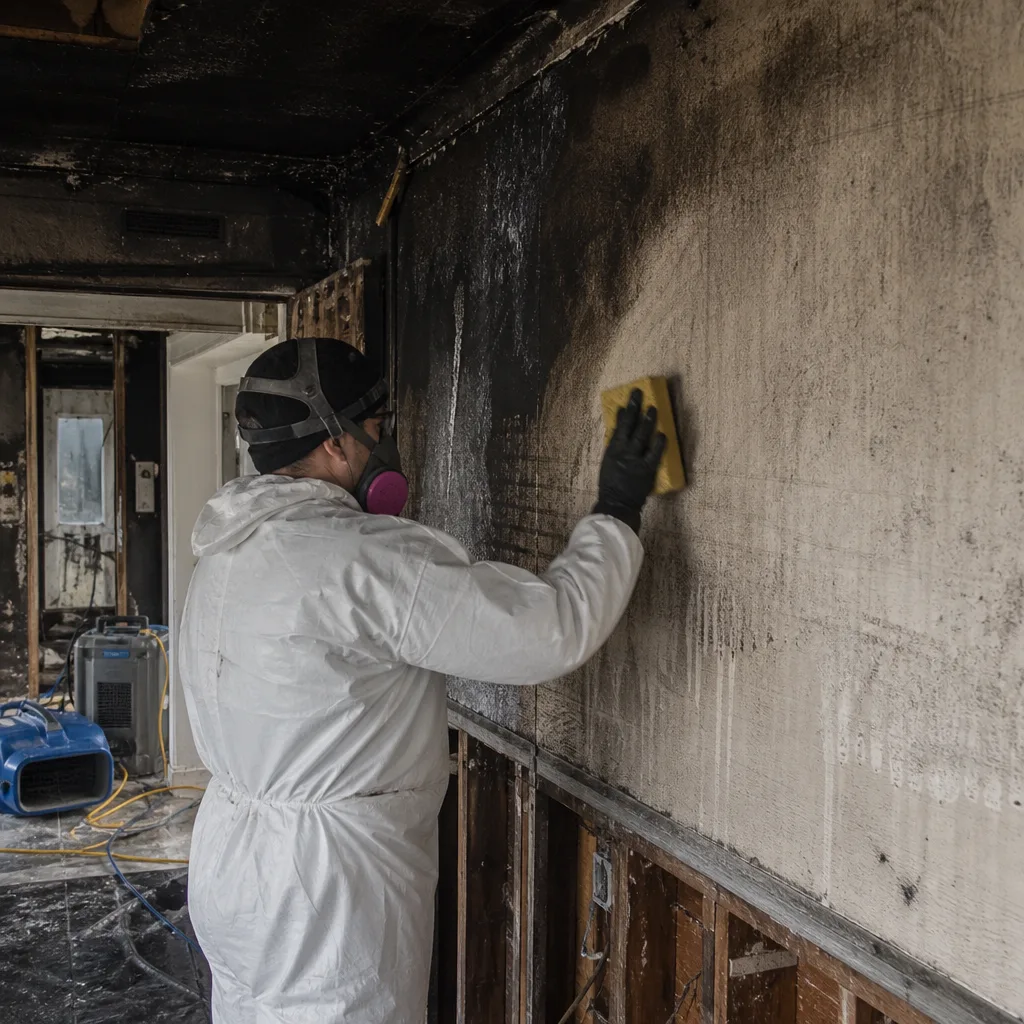
Toilet Overflow Cleanup
A toilet overflow is often the first sign of a larger problem, especially in Mount Ivy’s older homes where cast iron pipes have corroded and narrowed over decades. We clean the immediate overflow and then check whether the line is still flowing correctly. If the overflow was caused by a backup downstream, we find it before it happens again.
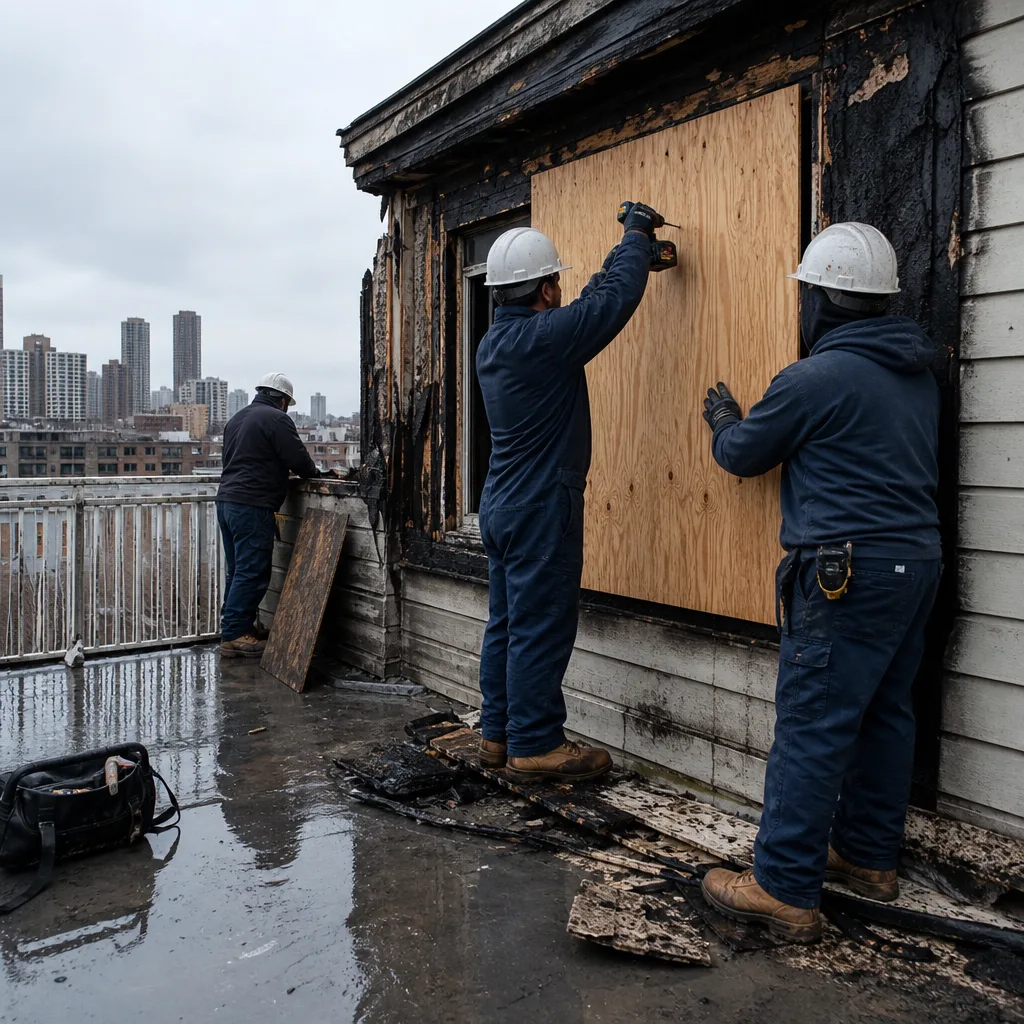
Septic Failure Cleanup
Some Mount Ivy properties still operate on original septic systems from the 1960s. When those systems fail, sewage surfaces in the yard, under the house, or backs up through the lowest drain. We handle the interior cleanup and coordinate with your septic contractor on the system repair. The inside of your home is our job, and we restore it properly while the system is being addressed.
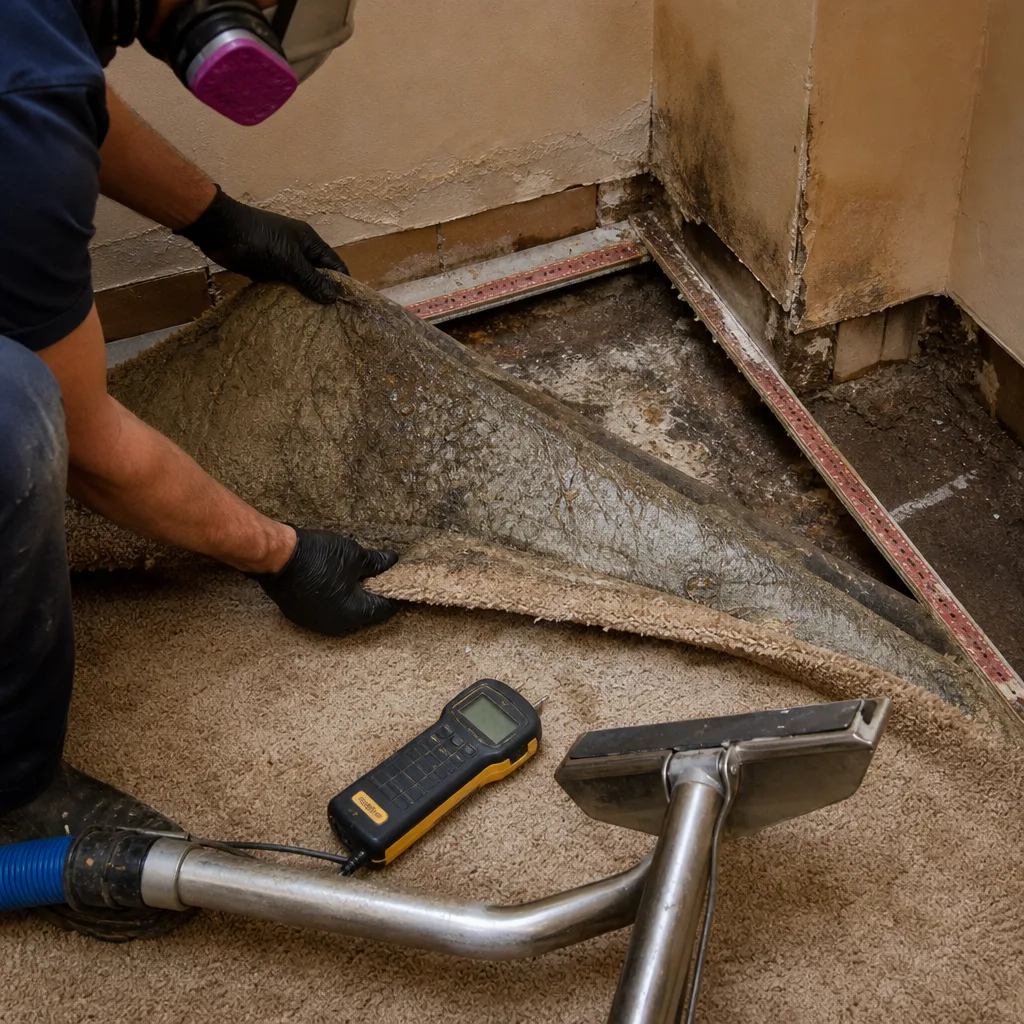
Sanitization & Disinfection
Every sewage cleanup ends with complete sanitization of the affected area. We use EPA-registered disinfectants rated for use against the pathogens found in raw sewage, and we run HEPA air scrubbers to remove airborne contaminants. Your basement is not clean until it is actually clean, and we confirm that with clearance testing before we rebuild.
What happens when you call
- 1
A real person answersNo phone trees - you reach a local pro.
- 2
You get an upfront price rangeHonest numbers before anyone is dispatched.
- 3
A background-checked tech heads outLicensed & insured, dispatched right away.
- 4
You approve before work beginsNothing starts until you say go.
Sewage Cleanup Costs in Mount Ivy, NY
A straightforward sewage backup in a Mount Ivy basement, where the water is extracted quickly and only the floor and a few inches of drywall are affected, typically runs $1,200 to $3,500. A full finished-basement sewage loss where containment, pack-out, structural drying, and rebuilding are required generally lands between $6,000 and $18,000, depending on the square footage and the finishes. Crawl space sewage removal in Mount Ivy typically runs $2,500 to $6,000 due to the access difficulty and the need for soil treatment. Toilet overflow cleanup that is caught quickly usually costs $800 to $2,200. If the sewage sat for more than 48 hours, expect the cost to move toward the higher end of these ranges because drywall and insulation will likely need to come out. We provide a free visual inspection and a written scope before any work begins, so you know the number before you commit. We also bill your insurance carrier directly when coverage applies.
| Service | Typical Mount Ivy Range |
|---|---|
| Toilet overflow cleanup (quick response) | $800 - $2,200 |
| Sewage backup in unfinished basement | $1,200 - $3,500 |
| Crawl space sewage removal | $2,500 - $6,000 |
| Finished basement sewage loss with rebuild | $6,000 - $18,000 |
We Also Serve Cities Near Mount Ivy
Our crews respond throughout Rockland County and the surrounding area. If you are in Fairview, Harrison, East Bronx, or Hunts Point, we can reach you quickly. The same live dispatch, the same certified technicians, and the same 90-Day Done Right Promise apply wherever we work.
Mount Ivy Sewage Cleanup Questions, Answered
Why do sewage backups happen so often in Mount Ivy basements even when it hasn’t rained in days?
Mount Ivy sits at the base of the Ramapo Mountain escarpment, where runoff from the highlands concentrates in this low-lying hamlet. That runoff saturates the ground and puts sustained pressure on aging sewer laterals and septic fields installed in the 1950s through 1970s. Even after the rain stops, the ground remains saturated for days, and that sustained pressure is what pushes sewage back through floor drains and basement toilets. Add in corroded cast iron pipes and root intrusion in older lines, and you get backups that seem to come out of nowhere. Call (917) 924-4221 and we will find the source.
How do I know if my Mount Ivy split-level’s finished basement has hidden sewage contamination from past flooding?
Look at the walls along the lower three feet, especially near the cove joint where the floor meets the wall. If you see repeated high-water lines at the same elevation, faint staining that has been painted over, or drywall that feels soft or smells earthy near the base, you likely have chronic water intrusion. In Mount Ivy split-levels built in the 1960s, we routinely find painted-over high-water marks from past sewage backups that never dried properly. The paint masks the stain but not the mold growing behind it. A free visual inspection with our moisture meters will tell you what is actually inside those wall cavities.
Does a sewage backup in a 1960s ranch home require tearing out the whole finished basement?
Not necessarily. The extent of tear-out depends on how long the sewage sat, how high it wicked into the drywall, and what materials absorbed it. If we arrive within a few hours and the water was confined to the floor and the bottom few inches of wall, we can often remove only the lower drywall band, treat the framing, and rebuild that portion. If the water sat for days and wicked up to three or four feet, or if the basement was built with materials that absorbed heavily, more extensive removal is required. The honest answer comes from the moisture map and our daily readings, not from a guess. We will show you exactly what we are seeing before we cut anything.
Can you clean up a sewage backup in a crawl space under a Mount Ivy home without removing the flooring above?
Yes, in most cases. We access the crawl space through the existing entry or vents, remove the sewage with portable extraction equipment, treat the soil and framing with antimicrobial agents, and dry the space using XPOWER air movers and B-Air dehumidifiers. We only remove flooring above if the subfloor has absorbed contamination or the crawl space access is too limited to complete the work safely. In many Mount Ivy ranch homes, the crawl space is accessible enough that the living space above can remain untouched. The inspection will tell us which situation you have.
What permit or code issues come up when repairing sewage-damaged basements in Mount Ivy?
The Town of Haverstraw building department requires permits for any structural repair or significant replacement of electrical, plumbing, or framing in a sewage-damaged basement. Replacing drywall and insulation does not typically require a permit, but if we are replacing wall framing, moving a drain line, or rewiring an outlet that was submerged, the town wants to see the permit. We handle that directly. We know the local inspectors and we know what documentation they expect. Any work we do in Mount Ivy is either permitted when required or documented as non-structural so your insurance file stays clean.
How fast can you actually get to a Mount Ivy address?
We commit to a 45-minute dispatch from the moment you call. Our live dispatcher takes your information and a crew starts moving toward your Mount Ivy address immediately. We do not wait for a call-back or a “technician availability” window. Call (917) 924-4221 and we will be on the way.
Will my insurance cover sewage backup in Mount Ivy?
Only if your policy includes a sewer backup endorsement. Standard homeowners policies in New York do not automatically cover sewage backup from a lateral or septic failure. Many Mount Ivy homeowners have added the endorsement, especially after a first incident. We will review your policy with you and document the loss so your adjuster has what they need either way. If coverage exists, we bill the carrier directly. If it does not, we give you the written scope and let you decide. No pressure, no surprises.
What should I do in the first 30 minutes after I find sewage backing up in my Mount Ivy home?
Do not flush toilets or run water anywhere in the house. Shut off the water supply if you can reach it safely. Keep children and pets away from the affected area. Do not use a shop vac on category 3 water unless it is rated for it and you are wearing full PPE. Do not turn on HVAC systems that could spread airborne contamination. Then call (917) 924-4221. The faster we start extraction, the less damage the sewage does to your home. Do not wait to see if it “goes down on its own.” It will not.
Serving Mount Ivy, NY - Our Local Coverage Area
We’re based in the Mount Ivy area and know this community well. Use the map below to see our service coverage - if you’re nearby, we can almost certainly help.
The Floodline Restoration Co. of Manhattan Difference in Mount Ivy
We have worked enough basements in this hamlet to know that Mount Ivy is not Spring Valley and it is not New City. The Ramapo escarpment changes everything. Runoff concentrates here in ways it does not in the flatland communities, and the aging sewer laterals and septic fields underneath these 1950s through 1970s homes were never designed for that kind of sustained pressure. That means the sewage cleanup jobs we do in Mount Ivy are rarely simple extractions. They usually involve hidden contamination behind finished walls, repetitive high-water marks that reveal years of prior incidents, and structural drying that takes longer because the basements wick moisture upward into framing that was built before modern building science. We bring the same thing to every job: professional-grade Dri-Eaz, Phoenix, and XPOWER equipment, IICRC-certified technicians who are background-checked and uniformed, and a written scope before any work begins. When we finish, we hand you a moisture log and our 90-Day Done Right Promise. If it is not done right, we make it right. No paperwork battles, no arguing. That is the Keystone Standard, and it is in writing on every job we do in Mount Ivy.
We responded to a sewage backup in a 1960s split-level off Route 202 where repeated high-water lines at the same elevation had painted over chronic flooding for decades. Our crew performed black water extraction with a Dri-Eaz truck-mount, followed by antimicrobial treatment and structural drying, using moisture mapping and daily readings to confirm the pre-loss condition before rebuilding the finished basement. That is how we handle every Mount Ivy sewage job: find the real scope, document it, dry it properly, and rebuild it once.
Call (917) 924-4221 now for a free estimate. A live person answers, day or night.
Written by Curt Bowman, Owner at Floodline Restoration Co. of Manhattan, serving Mount Ivy, NY.