
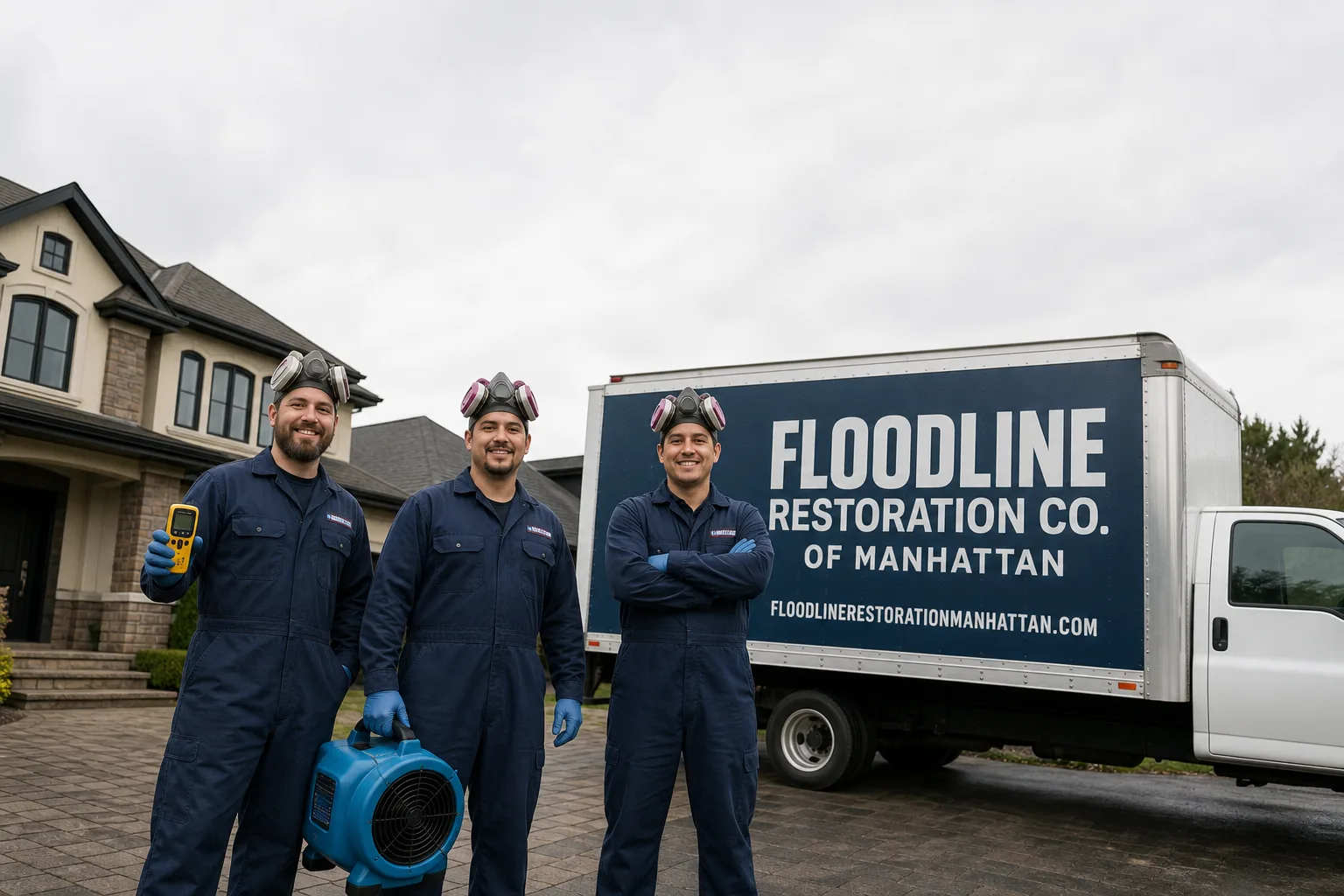
Free visual inspection and a written scope of work before any mitigation begins - photos, moisture readings, and drying logs go in your claim file
The scope we write is the scope we bill. Anything new gets shown to you, in writing, before we touch it.
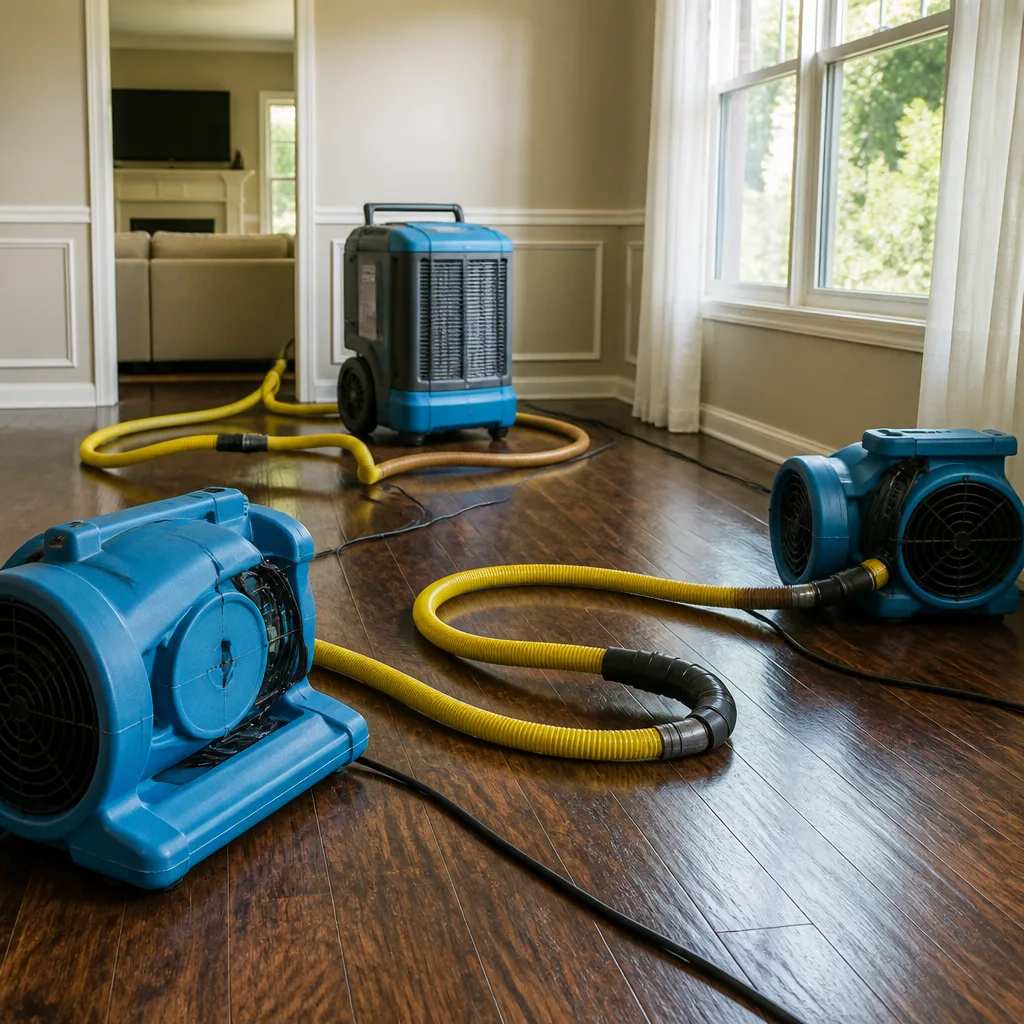


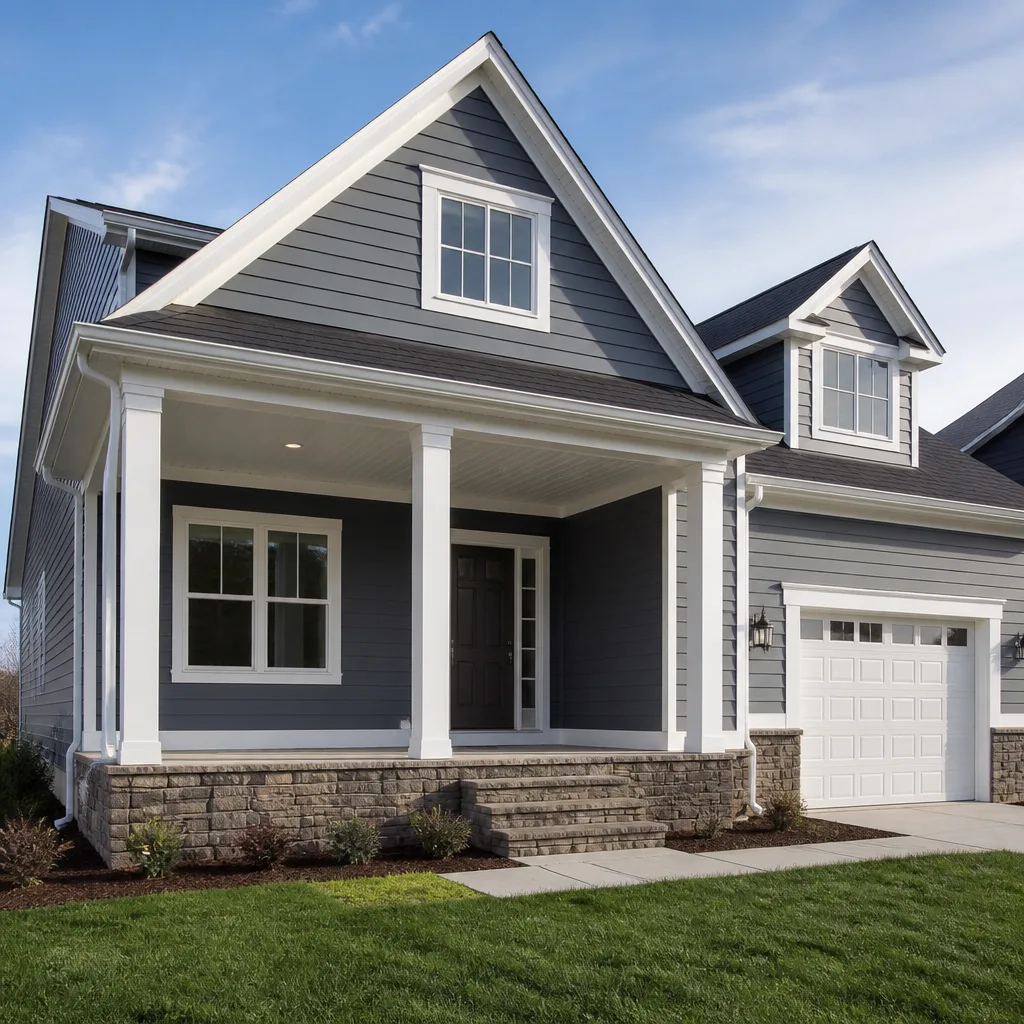
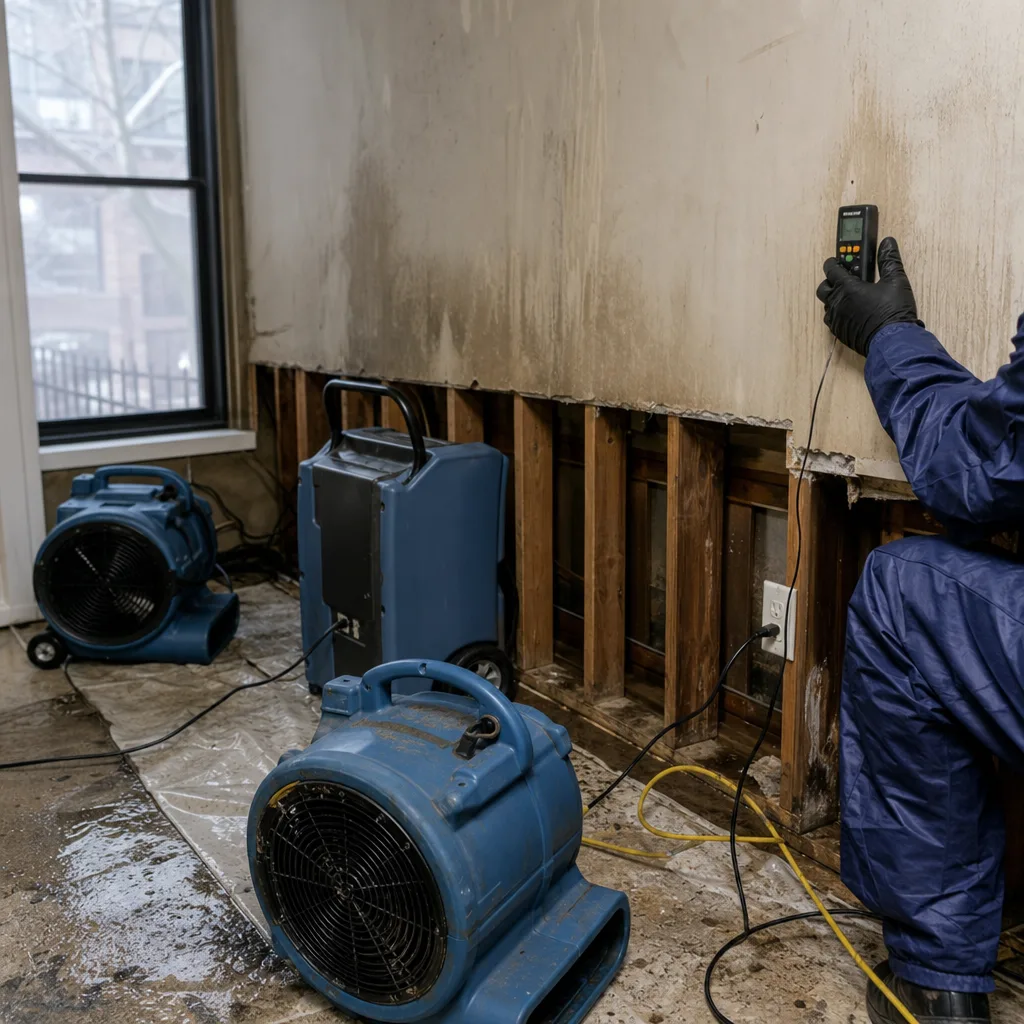 Before
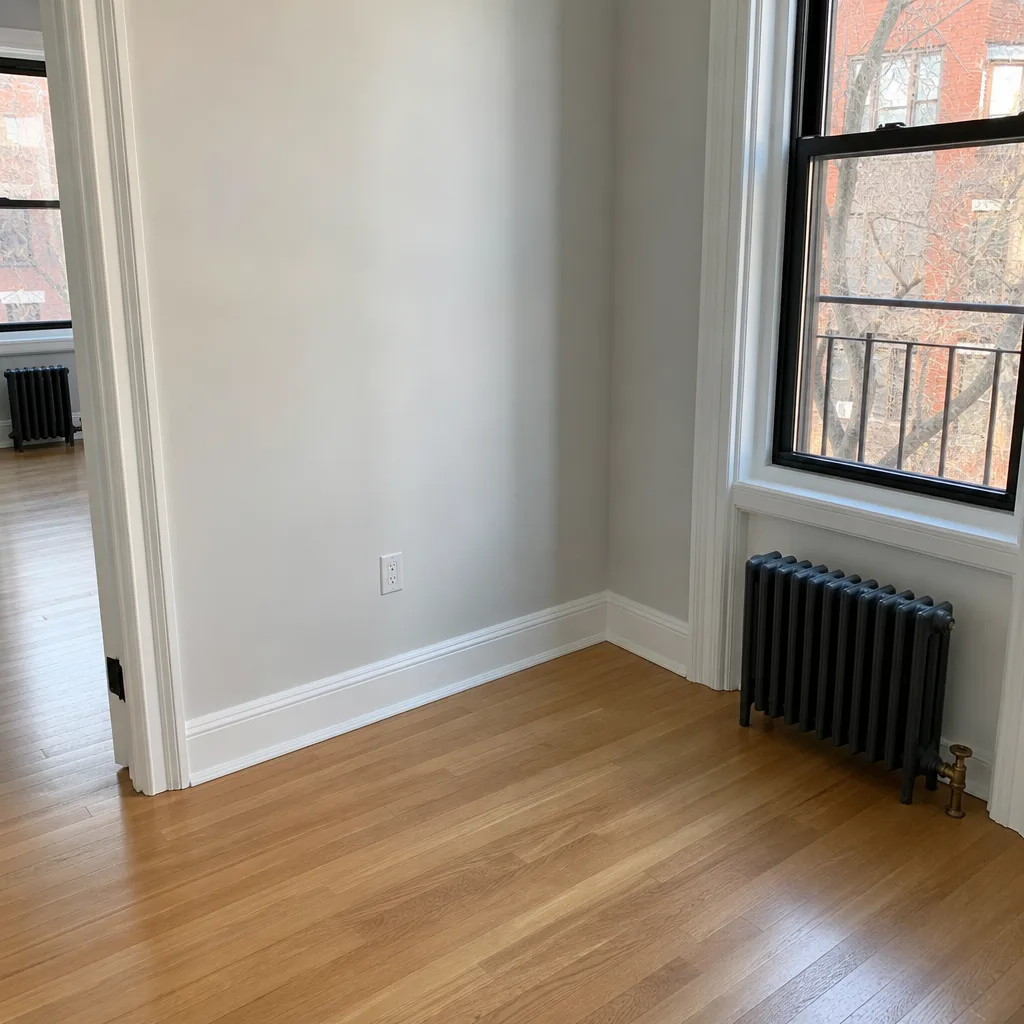 After
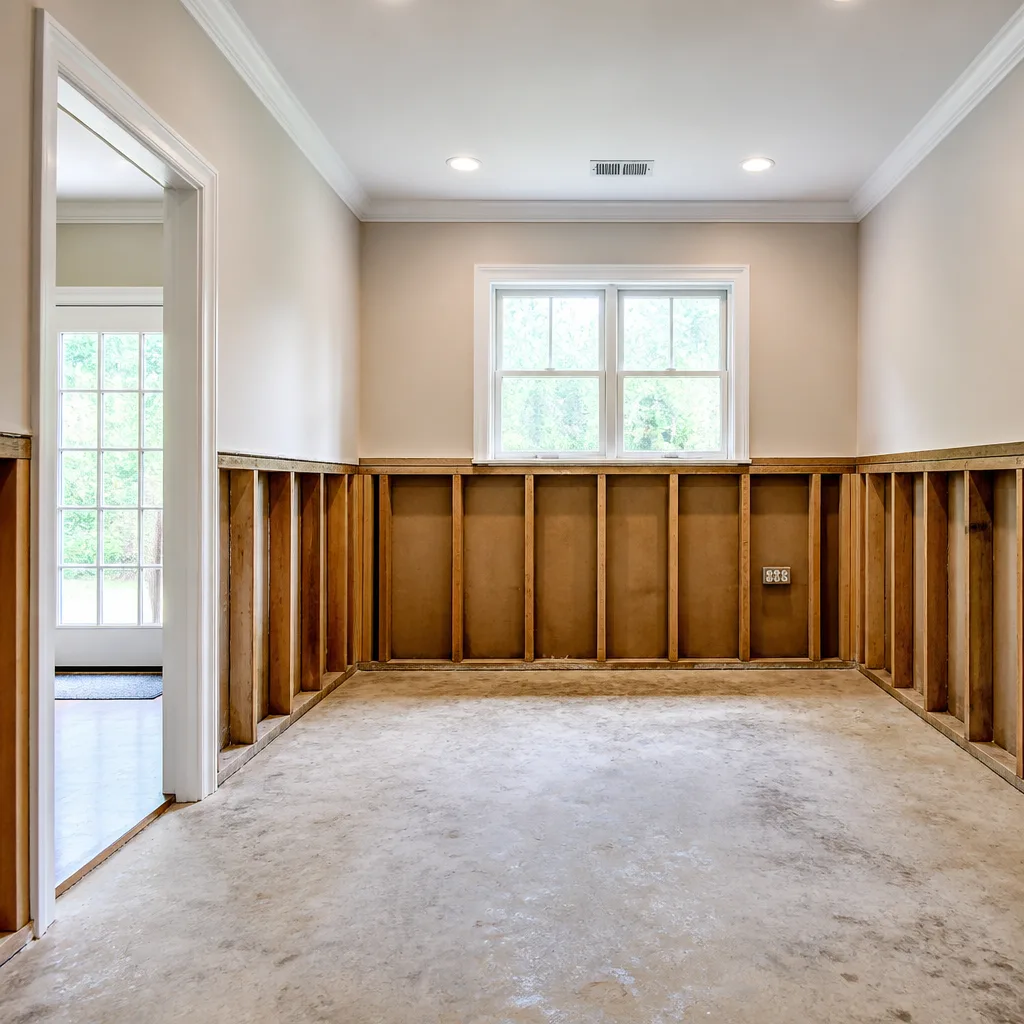
After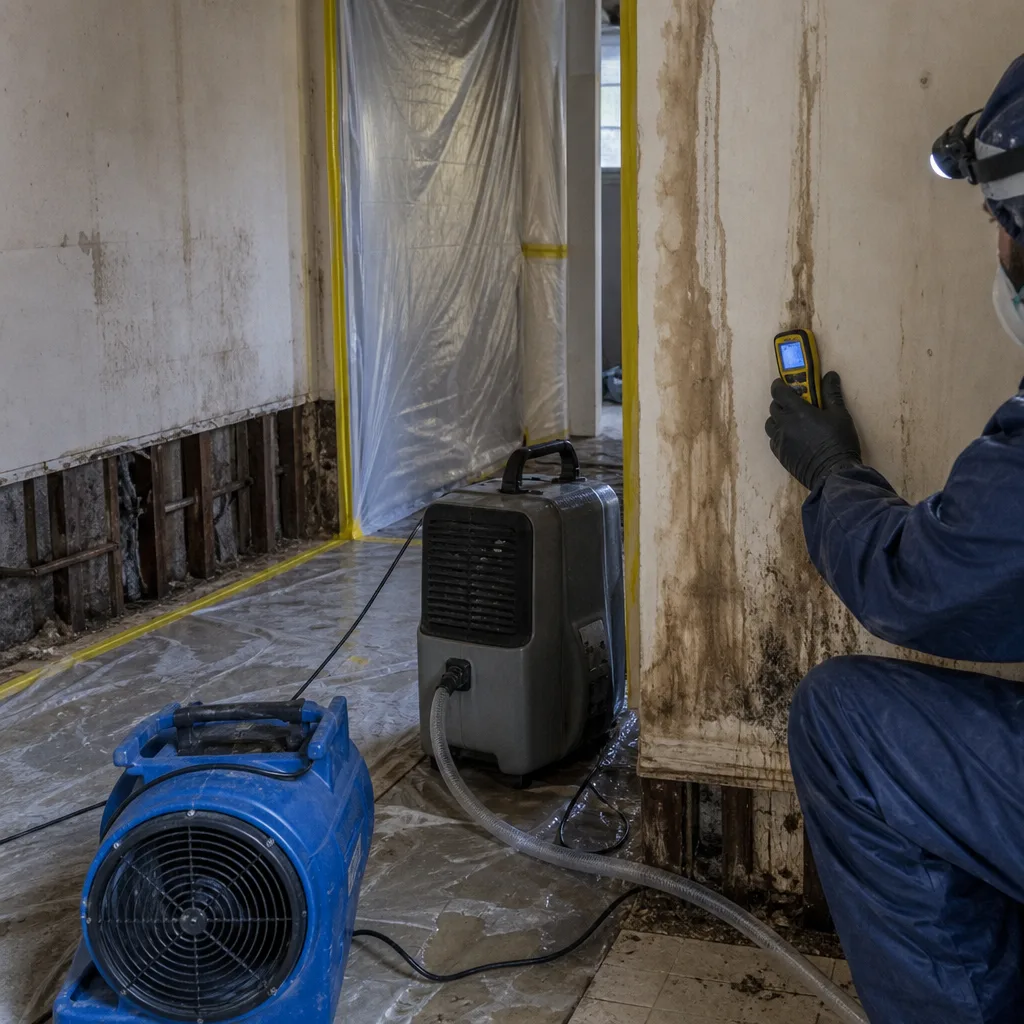 Before
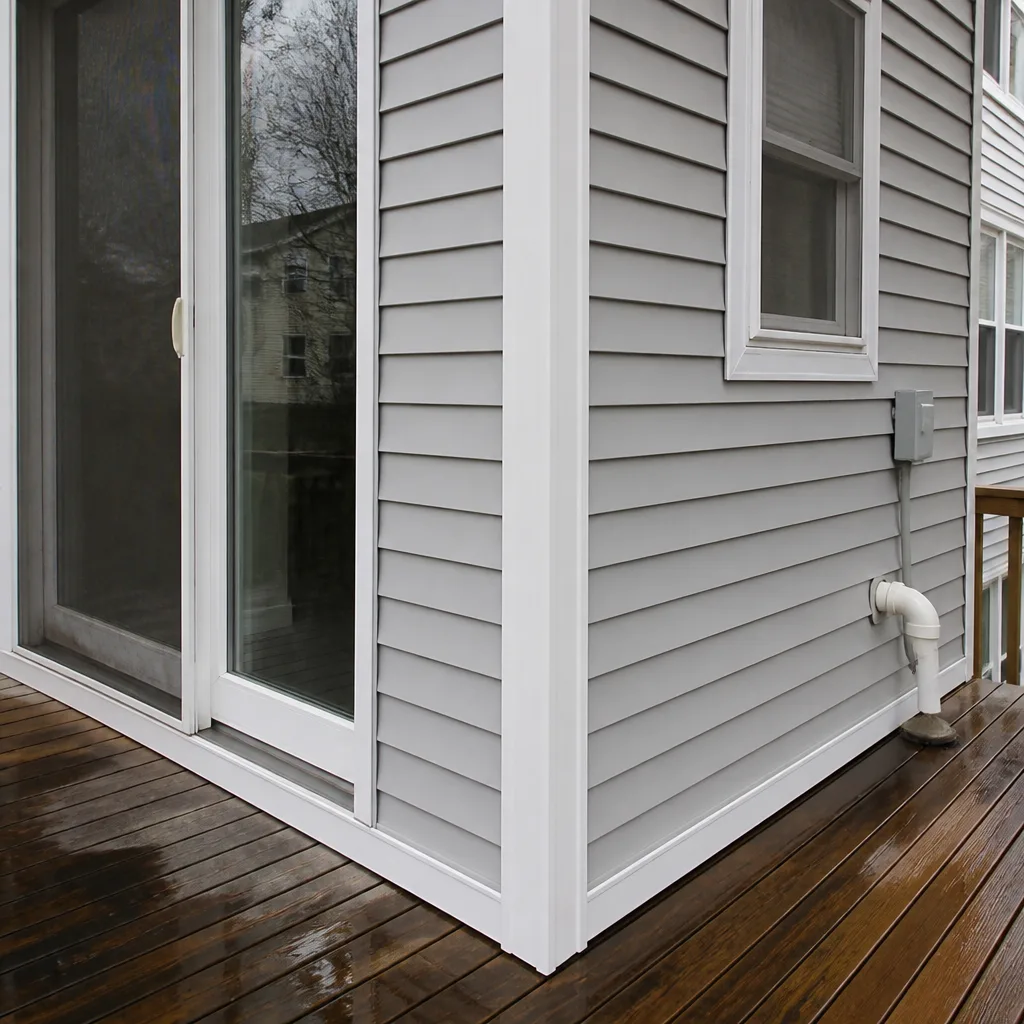 After
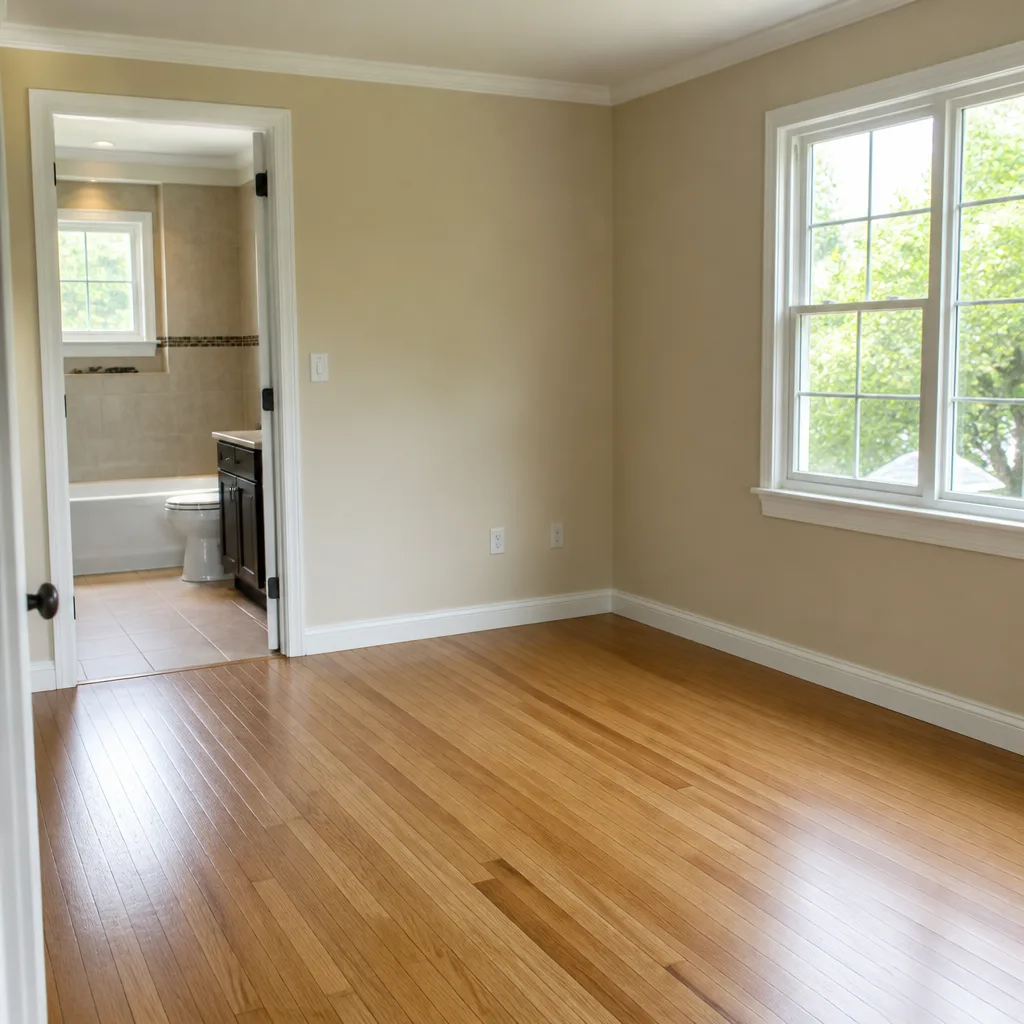
After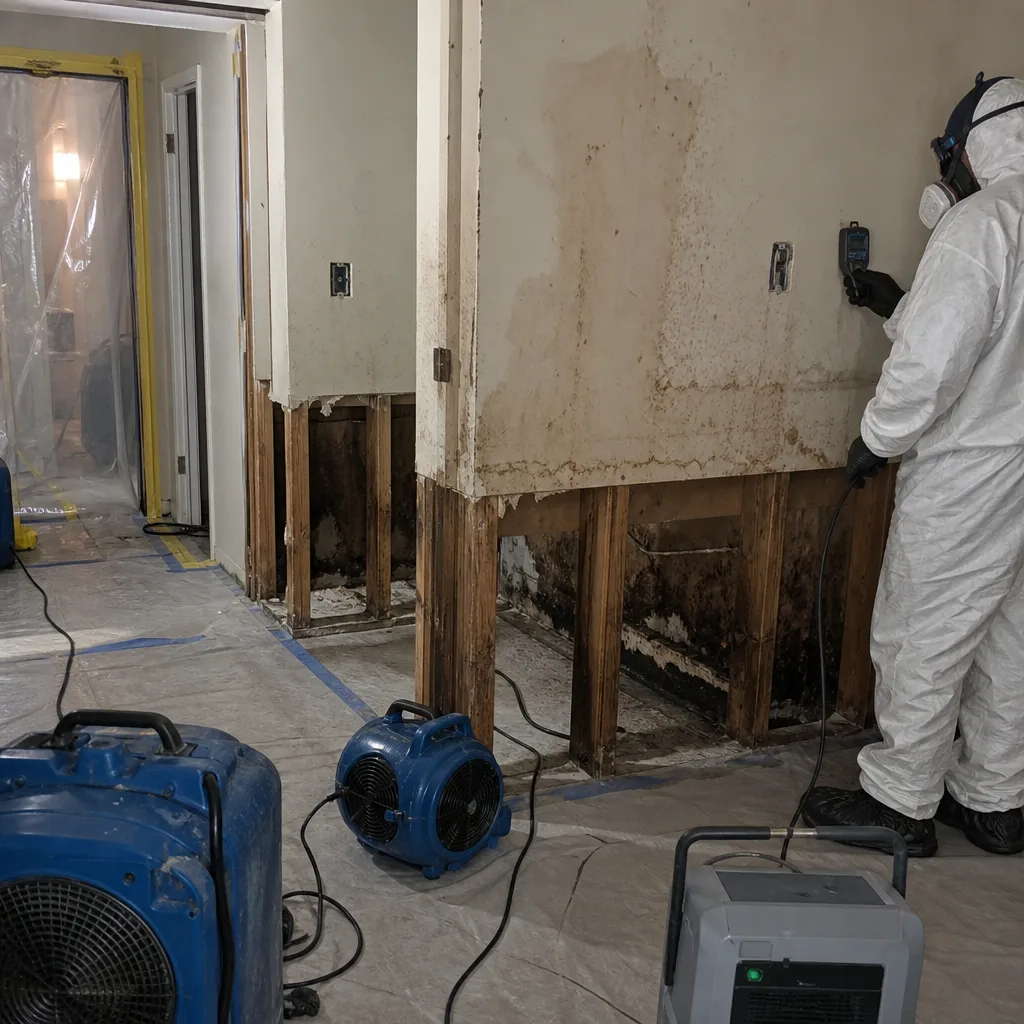 Before
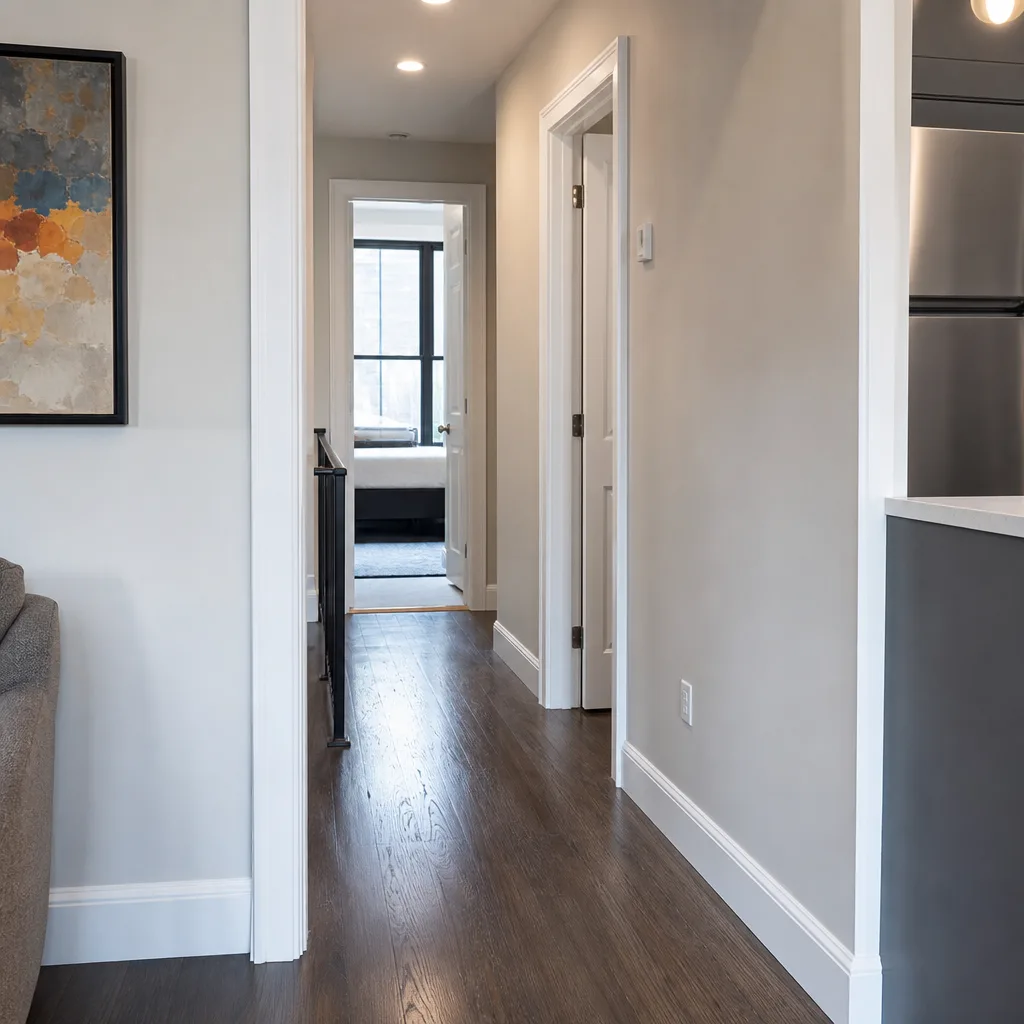 After
After24/7 Emergency Sewage Cleanup in Richmond Hill
When sewage backs up into a Richmond Hill basement, the clock starts before you even see the water. Sewage cleanup in Richmond Hill typically costs $1,800-$6,500 depending on how far Category 3 water has traveled through your home’s structure, and the first hour determines whether we’re containing a spill or gutting finished walls. Call (917) 924-4221 right now, and a live dispatcher answers, not a recording. Our certified crews reach Richmond Hill homes fast, often within 45 minutes, because every minute sewage sits against old plaster and balloon-frame lumber, the contamination wicks further into places you can’t see.
We run Sewage Cleanup response through one team from first extraction to final repair, so you never get handed off to a crew that wasn’t there on day one. The check-in is a quick visual inspection, free of charge, with a written scope before any work begins. And if it’s two in the morning off Jamaica Avenue or mid-afternoon near Forest Park, the same live-answer promise holds.
Key takeaways for Richmond Hill homeowners facing a sewage backup:
- Category 3 water moves upward in old homes. Richmond Hill’s pre-1930 balloon-frame construction lets sewage moisture climb wall cavities past the basement line, sometimes two floors up.
- Containment isn’t optional. Black water aerosols spread pathogens into finished basement apartments and living spaces. Negative air and HEPA scrubbing start on the first visit.
- Insurance almost always gets involved. We photograph everything, log moisture readings daily, and talk to your adjuster directly so you don’t have to play messenger.
- A live person answers 24/7. Floodline Restoration Co. of Manhattan runs a real dispatch board. You call, we answer, a crew rolls.
Understanding Sewage Cleanup Severity in Richmond Hill Properties
Not every sewage event is the same, and in Richmond Hill the differences matter more than in newer subdivisions. Water damage is classified by contamination level: Category 1 is clean water from a supply line; Category 2 carries significant contamination from washing machines or sump failures; Category 3, commonly called black water, contains raw sewage, pathogens, and fecal matter. Most backups through Richmond Hill floor drains, toilets, or the combined sewer system are Category 3 from the moment water appears.
Here’s what that means for your home specifically. Richmond Hill’s attached and semi-detached row houses from the 1900-1930 era sit on rubble-stone or brick foundations with original plaster walls and no vapor barriers. Those materials hold water aggressively, but the real problem is what you can’t see. Balloon-frame wall cavities in these homes run open from the basement sill plate to the roof. When a basement floods with black water, moisture doesn’t stay in the basement. It climbs up inside those stud bays through capillary action, carrying sewage-contaminated water into wall cavities on the first and second floors. A technician who treats this as a basement-only cleanup will miss active contamination two floors above the visible line, and that’s where hidden mold colonies form weeks later.
The severity question is not just how deep the water sits on the floor. It’s how far the water has traveled inside your walls, how long the plaster and old-growth lumber have been wicking, and whether finished living spaces above the spill share the same open cavities. That’s the assessment we run on every Richmond Hill job, with thermal imaging and moisture meters probing beyond the visible damage.
Why Richmond Hill Property Owners Choose Floodline Restoration Co. of Manhattan
- 45-minute response commitment to Richmond Hill. We dispatch crews from our New York City office with local routing through Queens, so a sewage backup on 104th Street gets the same fast response as one near Liberty Avenue.
- Live answer, every hour, every day. A dispatcher picks up when you call at 2 a.m. You explain the backup, we send a certified crew. No automated system, no callback queue, no voicemail.
- IICRC-certified technicians on every job. Our crews carry WRT and AMRT certifications and train to RIA and IFA standards. That means Category 3 containment protocols are followed from the first minute, not improvised.
- Free visual inspection with a written scope. We look at the damage, explain what needs to happen and why, and put a line-item scope in writing before any equipment rolls in. You know the plan and the price path before work starts.
- Direct insurance billing. We document the loss, file the claim paperwork, and coordinate with your adjuster. The homeowner is never stuck translating between a restoration crew and a carrier.
- One team from extraction to reconstruction. The same certified crew that extracts the black water handles daily moisture readings, sanitization, and any rebuild. No mid-job handoff, no inherited subcontractor who wasn’t there on day one.
Our Sewage Cleanup Process
Inspection & Assessment
We arrive with thermal imaging cameras and penetrating moisture meters. In Richmond Hill’s balloon-frame homes, we probe wall cavities above the basement to find how far sewage moisture has wicked. The written scope covers every affected surface, including hidden cavities.
Extraction & Stabilization
Black water comes out first, using truck-mounted extraction and Dri-Eaz Rovers for large volumes. We remove saturated porous materials: carpet, padding, baseboards, and any plaster that’s lost structural integrity. The Category 3 source is stopped before drying begins.
Drying & Dehumidification
Dri-Eaz LGR dehumidifiers and Phoenix axial air movers run continuously, with daily moisture readings logged until the dry standard is met. Balloon-frame cavities get targeted airflow, because surface readings alone miss the upward wicking that’s still happening inside stud bays.
Cleaning & Sanitization
Every exposed surface gets cleaned with EPA-registered antimicrobials, and HEPA air scrubbers run throughout the affected area. We’re eliminating pathogens from Category 3 water, and that means treating air, framing, and subfloor, not just what you can see.
Containment & Mold Prevention
Negative air containment goes up before disturbed sewage dries and aerosols spread. Richmond Hill’s finished basement apartments require full containment so tenants and upstairs living spaces aren’t exposed. We check upper-floor cavities with moisture meters and open only what’s needed.
Repairs & Restoration
Once the moisture log shows the structure is dry, reconstruction starts: plaster repair, framing replacement if needed, flooring, and painting. The same crew that extracted the water does the rebuild. The 90-Day Done Right Promise covers the finished work in writing.
Need Emergency Sewage Cleanup in Richmond Hill Now?
Crews minutes away, answering live 24 hours a day. The sooner we start, the less it costs.
Working With Your Insurance Company
A sewage backup in Richmond Hill is covered under most homeowners policies, but how the claim is documented determines what gets approved. We start photographing from the first hour: the standing water, the damage line, the saturated materials before removal, and the moisture readings as they change during drying. Insurers want a clear record of cause, scope, and remediation path, and they want it in industry-standard format. We provide exactly that.
Our team talks to your adjuster directly. You don’t sit on hold explaining extraction protocols or arguing over a drying log. We present the scope, the photos, the moisture map, and the line-item estimate. Floodline Restoration Co. of Manhattan has billed carriers directly for over a decade and a half, and we know what an adjuster needs to approve a claim the first time. Curt Bowman built the company on a simple idea: homeowners shouldn’t have to become insurance experts in the middle of a sewage emergency.
What We Provide Your Insurer
- Thorough documentation of the loss
- Photos of all damage, room by room
- Moisture readings and drying logs
- A detailed, line-item scope of work
- Direct coordination with your carrier
Built for Richmond Hill’s Loss Calendar
Sewage backups in Richmond Hill follow the weather, but the pattern is specific to this corner of Queens. Summer cloudbursts hit hardest. Richmond Hill sits flat and low within the Jamaica Bay watershed, so stormwater has almost no natural gradient to escape. A heavy August thunderstorm overwhelms the combined sewer system and pushes sewage-contaminated water back through basement floor drains across the neighborhood. The same pattern shows up during nor’easters in late fall and winter, when a storm surge backs the Outfall and the aging sewer pipes have nowhere to discharge.
Winter brings a different failure mode. Deep freezes crack cast-iron soil stacks in unheated basements and cause supply line bursts behind original plaster walls. But the combined result is familiar to every Richmond Hill homeowner who’s been here long enough: Category 3 water in a finished basement apartment, with open balloon-frame cavities carrying moisture upward faster than a standard drying plan can chase it. Hurricane Sandy showed what a major storm event does to this neighborhood, and the smaller repeats since then have kept the same lesson fresh. Homes here have layered water histories, and every new backup re-activates old moisture in the same walls. That’s why we never scope a Richmond Hill sewage cleanup by surface area alone.
Sewage Cleanup Across Richmond Hill’s Neighborhoods
Richmond Hill is a grid of densely packed row houses, and the response paths vary block by block. Along 104th Street near Atlantic Avenue, finished basement apartments sit behind brick and wood-frame fronts from the 1920s. Those jobs almost always involve tenant displacement and full containment, because living spaces below grade share air with the sewage spill. Over by Forest Park’s eastern edge, the homes shift toward semi-detached wood-frame construction with rubble stone foundations that let ground moisture sit against sill plates. We adjust the drying plan accordingly. In the blocks around Jamaica Avenue, commercial storefronts with residential units above create tight access and vertical contamination paths through shared wall cavities, so containment has to go up fast before pathogens reach second-floor living quarters. Up near Kew Gardens border streets, the housing stock is similar but the sewer laterals run deeper and older, meaning tree root intrusion into lateral lines is a more common backup source. The point is simple: Richmond Hill is not one housing type. Every block has a different leak pattern, a different access route, and a different remediation path. We know the difference.
Specialized Sewage Cleanup Services We Offer in Richmond Hill
Sewage Backup Cleanup
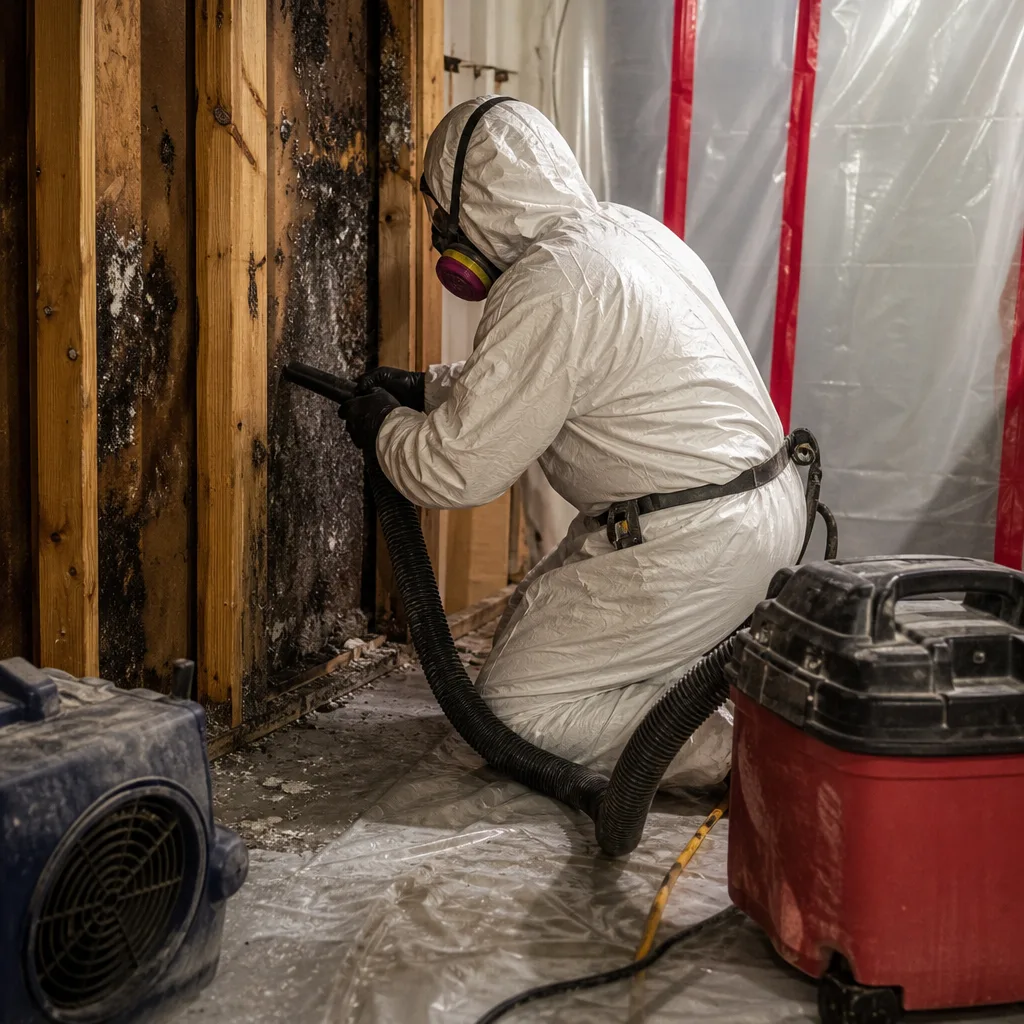
When the combined sewer pushes black water up through a basement floor drain, the first step is stopping the source, then containing the spill. In Richmond Hill’s finished basements, that means negative air barriers and HEPA scrubbing before any drywall or plaster gets opened. We extract, sanitize, and dry to the moisture standard, with wall cavity probing above grade.
Toilet Overflow Cleanup
A toilet overflow in a Richmond Hill first-floor bathroom sends Category 3 water through the floor assembly and into the joist bays below. Depending on timing, water may already be dripping into the basement. We remove saturated materials, treat the framing, and dry the cavity before the old-growth lumber swells or the plaster starts to crumble.
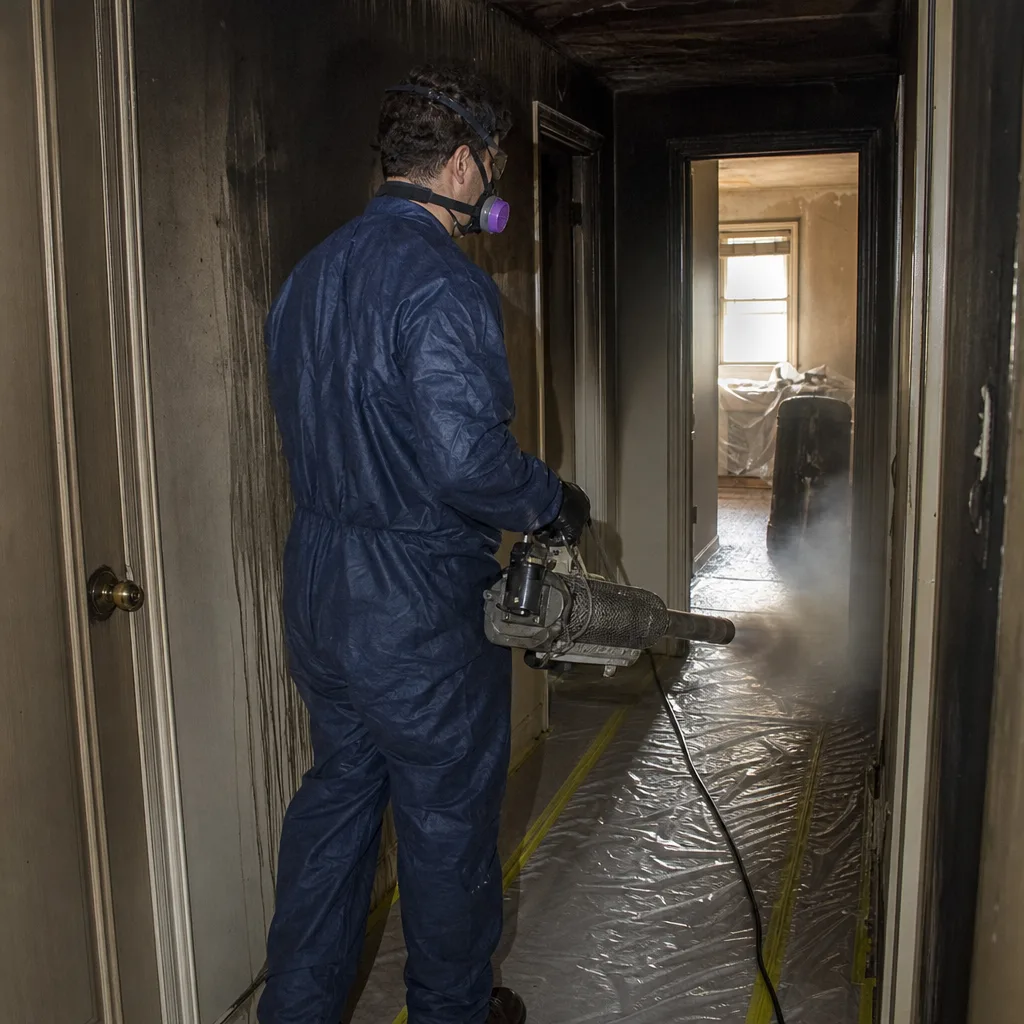
Septic Failure Cleanup
Homes near the eastern edge of Richmond Hill with original septic systems can face a full system failure after heavy rain. That’s a different animal than a city sewer backup: the contamination is often broader, and the surrounding soil holds sewage water against the foundation. We coordinate pumping with remediation and focus on preventing cross-contamination into the home.
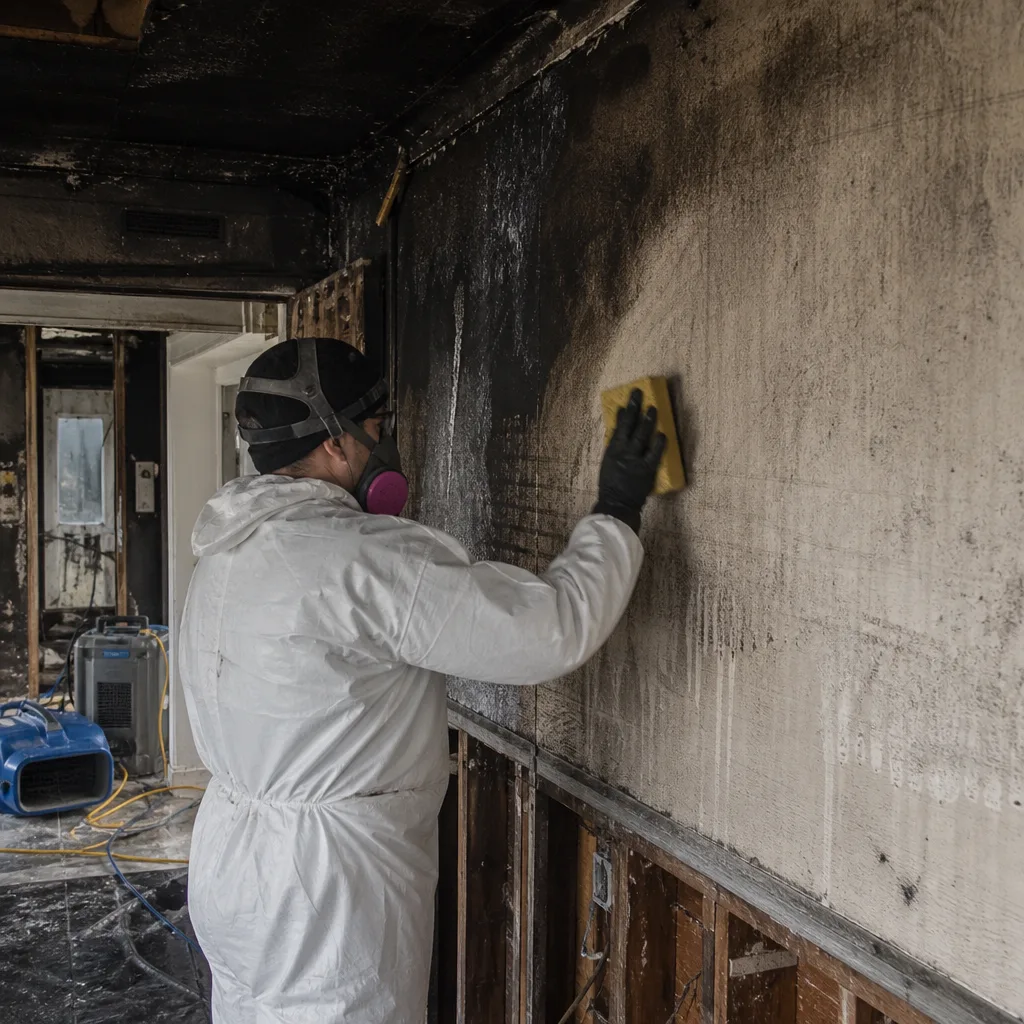
Black Water Extraction
Raw sewage standing in a finished basement apartment off Liberty Avenue is a Category 3 event. We use truck-mounted extraction and Dri-Eaz Rovers to pull the water fast, then remove all porous materials that touched sewage. The goal is removing every contaminated surface before pathogens aerosolize and spread through the home.
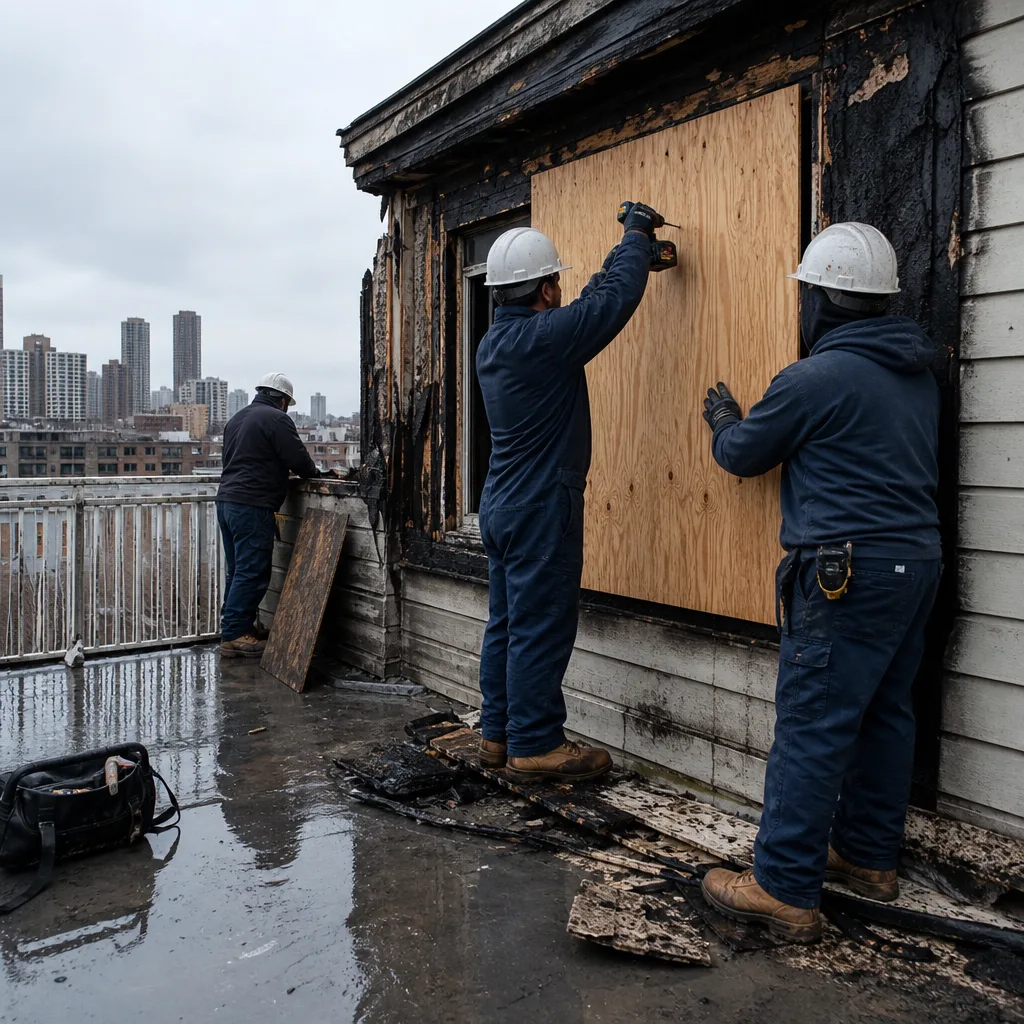
Sanitization & Disinfection
After extraction and removal, every remaining surface gets treated with EPA-registered antimicrobials, and the air gets scrubbed with HEPA filtration. We don’t just clean what you can see. We treat framing, subfloor, stud cavities, and any remaining plaster, because Richmond Hill’s open balloon-frame cavities hold sewage odors and pathogens long after the visible water is gone.
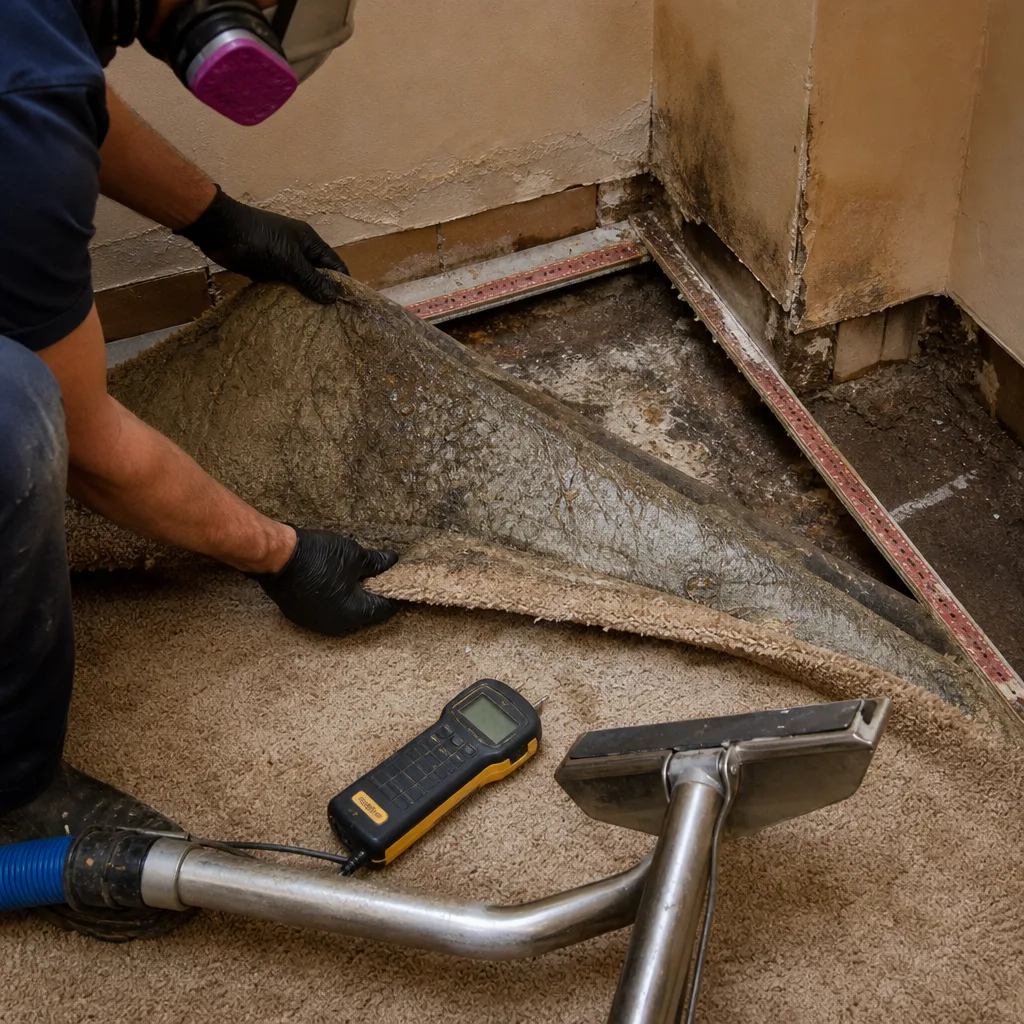
What happens when you call
- 1
A real person answersNo phone trees - you reach a local pro.
- 2
You get an upfront price rangeHonest numbers before anyone is dispatched.
- 3
A background-checked tech heads outLicensed & insured, dispatched right away.
- 4
You approve before work beginsNothing starts until you say go.
Sewage Cleanup Costs in Richmond Hill, NY
A contained Category 3 backup in a small unfinished Richmond Hill basement with fast response runs $1,800-$3,200. Once finished walls, flooring, or basement apartments are involved, the range moves to $3,500-$6,500. When sewage moisture has wicked into balloon-frame cavities above the basement, costs climb above $7,000 because upper-floor walls need opening, drying, and refinishing. What moves the price is how far the water traveled, how long it sat, and what had to be removed. Dense old-growth lumber takes longer to dry than modern framing, and original plaster doesn’t dry like drywall. The fastest way to a firm number is a free visual inspection, which gives you a written scope and a path forward before any work begins. Most Richmond Hill sewage claims are covered under insurance, and we bill directly. Call (917) 924-4221 for a free estimate.
We Also Serve Cities Near Richmond Hill
Our crews serve the full Richmond Hill area and the surrounding Queens neighborhoods: Kew Gardens, South Richmond Hill, Ozone Park, and Woodhaven. The same 45-minute response commitment and live dispatch apply across the whole service area.
Serving Richmond Hill, NY - Our Local Coverage Area
We’re based in the Richmond Hill area and know this community well. Use the map below to see our service coverage - if you’re nearby, we can almost certainly help.
Richmond Hill Sewage Cleanup Questions, Answered
How does Richmond Hill’s balloon-frame construction change sewage cleanup compared to newer homes?
In newer platform-frame homes, each floor’s wall cavities are separated, so basement sewage water stays mostly in the basement. Richmond Hill’s pre-1930 balloon-frame homes have continuous stud bays running from the basement sill to the roof, which means sewage moisture wicks upward through open cavities and can create active mold on the first and second floors weeks after the visible spill is gone. Our techs probe those upper cavities with penetrating moisture meters and thermal imaging on every Richmond Hill job.
Can you handle sewage backup in a basement that’s been finished as a rental apartment in Richmond Hill?
Yes. Finished basement apartments are the most common Category 3 job we see in Richmond Hill, and they require full containment with negative air and HEPA scrubbing before any demolition starts. We also coordinate with tenants and landlords about displacement timing, because a sewage spill in a rental unit means people can’t stay in that space until remediation and clearance are complete. Call (917) 924-4221 and we’ll walk you through the timeline.
Why do Richmond Hill homes get sewage backups more often than neighboring areas?
Richmond Hill sits flat and low within the Jamaica Bay watershed, which means stormwater has almost nowhere to drain by gravity. When heavy rain hits, the combined sewer system fills past capacity and pushes sewage back through basement floor drains. The neighborhood’s aging sewer laterals and pre-war plumbing make the problem worse, and the dense attached housing stock means a backup on one block can affect multiple homes simultaneously.
How do you know when Category 2 water has become Category 3 in a Richmond Hill basement?
Category 2 water becomes Category 3 when it contains sewage, fecal matter, or has been sitting long enough for bacterial growth to reach pathogenic levels. In Richmond Hill’s combined sewer backups, we assume Category 3 from the moment water appears because the source is the municipal sewer line. A supply-line burst with clean water that sits for 48 hours can also degrade to Category 3. We test and treat based on the contamination level we find, not the assumption you want to hear.
Do you need to open walls above the basement to check for hidden sewage moisture in old Richmond Hill homes?
Usually yes, at least in a targeted way. We use thermal imaging and penetrating meters to find which stud cavities have wicked moisture above the spill, then we open only those sections rather than stripping entire walls. The goal is finding every wet cavity without doing unnecessary demolition. If upper-floor walls show no moisture in the balloon-frame cavities, we leave them alone and document that in the drying log.
How fast can you actually get to a Richmond Hill sewage backup?
Our crews reach most Richmond Hill addresses within 45 minutes of your call. We route from our New York City office and know the streets from 104th to Woodhaven Boulevard. A live dispatcher answers 24/7, so the timer starts the moment you call (917) 924-4221.
Will my insurance cover sewage cleanup in Richmond Hill?
Most homeowners policies cover sudden sewage backups, but coverage depends on your specific policy and cause. We document everything from the first hour: photos, moisture readings, the scope of removal, and daily drying logs. Then we work directly with your adjuster to get the claim approved. You don’t get stuck interpreting policy language or negotiating line items.
What should I do in the first 30 minutes after discovering a sewage backup in my Richmond Hill home?
Don’t walk through the water, don’t run fans, and don’t try to vacuum it up. Turn off electricity to the affected area if you can reach the breaker safely, keep children and pets away, and call (917) 924-4221. The first 30 minutes decide how far sewage moisture travels into your walls. A live dispatcher will walk you through immediate steps and have a crew rolling to your address.
For a free visual inspection and a written scope, call (917) 924-4221. A live person answers, day or night. We’ll be there when we say, and the work will be done right, backed in writing.
Written by Curt Bowman, Owner at Floodline Restoration Co. of Manhattan, serving Richmond Hill and the surrounding Queens area.