
Free visual inspection and a written scope of work before any mitigation begins - photos, moisture readings, and drying logs go in your claim file
The scope we write is the scope we bill. Anything new gets shown to you, in writing, before we touch it.

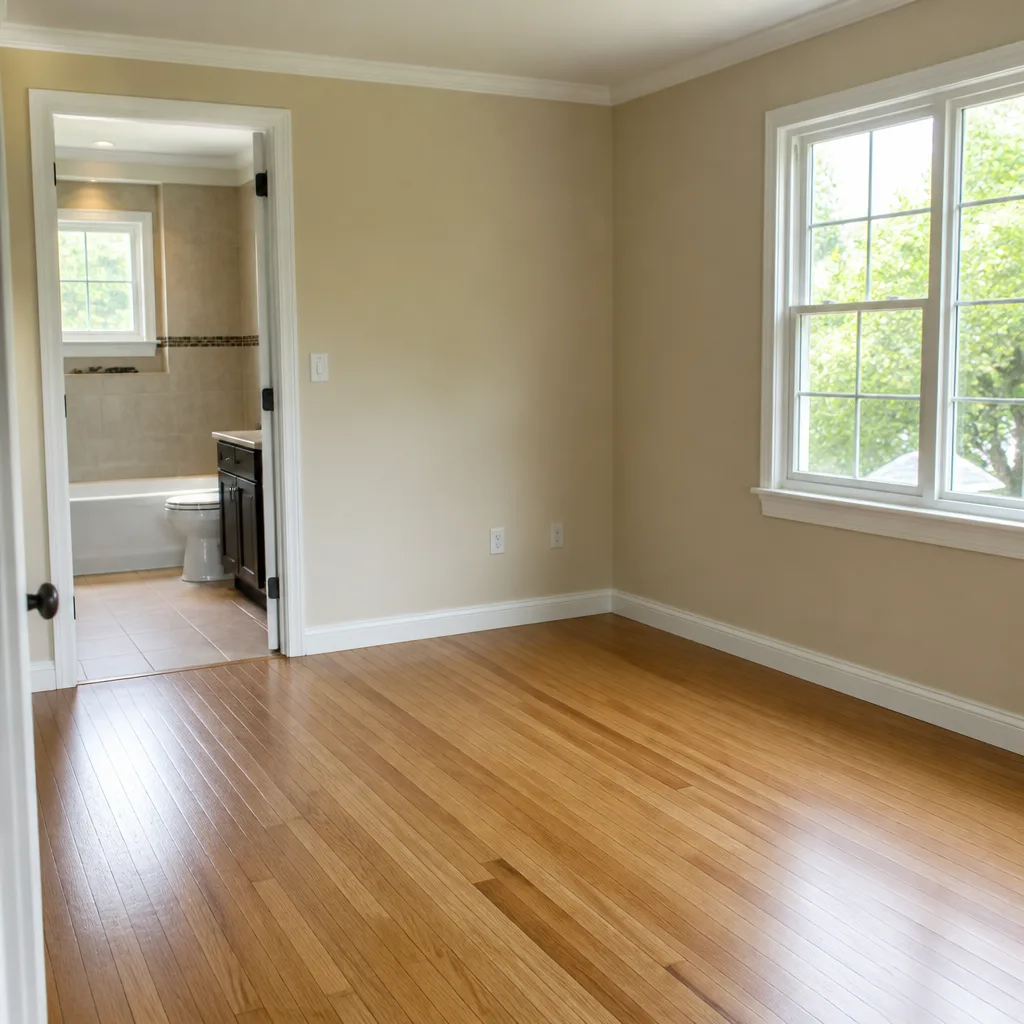
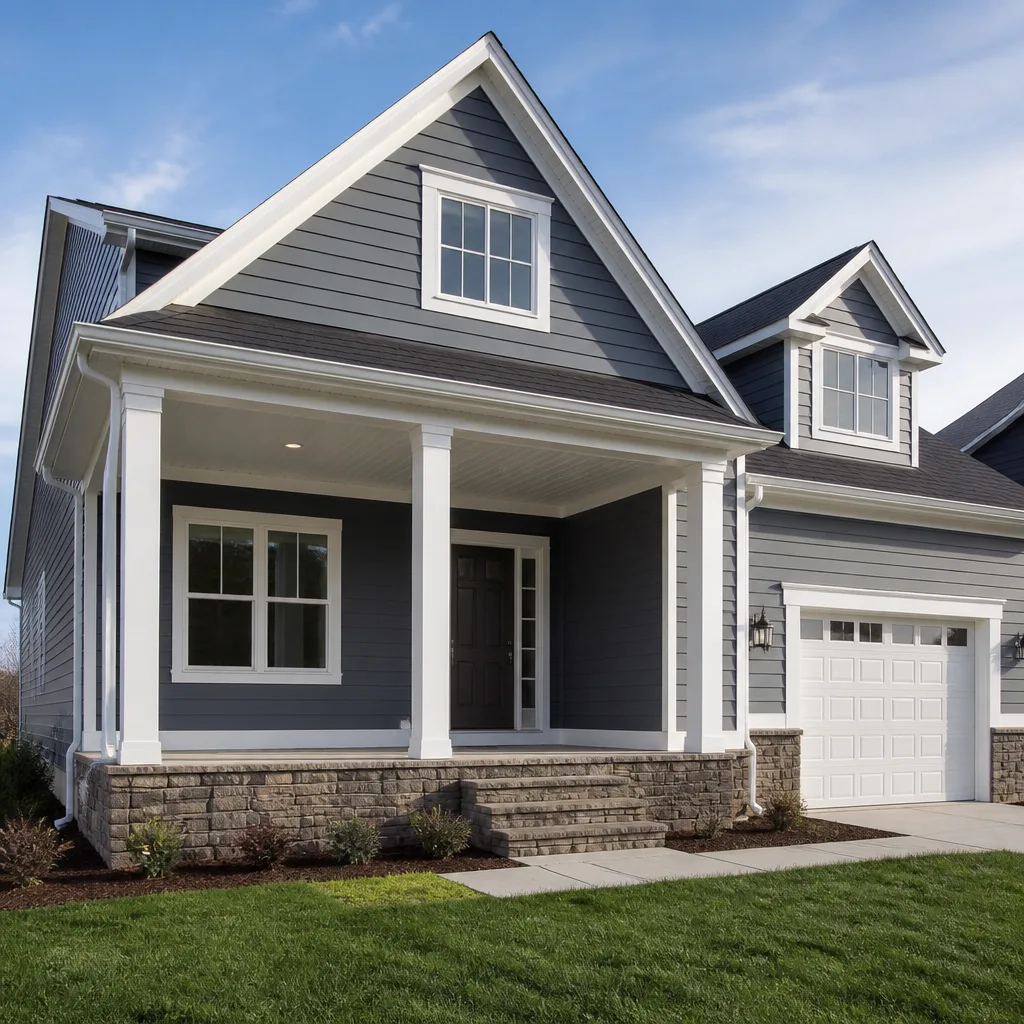
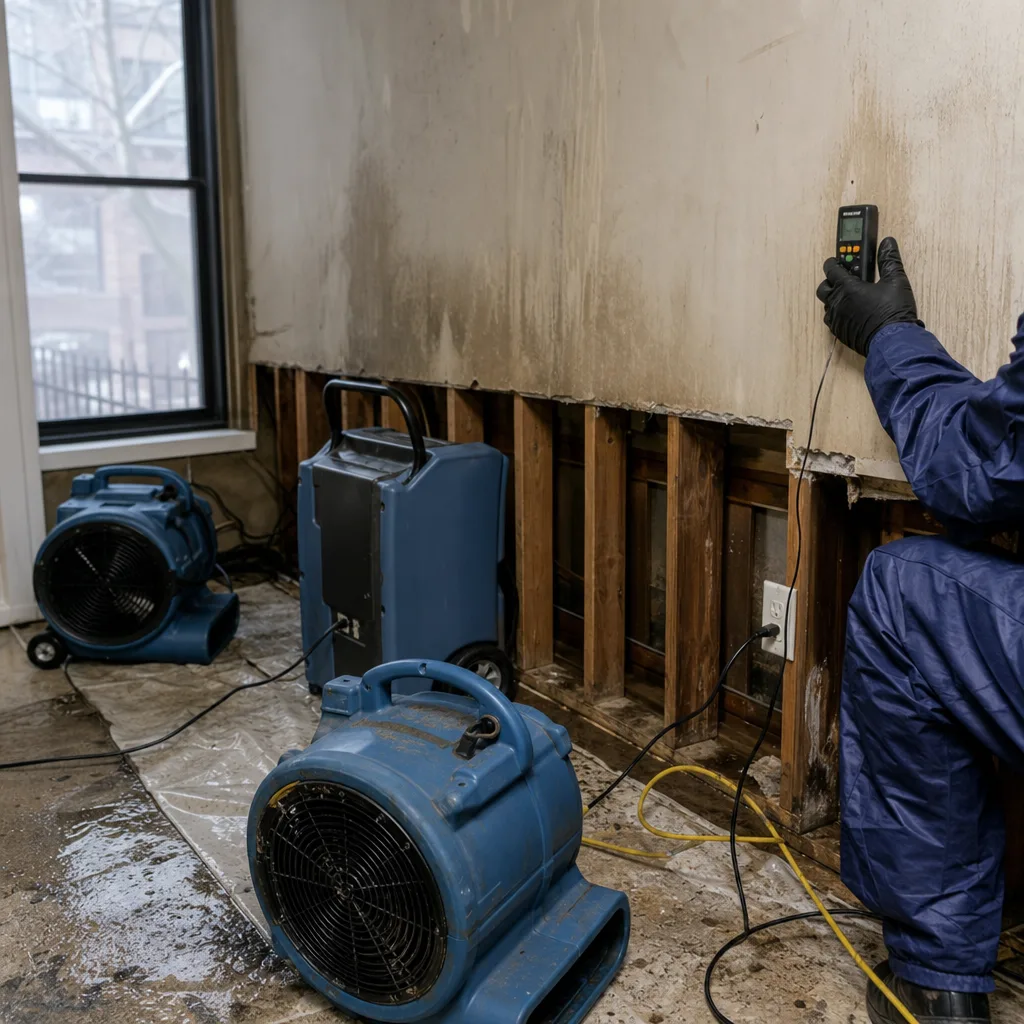 Before
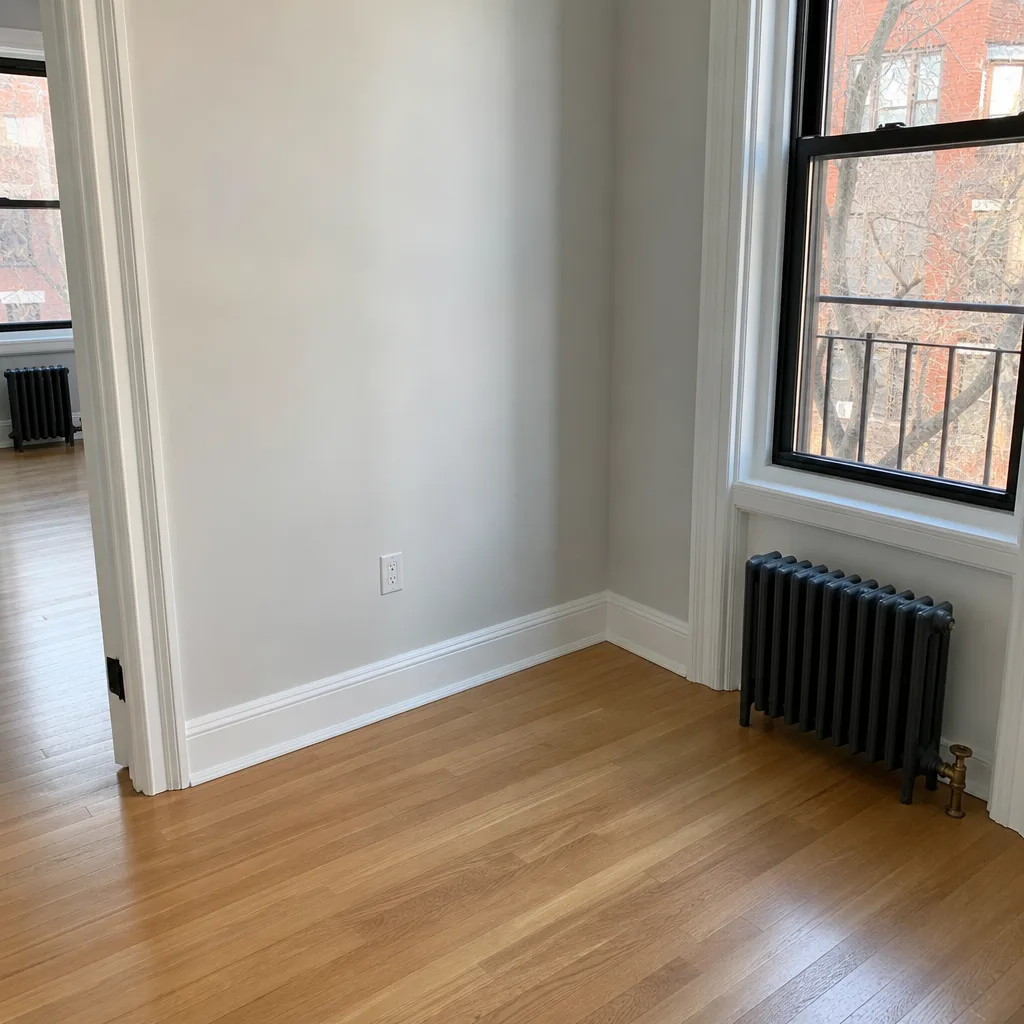 After
After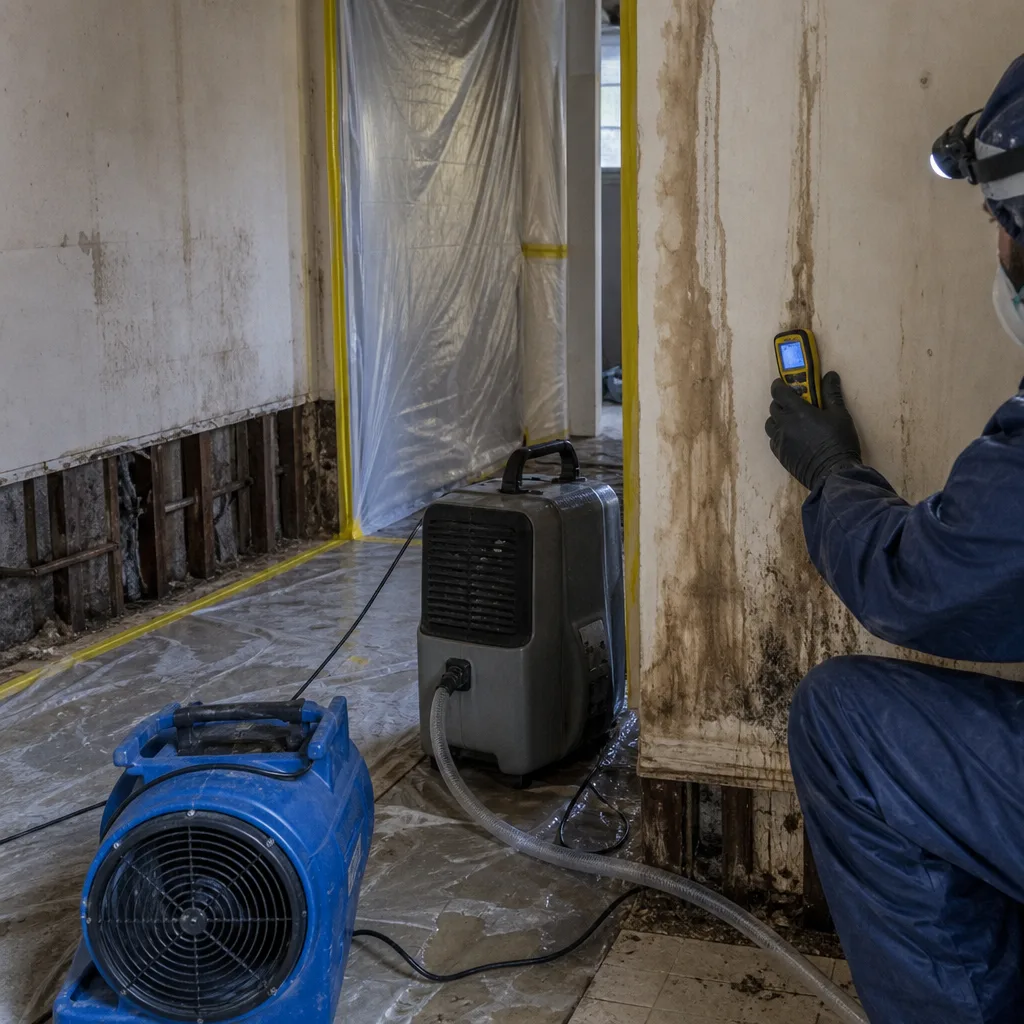 Before
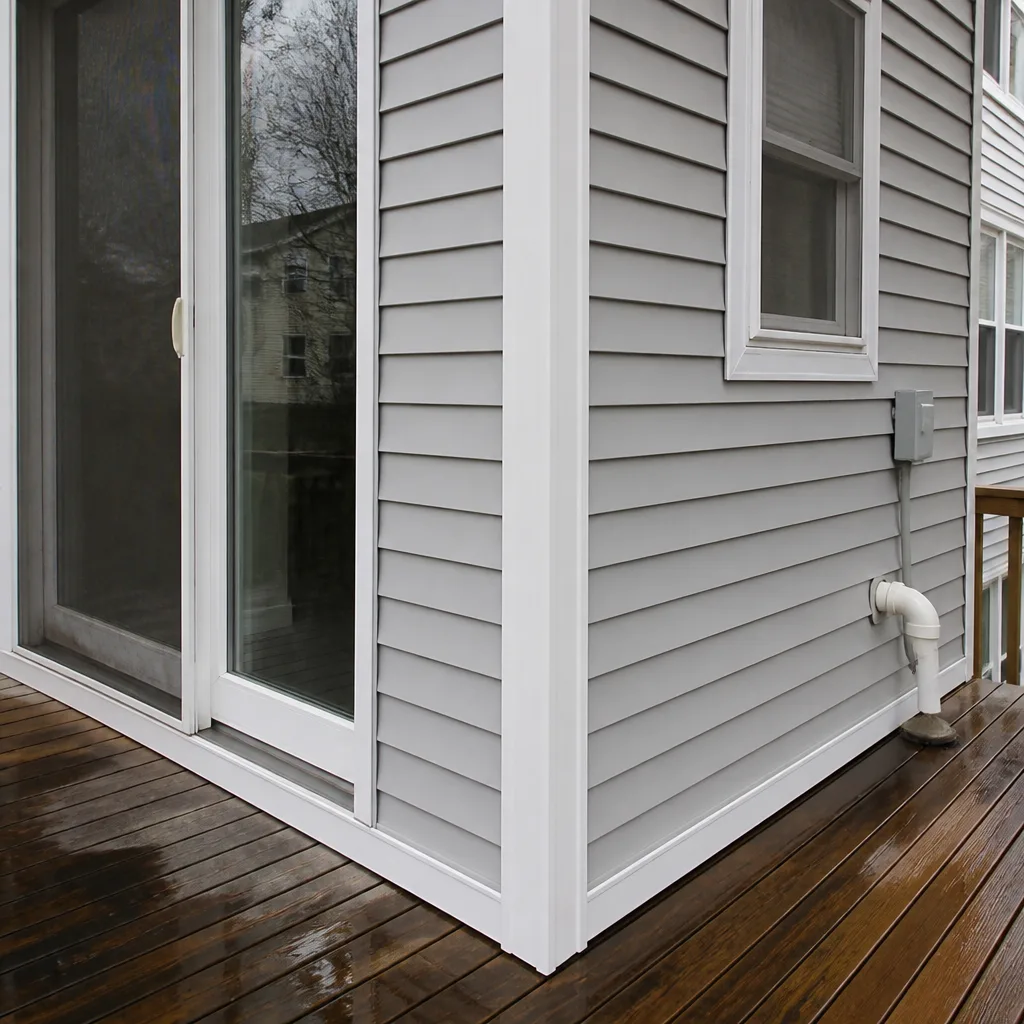 After
After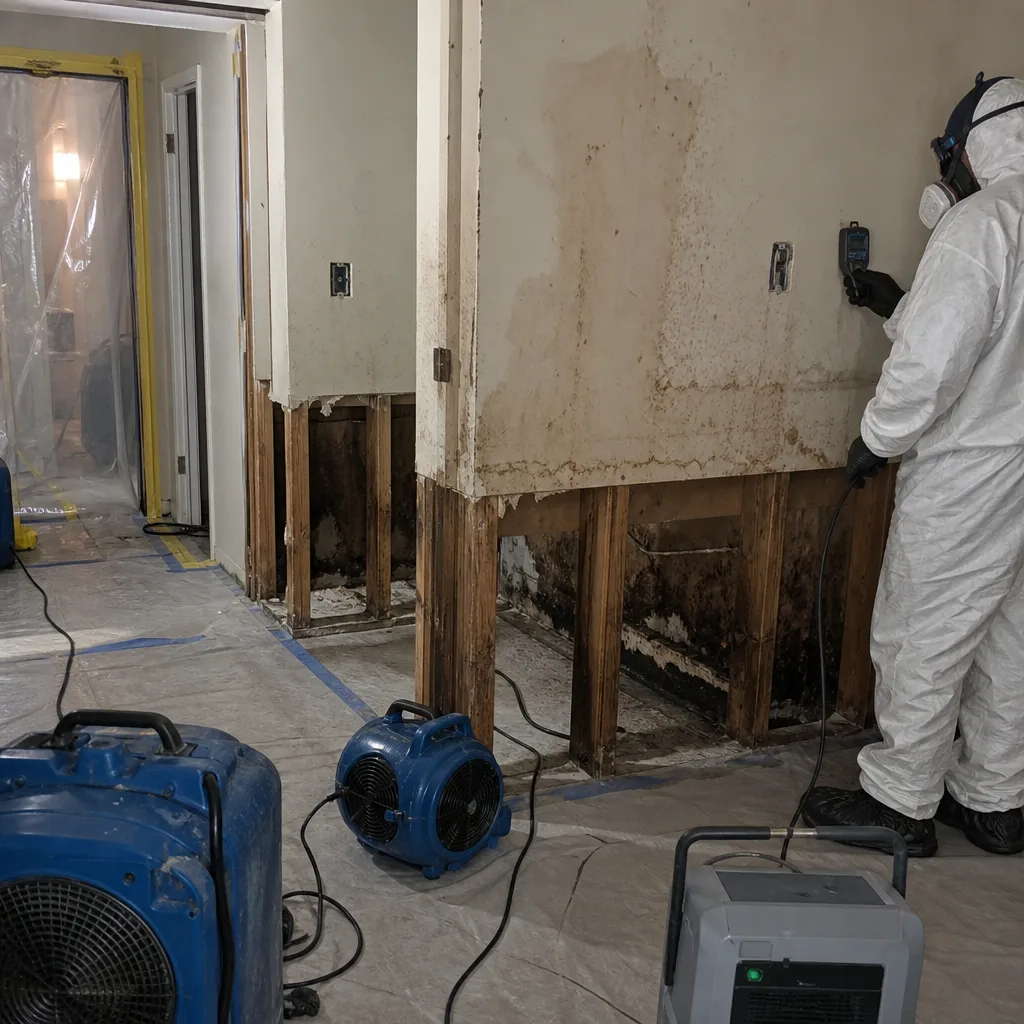 Before
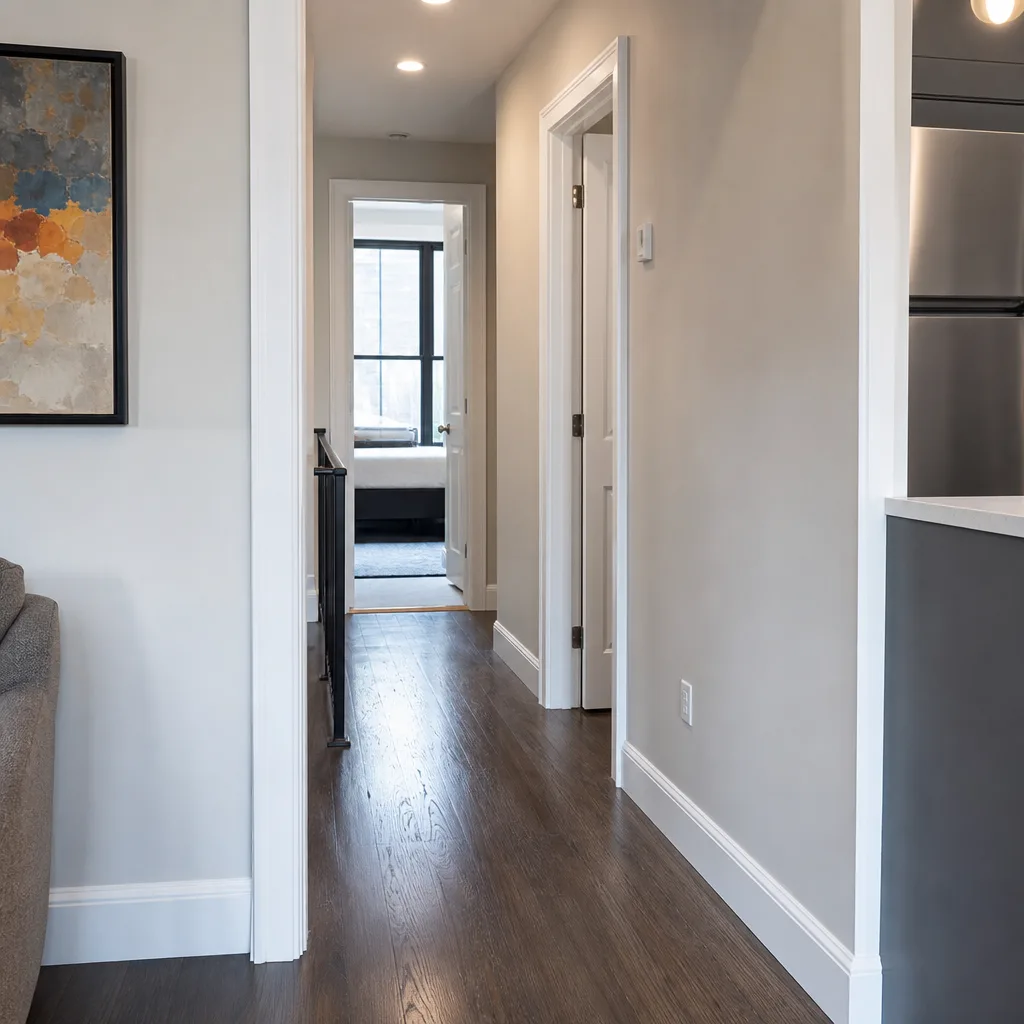 After
After24/7 Emergency Sewage Cleanup in Saddle River
Sewage backup in a Saddle River home is a category 3 water event that requires immediate extraction, full containment, and professional-grade disinfection. Typically costs run $2,800-$7,500 for finished basements and $1,900-$4,200 for crawlspace contamination in this market. We answer live at (917) 924-4221 around the clock and dispatch crews into Saddle River the same call. The first hour determines whether your imported limestone floors and custom millwork can be saved or must be torn out.
A live dispatcher picks up at 2 a.m. Not a recording. Our technicians reach Saddle River properties fast, set containment before sewage aerosols spread, and start extraction on the same visit. If you’re seeing black water backing up through a floor drain or hearing gurgling from a toilet on East Saddle River Road, call now. Every minute the water sits, it wicks into drywall, cabinetry, and the slab itself.
Understanding Sewage Cleanup Severity in Saddle River Properties
Sewage is category 3 water: it carries bacteria, viruses, and parasites from human waste. Inside a Saddle River estate, that water travels differently than in a standard colonial. A finished basement with a wine cellar, theater room, and hand-carved wainscoting gives black water dozens of hidden channels. It seeps behind built-ins, under imported stone, and into the thermal envelope of rooms most homeowners rarely inspect. The contamination isn’t just where you see it. It’s in the wall cavities, under the slab, and behind the millwork.
Our techs use moisture mapping to find what isn’t visible. Thermal imaging pulls readings behind wainscoting and cabinetry. Hygrometers track relative humidity in the wall assembly. A sewage spill that looks contained to one corner often reads elevated moisture twenty feet away, moving through the same wall chase. That’s why our Sewage Cleanup team treats these as full-scope losses, not mop-and-go jobs. The clay-heavy soils around the Saddle River hold water against foundations, compounding the problem. What starts as a failed ejector pump becomes a wall-cavity contamination event within hours.
Why Saddle River Property Owners Choose Floodline Restoration Co. of Manhattan
- 45-minute response commitment for Saddle River calls. A live dispatcher confirms the address, alerts the nearest certified crew, and you get a call when they’re rolling.
- 24/7 live answer, every day of the year. You never leave a message. A real person picks up, asks the right questions, and starts the clock.
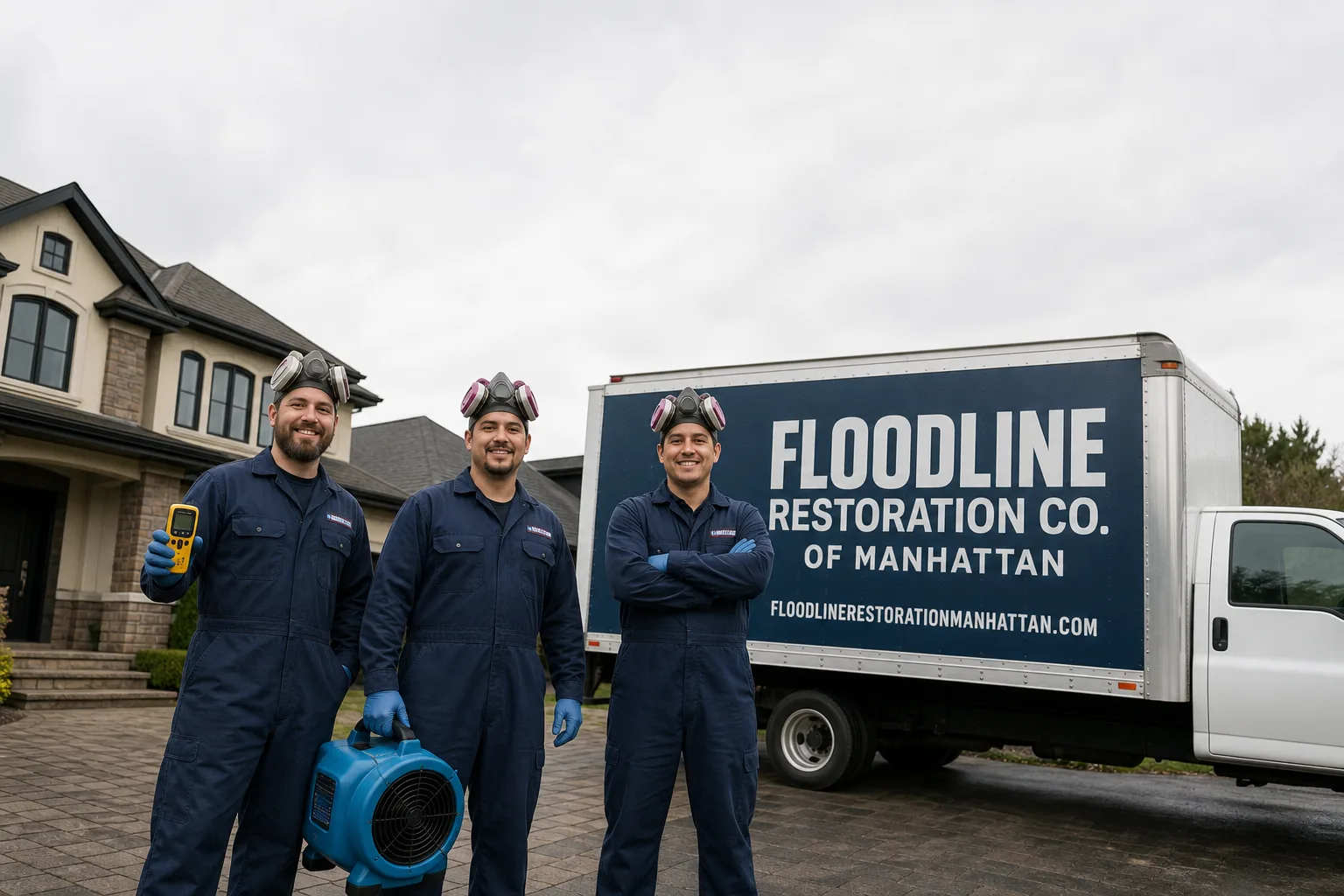
- IICRC-certified crews trained to WRT and AMRT standards. Sewage work requires specific protocols for containment, extraction, and antimicrobial application. Our techs carry those certifications and use them daily.
- Free visual inspection before any work is scoped. You see what we see. We walk the loss together, explain the readings, and agree on a written scope before equipment comes off the truck.
- Direct insurance billing with adjuster coordination. We document everything from hour one and bill your carrier directly. You never play messenger.
- One team from extraction to reconstruction. The same crew that sets containment is the crew that rebuilds your wine cellar. No handoffs, no inherited strangers, no lost context.
Our Sewage Cleanup Process
Inspection & Assessment
We walk the affected area, map moisture with thermal imaging and hygrometers, and identify category 3 water boundaries. On estate properties, we check adjacent crawlspaces, guest house plumbing runs, and finished basement cavities before writing the scope.
Extraction & Containment
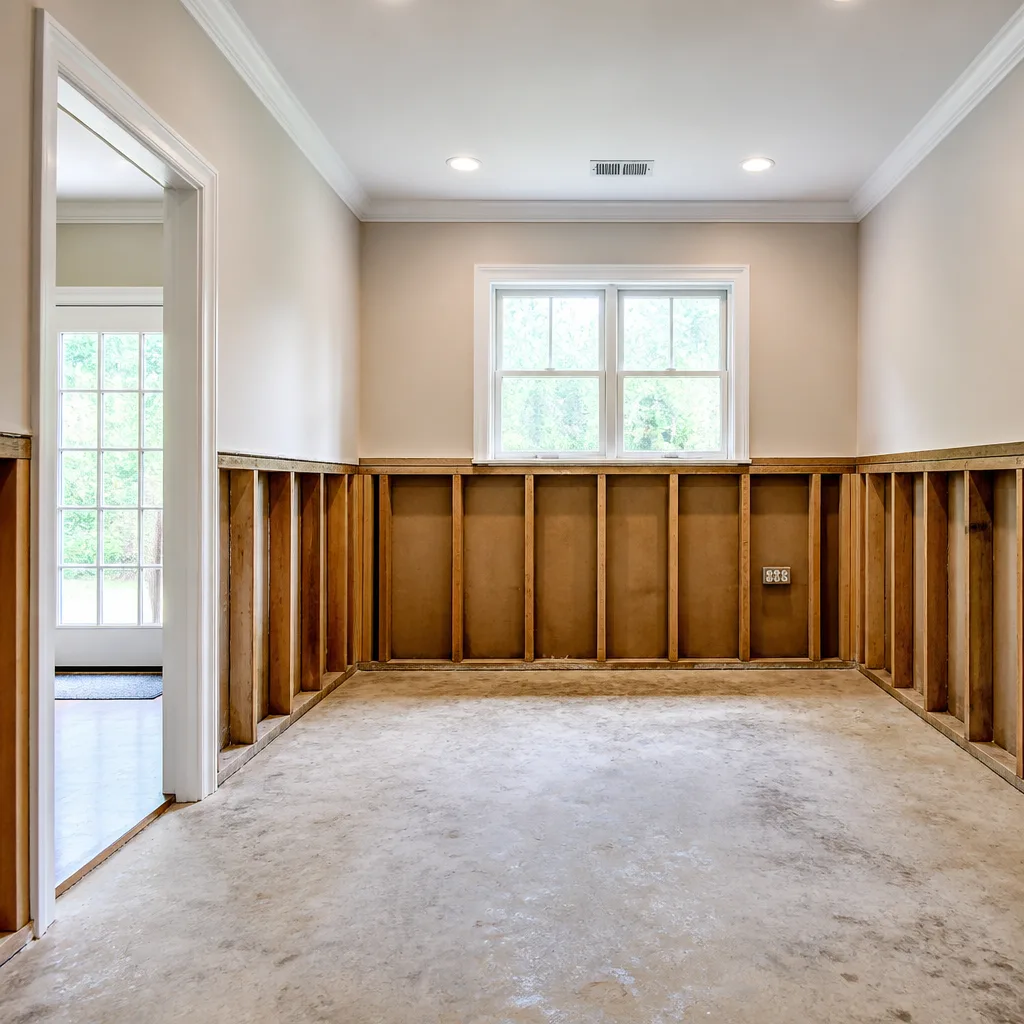
We set negative-air containment to stop sewage aerosols from moving through your HVAC. Truck-mounted extraction pulls standing water fast. Carpet, pad, and saturated drywall are cut out to the moisture line.
Drying & Dehumidification
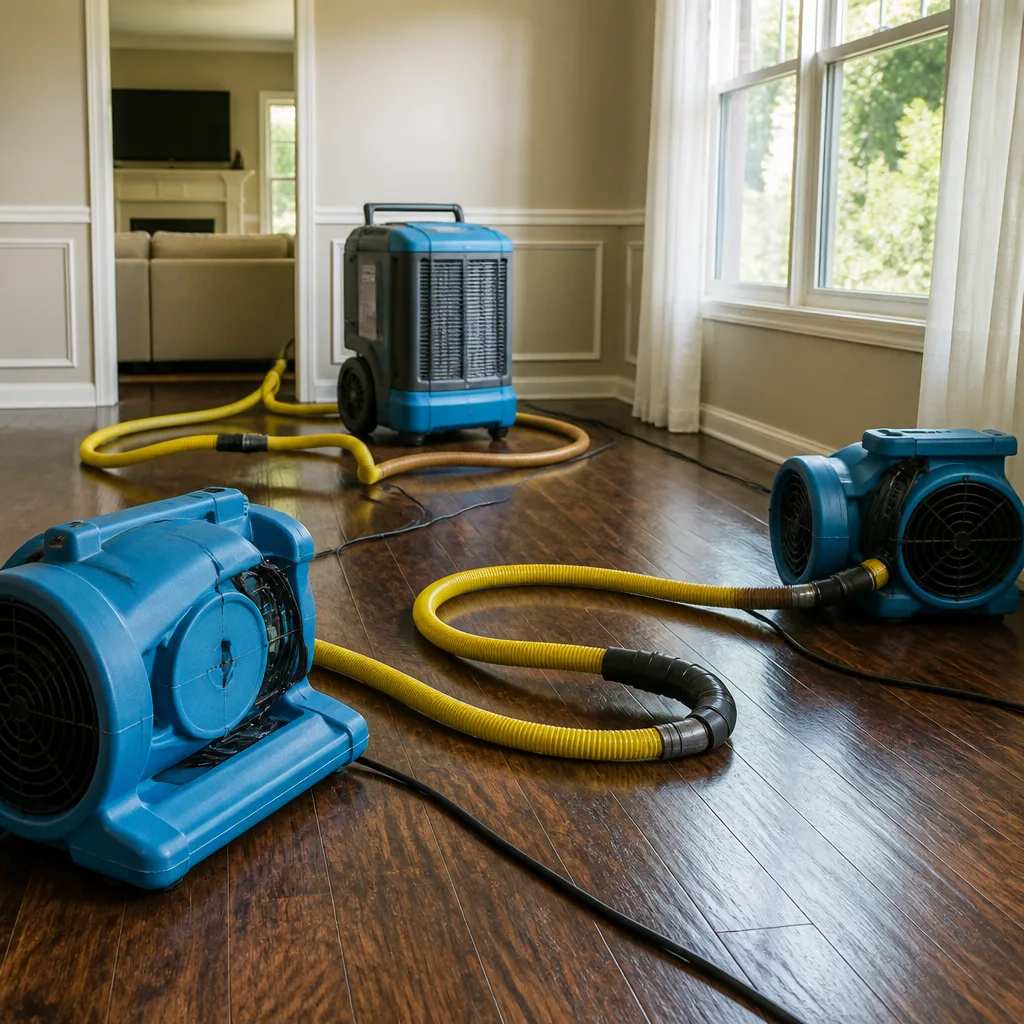
Dri-Eaz and Phoenix dehumidifiers plus high-velocity air movers run around the clock. Daily moisture readings are logged until the slab and studs hit the dry standard. That log goes to you and your carrier.
Cleaning & Sanitization
Hard surfaces are cleaned with antimicrobial agents rated for category 3 remediation. We HEPA-vacuum and wipe down every surface inside containment, including the backs of baseboards and the undersides of stair treads.
Specialty Treatment for Estate Finishes
Imported stone, hand-carved millwork, and bespoke cabinetry get specific attention. We assess delamination risk on wine cellar racking, check slab moisture under limestone, and treat organic materials that can’t be replaced.
Repairs & Restoration
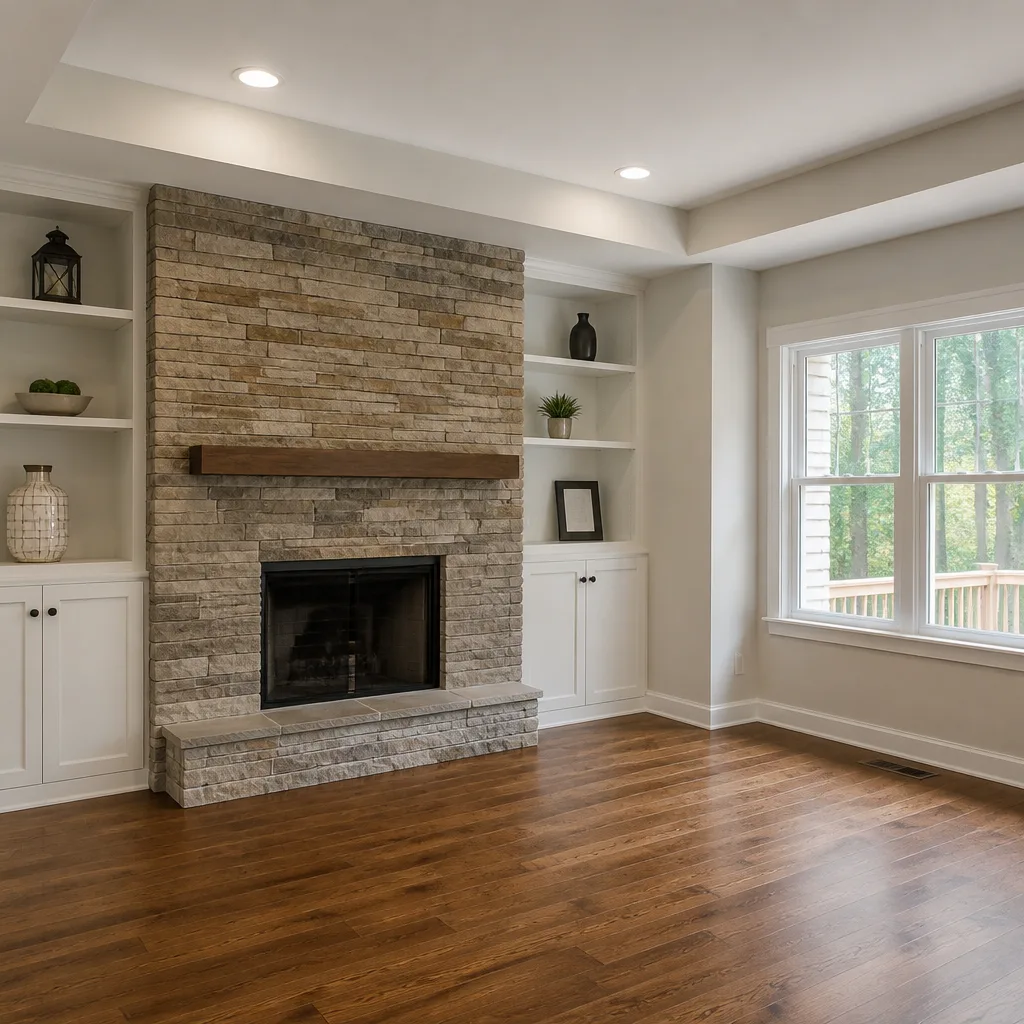
We rebuild what we removed. Drywall, trim, flooring, and paint matched to your existing finishes. The job isn’t done until your lower level is dry, clean, and restored to pre-loss condition.
Need Emergency Sewage Cleanup in Saddle River Now?
Crews minutes away, answering live 24 hours a day. The sooner we start, the less it costs.
Working With Your Insurance Company
Most Saddle River homeowners haven’t filed a major water loss before. The adjuster speaks insurance; you shouldn’t have to. We document the loss from the first hour with photos, moisture readings, and a line-item scope written in the format carriers expect. Our team communicates directly with your adjuster, answers their questions, and provides the drying logs and antimicrobial records they need to process the claim.
On estate losses involving imported stone, bespoke cabinetry, or custom millwork, documentation matters even more. Your policy likely covers like-kind materials. We document exactly what existed before the loss so the carrier can’t default to builder-grade replacement pricing. That’s the difference between a covered restoration and an out-of-pocket argument.
What We Provide Your Insurer
- Thorough documentation of the loss
- Photos of all damage, room by room
- Moisture readings and drying logs
- A detailed, line-item scope of work
- Direct coordination with your carrier
Built for Saddle River’s Loss Calendar
Saddle River’s sewage losses follow a pattern. Nor’easters in late fall and early winter saturate the ground around foundation walls and overwhelm aging septic drain fields on multi-acre lots. January freeze-thaw cycles stress supply lines running through unheated carriage house wings and guest house garages. Spring’s heavy rains raise the water table along the Saddle River waterway, and that water finds its way into foundation cracks and crawlspace sumps.
Summer brings thunderstorms that drop two inches in an hour, overwhelming perimeter drains on estate properties and pushing stormwater into sanitary lines. The result is sewage backing up through basement floor drains in July just as often as in March. Fall’s leaf load clogs exterior drains and gutters on wooded lots, compounding the pressure on below-grade plumbing. Homeowners who’ve lived on East Saddle River Road or Allendale Road for twenty years know the pattern. We plan our Saddle River response around these seasonal triggers.
Sewage Cleanup Across Saddle River’s Neighborhoods
Properties along East Saddle River Road sit close to the floodplain, where the water table rises after heavy rain and puts constant pressure on below-grade plumbing. Finished basements here see recurring sump failures and sewage ejector pump burnouts. Crews know to check for legacy moisture behind theater room panels. Homes off Allendale Road run larger lot lines with long sewer runs to the street. A blockage anywhere in that run backs up into the lowest drain, usually a basement bathroom or laundry room floor. Response time matters more here because the contaminated water travels through finished living space before it’s noticed.
Estates near Woodcliff Lake border Saddle River’s western edge and share similar soil conditions, with clay-heavy ground holding water against foundation walls after storms. The carriage house and guest house structures common in this area have their own plumbing, often on separate lines from the main residence. We check those lines independently during any sewage scope. Homes along Marion Lane and the residential streets west of Route 17 back up to wooded lots where tree roots infiltrate older clay sewer laterals, causing blockages that overflow into finished basements and crawlspaces.
Specialized Sewage Cleanup Services We Offer in Saddle River
Septic Failure Cleanup
Saddle River’s multi-acre estates run on private septic systems, many installed in the 1970s and 1980s. When a drain field fails, category 3 water doesn’t just pool in the yard. It backs up into the lowest fixture. We trace the failure point, extract contaminated water from the residence, and coordinate with your septic contractor on the repair. Our job is restoring the home while the tank gets fixed, and we do it without ripping out finishes the backup never touched.
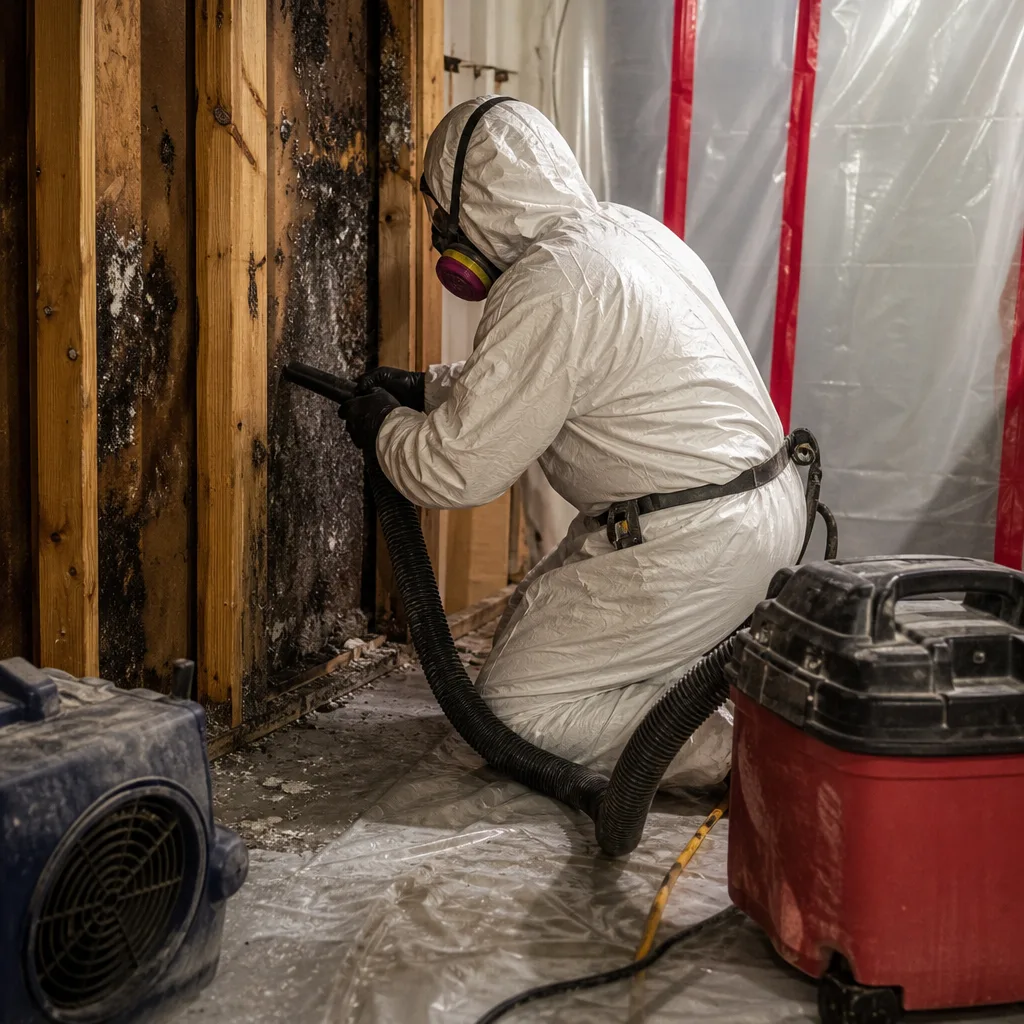
Black Water Extraction
Black water from sewage carries the highest microbial load of any water damage category. We use truck-mounted extraction units to pull standing water fast, then follow with sub-surface drying on slabs and behind cabinetry. On Saddle River estates with imported stone floors, speed matters. Limestone is porous. The longer black water sits, the deeper the staining and the higher the replacement cost. Every hour counts.
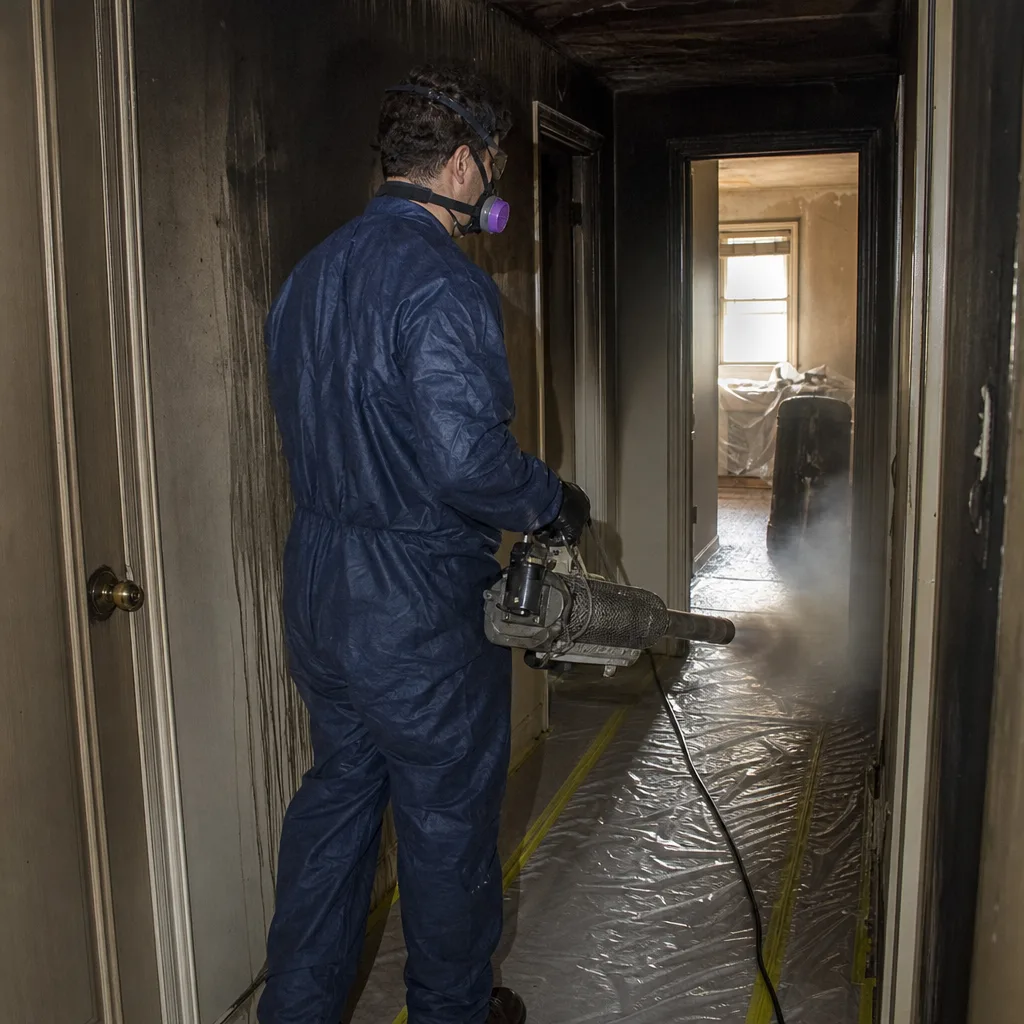
Crawl Space Sewage Removal
Crawlspaces under estate additions trap raw sewage against Saddle River’s clay-heavy soil, and generic crews miss the secondary moisture wicking up foundation walls. We remove contaminated insulation and vapor barrier, treat the soil and framing with antimicrobial agents, and run drying until the space reads clean. If the crawlspace feeds your basement air, we seal the envelope before clearing it. Recurring odors and mold within weeks are usually a sign the last crew didn’t finish the job. We finish it.
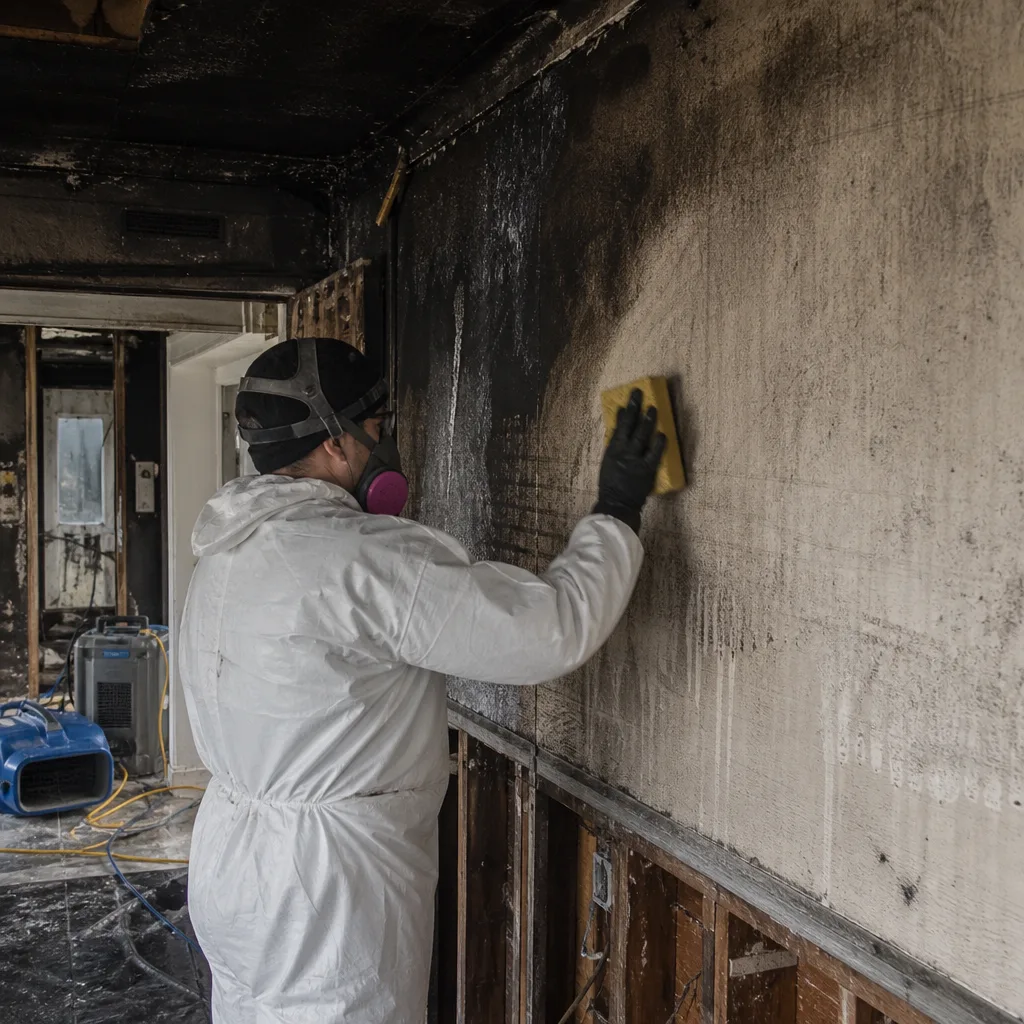
Sanitization & Disinfection
Category 3 water requires antimicrobial treatment that generic cleaning doesn’t provide. We apply EPA-registered antimicrobials to every surface inside containment, including wall cavities we’ve opened for drying. That includes the backs of baseboards, subfloor edges, and the interior of built-in cabinetry. On Saddle River’s finished basements, where ventilation is often limited by design, we run HEPA air scrubbers during the entire remediation. The air you breathe after we leave should be cleaner than before the loss.
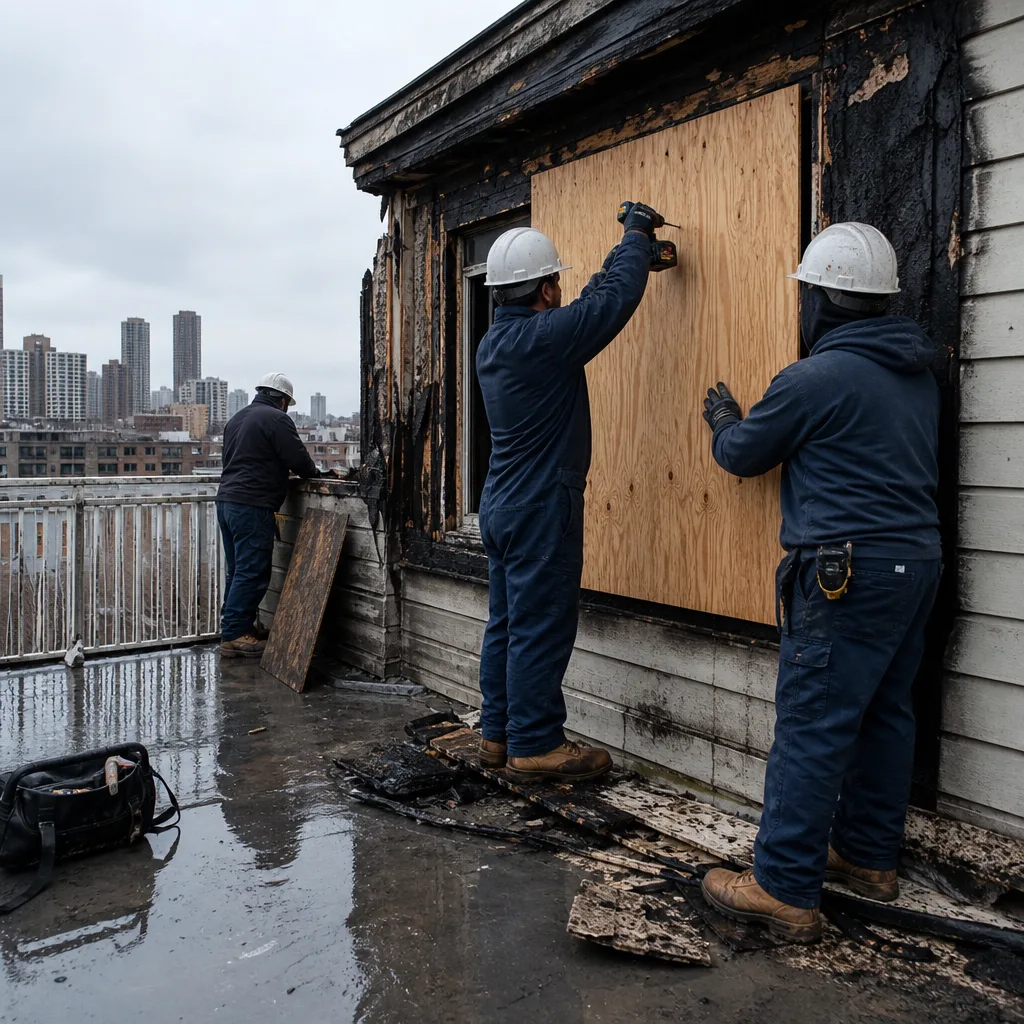
What happens when you call
- 1
A real person answersNo phone trees - you reach a local pro.
- 2
You get an upfront price rangeHonest numbers before anyone is dispatched.
- 3
A background-checked tech heads outLicensed & insured, dispatched right away.
- 4
You approve before work beginsNothing starts until you say go.
Sewage Cleanup Costs in Saddle River, NJ
Expect to pay more in Saddle River than in surrounding towns. The estate housing stock demands it. A crawlspace sewage removal with soil treatment and drying runs $1,900-$4,200. A finished basement backup in a standard colonial might run $2,800-$5,000. A category 3 loss in a finished lower level with custom millwork, imported tile, or a wine cellar runs $4,500-$7,500 before reconstruction. Full reconstruction of a 900-square-foot finished basement with like-kind finishes can exceed $25,000.
What moves the price: the size of the affected area, whether custom finishes can be cleaned or must be replaced, and how long the water sat before extraction. Insurance covers most category 3 losses when the cause is sudden and accidental. We’ll tell you on the phone whether your situation sounds like a covered claim, then confirm with your carrier after the inspection. The free visual inspection gives you a firm written scope before any work begins. No surprises on the bill.
We Also Serve Cities Near Saddle River
Our crews regularly handle sewage cleanup in Saddle River and the surrounding Bergen County communities, including Woodcliff Lake, Park Ridge, Montvale, and Hillsdale. If you’re calling from one of those towns, the same live dispatch line works, and the same certified crews respond.
Serving Saddle River, NJ - Our Local Coverage Area
We’re based in the Saddle River area and know this community well. Use the map below to see our service coverage - if you’re nearby, we can almost certainly help.
Saddle River Sewage Cleanup Questions, Answered
What does category 3 (black water) sewage cleanup in Saddle River’s finished basement wine cellars and theater rooms actually involve beyond the visible spill?
Category 3 cleanup in finished Saddle River basements requires full containment, demolition of saturated materials to the moisture line, antimicrobial treatment of all remaining surfaces, structural drying to the slab, and post-remediation verification. Beyond the visible spill, our techs open wall cavities behind theater panels and wine racks, pull moisture readings behind wainscoting, and check for legacy moisture from prior events that was never properly dried. What looks like a two-foot spill often requires removing eight feet of drywall to reach clean material.
Why do homes backing up to the Saddle River floodplain often show mold growth even after a previous sewage cleanup?
Homes near the Saddle River floodplain sit on clay-heavy soils that hold water against foundations, and previous cleanups often missed moisture behind finished surfaces. When a new sewage event occurs, that legacy moisture activates dormant mold and spreads it through the same wall cavities the new water traveled. Our crews look for exactly this on every Saddle River scope. Finding it means cutting further, treating more surface area, and running longer drying cycles. Missing it means mold returns in weeks.
How do you handle sewage cleanup in an unheated carriage house or guest house on a Saddle River estate without damaging bespoke finishes?
Unheated carriage houses and guest houses have freezing pipes in winter that burst and release category 3 water into spaces seldom inspected. We contain the affected area before opening walls, control humidity throughout the drying process, and protect adjacent bespoke finishes with temporary barriers. Matching original materials is part of our reconstruction scope. We source the same stone, tile, and millwork profiles that existed before the loss, working with specialty suppliers who handle estate-grade materials.
Can you clean sewage contamination from crawlspaces beneath estate additions on Saddle River’s clay-heavy soils, or does the contaminated soil always have to be removed?
Most crawlspace sewage contamination can be remediated without full soil excavation. We remove contaminated insulation and vapor barrier, extract standing water, treat the soil surface and framing with antimicrobial agents, and dry the space to standard. The exception is when sewage has pooled for days and saturated deep into clay soil. In those cases, removing the top few inches of contaminated material is the only reliable fix. We’ll tell you which path applies after the inspection, not before we’ve seen the space.
What makes sewage cleanup in Saddle River different from nearby towns like Ridgewood or Ho-Ho-Kus when it comes to dealing with insurance claims?
Saddle River’s estate properties carry higher rebuild costs, and the materials involved, imported stone, hand-carved millwork, bespoke cabinetry, require documentation that generic restoration contractors don’t provide. Insurance carriers scrutinize these claims more carefully. We document exactly what existed before the loss with photos, material descriptions, and line-item scopes that support like-kind replacement. That changes the claim outcome. In Ridgewood or Ho-Ho-Kus, a contractor might get away with builder-grade drywall. In Saddle River, your carrier needs proof of what was actually in the room.
How fast can a crew actually get to my Saddle River home?
We commit to a 45-minute response from the moment you call (917) 924-4221. In practice, crews are often on the road faster than that when the address is inside Saddle River. A live dispatcher confirms the location and alerts the nearest certified crew immediately. You’ll get a call when they’re rolling, and they’ll arrive with extraction equipment ready to deploy.
Will my insurance cover sewage cleanup in Saddle River?
Most homeowners policies cover sudden and accidental sewage backups, but the coverage varies depending on your endorsements. Some carriers cap sewer backup coverage at $5,000 or $10,000 unless you’ve purchased additional coverage. We document the loss in the format carriers require and communicate directly with your adjuster. The free inspection gives you a written scope you can submit with your claim. You’ll know where you stand before any work begins.
What should I do in the first 30 minutes after discovering sewage in my Saddle River basement?
Do not enter the water. Sewage carries pathogens that can make you sick. Shut off power to the affected area if you can do so safely from a dry location. Call (917) 924-4221 immediately. Keep children and pets away from the area. Do not run the HVAC system, which can spread sewage aerosols through the house. Do not attempt to clean the spill yourself with household products. Professional category 3 cleanup requires containment, antimicrobial treatment, and equipment you don’t have at home.
Written by Curt Bowman, Owner at Floodline Restoration Co. of Manhattan, serving Saddle River with 24/7 emergency sewage cleanup and restoration.