
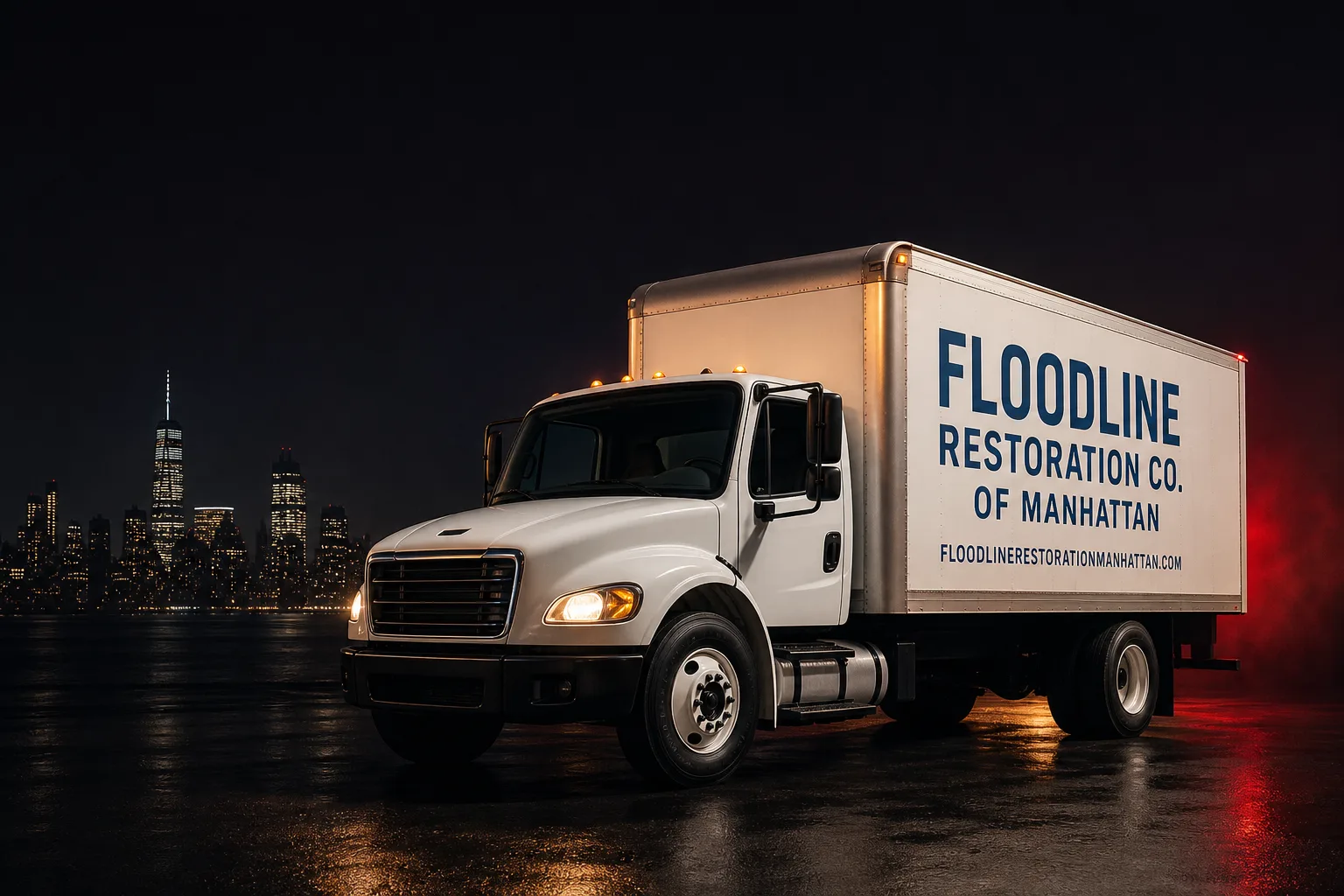
Free visual inspection and a written scope of work before any mitigation begins - photos, moisture readings, and drying logs go in your claim file
The scope we write is the scope we bill. Anything new gets shown to you, in writing, before we touch it.

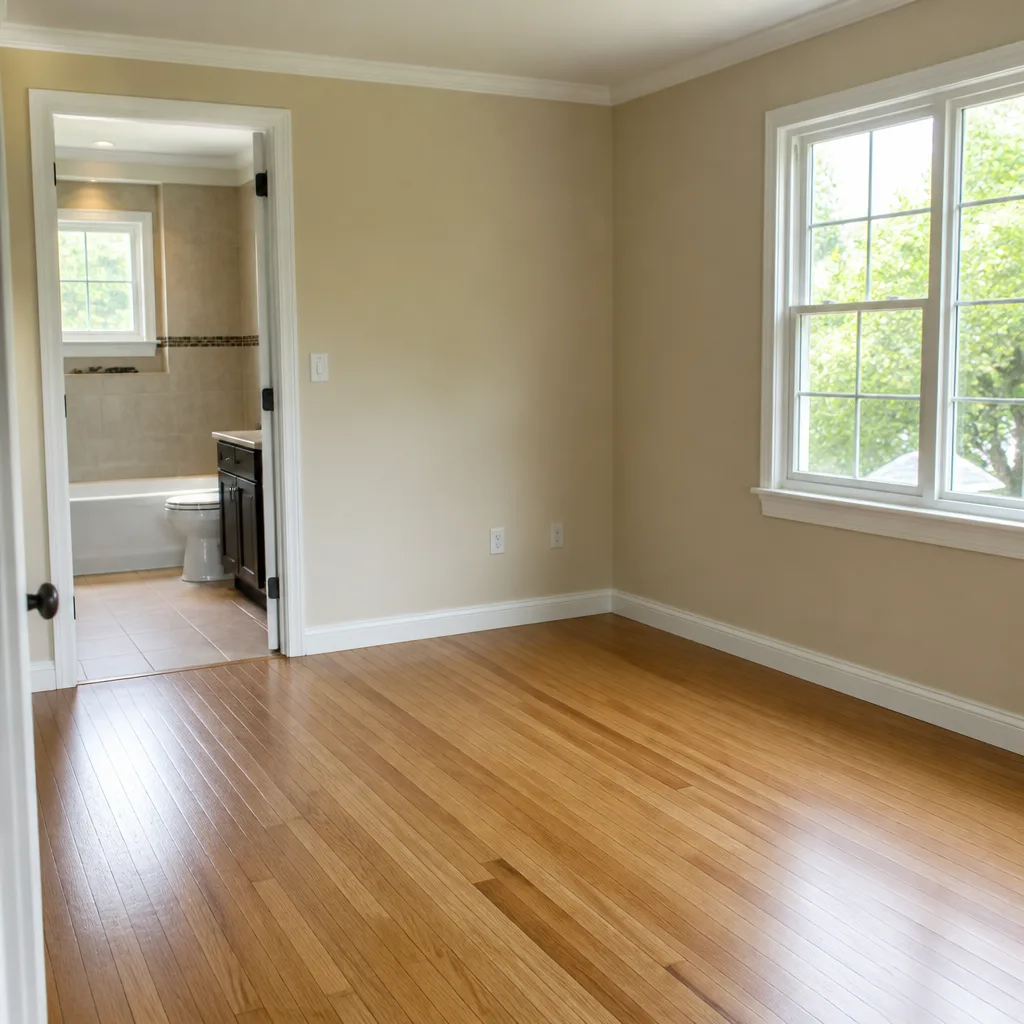
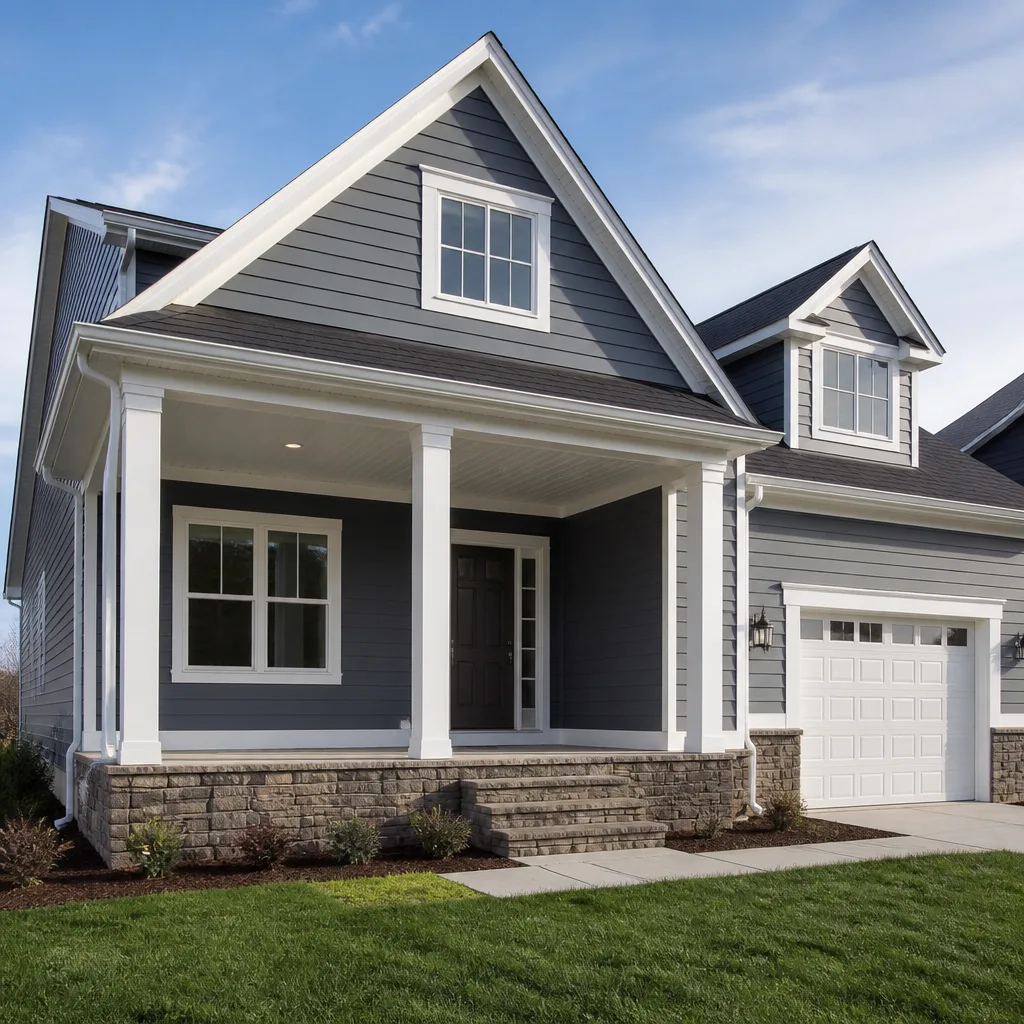
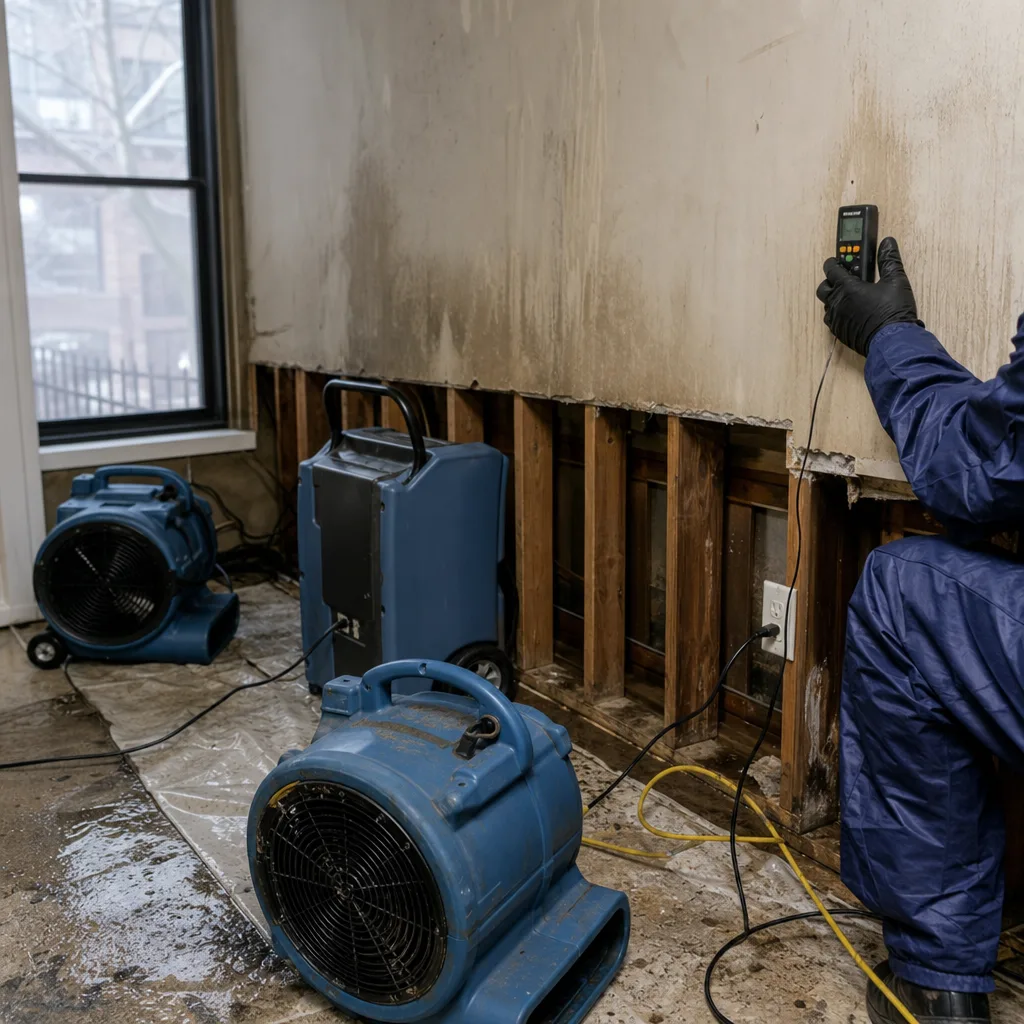 Before
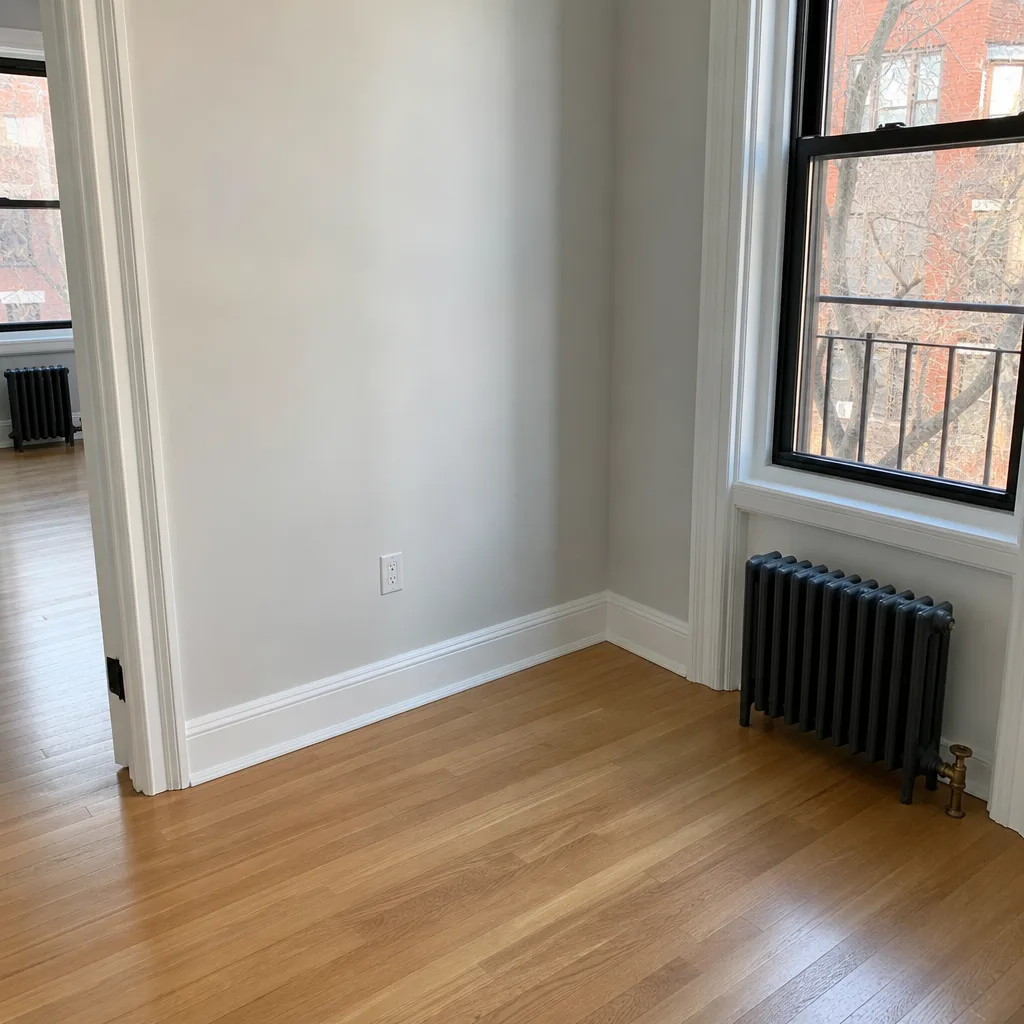 After
After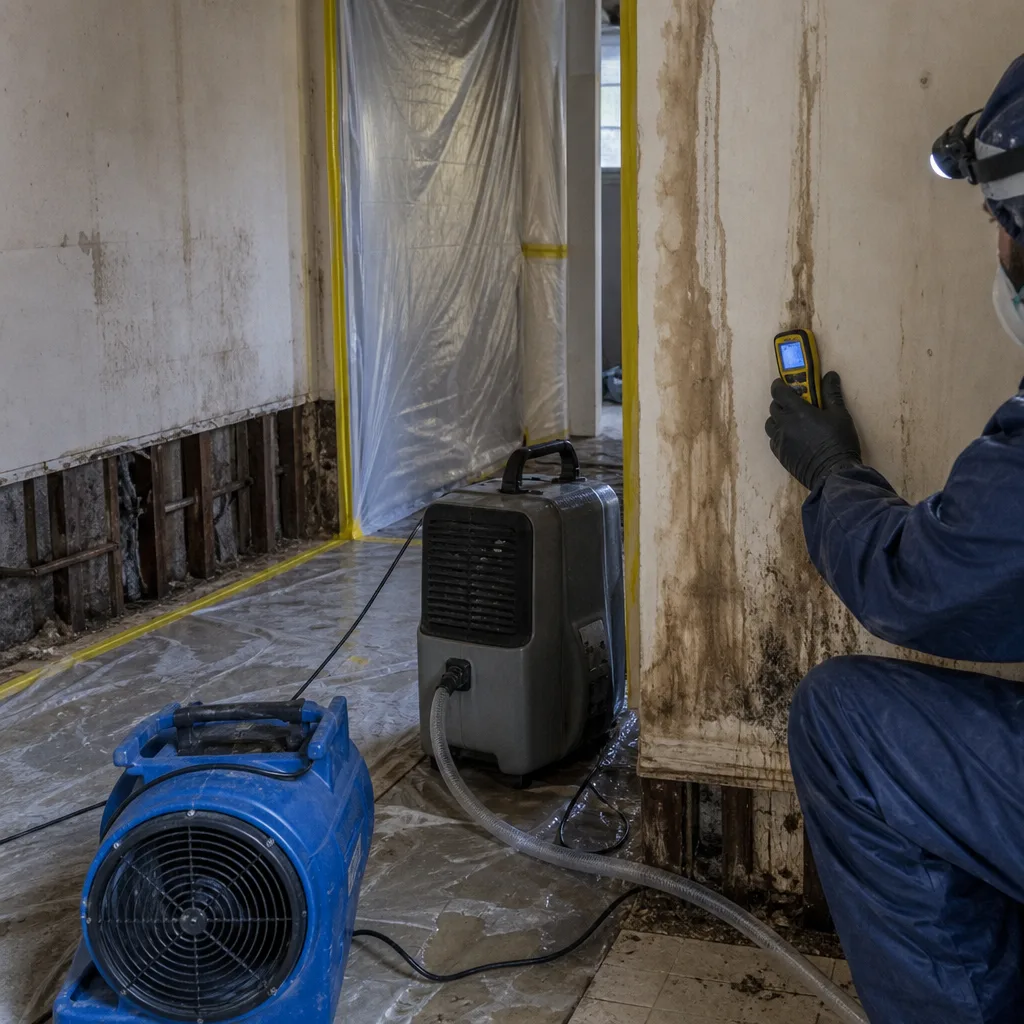 Before
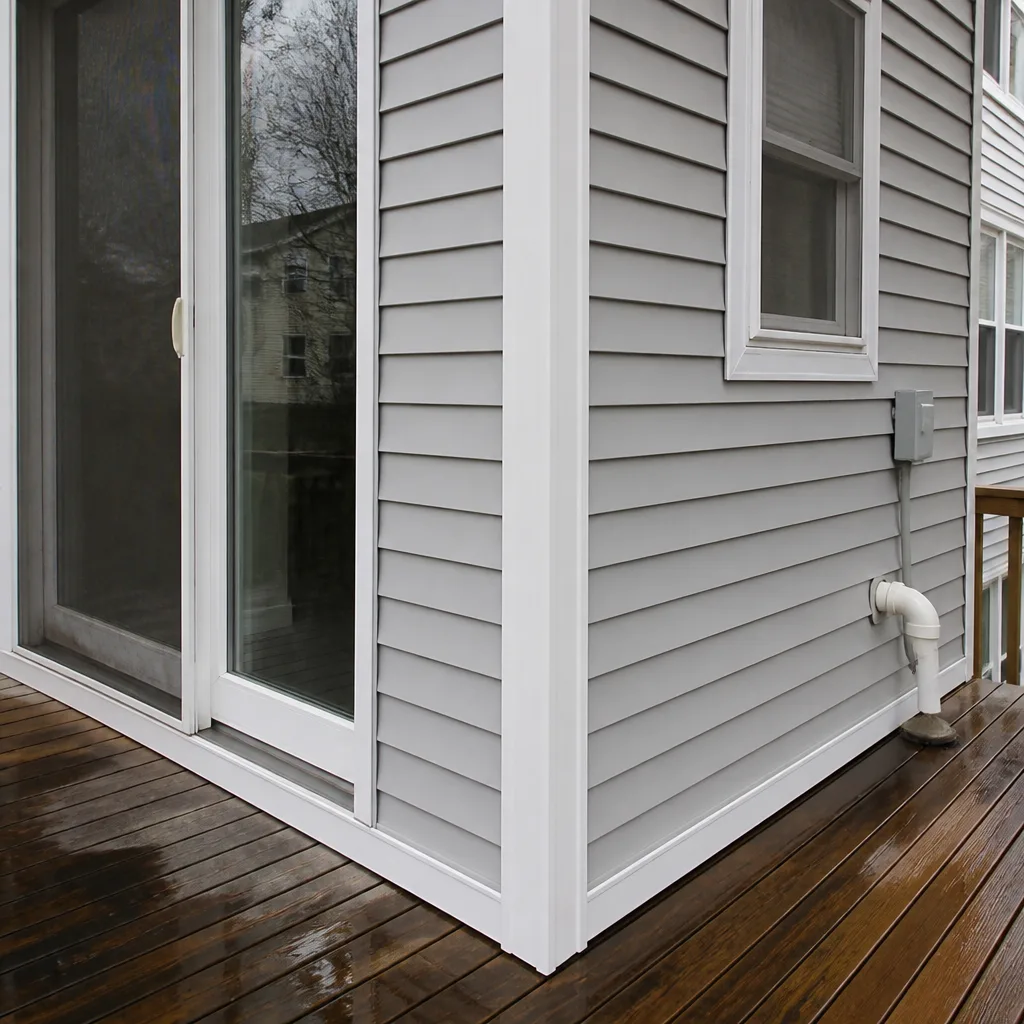 After
After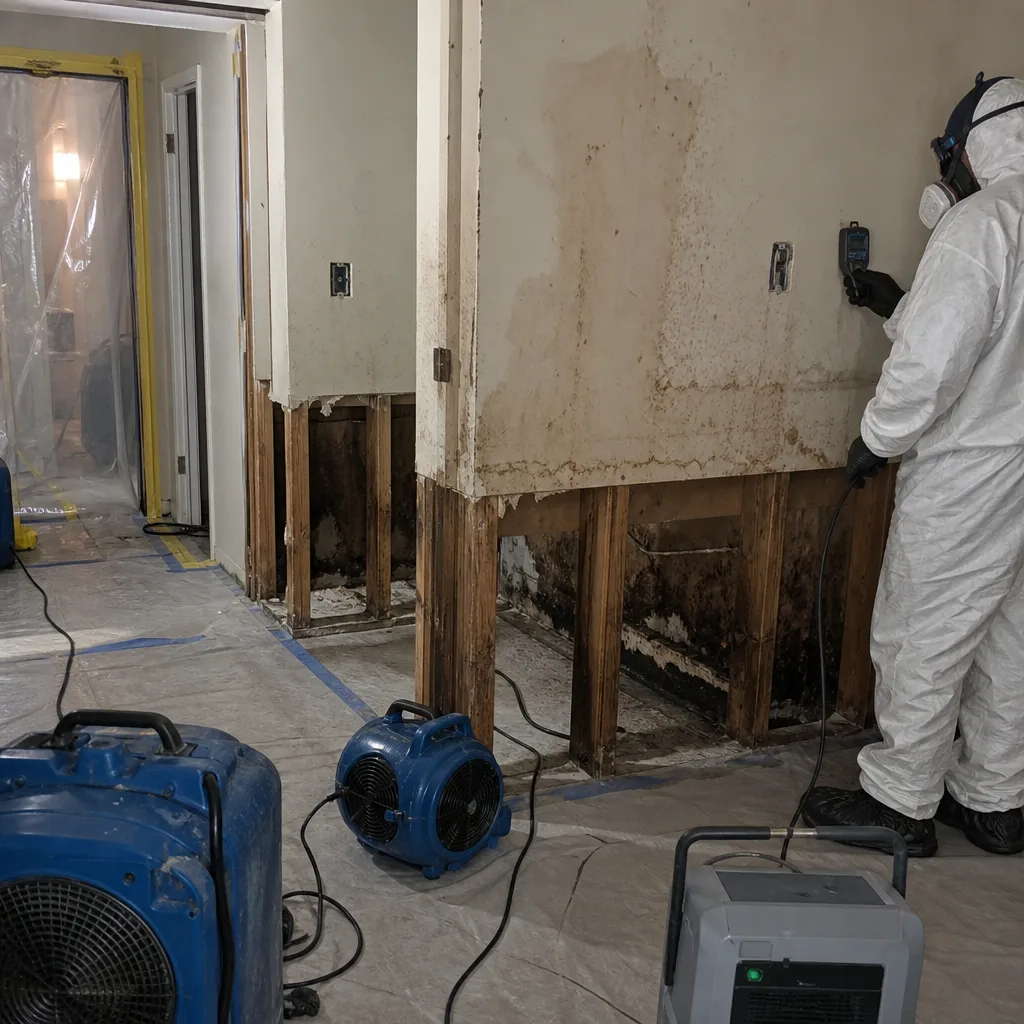 Before
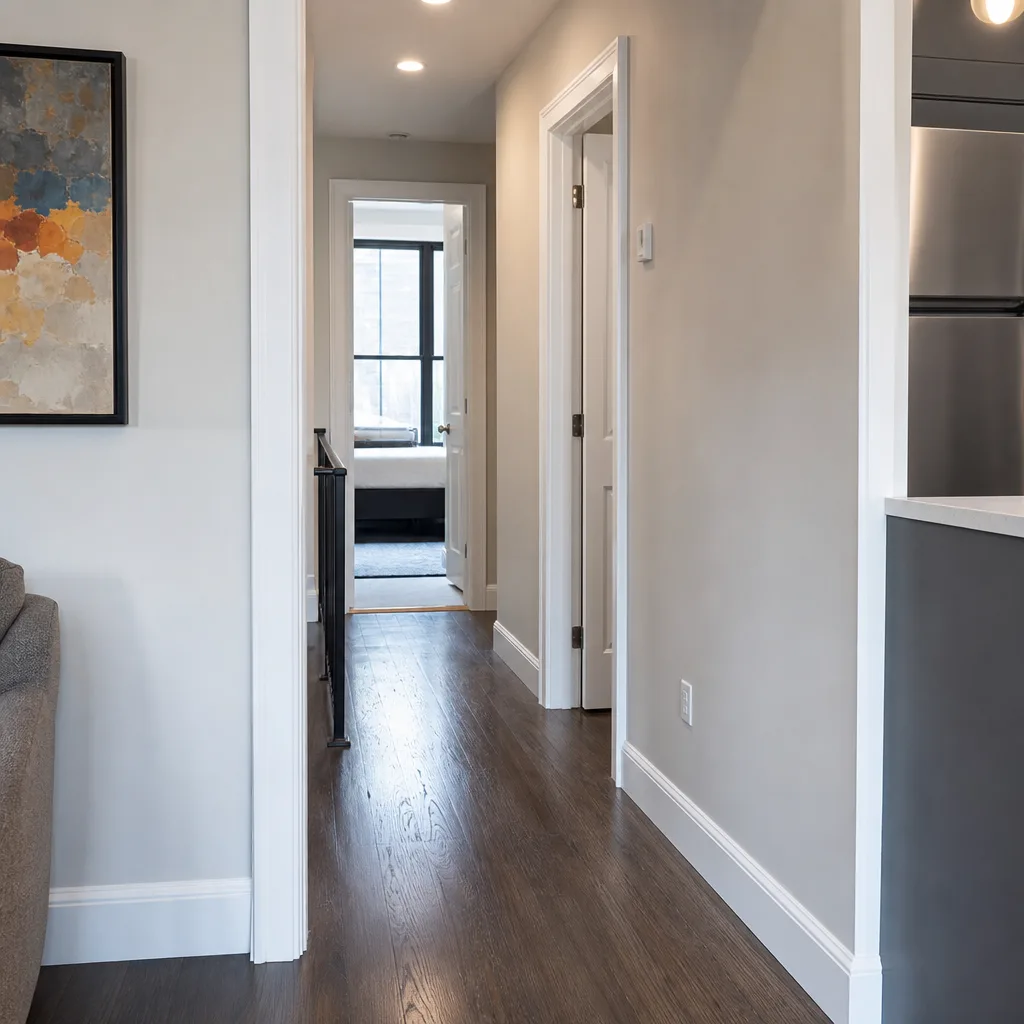 After
After24/7 Emergency Sewage Cleanup in SoHo
Sewage cleanup in SoHo is an emergency that starts the moment a line backs up. Category 3 water, what the trade calls black water, carries bacteria, viruses, and parasites that begin colonizing porous surfaces within hours. Call (917) 924-4221 any hour, day or night, and a live dispatcher answers and routes a certified crew to your building. In SoHo, where cast-iron lofts run 3,000 to 6,000 square feet with almost no interior walls, a sewage backup doesn’t stop at one room. It travels. The first hour decides whether you’re cleaning tile or replacing subfloor and original millwork. Floodline Restoration Co. of Manhattan runs extraction equipment the same visit, not the next morning.
Understanding Sewage Cleanup Severity in SoHo Properties
Not every sewage event in SoHo is the same. We classify water by contamination level. Category 1 is clean water from a supply line. Category 2 carries detergents or biological matter. Category 3 is black water: raw sewage, toilet overflows, or floodwater that has picked up waste. Category 3 is what we’re dealing with in most SoHo basement and cellar backups, and it demands full PPE, negative-air containment, and disposal protocols that a mop can’t touch.
SoHo’s housing stock makes these events worse and weirder than anywhere else in Manhattan. The 1860s to 1890s cast-iron loft buildings were industrial spaces retrofitted into residences starting in the 1970s. Much of that conversion plumbing is ad-hoc, run through open ceilings and behind walls where original waste stacks still carry load. When a 130-year-old cast-iron stack splits behind a 14-foot ceiling, the Category 3 water hits an open floor plan with nothing to stop it. We use moisture mapping, thermal imaging, and hygrometers to find contamination that ran under doors, into baseboards, and down elevator shafts. Then we treat it as a structural problem, not a cosmetic one.
Why SoHo Property Owners Choose Floodline Restoration Co. of Manhattan
- 45-minute response commitment. From dispatch to wheels rolling, our SoHo crews are moving in under an hour. A sewage backup never gets better by waiting.
- A live person, 24/7. No phone tree. No “leave a message.” At 2 a.m. on a Saturday, a real dispatcher picks up and pushes a crew toward Greene Street or Wooster Street.
- IICRC-certified crews. Our technicians hold WRT and AMRT certifications, so they understand the difference between cleaning a sewage spill and rebuilding after one.
- Free visual inspection. We look before we quote. You get a written scope, not a guess.
- Direct insurance billing. We bill your carrier, handle the back-and-forth with your adjuster, and keep you out of the middle of it.
- One team through rebuild. We run Sewage Cleanup from first extraction to finished drywall. Nobody hands off your job to a subcontractor at the worst possible moment.
Our Sewage Cleanup Process
Inspection & Assessment
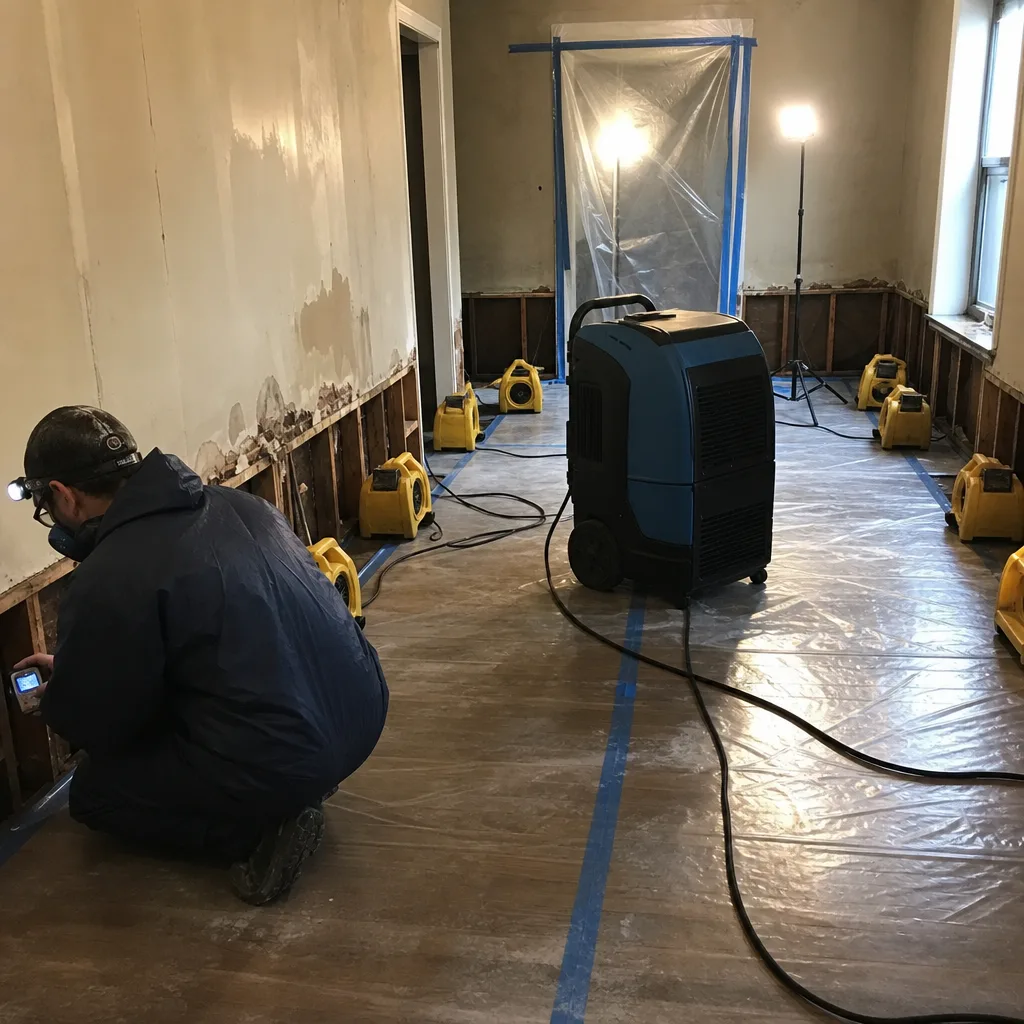
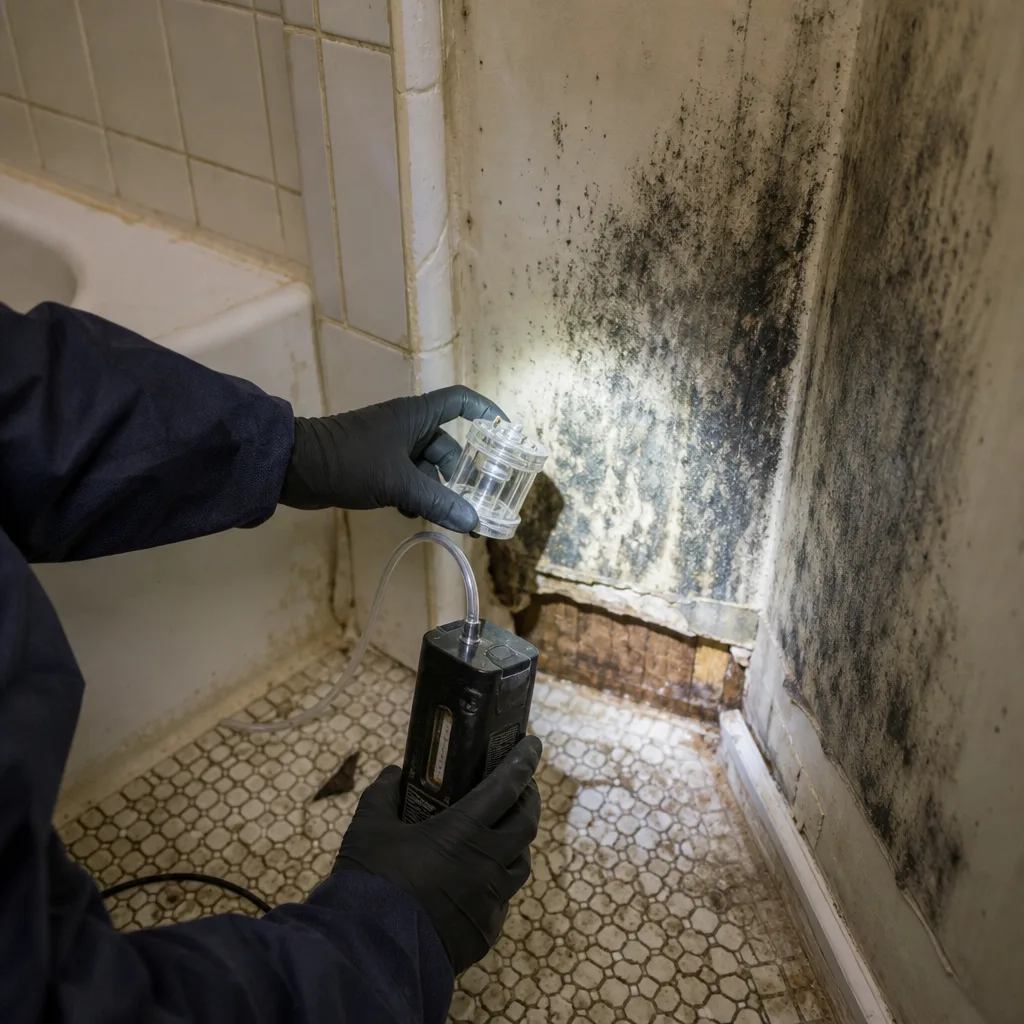
We thermal-image the affected zones to find water that traveled beyond the visible spill. In SoHo’s open-plan lofts, that often means the entire footprint. We test surfaces for moisture content and classify the water before we touch anything.
Extraction & Stabilization
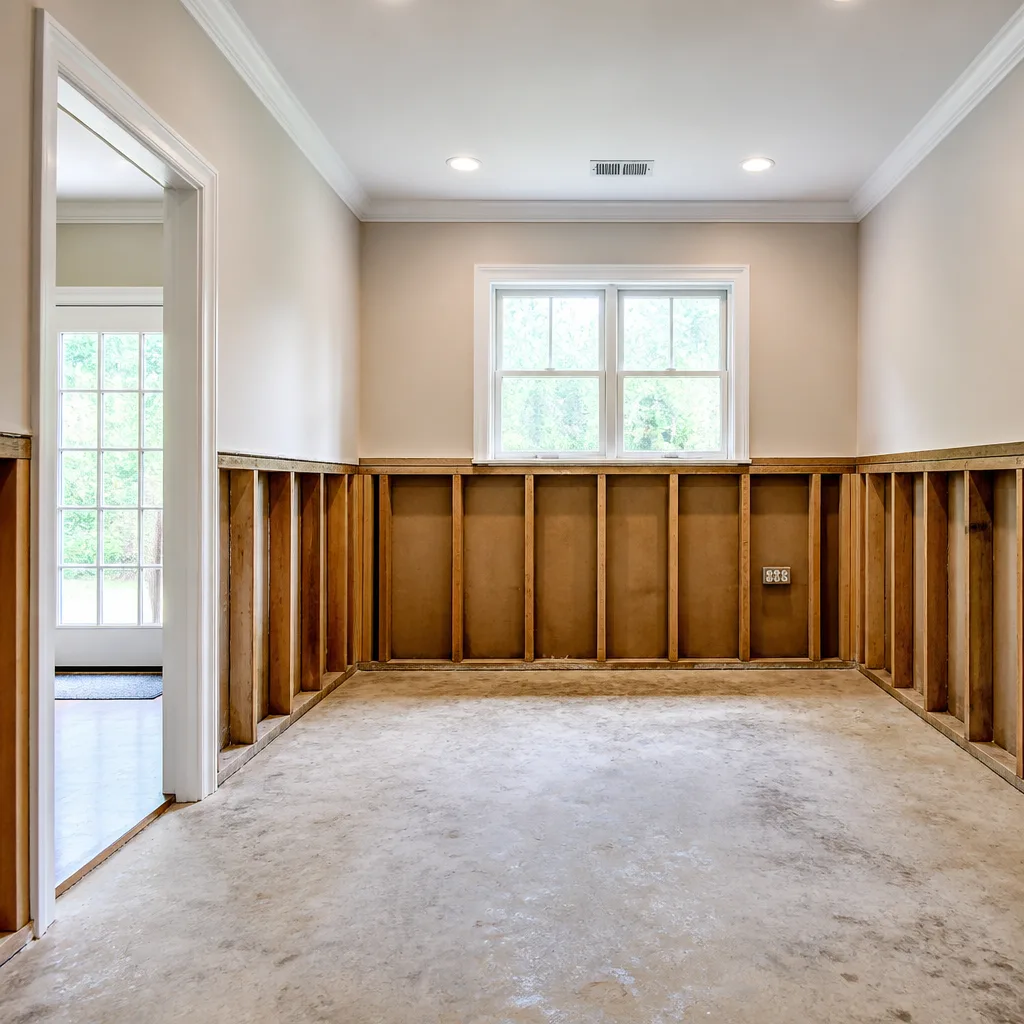
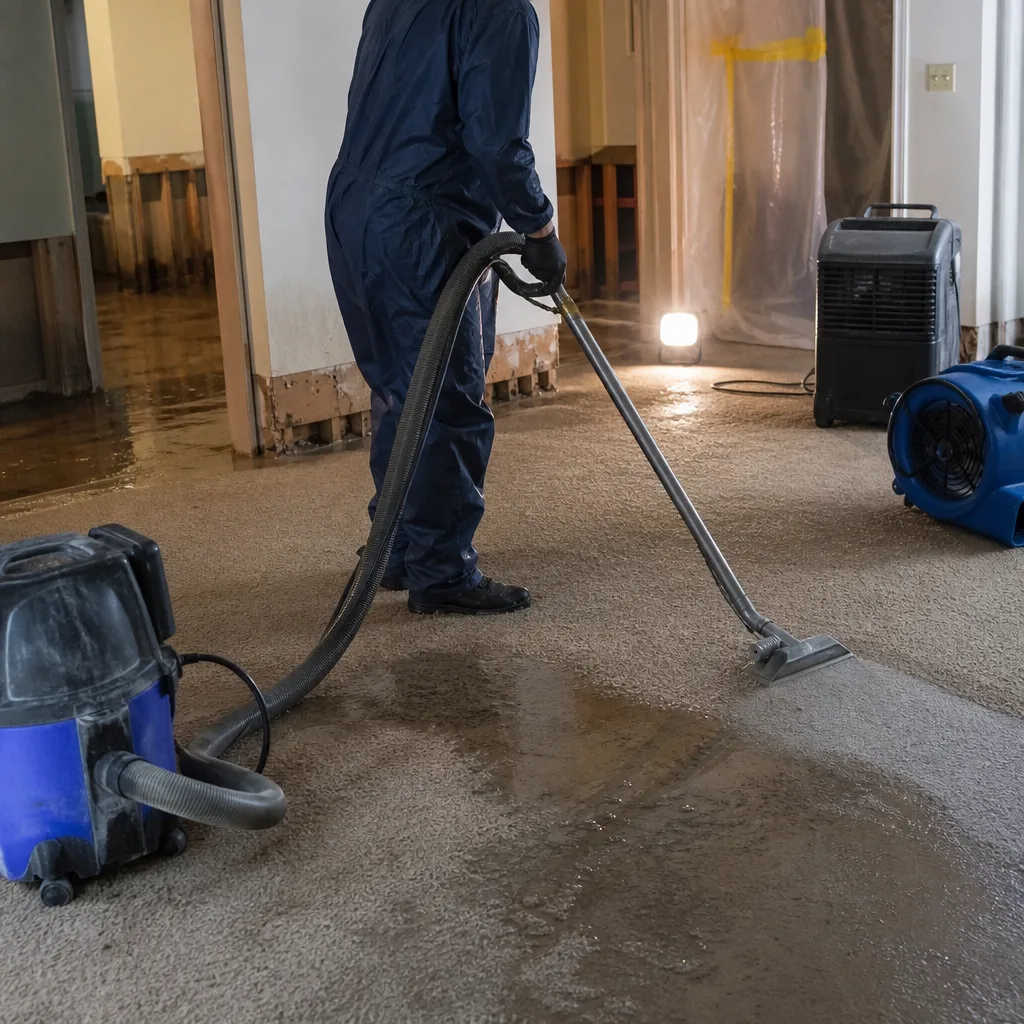
We pump out standing Category 3 water and remove contaminated materials that cannot be salvaged: saturated drywall, baseboards, carpet underlay, and ceiling tiles. The goal is to stop absorption before it spreads.
Drying & Dehumidification
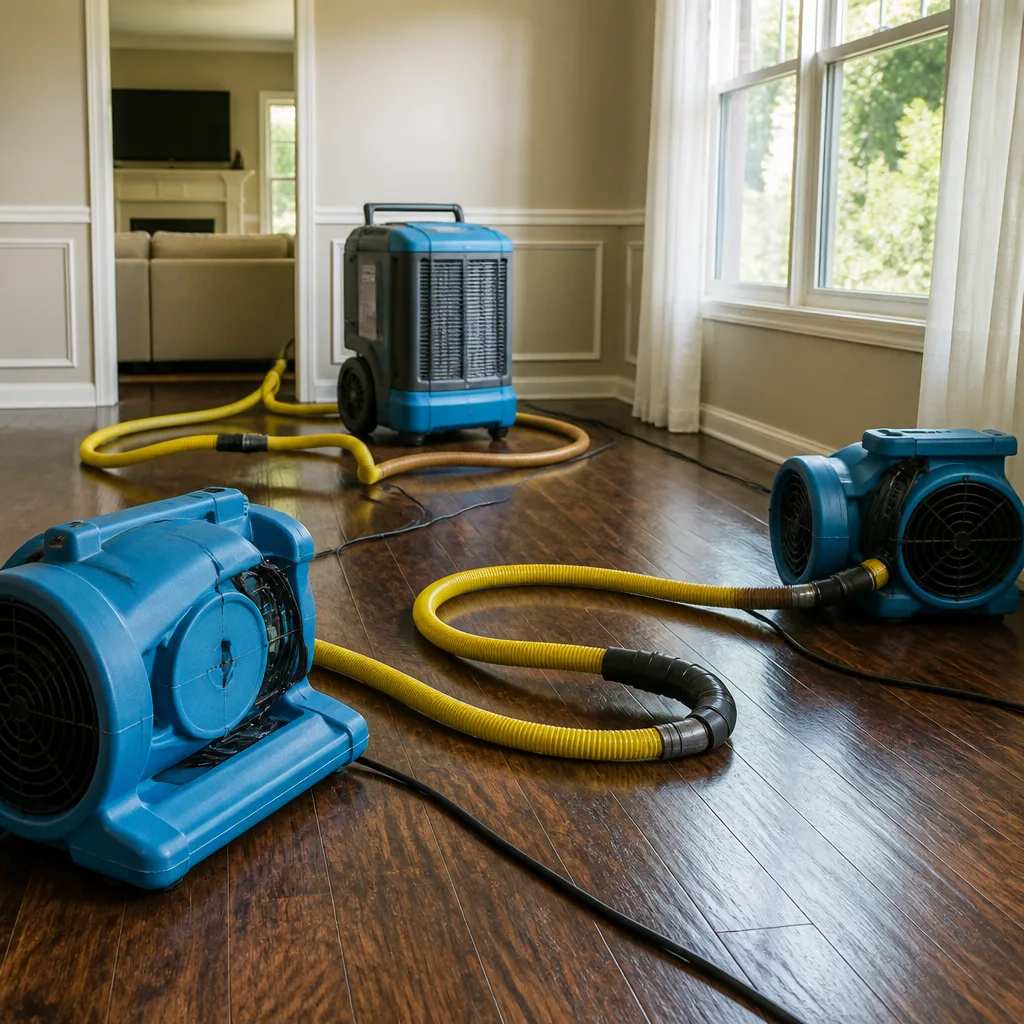
Professional-grade Phoenix dehumidifiers and XPOWER air movers run around the clock until structural drying targets are hit. We log daily moisture readings and hand you the log for your records and your insurer.
Cleaning & Sanitization
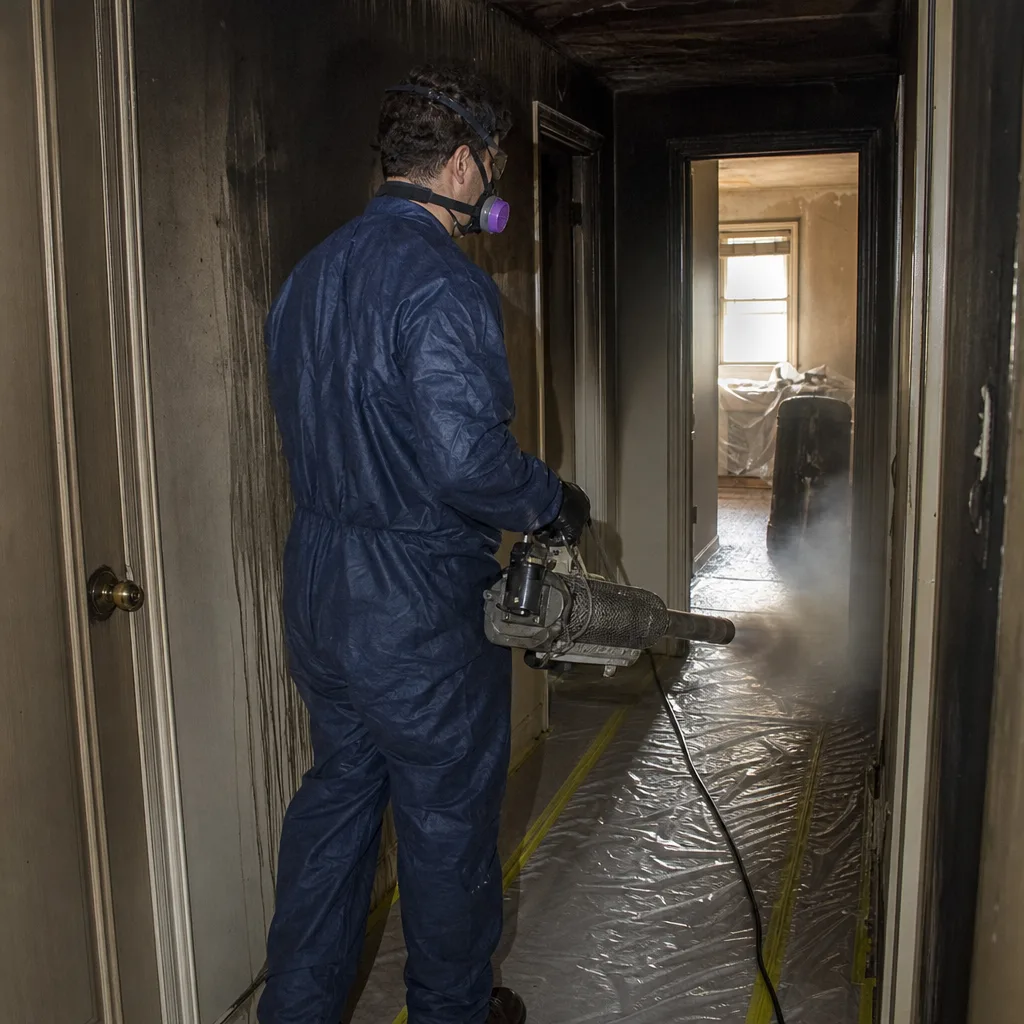
Every affected surface gets antimicrobial treatment appropriate for the contamination level. HEPA air scrubbers run during work to keep airborne particles from moving into adjacent units.
Containment & Odor Control
We run negative-air containment at stairwells and elevator landings, which matters in SoHo where a sewage smell in a shared hallway becomes a co-op board crisis fast.
Repairs & Restoration
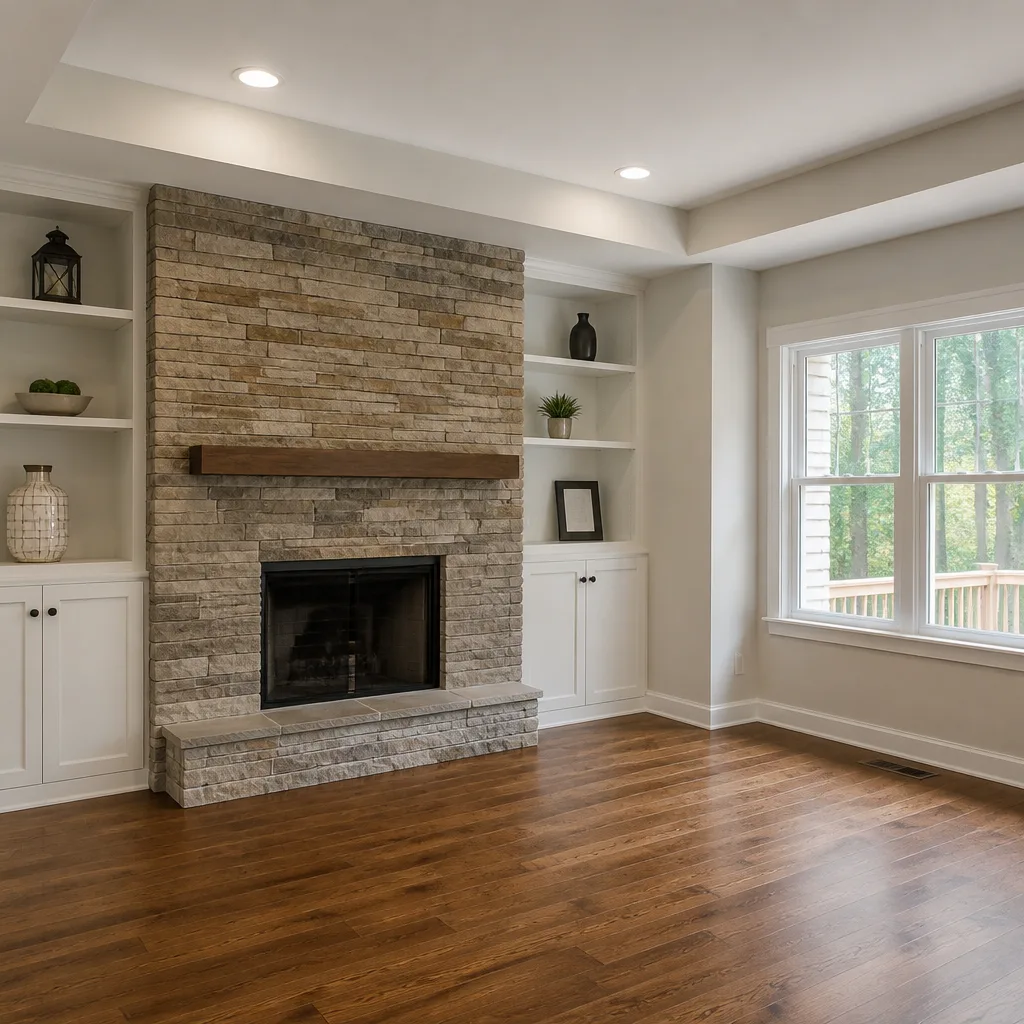
After the dry standard is met, we rebuild. The same Floodline crew that extracted the black water hangs the new drywall and refinishes the floor. No subcontracted strangers in your loft.
Need Emergency Sewage Cleanup in SoHo Now?
Crews minutes away, answering live 24 hours a day. The sooner we start, the less it costs.
Working With Your Insurance Company
Sewage backups in SoHo are covered under most standard policies, but the claim has to be documented correctly from the first hour. We photograph everything before we move anything. We log moisture readings room by room. We write a line-item scope that uses the same estimating software your carrier recognizes. Then we send it to your adjuster directly and handle the callbacks. You get told what’s happening. You don’t get asked to be the messenger. Curt Bowman built Floodline on the idea that homeowners in Manhattan have enough to deal with without managing an insurance claim. We stand behind every job with the 90-Day Done Right Promise, in writing.
What We Provide Your Insurer
- Thorough documentation of the loss
- Photos of all damage, room by room
- Moisture readings and drying logs
- A detailed, line-item scope of work
- Direct coordination with your carrier
Built for SoHo’s Loss Calendar
SoHo’s sewage losses follow the seasons, and they’re worse here than in most of lower Manhattan for one structural reason: the buildings are old, the plumbing is older, and the ground beneath them still fights the tide. January deep freezes burst supply lines in loft buildings where original pipes run through unheated cellar spaces. Spring rains and thaw cycles push groundwater into below-grade cellars, and in SoHo that groundwater often mixes with sewage from aging waste lines. Summer thunderstorms overwhelm the city’s combined sewer system, backing wastewater up through floor drains in ground-floor retail spaces and basement mechanical rooms. Nor’easters, the ones that used to flood West Broadway and Grand Street before Sandy’s wake left every cellar in the neighborhood on edge, still send Category 3 water into the lowest floors. The pattern is predictable. The fix isn’t, because every cast-iron loft has its own plumbing history.
Sewage Cleanup Across SoHo’s Neighborhoods
SoHo stretches from Houston Street to Canal Street, between Sixth Avenue and Crosby Street, and the loss patterns shift block by block. The Greene Street corridor, with its purest concentration of cast-iron facades, sees the most original waste stack failures, often splitting behind 14-foot ceilings where the pipe has carried load for 130 years. Around Mercer Street and Broadway, the ground-floor retail spaces bear the brunt of sewer backups during summer thunderstorms, when the combined system backs up through floor drains and into rear storage areas. The Broome Street and Grand Street cross streets, where many buildings were converted earliest in the 1970s, have the oldest conversion plumbing, and that’s where we see the highest rate of ad-hoc waste line failures above JLWQA units. Cellar spaces below Spring Street still hold moisture from Sandy-era inundation, and every nor’easter reprises the problem. Response routes through SoHo matter: Canal Street bottlenecks at rush hour, so we stage equipment near West Broadway and run crews on foot with extraction gear when streets clog.
Specialized Sewage Cleanup Services We Offer in SoHo
Sewage Backup Cleanup
When a mainline clogs and raw sewage backs up through drains, the contamination spreads fast. In a SoHo loft with one giant room, that means the whole floor plate becomes a Category 3 zone before anyone notices. We contain, extract, sanitize, and dry the full affected area, then rebuild what couldn’t be saved. Same visit, same team.
Toilet Overflow Cleanup
Toilet overflows in SoHo’s converted lofts often run through ceilings into the unit below, and in a JLWQA building the unit below may be a working artist’s studio or a retail space. We address the source, sanitize the path the water took, and dry the structure so the problem doesn’t become a mold claim in six months.
Septic Failure Cleanup
Most of SoHo is on the municipal sewer system, but a few older buildings on the neighborhood’s edges still run on legacy private systems. When a septic line fails, the contamination is usually concentrated but intensely hazardous. We handle the full remediation: extraction, soil treatment where needed, and structural drying.
Black Water Extraction
This is the engine of every sewage job we run in SoHo. Category 3 water demands immediate removal under containment, using truck-mounted extractors and submersible pumps sized for open loft floors. A 4,000 sq ft space needs serious equipment. We run it.
Sanitization & Disinfection
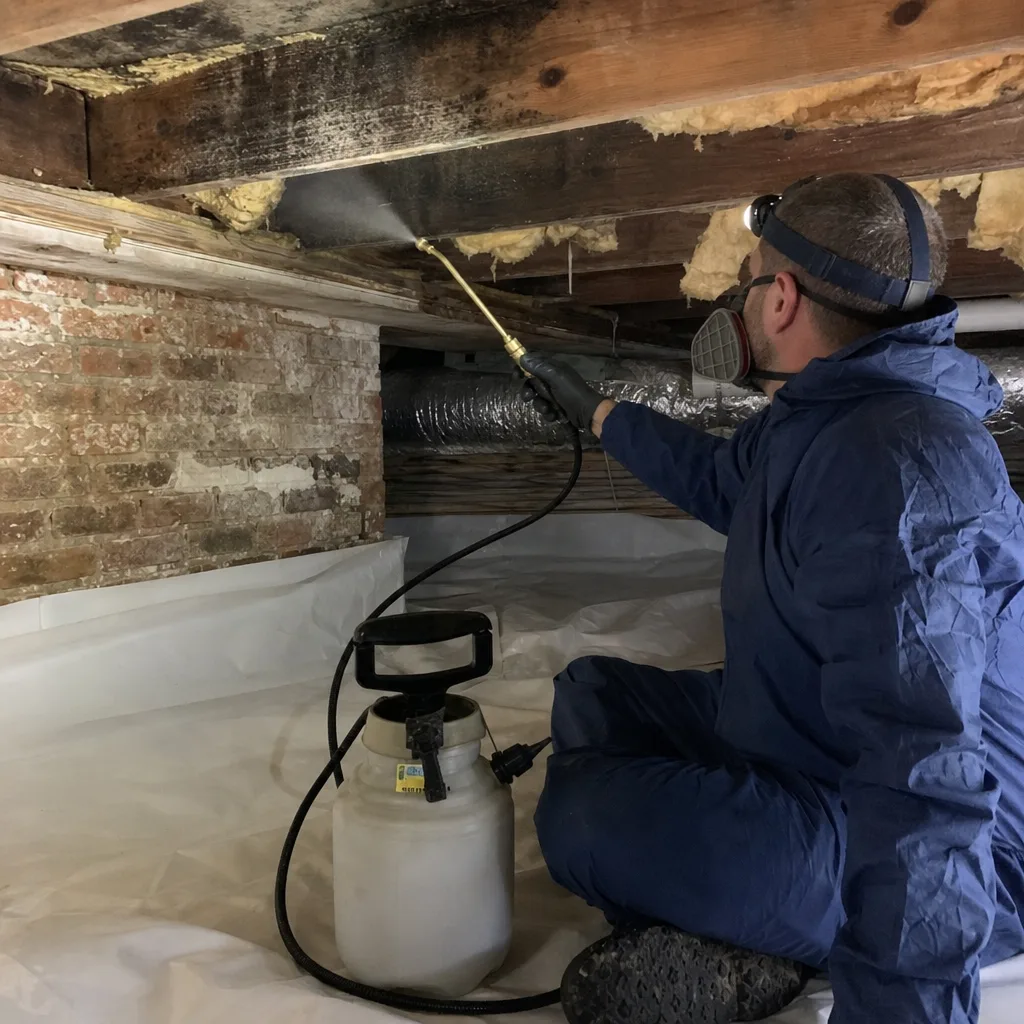
After extraction comes the part homeowners never see but absolutely need: every surface that contacted black water gets treated with antimicrobials appropriate for the contamination level. HEPA air scrubbers run throughout. In SoHo’s shared buildings, we also sanitize stairwells and hallway chases where pathogens traveled.
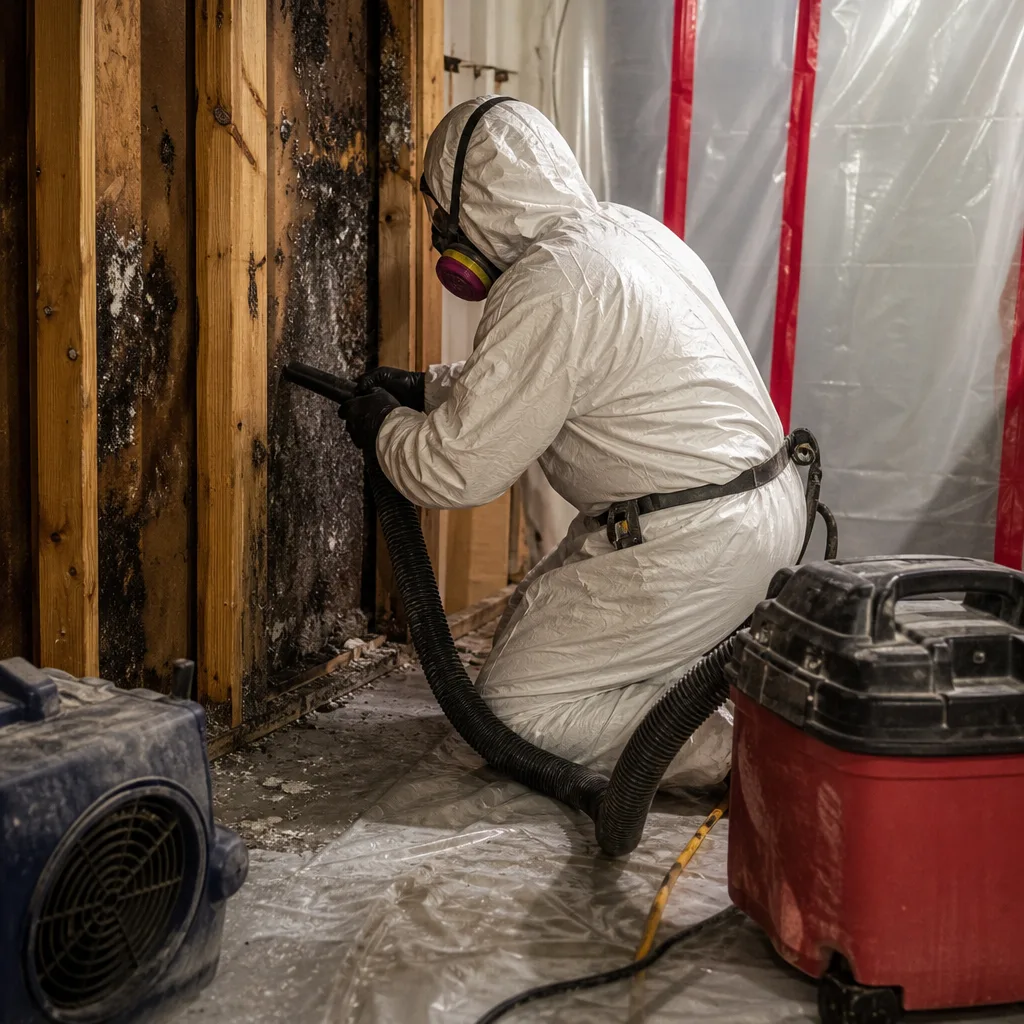
Crawl Space Sewage Removal
Some SoHo cellar spaces are little more than crawl spaces under the sidewalk, and when sewage backs up into them, the confinement makes everything worse. We send techs in with full PPE and portable extraction, remove contaminated debris, and get the space dry. These are the jobs where the smell reaches the street before the water does.
What happens when you call
- 1
A real person answersNo phone trees - you reach a local pro.
- 2
You get an upfront price rangeHonest numbers before anyone is dispatched.
- 3
A background-checked tech heads outLicensed & insured, dispatched right away.
- 4
You approve before work beginsNothing starts until you say go.
Sewage Cleanup Costs in SoHo, NY
A sewage cleanup in SoHo runs higher than it does in the outer boroughs, and the building stock is the reason. Expect $2,800 to $6,500 for a contained toilet overflow or drain backup in a typical loft, including extraction, sanitization, and drying. A full black water event across a 3,000+ sq ft floor, with structural drying and rebuild, typically lands between $8,000 and $22,000. Crawl space sewage removal runs $3,500 to $7,500 depending on access. What moves the price: square footage affected, whether original plaster or millwork needs treatment, and whether containment must cover a shared stairwell or elevator shaft. Insurance usually covers these losses, less deductible. The free visual inspection gives you a written scope before you authorize anything. Call (917) 924-4221 and we’ll send a crew to look.
We Also Serve Cities Near SoHo
Floodline Restoration Co. of Manhattan runs sewage cleanup crews to SoHo’s neighbors too: Fairview, Harrison, East Bronx, and Hunts Point. Same 45-minute commitment, same certified teams, same written guarantee. If you’re just outside the neighborhood, we’re still close.
SoHo Sewage Cleanup Questions, Answered
Does Sewage Cleanup in a SoHo cast-iron loft require Landmarks Preservation Commission approval for interior work?
No, interior sewage cleanup and remediation does not require LPC approval as long as you do not alter exterior elements: facade masonry, ornamental ironwork, or window surrounds. The LPC reviews exterior changes only. Our crews keep containment and drying inside the building envelope, and we document that boundary in writing for your co-op board or insurer.
How quickly can mold start after a sewage backup in a SoHo loft with original plaster walls?
Mold colonization can begin in 24 to 48 hours in SoHo conditions, and original plaster walls are worse than drywall because the wood lath behind them holds moisture longer. Category 3 water accelerates the timeline. That’s why we run extraction the same visit and keep dehumidifiers going until the dry standard is met, not just until the floor looks dry.
Can you clean a sewage backup in a JLWQA ‘Joint Living-Work Quarters for Artists’ unit without pulling a permit?
Yes, remediation work generally does not require a DOB permit. The issue emerges only if the backup damages a neighboring unit and the DOB opens a review of the building’s legal-use classification. We document the pre-existing zoning status before starting Category 3 extraction, which we’ve found heads off insurer disputes before they start.
What happens if a sewage line in a SoHo loft breaks above a ground-floor retail space?
The contamination travels down, and fast. We contain the source, extract from the retail space quickly, run negative-air containment so the store can reopen sooner, and document everything for the building’s insurer. Retail spaces in SoHo carry their own insurance riders, and our documentation format works for commercial and residential claims alike.
Why does sewage in a SoHo cellar dry slower than in a Tribeca cellar?
SoHo’s 1860s brick foundation walls are older and in many buildings still hold residual moisture from Sandy-era inundation. The dense street canyon traps humidity against the masonry, and below-grade spaces get almost no natural air movement. Man-made comparison aside, our drying plans for SoHo cellars typically run two to three days longer than for newer buildings, and we budget equipment accordingly.
How fast can a crew actually get to SoHo?
Our 45-minute commitment starts when the live dispatcher takes your call at (917) 924-4221. We keep crews staged near West Broadway and Greene Street during storm events so response times shorten. After a major nor’easter, plan for longer, but we run extraction the same visit regardless.
Will insurance cover a sewage backup in a SoHo loft?
Most standard policies cover sudden sewage backups, though JLWQA classifications sometimes trigger confusion with carriers unfamiliar with the zoning. We bill directly, document the loss from the first hour, and talk to your adjuster so you don’t have to. Deductibles apply, but the bulk of a typical SoHo sewage job is covered.
Do I need to leave my loft during sewage cleanup?
Usually yes, at least during the first 24 hours of extraction and heavy drying. Category 3 water is a health hazard, and our containment is designed to protect you, not just the building. Most SoHo clients stay with a neighbor or in a hotel for a night or two. We’ll tell you plainly if you can stay.
One SoHo Field Story
On Greene Street near Prince, a cast-iron loft’s original 1890s cast-iron waste stack finally split behind a 14-foot ceiling, sending Category 3 water across a 4,000 sq ft open-plan floor before a neighbor below noticed staining. Our techs set up negative-air containment at the loft’s only stairwell, used thermal imaging for moisture mapping across the original pine subfloor, and ran three Phoenix dehumidifiers plus a dozen air movers to hit structural drying targets, while the LPC-reviewed facade stayed untouched. The whole job: extraction, drying, rebuild. One crew, start to finish. That’s how we work in SoHo.
Serving SoHo, NY - Our Local Coverage Area
We’re based in the SoHo area and know this community well. Use the map below to see our service coverage - if you’re nearby, we can almost certainly help.
Call Floodline Restoration Co. of Manhattan
If raw sewage is on your floor in SoHo right now, call (917) 924-4221. A live dispatcher answers and a certified crew starts moving. If you’re researching before trouble arrives, the same call gets you a free visual inspection and a straight answer about what your building needs. We serve all of SoHo, from the retail corridors on West Broadway to the loft floors above Greene Street. Done right, and backed in writing. That’s the deal.
Written by Curt Bowman, Owner at Floodline Restoration Co. of Manhattan.