
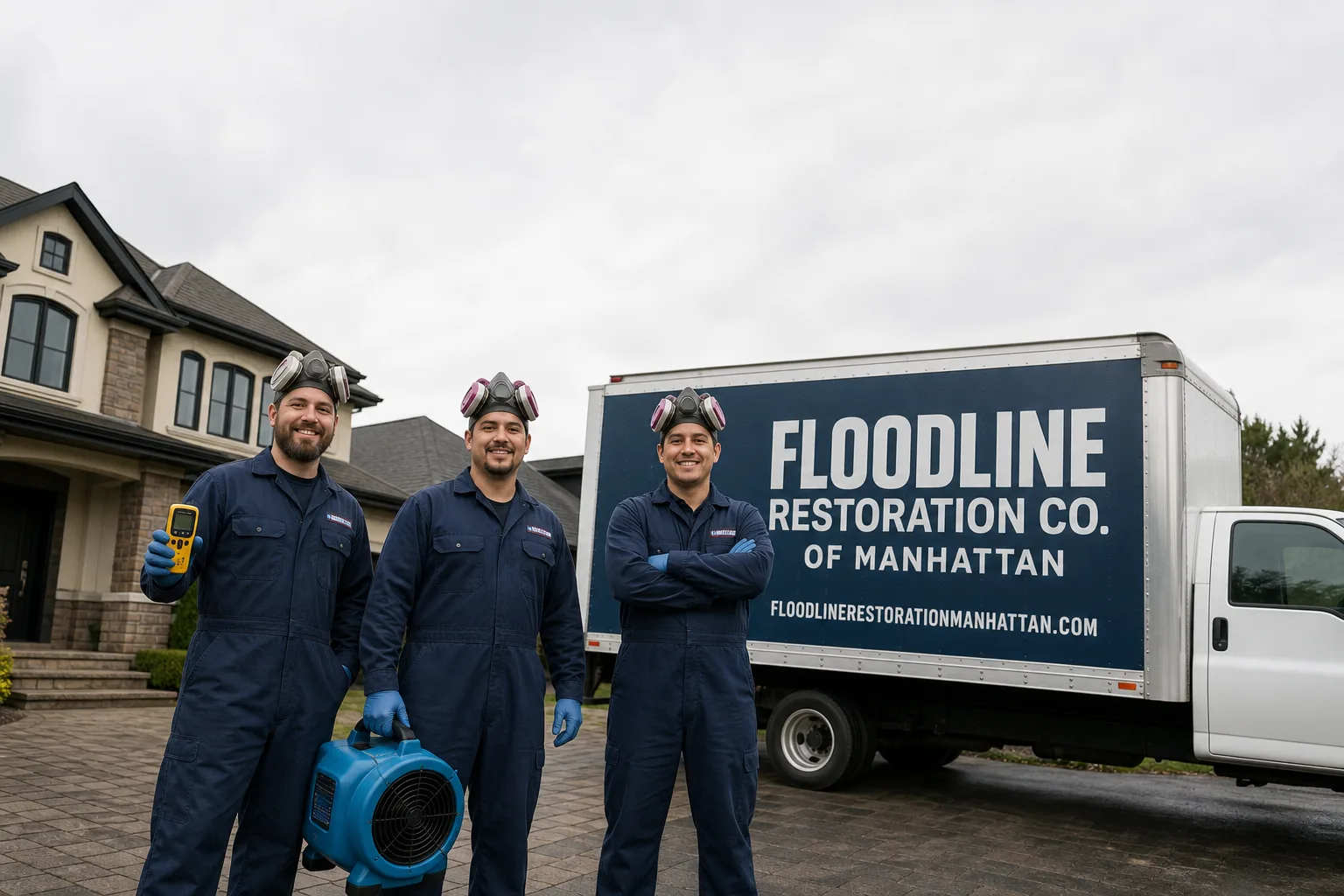
Free visual inspection and a written scope of work before any mitigation begins - photos, moisture readings, and drying logs go in your claim file
The scope we write is the scope we bill. Anything new gets shown to you, in writing, before we touch it.
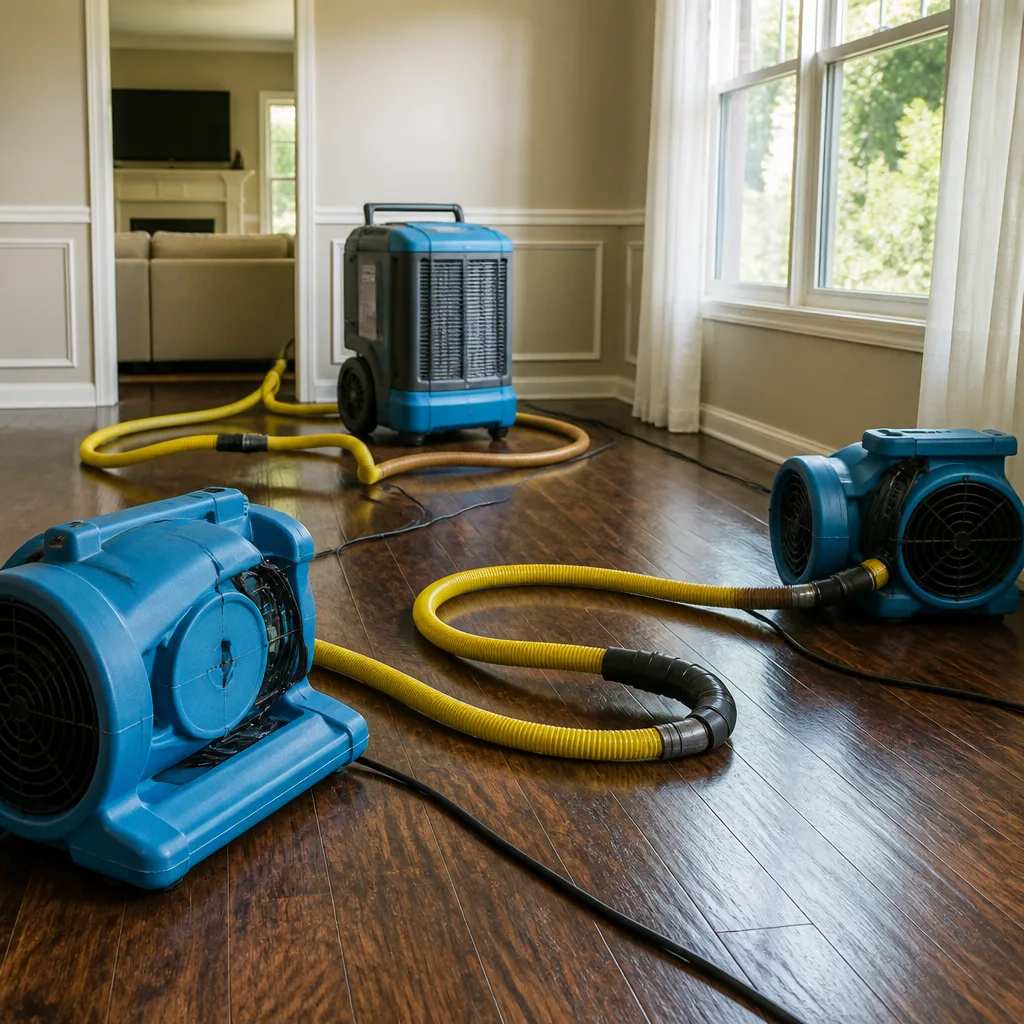

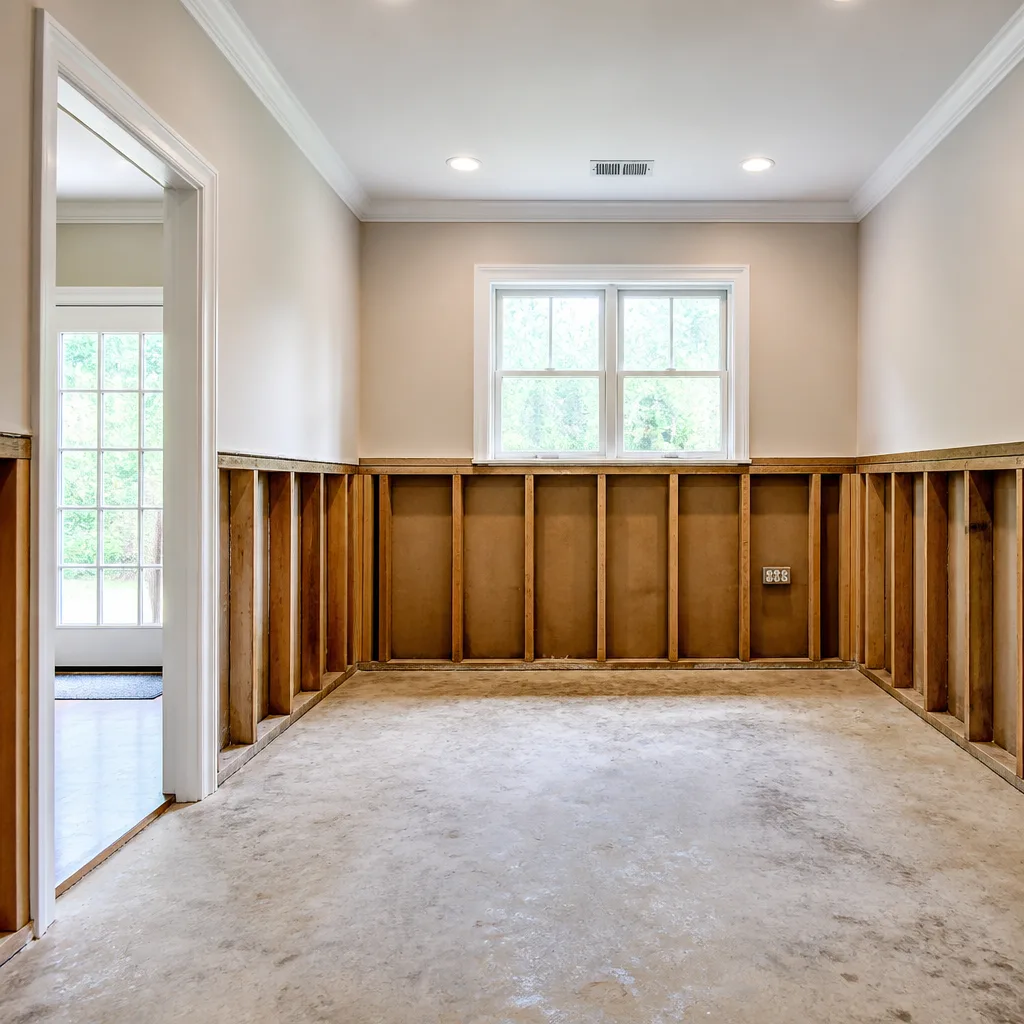

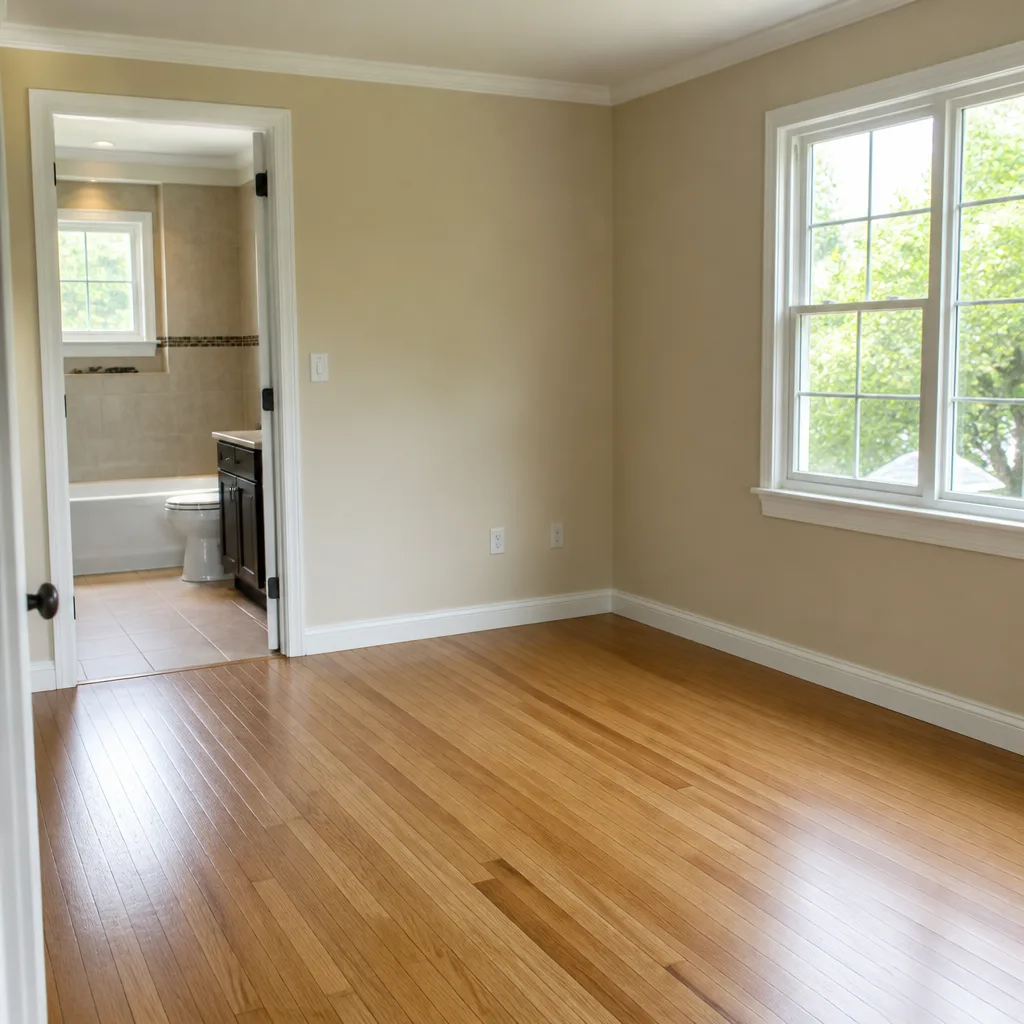
 Before
 After
After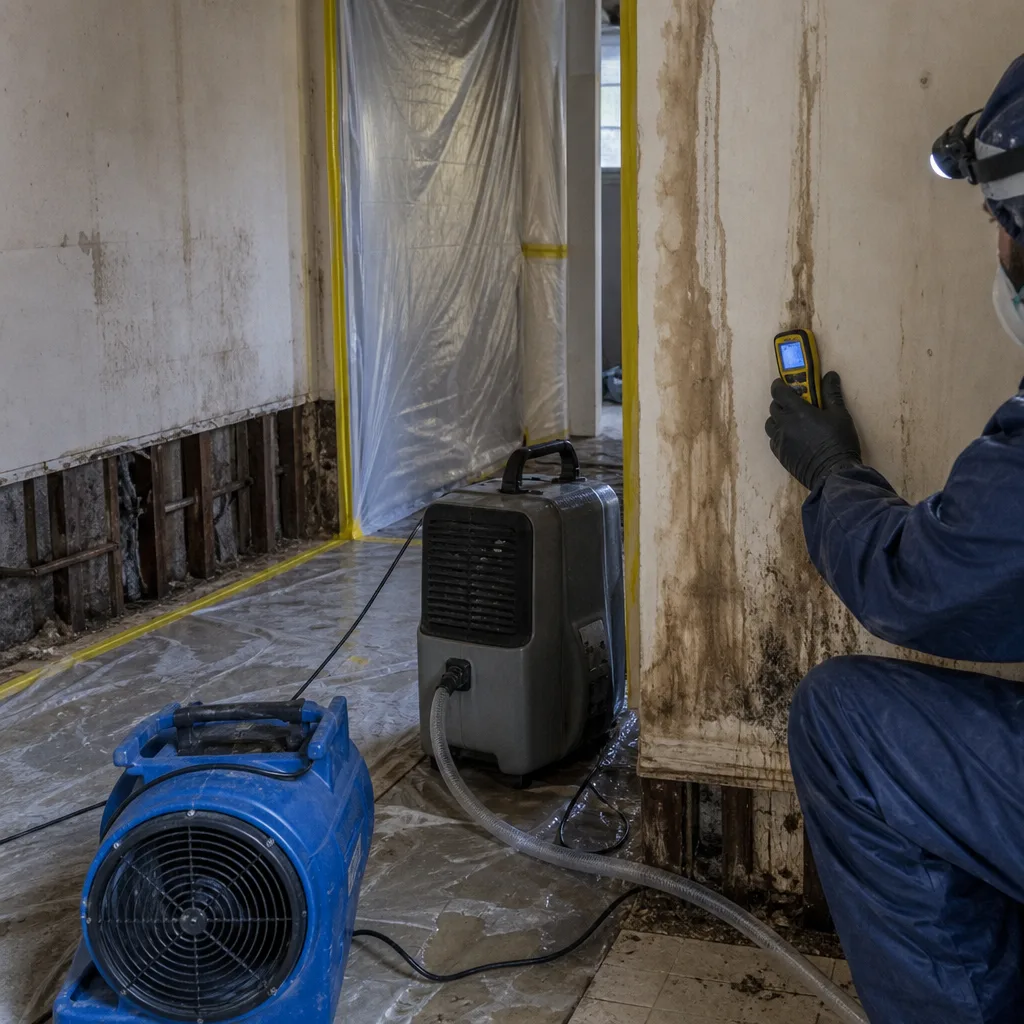 Before
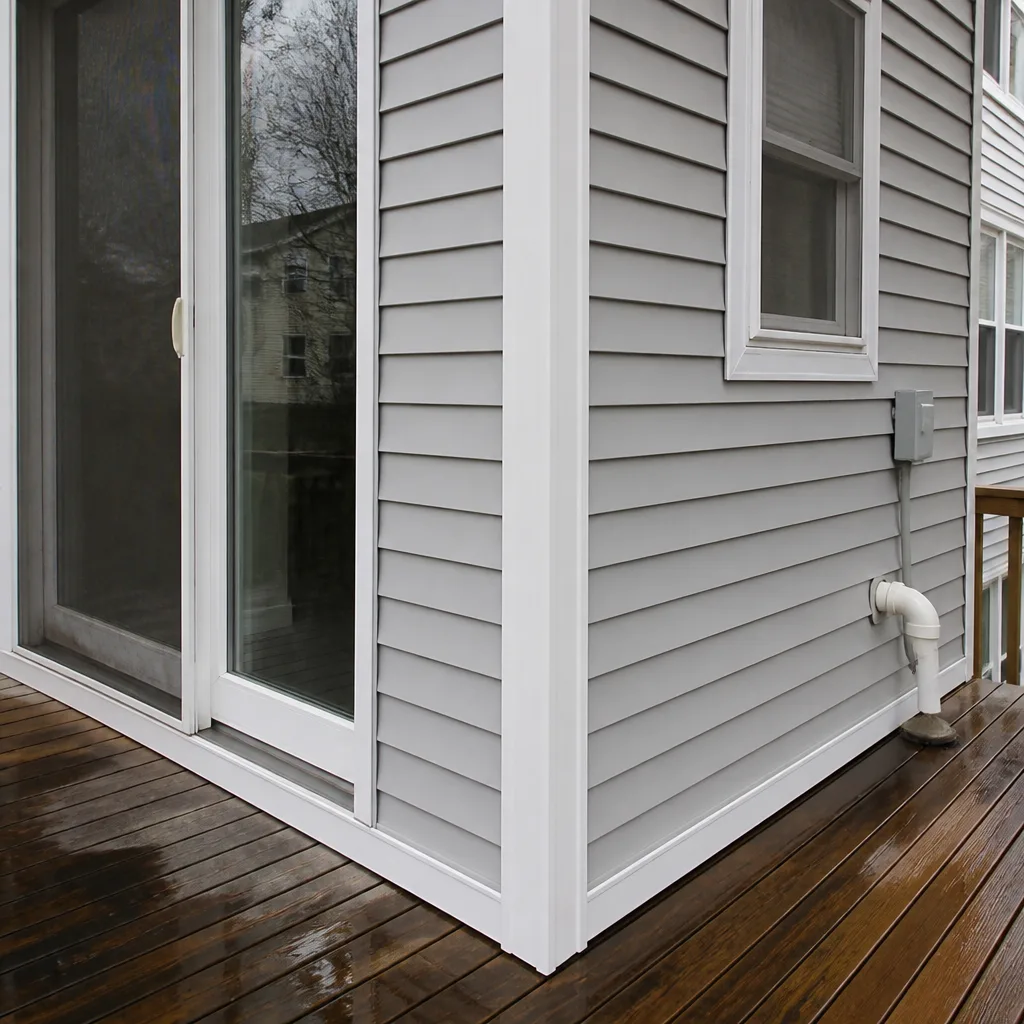 After
After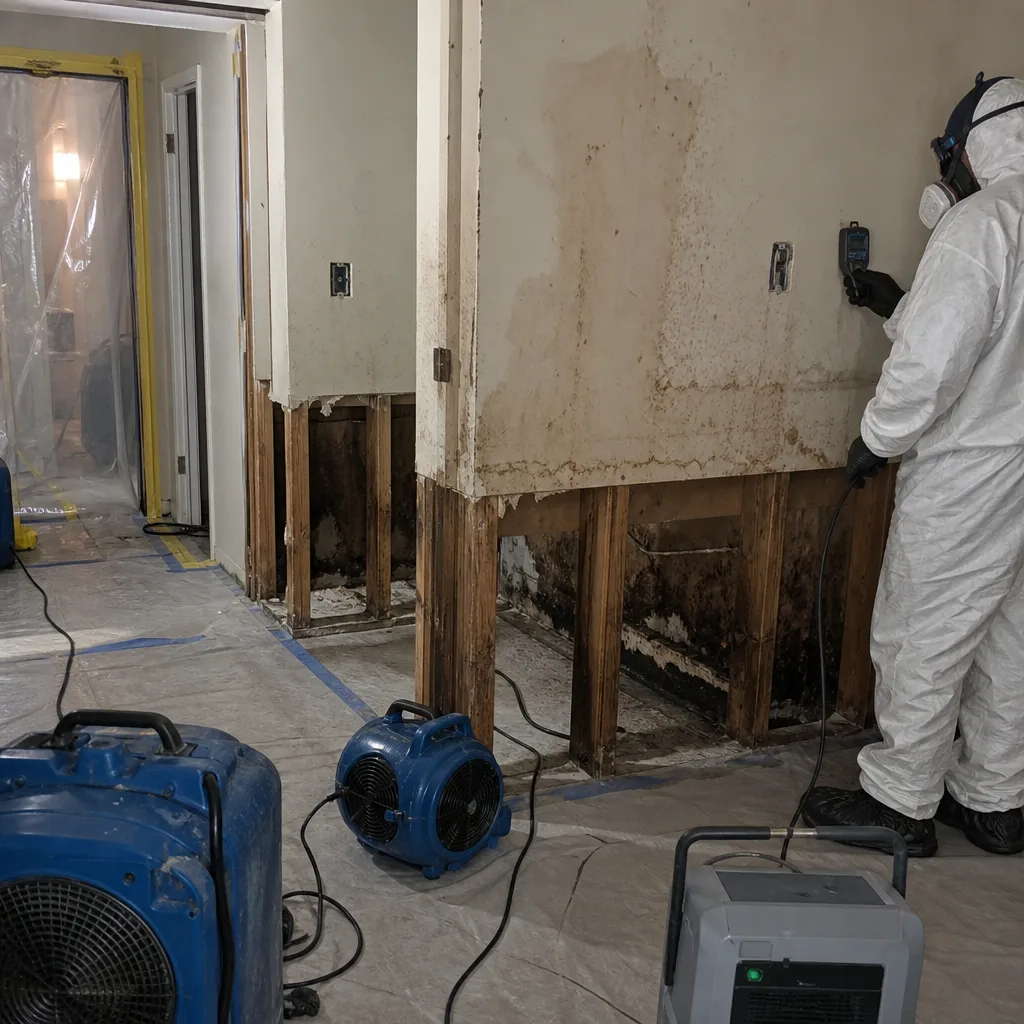 Before
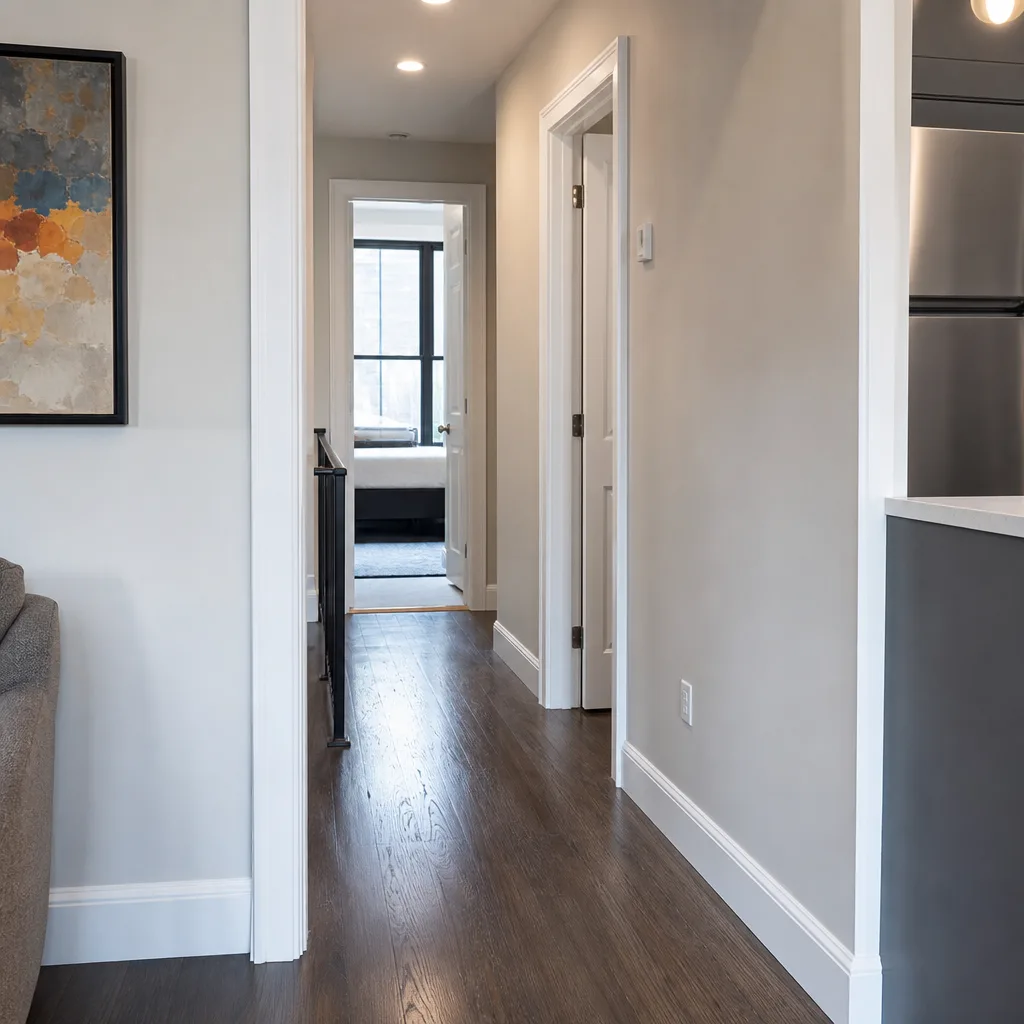 After
After24/7 Emergency Sewage Cleanup in Springfield Gardens
A sewage backup in Springfield Gardens is a Category 3 water event, and the clock starts the moment it appears. Raw sewage carries bacteria, viruses, and parasites that begin contaminating porous surfaces within hours. Our crews are dispatched into Springfield Gardens around the clock, and a live person answers at (917) 924-4221 every time you call, including 2 a.m. on a holiday. We arrive within 45 minutes of your call, set up containment, extract the black water, and start drying that same visit. The first hour determines how much of your basement flooring, drywall, and personal property can be salvaged versus torn out and replaced. In a neighborhood where sewage backups often arrive with nor’easter surge and combined sewer overflow, waiting costs real money.
Understanding Sewage Cleanup Severity in Springfield Gardens Properties
Springfield Gardens sits in one of the most flood-vulnerable pockets of southeastern Queens, with portions falling in FEMA Zone AE within the Jamaica Bay tidal watershed. That is not a technical footnote. It means sewage work here is dominated by Category 3 water from recurrent storm-surge flooding and combined sewer overflow, not the isolated toilet overflows or ejector pump failures that dominate calls in higher-elevation Queens neighborhoods. Category 3 water is grossly contaminated: it carries human waste, bacteria like E. coli and Salmonella, and whatever else the combined sewer pushed back through the basement drain. Category 1 is clean water from a supply line. Category 2 is contaminated but not sewage. Category 3 requires full personal protective equipment, containment barriers, HEPA air scrubbing, and antimicrobial treatment on every affected surface. No shortcuts.
Key Takeaways
- Springfield Gardens sewage backups are typically Category 3 water requiring full containment and disinfection.
- The neighborhood’s filled-marshland water table means moisture mapping must account for subslab hydrostatic pressure.
- Original 1950s basement walls often hide chronic moisture behind finished surfaces.
- Mold growth on sewage-soaked drywall can begin within 24 to 48 hours in warm weather.
Why Springfield Gardens Property Owners Choose Floodline Restoration Co. of Manhattan
- 45-minute response commitment: We dispatch crews into Springfield Gardens from our New York City operations center. A live person confirms the address, the truck is rolling, and we are on site inside the hour.
- 24/7 live answer, never an automated system: Call (917) 924-4221 at any hour. A real dispatcher picks up. You describe the backup; we tell you what to expect and when we arrive.
- IICRC-certified crews: Our technicians hold IICRC certifications including WRT (Water Restoration Technician) and AMRT (Applied Microbial Remediation Technician), so sewage work is done to the standard your insurer expects.
- Free visual inspection: Before any equipment runs, we walk the affected space with you, explain what we see, and give you a straight answer about the scope.
- Direct insurance billing: We document everything from hour one, bill your carrier directly, and handle adjuster communication so you are not the messenger.
- One team from extraction to reconstruction: The same crew that pumps out Category 3 water handles the drying, the antimicrobial treatment, the drywall replacement, and the rebuild. No mid-job handoff to an unknown subcontractor.
Our Sewage Cleanup Process
Inspection & Assessment
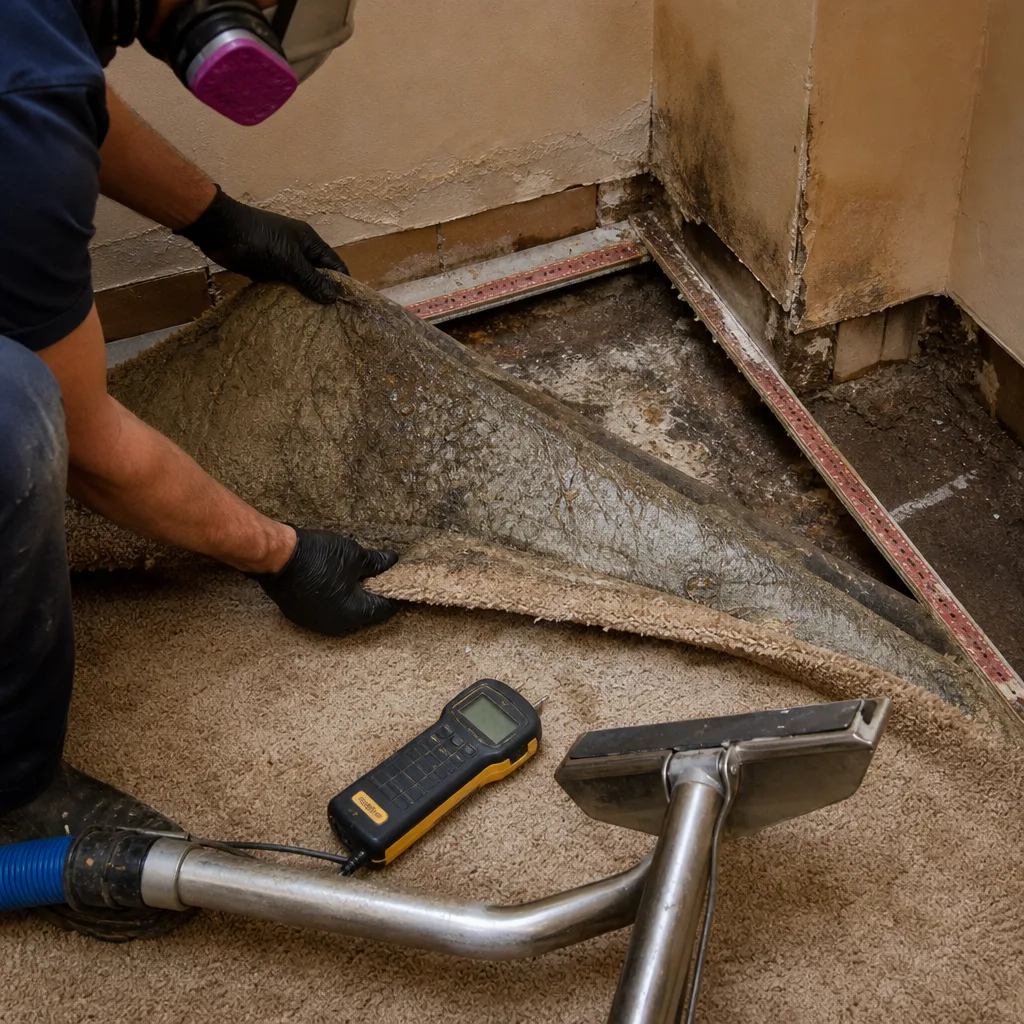
We trace the backup to its source, identify the water category, and map the affected area with thermal imaging and moisture readings. In Springfield Gardens basements, we specifically check for hydrostatic groundwater pressure against the slab and the condition of perimeter drain tile.
Extraction & Stabilization
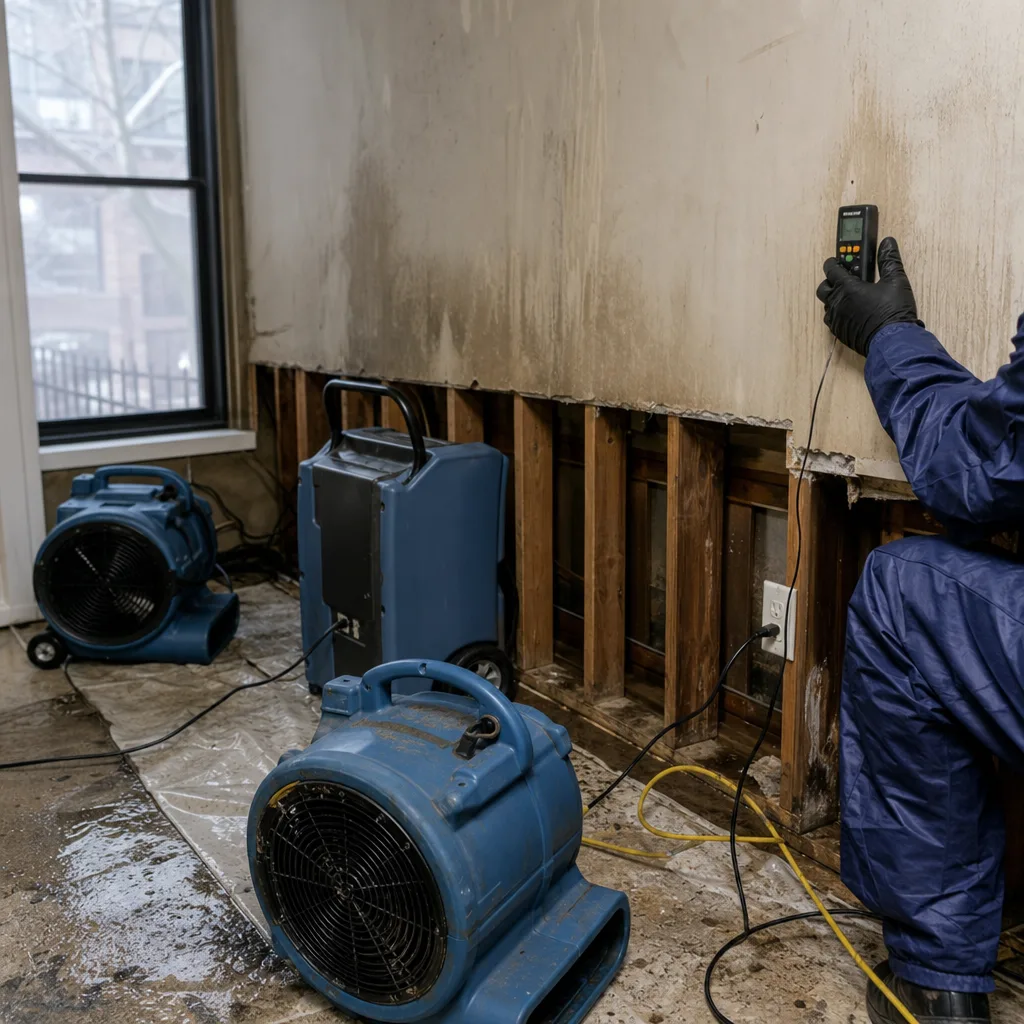
Dri-Eaz extraction equipment pulls standing sewage from the basement floor, crawl space, or drain pan. We remove saturated carpet pad, baseboards, and any unsalvageable material before it spreads contamination further.
Drying & Dehumidification
Phoenix dehumidifiers and XPOWER air movers run on a moisture-mapped grid, with daily readings logged until the structure hits the established dry standard for this region’s ambient conditions.
Cleaning & Sanitization
Every affected surface receives an antimicrobial treatment certified for Category 3 contamination. HEPA air scrubbers run throughout the containment zone to capture airborne pathogens.
Moisture Mapping & Hidden Damage Review
We cut back original 1950s sheetrock where moisture readings show contamination has wicked behind the face. Chronic moisture from the filled-marshland water table often hides in wall cavities, and we document everything we find for your insurer.
Repairs & Restoration
The same crew replaces drainage plumbing, rebuilds drywall, reinstalls flooring, and addresses any perimeter drainage work needed to keep the same backup from recurring in the next heavy rain.
Need Emergency Sewage Cleanup in Springfield Gardens Now?
Crews minutes away, answering live 24 hours a day. The sooner we start, the less it costs.
Working With Your Insurance Company
Sewage backup claims in Springfield Gardens can get complicated fast. One adjuster may classify the loss as flood-related, another as sewer backup, and your coverage depends on which endorsements your policy carries. We have handled both scenarios hundreds of times across southeastern Queens. From the first hour, our team photographs every affected surface, logs moisture readings daily, and builds a line-item scope of work that matches what your policy actually covers. Curt Bowman and our senior project managers communicate directly with your adjuster, so you never have to translate restoration work into insurance language. If your carrier disputes a line item, we provide the documentation: containment logs, extraction volumes, drying curves, and antimicrobial treatment records.
What We Provide Your Insurer
- Thorough documentation of the loss
- Photos of all damage, room by room
- Moisture readings and drying logs
- A detailed, line-item scope of work
- Direct coordination with your carrier
Built for Springfield Gardens’s Loss Calendar
Springfield Gardens sewage backups follow the Atlantic storm calendar more than any plumbing failure pattern. Coastal storm season runs from June through November, with nor’easters hitting hardest from October through March. When a nor’easter pushes Jamaica Bay surge into the combined sewer, the system backs up, and basement drains reverse. That is raw sewage entering finished basement spaces through floor drains, laundry tubs, and even toilet fixtures. Heavy summer thunderstorms produce the same result in a matter of hours. In January and February, frozen ground prevents drainage, so any thaw or rain event sits on the surface and finds its way into basements through foundation cracks. The pattern we see in Springfield Gardens: storm surge, sewer overflow, Category 3 backup, then the long mold-remediation tail in the original 1950s wall cavities that nobody opened after the water receded.
Sewage Cleanup Across Springfield Gardens’s Neighborhoods
Springfield Gardens stretches from the Laurelton border west to the Belt Parkway. Homes near Springfield Boulevard and 145th Road sit on some of the lowest elevation in the neighborhood, and those blocks consistently produce the most severe Category 3 backups after any coastal surge event. The blocks north of Merrick Boulevard, closer to St. Albans, sit slightly higher and typically see backups related to failed ejector pumps or clogged lateral connections rather than direct surge. Around Brookville Park and the blocks bordering the Belt Parkway, we see recurring basement sewage after heavy rain because the combined sewer has no capacity buffer when tide tables are already high. On 147th Avenue, 142nd Road, and the numbered side streets running north from North Conduit Avenue, the homes are mostly 1940s to 1960s semidetached and detached houses with full basements, many of which still have the original perimeter drain tile. That tile was adequate for dry-land construction; it was never designed for the hydrostatic pressure this filled marshland generates.
Specialized Sewage Cleanup Services We Offer in Springfield Gardens
Sewage Backup Cleanup
When a Springfield Gardens combined sewer overflow pushes raw sewage through a basement floor drain, this is full Category 3 mitigation: containment, extraction, antimicrobial treatment, and moisture mapping. We also evaluate whether a backwater valve on the main line would prevent the next storm-surge event.
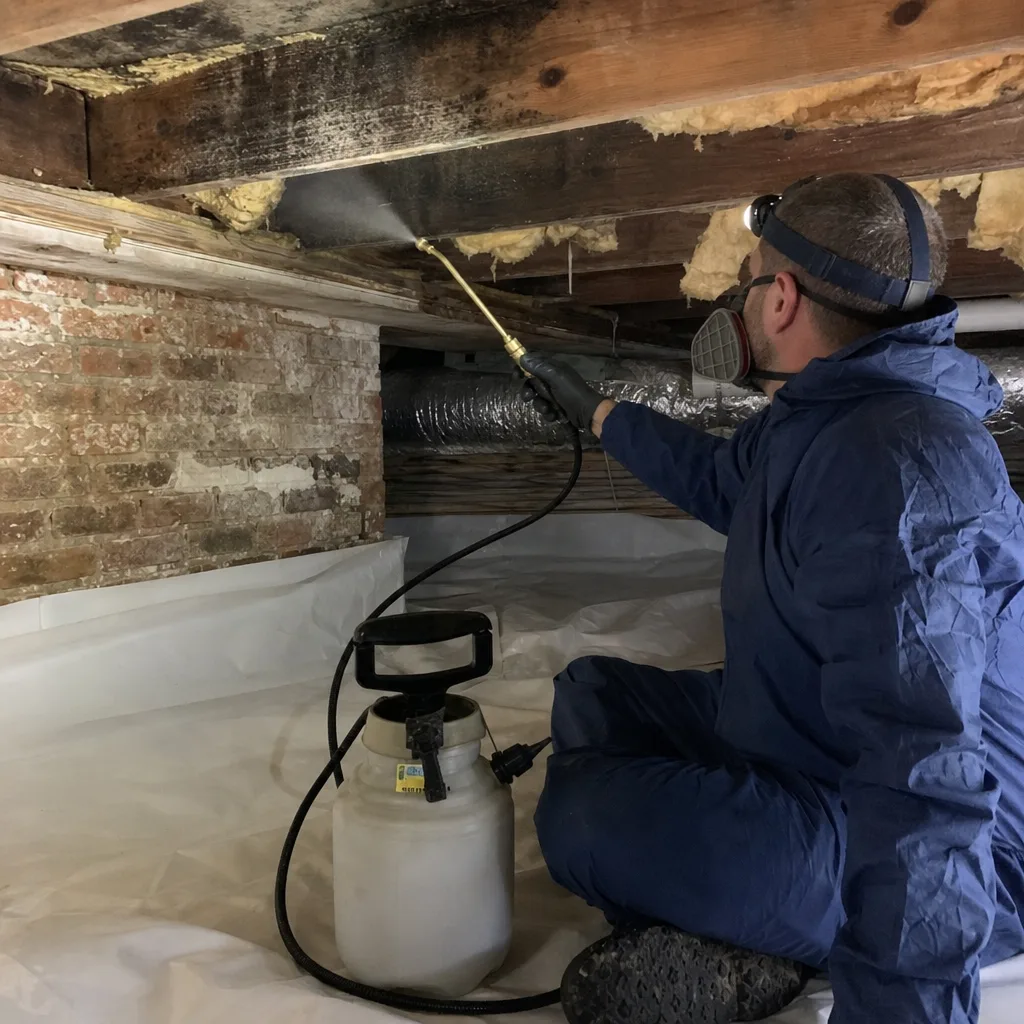
Black Water Extraction
Standing sewage is removed with Dri-Eaz extraction equipment before it saturates framing lumber and original subfloor. In Springfield Gardens basements, extraction often reveals chronic moisture that has been migrating up from the marshland water table for years.
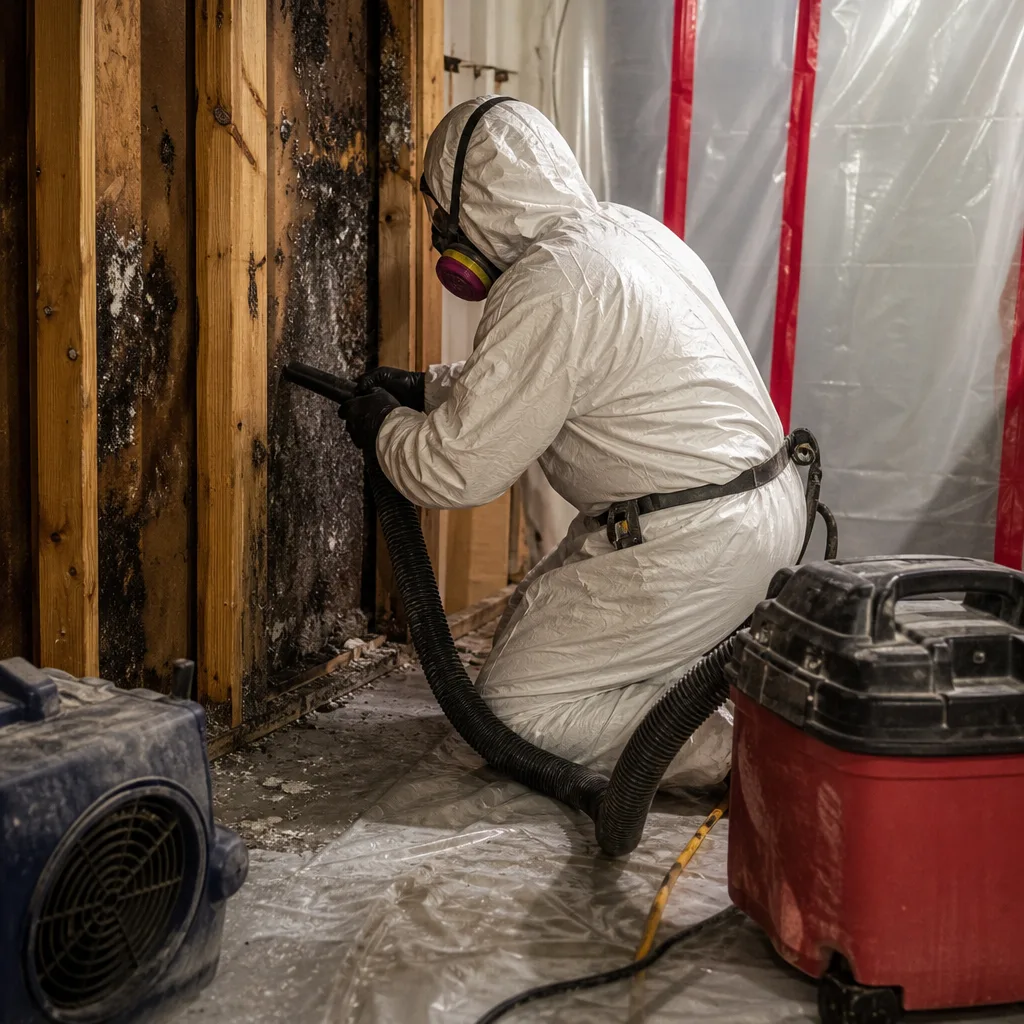
Crawl Space Sewage Removal
Many Springfield Gardens homes sit low enough that sewage migrates into crawl spaces through foundation vents and cracks. We pump, remove contaminated insulation and debris, treat the floor joists, and recommend permanent drainage improvements where the lot cannot shed water on its own.
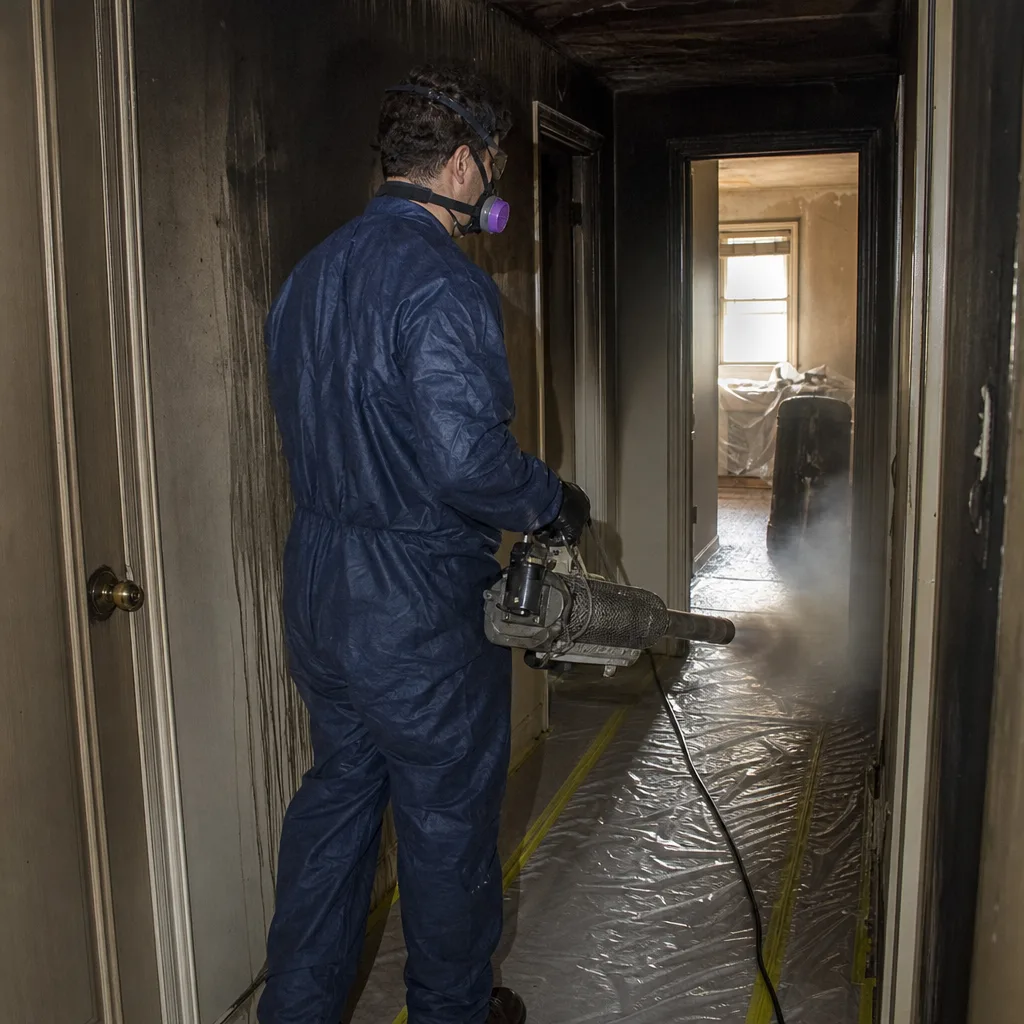
Toilet Overflow Cleanup
A backed-up toilet in a Springfield Gardens basement bathroom can still involve Category 3 water if the line is tied to the combined sewer. We treat every toilet overflow with the same containment protocol until the source is confirmed.
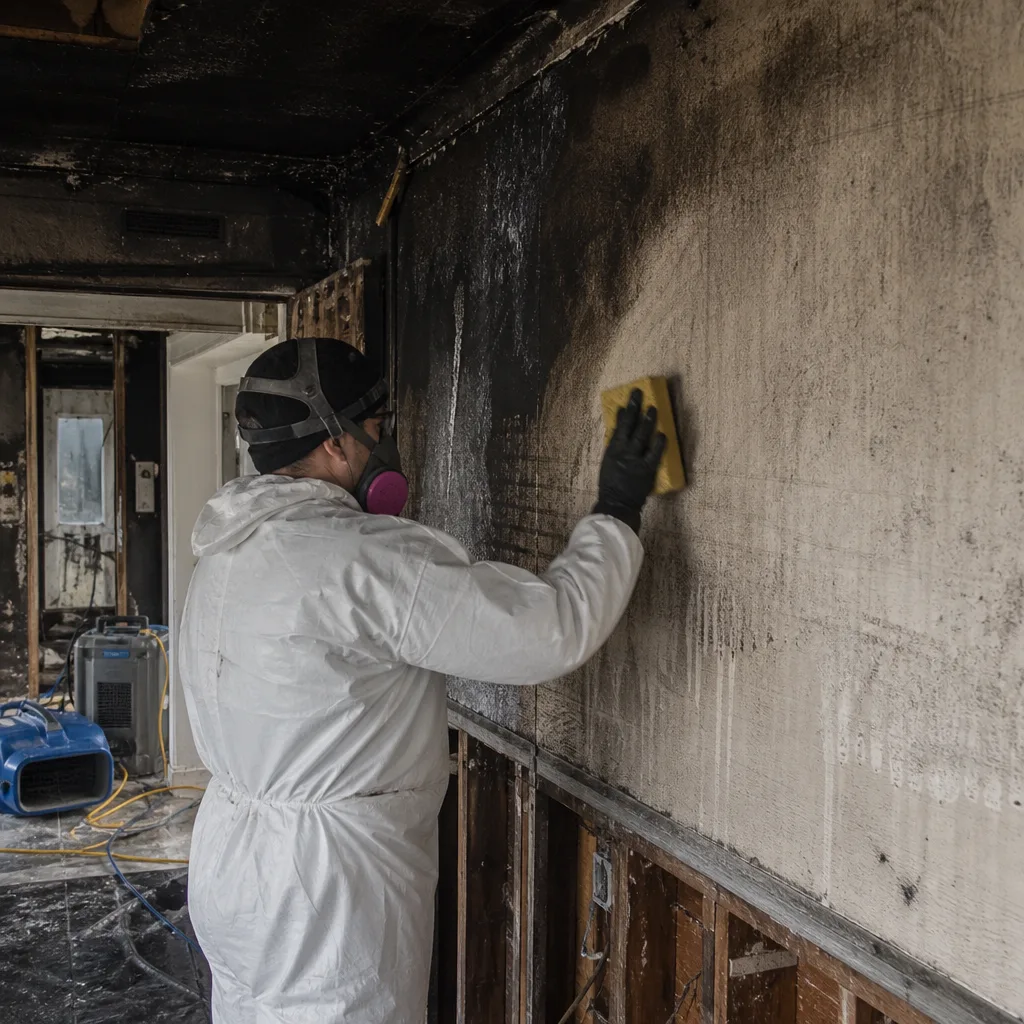
Septic Failure Cleanup
Some Springfield Gardens properties on the neighborhood’s eastern edge still operate on legacy cesspools or septic systems. Failure there means sewage surfacing in the yard or backing into the lowest drain. We handle the interior mitigation and coordinate with local sewer contractors for the exterior work.
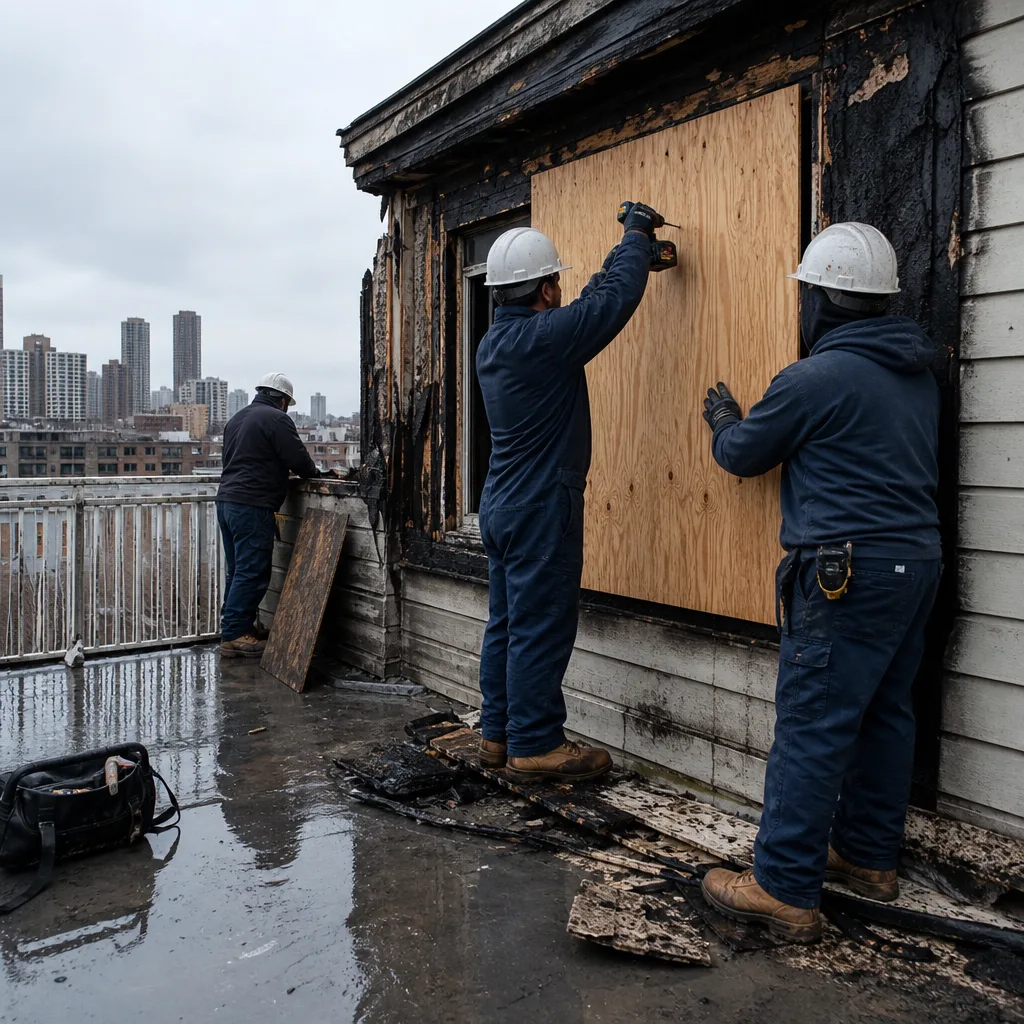
Sanitization & Disinfection
After extraction and drying, every affected surface receives an antimicrobial treatment rated for Category 3 contamination. We also run HEPA air scrubbers during the entire cleanup to keep airborne pathogens out of living spaces upstairs.
What happens when you call
- 1
A real person answersNo phone trees - you reach a local pro.
- 2
You get an upfront price rangeHonest numbers before anyone is dispatched.
- 3
A background-checked tech heads outLicensed & insured, dispatched right away.
- 4
You approve before work beginsNothing starts until you say go.
Sewage Cleanup Costs in Springfield Gardens, NY
A typical sewage backup in Springfield Gardens runs $2,800 to $6,500 for extraction, containment, drying, antimicrobial treatment, and minor drywall removal. Larger basement floods where finished space is destroyed push toward $9,000 to $15,000, depending on how much original 1950s sheetrock must come out and whether perimeter drainage replacement is needed. Black water extraction alone runs $1,200 to $3,000. Sanitization and disinfection after a Category 3 event runs $800 to $2,400. Insurance typically covers sewage backup only if the policy includes a sewer backup or water backup endorsement; standard homeowners policies do not include it without one. Our free visual inspection gives you a firm, written scope before any work begins, and we bill your carrier directly when coverage applies. Call (917) 924-4221 and we will tell you exactly what you are looking at.
We Also Serve Cities Near Springfield Gardens
We provide Sewage Cleanup and storm-surge mitigation in neighboring communities. Our crews regularly handle Category 3 backups in Rosedale, Cambria Heights, Valley Stream, and Inwood, applying the same containment and drying standards across every job.
Serving Springfield Gardens, NY - Our Local Coverage Area
We’re based in the Springfield Gardens area and know this community well. Use the map below to see our service coverage - if you’re nearby, we can almost certainly help.
Springfield Gardens Sewage Cleanup Questions, Answered
Why do Springfield Gardens homes get sewage backups during coastal storms even when it doesn’t flood inside?
Springfield Gardens sits within the Jamaica Bay tidal watershed, and its combined sewer system carries both sewage and stormwater in the same pipes. When a nor’easter or tropical storm pushes surge into the bay, the tide blocks the sewer outfall, and the system pressurizes backward. Basement drains connected directly to the combined sewer become relief valves, forcing raw sewage into finished basements even when no surface flooding occurs. The only permanent fix is a properly installed backwater valve on the main line.
How long can sewage sit in a Springfield Gardens basement before mold grows on the original 1950s drywall?
Mold can begin colonizing sewage-soaked drywall within 24 to 48 hours in warm weather. In a Springfield Gardens basement with chronic groundwater moisture already present in the wall cavities, that timeline compresses. Start extraction immediately. Call (917) 924-4221 and our crew will be on site within 45 minutes.
Is sewage backup from a Springfield Gardens combined sewer overflow treated as Category 3 water?
Yes. Combined sewer overflow carries raw human waste, and per IICRC standards, any water containing sewage or toilet backflow is Category 3, regardless of whether it came from a toilet, a floor drain, or a storm surge. That means full PPE, containment, HEPA air scrubbing, and antimicrobial treatment are all required, not optional upgrades.
Do Springfield Gardens basements built in the 1940s-1960s have the same drainage tile as newer homes?
No. Homes built during Springfield Gardens’s post-WWII buildout typically used clay or concrete perimeter drain tile that was not designed for the hydrostatic pressure this filled marshland generates. Many of those systems are now cracked, collapsed, or clogged after 60-plus years. Our moisture mapping frequently identifies failing perimeter drainage as the reason a basement keeps taking in water after every heavy rain.
Can you sanitize and save the original basement walls after sewage backup in a pre-1960 Springfield Gardens home?
Sometimes. If water exposure was short and the wall construction is solid, antimicrobial treatment and drying can preserve original plaster or drywall. But if sewage wicked into wall cavities or saturated gypsum board for more than a few hours, that material must be removed and replaced. We cut back only what moisture readings and contamination testing say must go, and we document it all for your insurer.
How fast can a crew actually reach a sewage backup in Springfield Gardens?
We maintain a 45-minute response commitment for Springfield Gardens. Our dispatch is coordinated from the brand’s New York City office, and trucks are staged to reach southeastern Queens quickly at any hour. A live person confirms your address and the crew is rolling immediately.
Will my insurance cover sewage backup cleanup in Springfield Gardens?
Only if your policy carries a sewer backup or water backup endorsement. Standard homeowners coverage excludes sewage backup from combined sewer overflow. We review your policy language with you during the inspection and guide the claim process either way.
What should I do in the first 30 minutes after sewage appears in my Springfield Gardens basement?
Do not enter standing sewage without proper protection. Turn off electricity to the affected area if you can do so safely. Move children and pets upstairs. Do not flush toilets or run washing machines or dishwashers, which adds more water pressure to the same line. Call (917) 924-4221 immediately. The sooner extraction starts, the less structural damage and contamination you will face.
Springfield Gardens is the only Queens neighborhood where FEMA Zone AE tidal flood exposure meets a dense stock of post-WWII basement homes built on filled marshland, and that combination changes how sewage cleanup must be approached. Last week our crew pulled a sewage backup from a 1950s semi-detached on 145th Road near Springfield Boulevard after a nor’easter pushed Jamaica Bay surge into the combined sewer. We set up containment, pumped out Category 3 water with our Dri-Eaz extractor, cut the original 1950s sheetrock to expose chronic moisture behind the walls, and ran moisture mapping with XPOWER air movers, finishing with an antimicrobial treatment and a scope of work that included replacing the deteriorated perimeter drainage. That is the standard job here, and that is what we stand behind with the 90-Day Done Right Promise: if it is not done right, we make it right, in writing.
Call (917) 924-4221 for a free estimate on Sewage Cleanup in Springfield Gardens. A live person answers, 24 hours a day, and a certified crew reaches your home inside the hour. Senior and veteran discounts apply, and every job is backed in writing.
Written by Curt Bowman, Owner at Floodline Restoration Co., serving Springfield Gardens since 2010.