
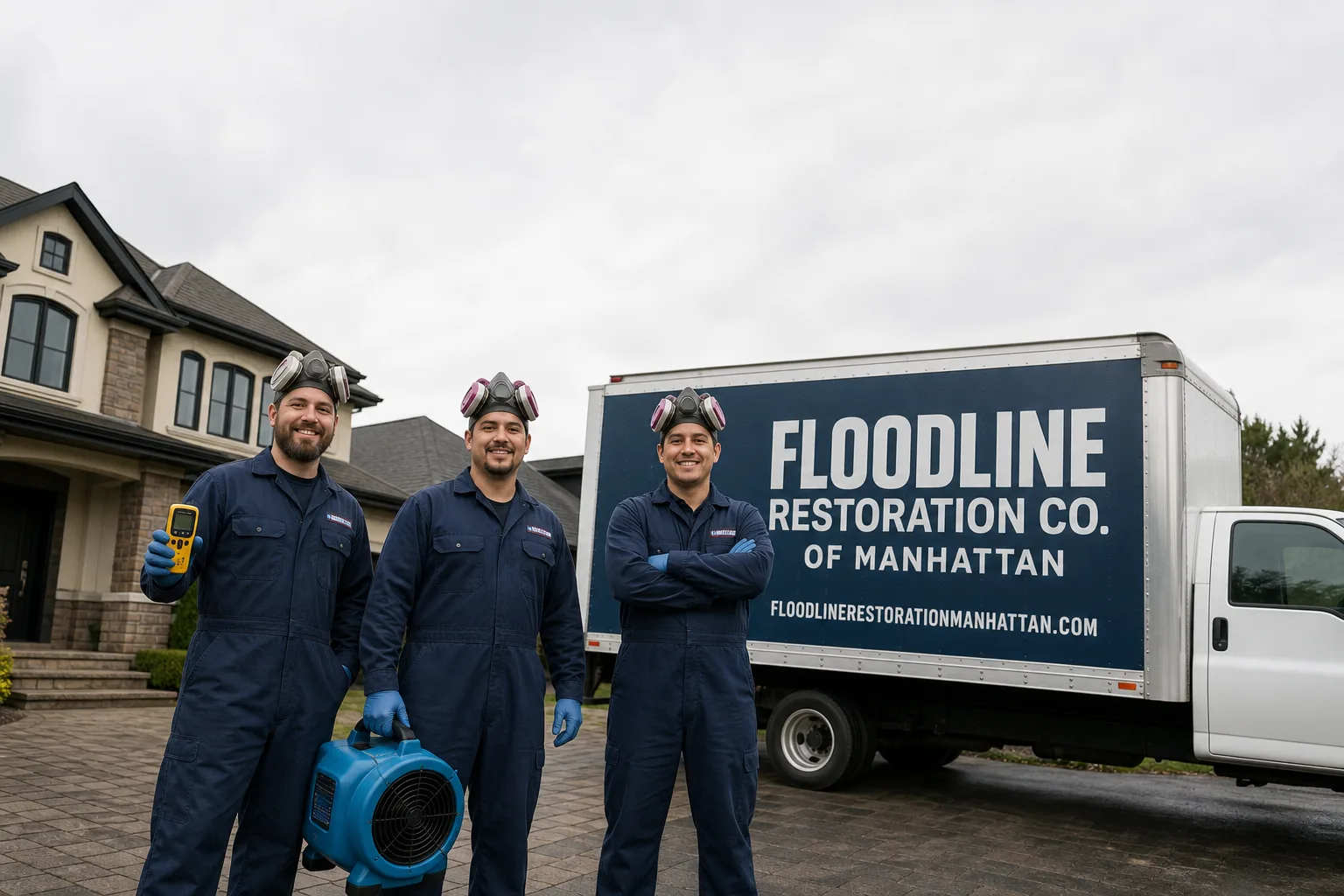
Free visual inspection and a written scope of work before any mitigation begins - photos, moisture readings, and drying logs go in your claim file
The scope we write is the scope we bill. Anything new gets shown to you, in writing, before we touch it.






 Before
 After
After Before
 After
After Before
 After
After24/7 Emergency Sewage Cleanup in Tappan
Sewage cleanup in Tappan runs $1,800 to $6,500 for most residential backups, with historic-home black water extraction on the higher end because of horsehair plaster and wide-plank flooring. A crew from Floodline Restoration Co. of Manhattan can reach most Tappan streets within 45 minutes, and the phone at (917) 924-4221 is answered by a live dispatcher at any hour, including 2 a.m. on a Sunday. Raw sewage in a home is not a waiting game. Every hour that passes pushes Category 3 water deeper into lime-mortar joints, subflooring, and ductwork, which means the difference between a contained cleanup and a gut renovation. Call us the moment you see backup. We will talk you through the first steps on the phone while a truck is already moving toward Tappan.
Understanding Sewage Cleanup Severity in Tappan Properties
Sewage is classified as Category 3 water, the most contaminated classification in the restoration trade. It carries bacteria, viruses, and parasites that require full PPE, containment, and EPA-registered disinfectants, not a mop and bucket. In Tappan, severity gets complicated fast because of the housing stock. A 1950s ranch on a concrete slab behaves predictably: you extract, dry, sanitize, and test. But a colonial on Old Tappan Road with a fieldstone foundation and lime-mortar joints behaves differently. That mortar wicks Category 3 water like a sponge, pulling contamination sideways through the wall assembly far beyond the visible spill. Moisture mapping with hygrometers and thermal imaging is not optional here, it is the whole job. If readings are not taken behind baseboards and at the mortar line, you dry the surface and leave sewage trapped in the walls. Weeks later, odor returns, and the contamination has spread.
Why Tappan Property Owners Choose Floodline Restoration Co. of Manhattan
- 45-minute response commitment. We keep crews staged in and around Rockland County so a certified team reaches Tappan fast, even during nor’easters or January freezes when half the county calls at once.
- Live answer, 24/7. A real person picks up the phone at (917) 924-4221. No automated tree, no voicemail after hours. You tell us what happened, we make decisions with you on the line.
- IICRC-certified crews. Our technicians hold WRT and ASD certifications, and we train internally to RIA and IFA standards. The person reading your moisture log knows what the numbers mean.
- Free visual inspection. We come out, assess the loss, and tell you exactly what we found. No charge for the visit, no obligation to hire us.
- Direct insurance billing. We bill your carrier directly and handle adjuster communication from the first day. You are not the messenger between Floodline and the insurer.
- One team, start to finish. The same crew that extracts black water is the crew that dries the framing and rebuilds the wall. No mid-job handoff to subcontractors who never saw the original damage.
Our Sewage Cleanup Process
Inspection & Assessment
We map the full extent of contamination with thermal imaging and penetrating moisture meters. In Tappan’s older homes, that means checking lime-mortar joints, sill plates, and the underside of wide-plank flooring, not just the carpet pad.
Extraction & Stabilization
Black water is extracted using truck-mounted or portable extraction units rated for sewage. We establish containment zones with 6-mil poly and negative air pressure so airborne contaminants do not reach living areas or shared ductwork.
Drying & Dehumidification
Dri-Eaz dehumidifiers and Phoenix air movers run continuously with daily hygrometer readings logged for you and your carrier. In fieldstone foundations, we place equipment specifically at the mortar line, where hidden moisture lingers longest.
Cleaning & Sanitization
All affected surfaces are cleaned with EPA-registered disinfectants formulated for Category 3 water. Contaminated porous materials like drywall, carpet pad, and damaged plaster are removed and bagged before leaving the structure.
Structural Drying & Sewage-Specific Treatment
Hardwood and wide-plank floors get Injectidry mats where salvage is possible. Crawl spaces are treated with antimicrobial agents and dried to the established dry standard before any rebuild begins.
Repairs & Restoration
The same Floodline crew returns walls, flooring, and finishes to pre-loss condition. We do not hand you a list of contractors. We finish the job ourselves and back it with the 90-Day Done Right Promise in writing.
Need Emergency Sewage Cleanup in Tappan Now?
Crews minutes away, answering live 24 hours a day. The sooner we start, the less it costs.
Working With Your Insurance Company
Sewage backups are covered under many homeowners policies, but carriers need documentation from hour one: what was damaged, what category the water is, and how far it migrated. We generate that paperwork as part of the job. Our crews photo-document every room, log moisture readings daily, and write a line-item scope of work that matches what adjusters actually look for. You do not negotiate with a claims department. We talk to your adjuster directly, answer their questions, and submit the estimate with supporting evidence. If the claim gets complicated, we stay on it. The 90-Day Done Right Promise is in writing regardless of who pays the bill.
What We Provide Your Insurer
- Thorough documentation of the loss
- Photos of all damage, room by room
- Moisture readings and drying logs
- A detailed, line-item scope of work
- Direct coordination with your carrier
Built for Tappan’s Loss Calendar
Tappan’s sewage losses follow a seasonal rhythm, and we schedule for it. Late winter thaws are the busiest. The Hudson Valley freeze-thaw cycle pushes temperatures across 32 degrees dozens of times each season, and in Tappan’s older homes, that means expanding and contracting fieldstone foundations, cracked sewer laterals, and seepage that overloads already-stressed septic systems. Spring brings heavy rains that funnel down from Clausland Mountain toward low streets near the Sparkill Creek watershed, backing up drains in basements and crawl spaces. Summer thunderstorms dump inches in an hour, overwhelming gutters, window wells, and sump pumps. Late fall brings the first deep freezes that expose aging Orangeburg pipe, the 1950s-60s sewer material that collapses without warning. Homeowners east of Western Highway on septic systems face a different calendar: heavy rain plus saturated soil equals a tank that cannot drain, and sewage that backs into the lowest fixture in the house, usually a basement toilet. Knowing what season we are in tells us what to check first, and that is months of experience you cannot get from a franchise playbook.
Sewage Cleanup Across Tappan’s Neighborhoods
The type of sewage loss we see changes block to block. In the historic village core around Main Street and the DeWint House area, homes dating to the 1700s and 1800s bring a very specific challenge: Category 3 water saturating horsehair plaster and wide-plank floors set over fieldstone foundations, where lime-mortar wicking spreads contamination far beyond the visible spill, and where moisture mapping must account for the entire wall assembly, not just the surface. Along Oak Tree Road and the streets running south toward the New Jersey line, mid-century cape-cods and ranches from Rockland County’s postwar boom present slab-on-grade or shallow crawl space foundations, where sewage from a collapsed orangeburg pipe may be hiding under the house for days before a smell alerts the homeowner. Near the Sparkill Creek watershed on the eastern and northern edges of Tappan, homes in low-lying pockets see basement sewage backups during heavy rain events, when surcharging municipal lines or saturated septic fields push Category 3 water back through floor drains. And in the higher-elevation streets climbing toward Clausland Mountain, water seepage through aged masonry foundations can carry sewage-adjacent contaminants into basements that stay damp through the fall. Each area has its own failure pattern, and the first thing our crew does on arrival is figure out which pattern applies.
Specialized Sewage Cleanup Services We Offer in Tappan
Sewage Backup Cleanup
A municipal line surge or collapsed lateral sends sewage up through floor drains and basement toilets. We extract, contain, remove contaminated porous material, sanitize, and dry to standard. In Tappan’s older homes, that includes checking whether the backup migrated into lime-mortar joints behind the visible stain.
Toilet Overflow Cleanup
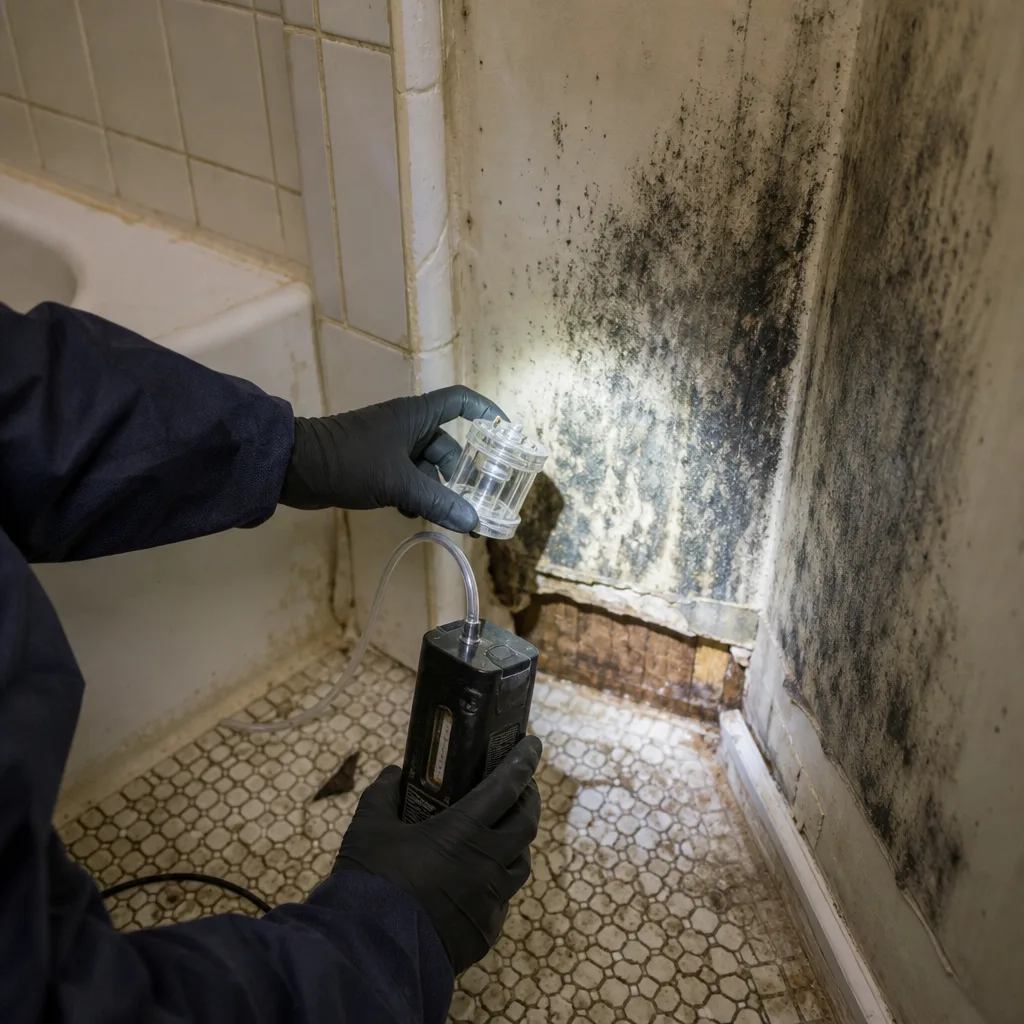
An overflowing toilet is Category 3 water the minute it leaves the bowl. We set containment immediately, remove contaminated flooring and drywall, and dry the structure with Dri-Eaz dehumidifiers. In a 1790s colonial off Oak Tree Road, our crew handled a toilet overflow that sent sewage through wide-plank flooring into a fieldstone foundation. We set containment across the kitchen, used Injectidry floor mats for structural drying, and avoided disturbing original plaster to keep the job clear of SHPO complications.
Septic Failure Cleanup
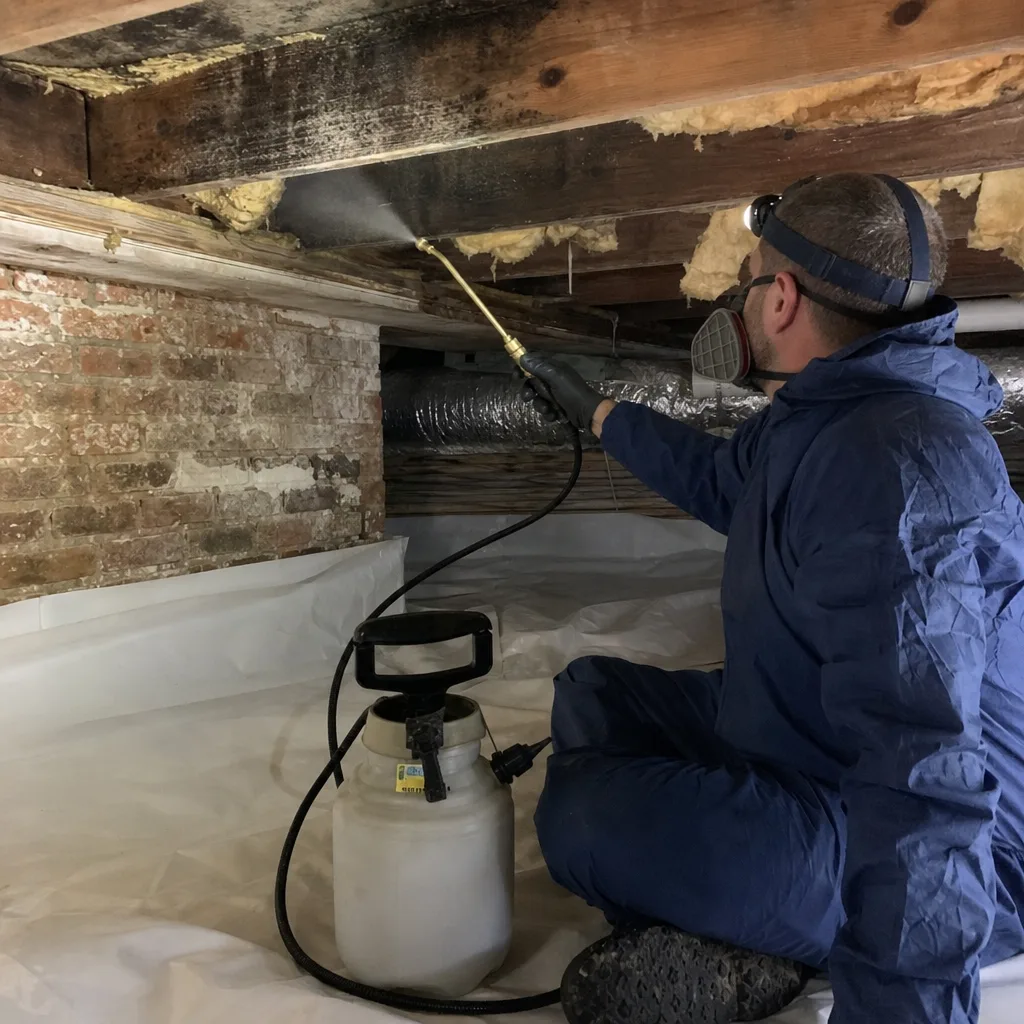
When a septic system in Tappan fails, sewage backs into the lowest fixture, often a basement toilet or floor drain. We extract, sanitize, and dry the interior, and we document everything for your insurance carrier. The septic repair itself goes to a licensed septic contractor, but we coordinate so your home is clean and safe while the tank is being dug up.
Black Water Extraction
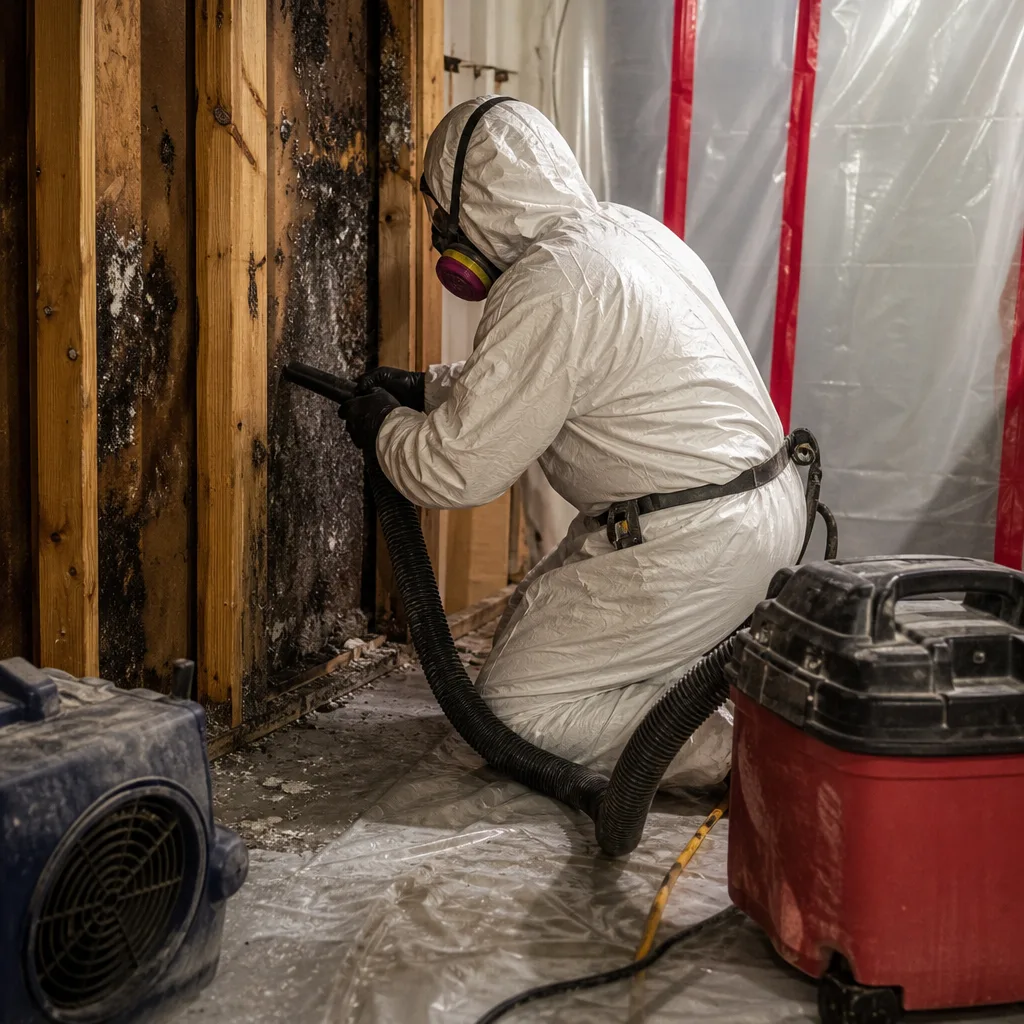
Category 3 water requires immediate extraction with sewage-rated equipment, full PPE, and EPA-registered disinfectants. We do not dry in place material that should be removed. In crawl spaces under Tappan mid-century homes, this means pulling contaminated insulation and sanitizing exposed joists and sill plates before rot takes hold.
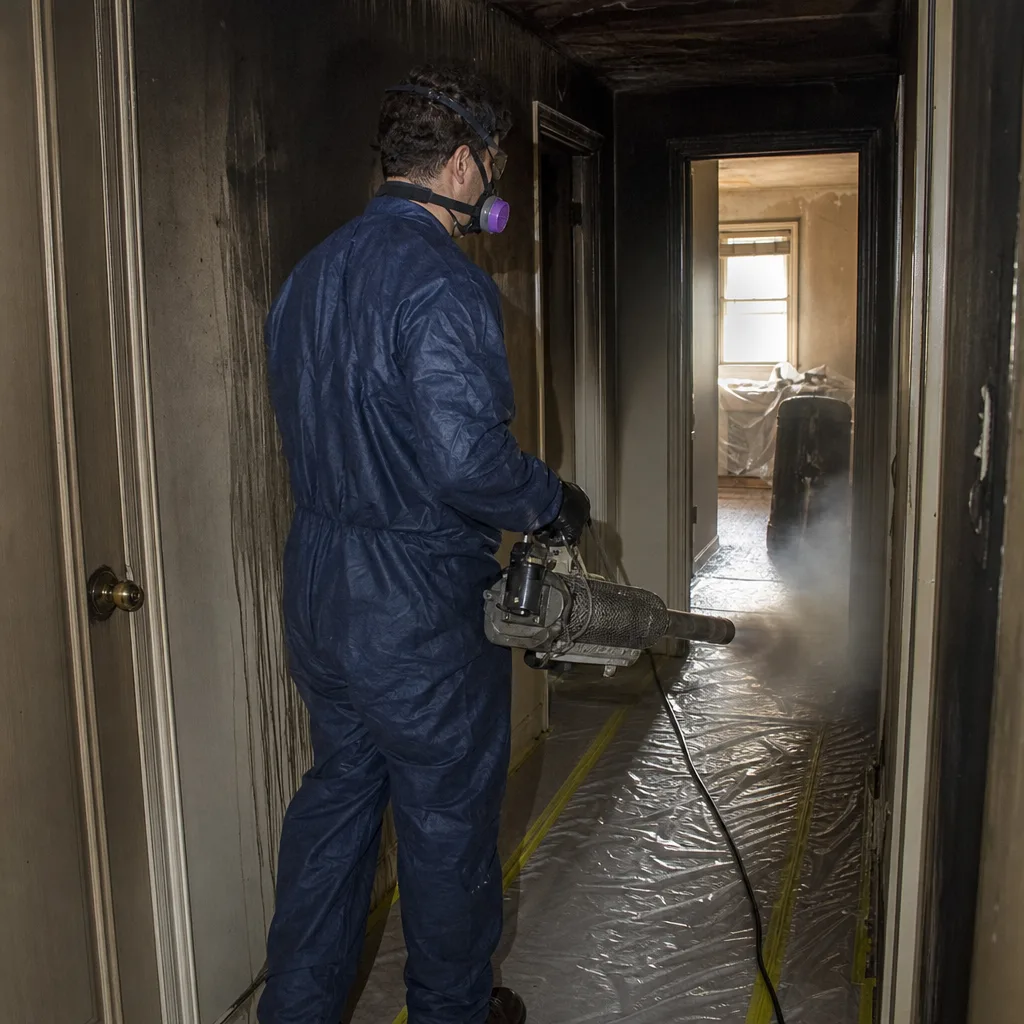
Sanitization & Disinfection
After extraction and demolition, every affected surface is treated with antimicrobial agents and disinfectants rated for sewage contamination. We swab and test surfaces to confirm they are clean before reconstruction starts. The 90-Day Done Right Promise covers this work in writing, no fine print.
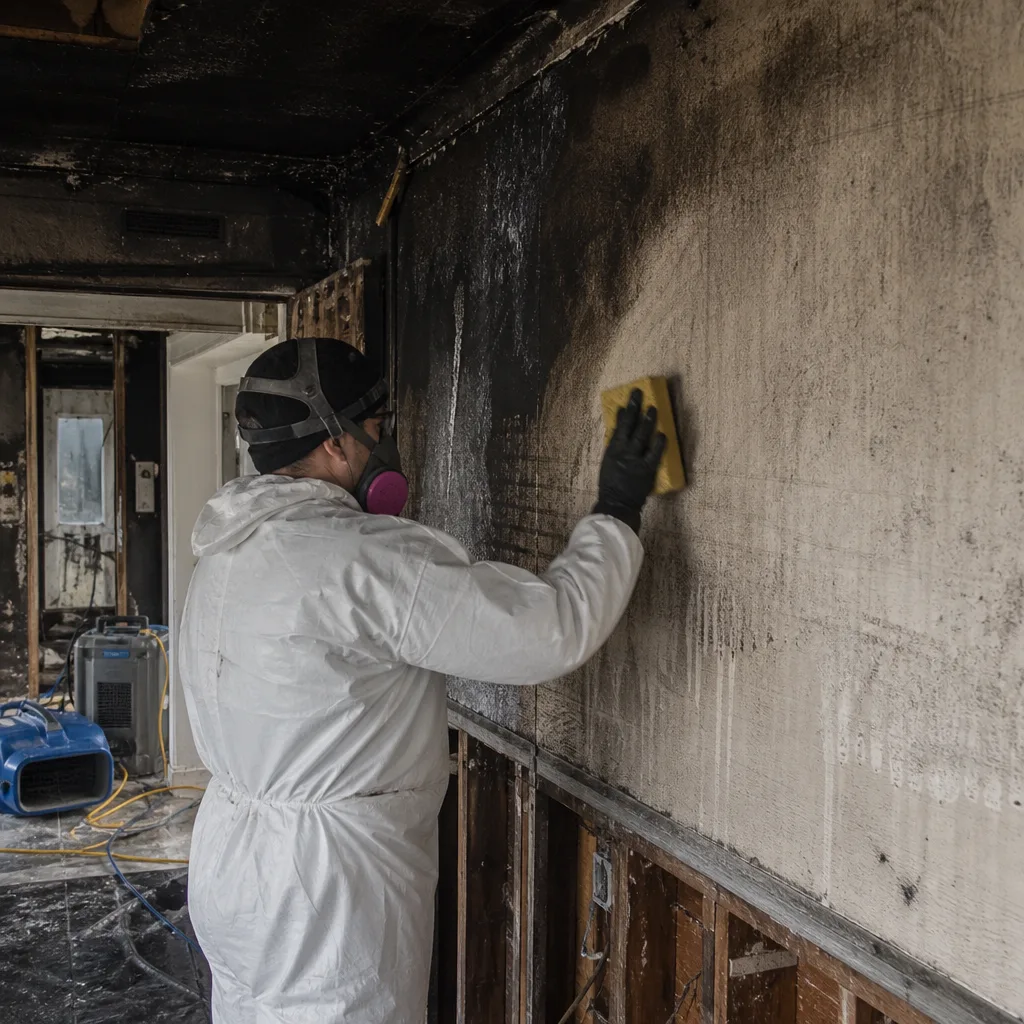
What happens when you call
- 1
A real person answersNo phone trees - you reach a local pro.
- 2
You get an upfront price rangeHonest numbers before anyone is dispatched.
- 3
A background-checked tech heads outLicensed & insured, dispatched right away.
- 4
You approve before work beginsNothing starts until you say go.
Sewage Cleanup Costs in Tappan, NY
A contained toilet overflow in Tappan runs $1,800 to $3,200. A basement sewage backup with carpet, drywall, and baseboard removal runs $3,500 to $6,500. Historic homes in the village core run higher, often $6,000 to $12,000 or more, because horsehair plaster, wide-plank flooring, and fieldstone foundations require careful scoping and longer drying cycles. Crawl space sewage removal under a mid-century ranch typically runs $2,500 to $5,000. What moves the price: how long the sewage sat, whether containment is needed across shared ductwork, how much porous material must be removed, and whether SHPO-sensitive details require documentation and careful demolition. Insurance typically covers sewage backup if you carry that endorsement, many Tappan homeowners do not realize their policy excludes it until the claim. The free inspection is the honest path to a firm number. We walk the loss with you, write a line-item scope, and give you a price before any work starts. Call (917) 924-4221 for an exact quote, estimates are free.
We Also Serve Cities Near Tappan
Our crews serve Tappan and the surrounding Rockland County communities, including Sewage Cleanup in Orangeburg, Sparkill, Piermont, and Blauvelt. Each town has its own building stock and failure patterns, and our team knows them all. If you are in a neighboring town and dealing with a backup, call the same number: (917) 924-4221.
Serving Tappan, NY - Our Local Coverage Area
We’re based in the Tappan area and know this community well. Use the map below to see our service coverage - if you’re nearby, we can almost certainly help.
Tappan Sewage Cleanup Questions, Answered
After a sewage backup in a Tappan 18th-century home, can you dry the wide-plank floors in place or do they have to come out?
Wide-plank floors in historic Tappan homes can often be dried in place using Injectidry mats and low-grain refrigerant dehumidifiers, but only if the contamination did not penetrate the tongue-and-groove joints and the subfloor below is still structurally sound. We take moisture readings at the surface and at the subfloor level before deciding. If Category 3 water sat in the floor for more than 24 hours, or if the subfloor reads wet across a large area, the floor comes out. Salvage is always the first goal, but not at the cost of leaving sewage in the structure.
Does the aged fieldstone foundation under my Tappan colonial make sewage cleanup harder?
Yes, significantly. Fieldstone foundations with lime-mortar joints wick contaminated water sideways through the wall assembly, which means the affected area is often three or four feet beyond the visible stain. We must take moisture readings at the mortar line, behind baseboards, and through the wall cavity. Drying takes longer than a modern concrete foundation, and missing those hidden pockets of contamination is how homeowners end up with recurring odor and re-contamination weeks after a cleanup.
My 1960s ranch in Tappan sits low near the Sparkill Creek; after a toilet overflow, how do you know whether the sewage reached the crawl space?
We inspect the crawl space directly. If there is any chance sewage traveled through floor penetrations, under the toilet flange, or through floor drains, we pull a section of subfloor or use a scope camera to check the joists and insulation below. We also take moisture readings on the sill plate and rim joist. In low-lying Tappan homes near the creek, crawl spaces are often damp even without a backup, which is exactly why we do not assume the crawl space is fine just because the room above looks dry.
If my Tappan home is on the National Register, do I need special permission before you remove sewage-contaminated plaster?
Not necessarily, but the demolition should be documented and scoped carefully before any plaster comes down. If the work triggers local landmark or SHPO review, having a clear scope of work and photo documentation from your restoration contractor makes the process far smoother. We have handled this exact situation in Tappan’s historic district. We document everything, preserve original fabric where possible, and coordinate with your landmarks board if needed. The goal is a restored home, not a compliance headache.
My older Tappan home has a septic system; after a toilet backup, how do you tell if the problem is the septic tank or the indoor plumbing?
We look at the pattern of the backup. If only one toilet backs up and other fixtures drain fine, the problem is usually indoor plumbing. If multiple fixtures back up, or sewage appears at the lowest floor drain during heavy rain, the septic system is likely failing or saturated. We can confirm with a visual inspection and, if needed, coordinate with a licensed septic contractor. Our job is to clean and restore the interior regardless of the cause, and we document everything for your carrier so the claim is straightforward.
How fast can someone actually get to my house in Tappan?
Our response commitment is 45 minutes to most Tappan addresses. We keep crews staged in Rockland County specifically so we can reach the village core, Oak Tree Road, and the Sparkill Creek corridor quickly. A live dispatcher answers the phone 24 hours a day and starts the crew moving while you are still on the line. Call (917) 924-4221 and we will be there when we say.
Will my homeowners insurance cover sewage cleanup in Tappan?
Most homeowners policies cover sewage cleanup if you carry the sewer backup endorsement. Without that endorsement, the claim is often denied. We help you determine coverage on the phone, and we bill your carrier directly when coverage exists. If you are out of pocket, we give you the line-item scope and price before work starts so there are no surprises. Call (917) 924-4221 and we will walk through your specific policy with you.
What should I do in the first 30 minutes after a sewage backup?
Stay out of the affected area, do not flush toilets or run water, and shut off power to the area if you can do so safely without stepping in water. Do not use a shop vac or household cleaning products on raw sewage. Call us at (917) 924-4221. We will tell you what to do over the phone while a crew is already on the way. The first hour determines whether this is a cleanup or a rebuild.
Written by Curt Bowman, Owner at Floodline Restoration Co. of Manhattan, serving Tappan and Rockland County with full-cycle restoration since 2010.