
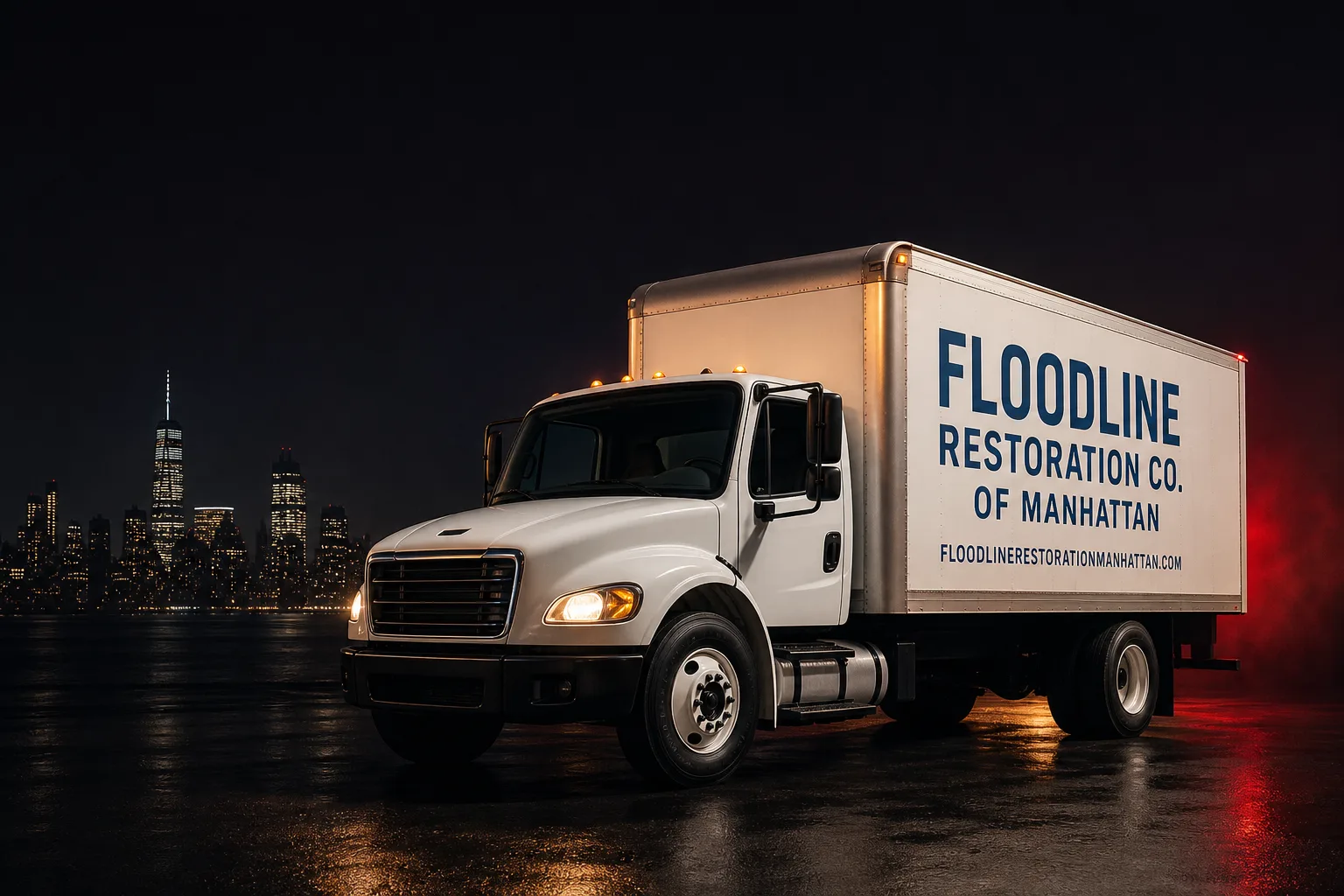
Free visual inspection and a written scope of work before any mitigation begins - photos, moisture readings, and drying logs go in your claim file
The scope we write is the scope we bill. Anything new gets shown to you, in writing, before we touch it.
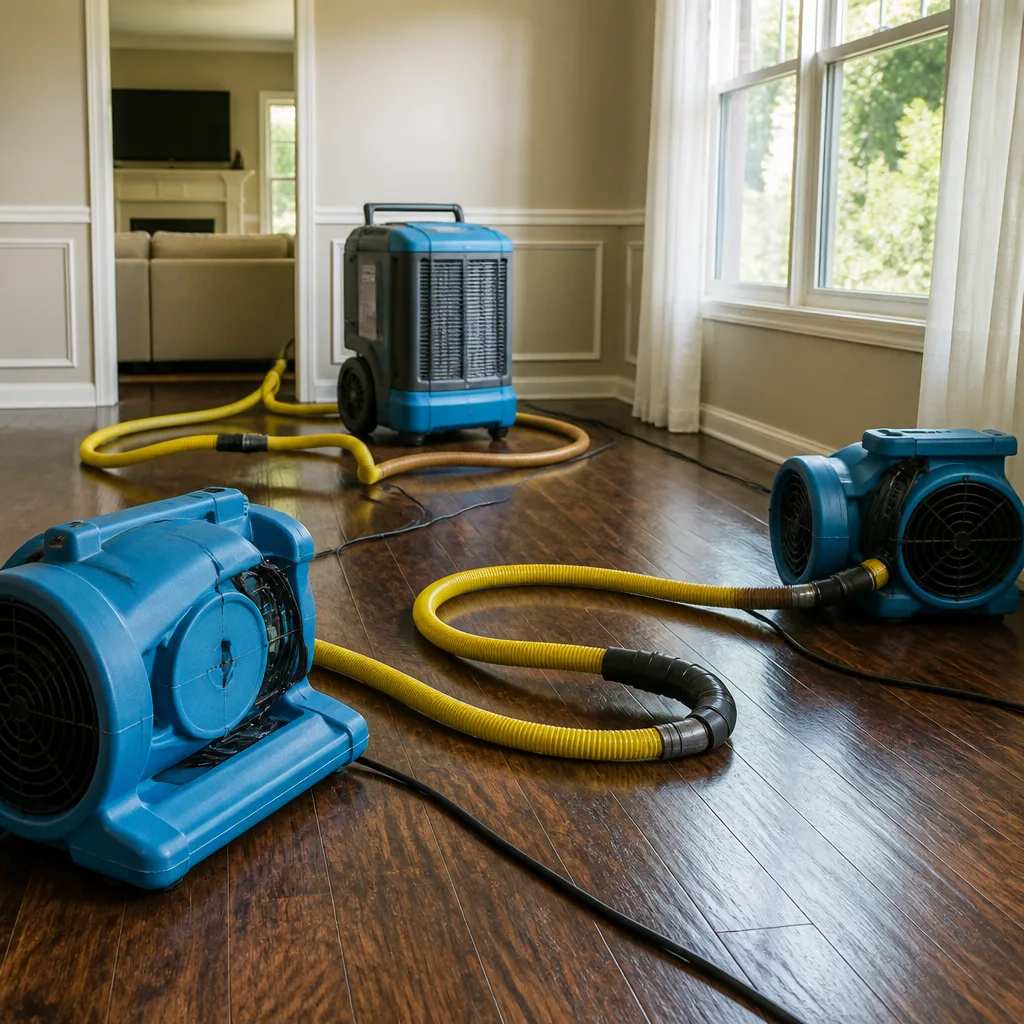
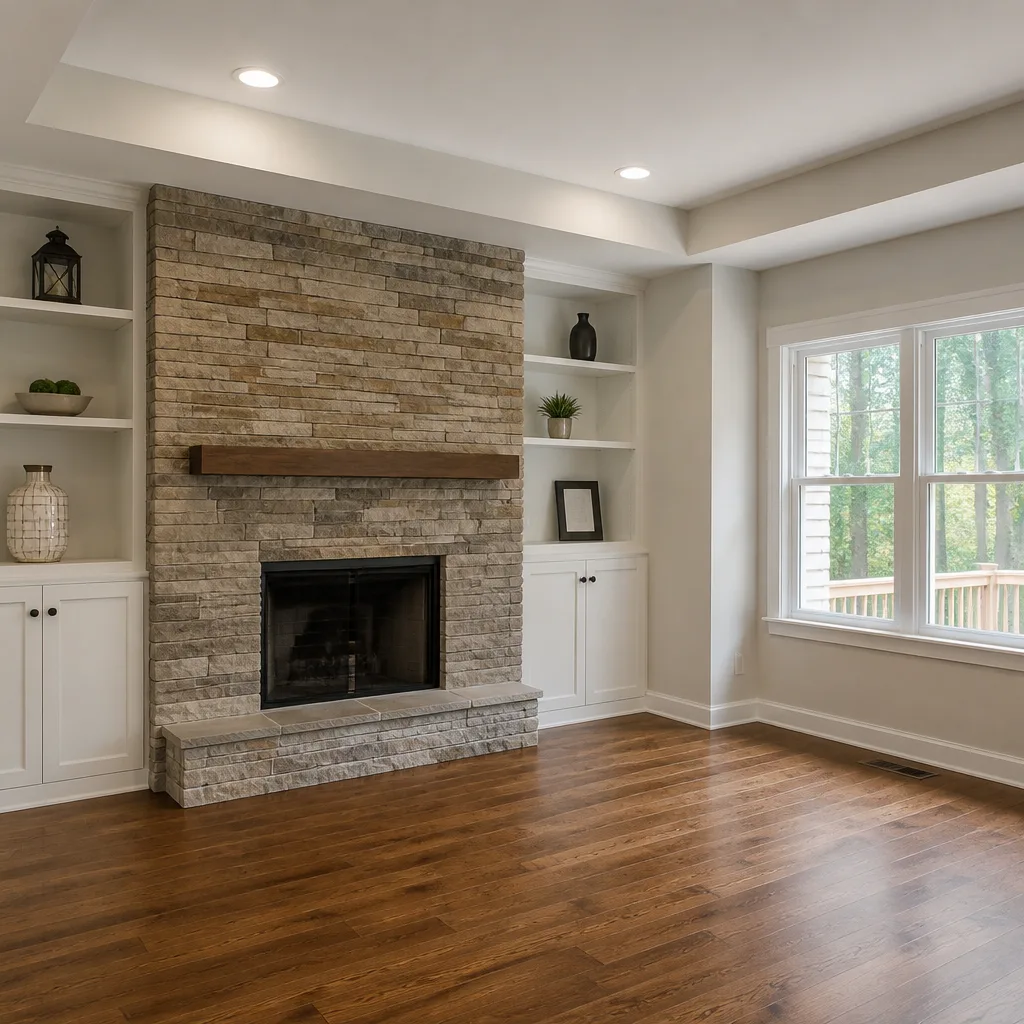
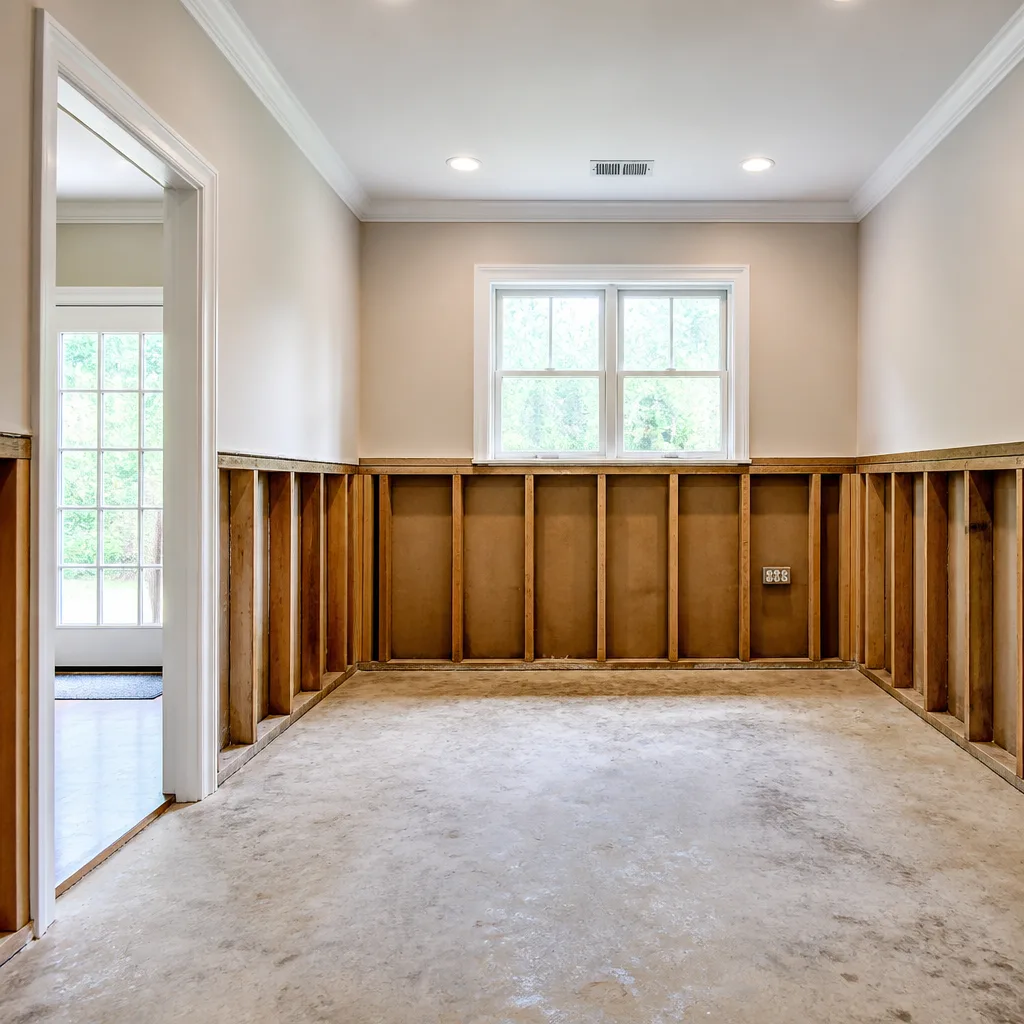

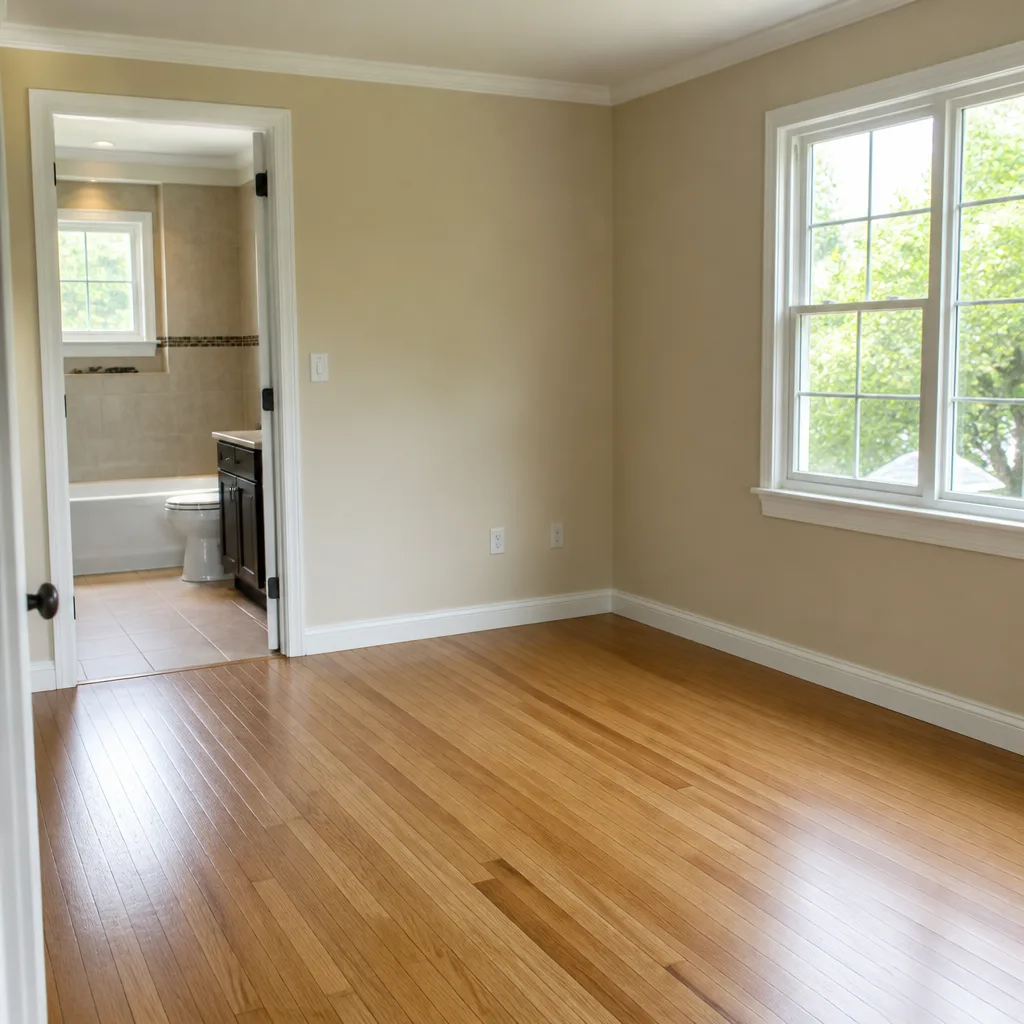
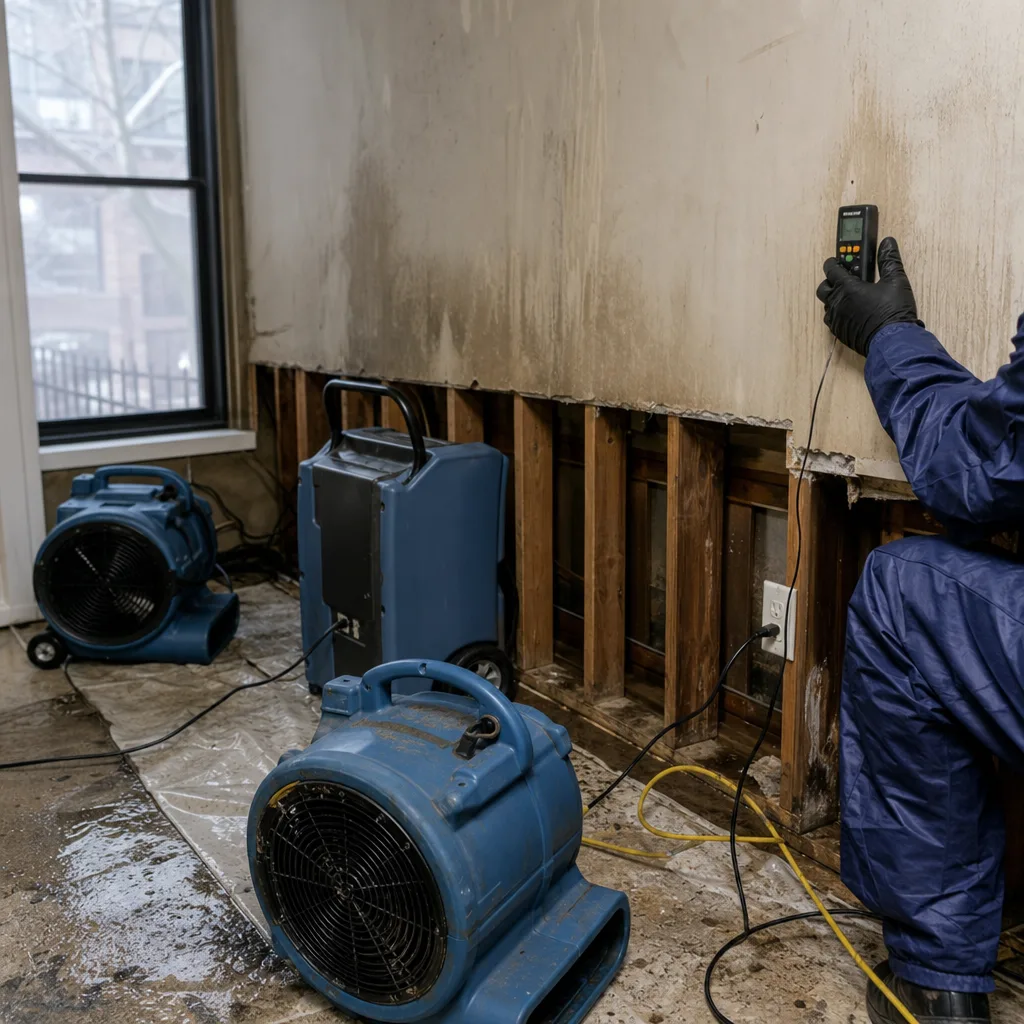 Before
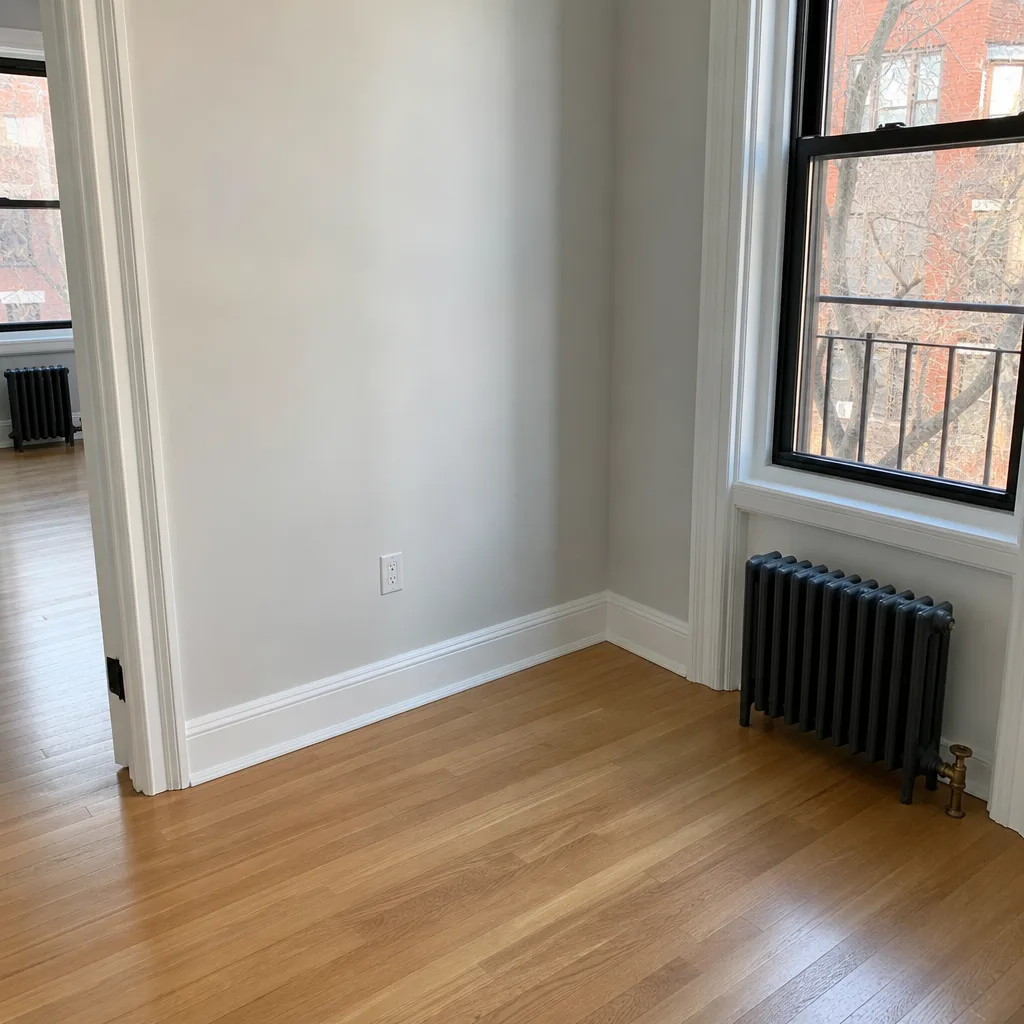 After
After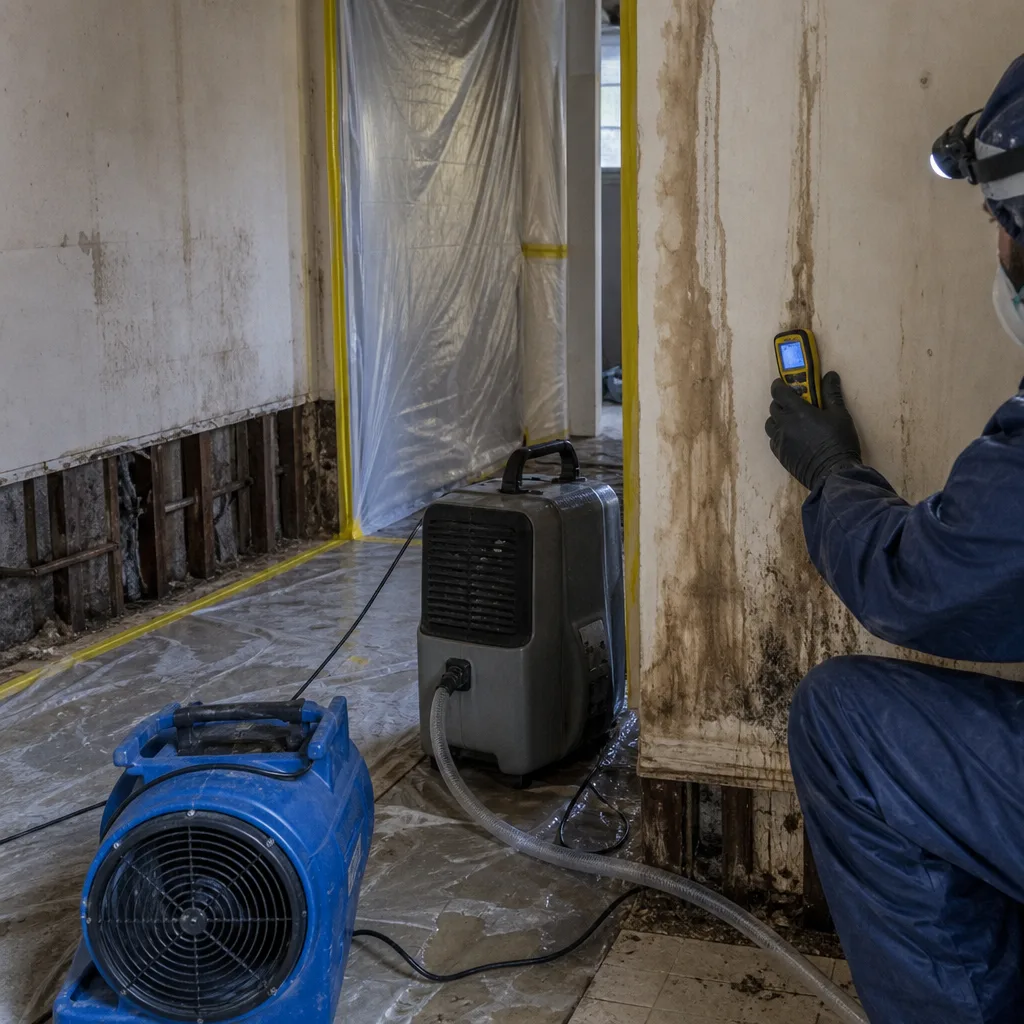 Before
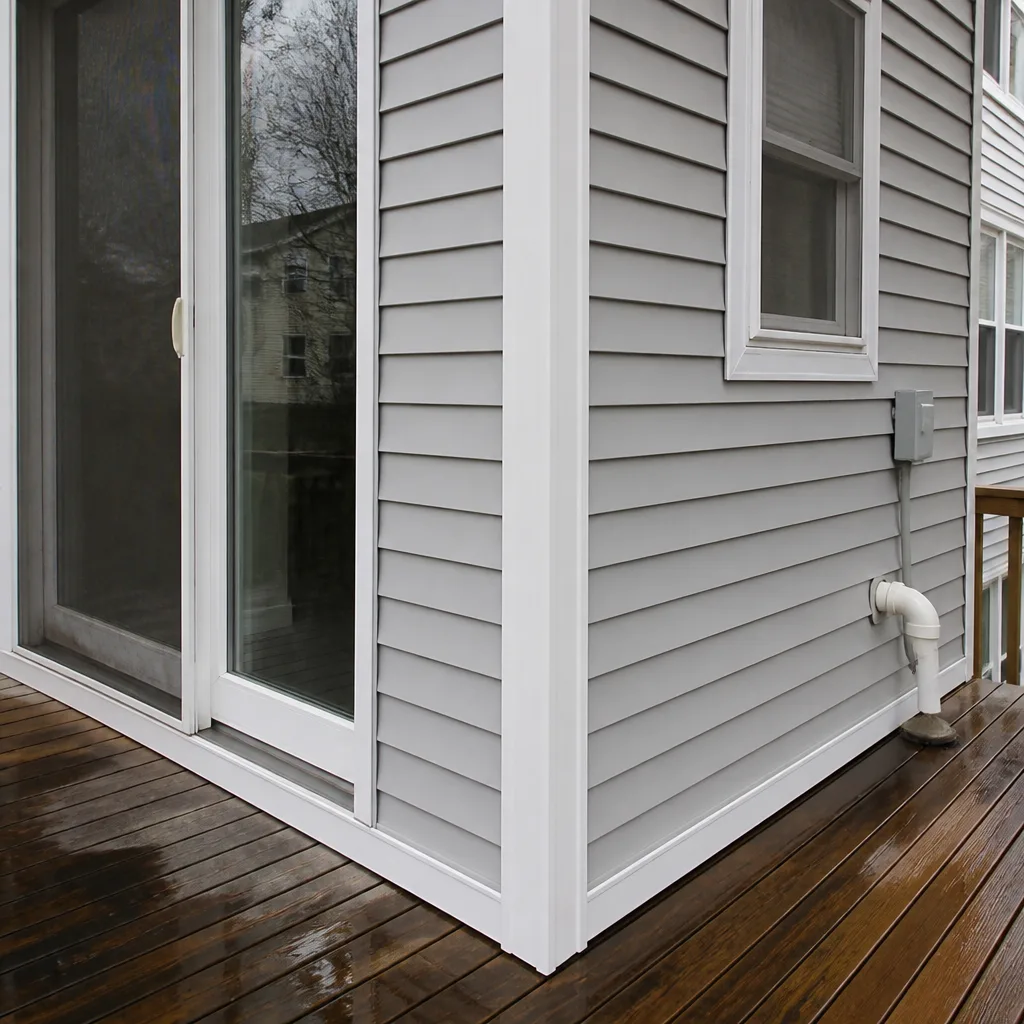 After
After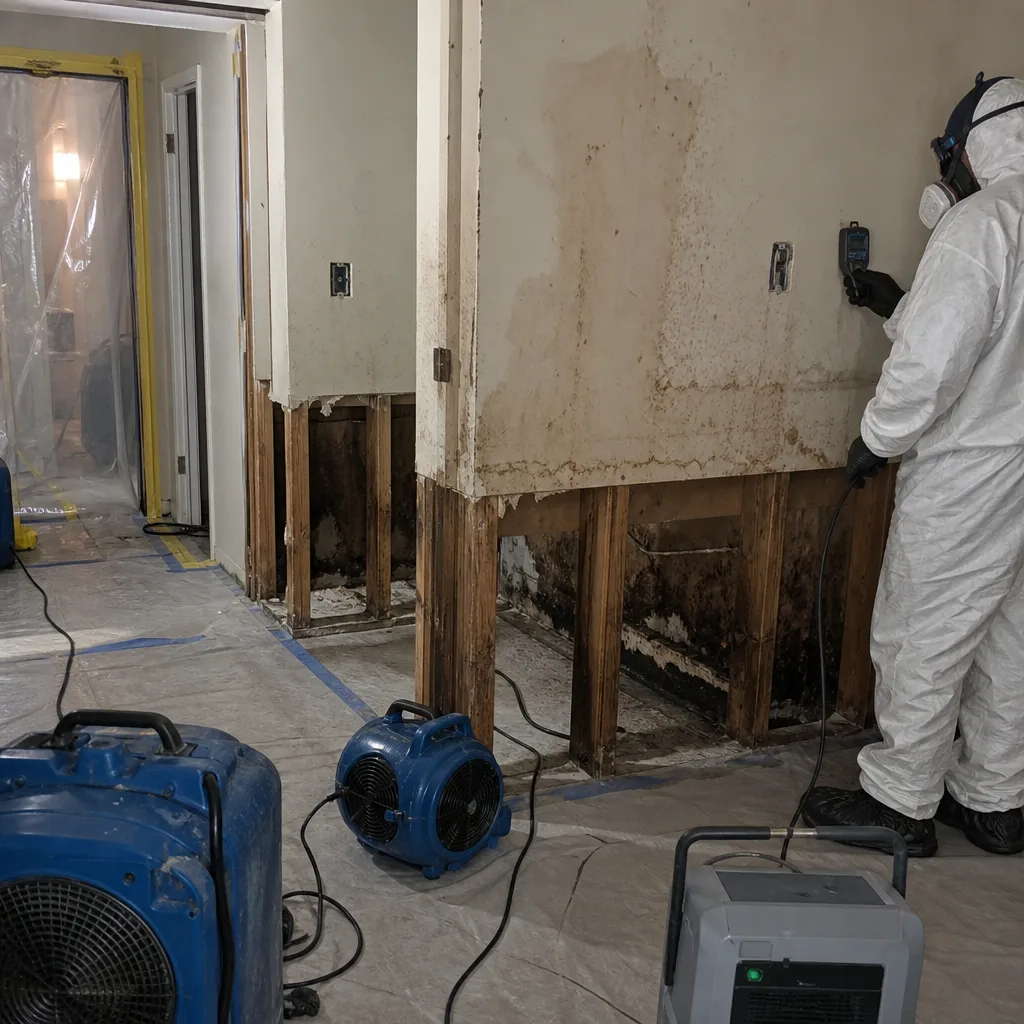 Before
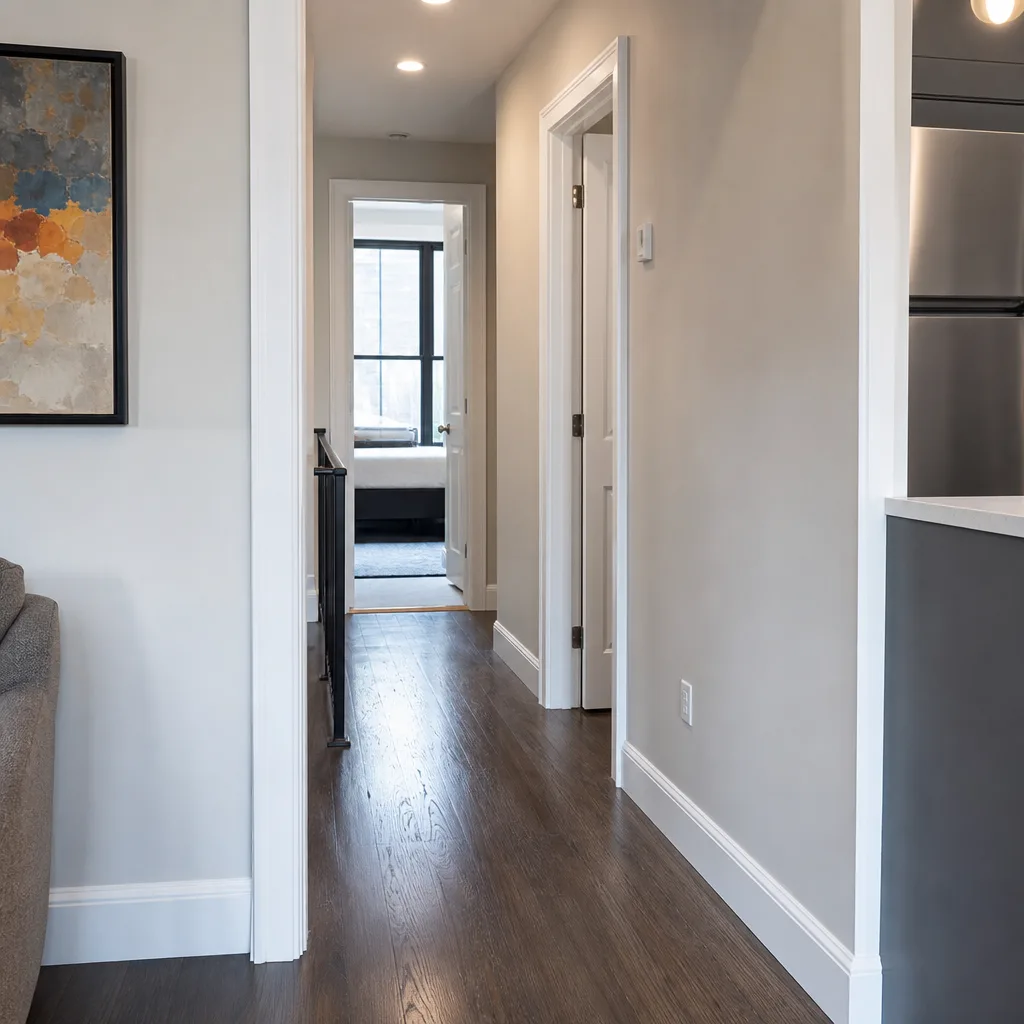 After
After24/7 Emergency Sewage Cleanup in Washington Square
Sewage cleanup in Washington Square is not a job you can schedule for later. Raw sewage carries bacteria, viruses, and parasites that begin contaminating floors, baseboards, drywall, and furniture within minutes of a backup. Floodline Restoration Co. of Manhattan answers the phone at (917) 924-4221 with a live dispatcher 24 hours a day, every day. We dispatch certified crews into Washington Square immediately, because the first hour determines how much gets saved and how much gets cut out and replaced. Call us now for a free visual inspection and a written scope of work before anything dries on its own.
Understanding Sewage Cleanup Severity in Washington Square Properties
Sewage is always Category 3 water, the most hazardous classification in restoration work. It contains fecal matter, pathogens, and chemical contaminants that require full PPE, containment, and EPA-registered disinfectants, not just a mop and a fan. In Washington Square specifically, that severity compounds because of how the buildings were built. The Federal rowhouses along Washington Square North and the 1880s to 1900s brick walk-ups ringing the park retain horsehair-plaster walls, wood-lath framing, and original pine or oak flooring. Those materials absorb Category 3 water deeply and hold it against structural members. A sewage backup that a drywall home might shrug off with a 24-hour dry-out can mean days of logged moisture readings and possible plaster preservation here. On top of that, the shared rubble-stone foundations and interconnected drainage lines mean contamination does not respect property lines. We moisture-map the full cavity depth, not just the surface, because what looks dry in one apartment may still be actively wicking into a neighbor’s party wall.
Why Washington Square Property Owners Choose Floodline Restoration Co. of Manhattan
- 45-minute response commitment to Washington Square addresses. We keep crews staged near the Village so the dispatch call turns into boots on the ground fast.
- A live person answers, always. You will not get a recording or a call center menu at 2 a.m. A dispatcher who knows sewage cleanup runs point until the crew arrives.
- IICRC-certified technicians trained to WRT and ASD standards, plus IFA and RIA protocols. Background-checked and uniformed before we ever set foot inside your rowhouse or apartment.
- Free visual inspection with a firm, written scope. No charge to assess the backup and itemize exactly what needs extraction, sanitization, and repair.
- Direct insurance billing. We document everything from hour one and communicate with your adjuster directly. You do not become a messenger between us and the carrier.
- One crew from extraction to reconstruction. The same team that removes the black water is the team that rebuilds the lath, replasteres, or restores the flooring. No mid-job handoff.
Our Sewage Cleanup Process
Inspection & Assessment
We start with a full visual and moisture assessment using thermal imaging and hygrometers. In Washington Square buildings, this means checking not just the wet room but the shared party walls and the floor below. We identify the sewage migration path before anything gets disturbed.
Extraction & Stabilization
Standing Category 3 water comes out first, using truck-mounted and portable Dri-Eaz extractors. We remove contaminated solids, carpet, padding, and any unsalvageable material. If the backup reached original wood lath or plank flooring, we extract before the water migrates farther into the framing.
Drying & Dehumidification
After extraction, we position XPOWER air movers and LGR dehumidifiers for structural drying. In pre-war buildings with shared rubble-stone foundations, we leave monitoring probes in place and record daily readings until every cavity hits the dry standard. The moisture log goes to you and your insurer.
Cleaning & Sanitization
Every affected surface gets cleaned with EPA-registered disinfectants rated for Category 3 water. We scrub, fog, and wipe down framing, subflooring, and salvageable contents. Hard surfaces get a second pass with a hospital-grade sanitizer.
Specialty Treatment for Sewage
For Washington Square properties, this step often means addressing what the LPC cares about. We document pre-loss conditions on plaster moldings, mantels, and cast-iron details. If a permit is triggered for foundation or brownstone work, we coordinate with the Landmarks Preservation Commission before cutting anything.
Repairs & Restoration
The same crew that did the extraction now handles the rebuild, whether that means replacing lath and replastering, restoring original baseboards, or rebuilding a garden-level floor. We take the job all the way back to pre-loss condition and then back it with the 90-Day Done Right Promise in writing.
Need Emergency Sewage Cleanup in Washington Square Now?
Crews minutes away, answering live 24 hours a day. The sooner we start, the less it costs.
Working With Your Insurance Company
Sewage backup claims are common in Washington Square, especially in garden-level and basement units that sit low against the neighborhood’s combined sewer system. We document the loss from the first hour: photos of every affected room, moisture readings before and during drying, and a line-item scope of work written in the same format insurers expect. The homeowner never has to translate between our crew and the claims department. We bill the carrier directly when coverage applies, and we coordinate with your adjuster on supplements if hidden damage turns up inside a shared party wall, which it often does in these rowhouses.
What We Provide Your Insurer
- Thorough documentation of the loss
- Photos of all damage, room by room
- Moisture readings and drying logs
- A detailed, line-item scope of work
- Direct coordination with your carrier
Built for Washington Square’s Loss Calendar
Washington Square sewage problems follow a seasonal pattern, and after 42 years of restoration work in New York City, we know the calendar. Deep winter freezes put pressure on the old cast-iron waste lines under Washington Square North and the side streets, and when pipes crack, the sewage has to go somewhere. Spring thaw adds ground saturation from snowmelt, which pushes into the 19th-century rubble-stone foundations and finds drainage lines that have been settling for 180 years. Summer brings the real wildcard: heavy thunderstorms and combined-sewer surcharge events. The neighborhood’s sewers carry both stormwater and sanitary waste in the same pipes, and when a cloudburst overloads the system, the sewage backs up into basement toilets and floor drains. Those garden-level apartments on the south side of the park are especially vulnerable. Fall nor’easters can do the same thing, but with the added problem of wind-driven rain entering through aging brownstone lintels and parapets. No matter the month, the call comes when the water is already inside. We answer it.
Sewage Cleanup Across Washington Square’s Neighborhoods
Washington Square is not one building type; it is four or five, and each one fails a little differently. Along Washington Square North, the 1830s Federal rowhouses have rubble-stone foundations and shared drainage branches that make every backup a multi-townhouse question. Around MacDougal Street and Sullivan Street, the 1880s and 1890s walk-ups have cast-iron waste stacks that corrode from the inside out, and a third-floor toilet overflow can drop through three floors of horsehair plaster before anyone knows it happened. The pre-war elevator buildings facing Fifth Avenue and lower University Place tend to have larger-diameter building drains, but a blockage there affects eight or ten apartments at once, not one. And the garden-level units throughout the district, tucked below the sidewalk along Washington Mews and the side streets, take the worst of every combined-sewer surcharge. When we dispatch to one address in this neighborhood, we check the adjacent buildings. It is not overcaution. It is how the plumbing works here.
Specialized Sewage Cleanup Services We Offer in Washington Square
Sewage Backup Cleanup
A sewage backup in Washington Square almost always involves older drainage lines and shared walls. We extract the Category 3 water, cut out contaminated drywall or plaster, and dry the cavities to a logged standard before any reconstruction begins. In landmarked properties, we document everything the LPC might flag before materials get removed.
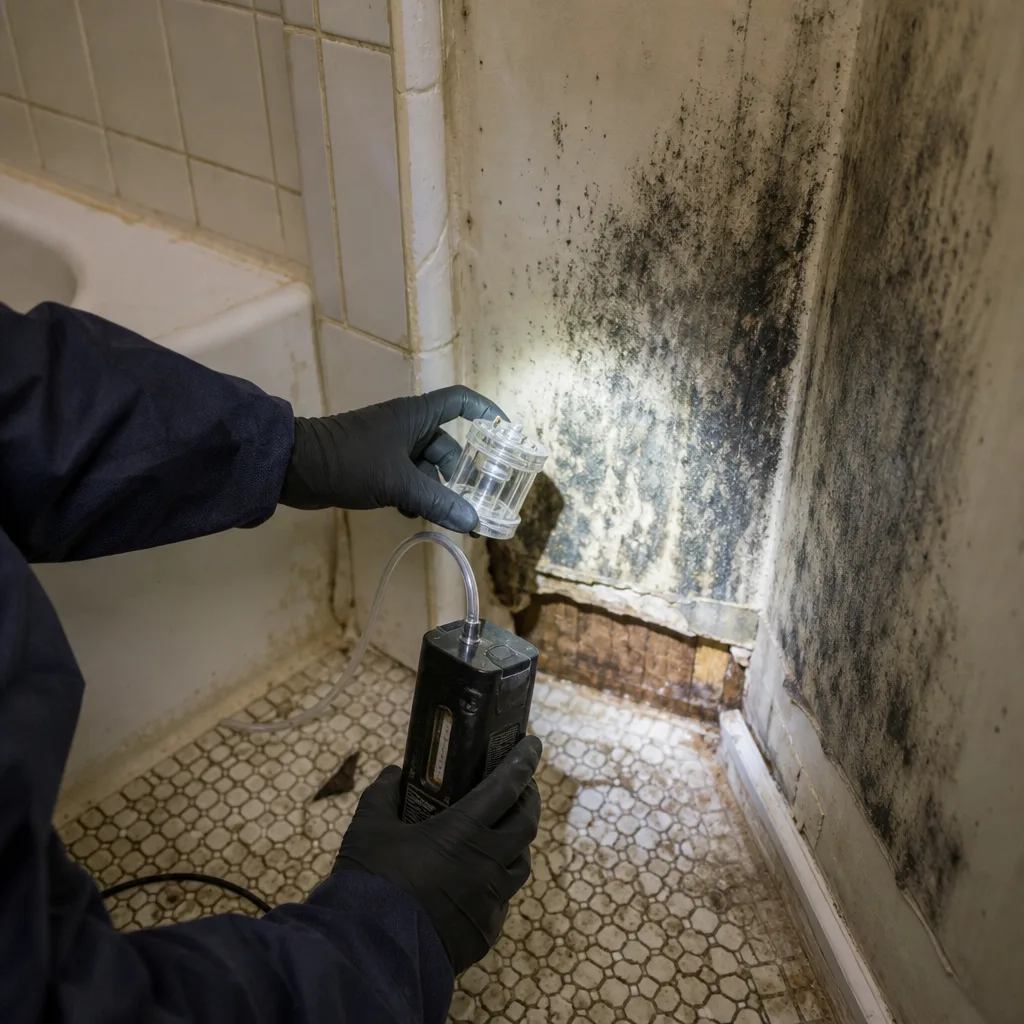
Toilet Overflow Cleanup
Toilet overflows in pre-war Washington Square apartments rarely stay in one bathroom. Water runs through floor penetrations, down pipe chases, and into the unit below. Our crew traces the full migration path, sets containment where needed, and sanitizes every surface the water touched, including the joist bays and subflooring.
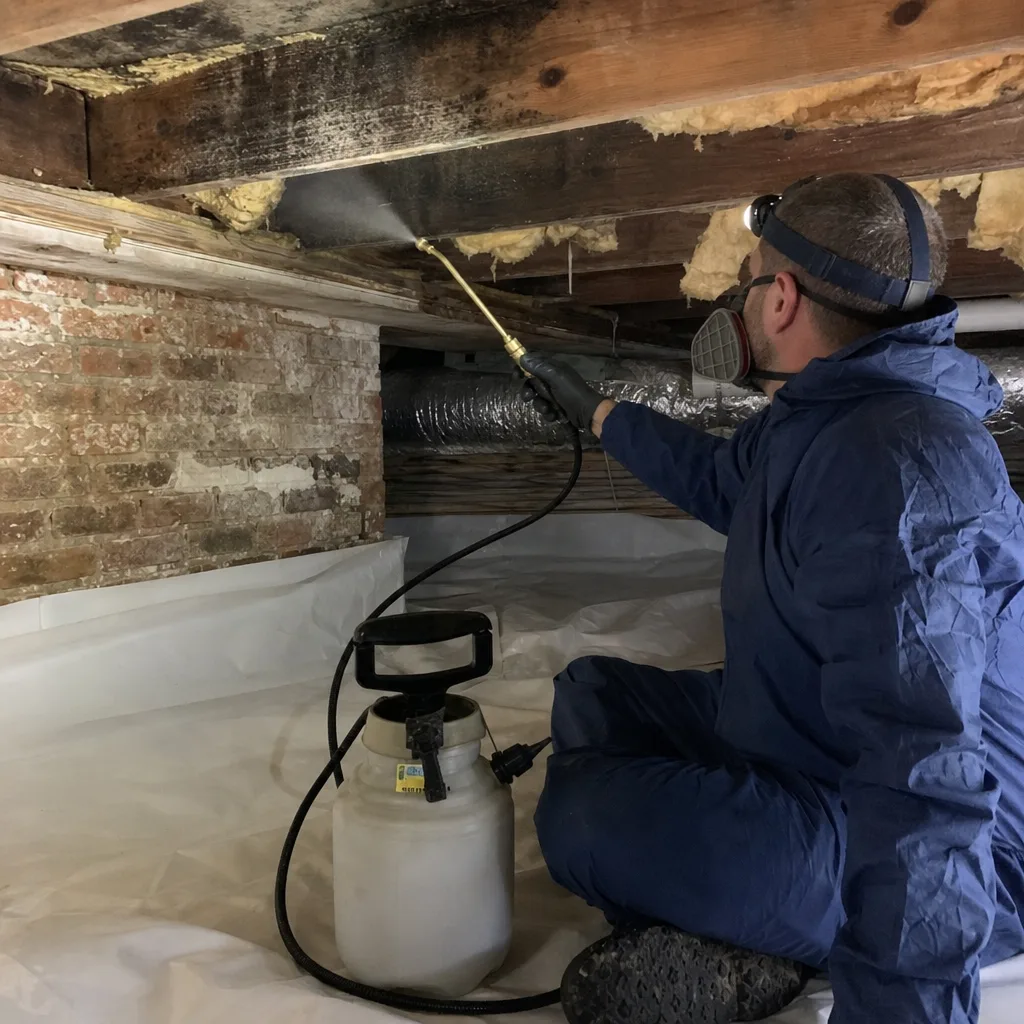
Septic Failure Cleanup
Washington Square properties are served by municipal sewer, but private ejector pits and basement sewage pumps function like miniature septic systems. When an ejector pump fails under a garden-level unit, raw sewage collects in the pit and spills into the living space. We pump the pit, remove the contaminated materials, sanitize the enclosure, and coordinate with a plumber to replace the failed pump.
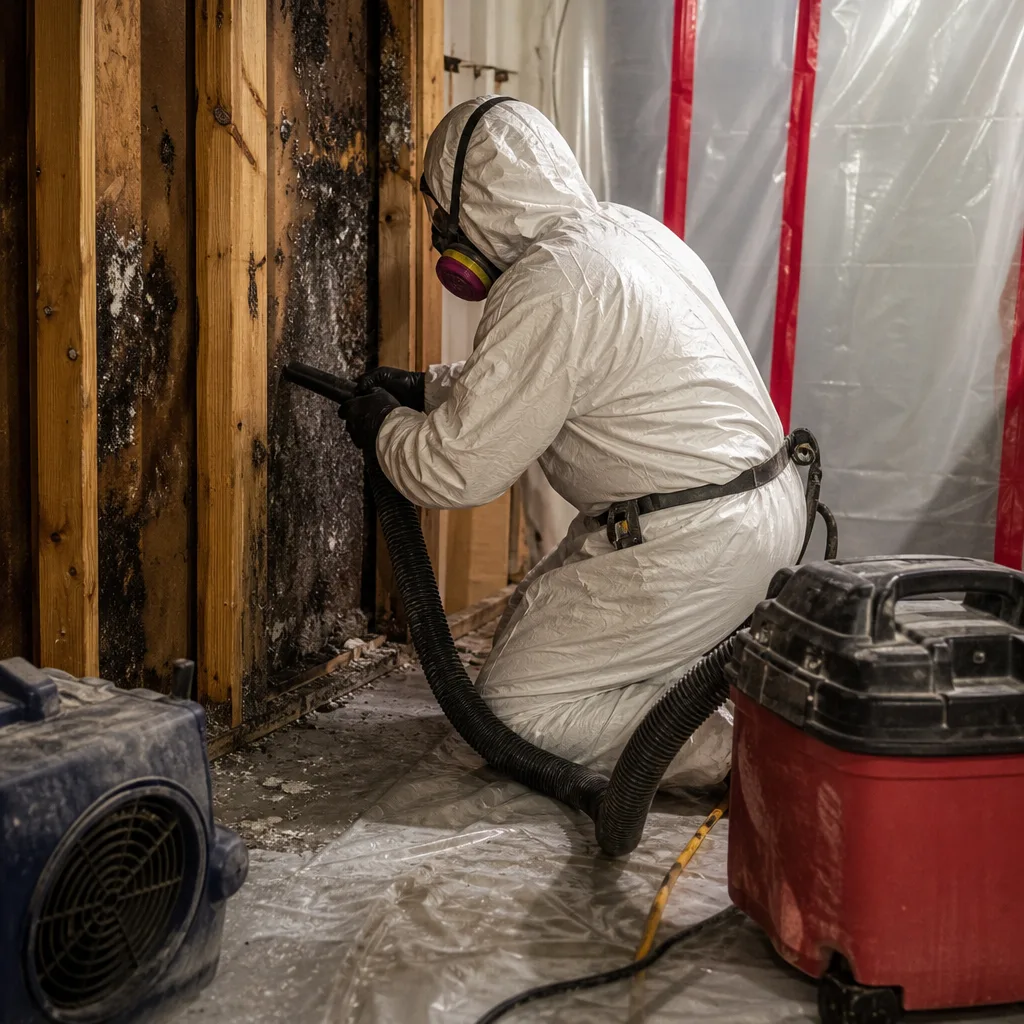
Black Water Extraction
Category 3 water extraction in one of these historic buildings means pulling contaminated water out of wood lath, layered 180-year-old flooring, and brick foundation walls. We use Dri-Eaz extractors and XPOWER air movers, but the skill is in the containment setup and the drying log. You cannot rush horsehair plaster without losing the ceiling.
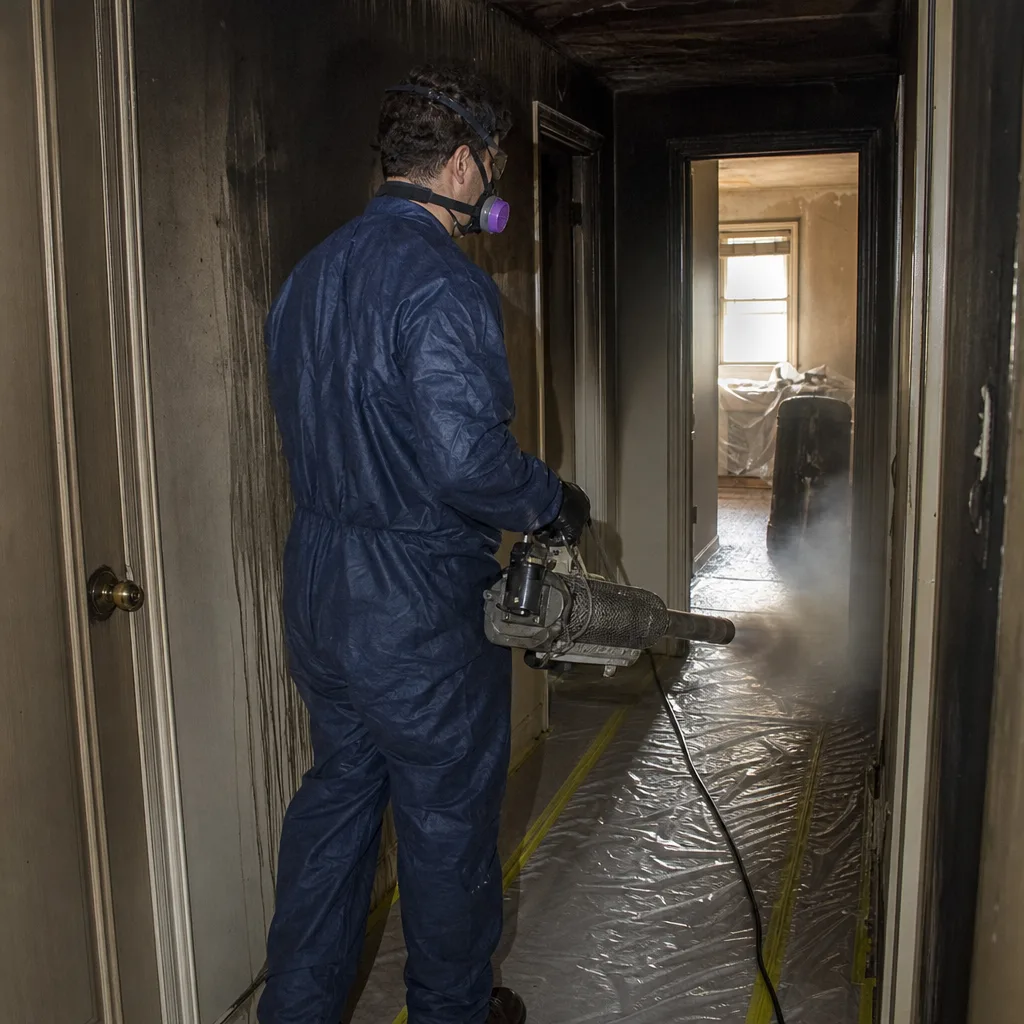
Sanitization & Disinfection
After extraction, every affected surface in the Washington Square property receives an EPA-registered disinfectant rated for sewage contamination. We treat the framing, subfloor, salvageable baseboards, and any contents you are keeping. This step is not optional, and in buildings with shared party walls, the sanitization boundary matters as much as the drying boundary.
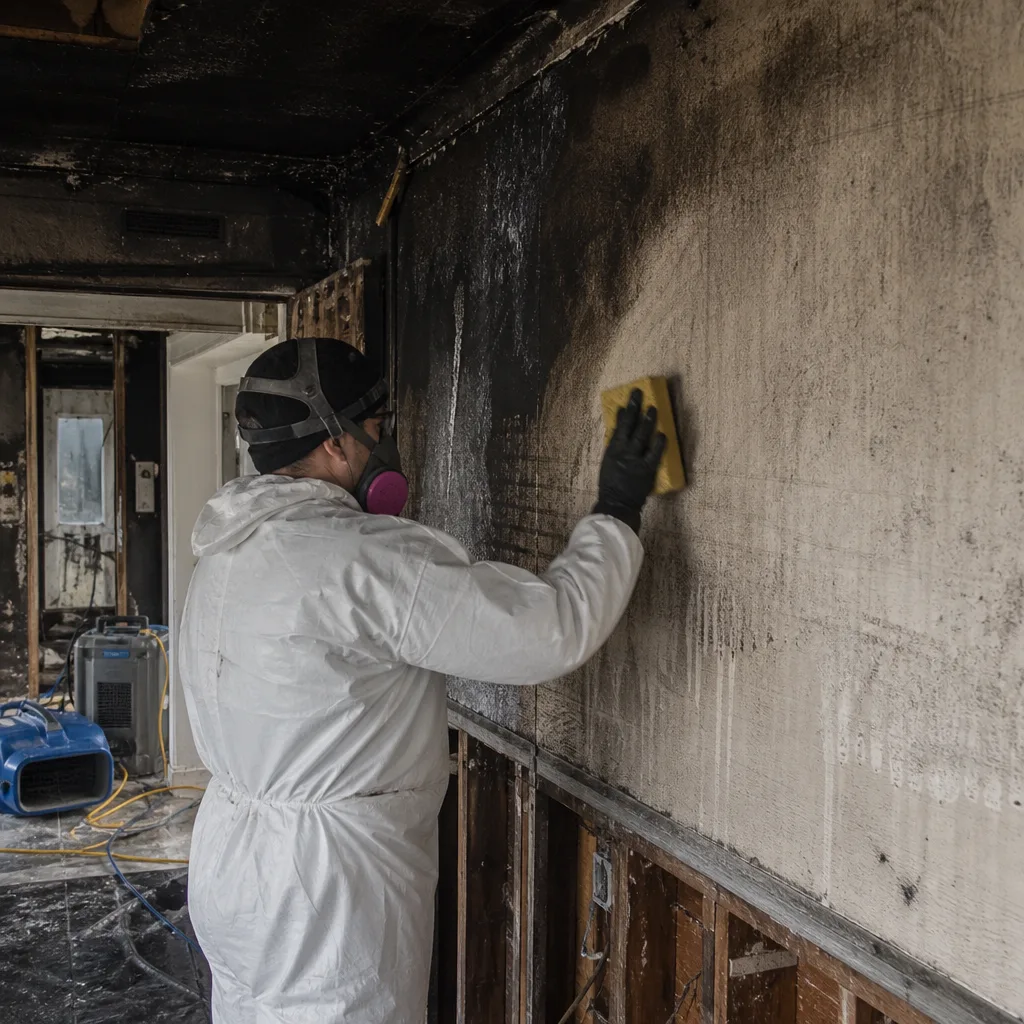
Crawl Space Sewage Removal
Crawl spaces under 1830s Washington Square townhouses are tight, dusty, and often sit directly on rubble-stone foundation walls. When sewage enters one, the cleanup has to happen without damaging what holds the building up. We pump out the contamination, remove saturated debris, treat the masonry with a proper biocide, and dry the space with LGR dehumidifiers while monitoring moisture in the foundation stone itself.
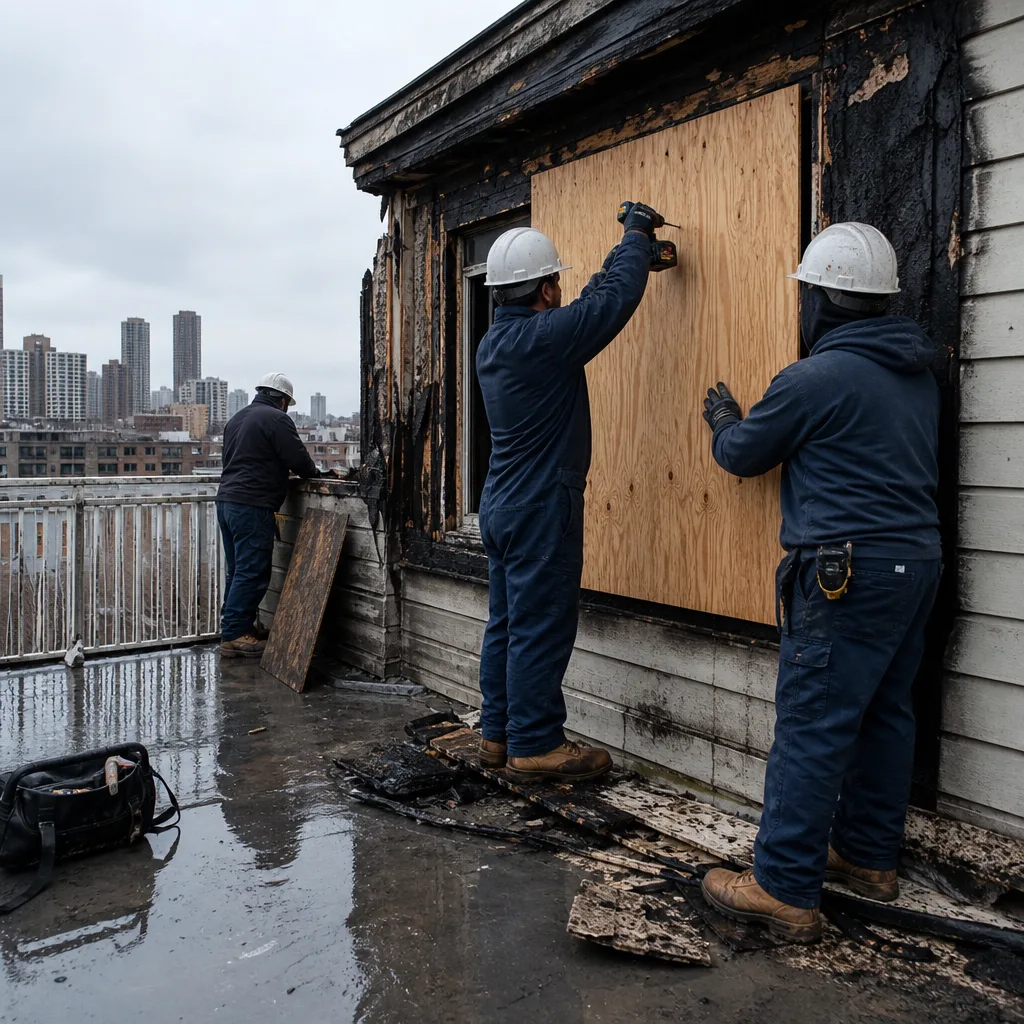
What happens when you call
- 1
A real person answersNo phone trees - you reach a local pro.
- 2
You get an upfront price rangeHonest numbers before anyone is dispatched.
- 3
A background-checked tech heads outLicensed & insured, dispatched right away.
- 4
You approve before work beginsNothing starts until you say go.
Sewage Cleanup Costs in Washington Square, NY
Most sewage cleanup jobs in Washington Square run between $1,800 and $5,500 for a typical single-unit backup. A contained toilet overflow on one floor might come in around $1,200 to $2,200. A garden-level sewage flood with full Category 3 extraction, sanitization, and structural drying through a pre-war apartment often lands between $3,500 and $7,000. If the backup migrated through a shared party wall into an adjoining rowhouse, the combined scope can reach $10,000 or more. What moves the number: how long the sewage sat, whether original plaster or landmarked millwork is involved, and how many units got contaminated. Insurance covers most backups when the policy includes sewer backup coverage, but older Washington Square policies written before the combined-sewer surcharge era sometimes exclude it. The free inspection is the straightest path to a firm price and a clean claim file. Call (917) 924-4221 and we will give you a written scope before work starts.
We Also Serve Cities Near Washington Square
Our same crews that handle Sewage Cleanup in Washington Square also respond to backups, overflows, and sewer failures in the surrounding area. If you are in Fairview, Harrison, East Bronx, or Hunts Point, we can dispatch a certified team to you the same day. The service area is tight enough that response times stay short across all five neighborhoods.
Washington Square Sewage Cleanup Questions, Answered
How does a sewage backup in one Washington Square rowhouse affect the neighboring landmarked buildings?
Because the Federal rowhouses along Washington Square North share continuous party walls, rubble-stone foundations, and interconnected drainage lines, contaminated water from one property can migrate laterally into the adjoining basements and walls within hours. We check adjacent buildings with moisture meters as a standard part of any backup response in the district. The LPC protects everything we touch, so we document pre-loss conditions and coordinate before any structural alteration occurs. Call (917) 924-4221 if you suspect sewage has crossed a party wall.
Do I need Landmarks Preservation Commission approval just to clean up sewage inside my apartment?
Emergency extraction, drying, and sanitization inside your apartment generally do not require LPC review, because they are considered emergency stabilization. What does trigger LPC involvement is any alteration to protected fabric: cutting into Federal-era plaster, removing original mantels, or repairing brownstone foundation walls. We separate the emergency cleanup from any LPC-triggered repair and coordinate the paperwork so the cleanup never stalls. A written scope from us clarifies what needs no permit and what does.
Why do basement garden-level units in Washington Square keep getting sewage backups during heavy rain?
Washington Square sits within New York City’s combined sewer system, where stormwater and sanitary sewage flow through the same pipes. When a heavy storm overwhelms the system, the surcharge pushes sewage backward through floor drains and basement fixtures. Low-lying garden-level apartments are the first to take that backflow. The fix is a properly installed and maintained backwater valve, plus a cleanup crew that knows how to sanitize a shared rubble-stone foundation after the water recedes.
Can you clean sewage from a crawl space under an 1830s townhouse without damaging the rubble-stone foundation?
Yes, and we do it without touching a single stone more than necessary. Crawl spaces under 1830s Washington Square townhouses sit directly on rubble-stone foundation walls, and the last thing we want to do is undermine that structure. We pump out the sewage, remove saturated debris by hand where access is tight, treat the masonry with a biocide rated for porous stone, and dry the space with LGR dehumidifiers. Moisture probes stay in the stone until the readings level out.
How fast can Floodline Restoration respond to a toilet overflow on Washington Square before mold starts?
Our commitment is 45 minutes or less to any Washington Square address, 24 hours a day. Mold begins colonizing wet organic materials like wood lath and horsehair plaster in 48 to 72 hours, so the first hour matters. We get extraction running the same visit, set containment, and start drying the same day. The sooner we arrive, the less gets cut out and the less the repair costs.
How much does sewage cleanup cost in Washington Square compared to nearby areas?
Washington Square runs slightly higher than Chelsea or Midtown because of the building stock. A typical single-unit backup here runs $1,800 to $5,500, and the landmarked fabric is the biggest driver. When original plaster, Federal-era millwork, or shared party walls are involved, the scope expands. We give a free visual inspection and a written scope so you know the number before any work begins.
How long does sewage drying and sanitization take in a pre-war Washington Square apartment?
Standard drying takes three to five days when we set equipment the same day and the Category 3 water has not penetrated deep wall cavities. In a pre-war apartment with lath-and-plaster walls or shared rubble-stone party walls, expect five to seven days of logged drying before we hit the dry standard. Sanitization happens after extraction and before reconstruction, and we provide daily moisture readings to you and your insurer throughout.
Can we stay in our Washington Square apartment during sewage cleanup?
For Category 3 sewage contamination, the affected areas need professional containment and are not safe to occupy during extraction and sanitization. If the backup is contained to one bathroom or a single room, and the rest of the apartment is properly sealed off, you may be able to stay. We assess that on-site and tell you plainly. If the contamination reached shared air spaces or living areas, we recommend vacating until sanitization is complete and clearance has been documented.
Serving Washington Square, NY - Our Local Coverage Area
We’re based in the Washington Square area and know this community well. Use the map below to see our service coverage - if you’re nearby, we can almost certainly help.
Contact Floodline Restoration Co. of Manhattan for Sewage Cleanup in Washington Square
When sewage backs up into one of Washington Square’s historic rowhouses, garden apartments, or pre-war buildings, the clock starts before you finish reading this. We answer the phone with a live person at (917) 924-4221, dispatch a certified crew in under 45 minutes, and begin extraction on the same visit. You get a written scope before work starts, direct insurance billing, and the 90-Day Done Right Promise in your hands when the job is finished. Curt Bowman founded this company in 2010 around a dispatch board, not a sales desk, and every job still runs that way. If the sewage is backing up right now, call. We will be there when we say.
Written by Curt Bowman, Owner at Floodline Restoration Co., serving Washington Square and the surrounding neighborhoods.