
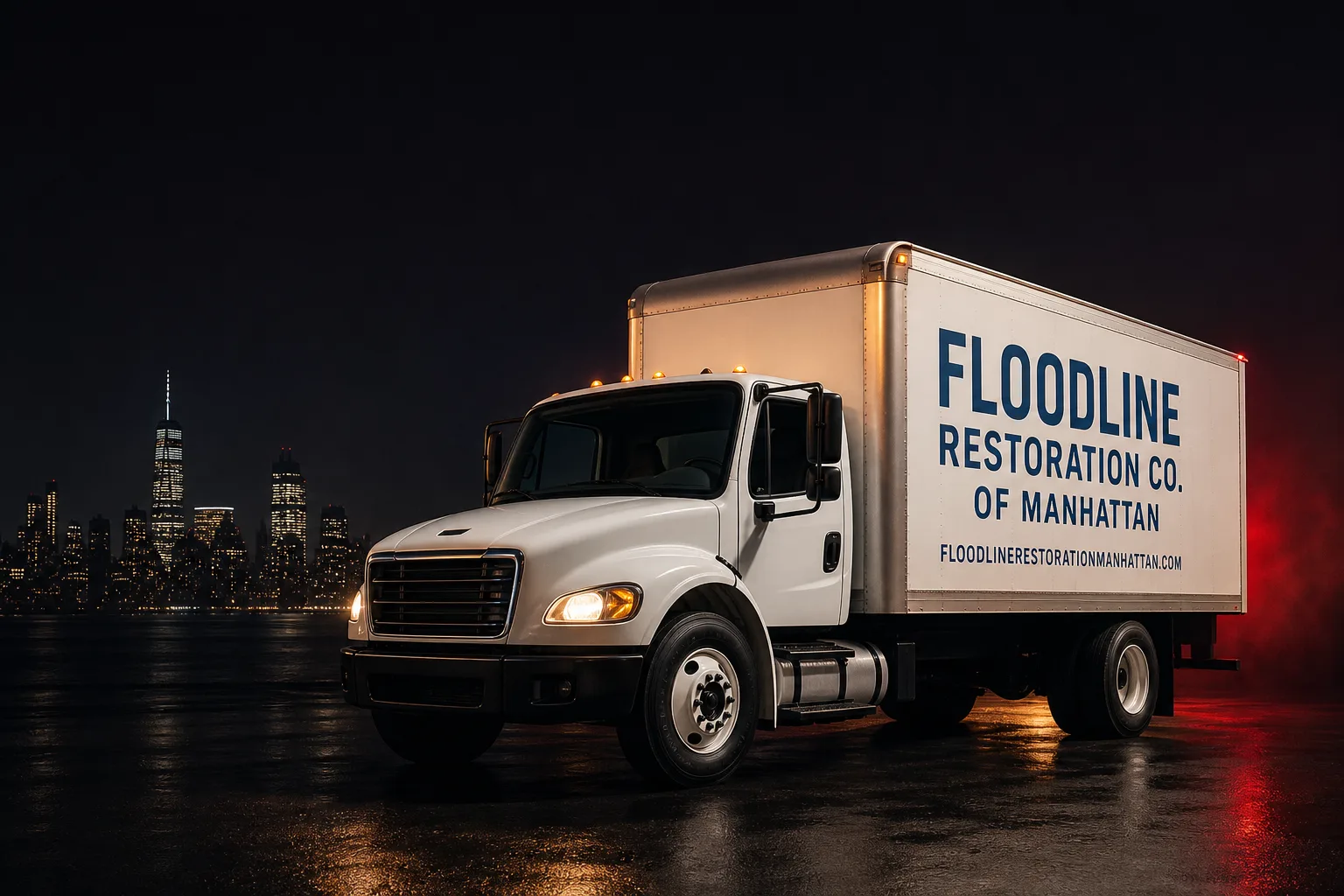
Free visual inspection and a written scope of work before any mitigation begins - photos, moisture readings, and drying logs go in your claim file
The scope we write is the scope we bill. Anything new gets shown to you, in writing, before we touch it.






 Before
 After
After Before
 After
After Before
 After
After24/7 Emergency Sewage Cleanup in Williamsburg
Sewage cleanup in Williamsburg typically runs $1,800-$5,400 for a basement backup and $3,200-$9,500 when Category 3 water spreads through a converted loft or ground-floor condo. A crew from Floodline Restoration Co. of Manhattan reaches most Williamsburg addresses within 45 minutes of your call, and a live dispatcher answers (917) 924-4221 at any hour, including 2 a.m. on a holiday. The first hour matters because sewage water in Williamsburg’s older stock moves fast, wicking into horsehair plaster, original subfloors, and unreinforced brick before you can see the full path. We start with a free visual inspection, photo-document everything for your carrier, and have extraction equipment running the same visit when the situation calls for it.
Understanding Sewage Cleanup Severity in Williamsburg Properties
Not every sewage event in Williamsburg is the same job. The IICRC classifies water by contamination level: Category 1 is clean supply water, Category 2 carries significant contamination (sump pump failures, washing machine overflows), and Category 3, what we’re usually dealing with after a sewage backup, contains pathogens, fecal matter, and whatever else the East River’s combined sewer system pushed back through the line. It is not a mop-and-forget situation. In Williamsburg’s 1880s brick tenements, Category 3 water travels through horsehair plaster walls and original tongue-and-groove subfloors, materials that hold moisture far longer than modern drywall and plywood. In post-2005 waterfront conversions on Kent Avenue and N 11th, open floor plates with exposed concrete and brick mean moisture migrates laterally across an entire loft with no compartmentalized framing to slow it. That changes the containment plan, the drying timeline, and the sanitization protocol. A proper Williamsburg sewage cleanup requires moisture mapping, containment, HEPA air scrubbing, and daily readings until the dry standard is met, not just extraction and a quick bleach wipe.
Why Williamsburg Property Owners Choose Floodline Restoration Co. of Manhattan
- 45-minute response commitment to Williamsburg. We dispatch from the edge of the neighborhood, not from another borough. A crew reaches most blocks between the BQE and the East River inside 45 minutes.
- 24/7 live answer, every single call. A human dispatcher picks up. Not a recording, not a callback service. At 3 a.m. on a Sunday, you get a person who can send a crew.
- IICRC-certified technicians, trained in WRT and ASD standards. Our crew leaders hold Water Damage Restoration and Applied Structural Drying certifications and have worked Williamsburg’s tenements and lofts for years.
- Free visual inspection before anything gets signed. We look, we measure, we show you what we found. Then you decide. No pressure, no scare tactics.
- Direct insurance billing, with the paperwork handled for you. We bill your carrier directly and communicate with your adjuster. You do not play messenger between Floodline and the insurance company.
- One team from the first extraction to the final coat of paint. We are a full-cycle Sewage Cleanup and reconstruction company. The crew that extracts the water is the crew that rebuilds the wall. No mid-job handoff to strangers.
Our Sewage Cleanup Process
Inspection & Assessment
We start with a thermal imaging scan and moisture meter readings across every surface the sewage may have touched, including wall cavities behind original plaster in Williamsburg’s older buildings. We identify the Category, map the migration path, and give you a written scope before any work begins.
Extraction & Stabilization
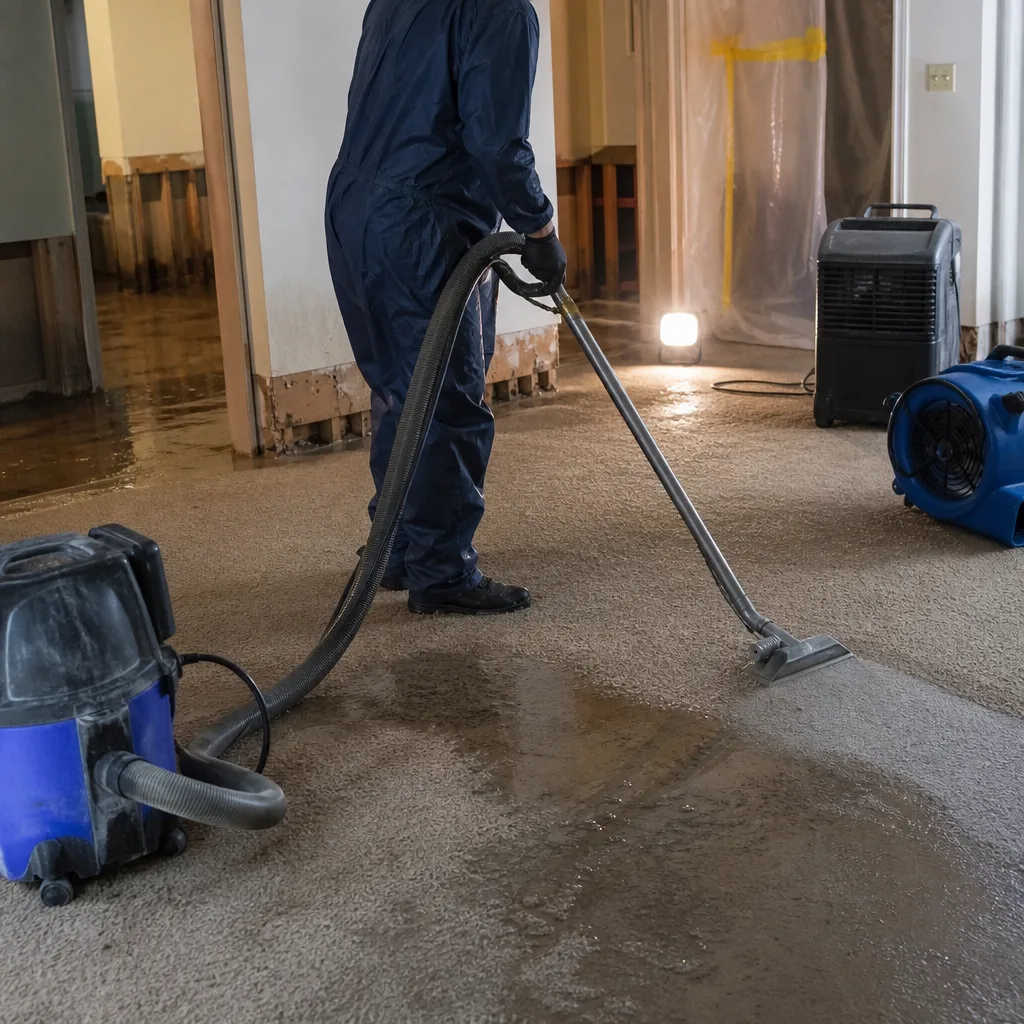
We remove standing sewage with truck-mounted extraction units and submersible pumps sized to the space, whether that is a rowhouse cellar or a ground-floor commercial bay on Bedford Avenue. We remove unsalvageable porous materials, carpet pad, drywall, insulation, that Category 3 water has saturated.
Drying & Dehumidification
Phoenix dehumidifiers and XPOWER air movers go in after extraction, placed based on a moisture map, not guesswork. In converted Williamsburg lofts with uninsulated concrete floors and exposed brick, we run daily hygrometer and moisture readings and keep the drying log for your insurer until every reading hits the dry standard.
Cleaning & Sanitization
We apply EPA-registered antimicrobial treatments to all affected surfaces and run HEPA air scrubbers to capture aerosolized pathogens. Hard surfaces get cleaned, then sanitized, then tested. This is where Category 3 water demands more than a residential-level cleaning protocol.
Containment & Odor Control
In multi-unit Williamsburg condo buildings with shared ventilation, we set up negative-air containment before sanitization begins. That prevents sewage odors and airborne pathogens from traveling through common HVAC risers or elevator shafts into neighboring units, an IICRC requirement we take seriously.
Repairs & Restoration
The same crew that handled extraction now handles the rebuild: new drywall, baseboard, flooring, paint, whatever the space needs to return to pre-loss condition. We do not hand you off to a subcontracted remodeler. One name, one team, one written guarantee.
Need Emergency Sewage Cleanup in Williamsburg Now?
Crews minutes away, answering live 24 hours a day. The sooner we start, the less it costs.
Working With Your Insurance Company
Most Williamsburg homeowner policies cover sewage backup as a named peril or through an endorsement, and the claim goes smoother when documentation starts in the first hour. We photograph every affected room before touching anything, take moisture readings throughout the job, and hand both you and your adjuster a drying log that shows the daily progress. Our estimates are written in the same line-item format carriers expect, which speeds approval and reduces back-and-forth. When there is a dispute about scope, we talk to the adjuster directly. You hired us to fix the house, not to become a claims negotiator.
What We Provide Your Insurer
- Thorough documentation of the loss
- Photos of all damage, room by room
- Moisture readings and drying logs
- A detailed, line-item scope of work
- Direct coordination with your carrier
Built for Williamsburg’s Loss Calendar
Williamsburg sees sewage backups year-round, but the causes shift with the season. January and February bring deep freezes that crack aging supply lines in century-old tenements, and frozen waste lines in unheated crawl spaces under rowhouses back up into kitchens and baths. Spring thaw raises the water table along the East River, and combined sewer mains under streets like Grand and Metropolitan Avenue run at capacity, pushing Category 3 water back through floor drains in basements. Summer thunderstorms dump inches of rain in an hour, overwhelming the combined system and sending sewage into ground-floor commercial spaces and residential cellars from Berry Street to the waterfront. Nor’easters in the fall and winter are the worst: storm surge in FEMA flood zone AE meets a sewer system already at capacity, and basements that never flooded before take on water. The houses on the interior blocks, many built before 1920 with original clay drain lines, suffer most in the spring. The luxury towers on Kent Avenue and N 11th that replaced the old factories have their own failure modes: shared pumps, deeper sub-grade parking, and mechanical rooms below the flood line. We carry the equipment and the local knowledge for all of it.
Sewage Cleanup Across Williamsburg’s Neighborhoods
Williamsburg is not one housing market; it is at least four. East Williamsburg, roughly from the BQE out toward Flushing Avenue, is dominated by brick rowhouses and smaller tenements from the 1880s through the 1920s. Sewage work here often means original cast-iron waste lines under the basement slab and clay drain pipes that crack under thermal stress. A backup spreads fast through shared party walls. The Southside, below Grand Street, has the oldest housing stock in the neighborhood and some of the narrowest lot lines; we often access affected crawl spaces through a neighbor’s airshaft or a rear yard on Hooper Street. Northside Williamsburg, the blocks around Bedford Avenue and Berry Street, mixes early tenements with newer infill residential. Ground-floor retail and basement-level apartments here take the brunt of combined sewer overflows during heavy rain. The waterfront corridor, Kent Avenue, N 11th, Wythe Avenue from N 3rd to N 9th, is the post-2005 rezone territory: luxury condos, converted lofts, and commercial spaces in former warehouses sitting inside flood zone AE. Sewage work here means containment in buildings with shared ventilation, drying regimes tailored to concrete and exposed brick, and coordination with building management and on-site superintendents. We know each pattern because we have worked them for years.
Specialized Sewage Cleanup Services We Offer in Williamsburg
Sewage Backup Cleanup
A floor drain in a Williamsburg basement backing up with Category 3 water is the most common call we get. We extract, remove the saturated materials, sanitize, and dry the space to a documented standard. In homes on blocks like Powers Street or Scholes Street, where basements often sit below the grade of the combined sewer main, we also check the line itself for blockages before we sign off, because a drainage problem that caused the backup will cause it again if it is not addressed.
Toilet Overflow Cleanup
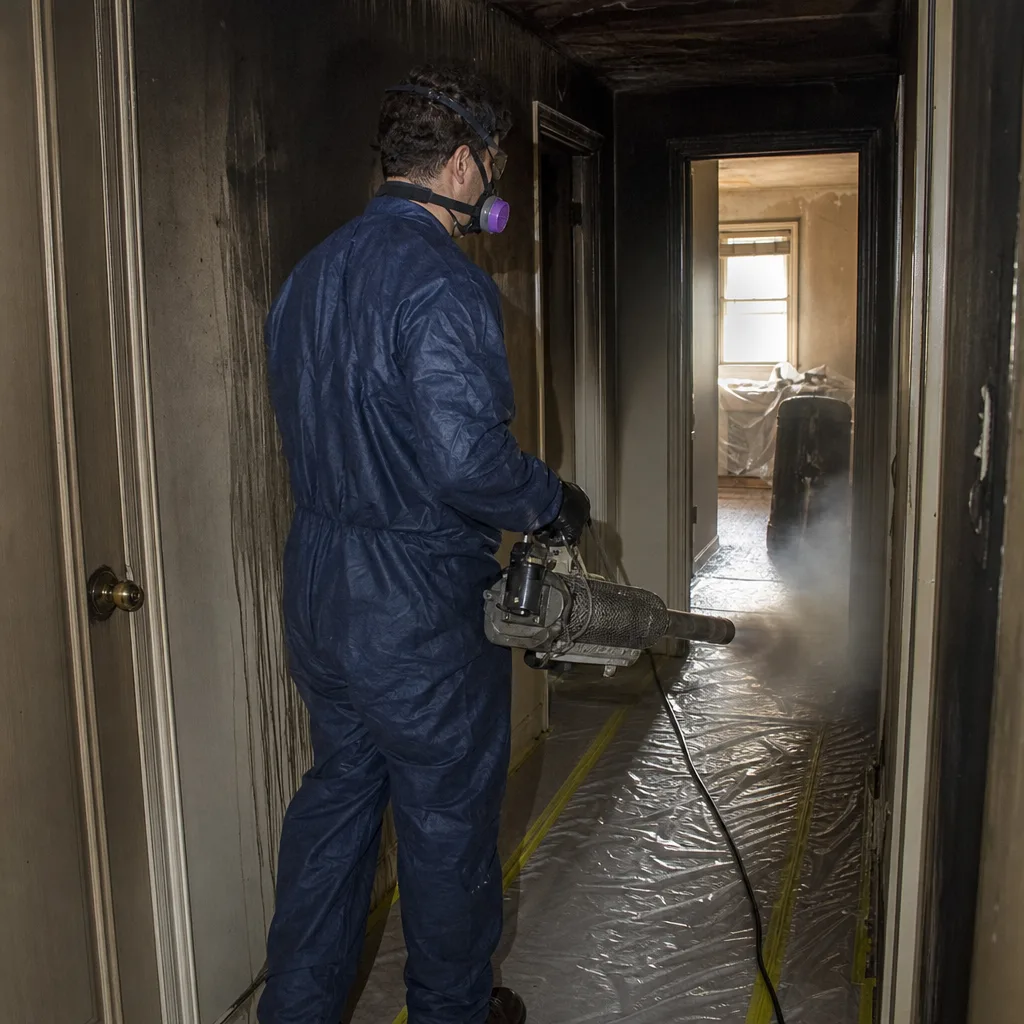
A toilet overflow on the second floor of a Williamsburg rowhouse is rarely contained to the bathroom. The water travels through the ceiling cavity, soaks the lath and plaster, and drips into the first-floor ceiling and walls. We open the affected cavities, remove saturated plaster and insulation, treat the framing, and dry everything to the standard before closing it back up. Otherwise, mold starts behind the walls within 48 hours.
Septic Failure Cleanup
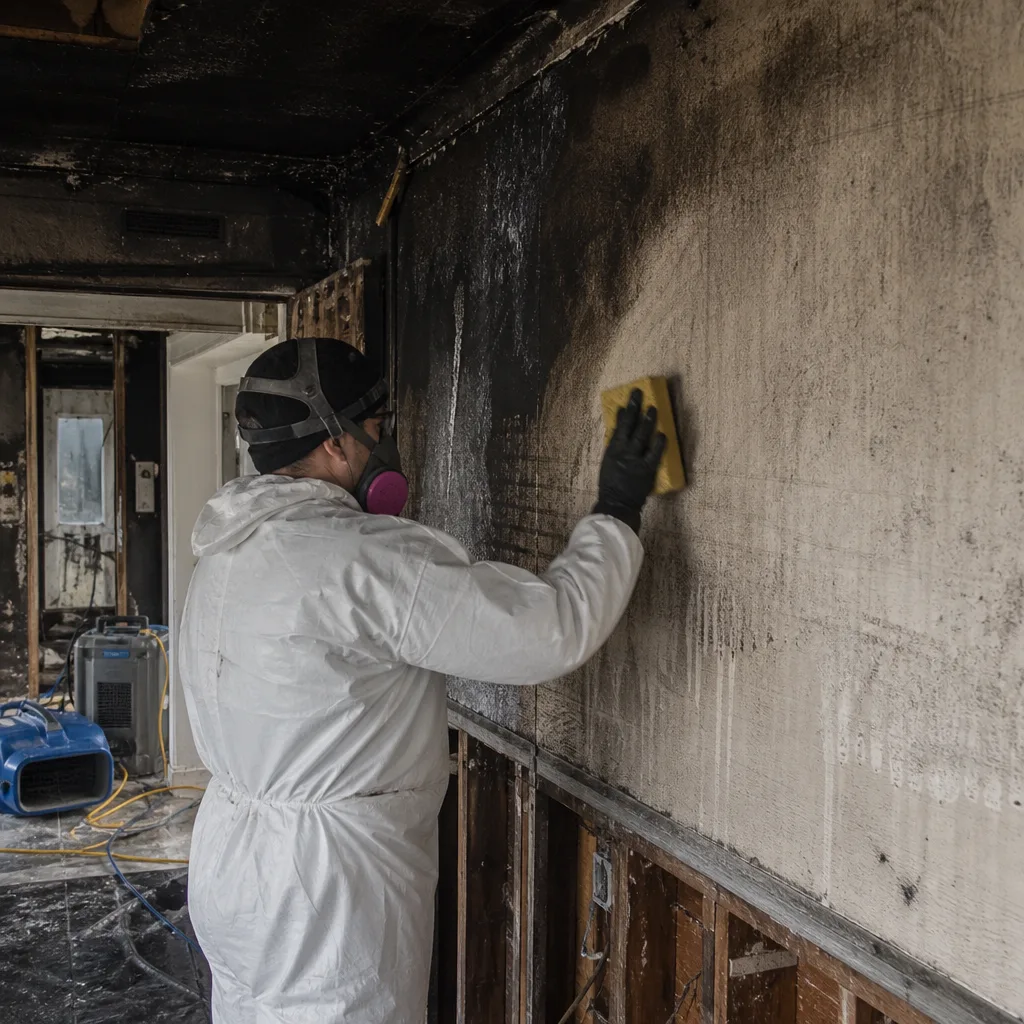
Some older Williamsburg properties, particularly on the eastern fringe near the BQE, still rely on aging septic systems or cesspools rather than the municipal sewer. When those fail, sewage surfaces in the yard or under the house. We handle the extraction, the sanitization, and the interior restoration, and we can coordinate with a licensed septic contractor if the system itself needs repair or replacement.
Black Water Extraction
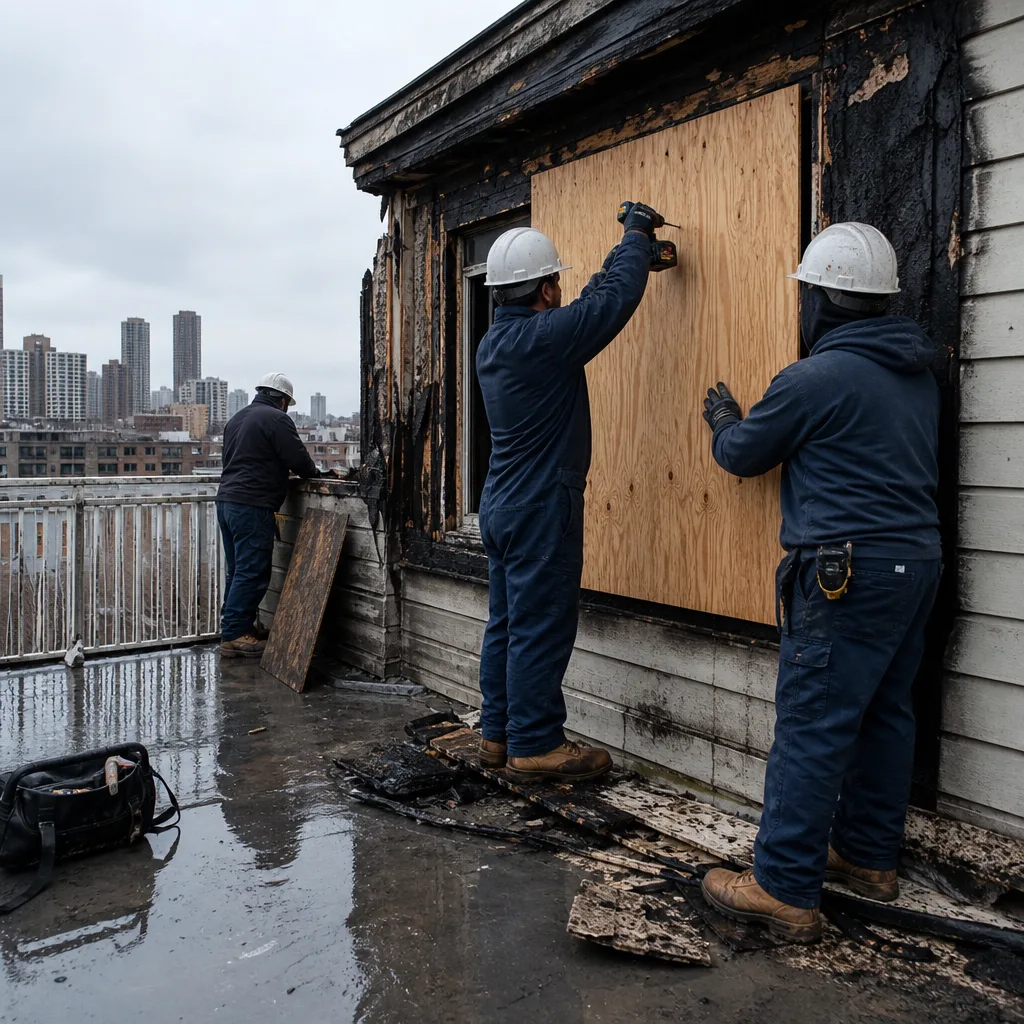
Black water, Category 3 water containing raw sewage, is what we deal with most in Williamsburg basements and ground-floor units after storms push the combined sewer system past capacity. This is not water you can shop-vac yourself. Pathogens including E. coli, Salmonella, and hepatitis A are present, and improper handling spreads contamination. We use containment, proper PPE, and professional-grade extraction equipment to remove it safely.
Sanitization & Disinfection
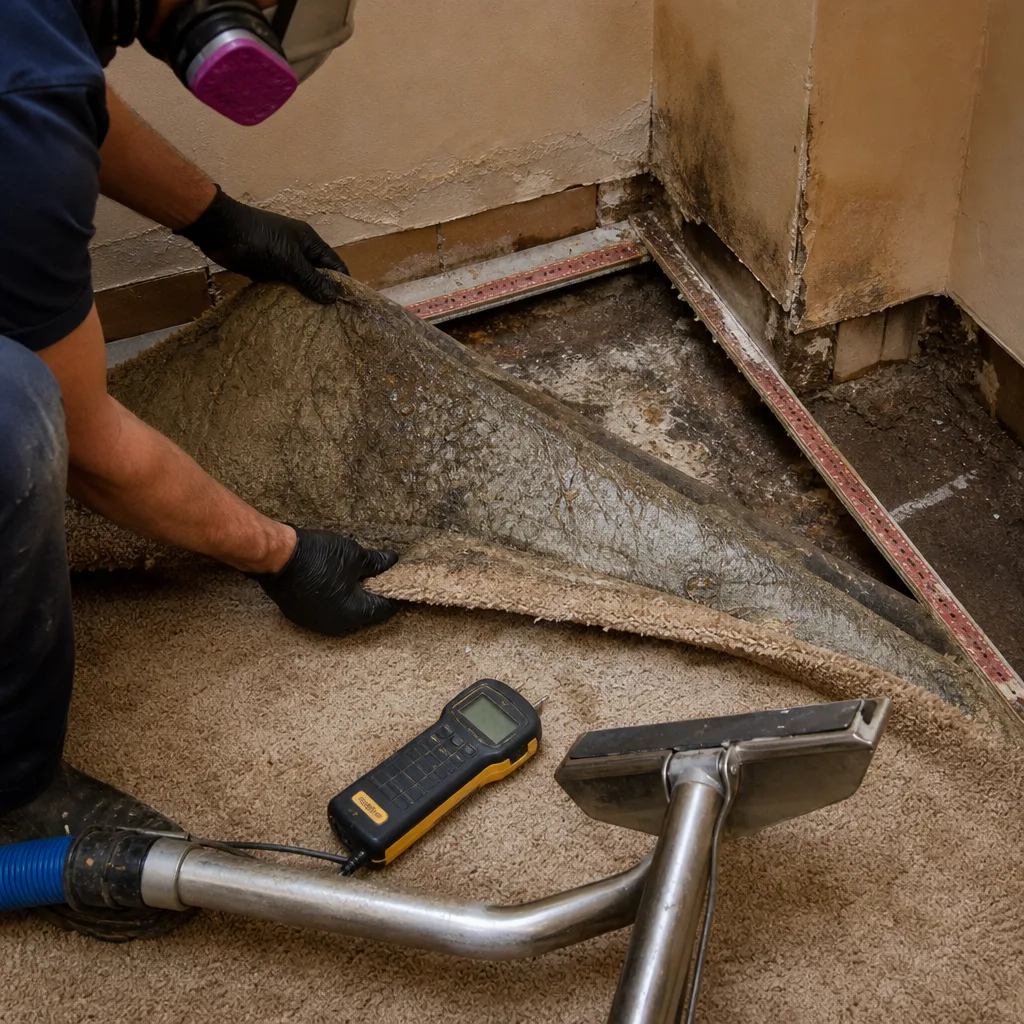
After extraction, every surface the sewage touched needs antimicrobial treatment and, in many cases, physical removal. We apply EPA-registered disinfectants appropriate for the specific surfaces in your Williamsburg home, whether that is sealed concrete in a loft or original plaster in a tenement. Then we conduct post-treatment testing to verify the space is safe for occupancy.
Crawl Space Sewage Removal
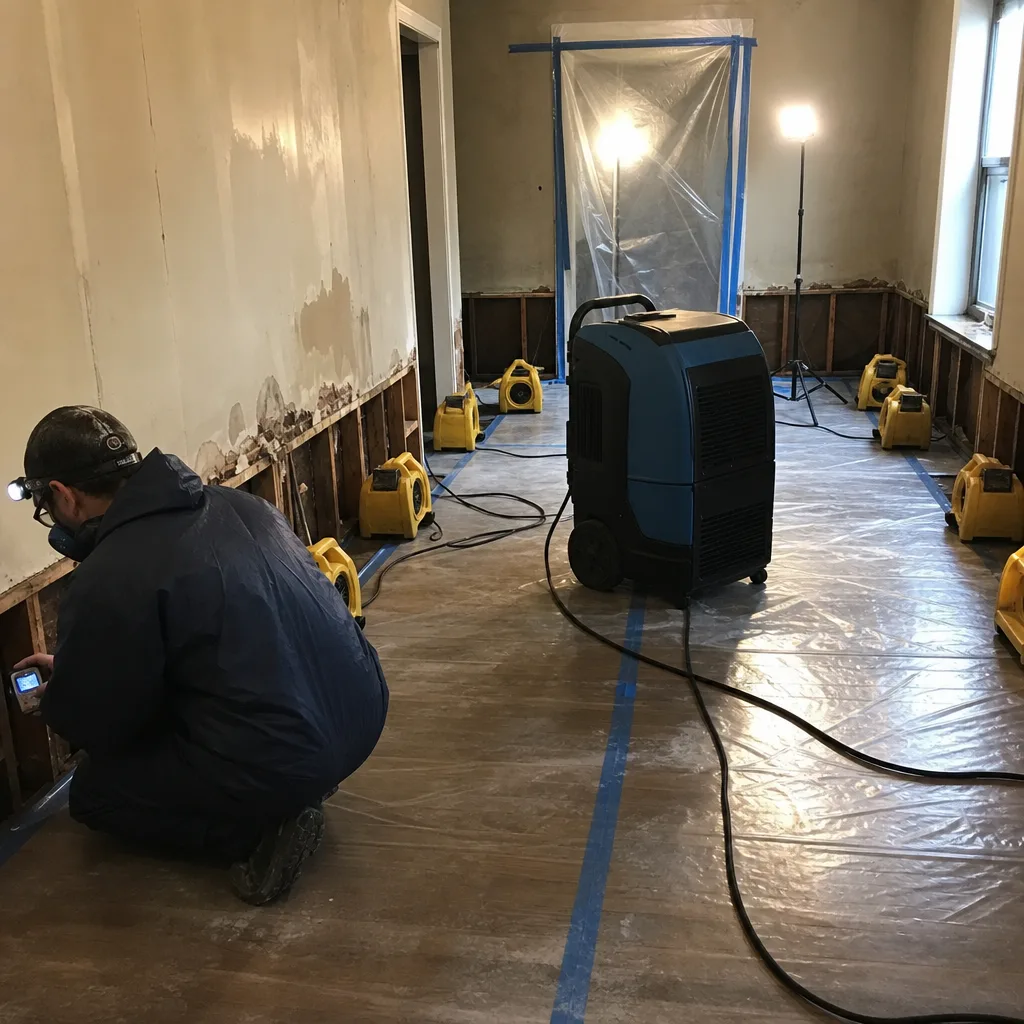
Rowhouses along streets like Devoe and Conselyea often have shallow crawl spaces under the front parlor, just 18 to 24 inches of clearance, where sewage can pool after a line break. Our crews physically enter these spaces, extract the waste, remove contaminated soil where necessary, and install ventilation and vapor barrier as needed. It is unpleasant work, but leaving it means sewage gas and moisture creeping into the living space above for months or years.
What happens when you call
- 1
A real person answersNo phone trees - you reach a local pro.
- 2
You get an upfront price rangeHonest numbers before anyone is dispatched.
- 3
A background-checked tech heads outLicensed & insured, dispatched right away.
- 4
You approve before work beginsNothing starts until you say go.
Sewage Cleanup Costs in Williamsburg, NY
Sewage cleanup in Williamsburg runs higher than in many other Brooklyn neighborhoods because the housing stock is harder to work in and the damage travels farther. A straightforward basement backup in a rowhouse off Graham Avenue typically runs $1,800-$3,800 including extraction, removal of saturated materials, sanitization, and drying. A Category 3 event in a converted loft on Kent Avenue with open concrete floors and exposed brick runs $4,200-$9,500, sometimes more when containment and extended drying are required. A toilet overflow contained to one floor with no ceiling penetration might stay under $2,000. What moves the price: how far the water traveled, what materials it saturated, whether containment is needed for shared ventilation, and how long drying takes. Most Williamsburg policies cover sewage backup through an endorsement, and we handle the adjuster communication and direct billing so the out-of-pocket portion is clear from the start. Call (917) 924-4221 for a free visual inspection and a firm written scope before you decide anything.
We Also Serve Cities Near Williamsburg
Floodline Restoration Co. of Manhattan provides sewage cleanup services across the metro. Beyond Williamsburg, we serve Fairview, Harrison, East Bronx, and Hunts Point with the same 45-minute response commitment and the same written 90-Day Done Right Promise.
Serving Williamsburg, NY - Our Local Coverage Area
We’re based in the Williamsburg area and know this community well. Use the map below to see our service coverage - if you’re nearby, we can almost certainly help.
Williamsburg Sewage Cleanup Questions, Answered
Does Williamsburg’s flood zone AE status change how sewage cleanup is scoped in a ground-floor condo on Kent Avenue?
Yes, it does, because a ground-floor unit inside flood zone AE faces a higher likelihood of combined sewer backups and storm surge intrusion than a unit at the same elevation inland. We scope those jobs with containment from the first hour, assume Category 3 water throughout the affected floor plate, and plan for extended drying because post-2005 concrete construction holds moisture without a vapor barrier. Call (917) 924-4221 and we will walk the unit with you.
Why do converted Williamsburg lofts need longer drying times after a sewage backup?
Converted lofts on Kent Avenue and N 11th often have poured-concrete floors and exposed-brick interior walls with no vapor barrier. Those assemblies absorb water deeply and release it slowly, which means a sewage backup can keep wicking moisture for weeks even after the surface looks dry. We run daily moisture readings and keep drying logs until every reading hits the dry standard, sometimes three weeks or more.
How do you handle sewage removal in an 1880s tenement with original cast-iron and clay drain pipes?
In Williamsburg’s older tenements, original cast-iron waste lines and clay drain pipes are brittle and can crack under mechanical stress. We inspect the line before and during extraction, use gentler extraction methods, and coordinate with a licensed plumber if the pipe itself is compromised. The goal is to remove the sewage without turning a backup into a full wall-cavity contamination event.
What containment is needed for a sewage backup in a Williamsburg luxury condo building with shared ventilation?
In a multi-unit building with shared HVAC risers or elevator shafts, IICRC standards require negative-air containment before we begin sanitization. That means sealing the affected unit, running HEPA-filtered air scrubbers, and maintaining negative pressure so aerosolized sewage pathogens do not migrate into neighboring units through common ventilation. We coordinate with building management and your neighbors’ schedules.
Can a toilet overflow on the second floor of a Williamsburg rowhouse contaminate the first-floor ceiling?
A second-floor toilet overflow in a rowhouse almost always contaminates the first-floor ceiling cavity. The water saturates the lath and plaster or drywall, feeds down through the joist bays, and drips into the room below. If the ceiling is not opened, dried, and sanitized, sewage residue stays trapped there. We open the affected bays, remove saturated material, treat the framing, and dry to standard before any reconstruction.
How fast can you actually get to a Williamsburg address?
Most Williamsburg locations are within 45 minutes of our dispatch. We typically arrive faster for waterfront addresses on Kent Avenue or Wythe Avenue because of direct access from the BQE. The dispatcher who answers (917) 924-4221 can give you a real ETA, not a recording.
Will insurance cover sewage cleanup in Williamsburg?
Most Williamsburg homeowner policies cover sewage backup either as a named peril or through a specific endorsement. Coverage details vary by carrier and policy. We photo-document everything, provide the line-item scope and drying logs your adjuster expects, and bill the carrier directly so you are not fronting the full cost while the claim processes.
What should a homeowner do in the first 30 minutes after a sewage backup in Williamsburg?
Shut off the water to the affected fixture if it is still running, avoid walking through the contaminated area, and call (917) 924-4221. Do not run HVAC systems, do not try to shop-vac the water, and keep pets and children away from the affected area. Category 3 water carries pathogens that spread on shoes and clothing, so stay out and let us handle the extraction and containment.
On a converted warehouse loft near Kent Avenue with uninsulated poured-concrete floors and exposed-brick walls lacking vapor barriers, our crew handled a sewage backup that had wicked into the slab. We set up containment and ran XPOWER air movers with Phoenix dehumidifiers while taking moisture readings daily. The lack of vapor barrier meant we kept drying logs for three weeks and applied antimicrobial treatment twice before signing off on pre-loss condition. That is what Williamsburg’s post-2005 conversions demand, and it is why this kind of work cannot be done properly with a template approach. The 90-Day Done Right Promise is in writing on every job we do in this neighborhood. If it is not done right, we make it right. No arguing, no paperwork battles.
Call Floodline Restoration Co. of Manhattan at (917) 924-4221 any hour, any day, for a free visual inspection and a written scope before any work begins. Senior and veteran homeowners receive a 5% discount, always. $50 off any repair over $250. The line the water left is where we start.
Written by Curt Bowman, Owner at Floodline Restoration Co. of Manhattan, serving Williamsburg with certified crews and live dispatch 24 hours a day.