
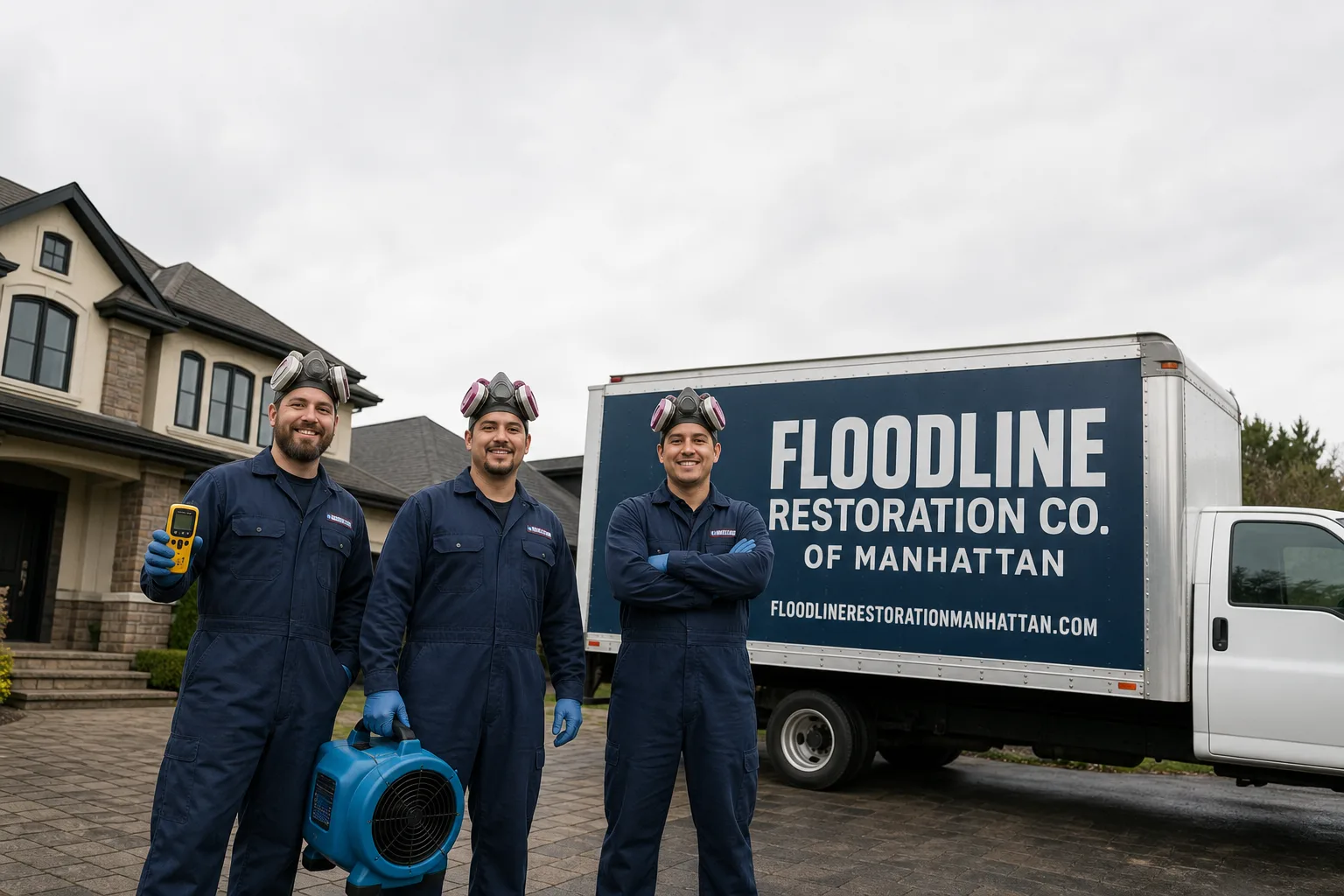
Free visual inspection and a written scope of work before any mitigation begins - photos, moisture readings, and drying logs go in your claim file
The scope we write is the scope we bill. Anything new gets shown to you, in writing, before we touch it.
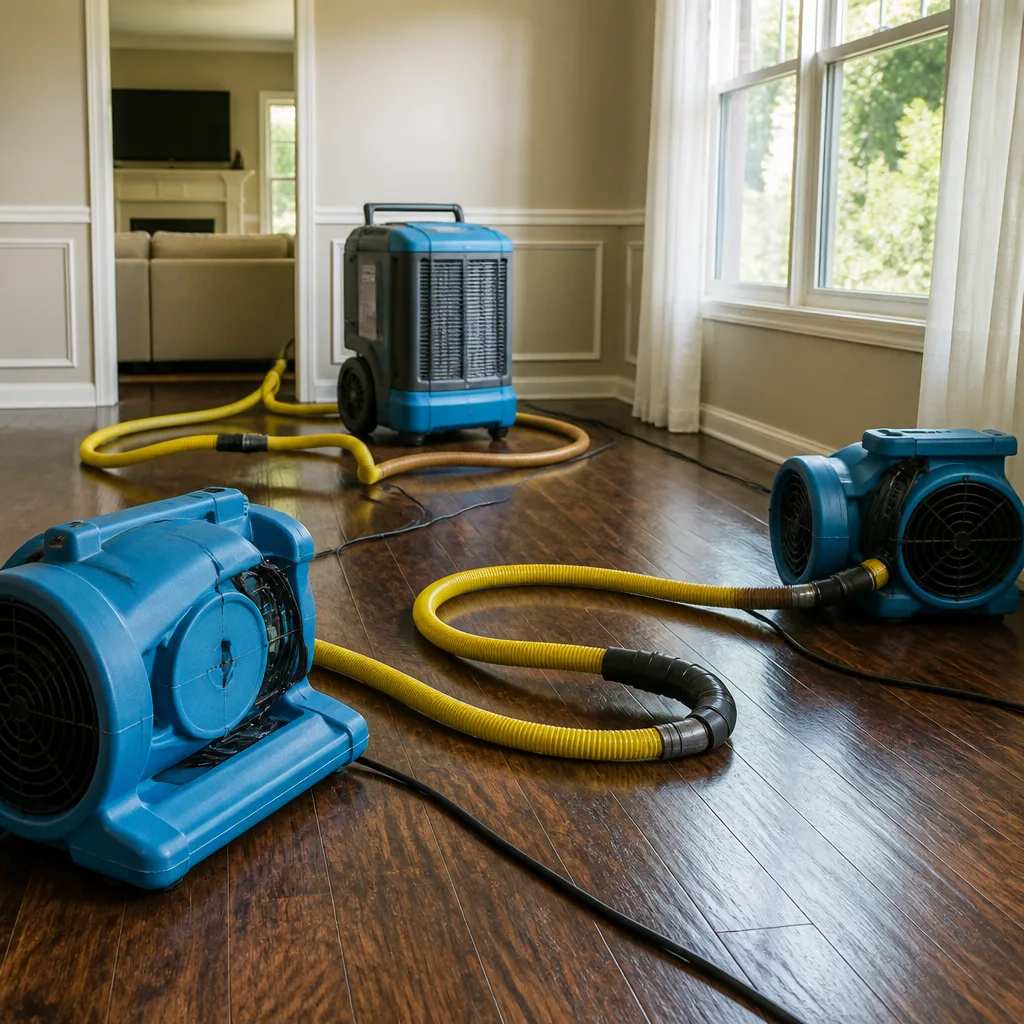

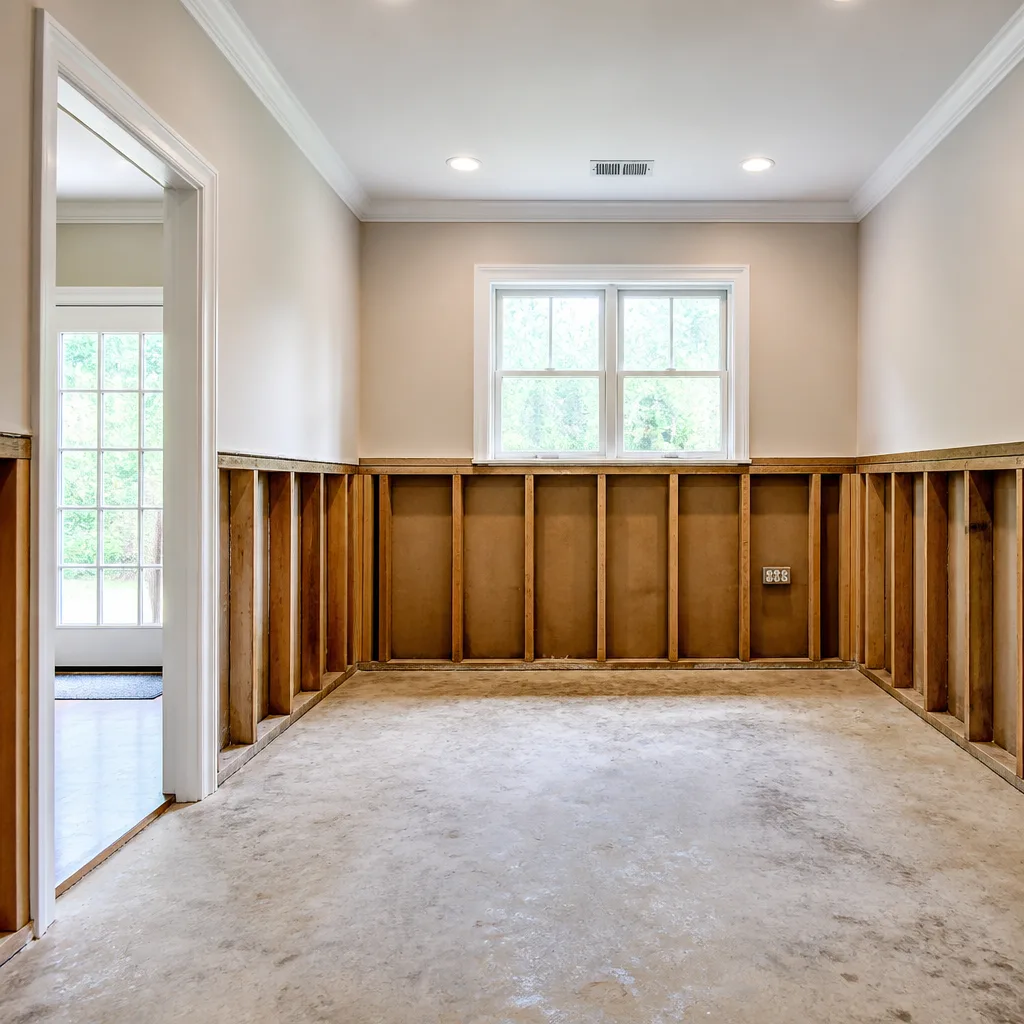


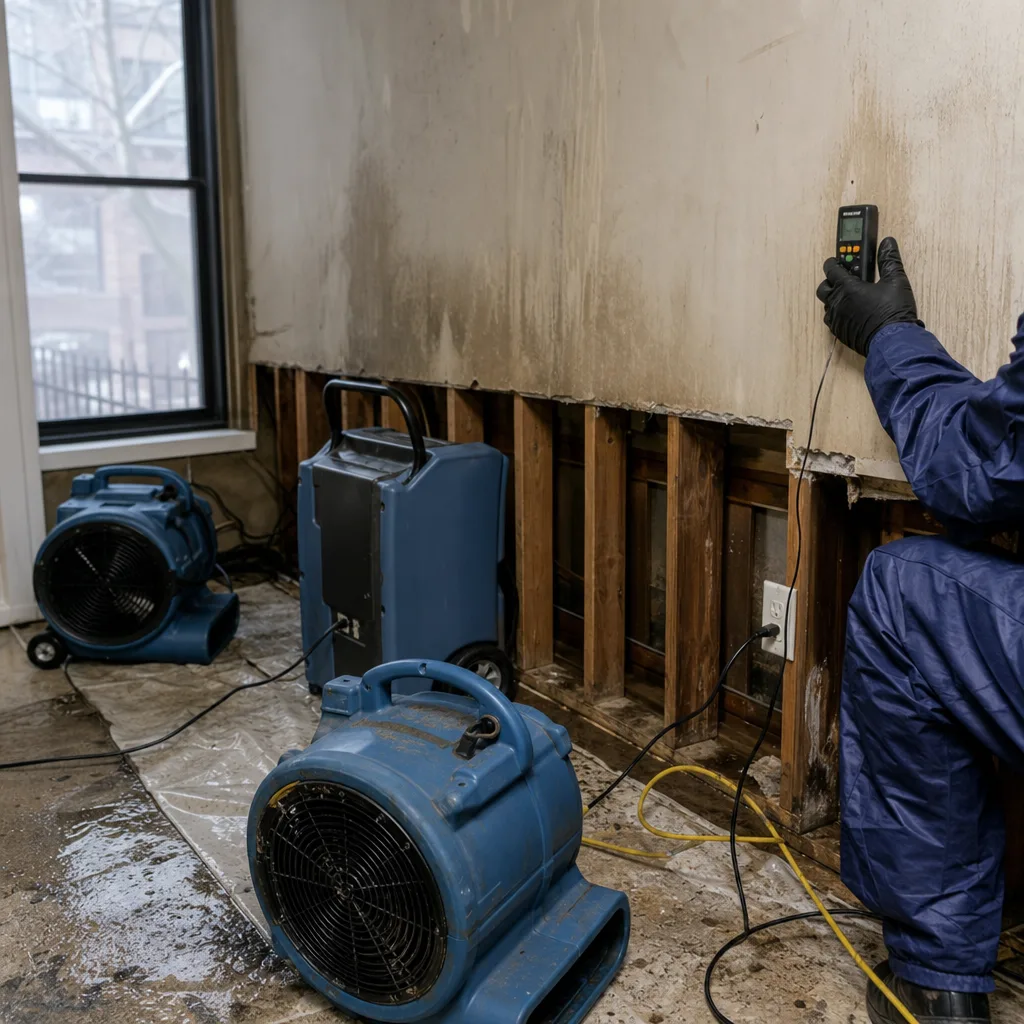 Before
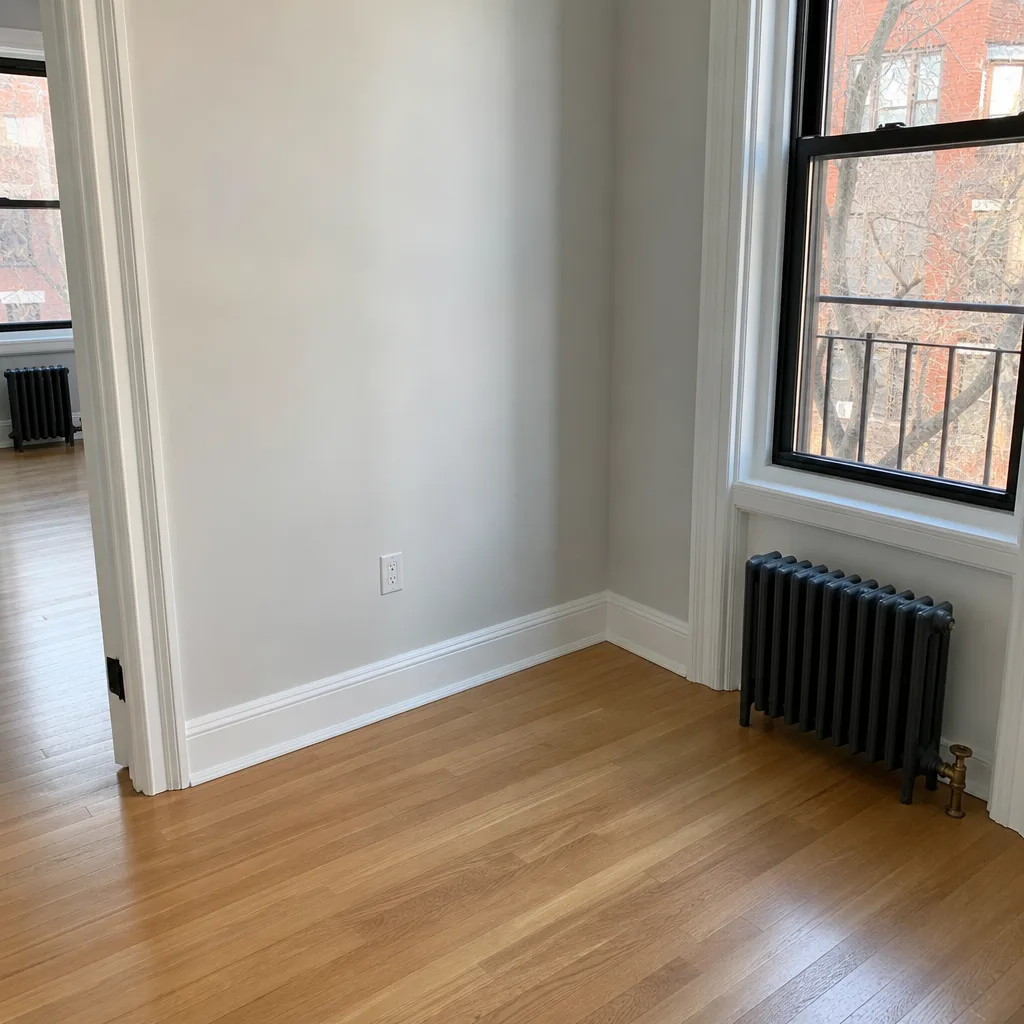 After
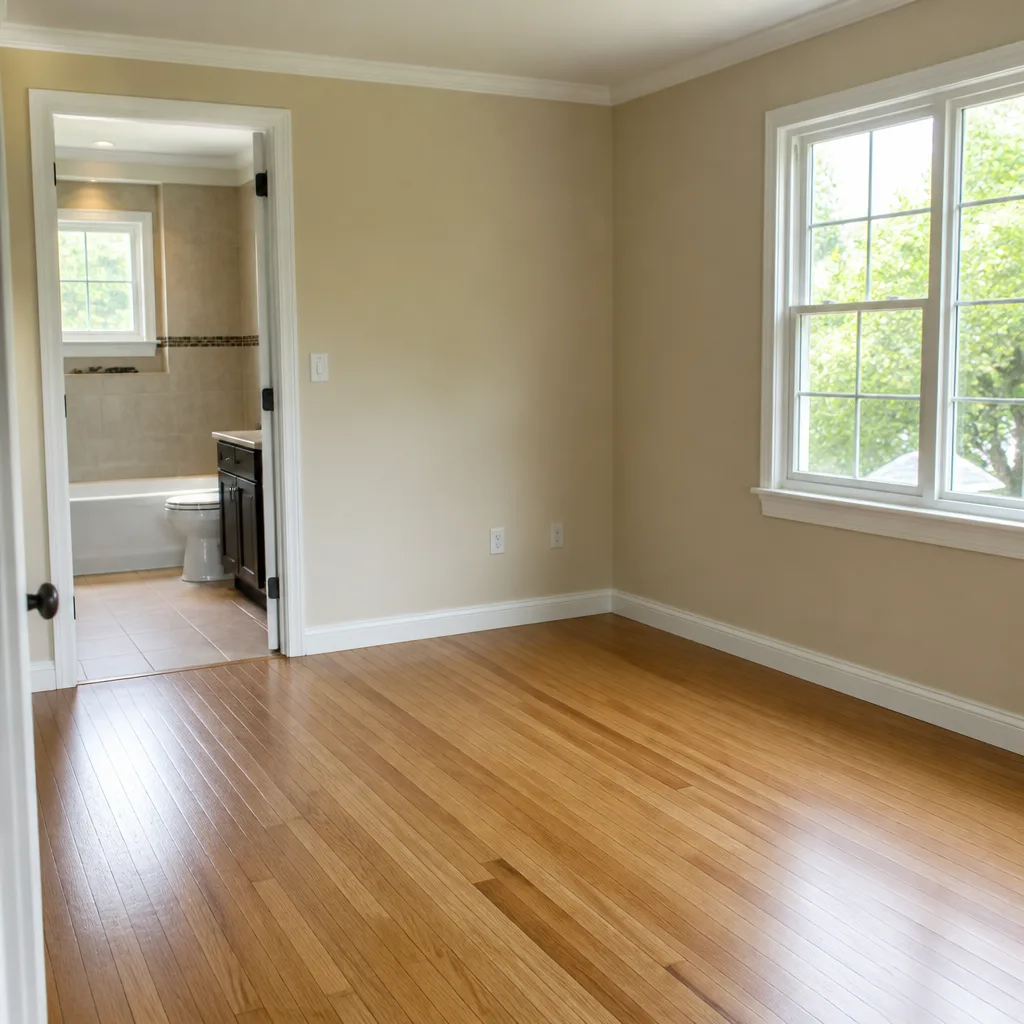
After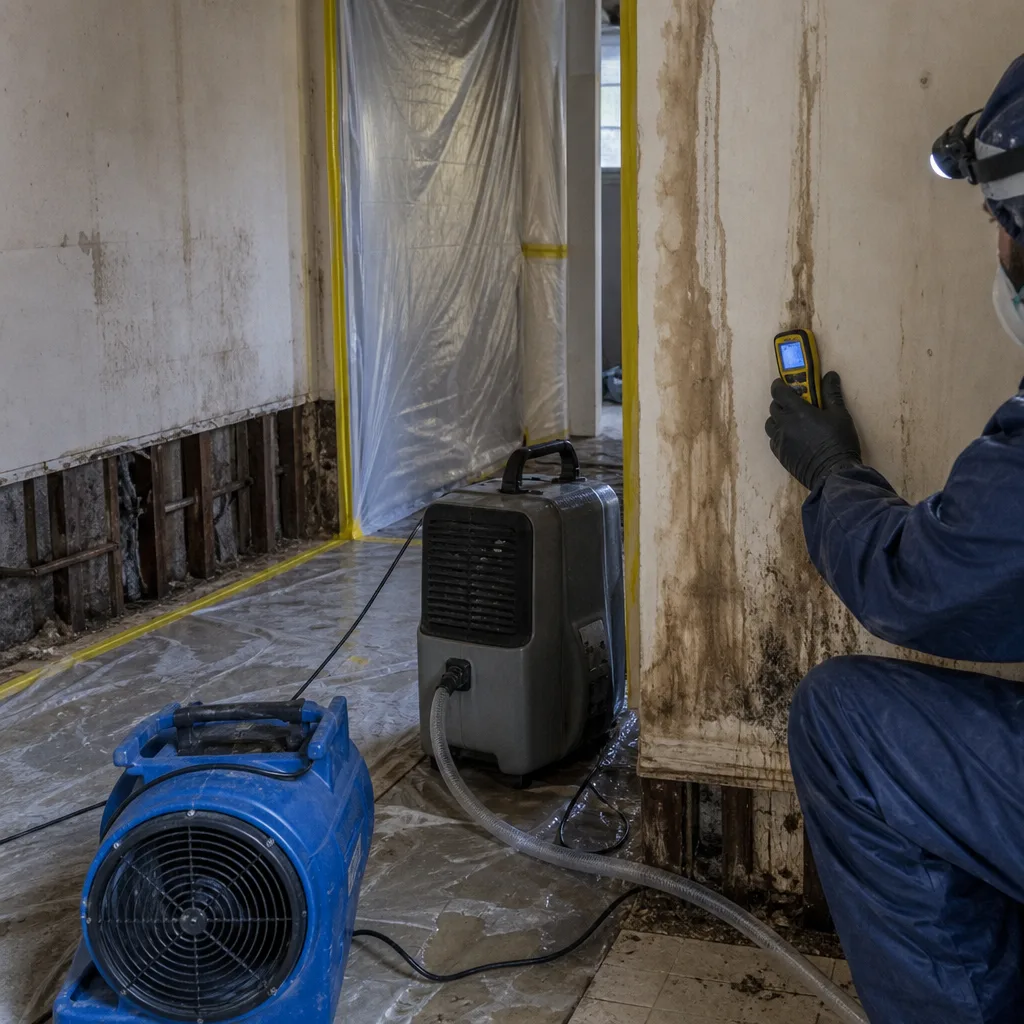 Before
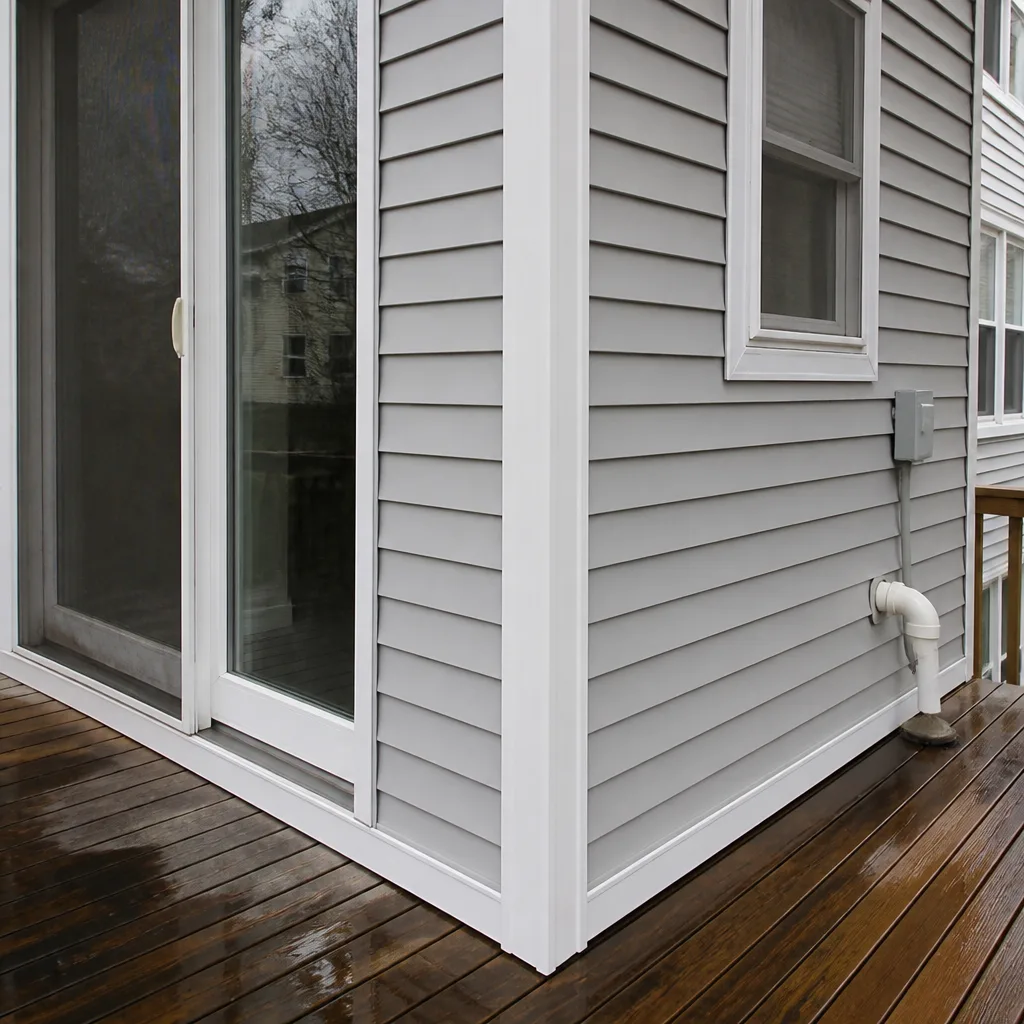 After
After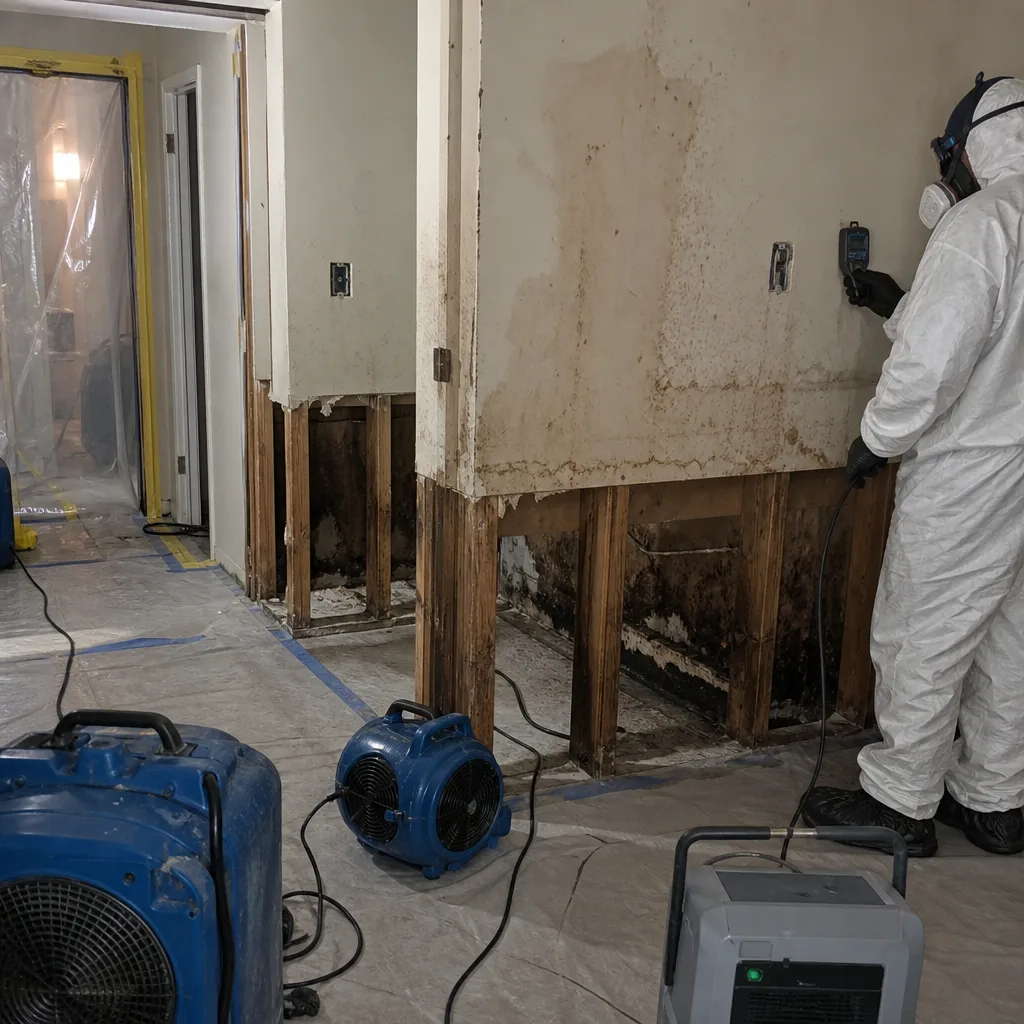 Before
 After
After24/7 Emergency Storm & Disaster Restoration in Floral Park
Storm damage in Floral Park moves fast, and so do we. A live dispatcher answers at (917) 924-4221 any hour, any day, and our Storm & Disaster Restoration crews reach Floral Park homes within 45 minutes of your call. The first hour after a storm is when water does its worst work: it wicks into horsehair plaster, saturates original wood framing, and finds every crack in a 1920s foundation. We arrive with moisture meters and thermal imaging, assess the full extent of the loss, and start extraction the same visit, not the next day. A free visual inspection tells you exactly what you’re facing and what it will take to put it right. Call now, before the damage spreads.
Understanding Storm & Disaster Restoration Severity in Floral Park Properties
Storm losses in Floral Park fall into clear categories, and knowing which one you have changes everything about how your house gets restored. Category 1 water comes from clean sources like a burst supply pipe; Category 2 carries detergents or biological contaminants from sump overflow or washing machine discharge; Category 3 is grossly contaminated, typically from sewage backup or storm surge mixing with groundwater. With Floral Park’s shallow water table sitting just a few feet below grade, even a moderate nor’easter can push Category 2 or 3 water through unlined block and brick foundations, which means containment, antimicrobial treatment, and selective removal rather than simple drying. Moisture mapping with hygrometers tells us how far water has traveled behind original horsehair plaster-over-lath, a material that holds moisture differently than drywall and demands slower, more deliberate drying protocols. Smoke and soot from storm-related electrical fires follow their own physics, with ionized soot from burned wiring migrating into wall cavities and requiring HEPA air scrubbing and dry-chem sponge cleaning rather than wet wiping. For homes built between 1925 and 1955, the hidden variable is often wiring: knob-and-tube or early Romex behind plaster that must be evaluated before any wall is opened. Severity in Floral Park is never just about how much water fell; it’s about what the water met on its way in.
Why Floral Park Property Owners Choose Floodline Restoration Co. of Manhattan
- 45-minute response commitment: Our Floral Park crews are dispatched from a live board the moment you call, and we commit to being on-site within 45 minutes for storm emergencies.
- 24/7 live answer, never an automated system: A real person picks up at 2 a.m. and starts your dispatch. No phone tree, no recording, no waiting on hold.
- IICRC-certified crews: Our technicians hold WRT, FSRT, and AMRT certifications, and every job is run by a lead tech trained to IICRC, RIA, and IFA standards.
- Free visual inspection: We walk your Floral Park property, map the damage, and give you a written scope before any work begins, so you know what the job will cost.
- Direct insurance billing: We bill your carrier directly and handle adjuster communication, so you never play messenger between us and your insurer.
- One team from extraction to reconstruction: The same crew that reads the moisture map on day one rebuilds your walls on day thirty. No mid-job handoff, no inherited techs.
Our Storm & Disaster Restoration Process
Inspection & Assessment
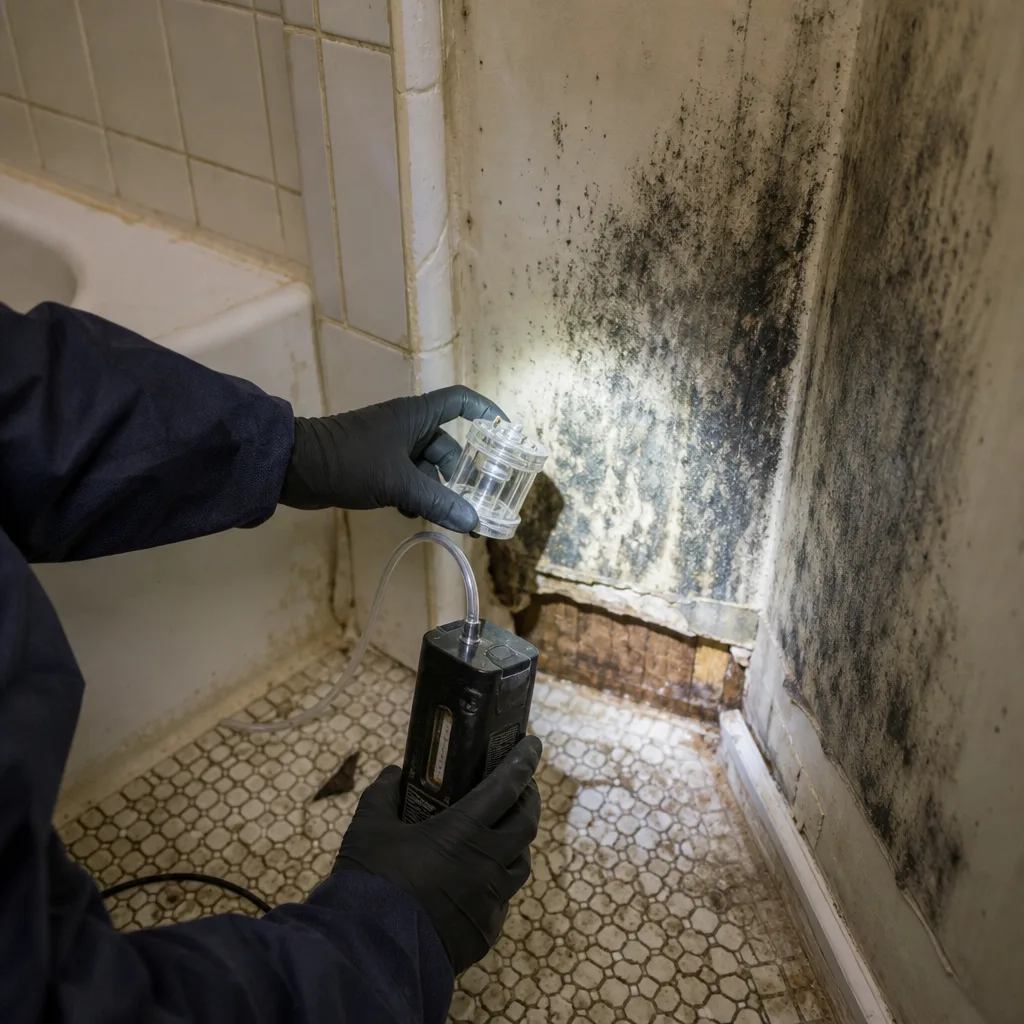
We start with a full walk-through using thermal imaging cameras and moisture meters, documenting every affected surface and the category of water or fire residue present. In Floral Park, this includes checking for original plaster, knob-and-tube wiring, and any village-permit triggers on exterior work.
Extraction & Stabilization
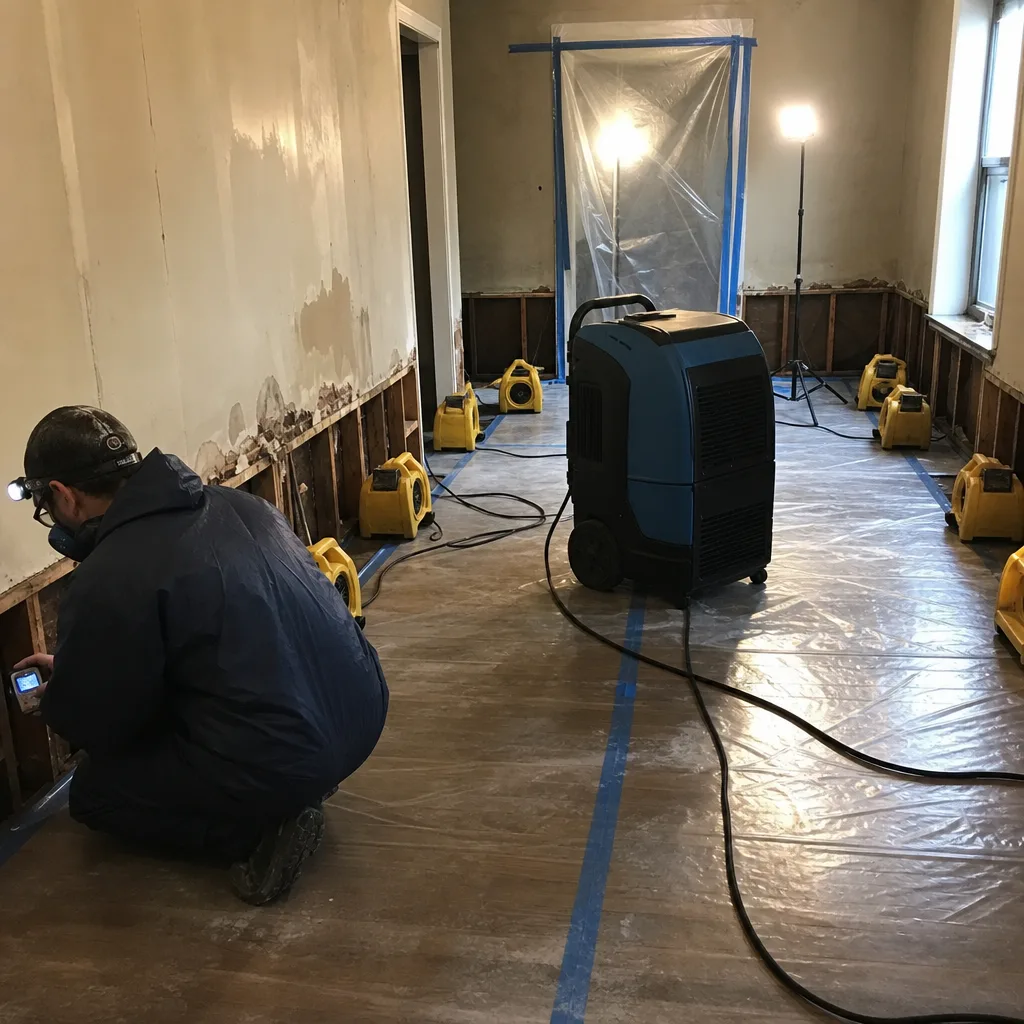
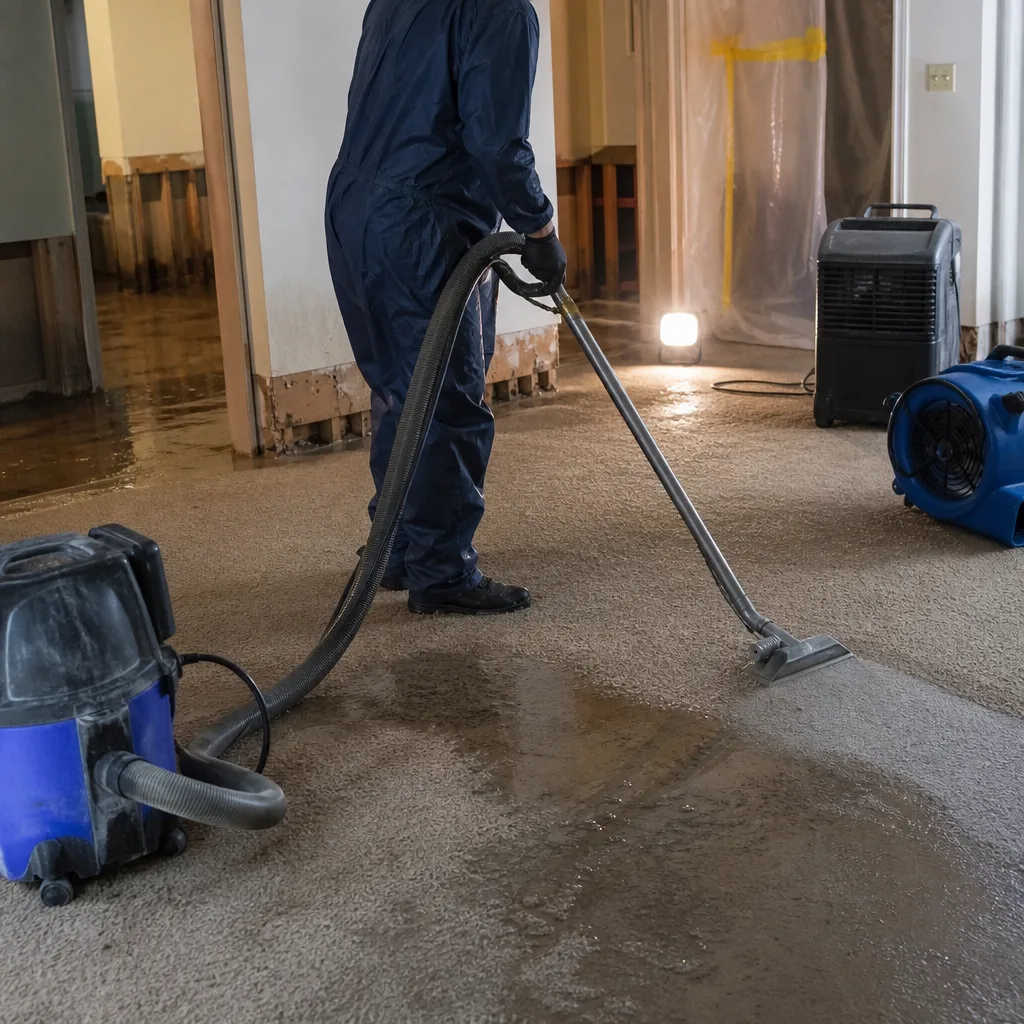
Truck-mounted extraction units and portable Dri-Eaz pumps pull standing water from basements, crawlspaces, and carpets. We board up broken windows, tarp torn roofs, and remove waterlogged debris to stop further damage and secure your home.
Drying & Dehumidification
Phoenix air movers and Dri-Eaz low-grain refrigerant dehumidifiers run continuously, with daily moisture readings logged until every affected material hits the dry standard. For horsehair plaster walls, we use Injectidry systems that pull water from the plaster-and-lath assembly without tearing it to the studs.
Cleaning & Sanitization
HEPA air scrubbers run throughout the drying phase, and B-Air negative air machines contain dust and spores during any demolition. Antimicrobial treatments are applied to all category 2 and 3 affected surfaces, and fire-damaged materials are cleaned with dry-chem sponges where wet wiping would drive soot deeper.
Storm-Specific Treatment
Roof tarping on low-slope Cape Cods gets extra fastening and inspection because Floral Park’s original wood fascia and ice-damming history demand it. Exterior repairs are scheduled around both Nassau County and Village of Floral Park inspections so permits never stall your job.
Repairs & Restoration
The same crew rebuilds what was removed: plaster repairs, trim replacement, flooring, and full reconstruction if needed. Every job ends with a moisture log in your hand and the 90-Day Done Right Promise in writing.
Need Emergency Storm & Disaster Restoration in Floral Park Now?
Crews minutes away, answering live 24 hours a day. The sooner we start, the less it costs.
Working With Your Insurance Company
We handle insurance the way a restoration contractor should: with documentation from the first hour and direct communication with your adjuster. When we arrive at a Floral Park home, we photograph every affected room, log moisture readings at each visit, and write a line-item scope of work that your carrier can process without follow-up calls. We bill your insurer directly, and claim handling follows industry-standard protocols that most carriers accept without dispute. If a dispute arises, we provide the drying logs, photos, and scope documents that support your claim. Your job is not to argue with an adjuster; your job is to get your house back.
What We Provide Your Insurer
- Thorough documentation of the loss
- Photos of all damage, room by room
- Moisture readings and drying logs
- A detailed, line-item scope of work
- Direct coordination with your carrier
Built for Floral Park’s Loss Calendar
Floral Park sees distinct storm damage patterns through the year, and our crews prepare for each season. January and February bring deep freezes that burst supply lines in unheated basements and exterior walls, and the resulting water finds the same shallow water table that makes Floral Park basements damp in the first place. March and April thaw pushes groundwater into aging, unlined block foundations, and spring rain events overwhelm sump pumps that haven’t run since fall. Summer thunderstorms bring flash flooding that overwhelms the village’s storm drains, especially on low-lying streets and older blocks with combined sewer stress. September through November is nor’easter season, and Floral Park’s low-slope Cape Cod roofs take the brunt: ice damming at the eaves sends meltwater behind original wood fascia and into plaster ceilings. December returns to freeze-thaw cycles that open mortar joints and crack foundations further. None of this is a surprise to us. We schedule and stock for it.
Storm & Disaster Restoration Across Floral Park’s Neighborhoods
Floral Park is a dense village of 1920s to 1950s Cape Cods and Tudor-style homes, and each pocket has its own loss patterns. Around Carnation Avenue and the blocks north of Jericho Turnpike, the 1940s Cape Cods with original plaster-and-lath walls and low-slope roofs see ice-damming water travel from fascia to ceiling in a single nor’easter. Down by the Floral Park-Bellerose border, the older block foundations and shallow water table mean basement intrusions after any sustained rain, not just major storms. Near Floral Park Memorial High School, the slate-roofed Tudors carry the original wood gutters and flashing that wind damage exposes quickly. Along Tulip Avenue and the village center, the mixed residential-commercial buildings need coordinated restoration timelines because business interruption and residential access share walls. On Jamaica Avenue’s west end, the 1930s homes frequently conceal knob-and-tube wiring behind plaster, which changes every decision about opening walls after storm water intrusion. Our crews know which blocks have plaster, which have early drywall, and which foundations sit closest to the water table.
Specialized Storm & Disaster Restoration Services We Offer in Floral Park
Storm Damage Cleanup
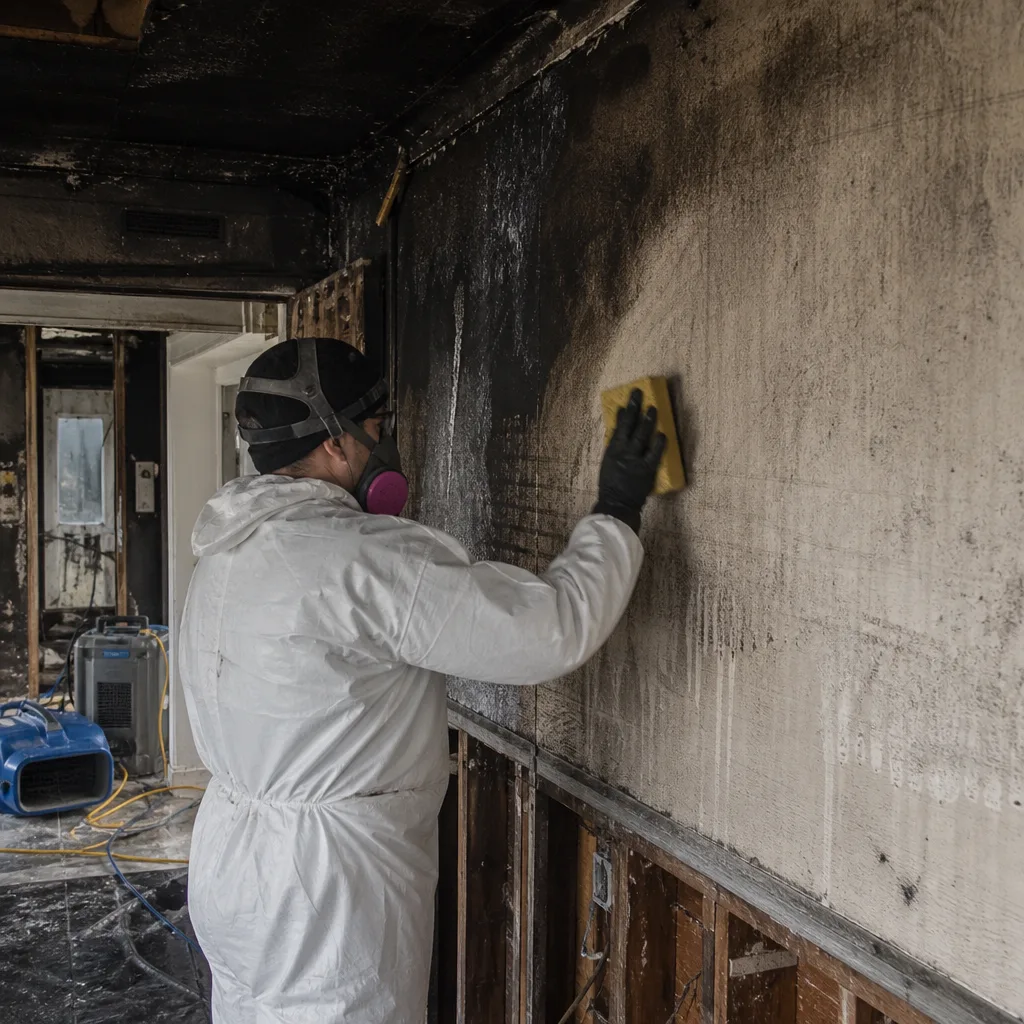
Storm damage cleanup in Floral Park is rarely a simple mop-up. We remove waterlogged carpet, saturated plaster, and storm debris, then dry and clean what can be saved. Every cleanup includes moisture mapping so hidden pockets of water inside plaster walls don’t turn into mold six weeks later. In Floral Park’s older homes, cleanup that ignores hidden moisture behind horsehair plaster is cleanup that will fail.
Flood Damage Restoration
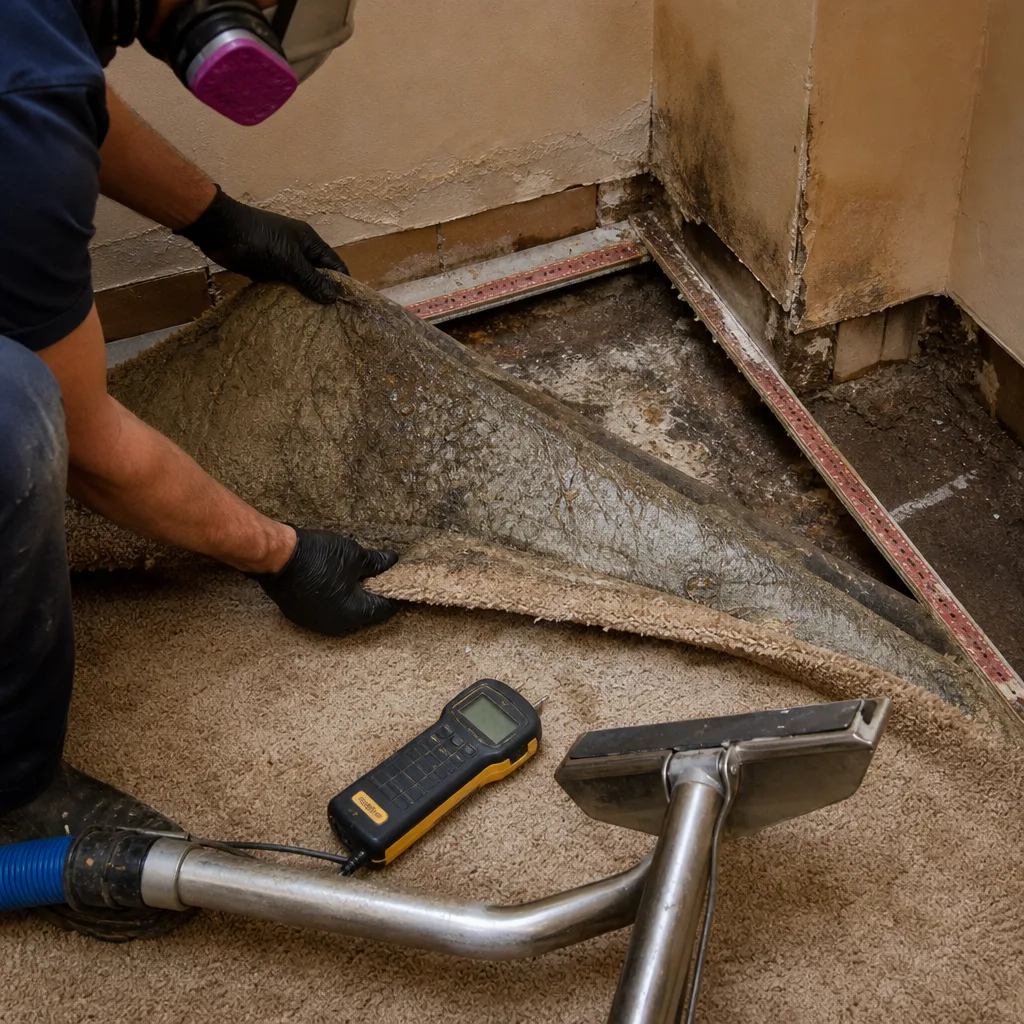
Flood damage restoration in Floral Park means understanding the water table. Your basement flood is often shallow-table groundwater plus storm runoff, which carries Category 2 or 3 contaminants, not clean Category 1 water. We classify the water correctly, contain the affected area, remove what must be removed, and dry what can be saved, with daily moisture logs until the dry standard is met. Then we rebuild so the same storm doesn’t put you back in the same position.
Emergency Board-Up
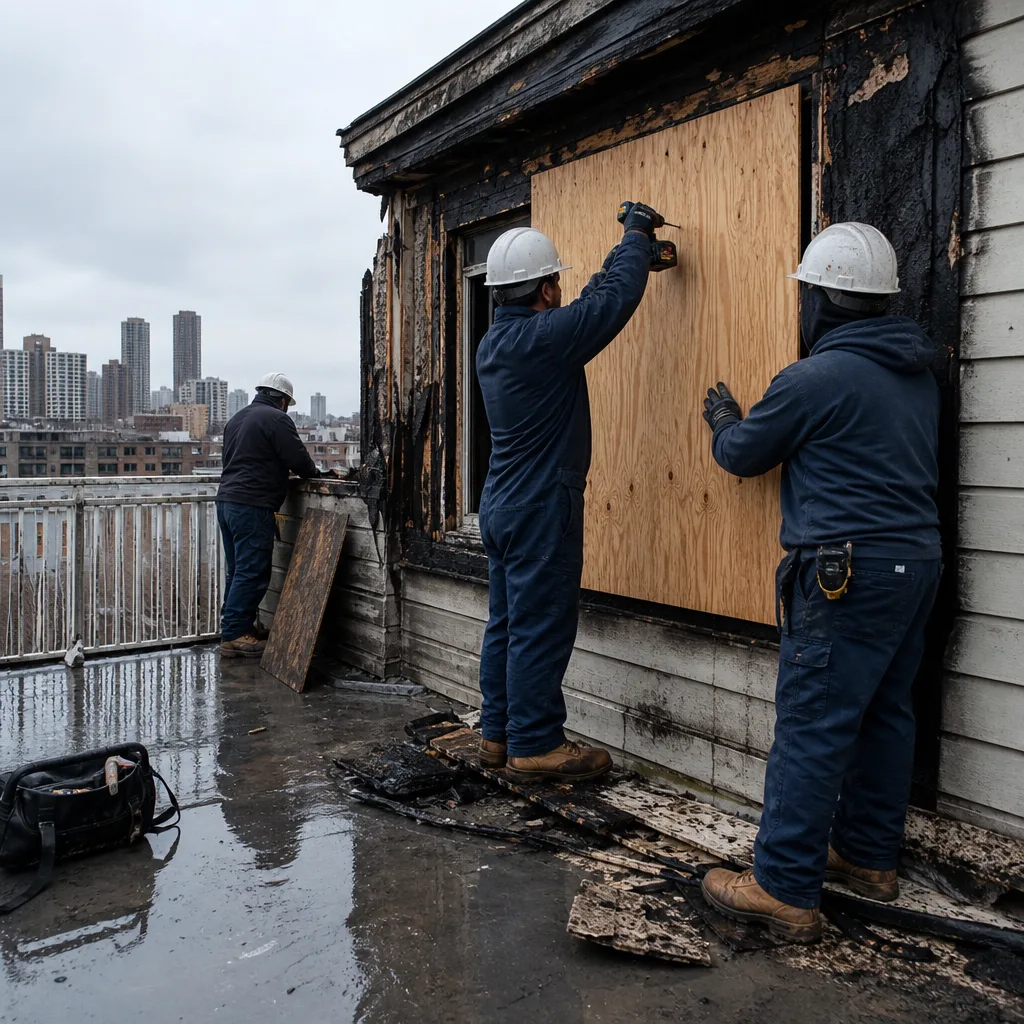
When a tree limb goes through a Floral Park window at midnight, the first job is securing the opening so no more water or animals get in. We board up with plywood cut to your window’s exact dimensions, sealed and fastened to prevent further damage. Board-up is always the first step, but it’s never the whole job; we return with the full restoration plan once the building is secure.
Roof Tarping
Roof tarping after a Floral Park nor’easter has to account for the village’s low-slope Cape Cod roofs and original wood fascia, which don’t shed water the way modern roofs do. We fasten tarps to ridge and eave lines with batten boards, not just stakes, and we schedule the village sign-off along with Nassau County’s permit so the tarp doesn’t become a code violation while you wait for permanent repairs. The tarp buys time; the dual-inspection process determines how much.
Debris Removal
Storm debris in Floral Park is more than branches: it’s waterlogged insulation, shattered slate, and plaster that has separated from lathe. We haul all of it, and we do it with an eye toward what your insurer’s adjuster needs to see documented before anything leaves the property. Debris removal also triggers village disposal rules, and we handle that coordination so you don’t have to.
Wind Damage Repair
Wind damage in Floral Park hits the original materials hardest: wood fascia, slate and asphalt shingles, and the flashing around chimneys and dormers. We repair what can be repaired and rebuild what cannot, matching the original materials where Floral Park’s protected streetscapes require it. And because the village’s own building department signs off on exterior work separate from the county, we handle both inspections from the start.
What happens when you call
- 1
A real person answersNo phone trees - you reach a local pro.
- 2
You get an upfront price rangeHonest numbers before anyone is dispatched.
- 3
A background-checked tech heads outLicensed & insured, dispatched right away.
- 4
You approve before work beginsNothing starts until you say go.
Storm & Disaster Restoration Costs in Floral Park, NY
Storm restoration pricing in Floral Park generally runs $2,800 to $9,500 for a typical water-damage job, with larger storm losses reaching $18,000 or more when reconstruction is involved. Emergency board-up usually runs $350 to $800, roof tarping $450 to $1,200 depending on the roof’s size and pitch, and debris removal $500 to $2,500 based on volume and disposal requirements. Water extraction and drying alone often lands between $1,800 and $4,500 in Floral Park’s older homes, where horsehair plaster demands slower drying and more equipment than a drywall house. What moves the price most is the category of water, the square footage of affected plaster, whether exterior permits trigger village inspection fees, and whether demolition reveals knob-and-tube wiring that must be evaluated. Insurance covers the majority of covered storm losses; your out-of-pocket is typically your deductible plus any code upgrades the village requires during reconstruction. The free inspection is the path to a firm number, so call (917) 924-4221 and we’ll give you a written scope before any work starts.
We Also Serve Cities Near Floral Park
Our storm and disaster restoration crews also serve Floral Park‘s neighboring communities, including Bellerose, New Hyde Park, Glen Oaks, and Elmont. If you’re in a nearby Nassau County village or unincorporated hamlet and storm damage just hit, call the same number: (917) 924-4221.
Serving Floral Park, NY - Our Local Coverage Area
We’re based in the Floral Park area and know this community well. Use the map below to see our service coverage - if you’re nearby, we can almost certainly help.
Floral Park Storm & Disaster Restoration Questions, Answered
Does Storm & Disaster Restoration in Floral Park require both a village and a Nassau County permit for exterior repairs like roof tarping or siding replacement?
Yes, any exterior repair that alters a Floral Park streetscape, including permanent roof repairs and siding replacement after storm damage, requires separate sign-offs from the Village of Floral Park’s building department and Nassau County. Our Storm & Disaster Restoration team coordinates both inspections from the start so your job never stalls mid-permit. Call (917) 924-4221 if you need help navigating current requirements.
How do you dry original horsehair plaster walls after storm water intrusion in a 1940s Cape Cod without tearing them out?
We use Injectidry systems that pull water from the plaster-and-lath assembly through small drilled ports, paired with Phoenix air movers and Dri-Eaz dehumidifiers in containment. The plaster is then monitored with daily moisture readings until it returns to pre-loss dry standard without demolition. On Carnation Avenue, we used this exact method inside a 1940s Cape Cod where demolition would have meant losing original plaster in half the first floor. Call for a free inspection if your plaster took on water.
What category of water should I expect in a Floral Park basement flood from heavy rain or sump failure?
Expect Category 2 or 3 water, not clean Category 1. Floral Park’s shallow water table and aging storm drains mean basement floods mix groundwater with whatever drains and sumps carry, which classifies as contaminated and requires containment, antimicrobial treatment, and selective material removal. We classify the water correctly before any drying begins. Call (917) 924-4221 for an assessment.
Why does roof tarping after a nor’easter need to be done differently on Floral Park’s low-slope Cape Cods with original wood fascia?
Low-slope roofs hold water longer, and original wood fascia wicks meltwater behind it, so tarps must be fastened with batten boards at ridge and eave lines rather than staked loosely. Ice damming on these roofs sends meltwater into the plaster ceiling below, so the tarp has to redirect water fully off the roofline. We also schedule the village and county inspections together so the temporary tarp doesn’t become its own code issue. Call for emergency tarping if water is already coming in.
Can you handle a Storm & Disaster Restoration job in Floral Park with knob-and-tube wiring still active behind plaster walls?
We can, and we encounter it regularly in Floral Park’s 1925 to 1955 homes. Before opening any wall, we coordinate an electrical evaluation, and if the wiring is active, we either protect it during restoration or schedule a licensed electrician to address it before we proceed. No storm restoration in an older Floral Park home should ignore what’s behind the plaster. Call before demolition starts, and we’ll walk you through it.
How fast can your crew actually get to a Floral Park home?
Within 45 minutes for emergency storm calls, dispatched live from our New York City office. A real person answers at (917) 924-4221, and extraction begins the same visit when the damage requires it. No recorded message, no waiting on a callback.
Will my insurance cover the full storm restoration bill?
Most covered storm losses are paid by your carrier minus your deductible, and we handle the documentation and adjuster communication to support the claim. Any code upgrades the Village of Floral Park requires during reconstruction may be a separate line item, and we flag those in the written scope before work starts. Your out-of-pocket amount gets settled clearly early, not sprung at the end.
What should I do in the first 30 minutes after storm water enters my Floral Park home?
Call (917) 924-4221 first, then turn off power at the main breaker if water is near any outlets. Don’t walk through standing water if you can avoid it, and don’t attempt to open walls or lift soaked carpet; that spreads contamination and obscures the damage we need to document. Photograph what you can safely see, then leave the rest to us. The sooner we arrive, the more we save.
Written by Curt Bowman, Owner at Floodline Restoration Co. of Manhattan, serving Floral Park and surrounding Nassau County communities.