
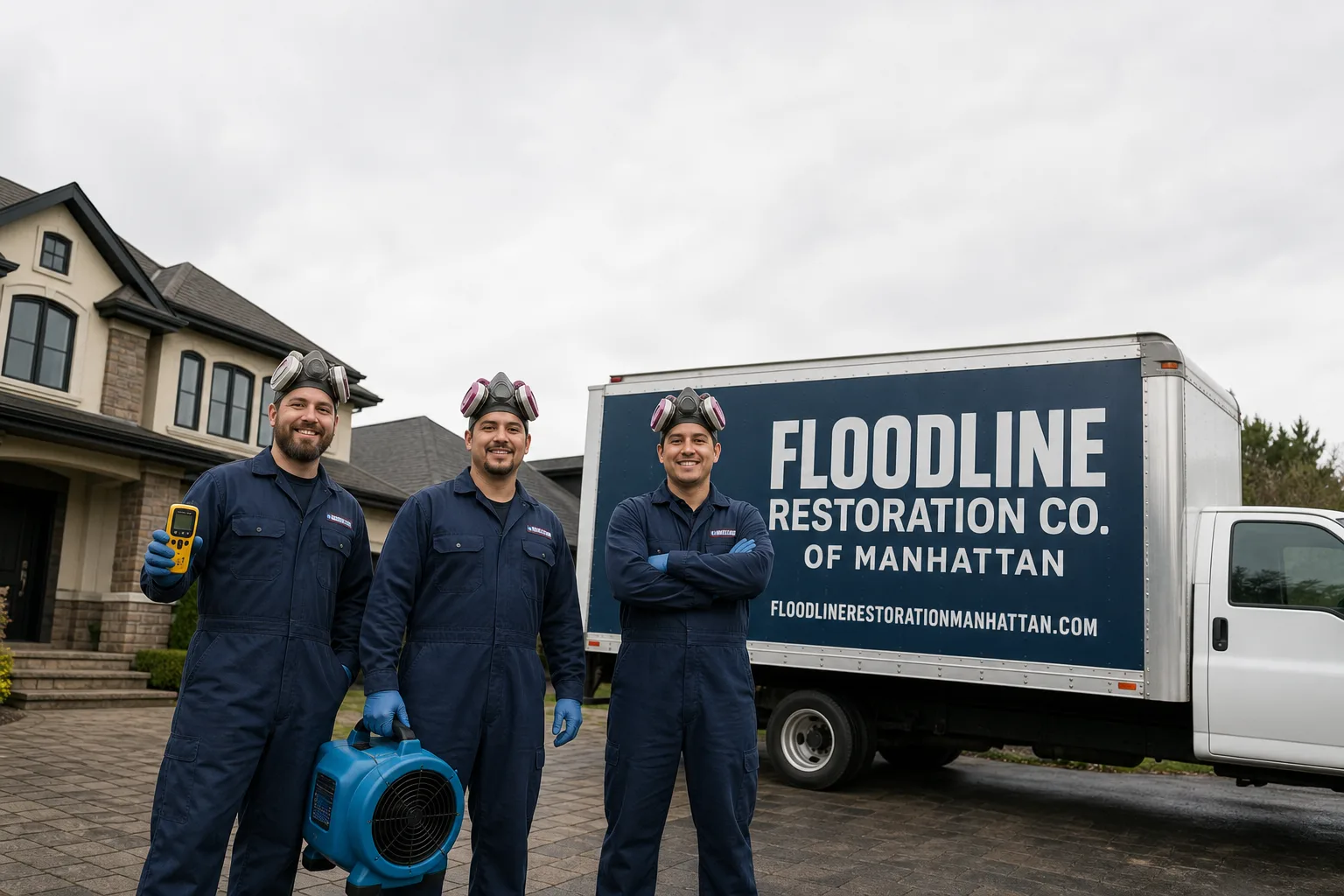
Free visual inspection and a written scope of work before any mitigation begins - photos, moisture readings, and drying logs go in your claim file
The scope we write is the scope we bill. Anything new gets shown to you, in writing, before we touch it.






 Before
 After
After Before
 After
After Before
 After
After24/7 Emergency Storm & Disaster Restoration in Midwood
Storm & Disaster Restoration in Midwood means getting a live person on the phone at two in the morning and a certified crew to your door before the water climbs any higher. Floodline Restoration Co. of Manhattan answers calls around the clock, every day of the year. A real dispatcher picks up, not a recording, and crews are dispatched into Midwood immediately. In a sewage backup or a nor’easter-driven flood, the first hour decides whether your finished basement loses a corner or a whole wall. Call (917) 924-4221 the moment you see water or wind damage. The initial visual inspection is free, and the sooner we start extraction, the less this costs you.
Understanding Storm & Disaster Restoration Severity in Midwood Properties
Water from a Midwood basement backup is not all the same threat. Category 1 water starts clean, from a burst supply line or a roof leak. Category 2 carries significant contamination, typical of sump failures and washing-machine overflows. Category 3, what we call black water, is what comes up through a floor drain when the combined sewer backs up during a heavy rain. That water carries sewage, bacteria, and pathogens. It changes the entire protocol: containment, antimicrobial treatment, and disposal of porous materials like carpet, drywall, and fiberglass insulation. Moisture mapping with thermal imaging and invasive probes tells us what is actually wet, not just what looks wet. In Midwood’s plaster-and-lath homes, that distinction matters more than anywhere else we work. A dry-looking plaster surface can sit over a saturated cavity holding 90% relative humidity, breeding mold inside the wall while the homeowner thinks the job is done.
Why Midwood Property Owners Choose Floodline Restoration Co. of Manhattan
- 45-minute response commitment for Midwood emergencies. When water is rising, a crew dispatched from our local staging gets to your block fast, not hours later.
- Live answer, 24/7. A dispatcher in our New York City office picks up every call. You will never wade through a phone tree while your basement floods.
- IICRC-certified crews, background-checked and uniformed. Water restoration technicians certified to WRT and ASD standards, plus AMRT for Category 3 sewage work.
- Free visual inspection with moisture mapping. We document the damage with thermal imaging and invasive readings before any work begins, so you see what we see.
- Direct insurance billing. We send photos, drying logs, and the line-item scope straight to your carrier. You are not the messenger.
- One crew from extraction to reconstruction. The same team that extracts on day one handles drying, demolition, and rebuild. No mid-job handoff.
Our Storm & Disaster Restoration Process
Inspection & Assessment
We arrive with thermal imaging cameras, hygrometers, and moisture probes. On a Midwood pre-war house, we check behind plaster, not just at the surface. The scope gets written based on what the meters say, not on what is visible.
Extraction & Stabilization
Dri-Eaz truck mounts and XPOWER pumps pull standing water out fast, even through tight Midwood alley access where a full-size truck needs a spotter. For storm damage, we board up broken windows and tarp roofs the same visit.
Drying & Dehumidification
Professional-grade Phoenix dehumidifiers and high-velocity air movers run continuously. In plaster-and-lath walls, we open cavities first so air can reach the saturated core. Daily moisture readings are logged until the dry standard is met.
Cleaning & Sanitization
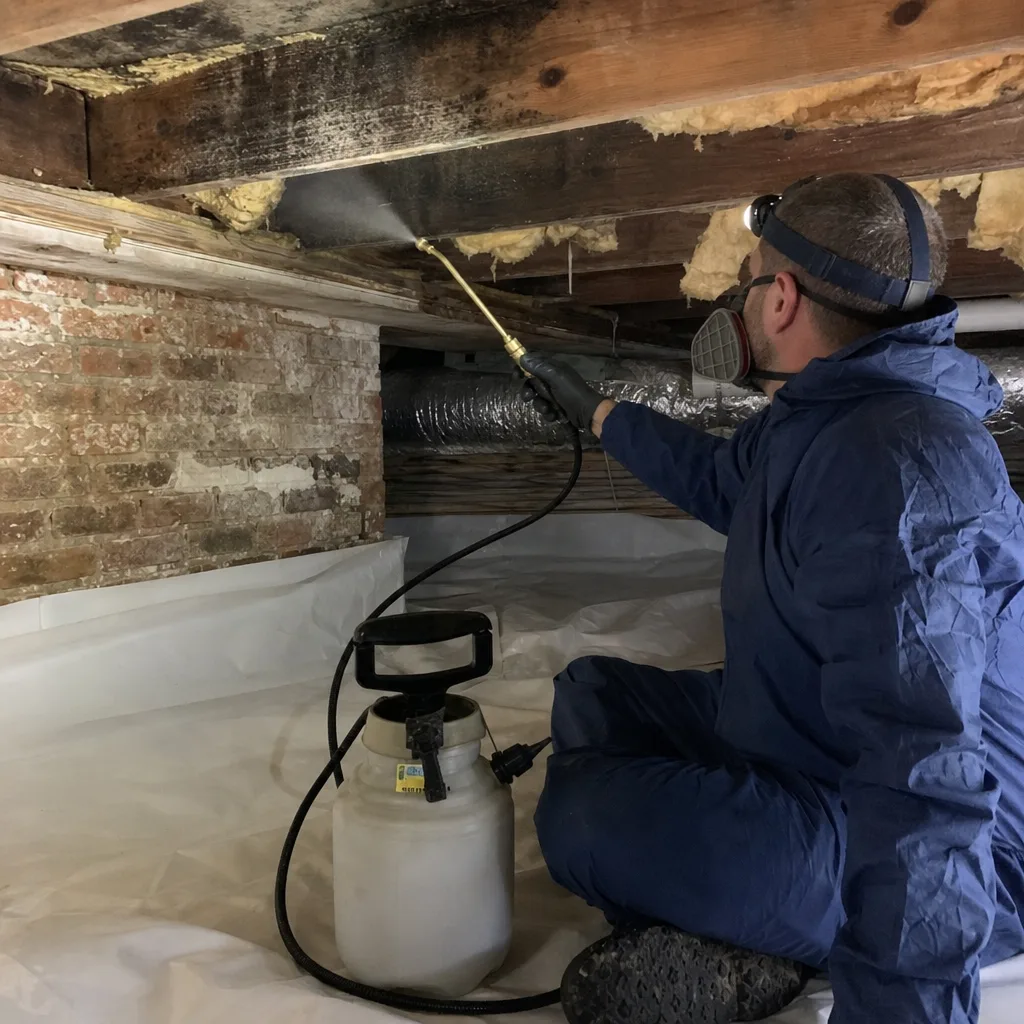
For Category 3 sewage backups, we apply antimicrobial treatments and remove contaminated porous materials. HEPA air scrubbers run during the entire process to capture airborne mold spores and bacteria.
Containment & Selective Demolition
In Midwood’s older homes, plaster demolition is often required to reach hidden moisture. We set containment at the basement door or room threshold, so dust and mold spores do not migrate into the rest of the house.
Repairs & Restoration
Floodline handles reconstruction in-house. New drywall or period-appropriate plaster repair, refinished wood paneling where possible, and rebuilt basement living space. The job isn’t done until we hand you the moisture log and the 90-Day Done Right Promise in writing.
Need Emergency Storm & Disaster Restoration in Midwood Now?
Crews minutes away, answering live 24 hours a day. The sooner we start, the less it costs.
Working With Your Insurance Company
Most Midwood homeowners with storm or sewage backup claims are dealing with a carrier for the first time in decades. The paperwork can feel overwhelming while your basement sits wet. We handle the adjuster communication directly, starting from the first hour on site. Our team documents everything: photos of every affected room, moisture readings taken at the start and logged daily, a line-item scope grounded in IICRC standards, and a clear narrative of what was damaged and what we did. If your adjuster has questions, we answer them. You focus on your home and your family. We bill the carrier directly and send you a copy of everything.
What We Provide Your Insurer
- Thorough documentation of the loss
- Photos of all damage, room by room
- Moisture readings and drying logs
- A detailed, line-item scope of work
- Direct coordination with your carrier
Built for Midwood’s Loss Calendar
Midwood’s storm and disaster calendar has a rhythm, and we see it repeat every year. January and February bring deep freezes that split aging cast-iron and galvanized supply lines inside uninsulated exterior walls, flooding finished basements in the middle of the night. March and April thaw runoff saturates the glacial-outwash soil, and hydrostatic pressure pushes groundwater through foundation cracks into basement slabs. Summer thunderstorms, particularly the intense convective storms from late June through August, drop inches of rain in an hour onto Midwood’s near-total impervious cover. The combined sewer overtops, and sewage backs up through floor drains into basements along Avenue J, Avenue M, and the side streets off Ocean Avenue. October through December, nor’easters drive wind and rain against multi-pitch roofs with dormers, tearing off shingles and sending water through original plaster ceilings. Every season has a signature loss, and we plan our Midwood dispatch around them.
Storm & Disaster Restoration Across Midwood’s Neighborhoods
Response routes in Midwood shift by block, because the housing stock and access constraints change by corridor. Around Avenue J and East 16th Street, the big detached homes from the 1920s sit back from the street, but many share narrow side alleys that barely fit a truck mount and a hose line. Crews stage equipment on the avenue and wheel in from the sidewalk, saving fifteen minutes versus a blocked driveway. Along Ocean Avenue near Avenue M, the pre-war apartment buildings and attached houses have basement entrances at the rear or side, often behind locked gates. We send a two-person crew so one handles building access while the other starts extraction. Over near Bedford Avenue and Avenue N, homes built in the 1930s and 1940s have finished basements with wood paneling and linoleum over concrete, hiding water migration behind panel joints. East of Coney Island Avenue toward East 21st Street, semi-detached brick houses share party walls, and a sewage backup in one basement can affect the neighbor through the common wall. We coordinate right-of-way and parking with the block before the truck arrives. Knowing which type of building, which access point, and which basement layout we are walking into is what lets a Midwood crew start extraction within the first hour instead of the third.
Specialized Storm & Disaster Restoration Services We Offer in Midwood
Storm Damage Cleanup
After a nor’easter or a violent summer thunderstorm, Midwood basements and first floors hold standing water, broken glass, and blown-in debris. We remove the water and the debris, dry the structure, and start the repair scope. Our Storm & Disaster Restoration team works the entire damage footprint in one pass, so you call one number and deal with one crew.

Flood Damage Restoration
When the combined sewer backs up through a Midwood floor drain, the water is Category 3, and it requires full containment, antimicrobial treatment, and disposal of contaminated finishes. We extract with truck-mounted Dri-Eaz equipment, map the moisture with probes and thermal imaging, and open walls to dry the cavity behind original plaster. This is the most common call we run in Midwood, and we have the process down to the hour.

Emergency Board-Up
A broken window or a door blown open by wind leaves a Midwood home exposed to further rain, pests, and intrusion. We board up with plywood cut to fit the opening, anchored without damaging original brick or wood frames. On homes with period details around the entry, our crews use padded fasteners and pre-drilled anchors. The board-up happens fast, but it is measured and careful.

Roof Tarping
Midwood’s multi-pitch roofs with dormers leak in ways that spread water across plaster ceilings and into wall cavities. We tarp the damaged area same-day, securing it against further wind and rain while the full roof repair scope is written. A proper tarp on a steep Midwood pitch needs the right anchors and a crew that knows how to work the ridge line safely. We do.
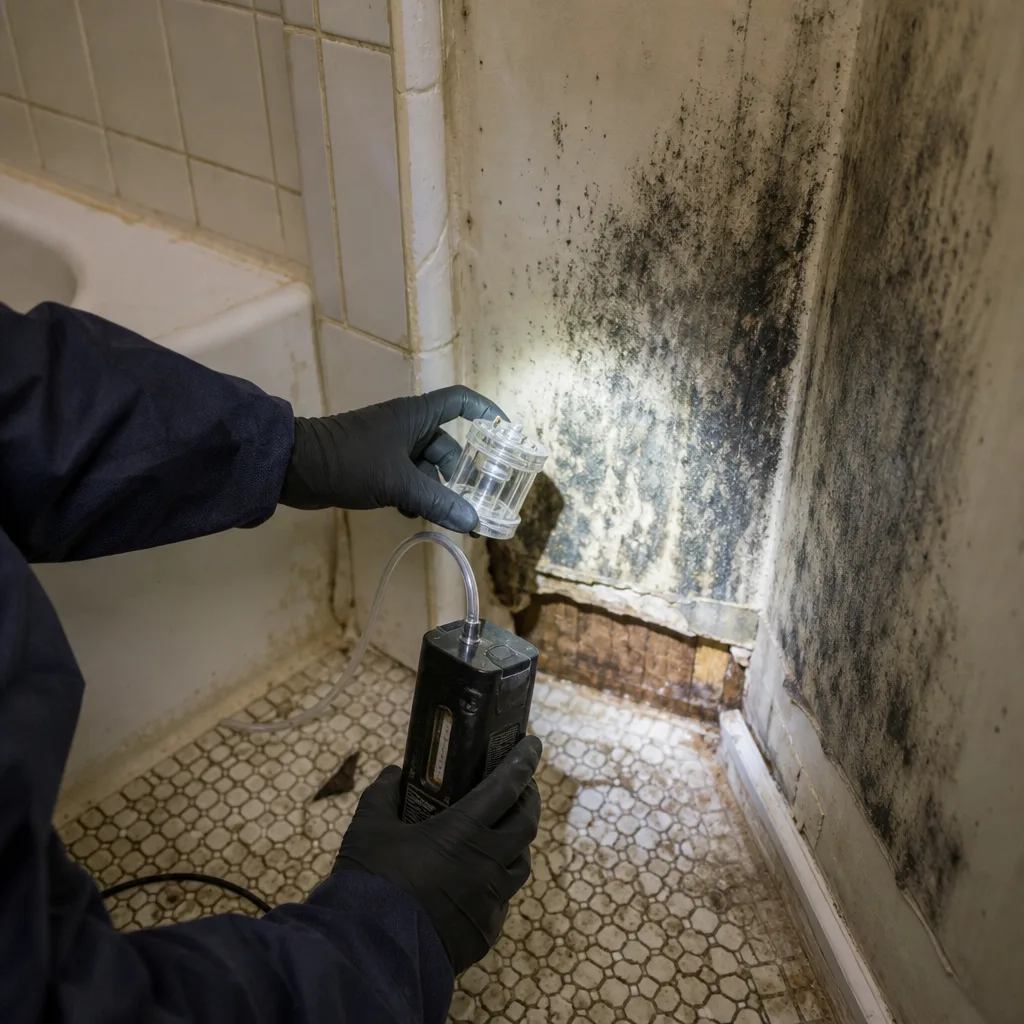
Debris Removal
After a storm, Midwood yards and driveways fill with branches, shingles, and whatever the wind carried in. We haul the debris out and document it for the insurance claim. The same crew that does the debris removal can start the interior mitigation the same visit, so you are not waiting on two companies.
What happens when you call
- 1
A real person answersNo phone trees - you reach a local pro.
- 2
You get an upfront price rangeHonest numbers before anyone is dispatched.
- 3
A background-checked tech heads outLicensed & insured, dispatched right away.
- 4
You approve before work beginsNothing starts until you say go.
Storm & Disaster Restoration Costs in Midwood, NY
Honest numbers for Midwood’s market. Emergency board-up on a broken window or door typically runs $200 to $450, depending on the opening size and access. Roof tarping on a two-story Midwood home runs $300 to $650 for the tarp and secure anchoring. Sewage backup extraction from a finished basement, before any rebuild, runs $2,200 to $5,500 depending on square footage and how much plaster or paneling has to be opened. Flood damage restoration with full drying logs and daily monitoring runs $1,500 to $4,800 for a single room, and $6,000 to $18,000 for a full finished basement with Category 3 water. The free inspection gives you a firm, written scope before any work starts. No surprises on the bill. The $50 Off Any Repair Over $250, the $89 Seasonal Tune-Up, and the Senior & Veteran 5% Discount apply to eligible work in Midwood. Call (917) 924-4221 for an exact figure.
We Also Serve Cities Near Midwood
Floodline Restoration Co. of Manhattan runs storm and disaster response into Fairview, Harrison, East Bronx, and Hunts Point. Same live dispatch, same certified crews, same 90-Day Done Right Promise. If you have a property in one of those neighborhoods that took water or wind damage, call (917) 924-4221 and we will route the nearest available crew.
Serving Midwood, NY - Our Local Coverage Area
We’re based in the Midwood area and know this community well. Use the map below to see our service coverage - if you’re nearby, we can almost certainly help.
Midwood Storm & Disaster Restoration Questions, Answered
How quickly can you get a crew to a Midwood pre-war home after a sewage backup into the finished basement?
We commit to a 45-minute response for Midwood emergencies. A live dispatcher takes your call, confirms the address and access, and a certified crew with extraction equipment is rolling toward you immediately. Call (917) 924-4221 and you will talk to a person, not a machine.
Why does a roof leak on a Midwood home often require plaster demolition, not just drying the ceiling?
Because the original horsehair-plaster walls and ceilings in Midwood’s pre-war homes wick and hold moisture invisibly. A localized ceiling stain after a roof leak frequently conceals a saturated cavity behind the plaster that surface readings will not find. We take invasive moisture readings, and when the numbers say the cavity is wet, we open the plaster so air can reach it. Skipping that step leaves hidden moisture that molds weeks later.
Can you board up a broken window on a Midwood townhome without damaging the original brick or front door frame?
Yes. Our crews use padded fasteners and pre-drilled anchors for board-up work on period Midwood homes. We measure the opening, cut plywood to fit, and secure it without driving anchors into original brick faces or decorative door trim. The board-up is temporary, but the installation is careful.
What’s the difference between Category 2 and Category 3 water when my Midwood basement floods from a floor drain?
Category 2 water carries significant contamination from sources like sump failures or washing-machine overflows. Category 3, black water, comes from sewage backups or storm water that has mixed with sewage. When your Midwood floor drain backs up from the combined sewer, that is Category 3. It requires containment, antimicrobial treatment, and disposal of saturated porous materials. We classify the water before we touch it, because the protocol depends on it.
How do you handle a pipe burst in a Midwood finished basement without ruining the original wood paneling?
We start with extraction and then use moisture mapping to find where the water migrated behind the paneling. If the paneling reads high, we carefully remove it in full sheets where possible, mark each panel for reuse, and dry the cavity behind it. On the 1920s wood-frame house near Avenue M and East 16th Street, our crew found the paneling behind a dry-looking wall at 90% relative humidity. We removed the panels, dried the cavity, treated the wood, and reinstalled as much original material as could be saved. That is the approach: salvage first, replace only what has to go.
Will my insurance cover a sewage backup into my Midwood basement?
Most homeowners policies cover sudden and accidental water damage, but sewage backup usually requires a specific endorsement. What matters for your claim is documentation. We photograph everything, log moisture readings daily, and send a line-item scope directly to your adjuster. We bill the carrier directly. If you need help understanding your coverage, call (917) 924-4221 and our office will talk it through with you.
How long does drying and remediation take on a Midwood pre-war basement?
Most single-room drying jobs take three to five days with our Dri-Eaz dehumidifiers and Phoenix air movers running continuously. A full basement with Category 3 backup and plaster demolition can take seven to fourteen days before the dry standard is met. We take daily invasive readings and hand you the log when the job closes. The dry standard is not a guess. It is a number.
What should I do in the first 30 minutes after a storm or sewage backup in Midwood?
Call (917) 924-4221 first. Do not enter standing water in a finished basement if electrical outlets or appliances are submerged. If you can safely reach the panel, shut off power to the affected area, but do not wade through water to get there. Move valuables and documents to higher ground if it is safe. Then stay out and wait for our crew. We will run the assessment and start extraction the same visit.
Written by Curt Bowman, Owner at Floodline Restoration Co. of Manhattan. Founded in 2010, serving New York City with certified crews, live dispatch, and the 90-Day Done Right Promise, in writing, on every job.