
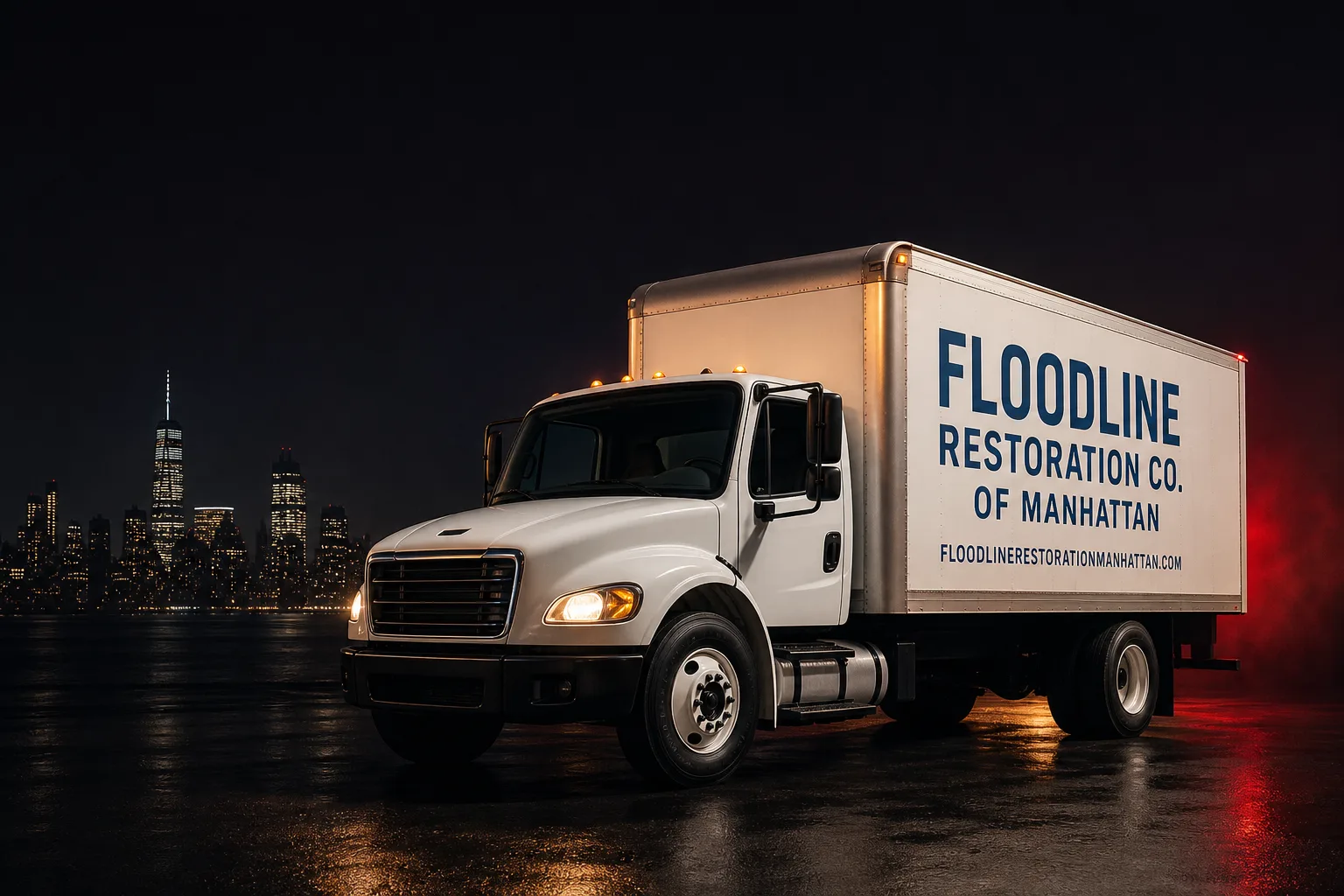
Free visual inspection and a written scope of work before any mitigation begins - photos, moisture readings, and drying logs go in your claim file
The scope we write is the scope we bill. Anything new gets shown to you, in writing, before we touch it.






 Before
 After
After Before
 After
After Before
 After
After24/7 Emergency Storm & Disaster Restoration in Northeast Yonkers
When a nor’easter tears through Northeast Yonkers or a freeze-thaw cycle splits a cast-iron supply line in a 1930s Colonial, you need a crew that answers the phone at 2 a.m. and gets extraction running before the plaster-and-lathe walls start wicking moisture deeper. Floodline Restoration Co. of Manhattan dispatches certified storm and disaster restoration crews into Northeast Yonkers around the clock, every day of the year. Call (917) 924-4221 and you’ll speak with a live dispatcher, not a recording. We send background-checked, uniformed technicians for a free visual inspection, and our Storm & Disaster Restoration team starts stabilization the same visit. The first hour after storm water enters a pre-war Northeast Yonkers home is when the damage either gets contained or gets worse.
Understanding Storm & Disaster Restoration Severity in Northeast Yonkers Properties
Storm damage in Northeast Yonkers doesn’t behave the way it does in newer Westchester suburbs, and the reason comes down to what these houses are made of. Most homes here were built between the 1920s and 1950s with original plaster-and-lathe walls, cast-iron or galvanized supply lines, and oil-fired steam or hot-water heating systems. When Category 2 or Category 3 water from storm flooding or a burst pipe saturates these walls, it doesn’t just dampen drywall. It wicks deep into horsehair plaster and wooden lath, where it can hide for weeks behind a surface that feels dry to the touch. That’s why our crews use moisture mapping and thermal imaging before we ever decide a wall is dry. We log daily readings against a structural drying standard built for dense plaster assemblies, not the drywall targets a national franchise template would apply. The same principle holds for soot. An oil-burner puffback sends an oily, acidic residue through original plaster and radiator fins, and treating that like a simple water loss spreads contamination. Severity here is measured in building materials, not just square footage.
Why Northeast Yonkers Property Owners Choose Floodline Restoration Co. of Manhattan
- 45-minute response commitment: We dispatch crews stationed for Northeast Yonkers coverage, and we’ll be there when we say. The dispatch board at our New York City office tracks every truck in real time.
- 24/7 live answer: A live dispatcher picks up at any hour. No automated phone tree, no “leave a message.” You talk to a person who can put a crew in motion.
- IICRC-certified crews: Our technicians hold IICRC certifications in water damage restoration (WRT), fire and smoke restoration (FSRT), and applied microbial remediation (AMRT). Background-checked and uniformed on every job.
- Free visual inspection: We assess the loss, map the moisture, and give you a written scope before any work begins. No obligation, no pressure.
- Direct insurance billing: We bill your carrier directly and coordinate with your adjuster. You don’t play messenger between us and the insurance company.
- One team from extraction to reconstruction: The same certified crew that reads the moisture map on day one handles daily readings, hands you the drying log, and rebuilds what needs rebuilding. No mid-job handoff.
Our Storm & Disaster Restoration Process
Inspection & Assessment
We start with a full visual inspection and moisture map of the affected areas, using thermal imaging and hygrometers to find water that’s already wicked into plaster and lath. You get a written scope of work and a straight answer about what’s salvageable and what isn’t.
Extraction & Stabilization
Standing water comes out with truck-mounted and portable extraction units. If storm damage has opened the structure, we handle emergency board-up and roof tarping before anything else moves forward.
Drying & Dehumidification
We set Dri-Eaz dehumidifiers and XPOWER air movers in a configuration matched to the room’s plaster-and-lathe construction, then log moisture readings every 12 hours until the structure meets the dry standard. You and your carrier get the log.
Cleaning & Sanitization
HEPA air scrubbers run during the entire process to control airborne particulates. Hard surfaces are cleaned and sanitized with professional-grade antimicrobials appropriate to the water category and the materials involved.
Specialty Treatment
For oil-soot contamination from boiler puffbacks, we use dry-chem sponge cleaning on original plaster and specialized degreasing on radiator fins. For hydrostatic basement intrusion, we address the moisture path, not just the visible water.
Repairs & Restoration
The same crew rebuilds what the storm took out: plaster repair, trim replacement, flooring, paint. We open only what must be opened, which matters when you have original Tudor Revival crown molding to protect.
Need Emergency Storm & Disaster Restoration in Northeast Yonkers Now?
Crews minutes away, answering live 24 hours a day. The sooner we start, the less it costs.
Working With Your Insurance Company
Storm and flood losses in Northeast Yonkers almost always involve an insurance claim, and the quality of documentation in the first 48 hours decides how that claim plays out. We photograph every room, every affected surface, and every moisture reading before we touch a wall. Our line-item scopes follow industry-standard estimating formats your adjuster already knows, which keeps the claim moving. We talk to your carrier directly, we send the documentation, and we answer their questions. You get a copy of everything. When a storm hits Northeast Yonkers, the last thing you should be doing between drying cycles is haggling with an insurance desk. That’s our job.
What We Provide Your Insurer
- Thorough documentation of the loss
- Photos of all damage, room by room
- Moisture readings and drying logs
- A detailed, line-item scope of work
- Direct coordination with your carrier
Built for Northeast Yonkers’s Loss Calendar
Northeast Yonkers sits in a nor’easter corridor, and the loss calendar here has a rhythm. January and February bring deep freezes and freeze-thaw cycles that split original cast-iron supply lines in uninsulated exterior walls. March and April bring snowmelt, and because Northeast Yonkers’s terrain drops sharply toward the Bronx River valley, that runoff concentrates against older stone and brick foundations, causing hydrostatic basement intrusion that repeats season after season. Summer brings thunderstorm flash flooding that overwhelms the area’s aging storm drains, sending Category 2 water into basements with oil-fired boilers and cast-iron radiators. Fall brings the first nor’easters, with wind damage to roofs and siding on the Tudor Revival and Cape Cod homes that dominate streets from Webster Avenue over to the Bronx River Parkway corridor. The pattern is predictable. The damage doesn’t have to be.
Storm & Disaster Restoration Across Northeast Yonkers’s Neighborhoods
Northeast Yonkers isn’t one street grid, and storm response here follows the terrain. Up around the Crestwood and Mohegan Heights sections, we see wind-driven rain and roof damage on steeply pitched Tudor Revivals, where emergency tarping has to be secured against high exposure and tight lot lines. Down toward the Webster Avenue corridor and Lincoln Park, the homes are denser, many with alley-load garages and narrow side yards, so our board-up crews work with smaller staging footprints and hand-carried equipment. Along Central Park Avenue and the streets feeding toward the Cross County Parkway, parking access is the first thing we solve on a dispatch, because a crew that can’t get close to the house can’t start extraction. In the streets closest to the Bronx River, like those around the Sprain Ridge area, basement flooding from runoff is the recurring call, and we know the foundation types and the drainage patterns well enough to map the water path before we set equipment. Every one of these areas has pre-war plaster and oil-fired heat underneath it, which means every one of them needs the same respectful, materials-specific approach.
Specialized Storm & Disaster Restoration Services We Offer in Northeast Yonkers
Storm Damage Cleanup
After wind and rain tear through Northeast Yonkers, the mess is more than water. We remove storm debris, assess structural compromise, and clean the contamination the storm left behind. Our Storm Damage Cleanup crews work methodically through each affected room, documenting everything for your carrier as we go.
Flood Damage Restoration
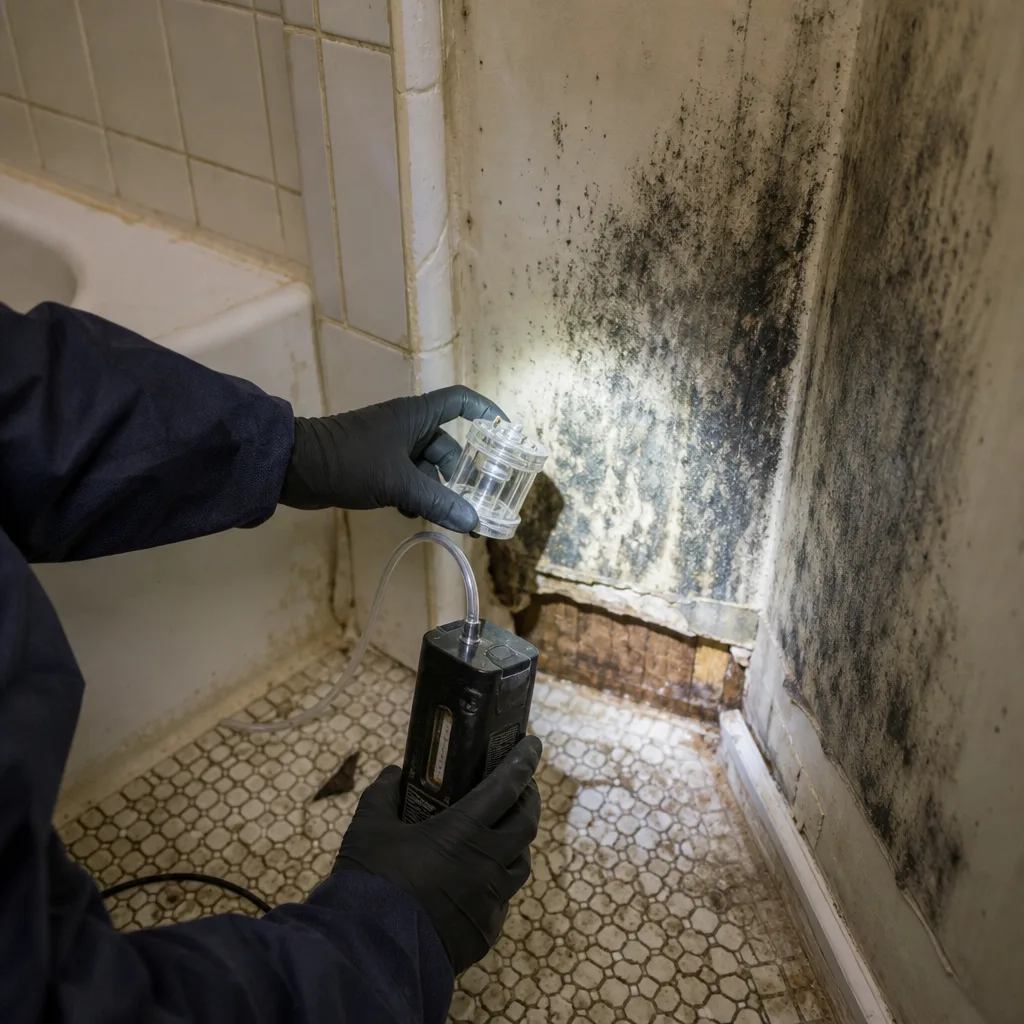
Flood water in a Northeast Yonkers basement with an oil-fired boiler is a Category 2 or Category 3 water loss, and it has to be treated that way from the first hour. We extract, contain, dry, and sanitize, with daily moisture readings logged until the plaster-and-lathe structure meets the dry standard. Our Flood Damage Restoration process is built for the way these pre-war homes actually hold water.
Emergency Board-Up
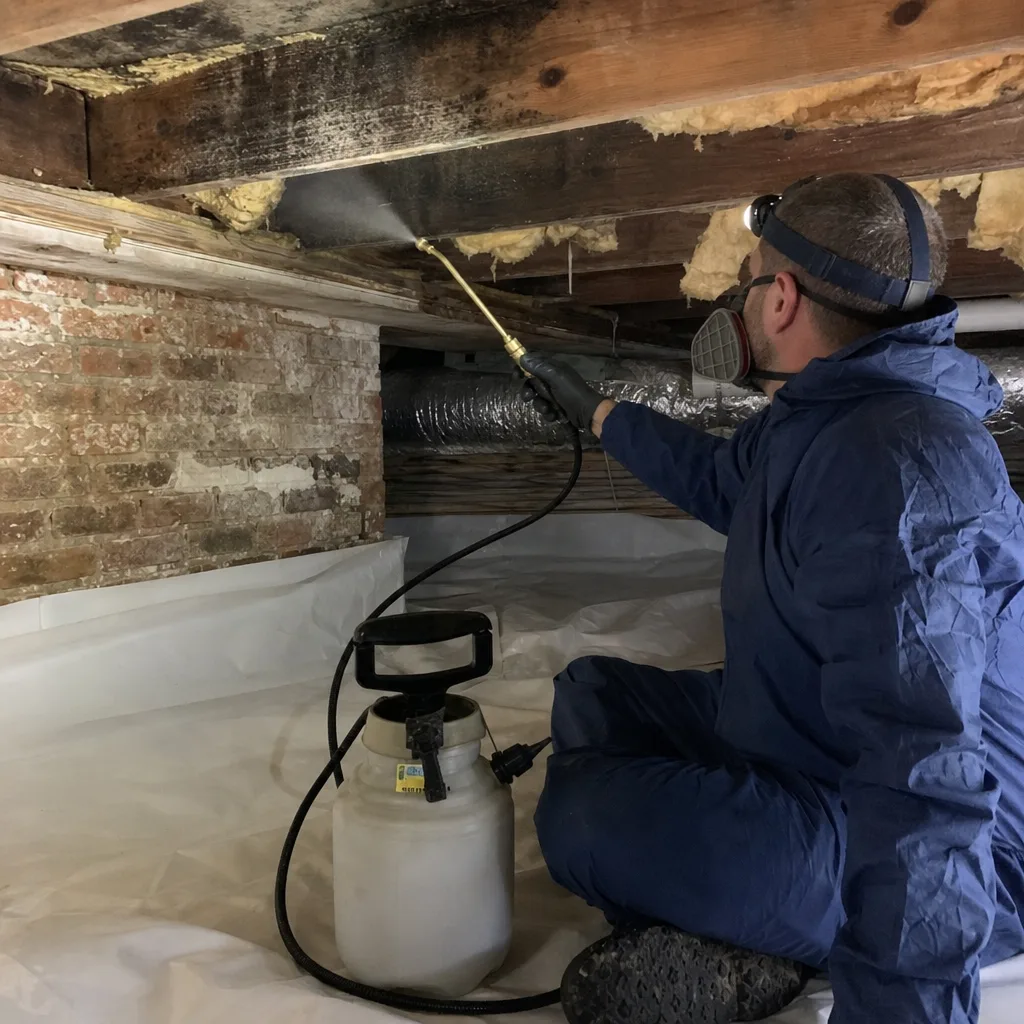
On tight Northeast Yonkers streets with alley-load garages and townhome doors, board-up has to be fast, secure, and sized to the opening. We carry plywood, fasteners, and hardware to secure windows, doors, and compromised walls the same visit. A boarded opening is a liability, not a repair, but it holds the property until we can rebuild.
Roof Tarping
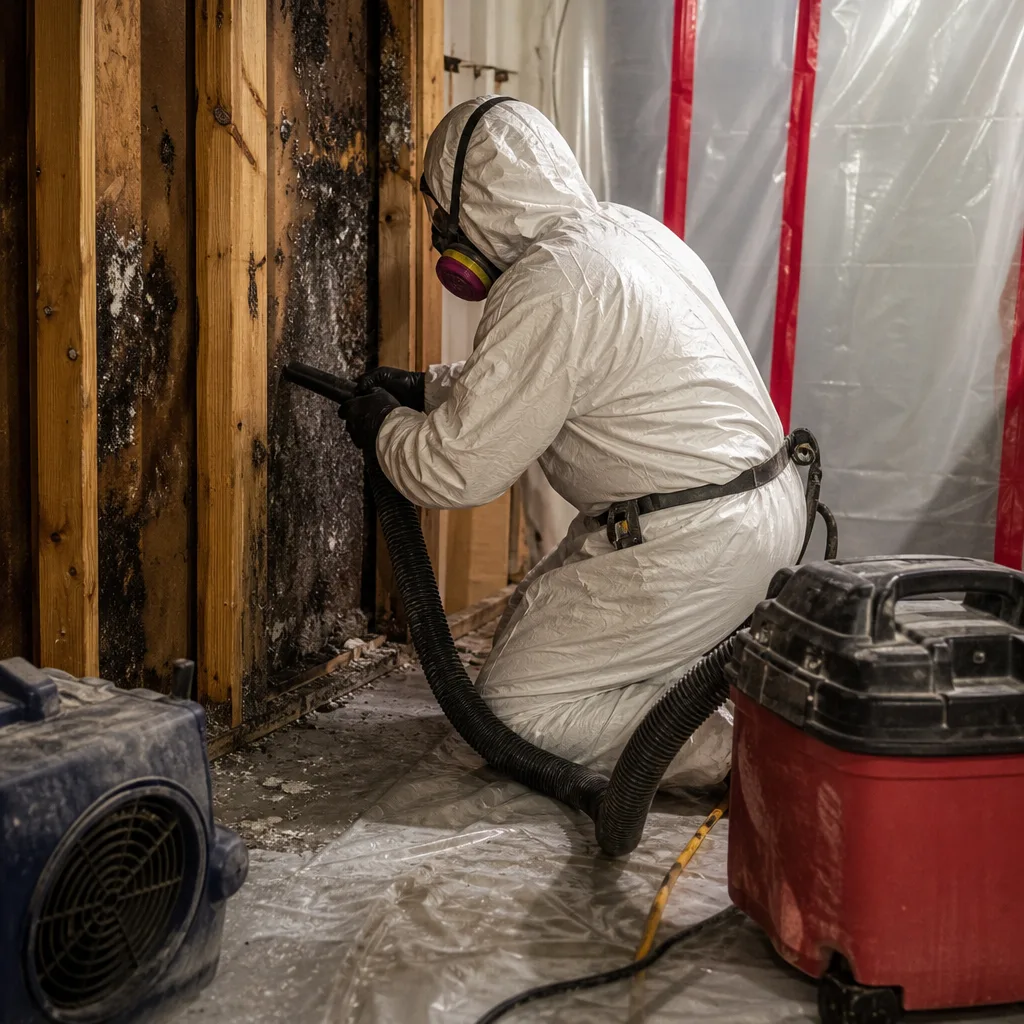
When a nor’easter lifts shingles or punches through a slate roof on a 1930s Tudor, water gets into the attic and then into the plaster ceilings below. We tarp the damaged section with heavy-duty, weather-secured coverings, then document the interior water path. Tarping stops the active leak. The drying plan starts under it.
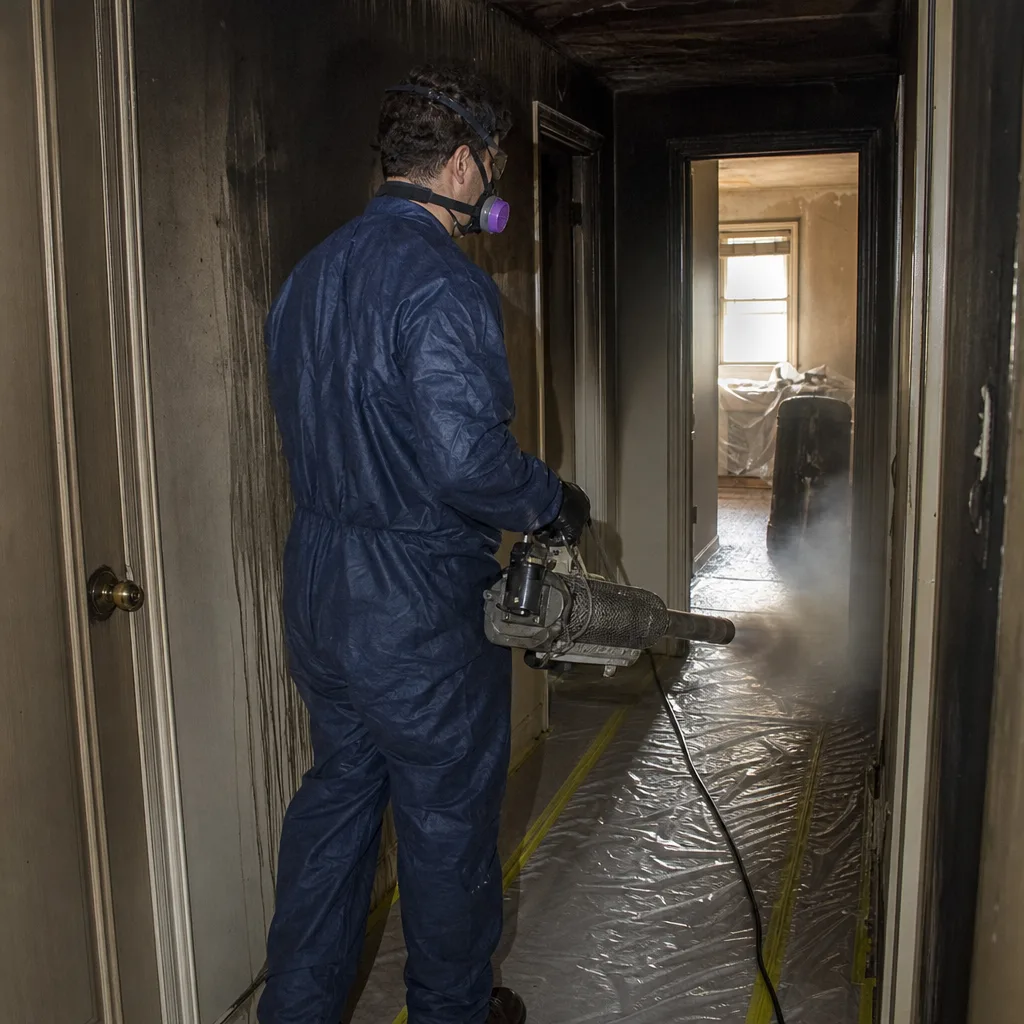
Debris Removal
Fallen branches, torn siding, scattered roof material, and storm-blown debris are more than an eyesore. They’re a safety hazard and a documentation problem for your claim. We remove debris, photograph it as part of the loss record, and clear safe access for the drying and reconstruction crews.
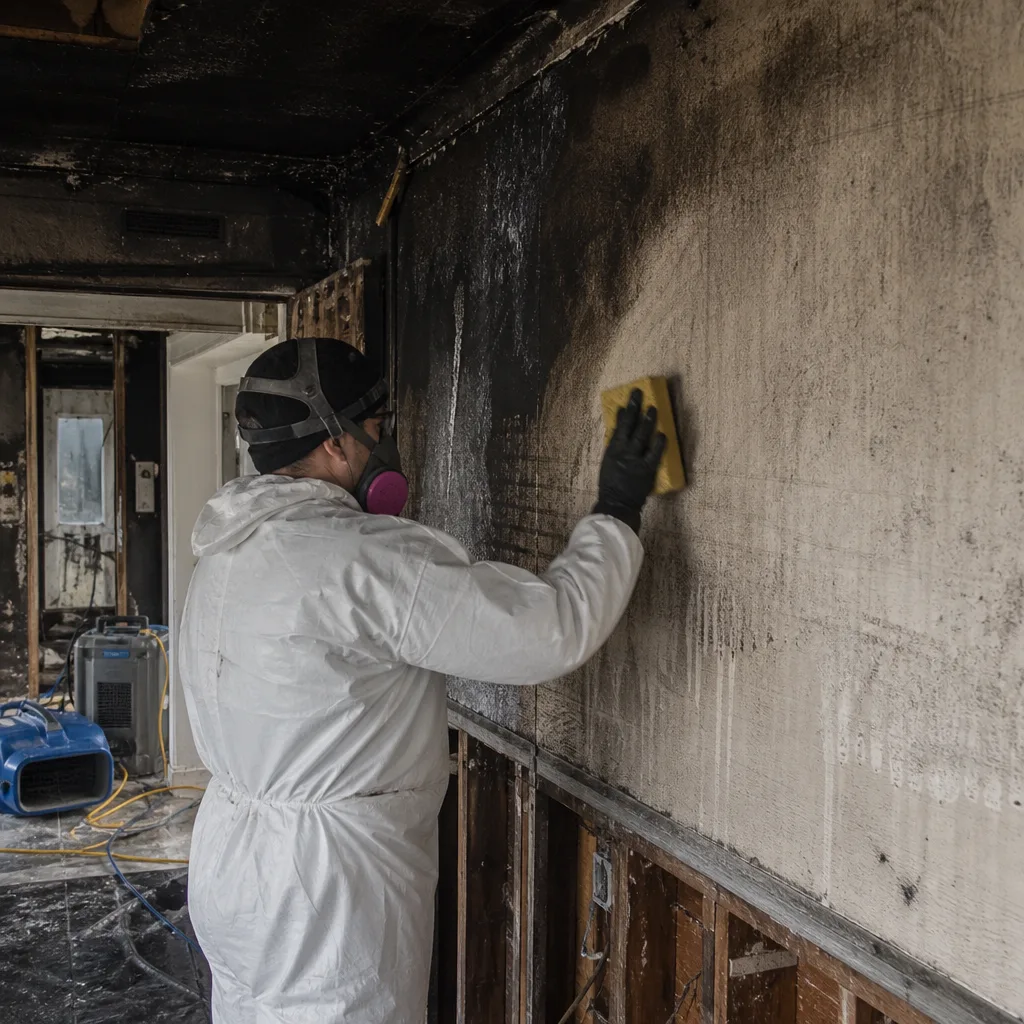
What happens when you call
- 1
A real person answersNo phone trees - you reach a local pro.
- 2
You get an upfront price rangeHonest numbers before anyone is dispatched.
- 3
A background-checked tech heads outLicensed & insured, dispatched right away.
- 4
You approve before work beginsNothing starts until you say go.
Storm & Disaster Restoration Costs in Northeast Yonkers, NY
Storm and disaster restoration in Northeast Yonkers is priced by the scope of the loss, and honest numbers help you plan. A typical emergency board-up for a window or door runs $350 to $800, depending on the number of openings and the hardware needed. Roof tarping on a steep-pitched pre-war home typically runs $500 to $1,200 for a standard section. Water extraction and structural drying for a basement flood runs $2,800 to $6,500, with the higher end reflecting dense plaster walls that take longer to dry. Full storm damage cleanup including debris removal and sanitization often lands between $4,000 and $12,000. What moves the price is the building age, the water category, the number of affected rooms, and whether oil-soot contamination is present from a puffback. Insurance covers most storm-related losses, and we bill your carrier directly. The free visual inspection turns these ranges into a fixed, written scope before we start anything.
We Also Serve Cities Near Northeast Yonkers
Our crews also respond to storm and disaster restoration calls in Northeast Yonkers and the surrounding communities: Fairview, Harrison, East Bronx, and Hunts Point. If you’re just outside the neighborhood line, call us. We’ll tell you straight whether we can get a crew to you this visit.
Serving Northeast Yonkers, NY - Our Local Coverage Area
We’re based in the Northeast Yonkers area and know this community well. Use the map below to see our service coverage - if you’re nearby, we can almost certainly help.
Northeast Yonkers Storm & Disaster Restoration Questions, Answered
How does restoration change when a nor’easter floods a pre-war Northeast Yonkers basement with oil-fired heating equipment?
The oil-fired heating system changes the water category and the cleanup protocol. Flood water around a cast-iron boiler picks up oil residue, rust, and combustion byproducts, so we treat it as Category 2 or Category 3 water and clean the equipment surfaces with degreasers before drying. The boiler itself gets a professional inspection before it’s restarted. Call (917) 924-4221 for an exact scope.
After a storm, how do you handle emergency board-up on tight Northeast Yonkers streets with alley-load garages and townhome doors?
We stage our trucks and materials to work within the tight clearances these streets demand. Our board-up crews carry pre-cut plywood and hardware sized to common Northeast Yonkers openings, and we hand-carry everything the last stretch when there’s no truck access. The board-up is secure and documented for your carrier. Call (917) 924-4221 for immediate dispatch.
Why does storm damage in Northeast Yonkers require longer structural drying than in newer Westchester suburbs?
Because the walls are plaster-and-lathe, not drywall. Horsehair plaster and wooden lath absorb and hold moisture far longer than gypsum board, and they dry more slowly even with professional equipment. We set longer drying schedules, use Dri-Eaz dehumidifiers and XPOWER air movers in configurations matched to dense plaster assemblies, and log moisture readings every 12 hours until the structure hits the dry standard. Cutting the schedule short leaves hidden moisture behind.
What should I do after a storm if oil soot from a boiler puffback has coated plaster ceilings and walls on multiple floors?
Don’t wash it. Oily soot smears when wet, and that turns a surface contamination problem into a substrate damage problem. Call us first, and we’ll clean the residue with dry-chem sponges and degreasing agents appropriate for original plaster and radiator fins. The sooner we start, the less the soot etches into the surfaces. Call (917) 924-4221.
How do you prevent repeat basement flooding from snowmelt runoff on Northeast Yonkers’s hilly terrain?
We map the hydrostatic intrusion pattern, not just the standing water. On the slopes dropping toward the Bronx River valley, that usually means checking the foundation wall, the footing drains, and the surface drainage around the house. We address the water path as part of the restoration scope, so the same basement doesn’t flood the same way next thaw.
How fast can a restoration crew actually get to my Northeast Yonkers home?
We commit to a 45-minute response for crews dispatched to Northeast Yonkers, with live dispatch 24/7. A live person answers the phone at any hour and puts a crew in motion. Call (917) 924-4221 and we’ll give you a straight arrival time.
Do I really need full restoration, or can this just be cleaned and dried?
That depends on the water category, the materials affected, and how far the moisture migrated. In a plaster-and-lathe Northeast Yonkers home, what looks like a cleanable surface often hides deeper wicking. We’ll map the moisture, show you the readings, and give you a written scope. If cleaning and drying is all it needs, that’s what we’ll quote. We don’t oversell restoration.
Will my insurance cover storm and flood restoration in Northeast Yonkers?
Most storm-related losses are covered, but flood damage from rising groundwater or river overflow typically requires a separate flood policy. We document everything from the first hour, bill your carrier directly, and coordinate with your adjuster so you’re not the one untangling coverage. Call (917) 924-4221 and we’ll walk through your specific situation.
Written by Curt Bowman, Owner at Floodline Restoration Co. of Manhattan, serving Northeast Yonkers. Founded in 2010, built around a dispatch board, not a sales desk.