
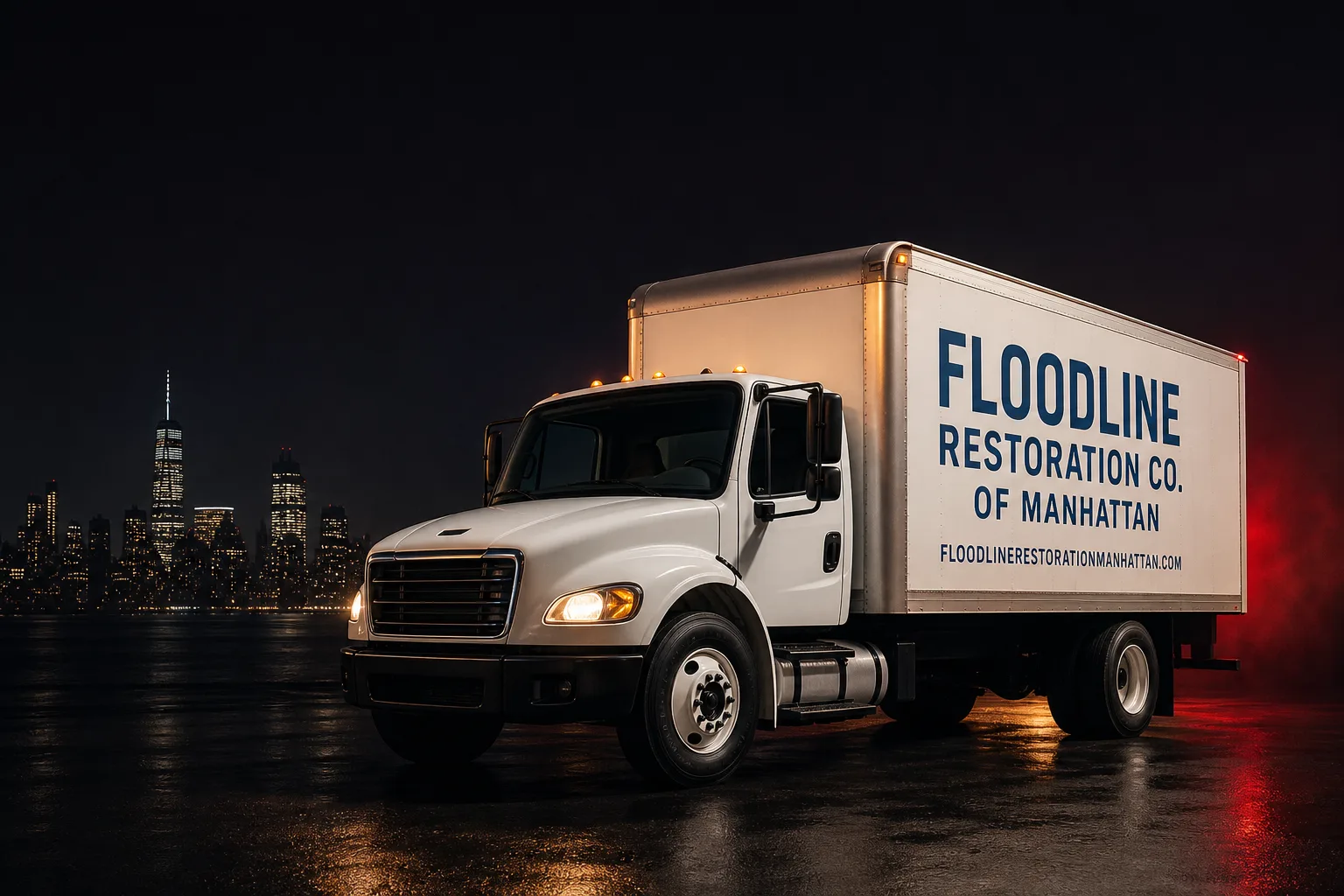
Free visual inspection and a written scope of work before any mitigation begins - photos, moisture readings, and drying logs go in your claim file
The scope we write is the scope we bill. Anything new gets shown to you, in writing, before we touch it.






 Before
 After
After Before
 After
After Before
 After
After24/7 Emergency Storm & Disaster Restoration in Washington Twp
Storm and disaster restoration in Washington Twp means one thing most weeks: water where it should not be, and a clock that started before anyone noticed. A burst supply line in an unoccupied weekend house off a gravel drive can run for days. An ice dam on an 18th-century steep roof lets water crawl behind plaster until it finds the wide-plank floors below. We answer the phone live at (917) 924-4221 twenty-four hours a day, every day. A Floodline Restoration Co. crew serving Washington Twp gets moving on the same call, with thermal imaging on the truck, because the first hour determines whether you are drying a room or rebuilding a wing.
Understanding Storm & Disaster Restoration Severity in Washington Twp Properties
Washington Twp storm damage does not behave like a city apartment leak. The township’s 18th- and 19th-century farmhouses hold moisture in ways modern drywall never will. Lime-based plaster wicks water laterally and upward. Fieldstone and rubble-mortar foundations pull groundwater through open joints during every thaw. Wide-plank pine flooring absorbs water into the grain and cups if dried too fast. A Category 2 water loss here, gray water from a burst pipe or sump overflow, becomes a Category 3 contamination problem when it sits for five to seven days in an unoccupied house, the common scenario in Washington Twp’s second-home stock. That hidden wicking means our crews arrive with thermal imaging and hygrometers, not just a mop and fans. We moisture-map before we touch a wall. We look behind paneling before we cut it. The severity here is never judged by what you see on the surface; Dutchess County weekend homes hide their worst damage behind lime plaster and under subfloor, and Washington Twp’s loss profile is defined by that delay.
Why Washington Twp Property Owners Choose Floodline Restoration Co. of Manhattan
- 45-minute response commitment to Washington Twp. Dispatch runs from a live board, not an answering machine. A real person takes the call and a local crew rolls.
- One trip, one team, no handoff. A second visit to a Washington Twp acreage property means another week of uncontrolled wicking. We scope for one extended trip and hit it.
- IICRC-certified technicians. Water damage (WRT), fire and smoke (FSRT), and mold remediation (AMRT) certifications on every truck. Background-checked, uniformed, and experienced with old-house construction.
- Thermal imaging before any demolition. On Washington Twp second-home losses, mold is already behind paneling by the time anyone sees a stain. We find it before we cut.
- Professional-grade drying equipment. Dri-Eaz, Phoenix, and XPOWER air movers and dehumidifiers sized for fieldstone basements, wide-plank floors, and lime plaster walls.
- Direct insurance billing. You sign a scope of work. We bill your carrier directly and talk to your adjuster. No messenger duty for you, and the 90-Day Done Right Promise in writing from Curt Bowman’s team.
Our Storm & Disaster Restoration Process
Inspection & Assessment
We start with a thermal imaging sweep and moisture map, not a saw. On Washington Twp homes with fieldstone foundations and unoccupied stretches, hidden migration behind plaster and under subfloor is expected, so we find it before we touch anything.
Extraction & Stabilization
Standing water comes out first, anywhere it is sitting: basements, crawlspaces, low spots on wide-plank floors. We will also stabilize obvious failure points like sagging ceilings or a compromised roof deck. Then we stop further intrusion, which on storm calls usually means emergency board-up or roof tarping immediately.
Drying & Dehumidification
Professional-grade Dri-Eaz and Phoenix air movers push airflow across wet surfaces, while dehumidifiers pull moisture from the air and the structure. For lime plaster and old timbers, that means a slower, lower-temperature dry to avoid cupping, cracking, and permanent distortion.
Cleaning & Sanitization
Category 2 or 3 water gets antimicrobial treatment behind paneling and on every affected surface. HEPA air scrubbers run while we clean, filtering airborne spores and particulates. Contents that can be saved get packed out and cleaned off-site.
Specialty Treatment for Storm Losses
Storm calls bring mixed materials: soaked insulation in attics, silted fieldstone walls, ice-dam-stained plaster, wet electrical boxes. We dry or remove each according to what the material will actually tolerate, and we do not rush the old stuff.
Repairs & Restoration
Reconstruction stays with the same Floodline crew that ran the drying. We rebuild what the storm took out: partition walls, flooring, trim, paint, and insulation. You get a single call, a single scope, and the 90-Day Done Right Promise in writing.
Need Emergency Storm & Disaster Restoration in Washington Twp Now?
Crews minutes away, answering live 24 hours a day. The sooner we start, the less it costs.
Working With Your Insurance Company
Most Washington Twp storm losses are covered by a standard homeowner’s policy, but the claim lives or dies on documentation. We handle that from the first hour: thermal images, moisture readings on day one, photos before any demolition, and a line-item scope of work that speaks the carrier’s language. We talk to your adjuster directly. We do not make you carry questions back and forth between your insurer and our crew. Curt Bowman built Floodline Restoration Co. around that single idea: the homeowner should never be the messenger. On Washington Twp second-home claims, that matters even more, because the loss is often days or weeks old before anyone reports it.
What We Provide Your Insurer
- Thorough documentation of the loss
- Photos of all damage, room by room
- Moisture readings and drying logs
- A detailed, line-item scope of work
- Direct coordination with your carrier
Built for Washington Twp’s Loss Calendar
Washington Twp sits in the Taconic foothills, and the seasons hit harder here than in the Hudson River towns below. January brings deep freezes that burst supply lines in unheated attics of weekend houses, the single most common storm-related call we get in Washington Twp, usually from a neighbor who saw water running out from under a front door. February and March bring freeze-thaw cycling that builds ice dams on steep 18th-century roofs, forcing meltwater back under shingles and down interior walls. April and May saturate clay-heavy soils and push groundwater through century-old fieldstone mortar joints, flooding basements weeks after the snow has melted. Summer thunderstorms dump inches of rain in an hour, overwhelming old gutters and filling window wells and walk-out cellar entrances. September and October bring nor’easter remnants with wind-driven rain that finds every gap around a poorly flashed chimney or a sagging porch roof. Washington Twp’s storm damage follows a calendar, and our crews know what each month is likely to bring before the call comes in.
Storm & Disaster Restoration Across Washington Twp’s Neighborhoods
Washington Twp runs deep rather than dense, and the terrain shapes the damage. Up near Mabbettsville and the Dutchess Turnpike corridor, you see older farmhouses on sloping fields where snowmelt channels straight toward fieldstone foundations. Along the Taconic State Parkway frontage and the rural roads branching off toward the Quaker Hill area, weekend homes sit empty for stretches, with wells and heating systems pushed to their limit. Down in the southern tier, closer to Millbrook and the village edges, rebuilt luxury homes on former horse-farm parcels often have modern systems but sit on the same waterlogged clay, which means finished basements and the mold risk behind drywall instead of the old plaster problems. Road access matters too: long gravel drives off Route 82 and Shunpike take both our trucks and your adjuster time to reach, which is why we pack a full day’s scope into every Washington Twp trip. A job off a narrow shoulder with an oversized garage door and a steep pitch takes different equipment and a different timeline than a village-lot house, and we plan for it before dispatch.
Specialized Storm & Disaster Restoration Services We Offer in Washington Twp
Flood Damage Restoration
Floodwater in Washington Twp is often groundwater, not just storm water. When fieldstone foundations let snowmelt or heavy rain through, the water that pools in a basement has been traveling through soil and old mortar, so it often arrives as Category 2 or worse water. We extract, treat, dry, and restore with the knowledge that old foundations keep wicking after the standing water is gone.
Emergency Board-Up
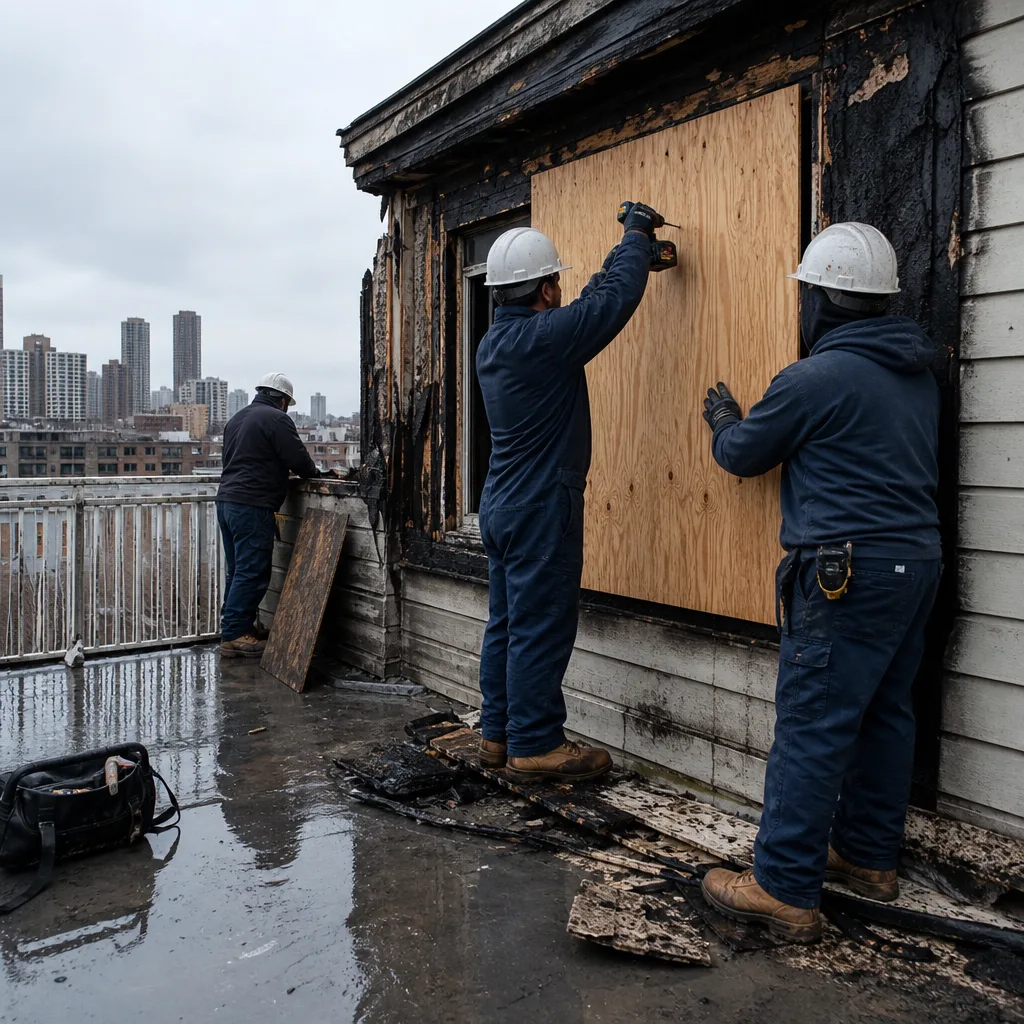
After wind damage or a tree limb through a window on a Washington Twp weekend house, the house sits exposed until someone secures it. Our board-up crews serve the whole township, day or night, making openings weather-tight and animal-tight before more water, snow, or raccoons get in. It is the cheapest insurance against a second, bigger loss.
Roof Tarping
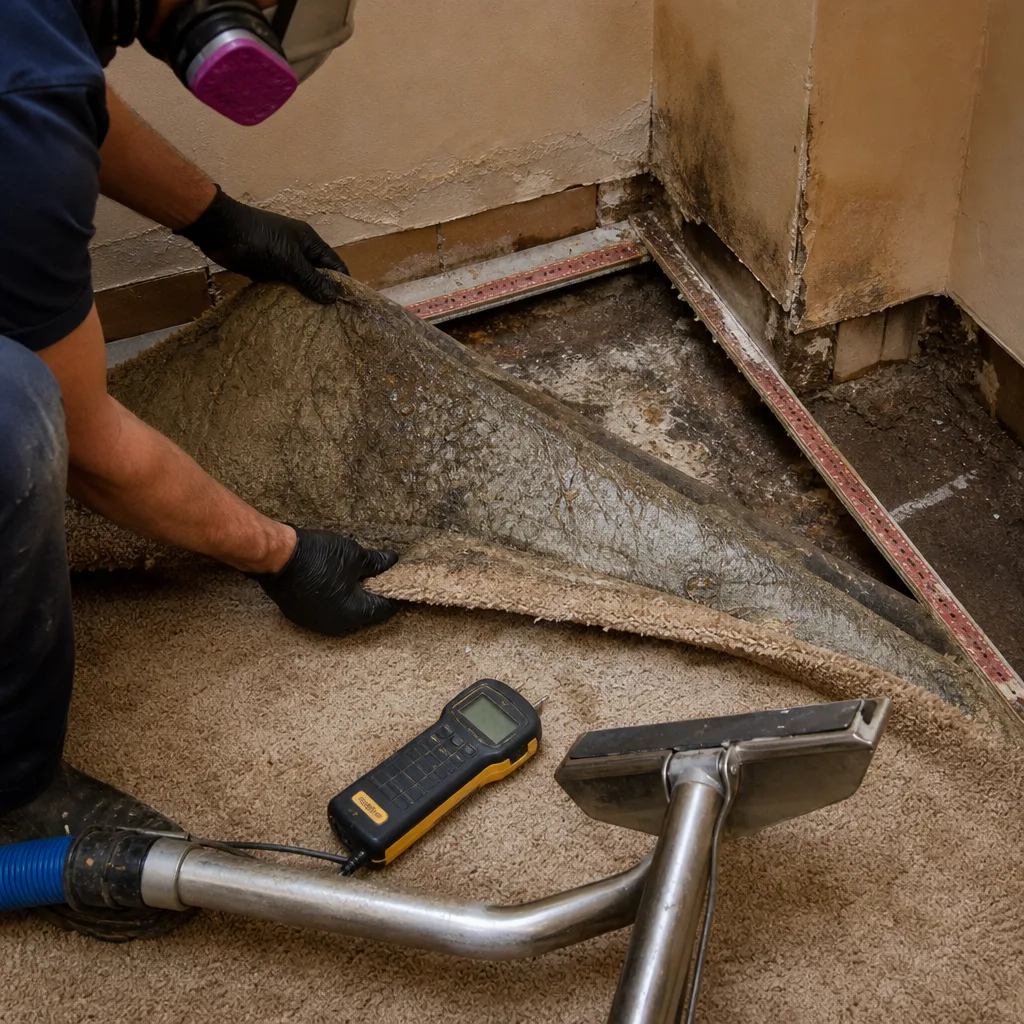
Ice dams and nor’easter winds tear open old steep roofs, and a tarp has to go up fast. On an 18th-century farmhouse with a 12/12 pitch, that takes an experienced crew with the right harnesses and anchors. We tarp over the damaged section, batten it tight against wind, and get drying started below, then coordinate the permanent repair with your carrier.
Storm Damage Cleanup
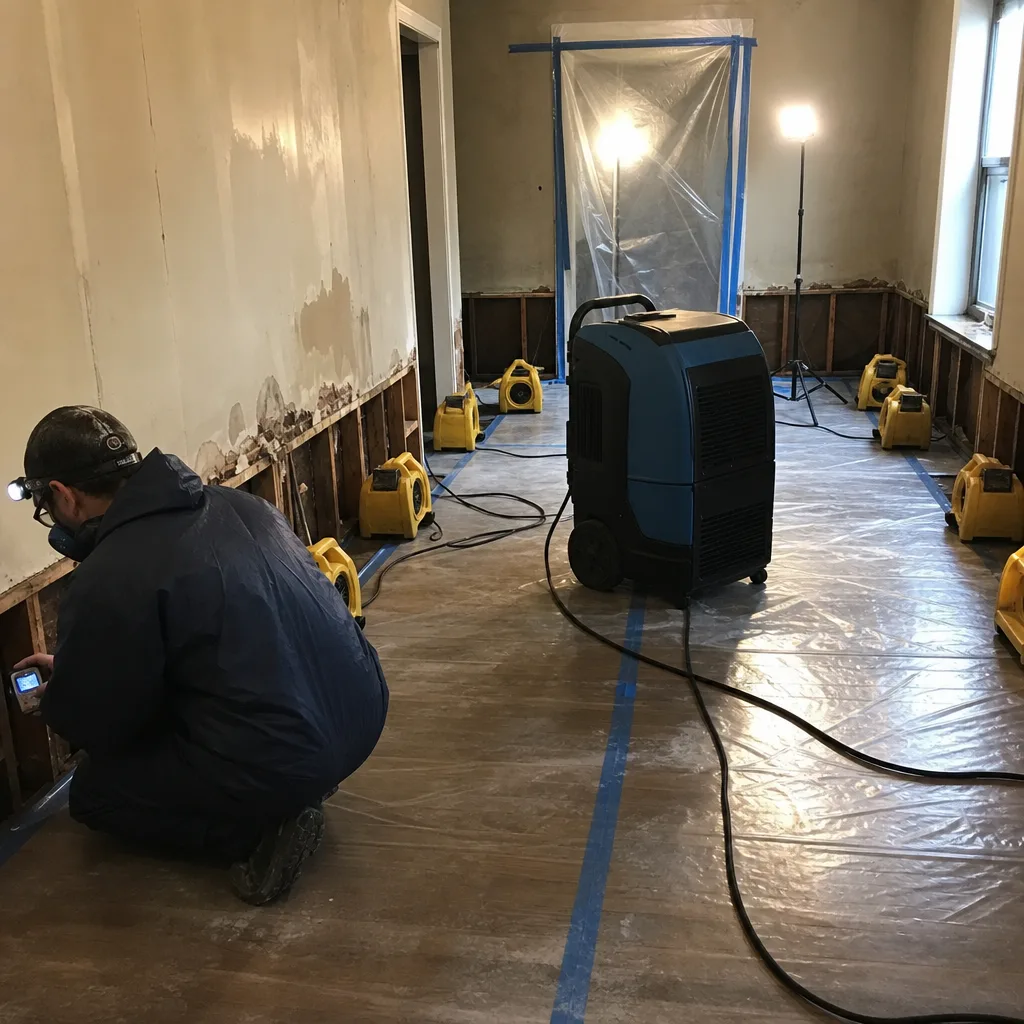
Wind-driven rain and falling branches scatter debris, soak insulation, and blow water through window seams. We clear the immediate hazards, document every affected area for your adjuster, and start drying the building envelope before rot and mold take hold in Washington Twp’s older timber framing.
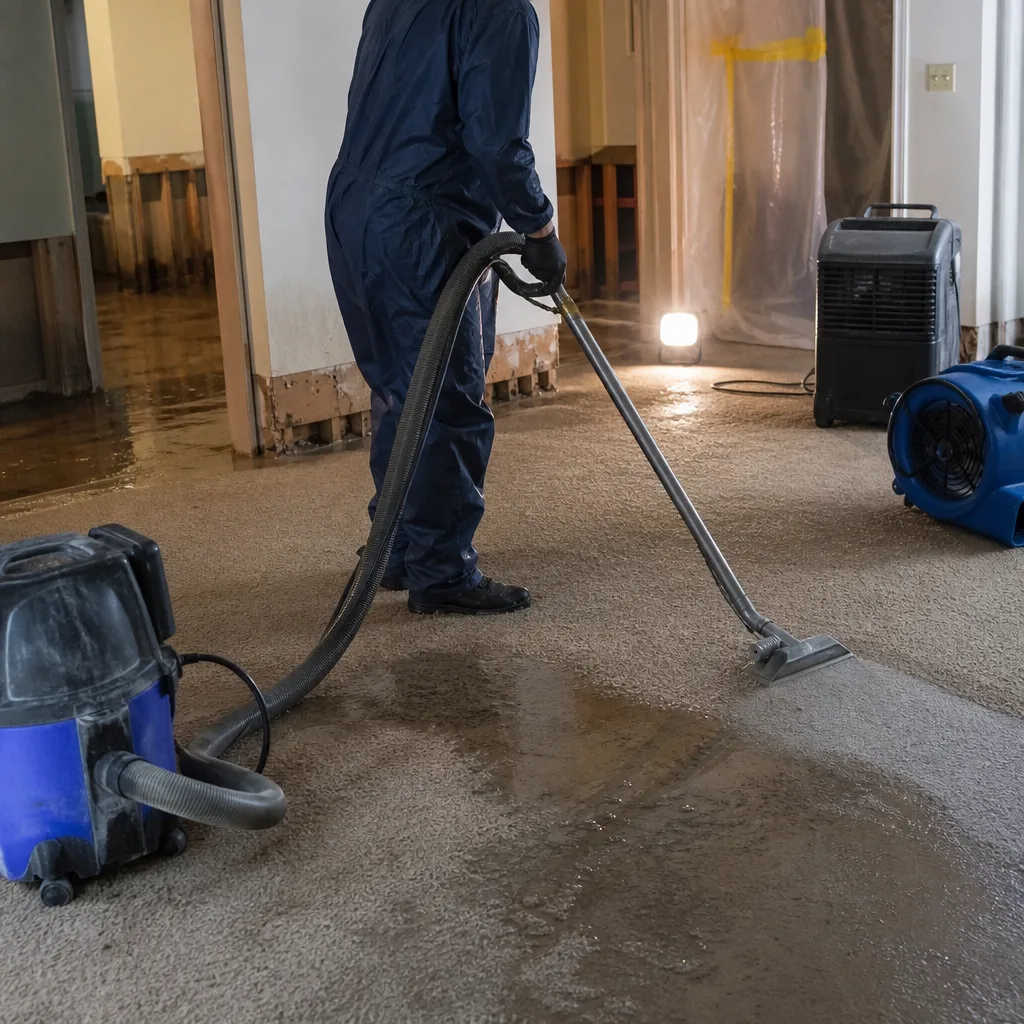
Debris Removal
Downed limbs, ruined insulation, saturated carpet, broken plaster, we haul all of it. Storm debris removal in Washington Twp usually means navigating long driveways and disposing of material carefully, and we handle both without leaving a mess in the yard.
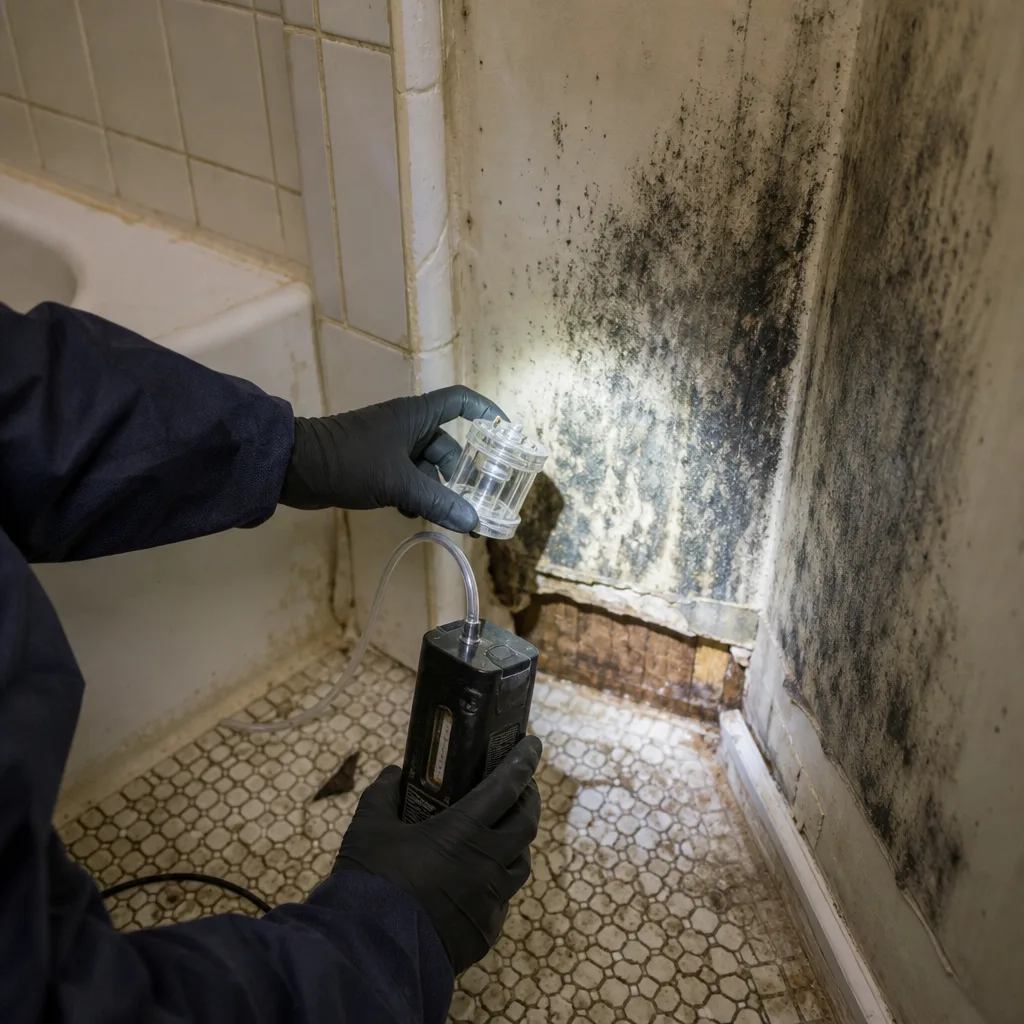
What happens when you call
- 1
A real person answersNo phone trees - you reach a local pro.
- 2
You get an upfront price rangeHonest numbers before anyone is dispatched.
- 3
A background-checked tech heads outLicensed & insured, dispatched right away.
- 4
You approve before work beginsNothing starts until you say go.
Storm & Disaster Restoration Costs in Washington Twp, NJ
Washington Twp storm restoration pricing follows the job’s scale and the building’s age. A small isolated water intrusion where the area is caught early and dried quickly will typically run $2,500 to $5,500. A burst-pipe flood across several rooms of a weekend farmhouse, with wide-plank floors, lime plaster, and Category 2 water behind paneling, commonly lands between $6,000 and $18,000. A deep basement flood through fieldstone foundations with mold remediation and rebuild adds $10,000 to $30,000 or more depending on how far the water wicked before discovery. The single biggest cost driver in Washington Twp is delay: a loss that sat undiscovered for eight days costs two to three times what a same-week discovery would have. That is why we offer free visual inspections and a written scope before any work starts. With our direct insurance billing and photo documentation from the first hour, much of the cost often moves to the carrier’s desk instead of yours. Call (917) 924-4221 and we will give you honest ranges for your exact situation, not a national brochure number.
We Also Serve Cities Near Washington Twp
Our Storm & Disaster Restoration crews cover Washington Twp and the surrounding communities every day. That includes Alpine, Bergenfield, Bogota, and Carlstadt, so if your property sits on the edge of the township or you have family in a neighboring zip code, the same live dispatch line handles it. One call at (917) 924-4221 reaches the full team.
Washington Twp Storm & Disaster Restoration Questions, Answered
How long can water from a burst pipe go undetected in a Washington Township second home before mold starts, and what does that mean for restoration?
Mold colonization can begin within 48 to 72 hours, and in a Washington Twp second home the water often runs for a week or more before anyone notices. By then, mold is already established behind paneling and under subfloor, so restoration must start with a thermal imaging sweep before any visible demolition to map the hidden migration.
Why do fieldstone foundations in Washington Township cause basement flooding weeks after snowmelt, and how do you handle it?
Fieldstone and rubble-mortar foundations wick groundwater through open mortar joints when the clay-heavy soils around them saturate during spring thaw. The flooding appears days or weeks after the snow melts. We handle it by extracting, drying, treating, and then documenting the slow moisture release so the drying plan accounts for the foundation’s continued wicking.
What does a typical ice-dam roof tarping job look like on an 18th-century steep-pitched roof in Washington Township?
On a 12/12 pitch with old slate or cedar, our crew anchors in with proper harnesses and battens a heavy-duty tarp over the damaged area, sealing it tight against wind. The tarp gets the roof water-tight in under a day, while the interior drying starts below. Then we coordinate the permanent repair directly with your carrier.
How do you dry wide-plank flooring and lime plaster without causing cupping or cracking in an old Washington Township farmhouse?
We use slower, lower-temperature drying with Dri-Eaz and Phoenix equipment, monitoring moisture readings daily. Wide-plank pine cups if dried too aggressively, and lime plaster cracks and pulls away from its lath. Our IICRC-certified techs run drying logs until the pre-loss moisture condition is met, not a day sooner or a fan setting higher.
How fast can your crew actually reach a Washington Twp property in an emergency?
We commit to a 45-minute response from the time you call (917) 924-4221. Dispatch serves Washington Twp with a local crew, and on storm calls the board-up or tarping usually starts the same visit. For second-home owners calling from out of state, we coordinate access and send photos as soon as we arrive.
Will insurance cover the restoration work at my Washington Twp second home?
Most Washington Twp storm and burst-pipe losses are covered under a standard homeowner’s policy, but second-home claims get extra scrutiny because the discovery delay is longer. We document from the first hour with thermal images, moisture maps, and photos before demolition, then bill your carrier directly and talk to your adjuster so the claim moves on facts, not assumptions.
Can we stay in the home while restoration is underway?
For a contained water loss in one section, yes, usually with a containment barrier and HEPA air scrubber running. For a Category 3 sewage backup, a deep flood through a fieldstone basement, or a mold-remediation containment area, we will tell you honestly whether the house is safe to occupy, and we’ll scope the work so the unsafe section is sealed off first.
What should I do the moment I discover water damage at my weekend home before your crew arrives?
Shut off the main water valve, kill power to affected areas if you can do so safely, and call (917) 924-4221. Do not enter standing water that may be in contact with electricity. Move small valuables out of the wet zone if it is safe, but leave the heavy lifting and any wall or floor opening to us. Document nothing by cutting into walls; your carrier will accept thermal imaging far better than guesswork.
The One-Trip Standard for Washington Twp Acreage Properties
Washington Twp is not a place where a restoration company can send a two-man crew for three hours and then schedule a return visit for later. The long gravel drives. The oversized doors. The second-home emptiness. The old fieldstone that keeps wicking after the sun comes out. Every additional trip costs the owner another week of hidden moisture migration, and in a Dutchess County farmhouse with lime plaster and wide-plank floors, a week of wicking is the difference between drying and demolition. That is why we plan Washington Twp jobs as one extended visit whenever the scope allows. The thermal imaging happens on arrival. The extraction starts that day. The drying equipment gets set before the crew leaves the driveway. Daily moisture readings get logged, with the homeowner or caretaker copied, while the crew continues the next phase. After a late-January freeze-thaw cycle, we were called to a 19th-century farmhouse off a long gravel drive where a supply line in an unheated attic had let go, noticed only when a neighbor saw water running from under the front door. Our techs arrived with Phoenix and Dri-Eaz air movers plus an IICRC-certified scope of work, pulled containment across the wide-plank floors, and took moisture readings that showed Category 2 water had wicked into the lime-based plaster and fieldstone basement. We packed out salvageable contents, applied antimicrobial treatment behind the paneling, and ran structural drying with daily drying logs until the pre-loss condition was met, all in one extended trip, because a second visit would have meant another week of hidden wicking. People in Washington Twp do not want a parade of crews. They want one call, one crew, one square deal. We are built for that.
Serving Washington Twp, NJ - Our Local Coverage Area
We’re based in the Washington Twp area and know this community well. Use the map below to see our service coverage - if you’re nearby, we can almost certainly help.
Contact Floodline Restoration Co. for Washington Twp Storm & Disaster Restoration
If you have water running through a Washington Twp weekend house, a roof opened by an ice dam, or a basement filling with snowmelt, call (917) 924-4221 now. We answer live, 24 hours a day. We will get a certified crew to you fast, start with a thermal imaging and moisture map, and put a written scope in your hands before any work begins. You get direct insurance billing, professional-grade Dri-Eaz and Phoenix equipment, and the 90-Day Done Right Promise in writing from Curt Bowman and the Floodline Restoration Co. team, the same crew from extraction to rebuild, and a phone number where a real person always answers. That is the Keystone Standard. We stand behind it.
Written by Curt Bowman, Owner at Floodline Restoration Co., serving Washington Twp and the surrounding communities.