
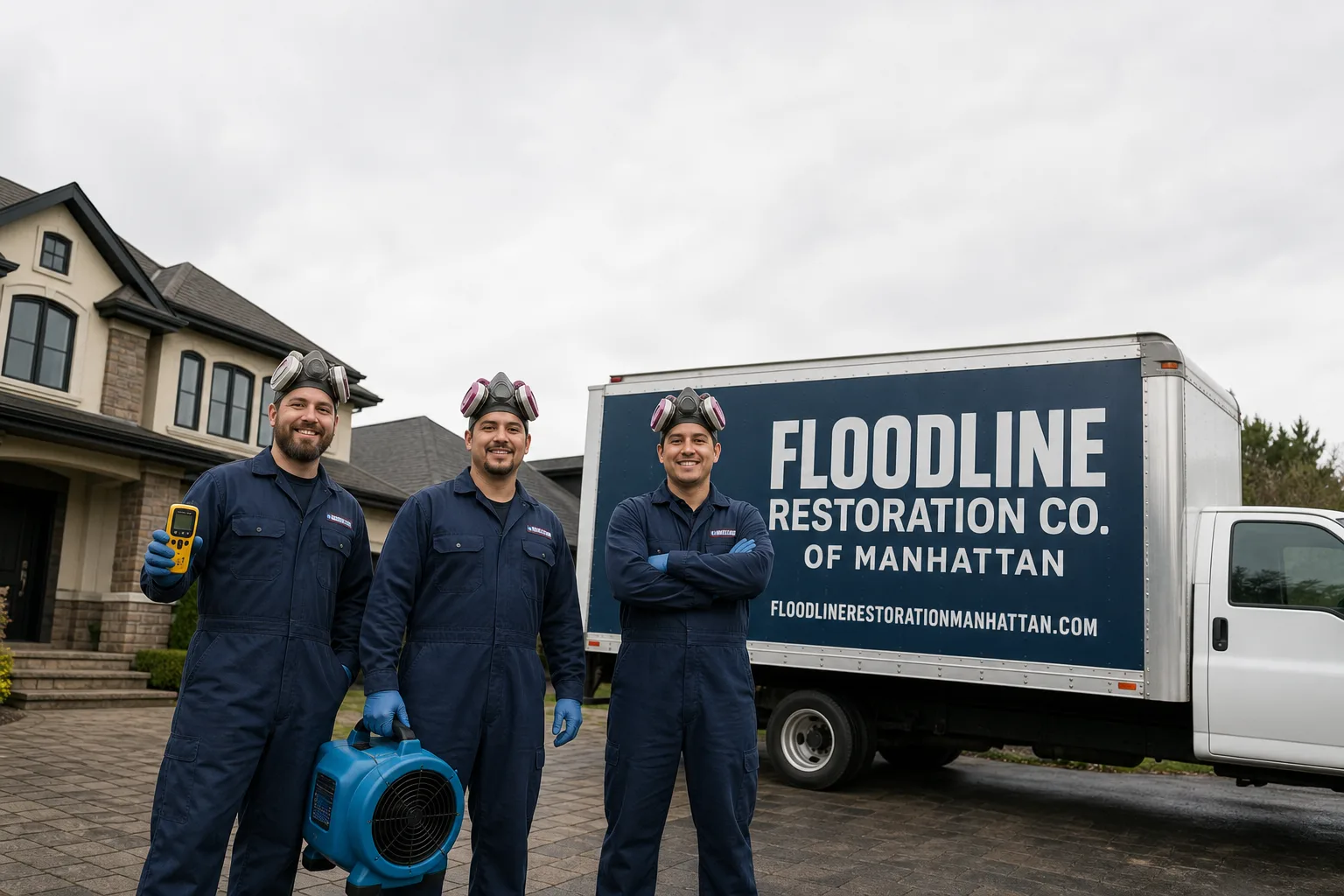
Free visual inspection and a written scope of work before any mitigation begins - photos, moisture readings, and drying logs go in your claim file
The scope we write is the scope we bill. Anything new gets shown to you, in writing, before we touch it.
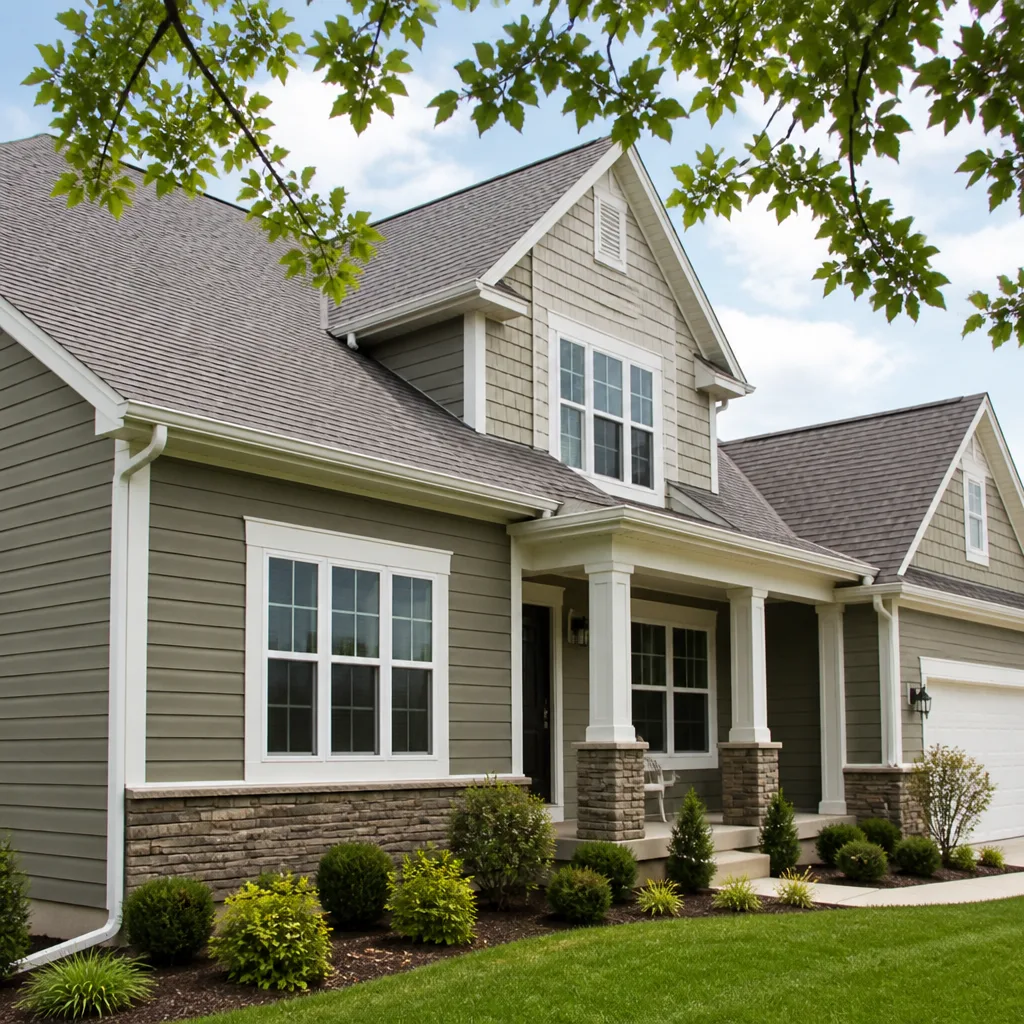
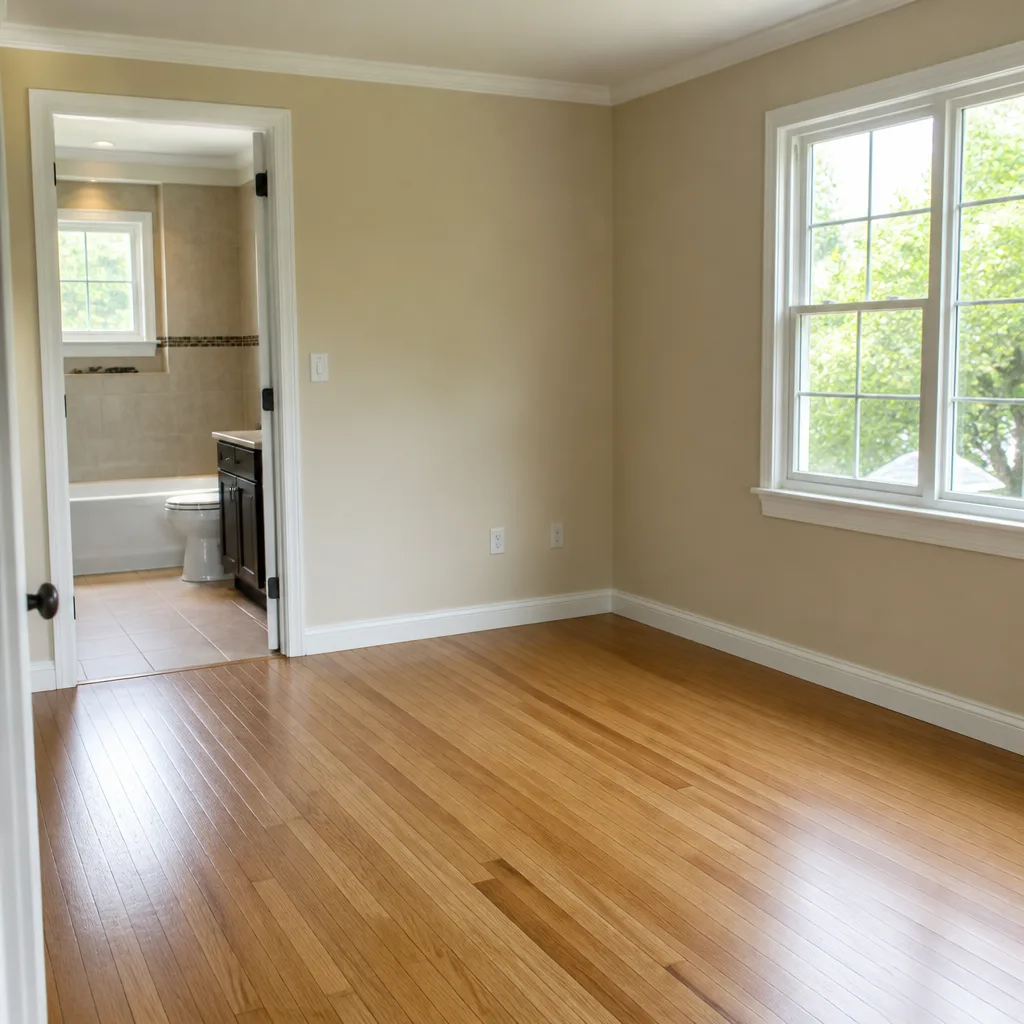
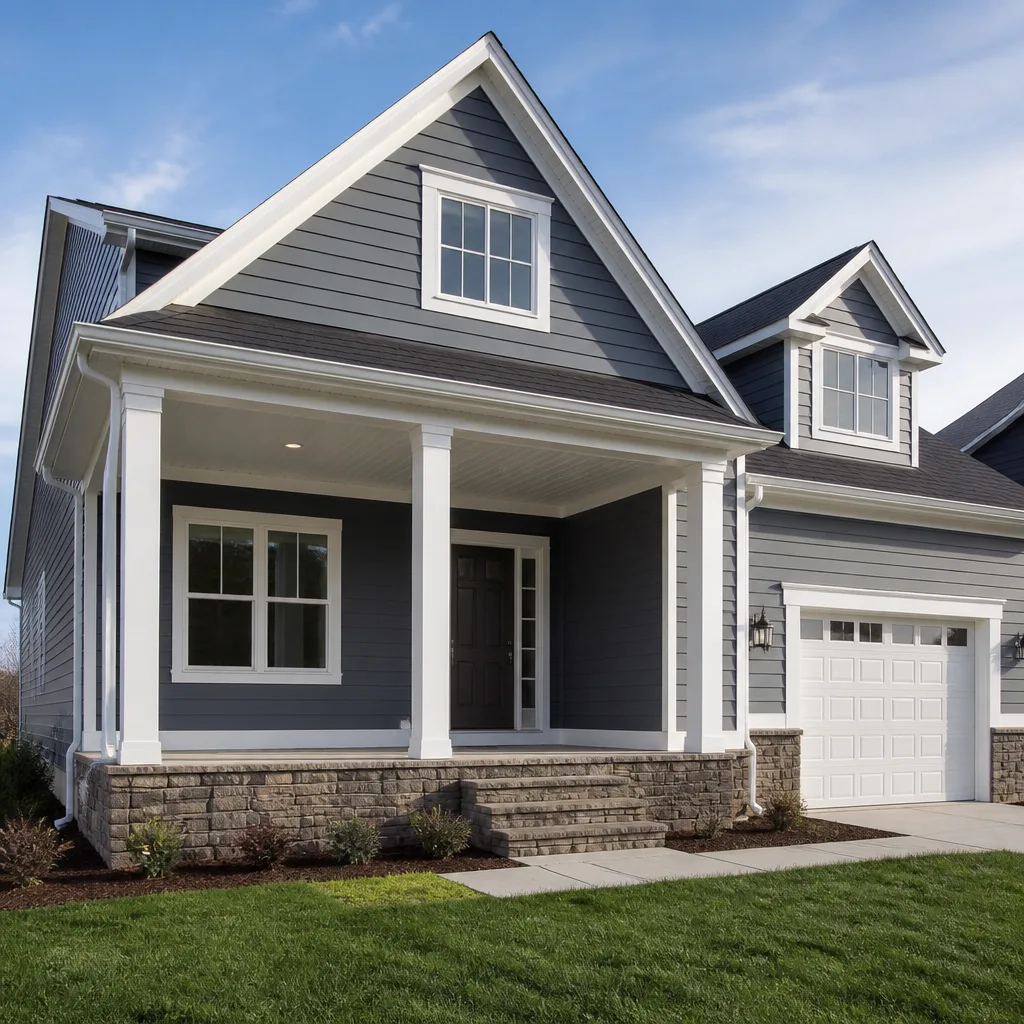
 Before
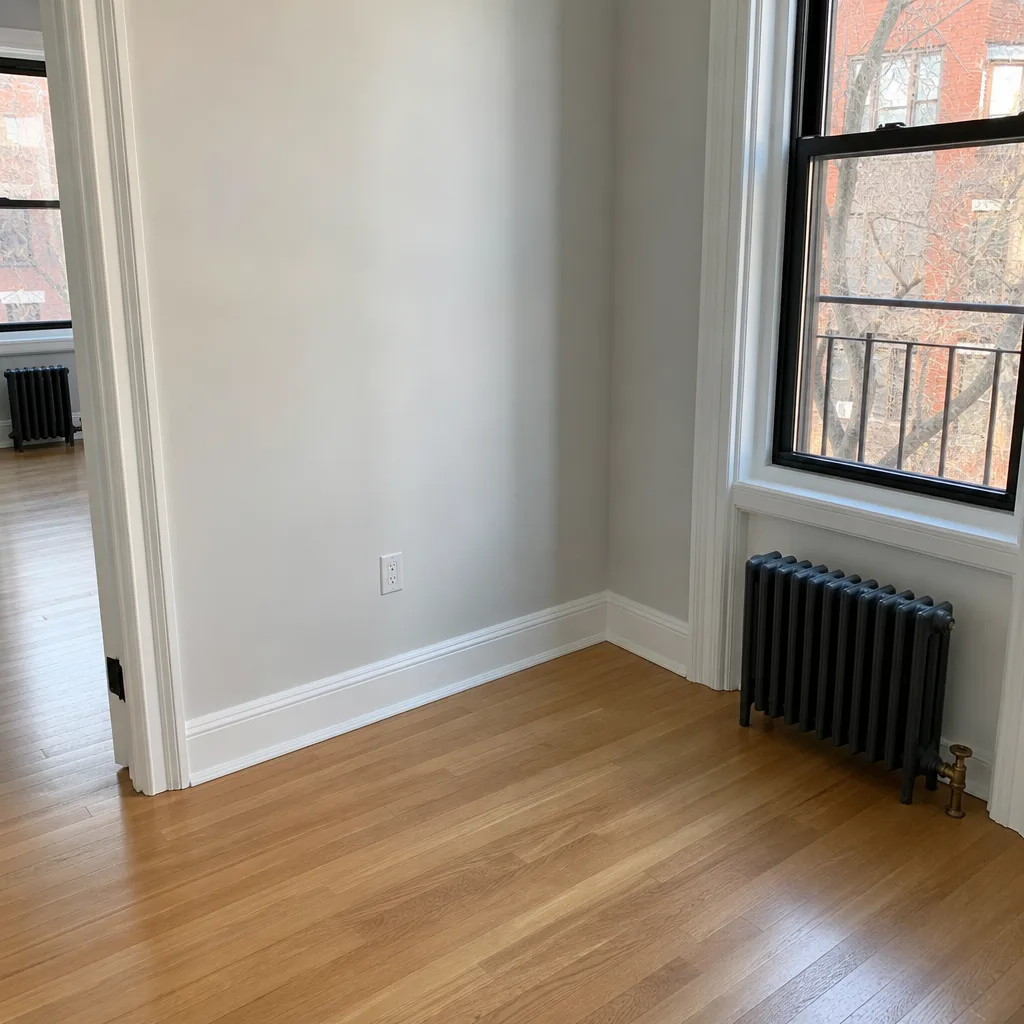 After
After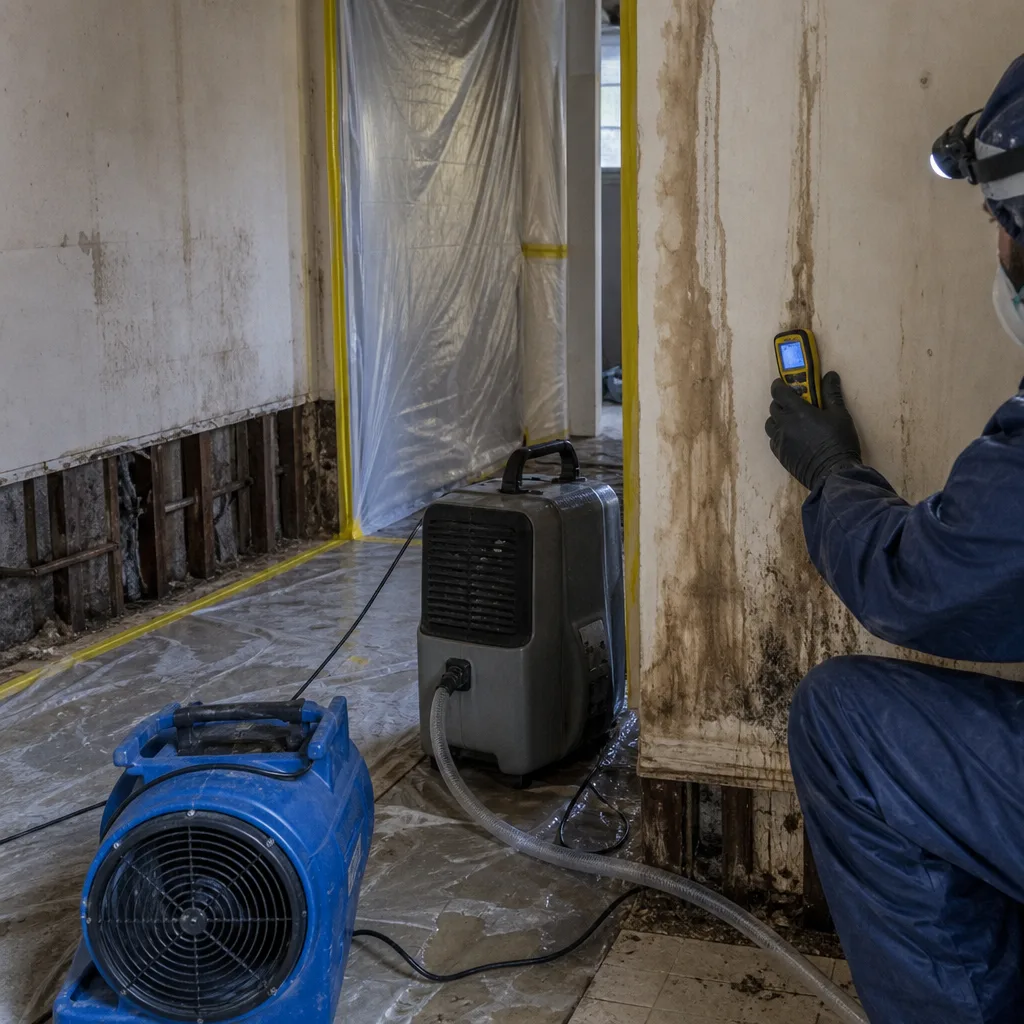 Before
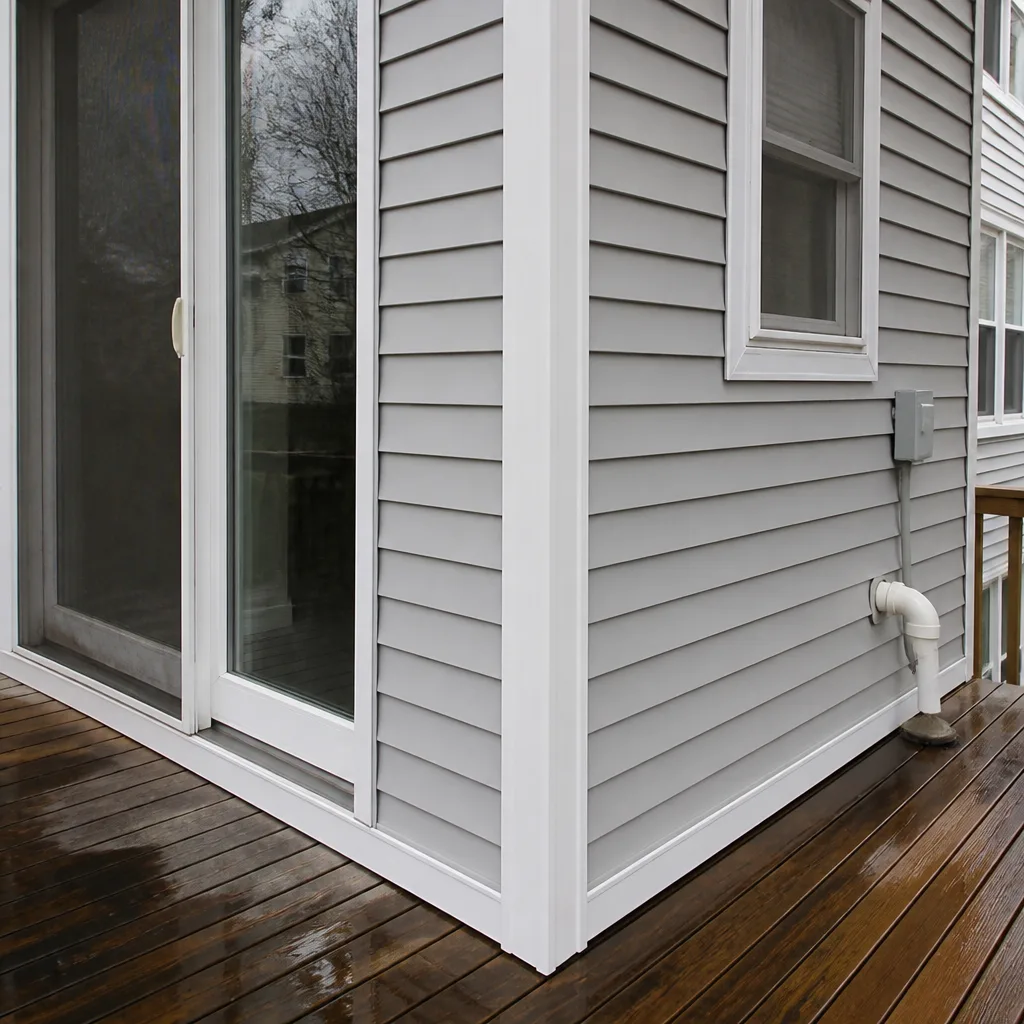 After
After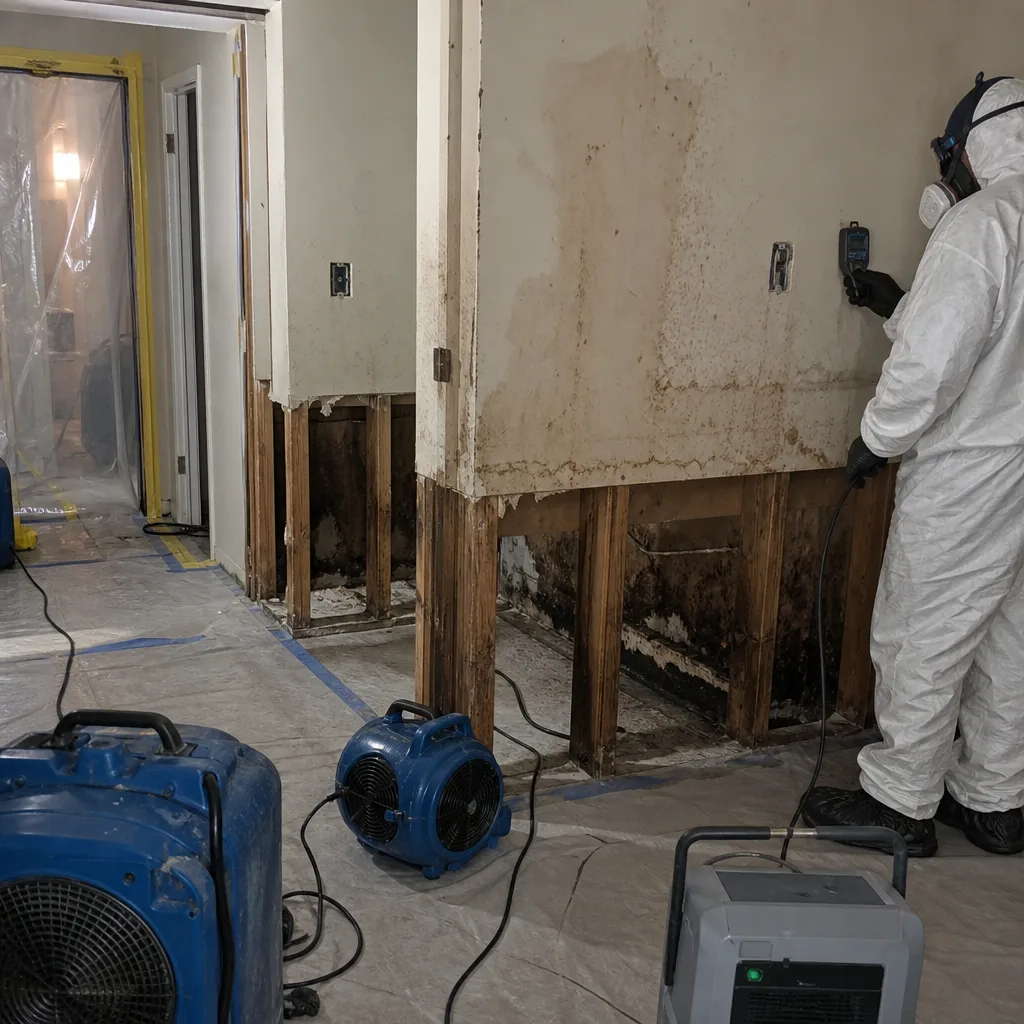 Before
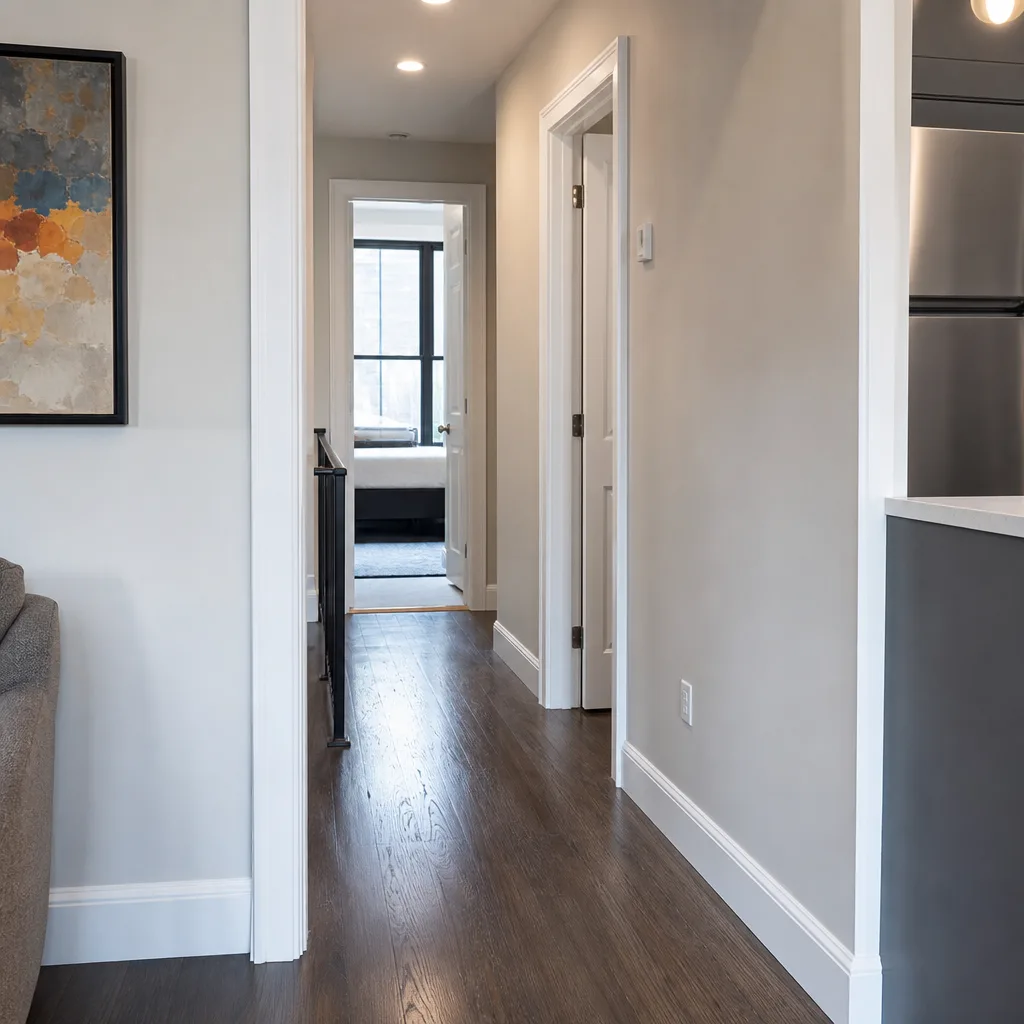 After
After24/7 Emergency Water Damage Restoration in Flatlands
Water damage in Flatlands rarely waits for business hours, and neither do we. A live dispatcher answers (917) 924-4221 at 2 a.m., 6 a.m., or Sunday afternoon. You’ll speak to a person, not a recording, and a certified crew from Floodline Restoration Co. of Manhattan will be dispatched to your Flatlands address immediately. The first hour matters most here: this neighborhood’s high water table keeps pushing moisture upward through basement slabs and block walls, so standing water turns into structural saturation faster than it would on higher ground a mile north. We arrive within 45 minutes, perform a free visual inspection, and start extraction the same visit. Most Flatlands jobs are completed in a single visit because the same crew handles extraction, drying, and rebuild without a mid-job handoff.
Understanding Water Damage Restoration Severity in Flatlands Properties
Flatlands homes built in the 1950s through 1970s tell a story the water leaves behind. We classify water damage by category, and that classification changes the entire restoration approach. Category 1 water comes from a clean source like a burst supply line or faucet leak. Category 2 water contains significant contamination: washing machine overflow, sump pump failure, or groundwater seepage through the block foundation. Category 3 water is grossly contaminated, typically from sewage backup or Jamaica Bay storm surge. In Flatlands, we see a lot of Category 2 groundwater intrusion that homeowners mistake for minor seepage, until mold forms behind the drywall. Moisture mapping is non-negotiable here: we probe wall cavities and slab edges with thermal imaging and hygrometers to find water that never reached the visible surface. A 1960s colonial on a concrete block foundation holds moisture differently than a newer slab-on-grade build, so our drying plan accounts for the home’s actual age, foundation type, and proximity to the old marshline. That’s the difference between drying a basement and actually restoring it.
Why Flatlands Property Owners Choose Floodline Restoration Co. of Manhattan
- 45-minute response commitment. Our dispatch board tracks every crew in real time, and Flatlands calls get routed to the nearest certified team. We’ll be there when we say.
- Live answer, 24 hours a day. No phone tree, no answering service. A real dispatcher picks up at any hour, every day, because water doesn’t wait for morning.
- IICRC-certified crews with WRT and ASD credentials. Technicians are trained to IICRC, RIA, and IFA standards, background-checked, and uniformed. The person in your basement knows what a dry standard actually means.
- Free visual inspection with no obligation. We walk the damage, explain what we’re seeing, and give you a straight read before any work begins. No pressure, no vague promises.
- Direct insurance billing. We bill your carrier directly and handle adjuster communication, so you’re never the messenger between us and the insurance company.
- One team from extraction to reconstruction. The same certified crew that pulls the water also rebuilds the wall. No handoffs, no inherited crew, no excuses. Done right and backed in writing.
Our Water Damage Restoration Process
Inspection & Assessment
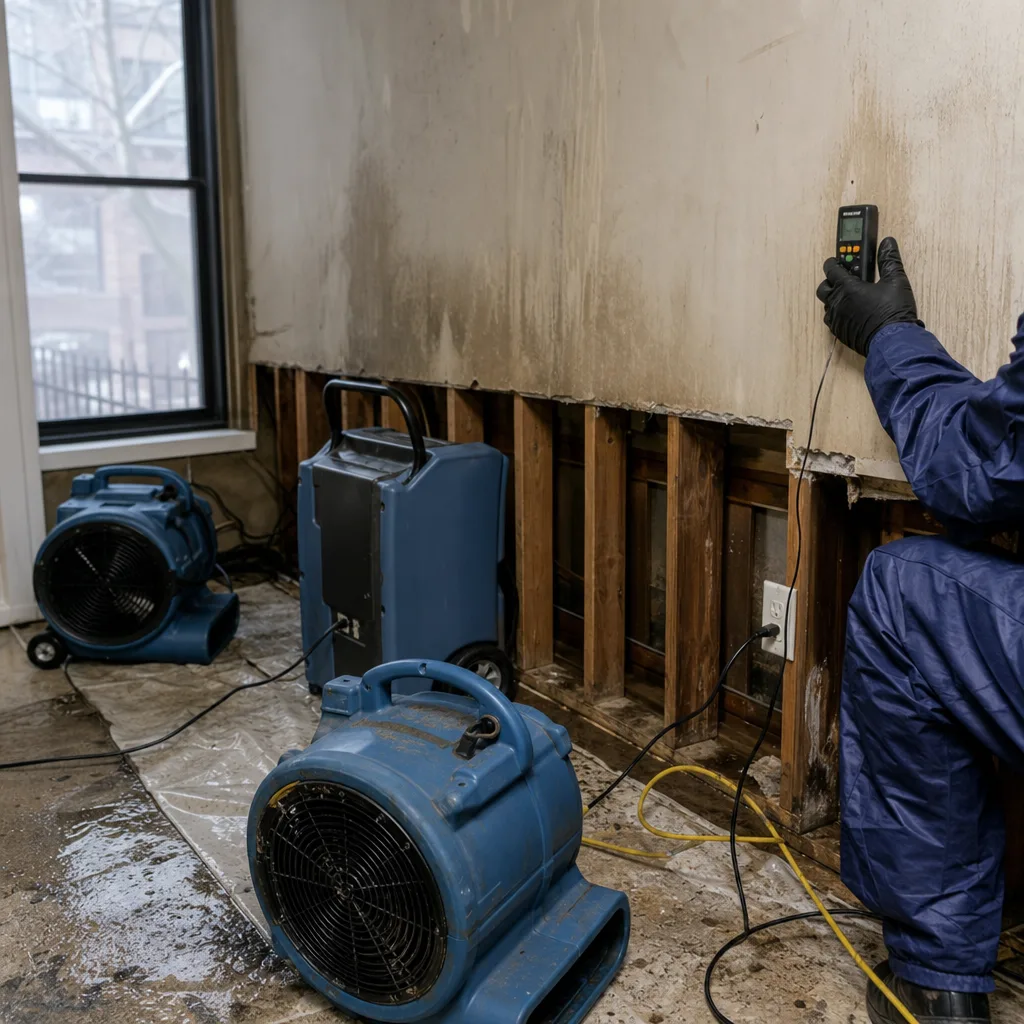
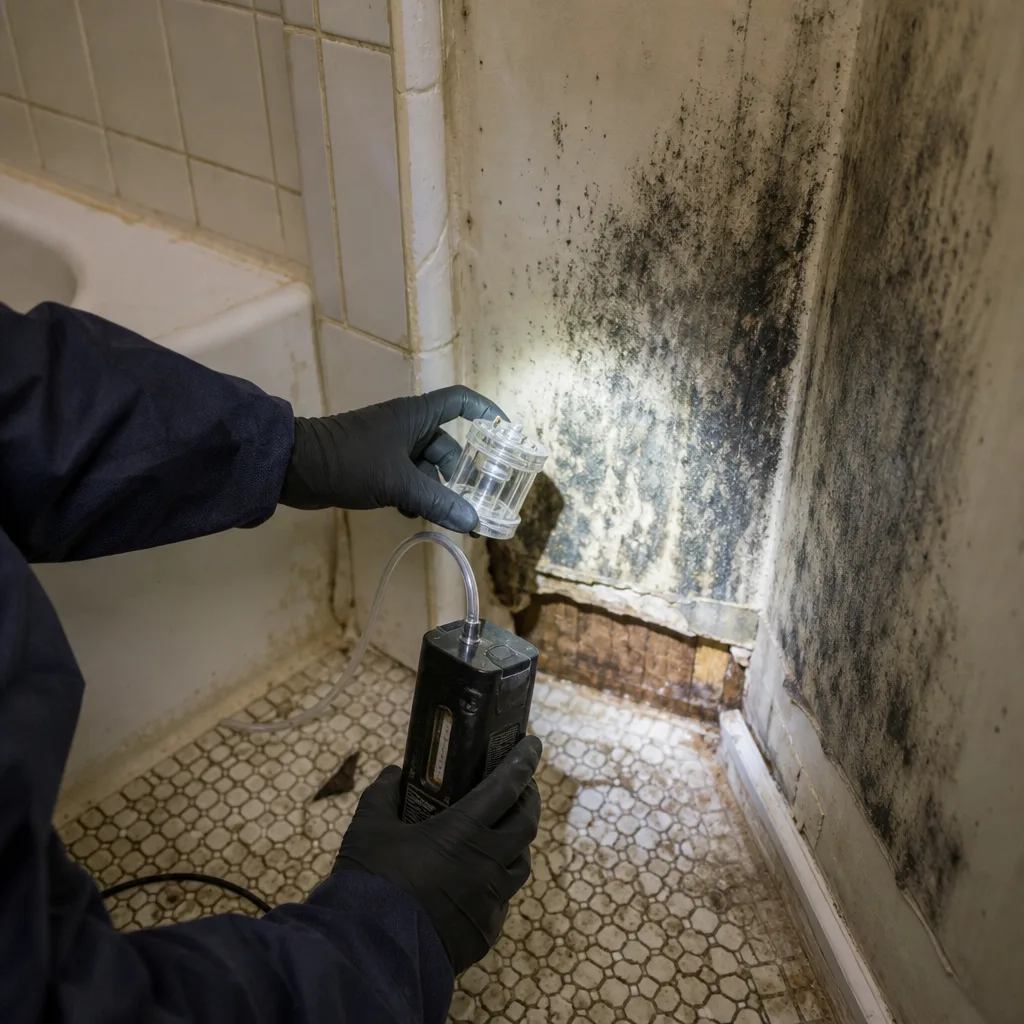
We map moisture throughout the affected area using thermal imaging cameras and penetrating moisture meters. For Flatlands basements, we specifically check behind wall cavities and under baseboards where groundwater hides. You get a written scope before we start.
Extraction & Stabilization
We remove standing water using truck-mounted extraction units and submersible pumps. In a finished Flatlands basement with carpet and pad, extraction includes pulling saturated materials that won’t dry properly. The faster water is out, the less structural damage happens.
Drying & Dehumidification
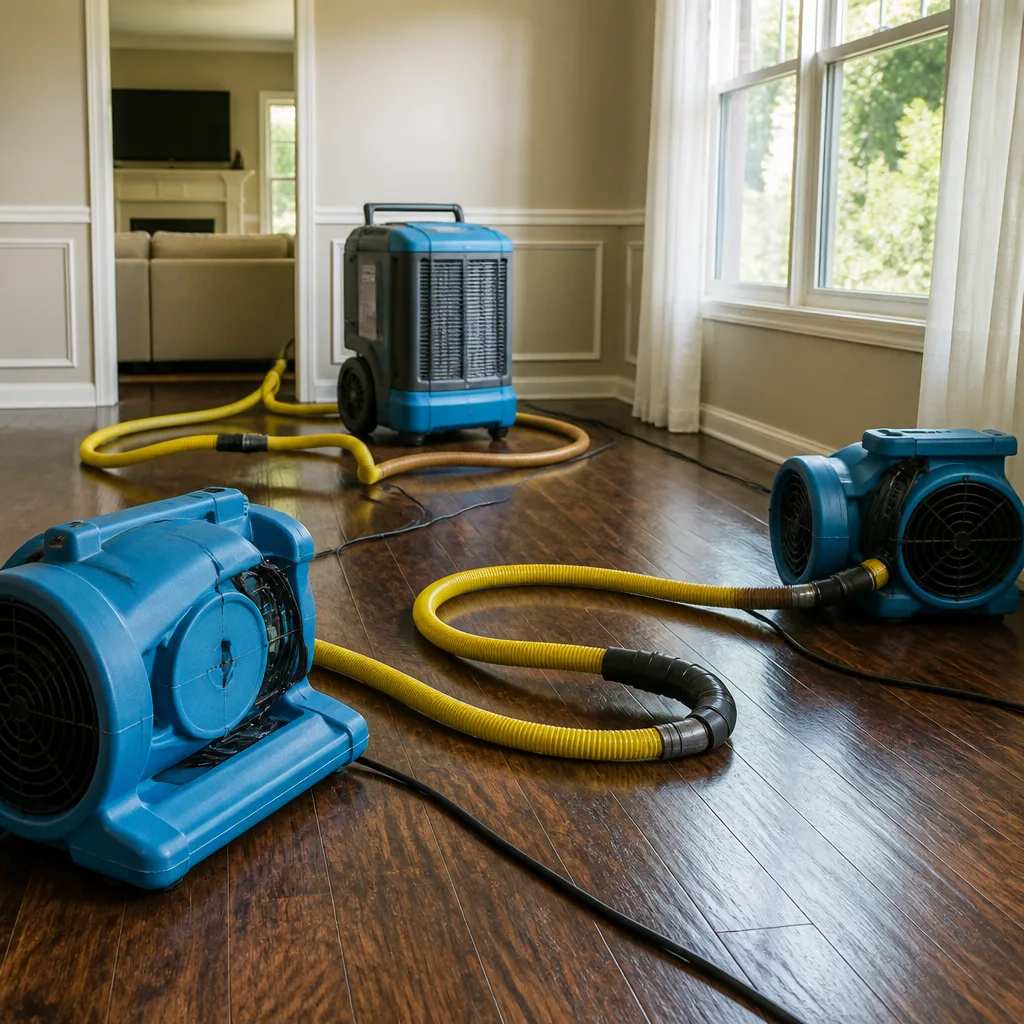
We deploy Dri-Eaz LGR dehumidifiers, high-volume Phoenix air movers, and Injectidry systems for wall cavities and under-cabinet spaces. Daily moisture readings are logged and shared with you and your insurer until we hit the dry standard.
Cleaning & Sanitization
Affected surfaces get treated with EPA-registered antimicrobials appropriate for the water category. We HEPA-vacuum framing and cavities to remove particulate that drying alone won’t address. The goal is a clean, stable environment before any rebuild.
Efflorescence & Vapor Barrier Treatment
Flatlands block walls frequently show efflorescence, the white mineral deposits left by groundwater moving through masonry. We assess whether the existing waterproofing failed or never existed, then install proper vapor barriers and drainage where needed before finish work begins.
Repairs & Restoration
Drywall, flooring, trim, and paint go back in only after moisture readings confirm the space is dry. Because our crews also do reconstruction, the finish work happens without a handoff. Every job carries the 90-Day Done Right Promise in writing.
Need Emergency Water Damage Restoration in Flatlands Now?
Crews minutes away, answering live 24 hours a day. The sooner we start, the less it costs.
Working With Your Insurance Company
Most Flatlands water damage claims involve groundwater or storm surge, and insurers scrutinize those carefully. What separates an approved claim from a denied one often comes down to documentation in the first 48 hours. We photograph everything, room by room, before we move a single item. We record initial moisture readings, log every drying day, and build a line-item scope your adjuster can verify. Our team communicates directly with your carrier, so you’re not playing phone tag or translating contractor language. We carry the paperwork. We also offer the $50 Off Any Repair Over $250, the $89 Seasonal Tune-Up, and the Senior & Veteran 5% Discount, always, on the work you do pay for out of pocket. A square deal: no surprises on the bill.
What We Provide Your Insurer
- Thorough documentation of the loss
- Photos of all damage, room by room
- Moisture readings and drying logs
- A detailed, line-item scope of work
- Direct coordination with your carrier
Built for Flatlands’s Loss Calendar
Flatlands doesn’t have a single water damage season. The water table beneath this former tidal marshland stays high year-round, which means basement seepage calls come in during dry weeks as often as wet ones. January and February bring deep freezes that burst supply lines in uninsulated 1960s crawlspaces and exterior walls, flooding basements with Category 1 water. March and April snowmelt plus spring rain saturate the soil and push groundwater through block foundations, triggering the efflorescence and damp-wall calls we know well from this neighborhood. Summer thunderstorms dump inches of rain in an hour; with no natural drainage gradient on these flat streets, surface water ponds and finds its way into basement window wells and stairwells. Nor’easters in fall and early winter bring the storm-surge risk that Hurricane Sandy made permanent in local memory. Flatlands is a recurrent-damage market, not a one-time-event market, and Water Damage Restoration here means planning for the water that never really leaves.
Water Damage Restoration Across Flatlands’s Neighborhoods
We know Flatlands by its streets, not just its ZIP code. Around Flatbush Avenue and Avenue N, we run calls on 1950s brick ranches with finished basements that sit directly in the old marsh substrate; these are our highest-frequency groundwater intrusion jobs. In the blocks near Flatlands Avenue and Ralph Avenue, the two-family brick colonials and cape cods have basement stairwells that collect rain from flat rear yards, so every heavy storm sends water over the threshold. South toward Marine Park and the Jamaica Bay side, the elevation drops and the FEMA flood zone widens; homes here take on storm surge and persistent high-water-table pressure that shows up as standing water even without rain. Over by Kings Highway and Flatbush Avenue, we see older pre-1970 construction with cast-iron drain lines that fail slowly, releasing Category 2 water behind walls and under floors. Each area has its own failure pattern, and our crews know which one to expect when the address comes over dispatch. For a broader look at how we serve the whole neighborhood, see Flatlands service details.
Specialized Water Damage Restoration Services We Offer in Flatlands
Emergency Water Extraction
Standing water in a Flatlands basement is an active threat to the structure and to everything stored there. We arrive with truck-mounted extraction units and submersible pumps that pull hundreds of gallons per hour. Extraction starts the same visit, not tomorrow.
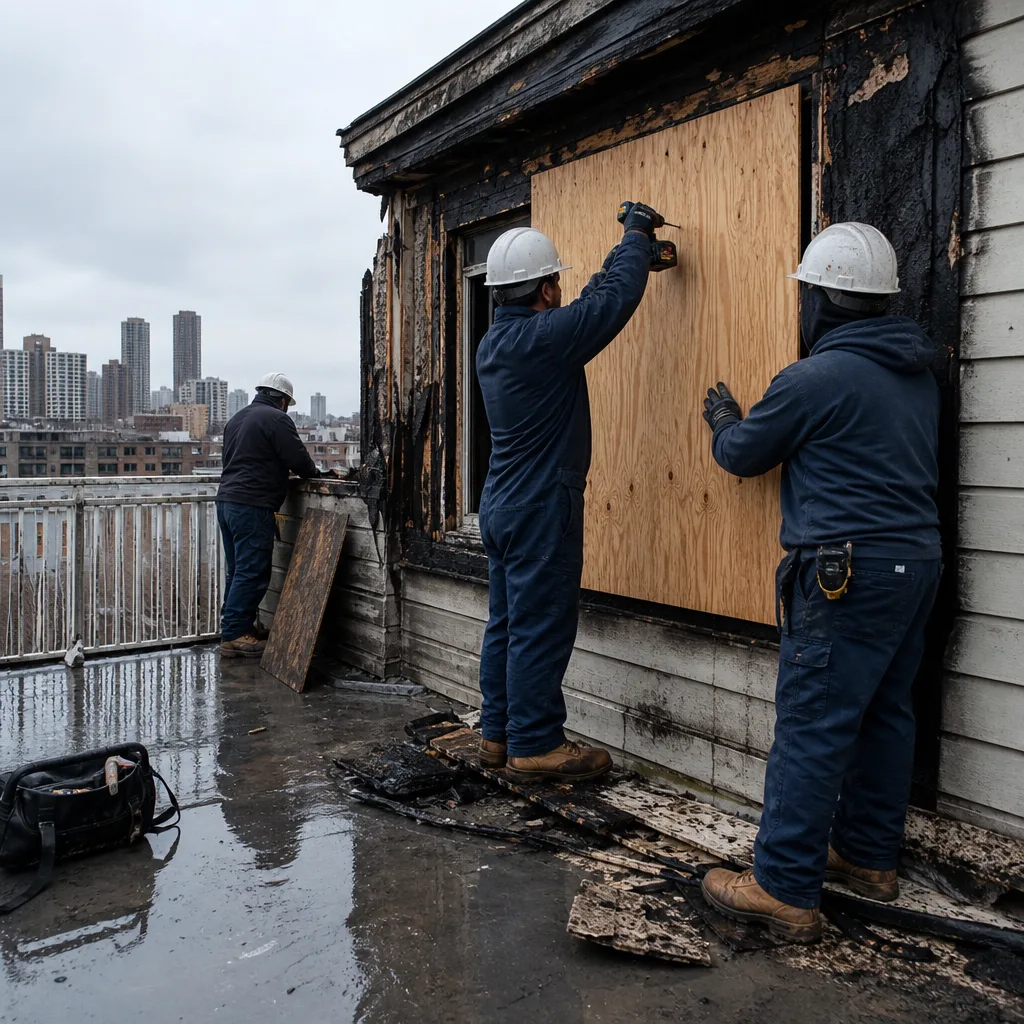
Structural Drying & Dehumidification
Flatlands block walls hold moisture in ways drywall alone doesn’t reveal. We set Dri-Eaz LGR dehumidifiers, Phoenix air movers, and Injectidry cavity-drying systems, then log daily moisture readings until the structure meets the dry standard. That log goes to you and your insurer.
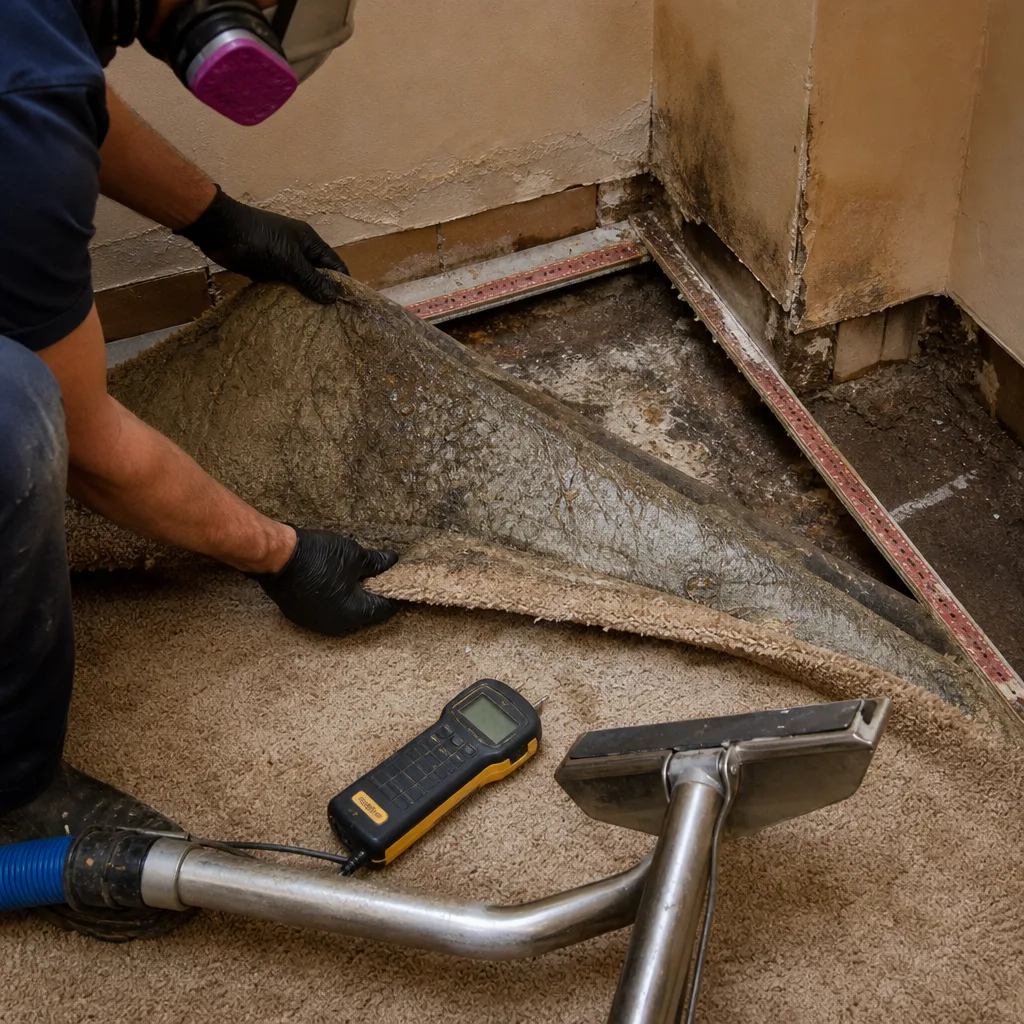
Flood Cleanup
Whether it’s a nor’easter storm surge or a failed sump pump, floodwater in Flatlands carries silt, debris, and contamination. We remove the water, haul out damaged materials, sanitize the affected areas, and set up drying without delay. The line the water left is where we start.
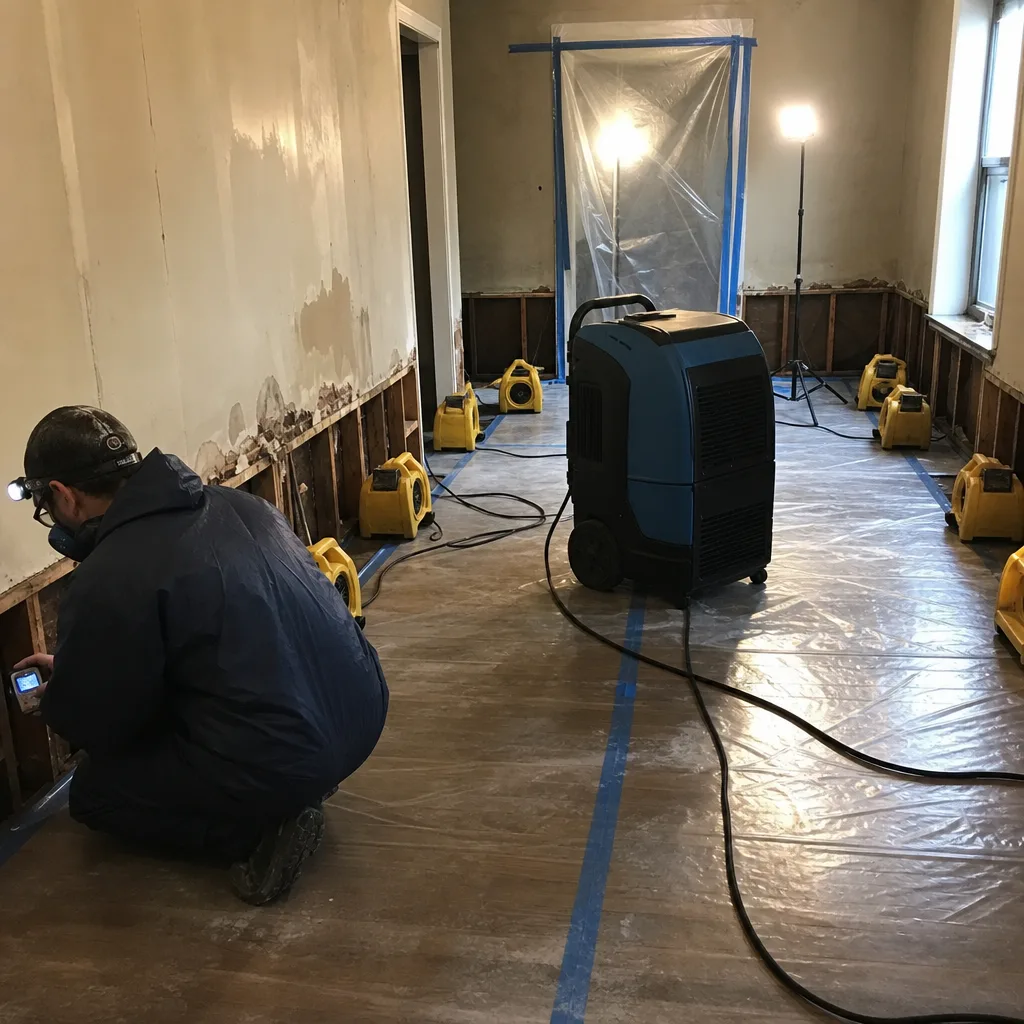
Burst Pipe Restoration
A frozen supply line in a Flatlands crawlspace can release gallons per minute for hours before anyone notices. We stop the flow, extract the water, dry the framing, and repair the damaged areas, including any rebuild work. One team handles the whole job.
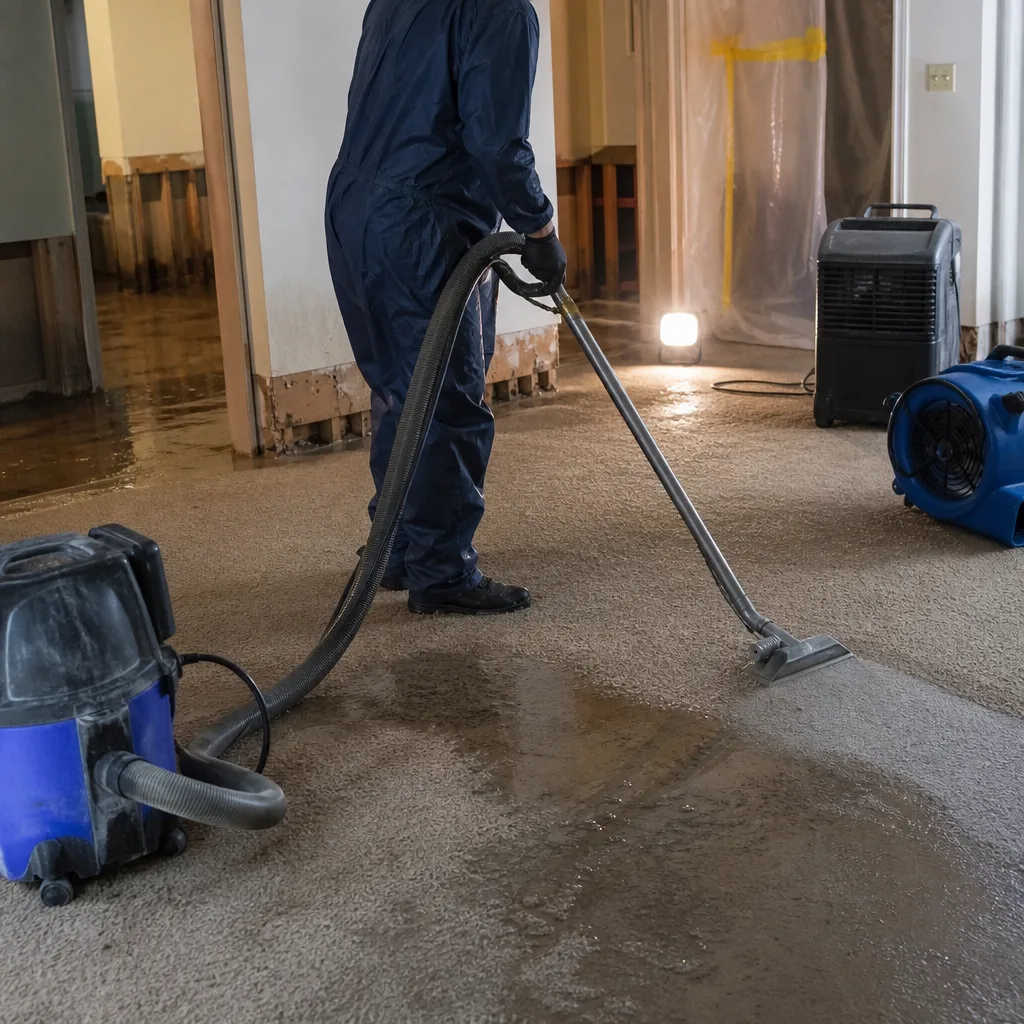
Basement Water Removal
Below-grade spaces in Flatlands sit in persistently damp soil, so basement water is a chronic condition here, not a rare event. We pull the water, check behind finished walls for hidden pockets, and address the waterproofing weakness that let it in. We don’t just dry the surface and walk away.
What happens when you call
- 1
A real person answersNo phone trees - you reach a local pro.
- 2
You get an upfront price rangeHonest numbers before anyone is dispatched.
- 3
A background-checked tech heads outLicensed & insured, dispatched right away.
- 4
You approve before work beginsNothing starts until you say go.
Water Damage Restoration Costs in Flatlands, NY
We believe in telling you the truth about what water damage costs in Flatlands. A straightforward basement water removal job with extraction, drying, and minimal finish work typically runs $2,400 to $5,500. A Category 2 or 3 job in a finished Flatlands basement, where drywall, insulation, and flooring must be removed and replaced, commonly falls between $6,500 and $14,000. Small isolated events like a burst pipe behind a vanity, caught early with no structural saturation, can land around $1,200 to $2,800. What moves the price: the water category, how far moisture traveled behind walls, whether asbestos-containing materials are present in a 1960s home, and how much finish work must come out. Insurance often covers the extraction and drying; your out-of-pocket may be limited to the deductible plus any upgrades you choose. The free visual inspection gives you a firm written scope before you commit to anything. Call (917) 924-4221 and we’ll give you real numbers for your specific house.
We Also Serve Cities Near Flatlands
Floodline Restoration Co. of Manhattan serves Flatlands and the surrounding communities with the same 24/7 live dispatch and 45-minute response: Fairview, Harrison, East Bronx, and Hunts Point. If you’re in any of these areas and dealing with water damage, we’re minutes away.
Serving Flatlands, NY - Our Local Coverage Area
We’re based in the Flatlands area and know this community well. Use the map below to see our service coverage - if you’re nearby, we can almost certainly help.
Flatlands Water Damage Restoration Questions, Answered
Why does my Flatlands basement get water even when it hasn’t rained in weeks?
Flatlands sits on former tidal marshland with a high water table that pushes groundwater through the concrete block foundations of 1950s-1970s homes even during dry weather. The neighborhood’s below-grade basements sit directly in this damp substrate, so seepage and efflorescence can appear on dry days. We see this daily, and it’s a chronic condition here, not a one-time event.
How can I tell if my post-Sandy basement repair is hiding new mold?
Look for bubbling paint, soft drywall, a musty odor, or white chalky mineral deposits on block walls. In Flatlands, post-Sandy cosmetic repairs often covered original damage without waterproofing, creating what we call a ‘Sandy sandwich’: old water damage, new drywall, and second-generation mold behind it. Peeling back a finished wall on these homes almost always reveals at least two flood episodes.
Is the water in my Flatlands basement Category 1, 2, or 3, and why does it matter?
Category 1 is clean water from a supply line or condensation. Category 2 carries contaminants, common with groundwater seepage through block foundations or sump pump failures. Category 3 is grossly contaminated, typically sewage or Jamaica Bay storm surge. The category determines whether materials can be dried in place or must be removed and disposed, and it changes the scope of work and insurance claims handling.
How long until mold starts in my Flatlands basement after a water leak?
Mold can begin colonizing in 24 to 48 hours in the warm, humid, still conditions common in Flatlands basements. That’s why we respond within 45 minutes and start extraction the same visit. The faster we pull the water and lower the humidity, the less chance mold gets a foothold behind finished walls.
Why do so many water damage jobs in Flatlands require removing drywall instead of just drying it?
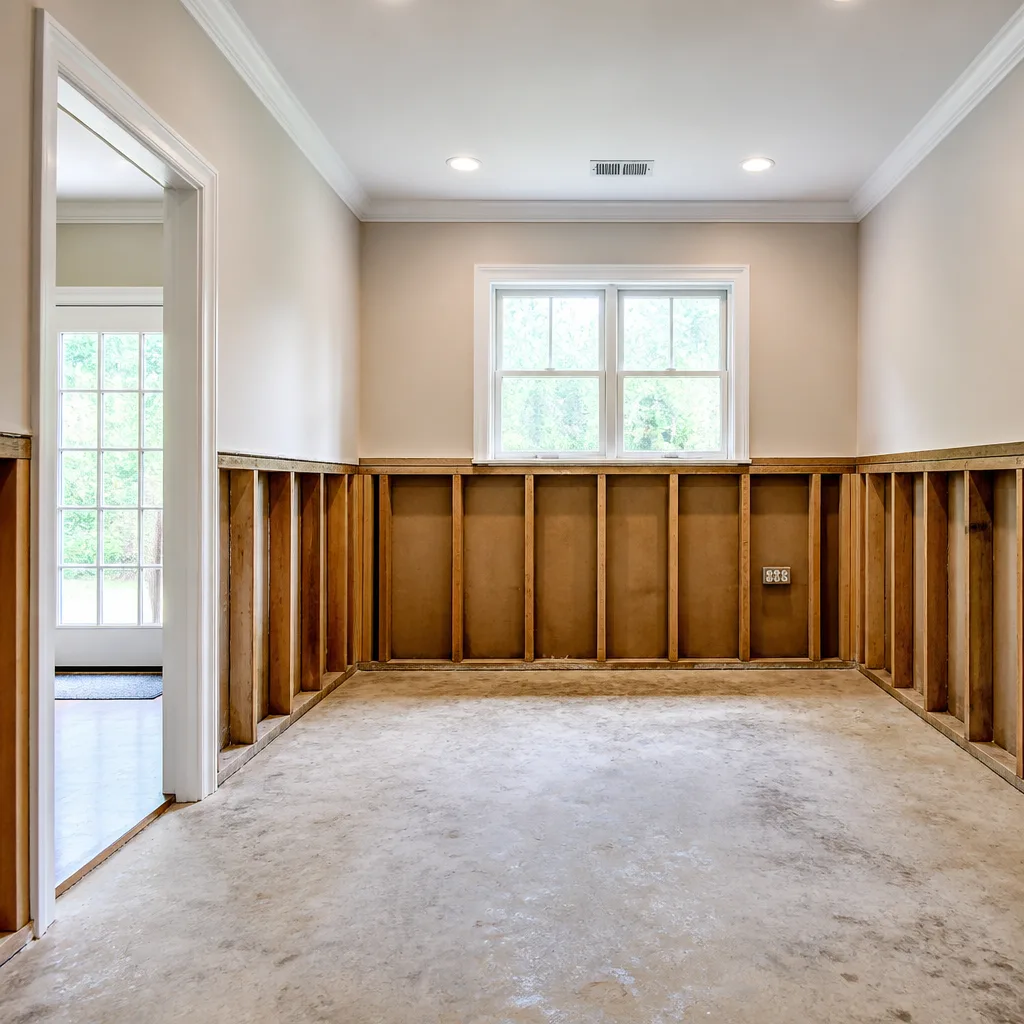
Flatlands basements sit below grade in persistently damp soil, so drywall stays wet longer and readily absorbs the mineral-laden water that seeps through block walls. That moisture, combined with the home’s age and often missing vapor barriers, makes drying in place unreliable. Removing and replacing the drywall is frequently the only way to address hidden water pockets and reach the waterproofing layer beneath.
How fast can you get to my Flatlands home?
We commit to 45 minutes or less for emergency water damage calls anywhere in Flatlands. Our dispatch board tracks crews in real time, and a live dispatcher confirms your address and sends the nearest certified team immediately.
Will my insurance cover water damage restoration in Flatlands?
It depends on the source. Most homeowner policies cover sudden and accidental events like burst pipes or storm damage. Groundwater seepage is often excluded, which is why we document everything and work directly with your adjuster to build the strongest case. We’ll tell you the truth about what the policy language means for your specific claim.
What should I do in the first 30 minutes after discovering water in my Flatlands home?
Call (917) 924-4221. Don’t use wall switches or appliances in the wet area. Don’t step into standing water if you can’t see the floor clearly. If it’s safe, shut off the main water valve. Move valuables out of the water if you can do so without risk. Then let the professionals handle extraction and drying.
Flatlands water damage does not wait, and neither do we. Call (917) 924-4221 now for a free estimate and 45-minute emergency response. We answer live, 24/7, and we stand behind every job with the 90-Day Done Right Promise in writing.
Written by Curt Bowman, Owner at Floodline Restoration Co. of Manhattan, bringing 42 years of restoration expertise to Flatlands since 2010.