
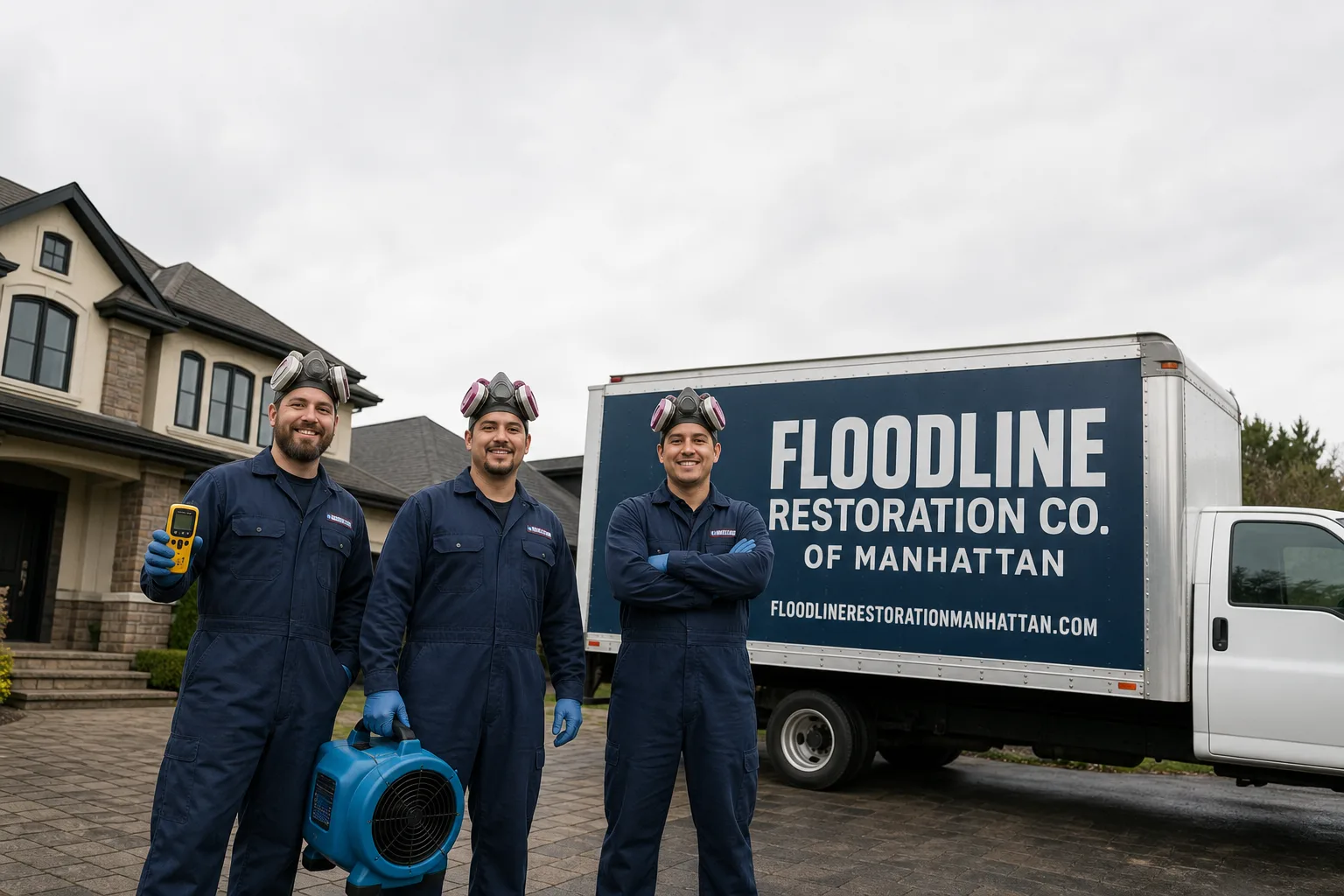
Free visual inspection and a written scope of work before any mitigation begins - photos, moisture readings, and drying logs go in your claim file
The scope we write is the scope we bill. Anything new gets shown to you, in writing, before we touch it.






 Before
 After
After Before
 After
After Before
 After
After24/7 Emergency Water Damage Restoration in Great Neck Gardens
A flooded basement in Great Neck Gardens usually means one of two things: a burst supply line in February, or Manhasset Bay and Little Neck Bay pushing saltwater into your foundation during a storm. Either way, the first hour decides how much of your home we can save. Call (917) 924-4221 and a live dispatcher answers, day or night. A crew from Water Damage Restoration gets moving toward Great Neck Gardens immediately, and extraction starts the same visit. Free visual inspection. No recording, no callback wait. The water in your basement is wicking into drywall, subfloor, and framing right now, and every hour it sits, the scope grows.
Understanding Water Damage Restoration Severity in Great Neck Gardens Properties
Water damage is categorized by contamination level, and in Great Neck Gardens the category is often decided before you ever open the basement door. Category 1 is clean water, a supply line or faucet feed. Category 2 carries detergents or mild contaminants, typical of washing machine overflows. Category 3, the one we see most after a bay surge, is grossly contaminated water carrying sewage, salt, or petroleum residue. The homes here, mostly 1940s-to-1960s colonials with full basements at or near the water table, complicate every category. A Category 1 loss inside a 1950s Great Neck Gardens basement becomes far more dangerous when it floods an aging 100-amp electrical panel or submerges an oil-fired boiler. Moisture mapping with thermal imaging and hygrometers tells us where the water has traveled inside wall cavities and under the slab. Structural drying is not running fans until things feel dry. It is logging daily readings against an established dry standard until the numbers prove the structure is stable, and in this peninsula’s humid marine air, that takes longer than it does a few miles inland.
Why Great Neck Gardens Property Owners Choose Floodline Restoration Co. of Manhattan
- 45-minute response commitment from our New York City dispatch to Great Neck Gardens, with live status updates until the crew is on site.
- Live answer, day or night. A real person picks up at 2 a.m. Not a phone tree, not a callback. You speak to someone who can dispatch a crew.
- IICRC-certified crews trained to WRT (Water Damage Restoration Technician) and ASD (Applied Structural Drying) standards, with RIA and IFA certification on the team as well.
- Free visual inspection with a written scope of work before any equipment goes in. You know the number before you sign anything.
- Direct insurance billing. We bill your carrier, we talk to your adjuster, and you never play messenger between us and the claims desk.
- One team from extraction to reconstruction. Floodline Restoration Co. of Manhattan does not hand you off to a separate rebuild crew. The same certified technicians who pull the water rebuild the walls, with the moisture log and the 90-Day Done Right Promise in your hands at the end.
Founded in 2010 by Curt Bowman, Floodline Restoration Co. has spent over 42 proud years serving local communities with background-checked, uniformed technicians and professional-grade Dri-Eaz, Phoenix, and Injectidry equipment. Curt’s Keystone Standard, the K.E.Y.S. values code, is simple: Krafted right, Every time, Your home first, Standing behind it. That is the 90-Day Done Right Promise in writing, no paperwork battles, no arguing. Serving Great Neck Gardens and the surrounding peninsula with a square deal, no surprises on the bill.
Our Water Damage Restoration Process
Inspection & Assessment
We arrive, walk the property, and locate every wet area with thermal imaging, hygrometers, and penetrating moisture meters. We identify the water category, map the damage, and write a scope of work you approve before equipment enters your home.
Extraction & Stabilization
Truck-mounted Dri-Eaz extraction units pull standing water from wall cavities, carpets, and hard surfaces. In a Great Neck Gardens flood, this is also the stage where we shut down power to submerged panels and isolate oil-burner components for safety.
Drying & Dehumidification
We position air movers, HEPA-filtered dehumidifiers, and Injectidry floor-drying mats. Daily moisture readings are logged against a dry standard, and we keep the log for you and your insurer. The marine air here means we run dehumidification longer than inland crews would.
Cleaning & Sanitization
We HEPA-vacuum and apply antimicrobial treatments to all affected surfaces. Here, where saltwater drives mold into wall cavities and subfloor assemblies within 48 hours, this step is not optional.
Specialty Treatment: Coastal & Oil-System Protocols
This is the step most inland restoration companies never run. We test for petroleum residue when an oil-fired boiler or fuel line is involved, and follow Nassau County post-flood permitting protocols that FEMA remapping requires for coastal properties.
Repairs & Restoration
The same crew rebuilds. Drywall, trim, flooring, electrical panel replacement, boiler remediation. The job is not done until the structure is stable, the air is clean, and you have our 90-Day Done Right Promise in writing.
Need Emergency Water Damage Restoration in Great Neck Gardens Now?
Crews minutes away, answering live 24 hours a day. The sooner we start, the less it costs.
Working With Your Insurance Company
You have been through enough. The last thing you need is to translate moisture logs for an adjuster while your subfloor rots. On day one, we photo-document every room, take moisture readings, and establish a drying log that meets carrier standards for industry-standard restoration. We coordinate directly with your adjuster, provide line-item scopes, and bill your insurer directly when the claim is approved. If the carrier has questions, we answer them. You do not play messenger. We have been doing this for decades on the Great Neck peninsula, and we know what post-Sandy FEMA-mapped claims require in terms of documentation, permitting, and elevation certificates. Let us handle that too.
What We Provide Your Insurer
- Thorough documentation of the loss
- Photos of all damage, room by room
- Moisture readings and drying logs
- A detailed, line-item scope of work
- Direct coordination with your carrier
Built for Great Neck Gardens’s Loss Calendar
Water finds Great Neck Gardens on its own schedule, and it changes with the season. January and February bring deep freezes that split supply lines in unheated basements and crawl spaces, and we respond to burst pipe calls on Middleneck Road and the side streets off Lakeville Road all winter. March and April thaw saturates the ground, and with the peninsula’s high water table, basement seepage seeps up through footing drains and cracks in the slab. Summer thunderstorms roll in fast and dump inches in an hour, and the saltwater-saturated soil around Manhasset Bay and Little Neck Bay can not absorb it, sending runoff into the lower-basement walkouts and window wells common in this housing stock. Autumn nor’easters are the dangerous ones. The same surge that floods the street gets into basements through weeping tiles and floor drains, and that is Category 3 water, not clean rain. If you have lived here long enough, you know the pattern. We do too.
Water Damage Restoration Across Great Neck Gardens’s Neighborhoods
Great Neck Gardens is not one housing stock, and the water behaves differently depending on where your house sits. In the blocks north of Northern Boulevard, the 1950s colonials and capes tend to have original cast-iron drains from the 1940s and 1950s, and we see those drains crack under hydrostatic pressure during bay surge, sending Category 3 water back into basements that were already pumped out. Near the Manhasset Bay shoreline, saltwater intrusion is the constant pressure. Homes along the water carry higher flood insurance mandates from the post-Sandy FEMA remapping, and nearly every restoration job there includes elevation certificate discussion and Nassau County post-flood permitting. South of the village, where homes sit closer to Little Neck Bay, slab-on-grade foundations and partially finished basements mean water travels laterally through the concrete and into framing fast, and wall-cavity drying matters more than standing-water extraction. The older blocks off Lakeville Road still run on original oil-fired boilers and 100-amp panels, and a submerged panel under the surge line is a corrosion-short hazard weeks after the dry-out if moisture mapping skipped the panel enclosure. We have not skipped that step in decades, and we are not about to start.
Specialized Water Damage Restoration Services We Offer in Great Neck Gardens
Emergency Water Extraction
Standing water in a Great Neck Gardens basement does not sit still. It wicks into drywall, subfloor, and stored belongings. Our truck-mounted Dri-Eaz extraction units pull hundreds of gallons per hour, and we are running the equipment within the first visit. No waiting for a second crew or a pump rental.
Flood Cleanup
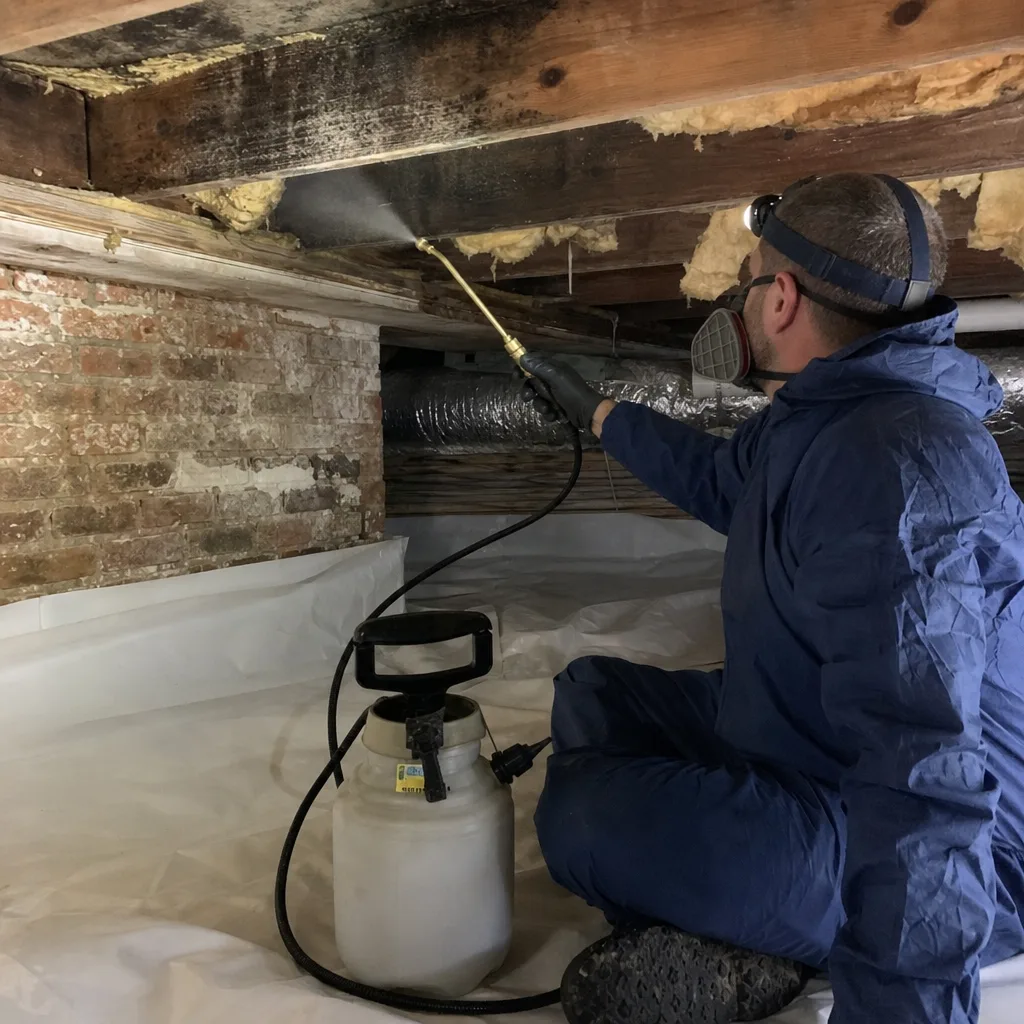
Bay-driven flooding is not clean rain. It is saltwater carrying marine organic matter and, in older Great Neck Gardens homes, whatever was in the oil burner pit and floor drains. Flood cleanup here starts with removing the water, then shifts to antimicrobial treatment and decontamination of every surface the water touched. That is where the real risk lives in this humid climate.
Basement Water Removal
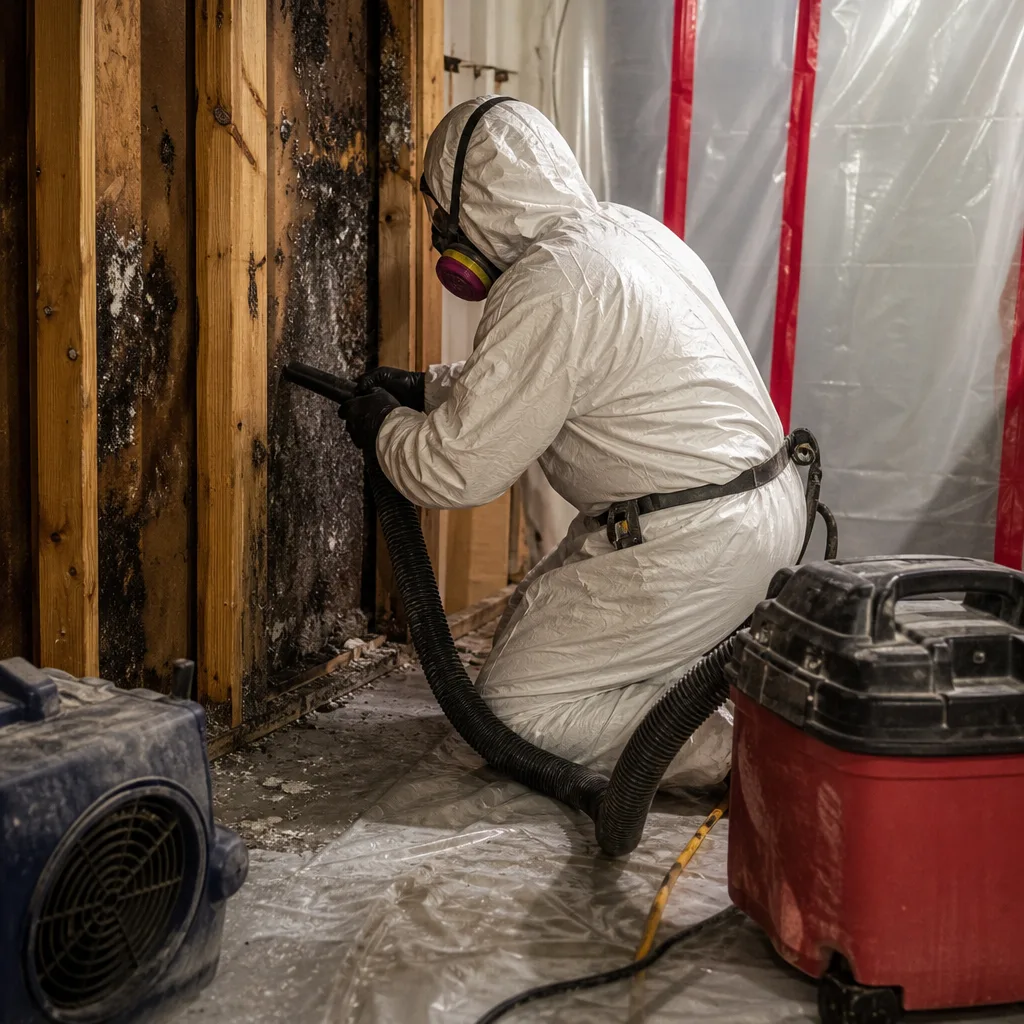
Nearly every Great Neck Gardens home has a full basement, and most sit at or just above the local water table. Storm surge forces water up through footing drains and cracks. We remove it, dry the concrete, and then address the hydrostatic pressure issue so the next storm does not repeat the problem.
Structural Drying & Dehumidification
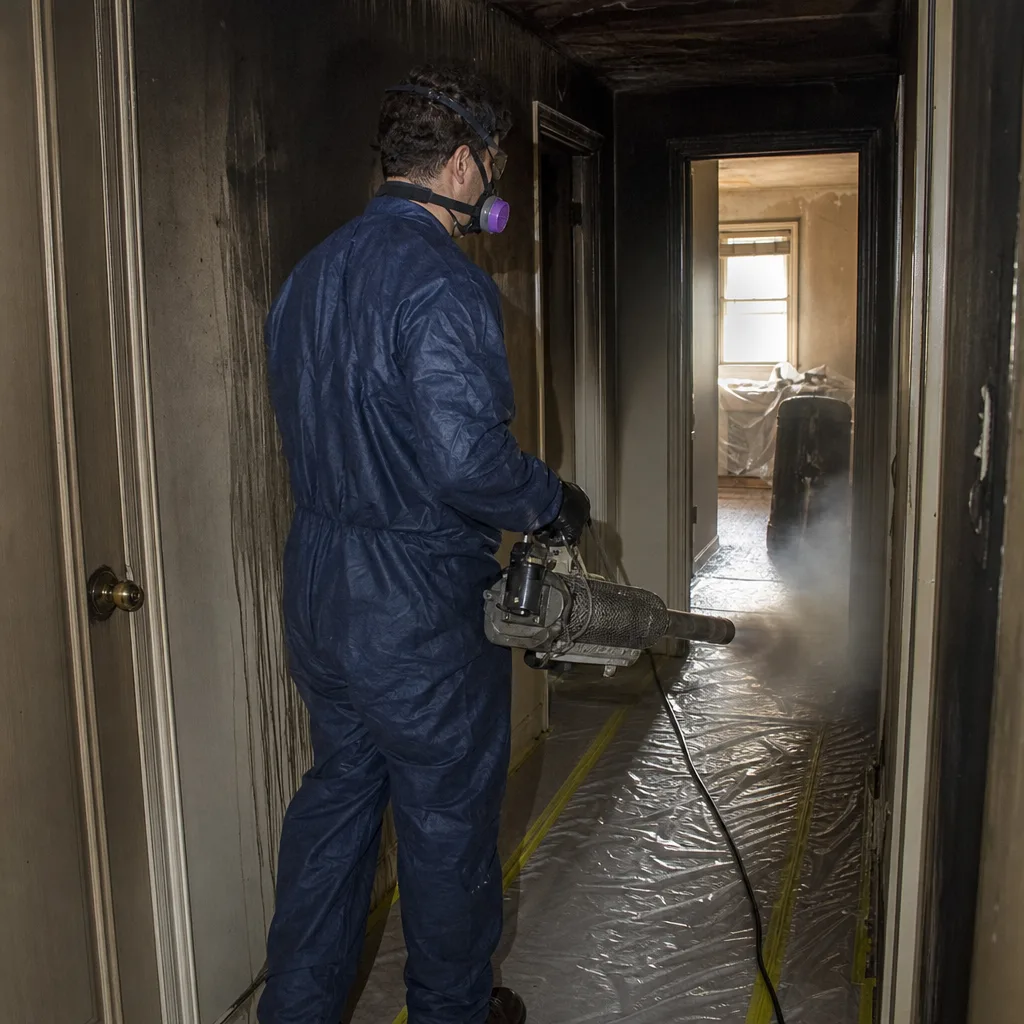
The math changes near the water. The peninsula’s persistently humid marine microclimate means wood subfloors and wall cavities hold moisture longer, and secondary mold colonization starts within 48 hours without aggressive dehumidification. Our Phoenix and Dri-Eaz dehumidifiers run until moisture content readings in framing are at or below the dry standard, and we hand you the log to prove it.
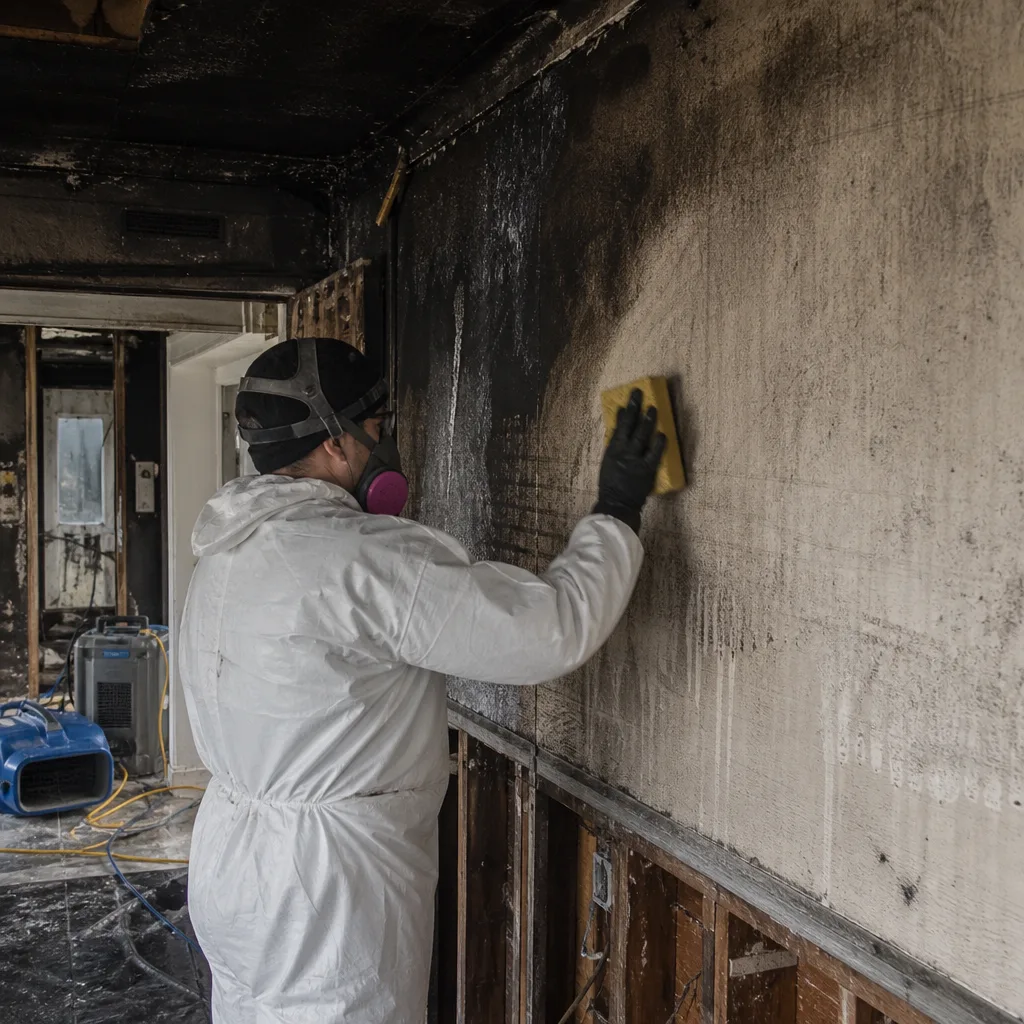
Burst Pipe Restoration
A frozen supply line in a 1950s colonial can saturate an entire first floor in an hour. We shut off the water, extract, and dry, then repair the drywall, flooring, and trim to match the original mid-century character of the house. The repair should look like it belongs in the home, not like a patch.
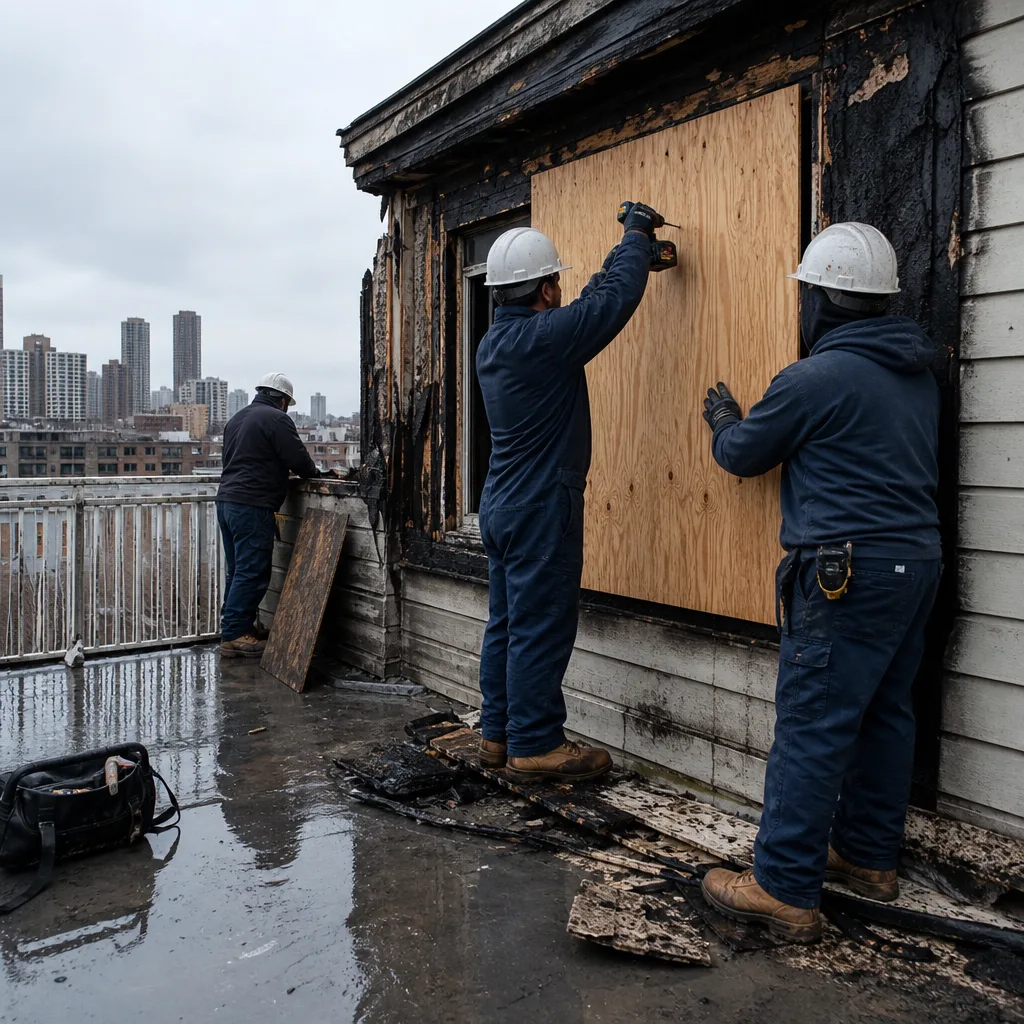
What happens when you call
- 1
A real person answersNo phone trees - you reach a local pro.
- 2
You get an upfront price rangeHonest numbers before anyone is dispatched.
- 3
A background-checked tech heads outLicensed & insured, dispatched right away.
- 4
You approve before work beginsNothing starts until you say go.
Water Damage Restoration Costs in Great Neck Gardens, NY
Here are honest numbers for the Great Neck Gardens market, based on the jobs we run weekly. Emergency water extraction alone typically runs $600 to $1,400, depending on square footage and water depth. Full basement water removal with structural drying, dehumidification, and antimicrobial treatment in a standard 1950s colonial basement is usually $3,500 to $8,500. Burst pipe restoration with drywall and trim repair generally lands between $1,800 and $5,000, more if the water reached finished living space. A full Category 3 storm surge restoration with petroleum contamination protocols, panel replacement, and rebuild work commonly runs $10,000 to $30,000, and that is the reality of coastal flood damage anywhere on the peninsula. The variable is how early we start. Free inspection first, written scope second. You approve the number before equipment goes in. Call (917) 924-4221 and we will be there in about 45 minutes.
We Also Serve Cities Near Great Neck Gardens
Our crews run the peninsula and the surrounding North Shore. We regularly answer calls in Fairview, Harrison, East Bronx, and Hunts Point, with the same 24/7 live dispatch, the same certified technicians, and the same written guarantee. If you are anywhere near Manhasset Bay or Little Neck Bay, we can get to you fast.
Great Neck Gardens Water Damage Restoration Questions, Answered
Why does Great Neck Gardens require petroleum contamination protocols on so many water damage jobs?
Because Long Island oil-heated homes are the norm here, and the oil-fired boiler and burner almost always sit in the basement, exactly where the water goes. When bay surge or a burst pipe submerges that equipment, petroleum contamination protocols kick in on top of standard water mitigation. That means testing, containment, and disposal requirements that inland restoration companies never see. We run those protocols constantly.
How does the FEMA remap affect water damage restoration in Great Neck Gardens?
The post-Sandy FEMA remapping elevated much of the Great Neck peninsula into high-risk coastal flood zones. That affects restoration in two ways. First, it raises insurance documentation requirements, which we handle directly with your carrier. Second, it adds Nassau County post-flood permitting requirements on almost every substantial water damage job near the shoreline. We coordinate with the county so your restoration does not stall at the permit desk.
What category of water is typical after a Great Neck Gardens storm surge?
Category 3, meaning grossly contaminated water carrying salt, marine organic matter, and whatever was in the sewer or floor drain system. It is never clean water, and treating it like clean water is how mold takes over a home. Our crews treat every surge call as Category 3 until testing proves otherwise.
Why do basements in Great Neck Gardens take longer to dry than homes a few miles inland?
The marine microclimate between Manhasset Bay and Little Neck Bay holds humidity persistently high, and saltwater wicks into wood and concrete differently than freshwater. Wood saturated with saltwater retains moisture longer, and the warm, damp air blows straight into opened wall cavities during drying. We run dehumidification longer and log daily moisture readings until the dry standard is met, which often adds a day or two compared to New Hyde Park or Mineola jobs.
Should we replace or restore original mid-century basement finishes after flooding in Great Neck Gardens?
If the finishes are original and the water was Category 3, replacement is usually the safer call. Drywall and fiberglass insulation soak up contaminated water, and even aggressive drying cannot prevent bacterial and mold growth inside the material. For original wood paneling or built-ins with real value, we can sometimes clean, dry, and treat in place, but we will tell you honestly if it is not worth saving. The decision should be about what is safe and what will last, not what is cheapest today.
How fast can you actually get to Great Neck Gardens?
Our commitment is a 45-minute response from dispatch to your door anywhere in Great Neck Gardens. Most calls are answered by a live person in under a minute, and the crew is rolling within the same call. At 2 a.m., you still get a live dispatcher, and you still get a crew that same visit.
Will my insurance cover water damage restoration in Great Neck Gardens?
Most standard homeowners policies cover sudden and accidental water damage, like burst pipes, but flood coverage from bay surge is generally separate and tied to FEMA flood insurance. We bill your carrier directly, document everything from the first hour, and coordinate with your adjuster so the claim is processed with the full scope in hand. Call us with your policy details and we will help you sort out what applies before you spend a dollar.
What should I do in the first 30 minutes after discovering water in my Great Neck Gardens home?
Shut off the main water valve if the source is a burst pipe. Kill power to the basement at the breaker, especially if water is near the electrical panel. Do not enter standing water if it may be in contact with live electricity. Move valuables to dry ground if you can do so safely. Then call (917) 924-4221. Do not wait. The difference between a cleanup and a rebuild is usually measured in the first hour.
Serving Great Neck Gardens, NY - Our Local Coverage Area
We’re based in the Great Neck Gardens area and know this community well. Use the map below to see our service coverage - if you’re nearby, we can almost certainly help.
Call Floodline Restoration Co. of Manhattan for Water Damage Restoration in Great Neck Gardens
The line the water left on your basement wall is where we start. From there, it is extraction, drying, cleanup, and rebuild, all done by the same certified crew, all documented and billed directly to your carrier, all backed by the 90-Day Done Right Promise in writing. We answer live 24 hours a day. Call (917) 924-4221 for a free visual inspection and a written scope before anything is signed. Done right, and backed in writing.
Written by Curt Bowman, Owner at Floodline Restoration Co. of Manhattan, serving Great Neck Gardens and the surrounding peninsula with 24/7 live dispatch and certified restoration crews.