
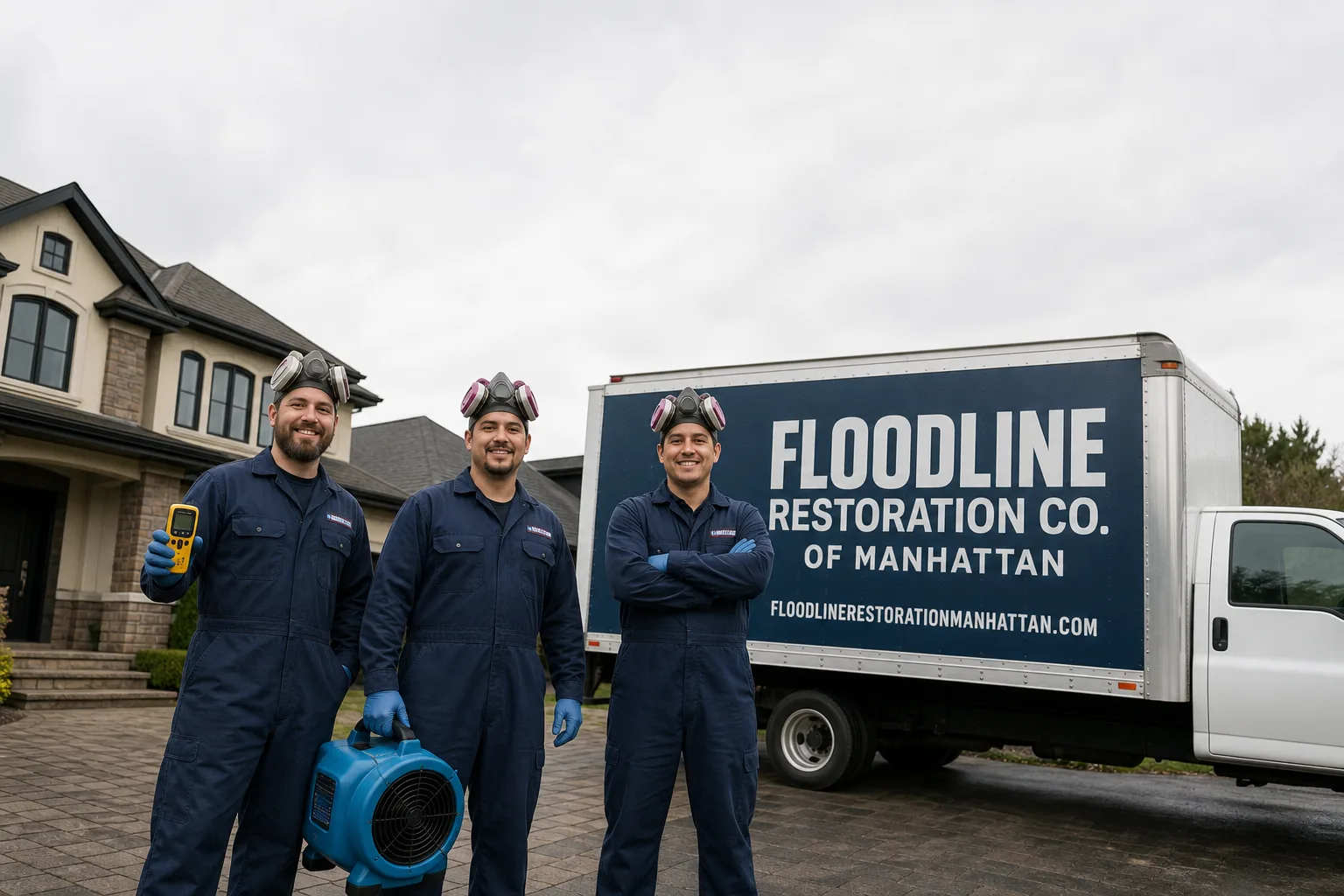
Free visual inspection and a written scope of work before any mitigation begins - photos, moisture readings, and drying logs go in your claim file
The scope we write is the scope we bill. Anything new gets shown to you, in writing, before we touch it.
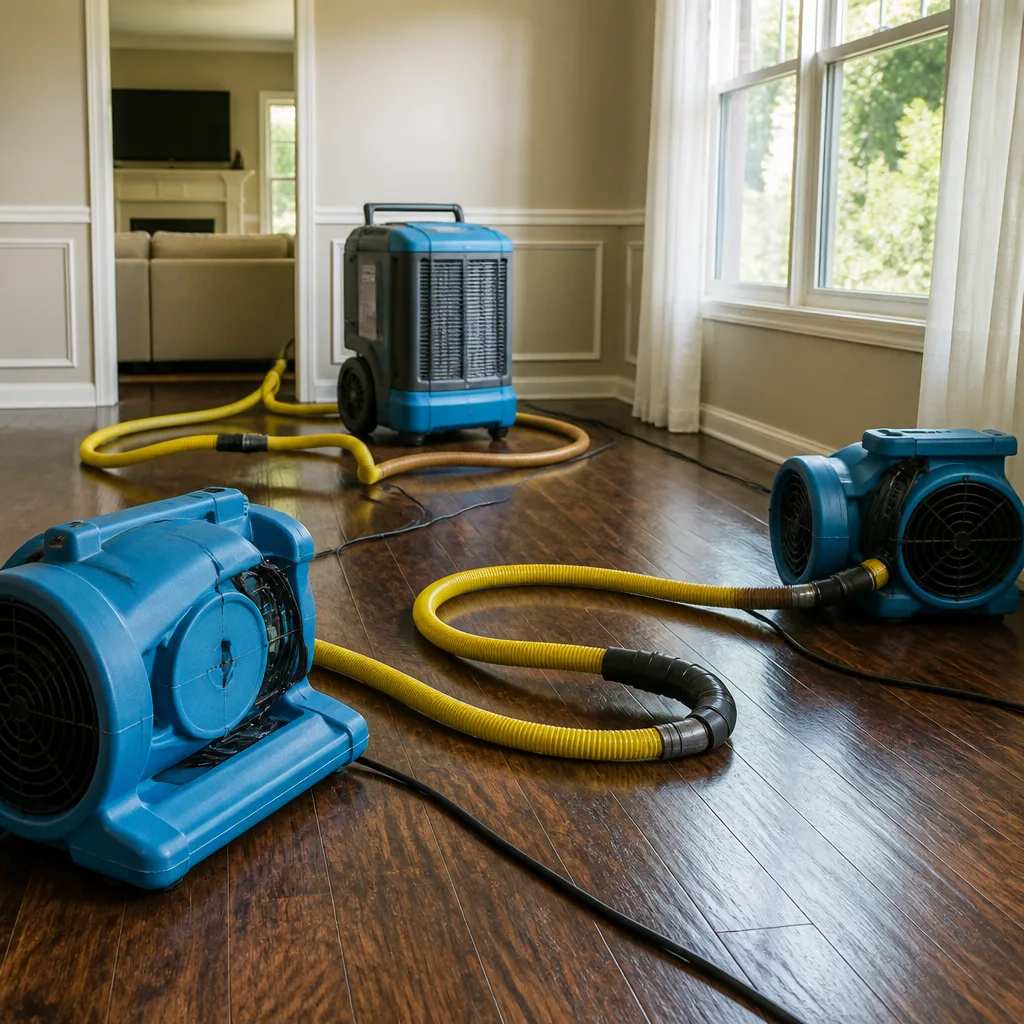

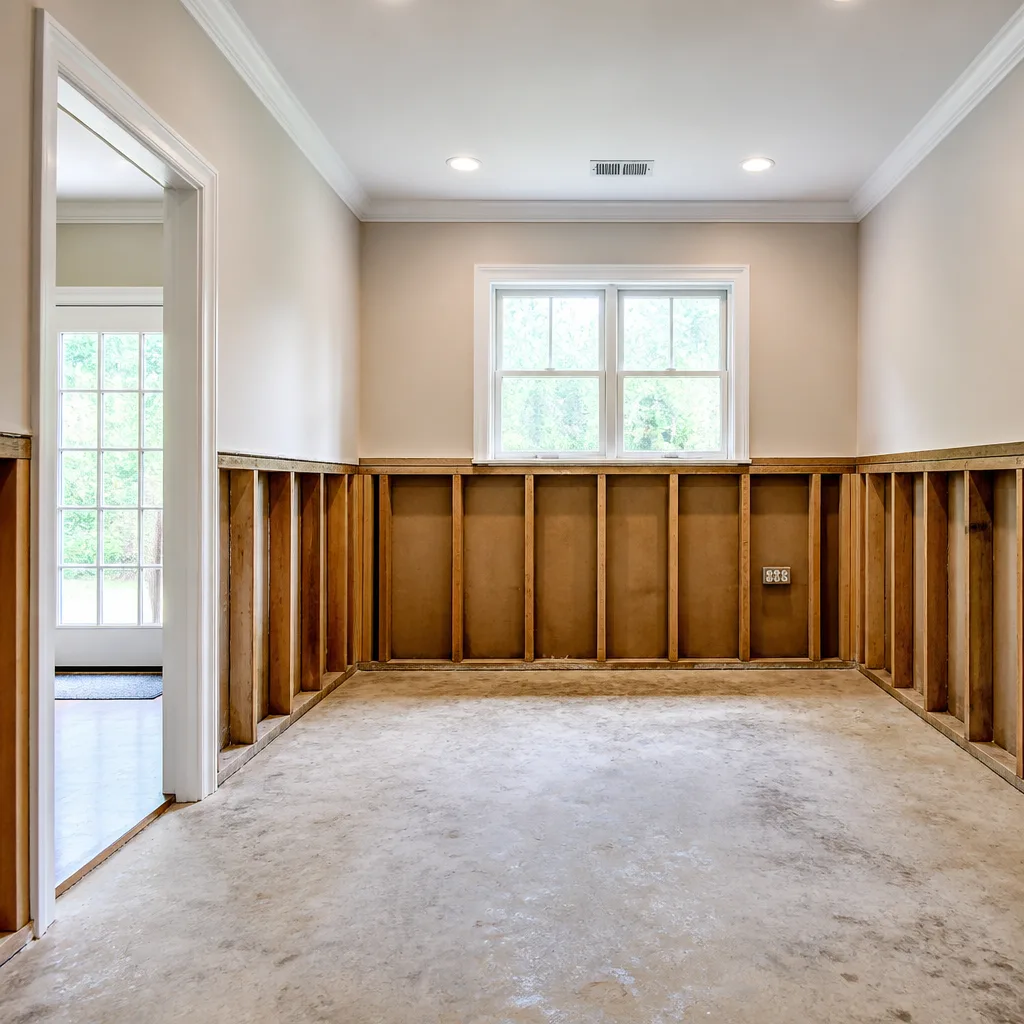

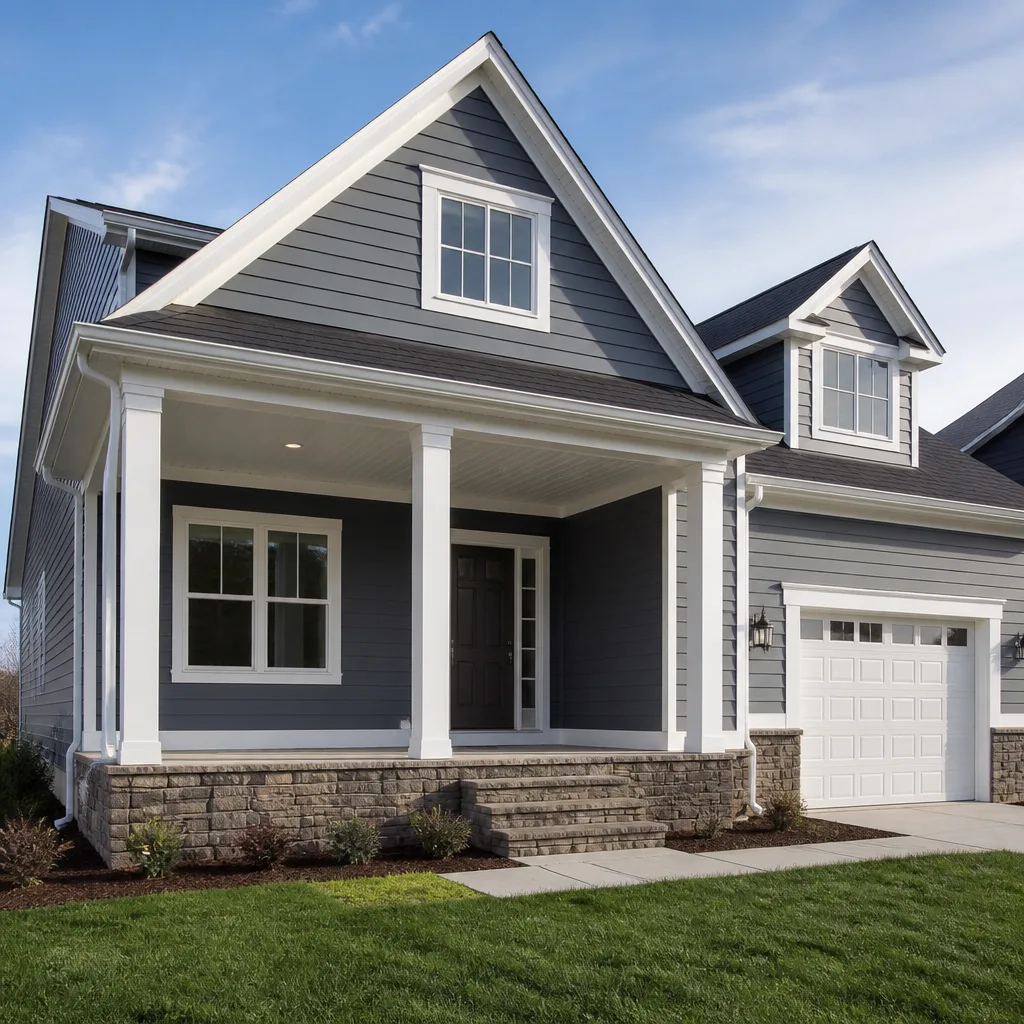
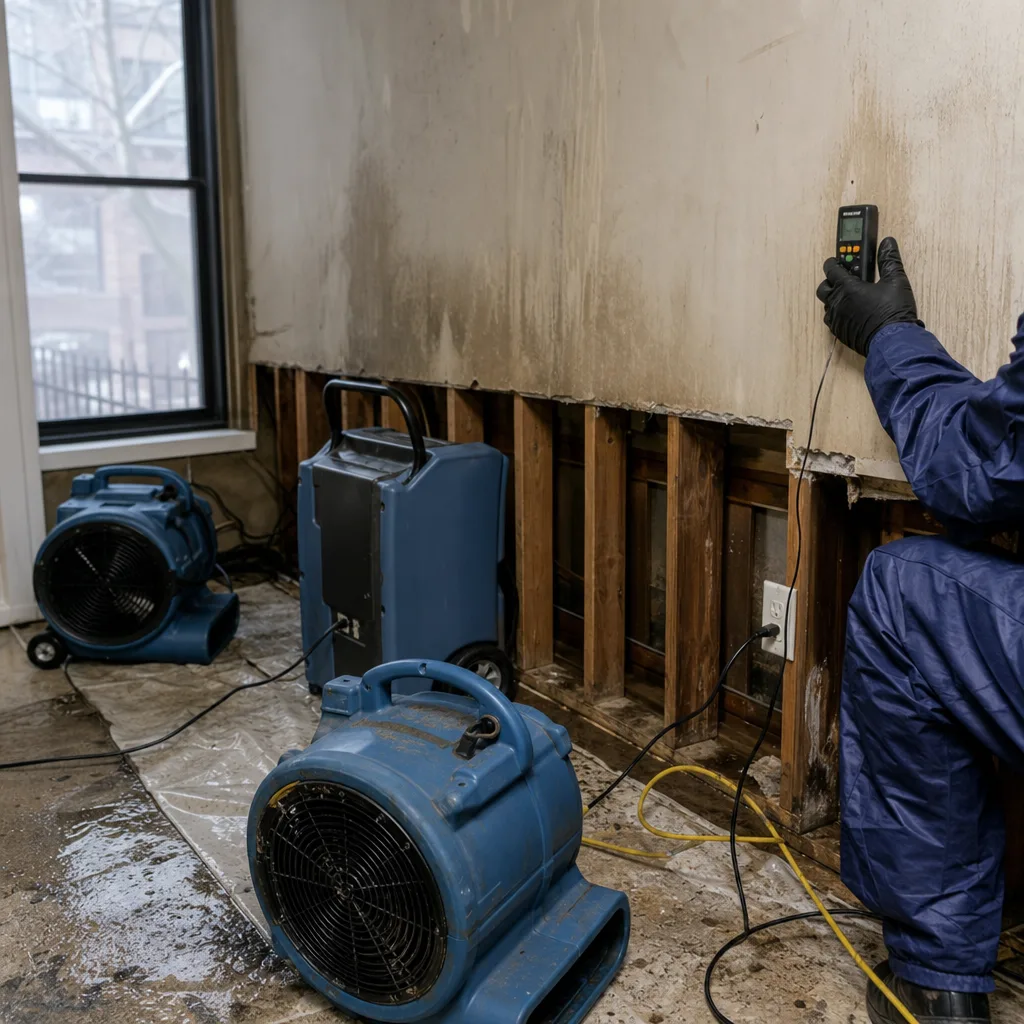 Before
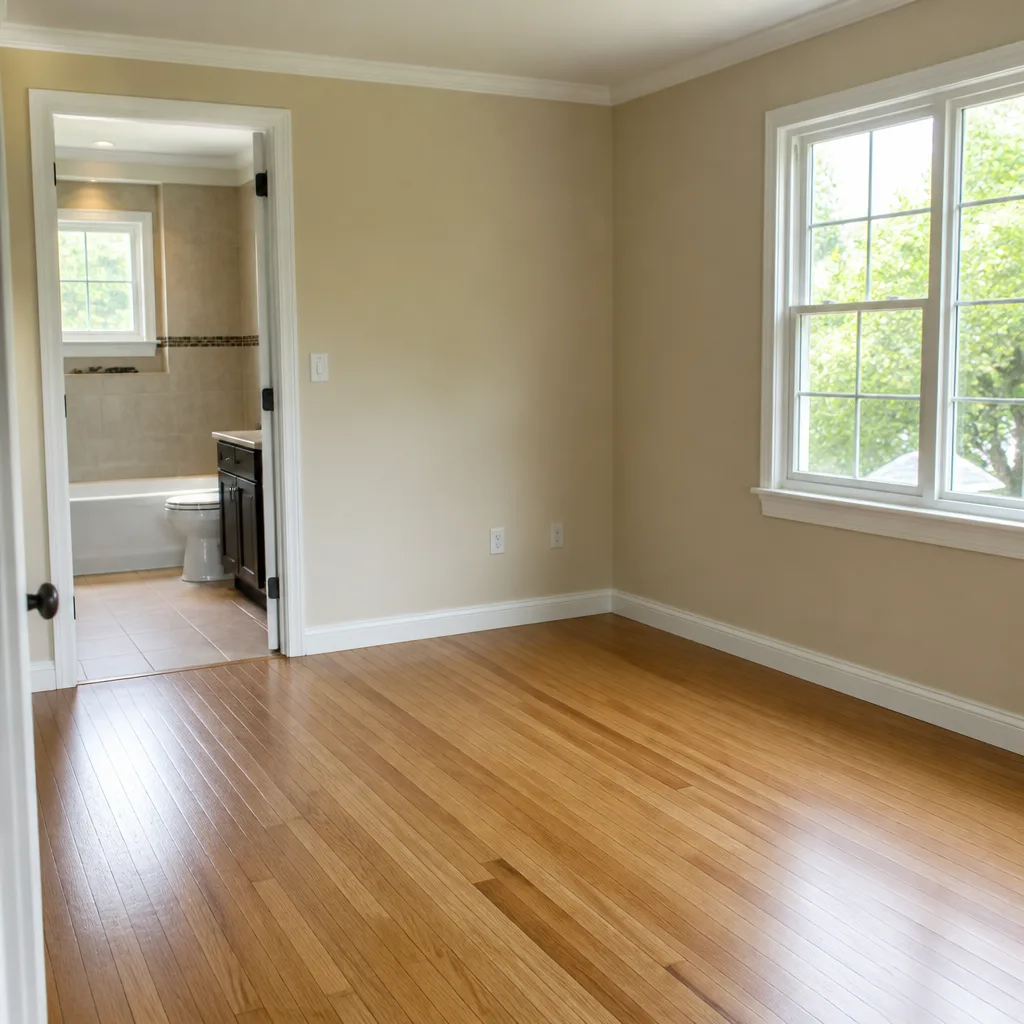
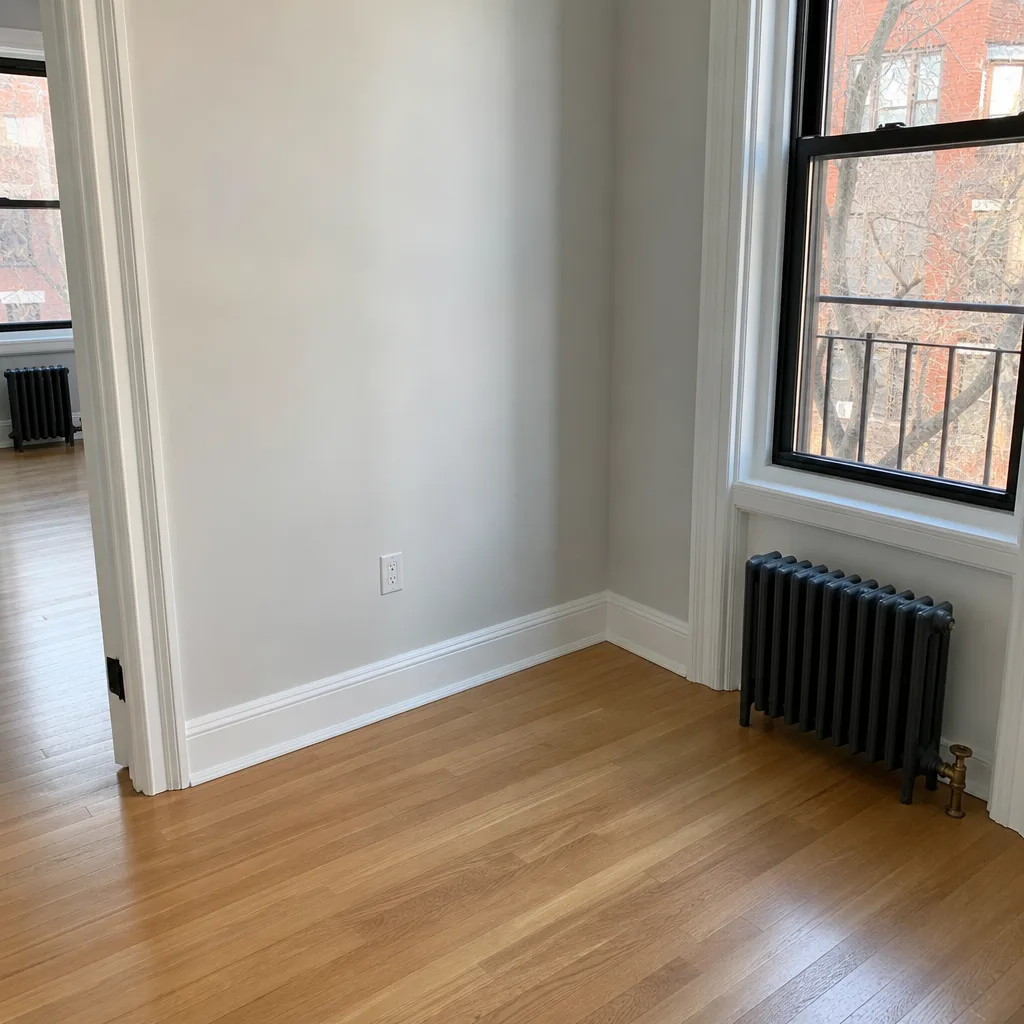 After
After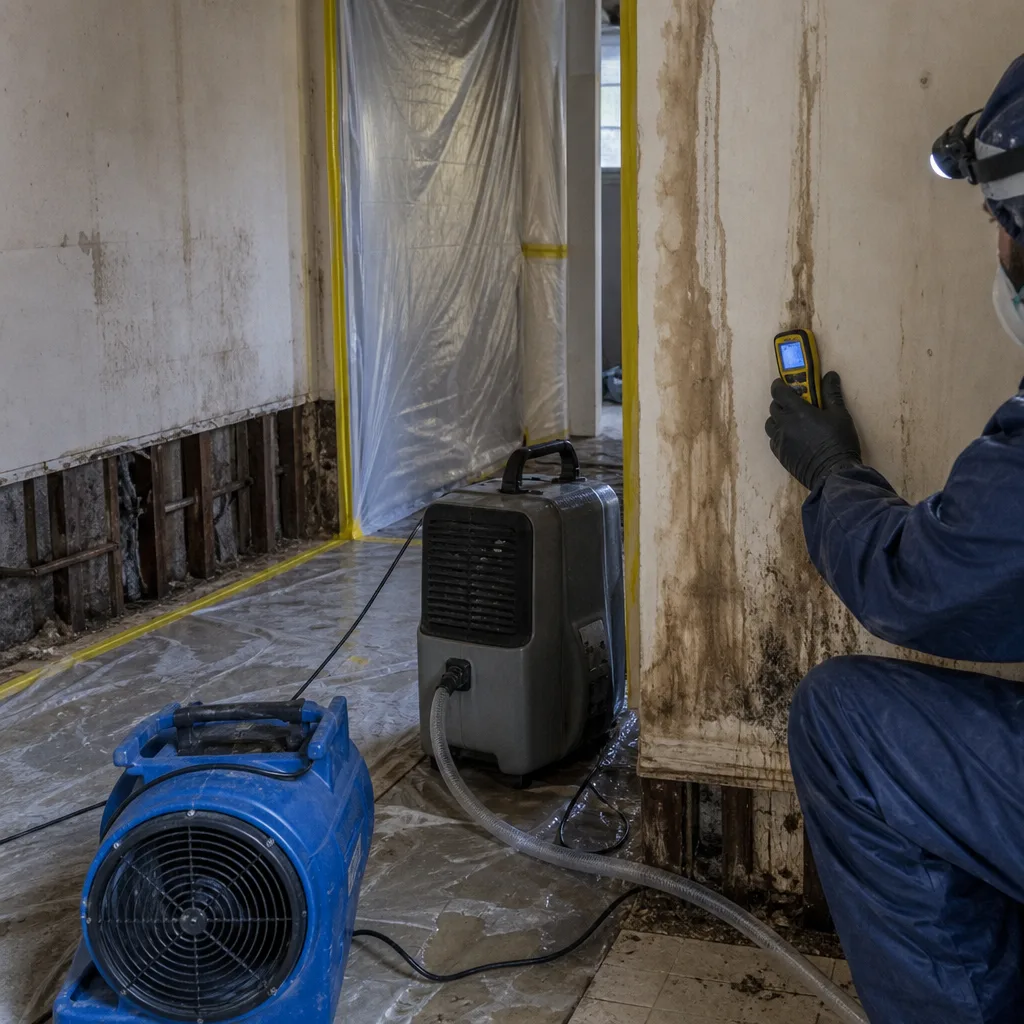 Before
 After
After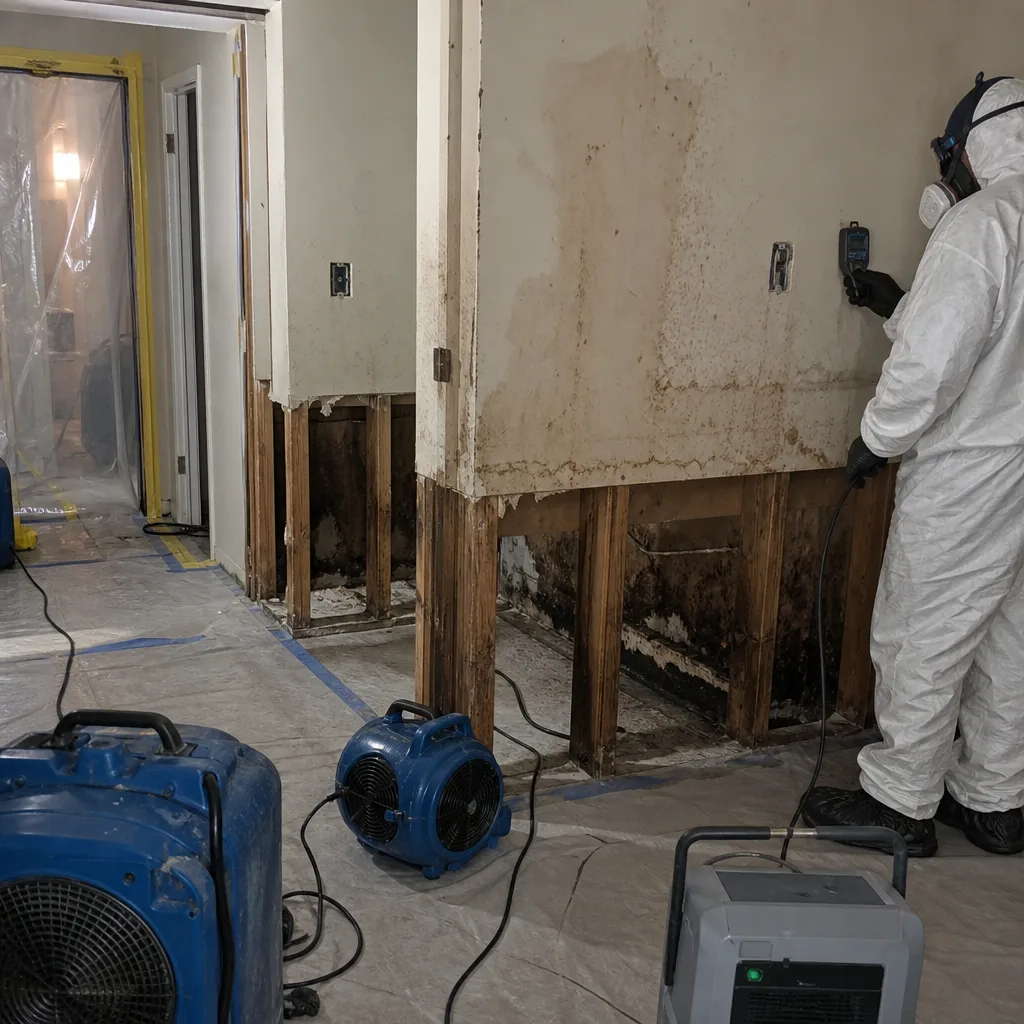 Before
 After
After24/7 Emergency Water Damage Restoration in Hackensack
Water damage restoration in Hackensack typically runs $1,800-$4,200 for a standard flooded basement job, and our crews reach most Hackensack addresses within 45 minutes of your call. If water is rising in your home right now, call (917) 924-4221 and a live dispatcher answers immediately, any hour, any day. We don’t use answering services and we don’t put you on hold while water keeps wicking up your drywall. The first hour matters because Hackensack’s river-driven floods carry Category 3 black water, and every minute that contaminated water sits in your framing multiplies what has to be cut out and replaced. Our Water Damage Restoration team arrives with truck-mounted extraction units ready to run the same visit.
Understanding Water Damage Restoration Severity in Hackensack Properties
Not all water damage is equal, and Hackensack throws a curve most restoration companies never prepare for. Clean water from a burst supply line is Category 1. It’s the easiest to dry and the least expensive to remediate. But when the Hackensack River overflows into basements along River Street and lower Main Street, you’re dealing with Category 3: water that has picked up sewage, river sediment, road runoff, and whatever the tide dragged in. That demands full containment, antimicrobial treatment, and disposal of porous materials rather than simple drying. Moisture mapping tells us what you can’t see. Thermal imaging and penetrating meters read moisture inside wall cavities and under flooring, which matters in Hackensack’s 1920s-1950s homes where saturated plaster and original framing hide water for weeks before staining shows up. We classify every loss on arrival and set the drying scope to the worst-case reading, not the visible puddle.
Why Hackensack Property Owners Choose Floodline Restoration Co. of Manhattan
- 45-minute response commitment. Our Hackensack response trucks stage near Route 4 and River Street so extraction starts fast, not after a crew drives in from somewhere else.
- A live person answers, 24/7. Not a recording, not a call center script. A dispatcher who knows Bergen County and can route a crew to your address right now.
- IICRC-certified crews (WRT, FSRT, AMRT). Background-checked, uniformed technicians trained to handle the Category 3 contamination common in Hackensack’s tidal flood zone.
- Free visual inspection. We assess the loss before any work begins and put the scope in writing so you know exactly what you’re approving.
- Direct insurance billing. We document from hour one, send the adjuster our moisture logs and line items, and bill your carrier directly. You never play messenger.
- One team from extraction to reconstruction. The same certified crew that pulls the water also dries the framing and rebuilds the finished basement. No mid-job handoff, no inherited strangers.
Our Water Damage Restoration Process
Inspection & Assessment
We walk the entire loss area with thermal imaging and moisture meters, classifying the water category and mapping the affected footprint. In pre-1978 Hackensack homes, we also flag asbestos and lead-paint materials before any drywall gets cut.
Extraction & Stabilization
Truck-mounted Dri-Eaz extraction units pull standing water fast, including the tidal backflow that keeps seeping in through floor drains along the river corridor. We set up containment immediately when Category 3 water is present.
Drying & Dehumidification
Phoenix dehumidifiers and high-volume air movers go in same-visit, positioned from the moisture map rather than guesswork. Daily readings are logged until the dry standard is met and the log is handed to you and your adjuster.
Cleaning & Sanitization
Antimicrobial treatments go on every affected surface, including the framing behind drywall that a previous shortcut job may have left wet. HEPA air scrubbing runs while we work to keep mold spores out of the rest of the house.
Salt & Efflorescence Treatment
Hackensack’s river water carries salt that wicks up sill plates and studs after the visible water is gone. We treat masonry and timber to stop the white crust and slow rot before it takes hold.
Repairs & Restoration
The same crew that dried your basement rebuilds it: drywall, flooring, trim, paint. We don’t hand you off to a different contractor. The 90-Day Done Right Promise covers the whole job in writing.
Need Emergency Water Damage Restoration in Hackensack Now?
Crews minutes away, answering live 24 hours a day. The sooner we start, the less it costs.
Working With Your Insurance Company
Water damage claims in Hackensack’s flood zones can get complicated fast. Your policy may cover a burst pipe differently than a tidal surge, and the adjuster is going to ask for documentation that proves what was damaged, when, and why. We build that file from the first hour on site. Every photo is room-by-room, every moisture reading is dated, and every line item is spelled out in a scope of work your carrier can process without follow-up calls back to you. We’ve handled enough Hackensack claims along the river corridor to know what adjusters flag and what they pass. When the scope changes after demolition (and in repeat-flood basements it usually does), we document the reason and send the revised scope directly to the carrier with your claim number already attached.
What We Provide Your Insurer
- Thorough documentation of the loss
- Photos of all damage, room by room
- Moisture readings and drying logs
- A detailed, line-item scope of work
- Direct coordination with your carrier
Built for Hackensack’s Loss Calendar
Hackensack’s water damage season doesn’t follow one simple pattern. January and February deep freezes burst supply lines and baseboard heating runs in the city’s older homes, especially in uninsulated basements along Anderson Street and the numbered streets off Main. Spring thaw pushes groundwater up through foundation cracks anywhere the water table sits high, which in Hackensack means most of the city east of Railroad Avenue. Summer thunderstorms drop two inches in an hour and overwhelm the storm drains, sending street runoff into basement stairwells and ground-level entrances. Then comes nor’easter season. That’s the one that catches people off guard, because the damage doesn’t come from rainfall: storm surge from Newark Bay pushes the tidal Hackensack River up and out of its banks, flooding basements on streets that never saw a drop of rain. We plan our Hackensack staffing and equipment staging around this calendar, not around a generic national playbook.
Water Damage Restoration Across Hackensack’s Neighborhoods
Response times and loss patterns vary block by block in Hackensack. Along River Street and the lower Main Street corridor, tidal surge is the dominant cause, and basements here are often on their second or third remediation after Irene, Sandy, and the nor’easters since. We route trucks down Route 4 and Essex Street to hit these addresses fast because the water is contaminated from the first minute. In the Fairmount section, closer to the hospital, 1920s and 1930s homes have original cast-iron plumbing that fails after decades of hard-water scale, and the damage is usually clean Category 1, which makes for a faster dry but often requires replacing old pipe before rebuild can start. The Summit Avenue corridor near Bogota runs along higher ground, but the pre-war housing stock still gives us burst hydronic heating lines and roof leaks that migrate down into ceilings and walls. Down near Teterboro, the commercial-industrial edge means fast response along Route 46 is critical when a storm drain backs up into a loading dock or ground-level storage area. Every neighborhood gets the same live-answer dispatch, but the truck that shows up knows which failure mode it’s most likely walking into.
Specialized Water Damage Restoration Services We Offer in Hackensack
Flood Cleanup
Hackensack’s river floods are not clean-water events. We set up full containment, extract with truck-mounted Dri-Eaz units, cut out contaminated drywall and insulation, treat framing with antimicrobials, and run HEPA air scrubbing through the whole affected space. The salt content in tidal water means we also treat for efflorescence and hidden wicking before rebuild begins.
Structural Drying & Dehumidification
Drying a Hackensack basement properly means reading moisture inside framing, not just on the concrete floor. We place Phoenix dehumidifiers and air movers according to a moisture map, take daily readings, and hand you and your adjuster a drying log that proves the structure reached the dry standard. In older homes with plaster and original lumber, this usually takes three to five days, and cutting corners here is what creates mold six months later.
Basement Water Removal
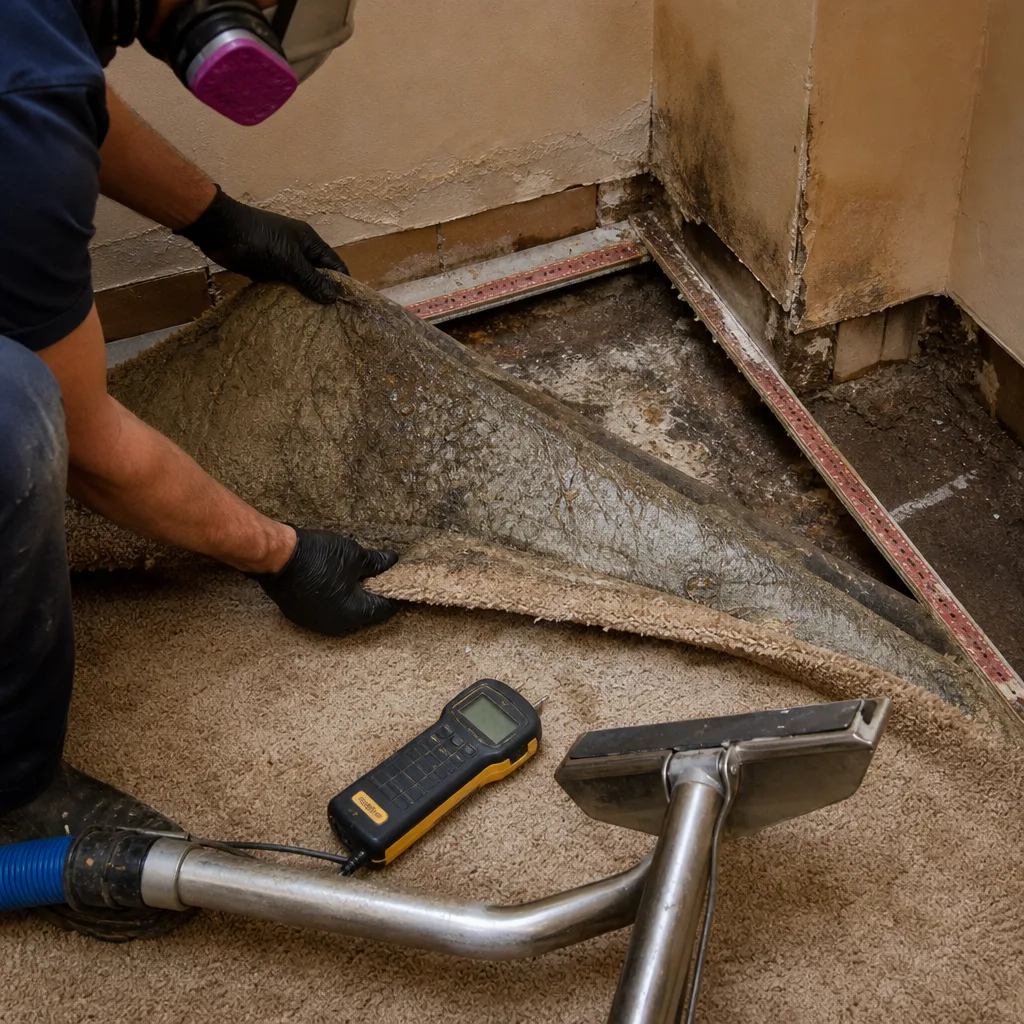
Whether it’s a finished basement along River Street or an unfinished cellar in the Fairmount section, standing water comes out fast with truck-mounted extraction. Then we address what let the water in: a failed sump pump, a floor drain backing up from the river, a cracked foundation wall, or an old cast-iron pipe that finally gave out.
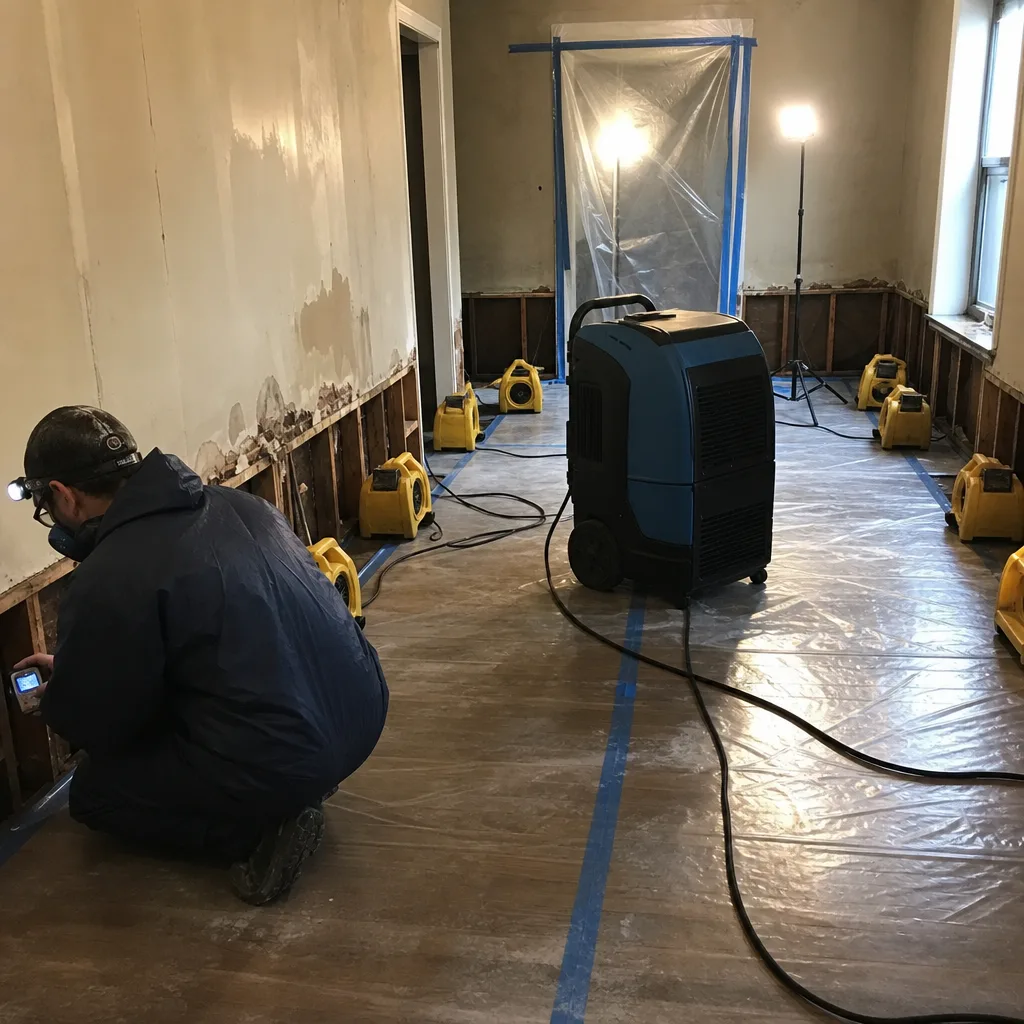
Emergency Water Extraction
When water is actively rising or standing, you don’t need an estimate first. You need it out. Our 45-minute response commitment puts extraction running the same visit, because in a Hackensack flood zone every hour of standing Category 3 water expands the scope of what has to be removed and replaced.
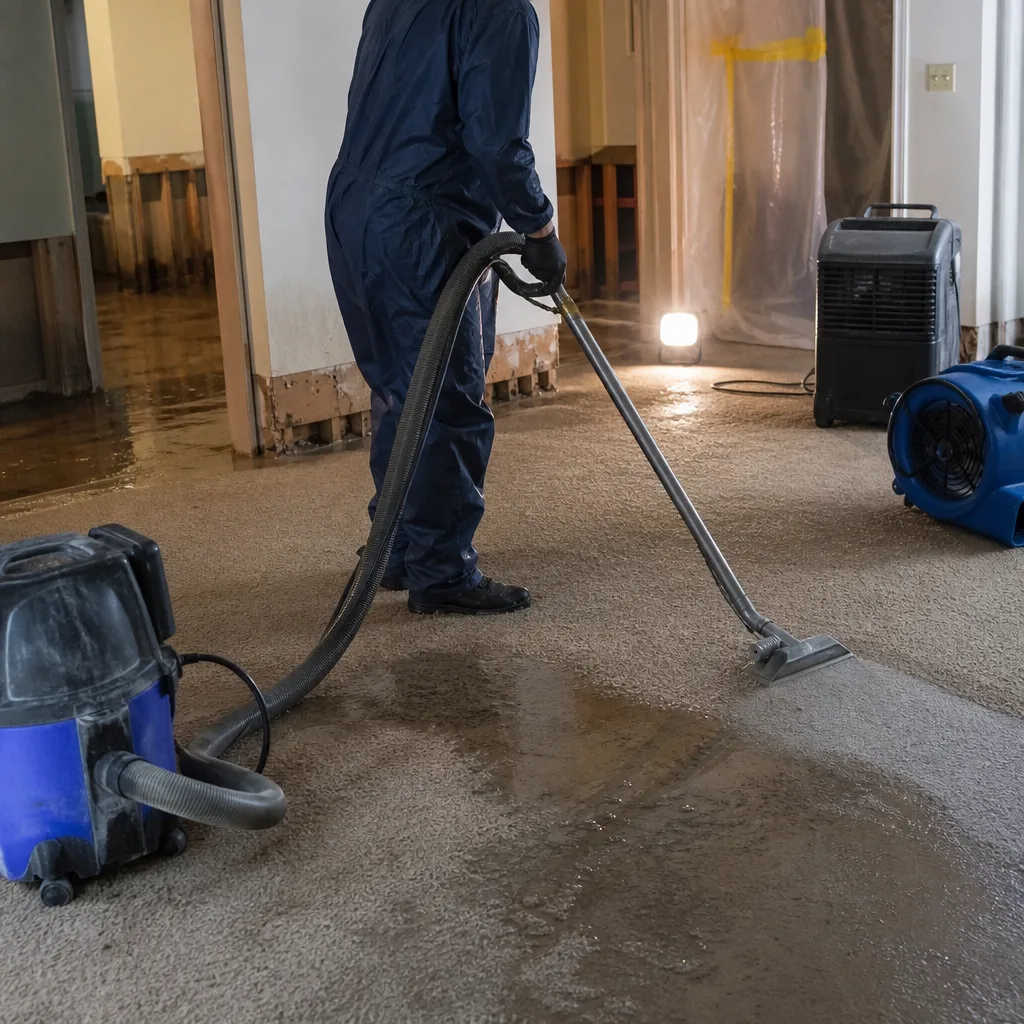
Burst Pipe Restoration
Winter freeze-thaw cycles wreck old supply lines in Hackensack’s 1920s-1950s housing stock. We stop the source, extract the clean water, dry the structure, and rebuild what the water damaged, including coordinating with a licensed plumber if the pipe itself needs replacement before we close the walls back up.
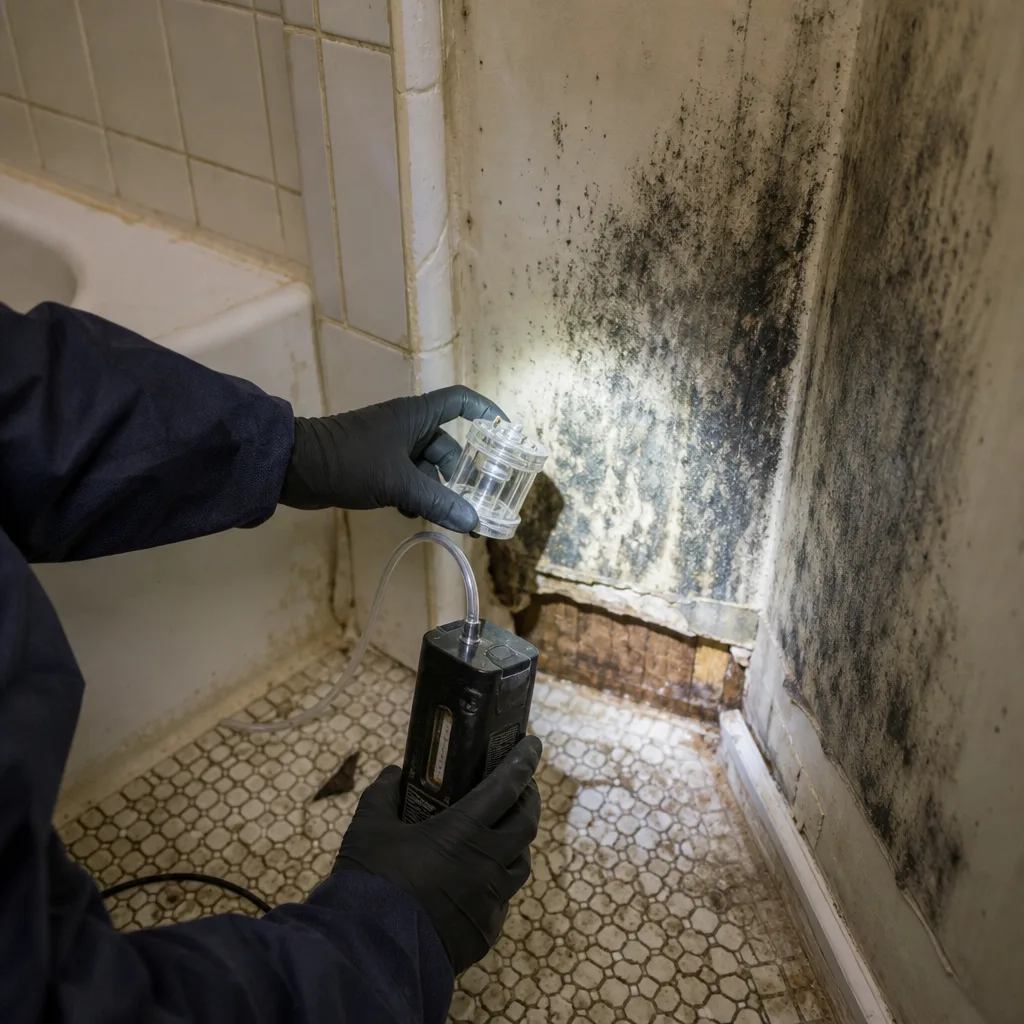
What happens when you call
- 1
A real person answersNo phone trees - you reach a local pro.
- 2
You get an upfront price rangeHonest numbers before anyone is dispatched.
- 3
A background-checked tech heads outLicensed & insured, dispatched right away.
- 4
You approve before work beginsNothing starts until you say go.
Water Damage Restoration Costs in Hackensack, NJ
Here’s what Hackensack homeowners actually pay. A straightforward clean-water basement extraction with structural drying runs $1,800-$3,200. A Category 3 river-flood mitigation with containment, demolition, antimicrobial treatment, and rebuild typically lands between $4,000 and $9,500 depending on how much finished space was wet. Burst pipe jobs with drywall replacement and flooring repair usually run $2,500-$5,000. What moves the price: the water category, how long it sat before we arrived, how much drywall and insulation has to come out, and whether the home needs asbestos or lead abatement before we can cut (common in pre-1978 Hackensack construction). Insurance-covered losses may cost you only your deductible. The free visual inspection locks the scope in writing before you approve anything. Call (917) 924-4221 and we’ll walk it with you.
We Also Serve Cities Near Hackensack
Our Hackensack crews also respond daily across Hackensack and into Maywood, Bogota, Teterboro, and South Hackensack. Same live-answer dispatch, same 45-minute response commitment, same one-team-from-extraction-to-rebuild standard.
Serving Hackensack, NJ - Our Local Coverage Area
We’re based in the Hackensack area and know this community well. Use the map below to see our service coverage - if you’re nearby, we can almost certainly help.
Hackensack Water Damage Restoration Questions, Answered
How does tidal flooding from the Hackensack River affect water damage restoration compared to a typical pipe burst?
Tidal flooding is Category 3 from the first minute, because it carries sewage, sediment, and saltwater rather than clean supply water. That means we treat it like a contamination event: full containment, demolition of porous materials, antimicrobial treatment, and a longer drying protocol. A pipe burst is usually Category 1 and can often be dried in place without gutting the room.
What do you do differently in Hackensack’s 1920s-1950s homes with original cast-iron or galvanized plumbing?
We expect old pipe failures before we arrive and plan scope around them. In homes this age, the plumbing that caused the loss often needs replacement, not just repair, and we coordinate with a licensed plumber before rebuilding. We also test for asbestos and lead paint before cutting into walls or ceilings, because pre-1978 Hackensack homes carry both.
How do I know if my basement flood from a nor’easter is clean water or contaminated?
If the water came up through floor drains, backed up from a sewer line, or entered from the river, assume it’s contaminated. Nor’easter flooding in Hackensack usually means tidal backflow from the Hackensack River, and that water has been through storm drains, road surfaces, and the river itself. Treat it as Category 3 until testing or clear evidence proves otherwise.
Can you handle a basement that flooded multiple times, after Irene, Sandy, and other storms?
Yes, and most of the river-corridor basements we restore have a history. The challenge with repeat floods is the leftovers from prior remediation: spray-foamed cracks, mismatched drywall patches, and framing that was never fully dried. We remove the old shortcuts before we dry the new damage, because leaving them means water hides behind them and mold returns.
What is the standard drying timeline for a Hackensack home after a water loss, and what affects it?
Most structural drying in Hackensack runs three to five days. Saltwater from tidal floods adds time because salt holds moisture in wood and masonry. Older homes with plaster walls, original hardwood, and uninsulated framing also dry slower than newer construction. Daily moisture readings tell us when the structure actually reached the dry standard, not just when the floor feels dry.
How fast can you actually get to my house in Hackensack?
Our target is 45 minutes or less anywhere in Hackensack, including River Street, the Fairmount section, and the Main Street corridor. We stage response trucks near Route 4 and Essex Street so the crew isn’t coming from outside the area. A live dispatcher confirms the address and ETA the moment you call.
Will my insurance cover water damage from river flooding versus a burst pipe?
Burst pipe damage is typically covered under a standard homeowners policy. River flooding usually requires a separate flood insurance policy, unless your loss falls under a covered backup or seepage endorsement. We document everything from the first hour and communicate directly with your adjuster, so the claim gets filed correctly regardless of the cause.
What should I do in the first 30 minutes after I discover the water?
Shut off electricity to the affected area if you can reach the panel safely without stepping in water. Call us at (917) 924-4221. Move valuables and small furniture upstairs or to a dry room. Don’t run fans from a hardware store on Category 3 water, because that spreads contaminated moisture through the air. Don’t cut into walls or pull up flooring until we’ve classified the water and checked for asbestos and lead.
Written by Curt Bowman, Owner at Floodline Restoration Co. of Manhattan, serving Hackensack and Bergen County with 24/7 live-answer dispatch and the 90-Day Done Right Promise.