
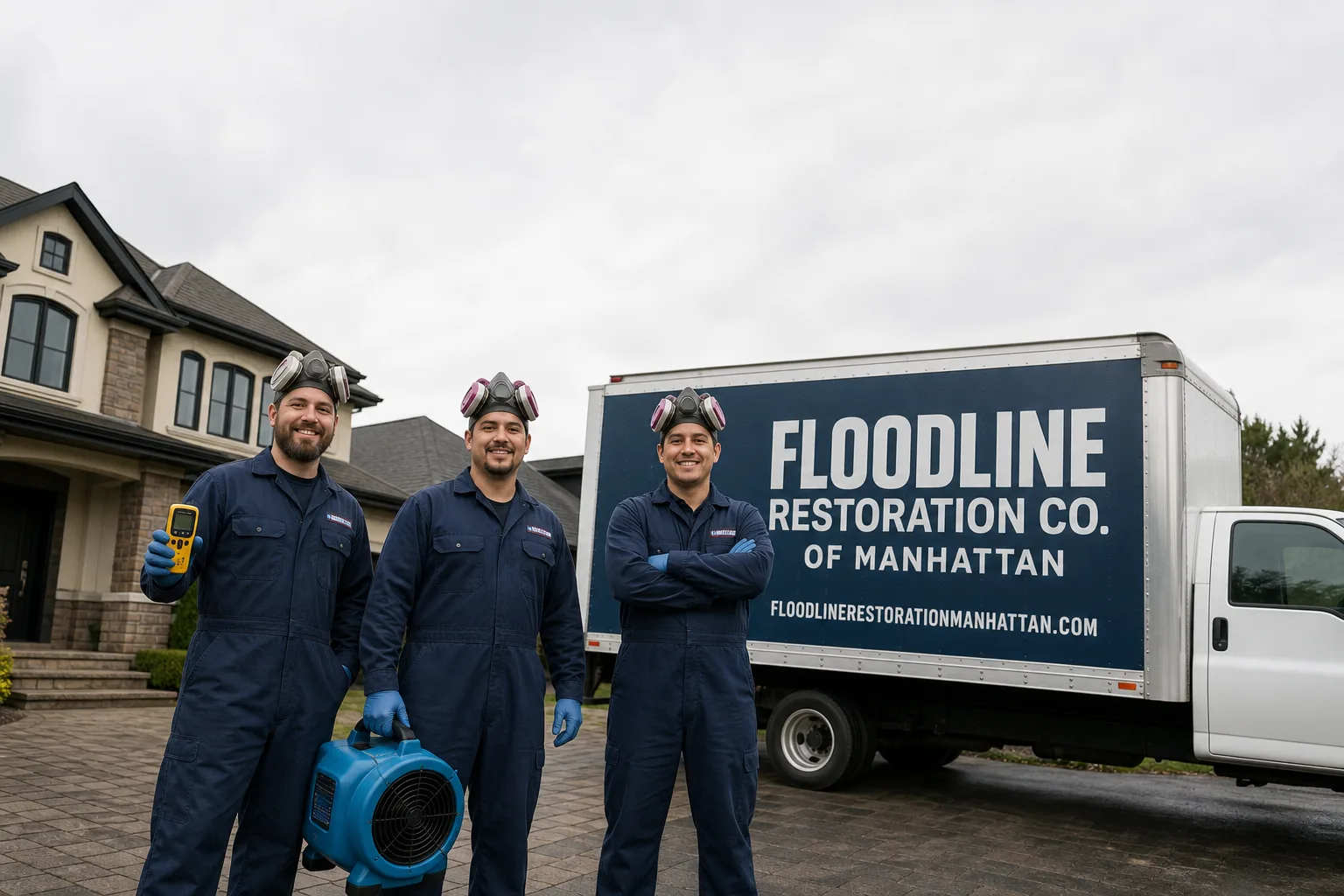
Free visual inspection and a written scope of work before any mitigation begins - photos, moisture readings, and drying logs go in your claim file
The scope we write is the scope we bill. Anything new gets shown to you, in writing, before we touch it.






 Before
 After
After Before
 After
After Before
 After
After24/7 Emergency Water Damage Restoration in Haverstraw
Water damage restoration in Haverstraw typically costs between $1,800 and $4,600 for a standard basement flood, with full structural drying of brick row houses running $2,200 to $6,800 depending on how long water sat in the masonry. When water is rising in your home, waiting even an hour changes the equation, because Haverstraw’s brick construction pulls moisture deep into walls and holds it there. Call (917) 924-4221 and a live dispatcher answers immediately, any hour, any day. Our crews are dispatched inside the Haverstraw area within 45 minutes, and the first visual inspection is free. The sooner extraction starts, the less water travels through plaster, brick, and flooring, which means a smaller restoration, not a bigger one.
Understanding Water Damage Restoration Severity in Haverstraw Properties
Water damage gets classified into three categories, and Haverstraw’s housing stock makes that classification matter more than it does in neighboring towns. Category 1 water comes from a clean source, a burst supply line or an overflowing tub. Category 2 carries contaminants, like a washing machine discharge or a sump overflow. Category 3 is the ugly one, river water from Haverstraw Bay that has picked up sediment, sewage from combined overflow systems, and whatever else the Hudson carried into your basement. In a 1920s brick tenement on West Street, Category 1 water doesn’t stay Category 1 for long, because the plaster-and-lath walls and thick clay brick absorb water quickly and push it into hidden cavities where bacteria fester. We use moisture mapping, thermal imaging, and hygrometers to find water that is not visible on any surface. Structural drying in Haverstraw brick requires longer dehumidification cycles, because the wall assembly stays wet long after the floor reads dry, and stopping too early leaves hidden moisture behind the plaster.
Why Haverstraw Property Owners Choose Floodline Restoration Co. of Manhattan
- 45-minute response commitment. We dispatch from a live board, not a call center queue. A uniformed, background-checked crew reaches Haverstraw fast, most often inside the hour.
- 24/7 live answer, never an automated system. At 2 a.m. you get a person. A dispatcher logs your address, confirms your cross streets, and gets a crew moving before you hang up.
- IICRC-certified crews, WRT and ASD certified. Our technicians train to IICRC, RIA, and IFA standards, and the same crew that reads the moisture map on day one handles daily readings through the dry standard.
- Free visual inspection. We walk the damage, take photos, and give you a straight read of what you are looking at before anything is signed or billed.
- Direct insurance billing. Floodline Restoration Co. works your claim with the carrier directly. You are not the messenger between the adjuster and the crew.
- One team from extraction to reconstruction. We do not hand the job off to a subcontractor after the water is gone. The crew that extracts and dries is the same crew that rebuilds.
Our Water Damage Restoration Process
Inspection & Assessment
We arrive, map the moisture with thermal imaging and hygrometers, and document everything with photos. For Haverstraw’s brick and plaster homes, this step includes checking for water that has wicked into the masonry behind baseboards and lath.
Extraction & Stabilization
We extract standing water using truck-mounted and portable extraction units. In a flooded Haverstraw basement, extraction is the moment we can stop water from climbing further into the porous brick above grade.
Drying & Dehumidification
We run Dri-Eaz and Phoenix dehumidifiers with XPOWER air movers, and for plaster walls we set up Injectidry systems that pull air through wall cavities. Daily moisture readings are logged until every surface meets the dry standard, which on Haverstraw brick takes longer than wood frame.
Cleaning & Sanitization
We use HEPA air scrubbers and antimicrobial treatments appropriate to the water category. Category 2 and 3 water from Haverstraw Bay demands aggressive sanitization before any rebuild material goes back in.
Specialty Treatment: Masonry Drying
In brick row houses, we drill weep holes behind baseboards and run air movers for days, sometimes weeks, until moisture readings in the masonry match pre-loss condition. This step is not optional here.
Repairs & Restoration
Once the dry standard is met, our own carpenters and finishers rebuild what was removed. The 90-Day Done Right Promise is in your hands before we leave, in writing.
Need Emergency Water Damage Restoration in Haverstraw Now?
Crews minutes away, answering live 24 hours a day. The sooner we start, the less it costs.
Working With Your Insurance Company
Insurance is almost always in the room, even when nobody says it out loud. We know this, and we document from the first hour so your carrier has what it needs. Our team photographs every affected room, logs moisture readings daily until the dry standard is met, and writes a line-item scope of work in the format adjusters expect. We talk to your adjuster directly, which means you are not chasing paperwork while your plaster stays wet. The goal is simple: your claim moves, your house dries, and the rebuild is covered as cleanly as the extraction. A square deal, no surprises on the bill.
What We Provide Your Insurer
- Thorough documentation of the loss
- Photos of all damage, room by room
- Moisture readings and drying logs
- A detailed, line-item scope of work
- Direct coordination with your carrier
Built for Haverstraw’s Loss Calendar
January deep freezes in the Hudson Valley burst supply lines in 1880s brick buildings on New Main Street and Broadway, where copper and galvanized piping has seen a century of movement. Spring thaw and March rain saturate the already waterlogged Hudson River clay beneath the village, and basement seepage arrives right on schedule in the older two-family flats off West Broad Street. Summer thunderstorms roll through fast and dump an inch in twenty minutes, overwhelming the village’s combined storm and sewer lines and pushing Category 2 water into low-lying basements near the waterfront. Nor’easters in the fall and winter pile Hudson water over the bulkhead and into the streets, and when the Bay comes up, it does not discriminate between a hundred-year-old brick tenement and a 1960s two-family near the waterfront. Each season has a signature loss here, and we plan crews accordingly. The Water Damage Restoration team at Floodline Restoration Co. has seen every one of them.
Water Damage Restoration Across Haverstraw’s Neighborhoods
Haverstraw’s neighborhoods each run a different risk profile, and we route crews accordingly. In the waterfront blocks off New Main Street and by Emeline Park, storm surge from Haverstraw Bay is the primary driver, and basements there routinely see Category 3 water with sediment and sewage mixed in. The brick row houses and tenements along West Street, Broadway, and around the old brick-making district near the Hudson carry the thickest masonry walls in Rockland County, and water wicks up through them for days after a flood. Up the slope toward West Haverstraw Road, the housing shifts to newer wood-frame construction, but the clay soil beneath still saturates in spring, and foundation seepage shows up differently there than it does on the waterfront. Near the village center, mixed commercial and residential buildings from the 1890s share party walls, which means a flood in one unit can migrate laterally into the neighbor’s wall cavity before anyone notices. When a nor’easter pushed the Bay over the bulkhead into the waterfront blocks, our crew set up containment and ran Injectidry systems in a 1890s brick two-family on New Main Street. The plaster-and-lath walls hid Category 2 water for days, so we used thermal imaging to map the moisture, then drilled weep holes behind the baseboards and ran air movers for nine days until moisture readings matched the pre-loss condition. That is the kind of job that cannot be rushed, and it cannot be done right by a crew that treats brick like drywall. Call (917) 924-4221 and we will be there when we say.
Specialized Water Damage Restoration Services We Offer in Haverstraw
Emergency Water Extraction
Standing water anywhere in a Haverstraw home means extraction starts the same visit. We use truck-mounted and portable extraction units, and in brick basements we pull water out before it climbs into the porous masonry above grade. Fast extraction shortens the drying timeline and cuts the final cost, every time.
Structural Drying & Dehumidification
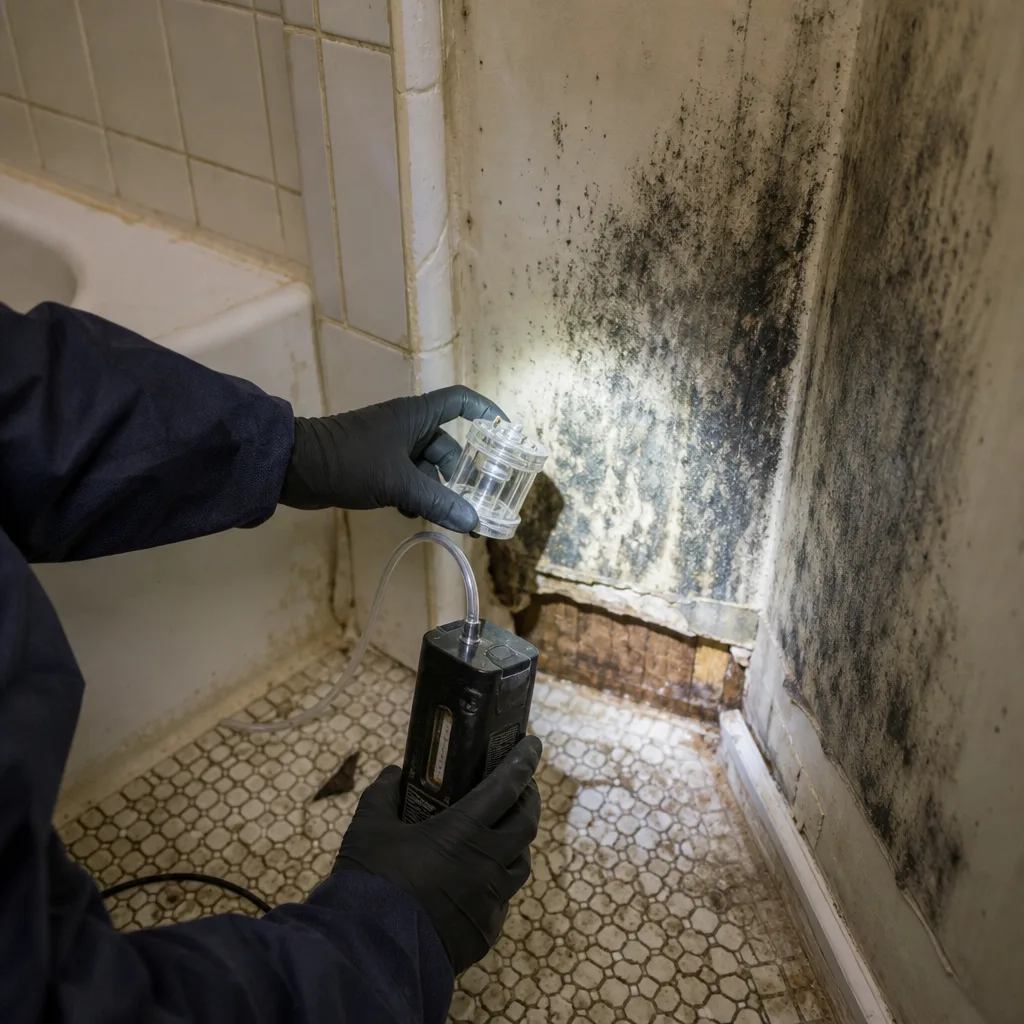
This is where Haverstraw jobs differ from the rest of Rockland County. Late 19th-century brick absorbs water deep into the wall, and drying means running Dri-Eaz and Phoenix dehumidifiers with Injectidry systems on plaster walls for days or weeks, not hours. Daily moisture readings tell us when the dry standard is actually met.
Flood Cleanup
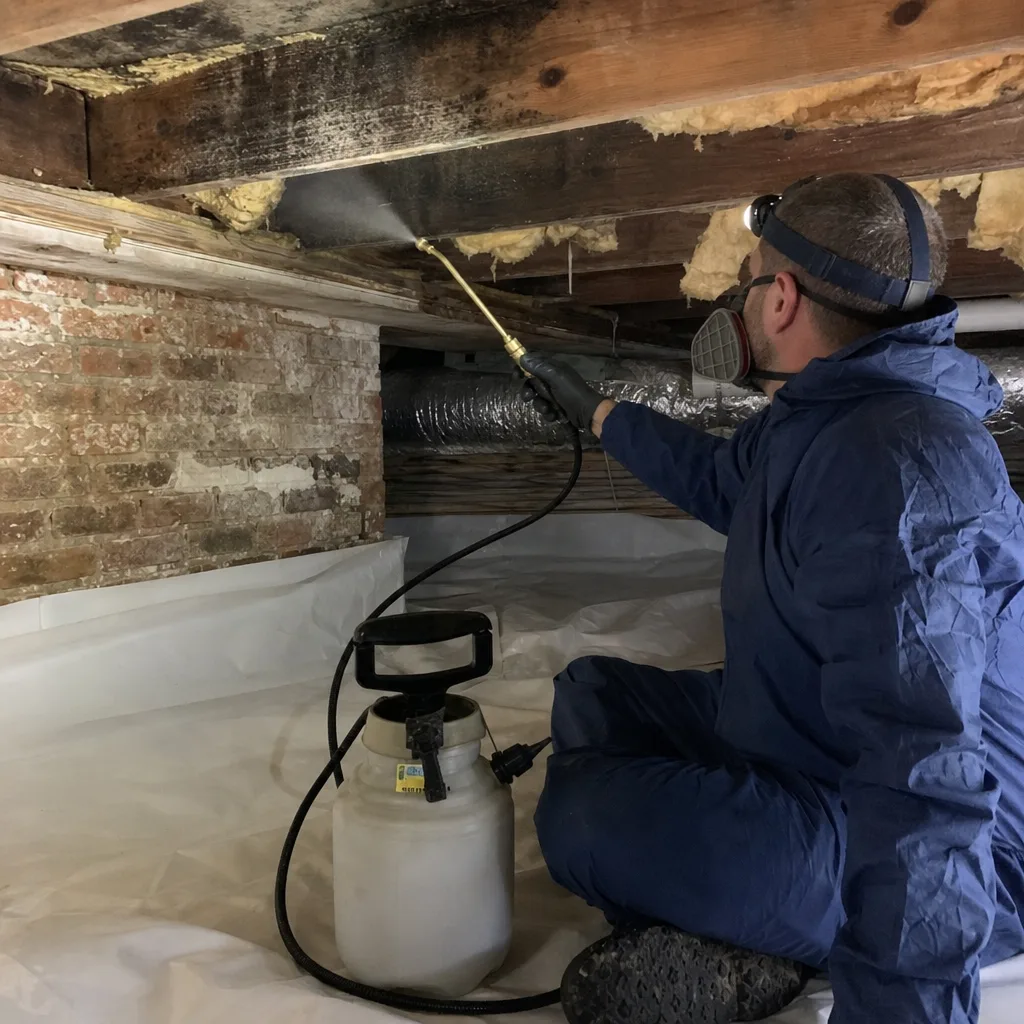
Floodwater from Haverstraw Bay carries river sediment, sewage from combined overflow systems, and whatever else the Hudson picked up. We contain the affected area, remove contaminated material, and sanitize with antimicrobial treatments appropriate to the water category. A flood here is never just water.
Burst Pipe Restoration
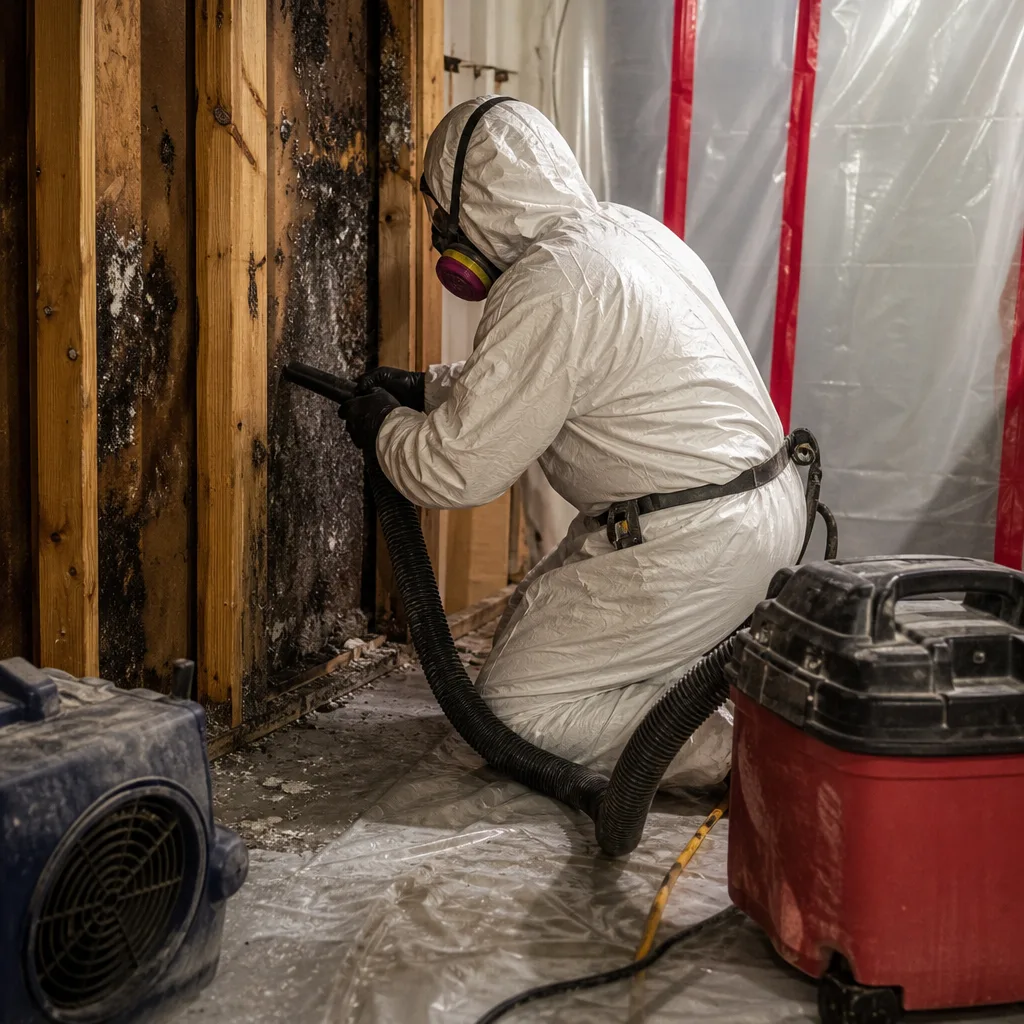
Winter freezes split supply lines in Haverstraw’s aging buildings every January. We stop the source, map the water migration with thermal imaging, and dry behind plaster walls where Category 1 water turns into a hidden mold problem if not addressed fully.
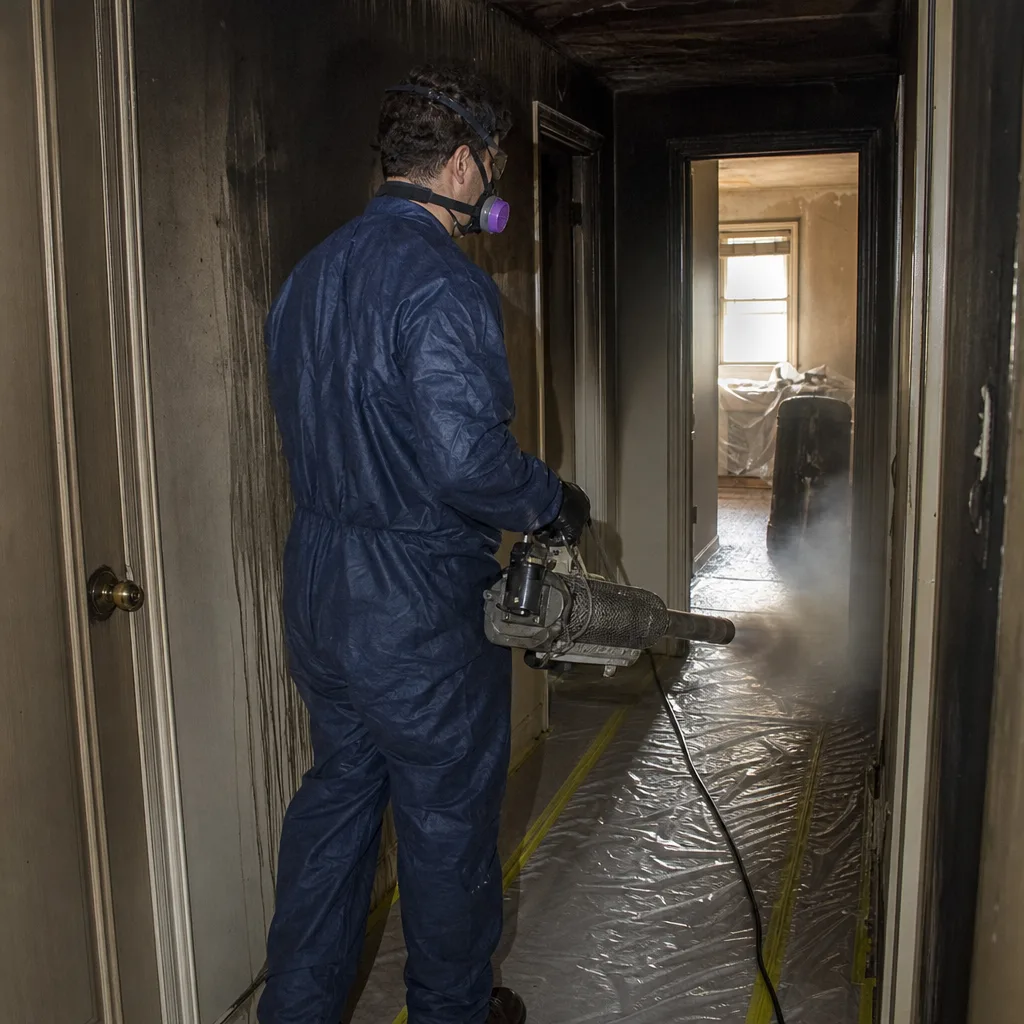
Basement Water Removal
Basements in Haverstraw’s brick buildings sit low and often below the water table in spring, when the Hudson River clay saturates and seepage pushes in through cracks and cove joints. We extract, dry, and then address the masonry so the next nor’easter does not find the same opening.
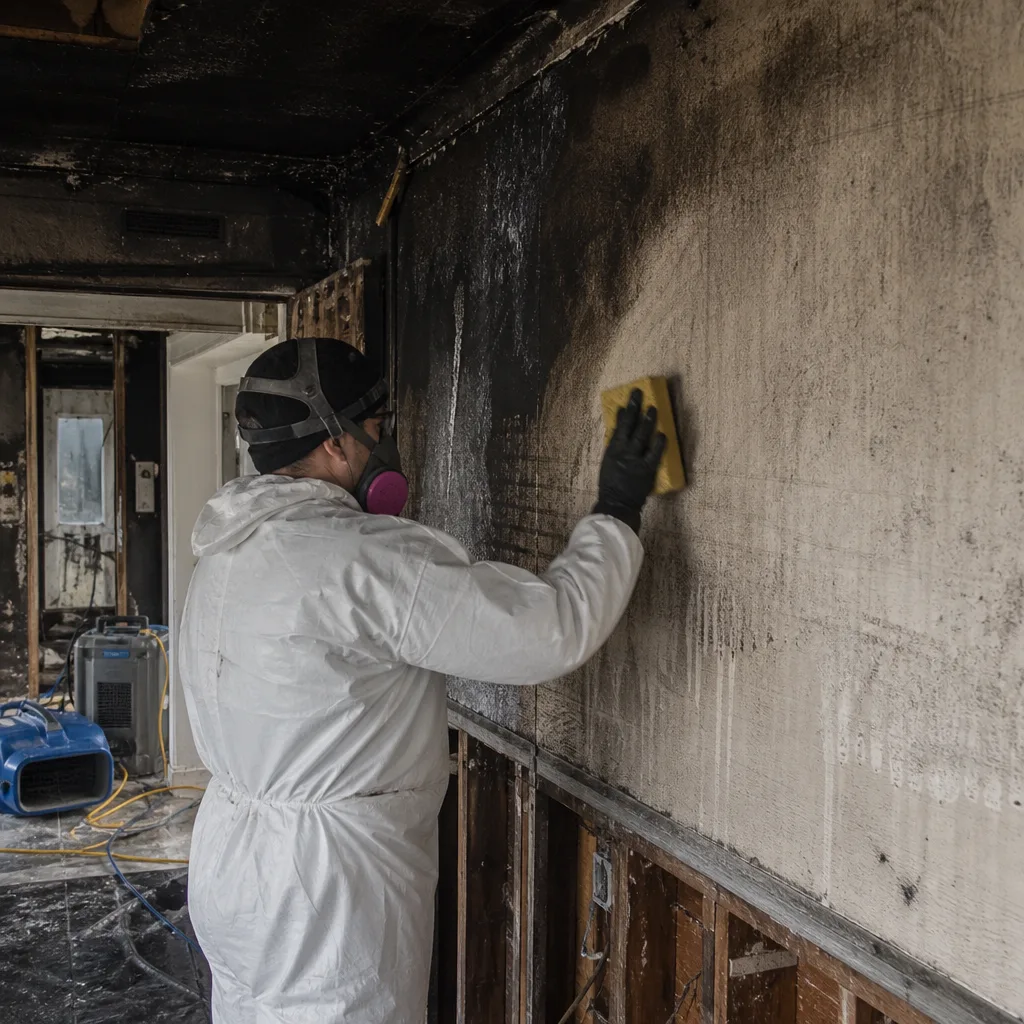
What happens when you call
- 1
A real person answersNo phone trees - you reach a local pro.
- 2
You get an upfront price rangeHonest numbers before anyone is dispatched.
- 3
A background-checked tech heads outLicensed & insured, dispatched right away.
- 4
You approve before work beginsNothing starts until you say go.
Water Damage Restoration Costs in Haverstraw, NY
For a standard basement flood in Haverstraw, emergency water extraction alone runs $800 to $1,700. Full structural drying with dehumidification in a brick row house typically lands between $2,200 and $6,800, depending on how long water sat in the masonry and how many rooms are affected. Flood cleanup from Haverstraw Bay water, with Category 3 contamination and sanitization, usually runs $3,000 to $9,000 when demolition and disposal are included. Burst pipe restoration in an older two-family on Broadway averages $1,500 to $4,200. What moves the price: how much masonry is involved, how far water traveled through plaster and lath, and whether the foundation shows settlement from the wet Hudson River clay. Insurance often covers the bulk of these jobs when the cause is sudden and accidental, and we bill your carrier directly, so you see the scope before the bill. The free visual inspection gives you a firm number before any work begins, and the estimate is in writing. Call (917) 924-4221 for an exact quote, no charge.
We Also Serve Cities Near Haverstraw
Floodline Restoration Co. serves Water Damage Restoration in Haverstraw and the surrounding communities, including West Haverstraw, Thiells, Stony Point, and Congers. When water is moving, call (917) 924-4221 and a live dispatcher sends the nearest crew immediately.
Haverstraw Water Damage Restoration Questions, Answered
Why does my Haverstraw brick row house stay wet longer after a flood than a neighboring wood-frame home?
Haverstraw’s brick row houses were built from locally quarried Hudson River clay, and that brick is dense and porous. It absorbs water deep into the wall and holds it there for days or weeks after a flood, while wood-frame walls drain faster and dry sooner. This means structural drying in Haverstraw brick requires longer dehumidification cycles and masonry-specific techniques like weep holes and Injectidry systems that standard wood-frame protocols skip entirely. If a contractor treats your brick row house like a Woodbury split-level, hidden moisture stays behind the plaster and mold follows. Call (917) 924-4221 and a certified crew reads the moisture until the dry standard is actually met.
What special steps do you take for floodwater from Haverstraw Bay in my basement?
Water from Haverstraw Bay is never clean, so we treat it as Category 2 or Category 3 from the start. Our crews set up containment, remove contaminated material, and run HEPA air scrubbers while we sanitize the affected area. The water carries river sediment and sewage from the village’s combined overflow systems, which means standard extraction alone is not enough. We document everything for your insurer, bill the carrier directly, and do not rebuild until the space passes moisture and sanitation standards. Call (917) 924-4221 for a free visual inspection.
How do you find hidden water damage behind plaster walls in old Haverstraw homes?
We use thermal imaging to map temperature differences behind plaster and lath, and hygrometers to read moisture levels inside wall cavities. Plaster hides water better than drywall, and in Haverstraw’s 1880s and 1920s buildings, water can sit behind the surface for days without any visible stain on the wall. We mark the affected areas, drill weep holes behind baseboards, and run Injectidry systems that pull air through the cavity until readings match the pre-loss condition. Guessing at this stage leaves mold and rot behind. Get a free visual inspection by calling (917) 924-4221.
Does living on Haverstraw Bay’s floodplain mean my repeat flood damage is more complicated to restore?
Yes. Homes in Haverstraw’s FEMA Special Flood Hazard Areas along the Bay often carry pre-existing moisture damage from earlier events, and each new flood compounds it. Hidden moisture in brick walls from a prior storm means a new flood starts from a wetter baseline, and mold may already be active behind plaster. We check for prior moisture, map it, and include it in the scope so the new restoration does not fail because of the old damage. Insurance adjusters know this pattern well, and our documentation makes the claim cleaner. Call (917) 924-4221 to schedule a free inspection.
Should I worry about my foundation settling after a flood in Haverstraw?
Yes, and this is a concern specific to Haverstraw. The village sits on unstable Hudson River clay, the same geology involved in the 1906 landslide, and after soil saturation from a flood, that clay can shift and cause foundation settlement. A competent restoration contractor in Haverstraw should check for settlement before committing to interior rebuild timelines. Our crews flag any signs of movement, document them for your insurer, and coordinate with structural specialists when needed. This is a liability concern that simply does not arise the same way in neighboring Rockland towns built on more stable ground.
How fast can someone actually get here if I call Floodline Restoration Co. tonight?
We commit to a 45-minute response inside the Haverstraw area. A live dispatcher picks up at any hour, every day, and a uniformed, background-checked crew is on the road before you hang up. The faster extraction starts, the less water travels through brick and plaster, which keeps the job smaller. Call (917) 924-4221 now if water is moving.
How long does drying take in a Haverstraw brick home?
In Haverstraw’s brick row houses, full structural drying commonly takes six to twelve days, and sometimes longer when water sat in thick masonry walls. Wood-frame homes in neighboring towns may dry in three to five days, but brick and plaster hold water far longer. We run daily moisture readings and do not stop until the dry standard is met, because stopping early leaves hidden moisture behind the plaster. The job is done when the readings say it is done, not when the calendar does.
What should I do in the first 30 minutes after water damage in Haverstraw?
First, shut off the water source if you can do so safely. Second, call (917) 924-4221 and get a crew dispatched, because extraction is cheap and fast compared to drying out saturated brick. Third, do not turn on any electrical systems in the wet area. Fourth, avoid walking through standing water if you are unsure whether it is contaminated, especially if it came from Haverstraw Bay or the combined sewer system. We handle the rest from the free inspection onward.
Serving Haverstraw, NY - Our Local Coverage Area
We’re based in the Haverstraw area and know this community well. Use the map below to see our service coverage - if you’re nearby, we can almost certainly help.
Contact Floodline Restoration Co. of Manhattan for Haverstraw Water Damage Restoration
Water in a Haverstraw brick home is not a weekend project. The longer it sits, the deeper it travels into masonry and plaster, and the more it costs to restore. We answer live around the clock, dispatch a crew inside 45 minutes, and stand behind the result with the 90-Day Done Right Promise in writing. The line the water left is where we start. Call (917) 924-4221 for a free estimate, and a person will actually pick up.
Written by Curt Bowman, Owner at Floodline Restoration Co. of Manhattan, serving Haverstraw, NY with water damage restoration since 2010.