
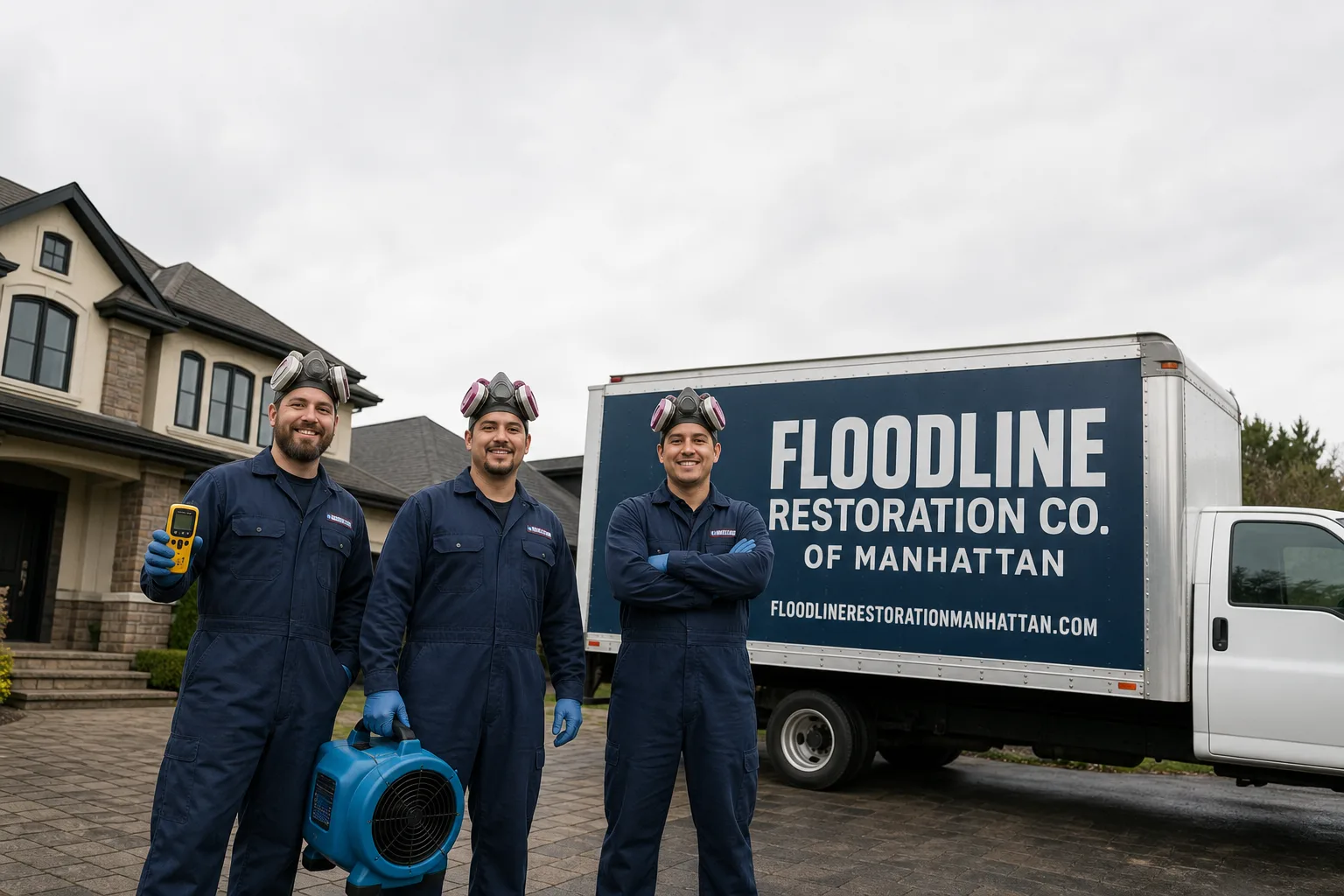
Free visual inspection and a written scope of work before any mitigation begins - photos, moisture readings, and drying logs go in your claim file
The scope we write is the scope we bill. Anything new gets shown to you, in writing, before we touch it.
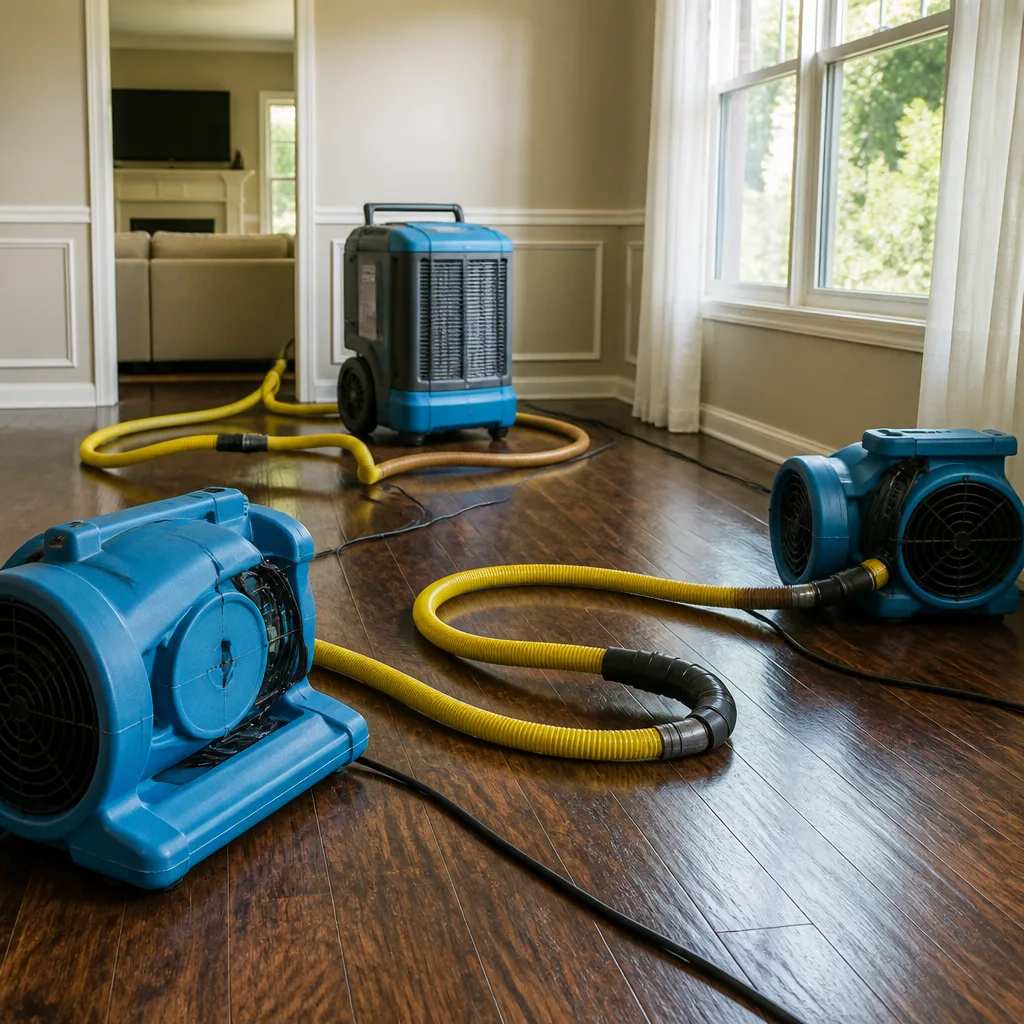
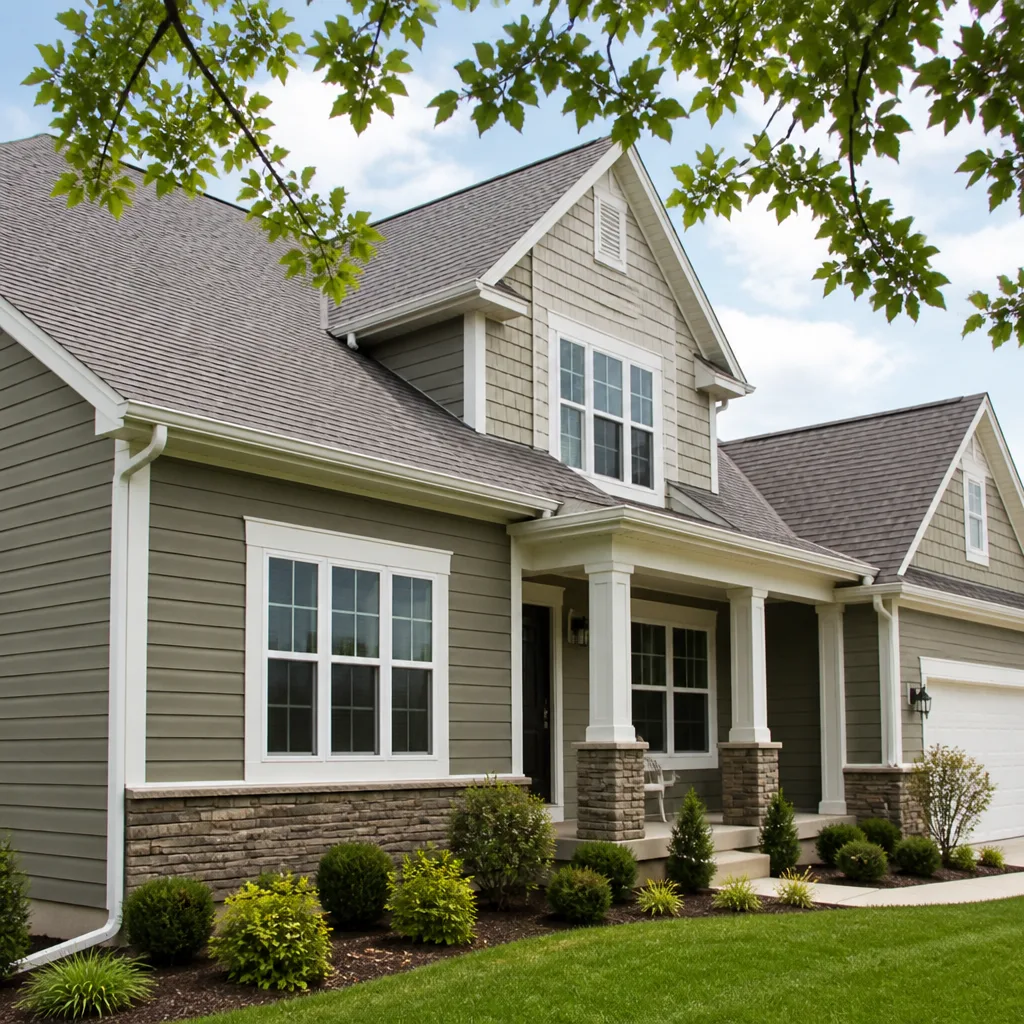
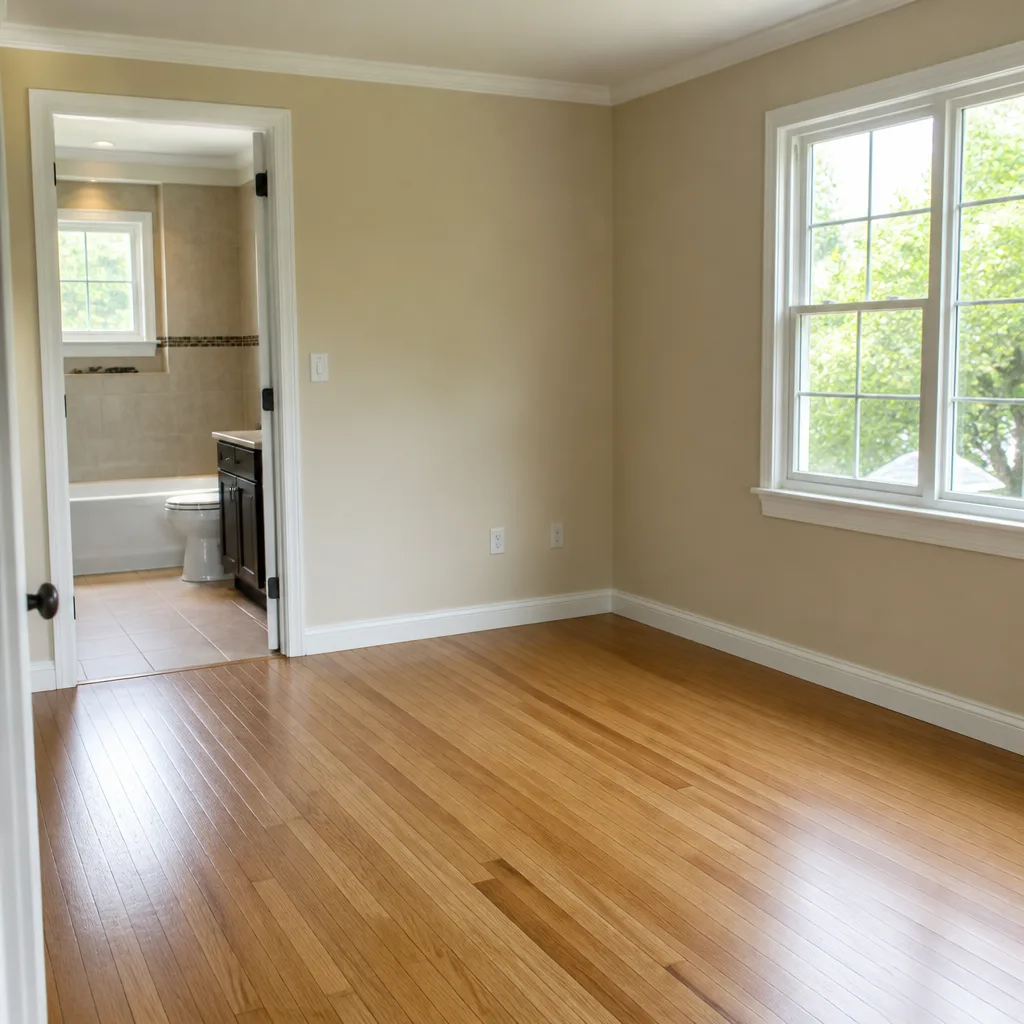
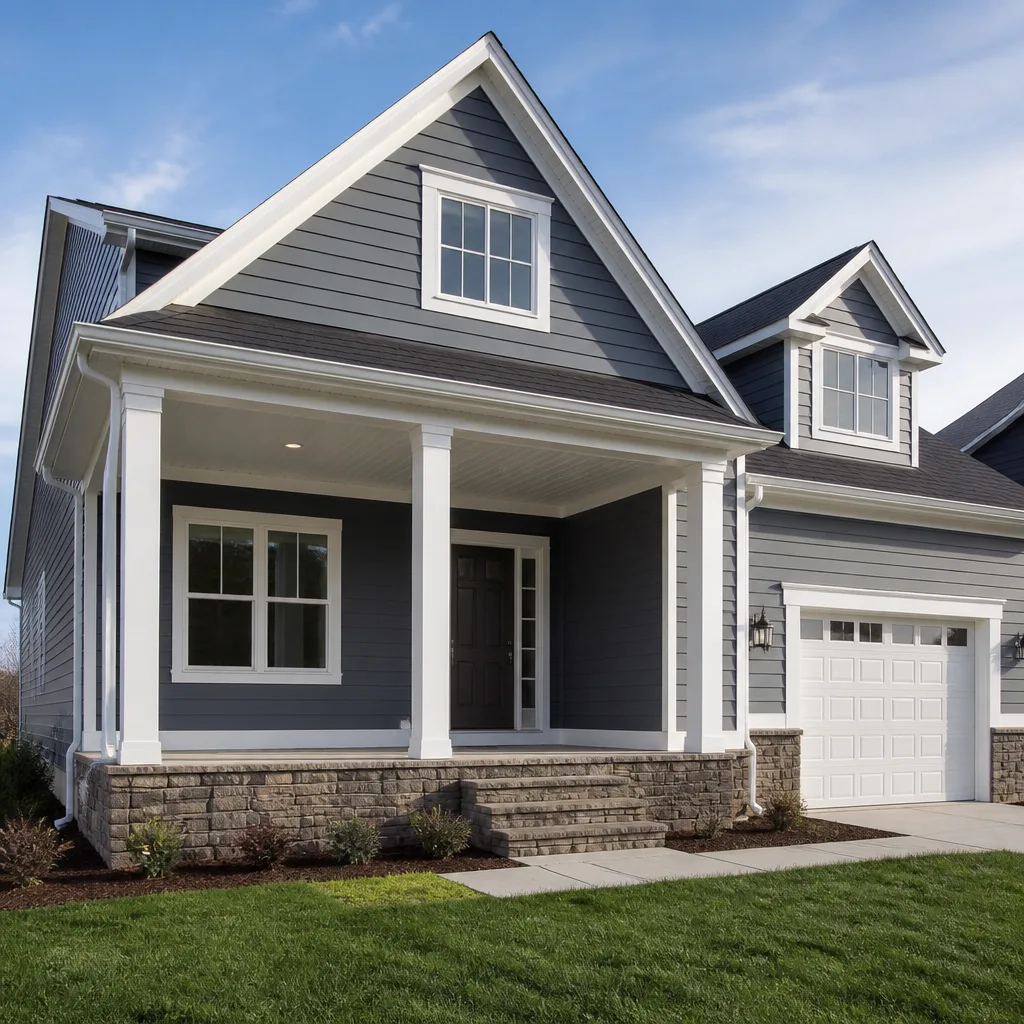
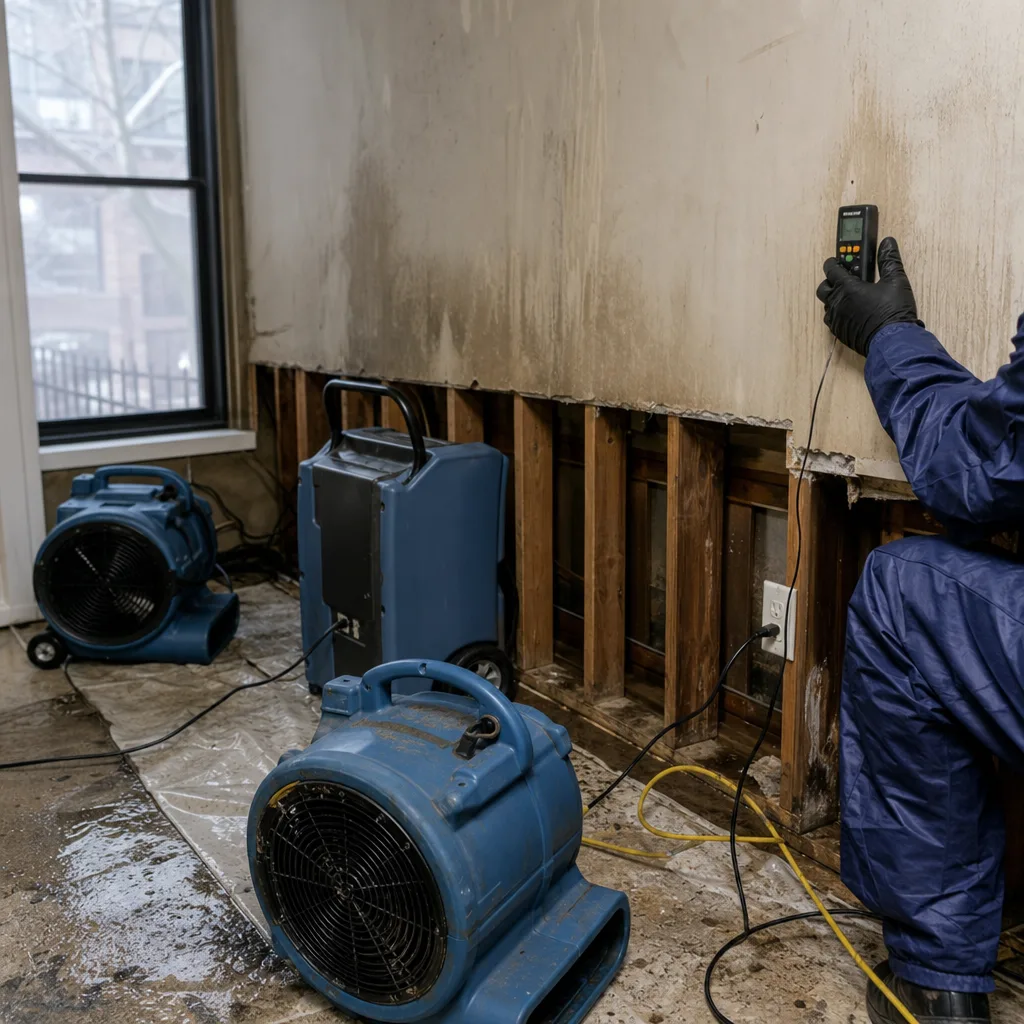 Before
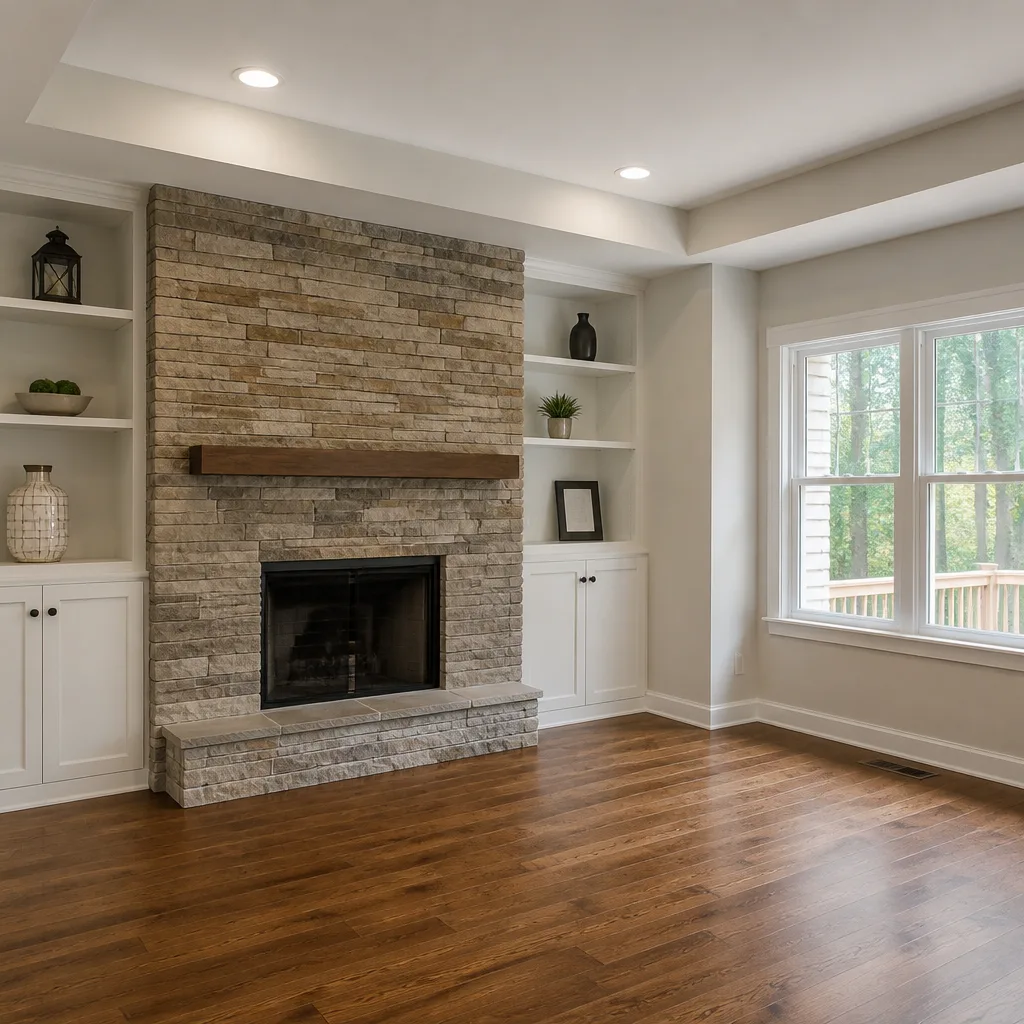
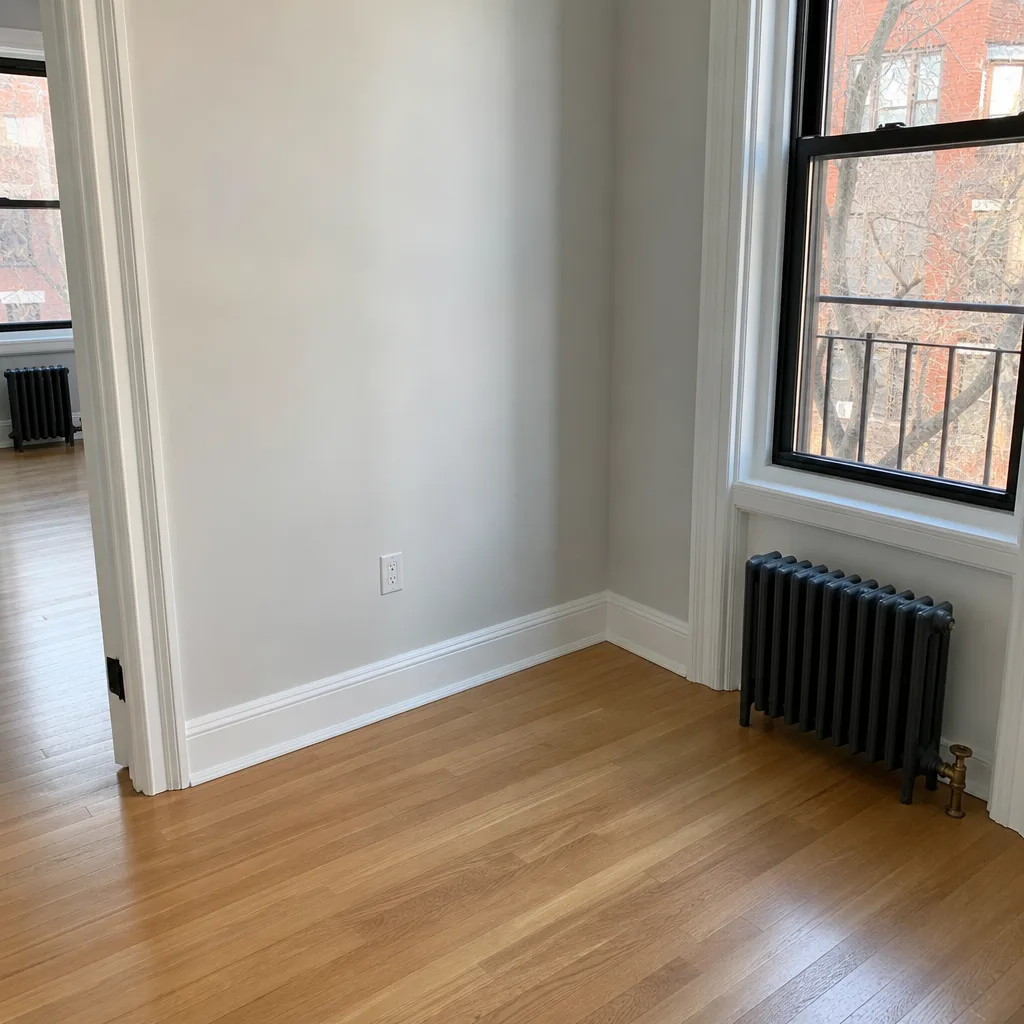 After
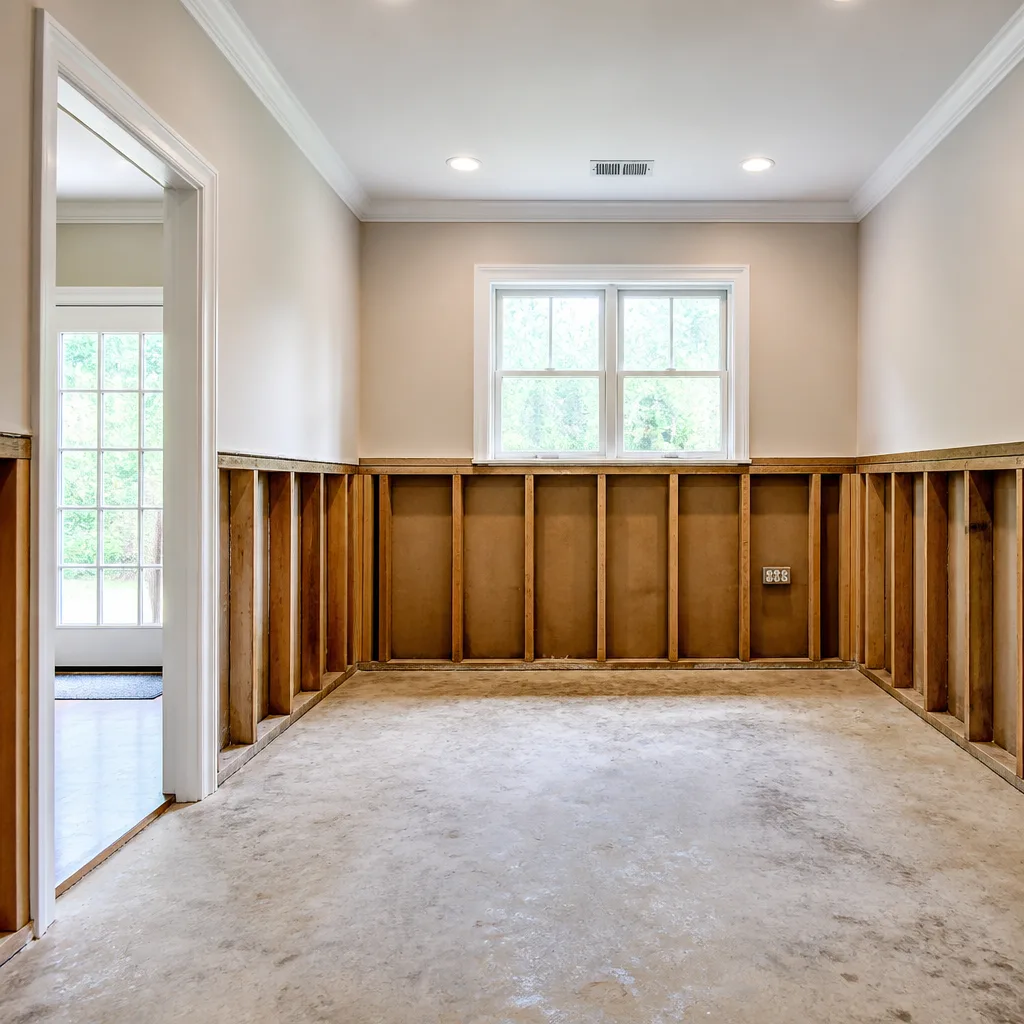
After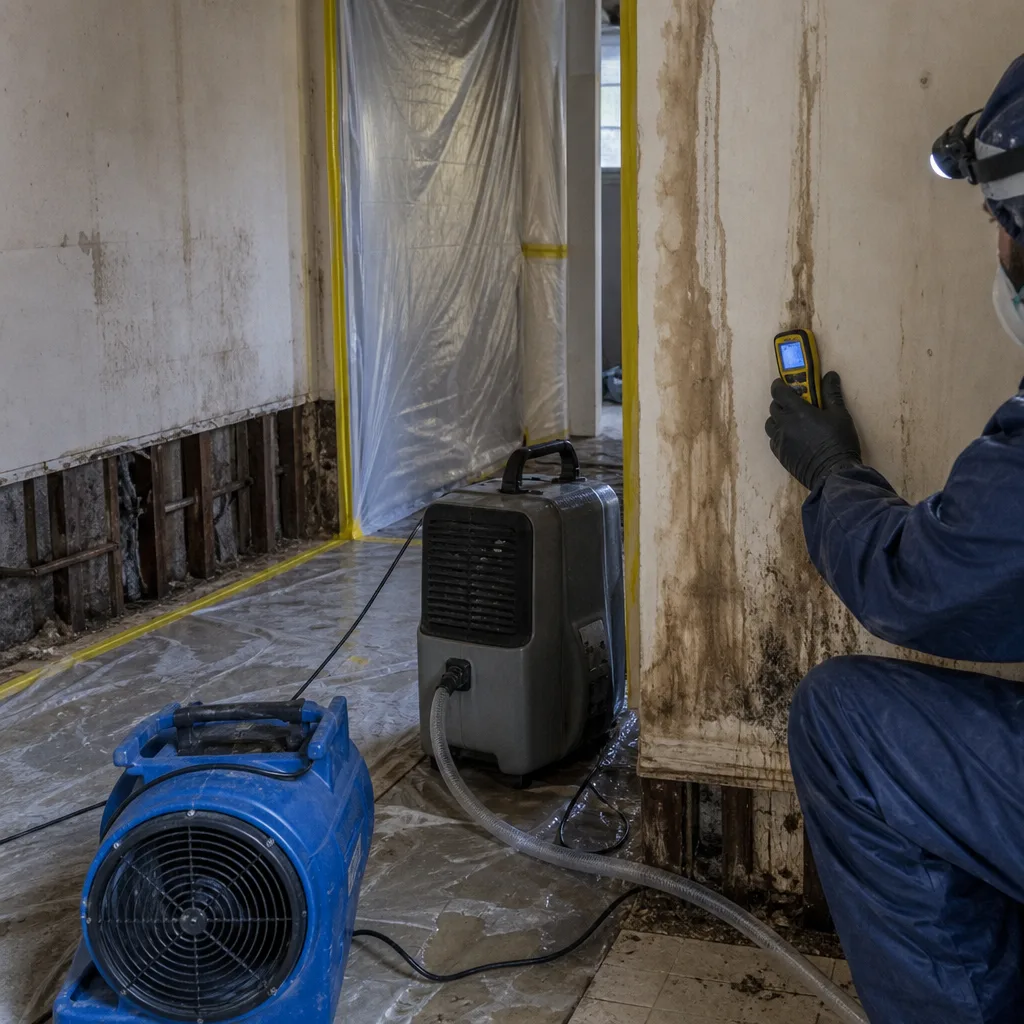 Before
 After
After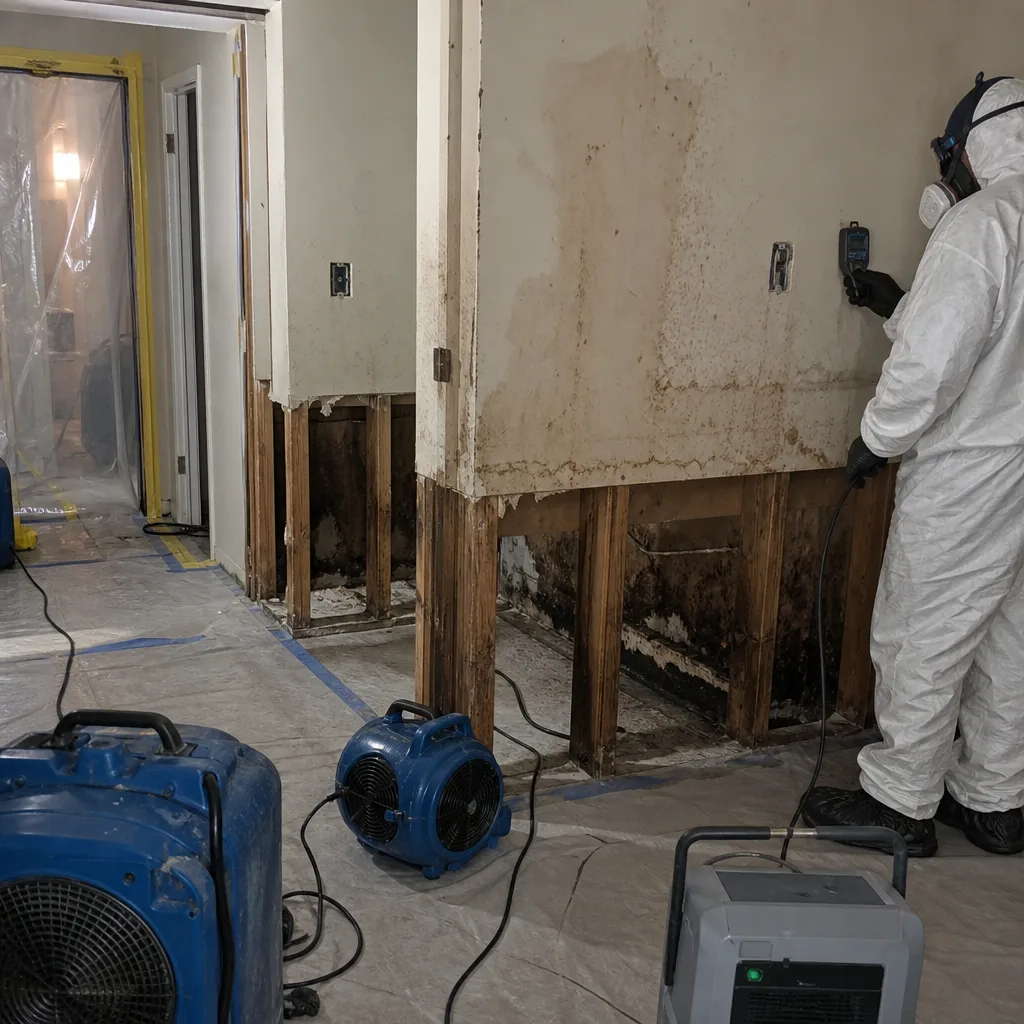 Before
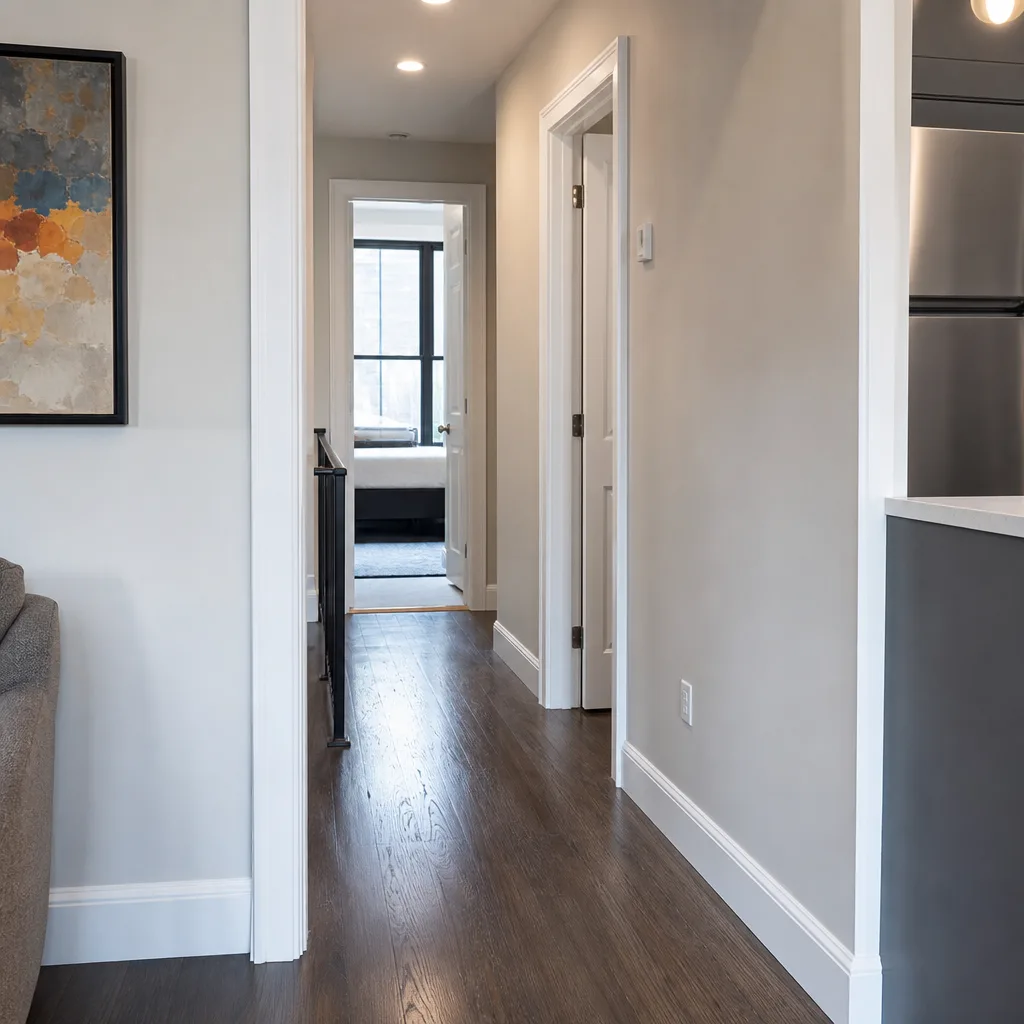 After
After24/7 Emergency Water Damage Restoration in Little Caribbean
Water damage restoration in Little Caribbean typically costs between $2,800 and $7,400 for a below-grade apartment flood, and a certified crew can usually be on site within 45 minutes when you call (917) 924-4221. Most Little Caribbean losses we respond to involve Category 3 water: combined-sewer backup pushing into garden-level apartments during heavy rain. The first hour decides whether you’re dealing with extraction or a full mold pack-out, because the brick and gypsum in these pre-war rowhouses wick moisture upward faster than most homeowners expect. Floodline Restoration Co. of Manhattan answers live at any hour, every day, and our crews are dispatched from our New York City office straight into Little Caribbean with extraction equipment on the truck. No recording. No callback. A person picks up, a crew rolls out, and the water comes out the same visit.
Understanding Water Damage Restoration Severity in Little Caribbean Properties
Every water loss gets classified by the water’s source and contamination level, and Little Caribbean’s housing stock makes those classifications stickier than in most Brooklyn neighborhoods. Category 1 water is clean: a burst supply line or an overflowing tub. Category 2 carries significant contamination, like washing machine discharge or sump pump failure. Category 3 is grossly contaminated, and that’s what we see most often in Little Caribbean: combined-sewer overflow that enters through floor drains and toilets in below-grade apartments. In a 1920s brick rowhouse on East 48th or East 49th Street, that Category 3 water saturates plaster walls, subflooring, and sometimes the building’s party wall shared with the attached neighbor. Moisture mapping with thermal imaging and penetrating meters isn’t optional here. It’s the difference between declaring the loss dry and leaving a hidden reservoir behind a baseboard that blooms into mold six weeks later. When we classify the water, we set the drying plan around Little Caribbean’s actual building conditions: dense brick, limited rear access, finished garden-level apartments that were never designed as habitable space.
Why Little Caribbean Property Owners Choose Floodline Restoration Co. of Manhattan
- 45-minute response commitment. We dispatch from our New York City office straight into Little Caribbean, and we hit the 45-minute mark on the overwhelming majority of emergency calls.
- Live answer, 24 hours a day. You call, a dispatcher picks up. Not a phone tree, not an answering service. A person who can route a crew to East 48th Street or Flatbush Avenue at 2 a.m.
- IICRC-certified crews. Our techs carry WRT and ASD certifications and train on the sewer-backup losses specific to Little Caribbean’s garden-level apartments.
- Free visual inspection. Before any invoice exists, we walk the loss with you, mark the water line, and tell you exactly what needs to happen and what doesn’t.
- Direct insurance billing. We send the documentation and the line-item scope to your carrier ourselves. You are not the messenger between us and an adjuster.
- One team from extraction to reconstruction. The same certified crew that pulls the water also dries the structure and handles the rebuild. Nobody hands your house off to a stranger mid-job.
Our Water Damage Restoration Process
Inspection & Assessment
We arrive, walk the property, and classify the water source. On a Little Caribbean garden-level loss, we check the floor drain, the sewer line, and the street’s curb line to determine whether backup is still active. Thermal imaging and moisture meters map the full affected area before any equipment is placed.
Extraction & Stabilization
Truck-mounted and portable extraction units pull standing water from floors, carpet, and any below-grade crawl areas. We stabilize the site by isolating the water source and setting containment at the apartment door so airborne contaminants don’t migrate into the upstairs units.
Drying & Dehumidification
Dri-Eaz LGR dehumidifiers and XPOWER air movers get positioned for Little Caribbean’s actual layouts: tight side alleys, narrow garden-level entrances, load-bearing party walls. We take daily moisture readings and log them until the dry standard is met.
Cleaning & Sanitization
Every Category 3 loss gets antimicrobial treatment on affected surfaces. In a 1910 rowhouse, that means treating porous brick and old plaster, not just drywall. We HEPA-vacuum and clean all salvageable contents first.
Sewage & Pathogen Treatment
Because so many Little Caribbean losses involve combined-sewer backup, this step gets special weight. We apply EPA-registered antimicrobials to framing and subfloor, and we check for wicking in party walls shared with the attached neighbor. Skipping this step is why many “cleaned” basements smell like backup again within a week.
Repairs & Restoration
Once the moisture log shows dry, we handle the rebuild: drywall, trim, flooring, paint. The same crew. The same project manager. The same 90-Day Done Right Promise in writing.
Need Emergency Water Damage Restoration in Little Caribbean Now?
Crews minutes away, answering live 24 hours a day. The sooner we start, the less it costs.
Working With Your Insurance Company
Insurance claims in Little Caribbean get complicated fast because so many losses involve sewer backup, and most landlord policies don’t carry a sewer-backup rider unless it was added explicitly. That’s a hard conversation, and we’ve sat through enough of them to handle it squarely. We document the loss from the first hour: photos of every affected room, moisture readings with date and time stamps, a drying log updated daily, and a line-item scope of work that your adjuster can actually read. We talk to the adjuster directly. We send the documentation. We dispute lowball drying allowances with data, not phone calls. Our goal is a claim that settles fairly and a property that’s dry, sanitized, and rebuilt to the standard the policy promises. When the policy doesn’t cover it, we tell you upfront, before the scope grows, and we price the out-of-pocket repair plainly.
What We Provide Your Insurer
- Thorough documentation of the loss
- Photos of all damage, room by room
- Moisture readings and drying logs
- A detailed, line-item scope of work
- Direct coordination with your carrier
Built for Little Caribbean’s Loss Calendar
Little Caribbean’s water damage season doesn’t have a single peak. It has three distinct surges. January and February bring deep freezes that burst supply lines in uninsulated 1900s-era plumbing, dumping clean Category 1 water through kitchens and upstairs baths, which then pools in the garden-level unit below. Spring and fall nor’easters overwhelm the combined sewer system along Flatbush Avenue and Church Avenue, and the backup enters through the lowest drain in the house. That’s the garden-level apartment floor drain, every time. Summer brings short, violent convective storms that drop two inches of rain in an hour onto the neighborhood’s flat topography and impermeable asphalt, and the street’s storm drains can’t keep up. The water has nowhere to go but down, into the below-grade spaces that define this neighborhood’s housing stock. When you live in Little Caribbean long enough, you learn to read the street after a heavy rain. The line the water left on the curb tells you how fast it’s rising. Our job starts where that line ends.
Water Damage Restoration Across Little Caribbean’s Neighborhoods
Little Caribbean stretches along Flatbush Avenue from roughly Empire Boulevard down toward Church Avenue, and the damage patterns shift block to block. Around East 48th and East 49th Streets, we see attached brick rowhouses from the 1910s and 1920s with garden-level apartments that sit three or four steps below the sidewalk. Those are the repeat sewer-backup calls. Over near Nostrand Avenue, the housing stock runs to slightly wider rowhouses with narrow side alleys, and we’re often running air movers and dehumidifiers through a 30-inch passage to reach the rear addition. Along the Church Avenue corridor, older mixed-use buildings put basement apartments directly beneath ground-floor commercial spaces, so a restaurant’s dishwashing line break becomes a residential water loss in the unit below. Down near Winthrop Street, we see semi-basement units with windows at sidewalk level that catch street runoff during heavy rain. Each of these micro-areas has its own access pattern, its own typical plumbing age, and its own most likely loss type. Our techs know the blocks, not just the map.
Specialized Water Damage Restoration Services We Offer in Little Caribbean
Basement Water Removal
In Little Caribbean, basement water removal almost always means garden-level apartment removal. These are finished living spaces with drywall, flooring, furniture, and people’s belongings. We extract fast, protect salvageable contents, and set the drying plan around the actual apartment layout, not a bare concrete floor.
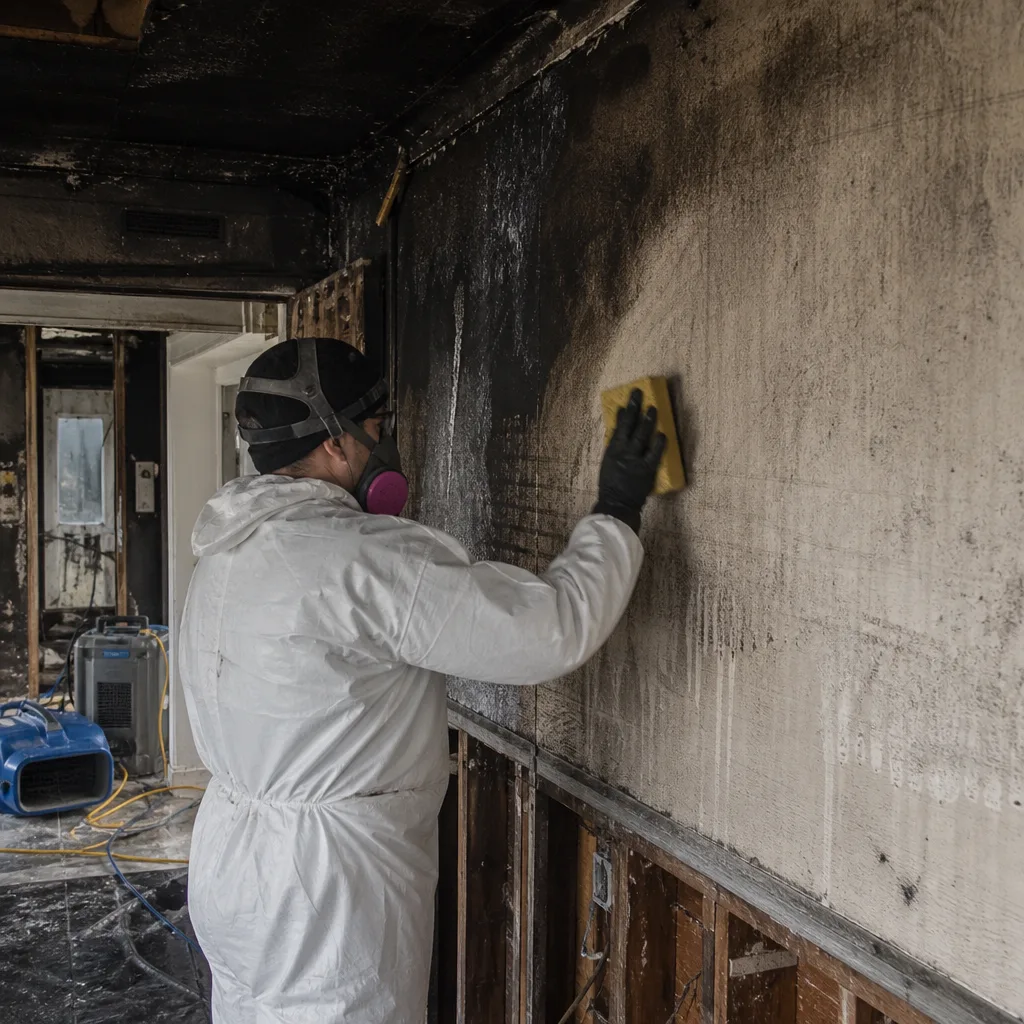
Emergency Water Extraction
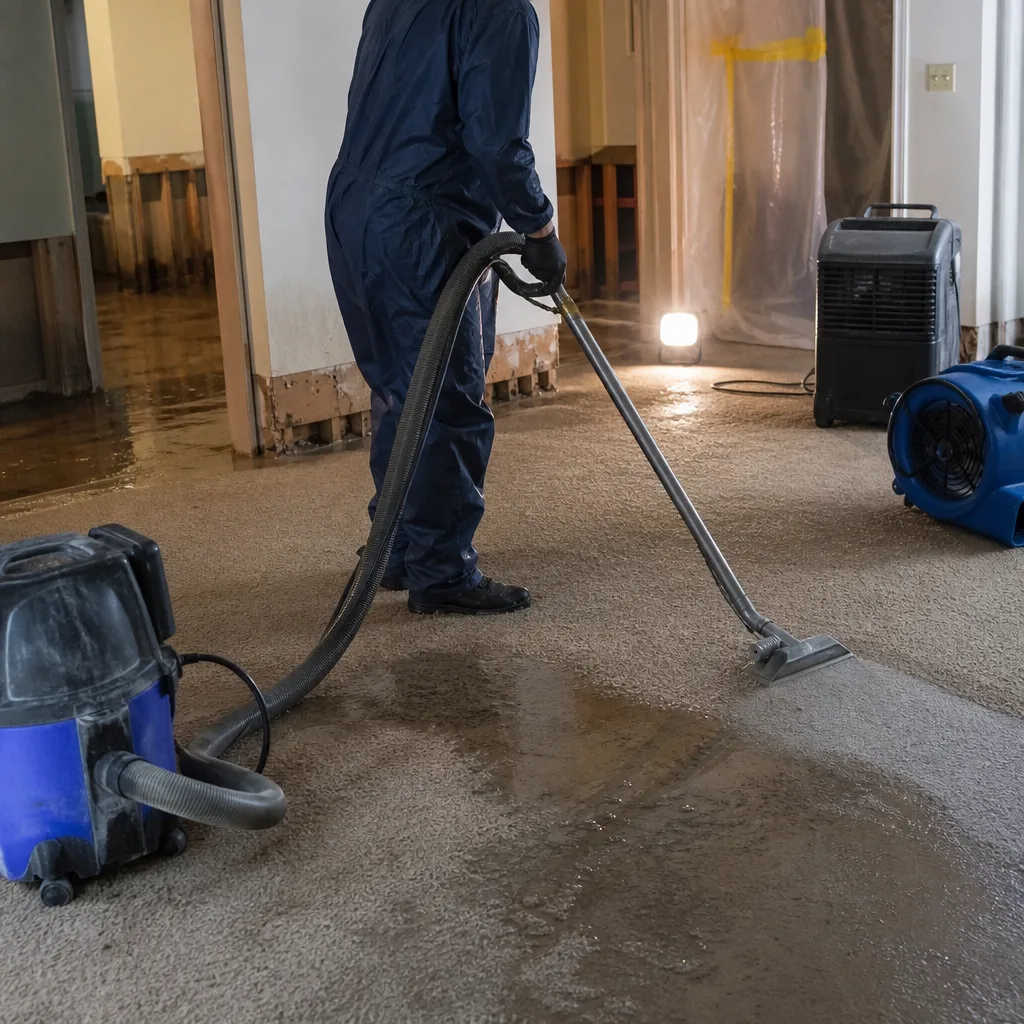
Standing water in a below-grade apartment compounds hourly. Every hour it sits, the wicking front climbs further into drywall and plaster. Our extraction teams arrive with truck-mounted units and portable extractors sized for tight Little Caribbean entrances, and we start pulling water within minutes of arriving.
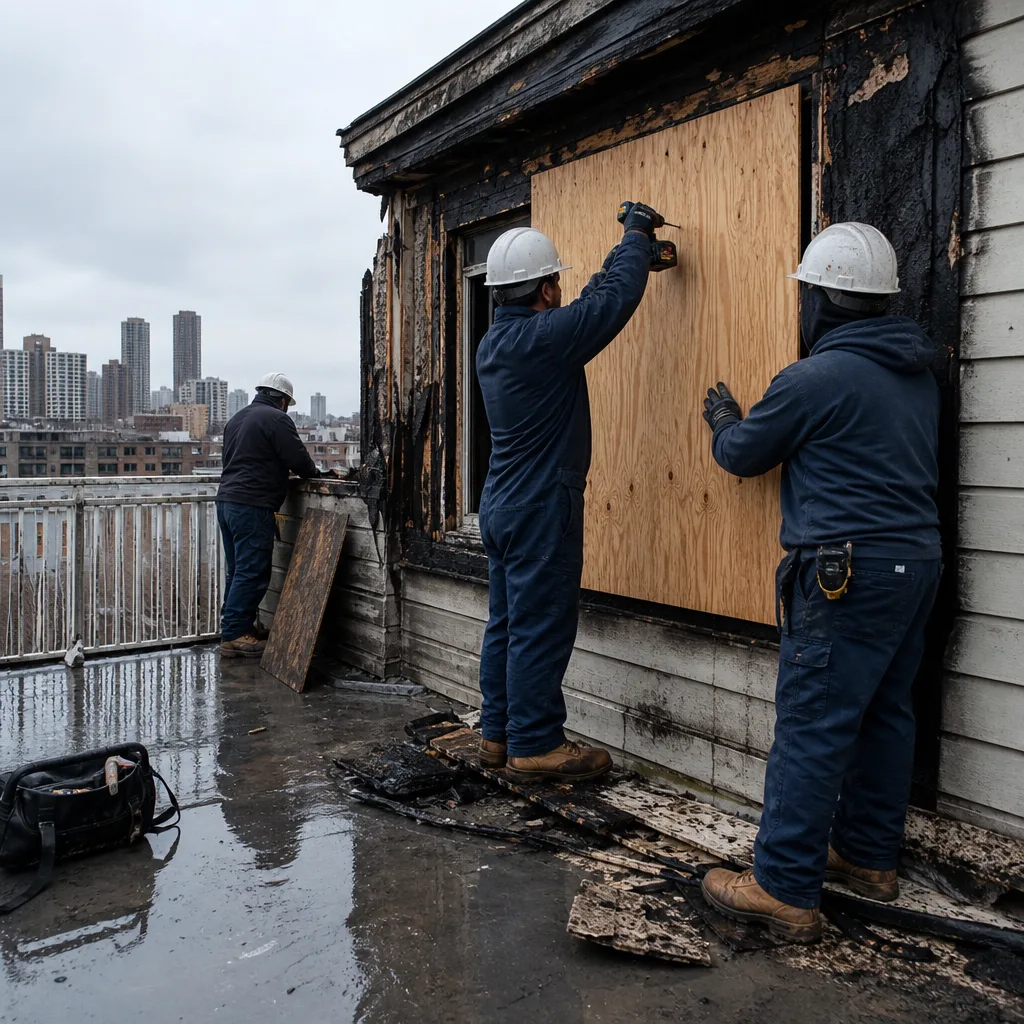
Structural Drying & Dehumidification
Drying a 1910 brick rowhouse is not like drying a 1980s wood-frame house. Brick holds moisture in its pores and releases it slowly, and plaster walls can hide water for weeks. We use Dri-Eaz LGR dehumidifiers, XPOWER air movers, and Injectidry systems for wall cavities and under-floor drying, with daily moisture readings logged until the dry standard is documented.
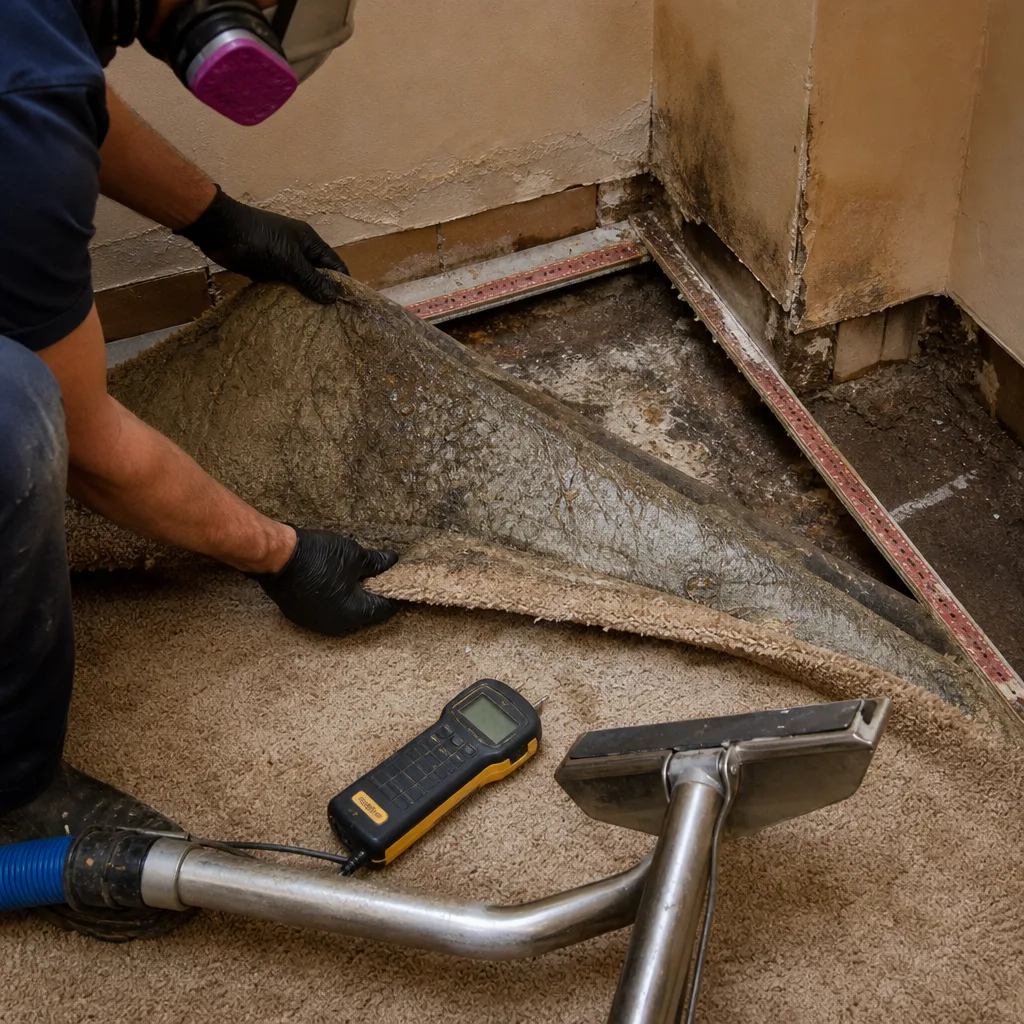
Flood Cleanup
When stormwater or sewer overflow floods a Little Caribbean garden-level unit, cleanup means more than water removal. It means contaminated water classification, antimicrobial treatment, content triage, and often coordination with the upstairs tenant’s space as wicking crosses the party wall. We handle the whole job, including the cleanup that prevents the odor complaints that follow a skipped disinfectant step.
Burst Pipe Restoration
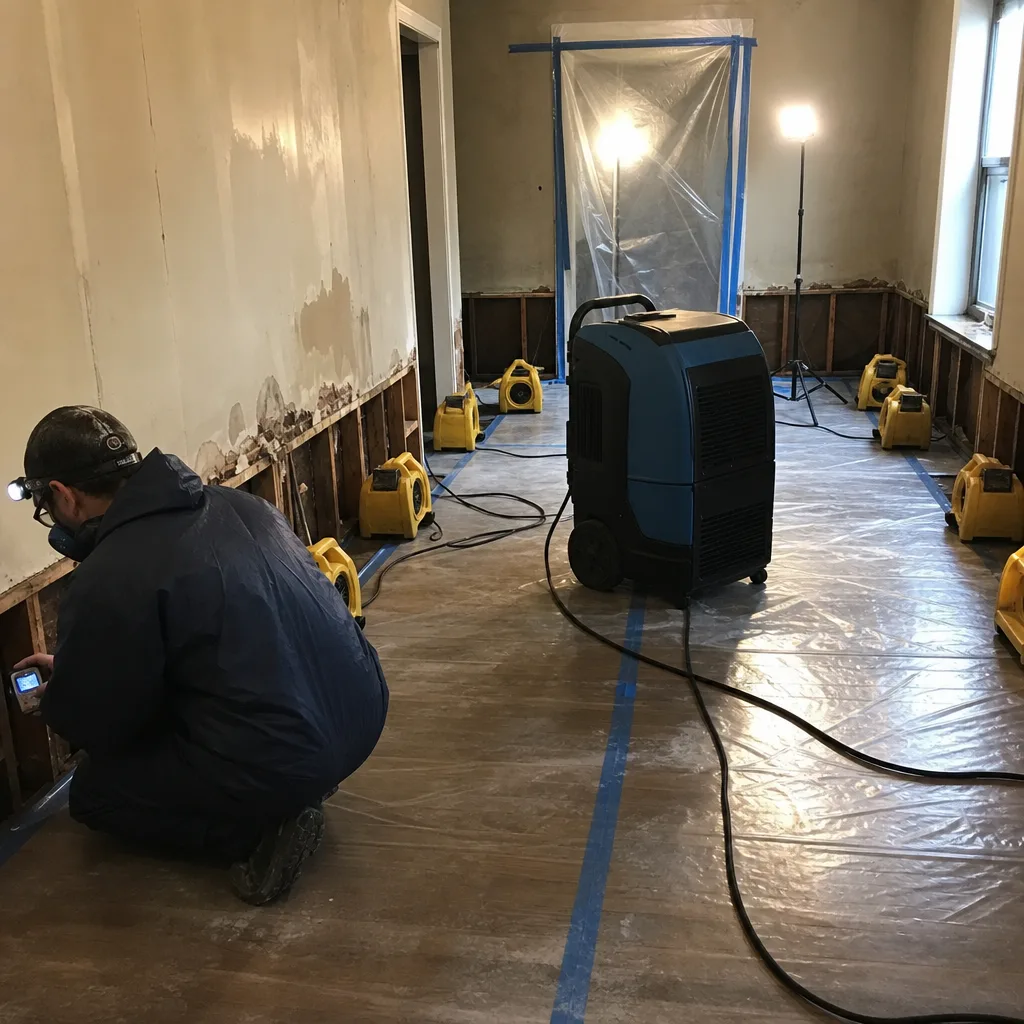
Frozen supply lines in Little Caribbean’s old cast-iron and galvanized plumbing fail differently than modern PEX. When a pipe bursts in a second-floor bathroom, the water travels down through the ceiling cavity and into the garden-level unit. We find the full wicking path with thermal imaging, not just the visible stain, and dry the whole column.
Ceiling & Roof Leak Water Damage
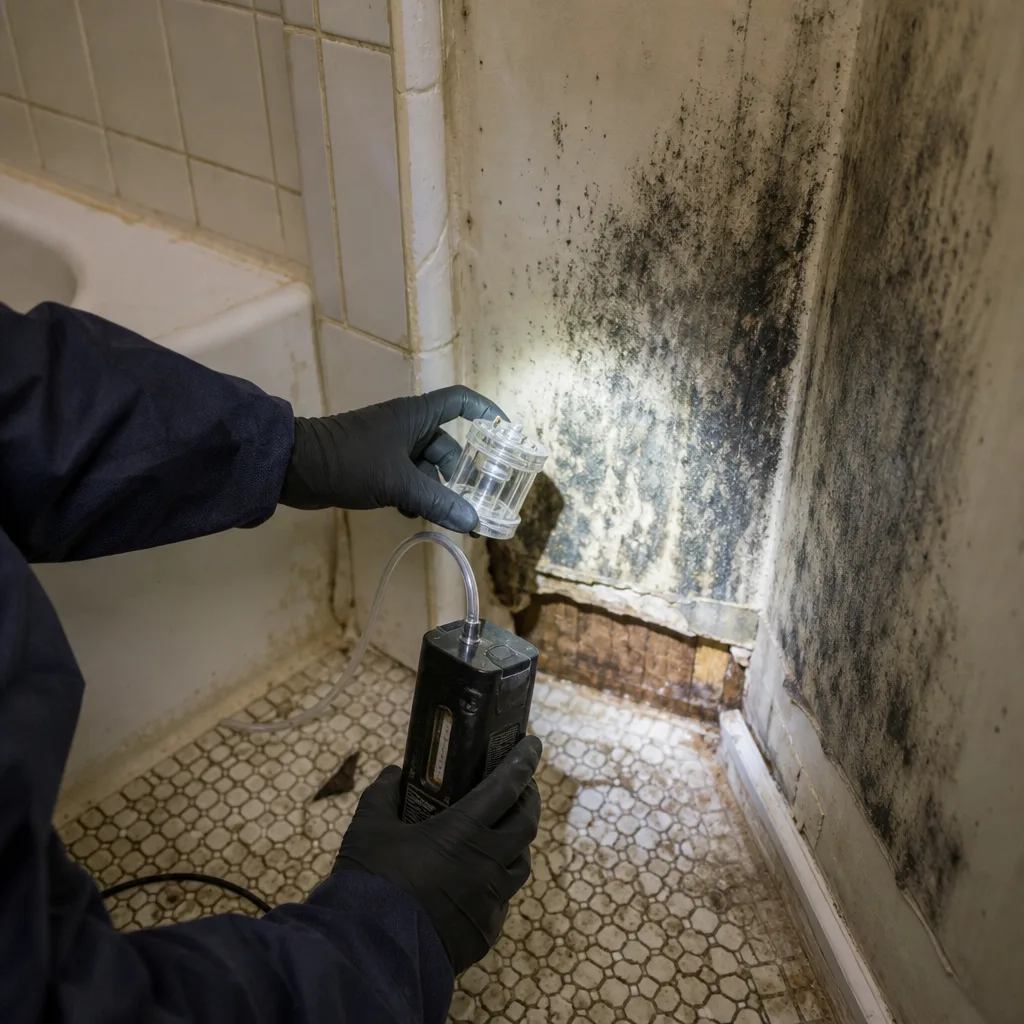
Flat and low-slope roofs on Little Caribbean rowhouses pond water, and long-neglected flashing eventually fails. The resulting leak drips through multiple floors before it shows up as a stain on the garden-level ceiling. We dry the ceiling cavity, treat any mold, and restore the finish once the roof repair is handled.
What happens when you call
- 1
A real person answersNo phone trees - you reach a local pro.
- 2
You get an upfront price rangeHonest numbers before anyone is dispatched.
- 3
A background-checked tech heads outLicensed & insured, dispatched right away.
- 4
You approve before work beginsNothing starts until you say go.
Water Damage Restoration Costs in Little Caribbean, NY
Water damage restoration in Little Caribbean runs a real range, and the numbers below reflect what we actually see on these blocks. Emergency water extraction alone typically runs $1,400 to $2,900 for a garden-level apartment. Structural drying and dehumidification for a finished below-grade unit runs $2,200 to $4,800, depending on how far the wicking has climbed and whether wall cavities need Injectidry treatment. A full Category 3 sewer-backup remediation with antimicrobial treatment, drywall removal, and rebuild on a 500-square-foot garden-level apartment runs $6,500 to $14,000. What moves the price most is the water’s classification, how long it sat, and whether the party wall wicked moisture into the attached neighbor’s unit. Insurance covers most losses with the right documentation, but sewer backup without a rider often becomes out-of-pocket. That’s the hard truth of this neighborhood’s plumbing reality. Our free visual inspection gives you a firm line-item scope before any work starts, and the $50 Off Any Repair Over $250 offer and the Senior & Veteran 5% discount always apply. Call (917) 924-4221 for an exact number on your specific loss.
We Also Serve Cities Near Little Caribbean
Our crews run daily through the neighborhoods around Little Caribbean, including Fairview to the east, Harrison to the north, East Bronx across the water, and Hunts Point up the Bronx River. If your property sits on the edge of Little Caribbean, call us. We’ll tell you straight which crew can reach you fastest.
Serving Little Caribbean, NY - Our Local Coverage Area
We’re based in the Little Caribbean area and know this community well. Use the map below to see our service coverage - if you’re nearby, we can almost certainly help.
Little Caribbean Water Damage Restoration Questions, Answered
Why does water damage in Little Caribbean basements so often involve sewage, even when it looks like rainwater?
Because Little Caribbean sits on flat inland topography where stormwater has no natural escape route, and the combined sewer system that carries both stormwater and raw sewage routinely backs up during heavy rain events. The water entering a garden-level apartment through a floor drain is almost never just rainwater. It’s a mix of stormwater and sewage from the same municipal pipe. Treating it as clean water is the single most common mistake we see from generalist crews. Category 3 water requires antimicrobial treatment, proper containment, and often drywall and baseboard removal. If a crew tells you the brown water in your Little Caribbean basement “looks like mud from the storm,” be skeptical. The drain you’re standing next to is connected to the same line that carries toilets and kitchen sinks. Call (917) 924-4221 and we’ll classify it correctly from the first inspection.
How does the 24-to-48-hour mold window hit differently in Little Caribbean’s pre-WWII rowhouses?
Mold colonization starts within 24 to 48 hours of water exposure in any building, but Little Caribbean’s 1900s-1940s attached brick rowhouses speed up the timeline because of their materials. Old plaster and lath, porous brick party walls, and the dense, shared-wall construction mean moisture doesn’t just sit on surfaces. It wicks into structural materials and migrates sideways into the attached neighbor’s wall cavity. By day three, mold can be colonized inside the party wall where you can’t see it. In a modern wood-frame house with drywall and closed-cell insulation, the same water event might stay localized. In a Little Caribbean rowhouse, it spreads behind baseboards, under finished garden-level flooring, and into shared brick. That’s why our crews treat a water loss here as a race against a shorter clock, and why we don’t wait for a landlord’s authorization phone call to start documenting the moisture profile. If you’ve had water sitting for more than a day, call (917) 924-4221 for a free visual inspection before the problem compounds.
What happens when a landlord’s policy has no sewer-backup rider and a below-grade apartment floods?
The repair becomes out-of-pocket unless the tenant has renters insurance that covers the damage or the building receives FEMA or city disaster assistance. Most landlord policies in New York exclude sewer backup by default. The landlord has to add a rider, and many don’t know that until the first loss. When that happens in Little Caribbean, the restoration job often stalls while the owner waits, argues with the carrier, or shops for a cheaper bid. The apartment sits wet. Mold colonizes. The eventual scope of work is three times what it would have been on day one. We’ve handled enough of these to know the pattern. We price out-of-pocket work plainly, without padding, and we can phase the work so the landlord handles emergency extraction first and the rebuild later. Our direct billing to the carrier still applies when coverage exists. When it doesn’t, you’ll know the real number upfront. Call (917) 924-4221 and we’ll walk you through the insurance picture before any work is authorized.
Can you dry a garden-level apartment in place, or does the whole basement need pack-out?
Most Little Caribbean garden-level apartments can be dried in place if the loss is caught within the first 24 to 48 hours and the water is Category 1 or limited Category 2. We set containment at the apartment door, run Dri-Eaz LGR dehumidifiers and XPOWER air movers through the available entrances, and use Injectidry panels on wet wall cavities. The daily moisture log tells us whether the dry standard is approaching or stalled. Category 3 sewer-backup losses usually require at least partial pack-out: drywall below the water line comes out, baseboards come off, and any saturated carpet and pad get discarded. In Little Caribbean rowhouses, the deciding factor is often the party wall. If moisture readings show wicking into the shared brick, we may need to open the wall on one side to dry it properly. The answer is always based on the moisture map, not a guess. Call (917) 924-4221 and we’ll tell you which path your apartment needs after the first inspection.
Why do water damage jobs in Little Caribbean take longer to dry than in other Brooklyn neighborhoods?
Three reasons. First, the building stock is overwhelmingly pre-WWII brick and masonry, which absorbs and retains moisture far longer than wood-frame construction. Second, the attached rowhouse layout means there’s no air gap between your building and the neighbor’s, so moisture wicks into the shared party wall and dries from only one side. Third, the garden-level apartments that make up so many of these losses sit below grade, which means limited air exchange, high ambient humidity, and often a single narrow entrance that constrains how many air movers and dehumidifiers we can stage. In a freestanding house with a walkout basement, you might hit the dry standard in four days. In a Little Caribbean garden-level apartment, the same loss can take six to nine days. We set that expectation honestly at the start, and we log the daily readings so you and your insurer can see progress, not promises. Call (917) 924-4221 if you need a drying plan you can actually hold us to.
How fast can a crew actually get to Little Caribbean?
Our standard response commitment is 45 minutes from your call to a crew at your door. That’s dispatch time from our New York City office into Little Caribbean, not just a phone answer. On a heavy-rain night when the sewers back up across the neighborhood, we may be juggling multiple calls, but our live dispatcher tells you honestly when the crew will arrive. We don’t say “on the way” and leave you watching the street for hours. The sooner we start extraction, the less this costs, and we run our dispatch board around that truth. Call (917) 924-4221 and you’ll get a real answer, day or night.
Do you handle the insurance claim, or do I have to fight the adjuster myself?
We handle the documentation and direct communication. We photograph everything from the first hour, log every moisture reading, write the scope of work in line-item detail, and send it all to your carrier ourselves. When the adjuster comes out, our project manager walks the loss with them and shows them the data. We’ve been through enough Little Caribbean sewer-backup denials to know what documentation actually moves a claim forward. When coverage is denied or partial, we tell you plainly, in writing, before the scope grows. You are never the one playing messenger between us and the insurance company. That’s the way Floodline Restoration Co. has run every job since Curt Bowman founded the company in 2010. Call (917) 924-4221 and we’ll start the claim documentation the day we arrive.
What should I do in the first 30 minutes after water appears in my Little Caribbean property?
Call (917) 924-4221 first. Then, if you can do it safely, shut off the water at the main supply valve if the source is a burst pipe or running fixture. Do not enter standing water if it may be in contact with electrical outlets or appliances. Do not turn on fans from a hardware store and try to dry it yourself. Do not wait to see if it “goes down on its own.” In Little Caribbean, a garden-level flood is rarely just a floor puddle. It’s a category classification problem, a sewer question, and a drying challenge all at once. The first 30 minutes decide whether extraction happens tonight or whether mold gets a 72-hour head start. Call us. A live person answers, and a crew moves.
Written by Curt Bowman, Owner at Floodline Restoration Co. of Manhattan, serving Little Caribbean, NY since 2010.