
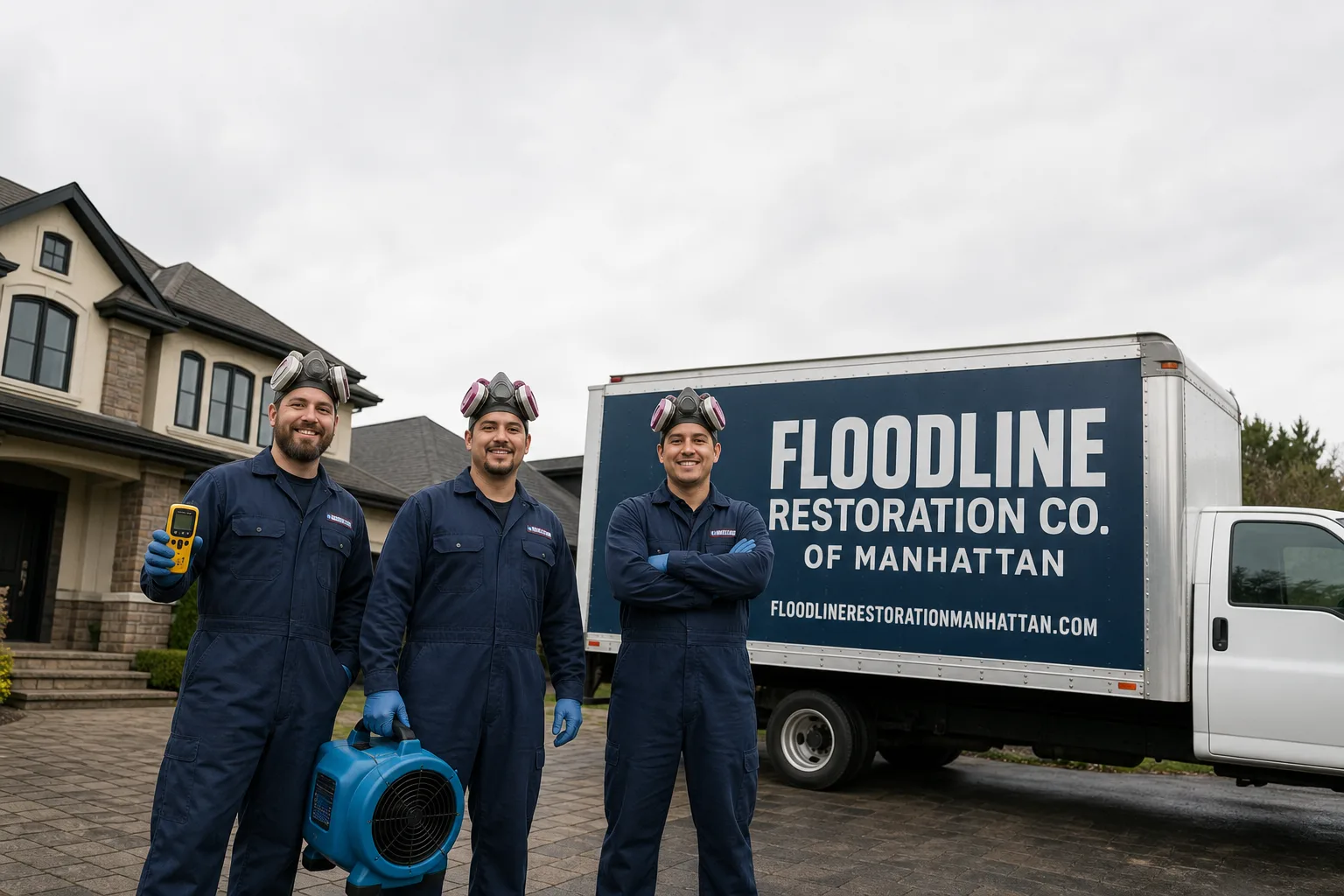
Free visual inspection and a written scope of work before any mitigation begins - photos, moisture readings, and drying logs go in your claim file
The scope we write is the scope we bill. Anything new gets shown to you, in writing, before we touch it.
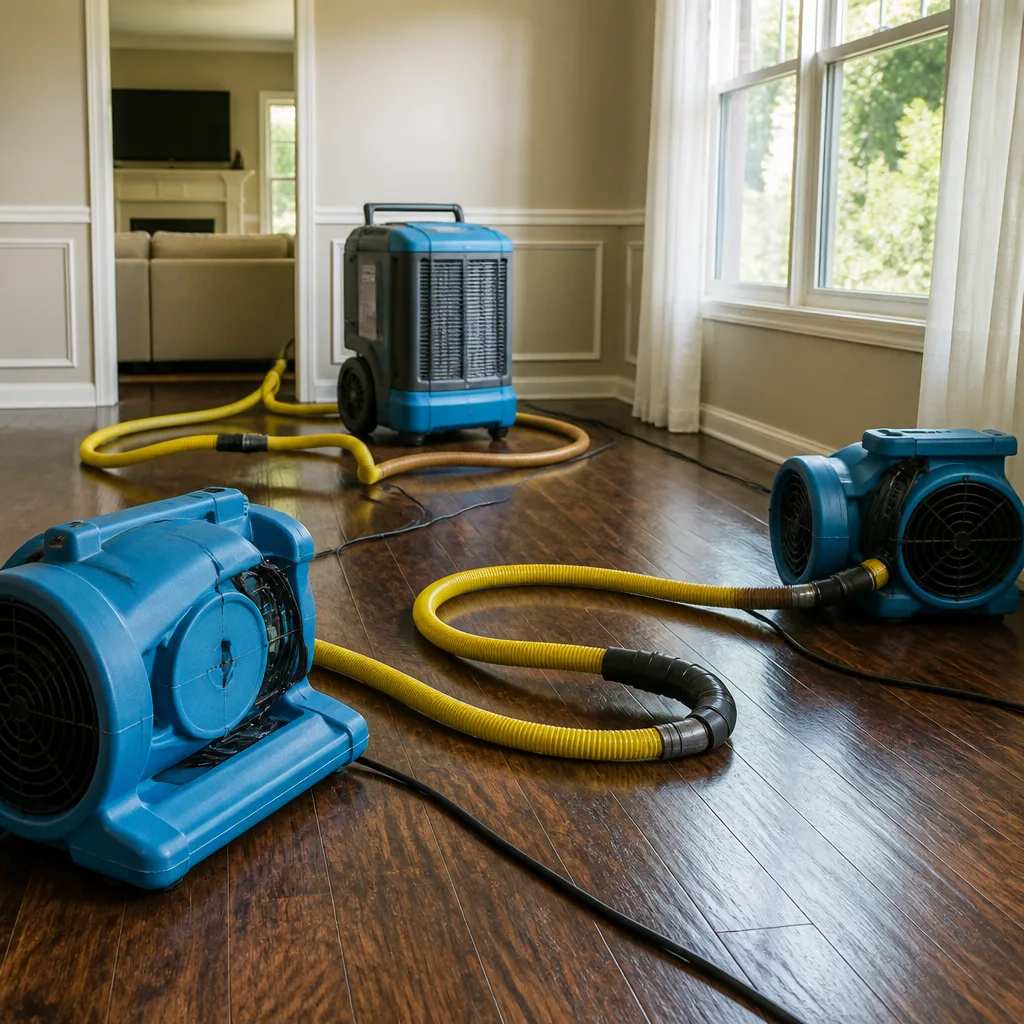
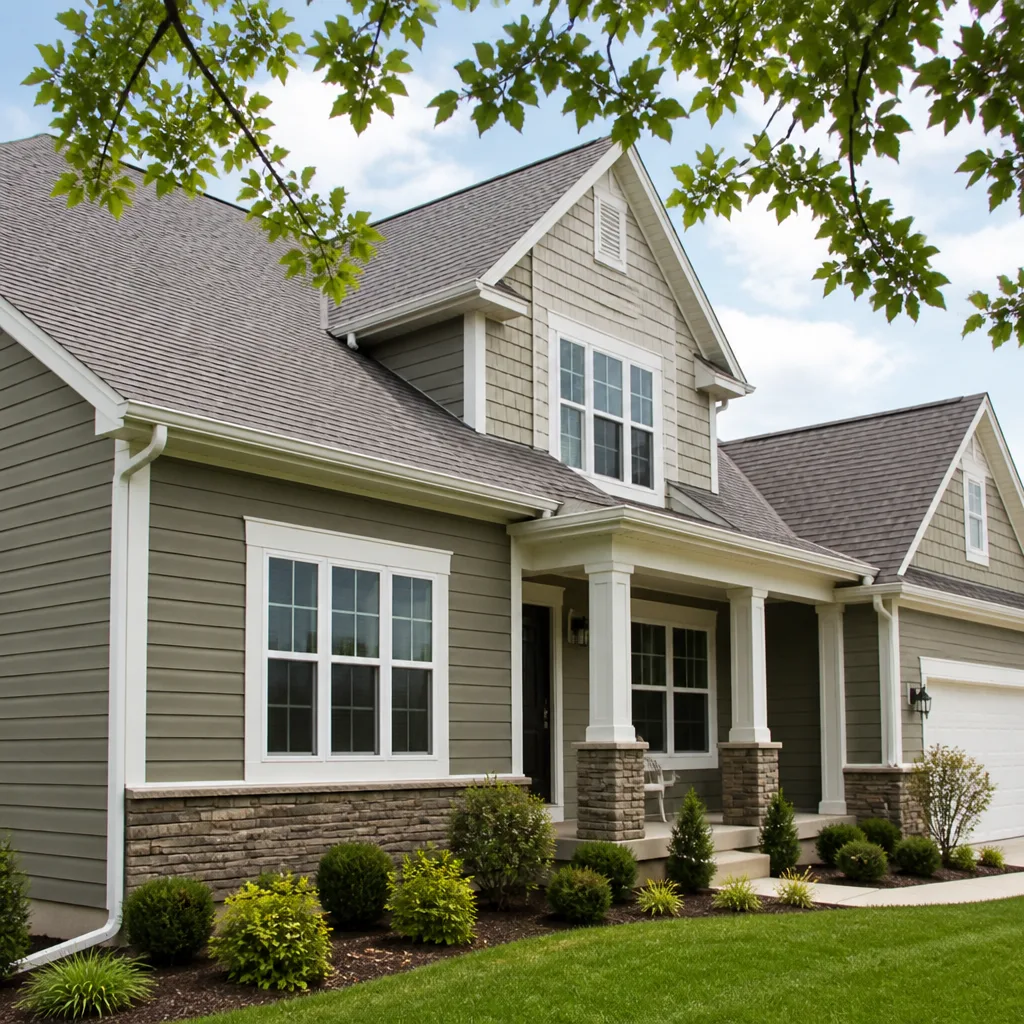
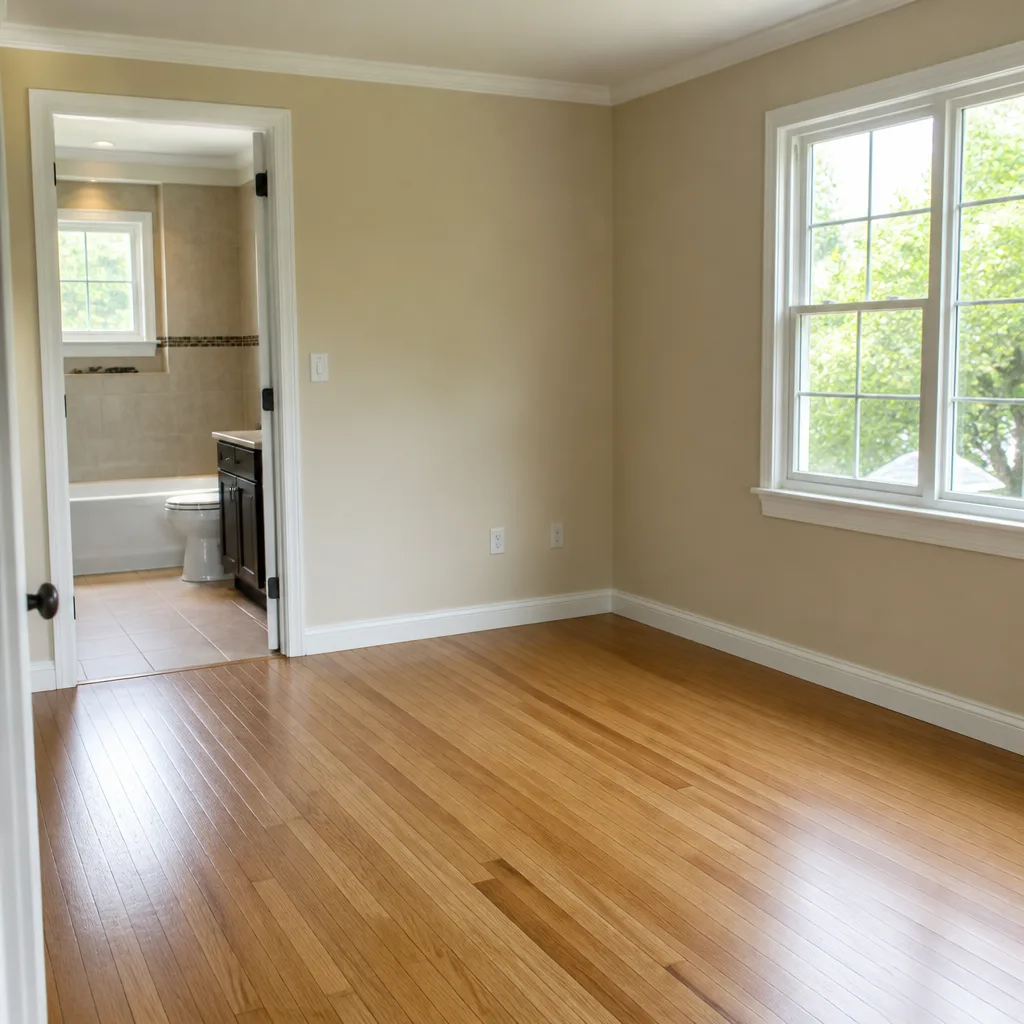
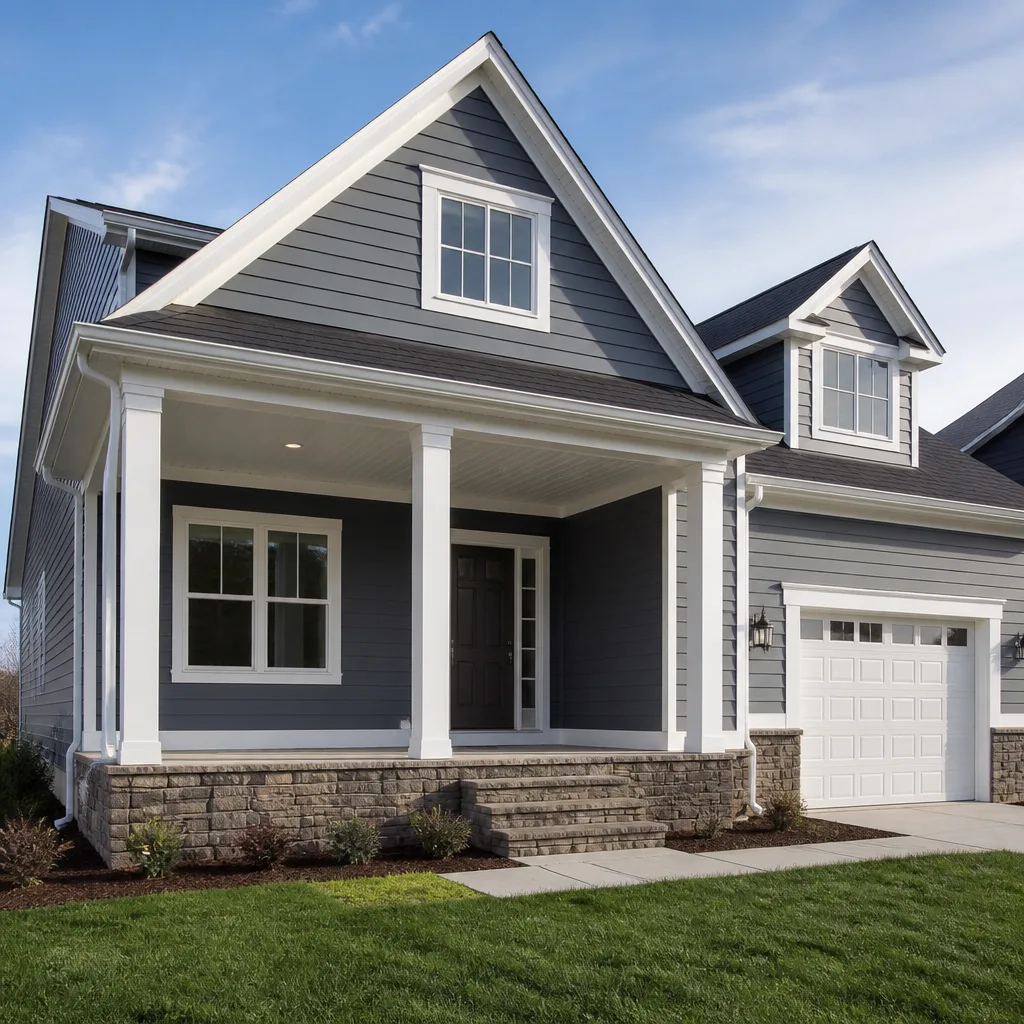
 Before
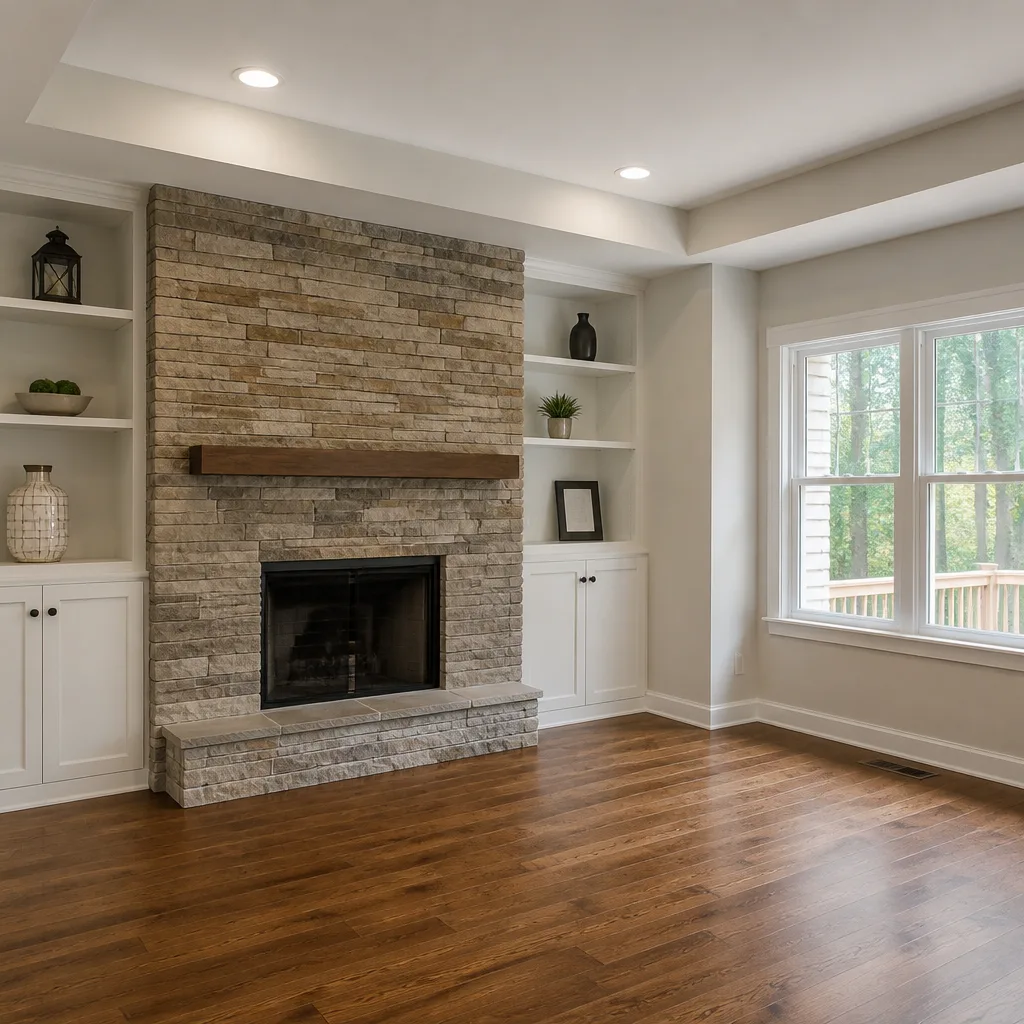
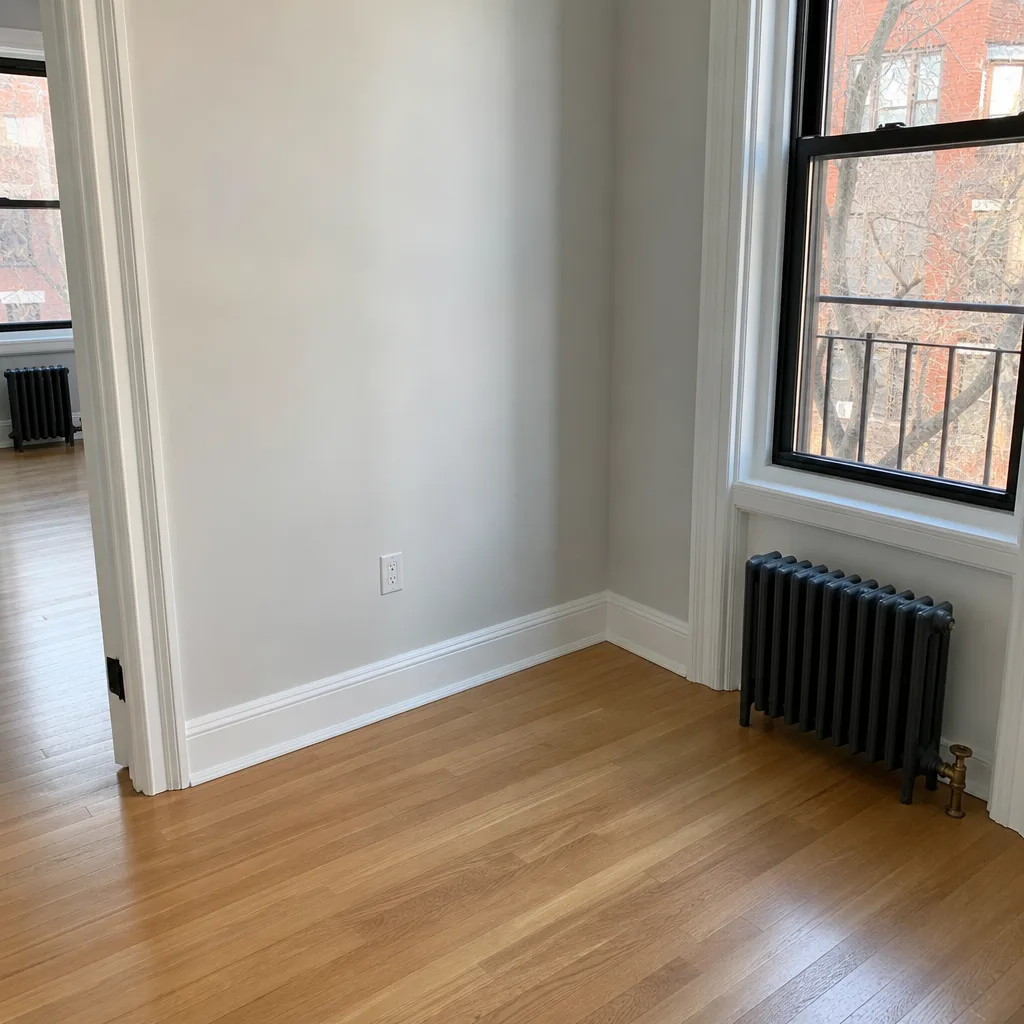 After
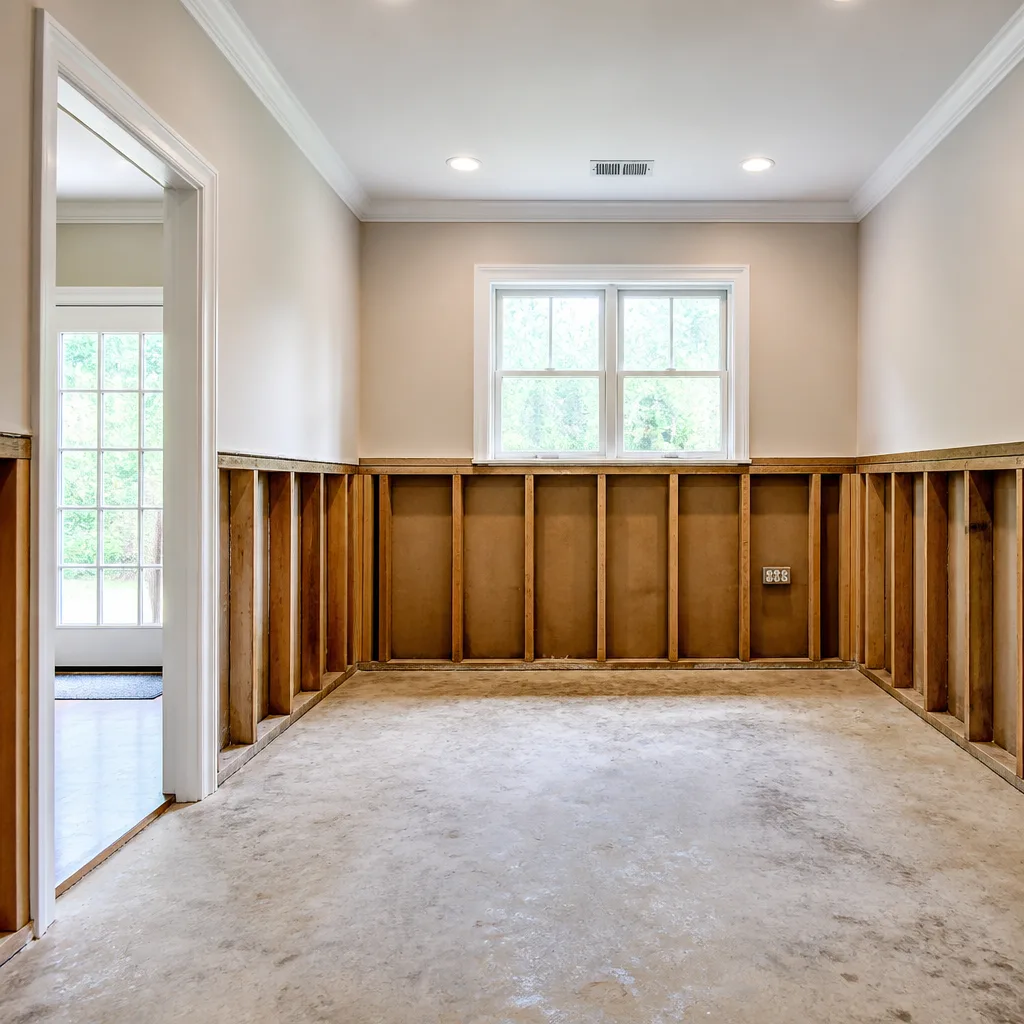
After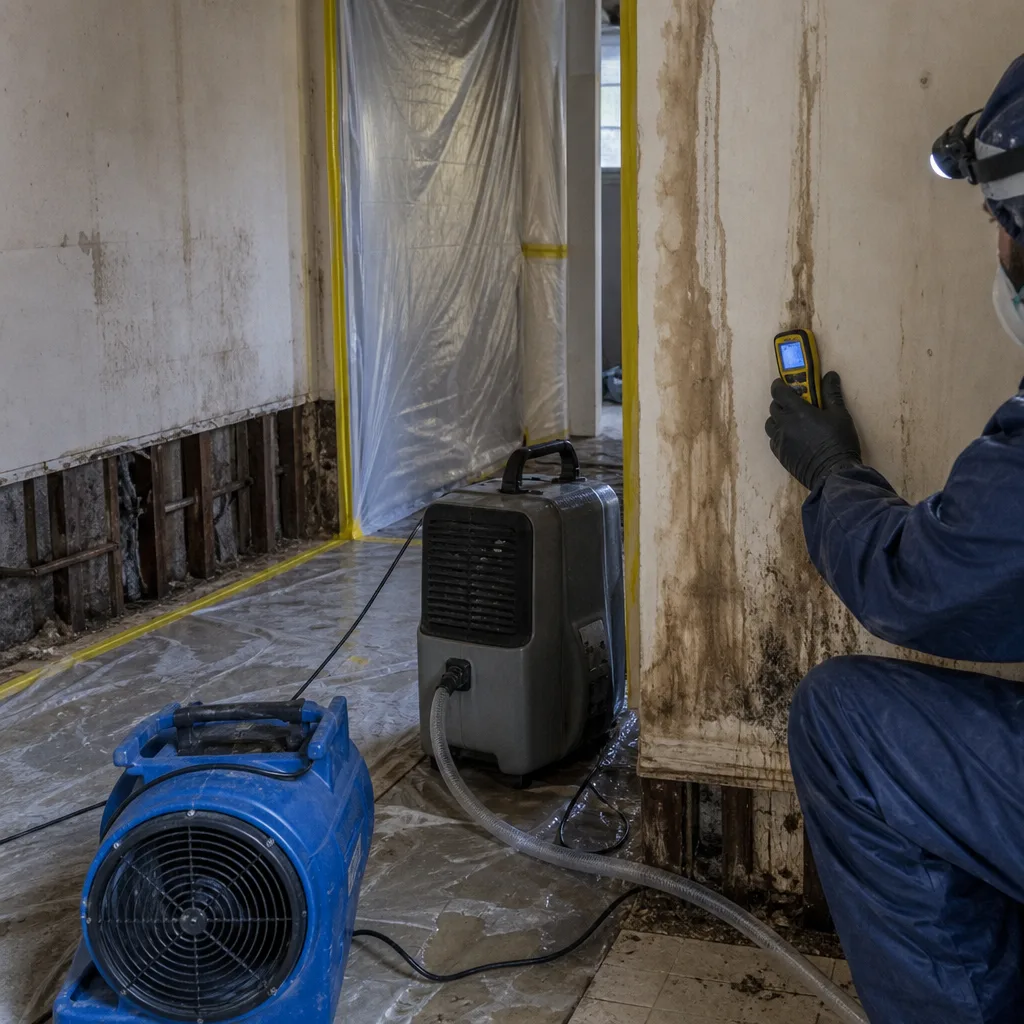 Before
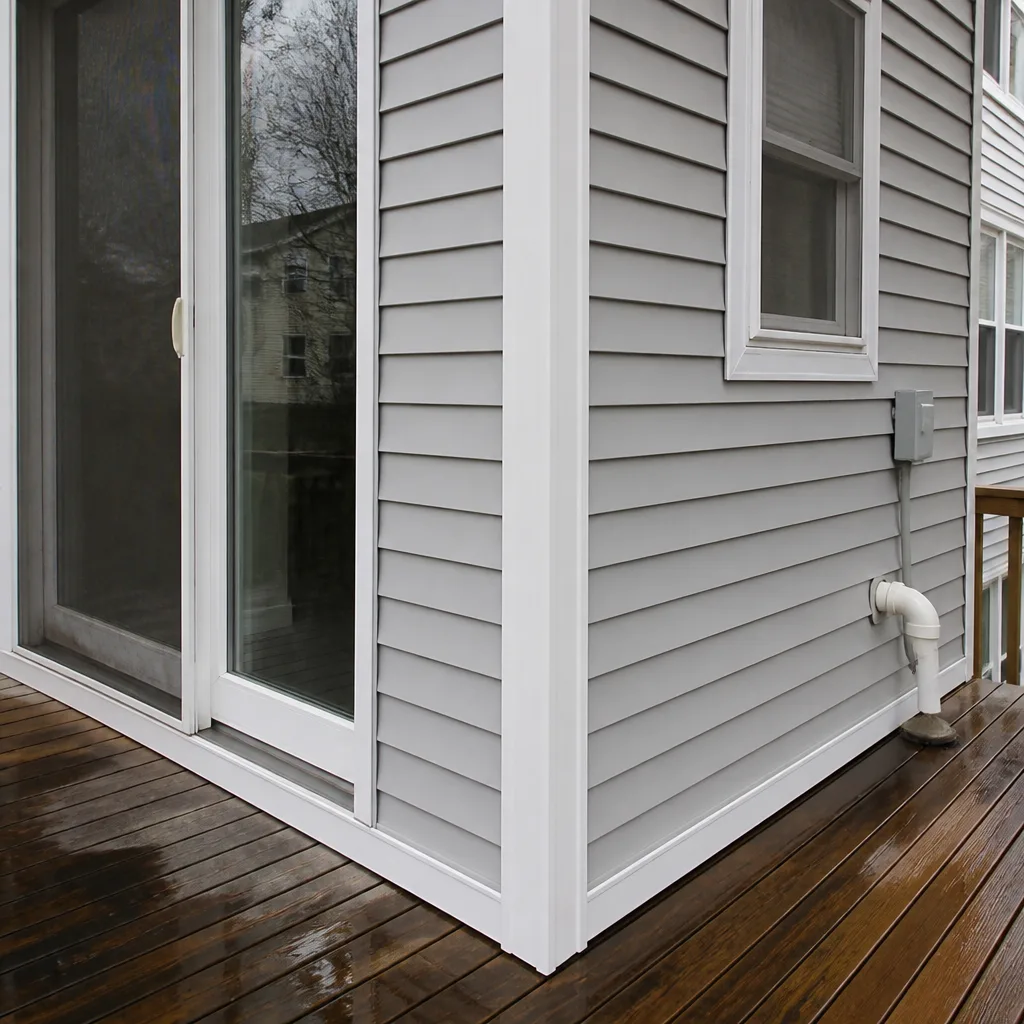 After
After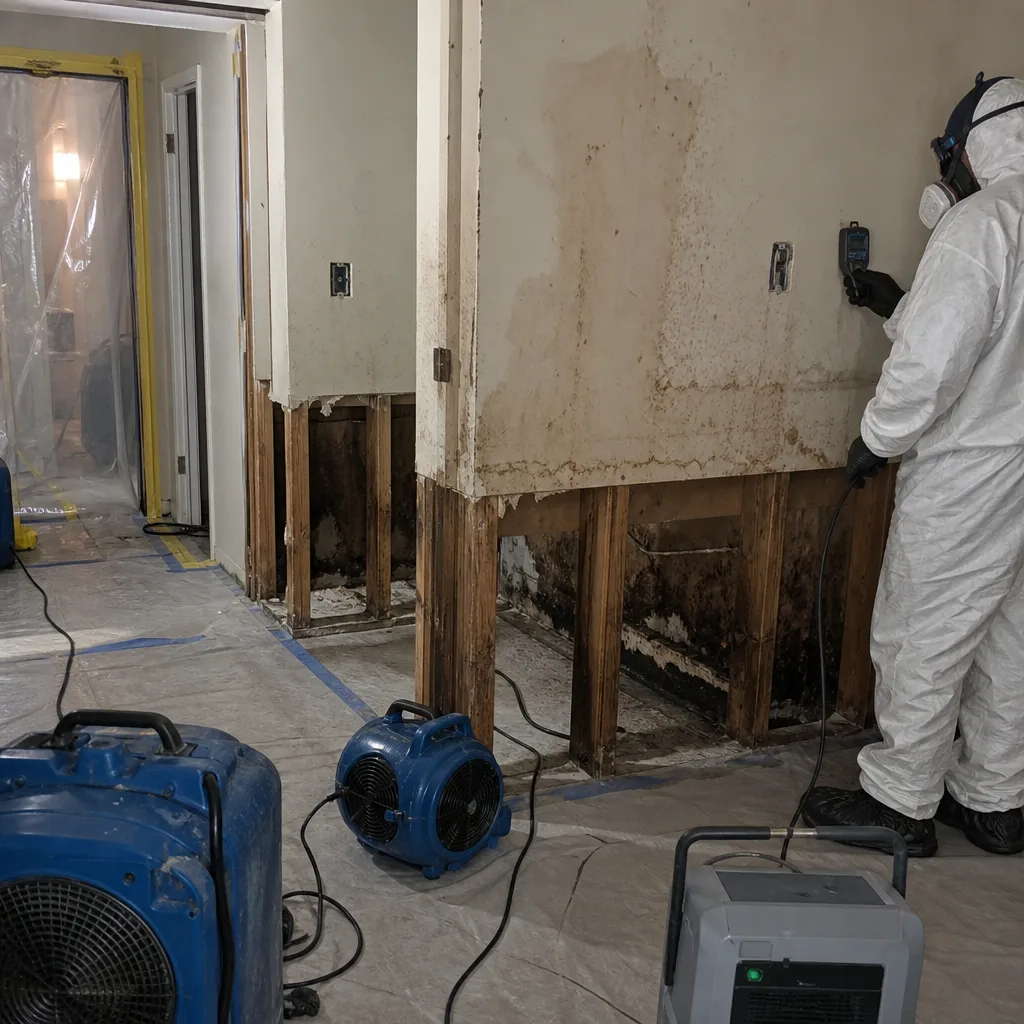 Before
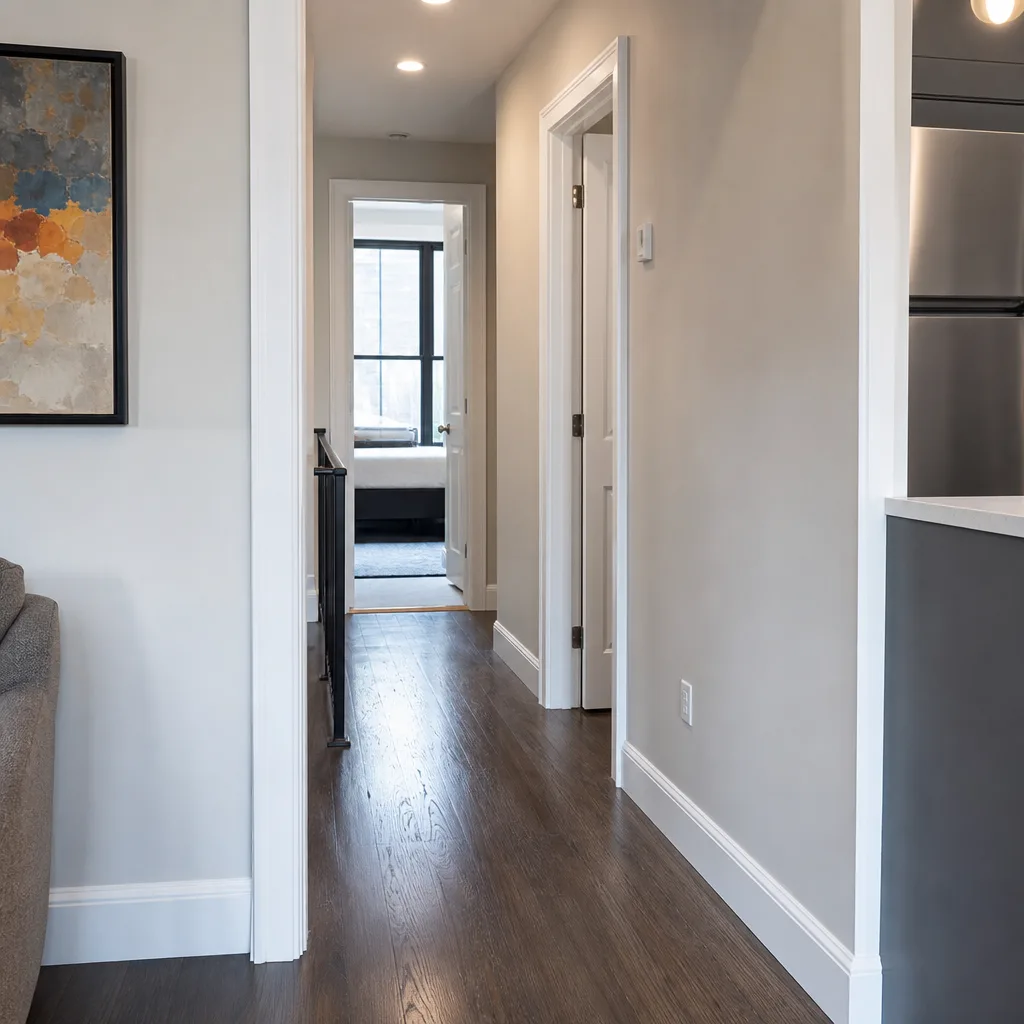 After
After24/7 Emergency Water Damage Restoration in Meatpacking District
Water damage restoration in Meatpacking District starts with speed, because water moves through century-old brick and timber faster than it moves through drywall. A live dispatcher answers at (917) 924-4221 around the clock, every day of the year, and a uniformed, background-checked crew reaches most Meatpacking District addresses within 45 minutes. The first hour decides whether you’re facing a cleanup or a rebuild. Free visual inspections are available, and the crew that shows up is the same crew that reads moisture levels, runs extraction, and handles the drying log. We don’t hand the job to a subcontractor at midnight. We don’t leave a recording between you and help. When a supply line lets go on Little West 12th or storm surge pushes the Hudson into a sub-grade cold-storage chamber, the line the water left is where we start.
Understanding Water Damage Restoration Severity in Meatpacking District Properties
The category of water in your building changes everything about the response, and Meatpacking District’s housing stock makes the margins narrower than in most of Manhattan. Category 1 water comes from a clean source, a burst supply line or an overflowing sink. Category 2 carries contaminants from appliances or sump discharge. Category 3 is groundwater, sewage, or Hudson River storm surge, and it requires full containment, antimicrobial treatment, and often material removal. We classify the water before we touch a fan, because drying Category 3 as if it were Category 1 spreads contamination behind baseboards and into masonry. Moisture mapping with thermal imaging and penetrating meters tells us where the water actually went, not just where it pooled. That matters in brick-and-timber buildings where water travels horizontally through party walls, drops into sub-grade vaults, and hides behind luxury finishes installed over century-old industrial framing. In the Meatpacking District, a “small” leak on the third floor of a converted cold-storage building can be a Category 2 problem in the basement by morning.
Why Meatpacking District Property Owners Choose Floodline Restoration Co. of Manhattan
- 45-minute response commitment, day or night. Crews already working in and around Meatpacking District get dispatched the moment you call, so extraction often starts within the same visit.
- A real person answers the phone at 2 a.m. No automated tree, no callback queue. A live dispatcher takes your address, asks the right questions, and gets a certified crew moving.
- IICRC-certified crews, WRT and ASD certified. Water damage restorers trained to the standards that insurance carriers recognize, not a handyman with a shop vac.
- Free visual inspection with a written scope. You see the moisture readings, you see the drying plan, and you approve a line-item scope before work begins. No surprises on the bill.
- Direct insurance billing and adjuster coordination. We document everything from the first hour and talk to your carrier so you don’t have to play messenger.
- One team from extraction to reconstruction. The same crew that pulls water on day one reads the daily moisture log and rebuilds what needs rebuilding, backed by our 90-Day Done Right Promise.
Our Water Damage Restoration Process
Inspection & Assessment
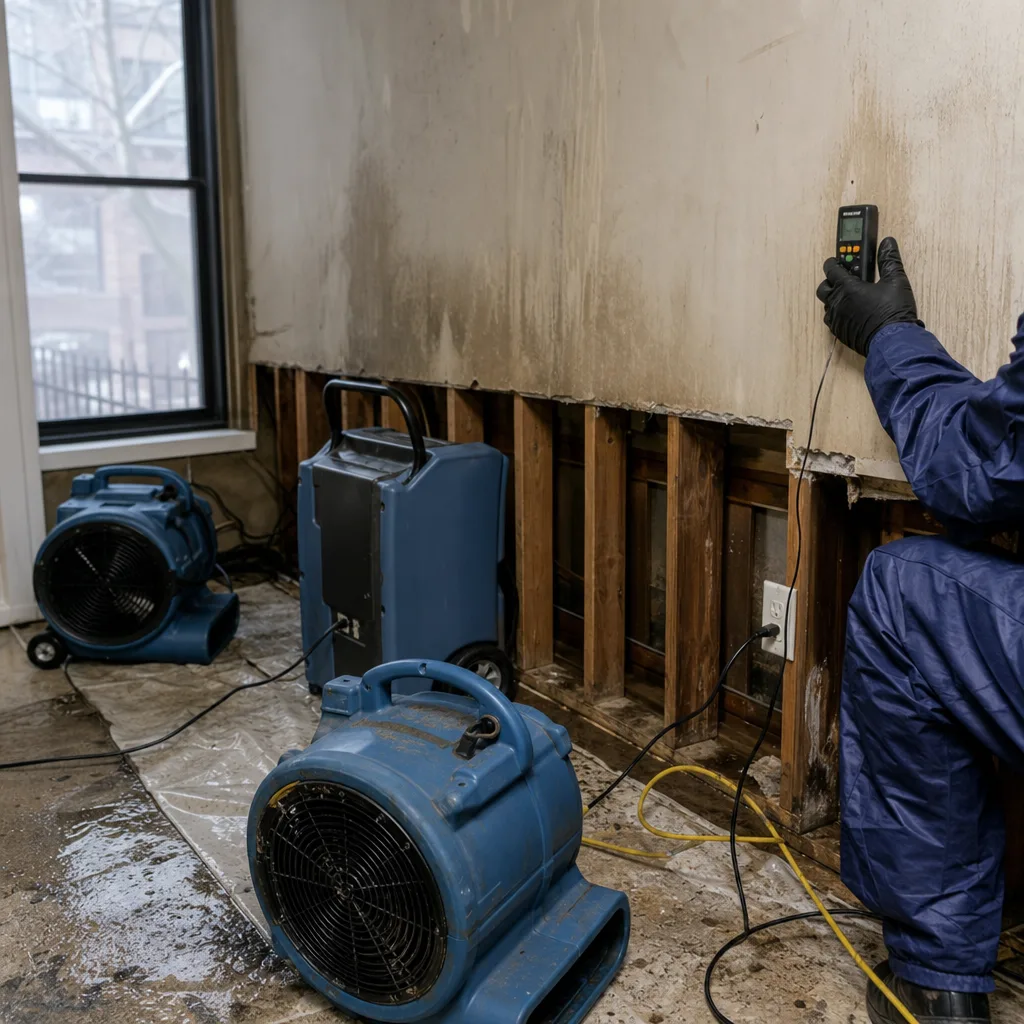
We map the full extent of moisture with thermal imaging, penetrating meters, and hygrometers. In Meatpacking District buildings, that means checking party walls, sub-grade vaults, and the space beneath Belgian-block street level, not just the visible wet area.
Extraction & Stabilization
High-volume extraction pulls standing water from floors, subfloors, and basement slabs. If structural materials are saturated, we stabilize the area to prevent further movement or collapse before drying begins.
Drying & Dehumidification
Professional-grade Dri-Eaz and Phoenix air movers and dehumidifiers run around the clock, with daily moisture readings until the dry standard is met. Thick masonry walls slow drying, so we use Injectidry systems to pull water from within walls and floors where conventional airflow can’t reach.
Cleaning & Sanitization
Category 2 and Category 3 water require antimicrobial application and HEPA air scrubbing. We clean salvageable surfaces, treat affected framing, and remove contaminated materials that can’t be restored.
Specialty Treatment for Historic Masonry
Landmarked façades and original brick party walls are dried in place using specialized drying mats and injection systems. This preserves cast-iron columns, original masonry, and landmark-protected features while still reaching the dry standard.
Repairs & Restoration
The same crew handles reconstruction, from replacing trim and flooring to rebuilding walls and refinishing surfaces. Backed by the 90-Day Done Right Promise, in writing.
Need Emergency Water Damage Restoration in Meatpacking District Now?
Crews minutes away, answering live 24 hours a day. The sooner we start, the less it costs.
Working With Your Insurance Company
Most Meatpacking District water damage claims involve either a burst supply line, a building-wide plumbing failure, or groundwater intrusion after a storm. The carrier wants documentation, a defensible scope, and proof that drying was done to recognized standards. We provide all three. Our crews photograph every affected room before demolition, log daily moisture readings with the same XPower and B-Air equipment the adjuster expects to see, and produce line-item scopes that hold up to carrier review. We talk to your adjuster directly, answer their questions, and handle supplement claims if hidden damage surfaces during tear-out. You shouldn’t be the one explaining Category 3 groundwater to a claims desk. That’s our job.
What We Provide Your Insurer
- Thorough documentation of the loss
- Photos of all damage, room by room
- Moisture readings and drying logs
- A detailed, line-item scope of work
- Direct coordination with your carrier
Built for Meatpacking District’s Loss Calendar
The Meatpacking District’s water damage calendar doesn’t look like the rest of Manhattan’s. Spring brings nor’easters that push the Hudson over its edge and into the district’s mapped coastal flood zone, sending groundwater through brick foundations and into sub-grade spaces. Summer thunderstorms overwhelm the aging storm drains, and the Belgian-block streetscape beneath Gansevoort and Little West 12th Streets channels runoff directly into basement vaults. Fall hurricane season reopens the same surge path Sandy used in 2012. Winter freezes split supply lines in buildings that can’t close off unheated vestibules and stairwells. Every season has a fingerprint, and the same addresses tend to call back after the same storms. We plan crews accordingly during heavy-rain forecasts, because we know which blocks in the Meatpacking District flood first. The salt-laden Hudson River air also corrodes exposed steel on sump pump rigs and flood-mitigation equipment left on site, so our technicians swap sacrificial zinc anodes more often here than they would in Chelsea.
Water Damage Restoration Across Meatpacking District’s Neighborhoods
Response routes through the Meatpacking District follow the streets that flood first. Little West 12th Street, with its 19th-century brick vaults and sub-grade cold-storage chambers, calls us after heavy rain more than any other corridor. Washington Street, where converted warehouses run in long brick rows, sees below-grade intrusion through shared party walls. Gansevoort Street, with the historic cobblestones and the elevated High Line overhead, sends groundwater through old industrial drains buried beneath retail and restaurant buildouts. Hudson Street’s residential conversions face a different pattern: supply-line bursts on upper floors that travel down through timber framing and into the old butchering floors below. Each corridor has its own loss profile, and our dispatchers know them. When you call from the Meatpacking District, someone on the phone already knows whether your building sits in the flood zone, whether it’s landmarked, and what kind of water is most likely in your basement right now.
Specialized Water Damage Restoration Services We Offer in Meatpacking District
Basement Water Removal
Sub-grade spaces in the Meatpacking District are often original cold-storage chambers or later excavation under landmarked structures. Water removal here means high-volume pumps, then Injectidry systems to pull residual moisture from brick and stone, because surface extraction alone leaves masonry saturated. We log moisture readings daily until the dry standard is met, even when the walls are two feet thick.
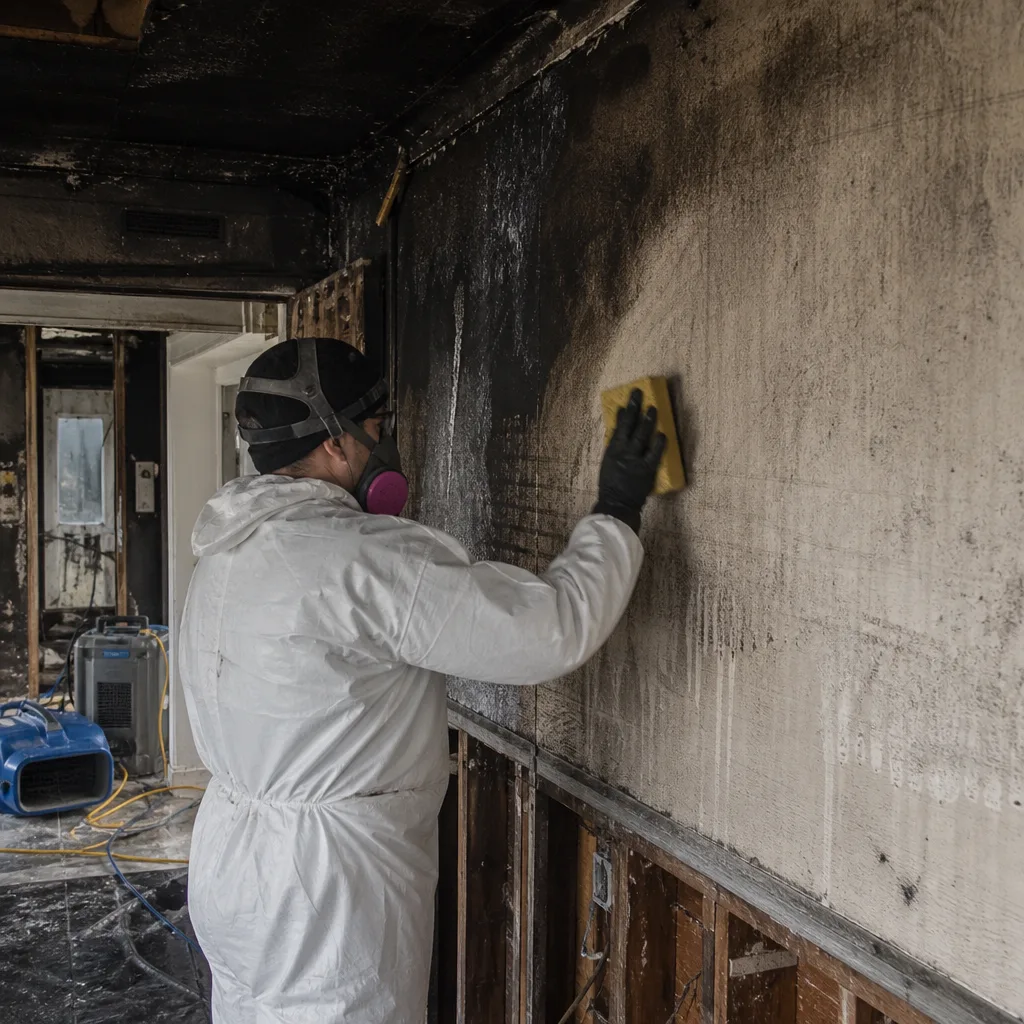
Structural Drying & Dehumidification
Thick brick party walls, original timber beams, and cast-iron columns absorb water differently than drywall and plywood. Drying them in place, which landmark preservation rules often require, takes longer and demands Dri-Eaz dehumidifier arrays sized for deep material saturation. Our Water Damage Restoration team expects a three-day dry in a typical Meatpacking District masonry wall, not the single day you might see in a newer building a few blocks east.
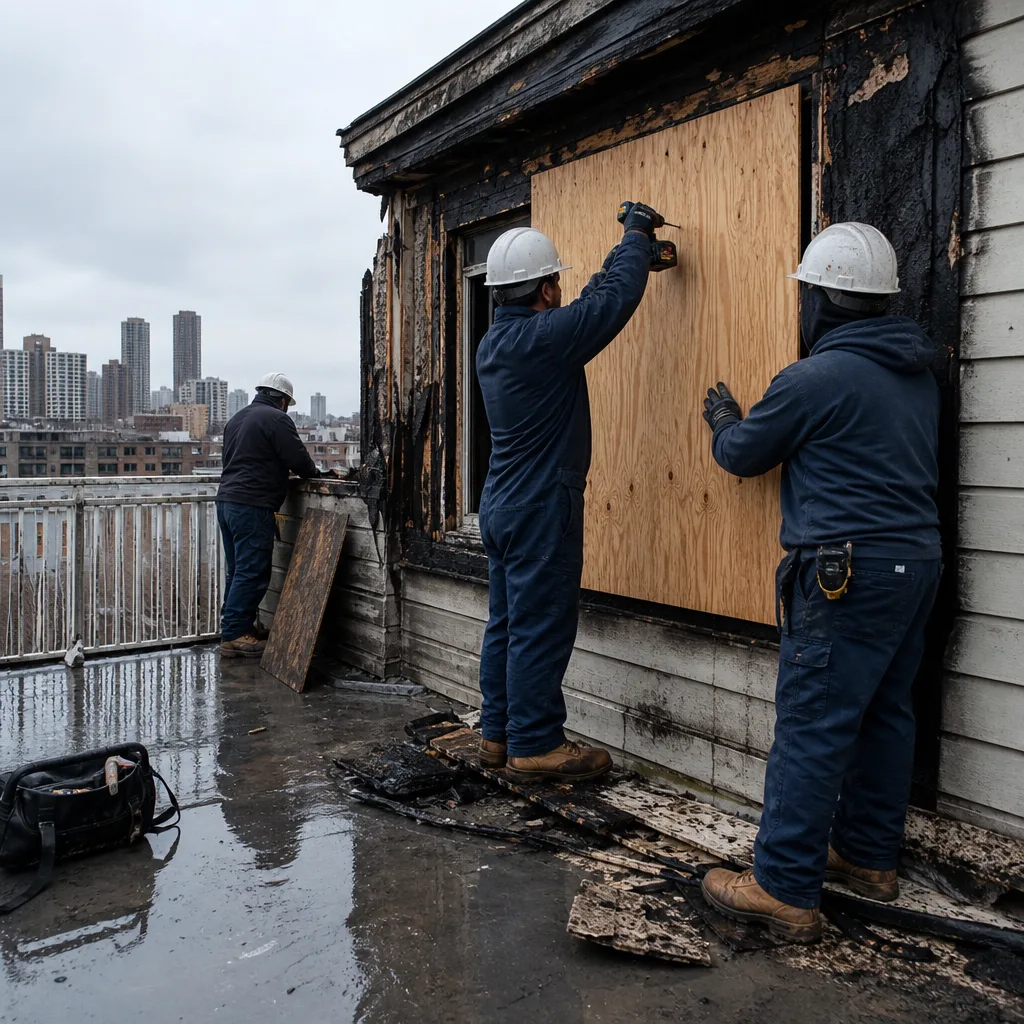
Flood Cleanup
Storm surge and groundwater intrusion in the Meatpacking District bring Category 3 water, which carries river sediment, sewage, and whatever the street vaults hold. Flood cleanup here means full containment, HEPA air scrubbing, antimicrobial treatment, and removal of contaminated materials like saturated insulation and subfloor. You don’t clean Category 3 water. You remove it and what it touched.
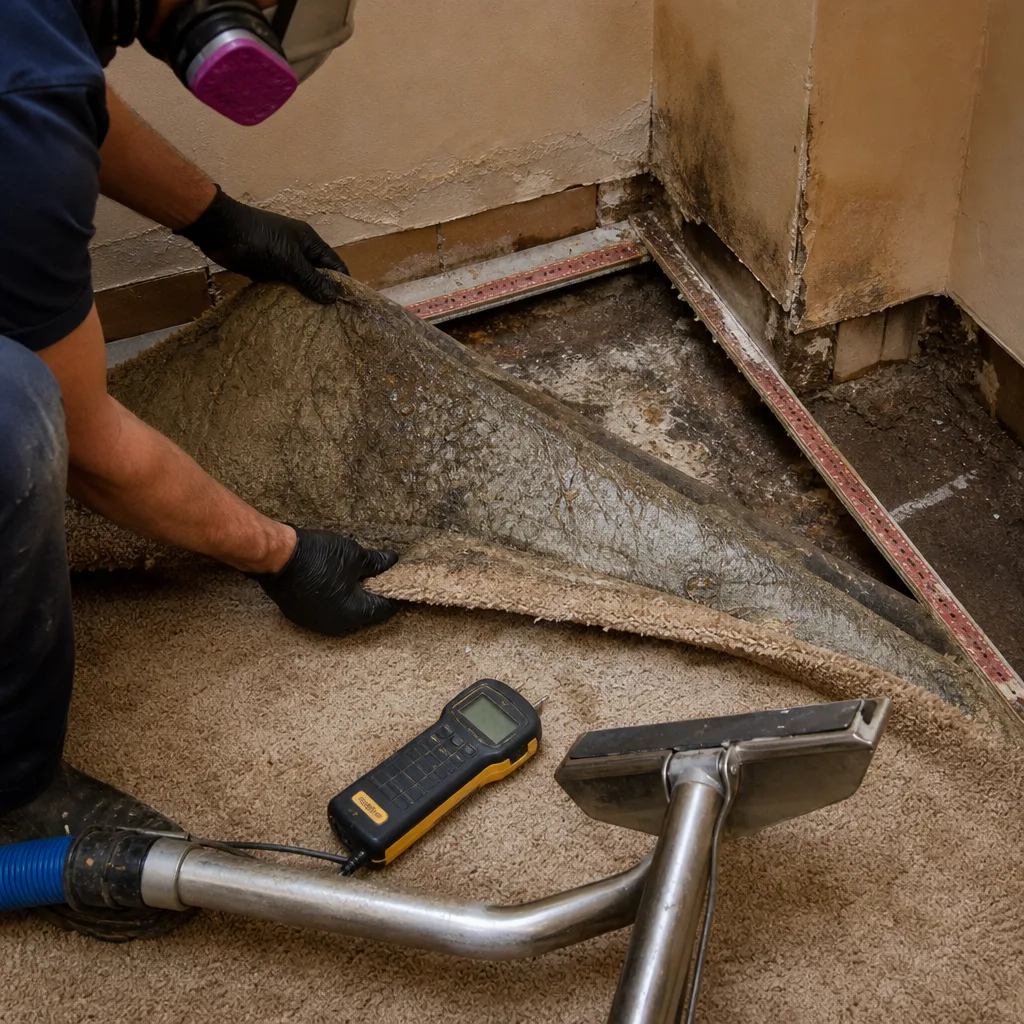
Emergency Water Extraction
Standing water in a converted Meatpacking District building moves downward fast, through flooring, into joist bays, and into lower units. We get extraction running the same visit, often within 45 minutes of the call, and we keep running until surfaces are visibly dry and meters show levels dropping. The sooner water is gone, the less masonry absorbs, and the faster the building dries.
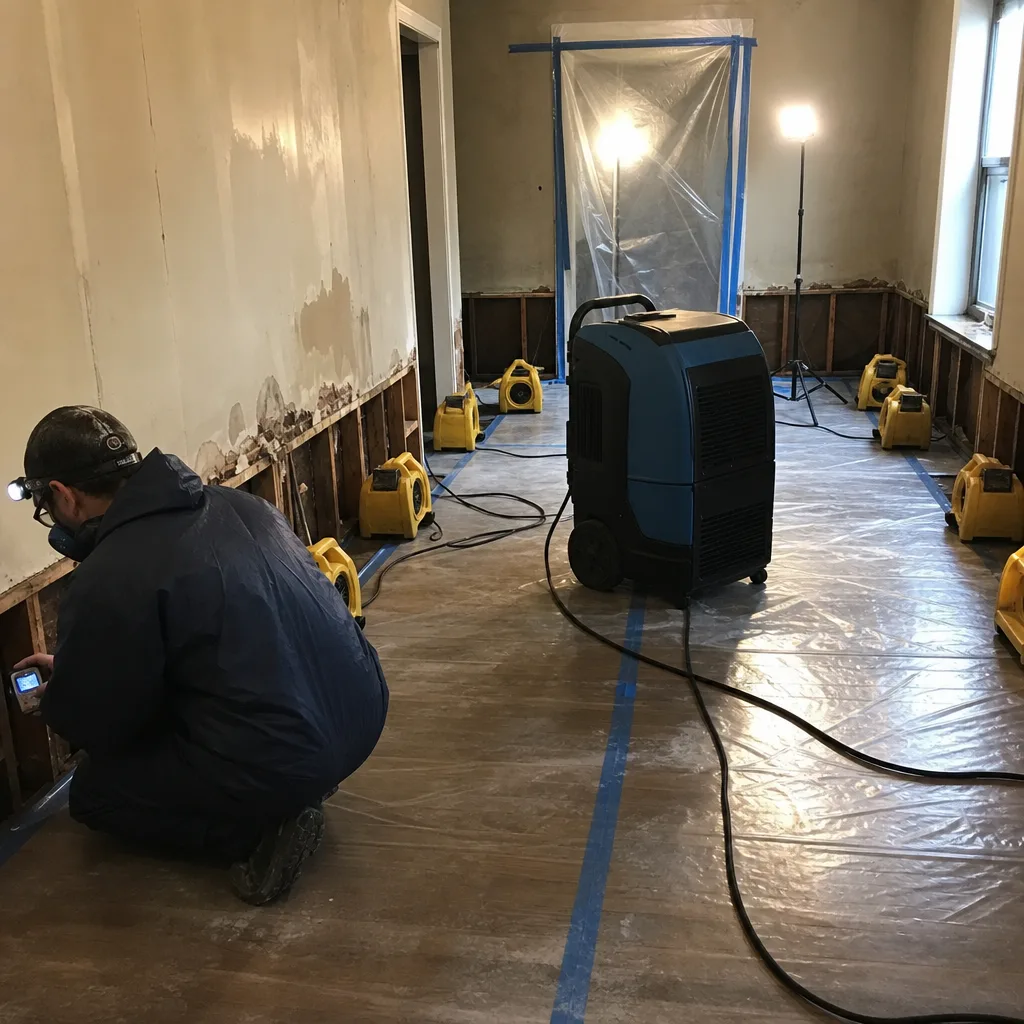
Burst Pipe Restoration
Winter freezes hit older Meatpacking District buildings hard, especially where landmark restrictions make it difficult to insulate original supply lines. When a pipe lets go, water travels into walls and down through floor assemblies, often reaching the sub-grade vaults before anyone notices. We trace the full path with moisture mapping, not just the visible break, and dry every affected cavity.
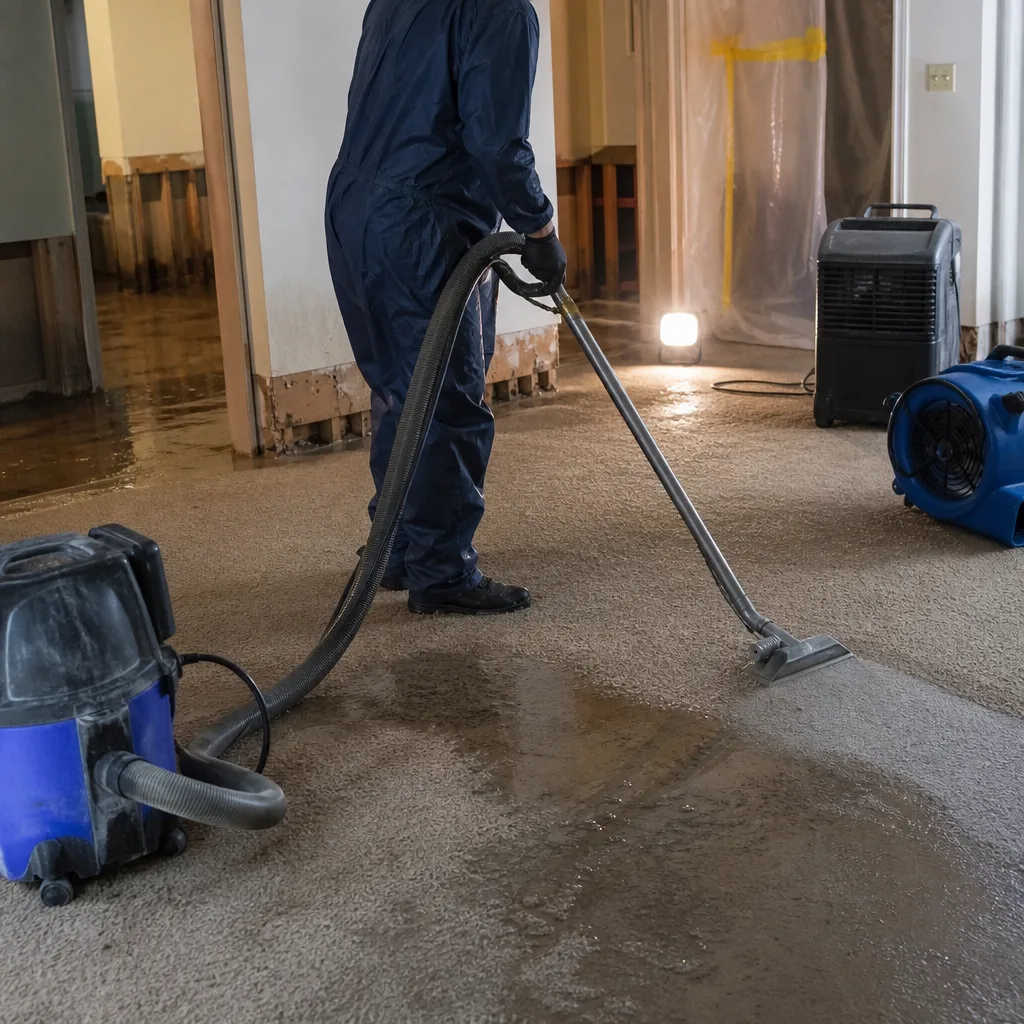
Ceiling & Roof Leak Water Damage
Flat roofs and aging roof drains on converted warehouse buildings send water into upper floors, then down through finishes that hide the source for days. We dry ceilings in place where possible, remove saturated plaster and insulation where necessary, and coordinate with your roof repair contractor so the fix lasts.
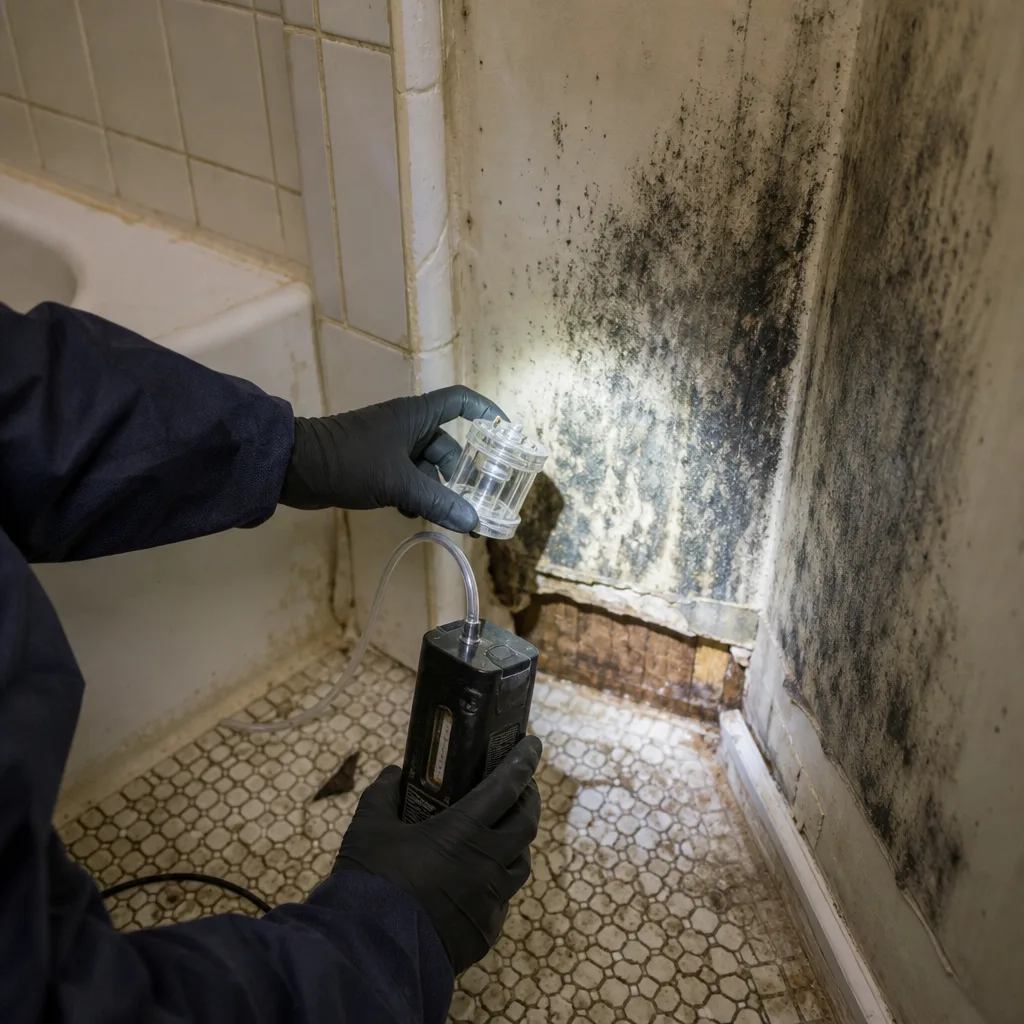
What happens when you call
- 1
A real person answersNo phone trees - you reach a local pro.
- 2
You get an upfront price rangeHonest numbers before anyone is dispatched.
- 3
A background-checked tech heads outLicensed & insured, dispatched right away.
- 4
You approve before work beginsNothing starts until you say go.
Water Damage Restoration Costs in Meatpacking District, NY
Water damage restoration in the Meatpacking District runs higher than borough averages because of landmark constraints and masonry drying times. A typical burst-pipe extraction and drying job in a 1,200-square-foot residential conversion runs $3,200 to $6,500. Category 3 flood cleanup with containment, antimicrobial treatment, and material removal typically runs $6,000 to $14,000 depending on how much sub-grade space was affected. Structural drying of landmarked brick and cast-iron bearing elements in place adds $1,500 to $4,000 over comparable interior-only work. The biggest variables are whether your building is landmarked (which forces in-place drying), how thick the masonry is, and how many sub-grade spaces flooded. We believe in a square deal: a free visual inspection, a written scope with line-item pricing, and no surprises on the bill. We bill your carrier directly when coverage applies. Senior and Veteran 5% discounts always apply, as does $50 Off Any Repair Over $250. For an exact number on your loss, call (917) 924-4221.
We Also Serve Cities Near Meatpacking District
Our crews serve Fairview, Harrison, East Bronx, and Hunts Point, with the same 24/7 live dispatch and 45-minute response commitment. If you’re nearby and water is rising, call (917) 924-4221 and we’ll get a crew moving.
Serving Meatpacking District, NY - Our Local Coverage Area
We’re based in the Meatpacking District area and know this community well. Use the map below to see our service coverage - if you’re nearby, we can almost certainly help.
Meatpacking District Water Damage Restoration Questions, Answered
How fast can you actually get to a Meatpacking District address?
We typically reach Meatpacking District addresses within 45 minutes of your call, because we run crews through the area around the clock and a live dispatcher starts the response immediately. In storm-surge events when the whole district is calling, response times may stretch somewhat, but we prioritize active water intrusion over already-stable cleanup calls.
Why do Meatpacking District basements flood even during mild nor’easters when nearby Chelsea stays dry?
The Belgian-block streetscape is the difference. Beneath the cobblestones of Gansevoort and Little West 12th Streets, void space and 19th-century brick vaults channel groundwater directly into building basements during heavy rain. Standard perimeter waterproofing doesn’t address this pathway, which is why the same addresses flood season after season and crews familiar with the district know where water will come in before it does.
How do historic preservation rules change water damage restoration in a landmarked Meatpacking District building?
In a landmarked building, original masonry, cast-iron columns, and brick party walls must often be dried in place rather than removed and replaced. That means injection drying systems and drying mats instead of tear-out, and it triples structural drying time because thick brick holds moisture longer than modern framing. It also means our scope of work must document methods that a landmark preservation officer will accept.
Should I expect hidden mold after a flood in a former cold-storage building even if water extraction was quick?
Yes. The sub-grade cold-storage chambers common in Meatpacking District conversions trap humidity, and the thermal mass of thick brick walls keeps surfaces cool and damp long after visible water is gone. A Category 1 extraction can reveal a contamination pocket within 24 hours. That’s why we treat every below-grade flood in this district as a potential mold situation and run HEPA air scrubbers during drying, not just after.
Do you need special equipment to dry the thick brick-and-timber walls common in Meatpacking District lofts?
Yes. Conventional air movers can’t pull moisture from deep inside masonry. We use Injectidry injection systems that push dry air into wall cavities and pull wet air out, along with Dri-Eaz and Phoenix dehumidifier arrays sized for high-grain loads. Thermal imaging and penetrating meters tell us when the wall core is actually dry, not just the surface.
How does the Belgian-block streetscape affect a burst-pipe restoration on Gansevoort Street?
The pipe break itself is straightforward, but the water travels downward through the building and often ends up in the same sub-grade vaults and basement spaces that flood from groundwater. On Gansevoort Street, that means we’re drying the upper-floor framing and the lower-level masonry at the same time, while checking for pre-existing moisture that predates the burst.
Will my insurance cover water damage restoration in the Meatpacking District?
Most homeowners and condo policies cover sudden and accidental water damage like a burst supply line, but groundwater intrusion and storm surge often require separate flood coverage. We document everything from the first hour and talk directly to your adjuster, so you have a clear answer on coverage before a large scope is approved. Direct billing to your carrier is standard on covered claims.
What should I do in the first 30 minutes after discovering water in my Meatpacking District building?
Call (917) 924-4221. Then, if it’s safe, shut off the water at the main, kill power to affected areas at the breaker panel, and move valuables to higher ground. Don’t run fans from a hardware store, don’t open walls, and don’t wade into Category 3 groundwater. A live dispatcher will talk you through the next steps while the crew is en route. The first call costs you nothing.
Written by Curt Bowman, Owner at Floodline Restoration Co. of Manhattan, serving Meatpacking District and the greater New York City area since 2010.