
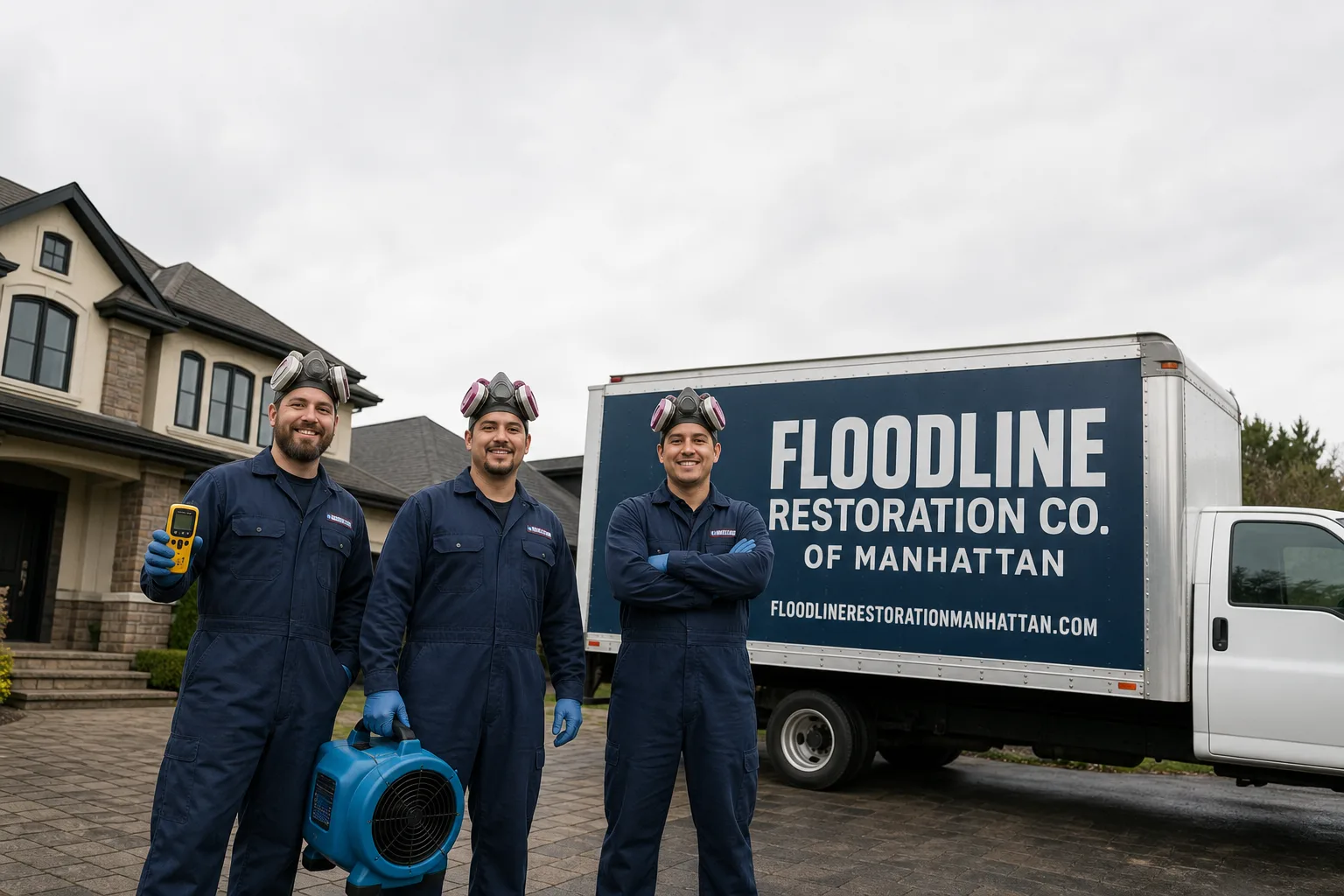
Free visual inspection and a written scope of work before any mitigation begins - photos, moisture readings, and drying logs go in your claim file
The scope we write is the scope we bill. Anything new gets shown to you, in writing, before we touch it.






 Before
 After
After Before
 After
After Before
 After
After24/7 Emergency Water Damage Restoration in Nyack
Water damage in Nyack moves fast. The Hudson River’s humidity means mold can colonize wet drywall and horsehair plaster within 48 to 72 hours, not the five to seven days you might get in a drier inland town. If you’re standing in water right now, or you just found a burst pipe in a Nyack Victorian, call (917) 924-4221. A live dispatcher answers, every hour of every day. We send a certified crew to Nyack immediately, and extraction starts the same visit. The first hour matters because water wicks up plaster walls, saturates original wide-plank flooring, and reaches the old-growth fir framing that holds up homes built between 1880 and 1920. Our Water Damage Restoration team arrives with thermal imaging cameras and moisture meters, not just mops. The inspection is free, and we document everything from the first reading so your insurance carrier sees exactly what we saw. You won’t wait on a call center. You won’t leave a voicemail. You’ll talk to someone who knows Nyack’s housing stock and dispatches accordingly.
Understanding Water Damage Restoration Severity in Nyack Properties
The IICRC classifies water into three categories, and the distinction changes everything about how we handle a Nyack job. Category 1 is clean water from a supply line or faucet. Category 2 carries significant contamination, soap, or biological material, think washing machine overflow or a sump pump failure. Category 3 is grossly contaminated, the river surge, sewage backup, or stormwater that backed the Hudson into a North Broadway basement. Each category drives different protocols. A Category 1 loss in a hillside colonial might dry with conventional structural drying. A Category 3 loss in a waterfront Victorian means removing saturated horsehair plaster, disinfecting the Douglas fir framing, and running containment with HEPA air scrubbers. Moisture mapping is the backbone of every job. We take readings every four to six hours, not just at the start. That matters in Nyack because the river microclimate keeps ambient humidity high, and a wall that reads 14% moisture content in West Nyack might read 19% along the waterfront, already above the dry standard and climbing. Severity also depends on building age. Pre-war homes here used balloon framing, meaning water travels vertically through wall cavities with nothing blocking it. A leak behind a third-floor bathroom can saturate the first-floor parlor before you ever see a stain.
Why Nyack Property Owners Choose Floodline Restoration Co. of Manhattan
- 45-minute response commitment: We dispatch from our metro office directly to Nyack, and our standard is a crew on site within 45 minutes of your call, because water does not wait.
- 24/7 live answer: A real person answers the phone at 2 a.m., not an automated system. You describe the situation, we start mobilizing. No callbacks, no ticket numbers.
- IICRC-certified crews: Our technicians hold WRT, ASD, and AMRT certifications, trained to the standards that matter for water damage restoration. They also arrive in uniform and pass background checks before they ever walk through your door.
- Free visual inspection: We assess the damage, map the moisture, and give you a written scope of work before you commit to anything. No charge, no pressure.
- Direct insurance billing: We bill your carrier directly and coordinate with your adjuster from day one. You are not the messenger between us and the insurance company.
- One team, start to finish: The same crew that extracts the water runs the drying, logs the moisture readings, and rebuilds what needs rebuilding. No mid-job handoff to a different company.
Our Water Damage Restoration Process
Inspection & Assessment
We walk the property with thermal imaging and penetrating moisture meters. We identify the water category, map the migration path, and check for hidden saturation in wall cavities, under original flooring, and in the framing. You get a written scope and a straight answer about what needs to happen.
Extraction & Stabilization
We remove standing water with truck-mounted and portable extraction units. In a Nyack basement with river surge, that means Category 3 protocols from the first minute. We also cut off the water source if it is still active, and we protect salvageable materials before demolition starts.
Drying & Dehumidification
Dri-Eaz 1200 dehumidifiers, Phoenix air movers, and Injectidry floor mats go to work. In horsehair plaster walls, we use low-grain refrigerant dehumidifiers and controlled airflow to dry in place without forcing the plaster to crumble. Moisture readings happen every four hours, logged for you and your carrier.
Cleaning & Sanitization
After drying, we clean and disinfect affected surfaces. For Category 2 and 3 losses, that includes antimicrobial treatments appropriate for wood framing, plaster, and subfloor. We do not just dry the surface and call it done.
Historic Material Treatment
This step exists because of Nyack. Original wide-plank oak, horsehair plaster, and old-growth fir need different handling than drywall and modern lumber. We dry in place where possible, match materials where replacement is unavoidable, and document everything to keep the 50% rule from triggering unnecessarily.
Repairs & Restoration
We rebuild what needs rebuilding, from plaster patches to full basement refinishes, using the same crew that started the job. The 90-Day Done Right Promise is in writing: if it is not done right, we make it right, no arguing.
Need Emergency Water Damage Restoration in Nyack Now?
Crews minutes away, answering live 24 hours a day. The sooner we start, the less it costs.
Working With Your Insurance Company
We know the claim process because we handle it every week in Nyack, including the FEMA floodplain paperwork that inland restoration companies rarely see. From the first hour, we photograph every room, log every moisture reading, and write a line-item scope that your adjuster can read without a translator. We also flag issues before they become disputes. If your Victorian’s restoration estimate is approaching 50% of the pre-damage value, we tell you early, because crossing that line under Nyack’s floodplain administrator triggers elevation requirements that change the entire project. We bill your carrier directly, and we talk to the adjuster ourselves. You do not sit on hold with an insurance company while your floors swell. You get a written scope, a drying log, and a direct line to a project manager who can answer your adjuster’s questions at 9 a.m. on a Tuesday.
What We Provide Your Insurer
- Thorough documentation of the loss
- Photos of all damage, room by room
- Moisture readings and drying logs
- A detailed, line-item scope of work
- Direct coordination with your carrier
Built for Nyack’s Loss Calendar
Nyack’s water damage season does not follow a tidy pattern. January and February bring deep freezes that crack supply lines in uninsulated crawlspaces and exterior walls, and a burst pipe in a hillside colonial is a Category 1 loss that can still flood a finished basement in twenty minutes. March and April carry snowmelt and spring rain, which push groundwater into the stone foundations and fieldstone basements common in the historic district. August brings thunderstorms that overwhelm the village’s storm drains, sending flash floods down Main Street toward the river. October and November are nor’easter season, and when the Hudson backs up into the marina district and low-lying blocks off River Road, that is Category 3 water, not the clean water you get from a pipe. We plan our dispatch around these patterns because we have worked this calendar for years. In January, we stock extra extraction equipment. In October, we pre-stage drying gear for the waterfront blocks. The goal is the same in every season: get water out before it becomes mold, and get moisture under control before it becomes a rebuild.
Water Damage Restoration Across Nyack’s Neighborhoods
The work changes block by block in Nyack. Down on Main Street and the marina district, commercial and residential buildings sit inside FEMA AE flood zones, and every job starts with floodplain compliance questions before we touch a wall. Surge water here is always Category 3, and the restoration math includes what the floodplain administrator will require. Up the hill in the North Broadway historic district, we work on late-Victorian and Edwardian homes with horsehair plaster and original hardwoods, and the priority is drying in place to preserve materials that cannot be matched at any lumberyard. Over near Nyack College and the neighborhoods off South Broadway, the mix shifts toward mid-century colonials and cape cods, where burst pipes and ice dams are the more common calls. The blocks around Memorial Park have shallower basements and older stone foundations, which means groundwater seepage after heavy rain, not river surge, is the usual problem. When we dispatch to Nyack, the address tells us a lot about what we will find before we arrive, but the moisture meter always gets the final word.
Specialized Water Damage Restoration Services We Offer in Nyack
Emergency Water Extraction
Standing water does its worst work in the first hours. We run truck-mounted extraction for big losses and portable units for tight Nyack basements and upper-floor leaks. In a Victorian parlor, we extract from the surface, then we get under the floorboards with Injectidry mats. Water hides in places a wet vac never touches.
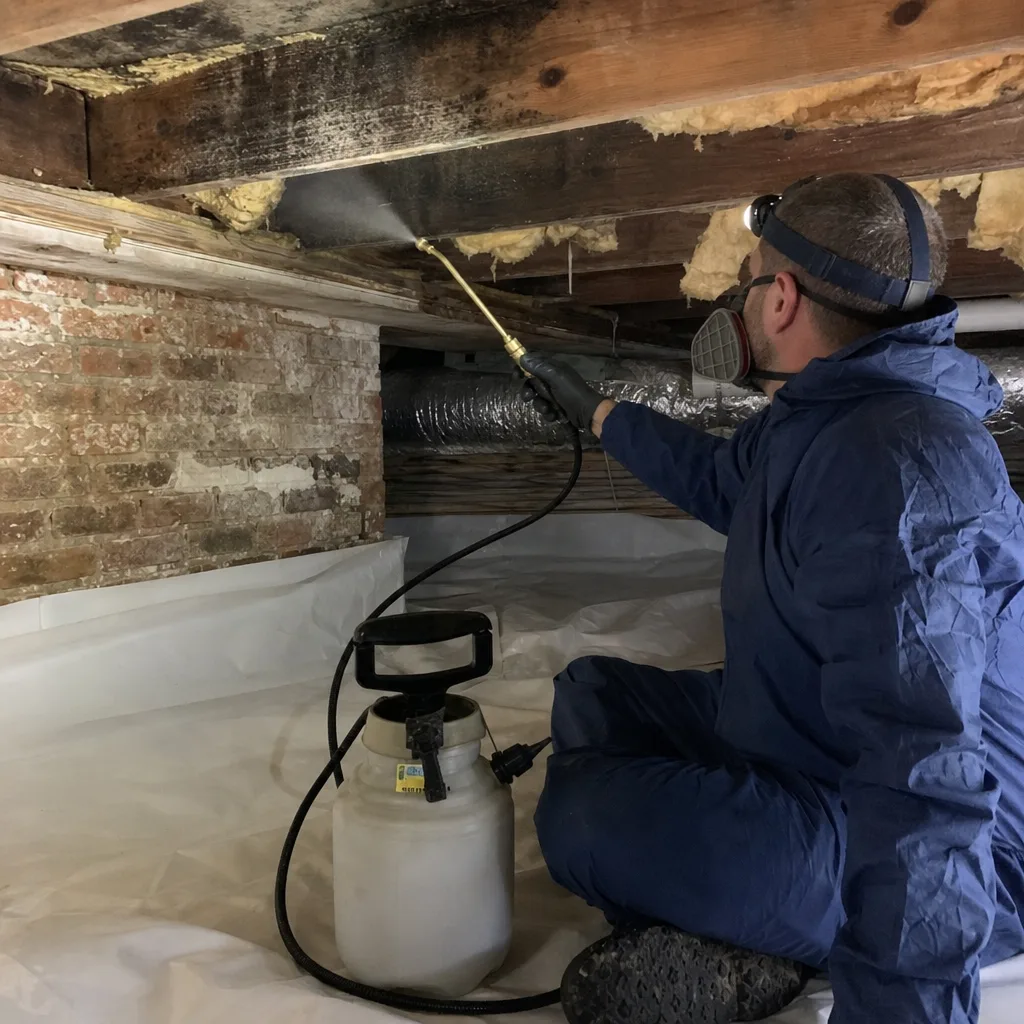
Structural Drying & Dehumidification
Nyack’s river humidity means drying takes longer and requires more equipment per square foot than the same job in Valley Cottage. We run Dri-Eaz and Phoenix dehumidifiers at lower grain levels, place air movers to create airflow without shredding fragile plaster, and log readings every four hours until the framing, subfloor, and wall cavities hit the dry standard. This is the step most companies rush, and it is the step that determines whether you get mold in six weeks.
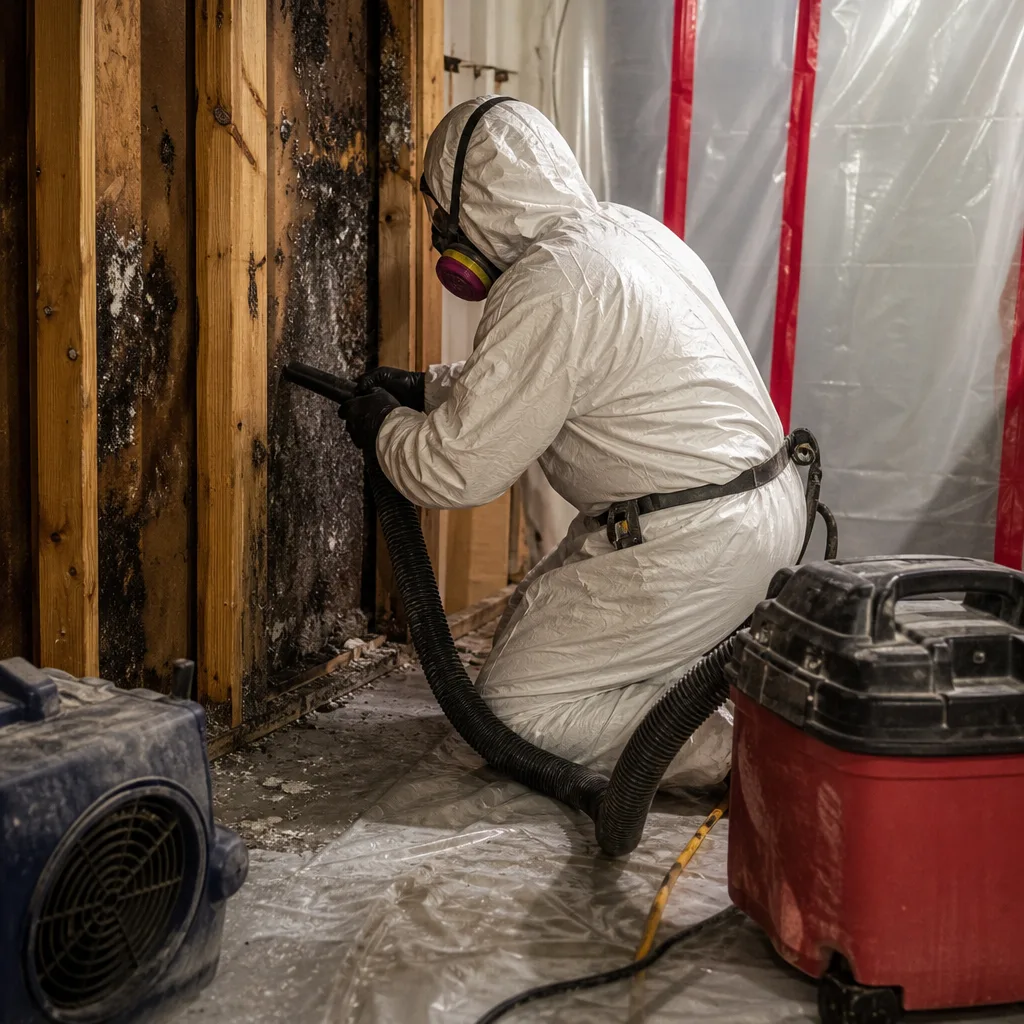
Flood Cleanup
When the Hudson comes into a Nyack basement, we treat it as Category 3 from the start. We remove contaminated silt and debris, disinfect the old-growth framing, and set up containment so pathogens do not spread through the house. Flood work also means knowing Nyack’s 50% rule. We document restoration costs carefully, because underestimating on a low-assessed Victorian can force an elevation project nobody budgeted for.
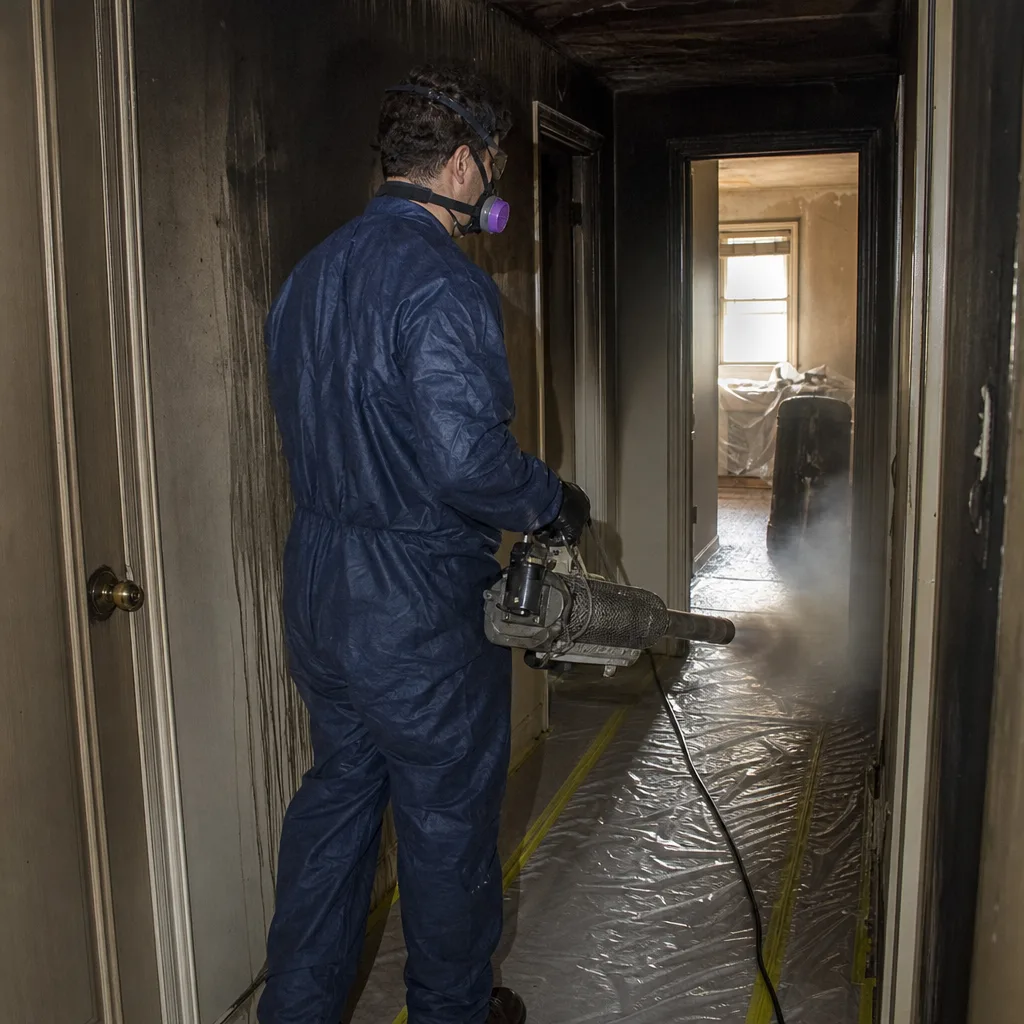
Burst Pipe Restoration
A frozen supply line in a hillside colonial can release hundreds of gallons before anyone notices. We stop the source, extract, dry, and repair. The pipe itself is plumbing, but the water it released is our problem. We handle both the drying and the rebuild so you are not coordinating two companies while your kitchen sits open.
Basement Water Removal
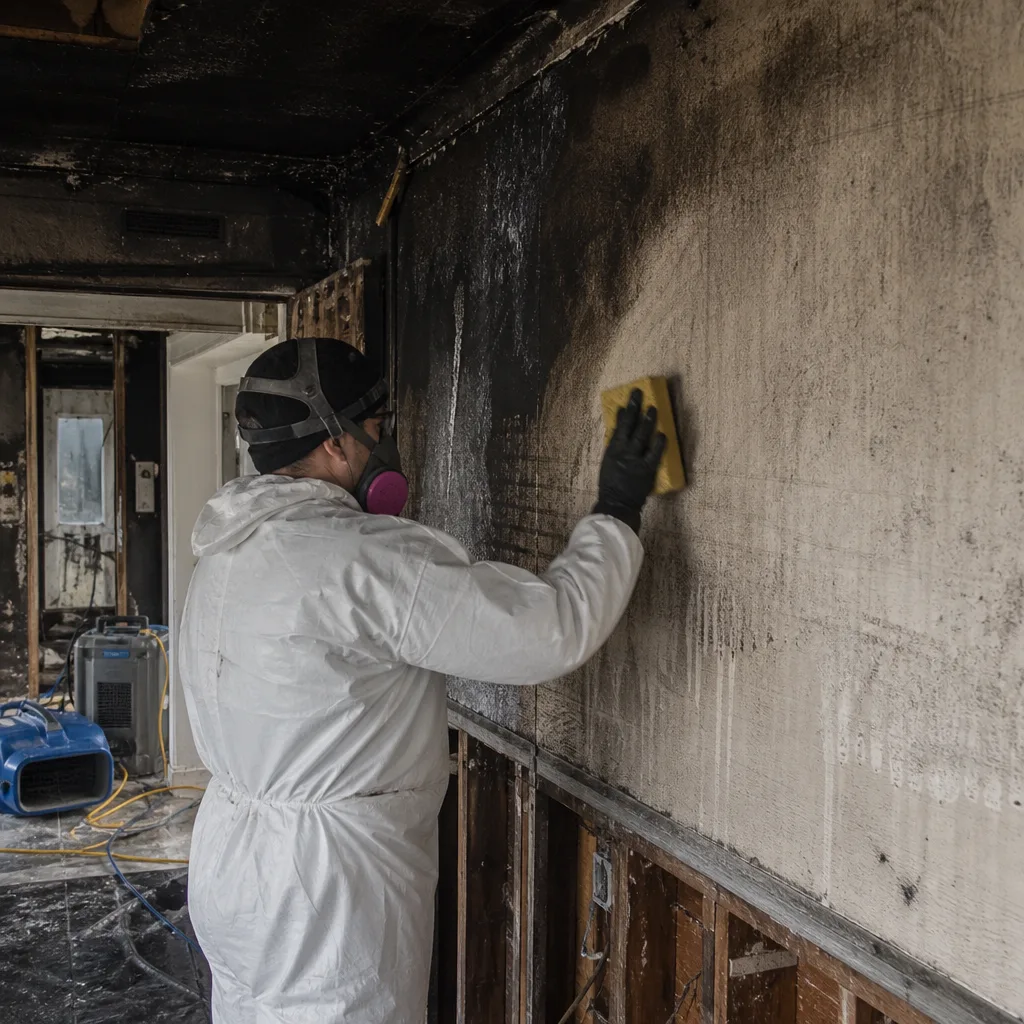
Nyack basements range from finished rooms in mid-century homes to dirt-floor cellars in 1890s Victorians. We have pumped both. Finished basements need fast extraction and aggressive drying to save drywall and flooring. Stone-and-dirt cellars need groundwater management and dehumidification to keep the structure itself from wicking moisture into the house above.
What happens when you call
- 1
A real person answersNo phone trees - you reach a local pro.
- 2
You get an upfront price rangeHonest numbers before anyone is dispatched.
- 3
A background-checked tech heads outLicensed & insured, dispatched right away.
- 4
You approve before work beginsNothing starts until you say go.
Water Damage Restoration Costs in Nyack, NY
A typical water damage restoration project in Nyack runs $1,800 to $6,500 for a contained Category 1 loss like a burst supply line in a half-bath. Basement flood cleanup from river surge or sewage runs higher, typically $4,000 to $12,000 when you factor in Category 3 protocols, containment, and disinfecting old framing. Structural drying in a horsehair plaster Victorian costs more than the same square footage in a modern colonial, because we are drying in place to preserve materials, and that takes more equipment and more monitoring. What moves the price: the water category, how far the water traveled, whether plaster or original flooring needs saving, and whether the loss approaches FEMA’s 50% threshold. Insurance covers most Category 1 and 2 losses. Flood surge on the waterfront requires flood insurance, and we will tell you honestly if your policy looks thin before we start spending your money. The path to a firm number starts with a free inspection. We map the moisture, write the scope, and you see the line items before any work starts. A square deal: no surprises on the bill.
We Also Serve Cities Near Nyack
Our crews work throughout Rockland County’s river towns. We regularly handle water damage in Valley Cottage and West Nyack, where the housing stock shifts toward mid-century construction and different drying calculations apply. We serve Blauvelt and Piermont as well, including Piermont’s own floodplain challenges along the Hudson. Same live dispatch, same written guarantee, same crew standards. Call (917) 924-4221 and you will reach a person, not a menu.
Serving Nyack, NY - Our Local Coverage Area
We’re based in the Nyack area and know this community well. Use the map below to see our service coverage - if you’re nearby, we can almost certainly help.
Nyack Water Damage Restoration Questions, Answered
How does Nyack’s FEMA 50% rule change the scope of work when my Victorian floods?
Nyack’s floodplain administrator applies the FEMA Substantial Damage Rule strictly: if restoration costs exceed 50% of your home’s pre-damage market value, you must bring the entire structure into current floodplain compliance, which often means an elevation project before any interior restoration. This is rare in inland Rockland County but common enough along Nyack’s waterfront that every bid matters. We document costs from the first reading and flag the threshold early, because crossing it accidentally turns a $30,000 restoration into a $180,000 elevation project. Call (917) 924-4221 for a written scope that accounts for the rule from day one.
Why does a pipe burst in a Nyack hillside colonial dry so much slower than in West Nyack?
The Hudson River creates a persistently humid microclimate along Nyack’s shoreline, and homes on the hillside blocks above the village sit close enough to that moisture to slow evaporation. A wall cavity that hits the dry standard in West Nyack in three days might need five or six in Nyack, especially in older colonials with balloon framing that lets water climb vertically. Our drying plans account for local humidity, and we run dehumidifiers at lower grain levels to compensate.
Can horsehair plaster survive a Category 2 water event in Nyack’s historic district?
Yes, in most cases, if we get to it fast and dry it in place. Horsehair plaster is surprisingly resilient when dried slowly and evenly, but it fails when a restoration crew rips it out unnecessarily or forces it with high heat. We use controlled airflow and low-grain dehumidification to dry plaster walls without cracking them. The pre-loss condition matters. If the plaster was already loose or failing, it may not survive. The only way to know is a moisture reading and a hands-on inspection, which we provide free.
When is a pack-out actually necessary for Nyack’s wide-plank hardwood floors?
A pack-out, removing contents to dry the structure underneath, becomes necessary when water has saturated the subfloor beneath original wide-plank oak and we cannot dry it in place without running floor mats for weeks. In Nyack’s Victorian homes, we try to avoid pack-outs because moving contents and lifting original flooring is disruptive and risks damage. But if river surge sat in the basement for days, the contents and flooring often cannot be saved in place. We make that call honestly, with moisture readings to back it up, and we never recommend a pack-out to pad the bill.
Does Nyack’s floodplain compliance affect only commercial buildings on Main Street?
No. The FEMA 50% rule applies to any structure inside a FEMA AE flood zone, residential or commercial. In Nyack, that includes many homes in the marina district, along River Road, and in the low-lying blocks off Main Street. A 1920s Victorian with a relatively modest assessment can be declared substantially damaged by a moderate surge, even if the house looks salvageable. That is why accurate restoration cost documentation matters as much as the drying itself. Call (917) 924-4221 and we will tell you where your property stands before any work begins.
How fast can someone actually get to my Nyack house?
Our standard is a crew on site within 45 minutes of your call, and we meet that standard consistently because we dispatch from the metro office directly to Nyack. At 2 a.m., a live person answers the phone, takes your address, and starts the dispatch. The crew arrives with extraction equipment ready to run. In a water emergency, the first hour often determines whether we can dry in place or have to tear out.
Will my insurance cover water damage restoration in Nyack?
Most homeowners policies cover sudden and accidental water damage, like a burst pipe or an appliance failure. Flood damage from the Hudson is a separate flood insurance policy, and many Nyack waterfront properties carry it because the FEMA flood zone maps require it for mortgages. We work directly with your carrier, provide the documentation they need, and bill them directly. If your coverage is unclear, we will help you understand what your policy says before we start spending money.
What should I do in the first 30 minutes after I find water in my Nyack home?
Shut off the water source if you can do it safely. Cut power to affected areas if the water is near outlets or appliances. Move small valuables and documents out of the water’s path if you can do so without walking through standing water. Then call (917) 924-4221. Do not use a household vacuum to remove water, and do not turn on fans or heat, which can blow contaminated air through the house. The most important step is getting a certified crew on site while the water is still extractable, not after it has soaked into the framing.
Floodline Restoration Co. of Manhattan serves Nyack with certified crews, professional-grade equipment, and a written guarantee. We have built our reputation over 42 years in the region, and we plan to be here in thirty more. When water finds its way into your home, call (917) 924-4221. A live person answers, a crew gets dispatched, and extraction starts the same visit. Done right and backed in writing: the 90-Day Done Right Promise. That is how we work.
Written by Curt Bowman, Owner at Floodline Restoration Co. of Manhattan.