
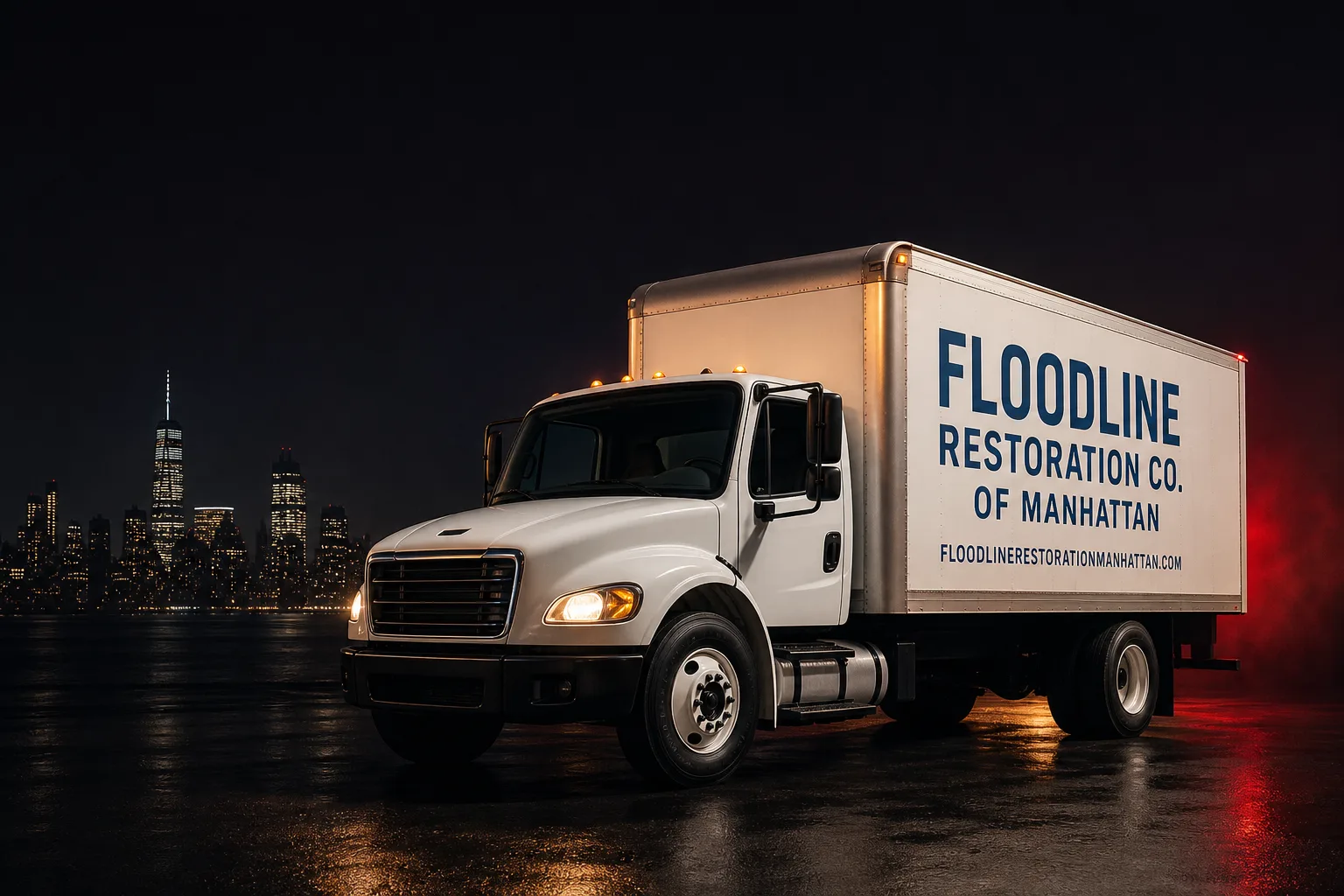
Free visual inspection and a written scope of work before any mitigation begins - photos, moisture readings, and drying logs go in your claim file
The scope we write is the scope we bill. Anything new gets shown to you, in writing, before we touch it.






 Before
 After
After Before
 After
After Before
 After
After24/7 Emergency Water Damage Restoration in St. Albans
Water damage restoration in St. Albans, NY typically costs $2,800 to $7,500 for a sewage backup in a finished basement and $1,200 to $3,800 for a clean-water burst pipe, with emergency extraction starting around $450 to $900. Our crews reach most St. Albans blocks within 45 minutes of your call, and extraction is usually running the same visit. Call (917) 924-4221 any hour, any day. A live dispatcher answers, not a recording. The first hour determines whether you’re drying drywall or replacing it, so don’t wait for the water to settle.
Understanding Water Damage Restoration Severity in St. Albans Properties
Water damage in St. Albans splits into three categories, and the distinction matters more here than in most Queens neighborhoods. Category 1 is clean water from a burst supply line or an overflowing tub. Category 2 carries contaminants, like washing machine discharge or sump pump overflow. Category 3 is grossly contaminated water, sewage, or floodwater from outside. In St. Albans, Category 3 is the one we see most. The neighborhood’s combined sewer system sends raw sewage back up through floor drains during heavy rain, turning finished basements into Category 3 jobs that require full containment, antimicrobial treatment, and often drywall removal, not just drying. Moisture mapping matters here because water travels behind the 1930s-1950s brick and plaster walls in ways a surface reading won’t show. We use thermal imaging and penetrating probes on every St. Albans job. Structural drying means pulling moisture from framing lumber and subfloor, not just running fans, because original hardwoods and cast-iron drain lines in these homes hold water differently than newer construction.
Why St. Albans Property Owners Choose Floodline Restoration Co. of Manhattan
- 45-minute response commitment: We dispatch from a local crew base, not across the river. Most St. Albans calls see a technician at the door in under an hour.
- 24/7 live answer, always a person: Curt Bowman built this company around a dispatch board, not a sales desk. Call at 2 a.m. and you’ll talk to a human who can send a crew.
- IICRC-certified crews: Our technicians hold WRT and ASD certifications and train to RIA and IFA standards. They’re background-checked and uniformed.
- Free visual inspection: We walk the damage with you, explain what we see, and hand you a written scope before any work starts.
- Direct insurance billing: We work with your carrier and your adjuster. You don’t play messenger.
- One team from extraction to reconstruction: No mid-job handoff. The crew that reads the moisture map on day one rebuilds the wall on day twelve.
Our Water Damage Restoration Process
Inspection & Assessment
We arrive, identify the water category, and map moisture across every affected surface. In St. Albans we probe behind finished basement walls before writing a scope. A surface reading alone misses what’s hidden behind drywall.
Extraction & Stabilization
We remove standing water with truck-mounted extraction units and set containment where Category 3 water is present. The goal is stopping lateral spread into unaffected rooms within the first visit.
Drying & Dehumidification
We place Dri-Eaz and Phoenix air movers and dehumidifiers, then track daily moisture readings with hygrometers until the dry standard is met. You get the log. So does your carrier.
Cleaning & Sanitization
We clean salvageable surfaces and apply EPA-registered antimicrobial treatments where Category 3 water touched materials. Contaminated drywall and insulation come out, not get dried in place.
Sewage & Backflow Treatment
For St. Albans’s recurring Category 3 events, we inspect floor drains and sump pump configurations. If a check valve failed, we flag it for repair so the next storm doesn’t repeat the flood.
Repairs & Restoration
The same crew rebuilds what was removed, matching the original 1930s-1950s trim and wall profiles where possible. Before we’re done, you get a moisture log and the 90-Day Done Right Promise in writing.
Need Emergency Water Damage Restoration in St. Albans Now?
Crews minutes away, answering live 24 hours a day. The sooner we start, the less it costs.
Working With Your Insurance Company
Most St. Albans homeowners we serve carry homeowners insurance that covers sudden water damage, including sewage backup when the specific endorsement is on the policy. We document everything from the first hour: photos of every affected room, moisture readings, a line-item scope with current Queens pricing, and a drying log your adjuster can verify. We communicate with your carrier directly, which means you’re not left translating technical restoration language into insurance language. That said, we never let the claim process slow down mitigation. Emergency extraction happens first. Paperwork follows.
What We Provide Your Insurer
- Thorough documentation of the loss
- Photos of all damage, room by room
- Moisture readings and drying logs
- A detailed, line-item scope of work
- Direct coordination with your carrier
Built for St. Albans’s Loss Calendar
St. Albans’s water damage season never really ends. January deep freezes split copper supply lines and send clean Category 1 water through first-floor ceilings. Spring thaw and heavy rains push groundwater against the brick foundations of the neighborhood’s semi-detached homes, seeping into finished basements through hairline cracks. Summer thunderstorms, the kind that drop two inches in an hour, overwhelm the combined sewer system and send Category 3 sewage back up through floor drains on flat blocks with nowhere for the water to go. Nor’easters in the fall and winter push Jamaica Bay storm surge inland through the same sewer network, and St. Albans’s low-lying topography channels that water into basements rather than away from them. Then there’s the Sandy problem: many basements drywalled over in 2013 still hold moisture and mold behind the walls. Every season has a failure mode here, and we’ve seen all of them.
Water Damage Restoration Across St. Albans’s Neighborhoods
We work blocks off Linden Boulevard, where 1930s brick semi-detached homes sit tight to one another and a sewer backup on one property can spread into adjoining basements through shared party walls. Around Farmers Boulevard, the Cape Cod-style rowhouses with original cast-iron drain lines crack under repeated backflow pressure, and we replace those lines more often than in any other part of St. Albans. Near Baisley Pond Park, the water table sits higher, so finished basements there deal with groundwater seepage even on dry days. Down toward Merrick Boulevard and the Addisleigh Park historic district, the homes carry more original plaster and wood trim, which means drying decisions lean toward salvage rather than demolition. Along Guy R. Brewer Boulevard, basement apartments common in the area’s attached homes create occupancy issues during drying, so we set containment zones that let families stay upstairs while we work below. The neighborhood’s street grid and grade change block by block. Our response routes account for that.
Specialized Water Damage Restoration Services We Offer in St. Albans
Emergency Water Extraction
Standing water in a St. Albans basement is a Category 3 event more often than not. We run truck-mounted extraction the same visit, set containment, and stop lateral spread into finished walls. The faster water leaves, the less drywall we cut.
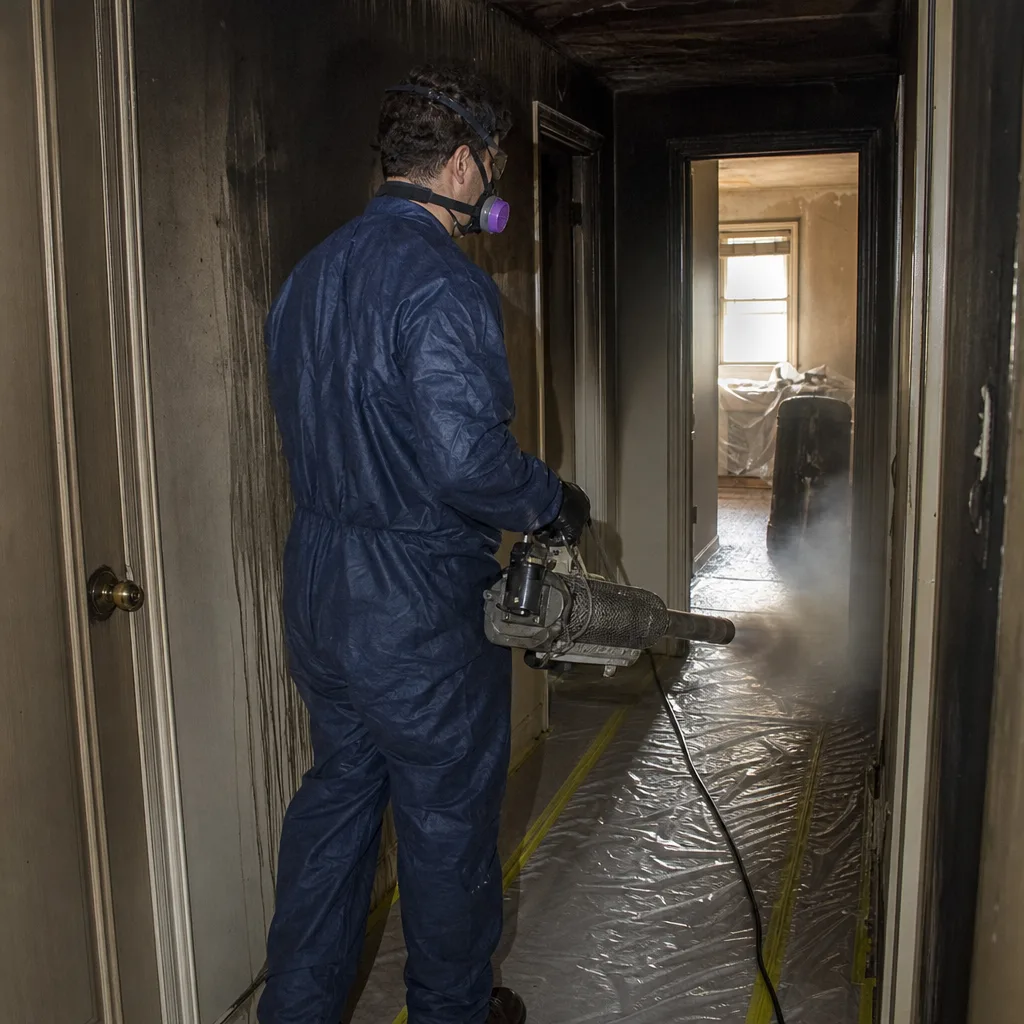
Structural Drying & Dehumidification
We use XPOWER and B-Air air movers with Dri-Eaz and Phoenix dehumidifiers, placed according to a moisture map, not a guess. Daily readings continue until the dry standard is met, and you get the log. In these older brick homes, framing dries slower than drywall, so we don’t rush the clock.
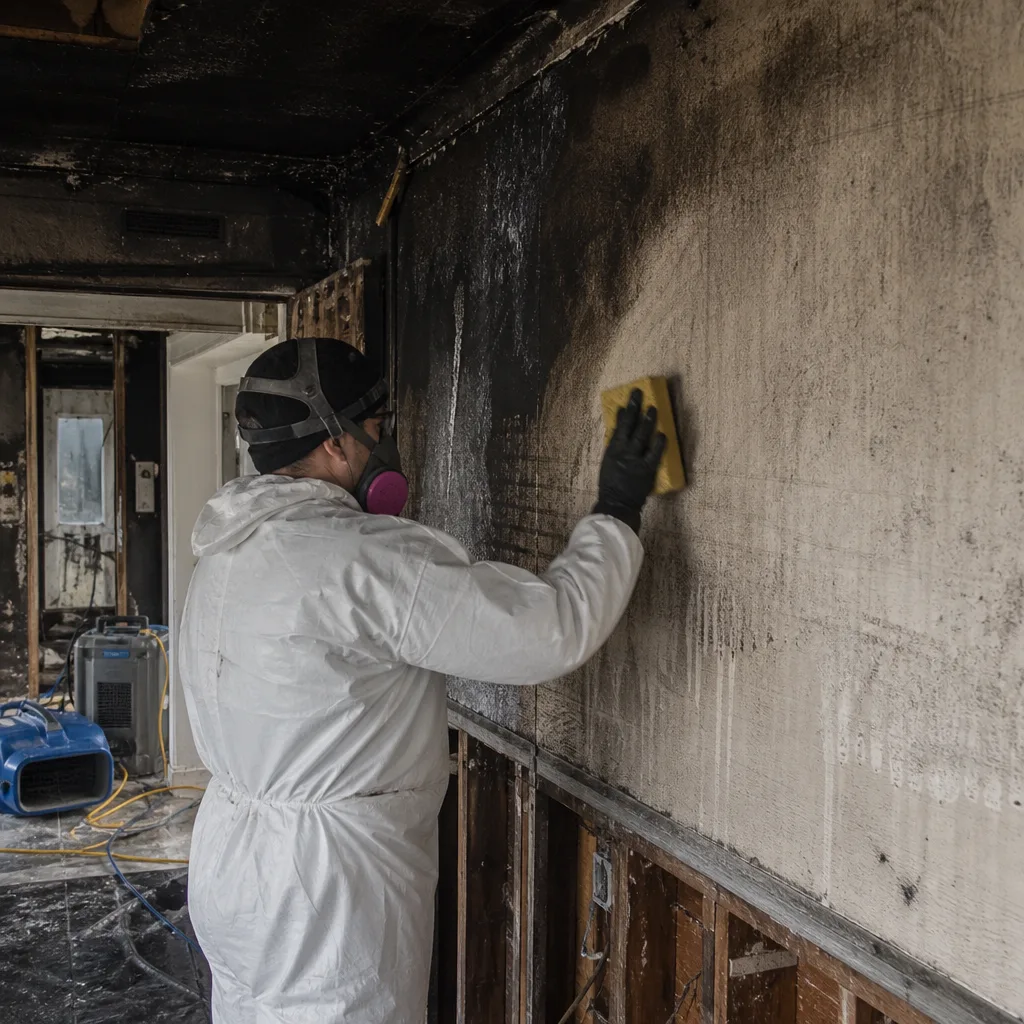
Basement Water Removal
St. Albans basements are finished living spaces, not storage vaults. We remove water without destroying what can be saved, but the neighborhood’s pattern of hidden Sandy-era damage means we probe behind drywall before we promise salvage. If there’s mold behind the wall, the wall comes open.
What happens when you call
- 1
A real person answersNo phone trees - you reach a local pro.
- 2
You get an upfront price rangeHonest numbers before anyone is dispatched.
- 3
A background-checked tech heads outLicensed & insured, dispatched right away.
- 4
You approve before work beginsNothing starts until you say go.
Water Damage Restoration Costs in St. Albans, NY
A clean-water burst pipe in a St. Albans kitchen or bathroom generally runs $1,200 to $3,800, including extraction, drying, and basic drywall repair. A Category 3 sewage backup in a finished basement runs $2,800 to $7,500, driven by containment, removal of contaminated material, antimicrobial treatment, and the rebuild. Emergency water extraction alone starts around $450 to $900. What moves the price in St. Albans specifically: whether the basement had been drywalled over after Sandy without proper remediation, whether original cast-iron drain lines need replacement, and whether a sump pump needs a check valve added. We provide a free visual inspection and a written scope before any work starts, and we bill your insurer directly. No surprises on the bill is a company rule, not a slogan. Call (917) 924-4221 and we’ll get you a firm number fast.
We Also Serve Cities Near St. Albans
Floodline Restoration Co. of Manhattan handles water damage restoration across southeastern Queens, including Fairview, Harrison, East Bronx, and Hunts Point. Our dispatch coordinates crews from the brand’s New York City office, so response times stay tight whether the call comes from St. Albans or a block over the line.
Serving St. Albans, NY - Our Local Coverage Area
We’re based in the St. Albans area and know this community well. Use the map below to see our service coverage - if you’re nearby, we can almost certainly help.
St. Albans Water Damage Restoration Questions, Answered
Why is sewage backup so common in St. Albans basements, and does that change the restoration process?
Sewage backup is common because St. Albans sits on a low-lying drainage basin near Jamaica Bay, and NYC’s combined sewer system carries both stormwater and raw sewage through the same pipes. Heavy rain overwhelms the lines, and the water has nowhere to go but back up through floor drains into finished basements. This changes restoration because the water is Category 3, grossly contaminated. We set containment, remove affected drywall and insulation rather than drying them in place, apply antimicrobial treatment, and follow IICRC standards for sewage jobs. Call (917) 924-4221 for an exact scope.
What should I do if my St. Albans basement floods after a heavy rain but the water recedes on its own?
Don’t assume the problem ended when the water went down. Water that receded on its own still wicked into drywall, framing, and flooring, and in St. Albans that water was likely Category 3 sewage. The visible puddle disappearing doesn’t mean the moisture is gone. We recommend a free visual inspection with a moisture meter, because the longer wet drywall sits, the more mold takes hold. Call us and we’ll be there the same day.
Why do we need to probe behind drywall in my St. Albans basement even if the outside looks dry?
Because in this neighborhood we regularly find hidden black mold on studs behind drywall that was hung over Sandy-era framing without proper drying or treatment. A surface moisture reading won’t catch a colonized wall cavity until the mold spreads or the wall fails. We probe behind finished surfaces on every St. Albans basement job before writing a scope. It’s the only way to know what’s actually there. Call (917) 924-4221 and we’ll explain what we find.
How do you handle original cast-iron drain lines in 1930s St. Albans homes during water damage restoration?
Original cast-iron drain lines in these homes crack under repeated sewage backflow pressure, and once cracked, they leak Category 3 water every time the sewer backs up. During restoration we inspect the drains that failed. If the cast iron is compromised, we flag replacement before rebuilding the wall, so you’re not doing restoration twice on the same line. Our crews handle the plumbing scope as part of the full job.
What makes St. Albans different from nearby Queens neighborhoods for water damage restoration?
St. Albans sits flat and low, with a combined sewer system that backs up into basements, and a housing stock of 1930s-1950s brick semi-detached homes with finished basements. Nearby higher-elevation neighborhoods get more clean-water pipe breaks. St. Albans gets Category 3 sewage events, hidden Sandy-era mold behind drywall, and cast-iron drain line failures, often all on the same job. A restoration crew needs to know all three to do this neighborhood right. We do.
How fast can you actually reach St. Albans in an emergency?
Our dispatch base puts a crew at most St. Albans addresses within 45 minutes of your call, around the clock. A live person answers the phone at all hours, and extraction is generally running the same visit. In a Category 3 event, speed is the difference between saving a wall and replacing it. Call (917) 924-4221 now if water is still moving.
Will my insurance cover sewage backup in St. Albans?
Most standard homeowners policies cover sudden water damage, but sewage backup requires a specific endorsement that many St. Albans homeowners don’t realize they have or haven’t added. We document everything from the first hour, provide moisture logs and line-item scopes, and talk to your adjuster directly. We can also tell you quickly whether your policy covers the specific event. Estimates for the inspection are free.
Can we stay in our St. Albans home during water damage restoration?
For clean-water jobs, yes, usually with drying equipment running in one contained area. For Category 3 sewage jobs, we set containment zones and typically recommend staying out of the affected space while contaminated material is removed and treated. Each home is different, and we’ll tell you straight before work starts what’s safe. The decision on occupancy is yours, but our recommendation comes from the water category, not convenience.
Written by Curt Bowman, Owner at Floodline Restoration Co. of Manhattan. Curt founded the company in 2010 and built it around a dispatch board, not a sales desk, with the 90-Day Done Right Promise behind every job.