
Free visual inspection and a written scope of work before any mitigation begins - photos, moisture readings, and drying logs go in your claim file
The scope we write is the scope we bill. Anything new gets shown to you, in writing, before we touch it.
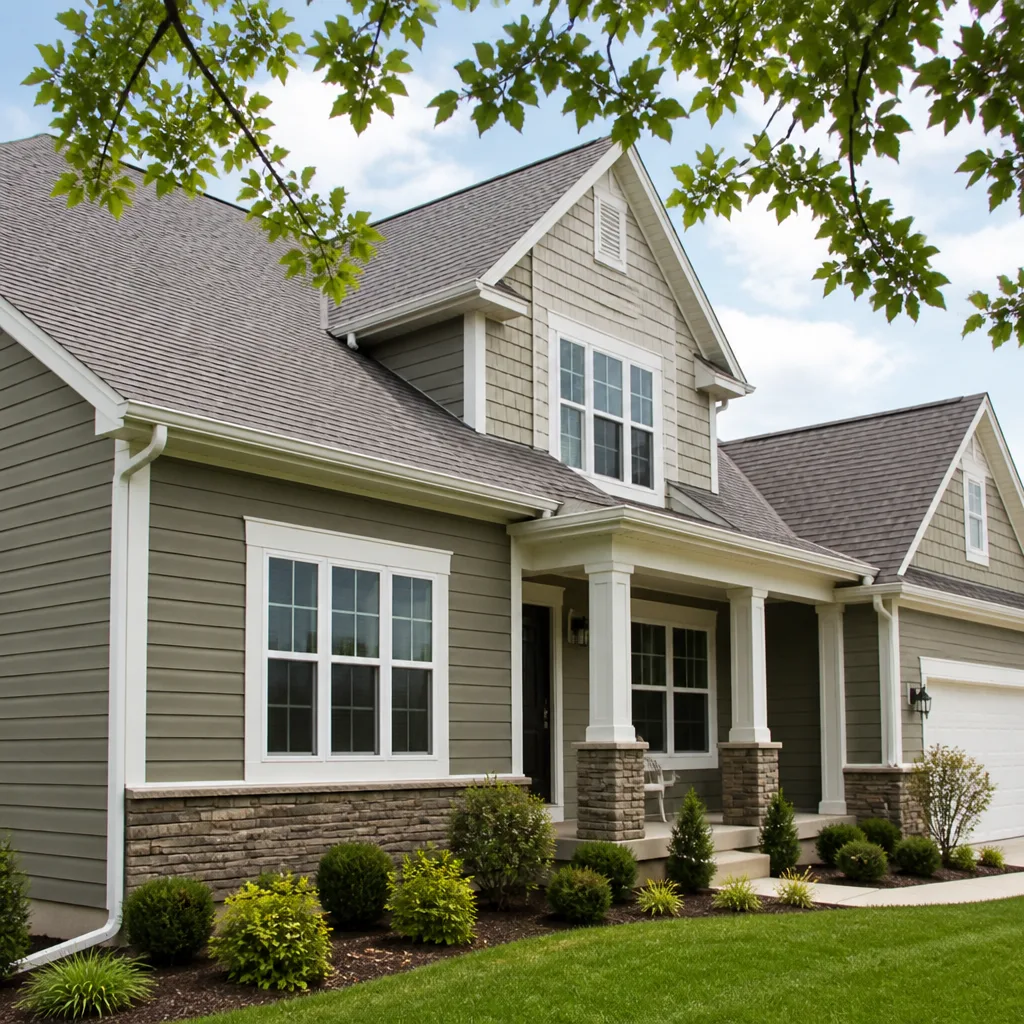
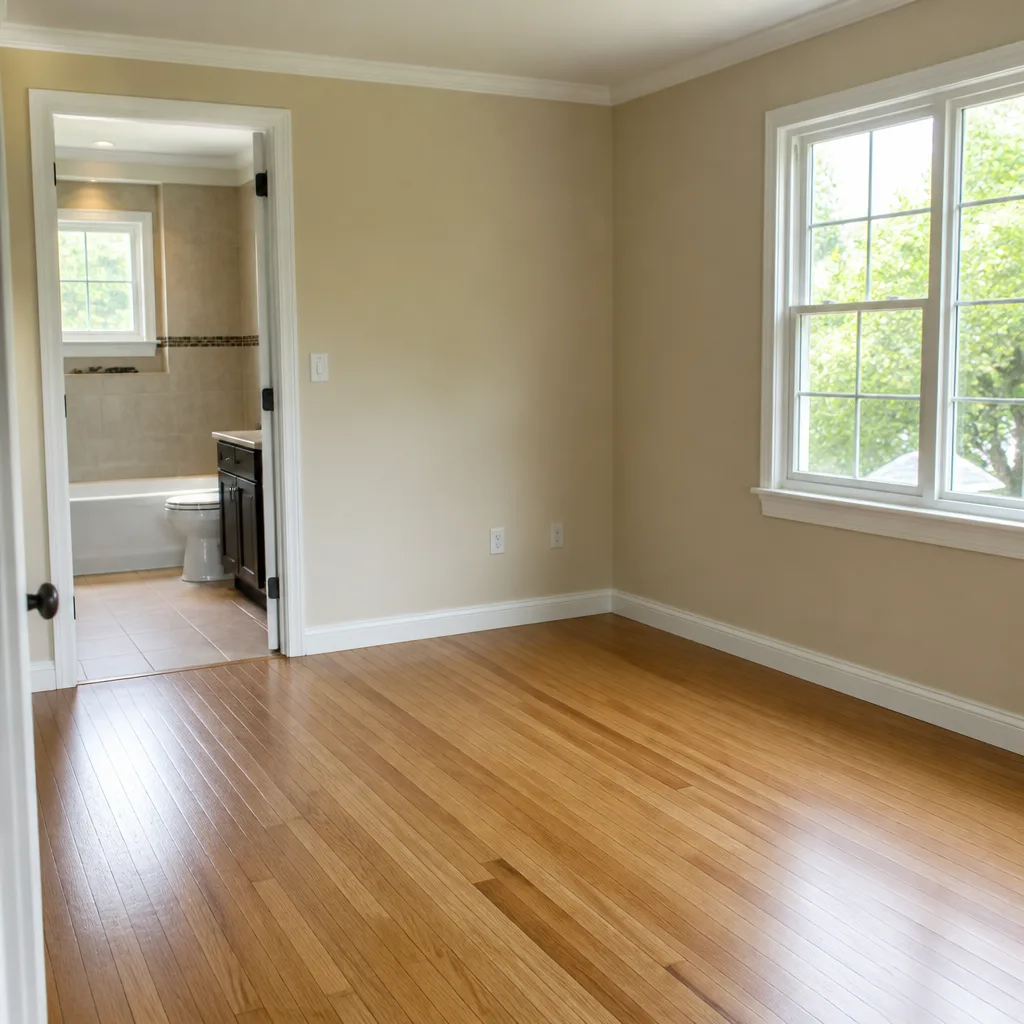
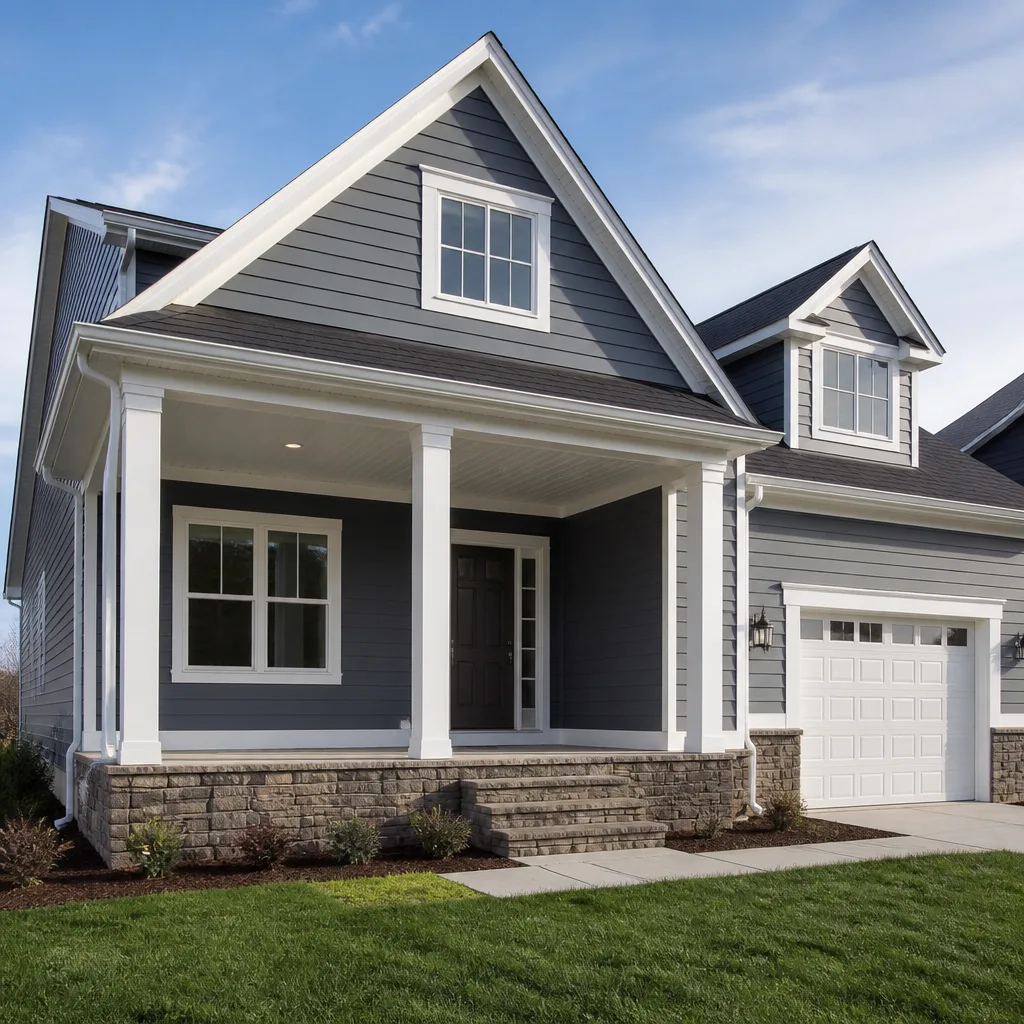
 Before
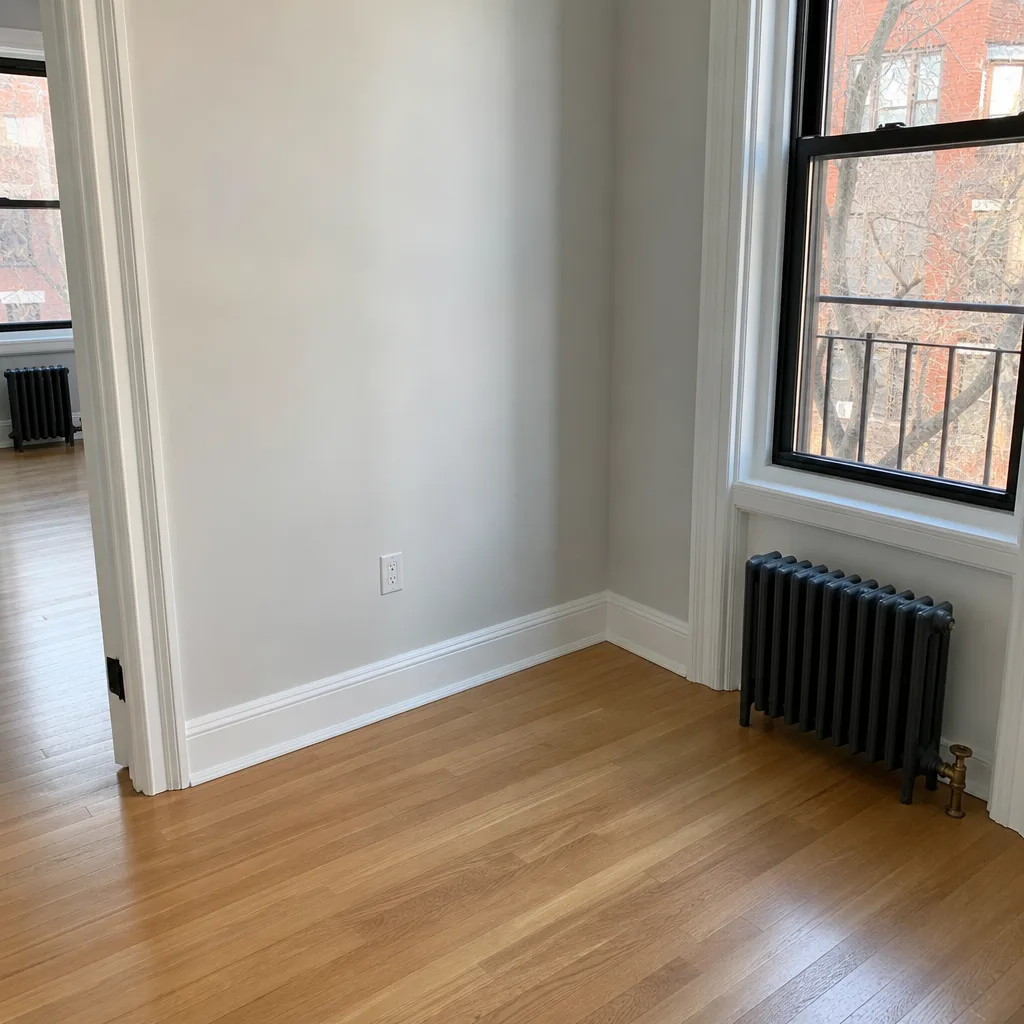 After
After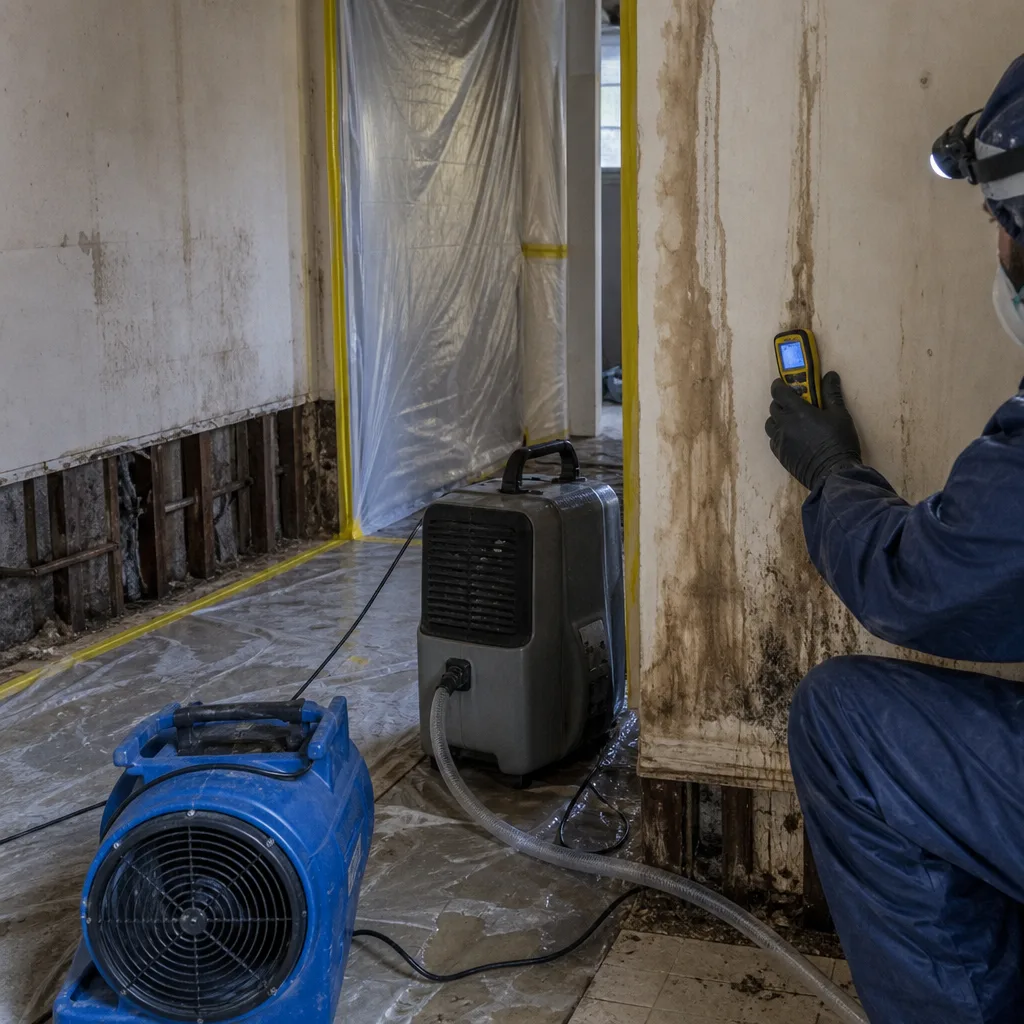 Before
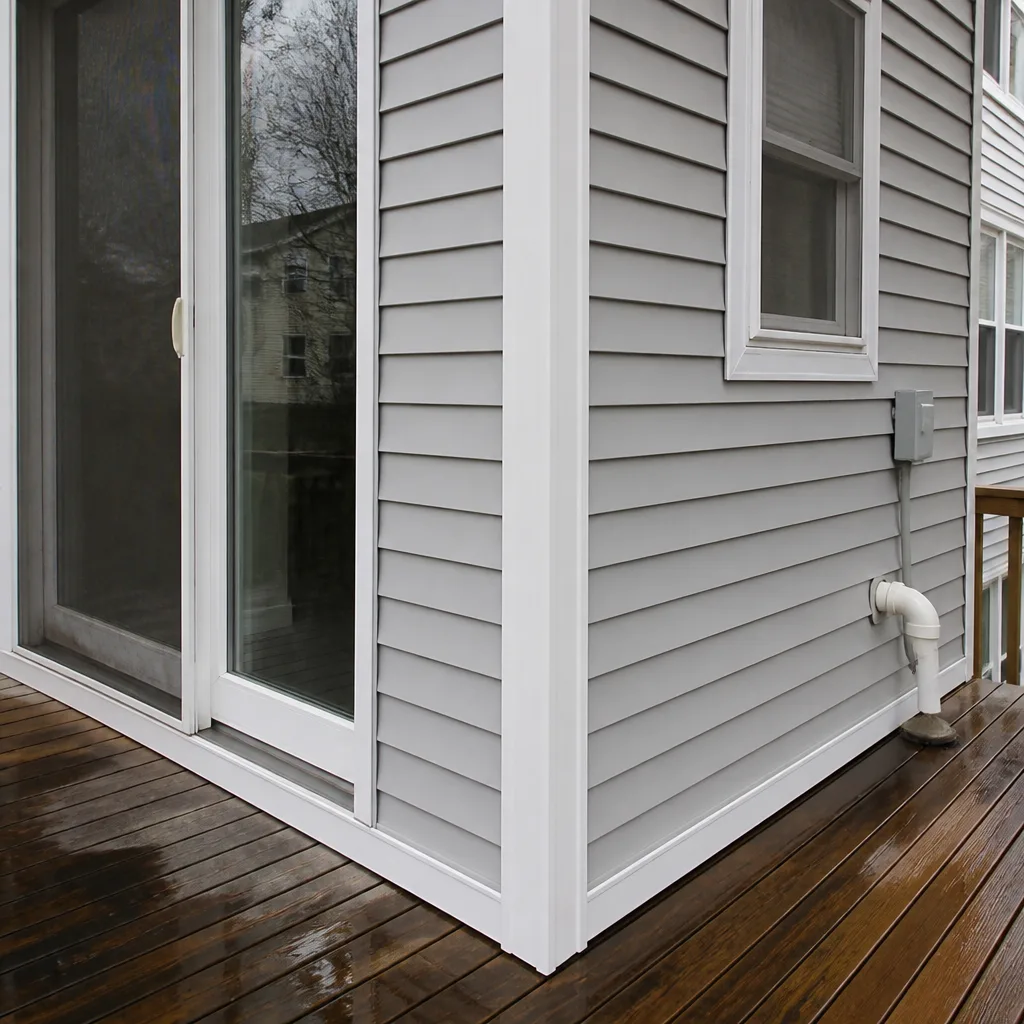 After
After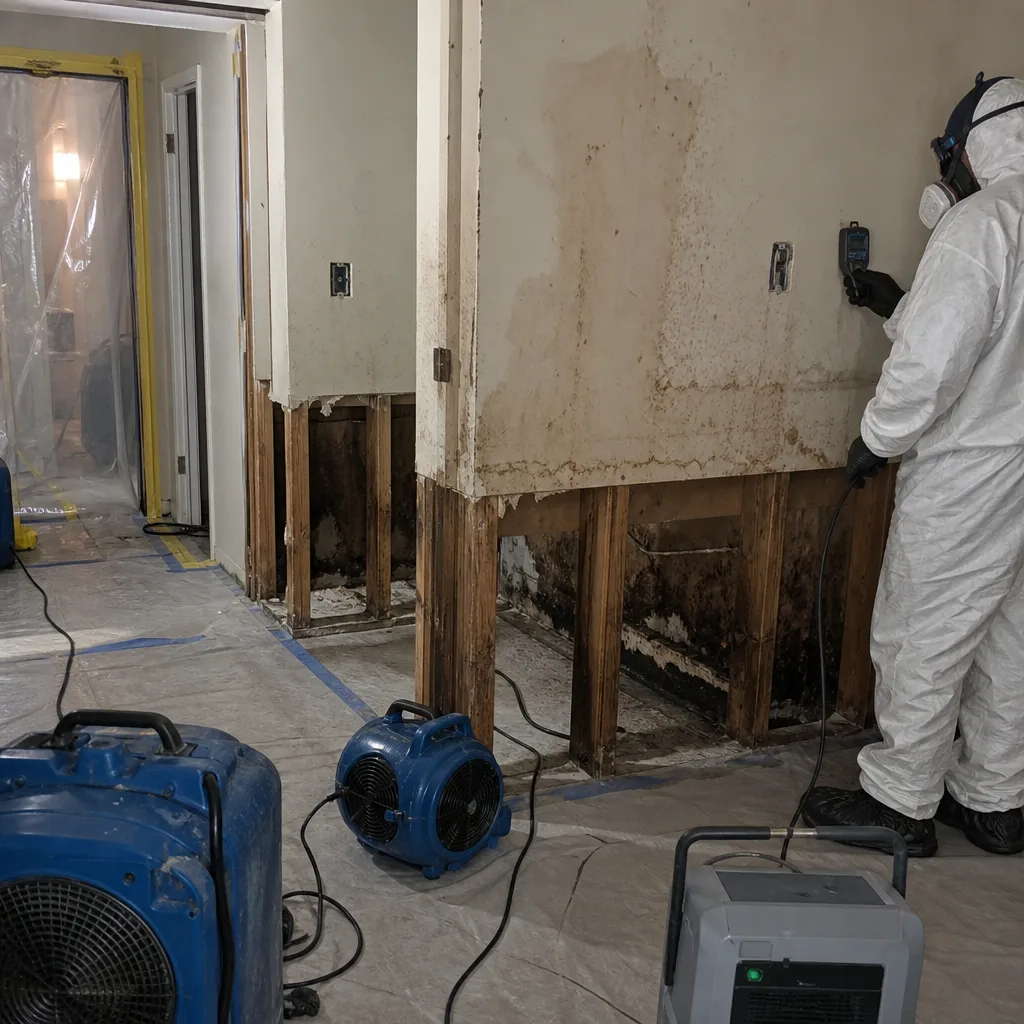 Before
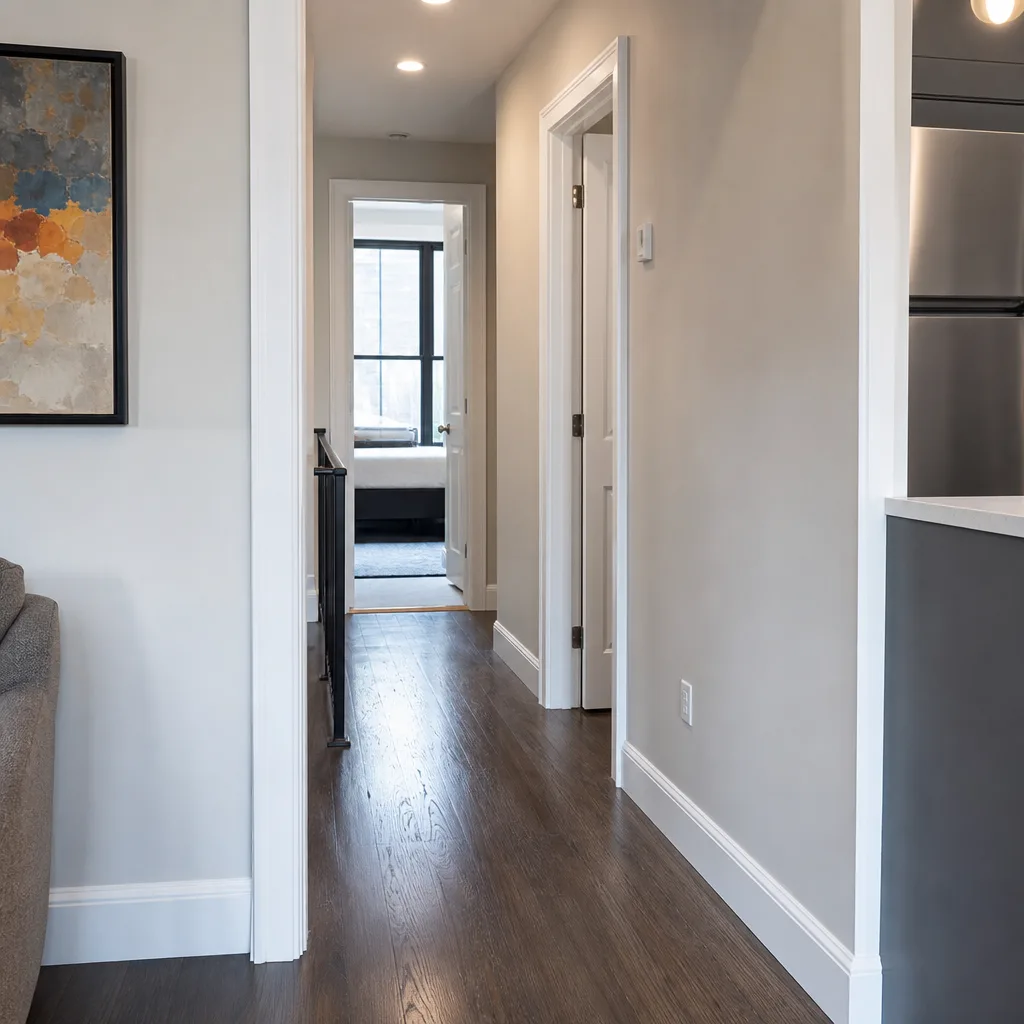 After
After24/7 Emergency Water Damage Restoration in Sunset Park
Water damage restoration in Sunset Park typically costs between $1,800 and $5,400 when we’re handling a full-dryout after a supply-line break, and it’s work that starts the moment you call. Our crews answer live at (917) 924-4221 any hour, any day, and dispatch into Sunset Park immediately, because water that’s already soaked into a century-old party wall has a head start no homeowner should have to fight alone. A burst pipe inside a pre-war rowhouse doesn’t wait for business hours, and neither do we. The first hour after water hits plaster-and-lath is the cheap hour. Every hour after that, water climbs higher through the wall cavities, into the floor joists, through the party wall into the next apartment, and the restoration job changes shape. Call us first. We’ll be there when we say, and the line the water left is where we start.
Understanding Water Damage Restoration Severity in Sunset Park Properties
Not all water damage is the same job, and in Sunset Park the building stock makes that more true than almost anywhere else in Brooklyn. We classify incoming water by category. Category 1 is clean water from a supply line or fixture. Category 2 carries contaminants, the kind you see with washing machine discharge, sump overflow, or a bathroom backup above a finished ceiling. Category 3 is dirty water from sewage, street flooding, or storm surge, and it requires full containment, removal, and sanitization before drying even begins.
Sunset Park’s attached 3-5-story brick row houses, most built between 1895 and 1930, were framed with plaster and lath over dimensional lumber. That plaster is absorbent and slow to release moisture. Worse, the party walls between units are continuous. A Category 1 leak in one apartment that goes unmapped for 48 hours can quietly become a Category 2 condition in the wall cavity, feeding mold growth on organic plaster binders and original wood lath. We moisture-map every affected surface with hygrometers and thermal imaging cameras, then build the drying plan from those readings, not from a guess. In pre-war rowhouses, drying without a moisture map is how you get a “dry” wall that’s still holding 22% moisture content six weeks later.
Why Sunset Park Property Owners Choose Floodline Restoration Co. of Manhattan
- 45-minute response commitment for Sunset Park emergencies. We dispatch from the metro office serving this part of Brooklyn, and a crew reaches most Sunset Park blocks within 45 minutes of the call.
- A live dispatcher answers at 2 a.m., not a recording. Every call to (917) 924-4221 connects to a person who can dispatch, not a phone tree that takes a message.
- IICRC-certified crews trained to WRT and ASD standards. Our technicians carry Water Damage Restoration Technician and Applied Structural Drying certifications, plus RIA and IFA training on every team.
- Free visual inspection with a written scope before extraction starts. You’ll know what we found, what we’re doing, and what it costs before equipment comes off the truck.
- Direct insurance billing with no homeowner middleman. We document the loss, we talk to your adjuster, we bill the carrier directly, and you see the scope in writing.
- One team from first extraction to finished rebuild. No mid-job handoff to a different company when drying is done and reconstruction begins.
Our Water Damage Restoration Process
Inspection & Assessment
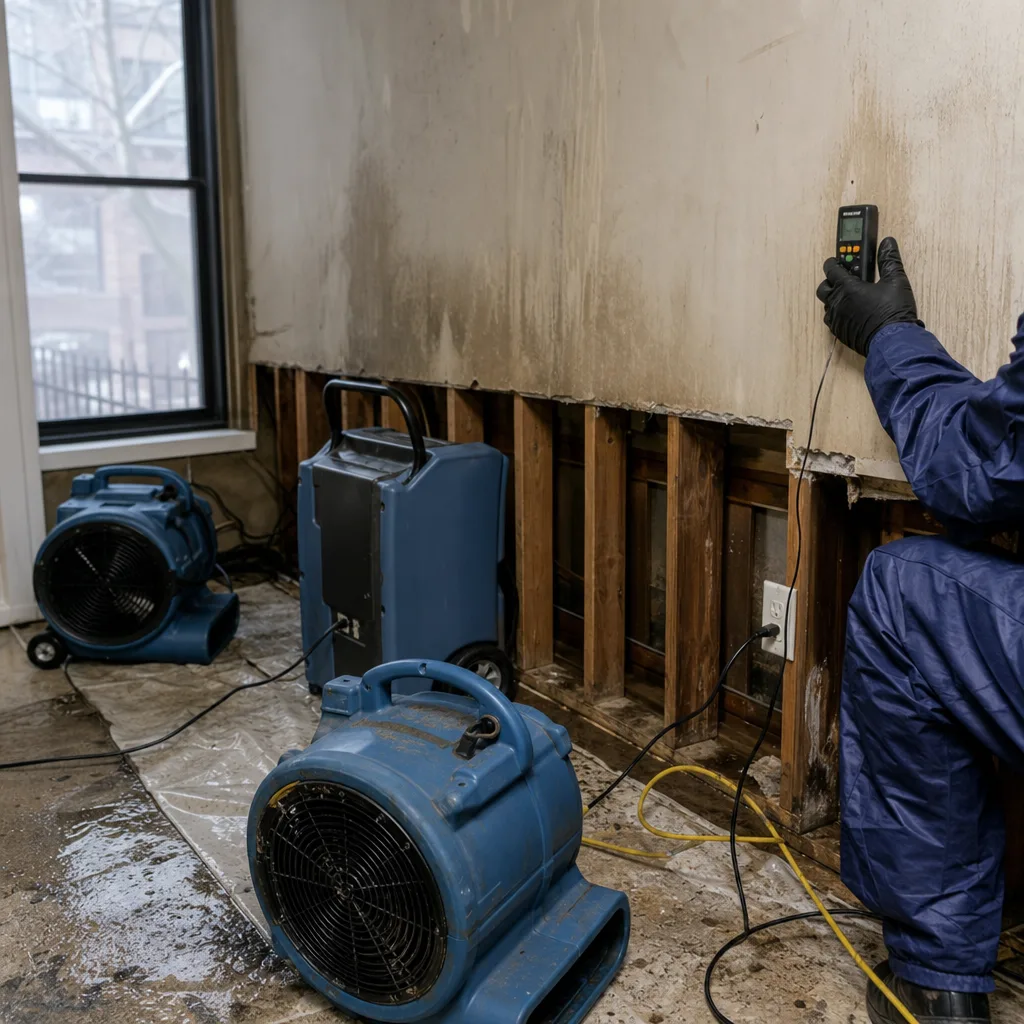
We arrive, walk the affected area with you, and run moisture readings on every surface that could have wicked water. Thermal imaging shows us where the water went, even when the wall looks dry on the outside. The line the water left is where we start, but the moisture map tells us where it actually ends.
Extraction / Stabilization
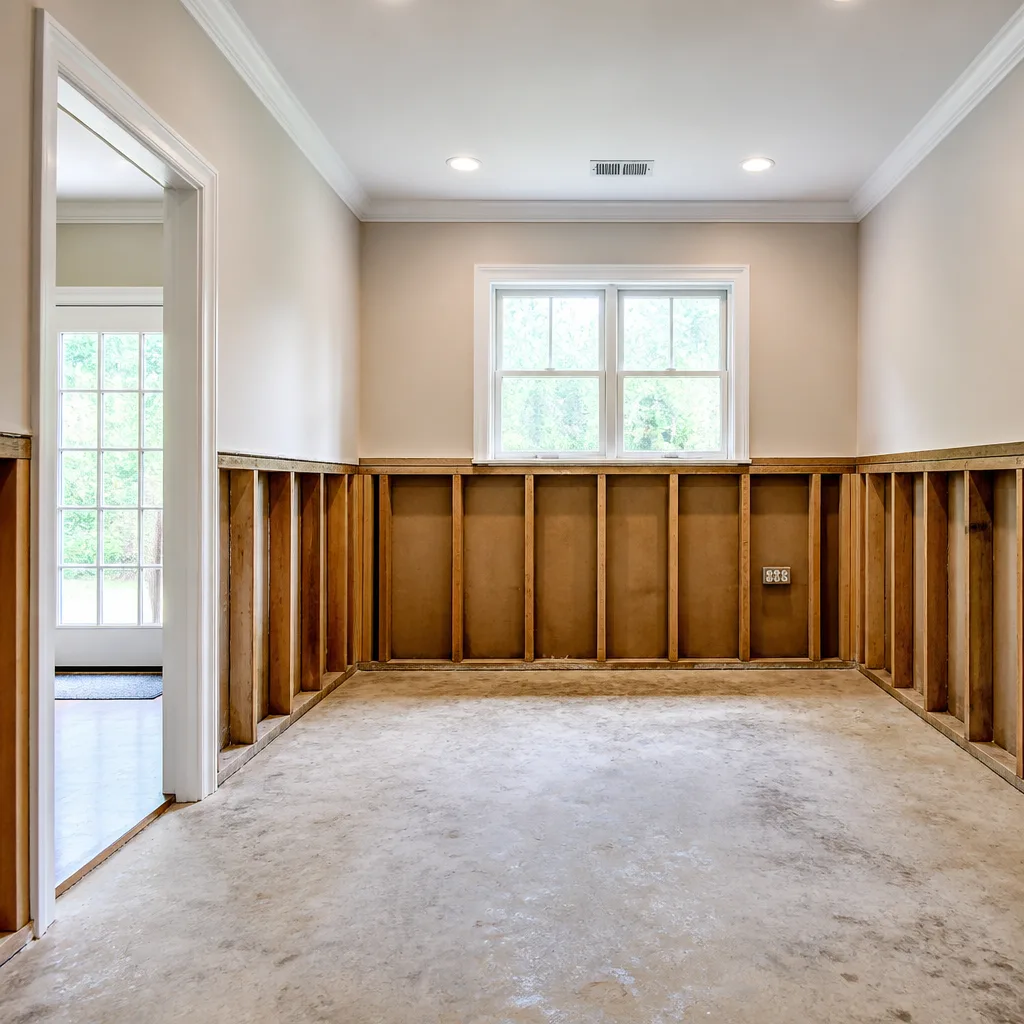
Standing water comes out quickly with truck-mounted and portable extraction equipment. We cut containment where needed, remove saturated materials that can’t be saved, and stabilize the structure so drying can begin. In Sunset Park rowhouses, this often means opening a knee-wall or a ceiling chase to expose hidden wicking.
Drying & Dehumidification
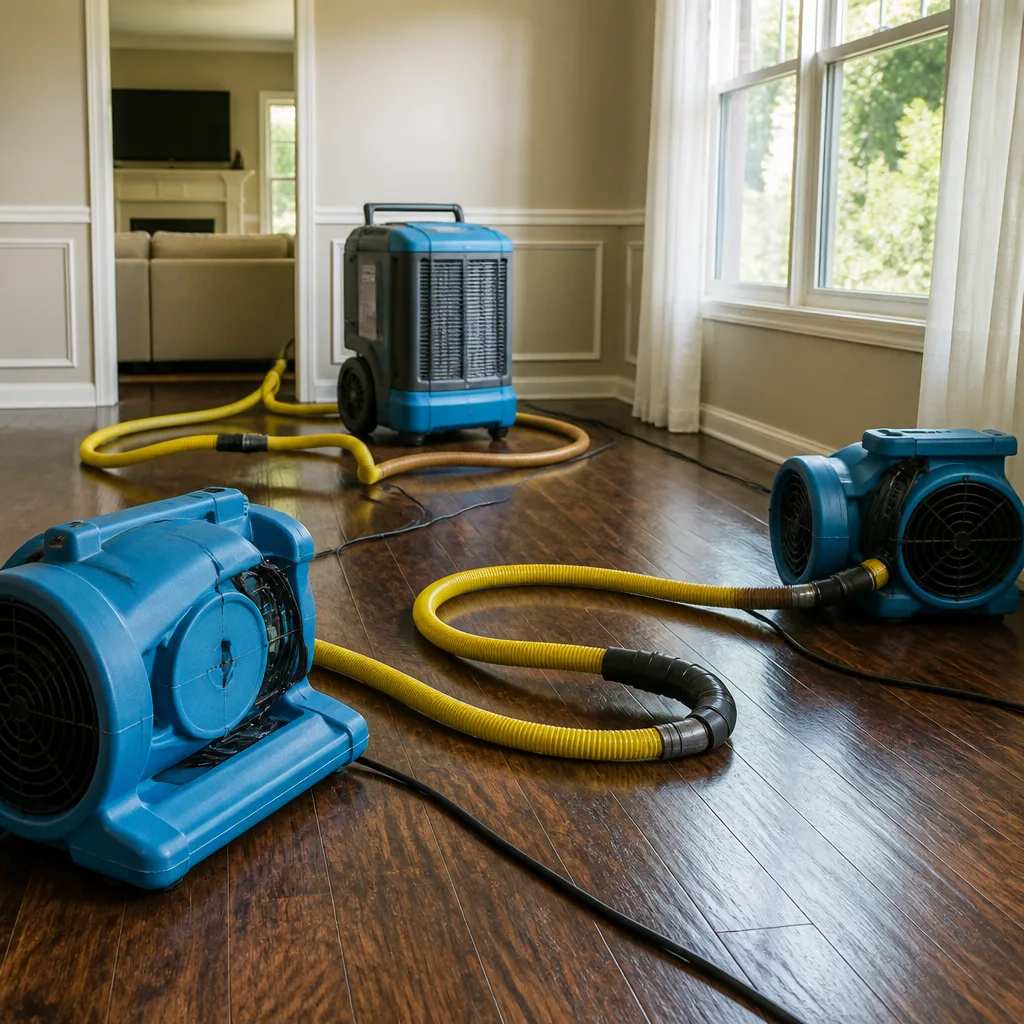
We set Dri-Eaz and Phoenix air movers and low-grain dehumidifiers, positioned according to the moisture map, not the room shape. Daily readings are logged every visit until the dry standard is met. You get that log, and so does your carrier.
Cleaning & Sanitization
Category 2 and 3 water require antimicrobial treatment and cleaning on affected surfaces. We treat the framing, the backside of baseboards, and the wall cavities, not just the visible drywall. In a building with shared party walls, this step protects your neighbor as much as it protects you.
Specialty Treatment for Pre-War Assemblies
Plaster and original lath dry differently than modern gypsum. We adjust humidity targets and airflow patterns for century-old assemblies so the plaster doesn’t crack as it releases moisture. Injectidry systems go into wall cavities and floor systems where surface drying can’t reach.
Repairs & Restoration
The same crew that dried the building puts it back together. Drywall, plaster repair, trim, flooring, paint, and full reconstruction as needed. No new company, no new estimator, no new conversation about what was agreed. The 90-Day Done Right Promise covers the work in writing.
Need Emergency Water Damage Restoration in Sunset Park Now?
Crews minutes away, answering live 24 hours a day. The sooner we start, the less it costs.
Working With Your Insurance Company
Most Sunset Park water damage claims involve at least two parties: the unit owner and the building owner, and often a co-op or condo board with its own carrier. We handle that tangle every week. From the first hour, we document everything: photos of standing water, moisture readings before and during drying, thermal imaging captures, and a daily log that shows the structure returning to dry standard. Our estimators write industry-standard line-item scopes using the same software your adjuster uses, which keeps the claim moving. We talk to the adjuster directly. You don’t relay messages between us and the carrier. When the board, the neighbor’s attorney, or the neighbor’s insurer has questions, we answer them with the documentation we’ve already built.
What We Provide Your Insurer
- Thorough documentation of the loss
- Photos of all damage, room by room
- Moisture readings and drying logs
- A detailed, line-item scope of work
- Direct coordination with your carrier
Built for Sunset Park’s Loss Calendar
Water damage in Sunset Park has a rhythm, and after fifteen years working these blocks, our dispatchers can practically set a clock by it. January and February bring deep freezes that burst galvanized supply lines in unheated rear extensions and basement apartments across the neighborhood’s rowhouses. March and April, thaw and heavy spring rain run down the glacial ridge and pool against foundations along the slope toward 3rd Avenue, finding every mortar joint and parged basement wall that winter loosened. July and August thunderstorms overwhelm the combined sewers along the low western blocks near Industry City, sending drainage back up through floor drains. And nor’easter season, September through November, tests the flat built-up tar roofs on every pre-war building from 2nd to 6th Avenue, at the flashing and parapet intersections where those roofs always fail first. The calls change shape through the year. Our response doesn’t.
Water Damage Restoration Across Sunset Park’s Neighborhoods
Sunset Park’s blocks don’t all flood the same way, and a crew that knows the difference gets to the right answer faster. Up along the ridge near 6th Avenue and 44th Street, we’re usually chasing supply-line breaks and bathroom overflows in attached rowhouses, where the water travels laterally through party walls into the adjacent unit before anyone notices a stain. Down toward 3rd Avenue and the low blocks west of it, basement apartments take on groundwater and storm drainage backflow after heavy rain, a different category of water, a different containment approach. Along 8th Avenue, the commercial corridor changes the math again: a kitchen above a restaurant, or a restaurant below apartments, means we’re dealing with grease, food waste, and suppression-system discharge moving vertically through unprotected shaft spaces. Around Industry City and the converted industrial buildings near Bush Terminal, storm surge during a nor’easter or a hurricane is the driver, and the restoration scope is structural, not cosmetic. Same neighborhood. Four different jobs. We’ve seen all of them inside a single block.
Specialized Water Damage Restoration Services We Offer in Sunset Park
Emergency Water Extraction
Standing water in a Sunset Park rowhouse starts moving through wood, plaster, and insulation within minutes. We extract quickly with truck-mounted equipment and portable units sized for narrow stairwells and hallway access, then map moisture before setting any drying equipment. For a burst pipe on the third floor of a walk-up on 45th Street, the extraction plan has to account for water that’s already traveled down two floors inside the wall cavities.
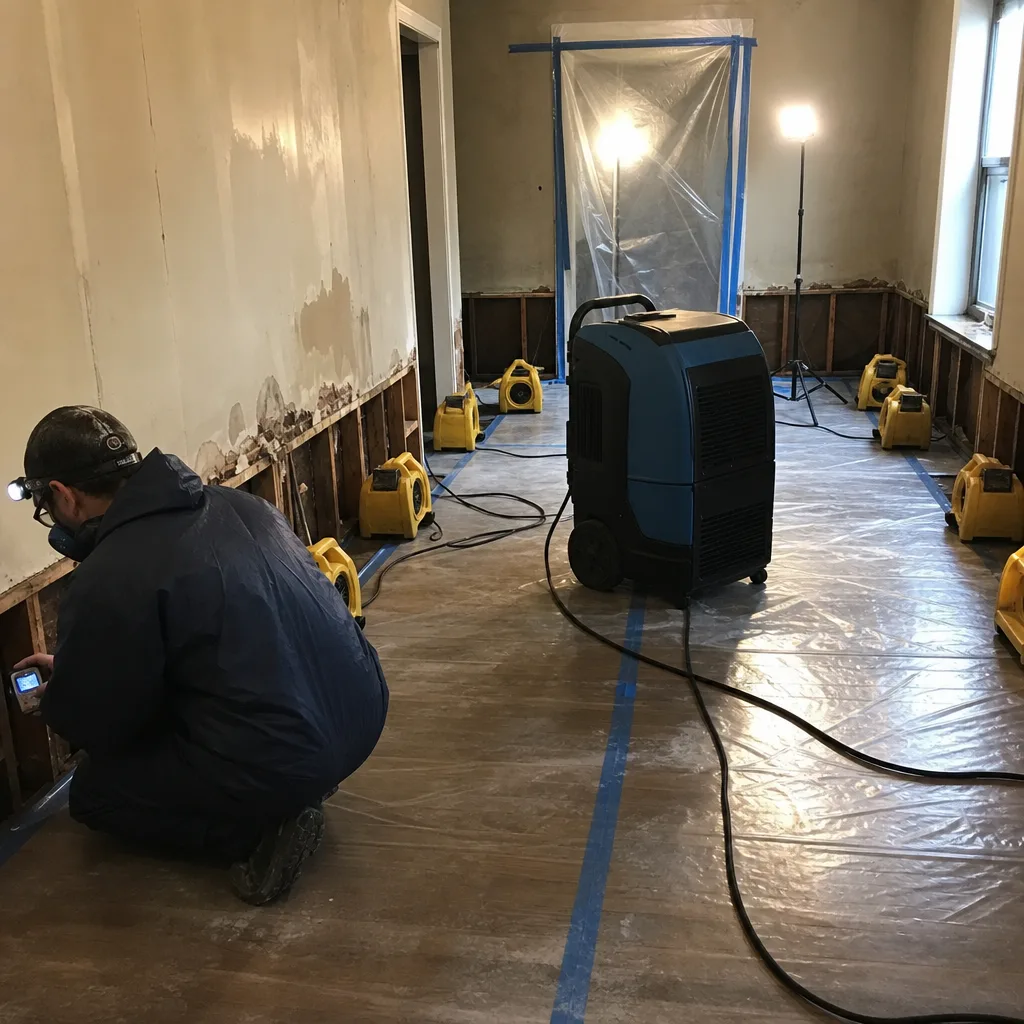
Structural Drying & Dehumidification
Drying a 110-year-old plaster wall is not the same job as drying a drywall partition in a new build. We run Dri-Eaz and Phoenix dehumidifiers positioned on hygrometer readings, with air movers placed to push dry air through wall and floor assemblies. Injectidry mats pull moisture from hardwood and subfloor. In shared party walls, we monitor the neighbor’s side too. Several of our Sunset Park dryout jobs have spanned three units and two insurance carriers before the moisture map came back clean.
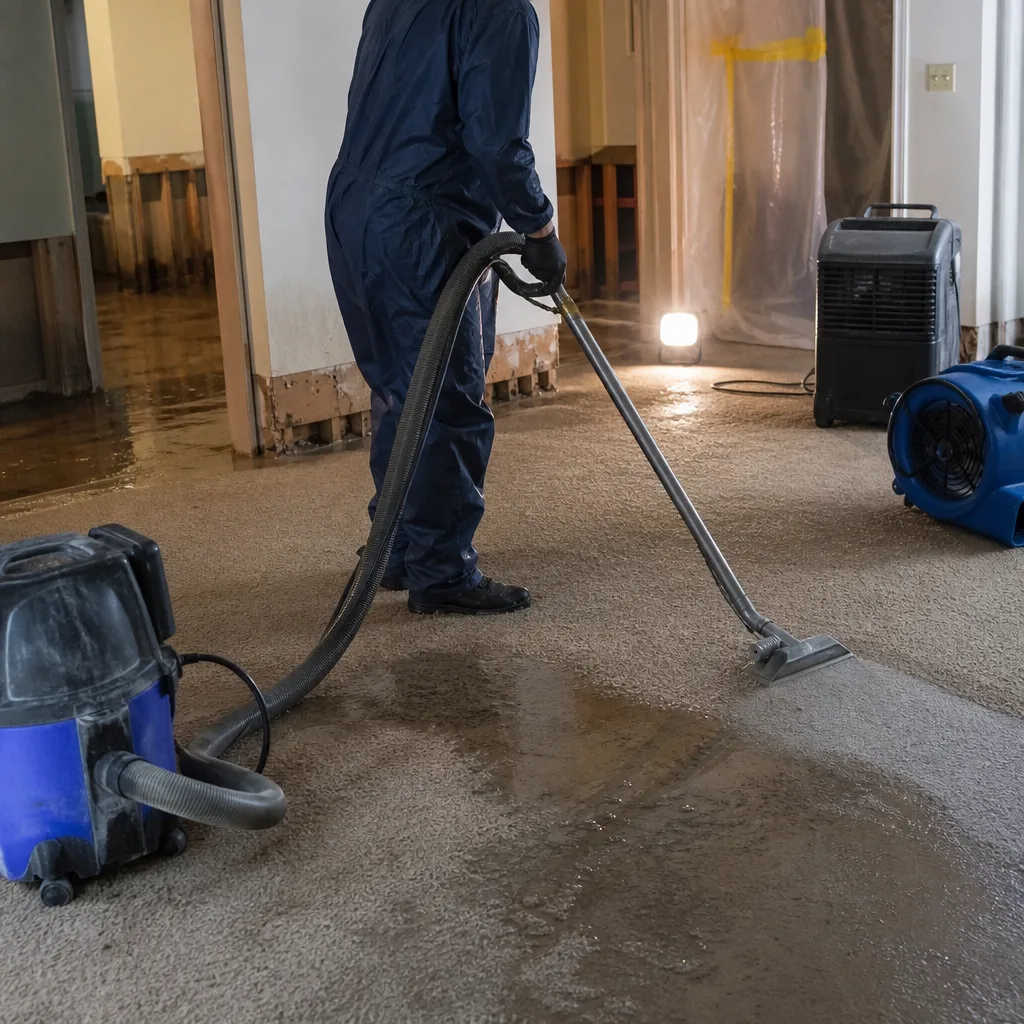
Flood Cleanup
Flood water from the streets below 4th Avenue, or storm surge closer to the bay, is Category 3 water. That means full containment, disposal of saturated porous material, antimicrobial treatment, and air scrubbing before drying. We’ve handled flood cleanup in ground-floor spaces near the FEMA Special Flood Hazard Zone along the waterfront and know what the city’s DEP requirements mean for restoration inside Zone AE.
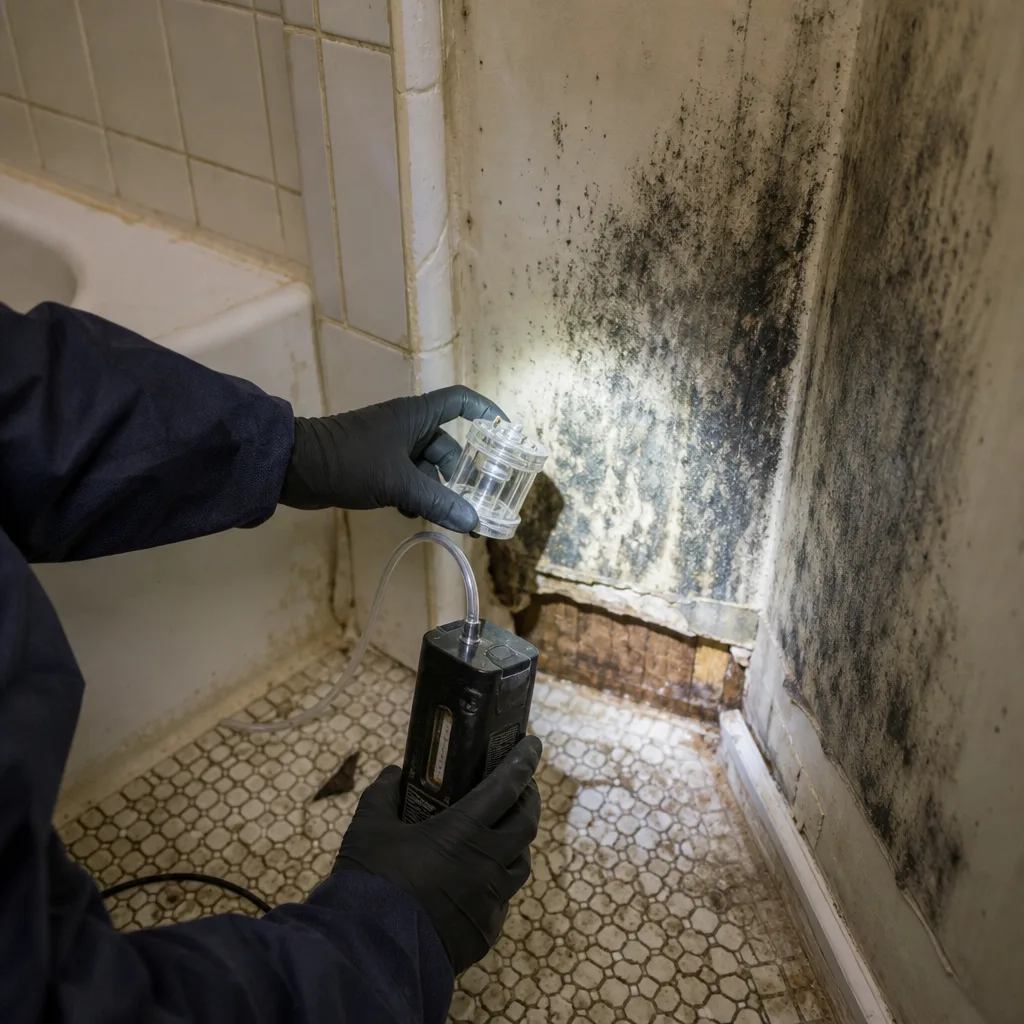
Burst Pipe Restoration
A burst galvanized supply line in a pre-war Sunset Park rowhouse is a common call from December through March. The pipe usually fails at a threaded joint or a section thinned by decades of corrosion, and the water releases under full street pressure before the shutoff is reached. We handle the extraction, drying, and restoration in the affected unit, and we document everything the building’s insurer will need for the common areas.
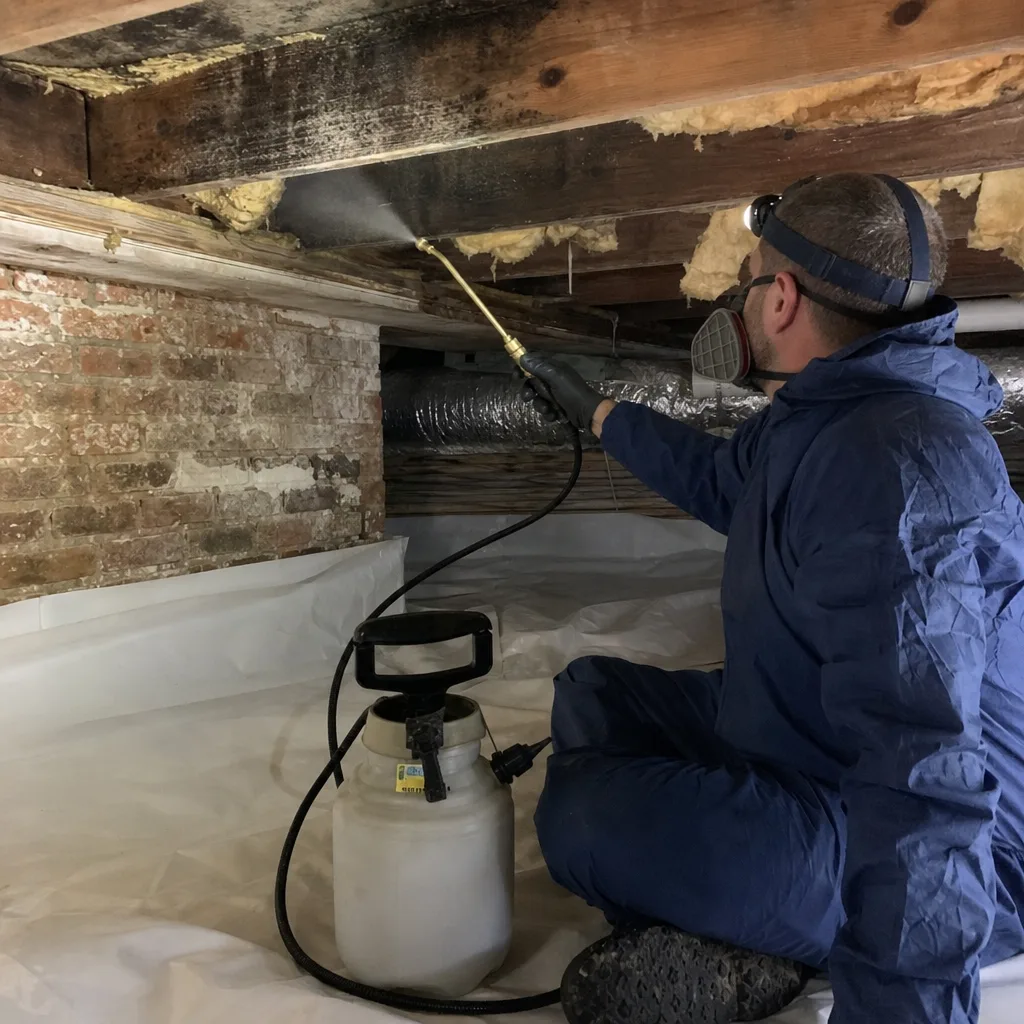
Basement Water Removal
Basement apartments along the low streets near 3rd Avenue take water from both directions: groundwater percolating through old fieldstone or brick foundations, and municipal drainage backing up through floor drains during heavy storms. We remove the water, assess the foundation, dry the space to a true dry standard, and then tell you honestly whether the next step is a restoration or a waterproofing conversation. Most often it’s both.
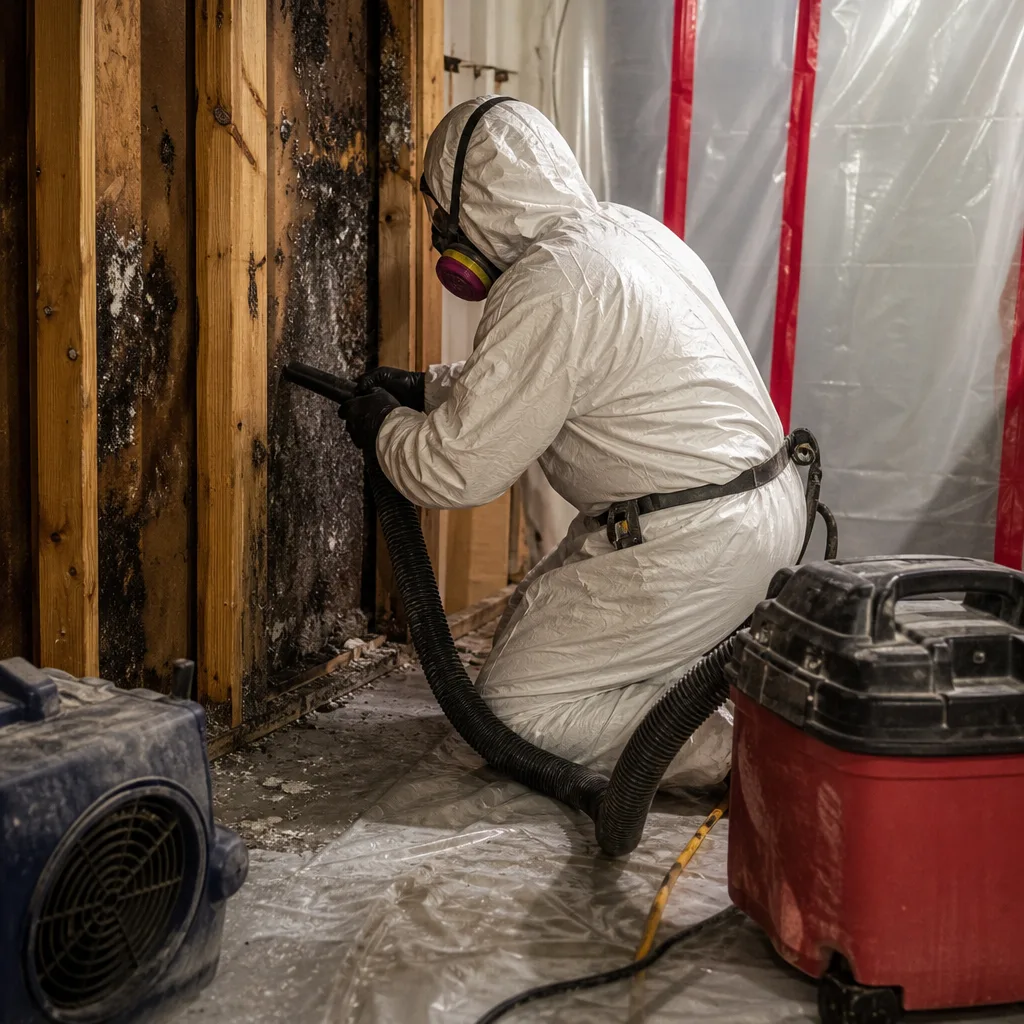
Ceiling & Roof Leak Water Damage
Flat built-up tar roofs on Sunset Park’s pre-war buildings fail at flashing and parapet intersections during nor’easters, sending water down interior walls behind the plaster. By the time a stain shows on the ceiling, the framing above has been wet for days. We open the affected ceiling and wall from below, dry the structural framing, and restore the assembly. The tar patch is a roofing job. The soaking it caused is ours.
What happens when you call
- 1
A real person answersNo phone trees - you reach a local pro.
- 2
You get an upfront price rangeHonest numbers before anyone is dispatched.
- 3
A background-checked tech heads outLicensed & insured, dispatched right away.
- 4
You approve before work beginsNothing starts until you say go.
Water Damage Restoration Costs in Sunset Park, NY
Here’s what we actually see in Sunset Park, not a national average that doesn’t apply. A contained Category 1 dryout after a supply-line break in a single room runs $1,500 to $2,900. A multi-room dryout with party-wall involvement, which is common in these attached houses, lands between $3,800 and $6,500. Category 3 flood or sewage work adds $1,200 to $3,000 in containment, disposal, and sanitization on top of the dryout. A full kitchen ceiling collapse from a roof leak, with structural drying and reconstruction, can run $4,500 to $9,800 depending on what’s above it. What moves the price: drywall replacement versus plaster restoration, how many units are involved, how much structural framing is wet, and how quickly you call. Insurance typically covers sudden and accidental losses. Gradual damage, like years of mortar joint seepage, usually isn’t covered. Our free visual inspection gives you a firm written scope before any work starts, and we bill your carrier directly.
We Also Serve Cities Near Sunset Park
Floodline Restoration Co. of Manhattan handles water damage restoration throughout the surrounding area, including Fairview, Harrison, East Bronx, and Hunts Point. If water is moving through your building, call (917) 924-4221 and a live dispatcher will route the nearest available crew.
Serving Sunset Park, NY - Our Local Coverage Area
We’re based in the Sunset Park area and know this community well. Use the map below to see our service coverage - if you’re nearby, we can almost certainly help.
Sunset Park Water Damage Restoration Questions, Answered
How does water damage travel through Sunset Park row houses with shared party walls?
Water moves laterally through shared party walls because the wall framing and plaster are continuous across the property line, and original construction rarely included a fire stop or moisture barrier between units. A leak in one unit’s wall cavity can climb, descend, or travel horizontally through the joist bays and wall studs into the adjacent apartment within hours. We moisture-map both sides of the wall and set drying equipment to treat the assembly as one continuous system, documenting readings for both owners and both carriers.
After a rainstorm, why do basement apartments near 3rd Avenue flood even if the street doesn’t visibly flood?
The blocks between 3rd Avenue and the Gowanus Expressway sit low on the glacial slope that runs down from the ridge at 6th Avenue, and the combined sewer system under those streets takes both stormwater and sanitary flow. During heavy rain, the system backs up, and floor drains in basement apartments are the first release point. Groundwater also percolates through the old fieldstone and brick foundations common in buildings from the 1890s through 1920s. Neither requires visible street flooding to put two inches of water in a basement.
What’s the biggest challenge in drying out pre-war plaster walls after a leak in Sunset Park?
Plaster-and-lath assemblies hold water deep inside the wall cavity and release it very slowly, while the plaster surface can feel dry to the touch. If you stop drying based on how the surface feels, you leave 15-20% moisture content in the lath and framing, which feeds mold growth and keeps the wall structurally compromised. We run daily hygrometer and probe readings, often leaving Injectidry mats and wall-cavity drying systems in place for five to seven days until the wood reaches the dry standard.
How fast can mold start growing in Sunset Park’s older brick row houses after water damage?
Mold needs organic food and moisture, and Sunset Park’s pre-war houses offer plenty of both: original wood lath, horsehair plaster binders, and paper interior wall surfaces. Under the right conditions, mold sprouting can begin within 24 to 48 hours of saturation. That’s the window when extraction and aggressive drying stop the problem before it starts. Our crews aim to have air movers and dehumidifiers running within hours of the call, not days.
Why do commercial water damage jobs on 8th Avenue need different containment than residential ones in Sunset Park?
Water from restaurant kitchens, grease traps, and fire-suppression discharges carries Category 2 contaminants: food waste, oils, and biological matter. That water frequently travels upward through unprotected shaft spaces into the residential units above, spreading contamination across multiple floors. We build containment around the affected shaft and each impacted unit, run HEPA air scrubbers, and treat the structural members before drying begins. A rowhouse supply-line break is a cleaner category of water and gets a simpler containment plan.
How fast can you actually get to Sunset Park for an emergency?
Most Sunset Park addresses are within 45 minutes of our dispatch point serving this area. A live dispatcher answers (917) 924-4221 around the clock, confirms the address and the nature of the call, and starts a crew moving immediately. Some nights we beat 45 minutes. Some days with multiple calls stacked ahead of you, it runs a little longer. But we’ll tell you on the phone when the crew will arrive, and we’ll be there when we say.
Will my insurance cover water damage restoration in Sunset Park?
Sudden and accidental water damage, like a burst pipe, a supply-line failure, an appliance overflow, or a storm-driven roof leak, is generally covered by your homeowner’s or the building’s policy, subject to your deductible. Gradual seepage through foundations, long-term roof neglect, and pre-existing conditions are usually excluded. We document the loss from the first hour and build a line-item scope your adjuster can work with, and we bill the carrier directly so you’re not floating the cost and waiting for reimbursement.
What should I do in the first 30 minutes after discovering water damage in my Sunset Park home?
If it’s safe and the source is identifiable, shut the water off and kill the power to the affected area. Move what you can off the floor. Take photos with your phone. Then call us at (917) 924-4221. Don’t wait to see how bad it gets. In an attached rowhouse, an hour’s delay can mean the difference between a single-unit dryout and a multi-unit restoration with a neighbor’s carrier involved.
Written by Curt Bowman, Owner at Floodline Restoration Co. of Manhattan, serving Sunset Park, NY and the surrounding communities.