
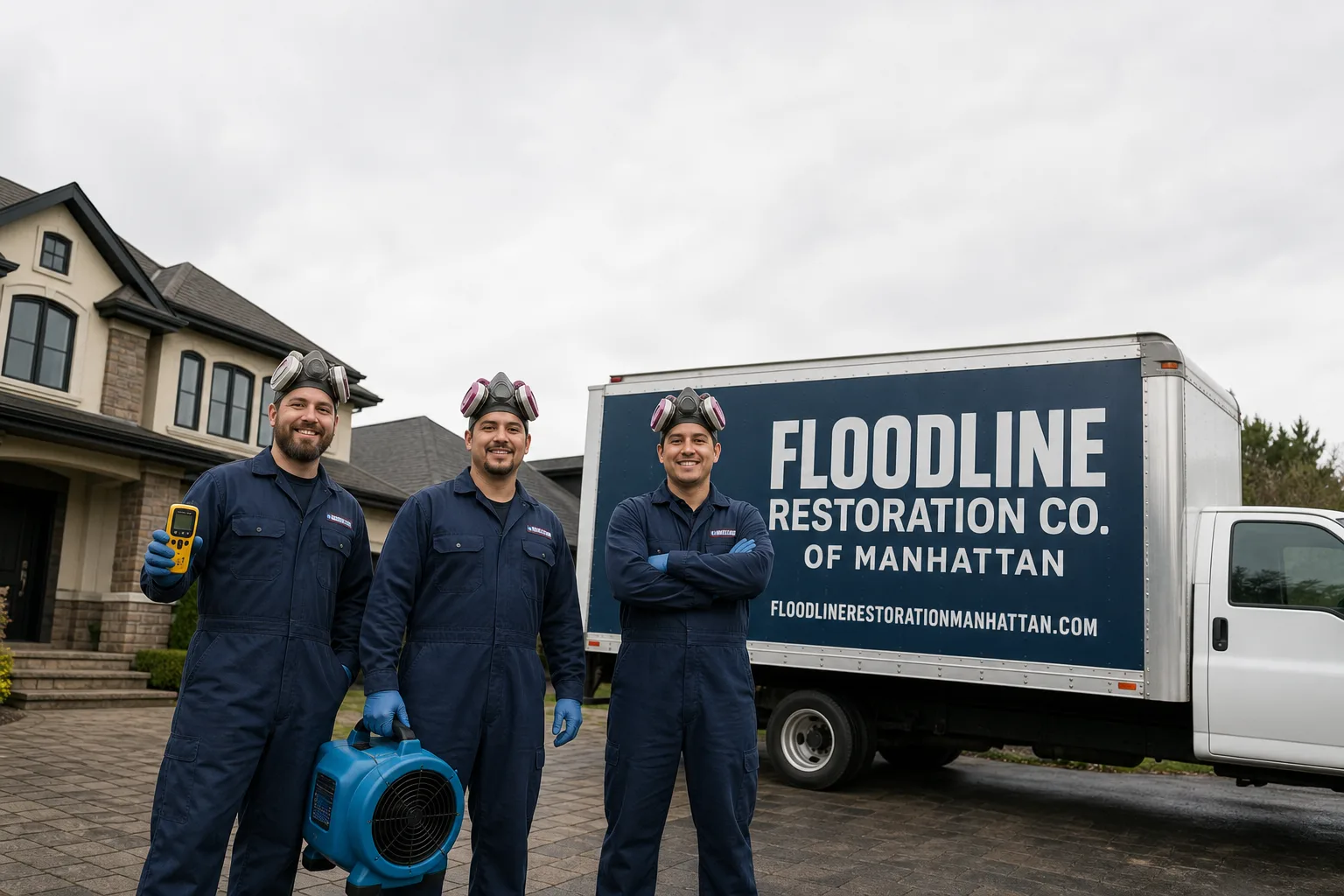
Free visual inspection and a written scope of work before any mitigation begins - photos, moisture readings, and drying logs go in your claim file
The scope we write is the scope we bill. Anything new gets shown to you, in writing, before we touch it.
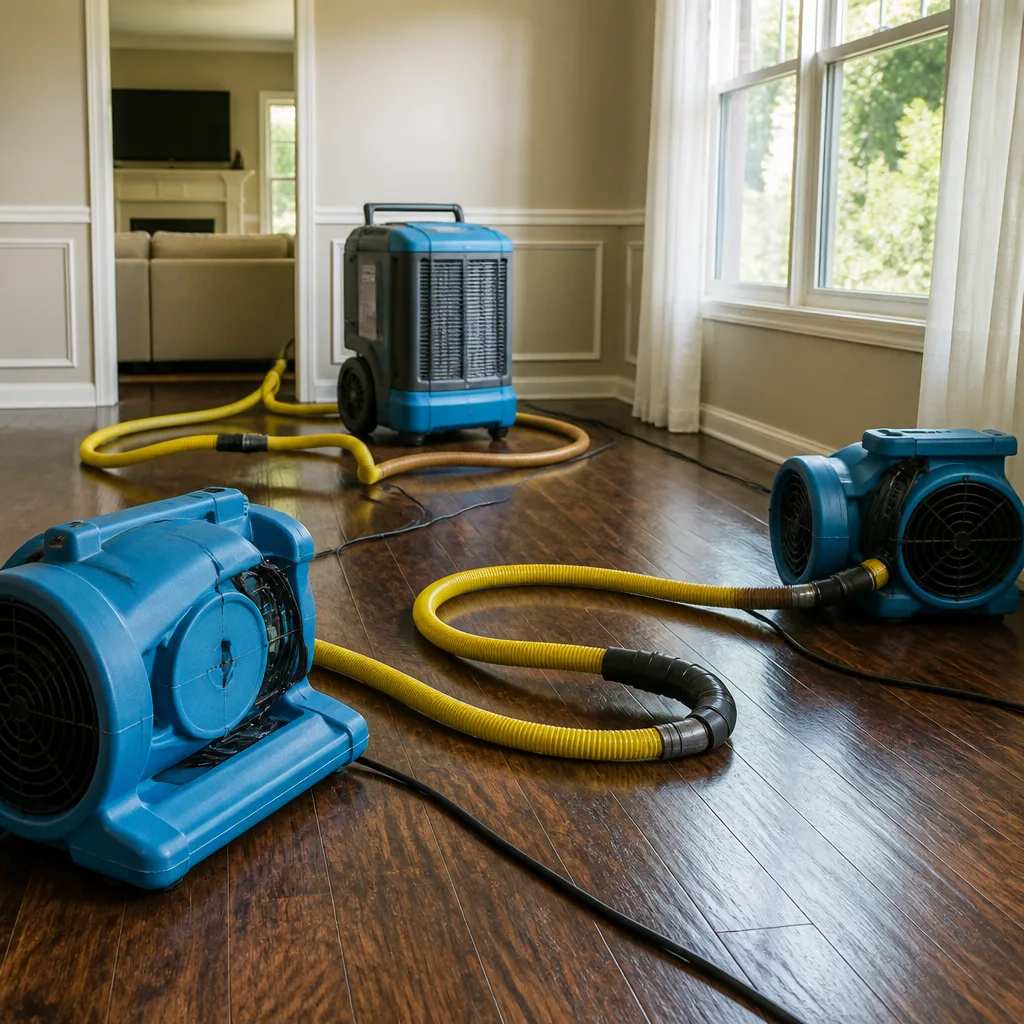
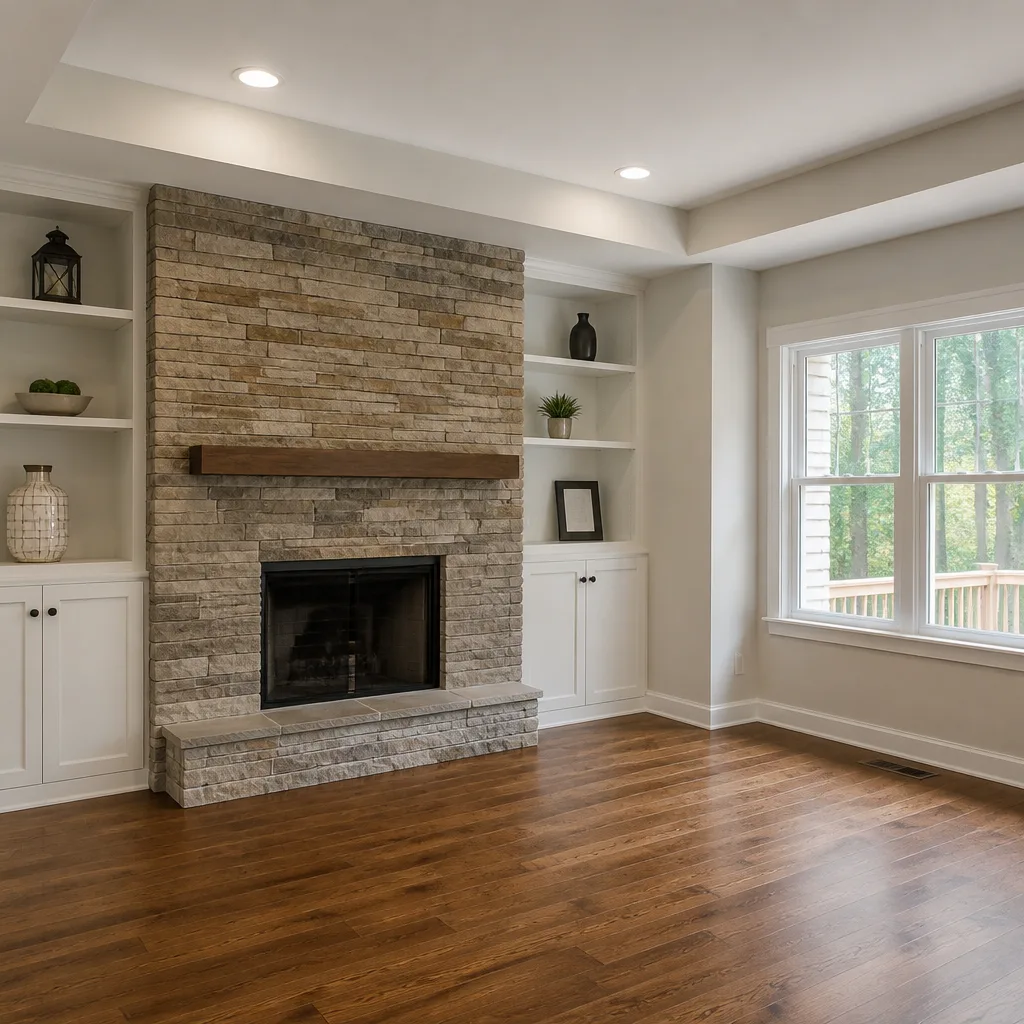
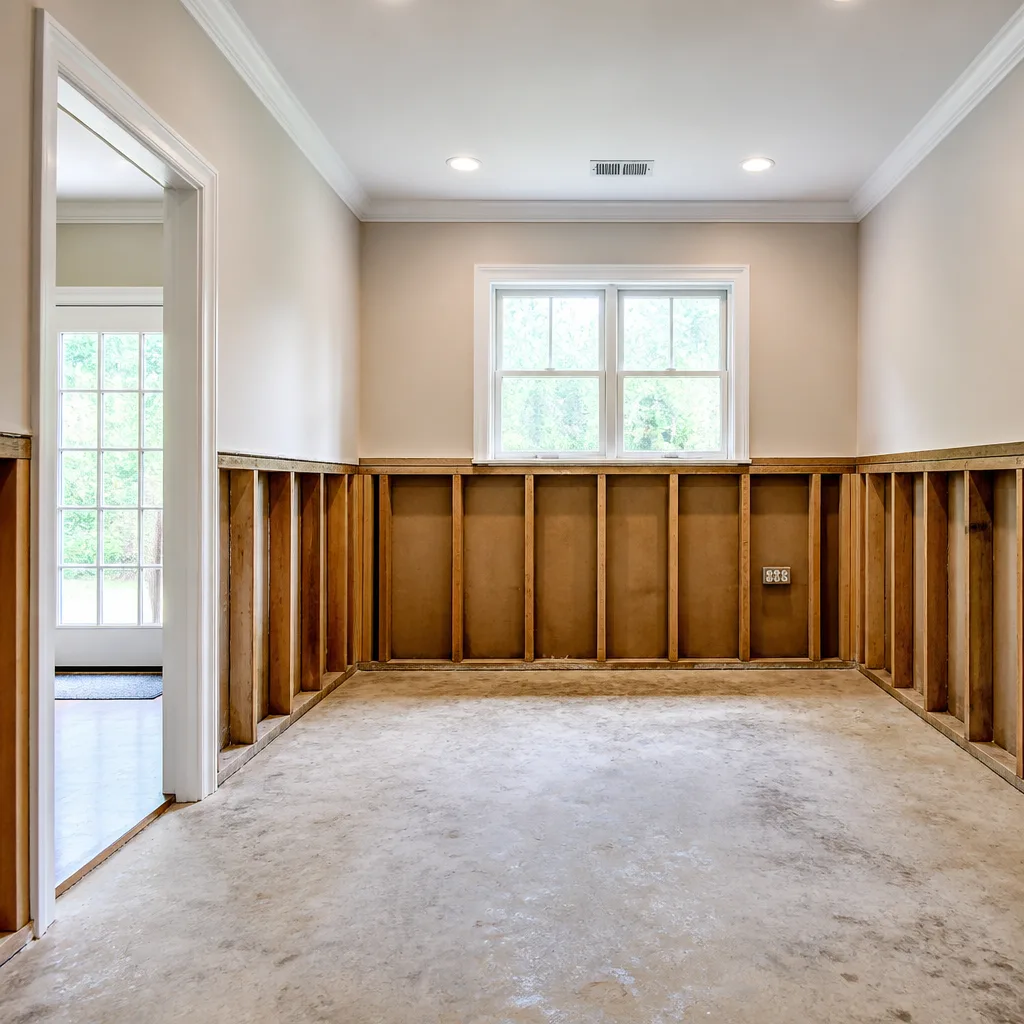
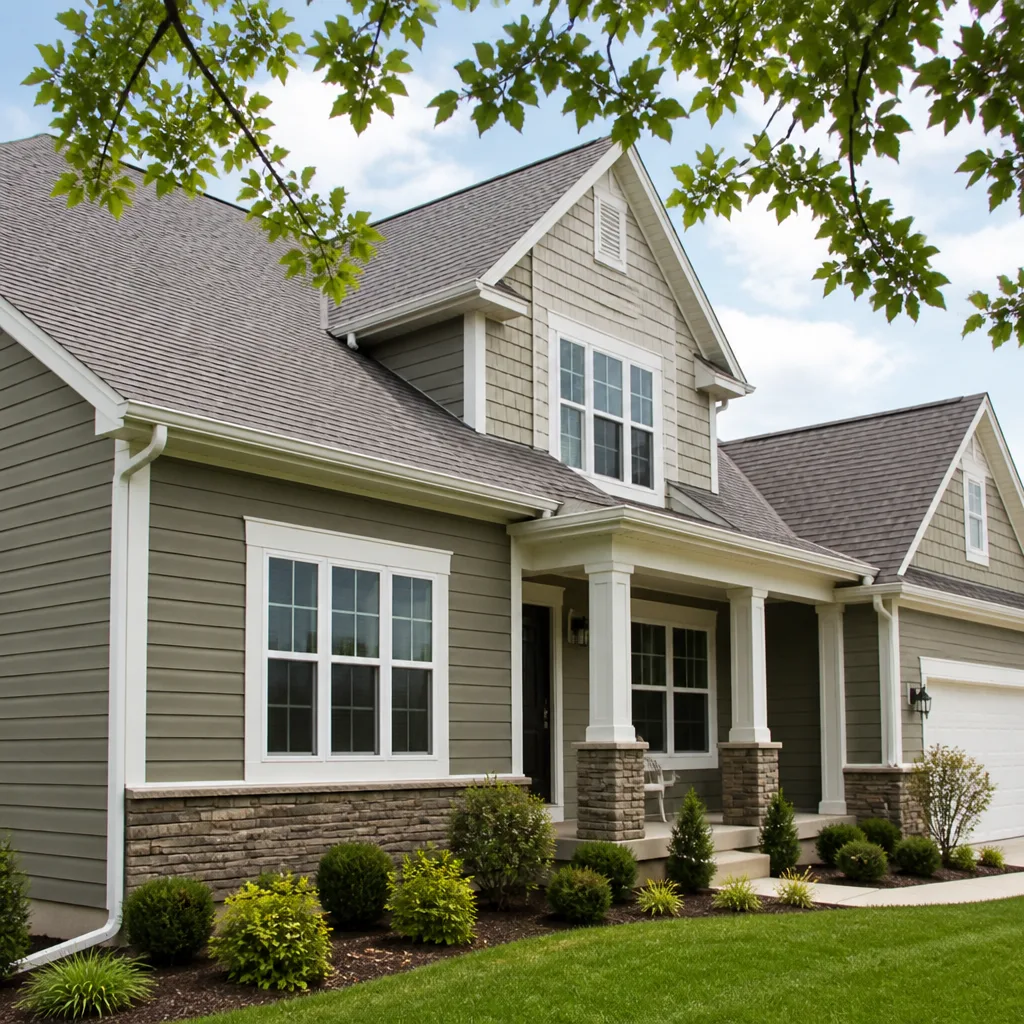
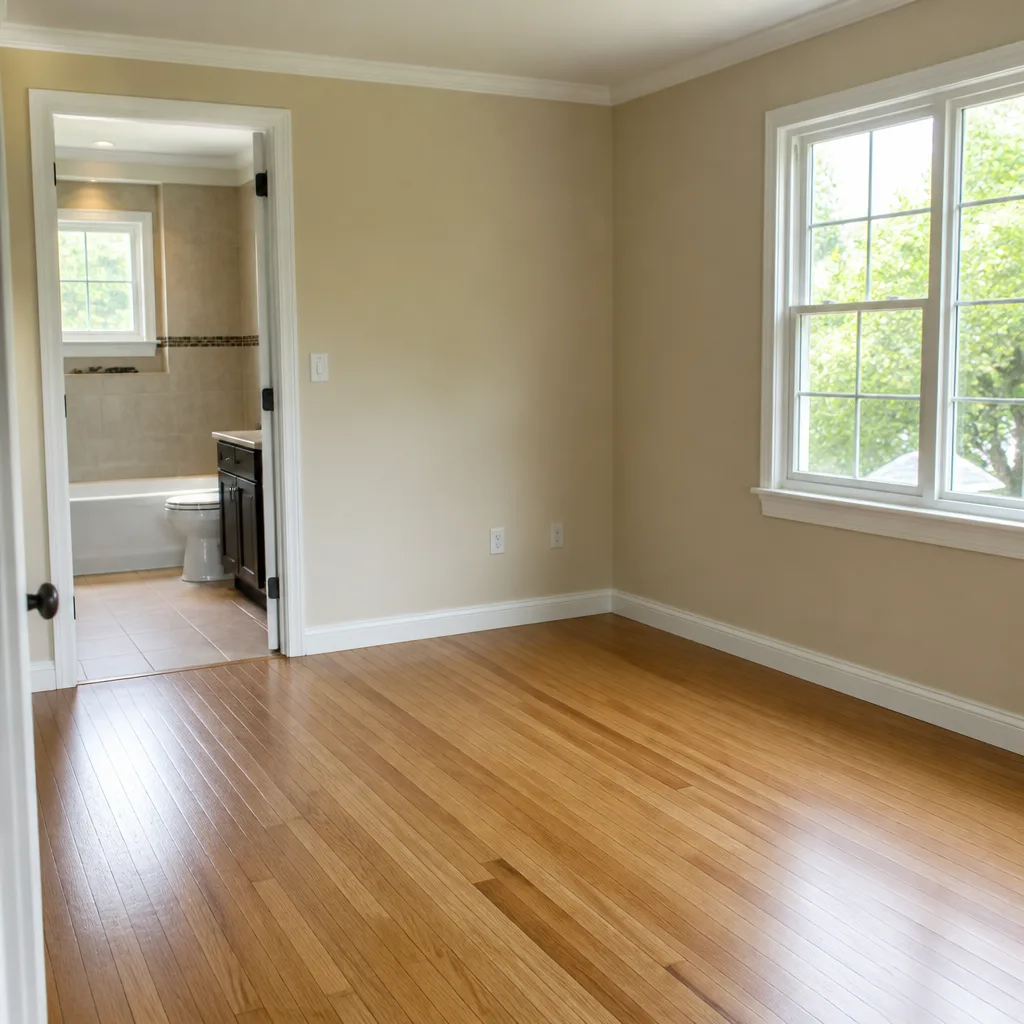
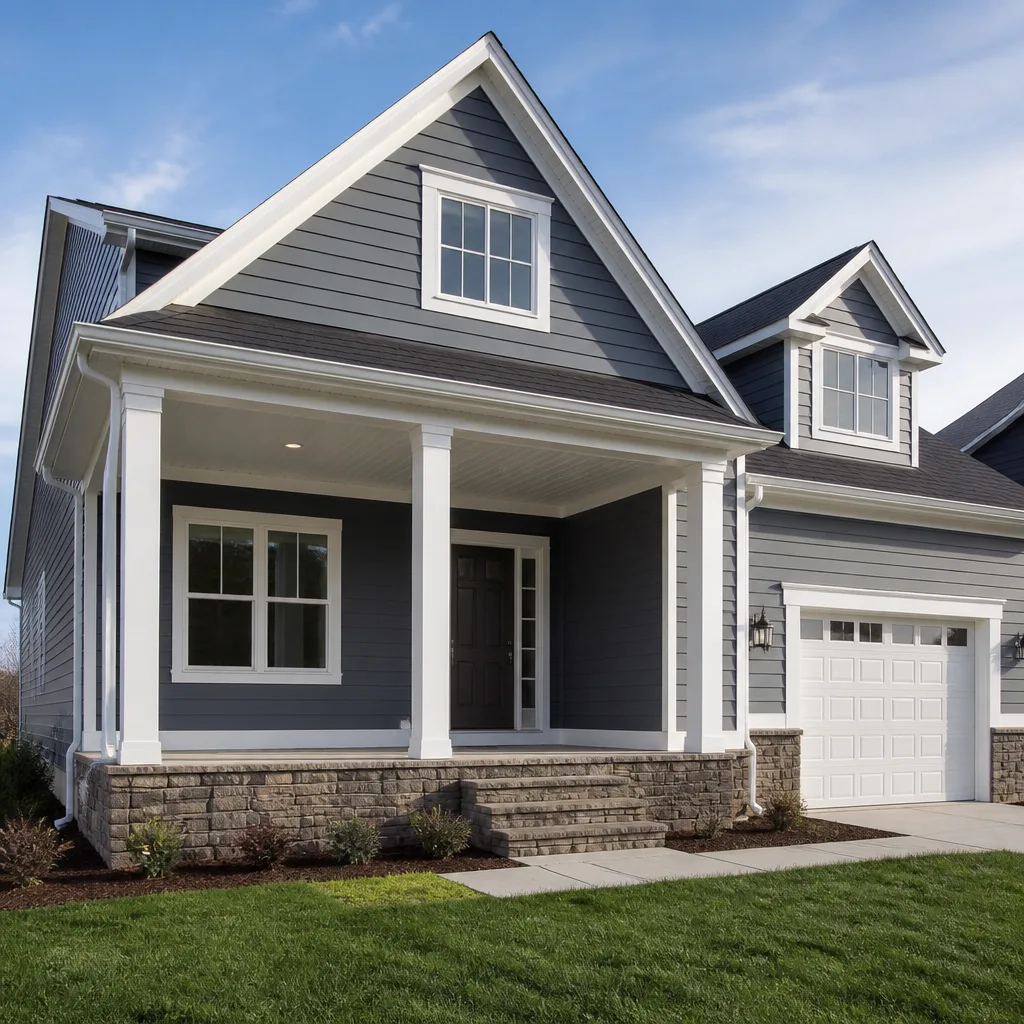
 Before
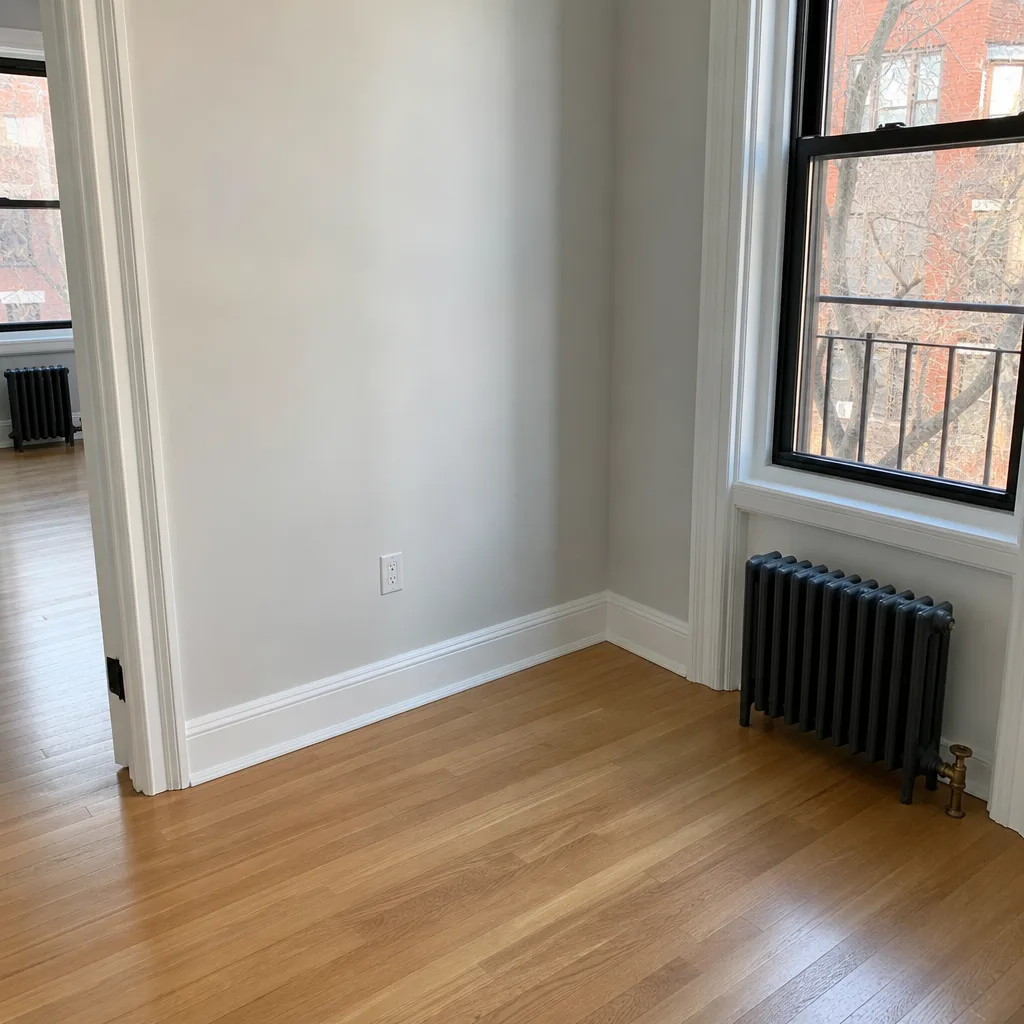 After
After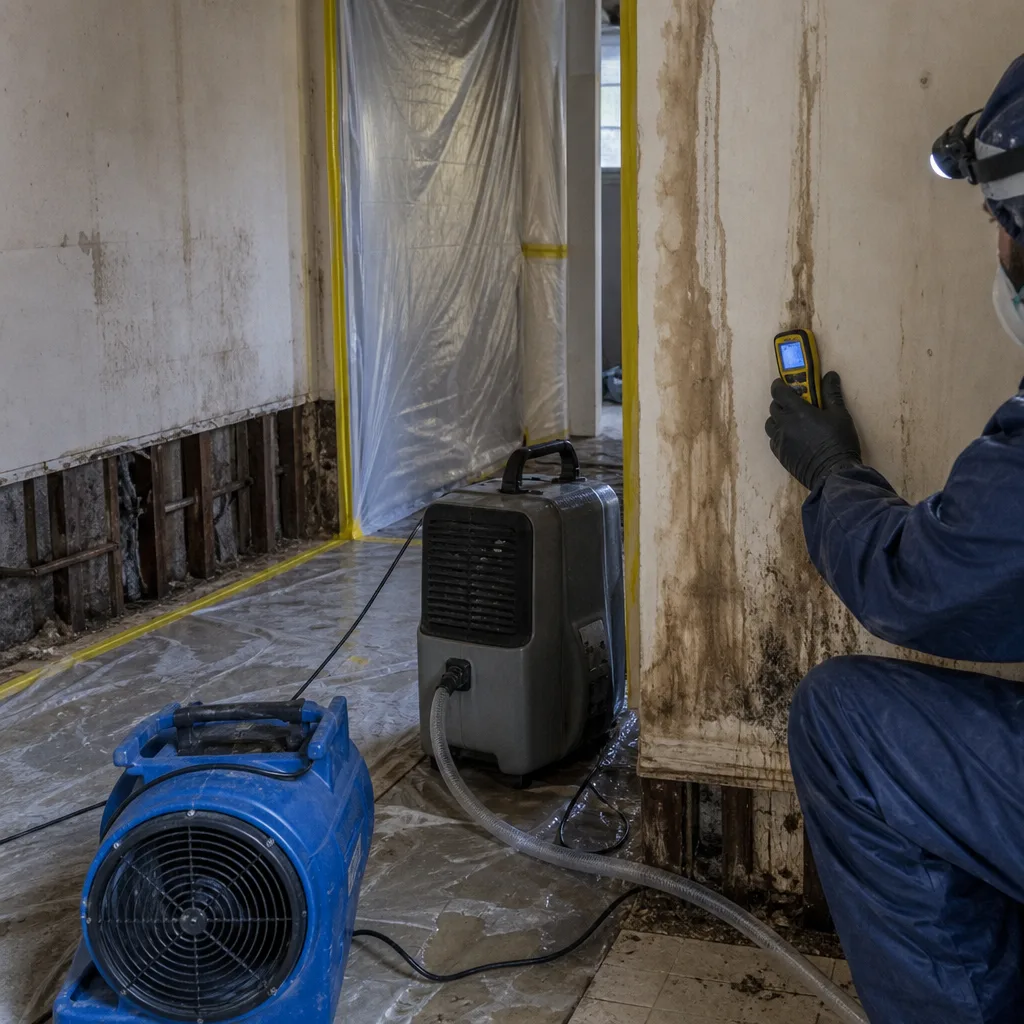 Before
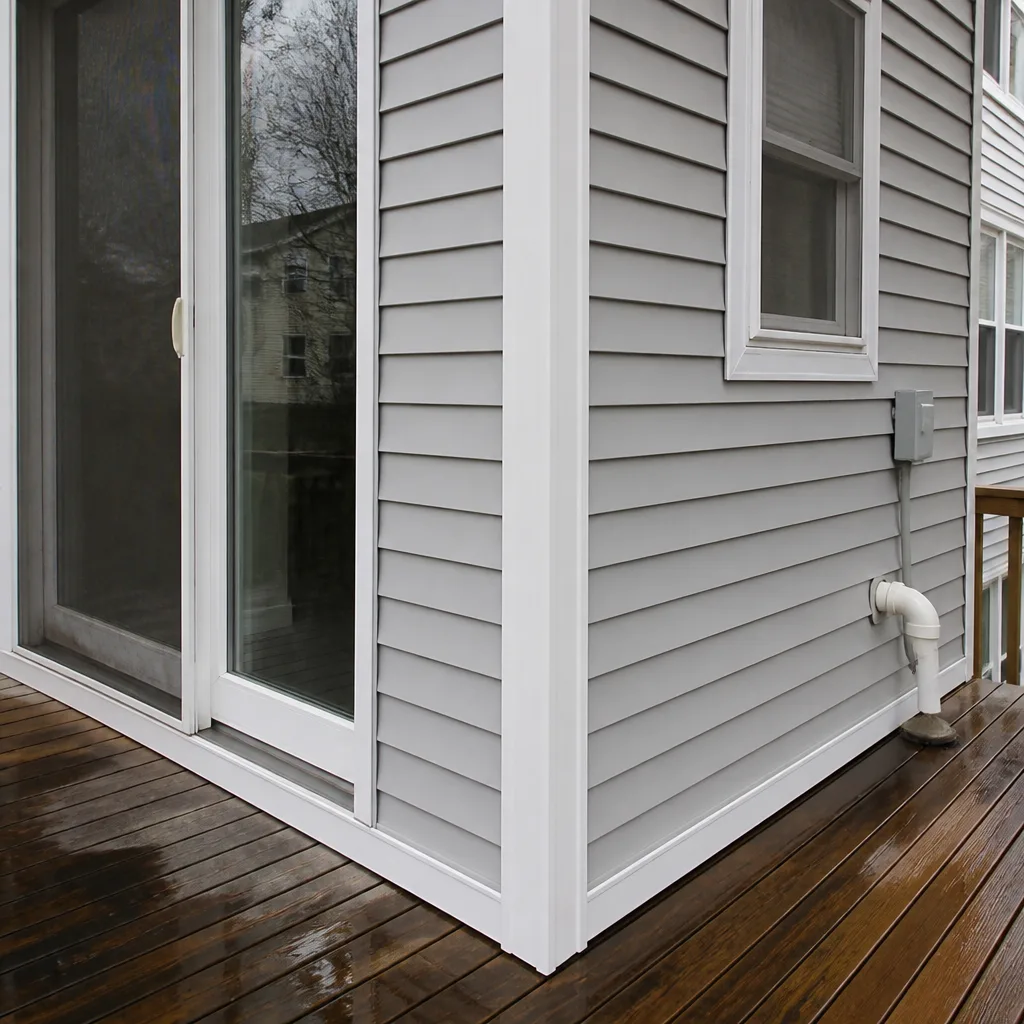 After
After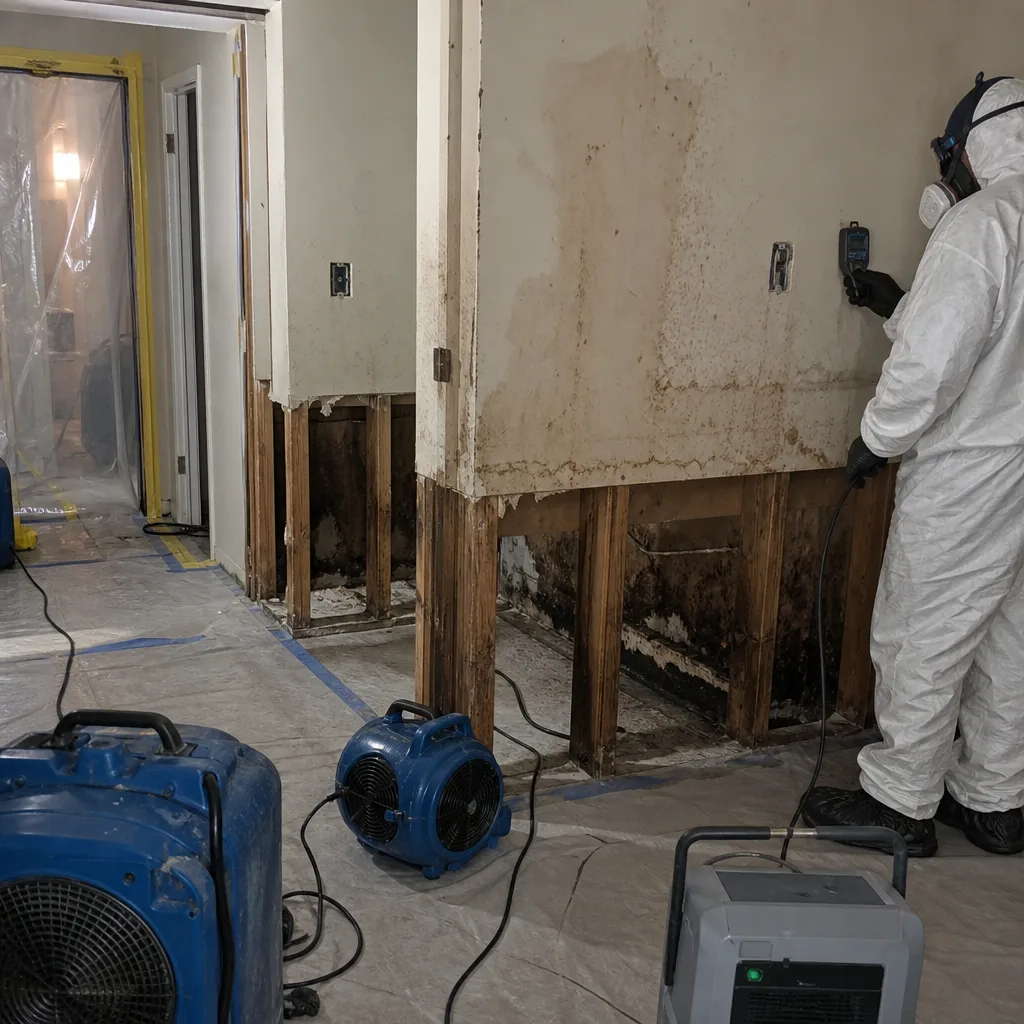 Before
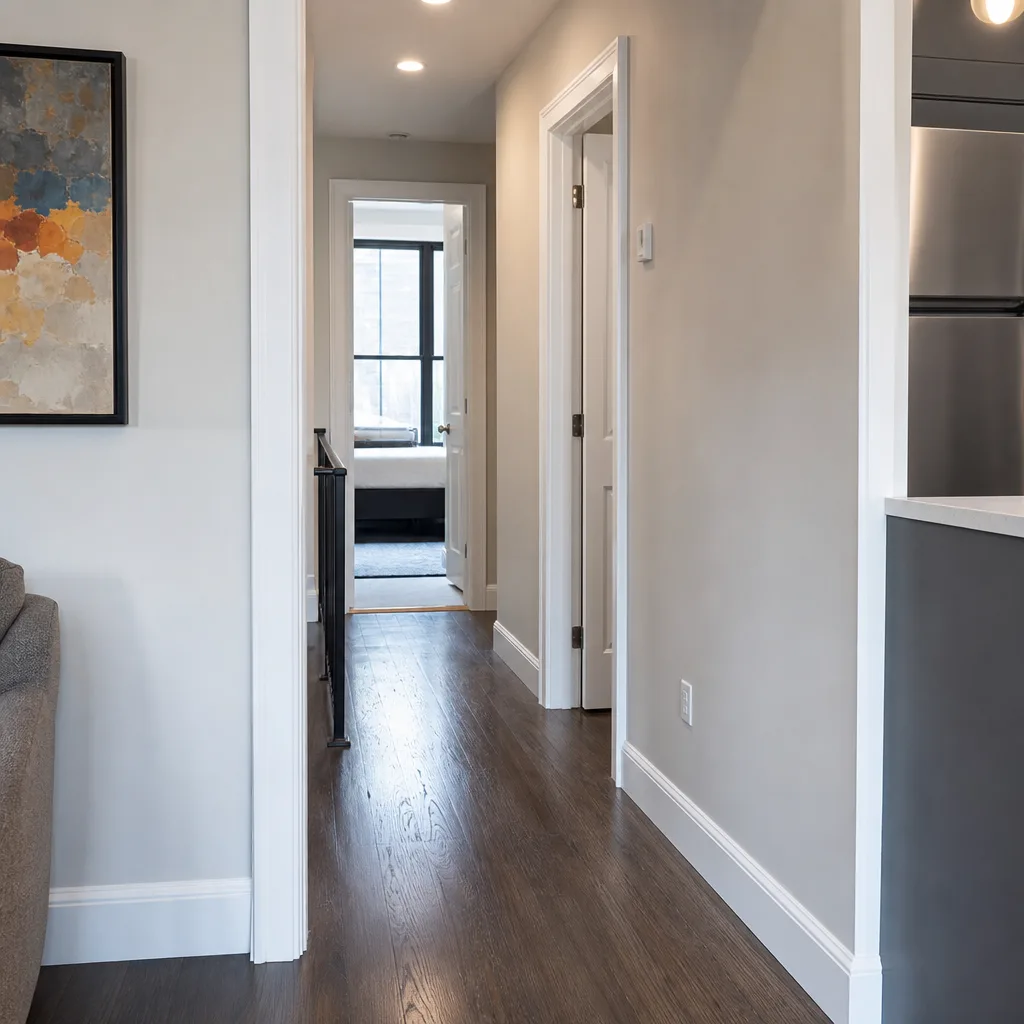 After
After24/7 Emergency Water Damage Restoration in Tribeca
Water damage restoration in Tribeca typically costs between $2,500 and $12,000 depending on the size of the loft, the category of water, and how long it sat before extraction began. A converted warehouse floor-through that floods through its former loading-dock entrance runs higher than a standard apartment because of the square footage, the original timber structure, and the finishes. Our crews dispatch from the New York City office and reach Tribeca addresses day or night, every day of the year.
Call (917) 924-4221 the moment you see water. A live dispatcher answers, not a recording. The first hour decides whether your wide-plank subfloors and exposed brick walls can be saved or whether the damage spreads into the 150-year-old structural system. We arrive fast, run a free visual inspection, and get extraction started the same visit in most cases.
Understanding Water Damage Restoration Severity in Tribeca Properties
Water damage is classified into three categories. Category 1 is clean water from a supply line or broken pipe. Category 2 carries contaminants, like washing machine discharge or the street water that backs through Tribeca loading docks after a heavy rain. Category 3 is grossly contaminated, including Hudson River storm surge and sewage. The category determines the drying protocol, the antimicrobial treatment, and whether porous materials like drywall and carpet get cleaned or cut out and replaced.
Tribeca’s building stock makes severity assessment different from anywhere else in Manhattan. The original heavy-timber beams in converted 19th-century mercantile buildings dry slowly and wick moisture deep into their cores. Masonry party walls up to 24 inches thick hold water for weeks if not actively dried. Moisture mapping with thermal imaging and penetrating meters is not optional here. A standard visual check will miss water trapped inside an unreinforced brick wall or a wide-plank subfloor that looks dry on top but reads 35% moisture below. That hidden water is what turns a two-day extraction into a month-long mold remediation.
Why Tribeca Property Owners Choose Floodline Restoration Co. of Manhattan
- 45-minute response commitment. Our crews are staged around lower Manhattan, so a certified technician reaches your Tribeca building within 45 minutes on an emergency call, often faster. The clock starts when you hang up the phone.
- 24/7 live answer, always a person. Curt Bowman built this company around a dispatch board, not a sales desk. Call at 2 a.m. on a Sunday and a live dispatcher picks up. No phone trees, no voicemail, no callback promises.
- IICRC-certified crews, trained to WRT and ASD standards. Our technicians hold Water Restoration Technician and Applied Structural Drying certifications, with additional training through RIA and IFA. They’ve worked around loft-scale artwork, custom millwork, and historic finishes.
- Free visual inspection with moisture mapping. Before you commit to anything, we walk the space, take readings, and show you where the water actually is. The inspection costs you nothing.
- Direct insurance billing and adjuster coordination. We document from the first hour, bill your carrier directly, and talk to your adjuster so you don’t have to play messenger. In Tribeca, where policies often carry flood riders with strict documentation requirements, this changes everything.
- One team from extraction to reconstruction. The same crew that reads the moisture map on day one handles daily readings, hand logs to you and the carrier, and rebuilds what needs rebuilding. No handoffs, no inherited sub crews, no finger-pointing.
Our Water Damage Restoration Process
Inspection & Assessment
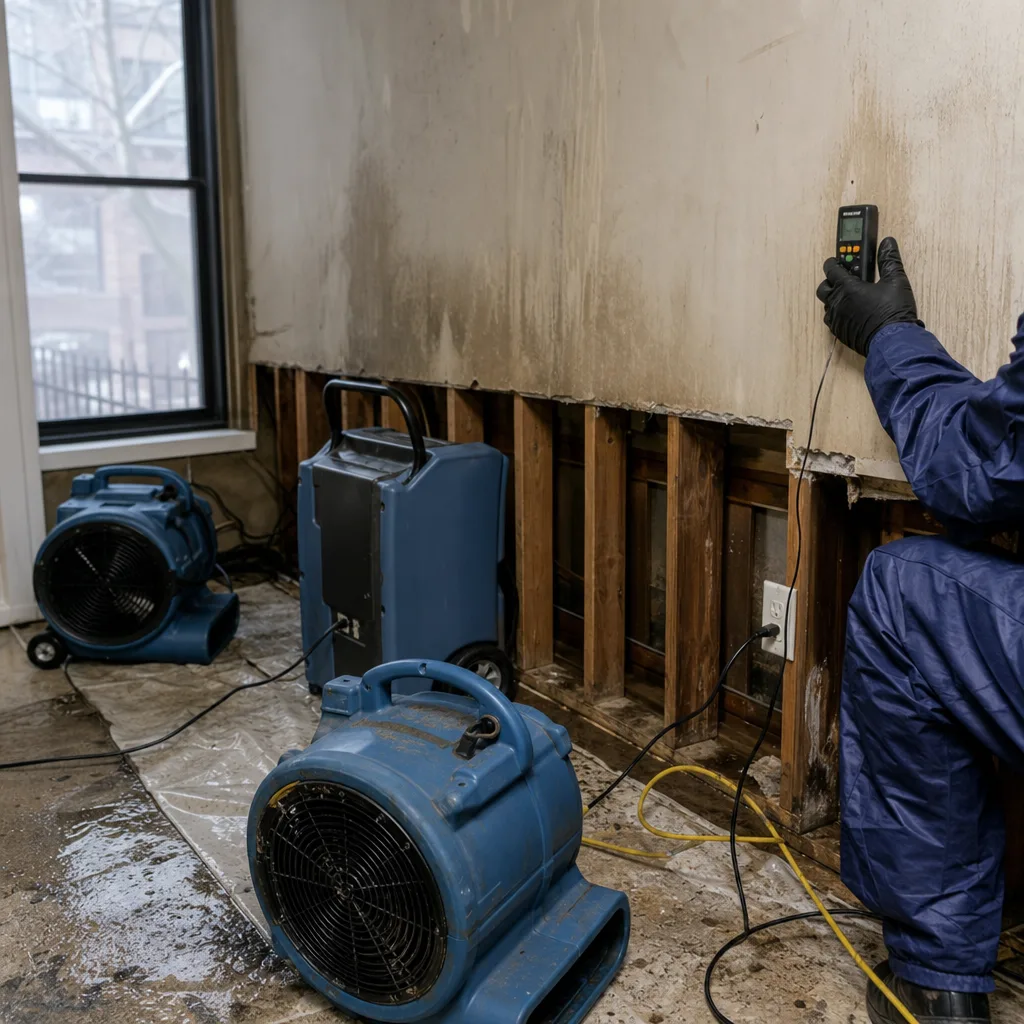
We arrive at your Tribeca property, walk every affected room, and run a full moisture assessment using thermal imaging and penetrating meters. The goal is a moisture map that shows exactly where water traveled, including inside walls, beneath subfloors, and behind exposed brick. You get a written scope before any work begins.
Extraction & Stabilization
Standing water leaves the space using truck-mounted and portable extraction units. In former loading-dock ground floors where street water has back-flowed, we also check for contaminants and test the water category before proceeding. The faster this step happens, the less demolition you’ll need.
Drying & Dehumidification
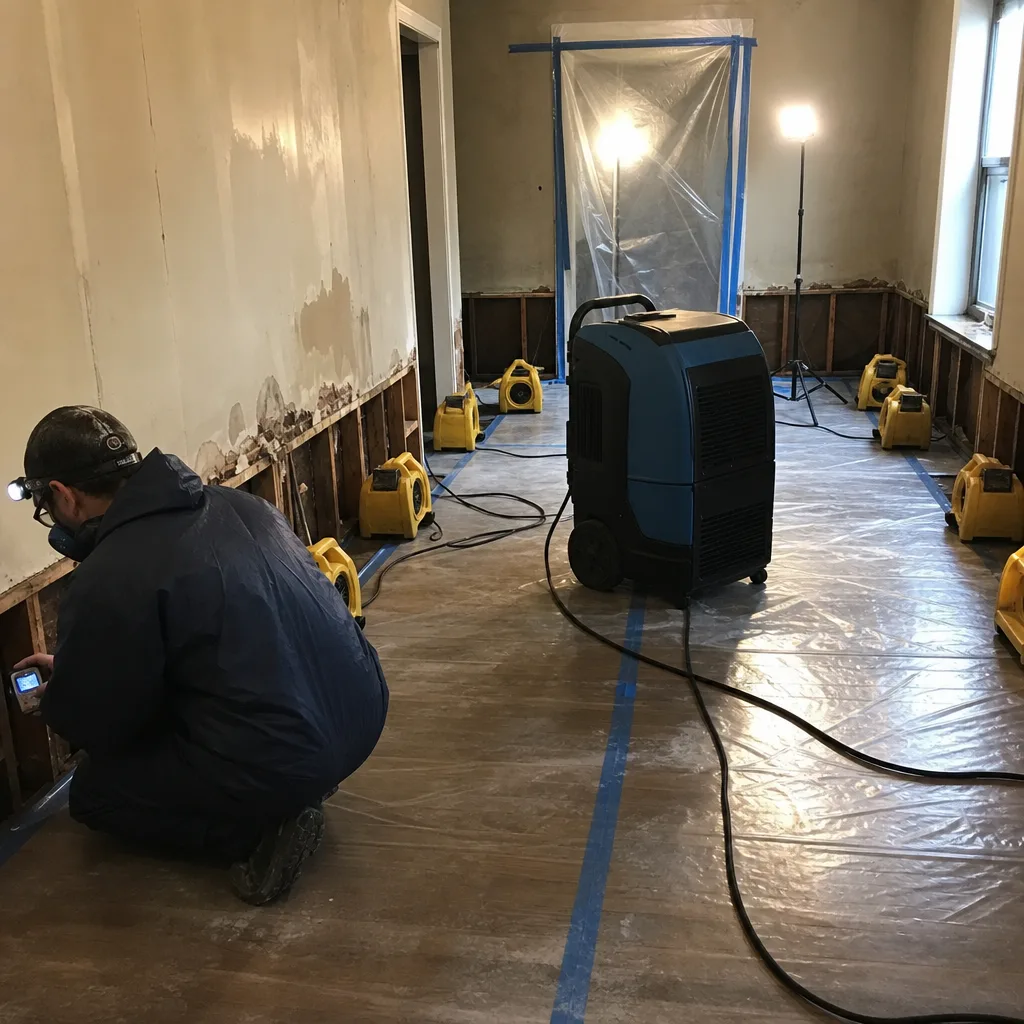
For Tribeca lofts, we configure Dri-Eaz and Phoenix dehumidifiers and high-volume air movers around open floor plans, not against standard room layouts. Injectidry systems push dry air into wall cavities and beneath wide-plank subfloors. Daily hygrometer and moisture readings are logged until the materials meet the dry standard, and the log goes to you and your carrier.
Cleaning & Sanitization
Category 2 and 3 water events require antimicrobial treatment on all affected surfaces, including exposed brick, timber beams, and subflooring. We sanitize, deodorize, and prepare the space for reconstruction. HEPA filtration runs throughout to capture any particulates stirred up by equipment.
Structural Treatment for Historic Materials
Tribeca’s original timber beams and masonry walls need more than surface drying. We monitor embedded moisture with penetrating meters, extend drying time where needed, and apply treatments that preserve the character of 19th-century materials without compromising structural integrity.
Repairs & Restoration
Once the space meets the dry standard, we rebuild. Drywall, insulation, flooring, baseboards, and any structural repairs happen with the same crew that handled extraction. Your loft looks like it did before the water, and the work is backed by our 90-Day Done Right Promise in writing.
Need Emergency Water Damage Restoration in Tribeca Now?
Crews minutes away, answering live 24 hours a day. The sooner we start, the less it costs.
Working With Your Insurance Company
Flood claims in Tribeca are not like claims in midtown. Many buildings south of Canal Street sit in FEMA Zone AE, which means your standard homeowners policy almost certainly doesn’t cover storm surge. Flood insurance through NFIP or a private carrier does, but the documentation bar is high. We’ve handled enough post-Sandy and flash-flood claims in this neighborhood to know exactly what adjusters look for: time-stamped photos, moisture logs from day one, and a line-item scope that separates flood damage from pre-existing conditions.
When you call us after a water event in Tribeca, we start documenting immediately. Photos of every room, moisture readings before and after extraction, drying logs submitted daily. We talk directly to your adjuster, and we bill the carrier directly. You never have to translate between a flooring subcontractor and a claims office. A square deal: no surprises on the bill.
What We Provide Your Insurer
- Thorough documentation of the loss
- Photos of all damage, room by room
- Moisture readings and drying logs
- A detailed, line-item scope of work
- Direct coordination with your carrier
Built for Tribeca’s Loss Calendar
Tribeca’s water damage seasons don’t match the rest of Manhattan. January deep freezes still burst supply lines in older lofts where plumbing runs through uninsulated exterior walls and original masonry. But the bigger pattern here is water coming in from outside. Spring rains and summer thunderstorms push street water into ground-floor lobbies and live-work spaces whose finished floors sit only inches above sidewalk grade. Nor’easters in fall and winter drive surge up the Hudson, and a king tide combined with heavy rainfall can push water through former loading-dock entrances along Hudson Street, Greenwich Street, and Washington Street.
The FEMA remapping after Hurricane Sandy put large portions of Tribeca in Zone AE. That’s not a bureaucratic footnote. It means ground floors and below-grade spaces in this neighborhood face recurring flood exposure that a brownstone on the Upper East Side simply doesn’t. Restoration work here has to be planned around riverine surge, not just pipe bursts. We keep our equipment calibrated for high-humidity coastal conditions, and our crews know the low-lying blocks where water moves fastest.
Water Damage Restoration Across Tribeca’s Neighborhoods
Tribeca is not one neighborhood. The blocks between Chambers and Canal respond differently from the blocks south of Chambers, and the corridor along the West Side Highway floods faster than anywhere else in the zip code. Along Hudson Street near Harrison Street and Franklin Street, the converted textile and produce warehouses have finished ground floors that sit inches above sidewalk grade. Street flooding that a raised-stoop row house in the West Village would shrug off flows straight into these spaces through former loading docks.
Around Duane Park and the blocks east of West Broadway, we see more mid-rise loft conversions with below-grade basements that were never designed as residential spaces. Those basements flood through foundation seepage and drainage backup long before storm surge climbs over the curb. Over on Greenwich Street near Jay Street and Staple Street, the heavy-timber buildings from the 1860s and 1880s have slow-drying beams and thick masonry party walls that need extended drying times. Our response routes through this neighborhood are built around those differences. A crew rolling to a Washington Street floor-through brings a different drying plan than one heading to a basement on Reade Street.
Specialized Water Damage Restoration Services We Offer in Tribeca
Emergency Water Extraction
When water is standing in your Tribeca loft, every minute matters. Our crews arrive within 45 minutes, locate the source, stop the flow if possible, and begin extraction on the same visit. We run truck-mounted and portable extraction units rated for high-volume removal, then map the remaining moisture. Most water extraction in this neighborhood happens on ground floors and in former loading-dock entrances, where street water pools before seeping into subfloors and walls. The faster it’s out, the less demolition you’ll face.
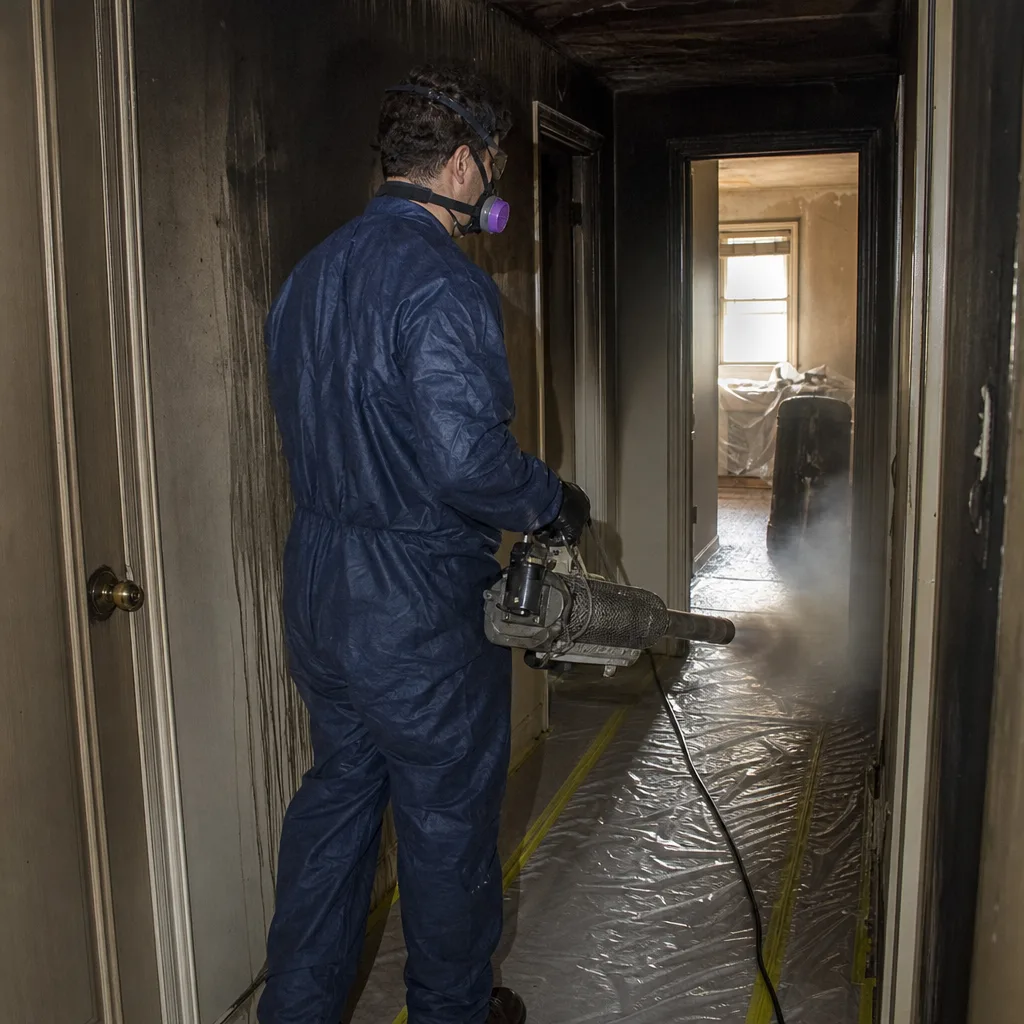
Structural Drying & Dehumidification
Standard drying equipment fails in Tribeca’s open-plan lofts. A 4,000-square-foot floor-through with 13-foot ceilings and original timber beams defeats cookie-cutter air-mover layouts. We use Dri-Eaz and Phoenix desiccant and refrigerant dehumidifiers sized for the full cubic volume, plus Injectidry systems that force dry air into wall cavities and beneath wide-plank subfloors. Daily moisture readings continue until beams, walls, and subflooring hit the dry standard. For 19th-century timber and 24-inch masonry walls, that can take longer than a modern apartment, and we plan for it honestly up front.
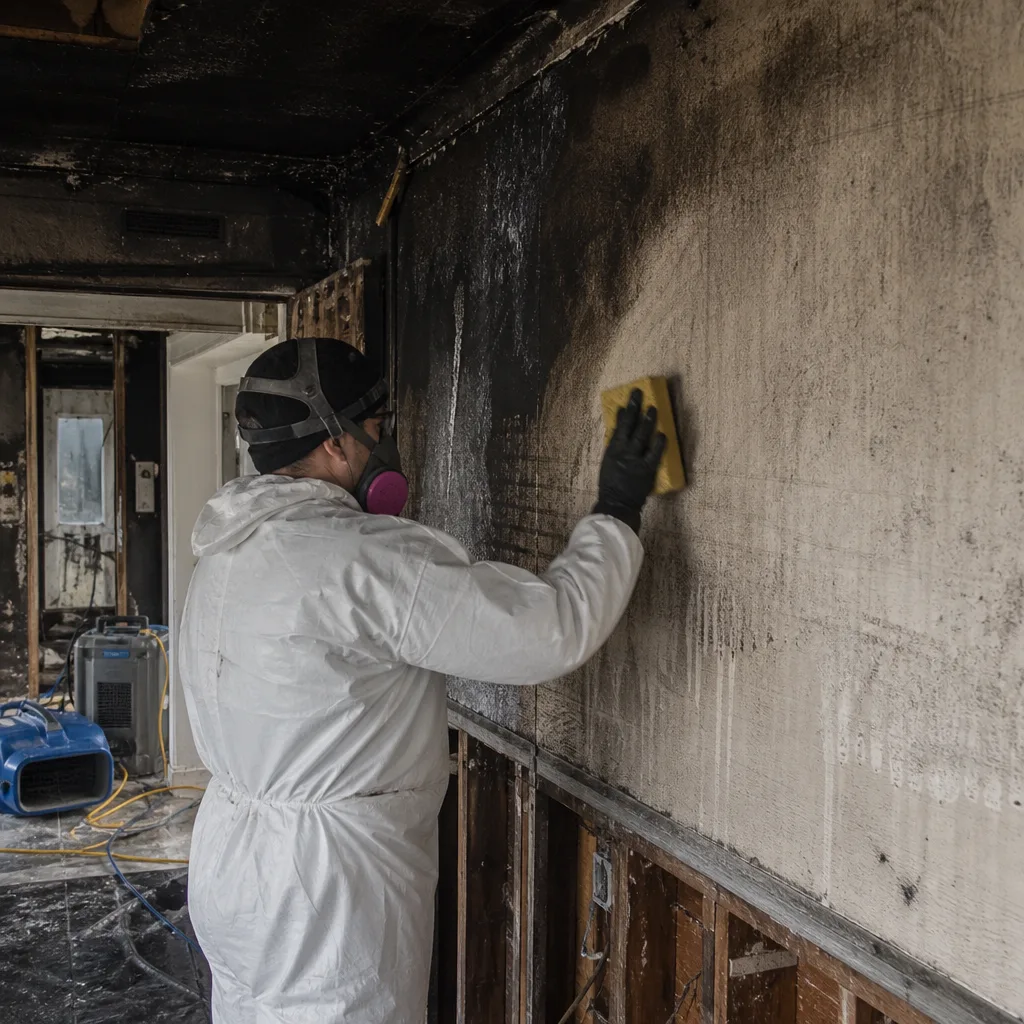
Flood Cleanup
Flood cleanup in Tribeca means something specific: Category 2 or Category 3 water that entered through a street-level opening or backed up from below grade. That water carries contaminants you don’t want in your loft. We extract, remove unsalvageable porous materials, apply antimicrobial treatment to exposed brick and timber, and run HEPA air scrubbers throughout the affected area. If your building sits in FEMA Zone AE, we document everything for your flood insurance claim from the first hour. Done right, and backed in writing.
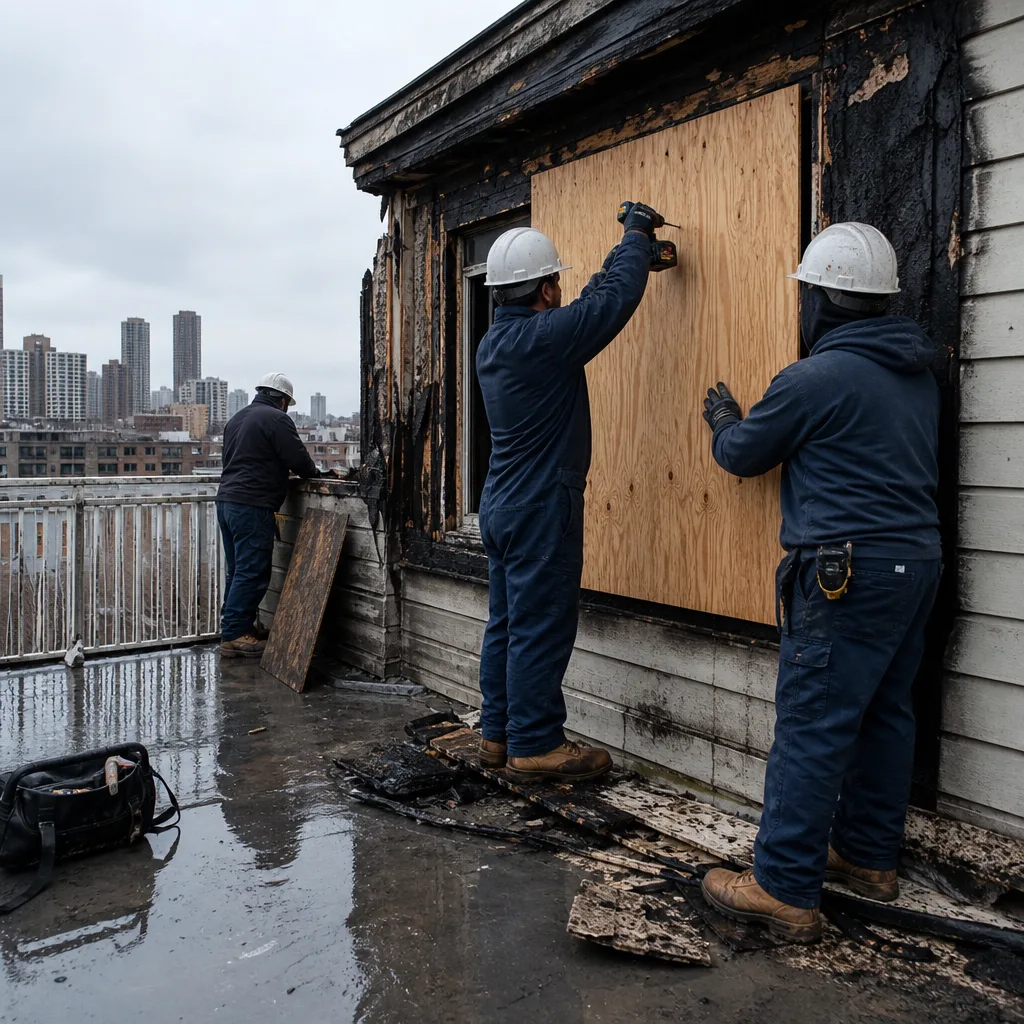
Burst Pipe Restoration
Supply lines in older Tribeca lofts fail in predictable ways. Copper pipes run through original masonry or uninsulated cavities, freeze during January cold snaps, and split. Galvanized lines in buildings converted in the 1970s simply wear out. When a pipe bursts in your loft, the water often travels down through floor assemblies into the unit below. Our Water Damage Restoration team traces the full path of the water, not just the visible puddle, and dries every affected cavity. We coordinate with your building’s management when the leak crosses units.
Basement Water Removal
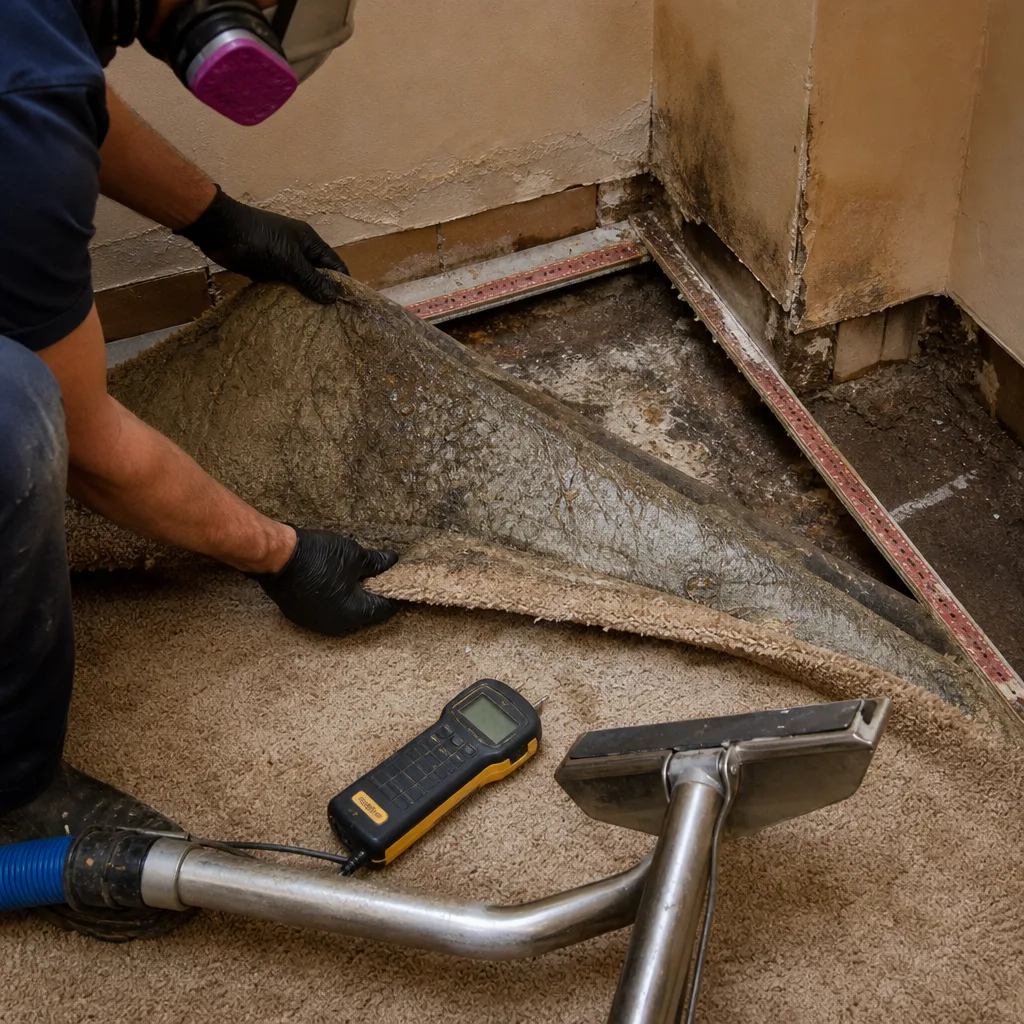
Tribeca basements are different from suburban basements. Many are original storage vaults and loading docks converted into storage, laundry, or mechanical rooms. They sit below grade in buildings without modern foundation waterproofing, which means groundwater infiltration during heavy rain is not an occasional nuisance. It’s a recurring condition. We remove standing water, run sump and French drain assessments where needed, and dry the space to a standard that prevents mold from taking hold in the old masonry.
What happens when you call
- 1
A real person answersNo phone trees - you reach a local pro.
- 2
You get an upfront price rangeHonest numbers before anyone is dispatched.
- 3
A background-checked tech heads outLicensed & insured, dispatched right away.
- 4
You approve before work beginsNothing starts until you say go.
Water Damage Restoration Costs in Tribeca, NY
Honest numbers for this neighborhood, based on the jobs we’ve handled here. A Category 1 burst-pipe extraction in a single Tribeca apartment typically runs $2,500 to $5,500 depending on the square footage and how far the water traveled. Category 2 flood cleanup through a ground-floor loading-dock entrance in a converted warehouse ranges from $5,000 to $15,000 once you factor in antimicrobial treatment, extended structural drying for timber beams and masonry walls, and finish restoration. Full reconstruction after a storm-surge event in a large floor-through loft, including rebuilt subfloors, drywall, and custom finishes, starts around $15,000 and can exceed $50,000 on high-end spaces with gallery-level artwork and bespoke millwork.
What moves the price is what the water touched and how long it sat there. A wide-plank subfloor that can be dried in place costs less than one that’s rotted through and needs replacement. A 24-inch masonry wall that reads 30% moisture and needs three weeks of drying costs more in equipment time but far less than ripping it out. Insurance covers most burst-pipe claims through standard homeowners policies. Flood events require a separate flood policy, and we document accordingly. The free visual inspection gives you a firm written scope before any work starts. No surprises on the bill.
We Also Serve Cities Near Tribeca
Our crews cover the full lower Manhattan waterways and the surrounding boroughs. We regularly respond to water damage in Tribeca, plus Fairview, Harrison, East Bronx, and Hunts Point. Same live dispatch, same certified crews, same 90-Day Done Right Promise in writing.
Serving Tribeca, NY - Our Local Coverage Area
We’re based in the Tribeca area and know this community well. Use the map below to see our service coverage - if you’re nearby, we can almost certainly help.
Tribeca Water Damage Restoration Questions, Answered
How quickly can mold start growing in wet drywall in a Tribeca loft after a flood?
Mold can begin colonizing wet drywall in 24 to 48 hours in Tribeca’s climate, which means waiting overnight before calling a restoration crew is a genuine structural decision, not a preference. The high ambient humidity near the Hudson River accelerates spore germination, and converted warehouse lofts with their thick masonry walls hold that moisture longer than modern apartments. If drywall stays wet past 48 hours, full removal and replacement is almost always required. Call us within the first hour and extraction typically prevents mold from ever becoming an issue.
Does FEMA Zone AE flood risk in Tribeca mean standard water extraction is enough after a storm surge?
No. Water extraction alone is never enough after a storm surge event in Zone AE. Surge water is Category 3, which means it carries sewage, fuel, salt, and debris from the street and the river. Every affected porous material, including drywall, insulation, and carpet pad, must be removed and disposed of. Non-porous surfaces and structural materials like timber beams and masonry need antimicrobial treatment and extended drying. Skipping these steps leaves contaminants embedded in your walls. We handle the full protocol and document it for your flood insurance carrier.
Can original wide-plank subfloors in Tribeca lofts be saved after water damage?
Sometimes, and the deciding factor is how fast extraction begins. Original wide-plank pine and fir subfloors from the 1860s to 1910s are dense, slow-drying materials, but they’re also usually thicker than modern plywood and can often be dried in place if we get equipment running within the first 24 hours. If the water sat for three days or more, especially Category 2 or 3 water, the boards will cup, rot, or become permanently contaminated, and replacement is the only safe option. We run Injectidry systems beneath the subfloor and monitor with penetrating meters daily until the wood reaches the dry standard.
How do you dry a 5,000-square-foot Tribeca floor-through without moving all the artwork and custom fixtures?
We build the drying system around the space, not the other way around. In large open-plan lofts, we use high-volume Phoenix and Dri-Eaz dehumidifiers positioned at strategic intervals, with air movers creating a continuous circuit that doesn’t require clearing entire walls. Gallery-hung artwork can often stay in place when we direct airflow away from it and monitor temperature and humidity at the wall surface. Custom kitchens with $80,000 worth of cabinetry get isolated drying channels and targeted airflow rather than a wall of equipment. We’ve done this on Hudson Street near Harrison, drying a full floor-through around artwork and a custom kitchen without moving a single piece.
What should I do in the first hour after water backs up through my Tribeca ground-floor loading-dock entrance?
Call (917) 924-4221 first. Then, if it’s safe to do so, kill the power to any outlets or electronics near the water from the breaker panel, not by touching switches or cords. Move small items you can carry out of the water’s path, but don’t go down into a flooded below-grade room if you can’t see the floor. Don’t plug in fans or try to dry it yourself, especially with street water, which is Category 2 or 3 and carries contaminants. Our crew reaches Tribeca within 45 minutes and starts extraction on the same visit.
How long does structural drying take in a converted Tribeca warehouse loft?
Two to five days for a typical apartment, but three weeks or longer for a loft with original timber beams and thick masonry party walls. The 24-inch unreinforced brick walls in these 19th-century buildings hold water for weeks if they’ve been saturated, and forcing them dry too fast can cause spalling and cracking. We monitor with penetrating moisture meters and run equipment daily until every material hits the dry standard. Rushing this process is how mold gets sealed inside a wall and shows up three months later.
Will my insurance cover water damage restoration in my Tribeca loft?
For burst pipes and supply-line failures, yes, under a standard homeowners policy. For flood events like storm surge or street water back-flow, no, unless you carry a separate flood policy through NFIP or a private carrier. Many Tribeca buildings and unit owners added flood coverage after Hurricane Sandy, but not all policies are equal, and documentation requirements are strict. We photograph everything, log every moisture reading, and bill the carrier directly. Call (917) 924-4221 for a free inspection and we’ll walk you through what your policy is likely to cover.
Are you certified for water damage restoration work in Tribeca?
Every technician who works on your Tribeca property is background-checked and uniformed, trained to IICRC standards with WRT and ASD certifications, and holds additional training through RIA and IFA. Curt Bowman built the company around certified crews, not day labor. We use professional-grade Dri-Eaz, Phoenix, XPOWER, B-Air, and Injectidry equipment on every job, and every job is backed by our 90-Day Done Right Promise in writing. If it’s not done right, we make it right. No arguing.
Written by Curt Bowman, Owner at Floodline Restoration Co. of Manhattan, serving Tribeca, NY.