

Free visual inspection and a written scope of work before any mitigation begins - photos, moisture readings, and drying logs go in your claim file
The scope we write is the scope we bill. Anything new gets shown to you, in writing, before we touch it.
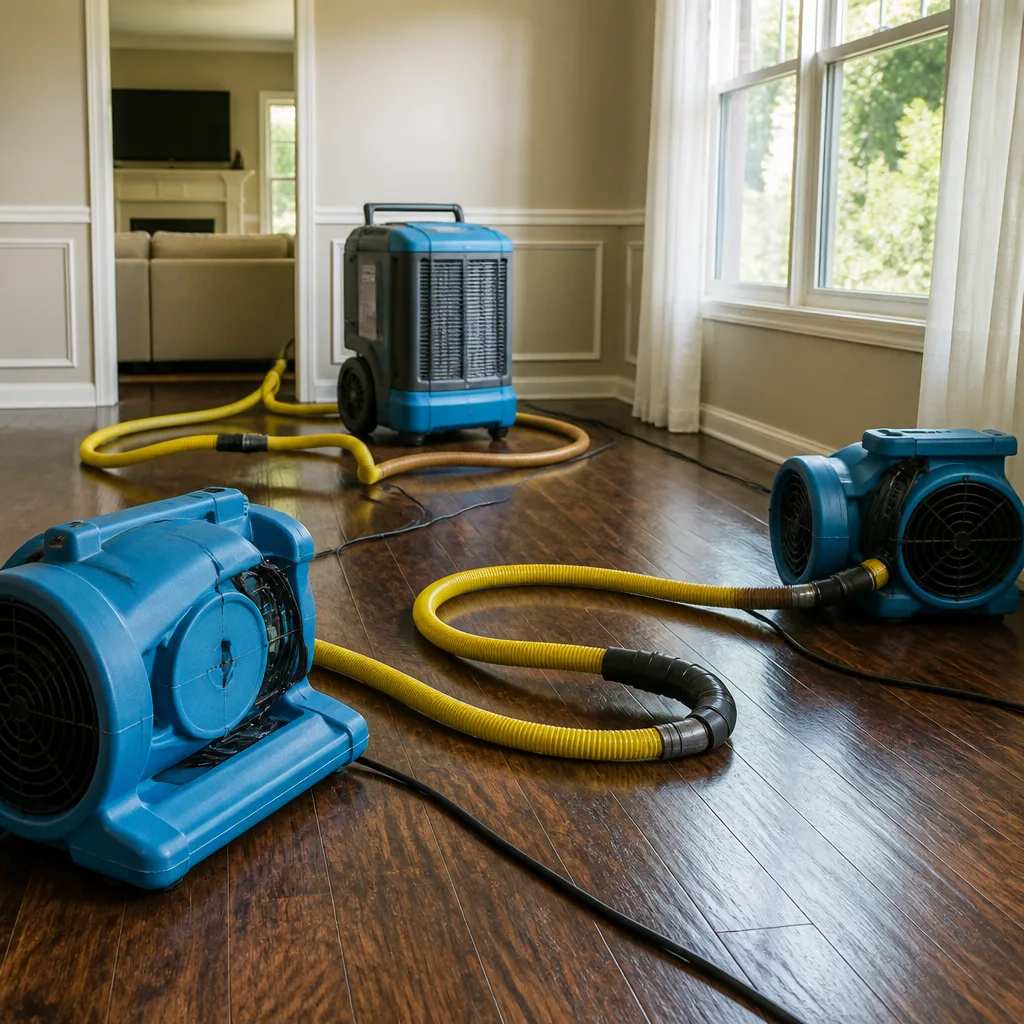
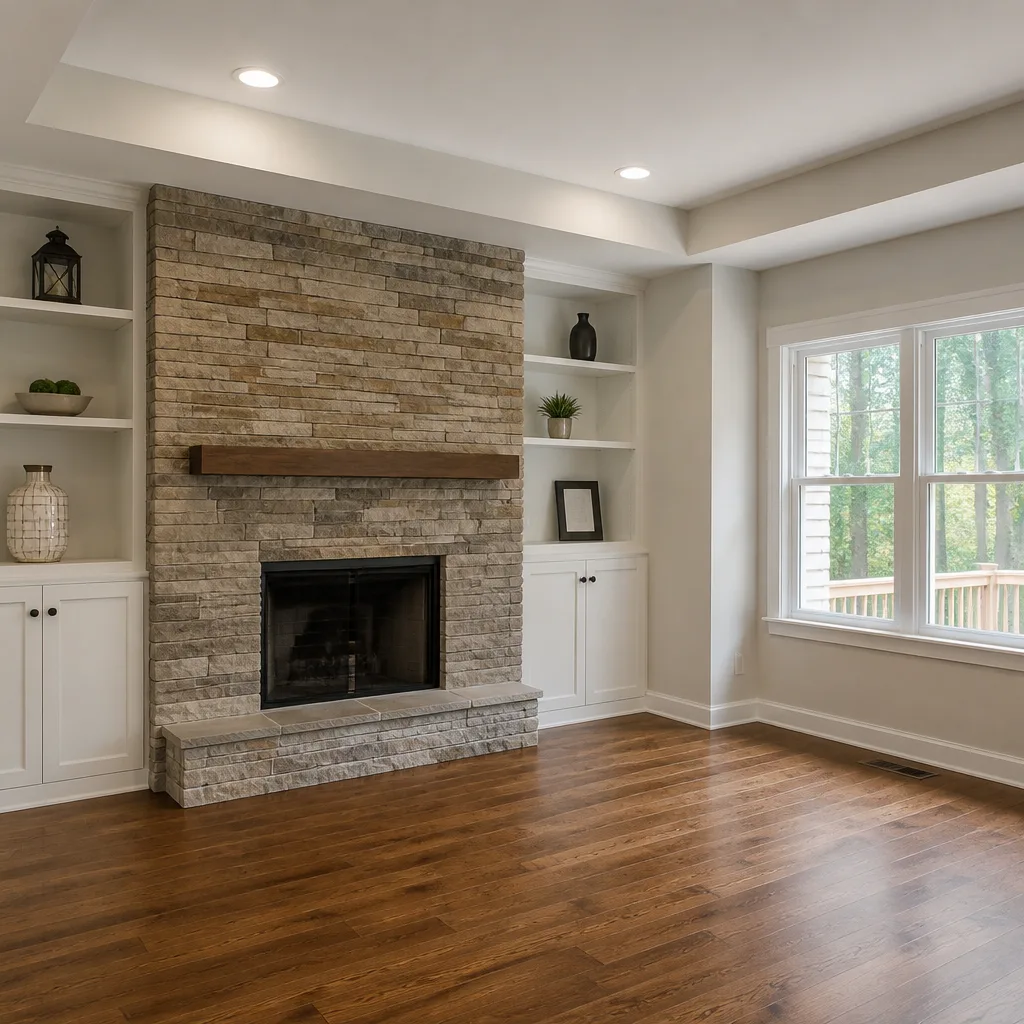
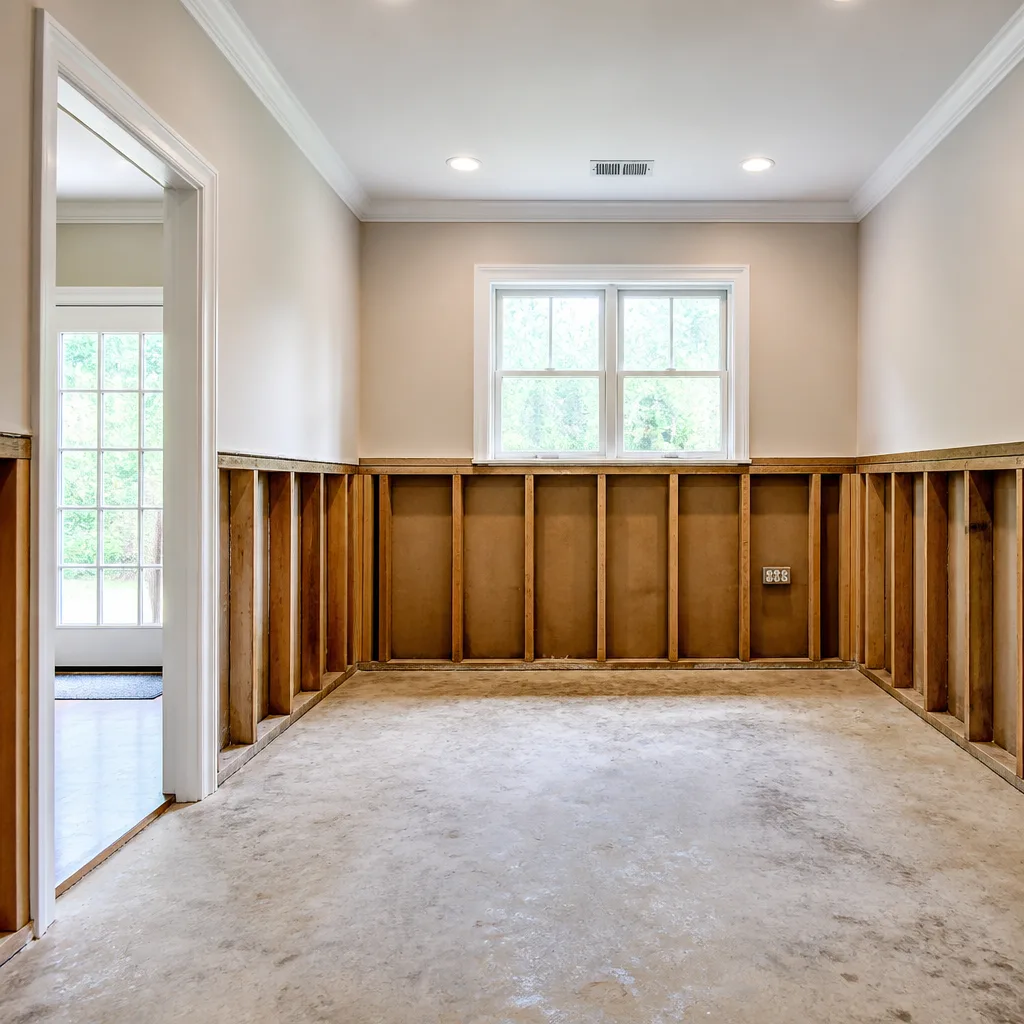

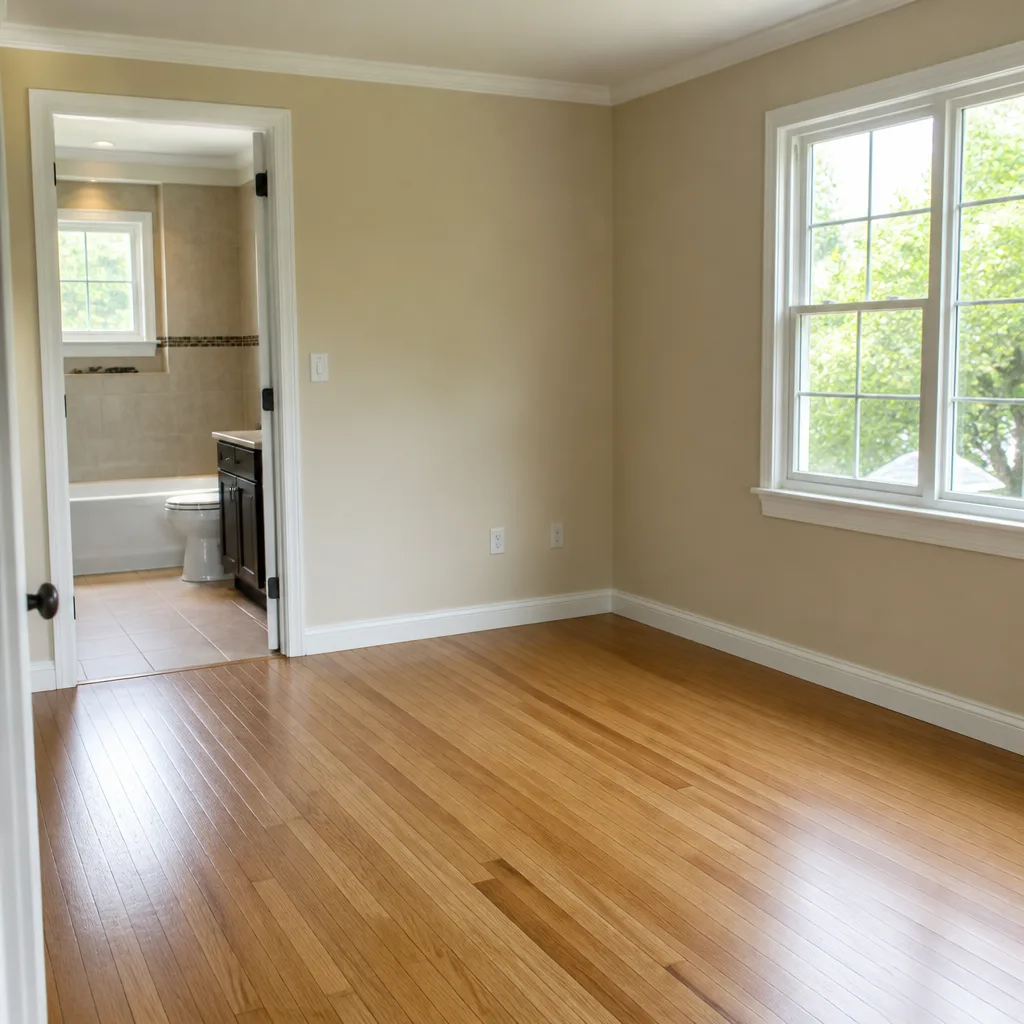
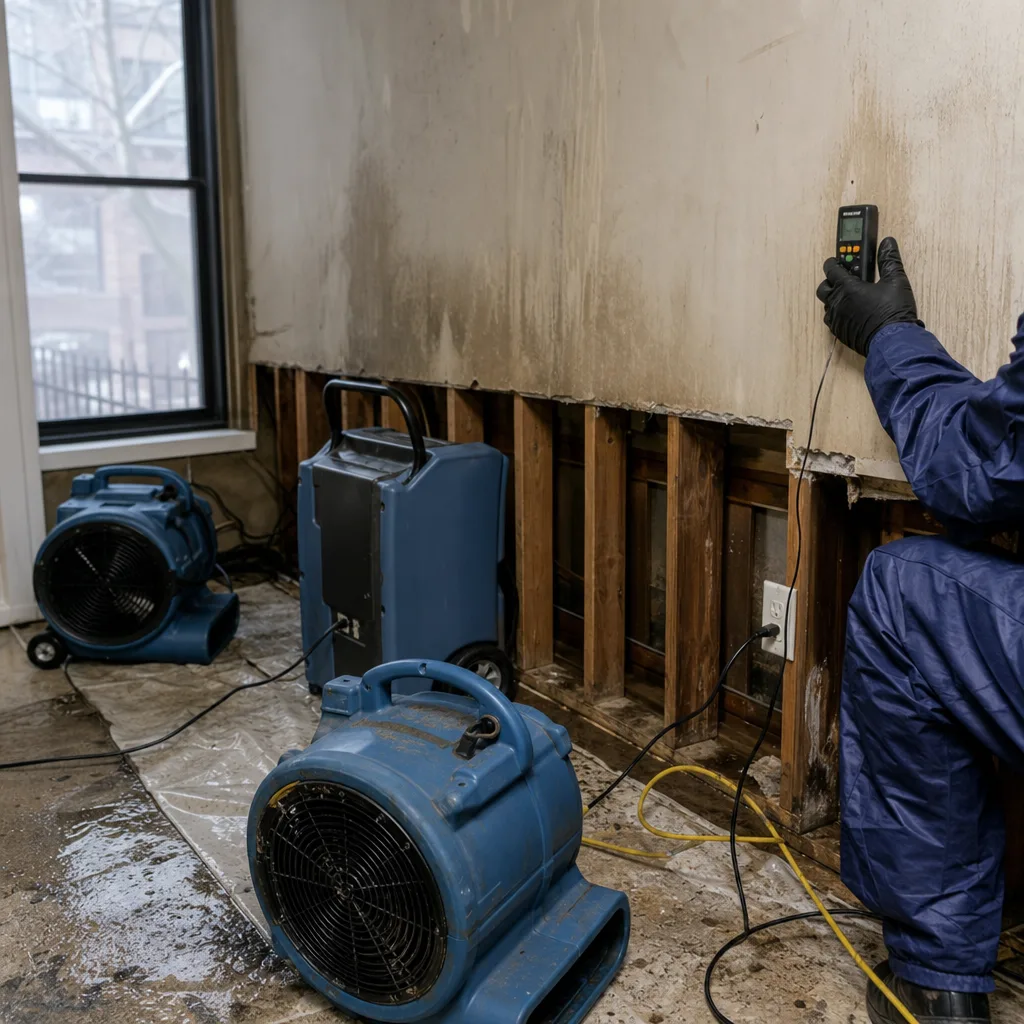 Before
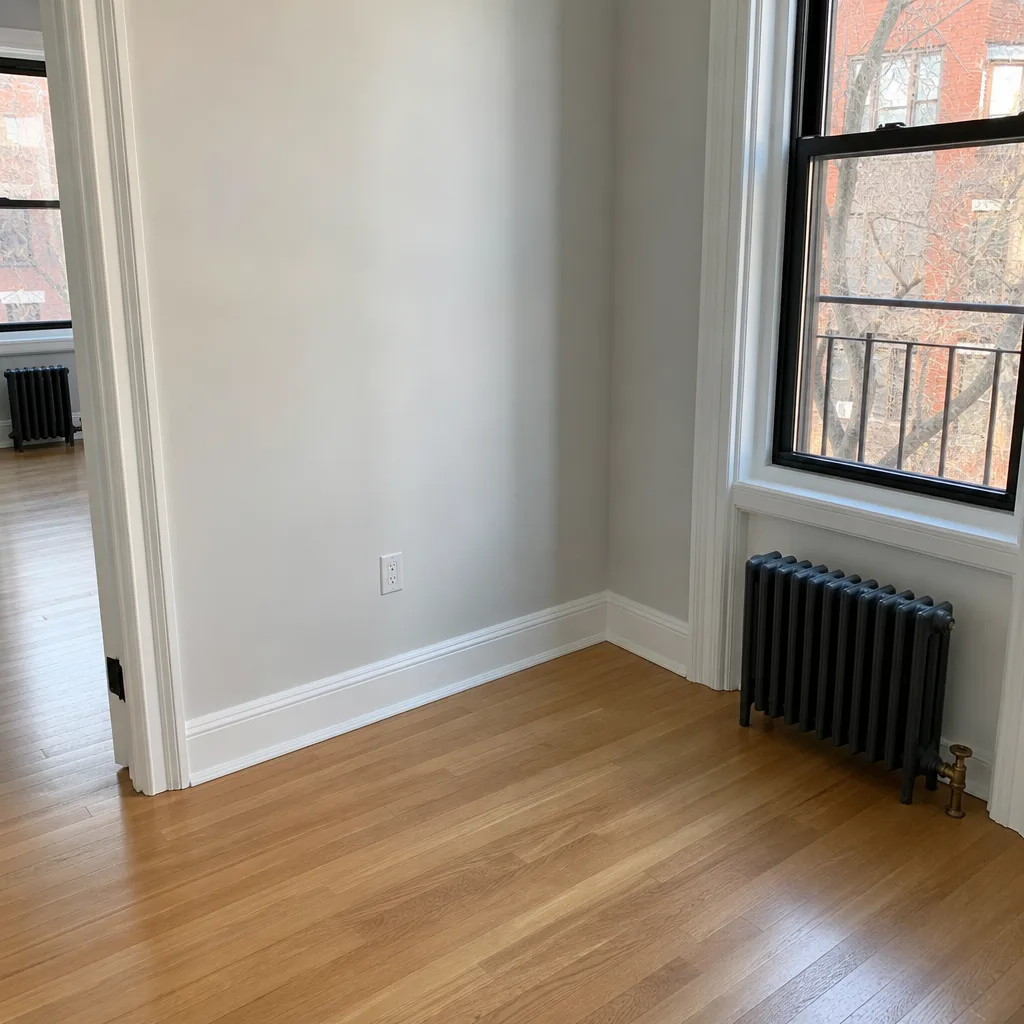 After
After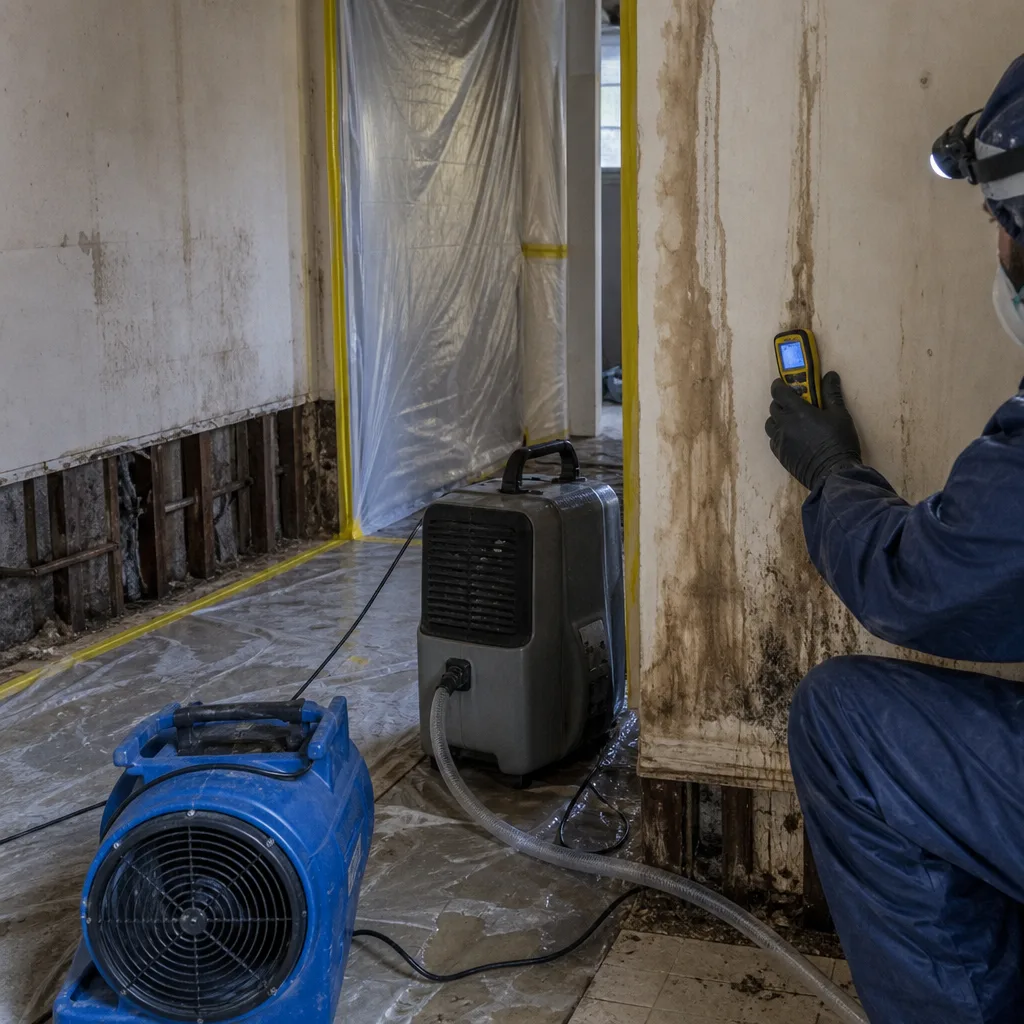 Before
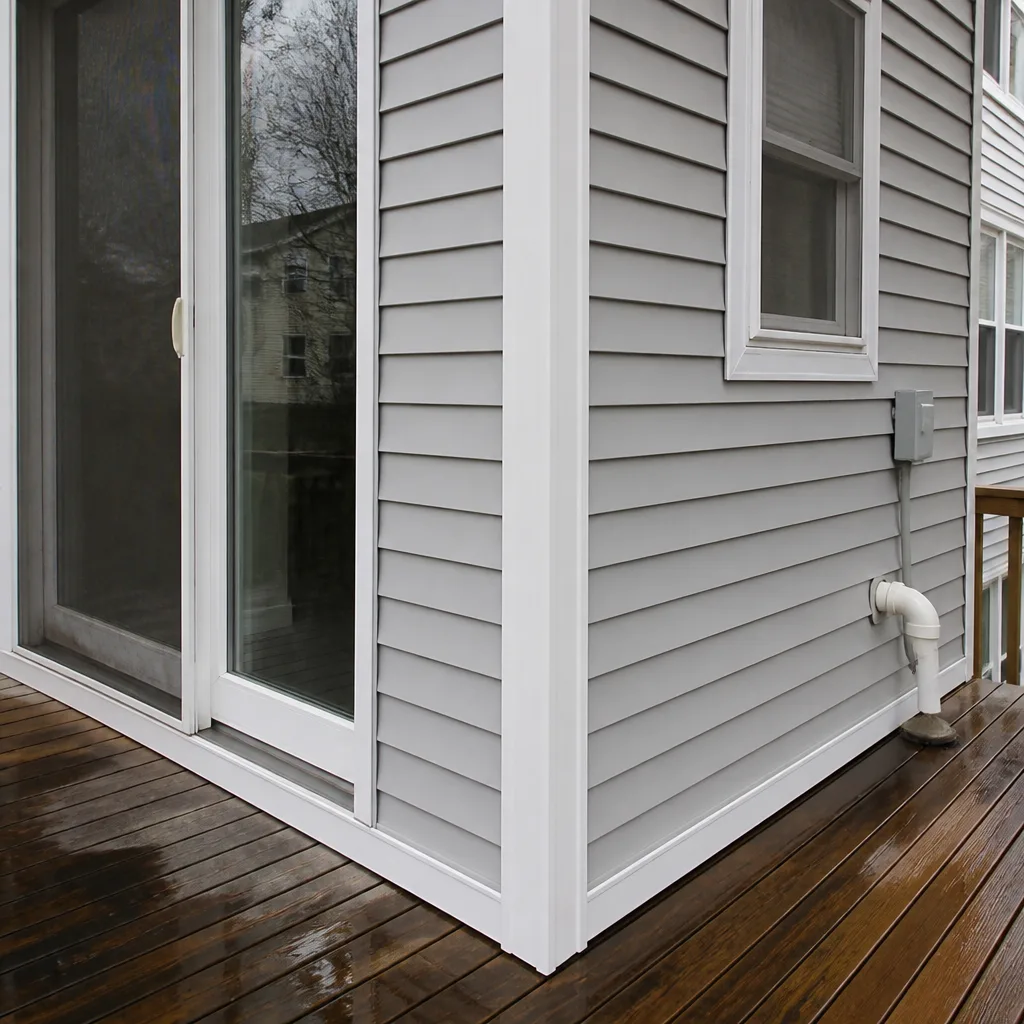 After
After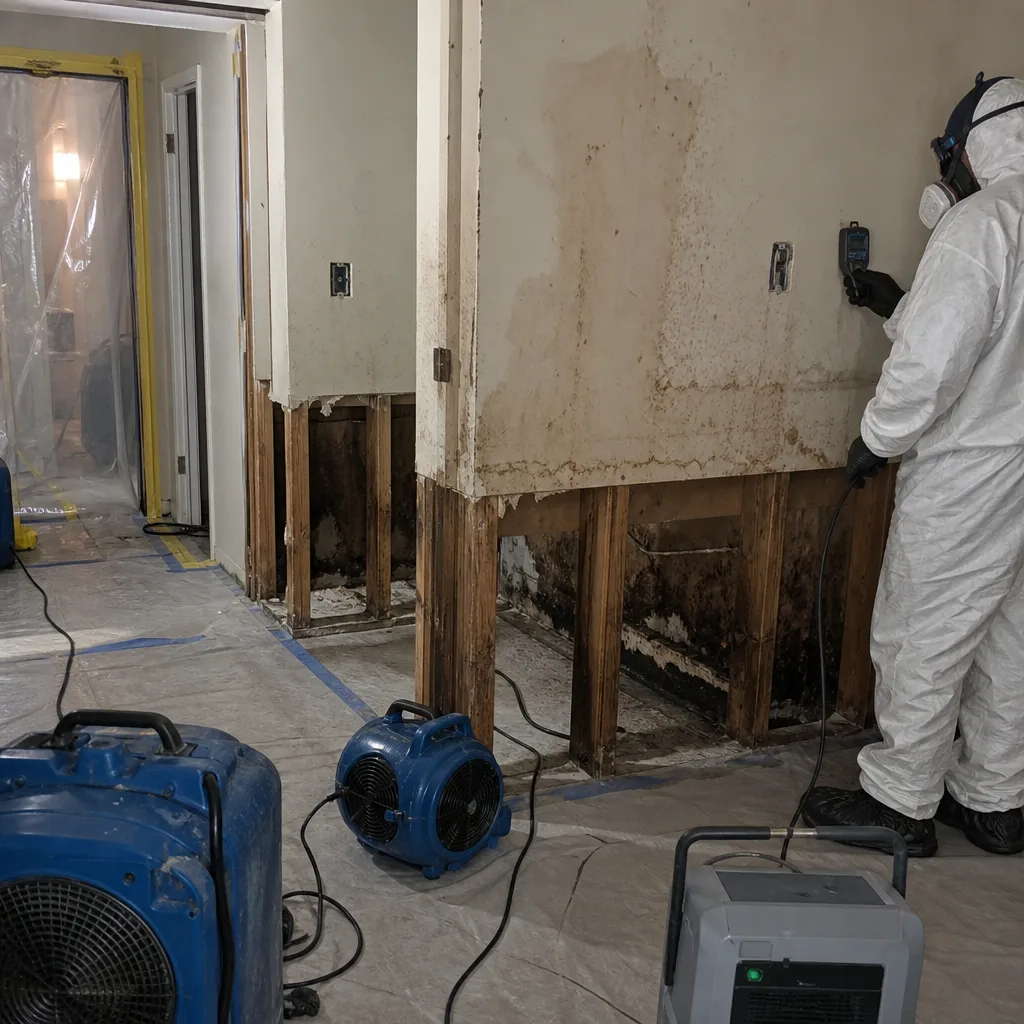 Before
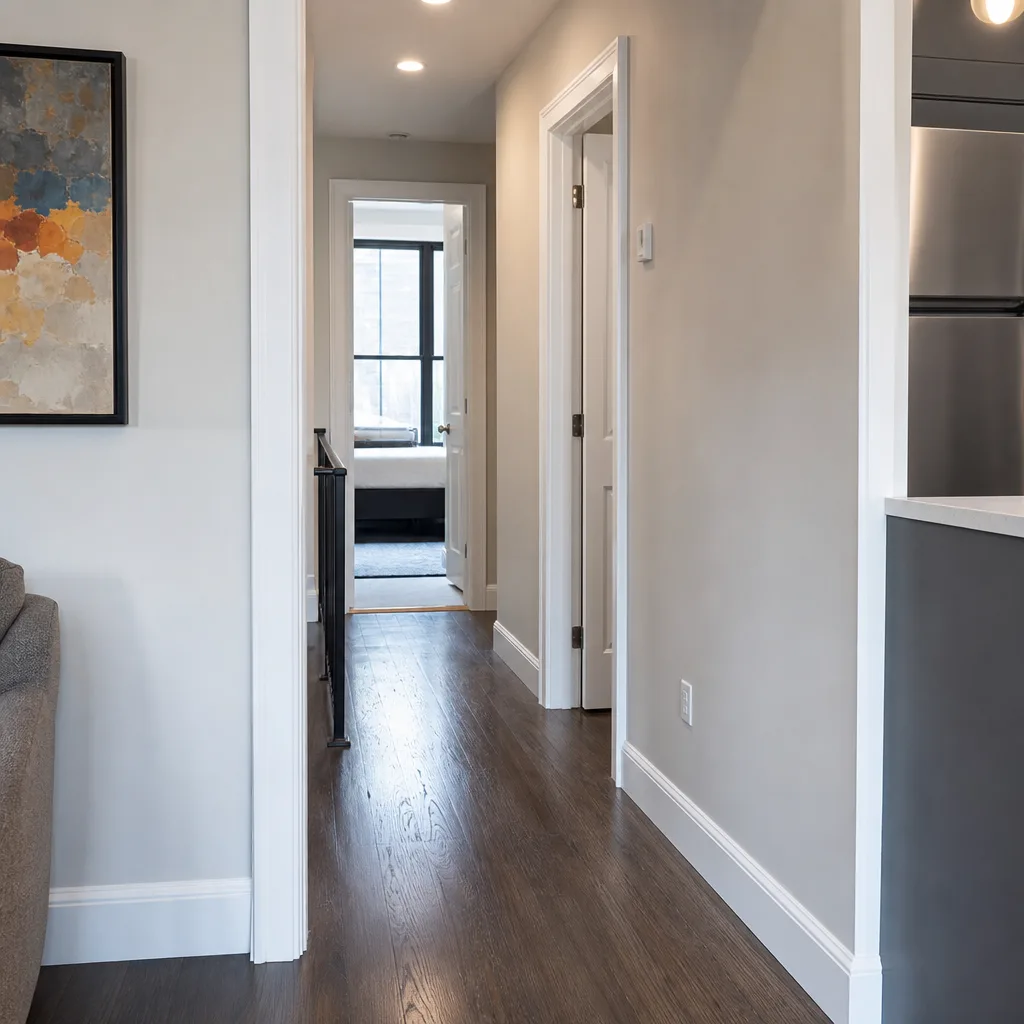 After
After24/7 Emergency Water Damage Restoration in University Gardens
Water damage restoration in University Gardens typically costs $1,800-$6,400 for a standard room loss, with burst pipes and nor’easter ceiling failures running higher. Our crews reach University Gardens within 45 minutes and start extraction the same visit. A live person answers at (917) 924-4221 no matter the hour, and we dispatch a certified crew immediately. The first hour matters most because water in a 1930s plaster-and-lath home doesn’t just sit on the surface; it wicks into the wall cavity, saturates the plaster keys, and begins delaminating original ceiling finishes while you wait. Call now and we’ll have a visual inspection underway before the water moves another floor level.
Understanding Water Damage Restoration Severity in University Gardens Properties
Water losses fall into three categories, and the category determines the drying protocol. Category 1 is clean water from a supply line or failed water heater. Category 2 carries contaminants from appliance overflows or sump failures. Category 3 is sewage or groundwater intrusion from flooding. What sets University Gardens apart is how the building envelope responds. Homes built between the 1920s and 1950s here use plaster-and-lath, not gypsum board. Plaster absorbs moisture slowly, hides saturation behind paint and wallpaper, and cracks along the original lath lines when it dries too fast. Penetrating moisture meters and thermal imaging tell us what’s wet behind a period wall, because visual inspection alone misses what’s happening inside the cavity. A category 1 supply leak that ran overnight behind a custom millwork wall can mean full cavity drying, not just a patch and paint. Structural drying in these homes is a slower, more deliberate process than in drywall framing, because the goal is stabilization, not speed.
Why University Gardens Property Owners Choose Floodline Restoration Co. of Manhattan
- 45-minute response commitment. Dispatch is live around the clock, and a certified crew is on the road to University Gardens within minutes of your call.
- A real person answers, 24/7. No automated system, no call-back queue. You’ll speak with a dispatcher who can authorize a crew immediately.
- IICRC-certified technicians, trained to WRT and ASD standards. Our crews carry the Water Damage Restoration Technician and Applied Structural Drying certifications, the two that matter for plaster-and-lath and hardwood losses.
- Free visual inspection with moisture mapping. We assess the loss with penetrating and non-penetrating meters before we recommend any work, so you’re not paying for guesswork.
- Direct insurance billing. We work with your adjuster, provide the documentation, and bill the carrier directly on covered losses. You don’t handle carrier paperwork.
- One crew from extraction to rebuild. The same technicians who read the moisture map on day one handle daily drying logs, plaster repair, and finish work. No handoff mid-job.
Our Water Damage Restoration Process
Inspection & Assessment
We arrive, map the water’s path with thermal imaging and penetrating meters, and document the loss. In a 1930s University Gardens home, this means checking plaster keys, lath condition, and the subfloor beneath original oak. The free visual inspection gives you a written scope before any work begins.
Extraction & Stabilization
Truck-mounted extraction removes standing water before it saturates deeper into plaster and flooring. We stabilize the affected area to stop water migration and protect unaffected rooms with containment barriers.
Drying & Dehumidification
We deploy Dri-Eaz and Phoenix dehumidifiers with low-velocity air movers calibrated for plaster substrates. Daily moisture readings are logged until the dry standard is met, and that log goes to you and your carrier. Plaster dries on its own schedule; we don’t rush it.
Cleaning & Sanitization
Surfaces are cleaned and treated with antimicrobials appropriate to the water category. For category 2 and 3 losses, we follow IICRC protocols for containment, removal, and sanitizing affected materials.
Preservation-Grade Plaster & Millwork Repair
This is where University Gardens work differs from standard Nassau County jobs. We match historic plaster thickness, lath repair, and trim profiles to the original. Custom millwork is protected during drying, not sacrificed to make room for equipment.
Repairs & Restoration
The final phase returns the home to pre-loss condition. That means period-correct plaster, refinished oak flooring where needed, and paint that blends with the existing finish. One crew handles it all, start to finish.
Need Emergency Water Damage Restoration in University Gardens Now?
Crews minutes away, answering live 24 hours a day. The sooner we start, the less it costs.
Working With Your Insurance Company
Insurance claims on University Gardens homes often hinge on documentation quality. Adjusters who don’t know the difference between a drywall patch and a plaster-and-lath repair will undervalue your claim. We give your carrier everything they need from the first hour: dated photos, moisture readings, drying logs, and a line-item scope that reflects preservation-grade work, not generic drywall pricing. Our team communicates directly with your adjuster, answers their questions, and provides the technical detail that keeps the claim moving. You don’t play messenger between us and the carrier. When we bill direct, you’re not advancing thousands out of pocket while the claim processes.
What We Provide Your Insurer
- Thorough documentation of the loss
- Photos of all damage, room by room
- Moisture readings and drying logs
- A detailed, line-item scope of work
- Direct coordination with your carrier
Built for University Gardens’s Loss Calendar
Water damage in University Gardens follows a pattern. January and February bring deep freezes that burst supply lines and water heaters in older homes, often behind plaster walls where the leak runs silently for days. March and April thaw triggers basement seepage through fieldstone foundations and aging perimeter drains. June through August, thunderstorms drop enough rain to overwhelm gutters on dense tree canopy lots, sending water under shingles and into ceilings. Fall returns nor’easter season, and the wind-driven rain that comes with it saturates roof decks and finds every flashing weakness. The mature tree canopy that makes University Gardens feel private is the same legacy planting that sends large limbs through roofs in storms. Each season creates a different loss profile, and we plan drying and repair protocols around what actually hits these homes, not a generic template.
Water Damage Restoration Across University Gardens’s Neighborhoods
University Gardens is small, but the loss patterns vary by block. Homes along Clover Drive and the streets near Little Neck Bay tend to take storm-driven rain and ice-dam exposure because of their orientation to the Sound. The original 1920s and 1930s residences closer to the village center have the oldest plumbing, with galvanized supply lines that corrode from the inside and fail inside walls. The postwar-built homes along the northern blocks have low-pitch roofs that pool water and form ice dams. Tight lot lines mean many basements are only accessible through narrow stairwells, so equipment staging requires compact air movers and dehumidifier placement that works around period millwork. Street parking for our trucks is tight on most blocks, so we plan equipment runs to minimize disruption to neighbors. In every case, the route we take and the equipment we bring is chosen for the house, not the other way around.
Specialized Water Damage Restoration Services We Offer in University Gardens
Emergency Water Extraction
Standing water in a University Gardens basement or first floor needs to go now. We run truck-mounted extraction on arrival and get water out of plaster substrates and subfloor cavities before saturation spreads. The same visit, not the next day. Call (917) 924-4221 for immediate dispatch.
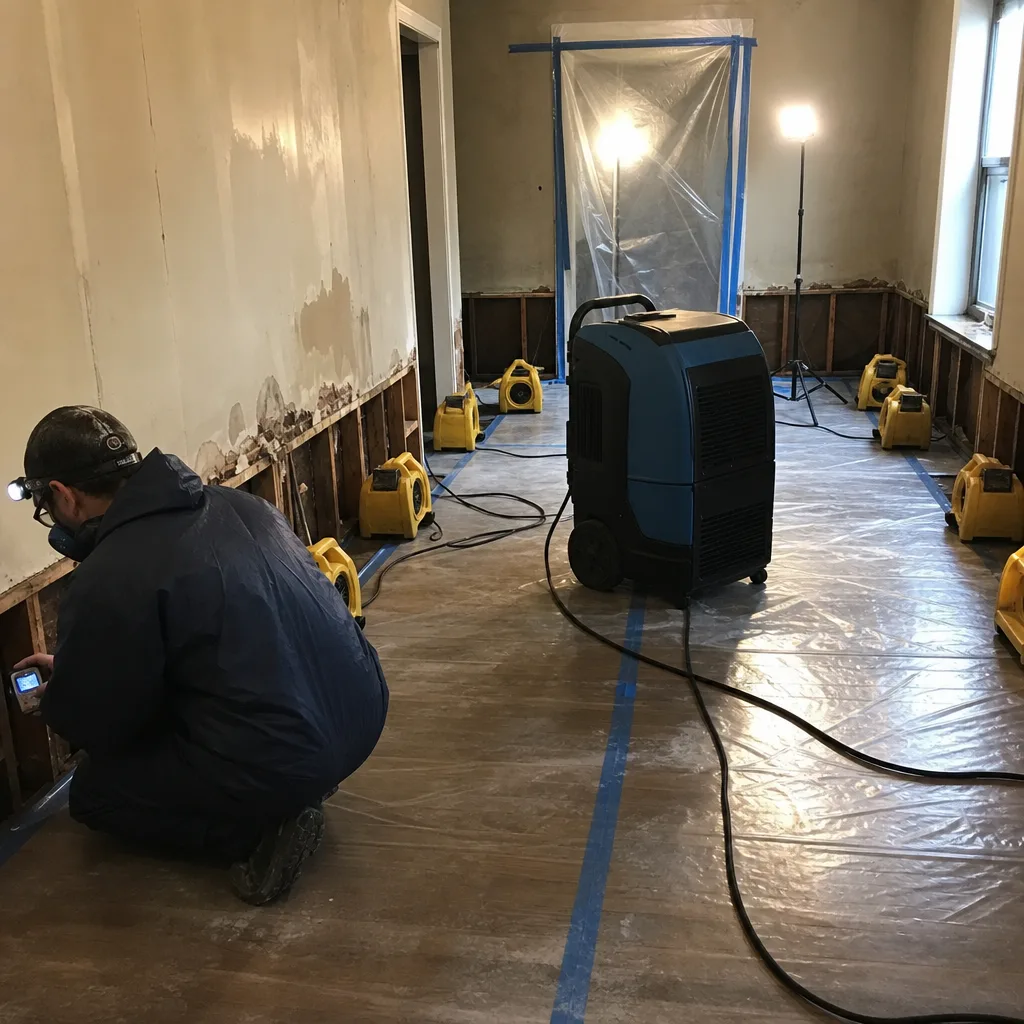
Structural Drying & Dehumidification
Plaster-and-lath dries differently than drywall, and rushing it causes cracks and delamination. We use Dri-Eaz and B-Air dehumidifiers with air movers set to preserve period finishes, and we log readings daily until the dry standard is met. The log goes to you and your carrier.
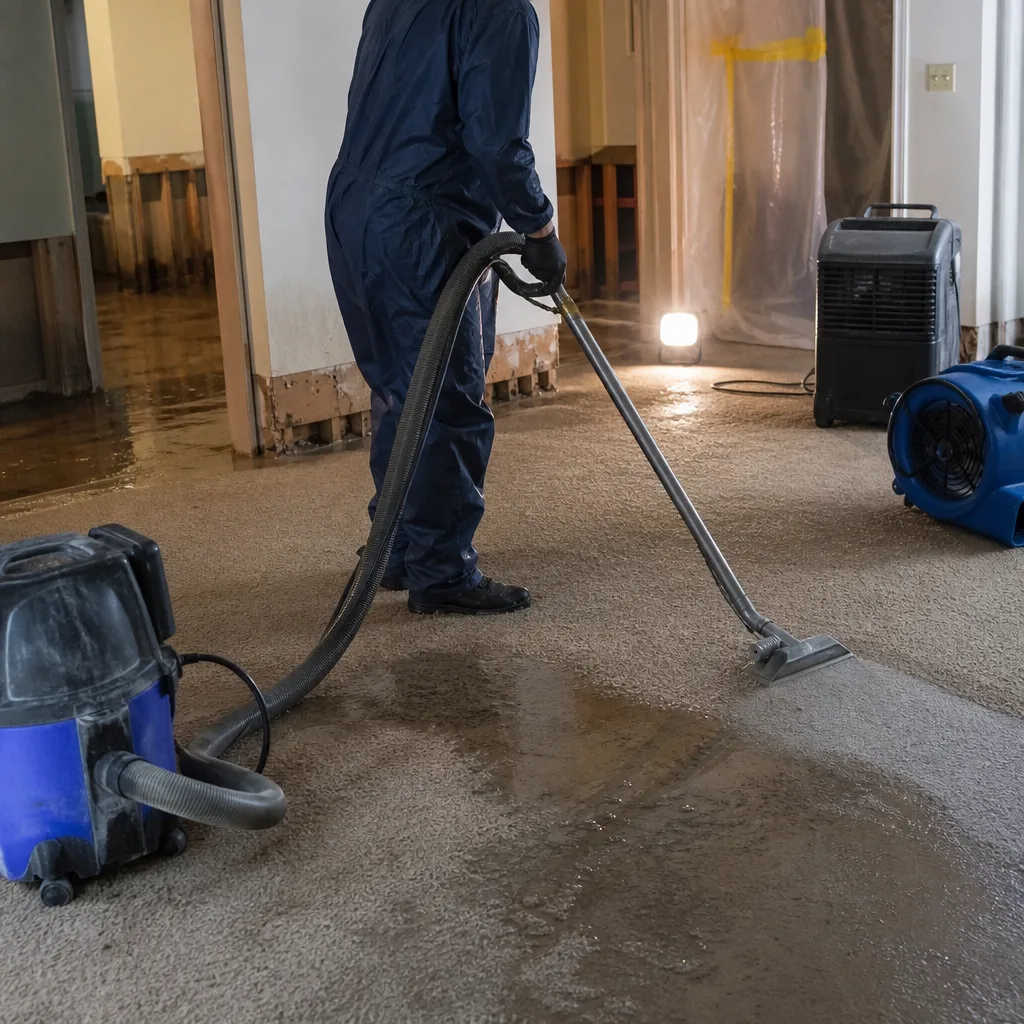
Flood Cleanup
Storm flooding from the Sound or overflowing gutters introduces category 3 water. We handle containment, removal of saturated materials, sanitization, and the rebuild. University Gardens basements with original oak joists need a careful hand here, because aggressive demolition costs you original material you can’t replace.
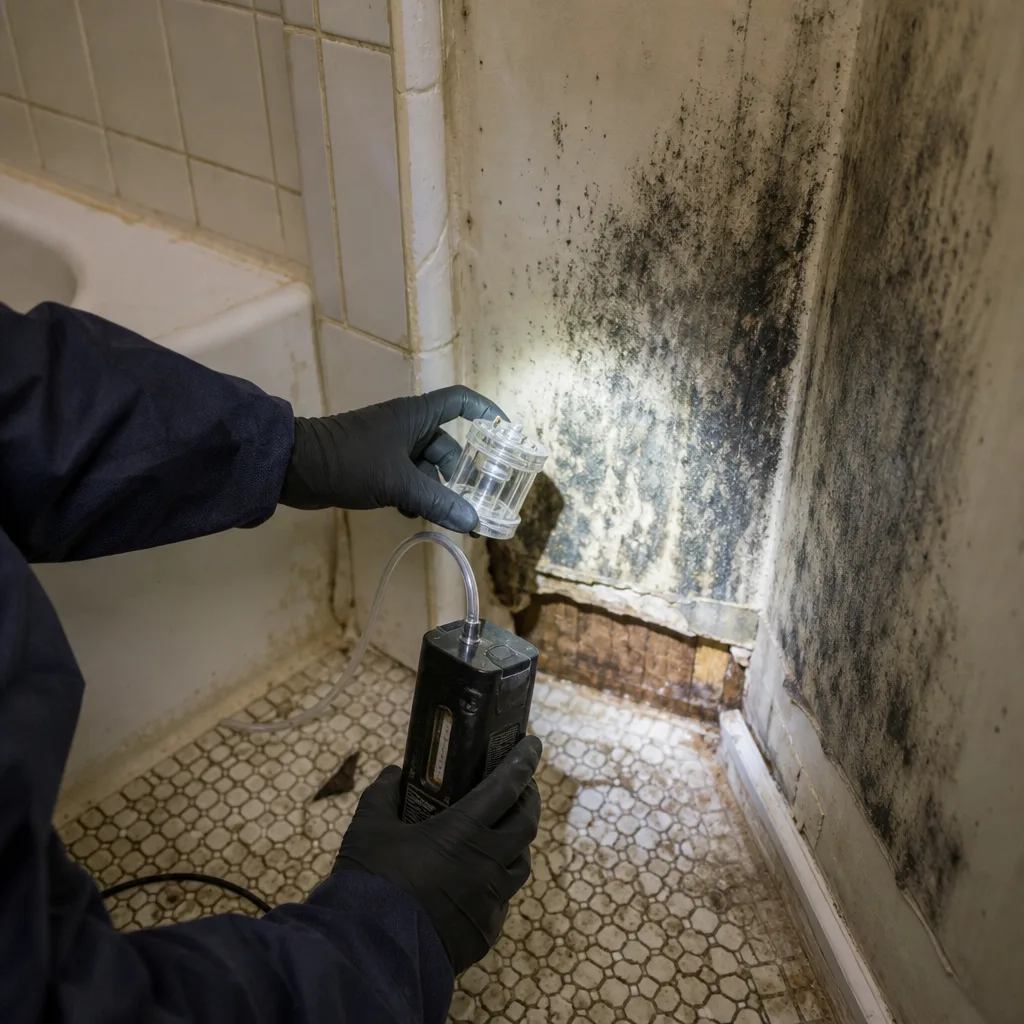
Burst Pipe Restoration
Frozen supply lines and failed galvanized pipe are the leading winter losses in University Gardens. Water runs behind plaster for days before you see a stain. We trace the pipe, dry the cavity, repair the plaster, and match the paint to the existing finish. Full restoration, not just drywall slapped over a wet cavity.
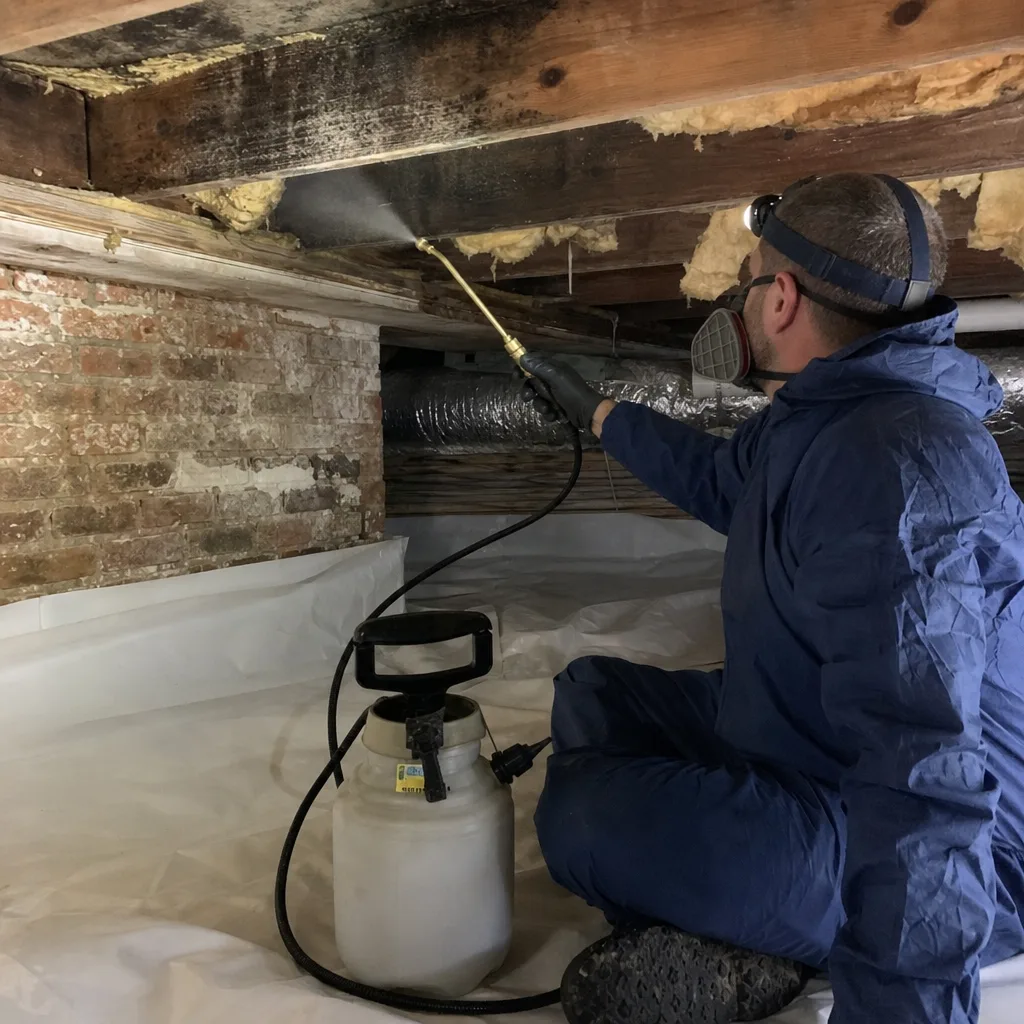
Basement Water Removal
Tight stairwells and finished basements with custom built-ins are common here. We extract, dry, and restore without damaging the millwork that makes the space original. Equipment is positioned to protect, not damage, period finishes.
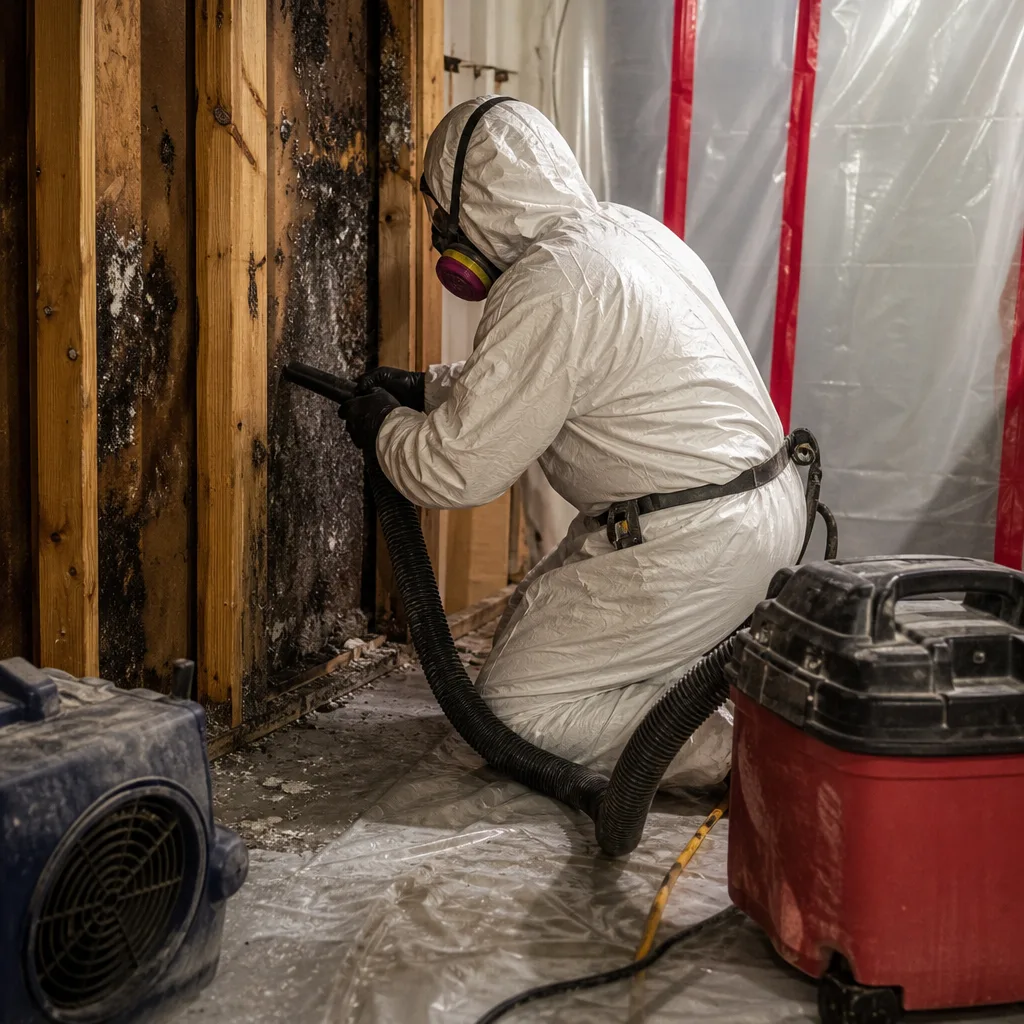
Ceiling & Roof Leak Water Damage
Ice dams on low-pitch roofs and nor’easter wind-driven rain are the top ceiling loss causes in University Gardens. Water saturates the plaster ceiling from above, and the plaster keys fail if you don’t dry correctly. We repair the structure, dry the cavity, and replaster to match the original line and profile.
What happens when you call
- 1
A real person answersNo phone trees - you reach a local pro.
- 2
You get an upfront price rangeHonest numbers before anyone is dispatched.
- 3
A background-checked tech heads outLicensed & insured, dispatched right away.
- 4
You approve before work beginsNothing starts until you say go.
Water Damage Restoration Costs in University Gardens, NY
A typical water extraction and drying job in University Gardens runs $1,800-$4,200 for a single room. Ceiling and plaster restoration after a roof leak or ice dam usually lands between $3,500-$8,500 depending on ceiling height, plaster condition, and whether original trim must be replicated. Burst pipe losses with hidden cavity damage often run $5,000-$12,000 when they include oak floor refinishing and plaster repair. What moves the price is the plaster, not the water. A drywall patch costs $300. Matching a 1930s plaster ceiling with period trim profiles costs five times that, and doing it wrong costs you the room. We provide a free visual inspection with moisture mapping, then a written scope with line-item pricing before work starts. Insurance-covered losses are billed to your carrier. Out-of-pocket work gets the same written scope: a square deal, no surprises on the bill.
We Also Serve Cities Near University Gardens
Our crews respond to water damage across the North Shore and surrounding communities, including University Gardens and the nearby towns of Fairview, Harrison, East Bronx, and Hunts Point. If you’re in one of these areas and water is moving through the house, call (917) 924-4221 and we’ll be rolling.
Serving University Gardens, NY - Our Local Coverage Area
We’re based in the University Gardens area and know this community well. Use the map below to see our service coverage - if you’re nearby, we can almost certainly help.
University Gardens Water Damage Restoration Questions, Answered
How does water damage restoration differ for a 1930s plaster-and-lath ceiling in University Gardens?
Plaster-and-lath absorbs water slowly, hides saturation behind paint, and cracks along lath lines if dried too fast. Restoration means penetrating moisture meters to find hidden saturation, low-velocity air movement to protect the plaster keys, and plaster repair that matches the original thickness and line. Drywall patching won’t hold on a lath substrate, and it fails re-inspection here. Call (917) 924-4221 for a free visual inspection if you see staining or sagging.
Can you restore period oak flooring after a burst pipe in a University Gardens home?
Yes, in most cases. Original 1920s-1950s oak flooring can usually be salvaged if the water is extracted quickly and the subfloor dried properly. We use hardwood-specific drying mats and monitor moisture content until the wood stabilizes, then sand and refinish to match the surrounding boards. The key is speed; the longer water sits, the more likely the boards cup and need replacement. Call us now at (917) 924-4221 if water is standing on oak floors.
What signs of hidden water damage should I look for in an older University Gardens residence?
Look for efflorescence on plaster walls, a white chalky mineral deposit that signals moisture moving through the wall. Staining that darkens over time, paint bubbling, and a musty smell in a room with no visible leak all point to hidden water. In older homes, a galvanized pipe can fail inside a wall and run for a week before you see anything. If you notice any of these, get a professional moisture reading before the damage spreads.
Do you handle water damage from ice dams on low-pitch roofs common in University Gardens?
Yes. Ice dams form on low-pitch roofs when heat escapes through the attic and melts snow at the ridge, then the meltwater refreezes at the eaves. Water backs up under the shingles and into the ceiling. We handle the water damage side: extraction, drying, plaster repair, and ceiling restoration. For the roof itself, we can coordinate with your roofer or handle repairs as part of the scope. Call (917) 924-4221 for a free inspection after any ice dam event.
How do you manage water damage in tight townhome or alley-load garages in University Gardens without damaging custom millwork?
We stage equipment for the space, not the other way around. Compact dehumidifiers and low-profile air movers fit through narrow doorways and tight stairwells. We use containment barriers to protect adjacent rooms and cover custom millwork with protective sheeting during drying. Every piece of equipment is placed to avoid touching period trim, and the drying plan accounts for airflow in confined spaces. The millwork survives because we plan around it from the first walkthrough.
How fast can someone actually get here?
Forty-five minutes is our commitment. We have crews staged to serve University Gardens around the clock, and a live dispatcher answers immediately to roll a truck. Call (917) 924-4221 any hour and a certified technician will be on site within the hour.
Will my insurance cover water damage restoration in University Gardens?
Most homeowner policies cover sudden and accidental water losses like burst pipes, water heater failures, and storm damage. Slow leaks from lack of maintenance may be excluded. We document the loss with photos and moisture readings from the first hour and work directly with your adjuster to establish covered scope. The free inspection helps you understand what’s covered before you commit to work.
What should I do in the first 30 minutes after discovering water damage?
Shut off the water at the main if a pipe has burst. Cut power to the affected area if water is near outlets. Move furniture and rugs out of standing water if you can do so safely. Then call (917) 924-4221 for immediate extraction. Don’t wait to see if it dries on its own in a plaster home; that’s how minor leaks become five-figure restoration jobs. Estimates are free.
Water Damage Restoration in University Gardens: What Makes This Market Different
University Gardens is a tiny, affluent North Shore village whose housing stock is dominated by architect-designed pre-WWII and early postwar residences with original plaster-and-lath walls, custom millwork, and period hardwood floors. That means restoration here must meet preservation-grade standards to match irreplaceable materials. A contractor who treats a water-damaged plaster ceiling the same as drywall in a 1980s tract home will lose the job on re-inspection. We know because we’ve seen it happen. The response to a nor’easter-driven ceiling leak on a pre-WWII residence here sticks with us: wind-driven rain had saturated the original plaster ceiling above a custom oak floor. Our techs used Dri-Eaz dehumidifiers and air movers to structural-dry the plaster-and-lath cavity, then matched the historic trim profile and replastered the water-damaged area to pre-loss condition, restoring the room without disturbing the original millwork. That’s the standard this market demands, and it’s the standard we work to every time.
Floodline Restoration Co. of Manhattan is built around a dispatch board, not a sales desk. Founded in 2010 by Curt Bowman, we’ve spent over 42 years in the restoration trade serving local communities across New York. Every job is backed by the 90-Day Done Right Promise, known internally as the Keystone Standard. If it’s not done right, we make it right. No paperwork battles, no arguing. Our technicians are background-checked, uniformed, and trained to IICRC, RIA, and IFA standards. The equipment on your job: Dri-Eaz, Phoenix, XPOWER, B-Air, and Injectidry. The bill: no surprises. We bill your carrier directly on covered losses. And every call is answered by a live person, 24 hours a day, 7 days a week. Call (917) 924-4221 today for a free estimate. We’ll be there when we say.
Written by Curt Bowman, Owner at Floodline Restoration Co., serving University Gardens and the North Shore with certified restoration crews since 2010.