
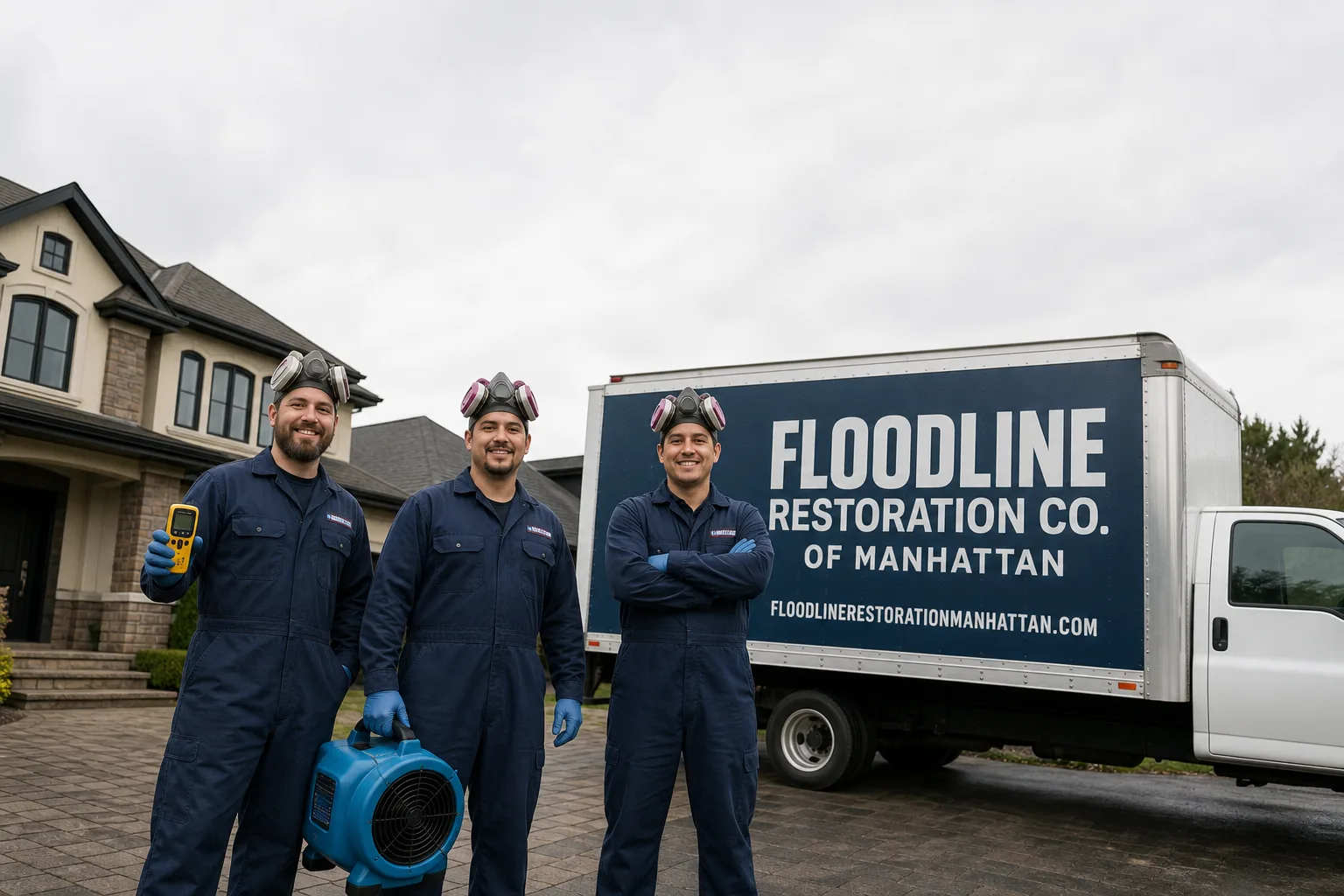
Free visual inspection and a written scope of work before any mitigation begins - photos, moisture readings, and drying logs go in your claim file
The scope we write is the scope we bill. Anything new gets shown to you, in writing, before we touch it.
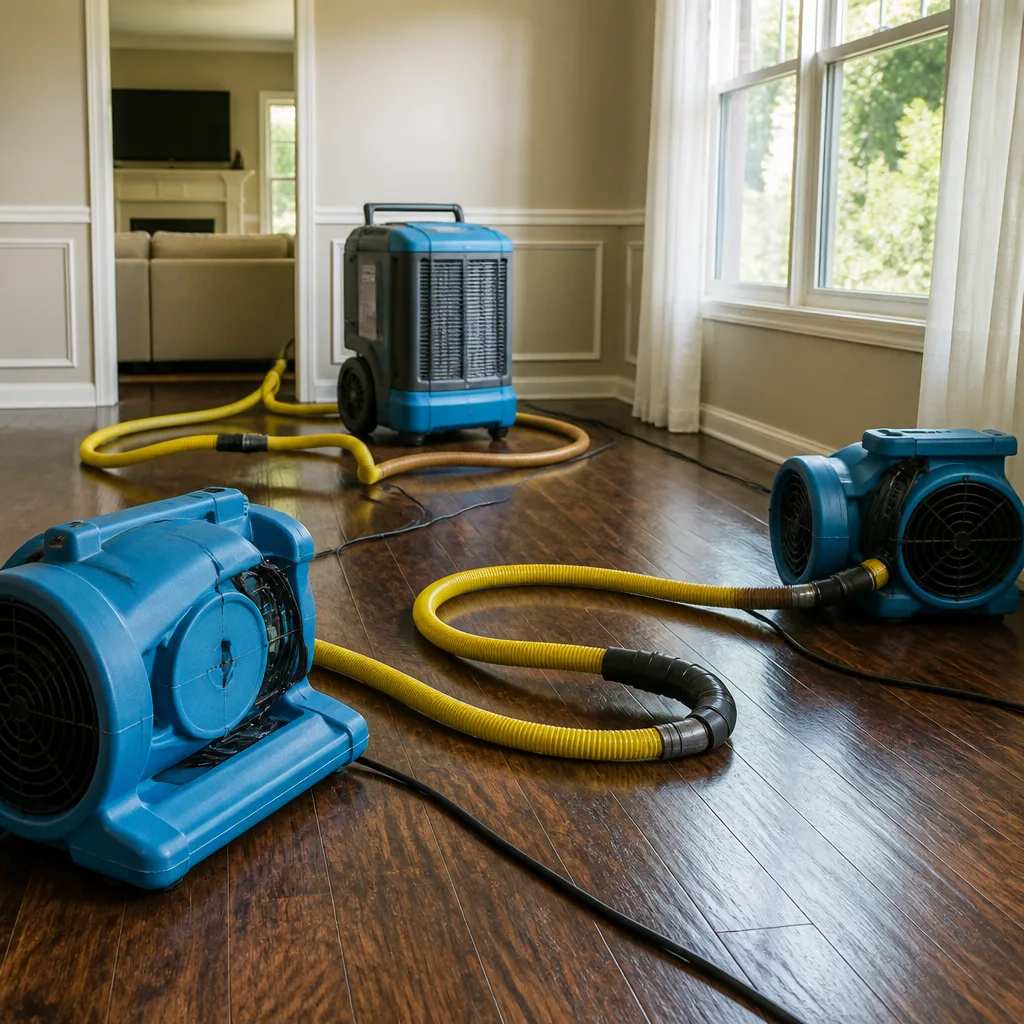
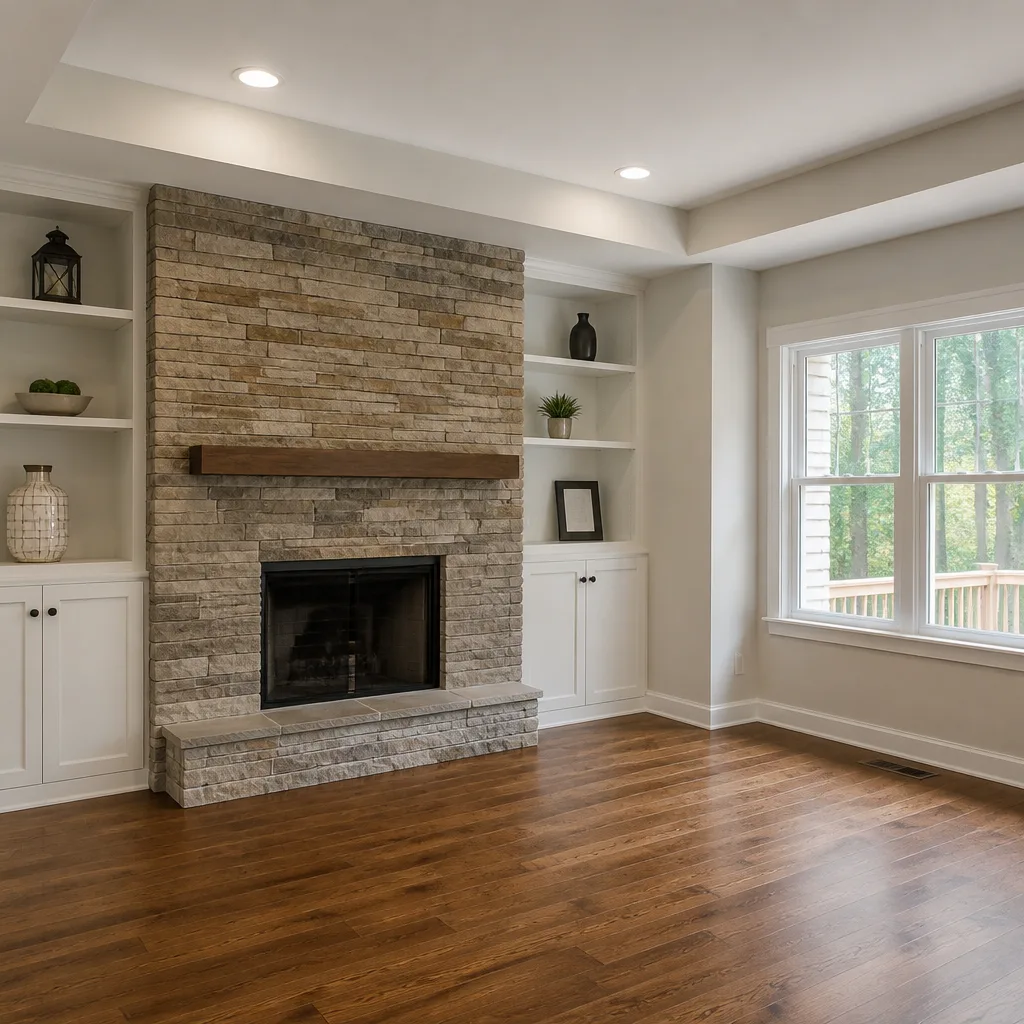

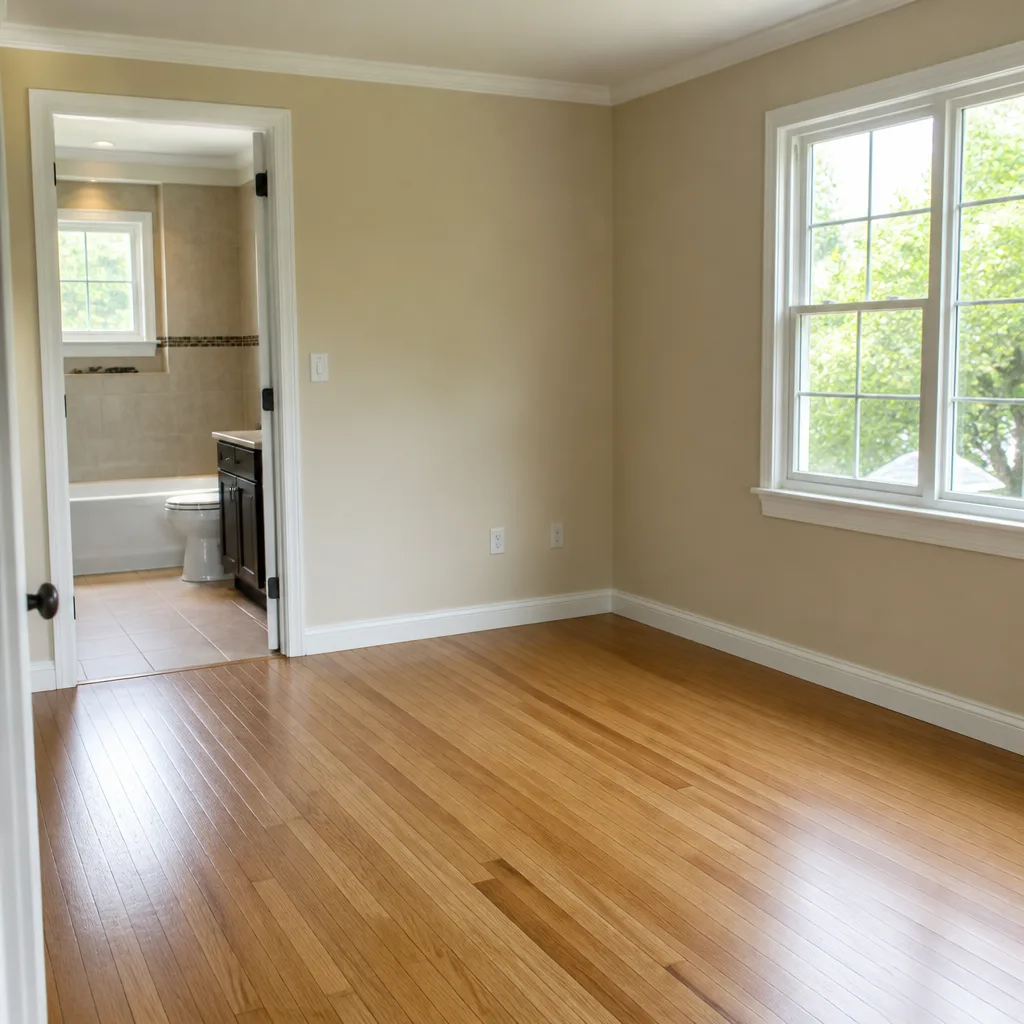
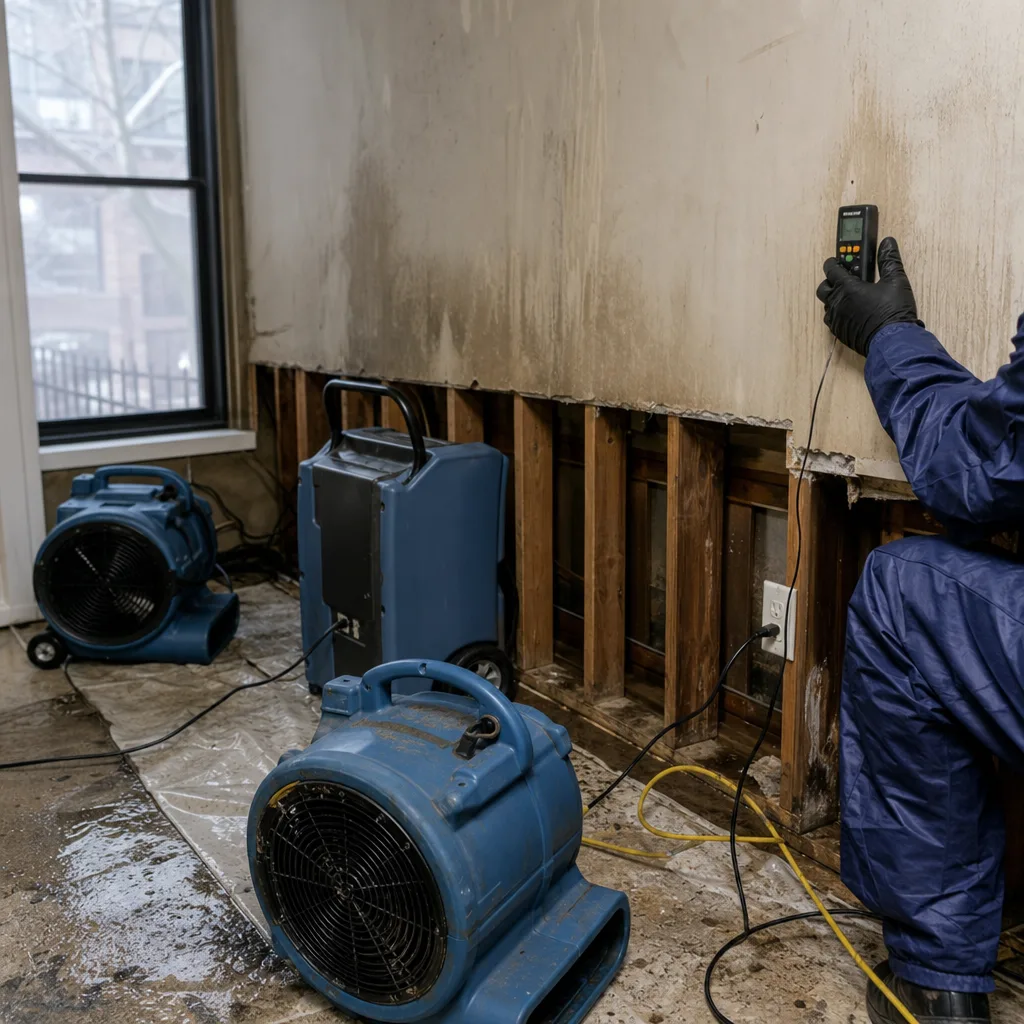 Before
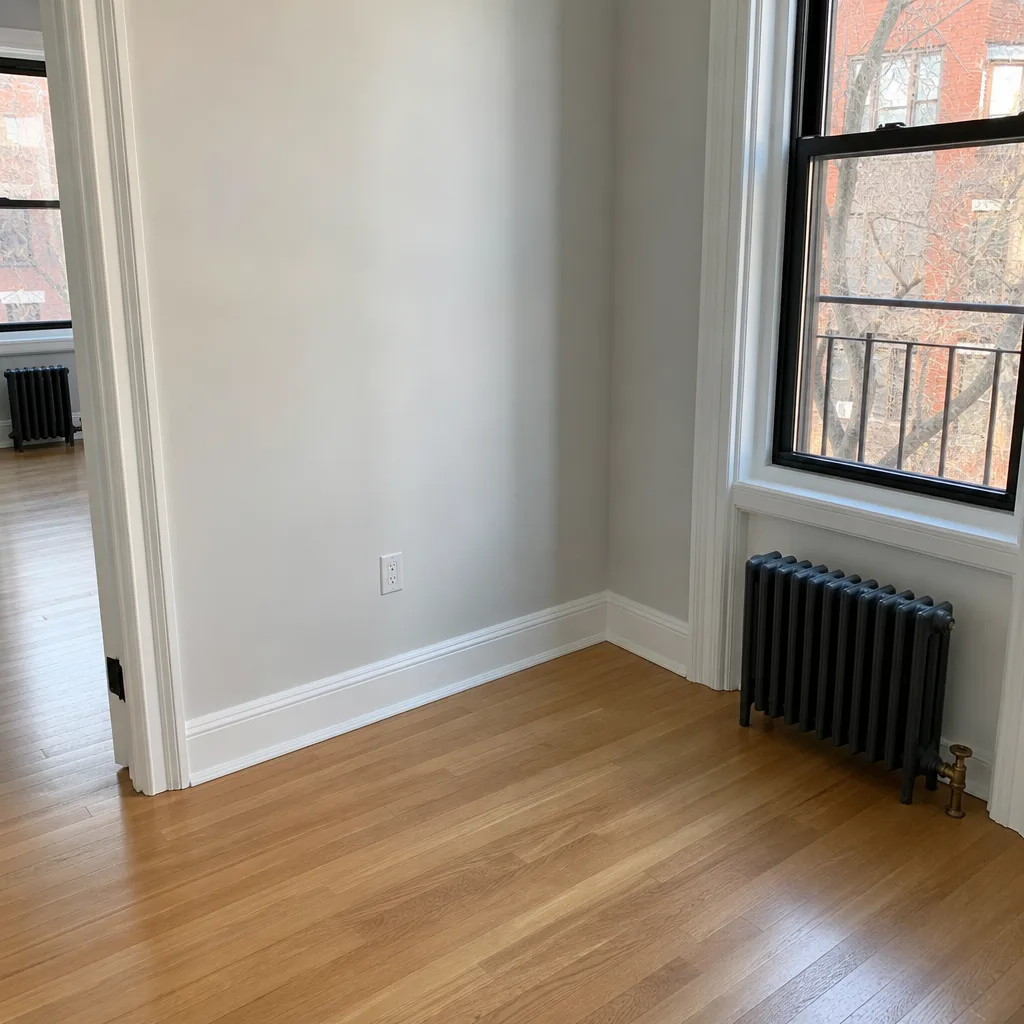 After
After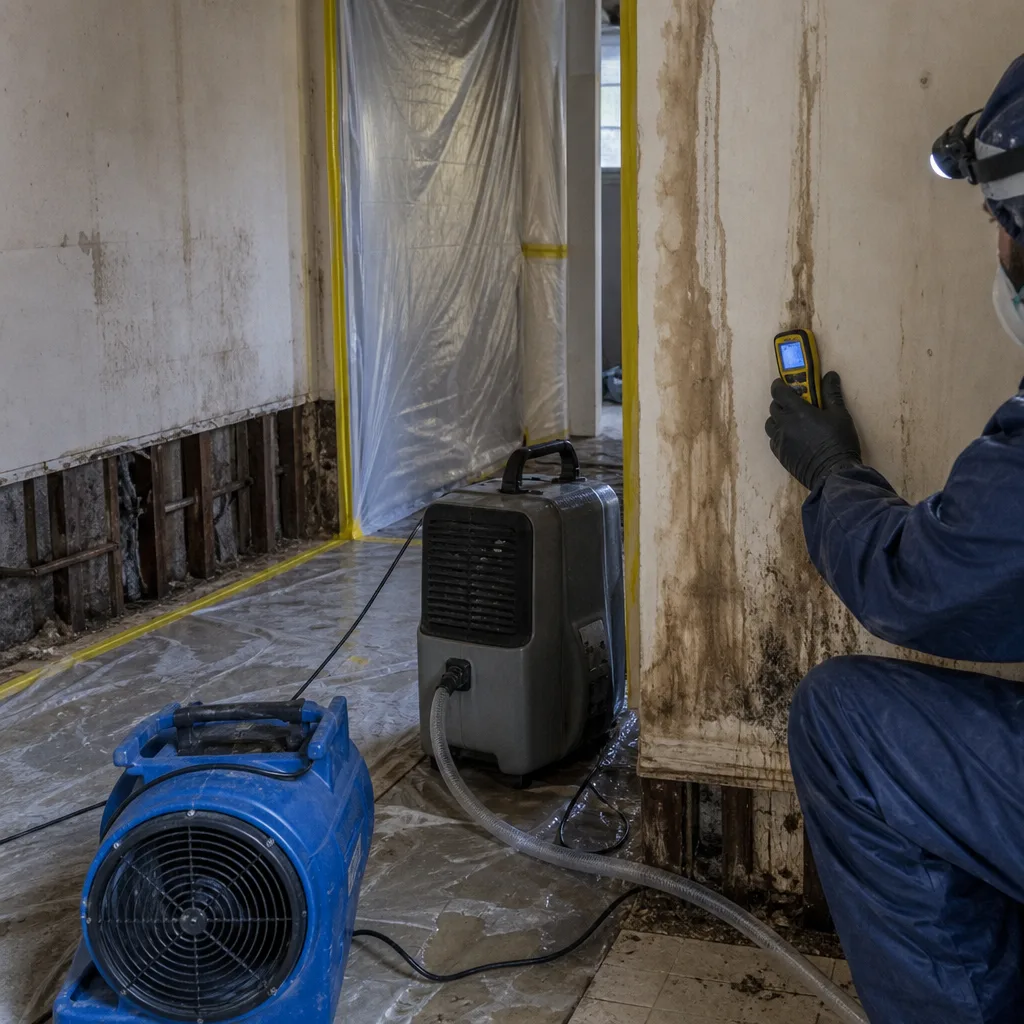 Before
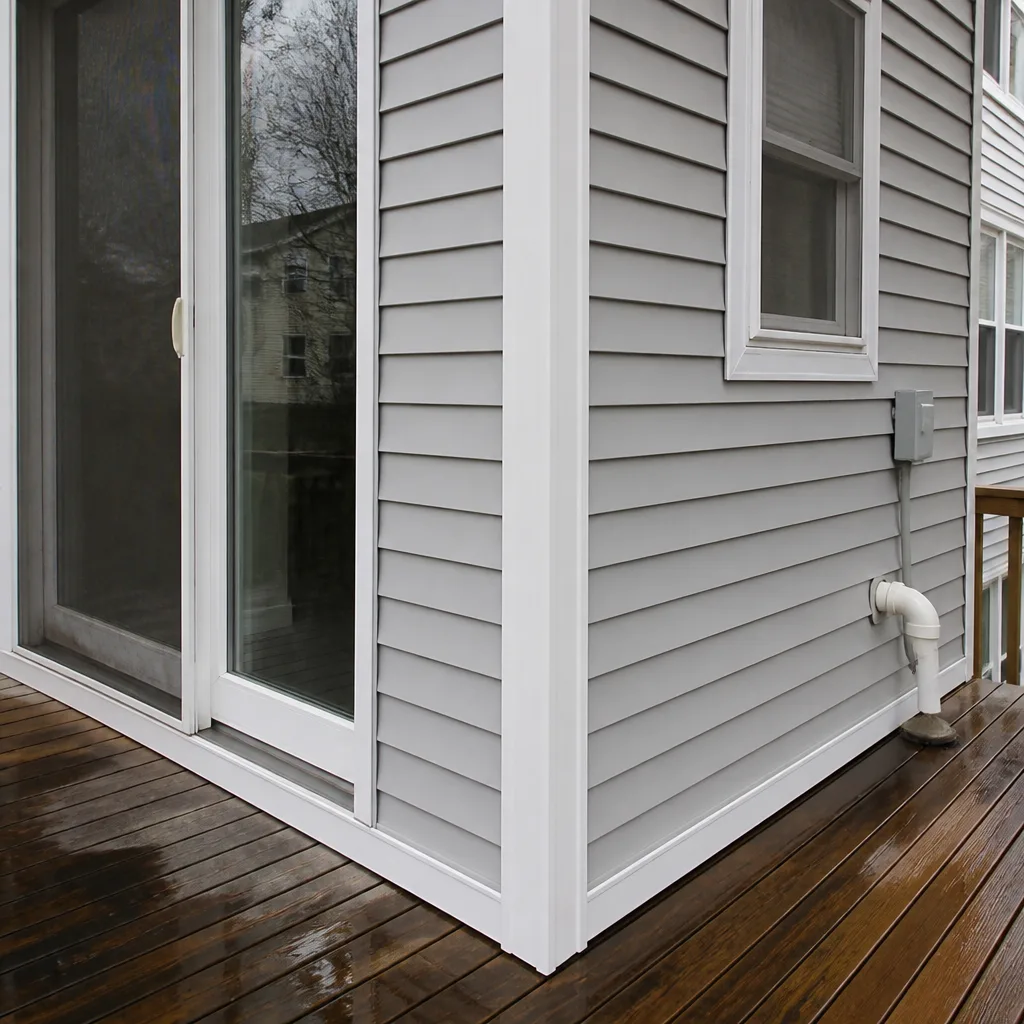 After
After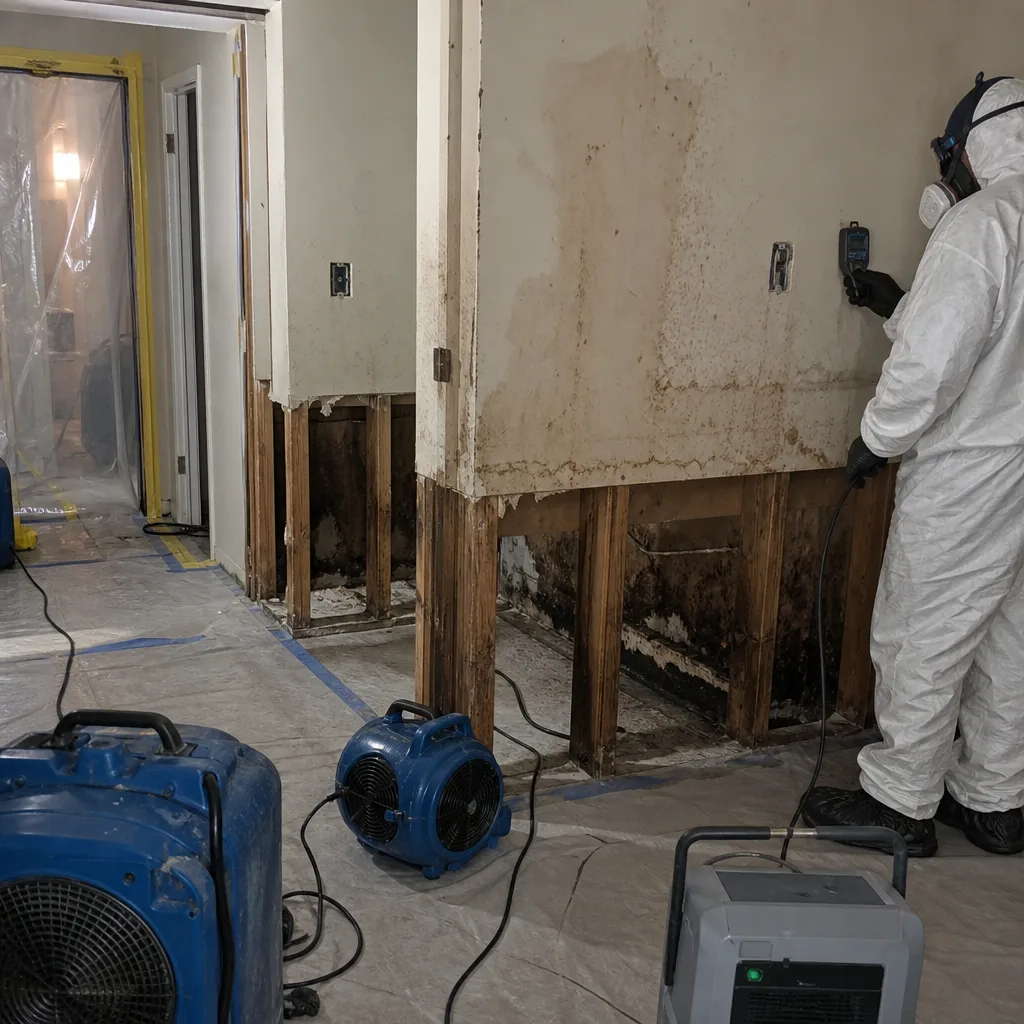 Before
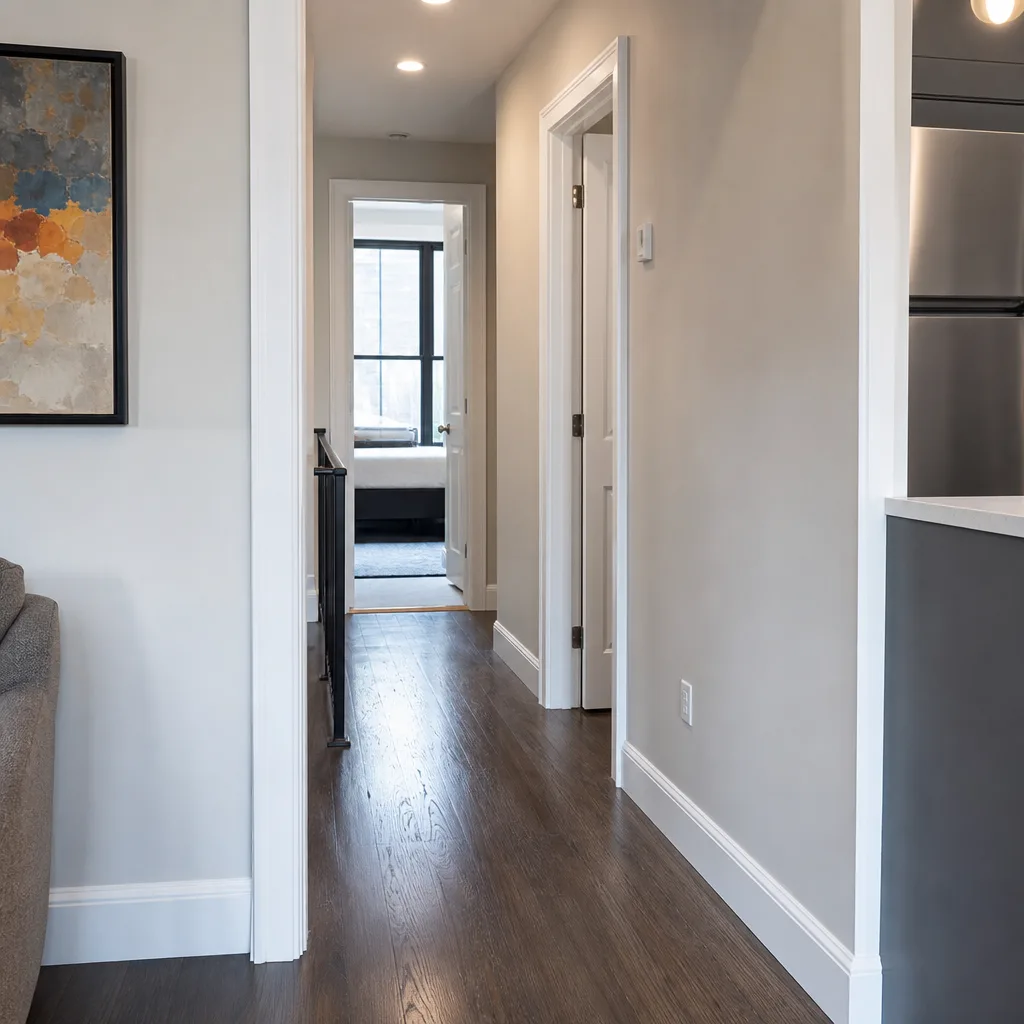 After
After24/7 Emergency Storm & Disaster Restoration in Inwood
Storm damage in Inwood doesn’t wait for business hours, and neither do we. Floodline Restoration Co. answers the phone with a live dispatcher at 2 a.m., not a recording, and a certified crew can be at your door anywhere in Inwood within about 45 minutes. When a nor’easter pushes Jamaica Bay water into your crawl space or wind tears a section of roof off a Bayview Avenue Cape, the first hour determines how much you’ll eventually spend. Standing water turns to structural saturation fast, and saltwater makes it worse. Call (917) 924-4221 right now for a free visual inspection and an honest read on what you’re facing.
Key Takeaways
- Inwood-specific damage: Saltwater from Jamaica Bay surge behaves differently than freshwater flooding and demands a different drying protocol.
- Hidden problem: White chalky residue on baseboards means salt remains in wall cavities, and cosmetic repairs won’t fix it.
- Response time: Live answer 24/7, crews dispatched to Inwood in about 45 minutes.
- Insurance: We bill your carrier directly and document everything from the first hour.
- Guardantee: Every job backed by the 90-Day Done Right Promise, in writing.
Why Storm & Disaster Restoration Plays By Different Rules in Inwood
Inwood sits on a low-lying South Shore peninsula, nearly at sea level, directly exposed to Jamaica Bay. That geography shapes every restoration job here. The bay’s enclosed shape funnels surge from nor’easters and tropical systems, pushing water two to four feet above normal tidal lines into streets and crawl spaces even in moderate storms. You don’t need a Sandy-scale event to get saltwater in your house. This repeated, lower-level flood cycling causes cumulative moisture damage that standard scoping tools calibrated for single-event losses routinely underestimate. Then there’s the housing stock: most Inwood homes are 1940s and 1950s Cape Cods and ranches, many slab-on-grade or with shallow basements sitting below the 100-year flood elevation. Original fiberglass insulation, wood subfloors, and single-wythe masonry in these homes absorb and retain saltwater contamination far longer than modern materials. The result is a restoration challenge that inland Nassau communities simply never see.
Understanding Storm & Disaster Restoration Severity in Inwood Properties
We classify flood water in three categories, and Inwood’s storm surge is almost always Category 3: water that has picked up contaminants from the bay, street runoff, and sewage line backups. Category 3 water demands full extraction, removal of saturated materials, antimicrobial treatment, and verified drying to the dry standard before anything gets rebuilt. We use thermal imaging to find water trapped in wall cavities that looks dry from the outside, and hygrometers to verify moisture content has dropped below acceptable thresholds. One mistake we see often in Inwood: restorers who treat saltwater like freshwater, skipping desiccant dehumidification and salt-neutralizing treatments. That shortcut leaves chloride residue behind. Chlorides are hygroscopic, meaning they pull moisture out of the air indefinitely. Walls that tested dry on day four will be damp again by week six. The chalky white bloom on your baseboards is the tell. It means salt is still migrating through plaster and masonry, and the wall was never truly dried.
Why Inwood Property Owners Choose Floodline Restoration Co. of Manhattan
- 45-minute response commitment to Inwood. Our dispatchers know the local streets from Bayview Avenue to Sheridan Boulevard to Doughty Boulevard, and crews arrive ready to start extraction the same visit.
- A live person answers, 24/7. No automated prompt, no voicemail at midnight. You reach a dispatcher who can put a crew in motion immediately.
- IICRC-certified technicians. Our crews hold WRT and ASD certifications and are trained to RIA and IFA standards, so the drying plan we write is grounded in water-loss science, not guesswork.
- Free visual inspection. We walk your property, map the damage with moisture meters and thermal imaging, and give you a straight answer before you spend a dollar.
- Direct insurance billing. We coordinate with your carrier and bill them directly. You never play messenger between us and the adjuster.
- One team, start to finish. The same crew that runs extraction handles daily moisture readings, rebuilds walls, and hands you the final drying log. No mid-job handoff.
Our Storm & Disaster Restoration Process
Inspection & Assessment
We arrive, assess the full perimeter and interior, and use thermal imaging to map water migration behind baseboards and inside wall cavities. In Inwood, we specifically check for salt residue at the base of every first-floor wall, even in rooms that never flooded.
Extraction & Stabilization
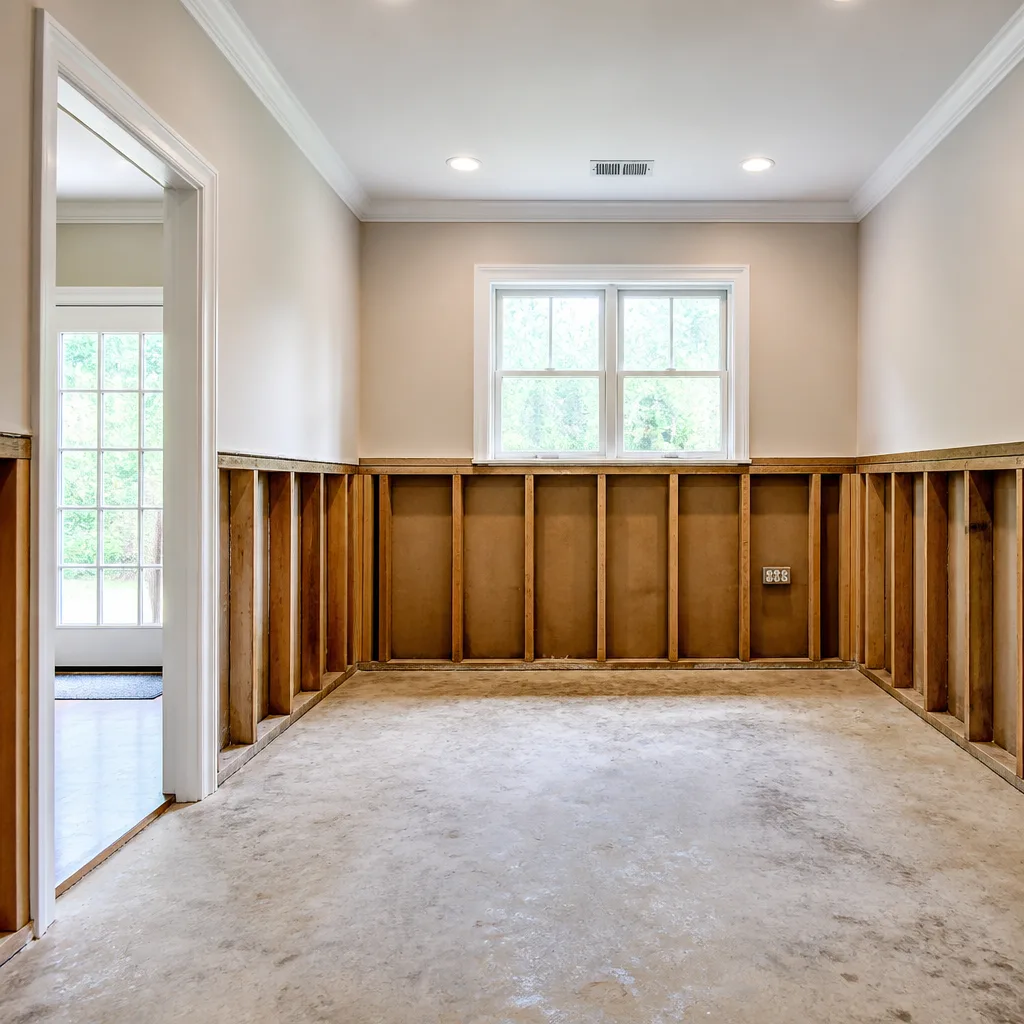
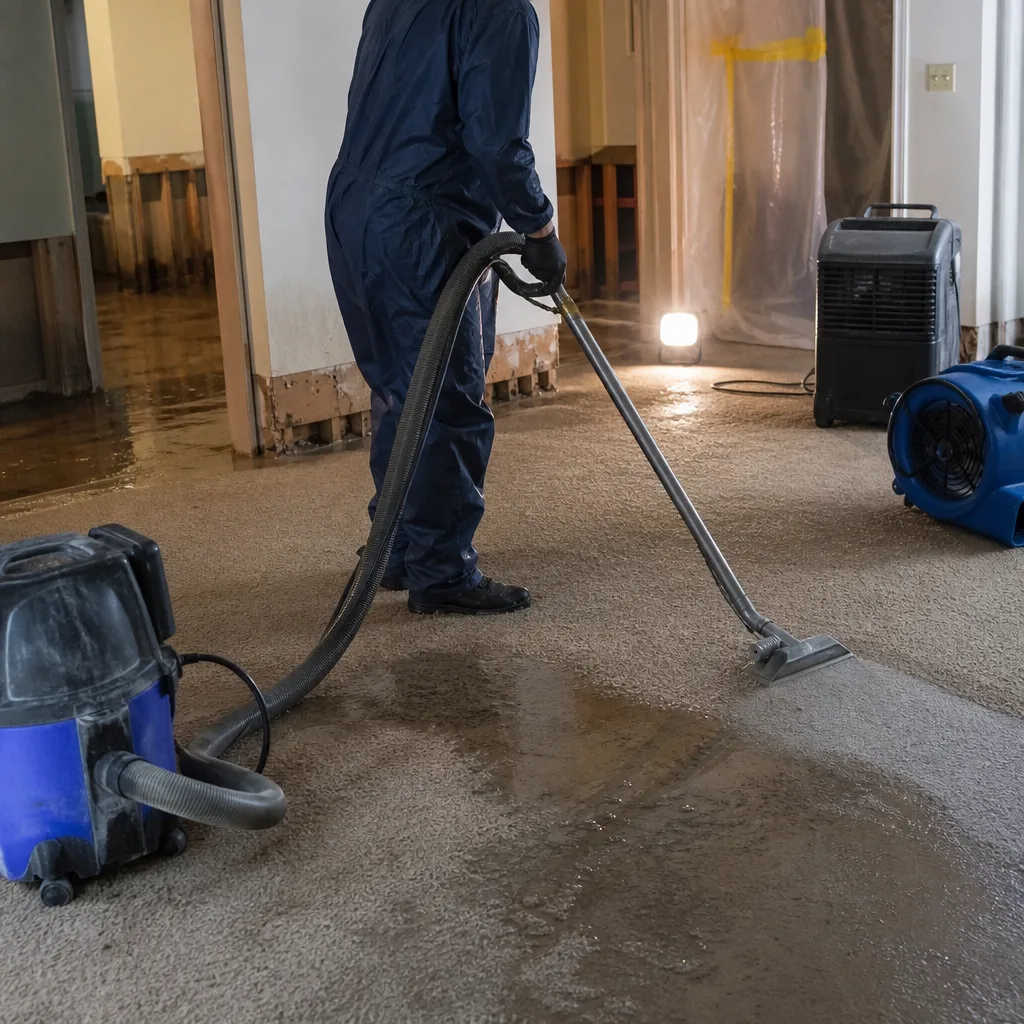
Standing water comes out first with truck-mounted extraction units. Then we remove saturated drywall, old fiberglass insulation, and padding. If your roof is compromised, we tarp and board up the same visit.
Drying & Dehumidification
We run Dri-Eaz and Phoenix air movers and desiccant dehumidifiers, with daily moisture readings until walls drop below 15% moisture content. In Inwood’s slab-on-grade homes, this often takes longer than a standard inland timeline because salt-laden masonry holds moisture stubbornly.
Cleaning & Sanitization
Category 3 water means antimicrobial treatment on every surface the water touched. We clean and disinfect as part of our Sanitization Services in Inwood before anything gets rebuilt.
Salt-Neutralizing Treatment
This is the step most restorers skip, and it’s the one Inwood needs most. We flush masonry and stud cavities with a chloride-neutralizing agent, then verify with surface testing before closing walls.
Repairs & Restoration
New closed-cell insulation, drywall, trim, flooring, and paint. We handle Reconstruction & Cleanup - Inwood to the same standard we’d want in our own homes, and we back it with the 90-Day Done Right Promise.
Need Emergency Storm & Disaster Restoration in Inwood Now?
Crews minutes away, answering live 24 hours a day. The sooner we start, the less it costs.
Working With Your Insurance Company
Storm and flood claims are familiar to every carrier in Nassau County, but the paperwork still matters. We document from the first hour, photograph every room, log daily moisture readings, and write a line-item scope that matches what your adjuster expects to see. If the adjuster pushes back, we speak with them directly. You don’t get pulled into claim disputes. Our goal is simple: prove what happened, prove what we did, and let the carrier pay what the policy actually covers. We bill directly, and if your carrier needs documentation we produce it from our job files.
What We Provide Your Insurer
- Thorough documentation of the loss
- Photos of all damage, room by room
- Moisture readings and drying logs
- A detailed, line-item scope of work
- Direct coordination with your carrier
Built for Inwood’s Loss Calendar
Inwood’s storm losses follow the seasons, and we’ve learned what to expect. Late winter brings nor’easters that ride up the coast and push surge water over bulkheads into low streets near the bay. Spring thaw thaws frozen ground and the water table rises, so basements and crawl spaces that stayed dry all winter suddenly weep. Summer thunderstorms roll in fast and drop three inches of rain in an hour, overwhelming street drains on flat South Shore roads and backing water into foundation seams. Early autumn is peak hurricane season, and while direct hits are rare, the outer bands of a system far offshore can still flood Doughty Boulevard at high tide. Through it all, the common thread is salt: every surge, big or small, leaves chloride residue in a way a simple freshwater plumbing leak never does. That’s why our Storm & Disaster Restoration team treats Inwood flood jobs with salt in mind from the first reading.
Storm & Disaster Restoration Across Inwood’s Neighborhoods
Response routes tell you where the trouble lives. The blocks around Bayview Avenue and the canals off Sheridan Boulevard sit low and flat, and when the bay surges, those homes are first to see water. We know the access points, the streets that hold water after a storm, and which houses have shallow crawl spaces that turn into salt baths. Over near the Inwood Country Club, larger homes sit slightly higher but have expansive finished basements that flood from window wells and sump failures. The ranch-style houses off Doughty Boulevard, many slab-on-grade, hide water under vinyl flooring and behind paneling long before it shows at the surface. In the residential blocks near Lawrence and the Nassau Expressway, wind damage matters as much as water: old roof sheathing and original windows let rain in sideways during a good nor’easter, and the damage inside walls doesn’t show for weeks. We dispatch crews who already know these streets, not techs who need GPS to find the bay.
Specialized Storm & Disaster Restoration Services We Offer in Inwood
Flood Damage Restoration
Bay water in your home is Category 3, full stop. We extract, remove wet building materials, and provide Biohazard & Crime Scene Cleanup - Inwood level decontamination, flush walls with chloride-neutralizing agents, and dry to the dry standard with professional-grade equipment. On Bayview Avenue after a nor’easter pushed two feet of bay water into a 1950s Cape’s crawl space, our crew found the real problem wasn’t standing water but a chalky salt bloom creeping up the interior baseboards. We pulled the wet fiberglass batts, ran Injectidry mats for three weeks while moisture mapping showed wall bottoms still above 20% moisture content, and flushed the masonry before reinstalling closed-cell insulation. The homeowner had already painted over the same bloom once. Our drying logs and daily moisture readings proved the Category 3 water had never truly left the wall cavities.
Storm Damage Cleanup
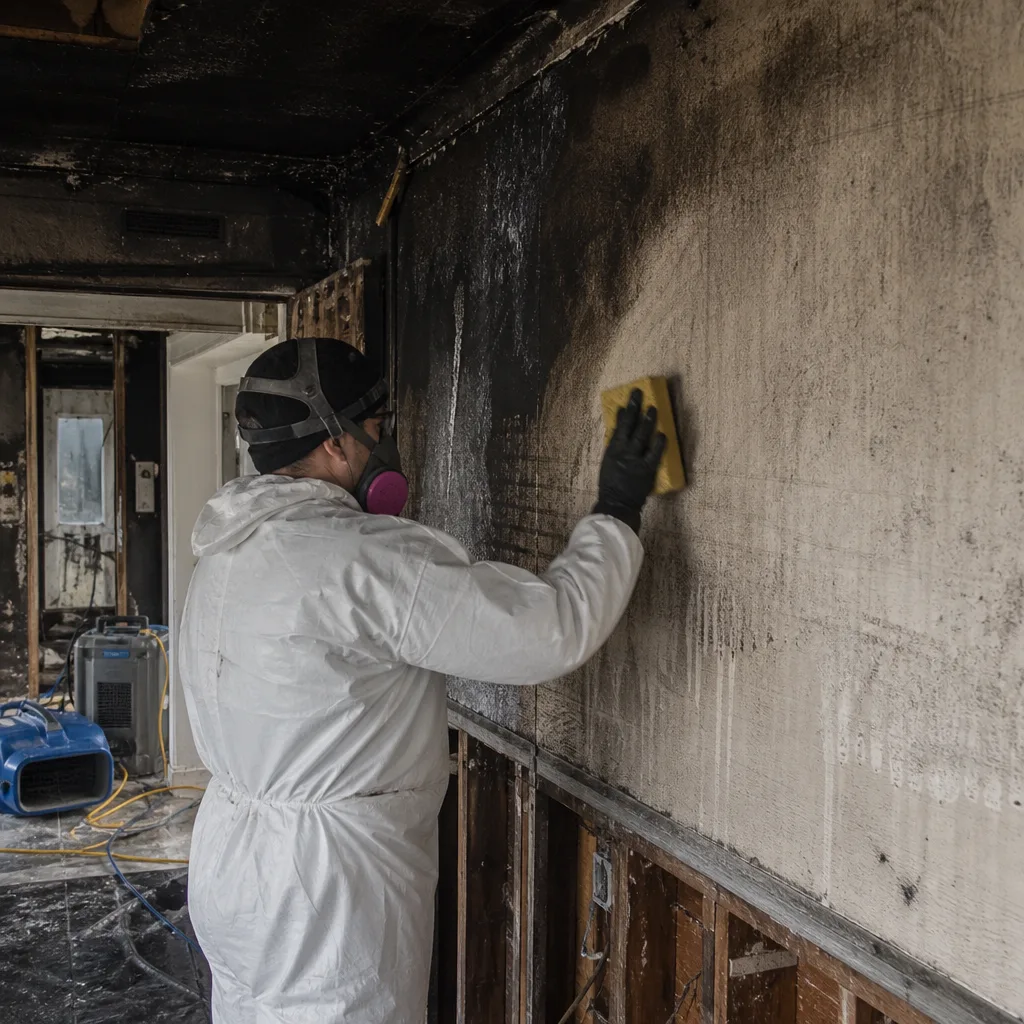
After wind and rain come through Inwood, the damage is rarely obvious from the curb. Shingles lifted, siding pulled loose, gutter seams split, and water found its way behind the facade. We remove storm debris, assess what’s structurally sound, and address the hidden water before it becomes mold. In age-heavy neighborhoods, we check every window flashing and roof penetration, because those are the weak points wind exploits first.
Emergency Board-Up
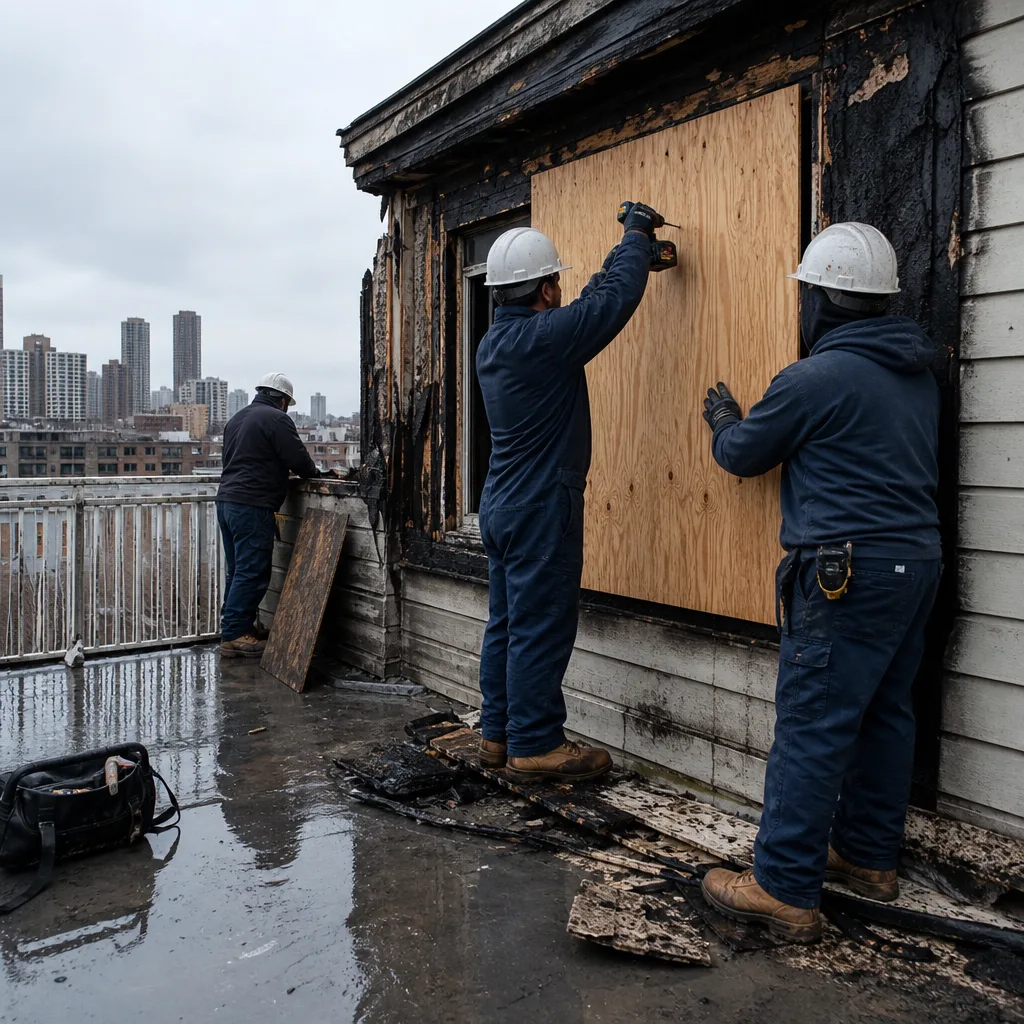
Broken glass, a tree limb through a side wall, or a roof section peeled back means your home is open to weather and animals. We board up and tarp the same visit, not the next morning. Securing the structure also prevents further rain intrusion while we scope the full repair, which keeps your claim honest and contained.
Roof Tarping
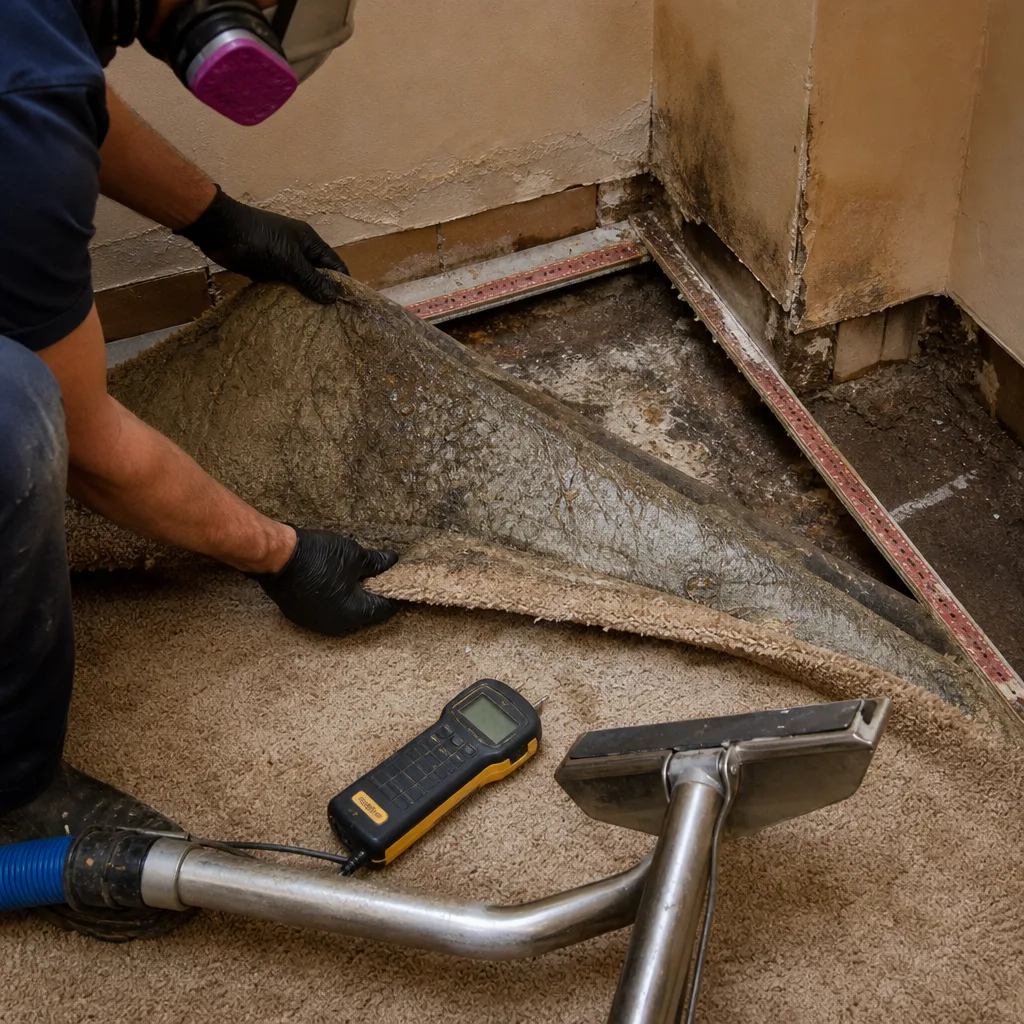
A compromised roof needs a tarp before the next rain band arrives. We secure synthetic tarps over damaged roof sections on Inwood’s Cape Cods and ranches, anchoring properly so wind doesn’t rip them off and make the damage worse.
Debris Removal
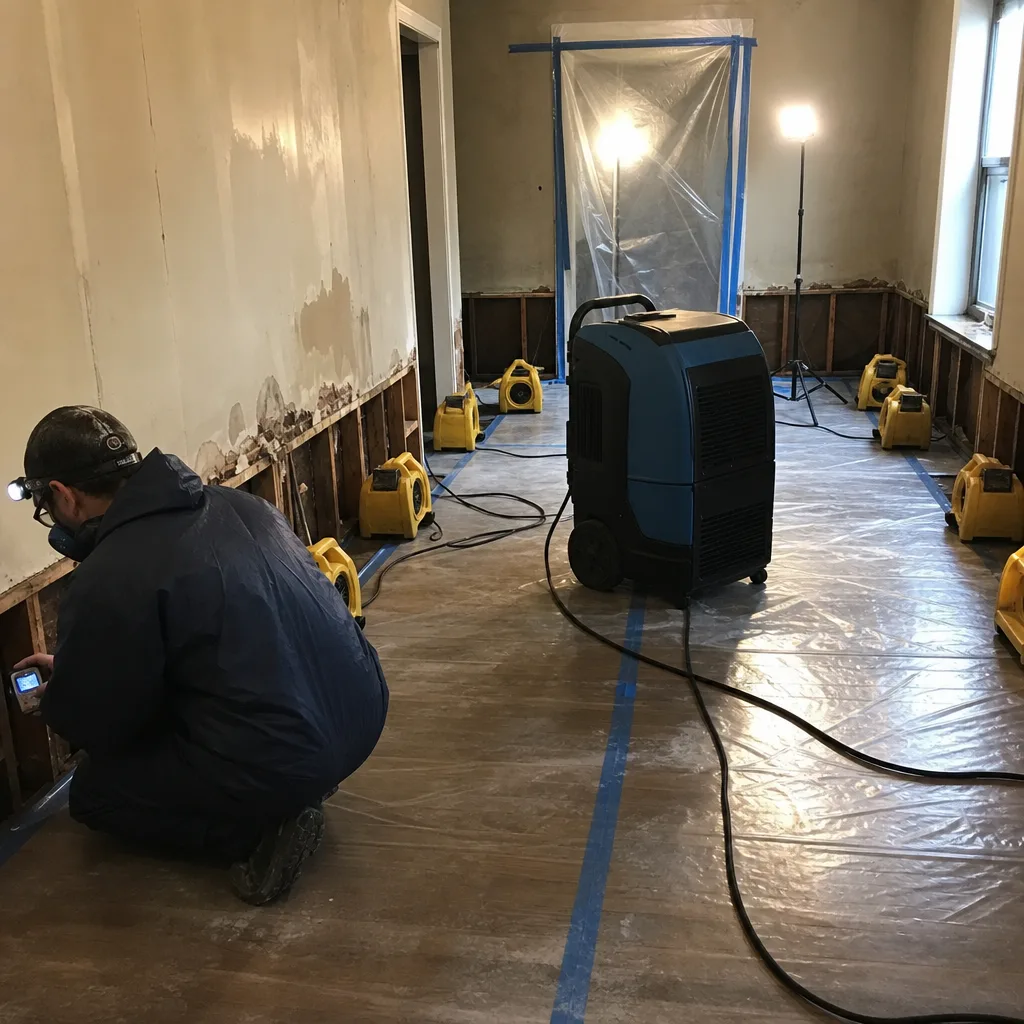
Storm debris in Inwood is mostly tree limbs, shingles, and occasionally fencing or shed material. We haul it and sort what’s reusable, what’s salvageable for dry-out, and what needs immediate disposal. The faster debris clears, the sooner we can see the full picture of the loss.
What happens when you call
- 1
A real person answersNo phone trees - you reach a local pro.
- 2
You get an upfront price rangeHonest numbers before anyone is dispatched.
- 3
A background-checked tech heads outLicensed & insured, dispatched right away.
- 4
You approve before work beginsNothing starts until you say go.
Storm & Disaster Restoration Costs in Inwood, NY
In Inwood, emergency flood extraction on a standard 1950s Cape runs $2,500 to $6,500 depending on how far water traveled and how many rooms it touched. Full structural drying with the salt-neutralization step adds $1,800 to $4,000. Emergency board-up and roof tarping typically runs $350 to $900 on the spot. Debris removal is $400 to $1,200 depending on volume. A complete Category 3 flood restoration, including drywall replacement, insulation, and trim on a single floor, lands between $8,000 and $22,000 in this market. What moves the price: how deep the water went, whether hardwood or tile is involved, how much wall has to come out, and whether slab-on-grade construction means slicing into flooring to force drying. Most homeowner’s policies cover sudden storm damage, though flood policies are separate. We walk through your coverage with you and bill the carrier directly.
We Also Serve Cities Near Inwood
Our crews cover the Five Towns and the surrounding South Shore. We regularly respond in Inwood, plus Lawrence, Far Rockaway, Cedarhurst, and Woodmere. The geography changes slightly from block to block, but the salt exposure is the same story throughout.
Inwood Storm & Disaster Restoration Questions, Answered
Why does mold keep returning in my Inwood house after a flood even though I had it fixed?
Because the salt was never removed. Inwood’s surge water leaves chloride residue inside wall cavities, and that salt stays hygroscopic, pulling moisture out of the air and feeding mold growth even after the wall looks dry. If the original restoration didn’t include salt-neutralizing treatment, mold recurs within one to two years. We flush cavities with a chloride-neutralizing agent and verify with moisture and surface testing before closing walls.
How does Jamaica Bay’s repeated low-level flooding affect my home differently than a single big storm?
Repetition compounds the damage. Each moderate surge pushes saltwater into your foundation and lower walls, and each cycle leaves a little more chloride residue behind. Over five to ten years, the cumulative salt load saturates masonry and keeps it damp year-round, even in dry weather. A single big storm is a visible event. Repeated low-level flooding is a slow structural problem, and most owners don’t realize it’s happening until baseboards bloom white.
What does that white chalky residue on my baseboards after a flood actually mean?
That residue is efflorescence. It’s salt migrating out of your walls as moisture wicks through plaster and masonry. The salt is from Jamaica Bay surge water that entered the wall cavity. It means the wall was never truly dried, and new drywall or paint applied over it will fail again. Call us for a free inspection and we’ll test the wall for chloride residue.
Can you dry out a 1950s slab-on-grade ranch in Inwood after saltwater intrusion without tearing out all the walls?
Often, yes, but only with the right equipment and time. Slab-on-grade construction traps water under flooring and behind baseboards, but we can use Injectidry mats and desiccant dehumidifiers to pull moisture through vapor barriers without removing every wall. The catch is the salt. If we can access the wall cavities to flush the chlorides, we can avoid complete teardown. If the salt has saturated the masonry too deeply, selective wall opening is the only honest fix.
Why do I need a different drying protocol in Inwood than my sister in Garden City after the same storm?
Because Garden City sits inland and higher. Its floodwater is more likely freshwater from plumbing or rainwater, not Category 3 saltwater from the bay. Inwood homes need desiccant dehumidification, longer drying timelines, and salt-neutralizing treatments that inland restorers rarely perform. If the crew you hire treats your Inwood house like a Garden City house, you’ll pay for it later in mold recurrence.
How quickly can you actually get to my Inwood house?
We commit to about 45 minutes from your call. Our dispatchers know Inwood’s streets and our crews are already working across the Five Towns on any given day. Call (917) 924-4221 and a live person will coordinate the fastest route.
Will my insurance cover storm damage in Inwood?
Sudden storm damage from wind, falling trees, or a roof breach is typically covered under a standard homeowners policy. Flood damage from rising bay water typically requires a separate flood policy. We’ll review your policy with you, document the loss properly, and communicate with your adjuster directly. Estimates are free and there’s no obligation.
What should I do in the first 30 minutes after storm water enters my Inwood home?
Call us. Then kill power to any wet area, move valuables and furniture to dry ground if safe, and stay out of standing water. Don’t run HVAC fans or use a shop vac on saltwater. Don’t wipe baseboards or try to clean walls yourself. The less you disturb, the better we can map the true moisture extent.
Serving Inwood, NY - Our Local Coverage Area
We’re based in the Inwood area and know this community well. Use the map below to see our service coverage - if you’re nearby, we can almost certainly help.
About Floodline Restoration Co. of Manhattan
Floodline Restoration Co. was founded in 2010 by Curt Bowman, built around a dispatch board rather than a sales desk. The principle from day one: send a knowledgeable, background-checked, uniformed technician to a homeowner’s door, charge a square price, document everything, and stand behind the work in writing. Our Storm & Disaster Restoration crews are trained to IICRC, RIA, and IFA standards and work with Dri-Eaz, Phoenix, XPOWER, and Injectidry equipment on every job. Dispatch and scheduling are coordinated from the brand’s New York City office; crews serve Storm & Disaster Restoration in Inwood locally. We’re proud of the 90-Day Done Right Promise, known as the Keystone Standard. If it’s not done right, we make it right, with no paperwork battles and no arguing. Senior and veteran homeowners always receive a 5% discount, and our standing offers include $50 off any repair over $250 and the $89 seasonal tune-up.
Call (917) 924-4221 for a free estimate.
Written by Curt Bowman, Owner at Floodline Restoration Co., serving Inwood since 2010.