
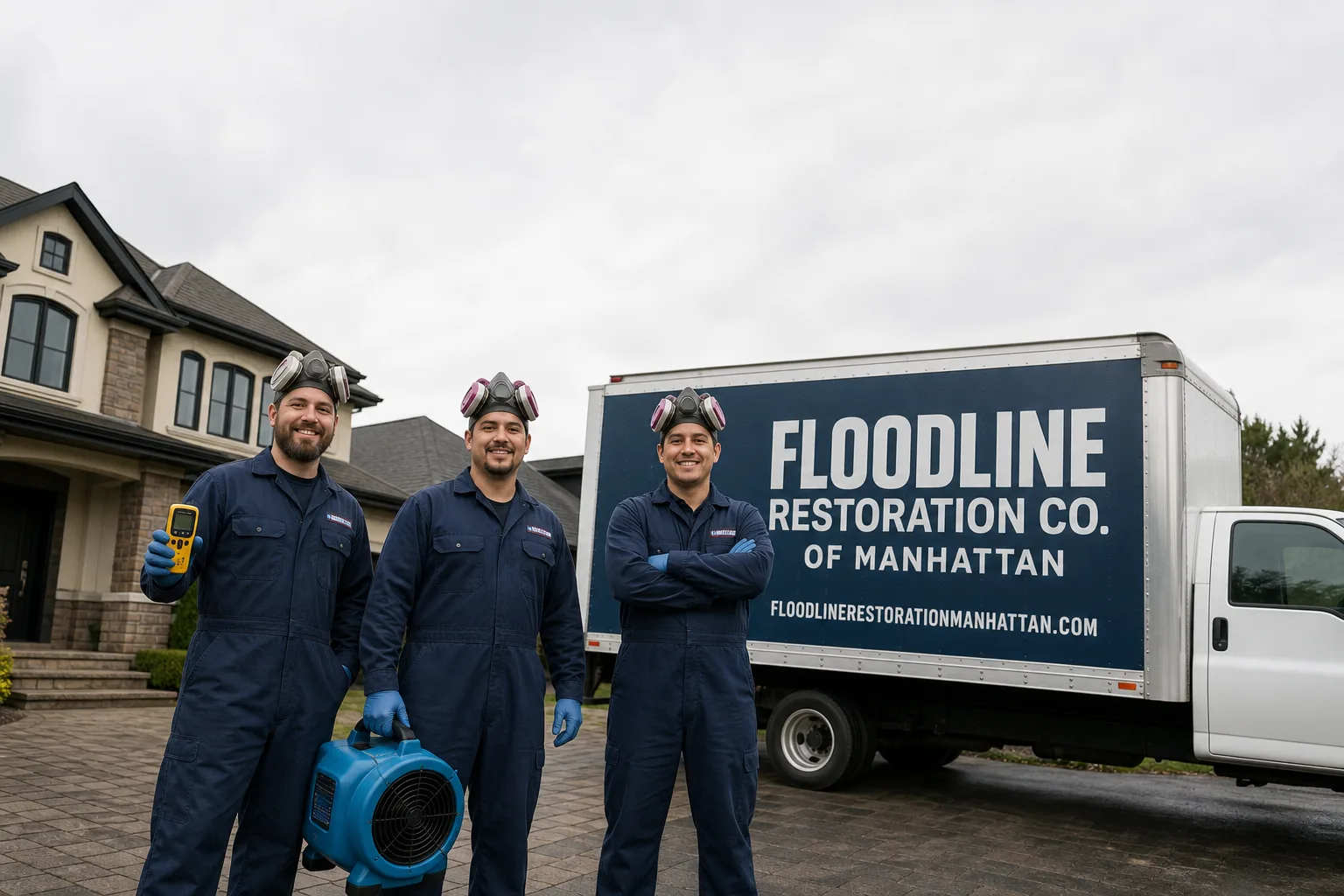
Free visual inspection and a written scope of work before any mitigation begins - photos, moisture readings, and drying logs go in your claim file
The scope we write is the scope we bill. Anything new gets shown to you, in writing, before we touch it.






 Before
 After
After Before
 After
After Before
 After
After24/7 Emergency Water Damage Restoration in Bellerose
Water damage restoration in Bellerose typically costs between $1,800 and $6,500 depending on how far the water traveled and whether party walls are involved, and a crew can usually be on-site within 45 minutes of your call. If you’ve got a burst pipe soaking a plaster wall on Jamaica Avenue or a basement filling from a backed-up sewer line off Commonwealth Boulevard, call (917) 924-4221 right now. The first hour matters more in Bellerose than almost anywhere else in Queens, because the attached brick construction here gives water a direct path into your neighbor’s side of the wall, and every minute that passes extends drying time and adds cost. We answer live, 24 hours a day, and dispatch a certified crew from the New York City office to your street without making you leave a message or wait for a call back.
Understanding Water Damage Restoration Severity in Bellerose Properties
Water damage gets classified by the IICRC into three categories, and Bellerose homes see all of them. Category 1 is clean water from a supply line or faucet, and in a 1920s house with original cast iron pipes, that usually means a frozen galvanized line that split in January. Category 2 carries contaminants, think washing machine overflow or sump pump discharge, and we see it most often in Bellerose basements after a hard rain overwhelms the combined sewer system. Category 3 is grossly contaminated, sewage backup or floodwater from the street, and it demands full containment, antimicrobial treatment, and often removal of porous materials. On top of category, we assess class, how much of the structure absorbed water. A Category 1 leak behind original lath and plaster wicks upward slowly and hides inside wall cavities, which is why moisture mapping with thermal imaging matters more here than it does in a drywall house built in 1990. Attached construction raises the stakes on every class: water from one unit’s burst pipe routinely migrates through shared party walls into the adjacent dwelling, expanding the scope of work mid-mitigation if the first responder doesn’t look for it.
Why Bellerose Property Owners Choose Floodline Restoration Co. of Manhattan
- 45-minute response commitment: When you call, a certified crew starts moving toward Bellerose immediately. Never a voicemail, never a call-back tomorrow.
- A live person answers, 24 hours a day: Two in the morning, Sunday afternoon, during a nor’easter. You will speak to a dispatcher, not a recording.
- IICRC-certified technicians on every job: Our crews hold WRT (Water Restoration Technician) and ASD (Applied Structural Drying) certifications and follow IICRC S500 standards for water damage restoration, backed by IFA and RIA training.
- Free visual inspection with a written scope: We assess the loss, document what we found, and hand you a line-item plan before any work starts. No surprises on the bill.
- Direct insurance billing: We work with your carrier, not against you. We bill directly, we talk to the adjuster, and we keep the claim moving.
- One crew from extraction to rebuild: The same team that reads the moisture map on day one handles daily readings and rebuilds what needs rebuilding. No handoffs.
Our Water Damage Restoration Process
Inspection & Assessment
We walk the property with thermal imaging and moisture meters from Dri-Eaz, mapping exactly where the water went, including behind plaster and inside shared party walls. We categorize the water, determine the class of intrusion, and write a detailed scope with a firm price before any equipment gets unloaded.
Extraction & Stabilization
Submersible pumps and truck-mounted extraction units pull standing water fast. In Bellerose attached homes, this step includes checking the adjacent unit for migration through the shared wall. If water crossed the property line, we’ll flag it for you immediately, because that changes the permitting picture.
Drying & Dehumidification
Phoenix and XPOWER air movers and dehumidifiers get placed per the moisture map, not scattered randomly. Because Bellerose’s original plaster walls dry slower than modern drywall, our crews log daily moisture readings and adjust airflow until the dry standard is met. You and your adjuster get those logs, in writing.
Cleaning & Sanitization
All affected surfaces get cleaned and treated with antimicrobial agents. For Category 2 or 3 water, we run HEPA air scrubbers and set up containment so contaminants don’t spread into unaffected rooms during drying.
Structural Drying Verification
Before we pull equipment, we verify that wood framing, wall cavities, and subfloor have returned to their pre-loss moisture content. Thermal imaging and penetrating moisture meters confirm what surface readings can’t see, especially in 1920s brick construction with original lathe work.
Repairs & Restoration
Whatever needs rebuilding, our own crew handles it. Plaster repair, baseboard replacement, flooring, painting, full reconstruction if required. We don’t hand you off to a different company mid-job. The same team that extracted the water in the first hour is the team that finishes the rebuild, and everything is backed by the 90-Day Done Right Promise in writing.
Need Emergency Water Damage Restoration in Bellerose Now?
Crews minutes away, answering live 24 hours a day. The sooner we start, the less it costs.
Working With Your Insurance Company
Most water damage claims in Bellerose are covered, but the claim lives or dies on documentation from the first hour. We build that file for you. Every extraction, every moisture reading, every piece of damaged plaster or flooring gets photographed, logged, and dated. We write estimates using the same industry-standard format your adjuster uses, so there’s no back-and-forth over line items. And when your adjuster has questions, we answer them directly. You don’t play messenger. We’ve handled dozens of claims in Bellerose where the policyholder never had to make a single call to the carrier after our crew arrived. That’s how it should work. Curt Bowman built Floodline Restoration Co. of Manhattan in 2010 around a dispatch board, not a sales desk, and the insurance process reflects that. We bill the carrier directly whenever coverage applies, and you get a clear picture of what’s covered and what isn’t before work begins.
What We Provide Your Insurer
- Thorough documentation of the loss
- Photos of all damage, room by room
- Moisture readings and drying logs
- A detailed, line-item scope of work
- Direct coordination with your carrier
Built for Bellerose’s Loss Calendar
We don’t see random water damage in Bellerose. We see seasonal patterns that repeat every year. Late January and February bring deep freezes that split the galvanized supply lines still running through 1920s and 1930s homes, and those burst pipes usually fail inside shared party walls, which means two units affected from one break. March and April thaw the ground and push groundwater into basements through old fieldstone foundations and slab cracks, plus the spring rains test Bellerose’s aging combined sewer infrastructure. July and August are thunderstorm season, flat, densely built streets with limited drainage mean a strong convective storm can flood a dozen basements between 89th Avenue and Jericho Turnpike in an afternoon. Fall brings nor’easter potential, coastal storm bands that drop heavy rain on already saturated ground. If you’ve lived in Bellerose twenty years, you already know which season your house is vulnerable to. The question is whether the person answering your emergency call knows it too.
Water Damage Restoration Across Bellerose’s Neighborhoods
Bellerose isn’t one uniform block. The neighborhoods break into distinct patterns, and our crews know the differences. The blocks east of Cross Island Parkway, around the Queens Village border, skew toward the 1920s semi-detached brick Capes and Tudors with original cast iron supply lines, those are the homes where January freeze-ups hit hardest. West of 88th Road toward Little Neck Parkway, you find the attached row-style construction where a single pipe burst in one unit routinely saturates the shared party wall into the next home. The area around the Bellerose LIRR station off Commonwealth Boulevard and Superior Road has a mix of older brick and early post-war construction, and that’s where we see the most basement flooding during summer storms because the grade pitches toward the tracks. Homes near Creedmoor Hospital and the Glen Oaks line, built in the 1940s with early Romex wiring and plaster over rock lath, dry differently than pre-war lathe and lime. None of this is a guess. It’s what forty-plus years of local work teaches you when you actually run the calls, not just market to the zip code. Water Damage Restoration in this neighborhood demands that kind of block-by-block familiarity.
Specialized Water Damage Restoration Services We Offer in Bellerose
Burst Pipe Restoration
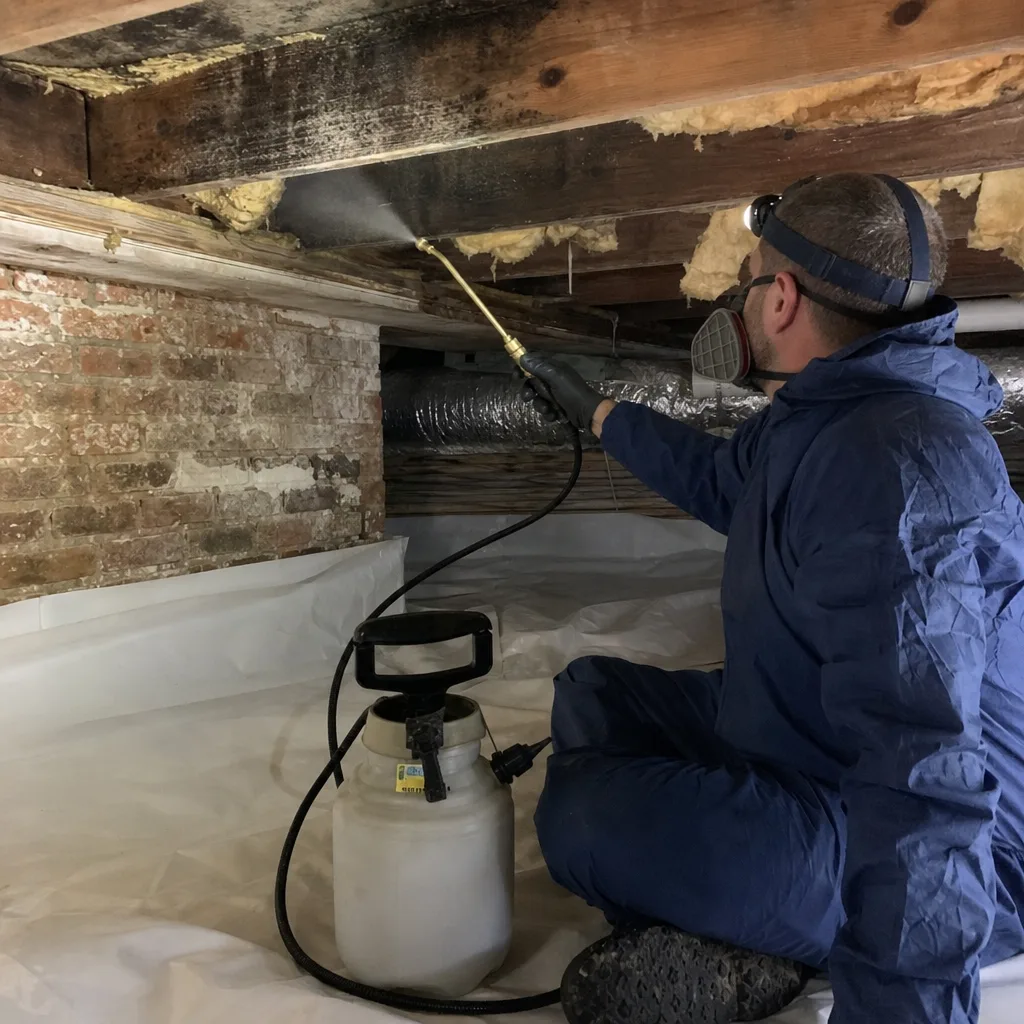
In Bellerose, a burst pipe usually means a galvanized supply line that froze inside a shared wall or under a first-floor joist. We don’t just dry the floor. We trace the break, extract from both sides of the wall when party-wall construction is involved, and coordinate the plumbing repair with the restoration so your walls don’t get opened twice. Older galvanized fails differently than copper, not a clean split but a crack along the seam, which means water sprays inside the cavity for hours before you notice it. Our moisture mapping catches that hidden migration.
Structural Drying & Dehumidification
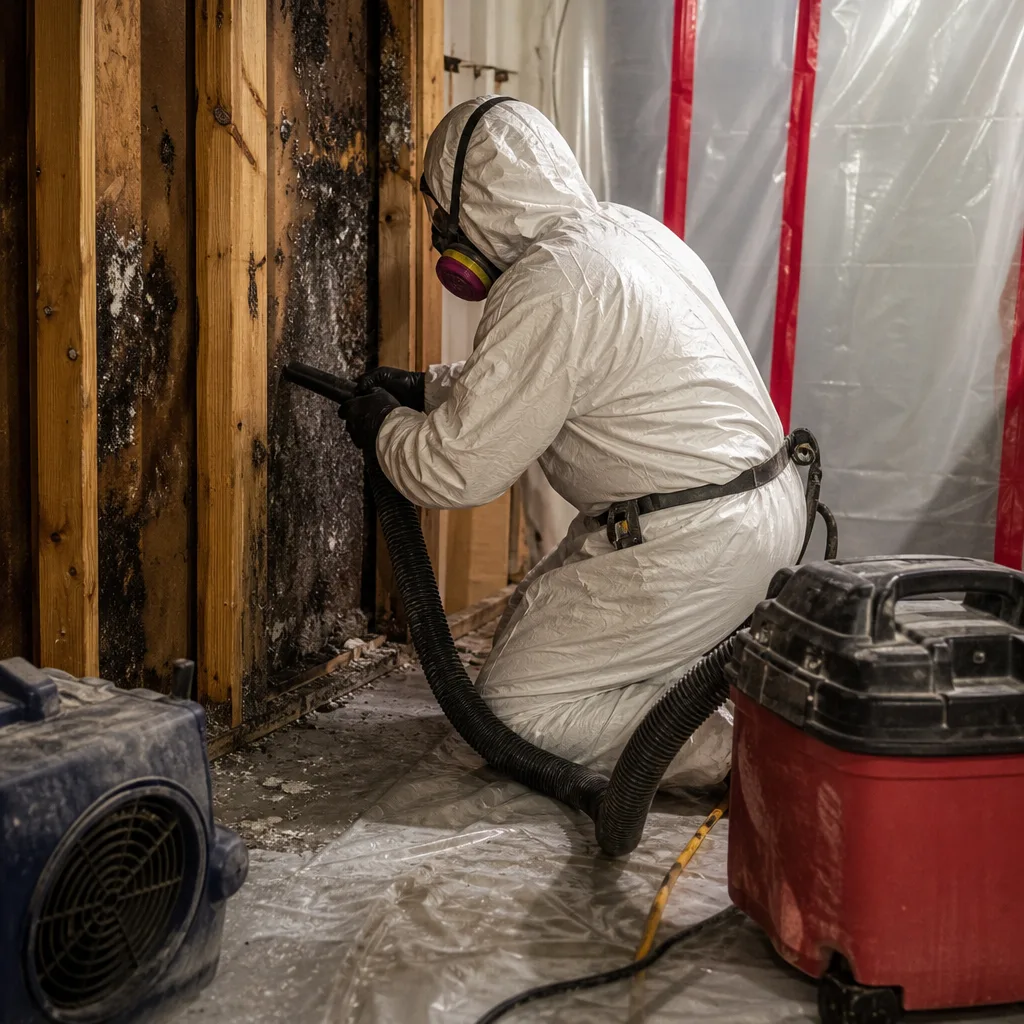
This is where Bellerose’s plaster walls change the math. Modern drywall dries in 48 to 72 hours with proper airflow. Original 1920s lime and gypsum plaster over wood lath holds moisture inside the wall cavity much longer because it wicks water upward and the lathe acts like a sponge. We run Phoenix and Dri-Eaz dehumidifiers with XPOWER air movers for five to seven days on typical Bellerose jobs, not the three days a national franchise might quote from a drywall-house playbook. Daily moisture readings, logged and handed to you and your carrier, prove the dry standard was actually met.
Basement Water Removal
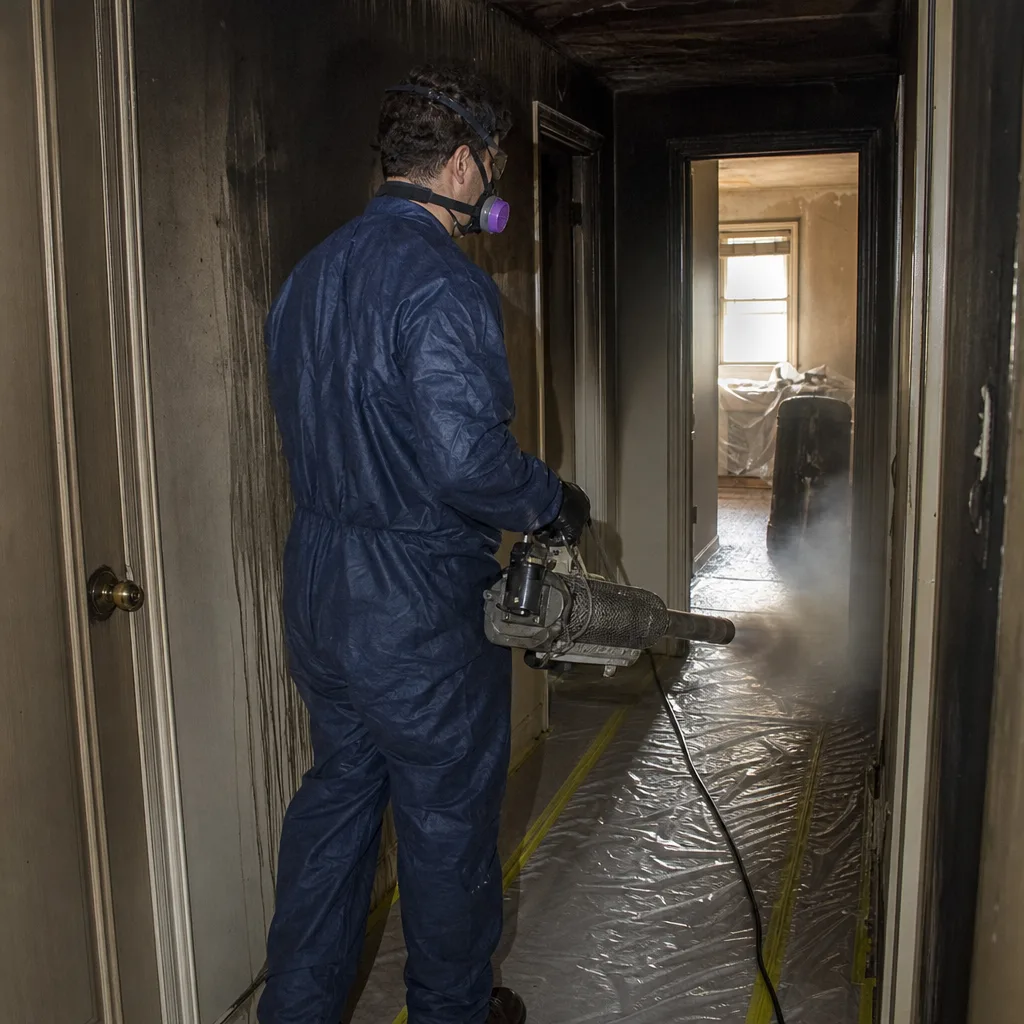
Bellerose basements flood from two main sources: groundwater through foundation cracks after heavy rain, and sewage backup through floor drains when the combined sewer system can’t keep up. Both are common here because of the flat terrain and aging infrastructure. Submersible pumps pull the standing water, then we assess whether you’re dealing with Category 1 or Category 3 water. Sewage backup means full containment, antimicrobial treatment, and removal of porous materials. Groundwater seepage is a different animal, and we’ll tell you honestly whether waterproofing or grading work is needed to prevent a repeat.
Emergency Water Extraction
The single fastest way to reduce the total cost of a Bellerose water loss is to extract standing water in the first hour. Water migrates through plaster, wood, and brick fast, and every hour it sits it wicks further into the structure. Our 45-minute response commitment means a certified crew with truck-mounted extraction units gets water out before it crosses room boundaries. In attached homes, that timeline matters even more, since the shared wall means your neighbor’s unit is a few hours away from becoming part of the claim.
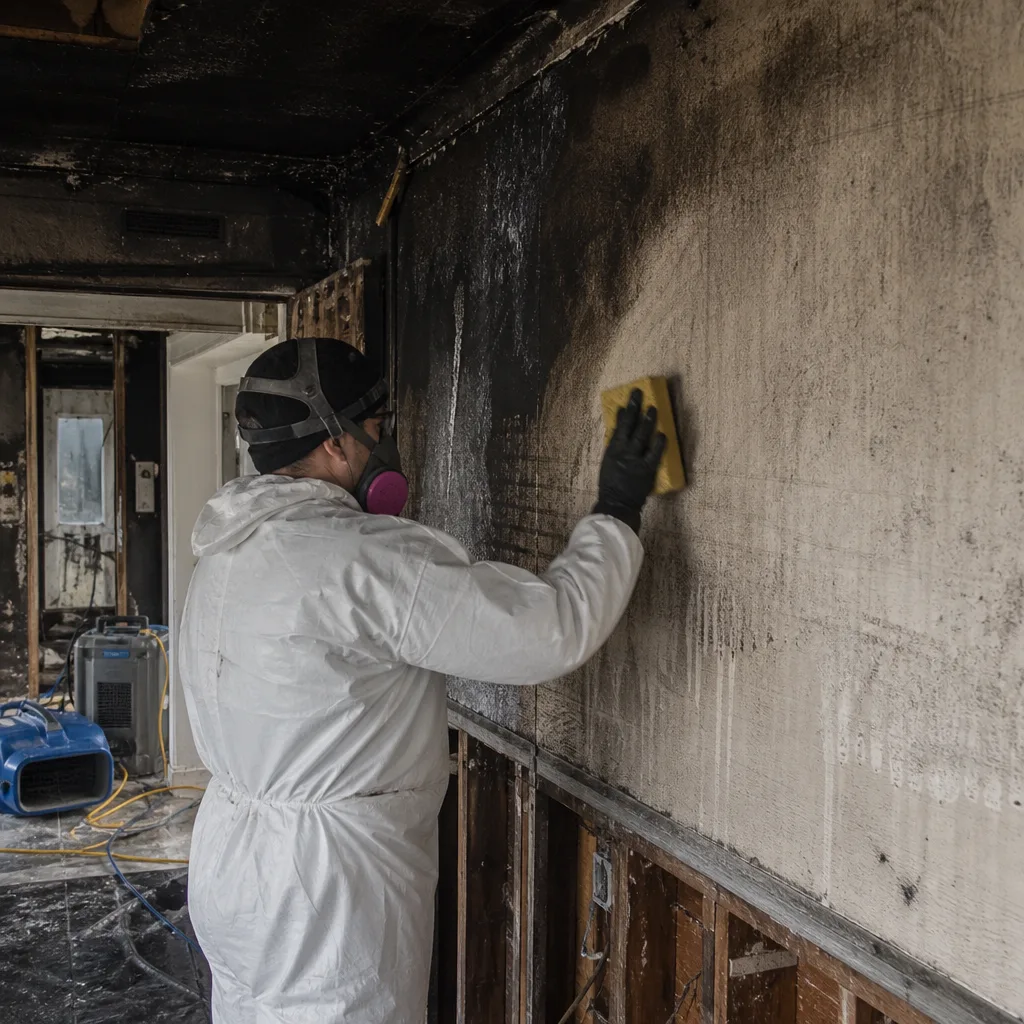
Ceiling & Roof Leak Water Damage
Roof leaks in Bellerose are often a pre-war roof with original flashing meeting a 2020s nor’easter. Water travels from the roof deck down through plaster ceilings, and by the time you see the brown stain, it’s been moving inside the ceiling cavity for days. We extract, contain, and dry the ceiling system, then work with your roofer to make sure the source is stopped before restoration begins. The 90-Day Done Right Promise means if the same leak damages the same repair, we fix it.
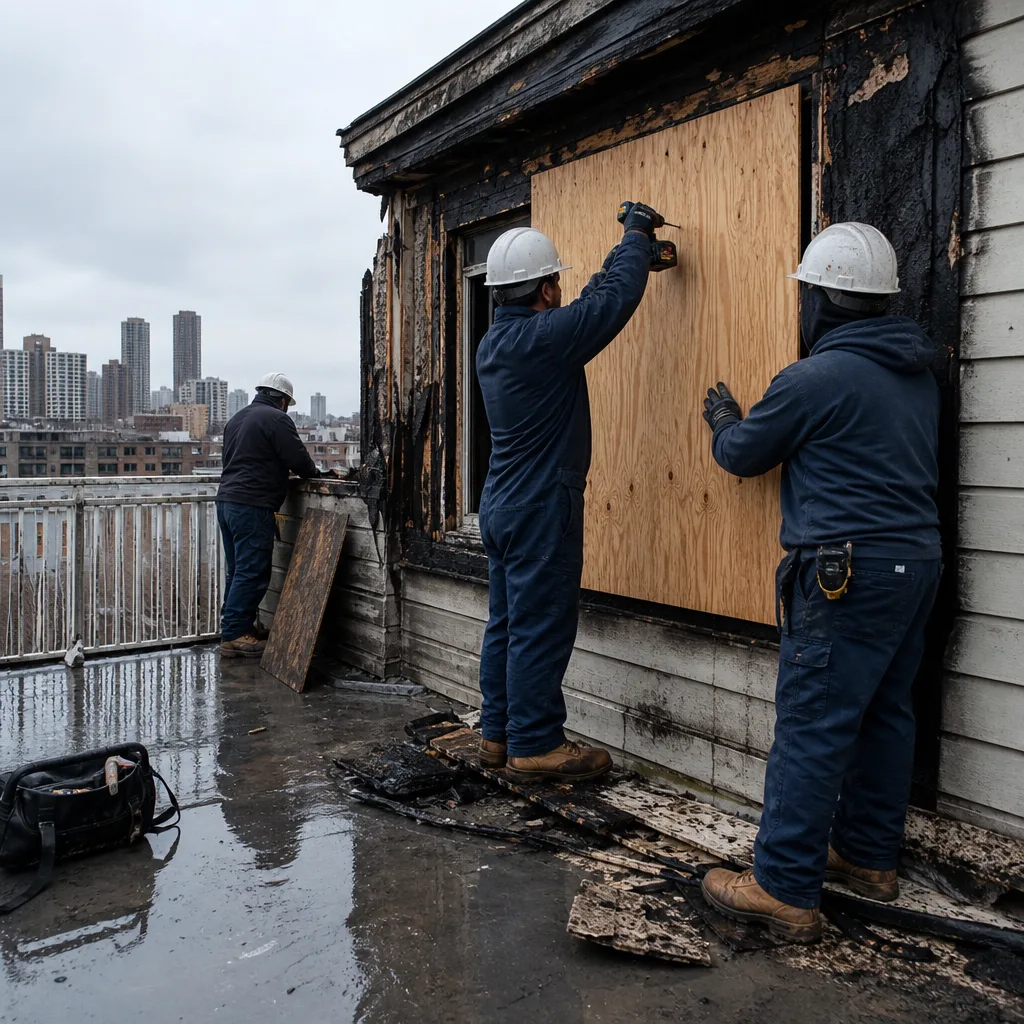
What happens when you call
- 1
A real person answersNo phone trees - you reach a local pro.
- 2
You get an upfront price rangeHonest numbers before anyone is dispatched.
- 3
A background-checked tech heads outLicensed & insured, dispatched right away.
- 4
You approve before work beginsNothing starts until you say go.
Water Damage Restoration Costs in Bellerose, NY
Here are real numbers for the Bellerose market, based on the work we’ve done here. Emergency extraction only, no structural drying, runs $500 to $1,500 depending on square footage and how much standing water is present. Full structural drying with dehumidifiers and air movers for five to seven days typically costs $1,800 to $4,500, leaning higher in attached brick construction where party walls are involved. A burst pipe restoration with wall opening, extraction, drying, and plaster repair runs $3,000 to $8,000. Basement sewage cleanup with Category 3 water starts around $2,500 and can reach $7,000 or more depending on how much porous material, flooring, drywall, insulation, must be removed and replaced. Insurance covers most of these losses under standard homeowners policies, and we bill your carrier directly so you’re not floating the cost while the claim processes. The free visual inspection is the path to a firm number, you’ll get a written scope and an exact price before anything gets unloaded from the truck. Call (917) 924-4221 and we’ll walk your property with you and tell you straight what it will cost.
We Also Serve Cities Near Bellerose
Our crews respond to water damage calls throughout the surrounding area, including Bellerose itself, plus Glen Oaks just to the north, Floral Park across the Nassau line, Queens Village to the west, and Little Neck east of the Cross Island Parkway. If you’re in one of these neighborhoods and looking at standing water, call (917) 924-4221 and we’ll dispatch the nearest available certified crew.
Serving Bellerose, NY - Our Local Coverage Area
We’re based in the Bellerose area and know this community well. Use the map below to see our service coverage - if you’re nearby, we can almost certainly help.
Bellerose Water Damage Restoration Questions, Answered
How does the Queens-Nassau county line affect emergency water extraction in Bellerose?
It means a single attached home can require emergency work authorization from both NYC Department of Buildings and Nassau County Building Department, because properties on opposite sides of the same street fall under different permitting regimes. Our crews plan for this before we arrive to a Bellerose job that involves a shared party wall or boundary-line issue. We know which side of the street needs which sign-off, and we start the paperwork immediately so structural drying isn’t delayed past the 48-hour mold window. Call (917) 924-4221 and we’ll tell you during the first phone call what your specific property requires.
My Bellerose home has original galvanized pipes. Does that change how you handle a burst pipe?
Yes, in two ways. Galvanized lines crack along the seam rather than splitting cleanly, so water sprays inside the wall cavity for hours before it’s visible, which means we map for hidden migration in both directions from the break. And because the pipe has reached the end of its service life, we’ll discuss whether replacing the failing section makes more sense than repairing it, since a patched galvanized line at the end of its lifespan tends to fail again two feet away within a year. Call (917) 924-4221 for a free inspection.
What does structural drying look like in an attached brick Cape Cod with plaster walls?
Slower than a modern drywall house, and anyone who tells you three days on a 1930s plaster-wall Bellerose Cape is cutting corners. Original lime and gypsum plaster over wood lath wicks moisture upward and holds it inside the wall cavity. We run Phoenix and Dri-Eaz dehumidifiers with XPOWER air movers for five to seven days, take daily moisture readings with penetrating meters, and verify the cavity is dry, not just the surface. We also check the shared party wall, because in attached construction, your neighbor’s side dries at a different rate than yours and needs its own readings. Call (917) 924-4221 to have your specific wall system evaluated.
How do you handle water damage that has already spread through a shared party wall to my neighbor’s unit?
We document it from the first minute, treat both units as one job, and handle both insurance carriers directly. This is Bellerose-specific experience: attached brick construction means one pipe burst on 88th Road creates two claims, sometimes in two different jurisdictions if the property straddles the county line. Our moisture mapping shows exactly how far the water migrated, we set up drying in both units simultaneously, and we provide each carrier with its own documentation package. Nobody gets left waiting while the two sides argue. Call (917) 924-4221 and we’ll walk you through exactly what your situation requires.
Does Bellerose’s combined sewer system make basement flooding different from other neighborhoods?
It does. Bellerose runs on combined sewers, which means stormwater and sewage share the same underground lines. During heavy rainfall, the system can’t always handle the volume, and basements here back up with a mix of rainwater and sewage. That’s Category 3 water, not just wet concrete. It requires full containment, antimicrobial treatment, and removal of any porous material the water touched. Carpet, drywall, insulation, anything that absorbed it comes out. We also document the cause carefully, because sewer backup claims sometimes sit in a different coverage bucket than a burst pipe, and your adjuster will want proof of how the water entered. Call (917) 924-4221 the moment you notice water on the basement floor.
How fast can someone actually get to my Bellerose home?
We commit to 45 minutes for emergency water extraction anywhere in Bellerose. Not 24 hours, not “we’ll fit you in.” Our crews are dispatched live from the New York City office the moment you call (917) 924-4221, and because we’ve worked these blocks for years, we know the route, the parking realities, and which side of the Cross Island a call is coming from. On a bad storm night when dozens of basements flood at once, response may stretch, but we’ll tell you exactly when the truck will arrive and we won’t leave you on hold.
Do I really need full water damage remediation, or can I just clean it up myself?
If the water was clean supply water on a modern tile floor and you caught it within the hour, you might get away with a mop and a fan. But if Bellerose’s plaster walls, original wood subflooring, or a shared party wall got wet, or if the water came from a sewer backup or anything but a clean supply line, you need professional structural drying and antimicrobial treatment. Water that sits inside a wall cavity for more than 48 hours starts growing mold, even if the surface feels dry to the touch. The free inspection will tell you honestly whether you’re in the mop-and-fan category or the extraction-and-drying category. Call (917) 924-4221 and we’ll look.
What should I do in the first 30 minutes after discovering water damage in my Bellerose home?
Shut off the water at the main if the source is a supply line or appliance. Kill power to affected rooms at the breaker panel. Move furniture and belongings off wet surfaces if you can do it safely. Don’t use a wet-dry vacuum on Category 3 water. Don’t open walls or pull up flooring on your own, you may be creating a bigger claim problem than the water did. And call (917) 924-4221. The dispatcher who answers will walk you through the next steps while the crew is on the road.
Water Damage Restoration in Bellerose, NY: We answer live 24 hours a day at (917) 924-4221. Free visual inspection, direct insurance billing, one certified crew from extraction to rebuild, and the 90-Day Done Right Promise in writing. When water’s moving through a plaster wall or rising in a Bellerose basement, the time you spend deciding who to call is the time the damage spends spreading. Call now, and we’ll be there when we say.
Written by Curt Bowman, Owner at Floodline Restoration Co. of Manhattan, serving Bellerose with certified restoration crews since 2010.