
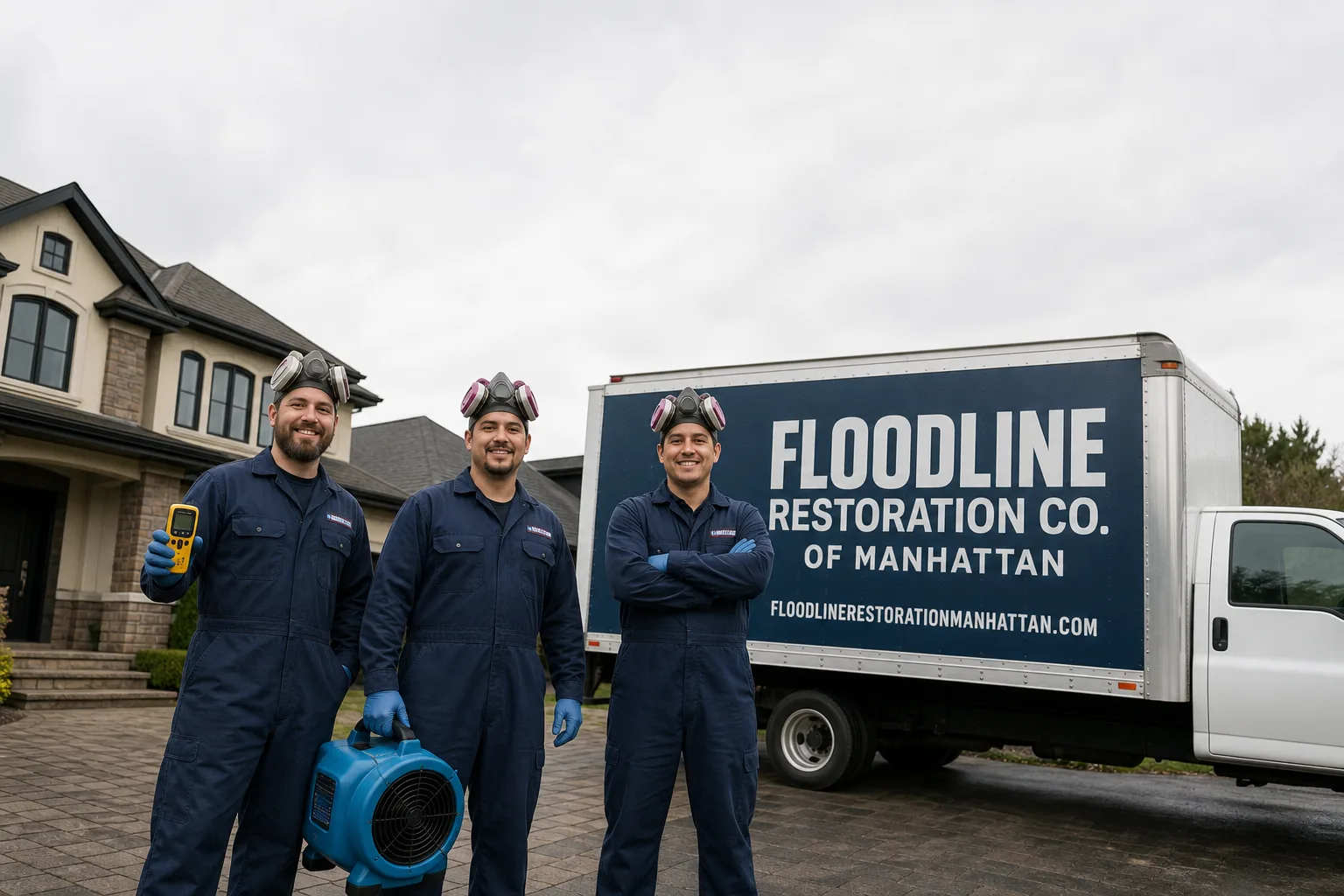
Free visual inspection and a written scope of work before any mitigation begins - photos, moisture readings, and drying logs go in your claim file
The scope we write is the scope we bill. Anything new gets shown to you, in writing, before we touch it.
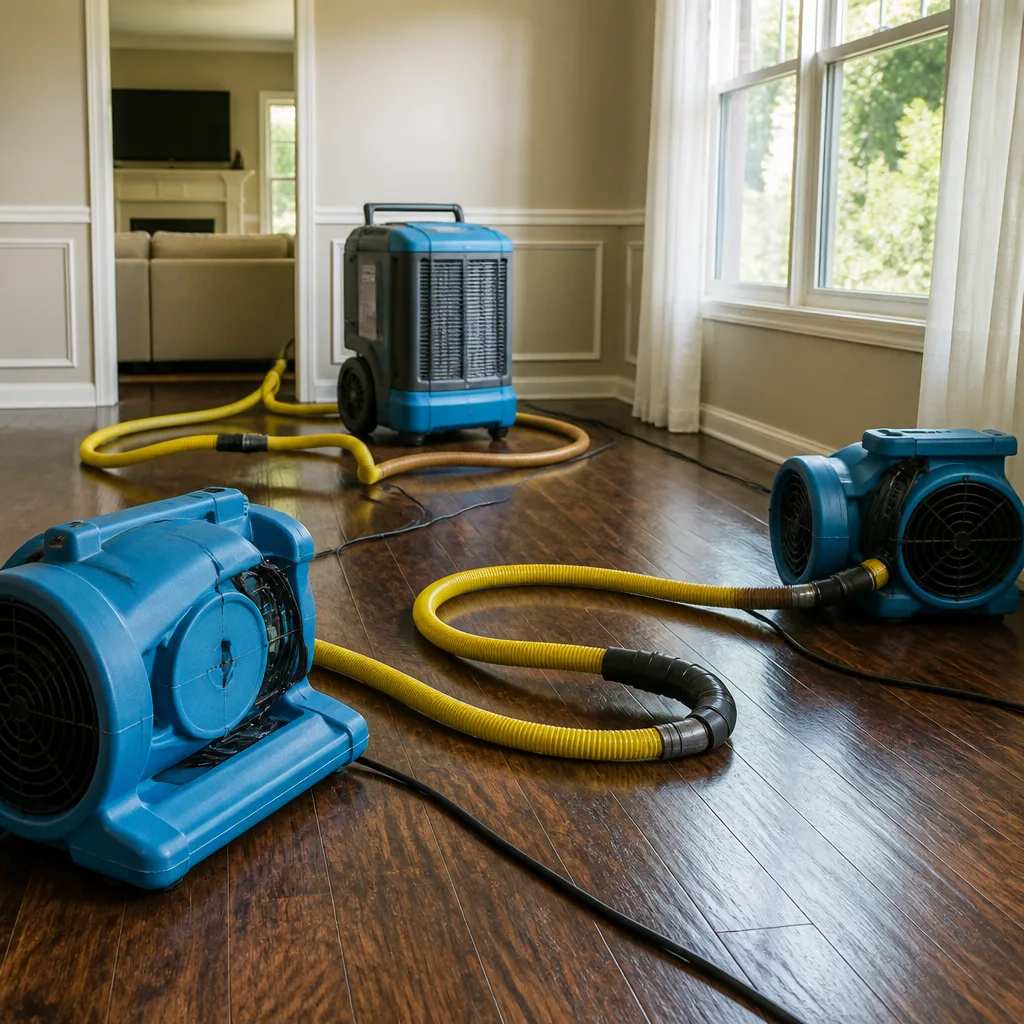

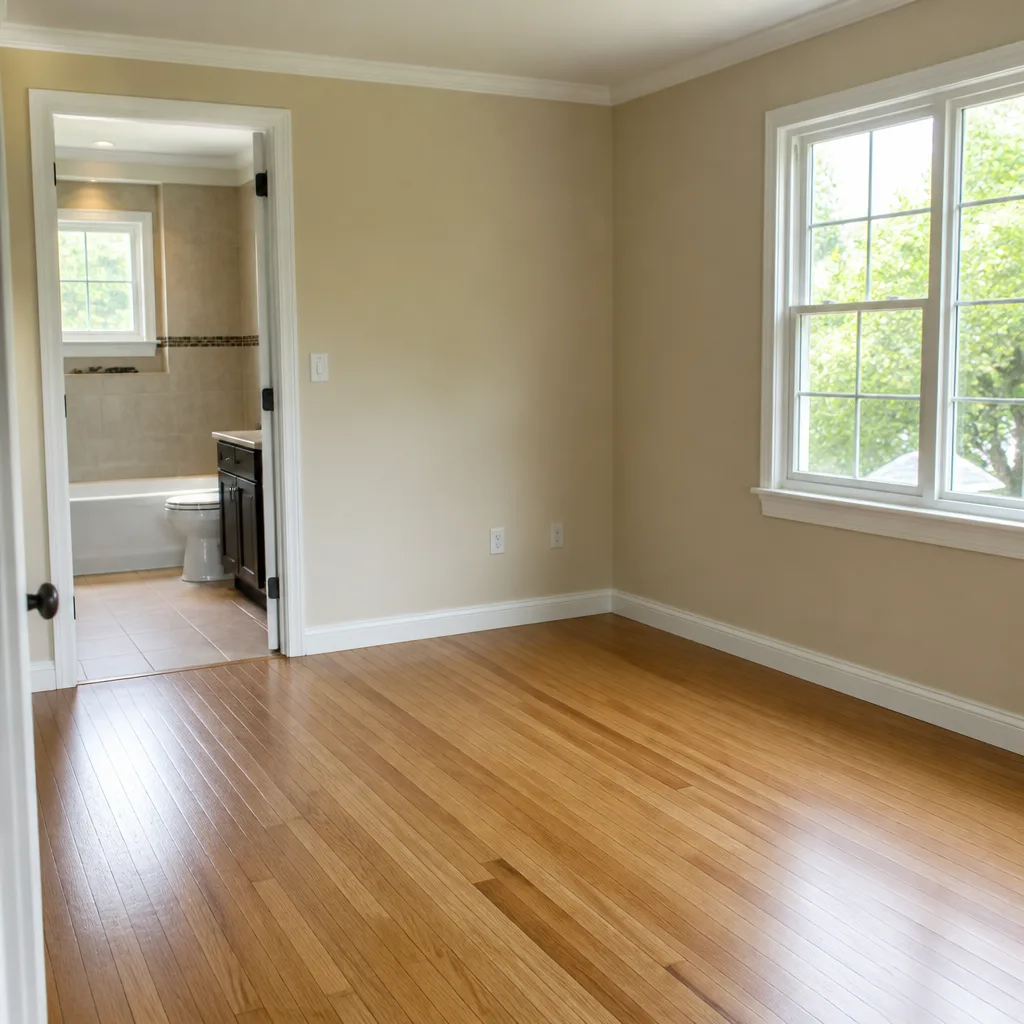
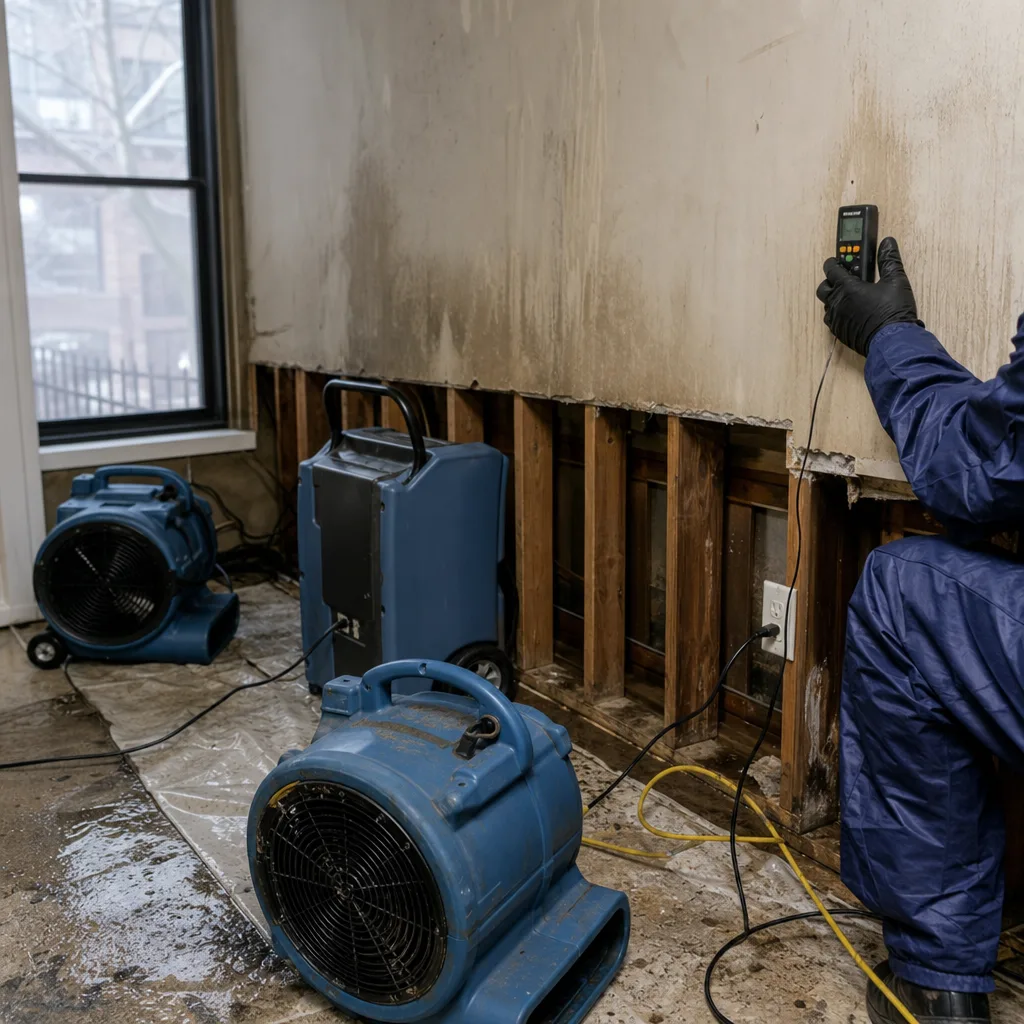 Before
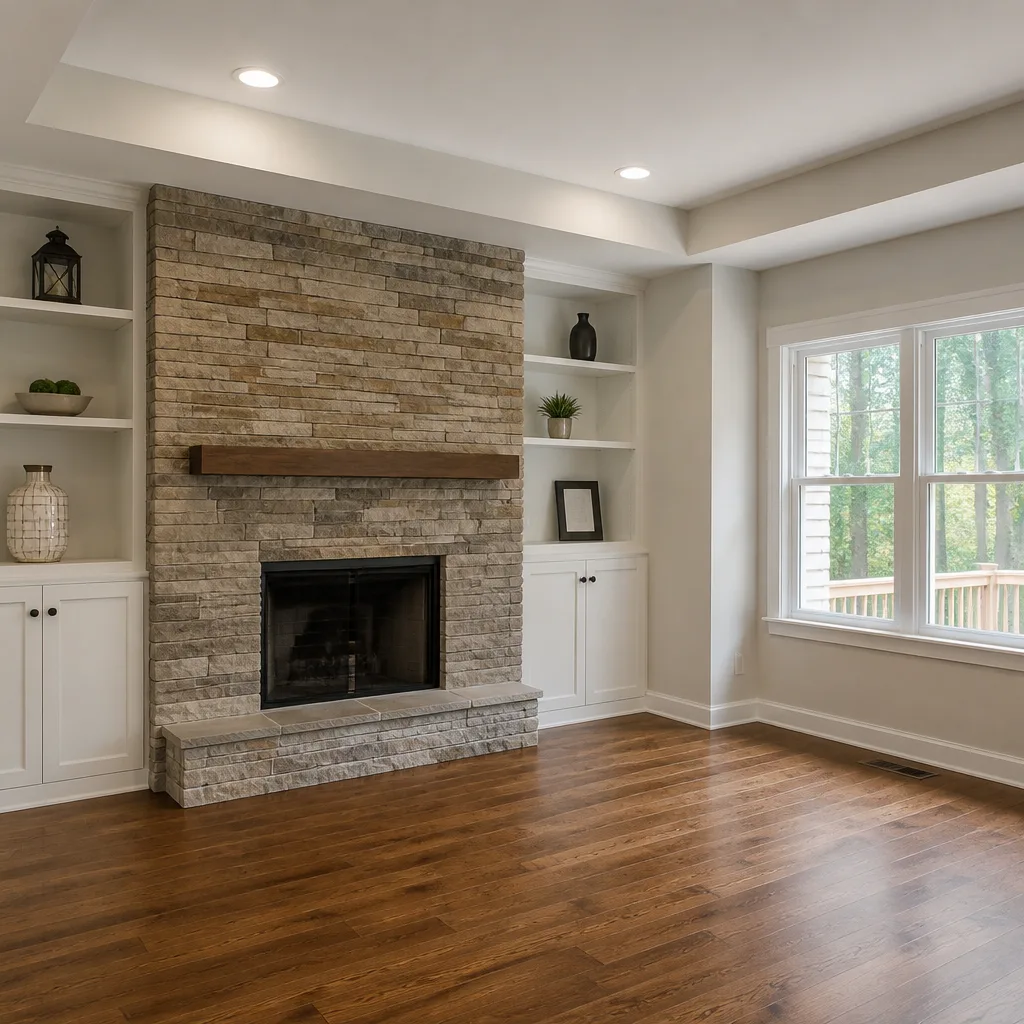
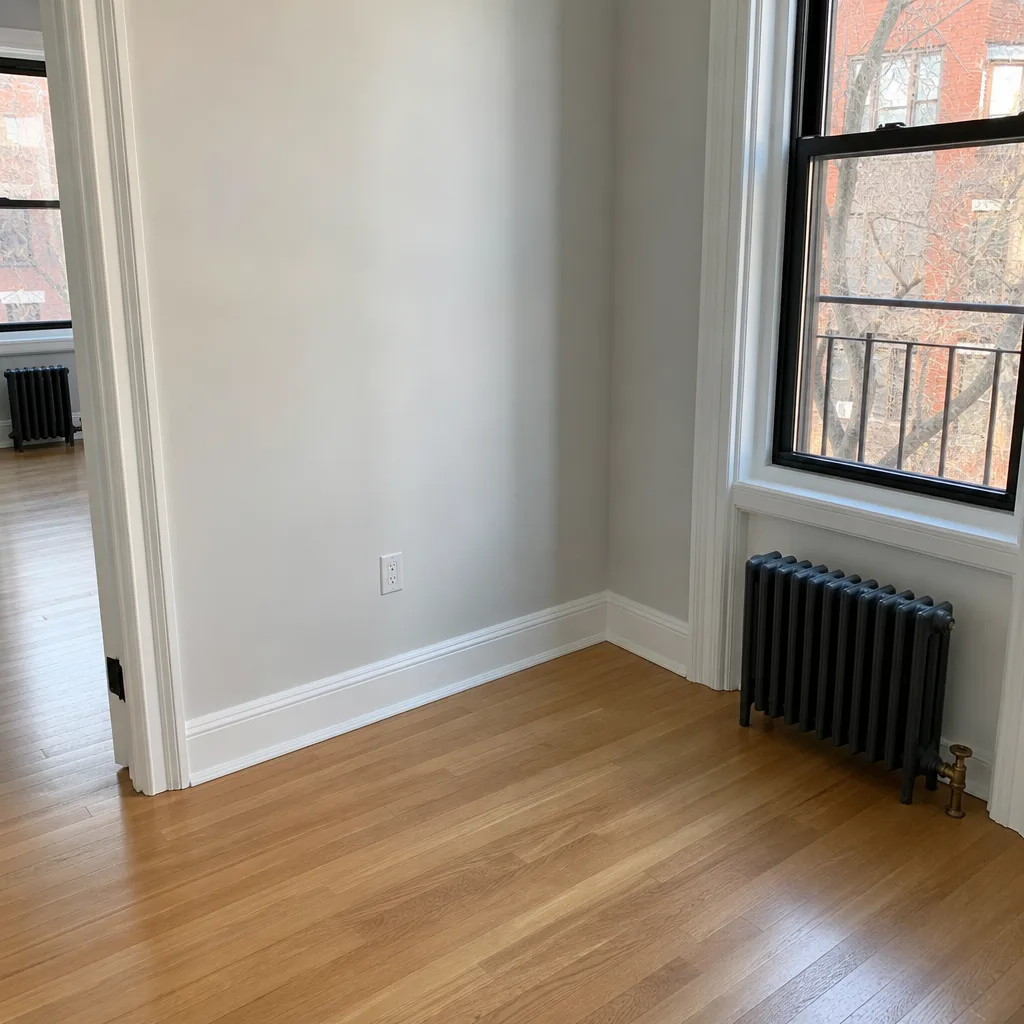 After
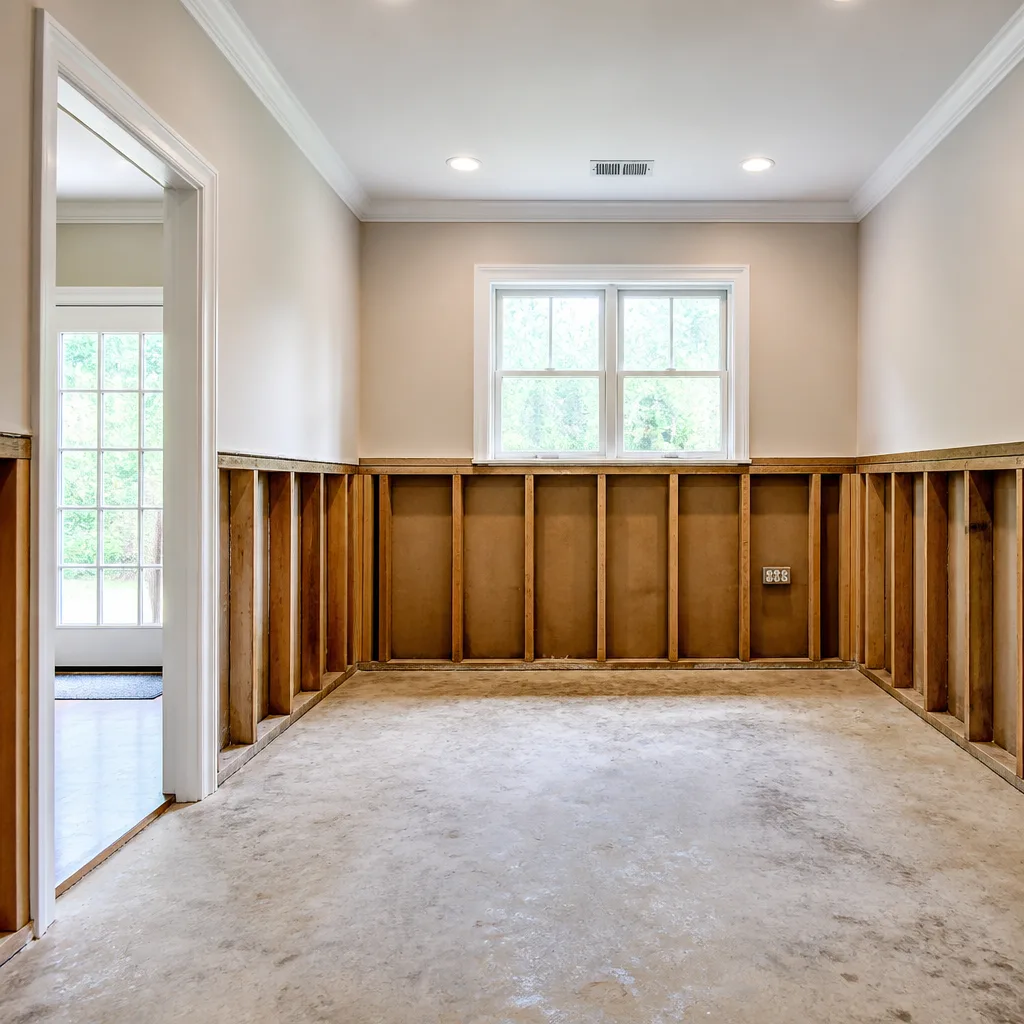
After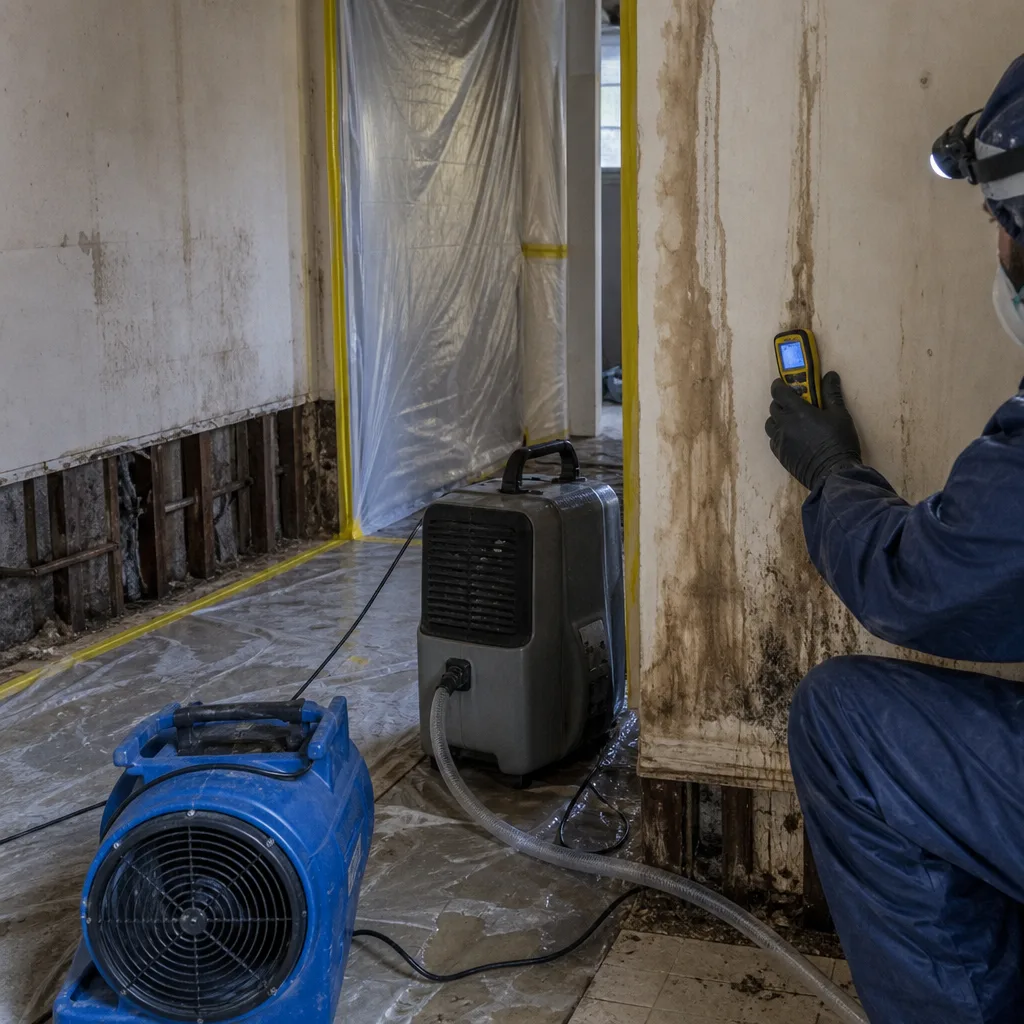 Before
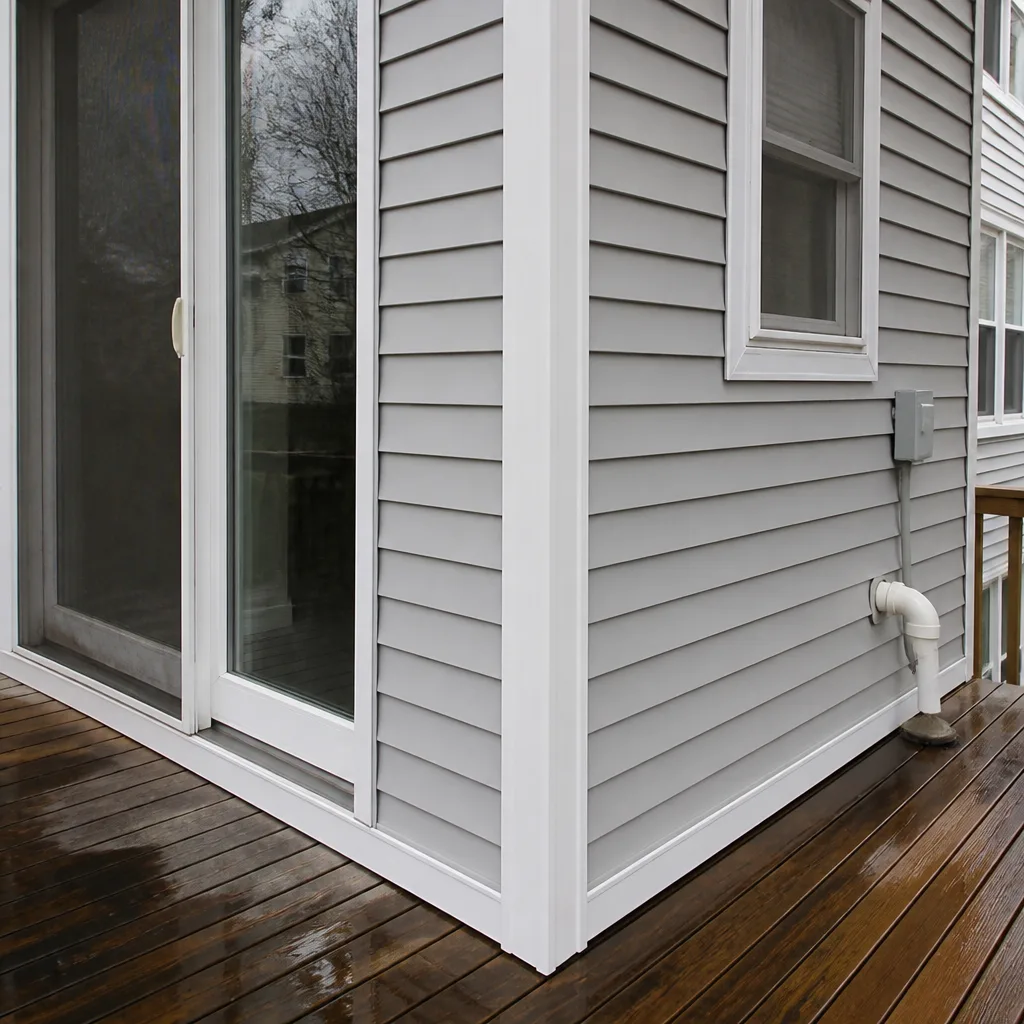 After
After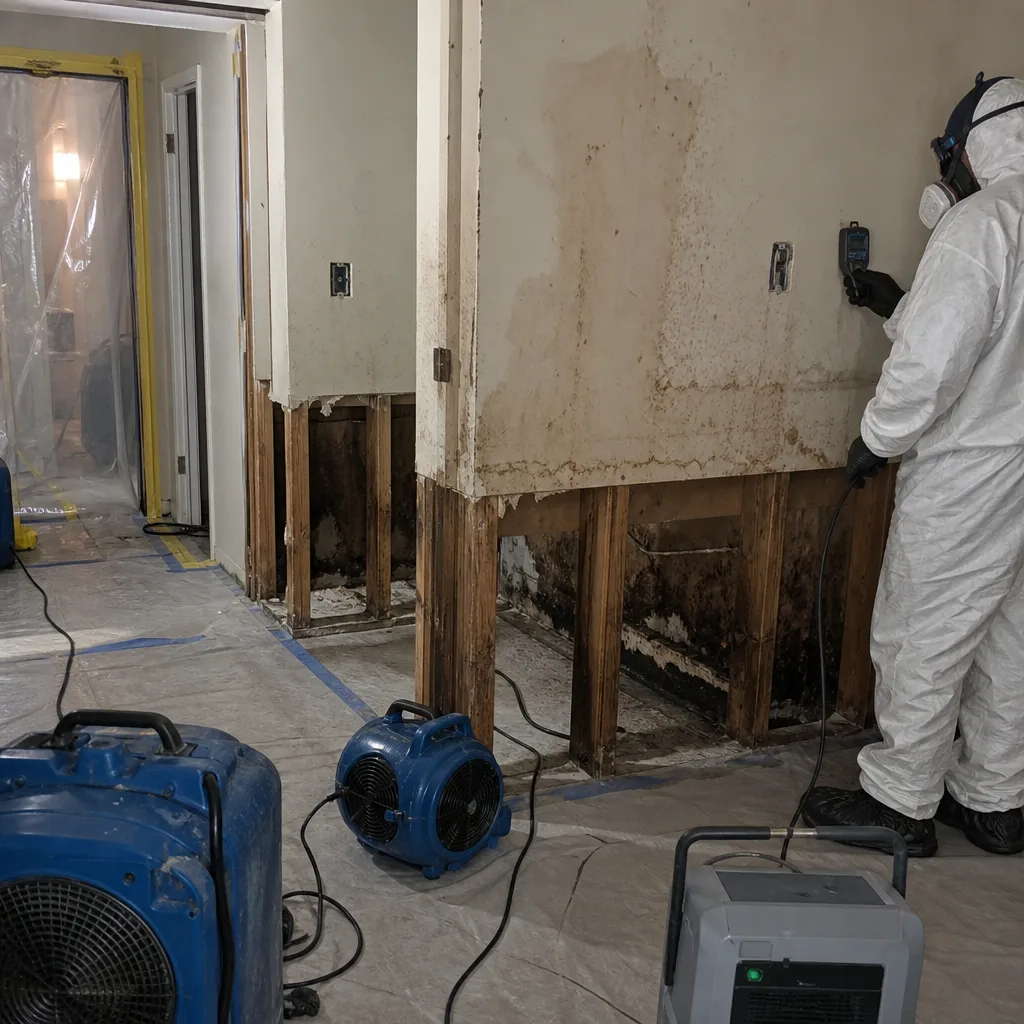 Before
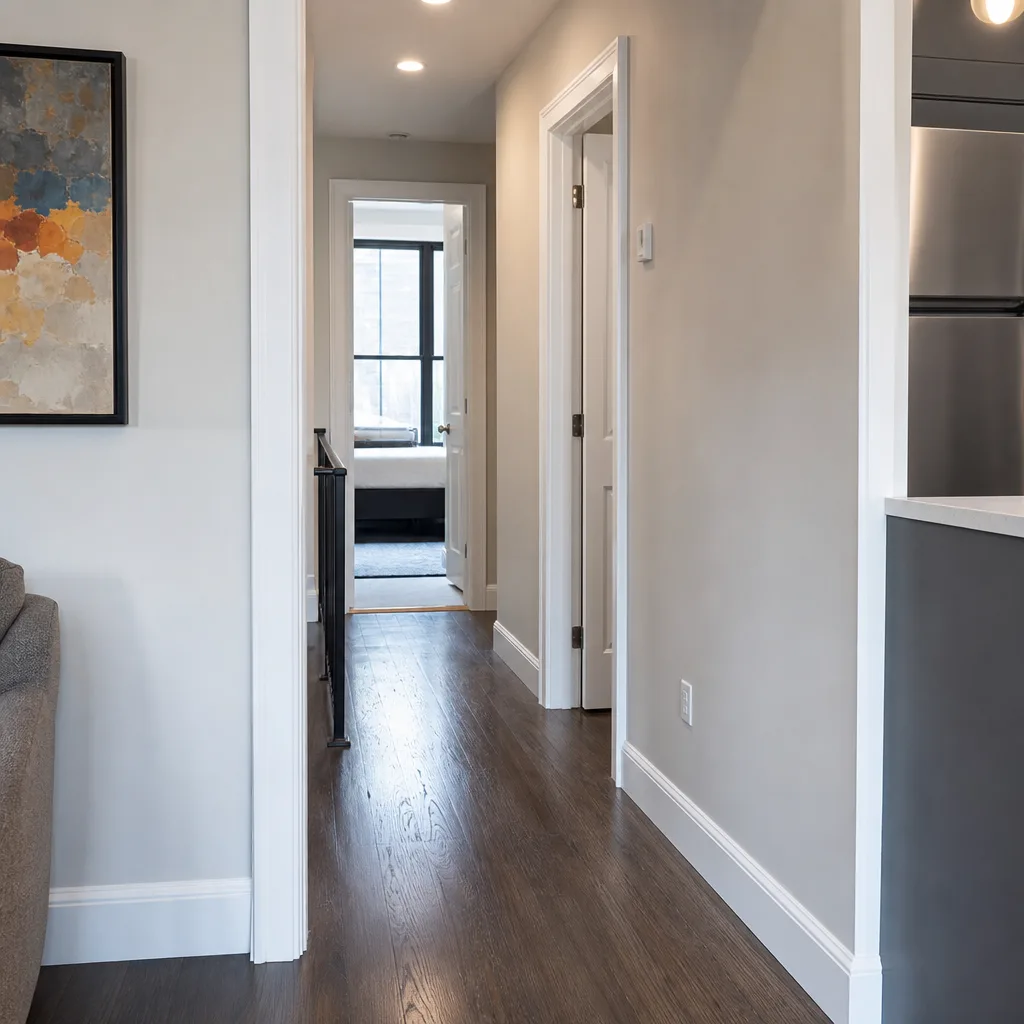 After
After24/7 Emergency Water Damage Restoration in Long Island City
Water damage restoration in Long Island City typically costs $2,800-$7,500 for a standard basement flood, and emergency extraction crews can reach most buildings within 45 minutes. If you’re standing in water right now, call (917) 924-4221. A live dispatcher answers at 2 a.m., not a recording, and a certified crew starts extraction the same visit. The first hour decides how much flooring, drywall, and millwork survives. In Long Island City’s converted lofts and waterfront high-rises, water moves laterally through open floor plans and down through original open-web steel joists faster than most homeowners expect. We start with a free visual inspection, map the moisture, and stop the spread before it reaches mechanical rooms and structural timber.
Understanding Water Damage Restoration Severity in Long Island City Properties
Water damage gets classified by source: Category 1 is clean water from a supply line or tub overflow. Category 2 carries contaminants from appliance discharge or sump failure. Category 3 is grossly unsanitary, typically East River floodwater or sewage backing up through a below-grade floor drain. The category drives the restoration protocol, including containment, antimicrobial treatment, and what gets removed versus dried. In Long Island City, a Category 1 break on a top floor becomes Category 3 by the time it reaches a sub-grade mechanical room that has decades of sediment, soil contact, and prior flooding history. Moisture mapping with thermal imaging and hygrometers tells us what’s wet behind walls and under wide-plank floors. We don’t guess. Structural drying requires professional-grade air movers and dehumidifiers sized to the affected square footage, not the homeowner fans that leave hidden moisture behind custom wood doors and built-ins. That hidden moisture feeds mold within 48 hours, which is why we log daily readings until the dry standard is met, not until the surface feels dry.
Why Long Island City Property Owners Choose Floodline Restoration Co. of Manhattan
- 45-minute response commitment: We dispatch crews from our New York City office to Long Island City around the clock, with extraction running the same visit.
- A real person answers, 24/7: Live dispatchers, every hour, every day. No phone tree. No “leave a message.”
- IICRC-certified crews: Water damage technicians hold WRT and ASD certifications, with AMRT for mold conditions. Background-checked and uniformed on every job.
- Free visual inspection: We walk the loss before writing the scope. You’ll know what’s wet, what’s salvageable, and what it costs before work starts.
- Direct insurance billing: We bill the carrier, coordinate with the adjuster, and document everything from hour one.
- One team, extraction to reconstruction: The same crew that reads the moisture map on day one handles daily readings, rebuilds what needs rebuilding, and hands you the moisture log with the 90-Day Done Right Promise in writing.
Our Water Damage Restoration Process
Inspection & Assessment
We map the affected area with thermal imaging and hygrometers, identify the water category, and photograph everything. In Long Island City, we also check whether sub-grade spaces fall under DOB flood-resilience rules before any work begins.
Extraction & Stabilization
Standing water comes out with truck-mounted extraction units and XPOWER submersible pumps. We isolate the loss to keep moisture from migrating across open loft floors or down into basement mechanical rooms.
Drying & Dehumidification
Dri-Eaz LGR dehumidifiers and Phoenix air movers run continuously with daily moisture readings logged. We dry the structure to the IICRC dry standard, not to a surface touch-test.
Cleaning & Sanitization
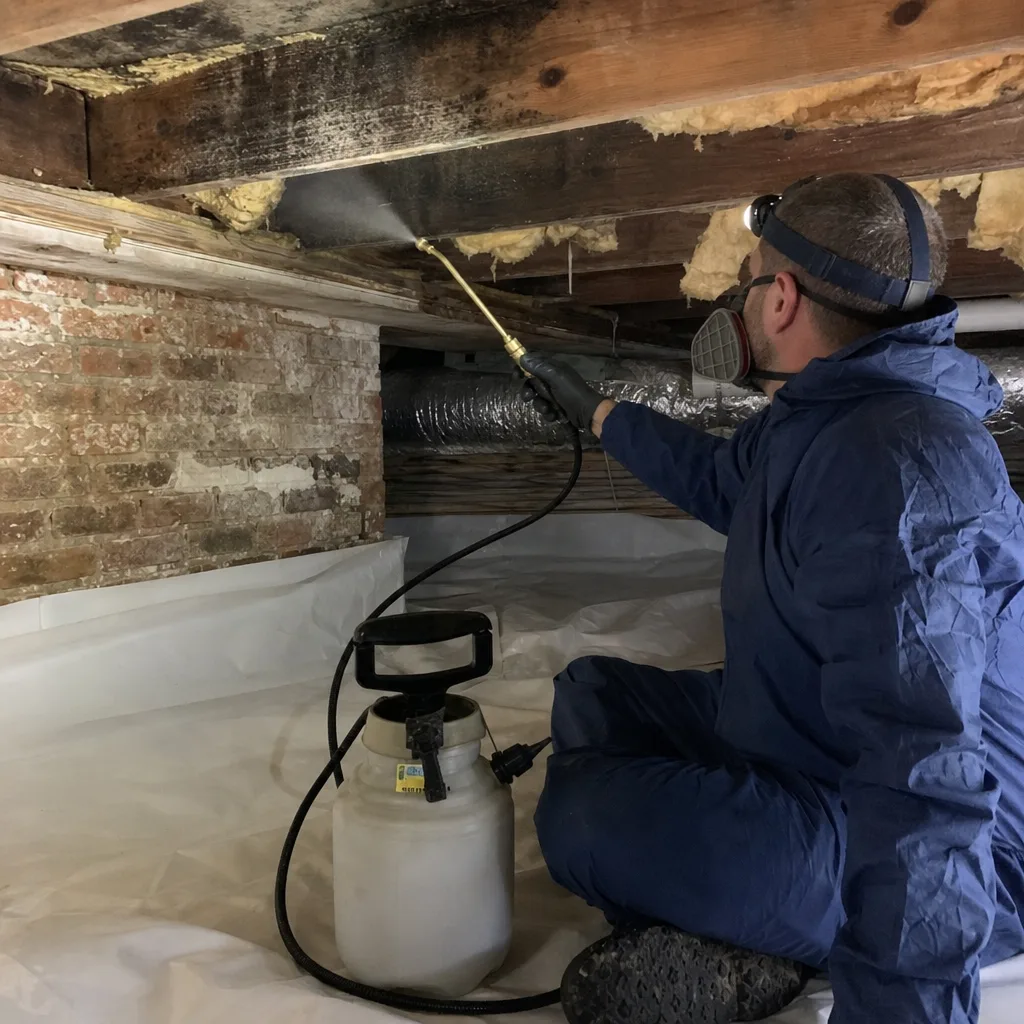
Antimicrobial treatments and HEPA air scrubbing address bacteria and mold spores, especially on Category 2 and Category 3 losses common in Long Island City’s below-grade spaces.
Content & Millwork Treatment
Custom wood doors, built-ins, and original wide-plank floors get targeted drying and finish treatment. We contain the area around custom maple millwork and other premium finishes rather than ripping everything out.
Repairs & Restoration
We rebuild what needs rebuilding from our own scope, including drywall, flooring, and mechanical rooms elevated to base flood elevation where Long Island City code requires it. The job ends with a written scope completed, not a handoff.
Need Emergency Water Damage Restoration in Long Island City Now?
Crews minutes away, answering live 24 hours a day. The sooner we start, the less it costs.
Working With Your Insurance Company
Water damage claims in Long Island City come with complications: flood zone boundaries, co-op and condo board requirements, and DOB documentation for below-grade mechanical work. We handle the claim from the first hour. Our techs photograph the loss room by room before extraction begins, log moisture readings daily, and write a line-item scope that stands up to adjuster review. We talk to your carrier directly so you don’t play messenger. For waterfront buildings in Zone AE, we document everything your flood or homeowner’s policy will ask for, including the distinction between floodwater intrusion and a supply line failure, which often determines coverage. Curt Bowman, our founder, built the company around a dispatch board, not a sales desk. That means the claim gets handled by people who understand restoration, not by someone reading from a script.
What We Provide Your Insurer
- Thorough documentation of the loss
- Photos of all damage, room by room
- Moisture readings and drying logs
- A detailed, line-item scope of work
- Direct coordination with your carrier
Built for Long Island City’s Loss Calendar
January deep freezes burst supply lines in pre-war walkups along Vernon Boulevard and in converted lofts near Court Square. Water travels down through open-web steel joists and pools in sub-grade mechanical rooms, where boilers and panels sit squarely in FEMA Zone AE. February and March bring the same story: frozen pipes, then thaw, then demolition of drywall that wicked water for days before anyone noticed. Spring’s coastal storms push groundwater into basement units from Hunters Point south to the old industrial blocks near Queens Plaza. Summer thunderstorms overwhelm roof drains on flat-roofed loft buildings, sending water down interior chase walls and into original timber columns. Fall nor’easters drive East River surge up into the lowest-lying blocks. We’ve worked this calendar for years, and we schedule crews around it. The moisture log from a January loss reads the same today as it did in 2013, after Sandy taught this neighborhood what floodwater actually does to a converted industrial building.
Water Damage Restoration Across Long Island City’s Neighborhoods
Long Island City isn’t one building type. It’s three, stacked on top of each other. Hunters Point runs along the East River with newer high-rises and converted lofts, and those buildings have sub-grade garages and mechanical rooms that take on groundwater during even moderate coastal events. The original wide-open floor plans in the loft conversions mean water from a 5th-floor supply line break travels laterally across the entire floor before tenants below ever see a drip. Court Square and Queens Plaza hold the older pre-war walkups and commercial conversions, where original cast-iron plumbing and steam risers fail in January and water runs down interior walls into ground-floor retail. Over near the Sunnyside border and up toward 36th Avenue, you’ll find more traditional rowhouses with shallow basements, where surface water after heavy thunderstorms seeps through foundation walls and old floor drains back up. Each area needs a different approach. A basement pump-out in a 36th Avenue rowhouse is straightforward. A Hunters Point loft with water migrating through original open-web steel joists is a structural drying project that demands containment, daily moisture mapping, and sometimes a structural engineer. We dispatch for all of it, but we plan differently for each block.
Specialized Water Damage Restoration Services We Offer in Long Island City
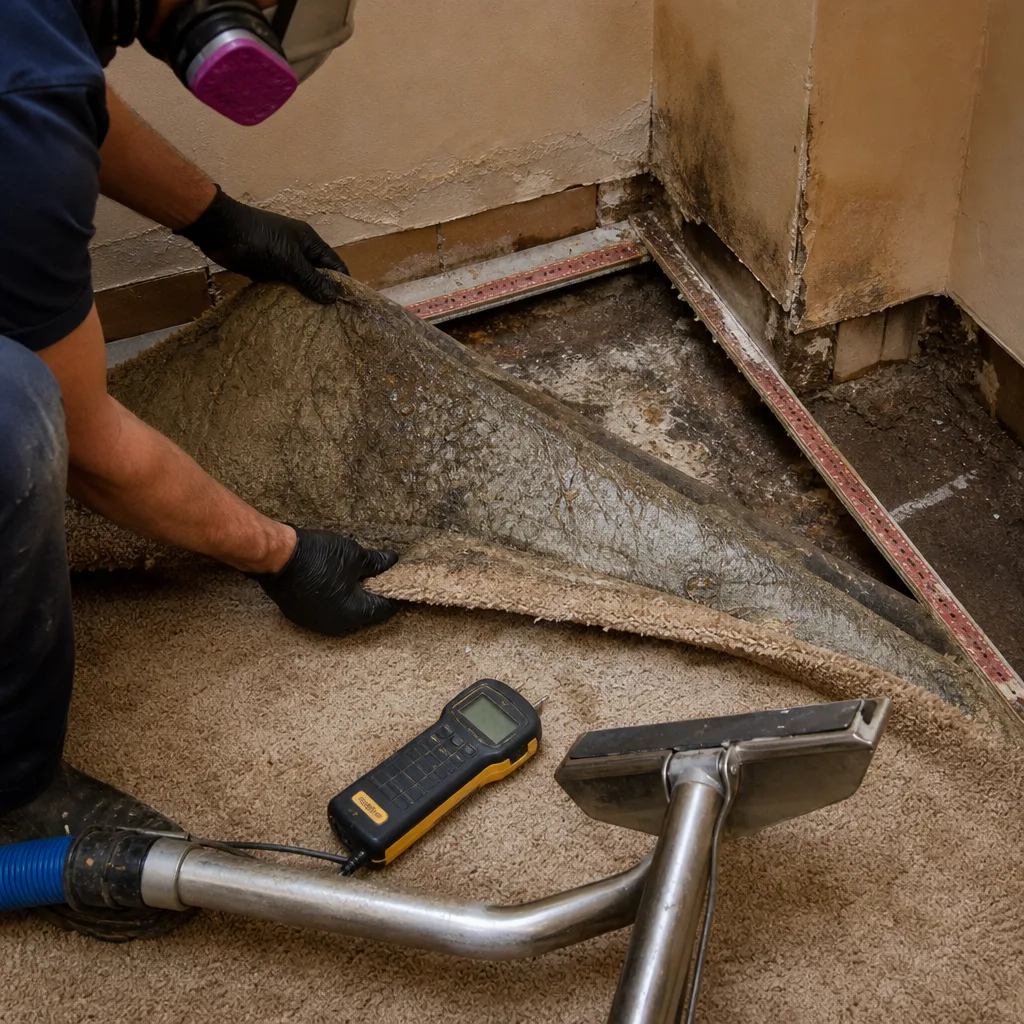
Emergency Water Extraction
Standing water comes out fast, whether it’s a burst supply line in a 5th-floor Hunters Point kitchen or a flooded basement mechanical room near the East River. We use truck-mounted extraction and XPOWER submersibles, then map the remaining moisture before drying starts.
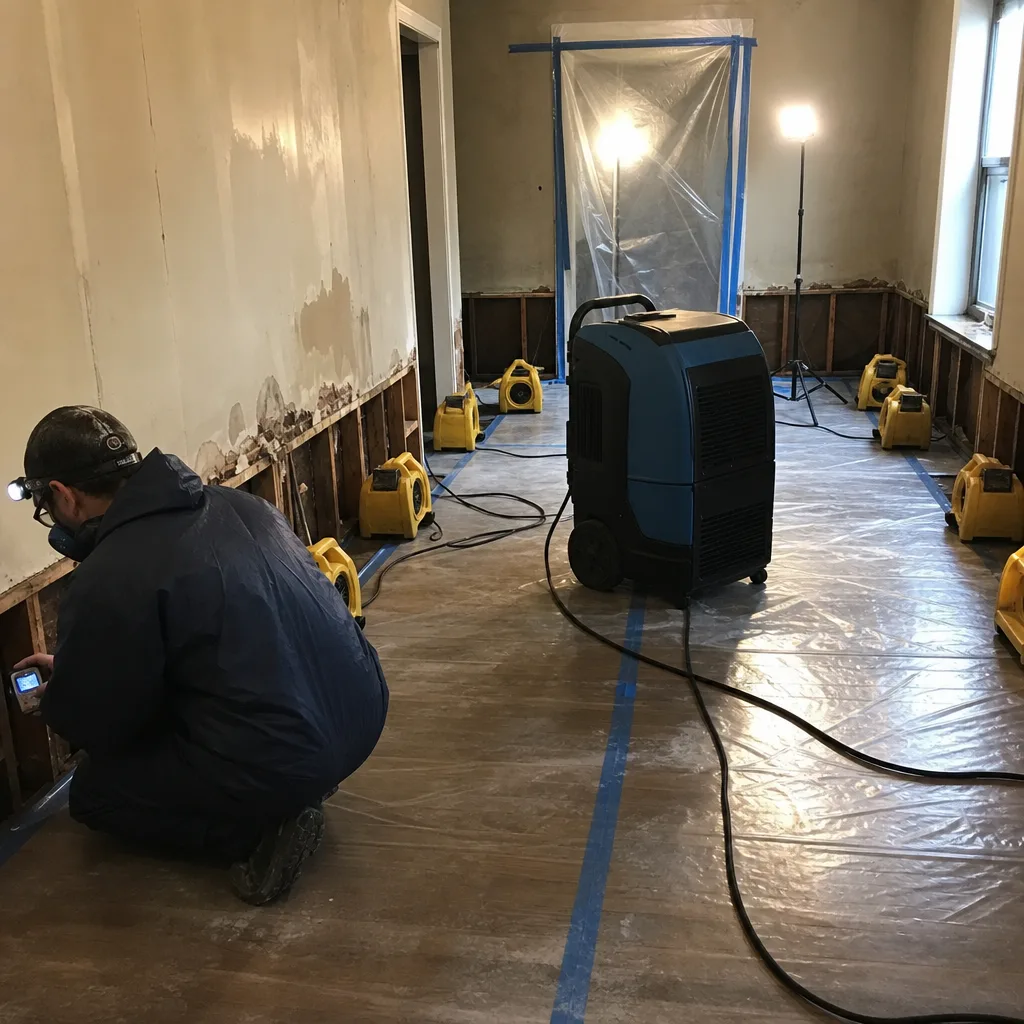
Structural Drying & Dehumidification
Long Island City’s converted lofts and original timber construction absorb water differently than modern framing. We run Dri-Eaz LGR dehumidifiers and Phoenix air movers with daily hygrometer readings until walls, floors, and structural members hit the dry standard. We log it all for you and the carrier.
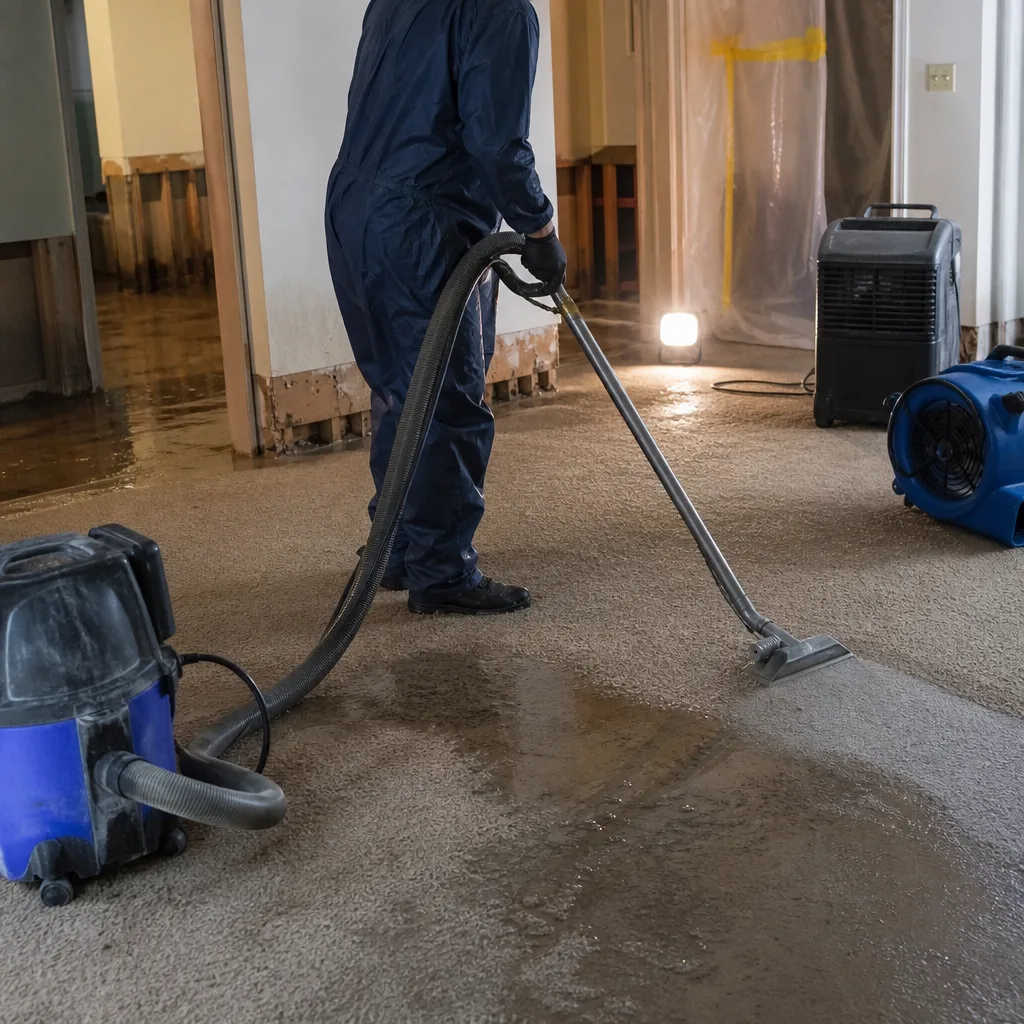
Flood Cleanup
East River surge and coastal storm flooding bring Category 3 water into the lowest blocks of Long Island City. That means grossly unsanitary water, possible sewage, and a protocol that includes containment, antimicrobial treatment, and removal of saturated porous materials. Post-Sandy, many LIC buildings carry chronic moisture from incomplete remediation. We find it and dry it properly.
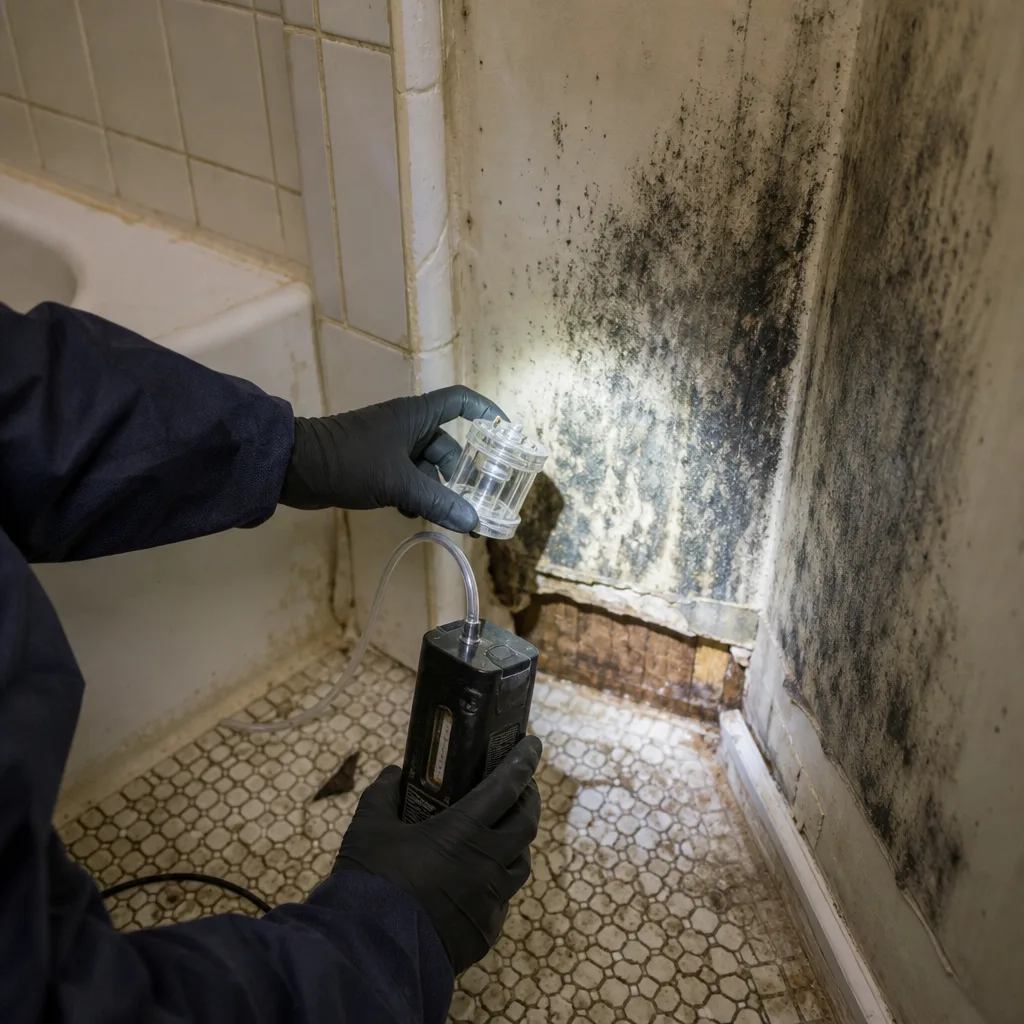
Burst Pipe Restoration
A frozen supply line in January becomes a whole-building event when water finds the path of least resistance through open loft floors and old chases. We isolate the break, extract, dry, and restore the finishes, including custom wood doors and built-ins that homeowner-grade drying would leave ruined.
Basement Water Removal
Basements in Long Island City are different from basements anywhere else in Queens. Many sit in FEMA Zone AE, holding boilers and electrical panels below base flood elevation. We pump them out, dry them, and when rebuilding is required, we work with structural expeditors to document BFE compliance before DOB closes the permit. That step adds time, and skipping it is exactly how a straightforward pump-out becomes a failed inspection and a second demolition.
What happens when you call
- 1
A real person answersNo phone trees - you reach a local pro.
- 2
You get an upfront price rangeHonest numbers before anyone is dispatched.
- 3
A background-checked tech heads outLicensed & insured, dispatched right away.
- 4
You approve before work beginsNothing starts until you say go.
Water Damage Restoration Costs in Long Island City, NY
A Category 1 supply line break in a Long Island City condo kitchen typically runs $2,500-$5,000 for extraction, drying, and minor drywall repair. A basement flood with Category 2 water and structural drying in a Hunters Point high-rise usually falls between $4,500 and $9,000. Category 3 flood cleanup from East River surge or a sewage backup ranges from $7,500 to $15,000 or more, depending on how much flooring, drywall, and mechanical equipment needs removal and rebuild. What moves the price: square footage affected, whether containment and antimicrobial treatment are required, the presence of custom finishes like wide-plank flooring or wood doors, and in this neighborhood specifically, whether DOB flood-resilience rules apply to your mechanical room. The free visual inspection is how you get a firm number. We write the scope before work starts, bill your carrier directly, and stand behind the job with the 90-Day Done Right Promise, in writing, no arguing. The $50 Off Any Repair Over $250 and Senior & Veteran 5% Discount offers always apply.
We Also Serve Cities Near Long Island City
We handle water damage restoration in Long Island City and the surrounding Queens neighborhoods of Sunnyside, Woodside, Astoria, and Maspeth. Same live dispatch, same 45-minute response, same written guarantee.
Long Island City Water Damage Restoration Questions, Answered
Why do basement water damage jobs in Long Island City take longer than in Astoria or Sunnyside?
Long Island City basements sit in FEMA Zone AE, and post-Sandy rules require rebuilt mechanical systems to be elevated above base flood elevation. That means pulling permits, working with a structural expeditor, and documenting BFE compliance before the job can close. Astoria and Sunnyside basements rarely require that. Call (917) 924-4221 and we’ll explain what applies to your building.
Can you dry out a Hunter’s Point loft conversion without ripping out the original wide-plank floors?
Often yes. We use containment, Dri-Eaz LGR dehumidifiers, and targeted floor drying systems to pull moisture out of wood floors without demolition. Whether your specific floors survive depends on the water category and how long they sat wet. That’s what the free inspection determines.
What makes Category 3 water cleanup different in Long Island City waterfront high-rises?
Category 3 water is grossly unsanitary, often from East River surge or sewage. In waterfront high-rises, that water travels down through multiple floors and into sub-grade garages and mechanical rooms. We contain each affected area, remove saturated porous material, and run HEPA air scrubbers to keep contaminated air from circulating through the building’s shared ventilation.
Do I need a flood insurance claim before you start water extraction in my LIC basement unit?
No. We start extraction immediately, photograph everything, and document the category of water before anything gets removed. That documentation is what your flood or homeowner’s carrier needs. We’ll coordinate directly with the adjuster. Extraction should never wait for claim approval.
Can you restore my custom carriage-house wood door after a burst pipe flooded my Long Island City entryway?
Yes. Custom wood doors respond well to targeted drying and finish work when we get to them within hours, before swelling sets in permanently. The first 48 hours decide whether a door gets restored or replaced. Call now and we’ll start the clock in your favor.
How fast can you actually get to my Long Island City apartment?
Most calls get a crew on site within 45 minutes. We dispatch from our New York City office with crews stationed for Long Island City response. A live person answers the phone at any hour.
Will my homeowner’s insurance cover water damage in Long Island City?
If the water came from a burst pipe or appliance failure, a standard homeowner’s or co-op policy usually covers it. If it came from East River flooding or a sewer backup, you’ll likely need flood or sewer backup coverage. We document the source and category precisely so the adjuster can’t misclassify the loss.
What should I do in the first 30 minutes after discovering water damage?
Shut off the water source if you can, kill power to the affected area if safe to reach the panel, and call (917) 924-4221. Don’t run fans. Don’t try to vacuum water yourself. Don’t wait to see if it dries on its own. Every hour of standing water in a Long Island City building adds cost and salvage loss.
Serving Long Island City, NY - Our Local Coverage Area
We’re based in the Long Island City area and know this community well. Use the map below to see our service coverage - if you’re nearby, we can almost certainly help.
Get a Free Estimate for Water Damage Restoration in Long Island City
If water is where it shouldn’t be, call (917) 924-4221 now. A live dispatcher answers 24 hours a day. We’ll send a background-checked, uniformed IICRC-certified crew to your Long Island City address, inspect the loss for free, and hand you a written scope before any work starts. We bill your insurance carrier directly, coordinate with the adjuster, and back every job with the 90-Day Done Right Promise. The line the water left is where we start. We’ll be there when we say.
Written by Curt Bowman, Owner at Floodline Restoration Co. of Manhattan, serving Long Island City with water damage restoration, mold remediation, and full reconstruction.