
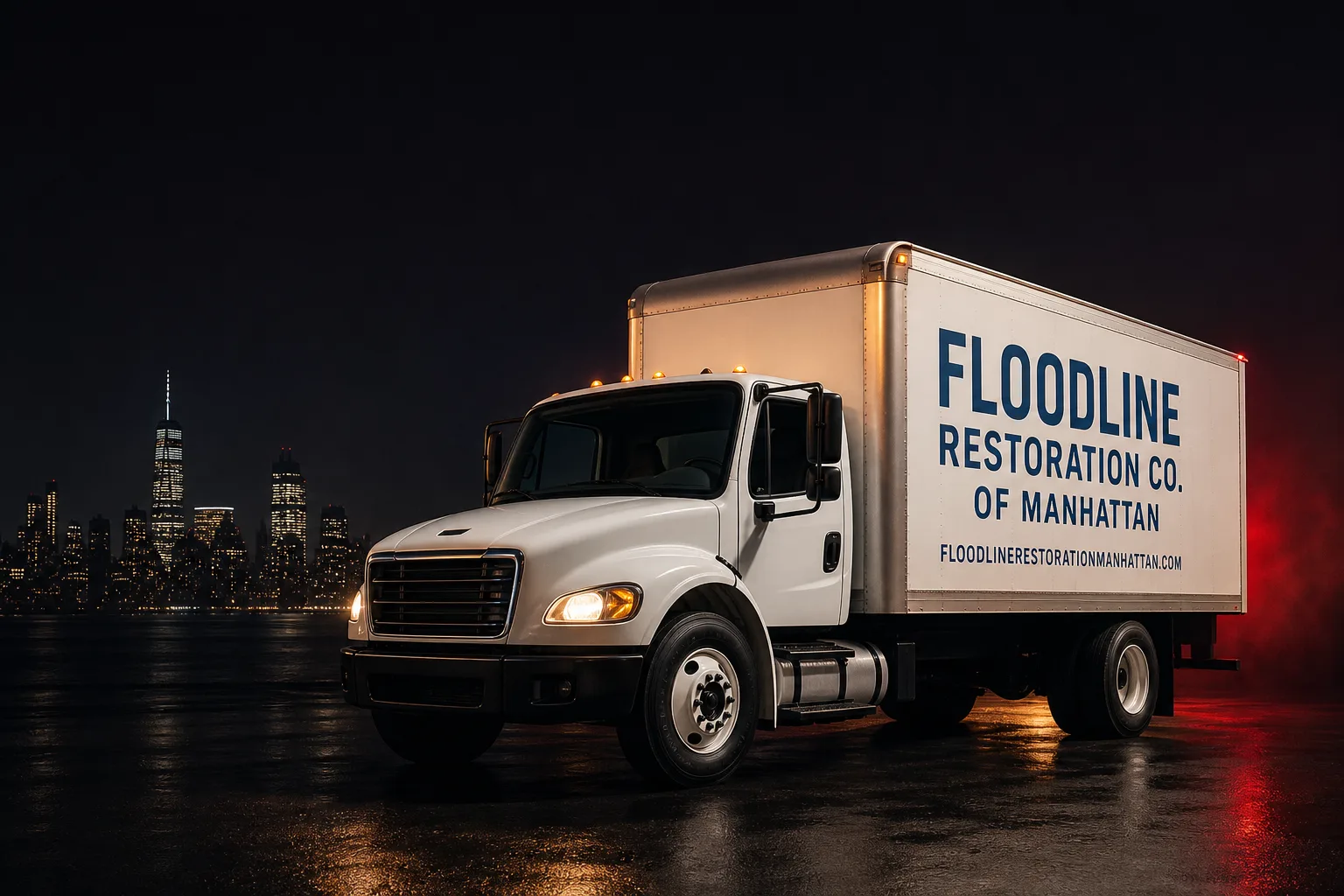
Free visual inspection and a written scope of work before any mitigation begins - photos, moisture readings, and drying logs go in your claim file
The scope we write is the scope we bill. Anything new gets shown to you, in writing, before we touch it.






 Before
 After
After Before
 After
After Before
 After
After24/7 Emergency Water Damage Restoration in Lower Manhattan
Water damage restoration in Lower Manhattan typically runs $1,800 to $7,900 depending on the water category and square footage, and our crews are inside the neighborhood and answering live every hour of the day. If water is rising in a Battery Park City basement or spreading across a TriBeCa loft floor, call (917) 924-4221 right now. A live dispatcher picks up, not a recording, and a certified crew can reach the job within 45 minutes most days. The first hour decides how much drywall, flooring, and personal property survives. Water moves fast through a converted warehouse loft, and every minute it sits, it wicks deeper into masonry, subfloor, and wall cavities. A free visual inspection gives you a straight answer and a written scope before any work starts.
Understanding Water Damage Restoration Severity in Lower Manhattan Properties
Water damage in Lower Manhattan buildings rarely behaves the way textbook cases describe. The housing stock here is mostly 19th and early 20th century masonry commercial and warehouse structures, many with cast iron facades in TriBeCa, converted to residential lofts and condos. Along the waterfront, Battery Park City’s 1980s and 1990s towers sit on Hudson River landfill. These buildings share deep sub-grade basements at or near the water table, thick brick and stone walls that hold moisture for weeks, and legacy industrial-era plumbing chases that move water in unexpected directions.
We classify the water first, because the classification drives the whole job. Category 1 is clean water from a burst supply line. Category 2 carries contaminants, think washing machine overflow or sump pump failure. Category 3 is grossly contaminated, and in Lower Manhattan, that almost always means saltwater storm surge from the Hudson, East River, or New York Harbor mixed with sewage and street runoff. Category 3 requires containment, full removal of affected porous materials, antimicrobial treatment, and aggressive structural drying. Saltwater adds another problem: corrosion. Salt gets into structural steel, electrical connections, and elevator pits, and it keeps working long after the visible water is gone.
Why Lower Manhattan Property Owners Choose Floodline Restoration Co. of Manhattan
- 45-minute response commitment: we dispatch crews inside Lower Manhattan right now, not after a call center triage. A live person answers, then a truck rolls.
- 24/7 live answer, every single day: a real dispatcher picks up at 2 a.m. on a holiday. No automated system, no message that waits until morning.
- IICRC-certified crews: our technicians hold WRT, FSRT, and AMRT certifications and train to RIA and IFA standards. Background-checked and uniformed on every job.
- Free visual inspection with moisture mapping: we find the water you cannot see, then show you the readings before we recommend anything.
- Direct insurance billing: we work with your carrier and adjuster directly, with photo documentation and line-item scopes from the first hour.
- One team from extraction to reconstruction: the same certified crew handles extraction, drying, and rebuild. No mid-job handoff, no inherited crew you never met.
Our Water Damage Restoration Process
Inspection & Assessment
We walk the full affected area, not just the visible puddle. Thermal imaging and penetrating moisture meters map water inside walls, under floors, and within masonry. You get the readings and a written scope before we start.
Extraction & Stabilization
Submersible pumps and truck-mounted extractors pull standing water fast. We locate shutoffs, including the post-Sandy relocated boilers and electrical panels that are no longer in the basement where everyone looks first.
Drying & Dehumidification
Professional-grade Dri-Eaz and Phoenix air movers and dehumidifiers run around the clock, with Injectidry systems for wall cavities and under hardwoods. Daily moisture readings are logged until the dry standard is met.
Cleaning & Sanitization
For Category 3 events, we establish containment, run HEPA air scrubbers, and apply antimicrobial treatments. Porous materials that absorbed contaminated water are removed and documented for your carrier.
Salt & Corrosion Treatment
Storm surge in Lower Manhattan carries salt water. We inspect exposed structural steel, electrical connections, and mechanical equipment, then treat corrosion to stop it before it spreads silently.
Repairs & Restoration
The same crew that extracted the water rebuilds what needs rebuilding: drywall, flooring, trim, and finishes. One team, one standard, one written 90-Day Done Right Promise at the end.
Need Emergency Water Damage Restoration in Lower Manhattan Now?
Crews minutes away, answering live 24 hours a day. The sooner we start, the less it costs.
Working With Your Insurance Company
Most homeowners in Lower Manhattan carry water damage coverage, but the claim is only as strong as the documentation behind it. We build your file from the first hour: photos of every affected room, moisture readings, equipment logs, and a detailed line-item scope. Our team speaks directly with your adjuster so you don’t play messenger. Carriers accept our documentation because it’s complete, measurable, and defensible. We bill direct when your policy allows it, and we walk you through what’s covered, what’s not, and where your deductible applies before work starts.
What We Provide Your Insurer
- Thorough documentation of the loss
- Photos of all damage, room by room
- Moisture readings and drying logs
- A detailed, line-item scope of work
- Direct coordination with your carrier
Built for Lower Manhattan’s Loss Calendar
Water finds its way into Lower Manhattan buildings on a schedule that locals know by heart. January and February bring deep freezes that burst supply lines in unheated sub-grade mechanical rooms and along exterior masonry walls. Spring thaw pushes groundwater up through the landfill sections under Battery Park City, seeping into basements and parking structures even with no rainfall. Summer thunderstorms dump an inch of rain in thirty minutes, and the low-lying streets around South Street and the Financial District funnel that water into basement entrances and below-grade air shafts. Then comes nor’easter season, from September through April, when Hudson River and New York Harbor surge over bulkheads and into sub-grade spaces that sit at or below sea level. We plan our response around this calendar because we live and work here. A crew that knows the pattern gets to a flooded basement faster and dries it correctly the first time.
Water Damage Restoration Across Lower Manhattan’s Neighborhoods
Response routes differ block by block here. In Battery Park City, our trucks navigate the residential towers along South End Avenue and the Esplanade, where sub-grade parking levels flood from both storm surge and the high water table. In TriBeCa, we work inside cast iron loft buildings along Hudson Street and West Broadway, where thick masonry party walls hold moisture for weeks and drying requires wall-cavity injection systems, not just surface air movers. The Financial District’s converted commercial towers around Wall Street and Water Street bring legacy plumbing chases and oversized mechanical rooms, where a burst pipe on the 30th floor destroys drywall on 25 floors below by morning. In the South Street Seaport area, century-old low-rise buildings sit nearly at river level, and nor’easter surge pours through front entrances and basement stairwells with no geographic buffer. The Two Bridges corridor, a mix of tenements and newer towers along Cherry and Monroe Streets, sees chronic groundwater intrusion and pipe failures in aging supply lines. Each neighborhood needs a different drying plan, and we build one for the building, not the zip code.
Specialized Water Damage Restoration Services We Offer in Lower Manhattan
Emergency Water Extraction
Standing water in a Lower Manhattan basement or loft floor gets extracted fast with submersible pumps and truck-mounted units. We find the shutoffs first, including the post-Sandy elevator and boiler relocations that a less familiar crew would waste hours hunting for. Extraction starts same visit.
Structural Drying & Dehumidification
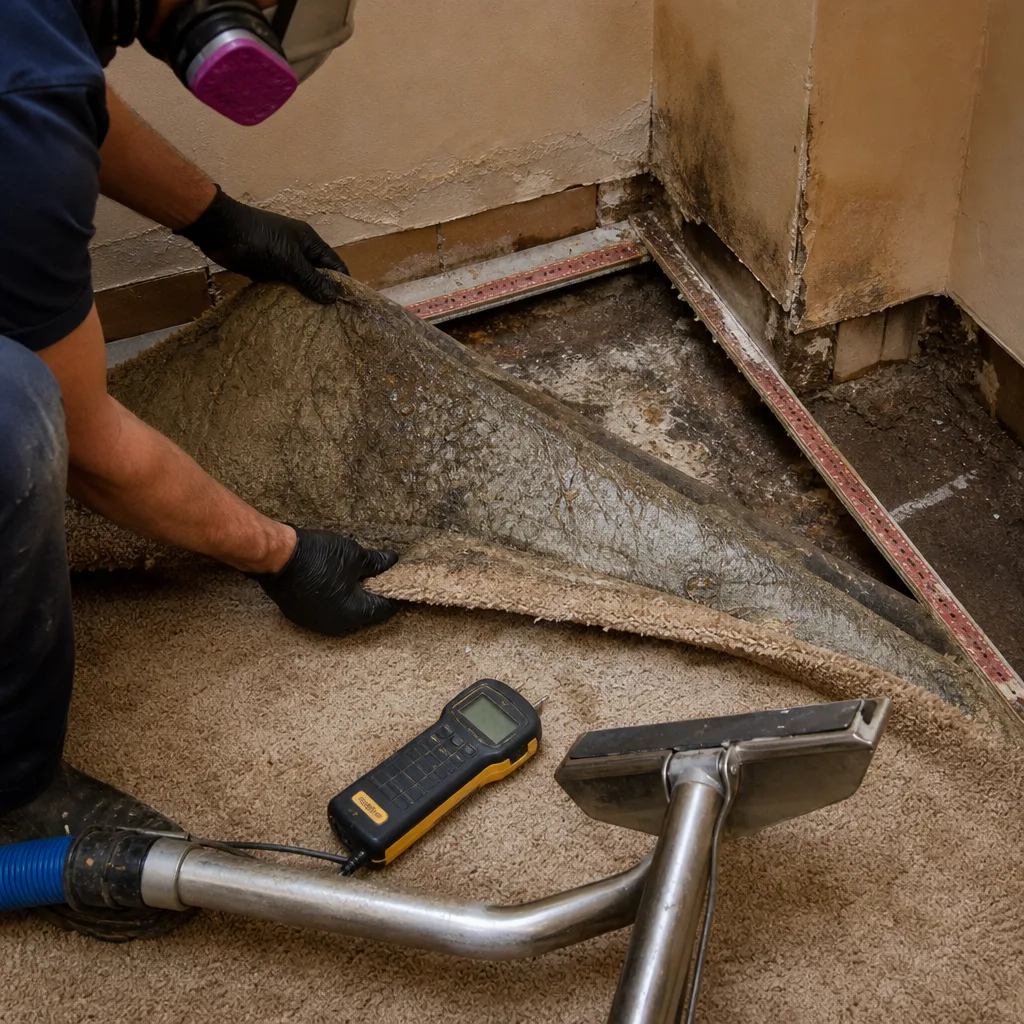
Thick masonry walls in converted warehouse lofts and pre-war buildings trap moisture that surface drying misses. We use Injectidry wall-cavity drying systems and penetrating moisture meters to dry inside the walls, not just the air around them. Daily readings are logged and handed to you and your carrier.
Flood Cleanup
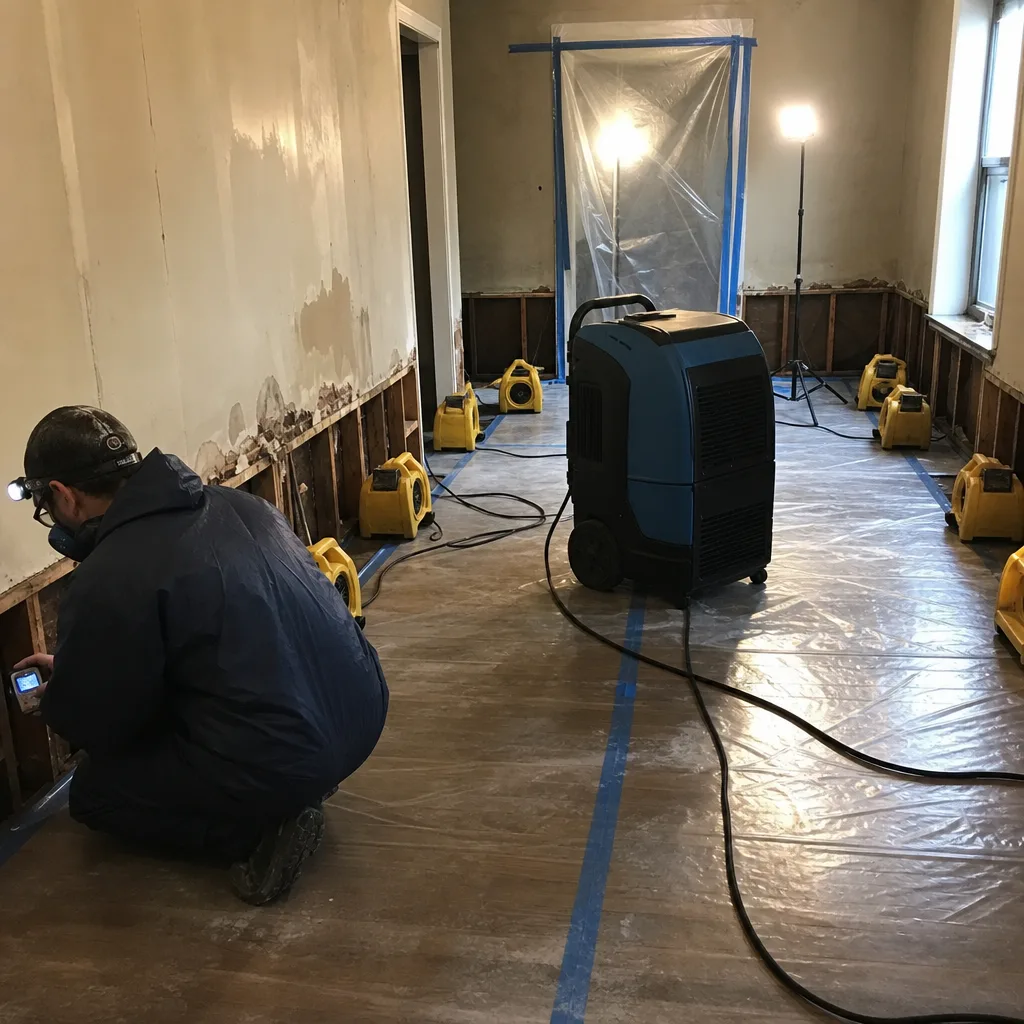
Storm surge and flash flooding in Lower Manhattan bring Category 3 contaminated water into basements, garages, and ground-level retail. We establish containment, remove contaminated porous materials, run HEPA air scrubbers, sanitize every affected surface, and document it all for insurance. Salt corrosion treatment is standard on these jobs here.
Burst Pipe Restoration
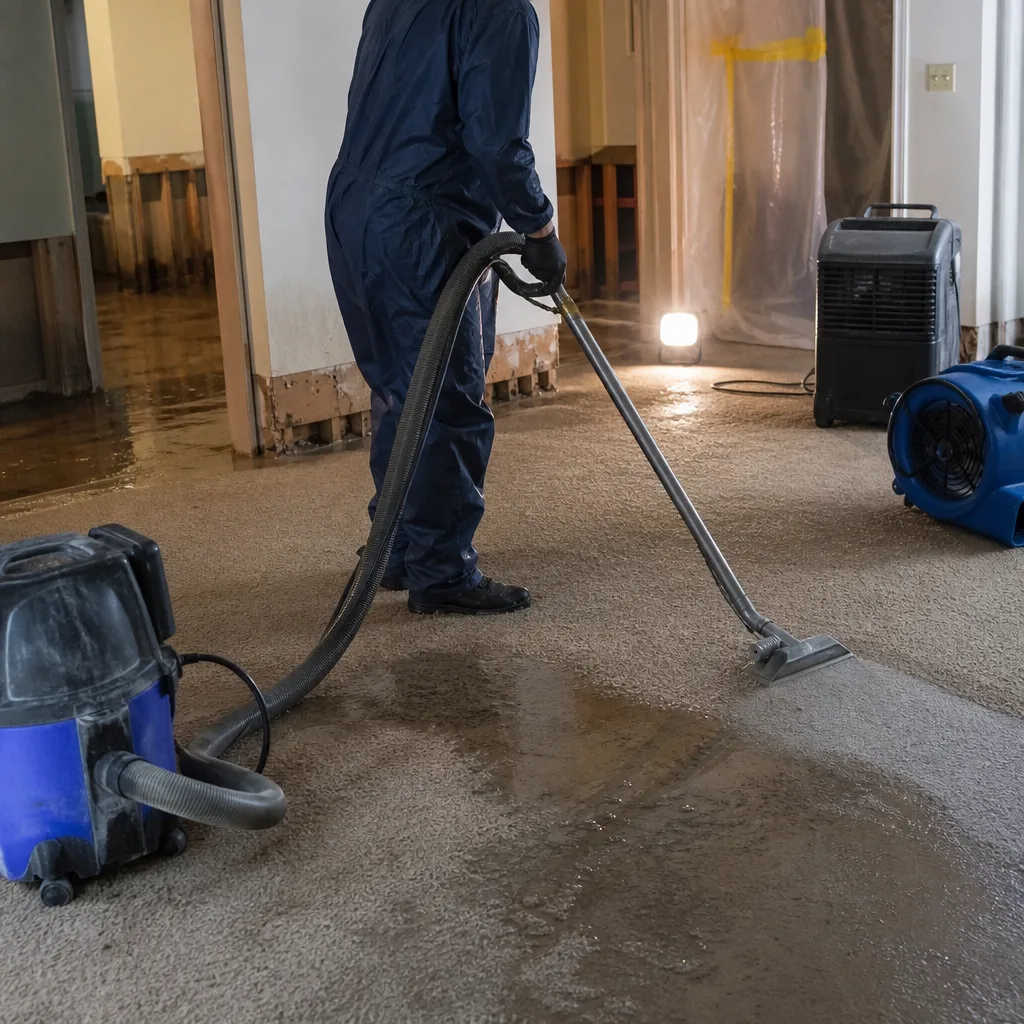
A burst supply line in a Financial District high-rise or a TriBeCa loft sends clean water through ceilings, walls, and floors in a matter of minutes. We extract, dry, sanitize, and rebuild affected areas to pre-loss condition, with a written scope before work begins.
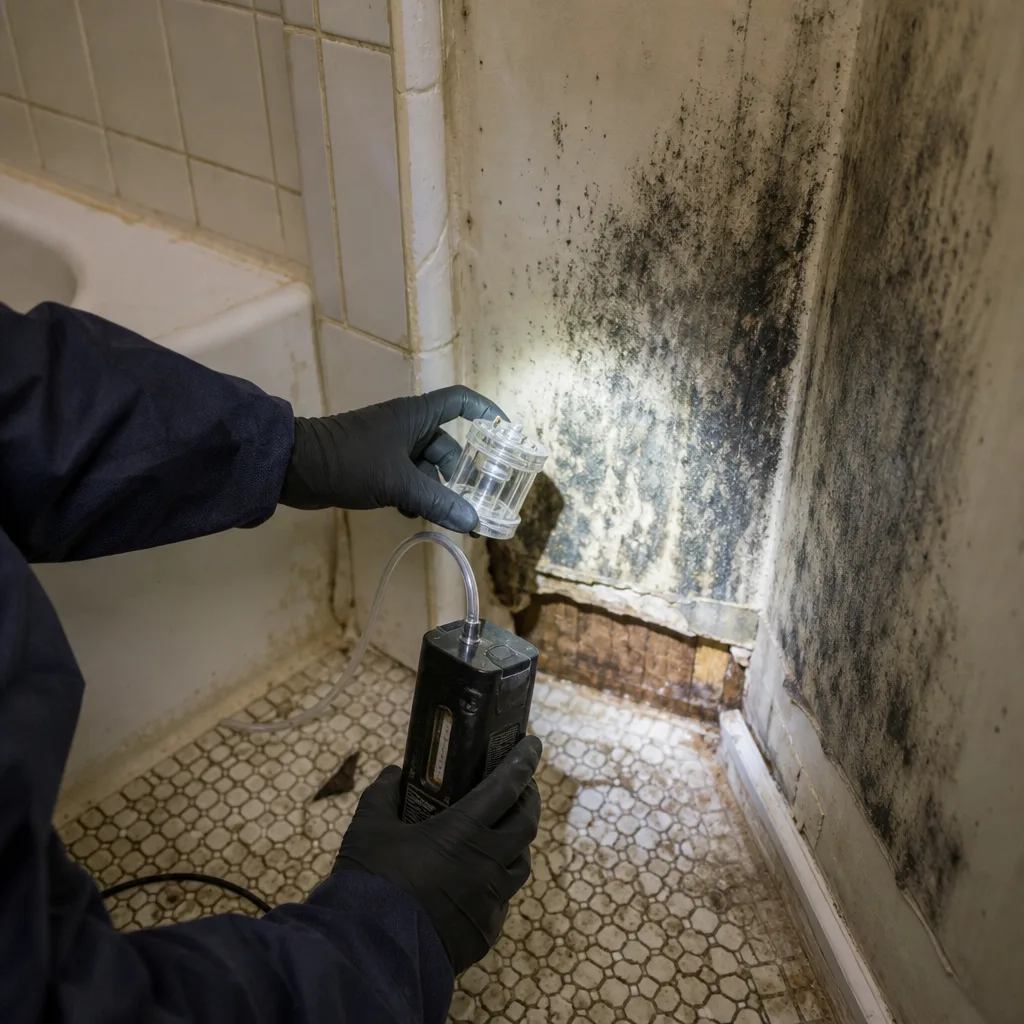
Basement Water Removal
The high water table under Battery Park City and the landfill sections means basements here can re-flood days after a so-called complete extraction. We treat groundwater intrusion as a baseline condition, not a surprise, and our drying plans account for ongoing seepage while structural drying runs.
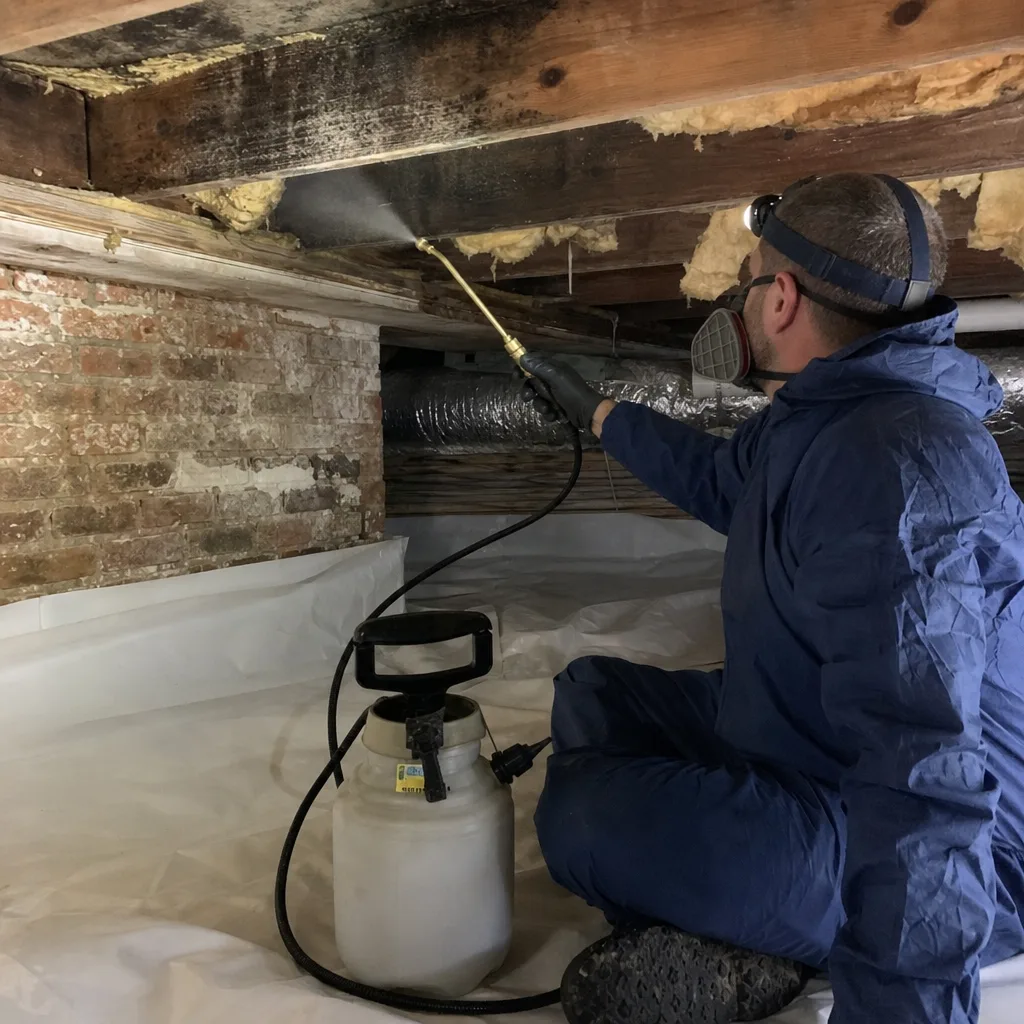
What happens when you call
- 1
A real person answersNo phone trees - you reach a local pro.
- 2
You get an upfront price rangeHonest numbers before anyone is dispatched.
- 3
A background-checked tech heads outLicensed & insured, dispatched right away.
- 4
You approve before work beginsNothing starts until you say go.
Water Damage Restoration Costs in Lower Manhattan, NY
Lower Manhattan’s market runs higher than most of the city because of the building stock and the water table. A typical basement water removal with structural drying runs $2,400 to $5,800. Flood cleanup for Category 3 storm surge in a Battery Park City sub-grade starts around $3,900 and goes up from there, because salt corrosion treatment and contaminated material removal are non-negotiable. A finished-space water loss in a TriBeCa loft with hardwood floors, millwork, and custom finishes often lands between $5,000 and $12,000 by the time drying and rebuild are complete. What moves the price: the water category, square footage affected, wall-cavity drying needs, and whether salt corrosion treatment is required. Insurance covers most of these losses when the cause is sudden and accidental, and our free visual inspection gives you a firm line-item scope before you commit to anything. The path is simple: call (917) 924-4221, we inspect, you get a written number.
We Also Serve Cities Near Lower Manhattan
Our crews also reach Fairview, Harrison, East Bronx, and Hunts Point, bringing the same live 24/7 dispatch, certified technicians, and written 90-Day Done Right Promise to homeowners throughout the surrounding area.
Lower Manhattan Water Damage Restoration Questions, Answered
How does a high water table under Battery Park City affect water damage restoration timelines?
The high water table under the Battery Park City landfill means basements and sub-grade spaces keep seeping water even after standing water is removed. Drying takes longer and requires ongoing groundwater management while structural drying equipment runs, typically adding 2 to 4 days to a drying timeline compared to a dry-site basement elsewhere in Manhattan.
Why do you classify water from a Lower Manhattan nor’easter surge as Category 3?
Nor’easter surge in Lower Manhattan pushes Hudson River, East River, and New York Harbor water over bulkheads and into basements, and that water carries sewage, street runoff, fuel residue, and salt. By definition, flood water from rivers, harbors, and storm surge is Category 3, grossly contaminated, and requires containment, contaminated material removal, and antimicrobial treatment. Cleaning it up without Category 3 protocols leaves hazardous residue behind.
Can moisture mapping detect hidden water in thick masonry walls of TriBeCa loft buildings?
Yes. Penetrating moisture meters and thermal imaging read into and through thick brick and stone walls, finding trapped water that surface meters miss. In converted warehouse lofts, that hidden moisture sits inside wall cavities and feeds mold for weeks if it’s not addressed with wall-cavity drying systems and daily moisture logs.
What should a condo board know about drying a post-Sandy building with relocated mechanical systems?
The biggest thing: the boiler and electrical switchgear are probably not in the basement anymore. Many Lower Manhattan buildings moved them to upper floors or rooftops after Sandy. A flood in a basement may have nothing to do with the mechanicals down there anymore, and shutoffs are often nowhere near the flooded floor. A crew that doesn’t know this wastes hours, and the board pays for that time.
How quickly can mold start in a wet Lower Manhattan basement after a burst pipe?
Mold can begin in 24 to 48 hours in a warm, wet basement, faster if the humidity is already high, which it often is below grade in Lower Manhattan. That’s why extraction and drying equipment need to be running the same day. Waiting a weekend is long enough for mold to take hold in drywall and wall cavities.
How fast can a crew actually get to my Lower Manhattan building?
We commit to 45 minutes for most Lower Manhattan locations, and our dispatchers live in the neighborhood. A live person answers at (917) 924-4221, and a truck rolls from nearby, not from an outer-borough yard. For a burst pipe or storm surge, that’s the difference between drying a floor and replacing it.
Do we need full remediation or just a cleanup?
It depends on the water category and what the moisture mapping shows. Category 1 clean water from a burst supply pipe often needs extraction, drying, and repair without full remediation. Category 3 storm surge always requires contaminated material removal, containment, and antimicrobial treatment. The free inspection tells you which one you’re dealing with in plain language.
Will my insurance cover water damage restoration in Lower Manhattan?
Most policies cover sudden and accidental water damage, like a burst pipe or a storm-driven basement flood, but flood damage from rising harbor water usually requires separate flood insurance, especially in FEMA Flood Zone AE areas like Battery Park City and the Financial District waterfront. We document everything from the first hour and communicate directly with your adjuster either way.
Serving Lower Manhattan, NY - Our Local Coverage Area
We’re based in the Lower Manhattan area and know this community well. Use the map below to see our service coverage - if you’re nearby, we can almost certainly help.
Contact Floodline Restoration Co. of Manhattan
A water event in Lower Manhattan waits for no one, and neither do we. Call (917) 924-4221 for a free visual inspection and a written scope before any work begins. A live person answers, day or night, and a certified crew can be at your door in 45 minutes. We bill your insurance directly where your policy allows, and every job ends with the 90-Day Done Right Promise in your hands. Done right, and backed in writing.
Written by Curt Bowman, Owner at Floodline Restoration Co. of Manhattan, serving Lower Manhattan and the surrounding area since 2010.