
Free visual inspection and a written scope of work before any mitigation begins - photos, moisture readings, and drying logs go in your claim file
The scope we write is the scope we bill. Anything new gets shown to you, in writing, before we touch it.
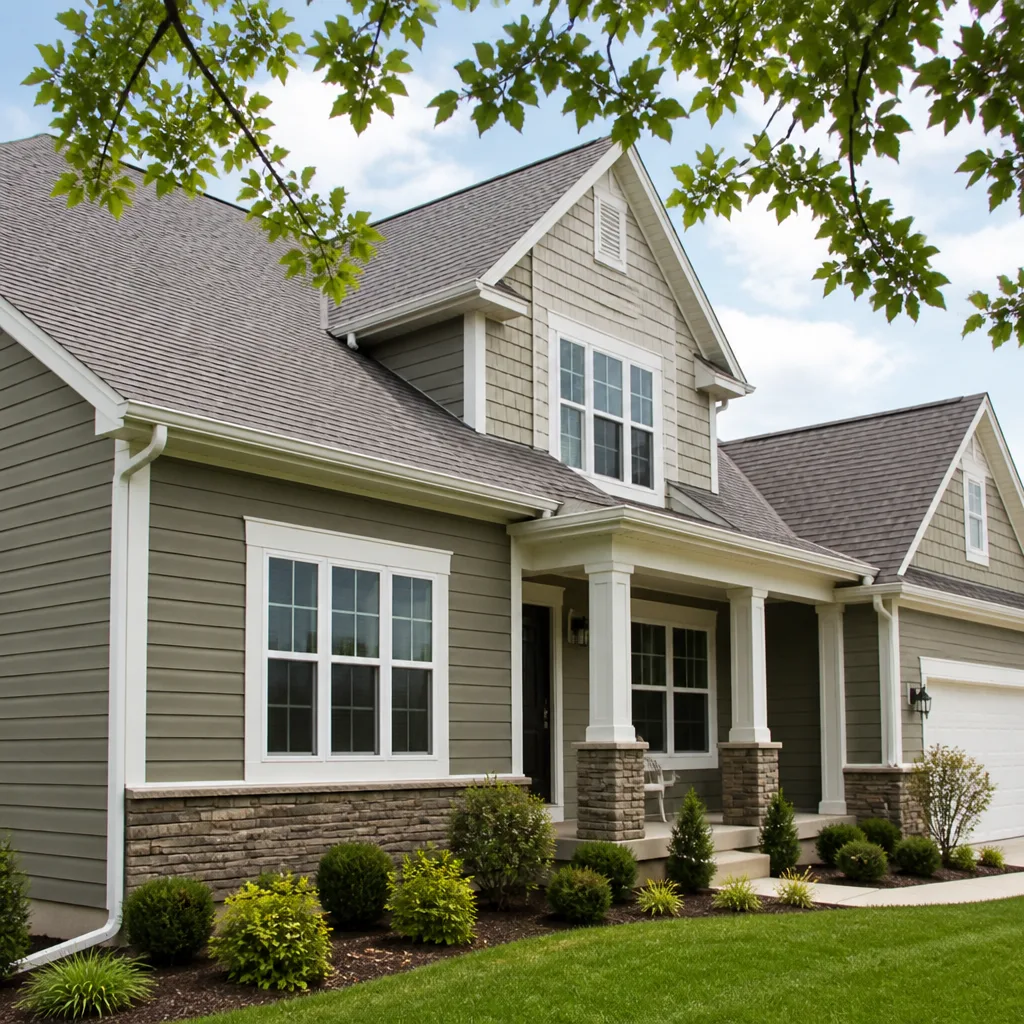
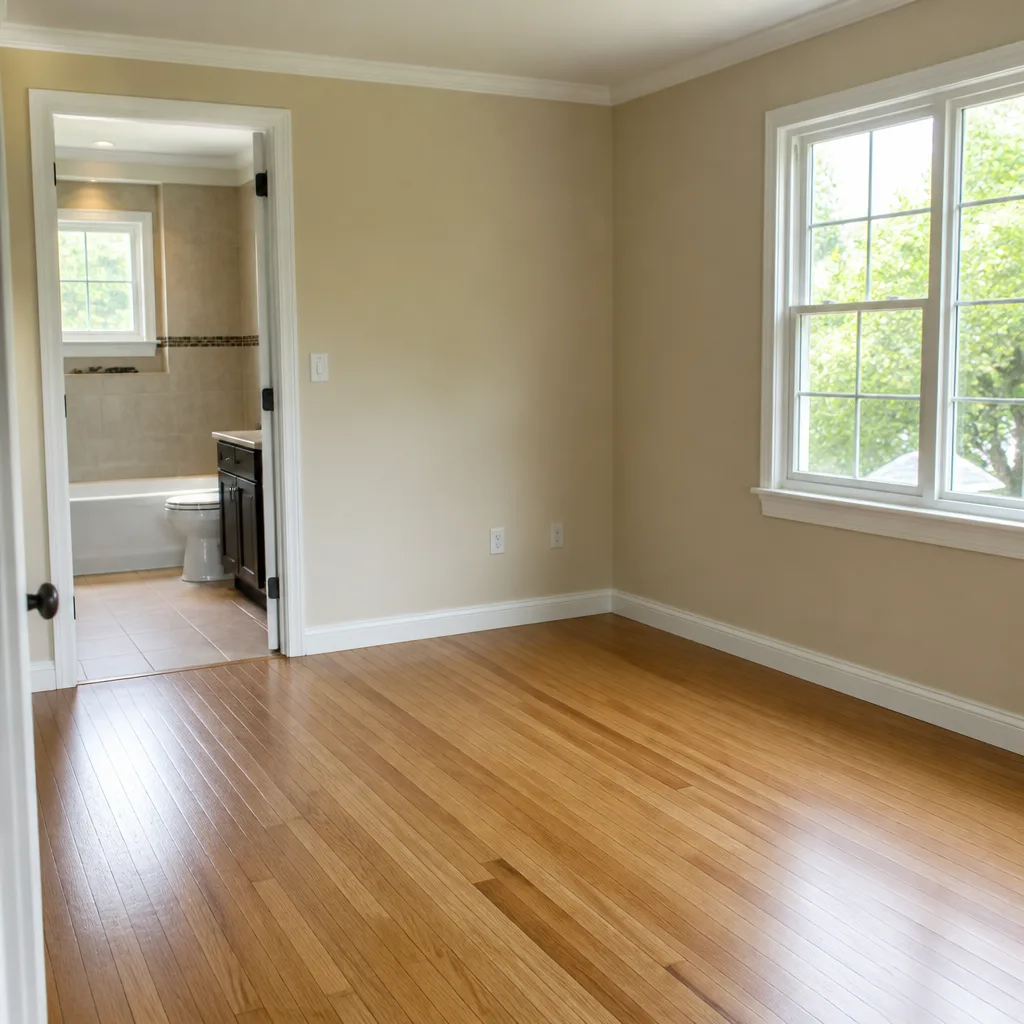
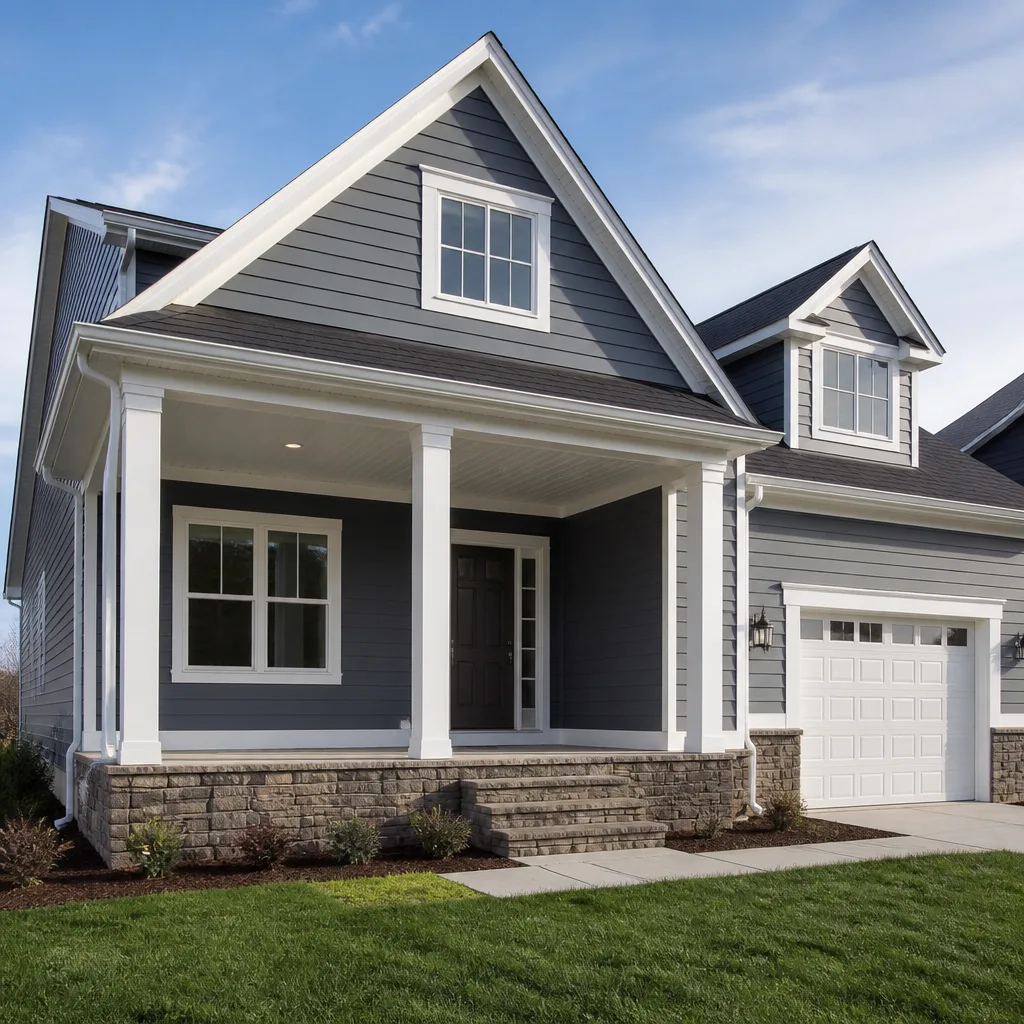
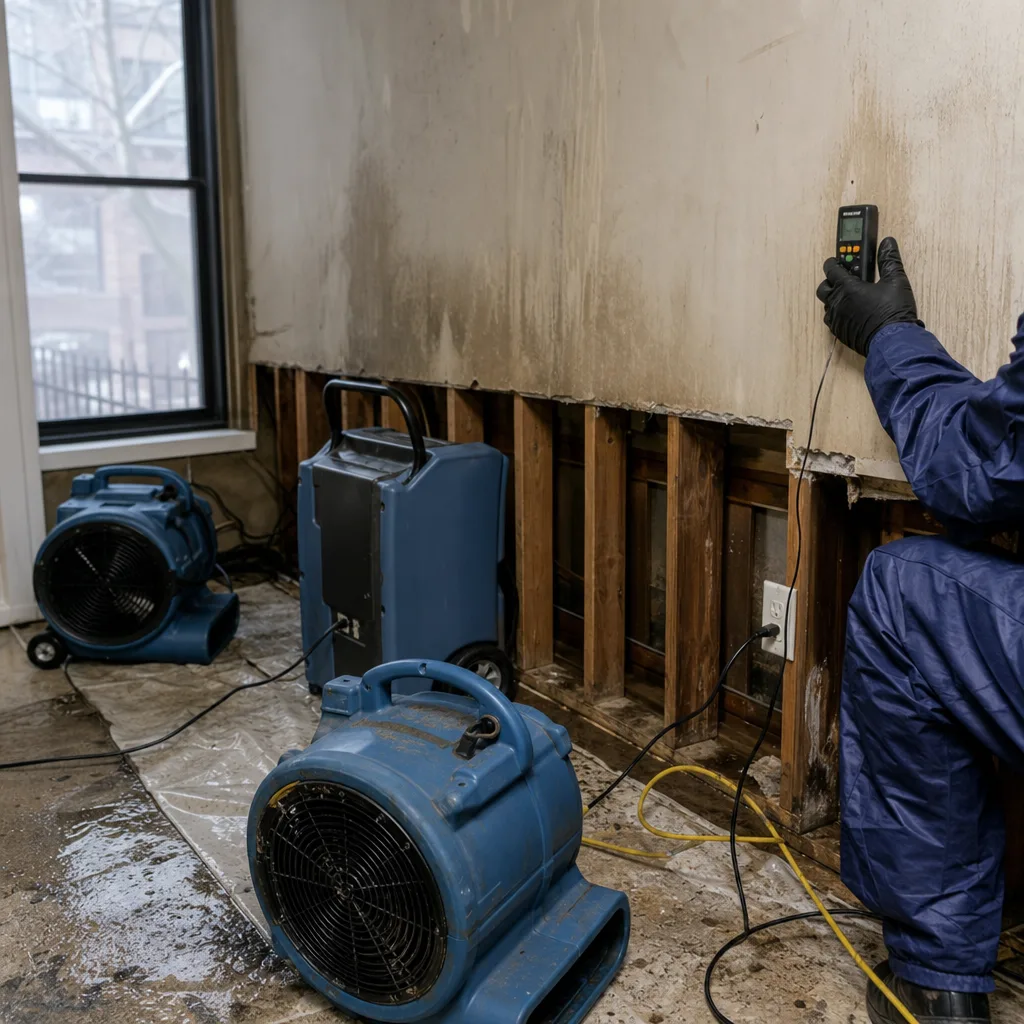 Before
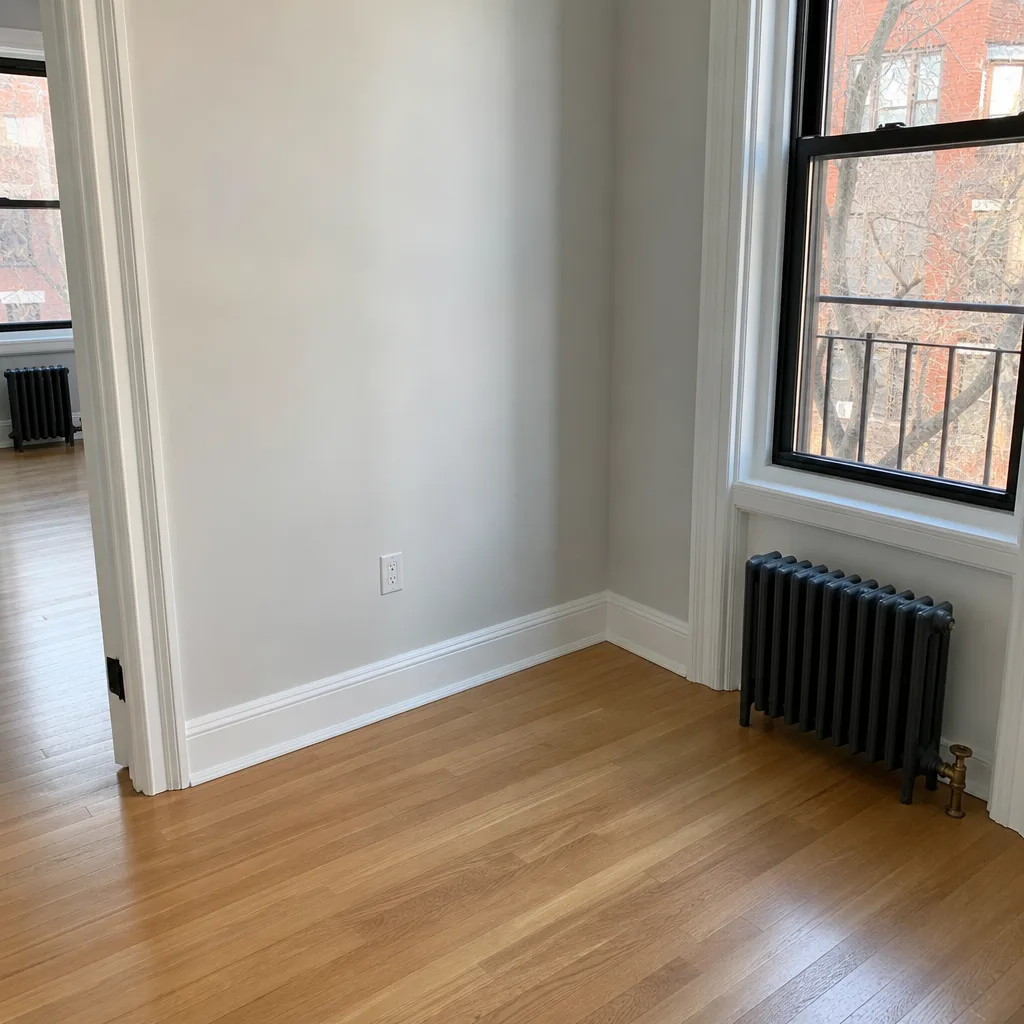 After
After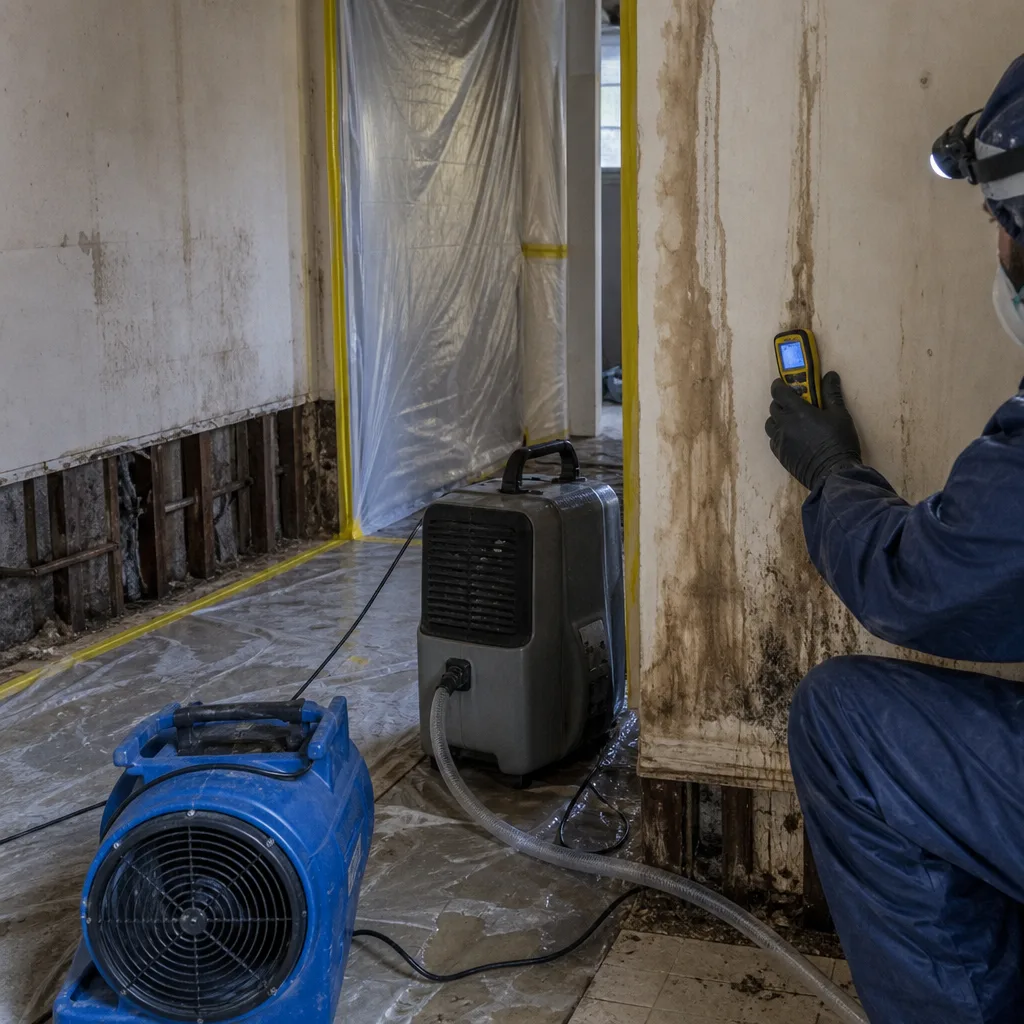 Before
 After
After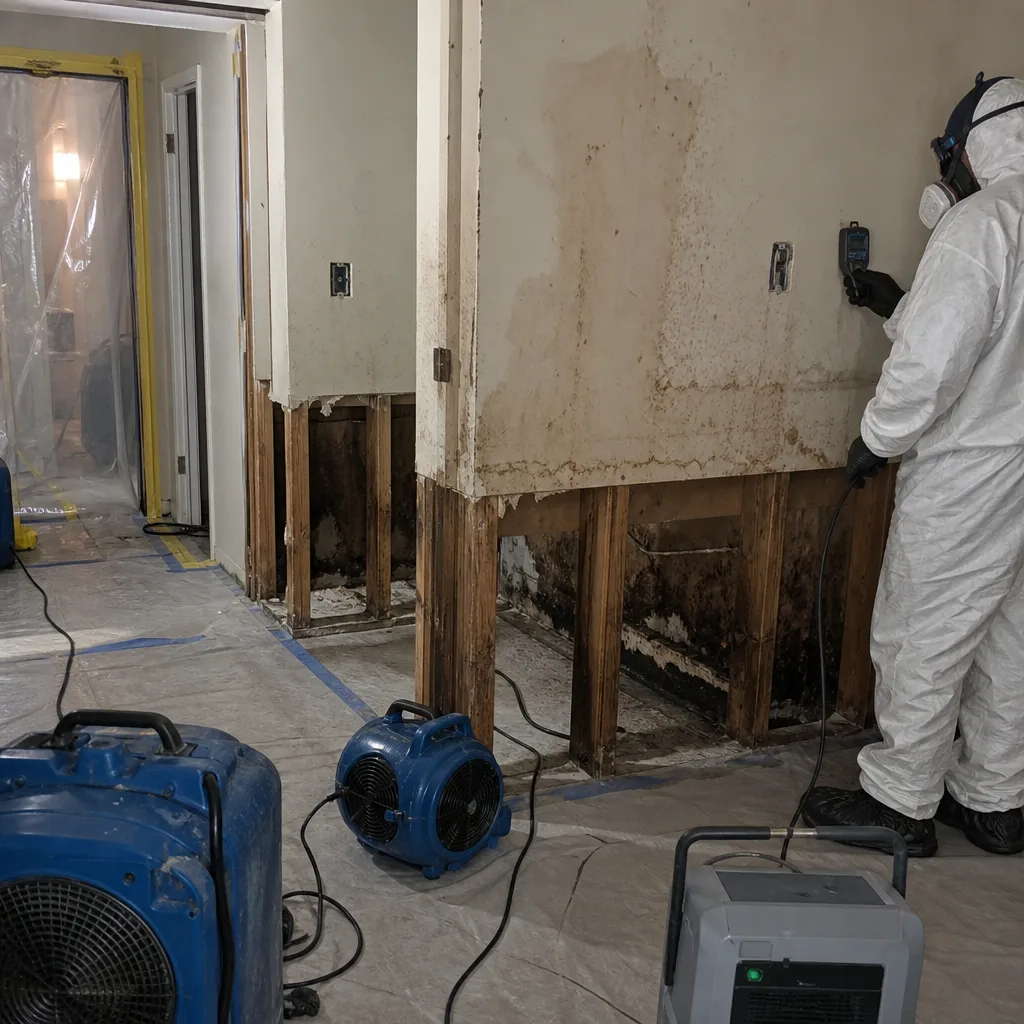 Before
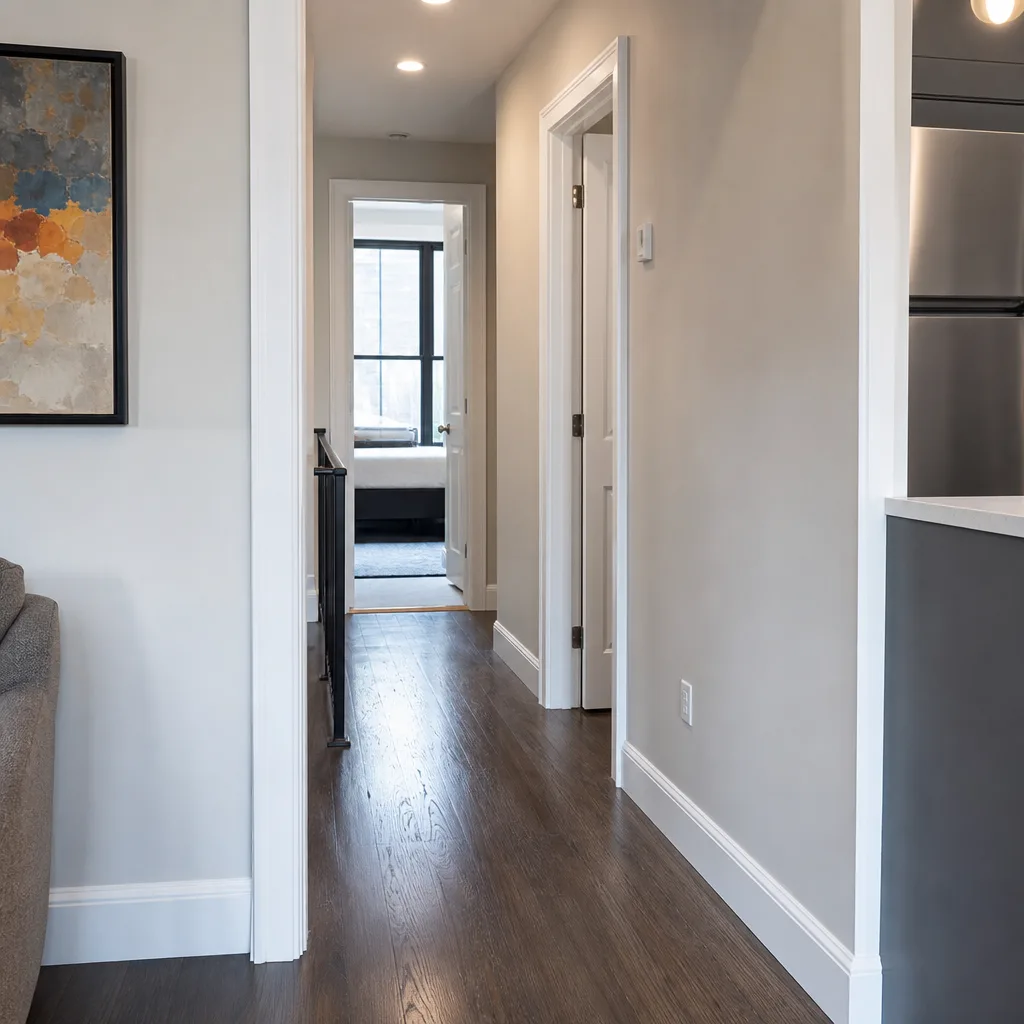 After
After24/7 Emergency Fire & Smoke Damage Restoration in Lower Manhattan
Fire and smoke damage in Lower Manhattan demands a response that matches the speed of the damage itself. Smoke migrates through cast-iron plumbing chases, legacy elevator shafts, and shared masonry party walls within minutes of ignition, and every hour of exposure drives soot deeper into custom plaster, tin ceilings, and hardwood. We answer live at (917) 924-4221 around the clock and dispatch crews from our New York City office into Lower Manhattan immediately. A free visual inspection identifies the full migration path before we begin, so secondary damage doesn’t surprise you later.
Understanding Fire & Smoke Damage Restoration Severity in Lower Manhattan Properties
Lower Manhattan’s building stock is unlike anything uptown. TriBeCa’s cast-iron facades and converted warehouse lofts, the Financial District’s early-20th-century commercial towers, and Battery Park City’s 1980s landfill-built residential high-rises all share one trait: their walls are thick, their systems are old, and their smoke pathways are non-standard. We classify soot residue by type: dry protein soot from kitchen fires adheres differently than wet synthetic soot from burning plastics, and each requires a different cleaning agent and method. In Lower Manhattan specifically, smoke rarely stays in the room where the fire started. It travels through oversized mechanical rooms, sub-grade basements near the water table, and the hollow spaces left by a century of retrofits. Severity here isn’t just about flame damage; it’s about where the smoke went and what it touched on the way. Post-Sandy relocations of boilers and switchgear to rooftops mean damage pathways can start six floors above the burn site. A standard cleanup misses that. Ours doesn’t.
Why Lower Manhattan Property Owners Choose Floodline Restoration Co. of Manhattan
- 45-minute response commitment - a live dispatcher answers, and a certified crew is rolling toward your address within the hour, every hour.
- 24/7 live answer, never an automated system - at 2 a.m. you get a person who knows Lower Manhattan’s building types, not a recording.
- IICRC-certified crews - our technicians hold current FSRT (Fire & Smoke Restoration Technician) and OCT (Odor Control Technician) certifications, plus WRT and AMRT where water or mold from suppression is involved.
- Free visual inspection - we trace the full smoke path through chases, shafts, and party walls before any work is scoped, so the estimate covers what actually needs cleaning.
- Direct insurance billing - we document, photograph, and bill your carrier directly. You don’t play messenger.
- One team from extraction to reconstruction - the same background-checked, uniformed crew handles fire cleanup, odor removal, and structural repair. No mid-job handoff to an unfamiliar subcontractor.
Our Fire & Smoke Damage Restoration Process
Inspection & Assessment
We walk the burn site and then trace beyond it: up through elevator shafts, into plumbing chases, across the party wall, out to the roof where post-Sandy equipment now sits. Thermal imaging and hygrometers identify heat damage and moisture from suppression systems that the eye misses. You get a written scope before work starts.
Extraction & Stabilization
Standing water from sprinklers or firefighters’ hoses comes out immediately using professional-grade extraction units. We stabilize compromised surfaces, remove unsalvageable debris, and board up windows or roof penetrations the same visit.
Drying & Dehumidification
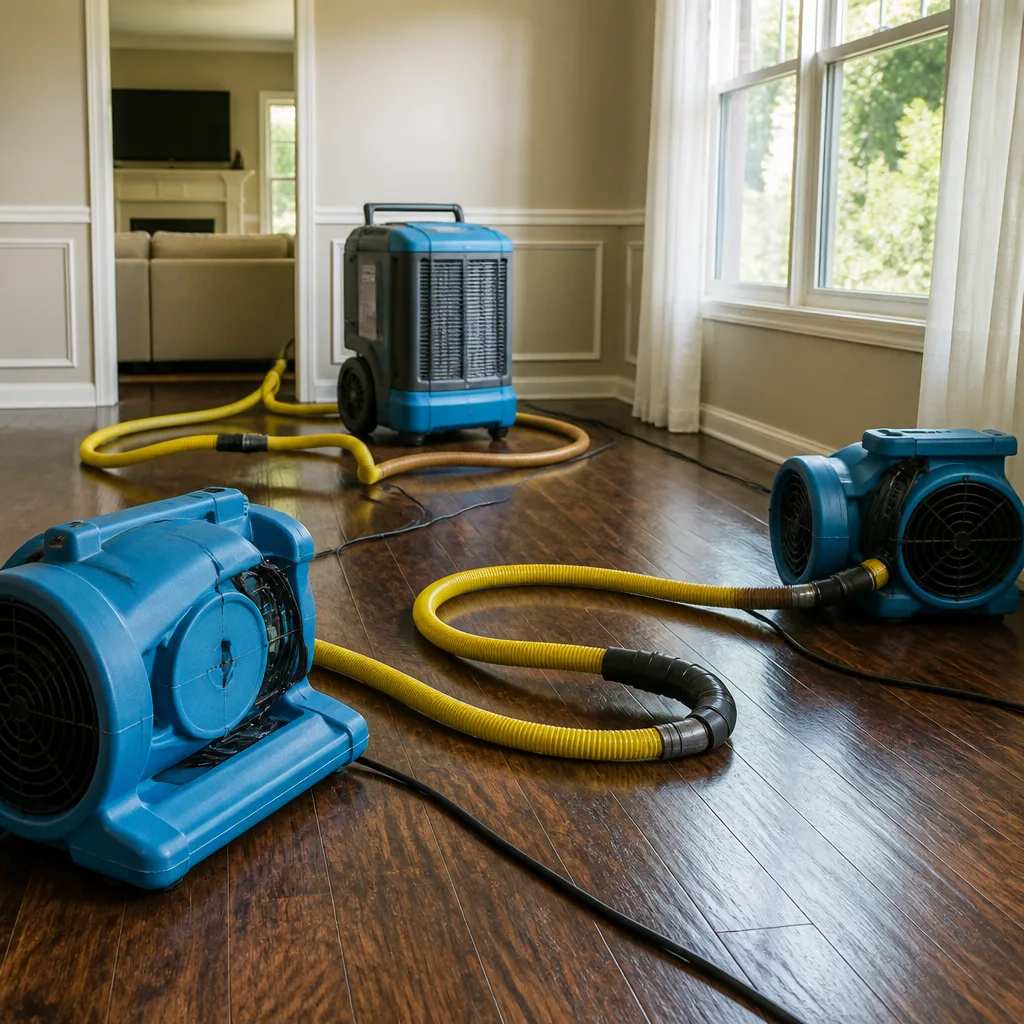
Thick masonry walls in TriBeCa lofts and FiDi towers hold moisture for weeks after a sprinkler event. We deploy Phoenix and Dri-Eaz desiccant dehumidifiers plus air movers, and log daily moisture readings until the dry standard is met. You and your carrier get the log.
Cleaning & Sanitization
Soot removal from tin ceilings, plaster moldings, and custom millwork requires substrate-specific methods. HEPA air scrubbers run throughout to capture airborne particulates. We sanitize all affected surfaces and treat salvageable contents onsite or at our pack-out facility.
Odor Removal & Deodorization
Smoke odor in Lower Manhattan buildings often lives in elevator shafts, mechanical chases, and sub-grade spaces far from the burn site. We use thermal fogging, ozone treatment where appropriate, and hydroxyl generators to neutralize odor at its source, not mask it.
Repairs & Restoration
Structural fire repair, trim and millwork replacement, paint, flooring, and full reconstruction are completed by the same crew that did the cleanup. The 90-Day Done Right Promise covers the entire job, in writing.
Need Emergency Fire & Smoke Damage Restoration in Lower Manhattan Now?
Crews minutes away, answering live 24 hours a day. The sooner we start, the less it costs.
Working With Your Insurance Company
Fire claims in Lower Manhattan often involve co-op and condo boards, managing agents, and complex building policies. We’ve handled enough of them to know what carriers need from the first hour: timestamps, photos before we move anything, and a detailed line-item scope. We photograph every room, document soot type and migration extent, and communicate directly with your adjuster. You shouldn’t be the courier between us and them. We bill the carrier directly whenever your policy allows, and if a supplement is needed mid-job, we document it and explain why.
What We Provide Your Insurer
- Thorough documentation of the loss
- Photos of all damage, room by room
- Moisture readings and drying logs
- A detailed, line-item scope of work
- Direct coordination with your carrier
Built for Lower Manhattan’s Loss Calendar
February and March bring electrical fires from overtaxed space heaters in pre-war buildings, many still running on original wiring that predates modern load demands. Late spring and summer thunderstorms drive lightning strikes and power surges that overload systems in converted commercial lofts where panel capacity was last adequate in 1985. Fall starts the radiator season, and in Lower Manhattan’s masonry buildings, space heaters are often the only supplement for a century-old riser system, increasing ignition risk in TriBeCa and the Financial District. Winter holidays bring an annual spike in kitchen fires in residential conversions, particularly in the FiDi’s older towers where ventilation is poor and smoke migrates through shared ductwork. None of these are rare. All of them need a crew that already knows the building type before the doors open. That’s the advantage of working with our Fire & Smoke Damage Restoration team.
Fire & Smoke Damage Restoration Across Lower Manhattan’s Neighborhoods
In TriBeCa, we work around cast-iron facades and original tin ceilings where soot removal has to be gentle enough to preserve historic plaster and custom millwork. Hudson Street and its side blocks are dense with these conversions, and smoke travels through shared plumbing chases that run the full building height. In the Financial District, towers along Water Street and Maiden Lane present a different challenge: tight elevator banks, stacked mechanical floors, and post-Sandy rooftop equipment that means the disconnect for a basement fire might be twelve stories up. Battery Park City’s residential high-rises on South End Avenue sit directly on landfill, so basement and sub-grade fires bring humidity management needs you don’t see on bedrock. And along the East River corridors south of the Brooklyn Bridge, masonry loft buildings dominate, with thick party walls that hold water and smoke longer than anyone expects.
Specialized Fire & Smoke Damage Restoration Services We Offer in Lower Manhattan
Smoke & Soot Removal
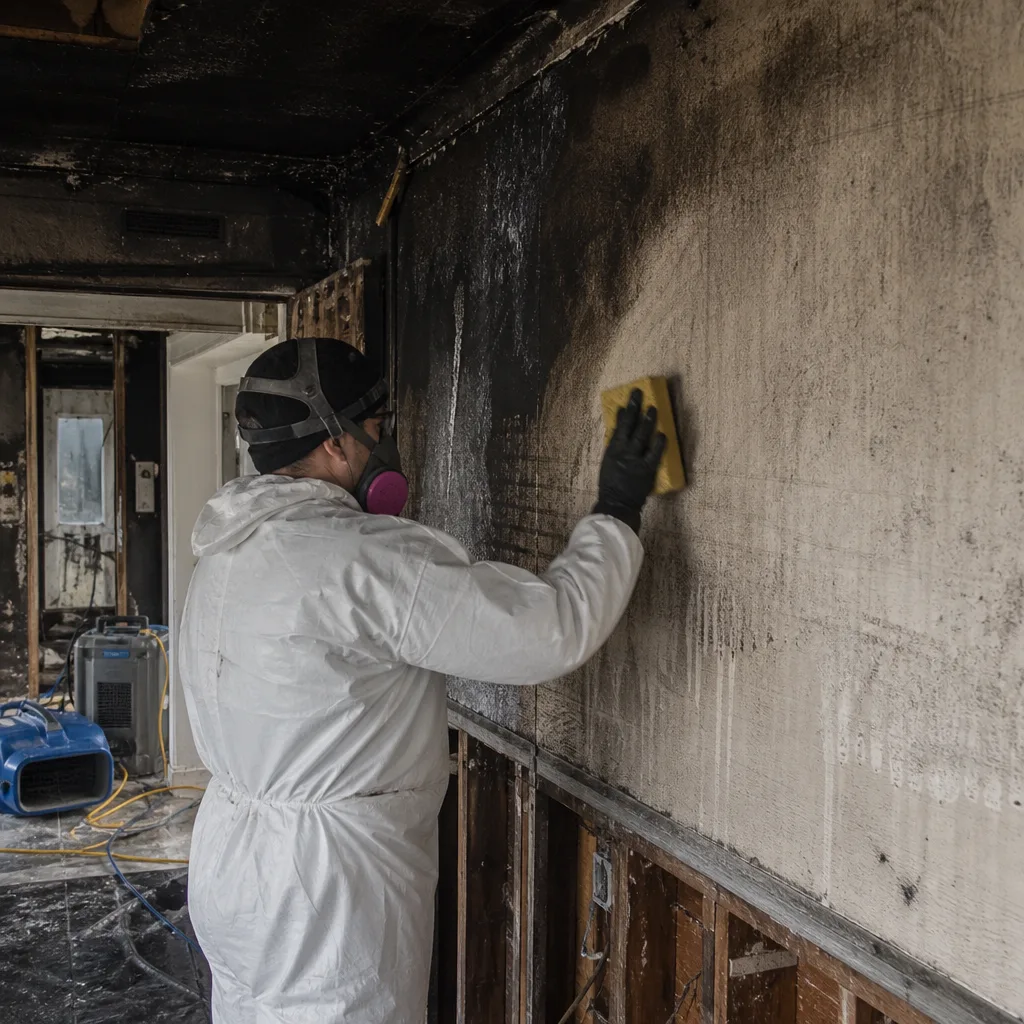
Soot from a small kitchen fire in a FiDi condo can reach a bedroom two floors away if the building’s original air shafts are still open. We map where smoke traveled, then remove soot from every surface it touched, including the ones you can’t see behind crown molding and inside closet cavities. Each soot type gets its own removal method: dry sponge for protein soot, wet cleaning for synthetic residues, and HEPA vacuuming for loose particulate on walls and ceilings.
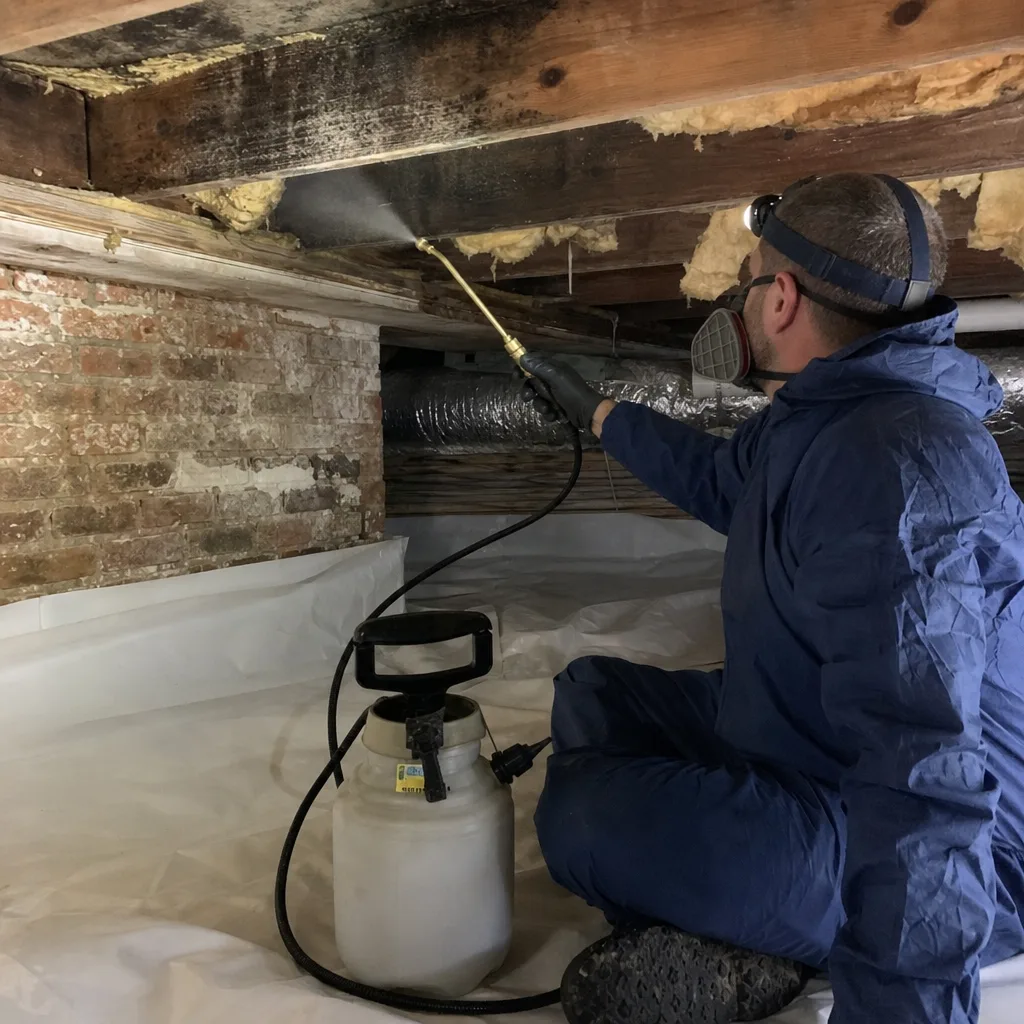
Odor Removal & Deodorization
This is the service that separates a Lower Manhattan tested crew from a generalist. Smoke odor in a converted TriBeCa loft doesn’t just sit in the drywall; it settles into the elevator shaft, the cast-iron plumbing chase, the sub-grade mechanical room, and the hollow spaces behind built-in cabinetry. We run thermal fogging from the rooftop mechanical room down through the shaft, as we did recently on Hudson Street, and use hydroxyl generators where ozone would damage finishes. The smell goes because we find where it went.
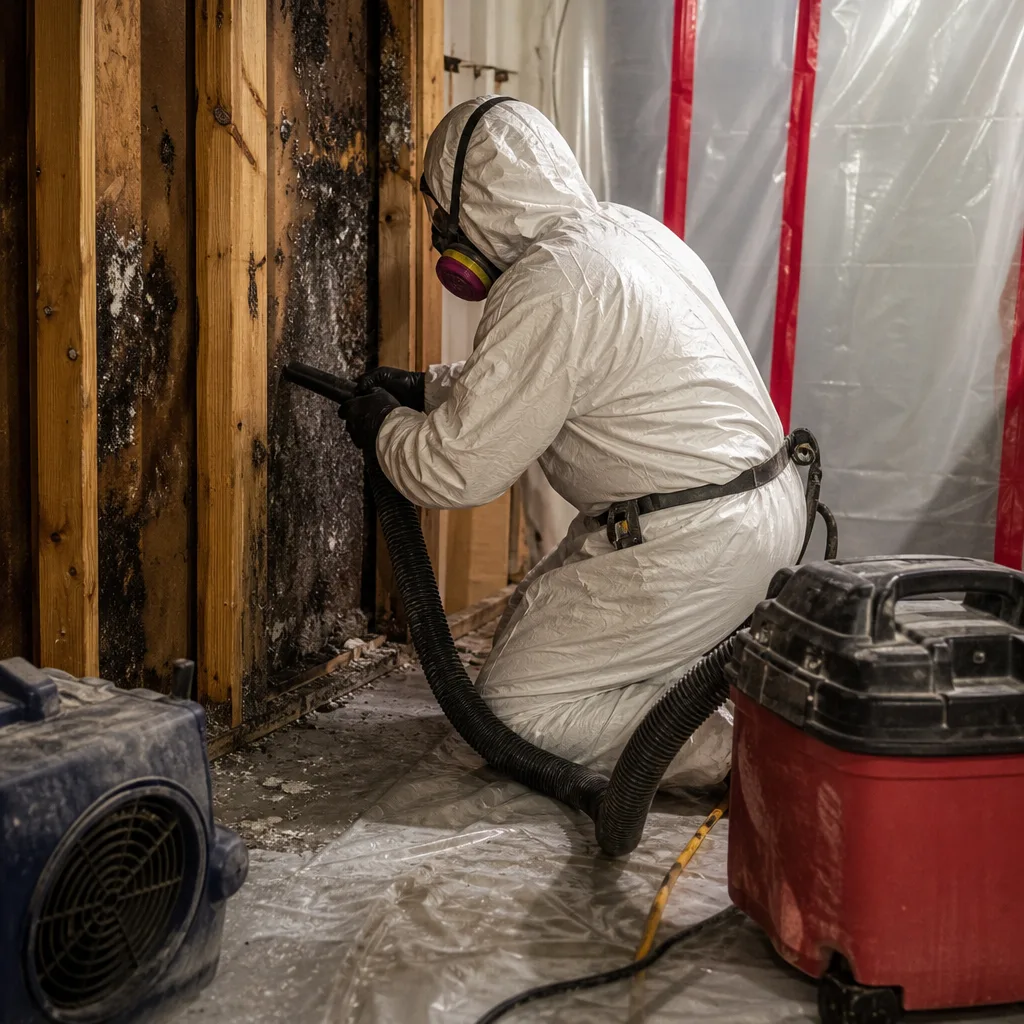
Contents Cleaning & Pack-Out
Custom furniture, art, rugs, and personal papers from a Financial District apartment or Battery Park City condo need handling that respects both value and sentiment. We offer pack-out services: documented inventory, professional cleaning at our facility, and storage in a controlled environment, then careful return. For items that can’t leave the building, our crews clean on-site with substrate-specific methods. Every item is photographed before and after, and the inventory log goes to your insurer.
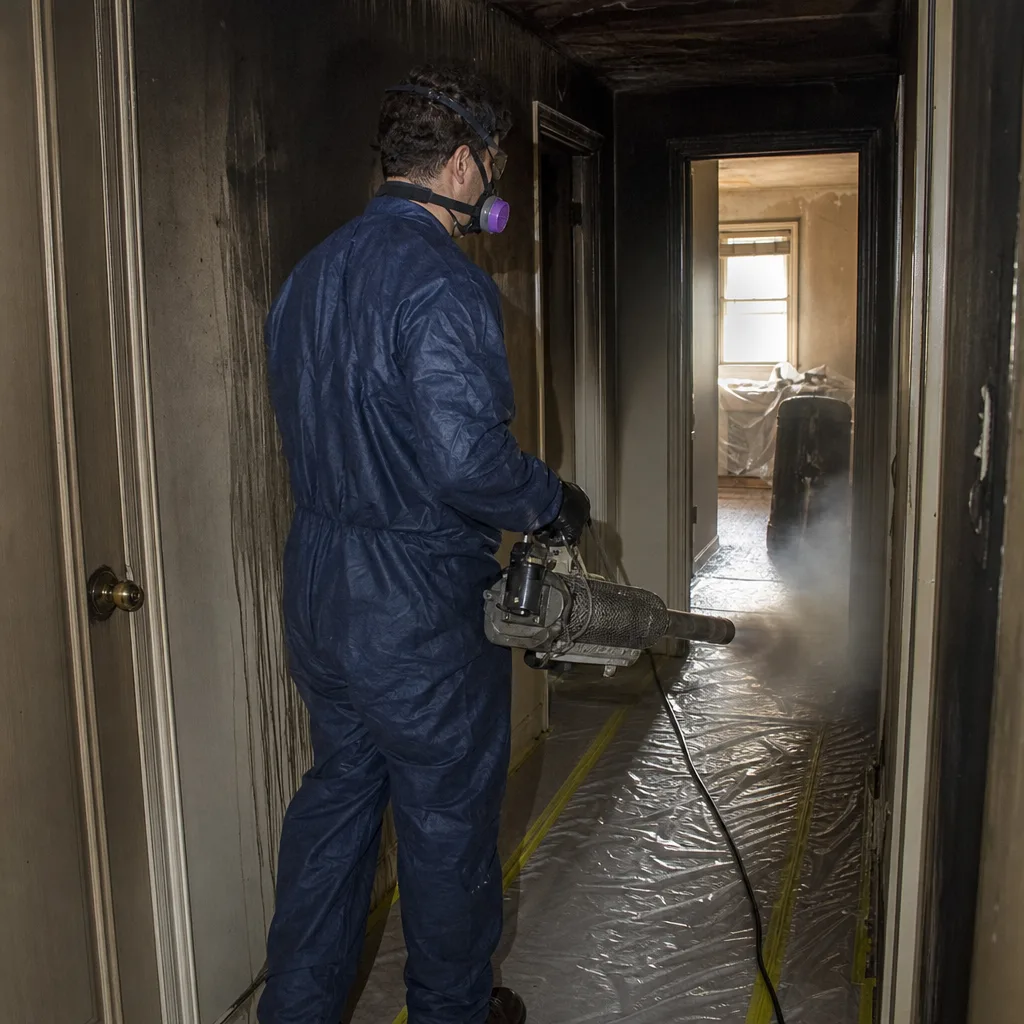
Emergency Board-Up & Tarping
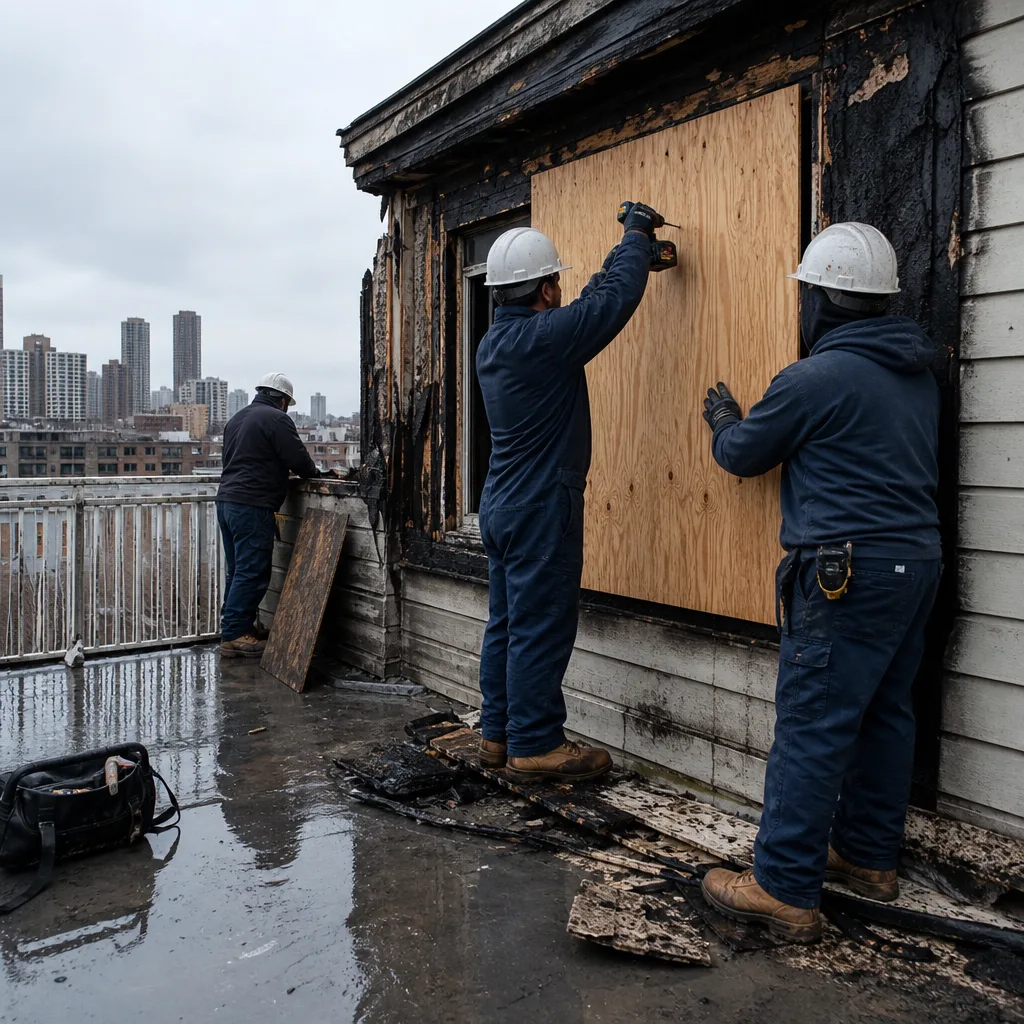
A fire that compromises windows or roofing in Lower Manhattan invites weather, vandalism, and secondary water damage within hours. We board up affected openings same-visit, using materials that meet building security expectations in doorman buildings and co-op properties. Our crew knows Lower Manhattan’s building access rules, including freight elevator restrictions and managing agent requirements.
Structural Fire Repair
When structural members are compromised, the repair scope is written in consultation with a licensed structural engineer. We handle the full rebuild: framing, masonry repair, flooring, and finish work. Our team stays on the job from the first day of cleanup through the final walkthrough, with the 90-Day Done Right Promise covering the complete scope.
What happens when you call
- 1
A real person answersNo phone trees - you reach a local pro.
- 2
You get an upfront price rangeHonest numbers before anyone is dispatched.
- 3
A background-checked tech heads outLicensed & insured, dispatched right away.
- 4
You approve before work beginsNothing starts until you say go.
Fire & Smoke Damage Restoration Costs in Lower Manhattan, NY
Costs in Lower Manhattan run higher than the outer boroughs because the buildings are older, the finishes are often custom, and access is more complicated. Basic soot removal from a small kitchen fire in a FiDi condo typically runs $3,500 to $7,500. Full smoke and odor remediation through multiple rooms in a TriBeCa loft with tin ceilings and custom millwork lands between $12,000 and $35,000, depending on how far smoke traveled and whether pack-out is needed. Structural fire repair starts around $18,000 and scales based on scope. Emergency board-up and tarping in Lower Manhattan typically runs $800 to $2,200 for same-visit service. Most fire losses are covered by homeowners or building policies; our direct billing keeps you out of the payment loop. The free visual inspection produces a firm written scope, so you know the number before any work begins. Call (917) 924-4221 for an exact quote on your building and your loss.
We Also Serve Cities Near Lower Manhattan
Our crews handle fire and smoke damage across the broader metro, including Fairview, Harrison, East Bronx, and Hunts Point. If you’re nearby and need help, call the same live number: (917) 924-4221. We serve Lower Manhattan as our primary service area, but our technicians run routes through surrounding communities every day.
Lower Manhattan Fire & Smoke Damage Restoration Questions, Answered
Why does smoke smell linger so long in Lower Manhattan loft buildings after a fire?
Smoke odor lingers in Lower Manhattan lofts because the buildings are old, masonry, and full of vertical chases and shafts that carry soot and odor far from the burn site. Original tin ceilings, plaster moldings, and shared cast-iron plumbing chases trap smoke particles deep in porous materials. Standard cleaning leaves those particles in place. We use thermal fogging and hydroxyl generators to neutralize odor at its source, including inside elevator shafts and sub-grade mechanical rooms. Call (917) 924-4221 for an inspection that traces smoke where it actually went.
How does post-Sandy equipment relocation affect fire damage cleanup in Battery Park City high-rises?
Post-Sandy, many Battery Park City high-rises moved boilers, switchgear, and elevator machinery from basements to upper floors or rooftops. That means a fire that starts in a sub-grade room may have its electrical disconnect or water shutoff twelve floors up. Crews unfamiliar with these buildings waste hours searching for shutoffs in the basement. Our technicians already know to look up, not down, and that speeds the entire response. If you’re in a post-Sandy building, call (917) 924-4221 and we’ll dispatch a crew that knows the configuration.
Do we need special containment during fire cleanup in a TriBeCa cast-iron building?
Yes. Cast-iron buildings have shared plumbing chases, common stairways, and original construction gaps that allow airborne soot to migrate during cleanup. We set negative-air containment with HEPA air scrubbers before disturbing soot-laden surfaces, which prevents cross-contamination to unaffected units and floors. This is standard practice for us in TriBeCa; it’s often skipped by crews that don’t know the building stock. Call (917) 924-4221 for a free visual inspection and a scope that includes proper containment.
Can water from fire sprinklers cause mold in Lower Manhattan’s thick masonry walls?
Yes, and it does more often than owners realize. Sprinkler discharge is Category 2 water, and Lower Manhattan’s thick masonry loft walls hold moisture for weeks after the surface feels dry. Without aggressive drying and daily moisture logging, hidden mold develops behind custom finishes and inside party walls. We use desiccant dehumidifiers and daily moisture readings until the dry standard is met, documented in a log you and your carrier receive. Call (917) 924-4221 to get drying started the same visit.
What’s the hardest type of smoke to clean from custom millwork in FiDi condos?
Wet synthetic soot from burning plastics and furnishings is the hardest to remove from custom millwork. It’s oily, it bonds aggressively to finished wood surfaces, and standard household cleaners push it deeper into the grain. We use substrate-specific cleaning agents and methods that lift the soot without damaging the finish, then deodorize the surrounding air space. If the millwork is unsealed or already compromised, we can pack it out for professional restoration. Call (917) 924-4221 for a millwork-specific assessment.
How fast can a crew actually get to Lower Manhattan after I call?
Our commitment is 45 minutes from your call to a crew arriving at your address in Lower Manhattan. We run local dispatch from our New York City office, and our technicians know how to navigate Lower Manhattan’s street patterns, freight elevator rules, and building access requirements. Night, weekend, or holiday, the same live dispatcher answers and the same commitment holds. Call (917) 924-4221 now.
Do I really need full smoke remediation, or is a basic cleaning enough?
If smoke migrated beyond the room where the fire started, a basic cleaning isn’t enough. Smoke particles that settle in walls, behind moldings, inside HVAC ducting, and in shared building shafts will release odor and particulate for months. Full remediation matters most in Lower Manhattan specifically because the building stock is old and interconnected. We’ll walk the full smoke path during the free inspection and tell you honestly what needs remediation and what doesn’t. Call (917) 924-4221 for that assessment.
Who deals with the insurance adjuster during fire damage restoration?
We do. Our team documents the loss from day one: photos, drying logs, line-item scopes, and direct communication with your carrier. You shouldn’t be translating between us and the adjuster, and in Lower Manhattan where co-op and condo boards add another layer, we handle that coordination too. Direct billing keeps you out of the payment loop whenever your policy allows. Call (917) 924-4221 and we’ll start the documentation before the claim gets complicated.
Serving Lower Manhattan, NY - Our Local Coverage Area
We’re based in the Lower Manhattan area and know this community well. Use the map below to see our service coverage - if you’re nearby, we can almost certainly help.
Contact Floodline Restoration Co. of Manhattan
Fire and smoke damage in Lower Manhattan doesn’t wait, and neither do we. One call to (917) 924-4221 puts a live person on the line who knows these buildings and a certified crew in motion. The inspection is free. The scope is written before work starts. The job is backed by the 90-Day Done Right Promise, in writing. If it’s not done right, we make it right. No arguing, no paperwork battles. Call now.
Written by Curt Bowman, Owner at Floodline Restoration Co. of Manhattan, serving Lower Manhattan with full-cycle restoration and reconstruction.