
Free visual inspection and a written scope of work before any mitigation begins - photos, moisture readings, and drying logs go in your claim file
The scope we write is the scope we bill. Anything new gets shown to you, in writing, before we touch it.
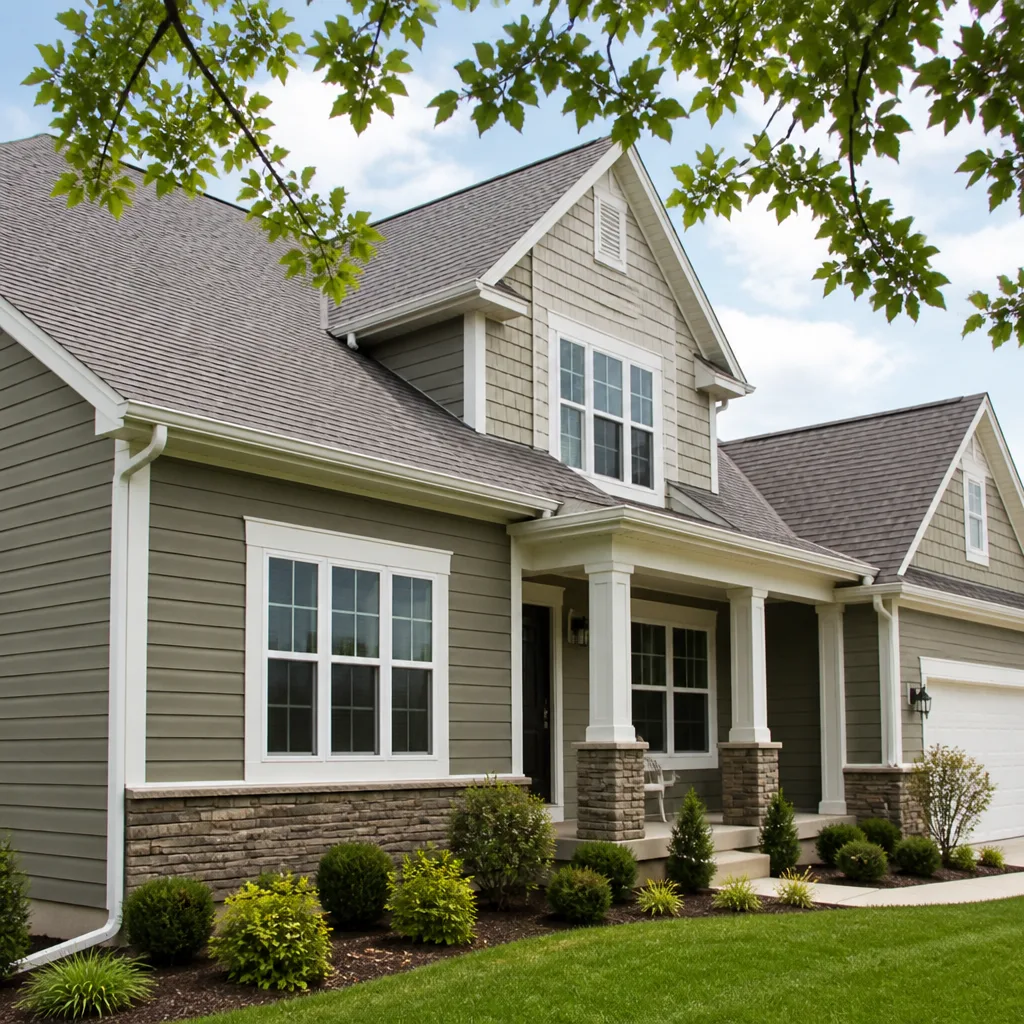
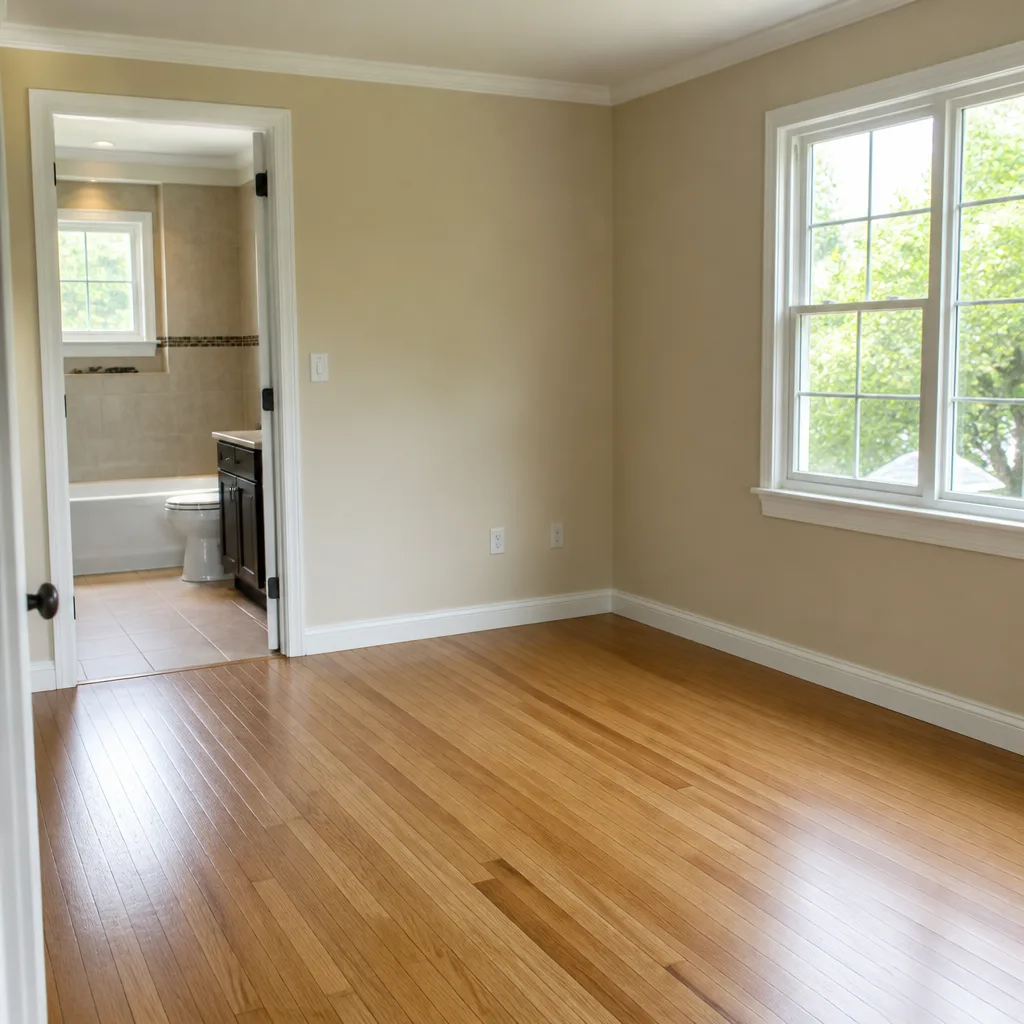
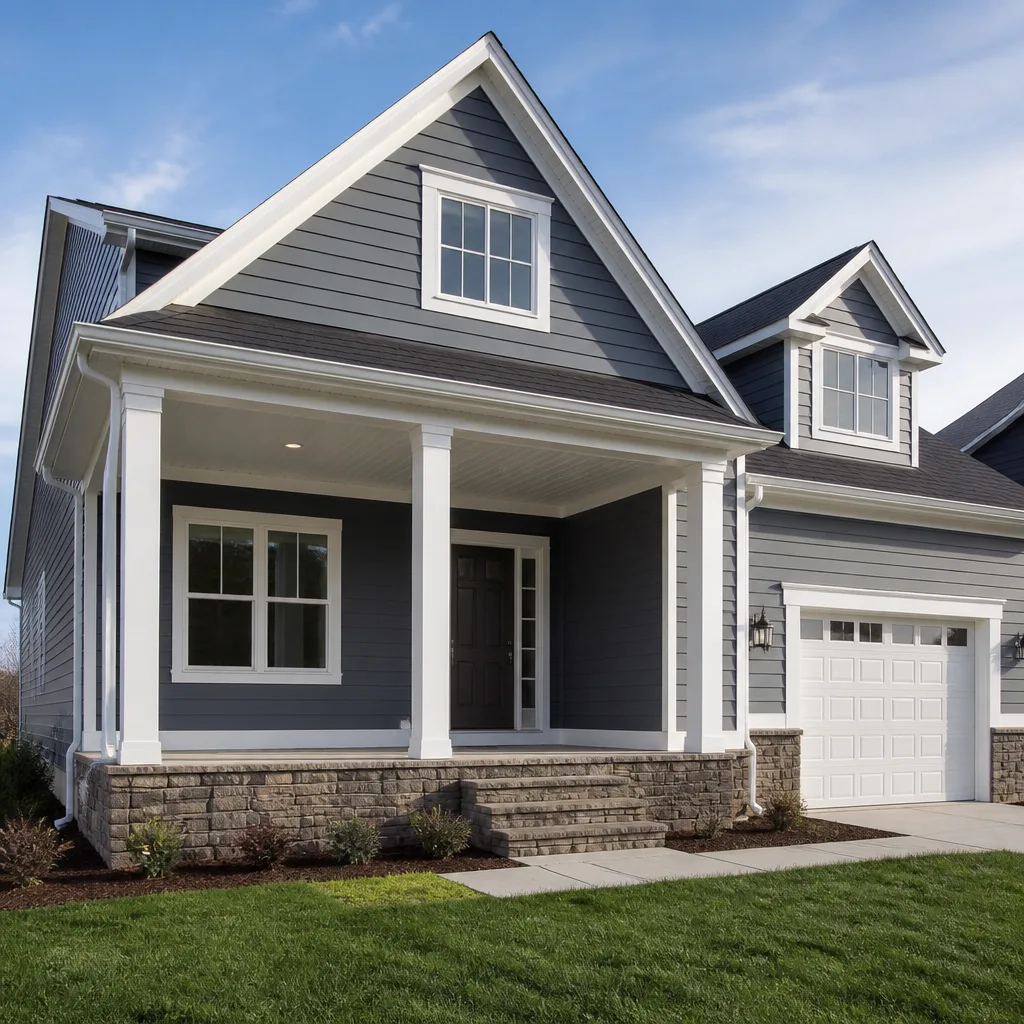
 Before
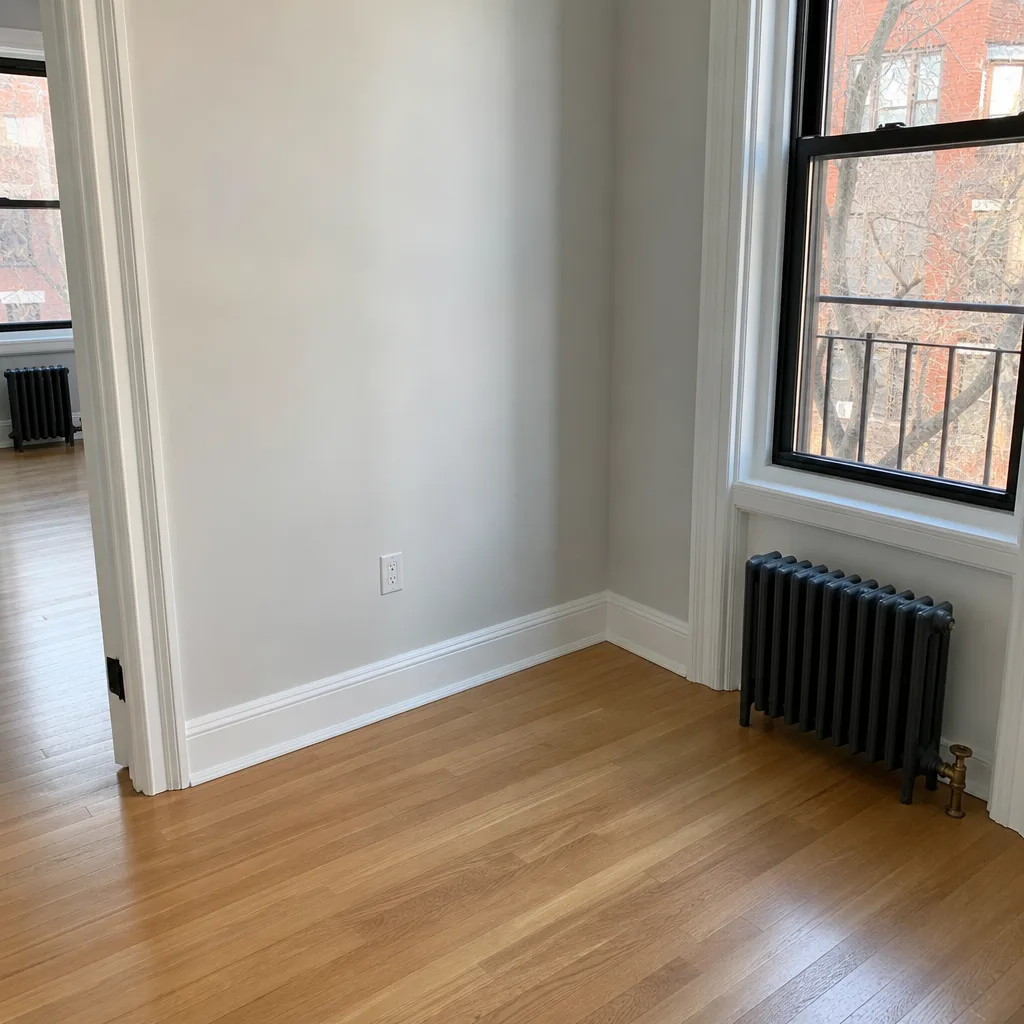 After
After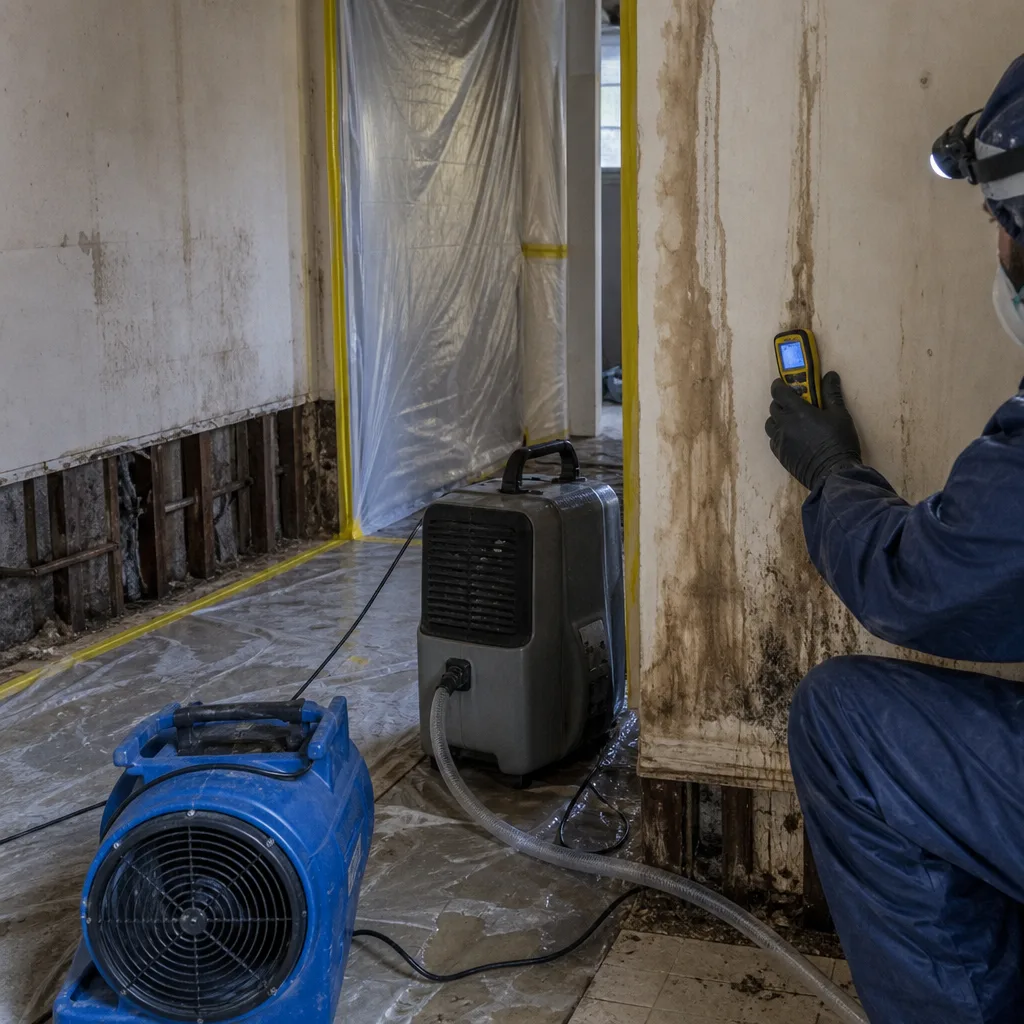 Before
 After
After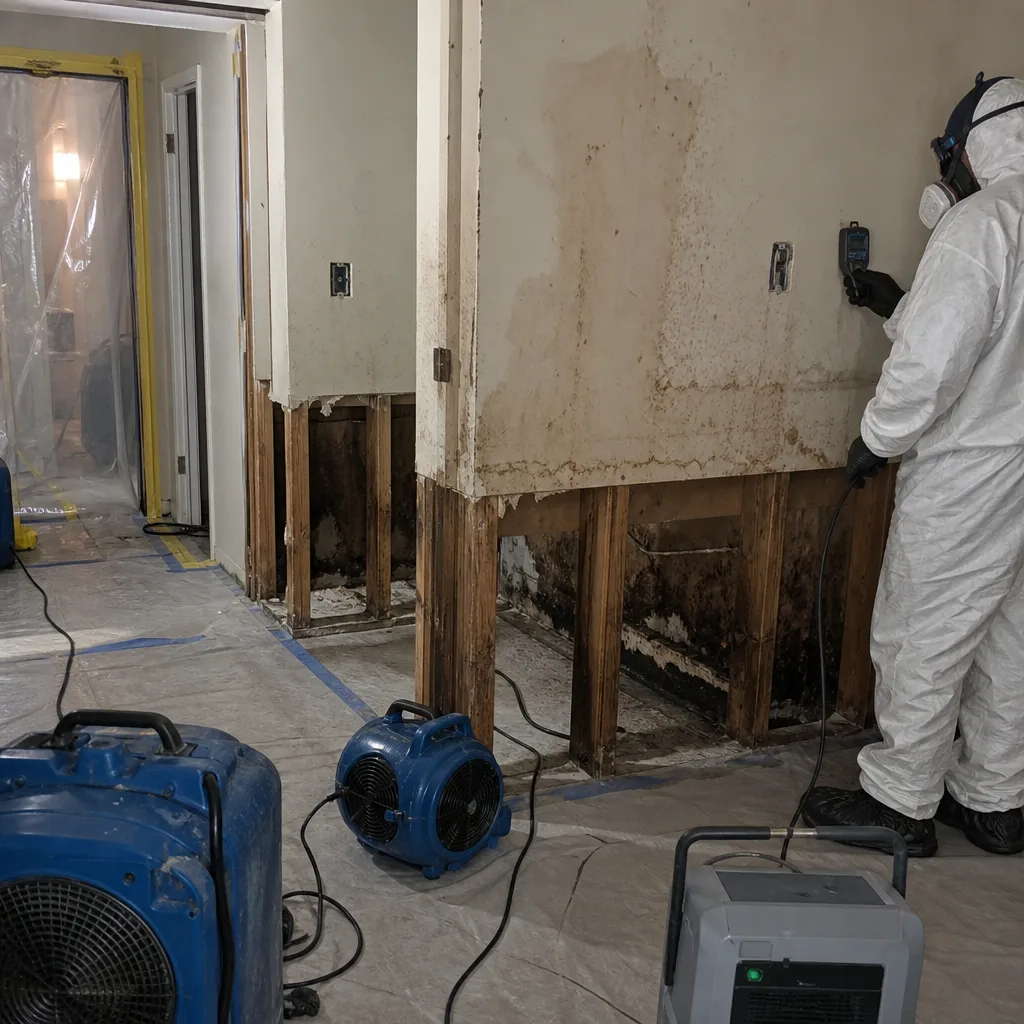 Before
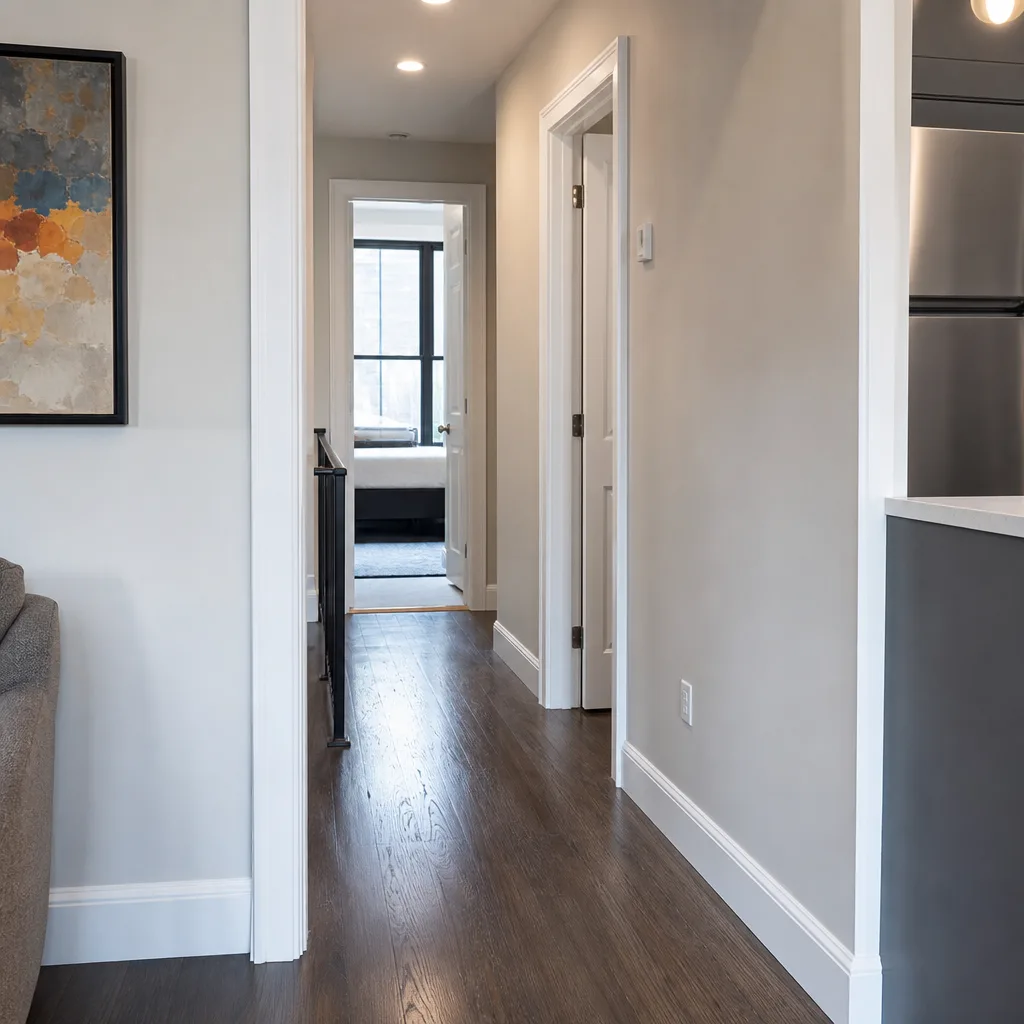 After
After24/7 Emergency Water Damage Restoration in Manhasset Hills
If water is pooling in a finished basement off Shelter Rock Road or spreading across a mid-century living room in Manhasset Hills, you need extraction started within the hour, not a callback tomorrow. Call (917) 924-4221 and a live dispatcher answers, every time, at any hour. We dispatch crews into Manhasset Hills immediately because a Category 1 leak from a burst galvanized supply line becomes Category 3 contaminated water within 24 to 48 hours, and mold spores activate far faster in the warm, finished-basement air common to this hamlet’s 1950s and 1960s homes. The first hour determines whether you’re drying drywall or tearing out an entire finished basement. Our Water Damage Restoration team arrives with professional-grade extraction and drying equipment on the first visit, not for an estimate, but to start pulling water out.
Understanding Water Damage Restoration Severity in Manhasset Hills Properties
Not all water damage is the same, and Manhasset Hills housing stock makes the distinctions matter more than in newer construction. Category 1 water comes from a clean source like a burst supply line or leaking appliance. In a Manhasset Hills split-level with plaster-over-lath walls, Category 1 water that sits behind finished basement drywall for even 48 hours becomes Category 2, loaded with biological contaminants. Nor’easter stormwater entering through a foundation crack or an overwhelmed North Hempstead storm drain is Category 3 from the moment it touches your floor: it carries sewage, road runoff, and organic debris. In finished mid-century basements, the danger isn’t just the water you see. Moisture mapping with thermal imaging and hygrometers is how we locate what’s hidden behind drywall, above drop ceilings, and inside post-and-beam framing. Our technicians are trained to IICRC standards in water damage restoration (WRT) and applied structural drying (ASD). They measure, log, and dry to a moisture standard, not a guess. In a Manhasset Hills home where the framing and plaster have been absorbing humidity for sixty years, that difference is everything.
Why Manhasset Hills Property Owners Choose Floodline Restoration Co. of Manhattan
- 45-minute response commitment: When a basement in Manhasset Hills is taking on water, we commit to having a certified crew on-site within 45 minutes of your call, with extraction equipment running on the same visit.
- 24/7 live answer: A real dispatcher picks up at 2 a.m., not a recording. You’ll never be routed through a call center or told to leave a message when water is moving through your house.
- IICRC-certified crews: Our technicians hold WRT and ASD certifications and carry the training to handle Category 3 contamination, drop-ceiling moisture, and mid-century building materials safely.
- Free visual inspection: We walk the loss site with you, document what we find, and explain the scope before any work begins. No charge for the assessment.
- Direct insurance billing: We bill your carrier directly and provide adjusters with moisture logs, photos, and line-item scopes, so you’re never the messenger between us and your claim.
- One team, start to finish: The same certified crew that extracts water and dries the structure handles the rebuild. No mid-job handoff to a subcontractor you’ve never met.
Our Water Damage Restoration Process
Inspection & Assessment
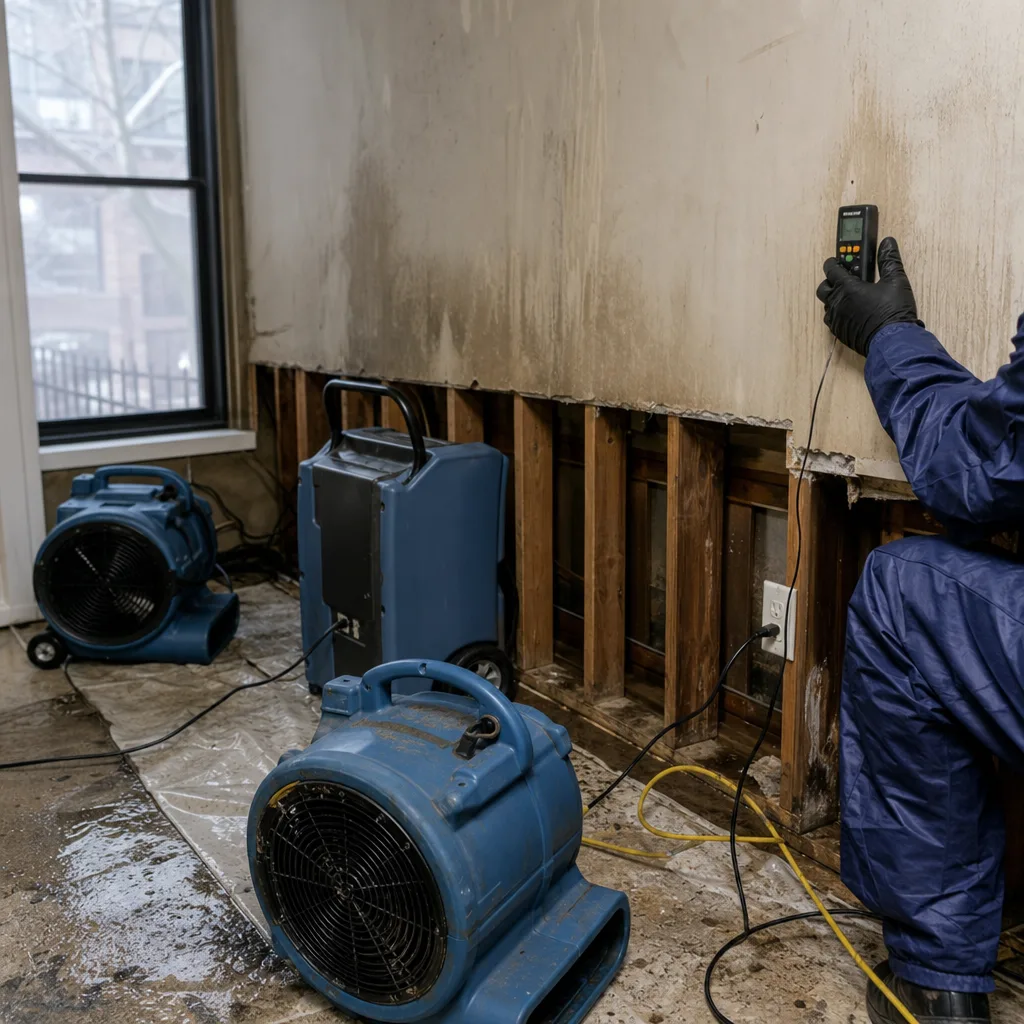
We inspect the full loss site, including areas above drop ceilings and behind finished walls that other crews skip. Thermal imaging and moisture meters identify the full extent of saturation before we cut anything.
Extraction & Stabilization
Truck-mounted and portable extraction units pull standing water from floors, carpet, and wall cavities. We stabilize the site immediately to stop water from migrating into adjoining rooms and framing.
Drying & Dehumidification
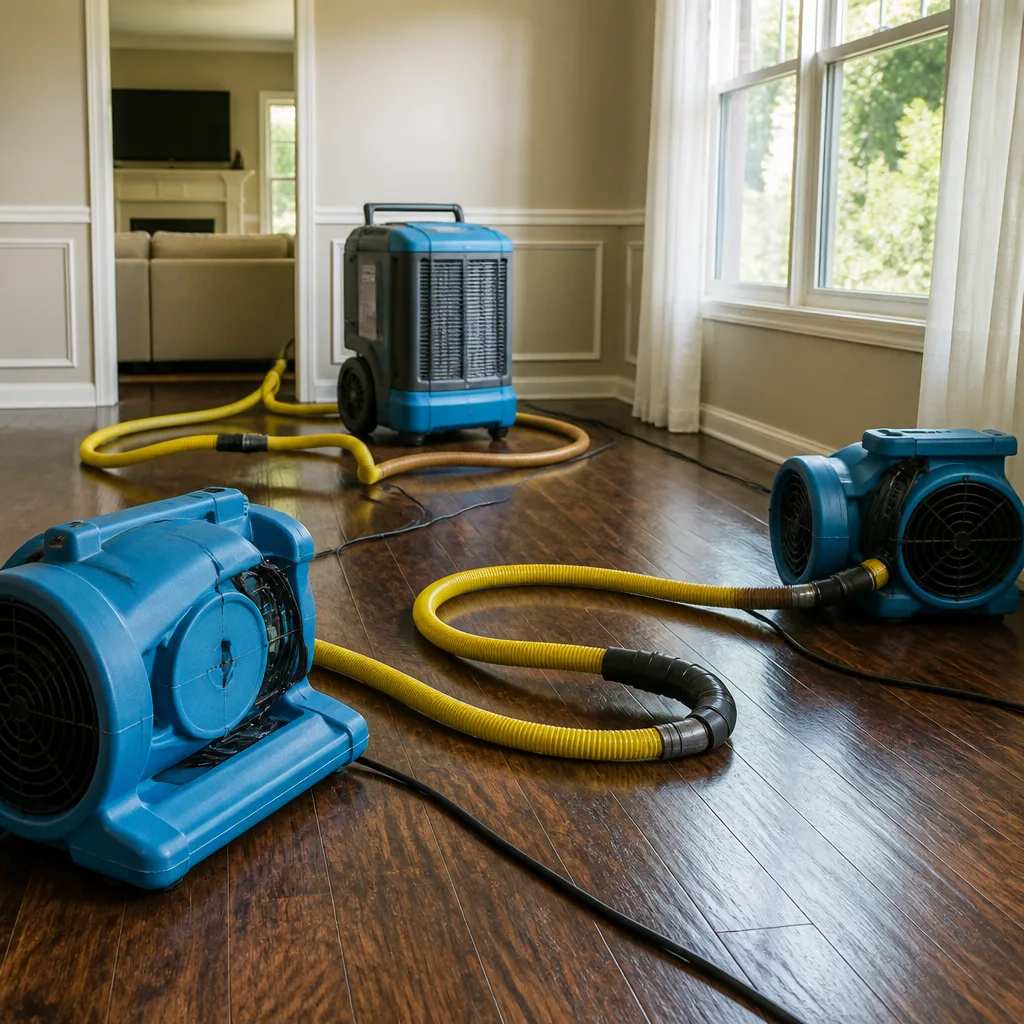
Dri-Eaz and Phoenix dehumidifiers with XPOWER air movers dry the structure to an industry dry standard. Daily moisture readings are logged and shared with you and your insurer until the drying goal is met.
Cleaning & Sanitization
We apply antimicrobial treatments to affected surfaces, clean salvageable contents, and remove unsalvageable materials. For Category 3 losses, we contain the area and follow IICRC protocols for contaminated water.
Specialty Structural Drying
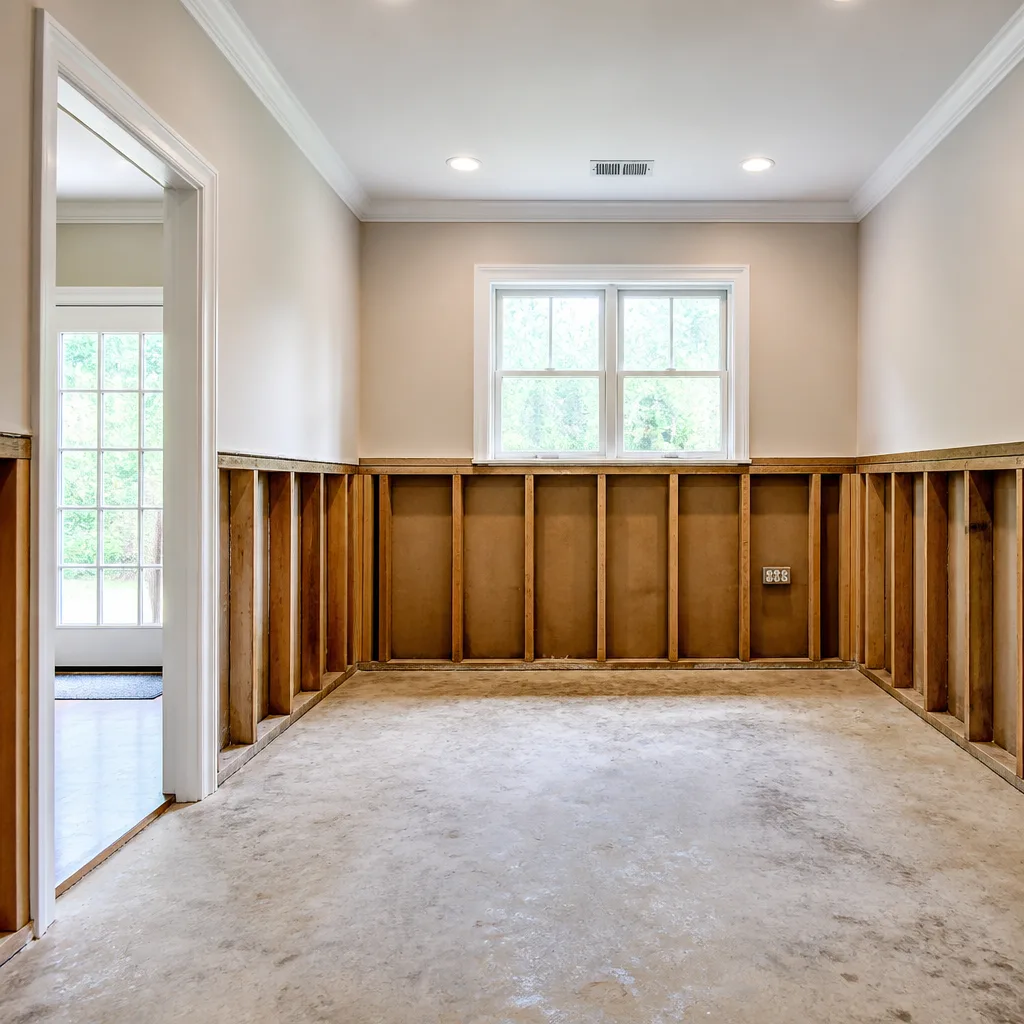
In Manhasset Hills basements with drop ceilings and plaster-over-lath walls, we treat the hidden cavities: overhead drying, wall-cavity injection drying with Injectidry systems, and post-and-beam frame monitoring.
Repairs & Restoration
We rebuild what was removed, coordinate any asbestos abatement with licensed professionals, and handle North Hempstead permitting. The job isn’t done until the space is dry, clean, and functional again, backed by the 90-Day Done Right Promise.
Need Emergency Water Damage Restoration in Manhasset Hills Now?
Crews minutes away, answering live 24 hours a day. The sooner we start, the less it costs.
Working With Your Insurance Company
Water damage claims in Manhasset Hills move faster when the documentation is built from the first hour, not reconstructed after the fact. We photograph every affected room before we touch anything. We log moisture readings daily and hand you and your adjuster the same drying log we use. Our estimates follow the same line-item format insurers recognize, which shortens the back-and-forth. We speak directly with your carrier and adjuster, so you don’t have to translate restoration terminology or defend a scope you didn’t write. If coverage questions arise, we explain what your policy’s water damage provisions typically include and exclude, then let you make the call. The 90-Day Done Right Promise we include in writing is our guarantee that the work we do stands up to carrier scrutiny and your expectations.
What We Provide Your Insurer
- Thorough documentation of the loss
- Photos of all damage, room by room
- Moisture readings and drying logs
- A detailed, line-item scope of work
- Direct coordination with your carrier
Built for Manhasset Hills’s Loss Calendar
Water damage in Manhasset Hills isn’t random; it follows the seasons, and the patterns are predictable. January and February bring freeze-thaw cycles that burst original galvanized supply lines in exterior walls and crawl spaces that were never insulated to modern standards. The frozen pipe cracks, then thaws and floods a finished basement with Category 1 water that becomes Category 3 within 48 hours if extraction is delayed. March and April bring snowmelt and spring rain that saturates the soil around mid-century foundations, seeping through micro-cracks in poured concrete and block walls. July and August bring intense thunderstorms that overwhelm North Hempstead’s stormwater drains, sending road runoff into below-grade doorways and window wells. And from September through November, nor’easters track up the Atlantic coast and funnel wind-driven rain against the North Shore. Every single one of these events can turn a finished Manhasset Hills basement into a full-category mitigation job. We staff for all of them because we’ve been running this same dispatch board since 2010.
Water Damage Restoration Across Manhasset Hills’s Neighborhoods
Response routes in Manhasset Hills matter when water is moving, and our crews know the local terrain. Homes along Shelter Rock Road and the streets branching west toward the Cross Island Parkway sit on slightly higher ground, but their mid-century basements still collect stormwater when North Hempstead’s storm drains back up during heavy rain. We routinely respond to finished basements near the Shelter Rock Road corridor where drop ceilings hide saturated cavities above the visible floor line. East of New Hyde Park Road, split-levels built in the late 1960s and early 1970s tend to have larger basement footprints and more finished living space, which means a burst pipe in a crawl space can flood a media room, a guest suite, and a laundry area before anyone notices. Near the southern edge of the hamlet, where Manhasset Hills borders North Hills and Searingtown, ranch homes on slab or shallow foundations see a different failure pattern: surface water from overwhelmed storm drains flows directly against foundation walls, intruding through cove joints and sill plates. Each of these areas needs a crew that knows the housing stock and the water’s path.
Specialized Water Damage Restoration Services We Offer in Manhasset Hills
Emergency Water Extraction
We pull standing water from finished basements, living spaces, and crawl spaces in Manhasset Hills using truck-mounted and portable extraction equipment. Extraction starts on the first visit, not after a scope-of-work negotiation. In a mid-century home with plaster walls and hardwood over subfloor, every hour of standing water pushes saturation deeper into materials that are expensive to replace.
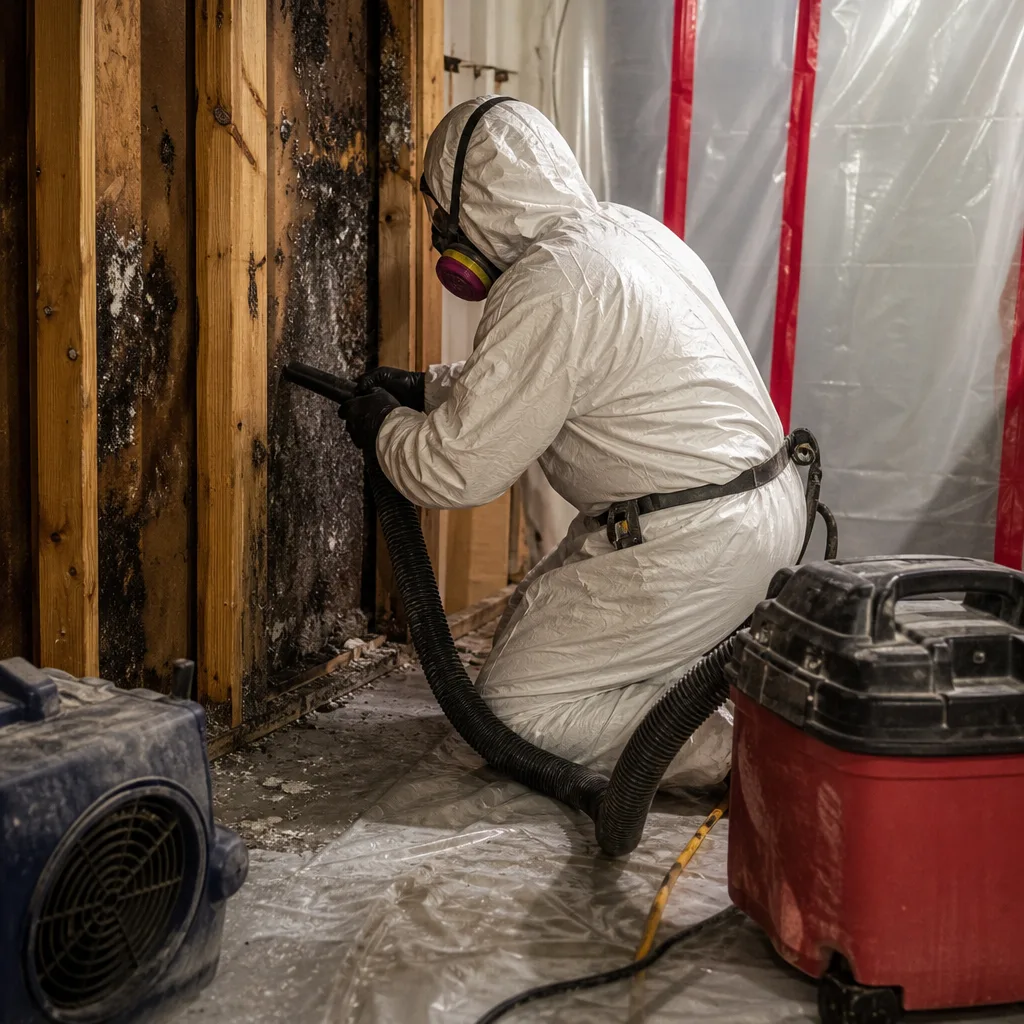
Structural Drying & Dehumidification
This is the service Manhasset Hills homes need most after a hidden leak or slow seepage. Dri-Eaz and Phoenix dehumidifiers paired with XPOWER air movers dry framing, subfloor, and wall cavities to an established dry standard, not a guess. In basements with drop ceilings hiding old plaster above, we dry the overhead cavity before we dry the floor, because a damp ceiling cavity will re-wet everything below it within a week.
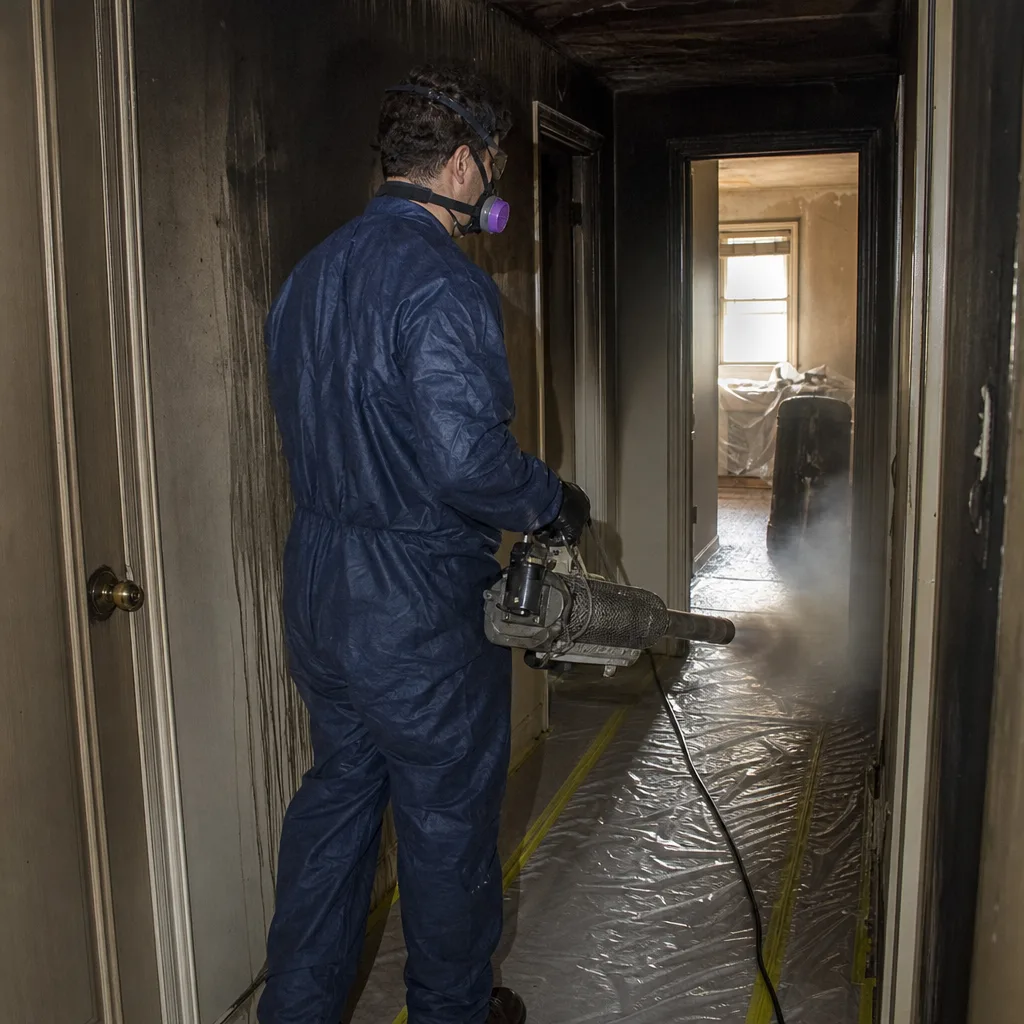
Flood Cleanup
Nor’easter floodwater entering a Manhasset Hills finished basement is Category 3 water the moment it crosses the threshold. We contain the area, remove contaminated materials, sanitize salvageable surfaces, and pack out contents for cleaning or disposal. You won’t be told to run a box fan and hope for the best; Category 3 water requires protocol, not airing out.
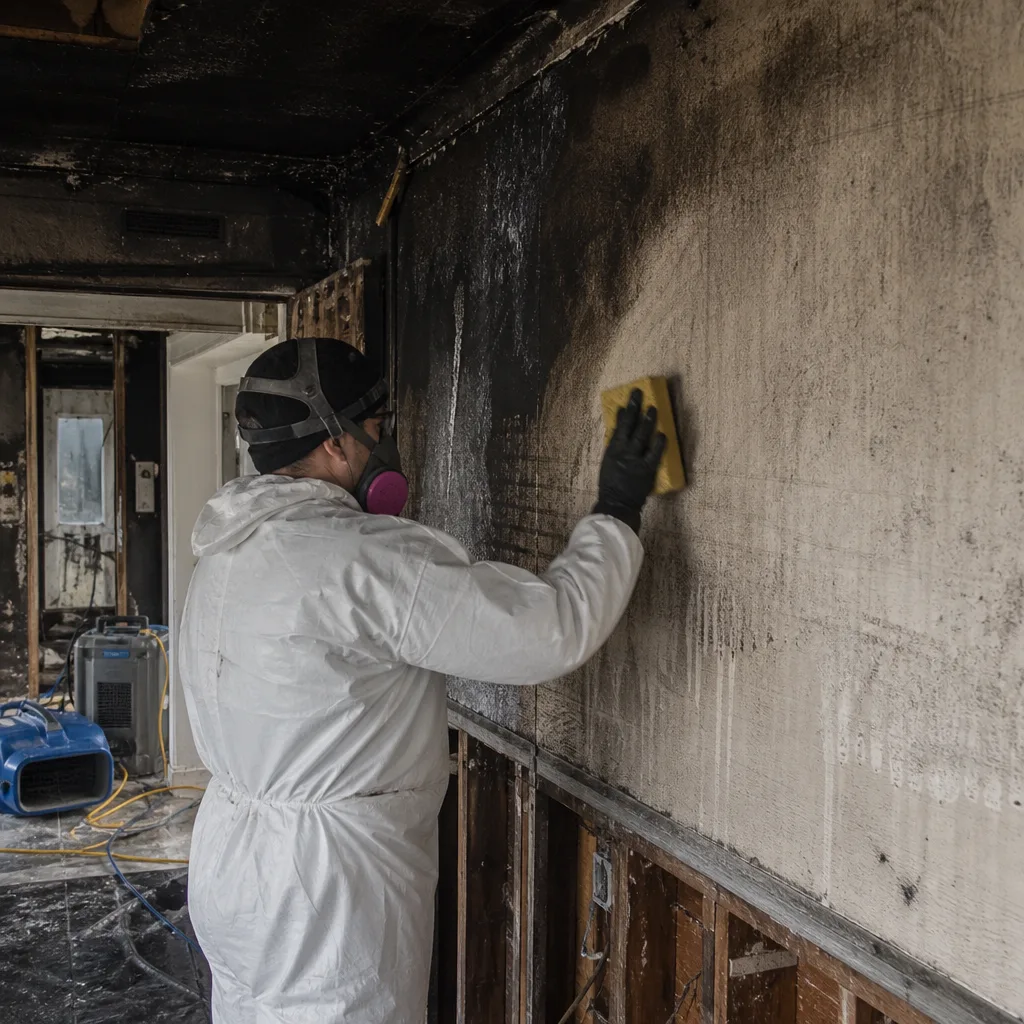
Burst Pipe Restoration
Galvanized supply lines installed in the 1950s and 1960s corrode from the inside out, and Nassau County’s hard water accelerates the process. When a pipe lets go in February, it usually floods a finished basement for hours before it’s discovered. We extract, dry, and rebuild all from one crew, then address the plumbing that failed so the same wall doesn’t flood again next winter.
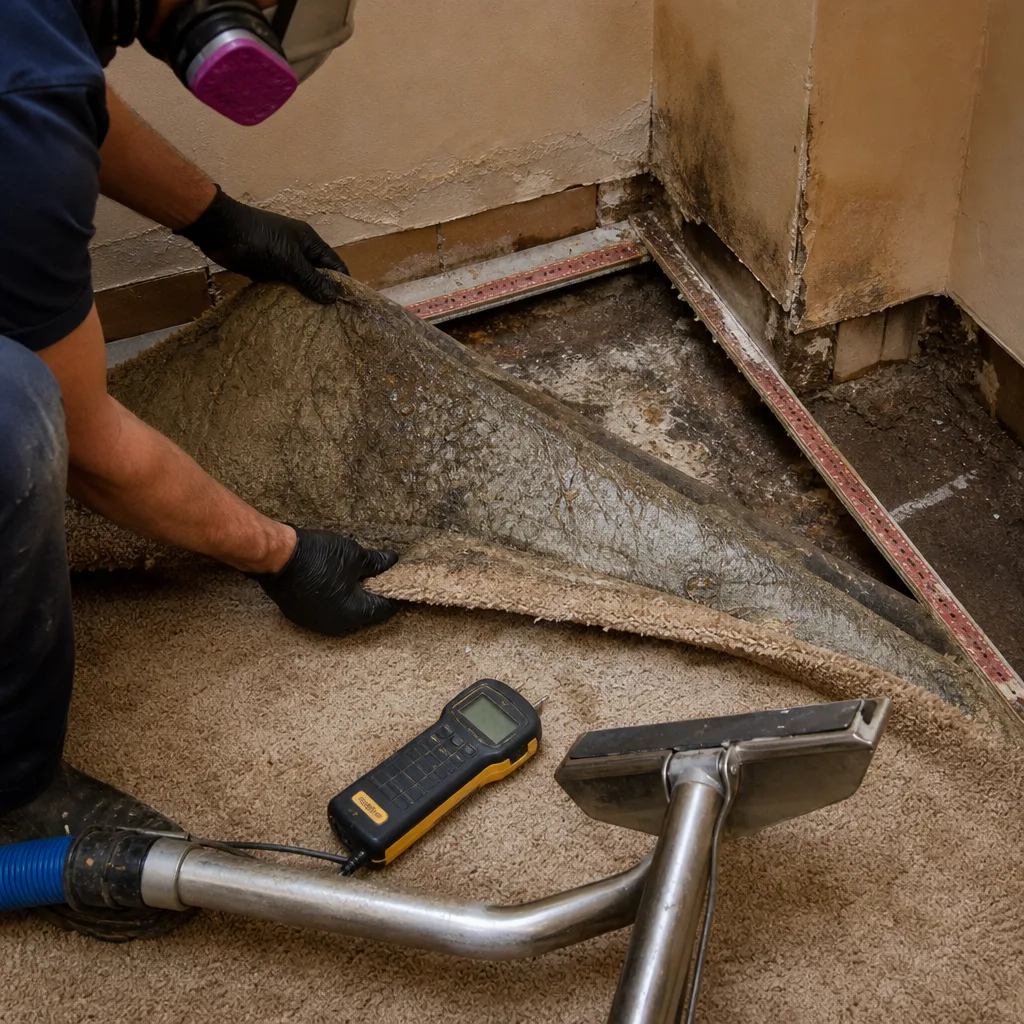
Basement Water Removal
Finished basements in Manhasset Hills are living space: dens, guest rooms, home offices. When water invades, we remove it, dry the structure, and restore the space with the same care as a first-floor living room. That includes creating access points where needed to dry behind drywall and above drop ceilings, with the homeowner’s written approval before any cutting starts.
What happens when you call
- 1
A real person answersNo phone trees - you reach a local pro.
- 2
You get an upfront price rangeHonest numbers before anyone is dispatched.
- 3
A background-checked tech heads outLicensed & insured, dispatched right away.
- 4
You approve before work beginsNothing starts until you say go.
Water Damage Restoration Costs in Manhasset Hills, NY
The honest answer is that water damage restoration in Manhasset Hills costs more than the national average because the housing stock is older, the basements are finished, and North Hempstead permitting adds a layer of coordination. A straightforward Category 1 garage slab leak with baseboard removal, drying, and restoration in Manhasset Hills typically runs $1,800 to $3,500. A burst pipe that floods a finished basement with carpet, drywall, and a drop ceiling usually lands between $4,000 and $9,000. A nor’easter storm surge or sewage backup that introduces Category 3 water into a finished basement, requiring containment, full tearout, mold remediation, and rebuild, will run $12,000 to $35,000 or more depending on square footage and contents. What moves the price: category of water, square footage of finished space, whether asbestos-containing floor tile or pipe insulation is present, and how quickly extraction begins. Insurance covers most sudden and accidental losses; stormwater and groundwater seepage may fall outside standard policies. We provide a free visual inspection and a written, line-item scope before any work begins, and we bill your carrier directly where coverage applies. Call (917) 924-4221 for a firm number on your specific loss, not a national average.
We Also Serve Cities Near Manhasset Hills
Floodline Restoration Co. of Manhattan serves the full Manhasset Hills area, including Water Damage Restoration in Manhasset Hills, plus Fairview, Harrison, East Bronx, and Hunts Point. If you’re nearby and water is moving, call. We’ll route a crew from the closest available team.
Serving Manhasset Hills, NY - Our Local Coverage Area
We’re based in the Manhasset Hills area and know this community well. Use the map below to see our service coverage - if you’re nearby, we can almost certainly help.
Manhasset Hills Water Damage Restoration Questions, Answered
How fast does mold start growing in a Manhasset Hills finished basement after water damage?
Mold spores begin activating within 24 to 48 hours of water intrusion in a finished Manhasset Hills basement, especially where warm indoor air meets a wet surface like drywall or a drop-ceiling panel. In mid-century homes with plaster-over-lath and finished walls, hidden cavities stay humid longer, so mold can establish behind surfaces before you see any visible growth. Extraction and drying within the first 24 hours is the single biggest factor in preventing a mold problem. Call (917) 924-4221 as soon as you see water.
Does North Hempstead Town require a permit for water damage restoration in Manhasset Hills?
Yes. Manhasset Hills sits within the Town of North Hempstead’s jurisdiction, and structural repairs tied to water damage-such as replacing framing, subfloor, or load-bearing walls-require permits that neighboring unincorporated areas don’t always demand. We manage the permit application and coordination as part of the restoration scope, which keeps your project moving without an administrative delay catching you off guard.
How do you handle asbestos-containing floor tiles or pipe insulation found in mid-century Manhasset Hills homes?
When we encounter floor tiles, pipe insulation, or other materials that may contain asbestos in a 1950s-1970s Manhasset Hills home, we stop tearout in that area and bring in a licensed asbestos abatement contractor. You’ll get clear communication about what was found and what it means before any disturbance occurs. We never cut through suspect material to save time.
What does ‘Category 3 water’ mean for a nor’easter flood in a Manhasset Hills finished basement?
Category 3 water is grossly contaminated: it contains sewage, road runoff, organic matter, or stormwater that has passed through contaminated ground. A nor’easter flood entering a Manhasset Hills finished basement through a foundation crack or overwhelmed storm drain is Category 3 from the first moment it touches your floor. Category 3 losses require containment, removal of porous materials, antimicrobial treatment, and full documentation, not just drying.
Why do Manhasset Hills restoration techs check above the drop ceiling during a basement water loss?
Because in Manhasset Hills finished basements, drop ceilings often hide decades-old plaster or original drywall above, and that cavity can be fully saturated while the floor below shows only modest moisture. We ran a moisture map on a nor’easter loss near Shelter Rock Road where the ceiling cavity read 100% while the tile floor read 35%. Skipping the overhead reading would have left active mold growth in place, guaranteeing a failed drying job. We always check overhead before setting a drying protocol.
How fast can someone actually get to my Manhasset Hills home?
Our commitment for Manhasset Hills is a 45-minute on-site response from the time you call (917) 924-4221. A live dispatcher answers, locates the nearest certified crew, and dispatch happens immediately. Extraction equipment runs on the first visit. In a mid-century finished basement, that early extraction window is what determines whether drywall gets dried or replaced.
Can my family stay in the home during water damage restoration in Manhasset Hills?
For a Category 1 loss in a contained area, you can often stay in place while we dry and restore. For Category 3 floodwater or sewage losses in a finished basement, we usually recommend staying out of the affected area and sometimes the home entirely until containment, sanitization, and air scrubbing are complete. We’ll tell you straight what’s safe and what isn’t, and we’ll document the recommendation for your insurer.
How long does structural drying take in a Manhasset Hills mid-century home?
Typical structural drying in a Manhasset Hills home runs three to five days for a clean Category 1 loss, and five to seven days when hidden cavities above drop ceilings or behind plaster-over-lath walls are involved. Daily moisture readings against an established dry standard determine the timeline, not a calendar. We hand you and your adjuster the same drying log we use, so everyone sees the same numbers.
Written by Curt Bowman, Owner at Floodline Restoration Co. of Manhattan, serving Manhasset Hills and the surrounding North Shore since 2010.