
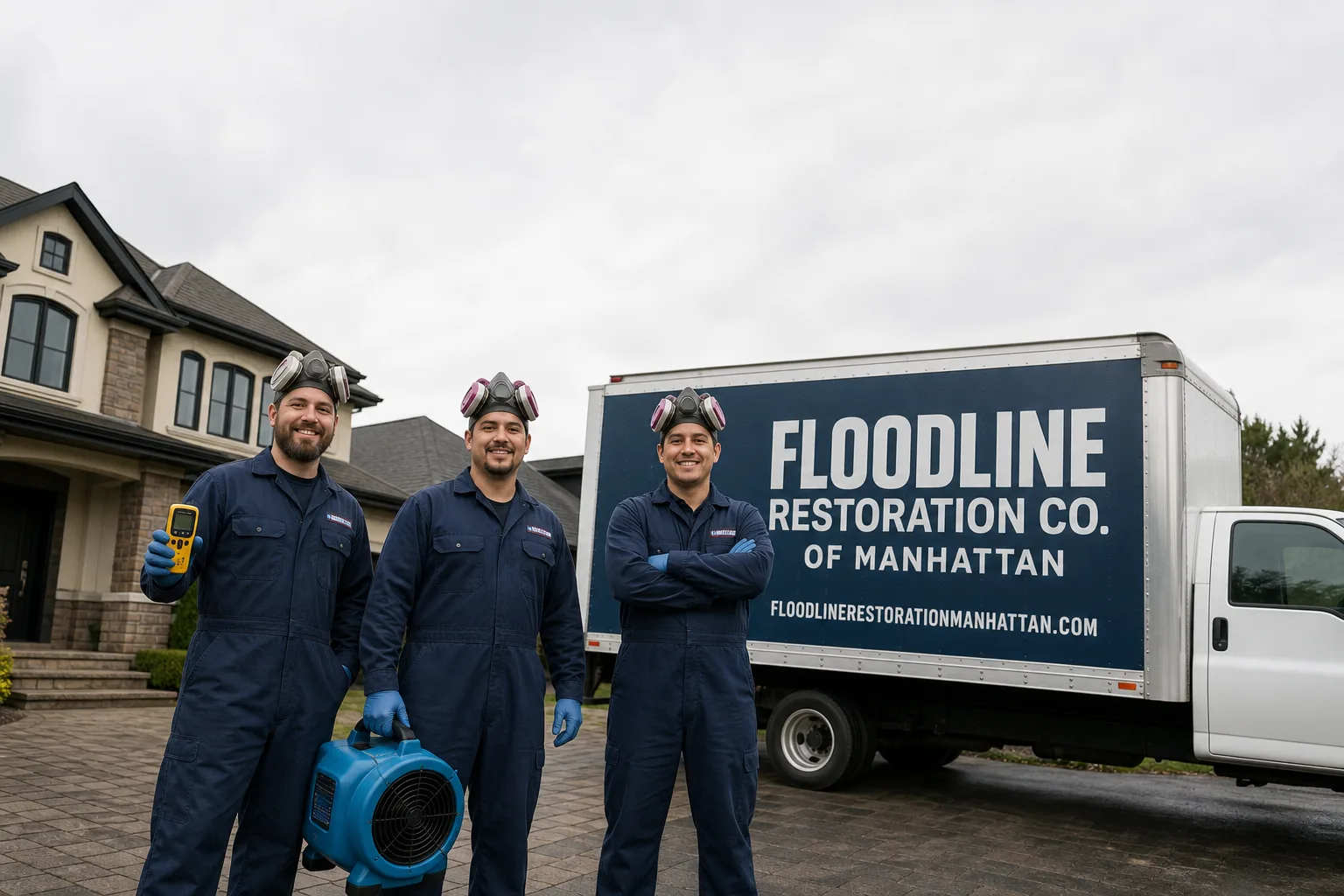
Free visual inspection and a written scope of work before any mitigation begins - photos, moisture readings, and drying logs go in your claim file
The scope we write is the scope we bill. Anything new gets shown to you, in writing, before we touch it.






 Before
 After
After Before
 After
After Before
 After
After24/7 Emergency Water Damage Restoration in Midwood
When a pipe bursts in a Midwood pre-war home or sewage backs up through a basement floor drain, the first hour determines how much of the house can be saved. That’s why Floodline Restoration Co. of Manhattan answers live, 24 hours a day, every day, at (917) 924-4221. A real dispatcher picks up, not a recording, and a certified crew is dispatched into Midwood immediately, with extraction equipment running the same visit. We offer a free visual inspection and a written scope before any work begins, so you know exactly what you’re facing and what it costs. The sooner water is pulled from plaster, wood, and flooring, the less demolition and mold remediation you’ll need. Call now, and we’ll be there when we say.
Understanding Water Damage Restoration Severity in Midwood Properties
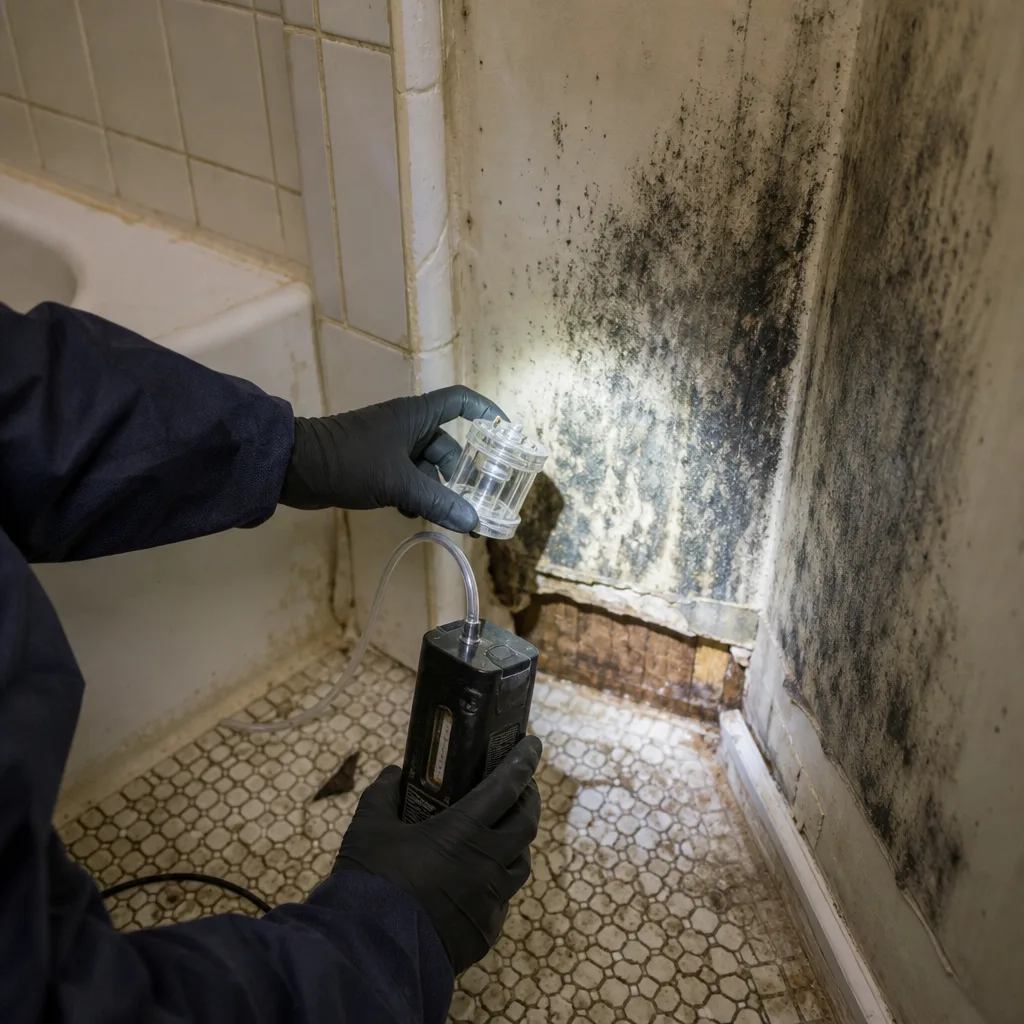
Water damage in Midwood runs the full IICRC range, and the age of the building stock shifts the severity profile. Category 1 water, clean supply-line water from a burst pipe or overflowing tub, is the most common starting point. But in Midwood’s 1910s-1940s homes, that clean water often soaks into horsehair-plaster walls and original wood framing, where it becomes Category 2 gray water within 48 hours as it picks up contaminants from old building materials. Category 3 black water, the kind from combined-sewer backups forcing sewage up through basement floor drains, is a routine call here, not a rarity. We classify the water, moisture-map every affected surface with thermal imaging and hygrometers, and build a structural drying protocol matched to the actual materials in the house. Plaster, lathe, and old-growth framing dry slower than modern drywall and hold moisture invisibly behind dry-looking surfaces, so severity in Midwood is often worse than the first visible stain suggests. A trained eye and proper instruments make the difference between a three-day drying job and a six-week mold problem.
Why Midwood Property Owners Choose Floodline Restoration Co. of Manhattan
- 45-minute response commitment: We dispatch crews into Midwood immediately, and our goal is boots on your floor within 45 minutes of your call. Water doesn’t wait, and neither do we.
- 24/7 live answer, never an automated system: A real person picks up at 2 a.m. on a Sunday. No phone trees, no callbacks, no voicemail. You talk to a dispatcher who can send help.
- IICRC-certified crews, WRT and ASD codes: Our technicians hold IICRC certifications in Water Damage Restoration (WRT) and Applied Structural Drying (ASD), plus RIA and IFA training. They know pre-war construction.
- Free visual inspection: We assess the damage, classify the water, and give you a straight written scope before any work starts. No pressure, no surprise charges.
- Direct insurance billing: We bill your carrier directly and coordinate with your adjuster from the first hour. You never play messenger between us and the insurance company.
- One team from extraction to reconstruction: The same background-checked, uniformed crew that pulls the water also dries the structure and rebuilds what needs rebuilding. No mid-job handoff to a subcontractor you’ve never met.
Our Water Damage Restoration Process
Inspection & Assessment
We arrive, walk the property with you, and classify the water. Thermal imaging and moisture meters map hidden saturation in plaster walls, under flooring, and inside wall cavities. You get a written scope and a firm price before we touch anything.
Extraction & Stabilization
Using truck-mounted and portable extraction units, we pull standing water from basements, floors, and wall cavities. We remove saturated plaster, insulation, and flooring that cannot be saved. Stabilization stops the spread immediately.
Drying & Dehumidification
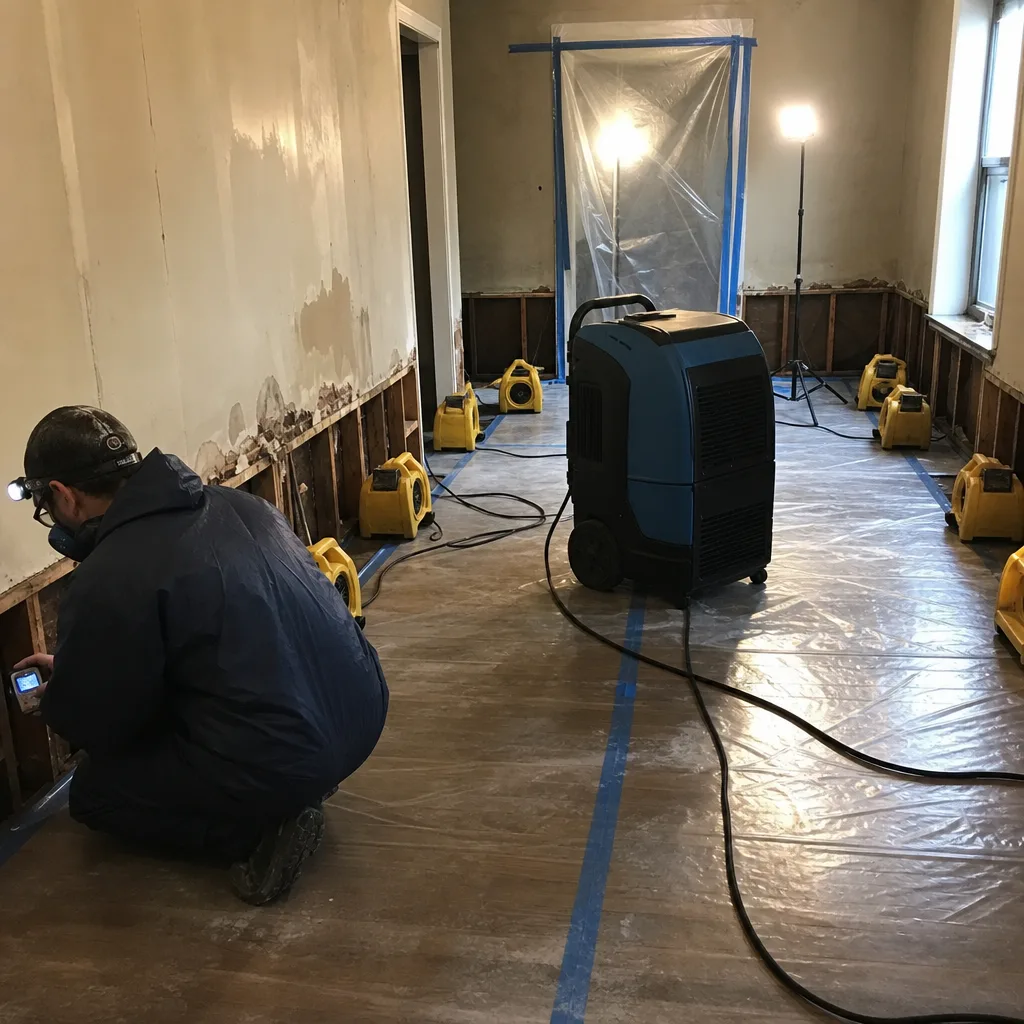
Dri-Eaz air movers, Phoenix dehumidifiers, and Injectidry systems are positioned based on the moisture map, not a guess. Daily moisture readings are logged until the entire structure meets the dry standard. In pre-war plaster homes, this phase often takes longer than in newer construction, and we plan for that.
Cleaning & Sanitization
Affected surfaces are cleaned, and where needed, antimicrobial treatments are applied. For Category 3 water from sewer backups, we follow full black-water protocols: containment, removal of contaminated materials, and thorough disinfection.
Specialty Treatment for Structural Materials
Midwood’s original plaster-and-lath, wood-paneled basement finishes, and older brick envelopes get specific treatment. We may use Injectidry systems to dry cavities without full demolition where feasible, or remove and rebuild where drying won’t reach. The right call is based on the material, not a template.
Repairs & Restoration
We rebuild what was removed: plaster, drywall, flooring, trim, and whatever else the water took. The same crew that did the extraction does the reconstruction. It’s one team, one name, one guarantee: our written 90-Day Done Right Promise.
Need Emergency Water Damage Restoration in Midwood Now?
Crews minutes away, answering live 24 hours a day. The sooner we start, the less it costs.
Working With Your Insurance Company
Most Midwood homeowners with water damage are covered, but claims hinge on documentation and scope accuracy. From the first hour, we photograph every affected surface, log moisture readings daily, and write a line-item estimate your adjuster can actually use. We communicate directly with your carrier, so you don’t have to interpret drying logs or argue over line items. If the adjuster misses something behind a plaster wall, our crew catches it and documents it. The written scope you approve before work starts is the same scope your insurer sees. No surprise charges, no ambiguity, no homeowner stuck in the middle.
What We Provide Your Insurer
- Thorough documentation of the loss
- Photos of all damage, room by room
- Moisture readings and drying logs
- A detailed, line-item scope of work
- Direct coordination with your carrier
Built for Midwood’s Loss Calendar
Midwood’s losses follow a predictable Brooklyn rhythm, and we staff for it. January and February bring deep freezes that split the aging cast-iron and galvanized supply lines common in pre-war basements, leading to burst-pipe floods inside walls and ceilings. March and April bring snowmelt and spring rain that saturate the ground around foundations and find every crack in a 1920s foundation wall. Summer’s intense convective storms dump inches of rain in under an hour, overwhelming the combined sewer and forcing Category 3 water up through basement floor drains. Autumn nor’easters repeat the cycle, with wind-driven rain finding dormers and older roof flashing. The flat glacial-outwash terrain under Midwood means water doesn’t run off, it pools, and the neighborhood’s near-total impervious cover only makes the runoff faster. When the storm drain can’t take it, your basement floor drain becomes the release valve. We answer live every one of those nights, 365 days a year.
Water Damage Restoration Across Midwood’s Neighborhoods
Midwood’s blocks aren’t uniform, and neither are its water losses. Around East 17th Street and Avenue M, the large 1920s brick detached homes with full finished basements are frequent calls for sewage backups through floor drains during heavy rain; the basements sit below street grade, and the combined sewer is old and undersized. Near Avenue J and Ocean Avenue, the semi-detached wood-frame houses from the 1910s have original plaster-and-lath interiors that hide water migration for days after a supply-line break. The blocks around Midwood High School and Brooklyn College see a mix of older single-family homes and small apartment buildings where a third-floor pipe burst soaks through two floors of plaster before anyone notices. The narrow residential streets off Coney Island Avenue, especially near the B/Q line, create real access constraints: tight parking, narrow alley-load entrances, and power cords running to older panels. We know these blocks, we know where the shutoffs are, and we know how long it takes to get a truck in. That local knowledge cuts the response time and keeps the damage from spreading while a crew circles the block looking for parking.
Specialized Water Damage Restoration Services We Offer in Midwood
Emergency Water Extraction
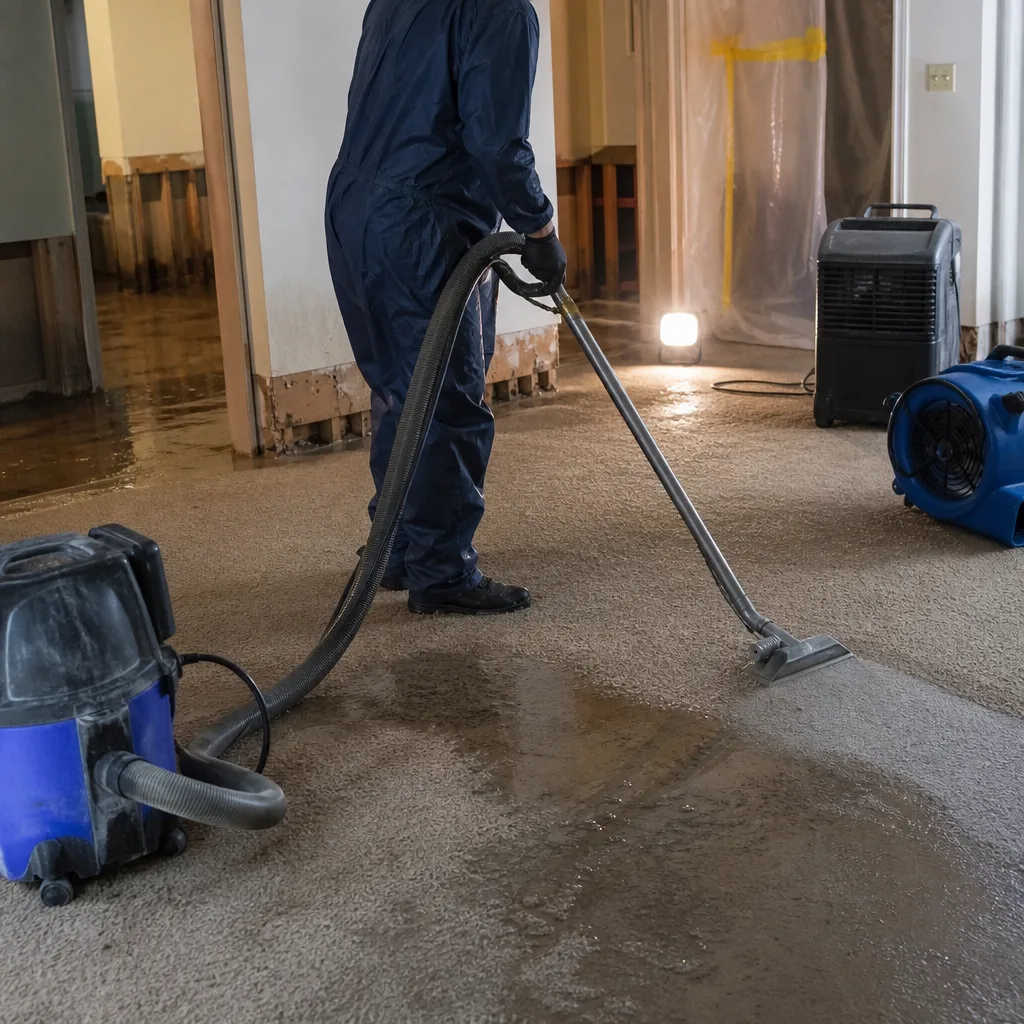
Standing water in a Midwood basement doesn’t wait. We arrive with truck-mounted extraction units and pull hundreds of gallons per hour, then follow with portable units for tight corners around boilers, under stairways, and behind built-ins. The faster the water is out, the less the plaster wicks and the less the framing swells.
Basement Water Removal
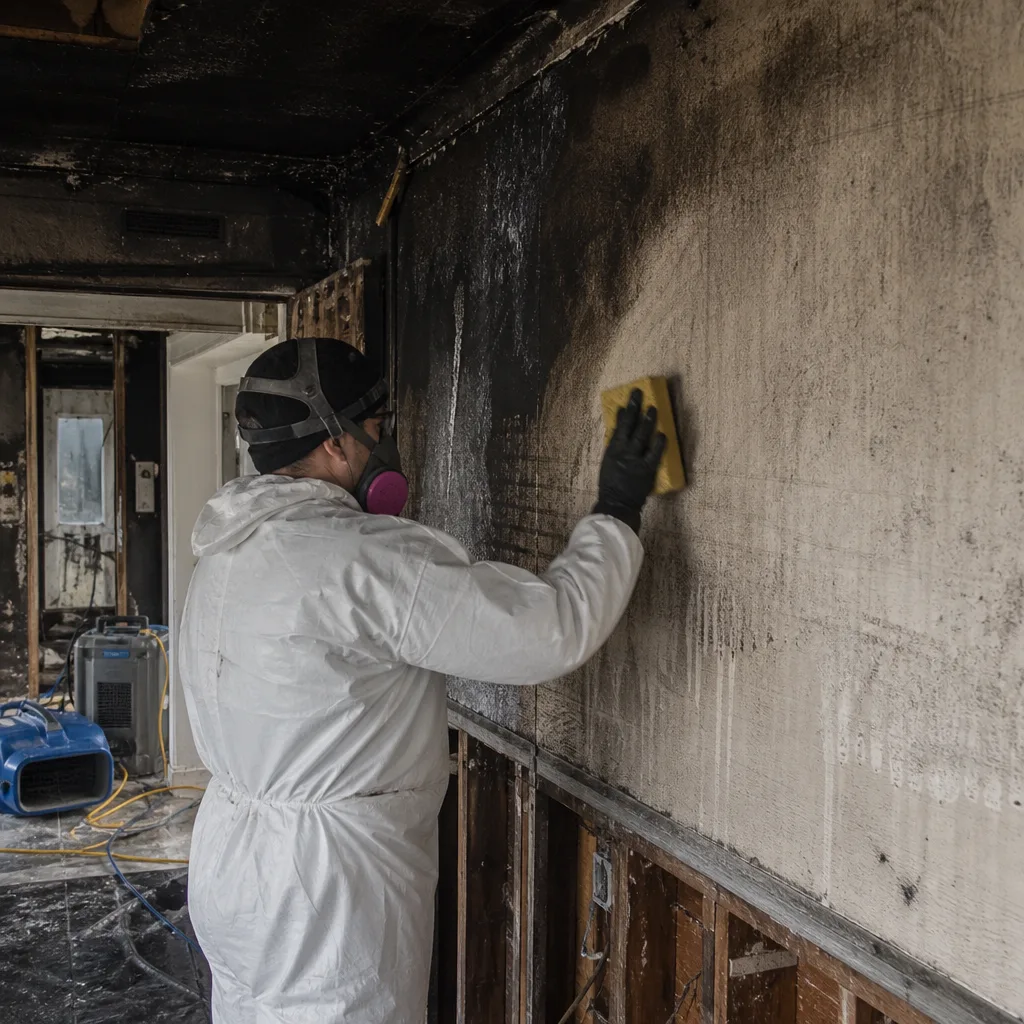
Midwood’s full finished basements, often with wood paneling, carpet, and drywall over original concrete, are the neighborhood’s most vulnerable space. We extract, remove saturated finishes, and dry the structural floor and walls. For sewer backups, we treat it as Category 3 from the first minute: full containment, removal of contaminated materials, and antimicrobial treatment. A quick mop-out isn’t a restoration, and we’ll tell you so straight.
Structural Drying & Dehumidification
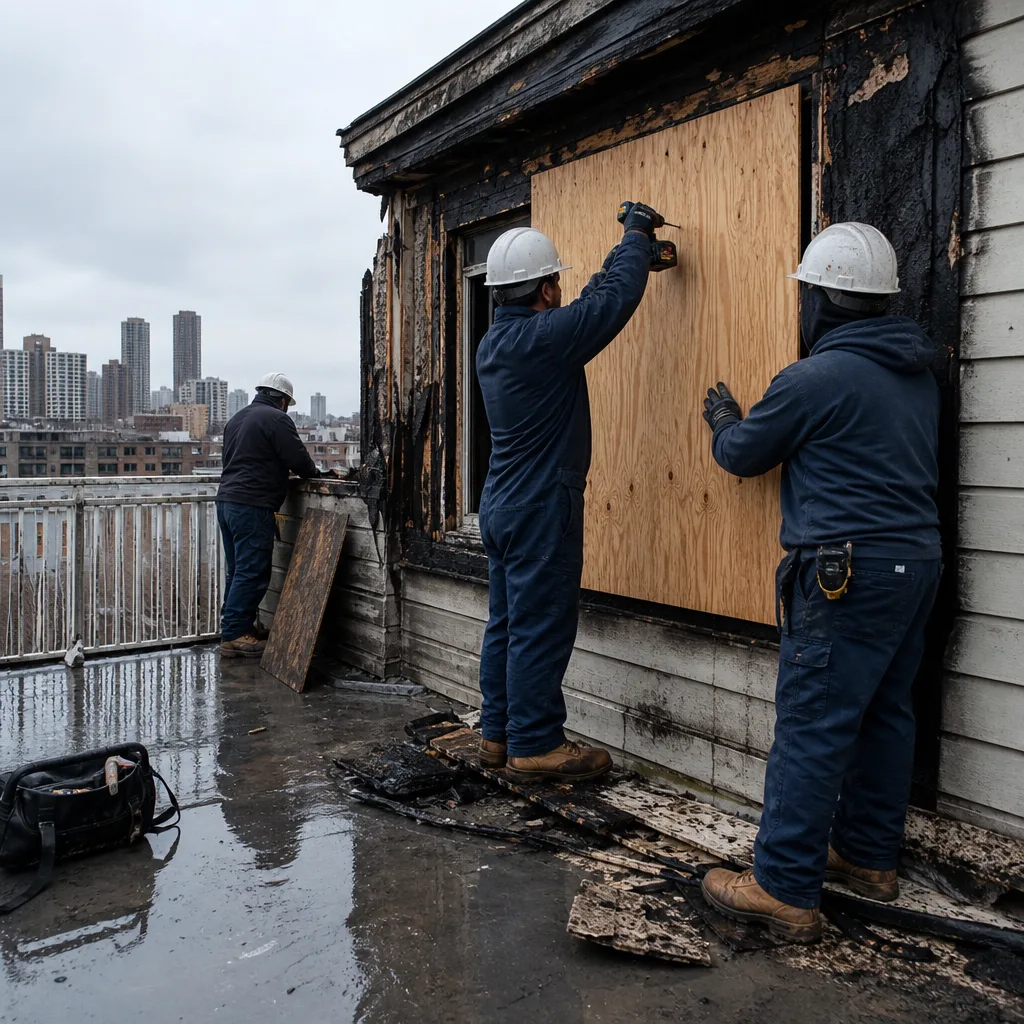
Drying a 1920s plaster-and-lath wall is not the same as drying a 2005 drywall wall. We place Dri-Eaz and Phoenix equipment based on moisture-map readings, and we take daily readings from the same points until the dry standard is met. The homeowner and carrier get the full log. Done right, and backed in writing.
Flood Cleanup
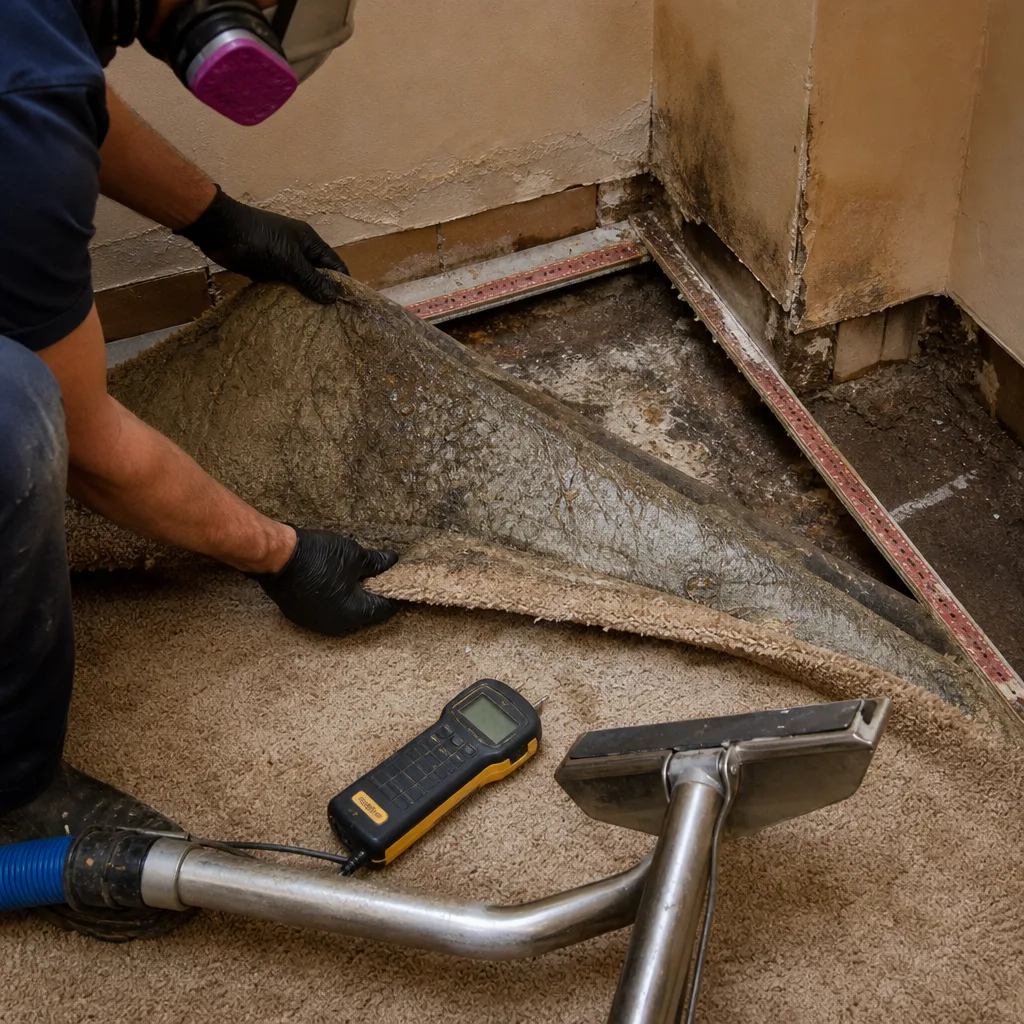
When stormwater or a sewer backup floods a Midwood basement, the cleanup is as important as the drying. Silt, sewage, and debris are removed, surfaces are cleaned and disinfected, and the structure is dried to standard. We do not paint over damp framing and call it done.
Burst Pipe Restoration
A burst supply line in a Midwood wall is often worse than it looks. The water travels along piping, wicks into horsehair plaster, and pools in wall cavities. We trace the entire path with moisture mapping, remove what cannot be saved, and dry what can. The wall gets rebuilt, not just patched.
Ceiling & Roof Leak Water Damage
Midwood’s multi-pitch roofs with dormers and older flashing leak during nor’easters and heavy summer storms. Water finds its way into plaster ceilings, then spreads invisibly. We assess the full wet zone, not just the stain you see, and dry the cavity properly before any drywall or plaster repair begins.
What happens when you call
- 1
A real person answersNo phone trees - you reach a local pro.
- 2
You get an upfront price rangeHonest numbers before anyone is dispatched.
- 3
A background-checked tech heads outLicensed & insured, dispatched right away.
- 4
You approve before work beginsNothing starts until you say go.
Water Damage Restoration Costs in Midwood, NY
What you’ll pay in Midwood depends on the water category, the size of the affected area, and what’s behind the walls. A straightforward Category 1 extract-and-dry in a small basement typically runs $900-$1,800. Adding plaster demolition, as is common in the pre-war stock, pushes the job to $2,500-$5,000. A Category 3 sewage backup with full containment, material removal, and antimicrobial treatment in a finished Midwood basement commonly falls between $4,000 and $9,000. Burst-pipe restoration involving wall removal, cavity drying, and plaster rebuild usually lands at $3,000-$7,000 depending on how many rooms got wet. The variables are water category, square footage, and whether original plaster must come out. Insurance frequently covers most of these costs, and we bill the carrier directly. Call (917) 924-4221 for a free visual inspection and an exact written quote. No surprises on the bill, ever.
We Also Serve Cities Near Midwood
Our crews regularly respond to water damage calls in the communities around Midwood, including Fairview, Harrison, East Bronx, and Hunts Point. The same live 24/7 dispatch, the same certified crews, and the same written guarantee apply across the area. If water is moving through your house, call us before it moves further.
Serving Midwood, NY - Our Local Coverage Area
We’re based in the Midwood area and know this community well. Use the map below to see our service coverage - if you’re nearby, we can almost certainly help.
Midwood Water Damage Restoration Questions, Answered
Why does water damage in Midwood’s pre-war homes often require more demolition than in newer construction?
Original horsehair-plaster walls wick and hold water invisibly behind a dry-looking surface, so a localized ceiling stain after a pipe burst frequently conceals a saturated cavity six inches deep or more. That cavity cannot be dried properly without removing the plaster and exposing the framing to air flow. In newer drywall homes, the paper facing fails visibly and the water is easier to detect and dry. In Midwood’s 1910s-1940s homes, full plaster demolition is frequently the only way to reach the wet material before mold takes hold.
Are basement floods in Midwood usually clean water or sewage backups?
Both occur, but sewage backups are disproportionately common because Midwood sits on Brooklyn’s aging combined sewer system, which sends stormwater and sewage through the same pipes. During heavy nor’easters and summer thunderstorms, the system overwhelms and forces Category 3 black water up through basement floor drains. Clean-water floods from burst supply lines or appliance failures also happen regularly. We classify the water on arrival and follow the correct protocol for that category.
How quickly should I call after a pipe burst in my Midwood home before mold starts?
Call immediately. Mold colonization can begin within 24 to 48 hours on wet organic materials, and in Midwood’s plaster-and-lath walls, the moisture is often hidden behind a surface that still looks dry. The first hour is the difference between extraction and a full remediation. Call (917) 924-4221 day or night, and a live person answers.
Do Midwood homes with original plaster walls dry as fast as modern drywall homes?
No. Plaster and lath hold significantly more water by volume than gypsum drywall, and the old-growth wood framing behind them absorbs moisture and releases it slowly. A pre-war Midwood wall can take two to three times longer to reach the dry standard than a modern drywall assembly in the same conditions. We plan for that, set drying equipment accordingly, and log daily readings until the moisture meters say the structure is dry, not just the surface.
What should I check if water appears in my Midwood basement after a heavy rain?
First, determine whether the water came from a floor drain, a wall crack, or a plumbing fixture. If it came up through a floor drain, treat it as sewage-contaminated until proven otherwise; stay out of the water and call us immediately. If it seeped through a wall, note where and photograph it. Kill power to any outlets in the wet area if you can do so safely, and call us at (917) 924-4221. We’ll classify the water, map the saturation, and start extraction the same visit.
How fast can a crew actually get to my Midwood home?
We commit to a 45-minute response into Midwood, and we dispatch from our New York City office so crews are never far from the neighborhood’s blocks. A live dispatcher answers 24/7, and extraction is running the same visit in most cases. If it’s 2 a.m. and the basement is filling, call; a person will answer and a truck will roll.
Will my insurance cover water damage restoration in Midwood?
Most policies cover sudden and accidental water damage, including burst pipes and stormwater intrusion. Sewage backups often require a specific endorsement, which many Midwood homeowners do carry given the area’s combined-sewer risk. We document everything from the first hour, write line-item scopes your adjuster can use, and bill your carrier directly. You won’t play messenger, and you’ll see the same scope your insurer sees.
What should I do in the first 30 minutes after discovering water damage?
Call (917) 924-4221. If it’s safe, shut off the water at the source or the main shutoff, kill power to wet areas, move small valuables to dry ground, and photograph the damage. Do not use a shop vac on sewage water, and do not open walls to “let them dry” without a moisture reading; you may spread contamination. Then wait for our crew; we’ll handle the rest and walk you through every step.
Written by Curt Bowman, Owner at Floodline Restoration Co. of Manhattan. Our crews answer live around the clock and stand behind every job with the 90-Day Done Right Promise, in writing.