
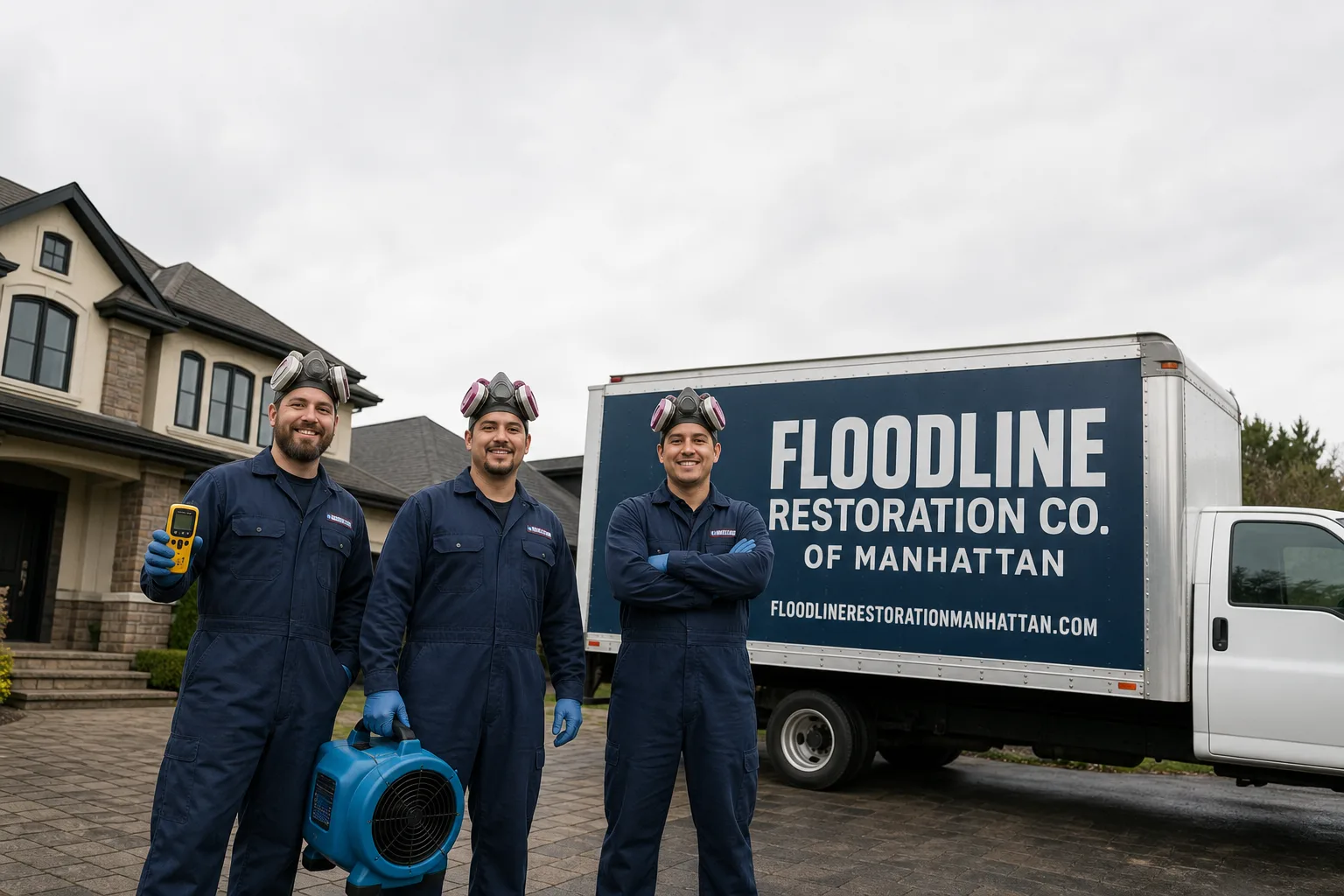
Free visual inspection and a written scope of work before any mitigation begins - photos, moisture readings, and drying logs go in your claim file
The scope we write is the scope we bill. Anything new gets shown to you, in writing, before we touch it.
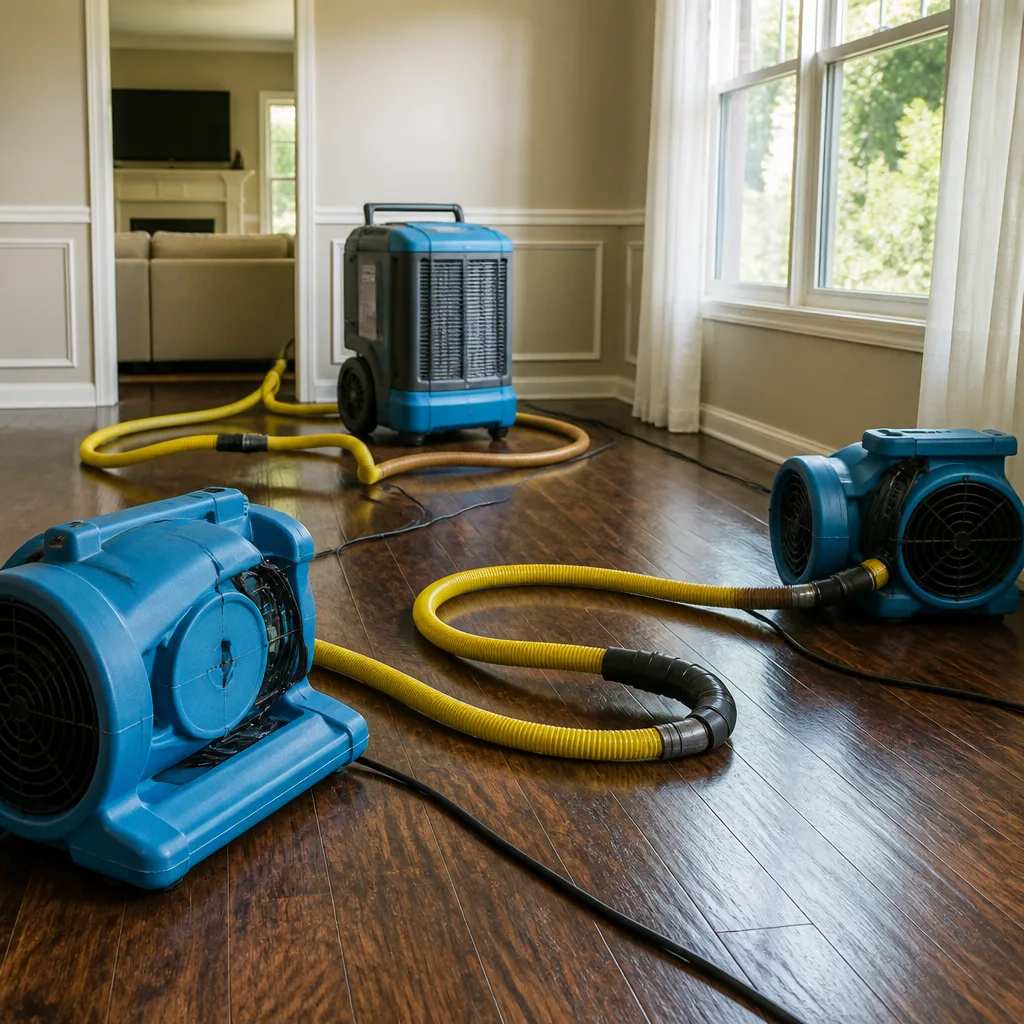
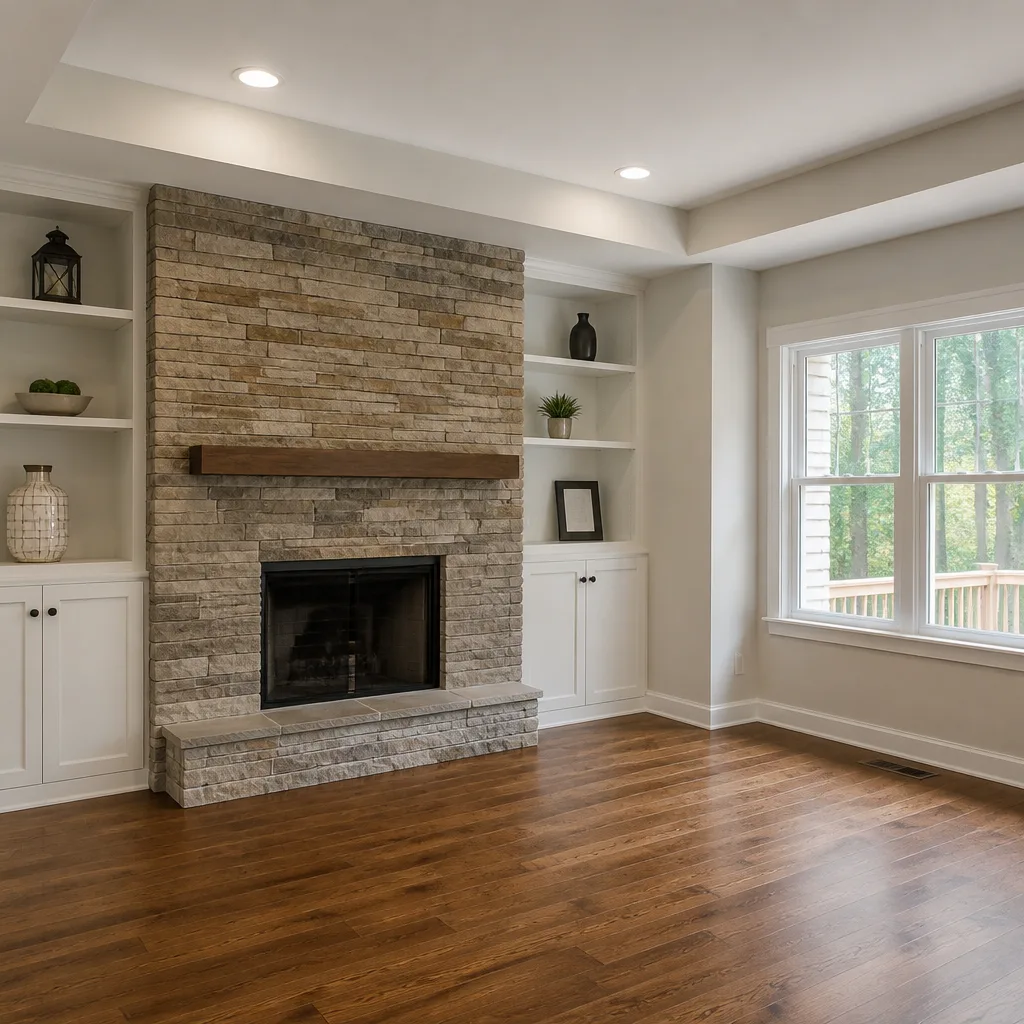
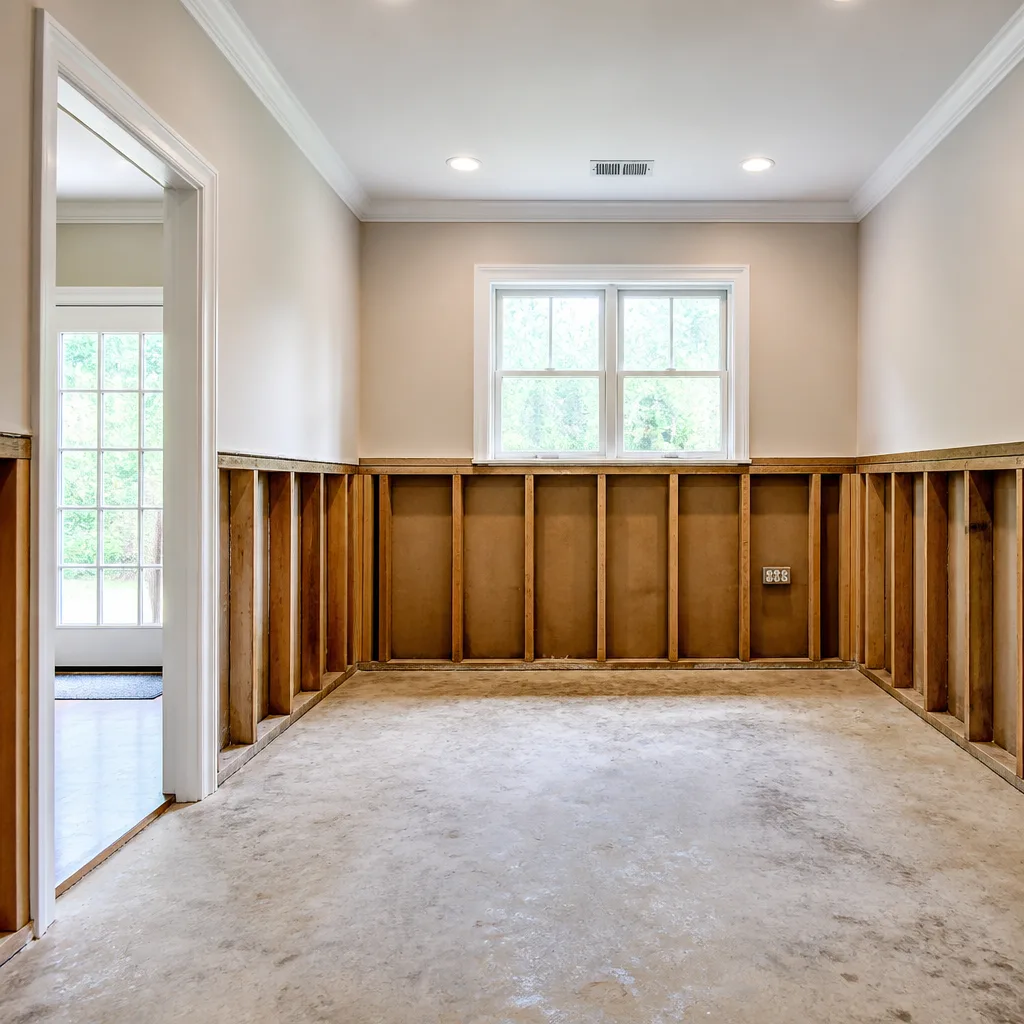

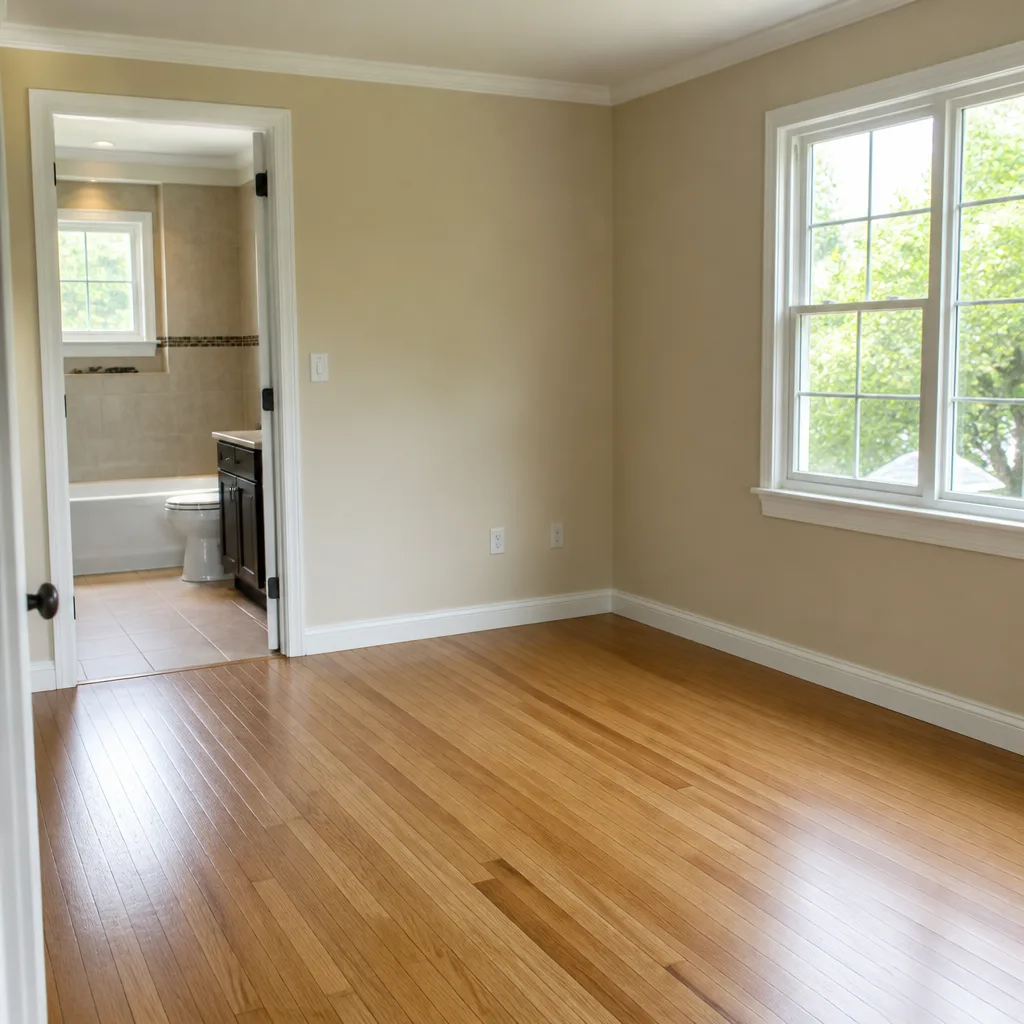
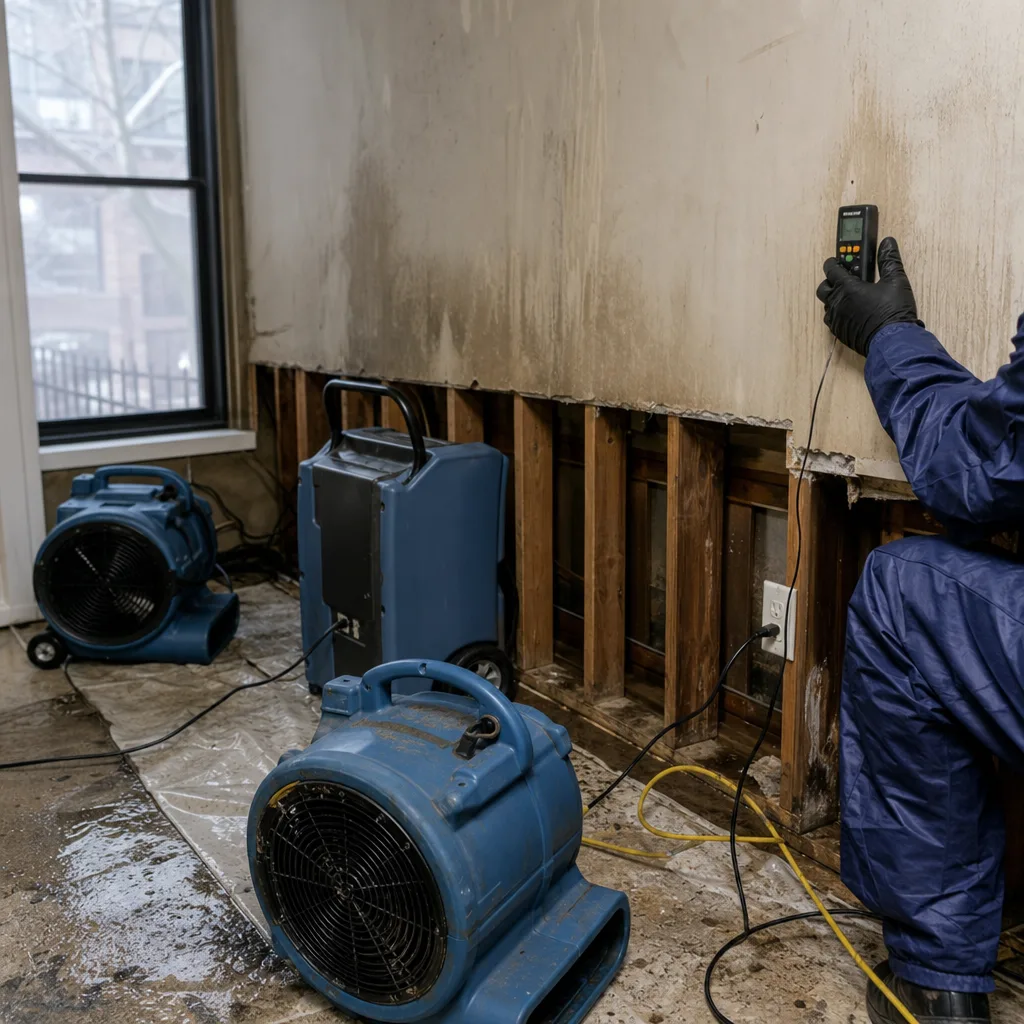 Before
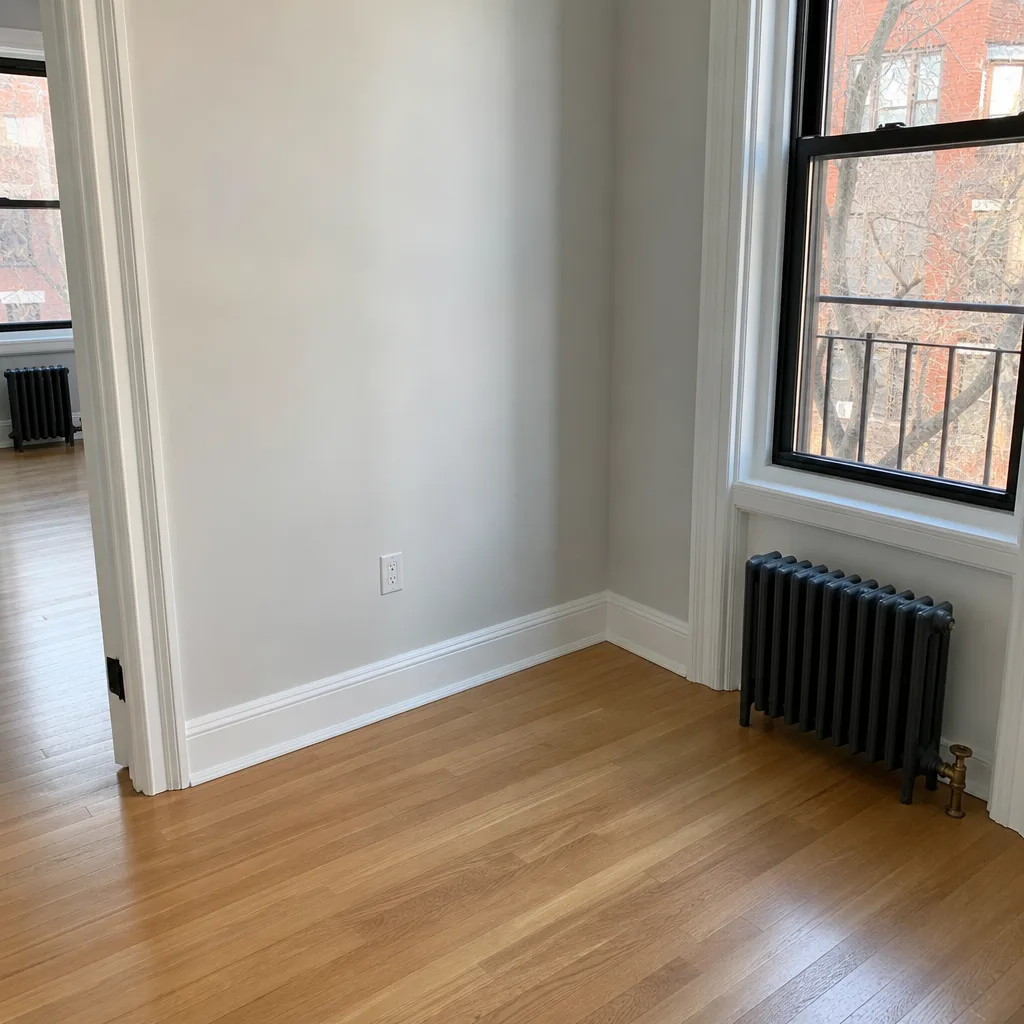 After
After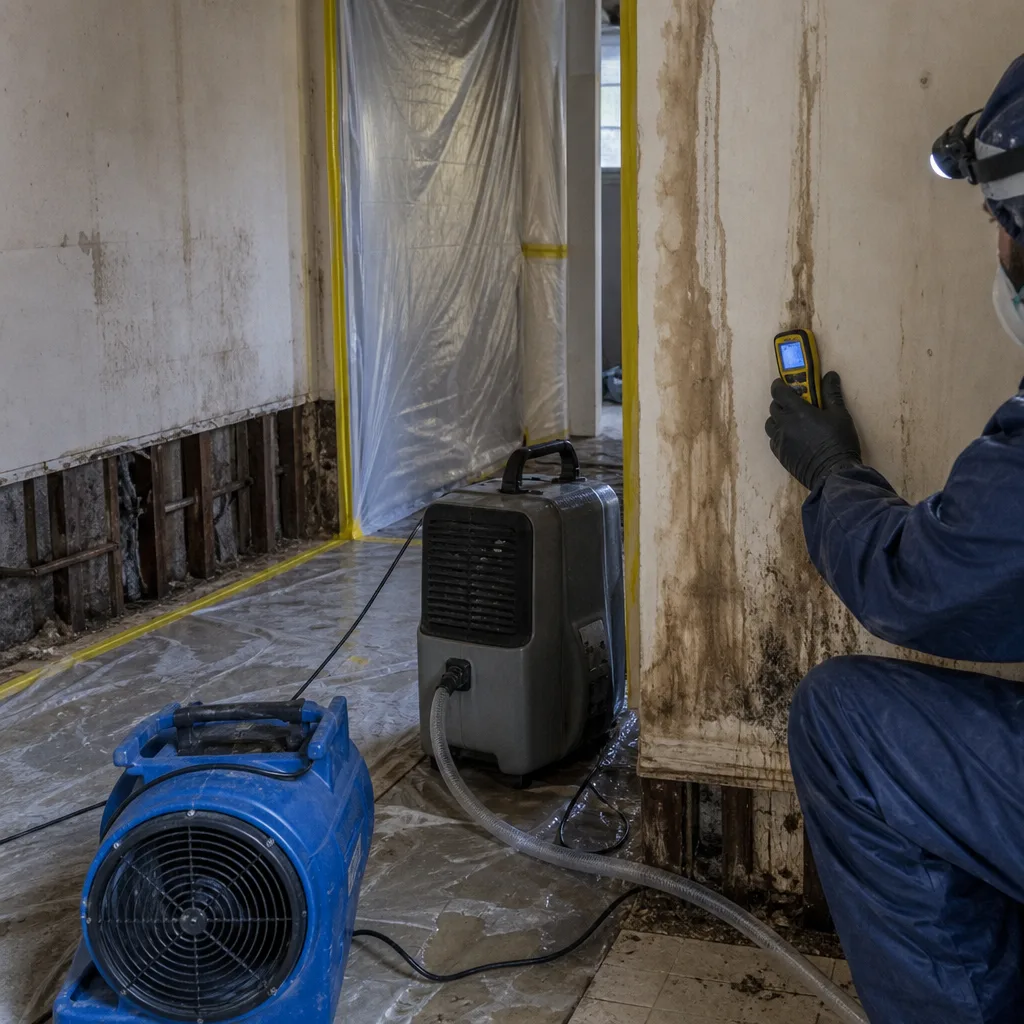 Before
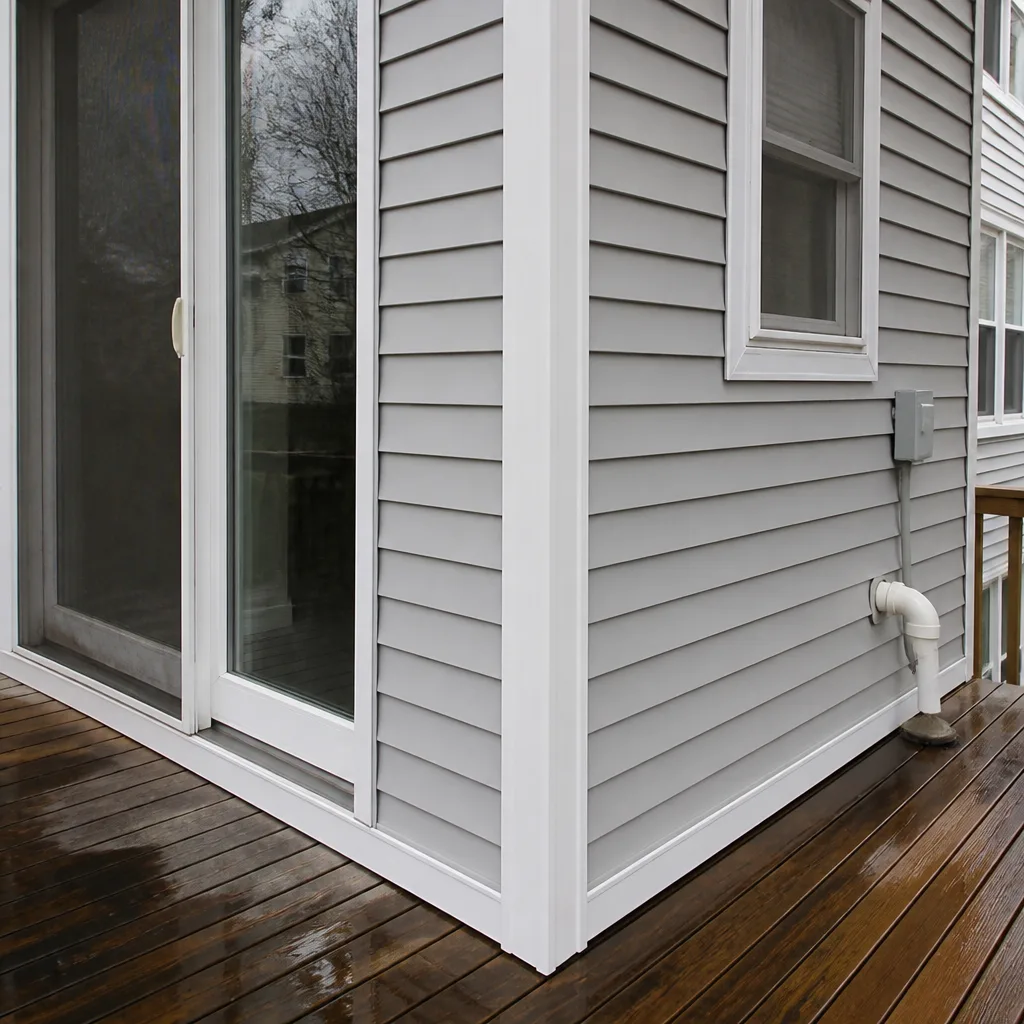 After
After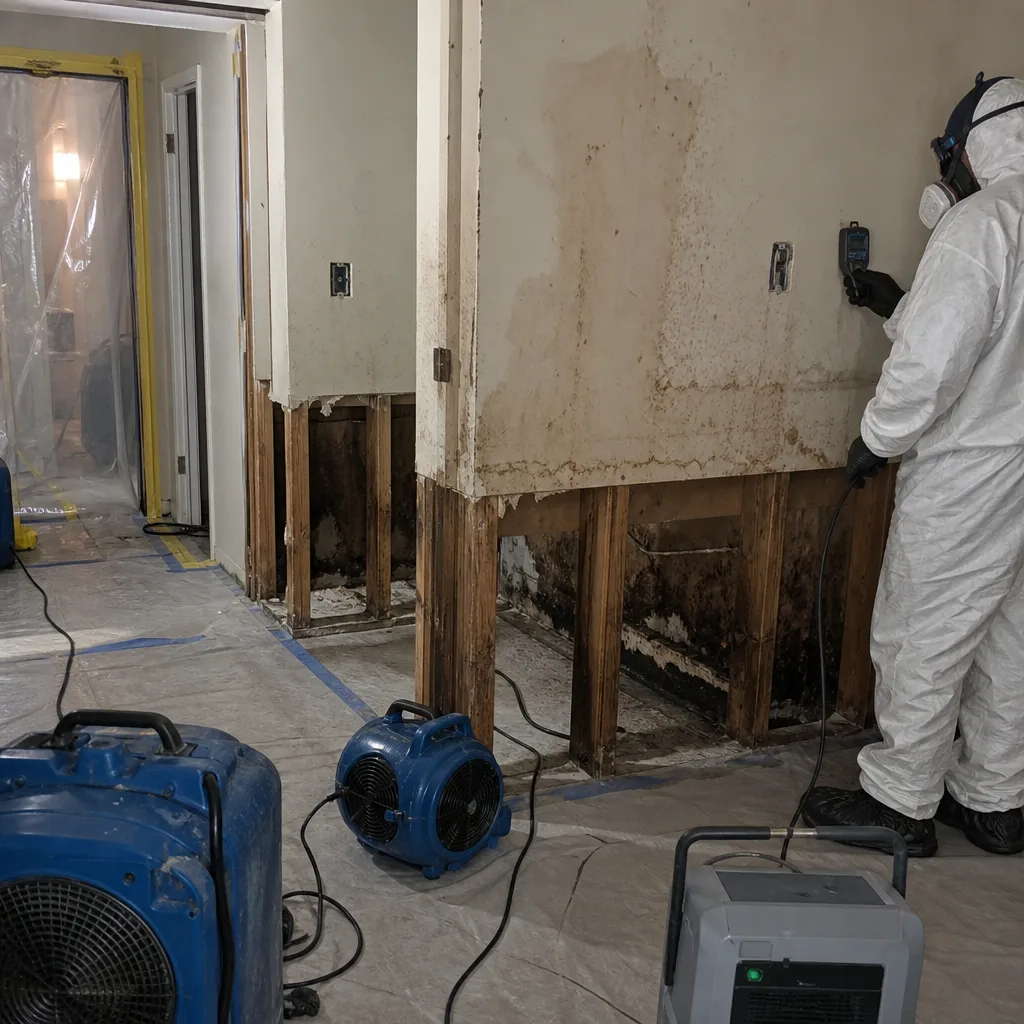 Before
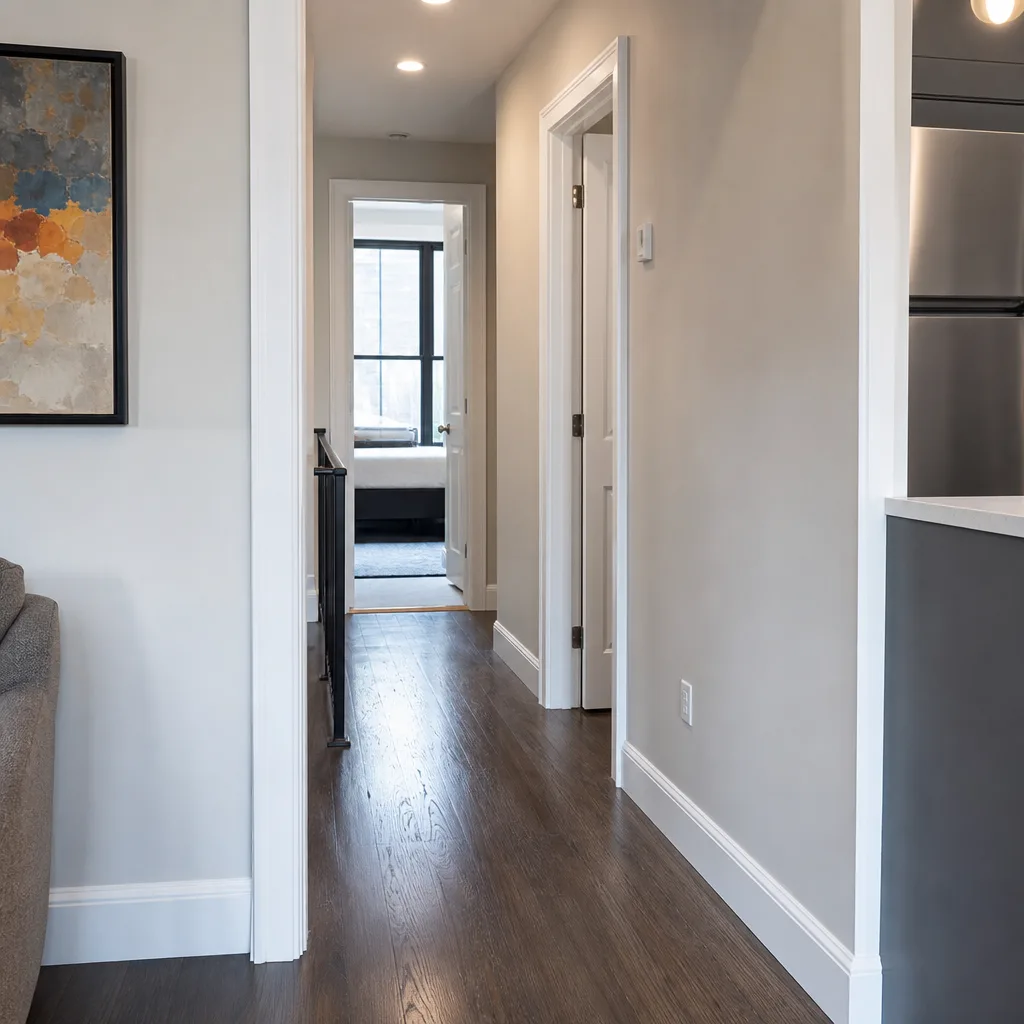 After
After24/7 Emergency Water Damage Restoration in Park Avenue
Water damage restoration in Park Avenue typically runs $2,800-$8,400 for a standard two-unit steam-riser leak, with emergency extraction and structural drying usually starting the same day the call comes in. Our crews are dispatched from the New York City office directly into Park Avenue’s service entrances, and the phone at (917) 924-4221 is answered by a live dispatcher around the clock. The first hour matters most. Water from a burst pipe or failed steam trap inside a pre-war Park Avenue co-op moves through lath-and-plaster walls fast, and mold begins in as little as 24 to 48 hours on saturated plaster. We arrive, read the moisture, and start extraction before the damage spreads another floor down. The inspection is free. The equipment goes in the same visit.
Understanding Water Damage Restoration Severity in Park Avenue Properties
Park Avenue’s pre-war towers demand a different severity framework than most of the city. Category 1 water from a clean supply line can become Category 2 or 3 within hours when it picks up corrosion and biofilm from aging cast-iron risers. A steam-riser failure pushes pressurized hot water through as many as six stacked units before anyone notices, and the water that started clean is no longer clean by the time we map it. Thermal imaging and low-frequency moisture probes are necessary here because standard meters cannot penetrate the dense masonry and lath-and-plaster walls common to these 1920s and 1930s buildings. Moisture mapping is a science on Park Avenue: a single leak behind a bathroom wall reads dry at the surface while the cavity behind it holds enough water to delaminate custom millwork a month later. Severity is not about how much water you see. It is about where the water is hiding and what it is soaking into. That is where our Water Damage Restoration team starts every loss, and it is why our drying logs run daily until the dry standard is met, not until the visible puddle is gone.
Why Park Avenue Property Owners Choose Floodline Restoration Co. of Manhattan
- 45-minute response commitment: For Park Avenue losses, our crews reach the service entrance within 45 minutes of your call, in uniform and ready to coordinate with the doorman or managing agent.
- A live person answers, 24/7: At 2 a.m. you get a dispatcher, not a recording. That matters when a riser is running water into the unit below you.
- IICRC-certified crews (WRT/FSRT/AMRT): Our technicians carry current IICRC certifications in water damage restoration, fire and smoke restoration, and applied microbial remediation, and they are background-checked.
- Free visual inspection: We assess the loss at no charge, write up the findings, and hand you a scope before any work begins. No pressure, no upsell.
- Direct insurance billing: Curt Bowman built Floodline Restoration Co. of Manhattan to deal with carriers directly, so you are not the messenger between us and your insurer.
- One team from extraction to rebuild: The same certified crew that places the dehumidifiers also handles drywall, plaster, and finish carpentry. No mid-job handoff to a subcontractor you never met.
Our Water Damage Restoration Process
Inspection & Assessment
We start with thermal imaging and low-frequency moisture probes that read through Park Avenue’s plaster and masonry walls. The scope includes the building’s managing agent requirements, board access windows, and any shared infrastructure involved.
Extraction/Stabilization
Standing water comes out with truck-mounted extraction units and sub-surface vacuums. We stabilize the unit with containment and targeted air movement the same visit, before water migrates further into the building column.
Drying & Dehumidification
Dri-Eaz and Phoenix dehumidifiers run on a daily monitoring schedule, with readings logged each day. For Park Avenue’s thick plaster assemblies, we use low-grain refrigerant and desiccant units sized to the actual moisture load, and we do not pull equipment until the dry standard is documented in writing.
Cleaning & Sanitization
After drying, we clean and sanitize all affected surfaces with antimicrobial treatments appropriate to the Category of water involved. For steam-riser losses we treat corrosion and biofilm that may have introduced contamination into wall cavities.
Specialty Treatment for Park Avenue Finishes
Book-matched marble, antique parquet, hand-painted murals, and custom millwork need more than air movement. We use Injectidry floor-drying mats for wood and stone assemblies, and pack-out stabilization for artwork and fragile finishes, all coordinated with your building’s access rules.
Repairs & Restoration
When everything is dry and documented, we rebuild. Plaster repair, custom carpentry, refinishing, paint matching, and full reconstruction are done by the same Floodline crew that handled your drying, so there is no handoff and no second learning curve.
Need Emergency Water Damage Restoration in Park Avenue Now?
Crews minutes away, answering live 24 hours a day. The sooner we start, the less it costs.
Working With Your Insurance Company
Park Avenue losses are almost always complex claims. A steam-riser failure involves the co-op corporation’s policy in one lane and your unit-owner policy in another, and the managing agent wants documentation as much as the carrier does. We handle that. From the first hour, we photograph every room, log moisture readings, and prepare a line-item scope written to industry standards that adjusters recognize. Our team communicates directly with your carrier, so you do not spend your evenings explaining drying science over the phone. For co-op losses, we coordinate with the board’s counsel and the managing agent so everyone gets the same documentation at the same time. The process moves faster when the paperwork is done right, and we have done it right on Park Avenue for over a decade.
What We Provide Your Insurer
- Thorough documentation of the loss
- Photos of all damage, room by room
- Moisture readings and drying logs
- A detailed, line-item scope of work
- Direct coordination with your carrier
Built for Park Avenue’s Loss Calendar
Park Avenue has a seasonal rhythm to water damage, and it tracks the building envelope more than the weather. January and February bring deep freezes that stress aging supply lines inside exterior walls; we see burst-pipe losses in pre-war towers where original plumbing has never been replaced. Spring thaw and heavy rains push water through limestone facade joints and rooftop terrace membranes, particularly at setback penthouse level, where waterproofing has aged past its service life. Summer thunderstorms overwhelm the original 1920s-era roof drainage designs, sending water into top-floor units and down through stacked chases. Nor’easters in the fall test every parapet and terrace door on the avenue. But the single most common Park Avenue loss is not seasonal at all: steam-heat riser failures happen mid-winter, mid-summer, any time a union fitting or trap lets go. That is the call we answer most on this street, and it is the one that demands the fastest coordination with your managing agent.
Water Damage Restoration Across Park Avenue’s Neighborhoods
Park Avenue’s restoration profile changes by block and building age. In the co-op towers of the Upper East Side corridor, running from the 60s through the 90s, we navigate service-elevator access and managing-agent sign-off on nearly every job. These buildings are limestone-clad, lath-and-plaster, and meticulously maintained, which means fast drying discipline is non-negotiable. Around the Grand Central area, we see more mixed-use and transitional buildings where commercial space below residential units creates a different access puzzle, often requiring after-hours or early-morning work windows. The blocks around Carnegie Hill hold some of the avenue’s oldest co-ops, many with original cast-iron risers that have never been lined; a pinhole leak there becomes a multi-floor event quickly. Down toward Murray Hill, we regularly restore units in buildings from the early 1940s where steam risers and old plumbing share walls with renovated, high-end interiors, so a Category 1 supply-line break can still damage six figures of custom finish work if extraction is delayed. Park Avenue’s service entrances, freight elevators, and board approval processes are part of every restoration we scope here.
Specialized Water Damage Restoration Services We Offer in Park Avenue
Emergency Water Extraction
Standing water inside a Park Avenue co-op moves fast through plaster, subfloor, and shared chases. We extract with truck-mounted units and sub-surface tools designed for wood, stone, and masonry assemblies, and we set containment the same visit to stop migration before it reaches the unit below. If a riser is actively leaking, we coordinate a building shut-off with the managing agent and the super while our crew positions equipment.
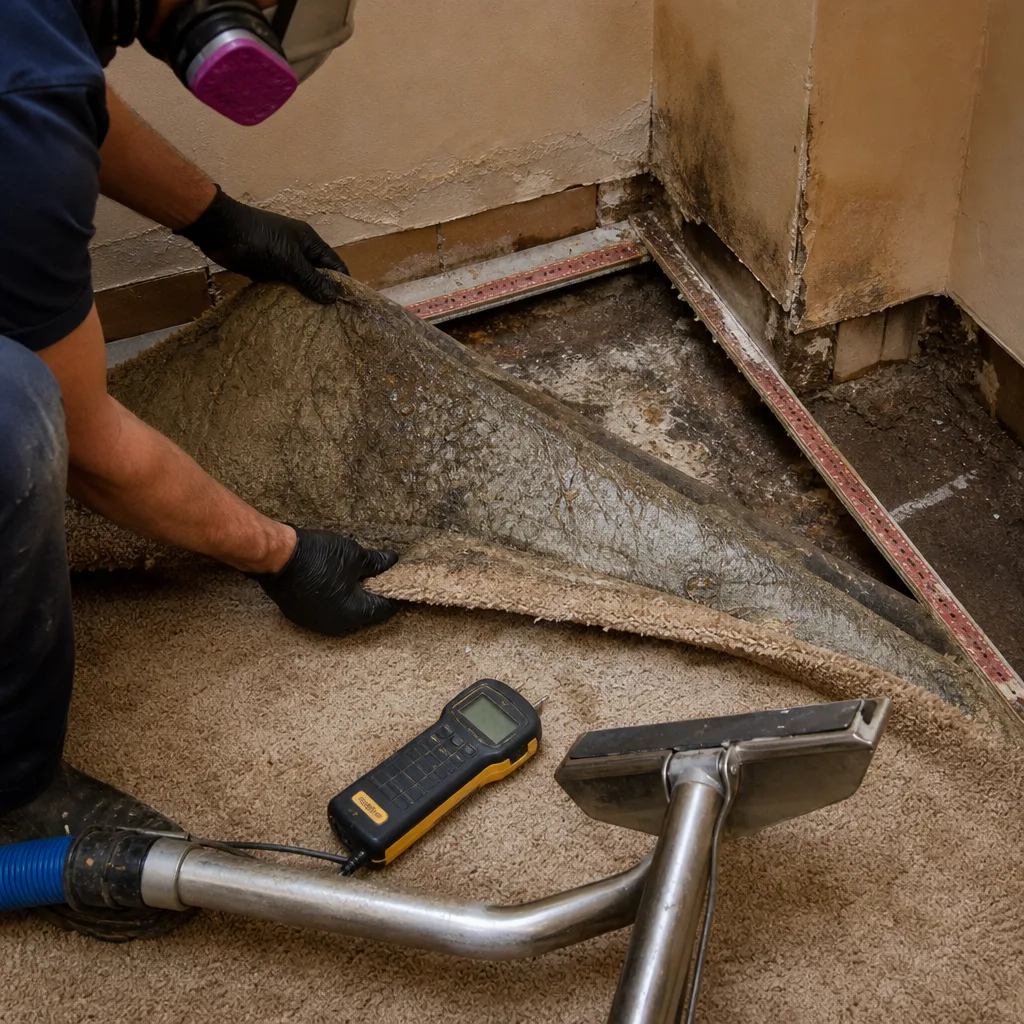
Structural Drying & Dehumidification
This is where Park Avenue jobs separate the professionals from everyone else. The thick masonry and lath-and-plaster walls in these pre-war towers hold moisture that ordinary meters miss, so we use low-frequency probes and daily logging to document drying to the standard, not to the surface reading. Dri-Eaz and Phoenix dehumidifiers run with daily readings, and the moisture log goes to you and your carrier. We do not pull equipment early and we do not declare a structure dry on a guess.
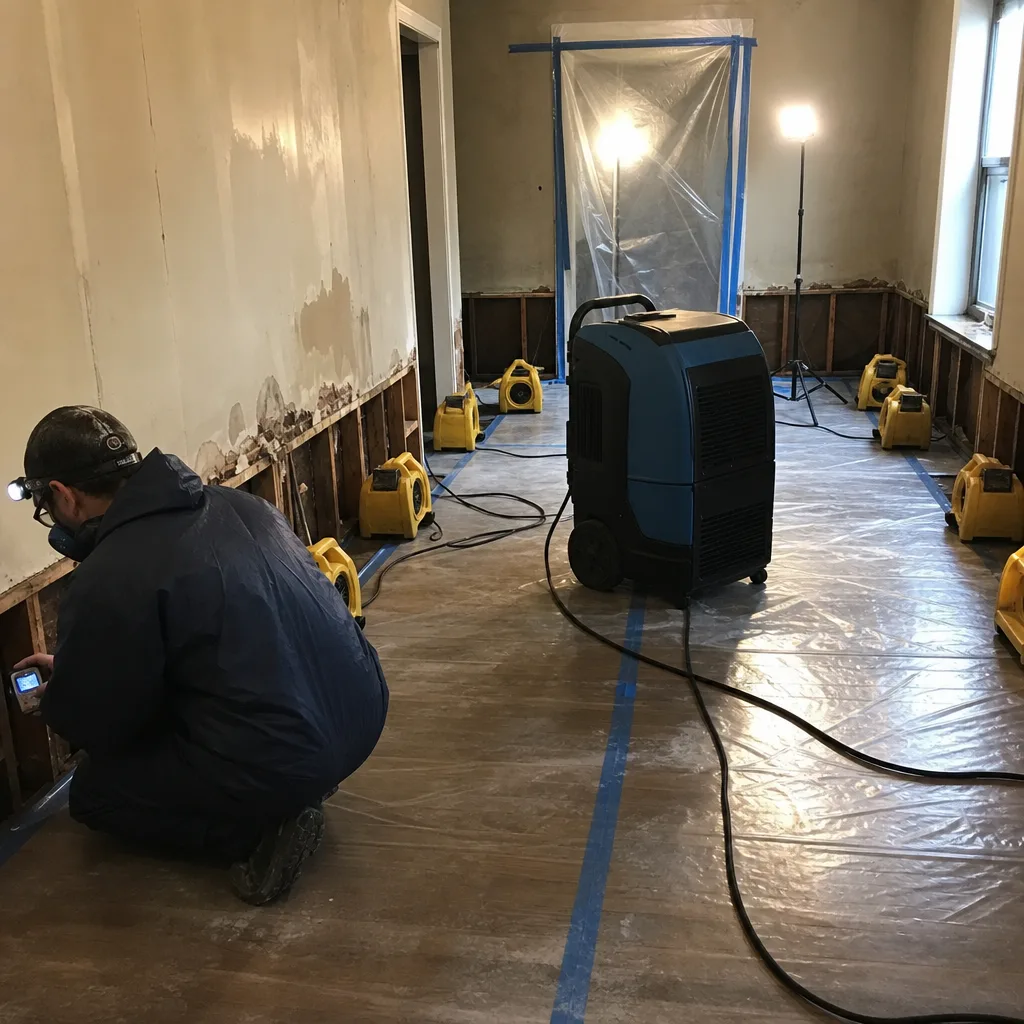
Flood Cleanup
Floodwater from a backed-up drain, an overwhelmed roof drain, or a storm-driven terrace failure carries contaminants that require more than a mop. We clean and sanitize all affected surfaces, treat wall cavities where water wicked upward, and verify the dry standard before any finish repair begins. For Category 3 water, containment and antimicrobial treatment are non-negotiable, and we document every step for your insurer.
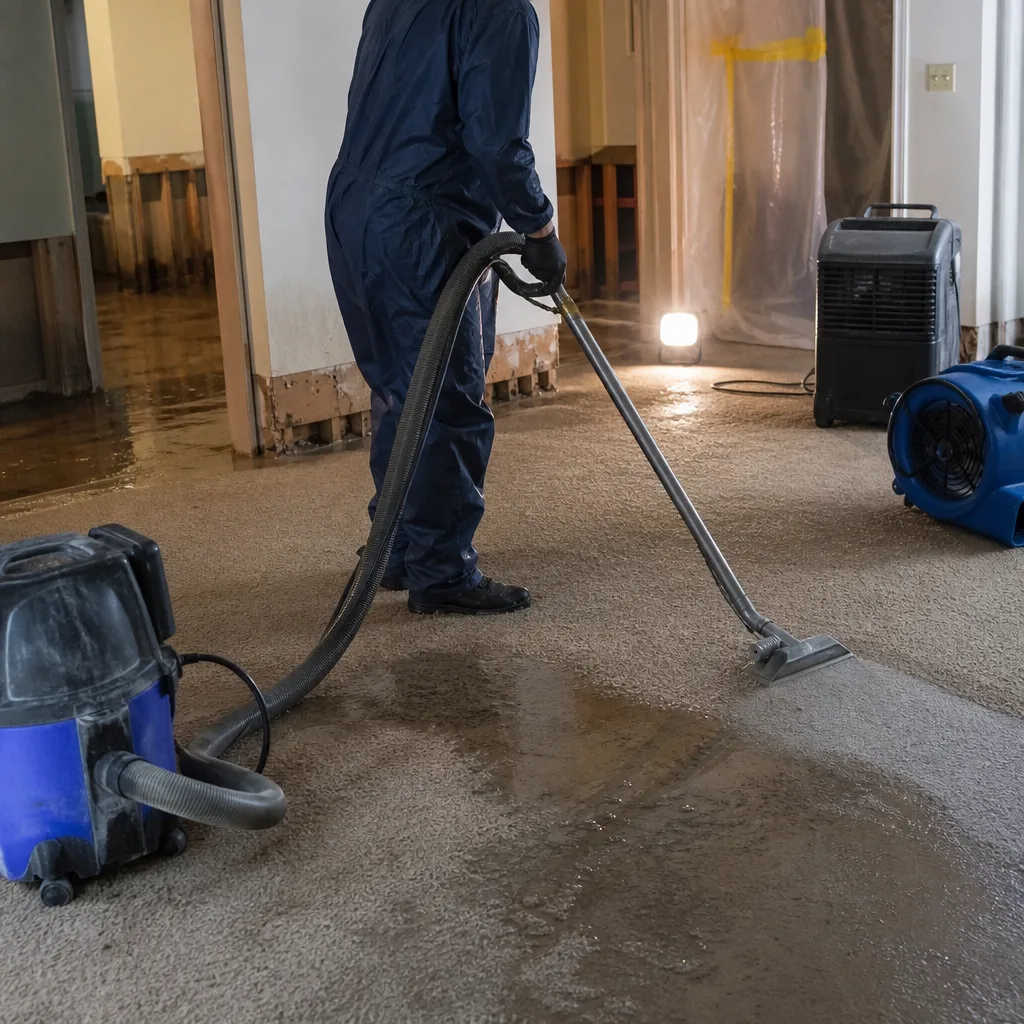
Burst Pipe Restoration
A frozen supply line in an exterior wall or a failed domestic water riser can drop hundreds of gallons into a Park Avenue unit in under an hour. We locate the source, stop the flow with the building’s plumbing crew, extract, dry, and restore the finishes. Because burst-pipe water is often Category 1 initially, speed of extraction decides whether it stays that way or becomes something worse inside the wall assembly.
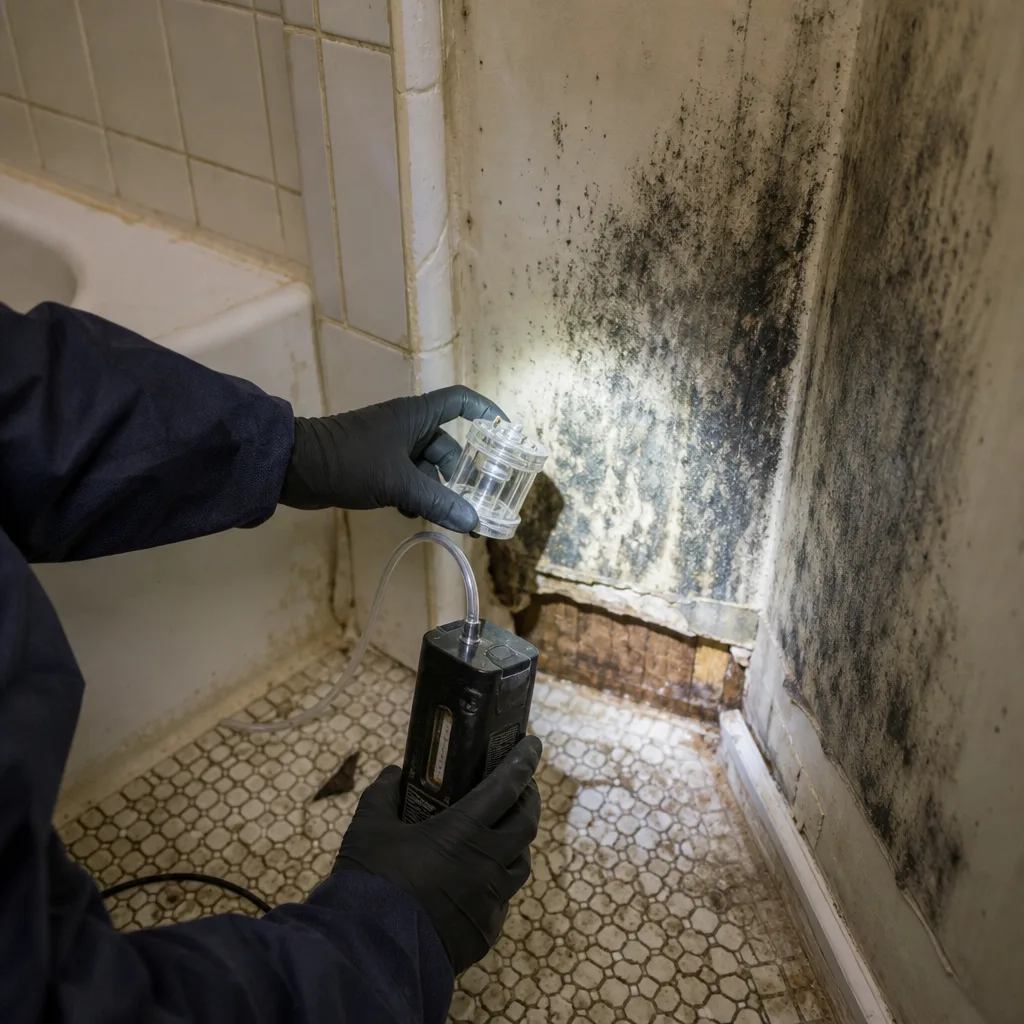
Basement Water Removal
Park Avenue townhouse basements and co-op storage rooms flood from groundwater seepage, failed sump pumps, and overloaded area drains during heavy storms. We pump, extract, dry, and sanitize, then we scope the repair work so the space is usable again. For co-op buildings, we coordinate access with the super and follow board rules for equipment staging and hours.
What happens when you call
- 1
A real person answersNo phone trees - you reach a local pro.
- 2
You get an upfront price rangeHonest numbers before anyone is dispatched.
- 3
A background-checked tech heads outLicensed & insured, dispatched right away.
- 4
You approve before work beginsNothing starts until you say go.
Water Damage Restoration Costs in Park Avenue, NY
Park Avenue pricing runs higher than the borough average because the building stock demands it. A straightforward Category 1 supply-line leak in a single bathroom typically runs $2,800-$4,600 for extraction, drying, and finish repair. A steam-riser failure affecting three to six units often lands between $18,000 and $45,000 per unit depending on the finishes involved, and marble floor drying with Injectidry mats alone can add $1,500-$3,200 per room. What moves the number is not the water; it is what the water touched. Hand-painted murals, book-matched marble, custom millwork, and antique parquet all require specialized handling that standard mitigation crews do not price correctly. Insurance covers most of these losses under unit-owner and co-op policies, and we bill carriers directly so you are not fronting the full amount. The fastest way to a firm number is a free visual inspection: we walk the loss, scope the drying plan, and hand you a written estimate before any work starts. Call (917) 924-4221 and a live dispatcher will set it up.
We Also Serve Cities Near Park Avenue
Our crews cover the full Park Avenue corridor and the surrounding neighborhoods, including Fairview, Harrison, East Bronx, and Hunts Point. When a loss hits a co-op or townhouse just off the avenue, we bring the same certified crews and the same written promise to the job.
Park Avenue Water Damage Restoration Questions, Answered
How do I get water damage restoration approved in a Park Avenue co-op?
Call us first, then call your managing agent. We coordinate directly with the board, the super, and the managing agent to secure service-elevator access and working windows. The key is speed: mold begins on saturated plaster in 24 to 48 hours, so approval delays cost real money. Call (917) 924-4221 and we will start the approval calls while our crew is en route.
Can you dry intact book-matched marble floors after a pipe burst?
Yes. We use Injectidry floor-drying mats on marble assemblies to pull moisture from the stone and the mortar bed beneath it without removing the finish. Thermal imaging guides placement, and daily readings confirm the assembly is drying through the stone rather than trapping moisture under it. This is standard practice on our Park Avenue jobs.
What happens when a steam riser leaks into multiple Park Avenue apartments?
The riser is co-op-owned, so restoration immediately involves the managing agent, board counsel, and every affected unit owner. We scope the full column, not just the first unit that called. Our team coordinates access, documents each unit, and bills the appropriate policies directly, so one coordinated statement of work serves the whole building.
Why does water damage spread silently between Park Avenue units?
The shared steam risers and drain stacks run inside partition walls that connect vertically through the building. A leak in the penthouse can travel down through wall cavities, subfloors, and chases before any unit shows visible staining. Low-frequency moisture probes find what the eye cannot, and that is why our drying plans in Park Avenue always map the full chase, not just the wet room.
Do Park Avenue pre-war buildings allow round-the-clock drying equipment?
Most do not. Many co-ops restrict work hours to weekday windows, typically 8 a.m. to 5 p.m., with limited or no weekend access. We size our drying systems for these constraints, which sometimes means larger or more efficient Dri-Eaz units that can pull more moisture in fewer working hours. We also coordinate with the managing agent to get variances for continuous drying when the loss is severe.
How fast can you get to a Park Avenue co-op for an emergency?
We commit to a 45-minute response to Park Avenue. Our live dispatcher takes your call at any hour, and the crew reaches your service entrance in uniform, ready to coordinate with the doorman or super. The sooner extraction starts, the less damage spreads and the lower the final bill. Call (917) 924-4221 now.
Will my co-op insurance cover water damage restoration in my Park Avenue unit?
In most cases, yes, but the division of coverage depends on the source. Water from the co-op-owned riser is typically the corporation’s policy, while damage to your unit’s finishes often falls under your unit-owner policy. We document the loss and bill both carriers directly, so you are not interpreting policy language at 2 a.m. We hand the same documentation to the managing agent.
What should I do in the first 30 minutes after discovering water damage in Park Avenue?
Shut off the water if you can reach the valve safely, move valuables out of the wet area, and call (917) 924-4221. Do not use household vacuums on water, do not open walls yourself, and do not wait for the managing agent to call you back. Start a paper trail with photos on your phone. Then let our crew take it from there.
Serving Park Avenue, NY - Our Local Coverage Area
We’re based in the Park Avenue area and know this community well. Use the map below to see our service coverage - if you’re nearby, we can almost certainly help.
Specialized Local Knowledge: Park Avenue’s Shared Riser Problem
Park Avenue’s pre-war co-op towers have one structural reality that no other street in Manhattan shares at this density: steam-heat risers run inside partition walls, owned by the corporation, carrying pressurized hot water through every unit in the column. When a union fitting or steam trap fails, the result is not a bathroom leak. It is three to six stacked apartments saturated within minutes, with units valued at $5 million to $50 million and finishes that cannot be replaced at any price from a catalog. The restoration is not a simple extraction job. It is a coordination exercise involving the managing agent, board counsel, multiple unit owners, and a drying plan that must work inside service-elevator windows and weekday-only access. At one Park Avenue limestone co-op, a failed steam trap sent pressurized hot water through three stacked units before detection. Our techs coordinated with the managing agent and board counsel to access service elevators during the approved weekday windows, then used thermal imaging and moisture mapping to trace saturation through lath-and-plaster walls. We deployed Dri-Eaz dehumidifiers and Injectidry floor-drying mats on book-matched marble and antique parquet, while pack-out teams stabilized hand-painted murals and custom millwork to pre-loss condition. That is not a job a national franchise crew can walk in and scope. It is a job you learn by doing it here, and we have done it here.
Written by Curt Bowman, Owner at Floodline Restoration Co. of Manhattan, serving Park Avenue with the 90-Day Done Right Promise on every job we take.