
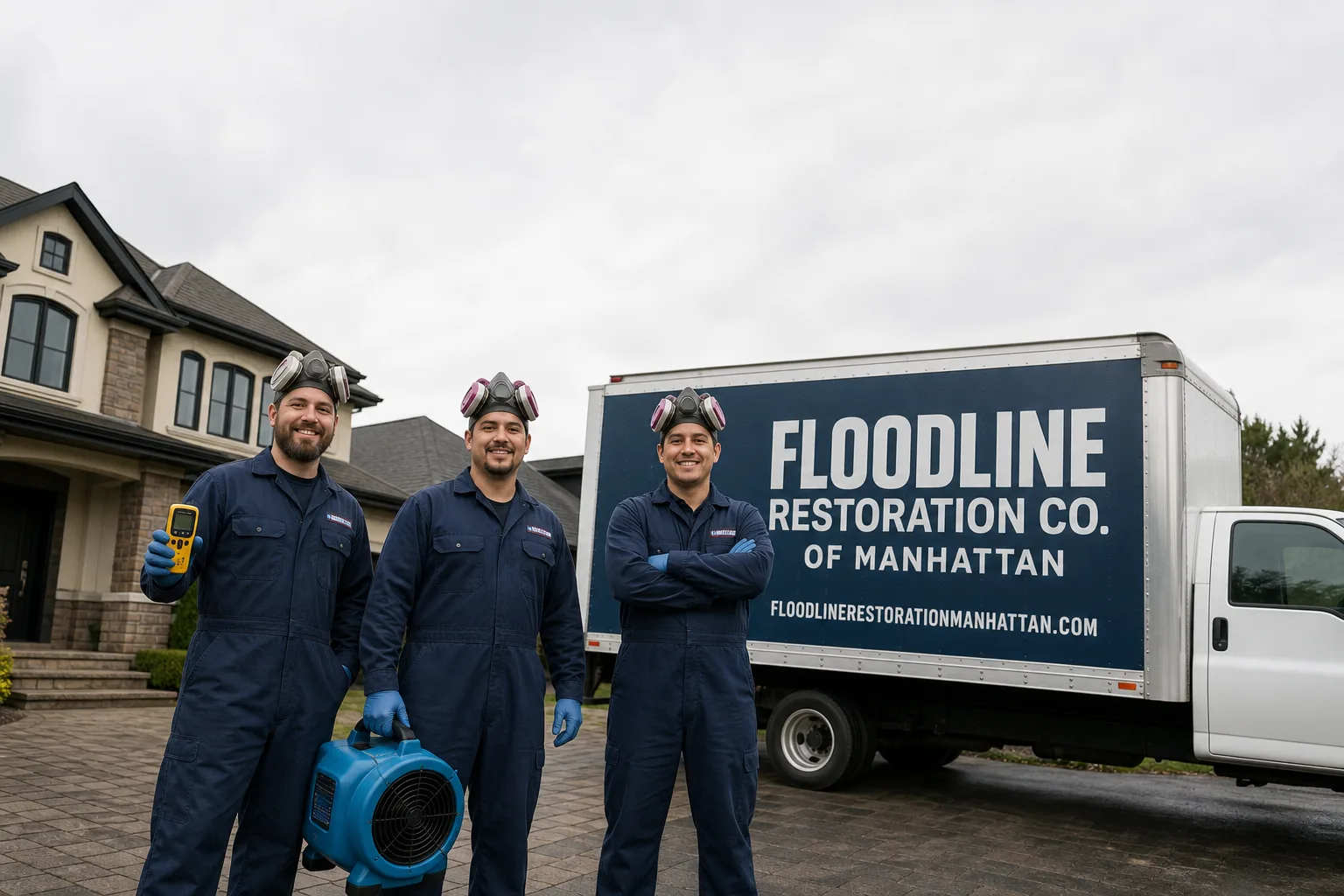
Free visual inspection and a written scope of work before any mitigation begins - photos, moisture readings, and drying logs go in your claim file
The scope we write is the scope we bill. Anything new gets shown to you, in writing, before we touch it.
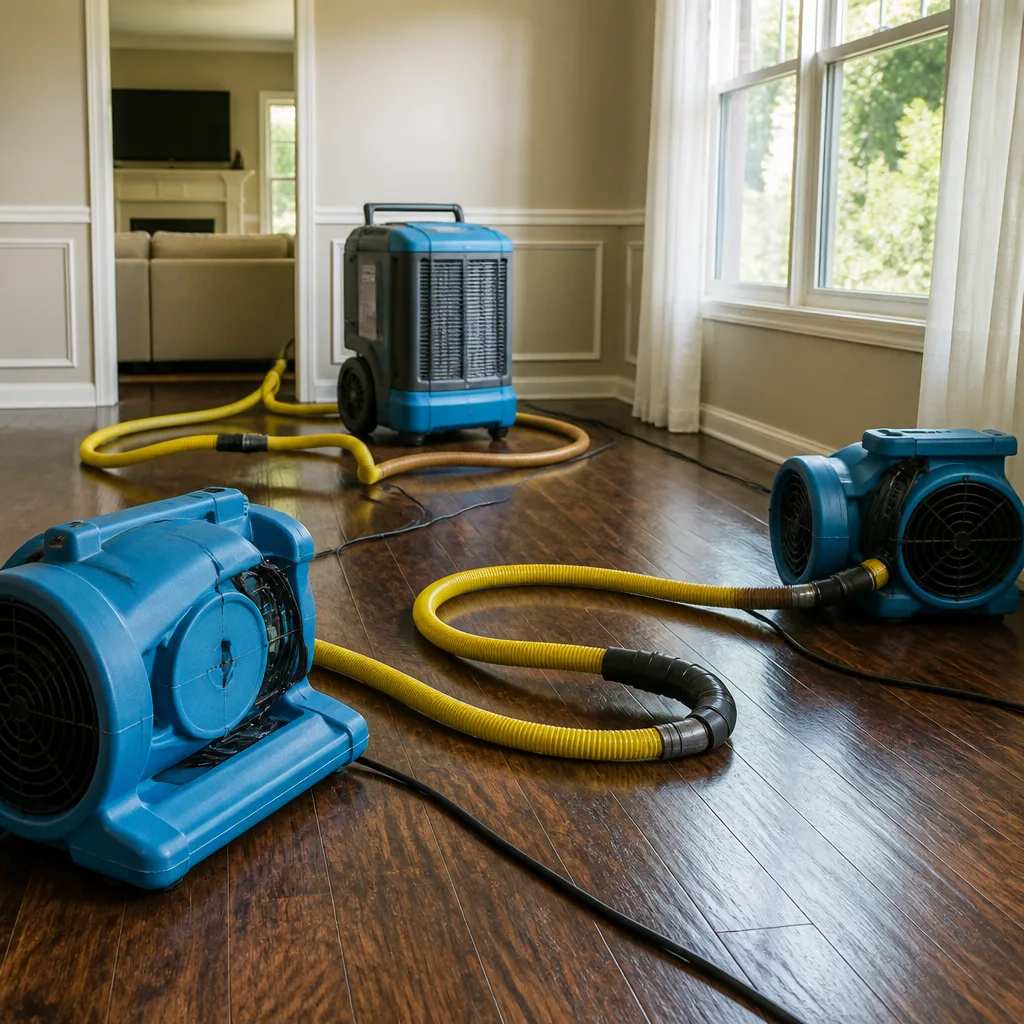
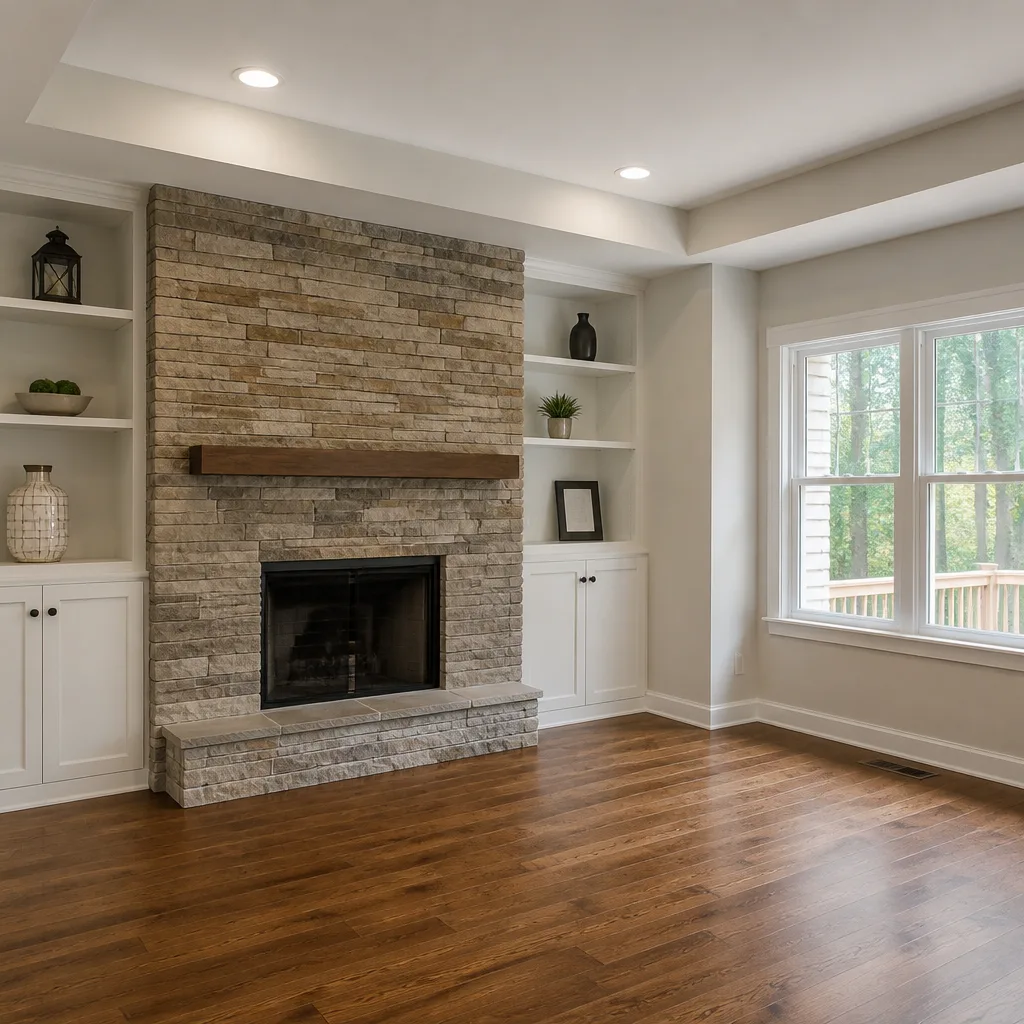
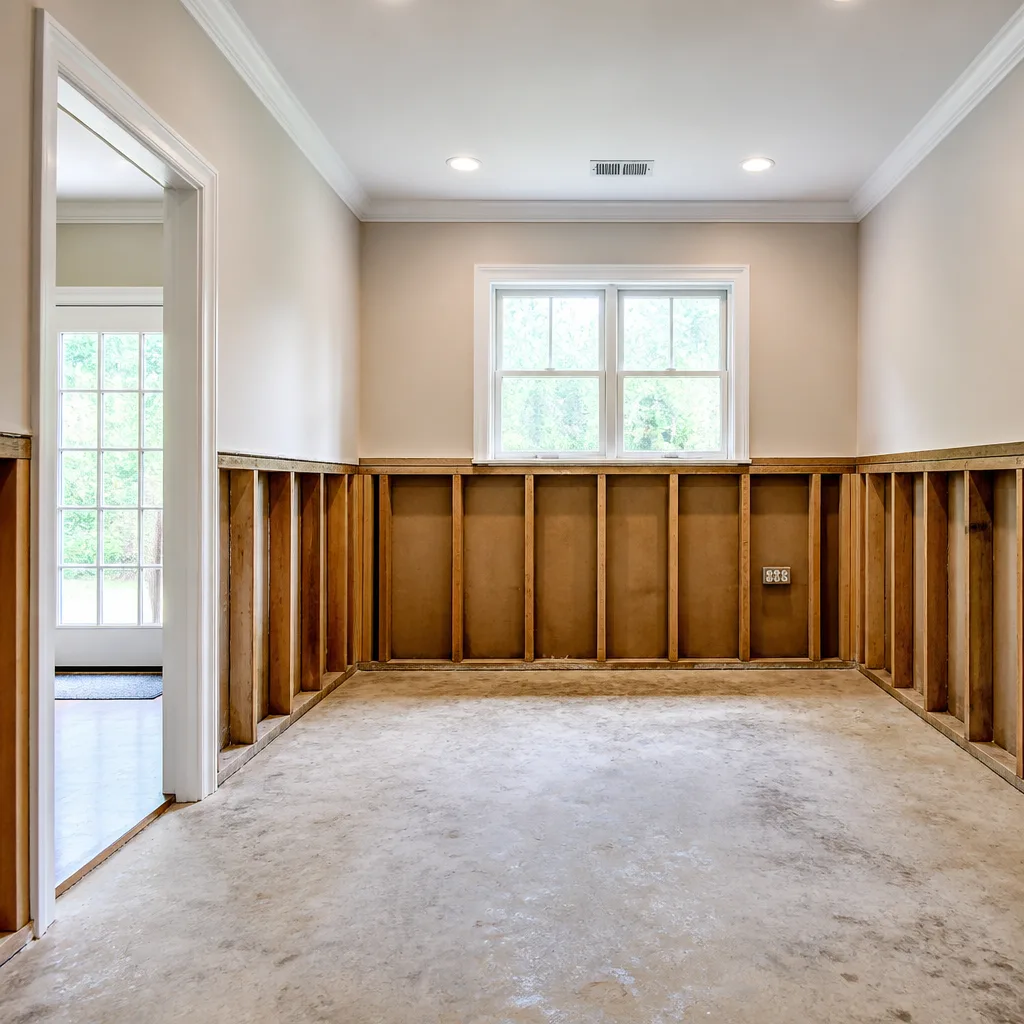

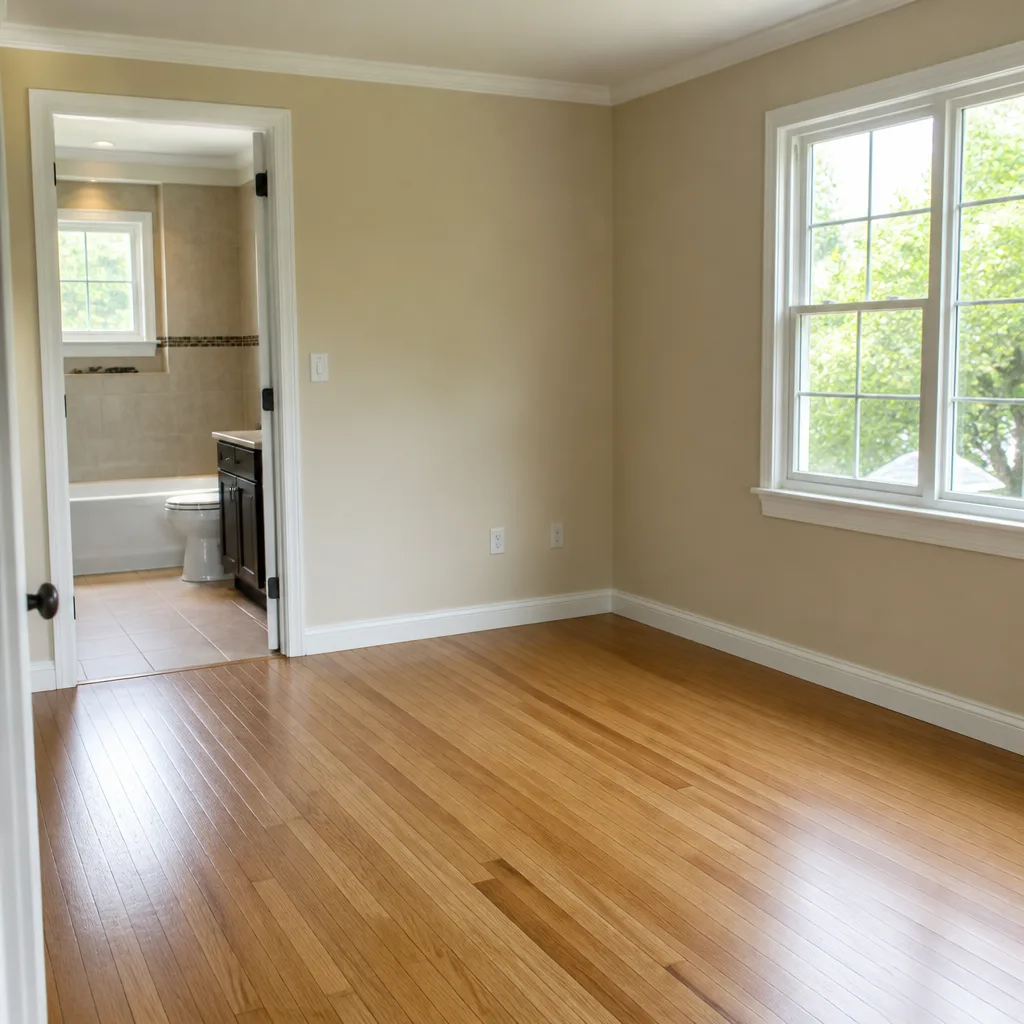
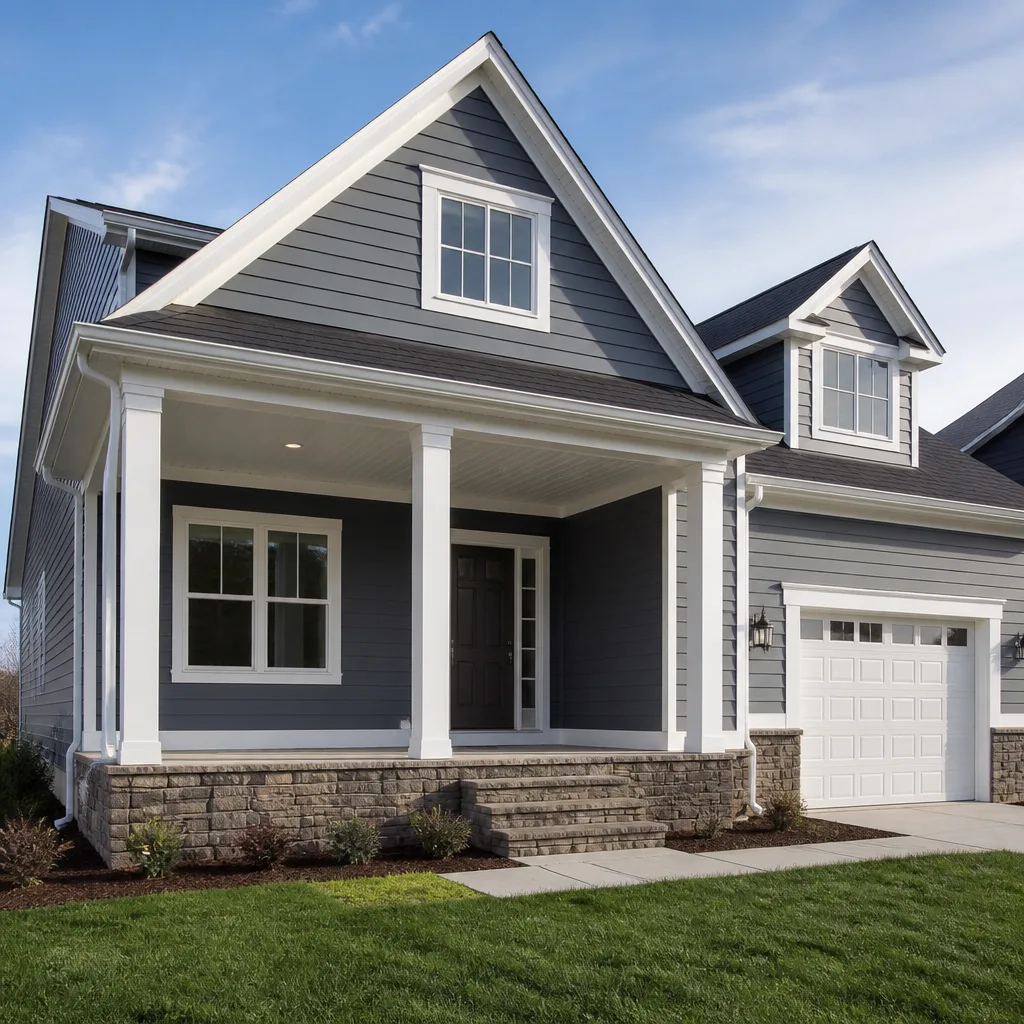
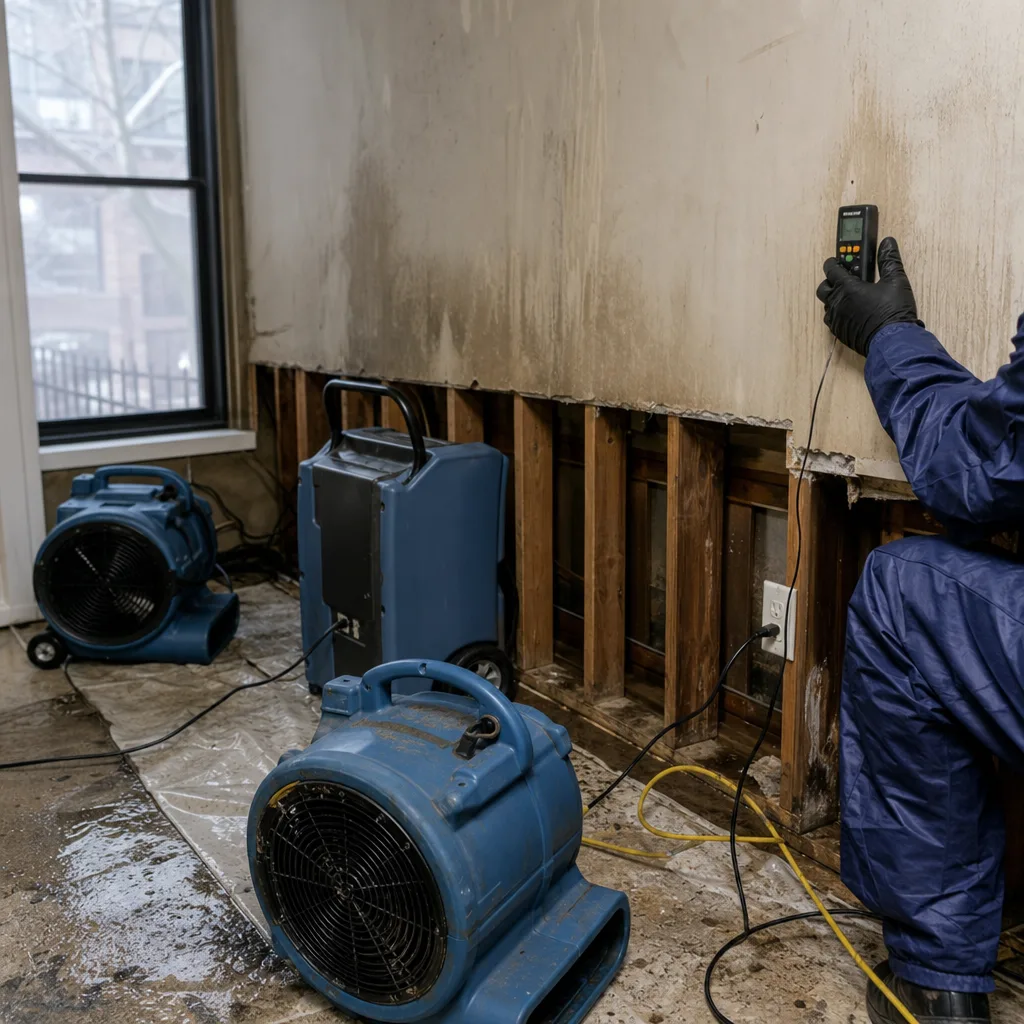 Before
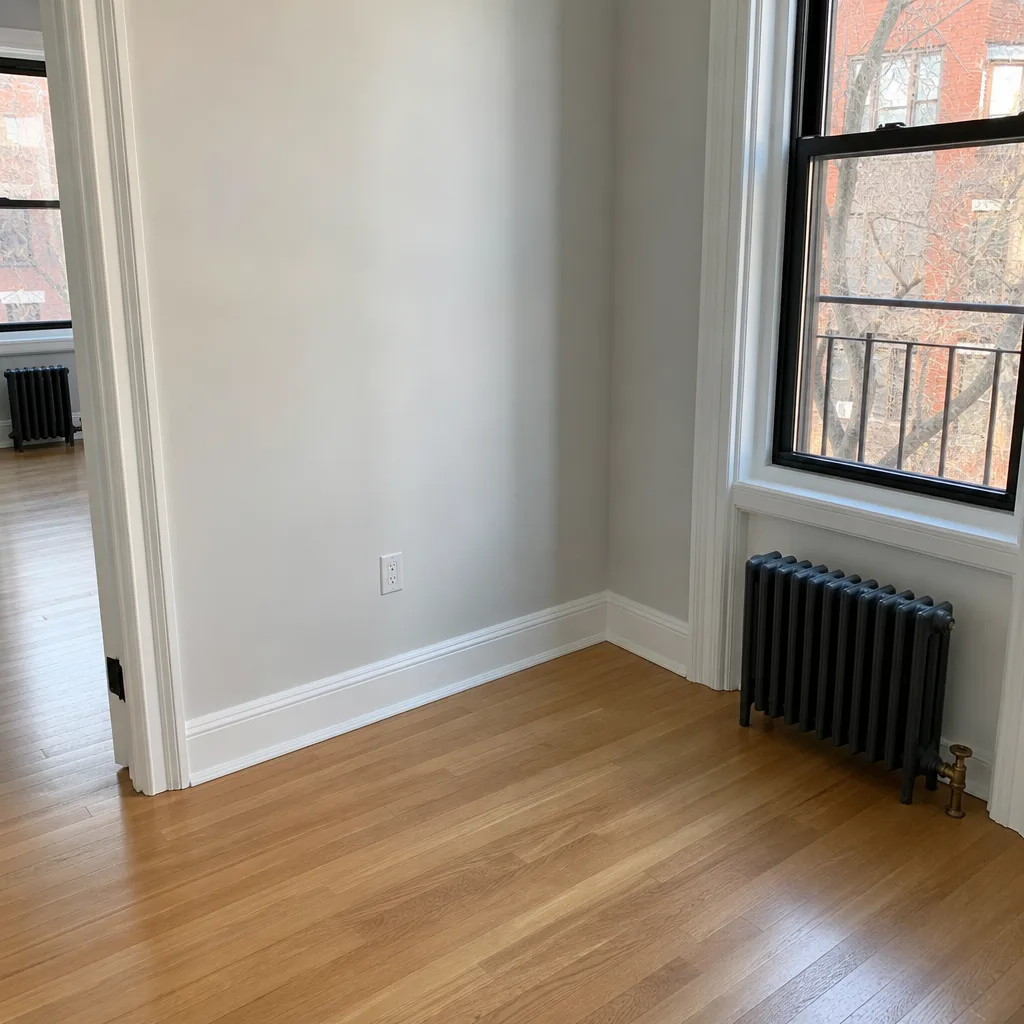 After
After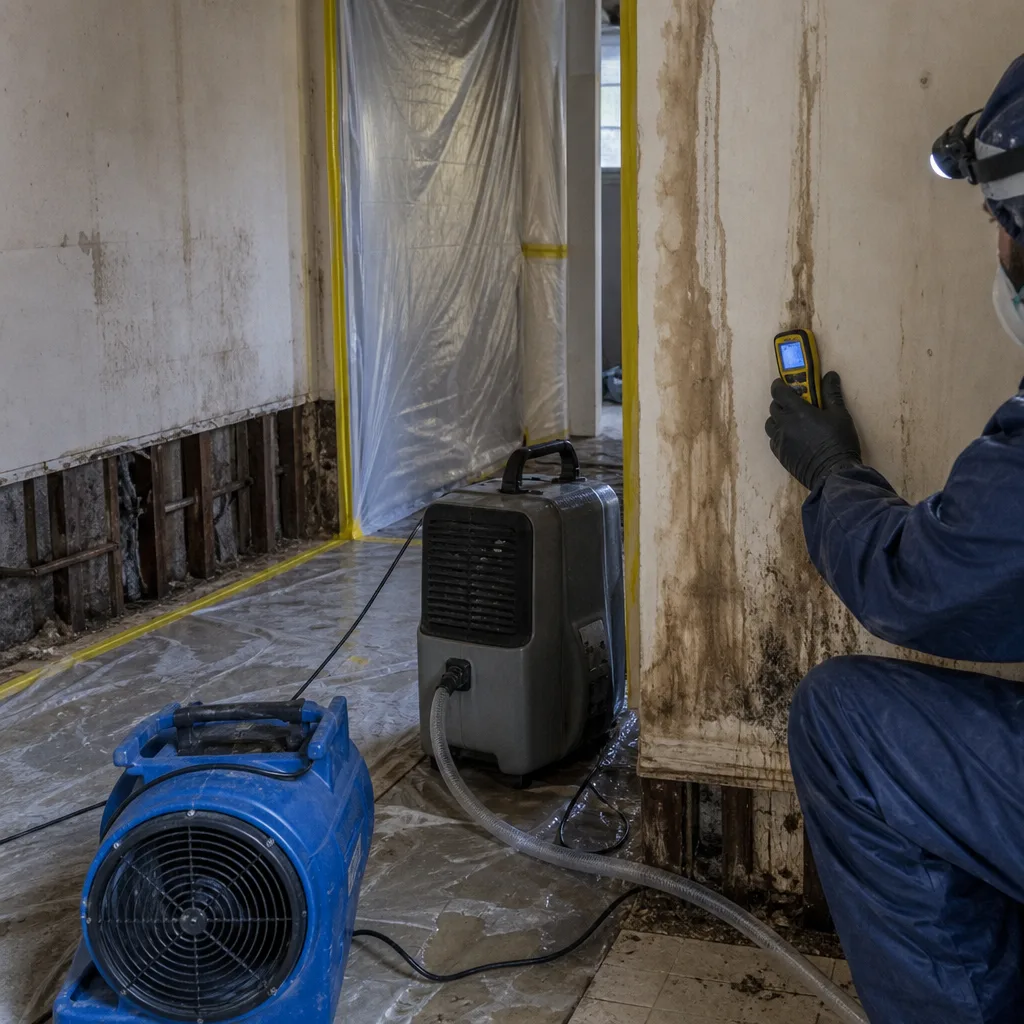 Before
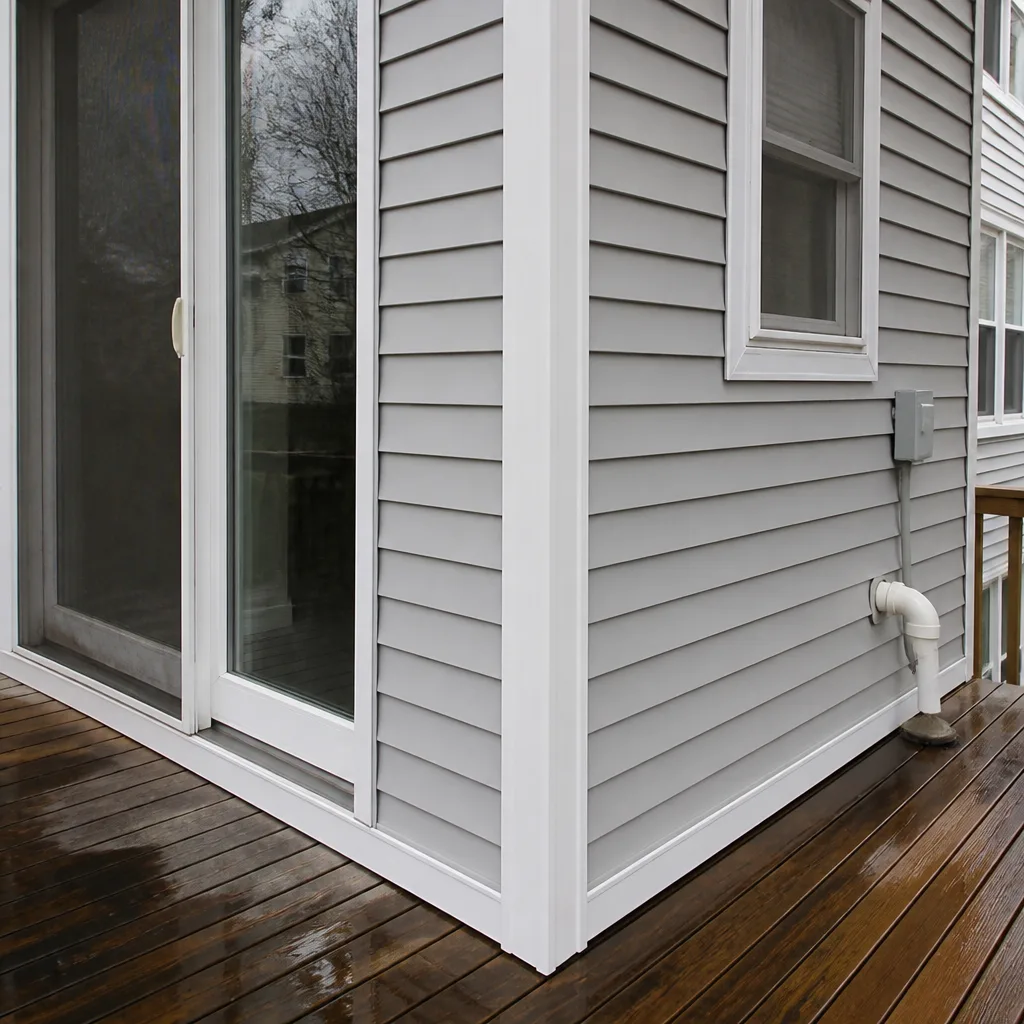 After
After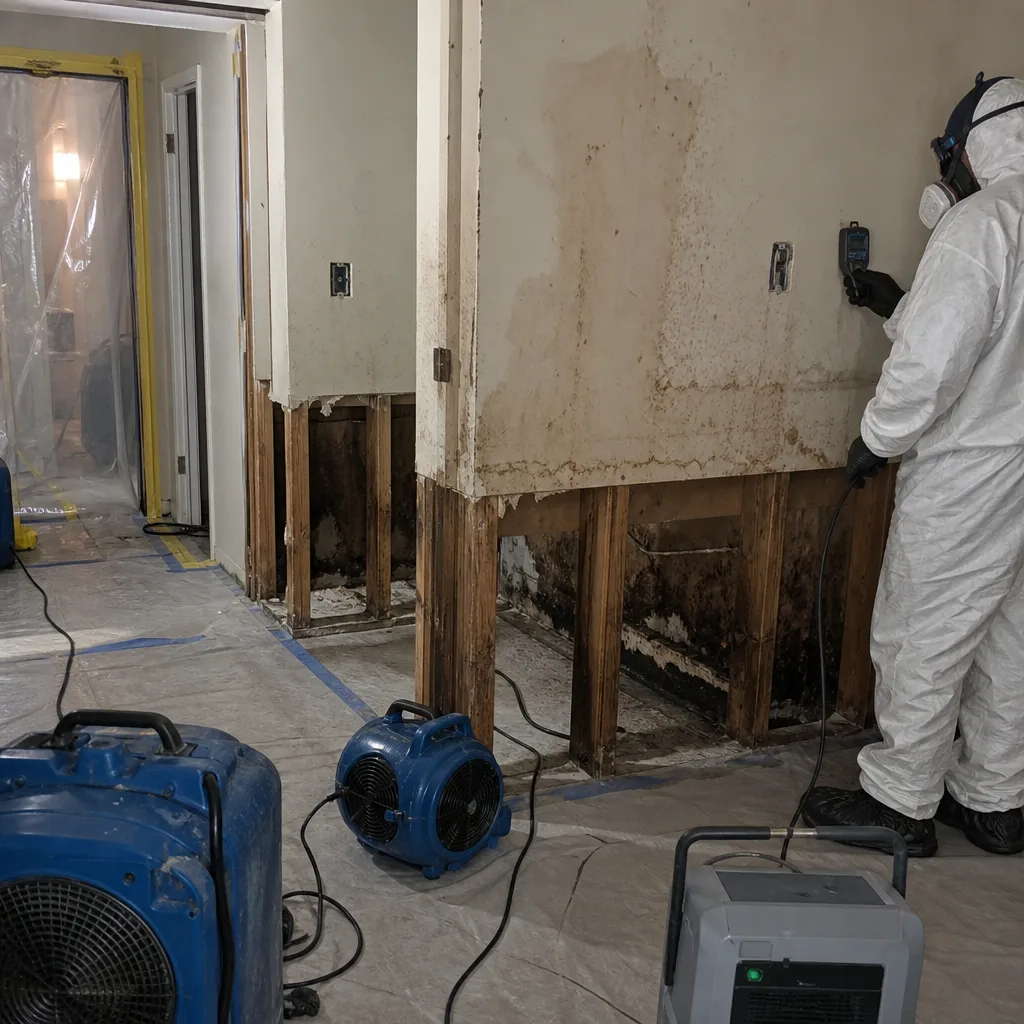 Before
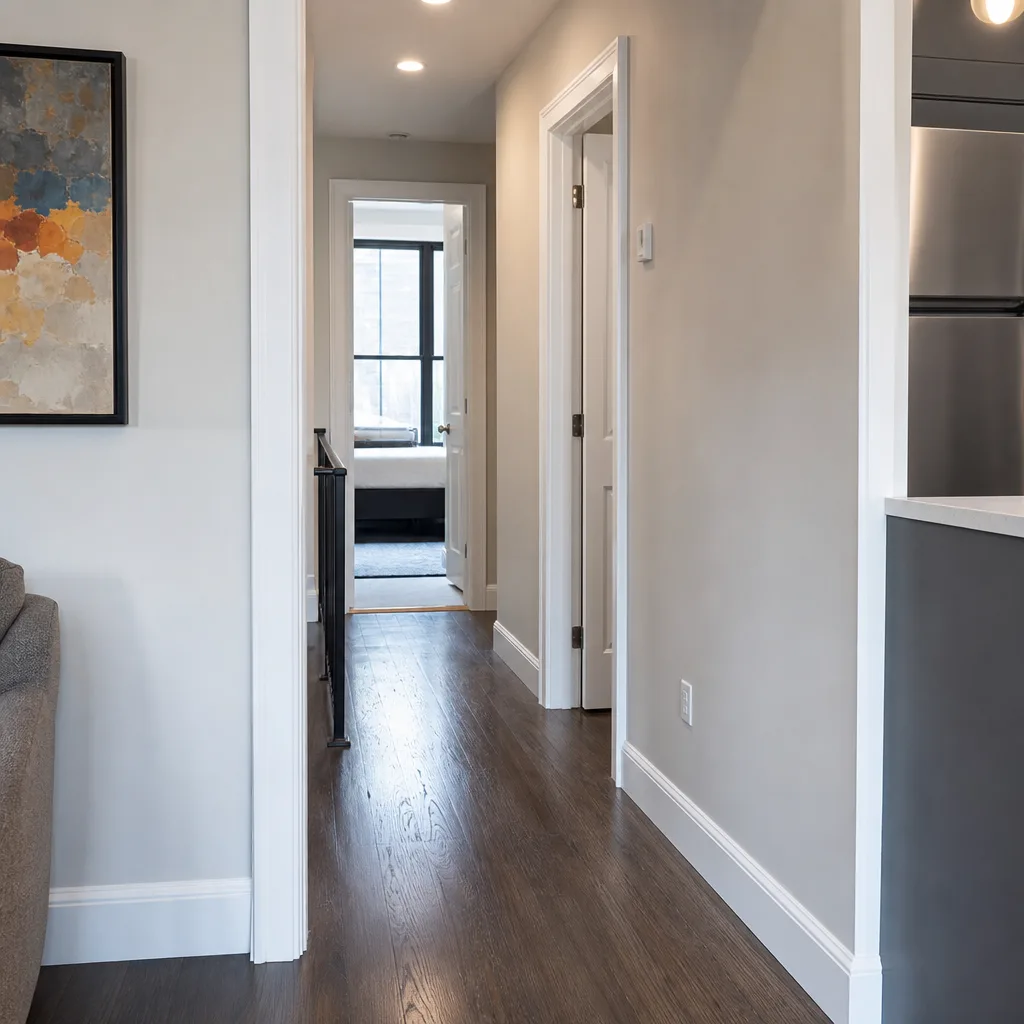 After
After24/7 Emergency Water Damage Restoration in Port Washington
Water damage restoration in Port Washington typically runs $2,800 to $7,500 for a standard basement or first-floor loss, and a crew can be at your door in about 45 minutes. We answer the phone live at (917) 924-4221, any hour, because water does not wait for business hours and neither do we. The first hour is when the real money is saved or lost: standing water wicks into drywall and baseboards, saturates hardwood, and reaches the framing. In Port Washington, where basements sit on sandy glacial till near the water table, that first hour matters twice as much.
Our crews run extraction the same visit we arrive. That is not a promise we make lightly. We know the peninsula means it: tide-driven surge does not drain the way a burst supply line does, and saltwater moves differently through 1920s plaster than through modern drywall. Call the moment you see water. We will walk you through the first thirty minutes over the phone, and a background-checked, uniformed technician will be dispatched from our New York City office to your Port Washington address while you are still on the line.
Understanding Water Damage Restoration Severity in Port Washington Properties
Water damage is classified by category, and Port Washington sees all three. Category 1 is clean water: a burst supply line, a failed water heater, an overflowing tub. Category 2 is gray water: washing machine discharge, sump pump overflow, water that has picked up detergents or soil. Category 3 is black water: Manhasset Bay surge, Hempstead Harbor backflow, sewage, and any storm-driven intrusion carrying marine sediment. Category 3 is the one we treat most carefully on this peninsula, because bay water is not just dirty. It is saline, contaminated, and corrosive.
Port Washington homes complicate the picture further. Many date to the 1920s through 1950s: original plaster over wood lath, balloon framing with open wall cavities, and basements that were never designed for modern moisture loads. Plaster absorbs water slowly but releases it even more slowly. Balloon framing allows water to travel vertically from a flooded basement into second-floor wall cavities within hours. We moisture-map every job with thermal imaging and probe meters, not just visual checks, because on Cow Neck the water you cannot see behind a finished wall is the water that will cost you a tear-out in six months.
Why Port Washington Property Owners Choose Floodline Restoration Co.
- A 45-minute response commitment. When you call (917) 924-4221, a live dispatcher confirms your Port Washington address and a crew is rolling within the hour, not the next day.
- 24/7 live answer, no recordings. At two in the morning you get a person. That person knows Port Washington’s streets and can talk you through immediate steps while the truck is on its way.
- IICRC-certified crews. Our technicians hold WRT and ASD certifications and train to RIA and IFA standards. Certification is not a wall plaque here. It is the reason we know when plaster can be saved and when it must come out.
- Free visual inspection. We never charge to show up, assess the loss, and give you a written scope. You will know what needs doing before any work begins.
- Direct insurance billing. We document from the first hour, bill your carrier directly, and handle adjuster communication so you are not the messenger.
- One team from extraction to reconstruction. The same crew that reads the moisture map on day one handles daily readings, hands you the drying log, and rebuilds what needs rebuilding. No mid-job handoff.
Our Water Damage Restoration Process
Inspection & Assessment
We arrive, walk the loss with you, and begin moisture mapping immediately. Thermal imaging cameras and penetrating meters find water inside walls, under flooring, and behind baseboards. We classify the water and give you a written scope before we touch a tool.
Extraction & Stabilization
Standing water comes out first. Truck-mounted and portable extraction units pull water from hard surfaces, and Injectidry mats pull saturated water from hardwood, subfloor, and wall cavities. We also shut down electrical hazards and stabilize any materials that can be saved.
Drying & Dehumidification
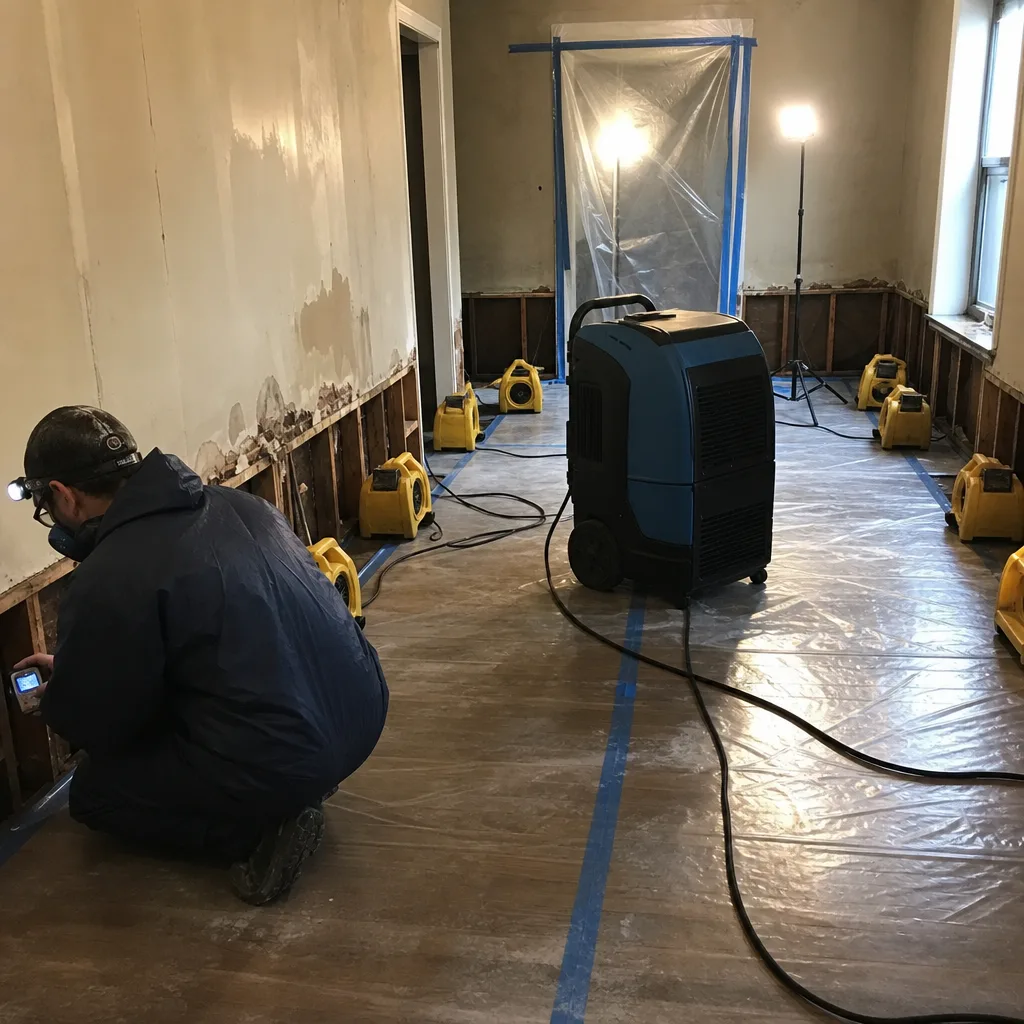
We set a drying goal based on the dry standard for the materials involved, then deploy Dri-Eaz desiccant dehumidifiers, Phoenix axial air movers, and XPOWER equipment sized to the cubic footage of the affected space. Daily readings are logged and given to you and your carrier until the goal is met.
Cleaning & Sanitization
Dried is not the same as safe. We apply antimicrobial treatments to porous surfaces that took on gray or black water, and HEPA air scrubbers run where mold spores or contaminated sediment are present. For saltwater intrusion, we apply corrosion-inhibiting treatments to fasteners, junction boxes, and HVAC components.
Specialty Treatment for Saltwater Damage
Port Washington storms push salinity into materials that freshwater losses never touch. We treat brine-impacted surfaces with corrosion control protocols before surfaces are closed up. Skipping this step is exactly why some post-Sandy homes in Manorhaven smell musty again after the next nor’easter.
Repairs & Restoration
When dry readings hold and treatment is complete, we rebuild: drywall, trim, flooring, paint, and any structural work. Because Floodline handles reconstruction in-house, the crew closing your walls is the same one that opened them. You get one accountable name, one written guarantee.
Need Emergency Water Damage Restoration in Port Washington Now?
Crews minutes away, answering live 24 hours a day. The sooner we start, the less it costs.
Working With Your Insurance Company
Most Port Washington homeowners never planned to become their own claims adjuster, and we do not think they should. From the first hour on site, we photograph every affected room, document moisture readings with dated logs, and write a line-item scope using the same estimating standards your carrier recognizes. We bill your insurer directly and coordinate with the adjuster on the technical details: why a Category 3 classification changes the scope, why the plaster wall needs to come out rather than dry in place, why the drying clock ran twelve days instead of seven. You stay involved, but you do not get stuck relaying messages. That is the square deal we have run on since Curt Bowman started this company in 2010.
What We Provide Your Insurer
- Thorough documentation of the loss
- Photos of all damage, room by room
- Moisture readings and drying logs
- A detailed, line-item scope of work
- Direct coordination with your carrier
Built for Port Washington’s Loss Calendar
Port Washington does not have one flood season. It has five. January deep freezes split copper supply lines in uninsulated 1920s kitchens and in the crawl spaces of older Colonials near the water. March thaws on sandy glacial till push groundwater up through slab cracks and into the full basements of post-WWII homes, especially south of Main Street toward the bay. July thunderstorm flash floods overwhelm storm drains on low-lying streets like those running down to Manorhaven, and twenty minutes of torrential rain is enough to send an inch of water through a basement door. September and October bring nor’easters that push Manhasset Bay over its banks, and when the wind shifts, Hempstead Harbor comes up the other side. That dual-direction surge is the Port Washington signature loss, and it is why a contractor from an inland Nassau County town often misreads what he is looking at.
December through March adds a quieter threat: salt air. Year-round marine exposure works on exterior penetrations, roof flashing, and siding fasteners even when no storm ever makes the news. The result is recurring water-intrusion calls in mild seasons, and we get them. When we inspect a home in Port Washington, we look at what the salt air has been doing to the envelope, not just what the last storm did to the basement.
Water Damage Restoration Across Port Washington’s Neighborhoods
Manorhaven sits lowest and closest to Manhasset Bay, and its losses run to surge-driven Category 3 water that leaves salt crystals inside wall cavities and under vinyl plank flooring. Our crews respond to Manorhaven more than any other part of the peninsula during nor’easter season, and we know the side streets well enough to route around flooded intersections. Port Washington Estates and the older sections off Port Washington Boulevard have the deepest inventory of 1920s and 1930s homes with original plaster and balloon framing; in those houses, a second-floor ceiling stain often traces to a first-floor wall cavity that has been wet for weeks. The homes along Shore Road and Beacon Hill face the sound of wind-driven rain during coastal storms, and we see more roof-driven water intrusion there than basement flooding. Up toward Salem and the newer mid-century blocks, burst supply lines and water heater failures are the steady baseline of winter calls. None of these are generic losses. Each neighborhood has a pattern, and our crews read it.
Specialized Water Damage Restoration Services We Offer in Port Washington
Emergency Water Extraction
Standing water is removed the same visit, every time. In a Port Washington basement on glacial till, water that sits for twenty-four hours has already begun moving into the footing and up the wall assembly. We extract, then map, then dry. The phone is answered by a person at (917) 924-4221, and the truck is loaded before the call ends.
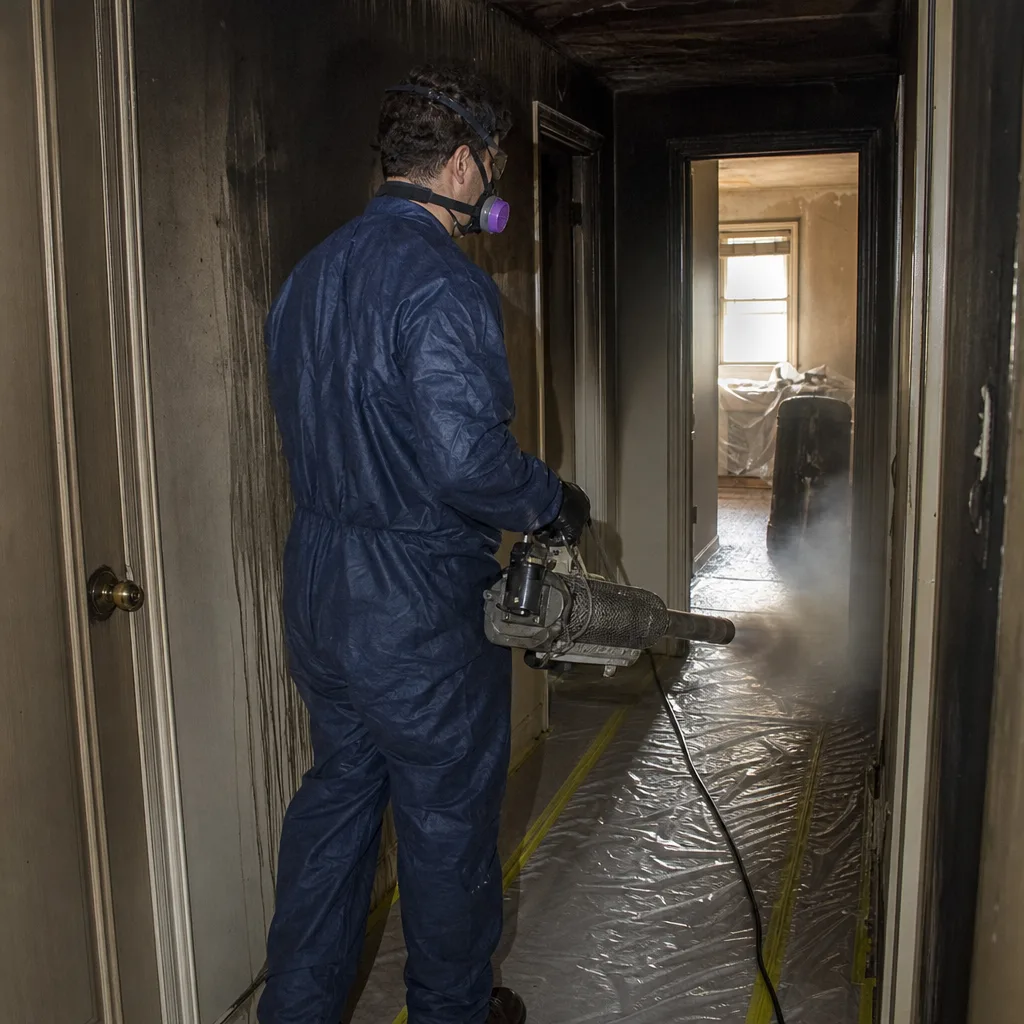
Flood Cleanup
When Manhasset Bay or Hempstead Harbor comes into your house, you are not dealing with freshwater. Contaminated sediment leaves a brine line on the wall: that line is where we start. We treat floodwater as Category 3 by default, which means removal of saturated porous materials, antimicrobial application, and corrosion control on anything that stays.
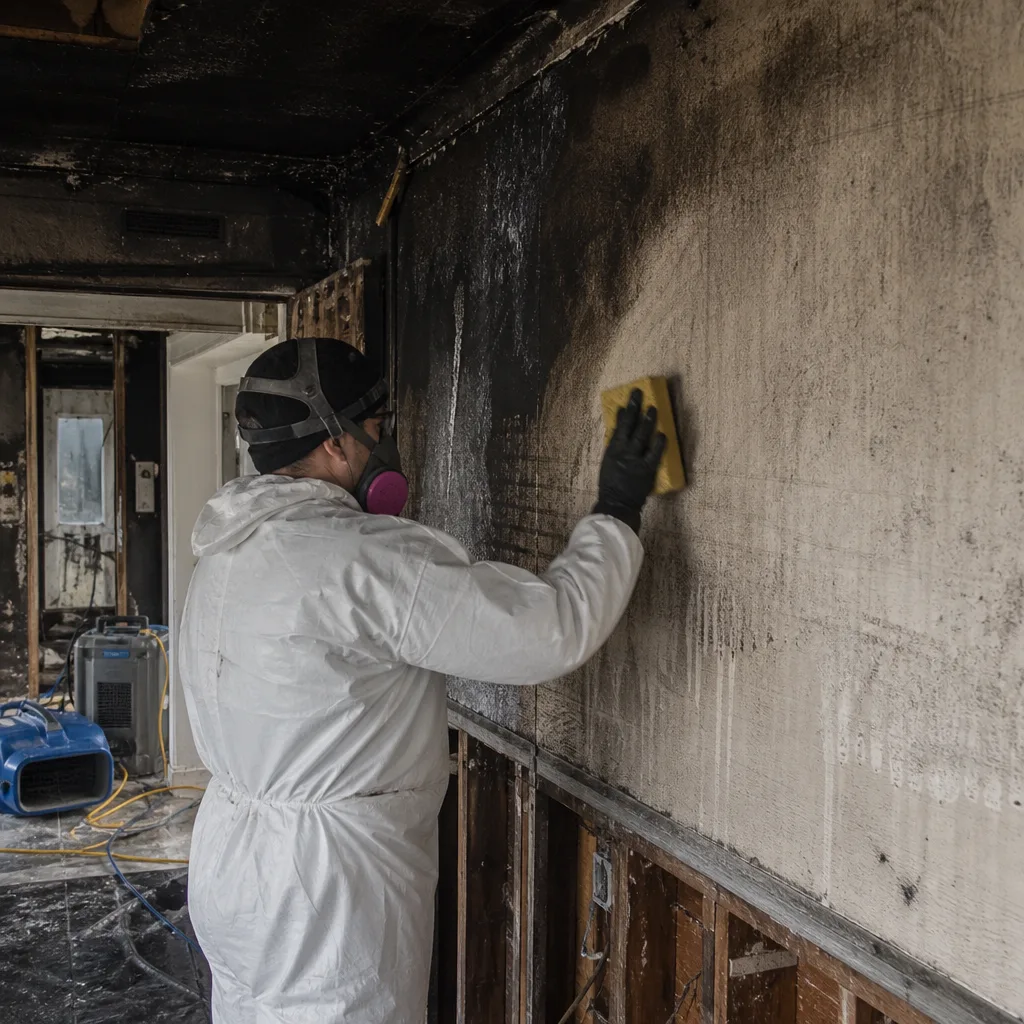
Structural Drying & Dehumidification
Port Washington plaster walls do not dry on a schedule that pleases anyone. We set a dry standard based on the materials, not the clock. Dri-Eaz desiccant dehumidifiers handle the high-grain moisture load of a flooded basement, while Phoenix air movers force air through the cavities Injectidry has opened. Daily readings and a written log go to you and your adjuster until the numbers hold.
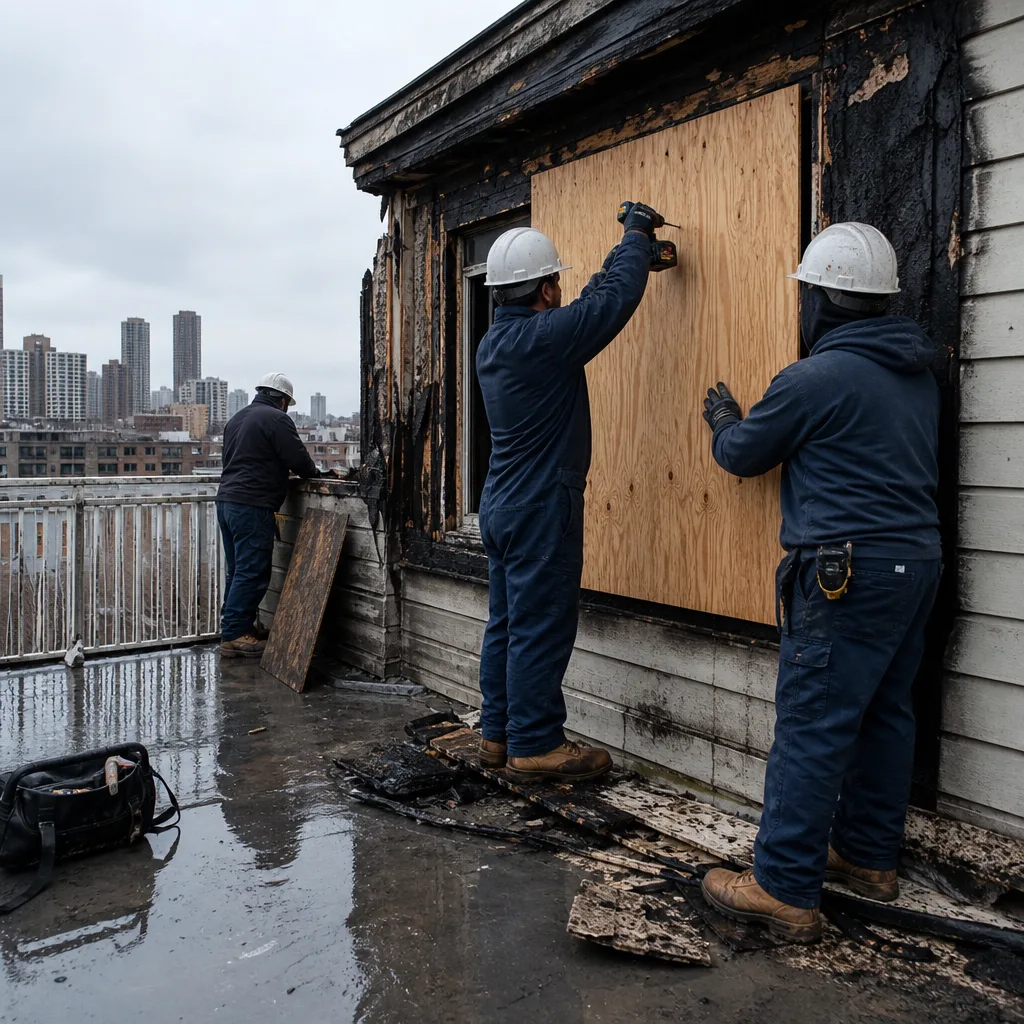
Burst Pipe Restoration
January freezes along Shore Road and the older streets near the water are a reliable source of split copper and cracked sweated joints. The water itself is usually clean, but the volume can be shocking. We handle extraction, drying, and the full rebuild, including the plumbing repair, so you are not coordinating three contractors after a Christmas-morning blowout.
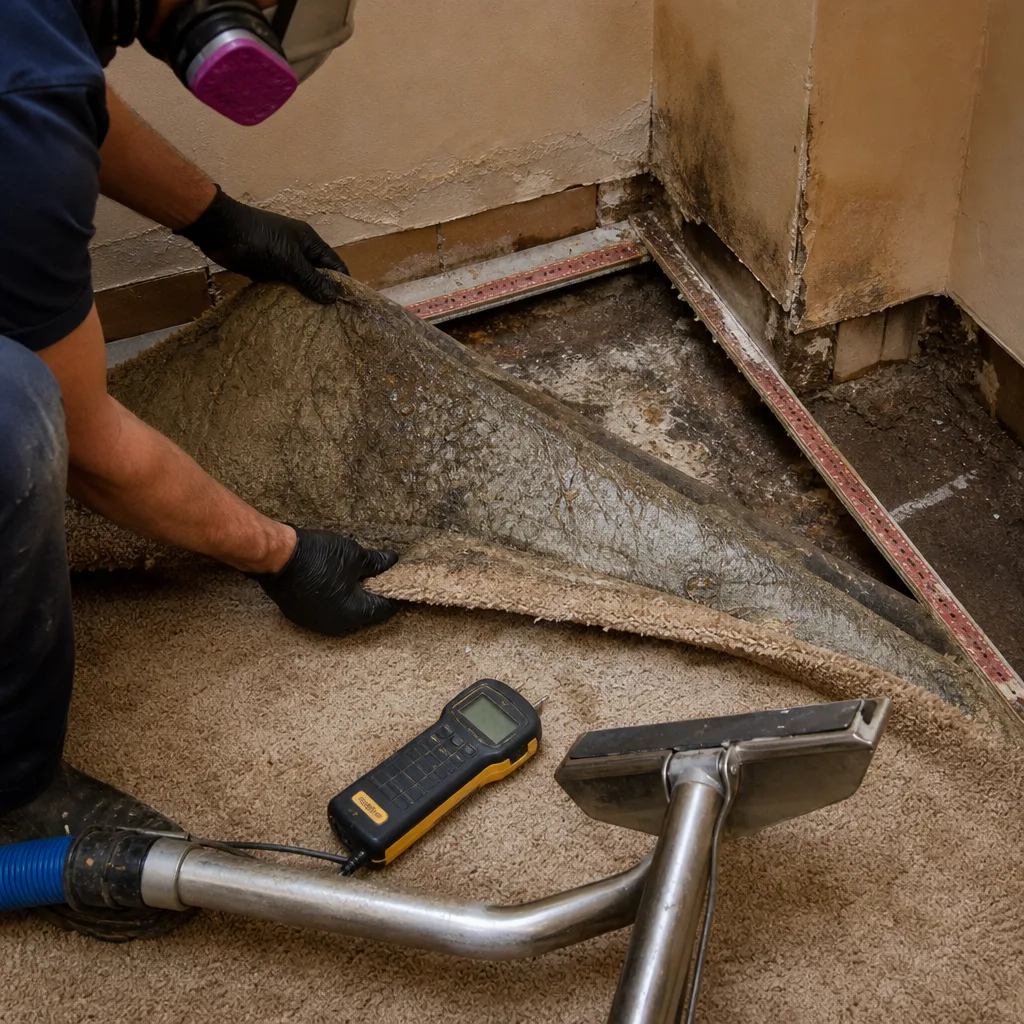
Basement Water Removal
Finished basements in Port Washington are a special case. Groundwater on sandy till pushes up from below, while storm surge pushes in from above, and doing one without planning for the other leaves you damp again. We remove the water, dry the assembly, and advise honestly on what should come out versus what can be saved.
What happens when you call
- 1
A real person answersNo phone trees - you reach a local pro.
- 2
You get an upfront price rangeHonest numbers before anyone is dispatched.
- 3
A background-checked tech heads outLicensed & insured, dispatched right away.
- 4
You approve before work beginsNothing starts until you say go.
Water Damage Restoration Costs in Port Washington, NY
A smaller, contained loss like a burst supply line in a single room typically runs $1,800 to $3,200 in Port Washington. A finished basement flood from a failed sump pump or groundwater intrusion commonly lands between $3,500 and $6,500. A full Category 3 bay surge where drywall, insulation, and flooring all come out runs $7,000 to $15,000 or more, depending on square footage and finish level. Those numbers are honest market ranges, not lowball teasers. What moves the price is rarely labor; it is what has to be removed versus what can reasonably be dried, and whether corrosion control and antimicrobial work are needed. The free visual inspection settles the argument with a written scope before you spend a dollar.
Most water damage in Port Washington is a covered peril under a standard homeowners policy, but coverage depends on the source. Sudden and accidental discharge from plumbing, a failed appliance, or storm-driven water is generally covered. Long-term seepage or deferred maintenance is not. Groundwater entering through a cracked slab is often excluded unless you carry a specific endorsement. This is exactly why our documentation starts at hour one and why we bill your carrier directly, with the drying log and photos backing every line item.
Call (917) 924-4221 for an exact quote. Estimates are free, and the senior and veteran 5% discount always applies.
We Also Serve Cities Near Port Washington
Floodline runs crews throughout the North Shore. We serve Water Damage Restoration needs in Sea Cliff, Manhasset, Glen Cove, and Great Neck, along with the rest of the Cow Neck peninsula. The same live phone, the same 90-Day Done Right Promise, and the same local crews apply across the whole service area. If you are in any of these towns and water is rising, call us. We answer.
Serving Port Washington, NY - Our Local Coverage Area
We’re based in the Port Washington area and know this community well. Use the map below to see our service coverage - if you’re nearby, we can almost certainly help.
Port Washington Water Damage Restoration Questions, Answered
What makes saltwater damage in Port Washington different from freshwater flooding in Manhasset?
Saltwater is chemically different from freshwater: brine corrodes fasteners, wiring, junction boxes, and HVAC components aggressively, and it leaves salt crystals behind that continue attracting moisture after the visible water is gone. In Port Washington, surge from Manhasset Bay and Hempstead Harbor carries that brine into basements from two directions, which is a failure pattern inland towns like Manhasset rarely see. Proper saltwater restoration requires corrosion-inhibiting treatments and removal of contaminated porous materials, not just drying. Call (917) 924-4221 and we will explain what your specific loss needs.
How do we handle a basement that was remediated after Hurricane Sandy but still smells musty in Manorhaven?
A musty smell years after Sandy means the original remediation was incomplete: porous materials were likely dried in place instead of removed, and residual salt and mold spores reactivate with each new moisture event. We open the affected cavities, remove the contaminated material, treat the framing, and run drying until readings hold against the dry standard. Then we rebuild. This is a recognizable local pattern in Manorhaven, and we have a specific protocol for second-remediation jobs. A free inspection will tell you whether the smell is cosmetic or structural.
Can old plaster walls in a 1930s Gold Coast home be saved after category 3 bay water intrusion?
Sometimes, and sometimes not. Original plaster can often be saved if the water was caught early, the cavity behind it is opened and treated, and drying is run long enough. But category 3 water that saturated the plaster and lath for days usually means removal. The deciding factor is what the moisture readings show after extraction and what is growing behind the surface. We will show you the numbers and make the call honestly. Call (917) 924-4221 for a free assessment.
Why are drying times longer in Port Washington basements on glacial till?
Glacial till drains slowly and holds water near the foundation, which keeps the slab and lower wall assembly saturated long after extraction. Add in original plaster and the dim, humid conditions of an older basement, and drying that might take four days in a modern inland home can take ten. We size the drying equipment to the actual conditions and log daily readings until the dry standard is met, not until the calendar says we are done.
Does salt air from Manhasset Bay cause recurring water damage even without storms?
Yes. Salt air works on roofing fasteners, flashing, siding, and exterior penetrations year-round. Over a decade or two, the small failures add up: a rotted window sill, a failed roof boot, a corroded chimney flashing. These become drip leaks that damage ceilings and walls during ordinary rain. When we inspect water damage in Port Washington, we look at the whole envelope, because the bay is always working on it whether or not a storm made the news.
How fast can someone actually get here?
We commit to a 45-minute response time anywhere in Port Washington. A live dispatcher answers (917) 924-4221, confirms your address, and a crew is rolling while you are still on the phone. Extraction starts the same visit. The sooner water is moving in the other direction, the less it costs to put your house back together.
Do I really need full remediation, or just a cleaning?
For clean Category 1 water caught quickly, full remediation is often overkill and a good drying setup plus cleaning is enough. For Category 3 bay water or any water that has sat for a day or more, a cleaning is not enough, and sealing up walls without treating what is behind them is how you get the musty Manorhaven basement problem. Our free inspection gives you the honest answer with a written scope, not a sales pitch.
What should I do in the first 30 minutes?
Call (917) 924-4221 first. Kill power to the affected area only if you can reach the panel safely and the panel is dry; if there is standing water near outlets or the panel, stay out and wait for us. Move small valuables and documents to a dry floor. Do not run a shop vac on standing water. Do not open finished walls yourself. Then wait for our crew: we will be there inside the hour and take it from there.
In Manorhaven, our crew responded to a post-Sandy second-remediation where residual salt crystals behind finished basement walls had reactivated after a nor’easter. We used moisture mapping and Injectidry floor drying to reach cavities inside original plaster, then applied antimicrobial treatment before rebuilding the scope of work to pre-loss condition. That is the level of care we bring to every Port Washington home, from a small supply-line leak in a Beacon Hill kitchen to a full bay surge in Manorhaven.
Floodline Restoration Co. has been building its reputation since 2010, led by Curt Bowman, with crews trained to IICRC, RIA, and IFA standards and equipment from Dri-Eaz, Phoenix, and XPOWER. Every job carries the 90-Day Done Right Promise in writing. The line the water left is where we start.
Written by Curt Bowman, Owner at Floodline Restoration Co., serving Port Washington and the North Shore.